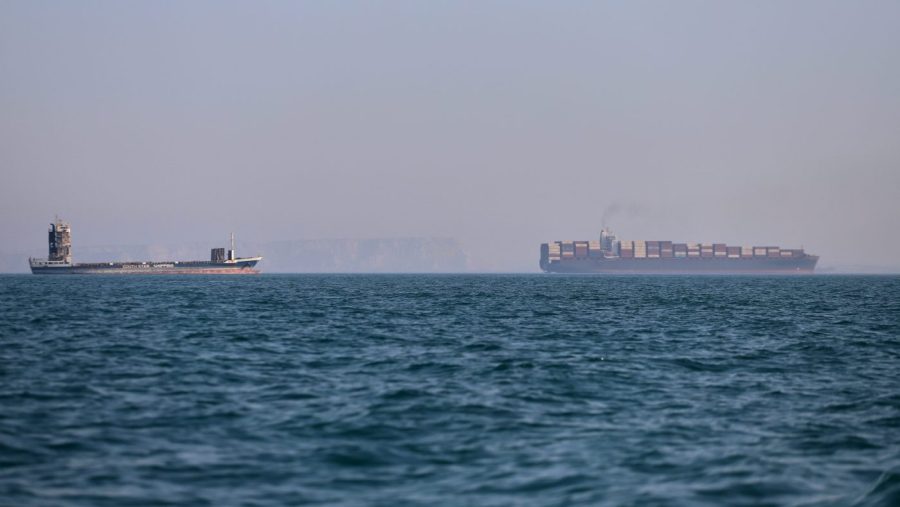
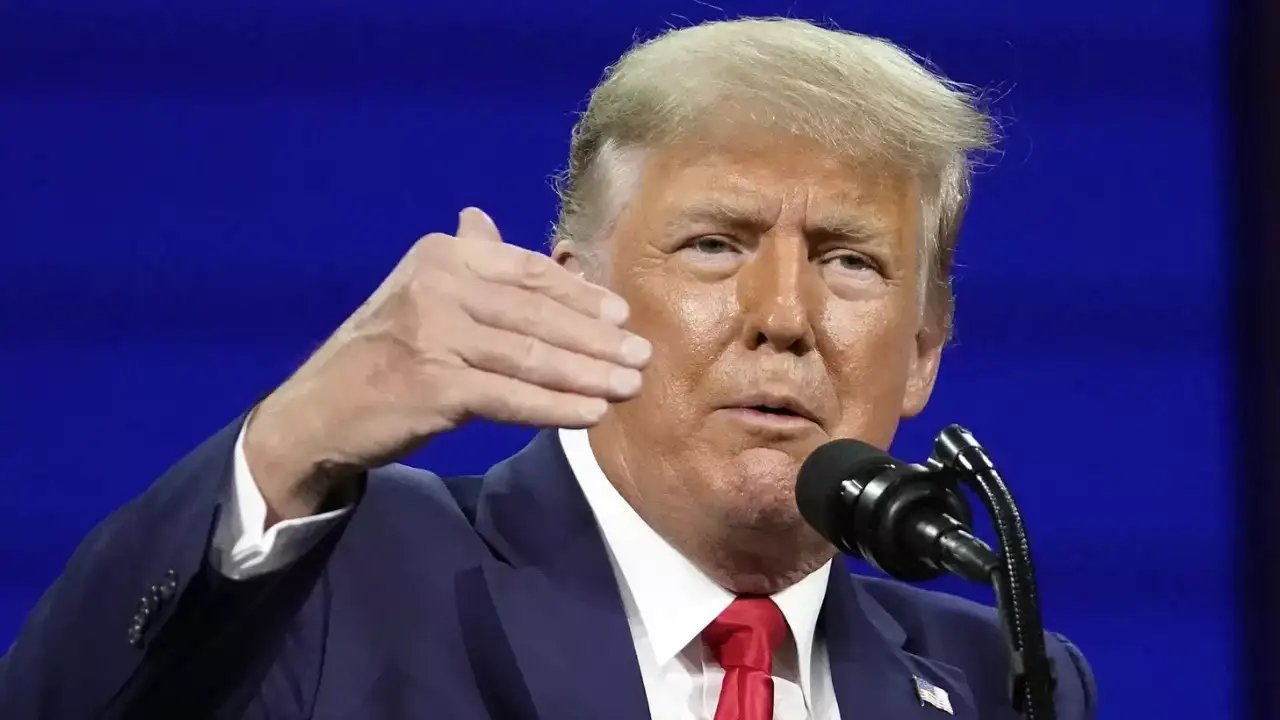
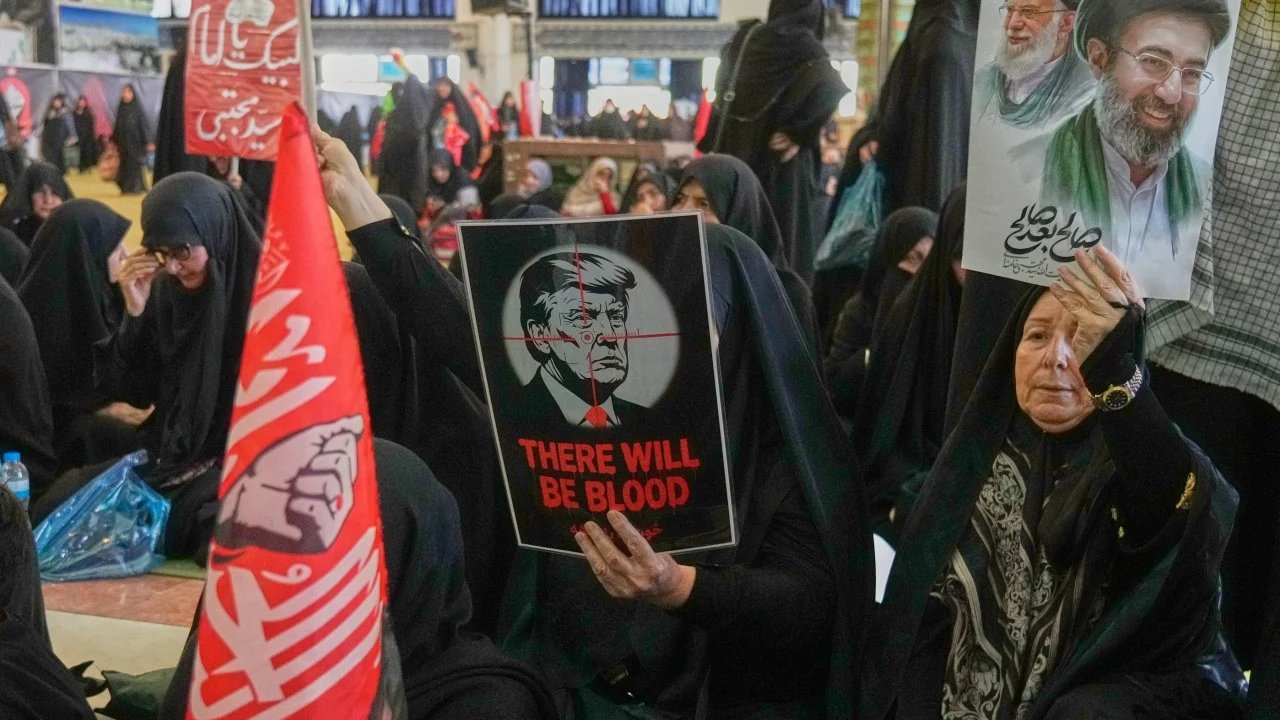
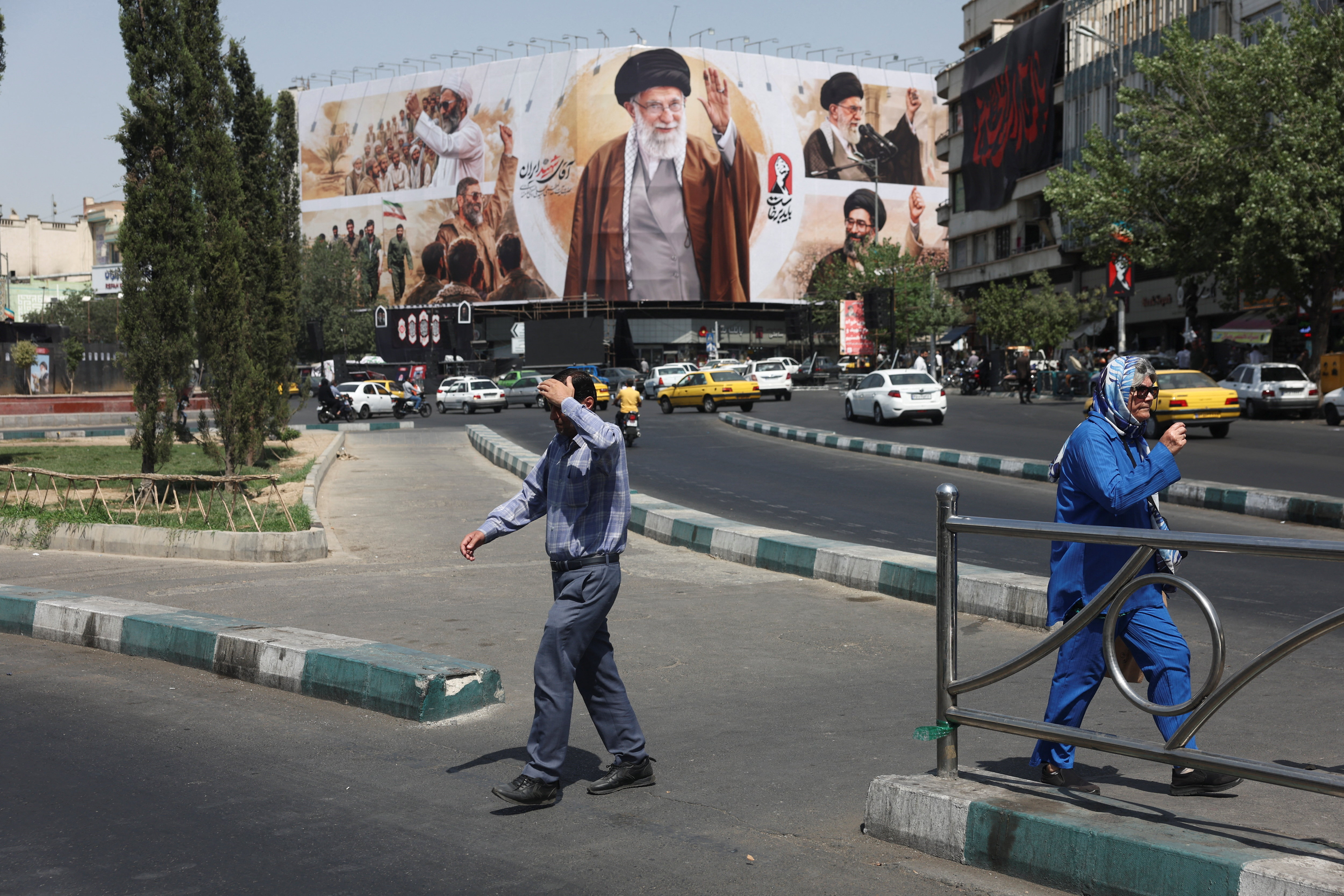
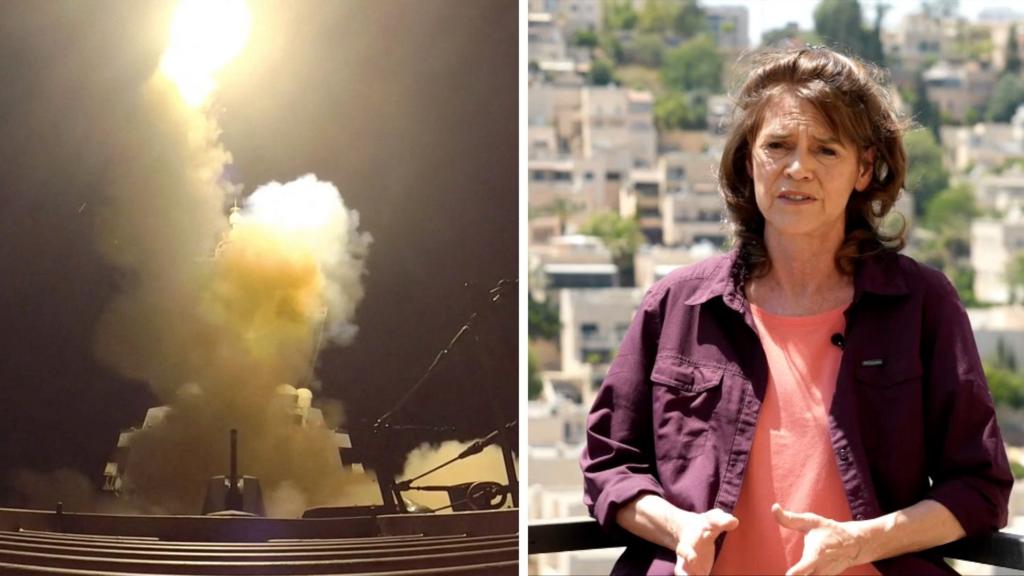
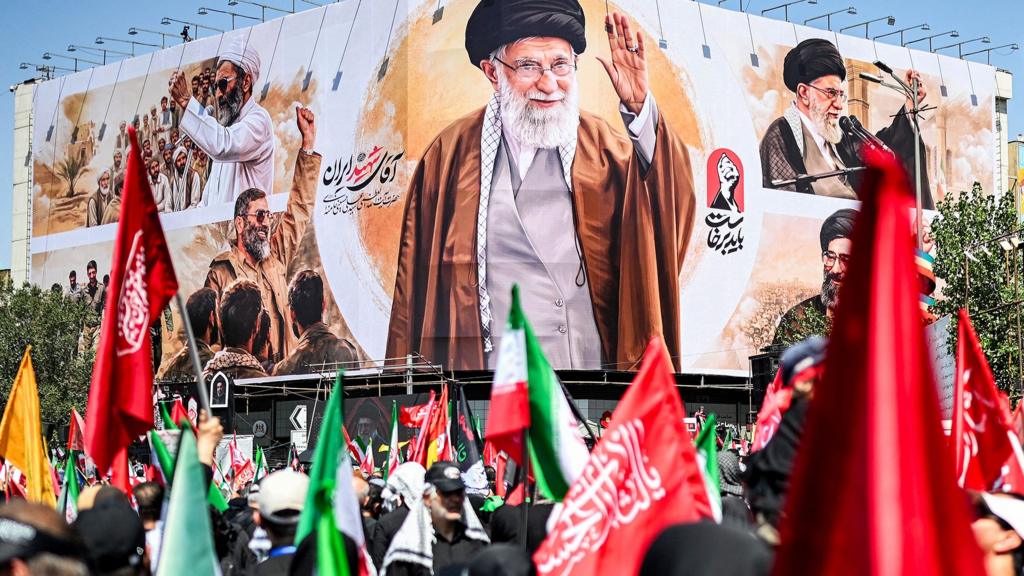
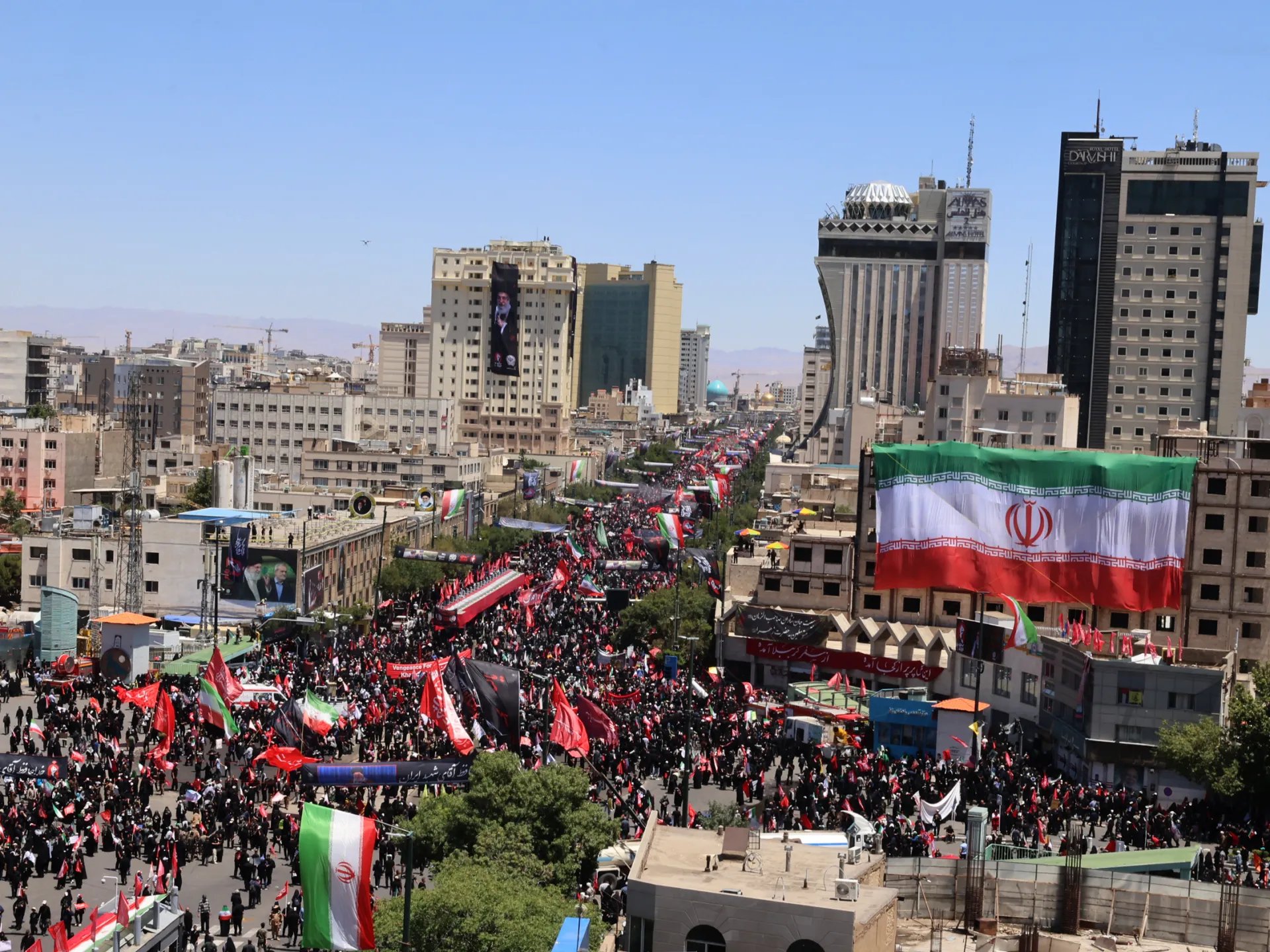
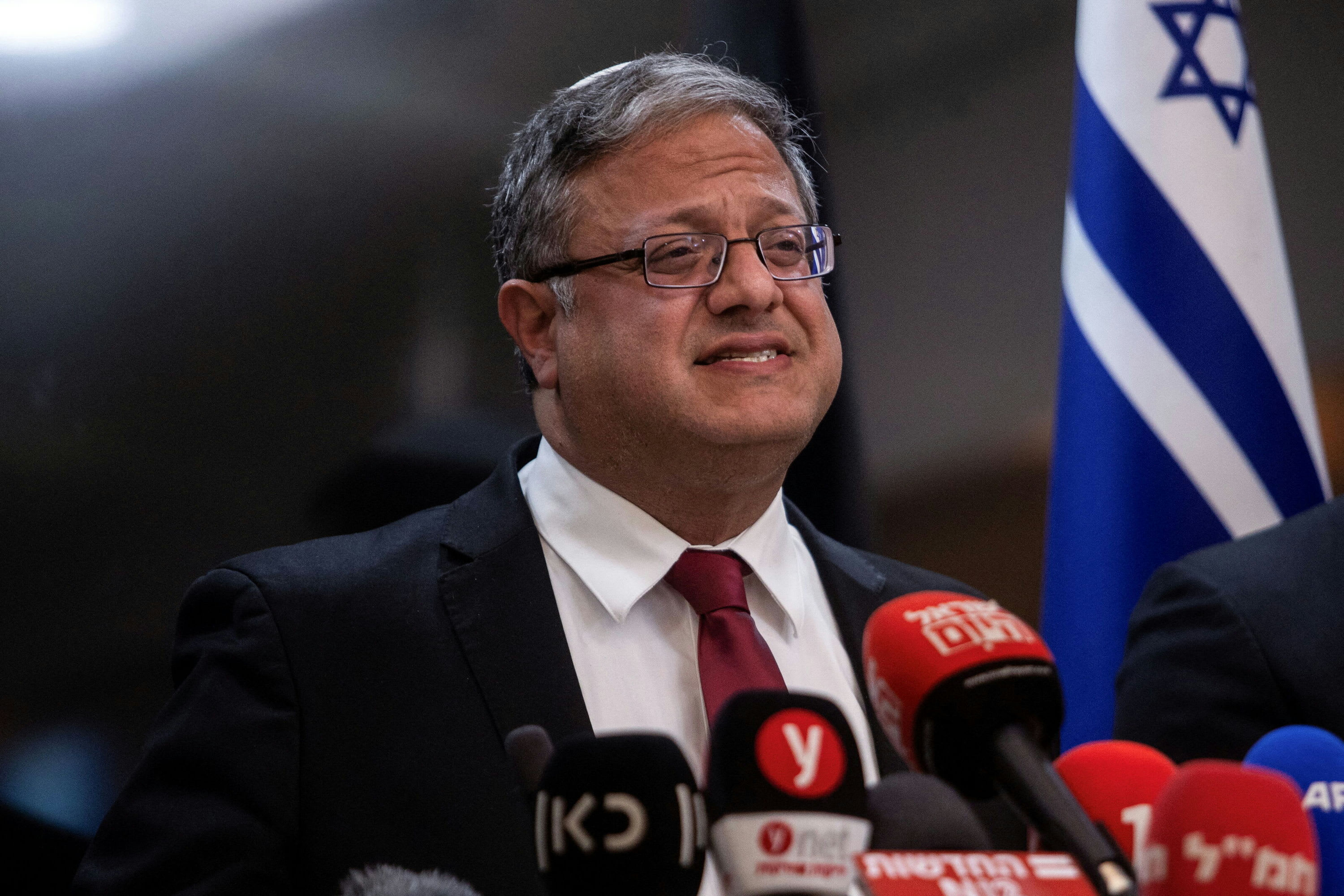
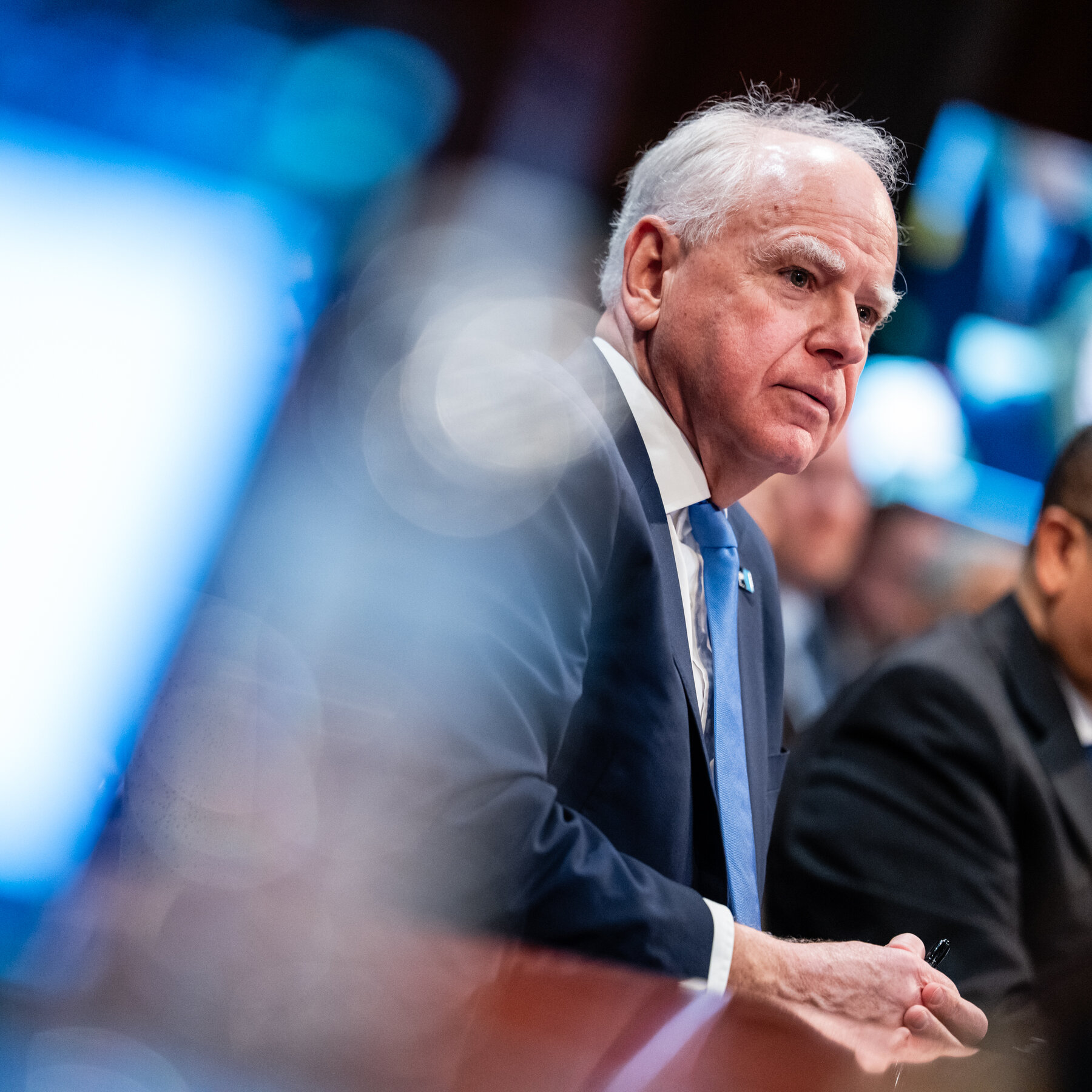
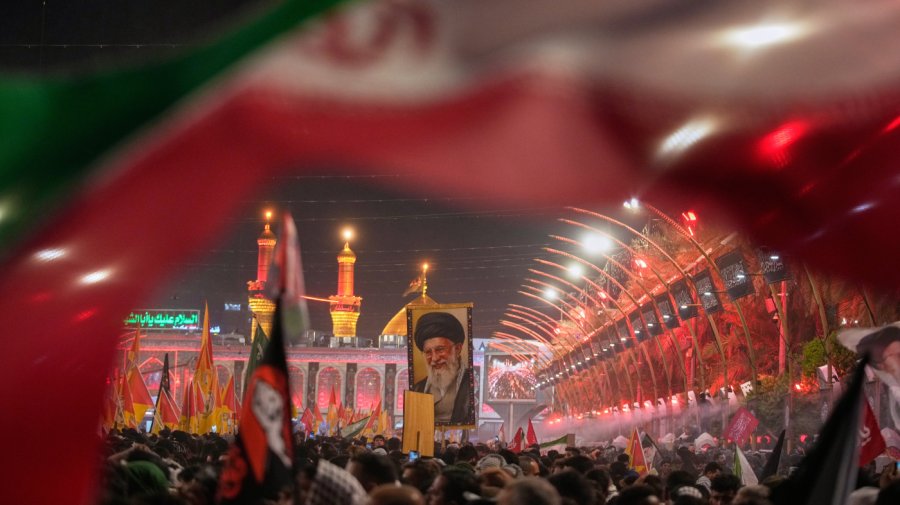
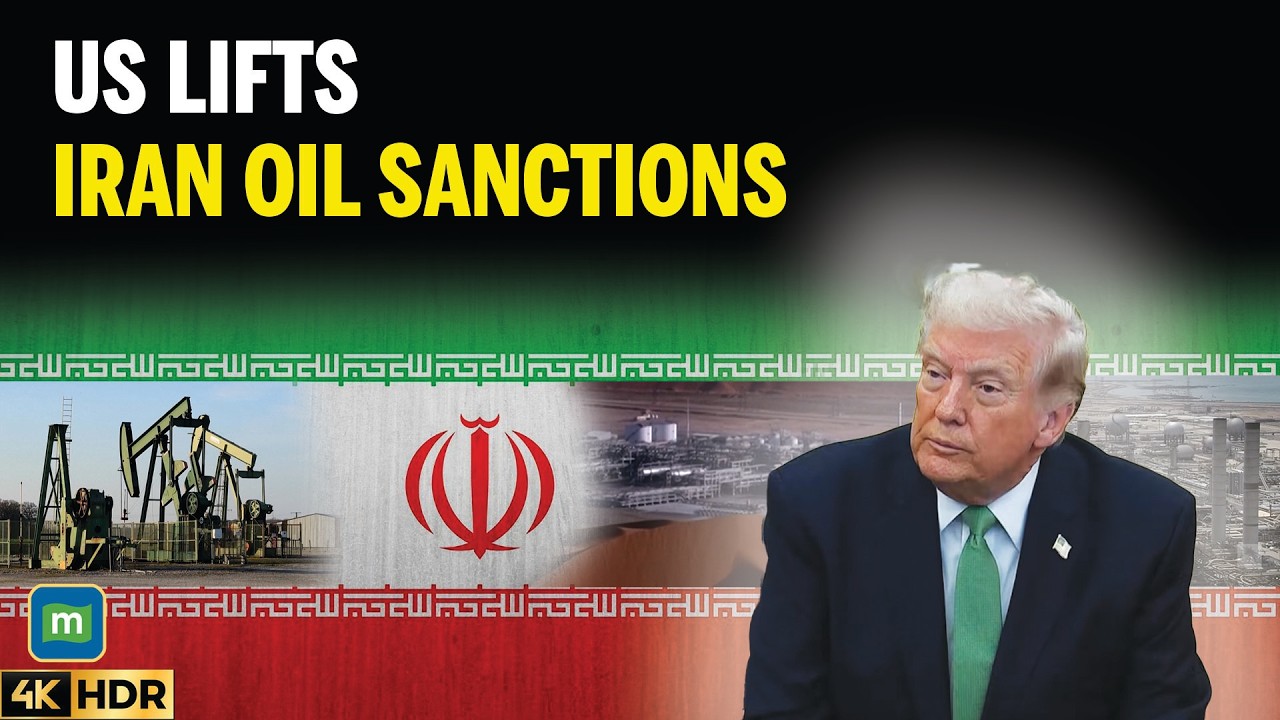
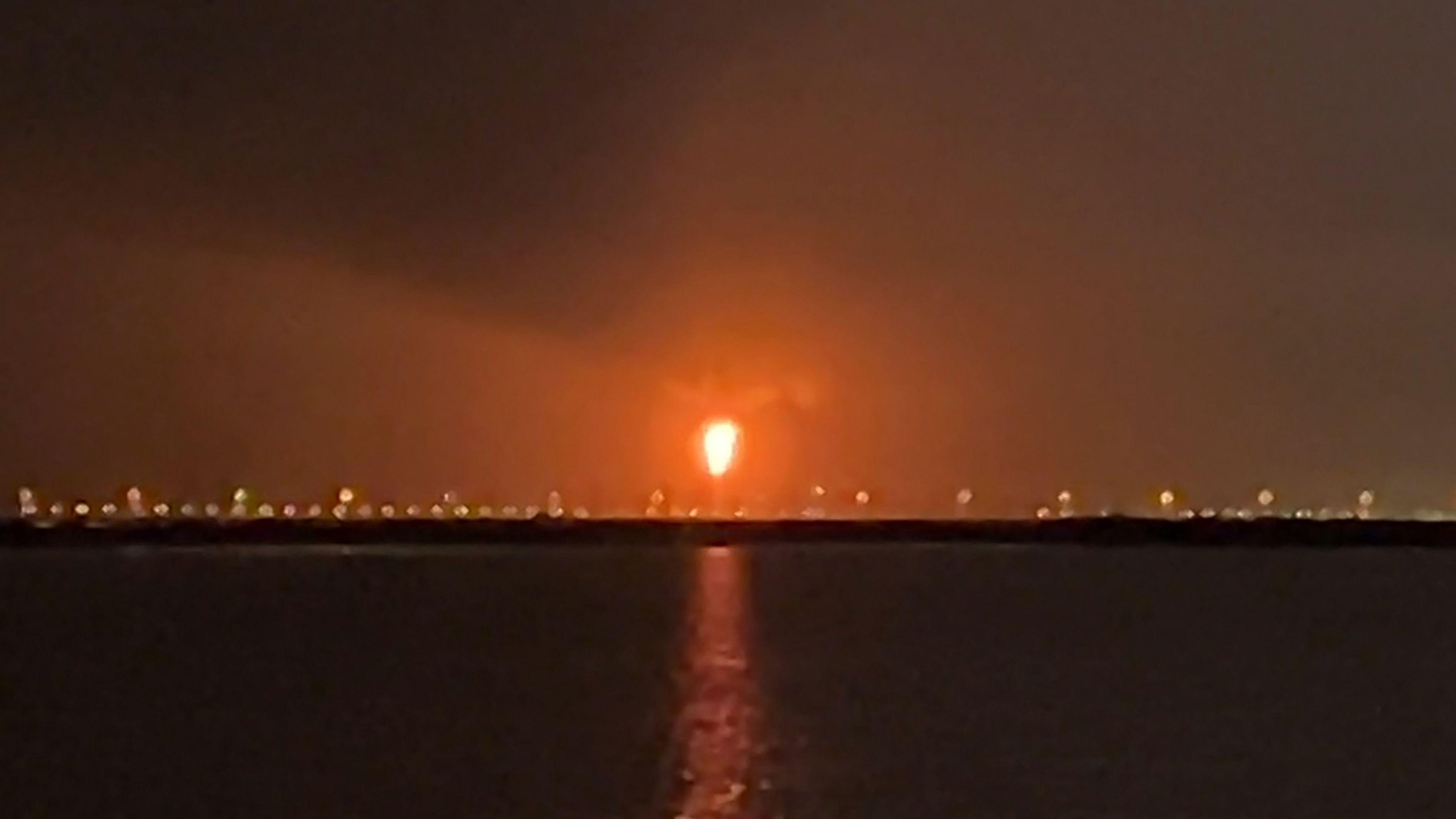
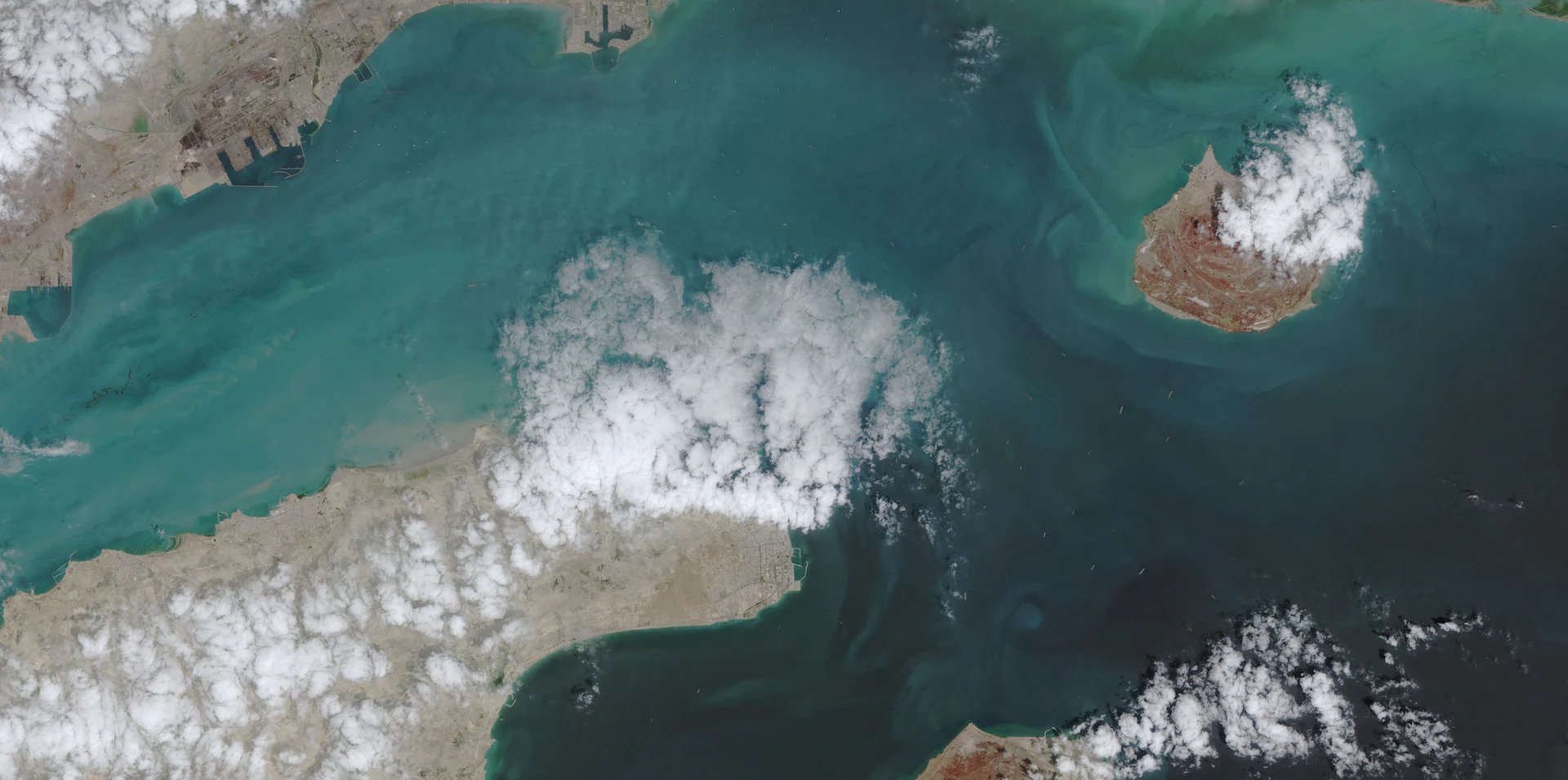
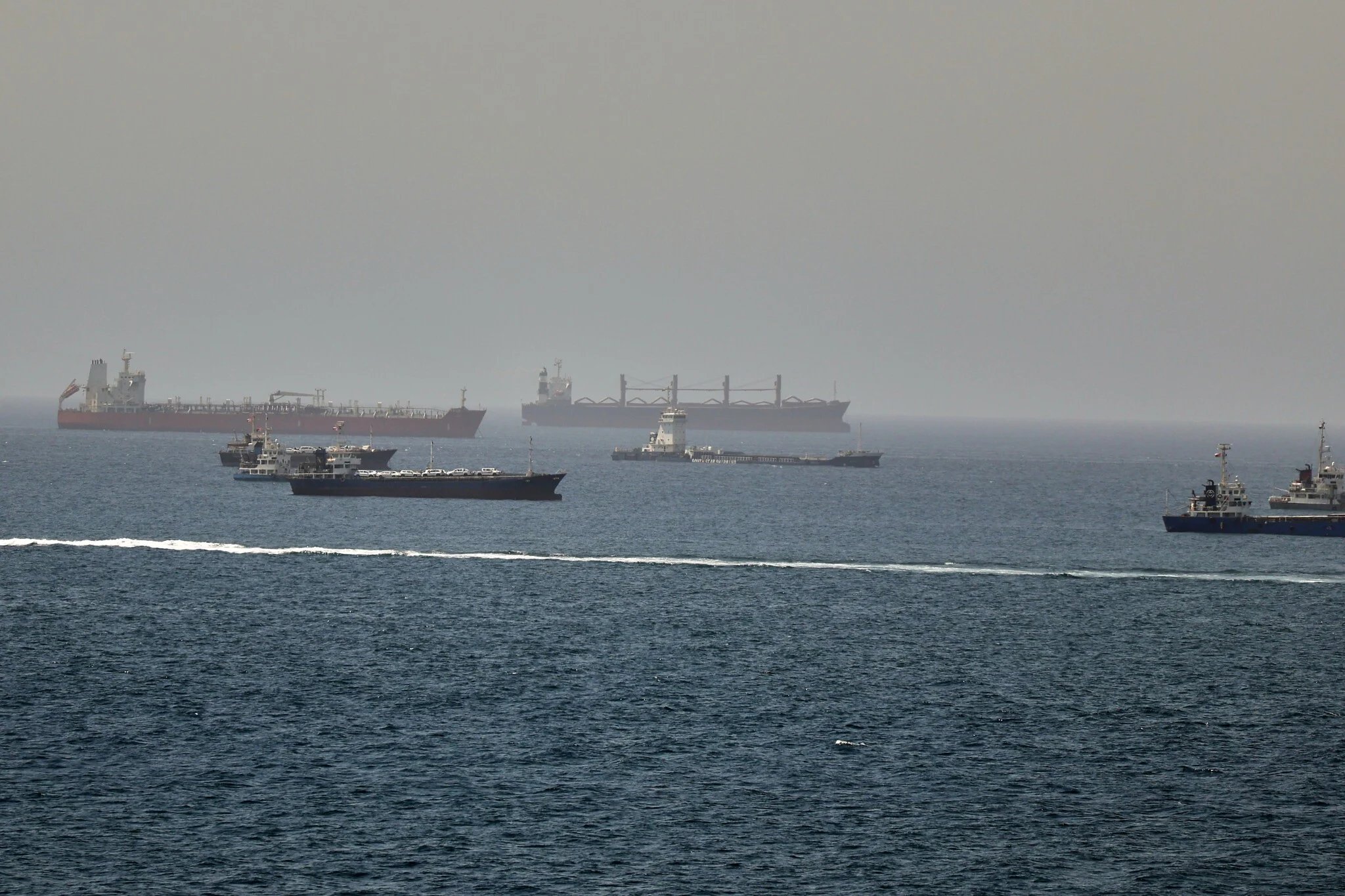
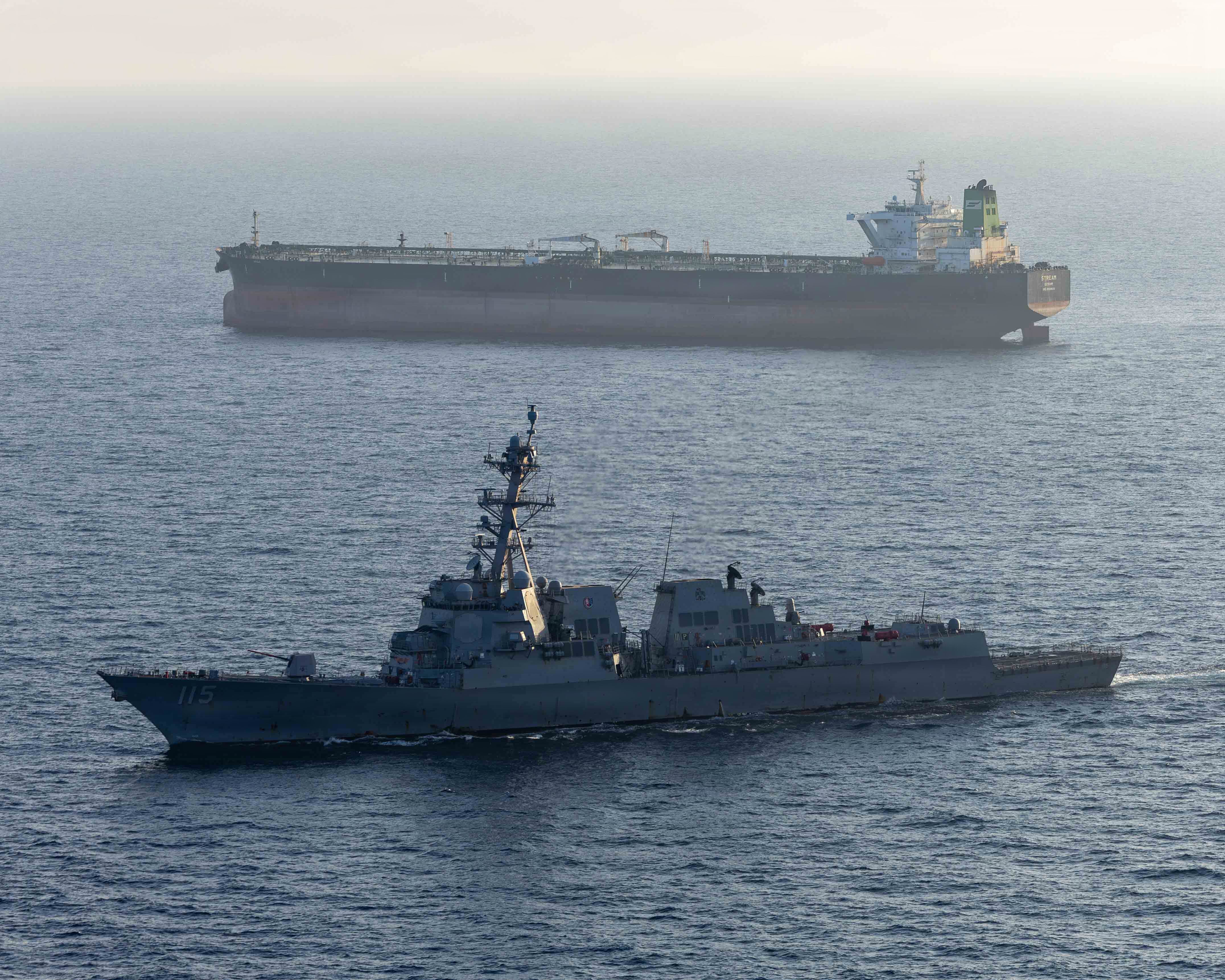
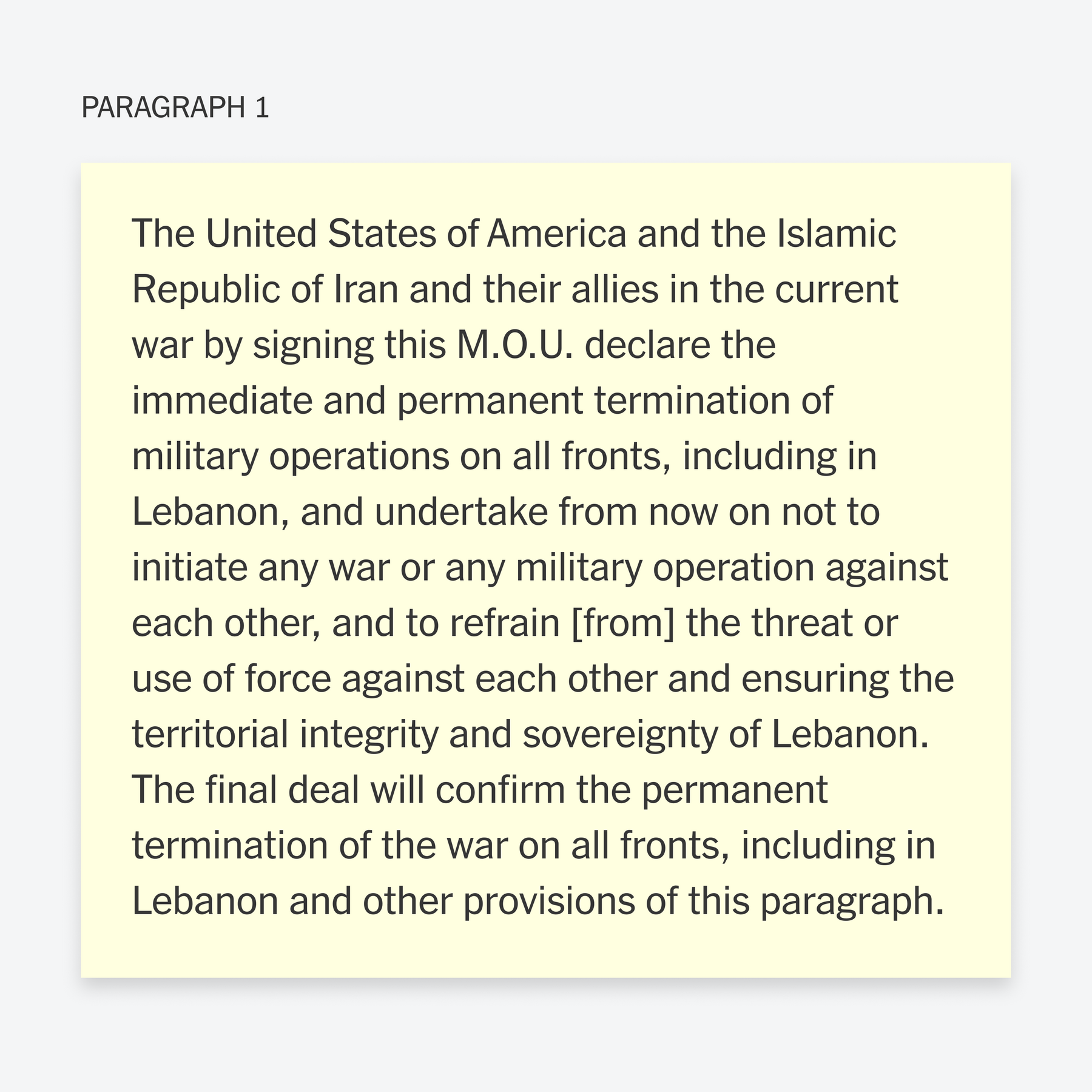
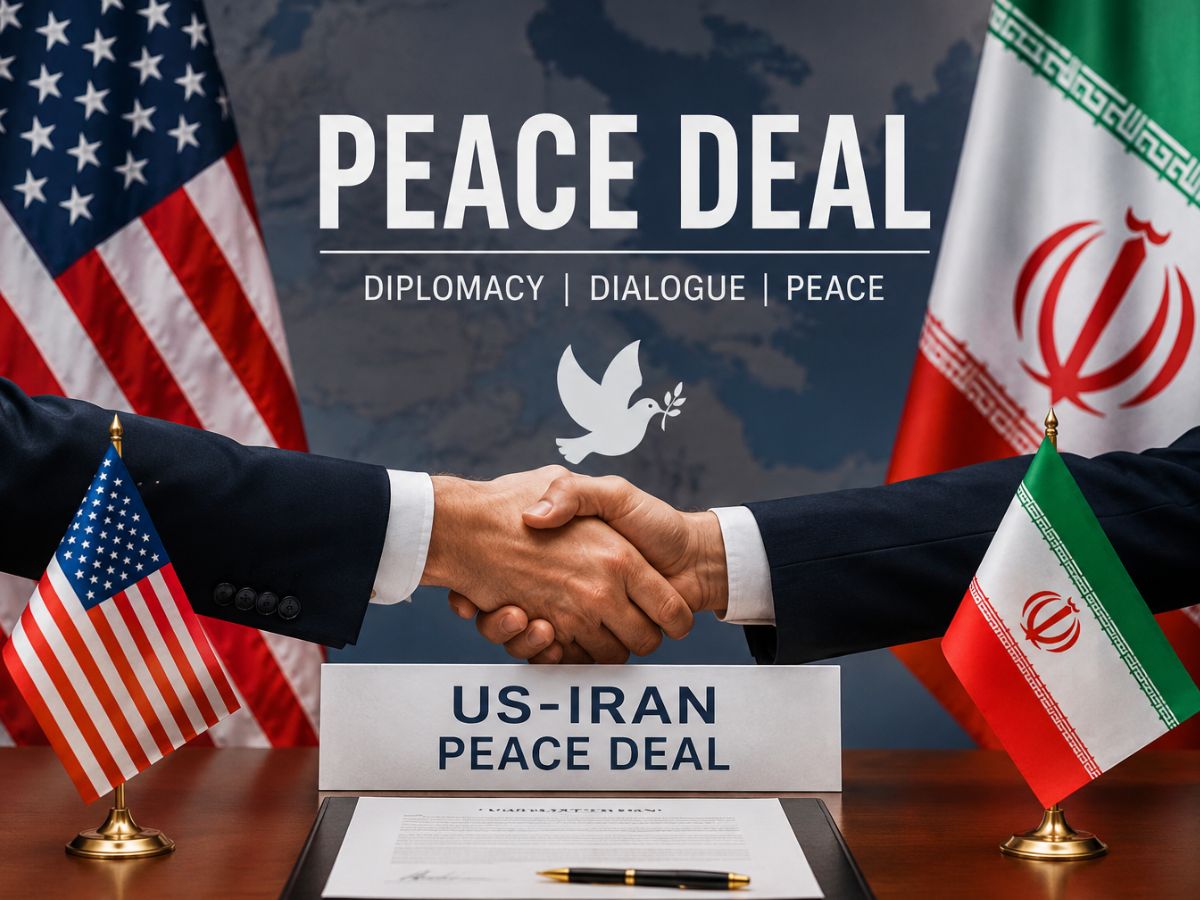
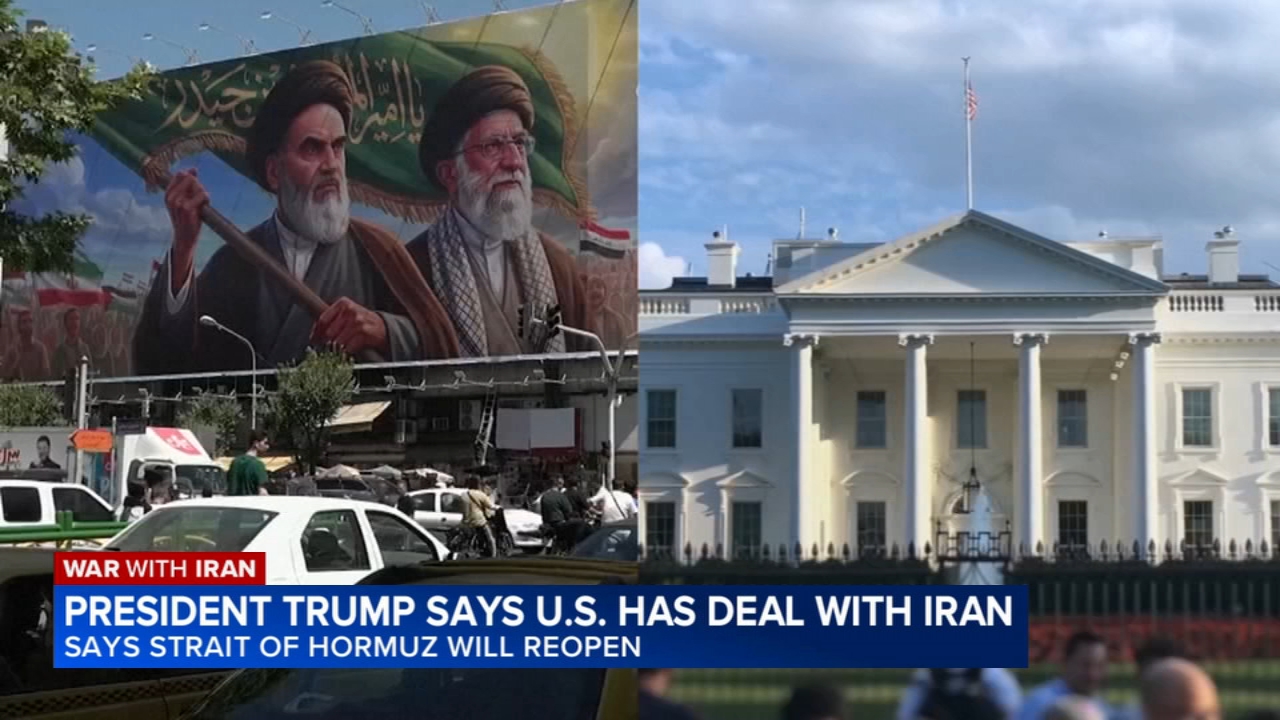
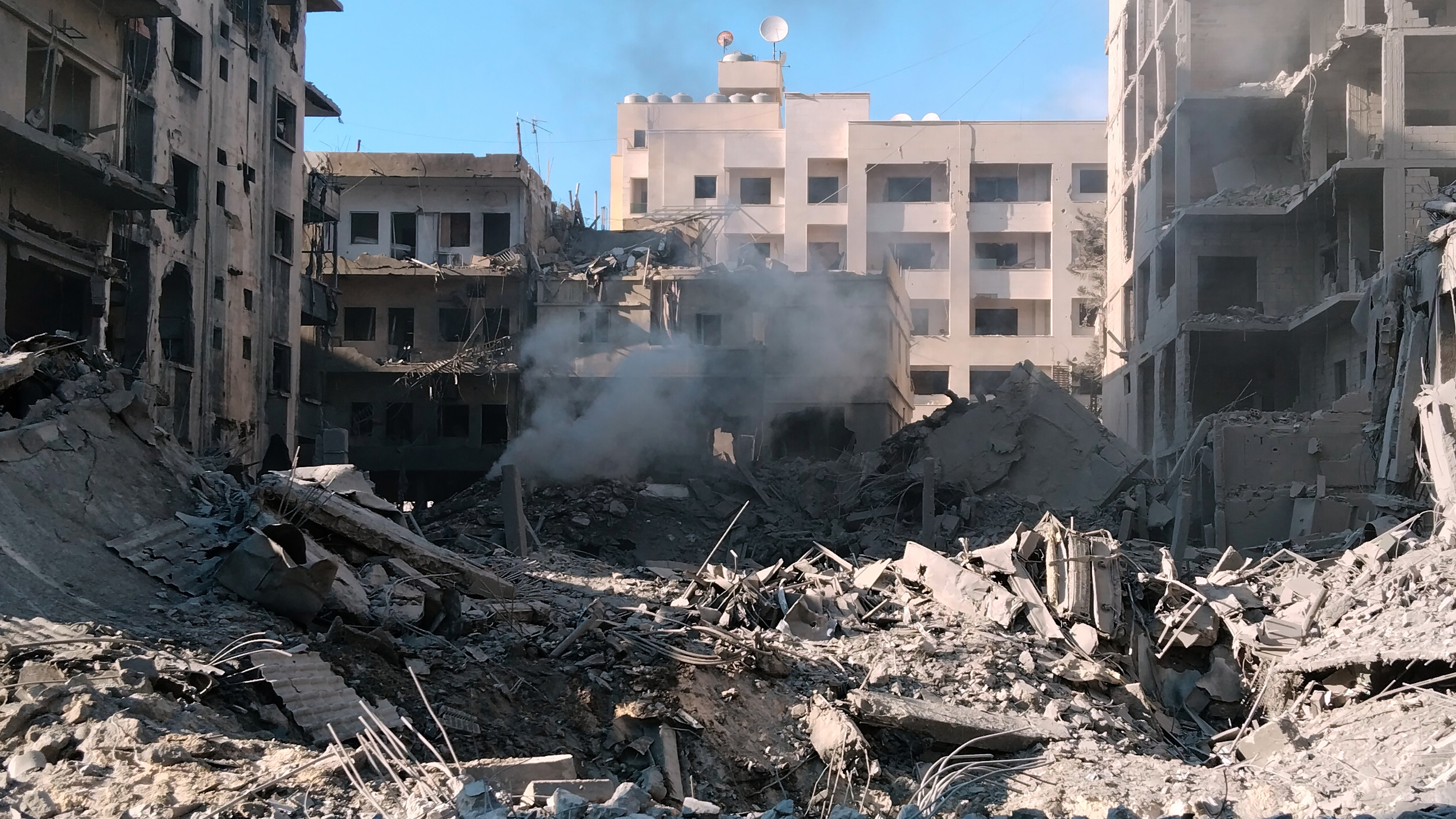
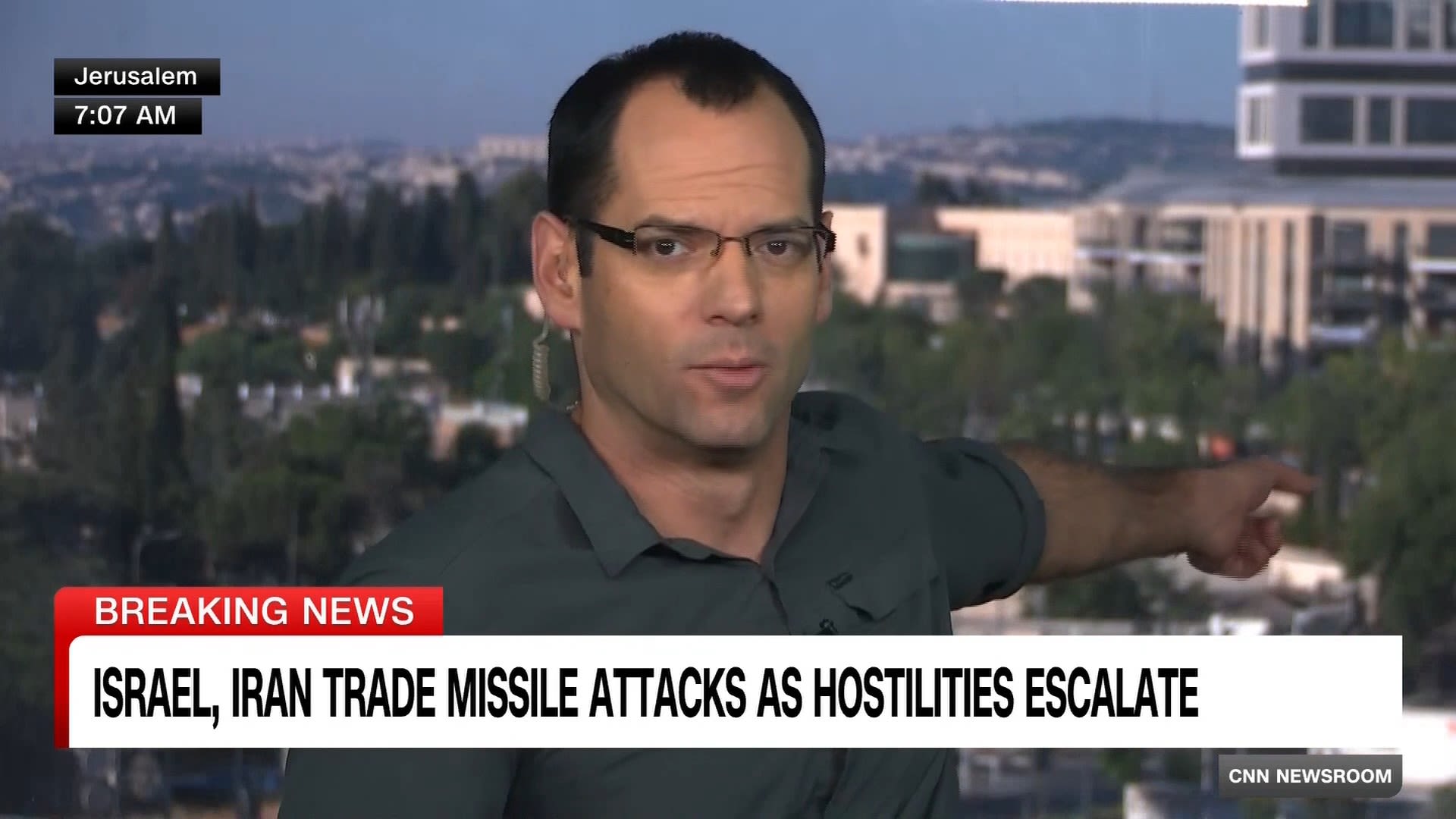
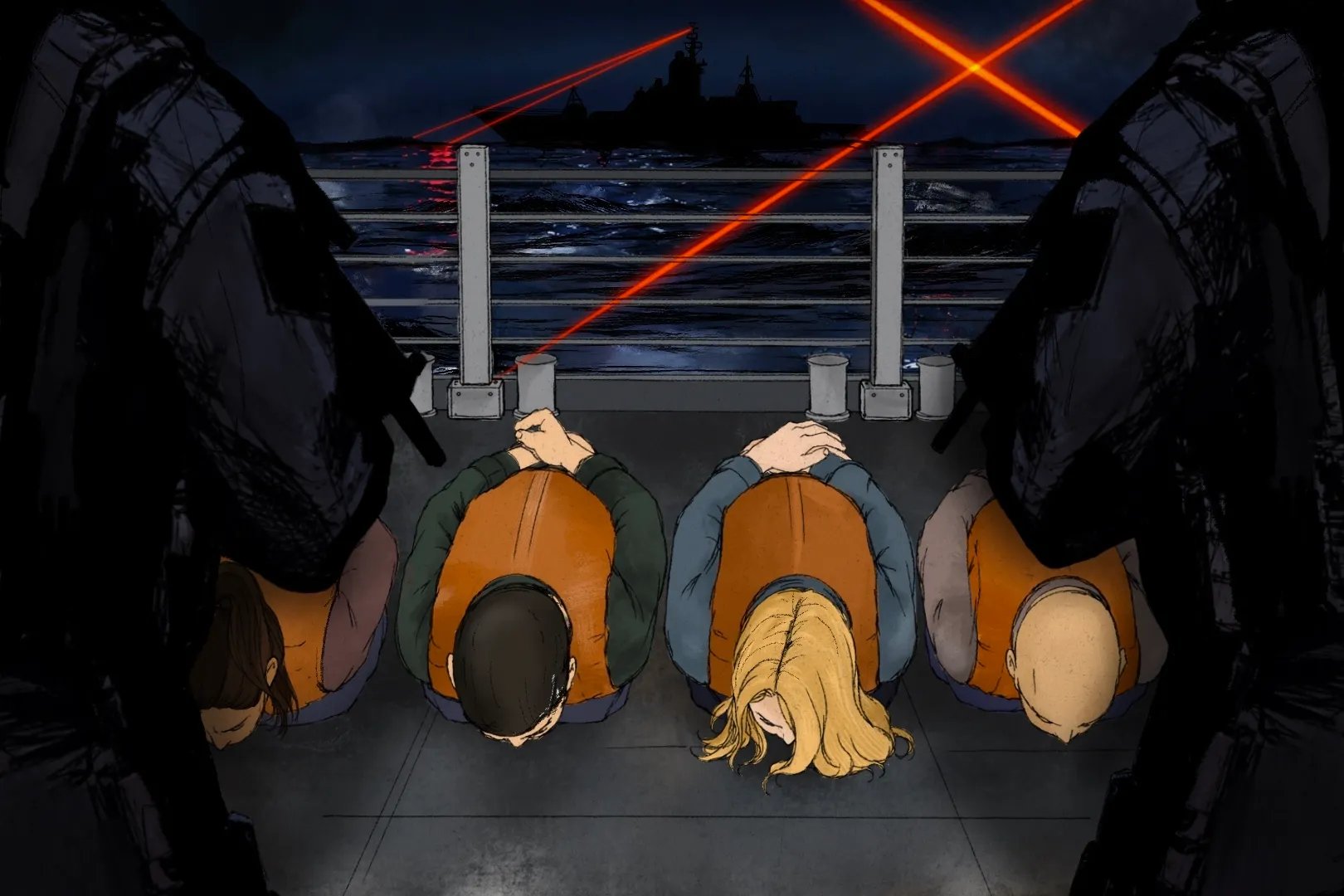
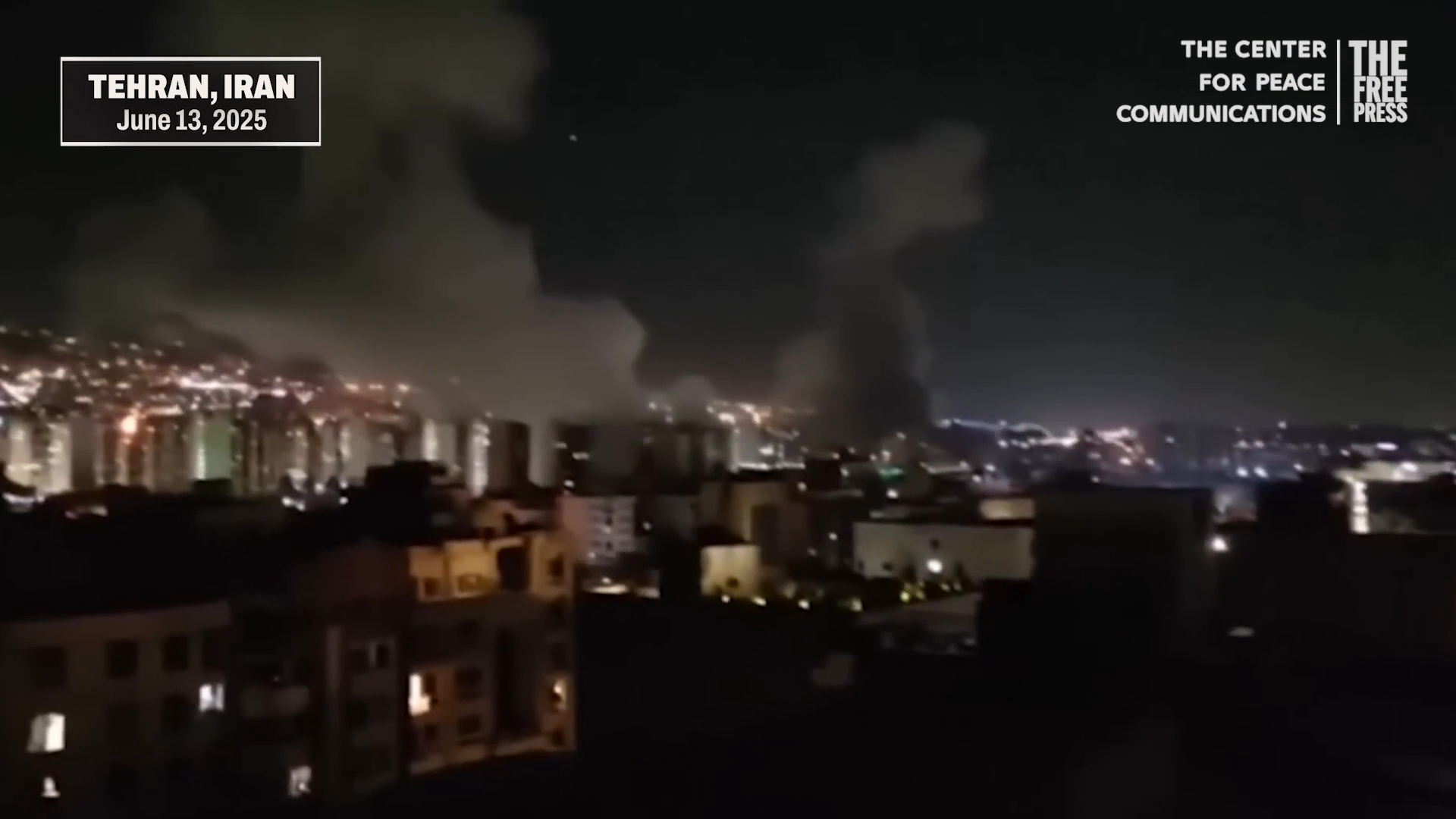
The United States and Iran have agreed to "stand down for now" following renewed hostilities in the Strait of Hormuz, allowing for the passage of ships through this crucial waterway. A U.S. official confirmed this development, indicating that both nations will engage in technical talks to discuss various aspects of a memorandum of understanding. This agreement marks a significant diplomatic shift, potentially impacting regional stability and U.S. foreign policy in the Middle East.
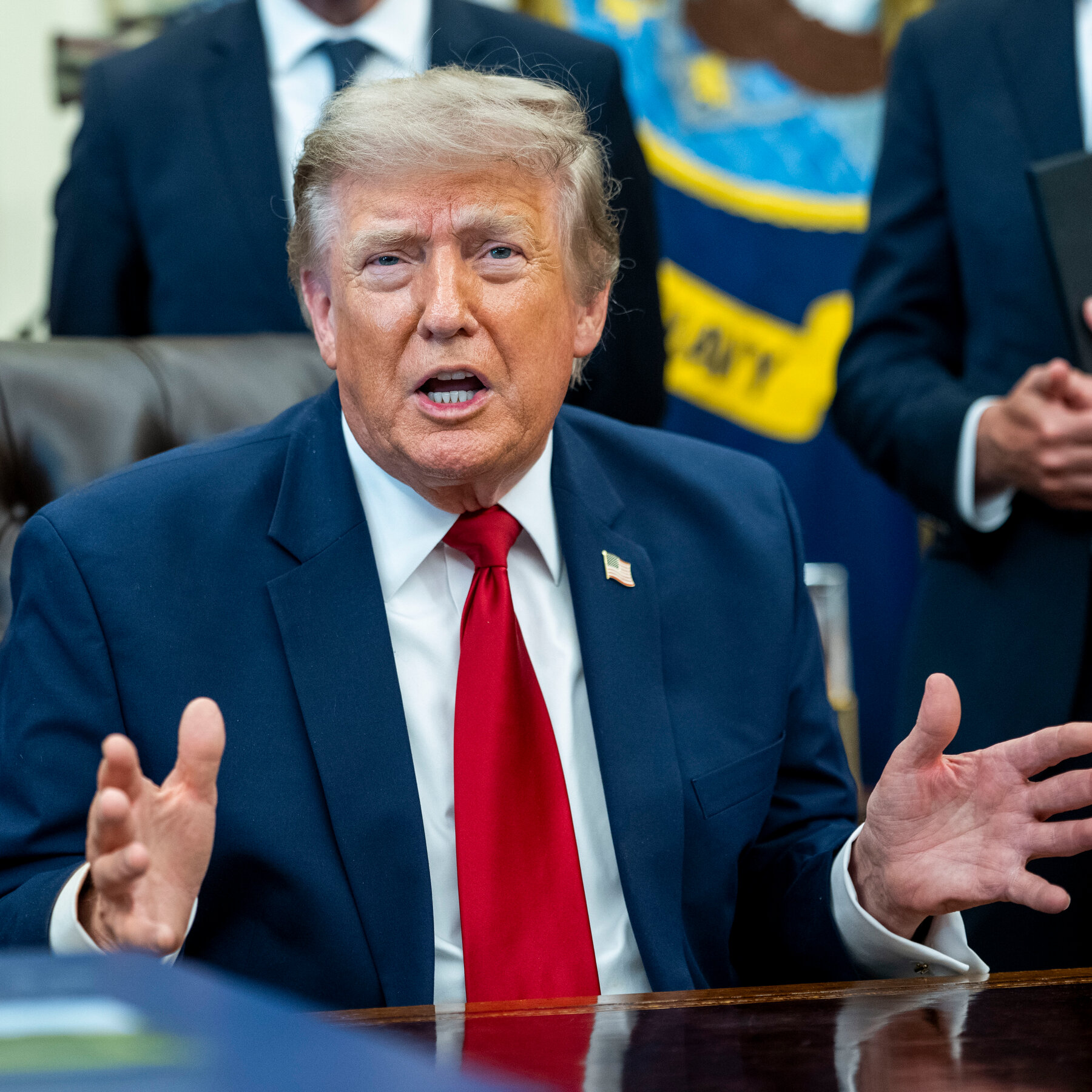
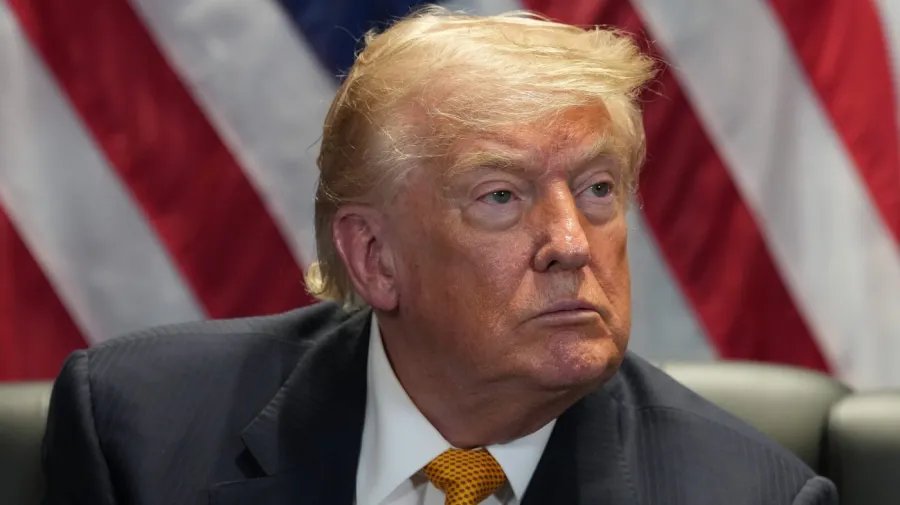
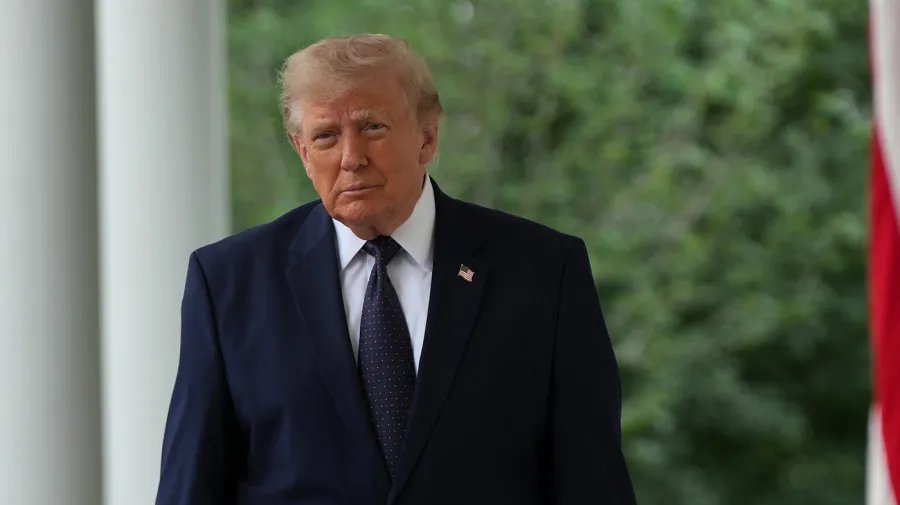
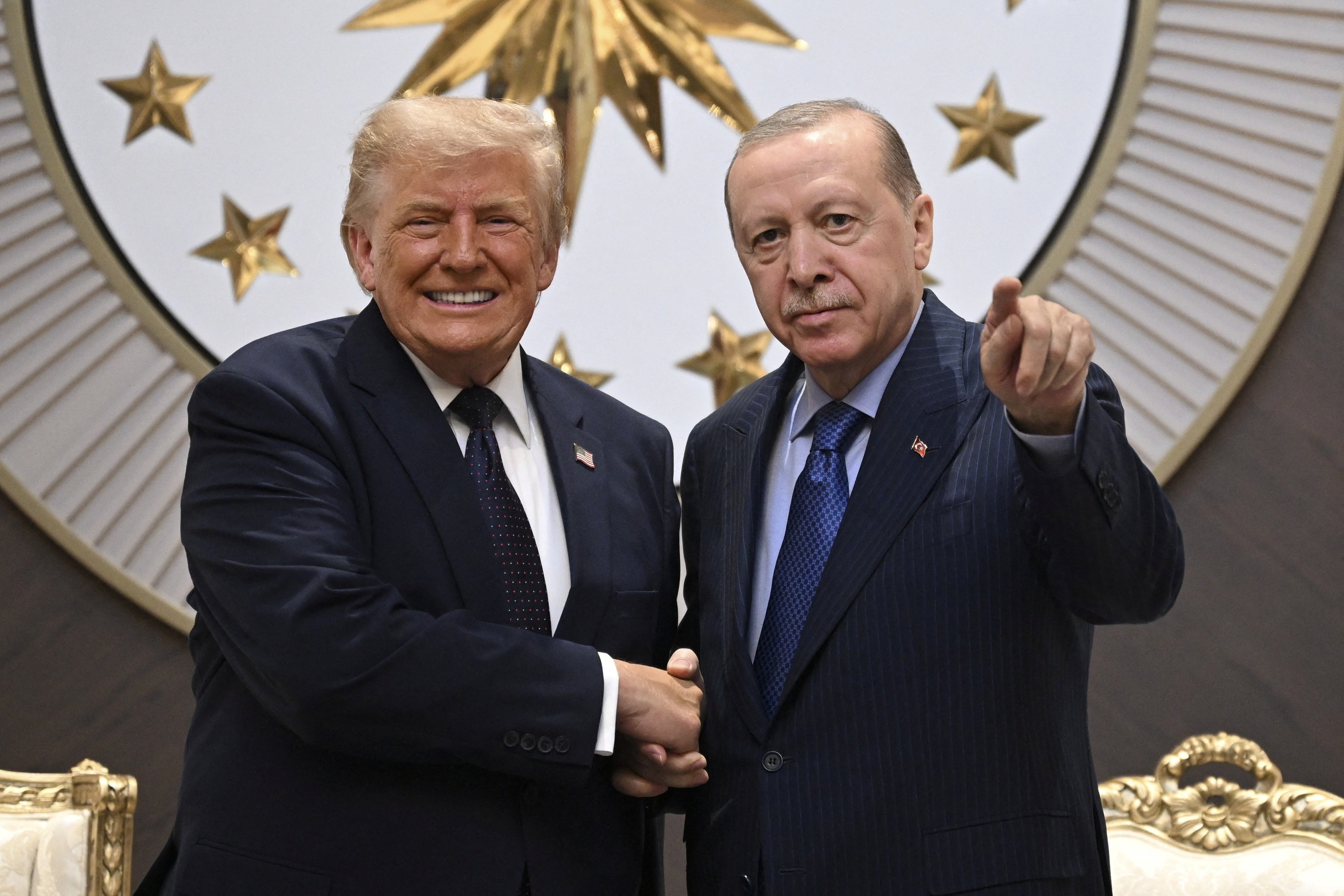
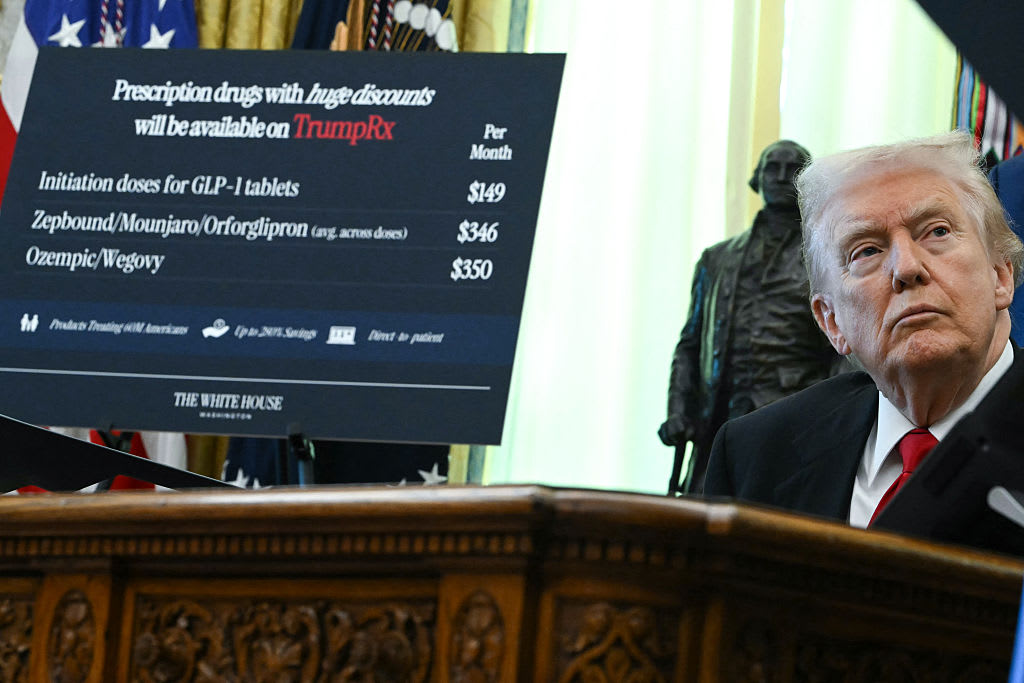
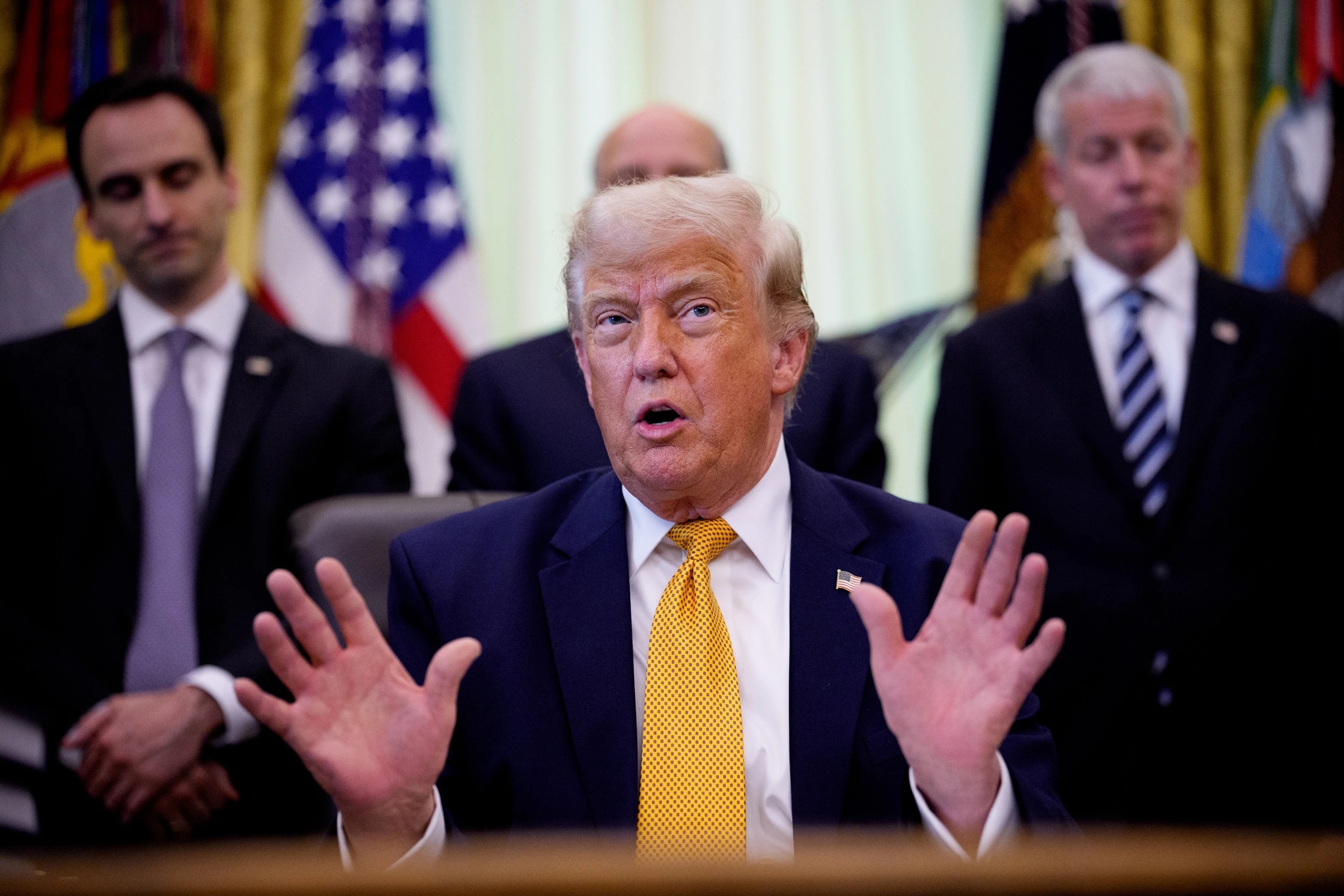
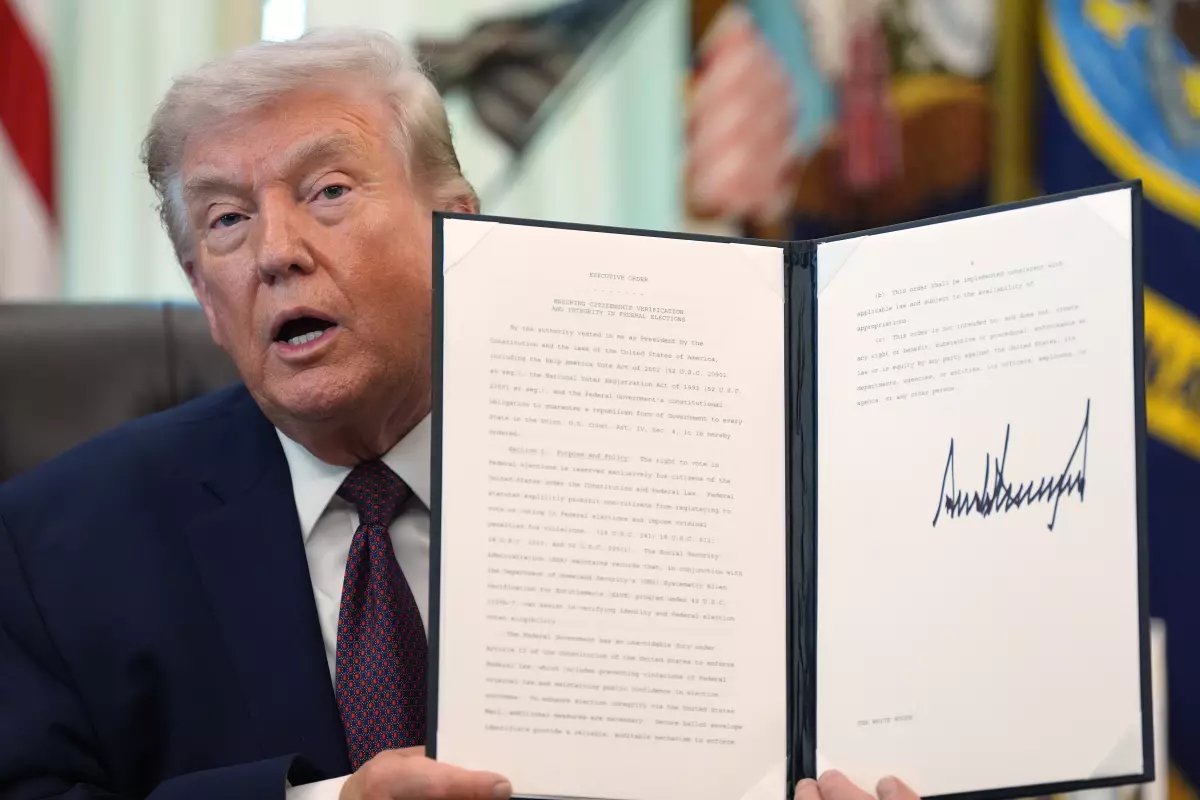
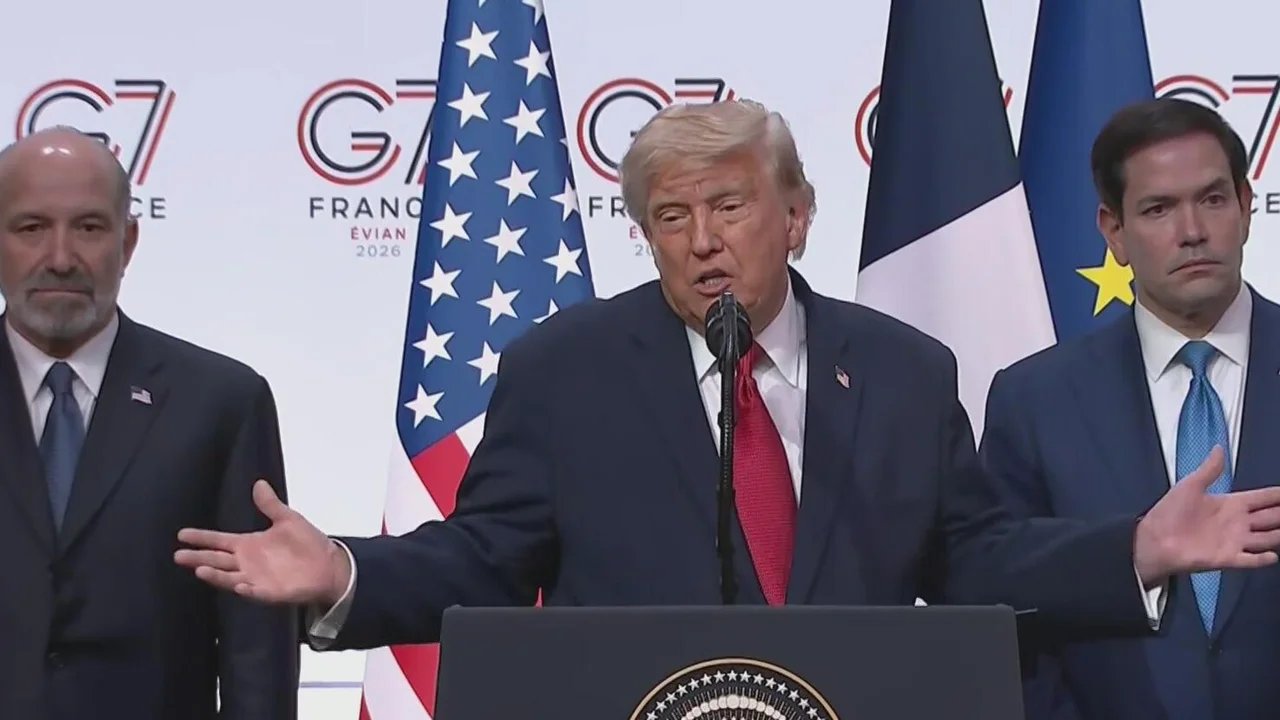
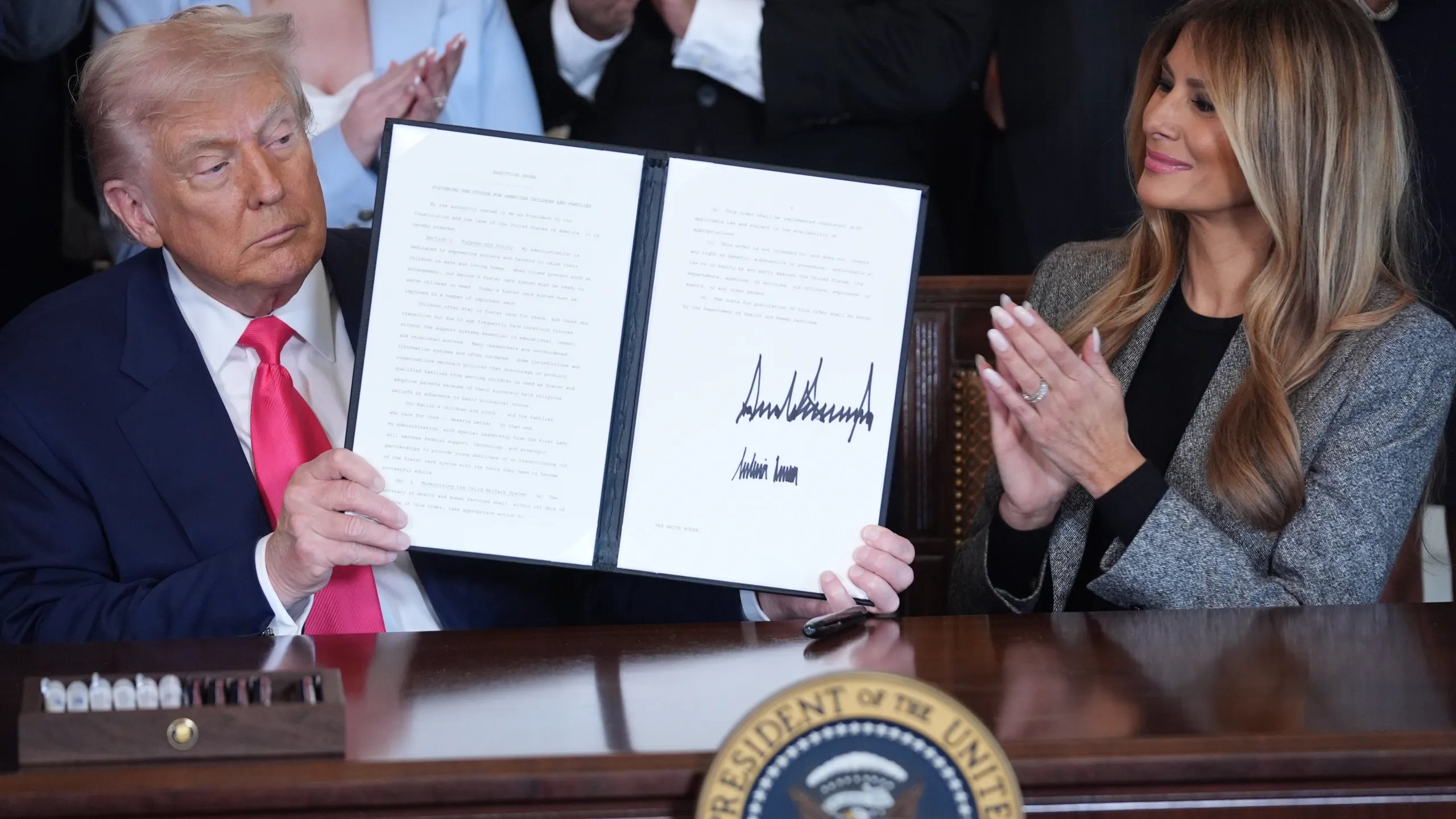
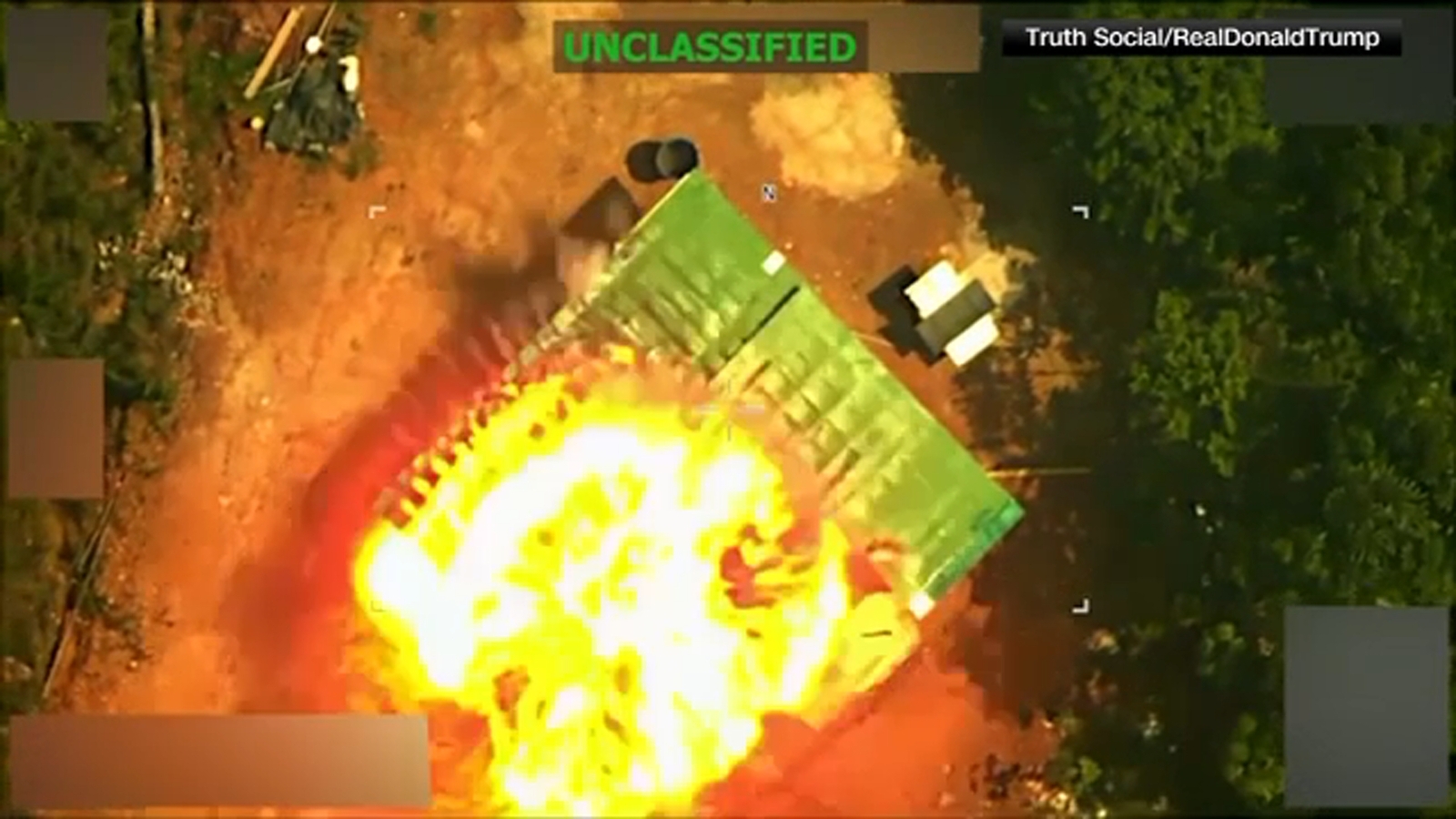
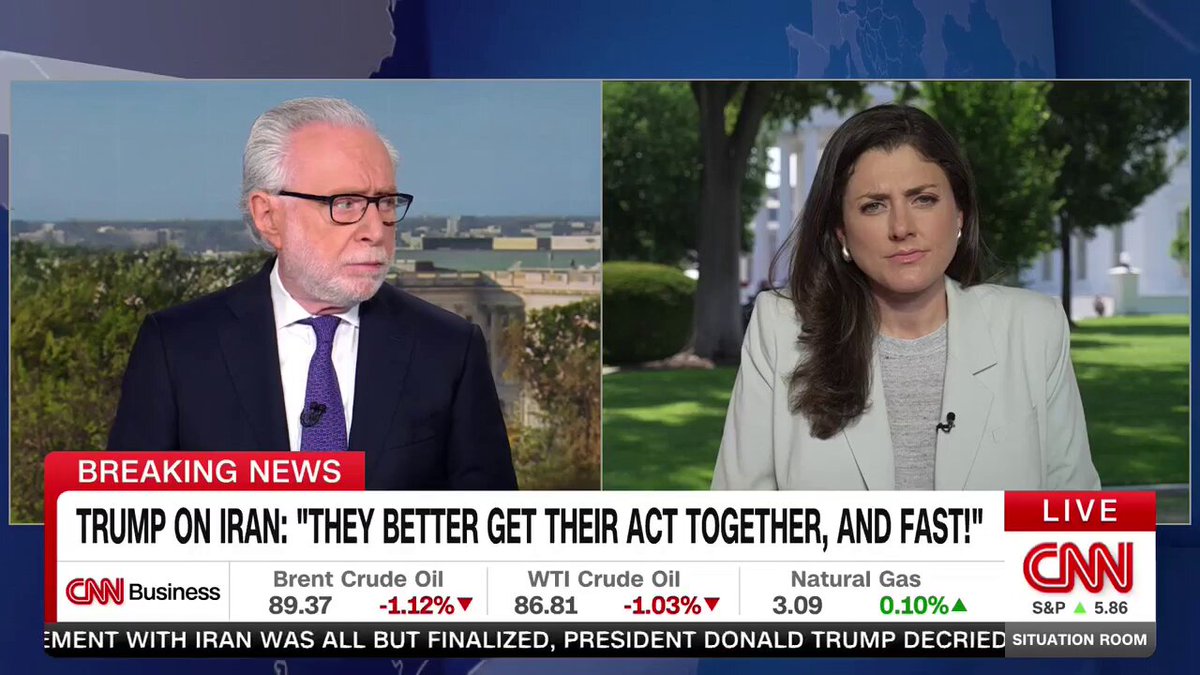
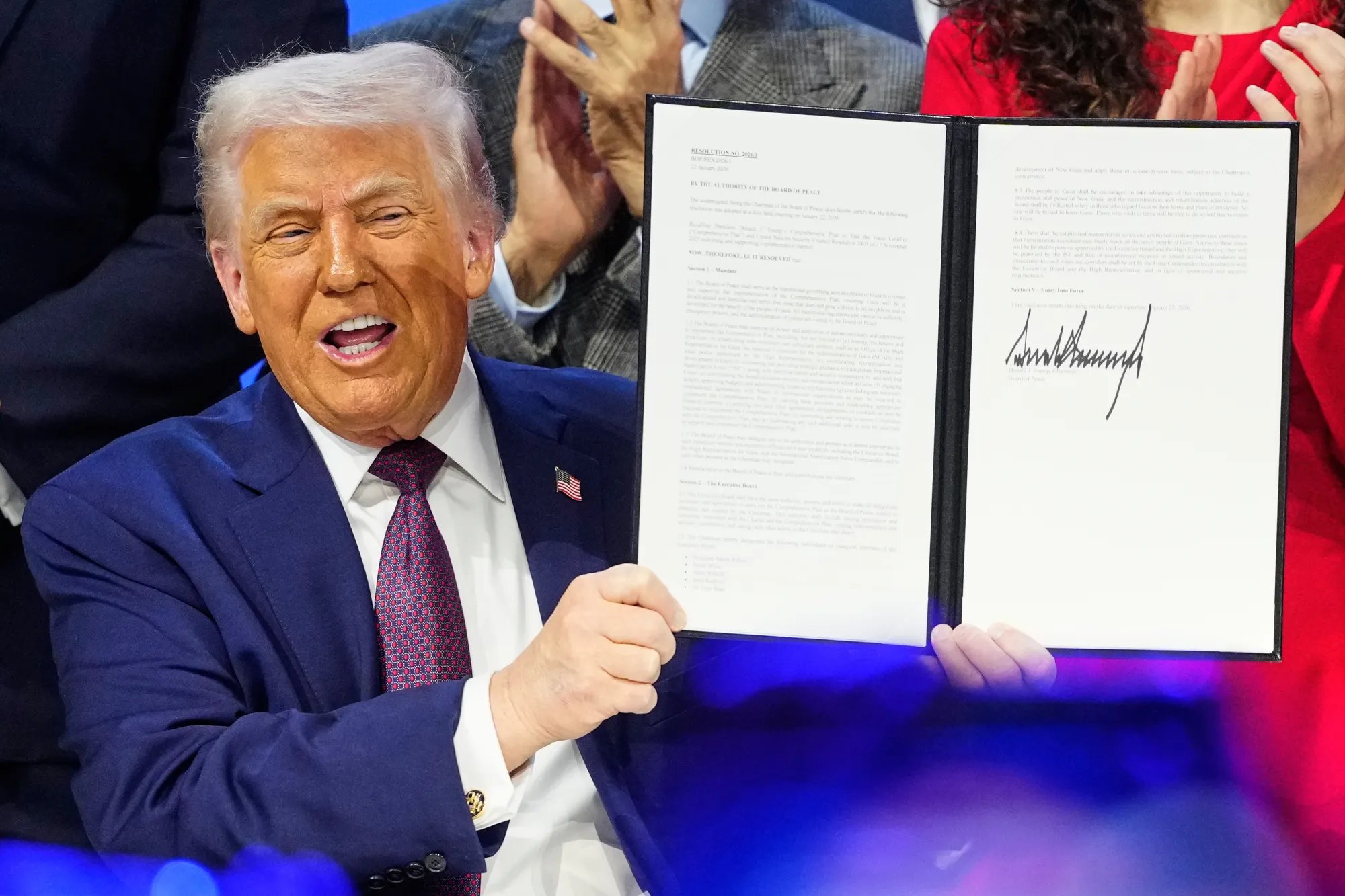
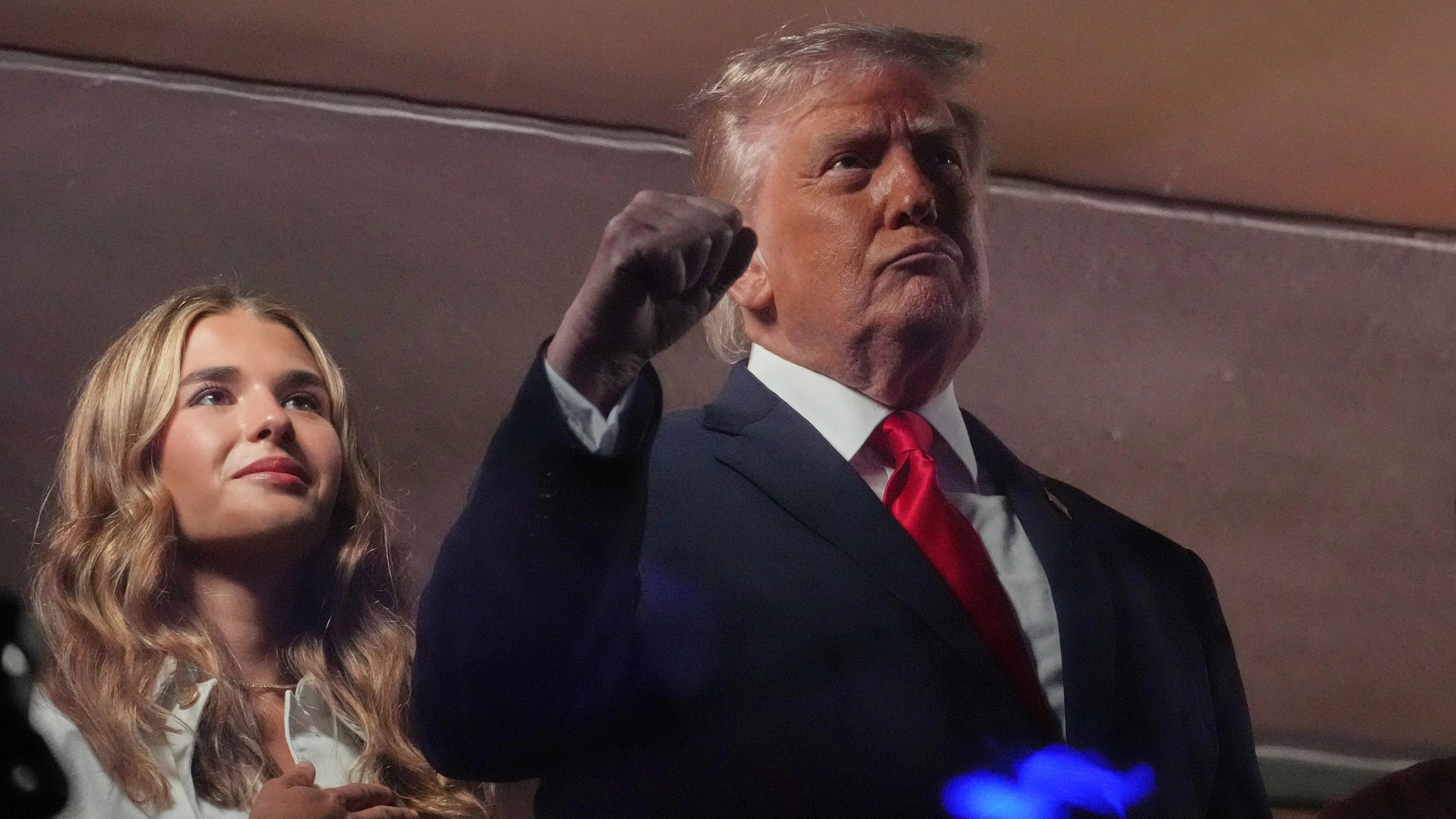
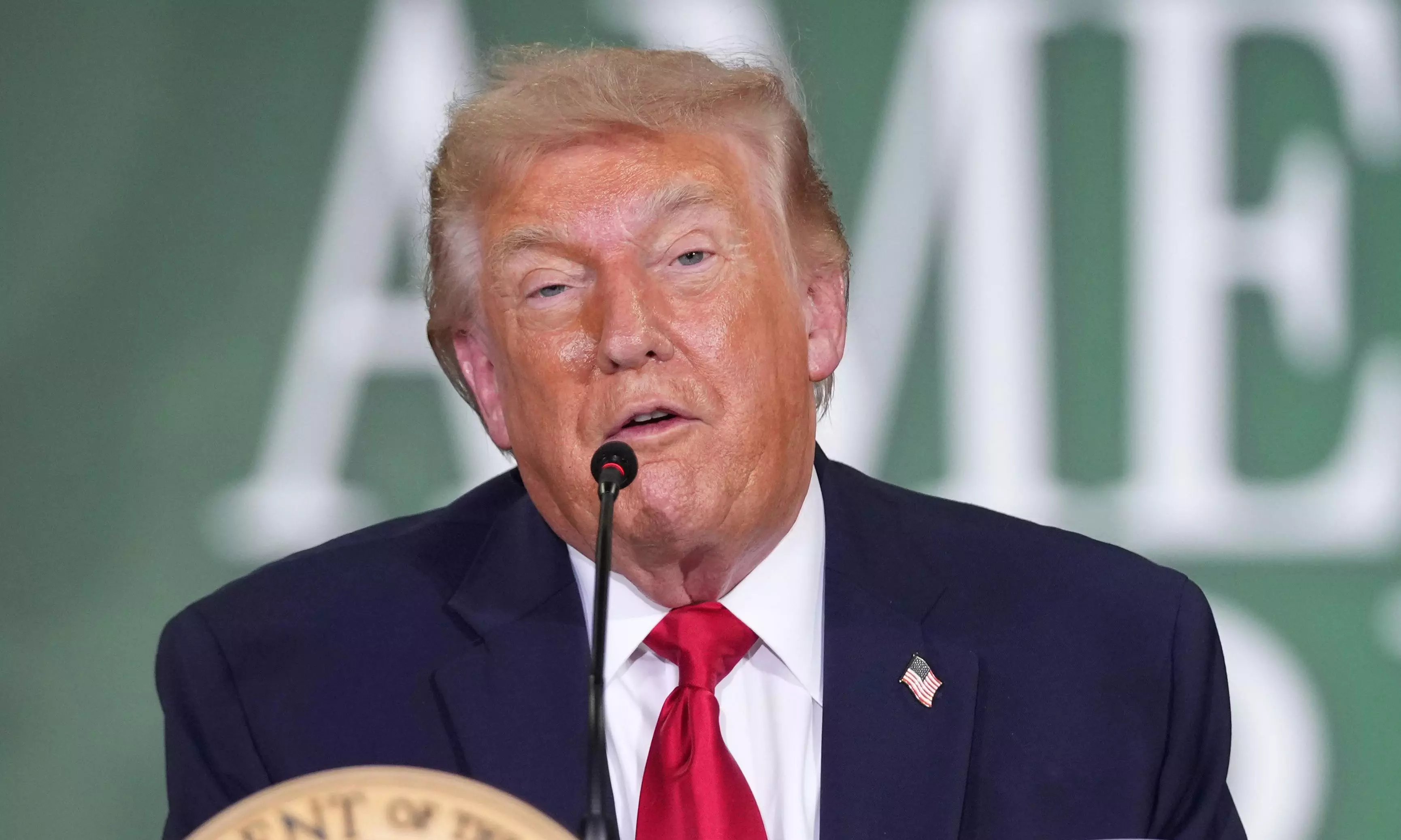
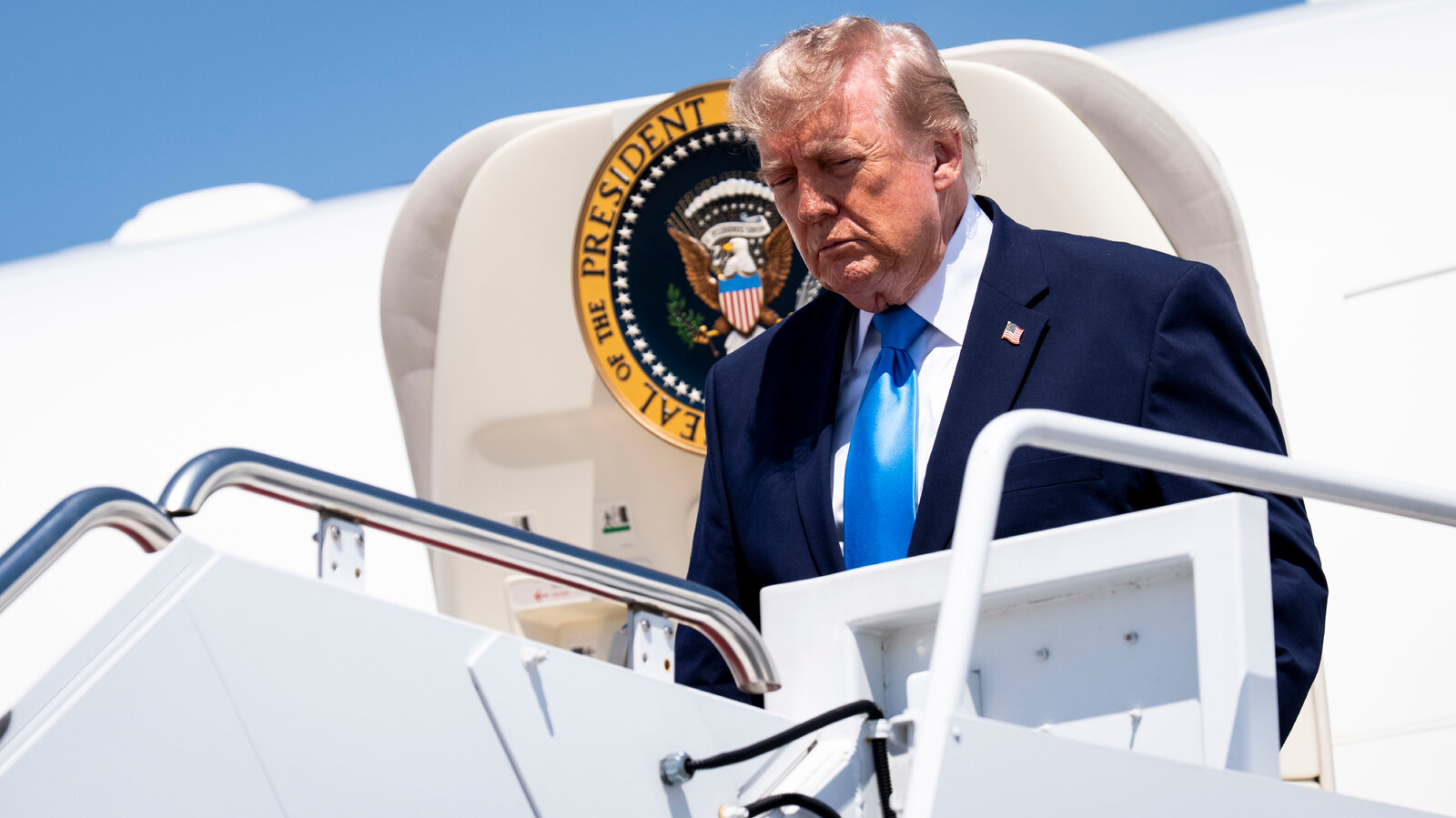
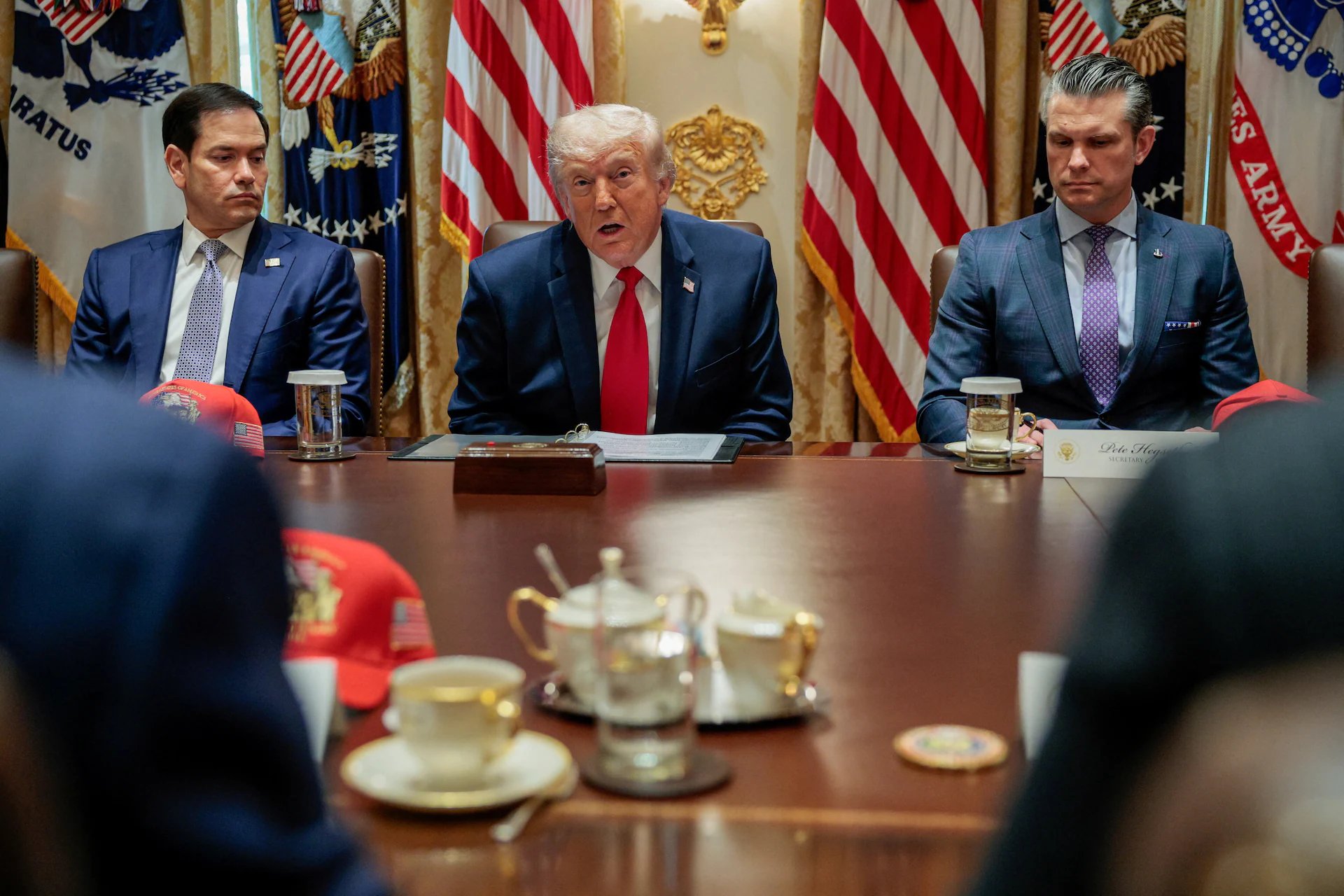
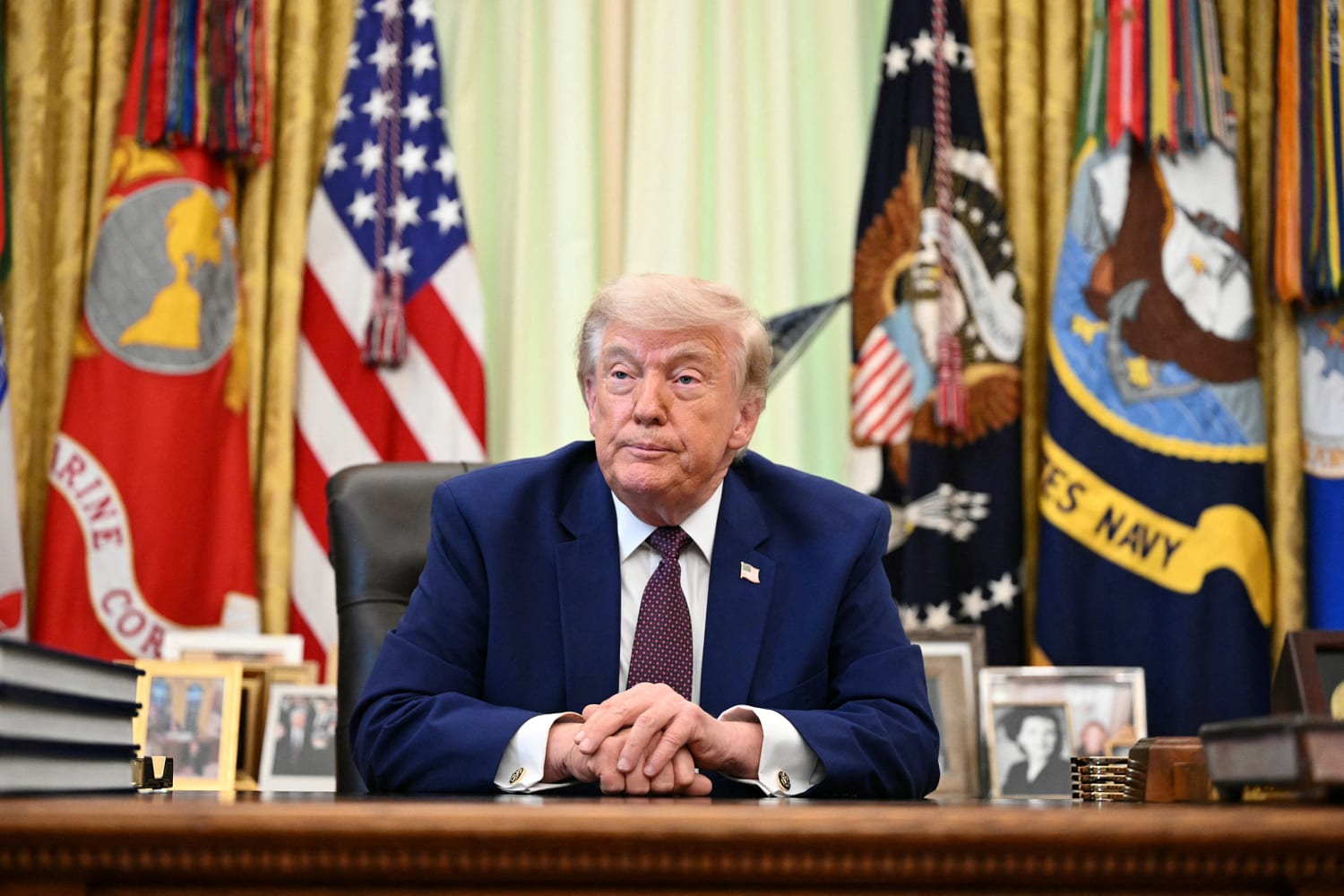
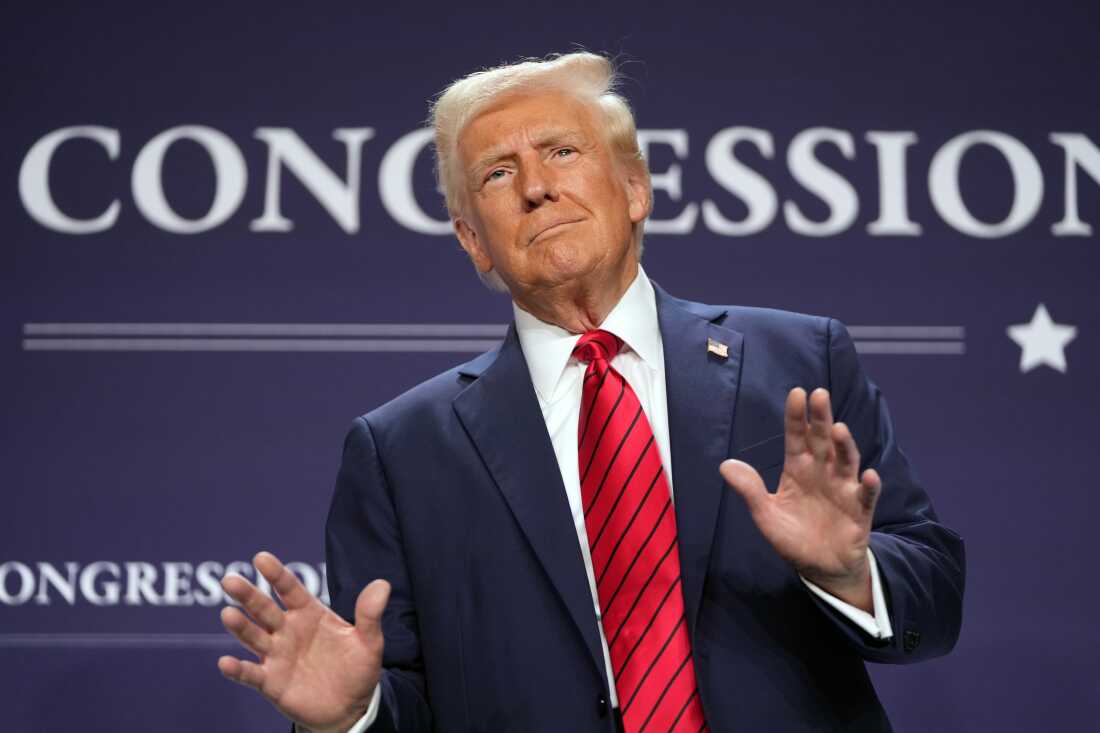
President Donald Trump announced that peace talks between the U.S. and Iran are scheduled to resume on Tuesday in Doha. This decision comes after both countries halted a series of tit-for-tat attacks that had escalated tensions in the region. Technical talks are slated to continue on all areas of the memorandum of understanding.
The agreement to pause military actions could have far-reaching implications for the Middle East.
The commitment from both the U.S. and Iran to engage in dialogue represents a departure from the recent pattern of military escalation.
As both sides prepare for the upcoming talks in Doha, the focus will likely be on establishing a framework for ongoing discussions. The U.S. official noted that technical talks would involve detailed discussions on the memorandum of understanding, aiming to address the concerns that led to the recent escalation. The outcome of these negotiations could determine the future of U.S.-Iran relations and influence the geopolitical landscape in the region.
The United States and Iran have agreed to “stand down for now” following renewed hostilities in the Strait of Hormuz, allowing for the passage of ships through this crucial waterway. A U.S. official confirmed this development, indicating that both nations will engage in technical talks to discuss various aspects of a memorandum of understanding. This agreement marks a significant diplomatic shift, potentially impacting regional stability and U.S. foreign policy in the Middle East.
President Donald Trump announced that peace talks between the U.S. and Iran are scheduled to resume on Tuesday in Doha. This decision comes after both countries halted a series of tit-for-tat attacks that had escalated tensions in the region. The U.S. official emphasized that the continuation of discussions will focus on all areas outlined in the memorandum of understanding, suggesting a comprehensive approach to resolving ongoing issues.
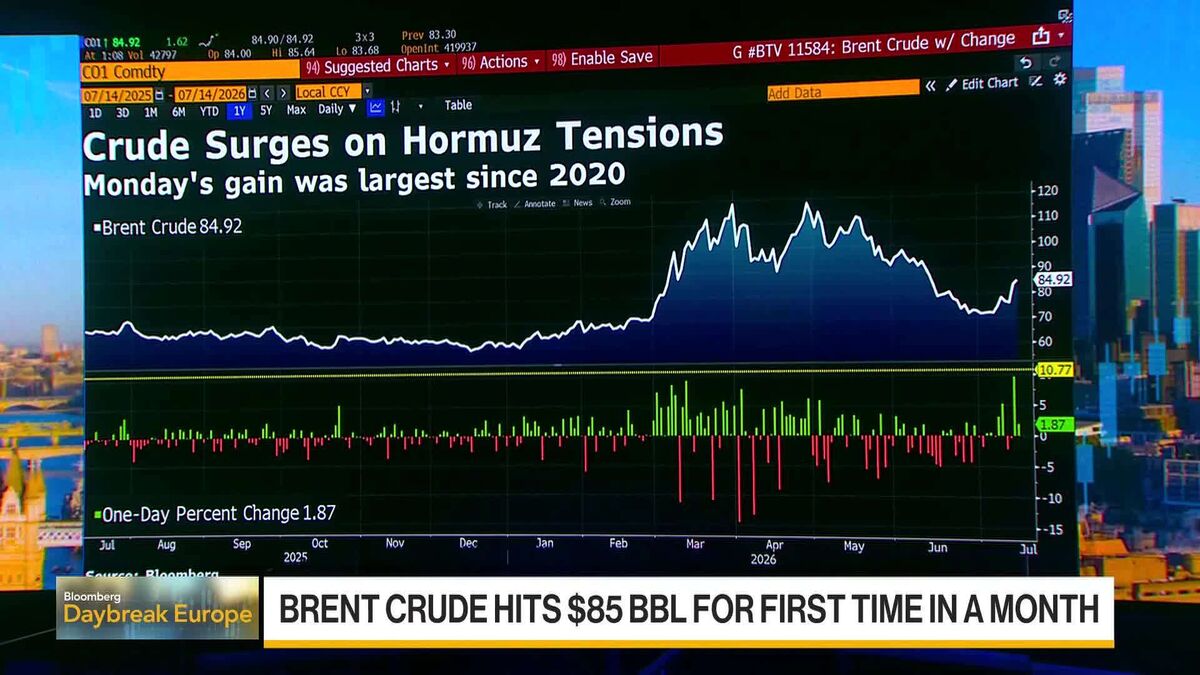
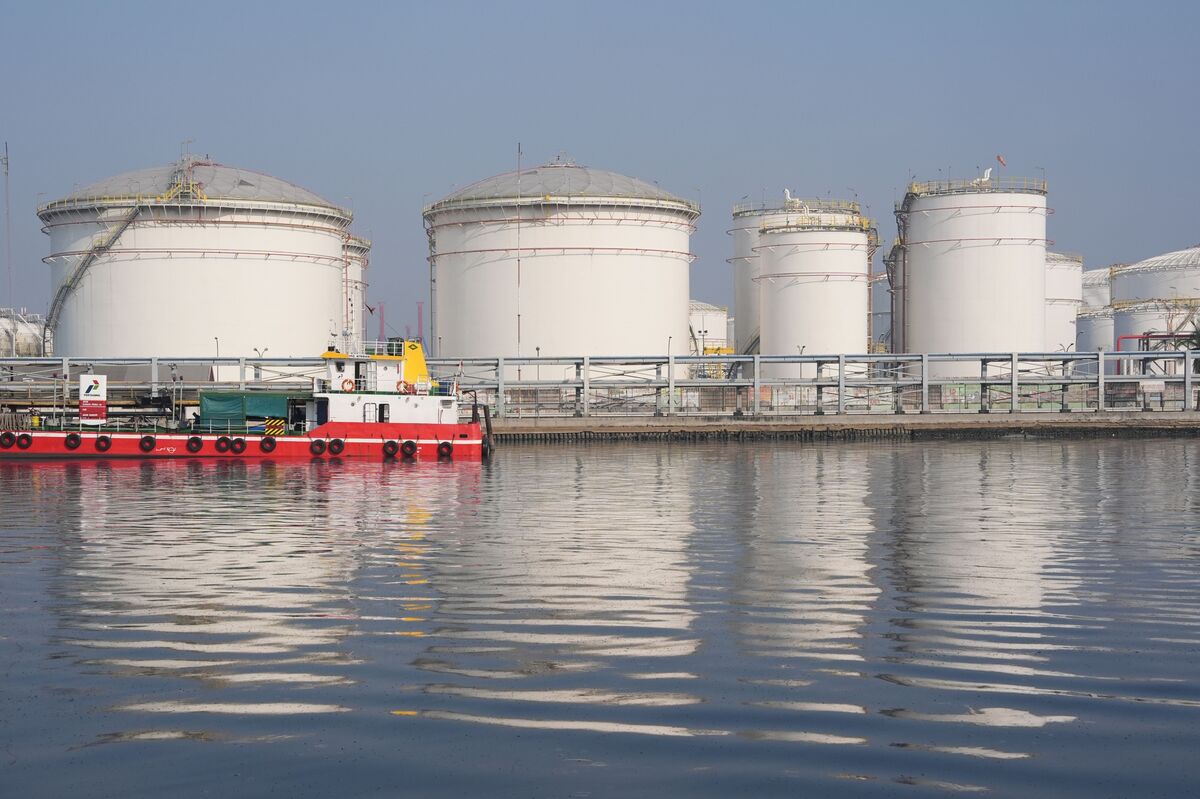
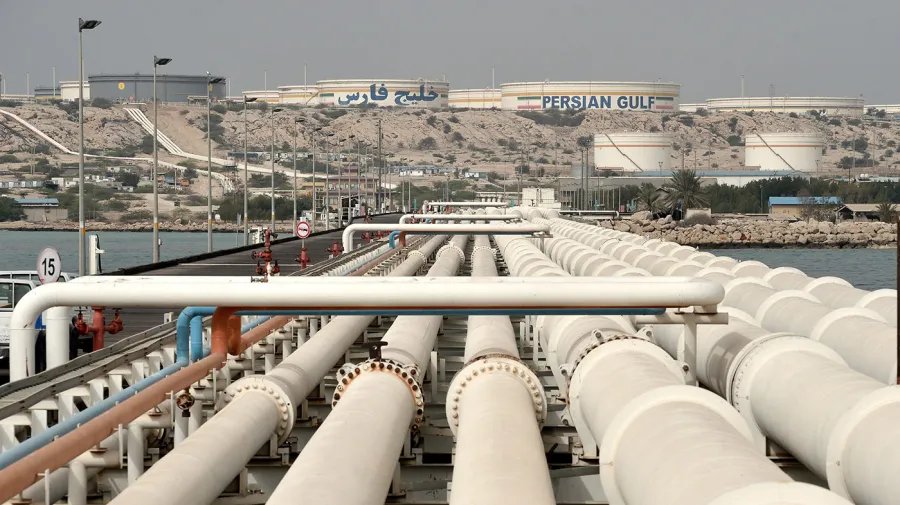
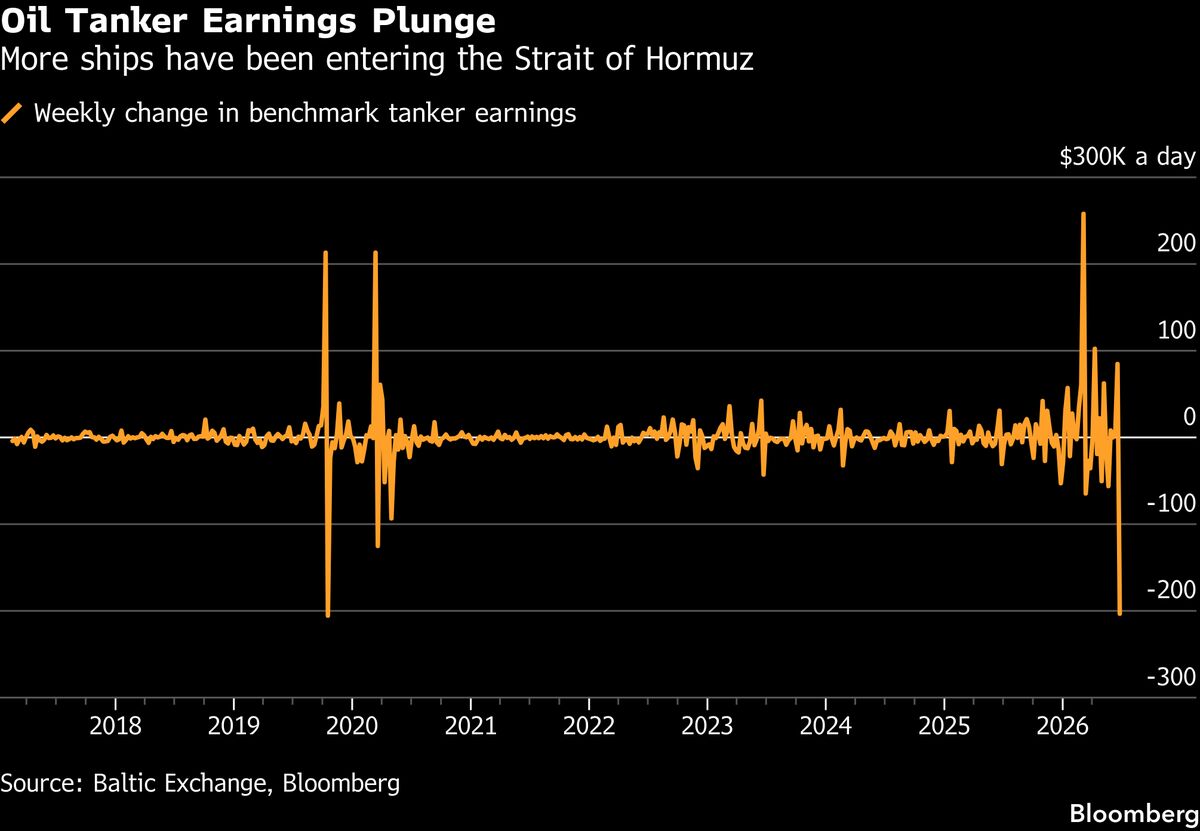
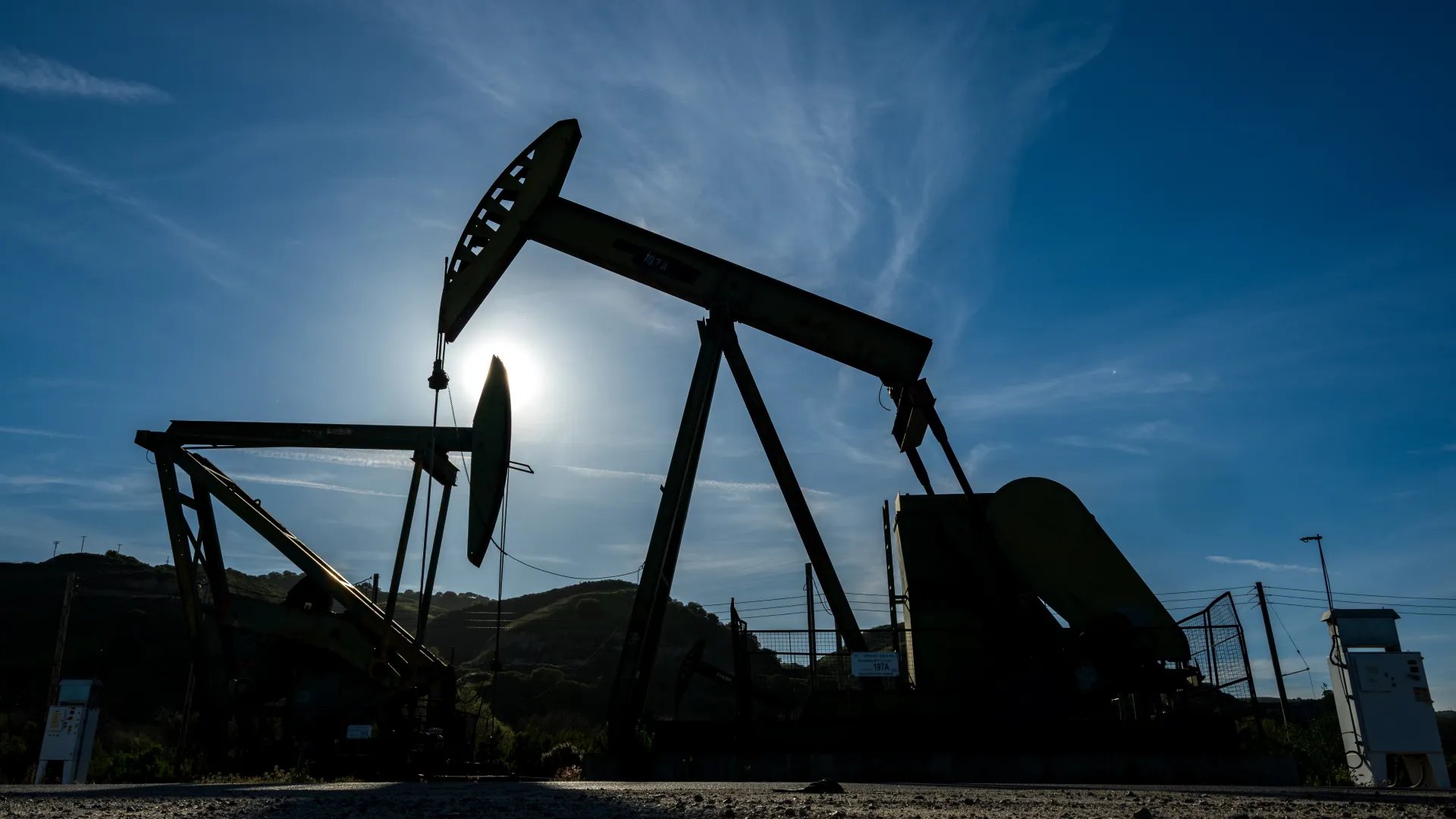
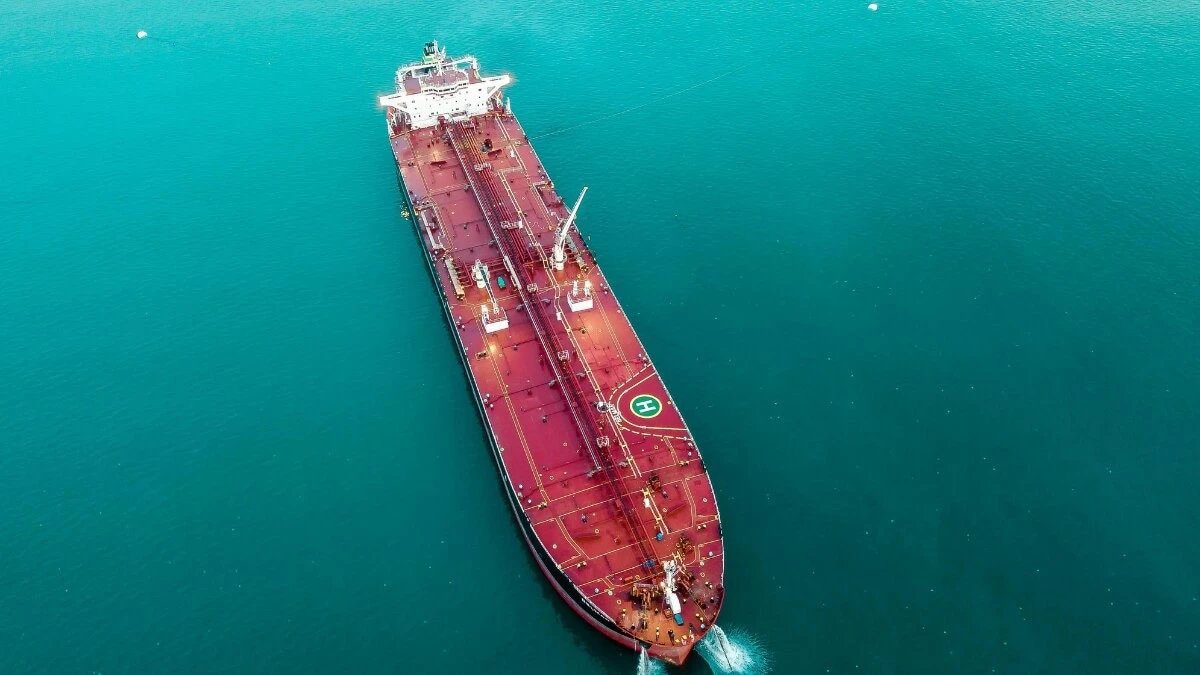
The agreement to pause military actions could have far-reaching implications for the Middle East. The Strait of Hormuz is a vital passage for global oil shipments, and any disruptions can significantly affect oil prices and supply chains worldwide. Analysts suggest that this diplomatic engagement may foster a more stable environment, potentially leading to further negotiations on broader security issues in the region.
Reactions to the agreement have varied among international stakeholders. Some regional allies of the U.S. expressed cautious optimism, recognizing the potential for reduced tensions. However, skepticism remains among others, particularly in light of past agreements that have faltered. The commitment from both the U.S. and Iran to engage in dialogue represents a notable departure from the recent pattern of military escalation.
As both sides prepare for the upcoming talks in Doha, the focus will likely be on establishing a framework for ongoing discussions. The U.S. official noted that technical talks would involve detailed discussions on the memorandum of understanding, aiming to address the concerns that led to the recent escalation. The outcome of these negotiations could determine the future of U.S.-Iran relations and influence the geopolitical landscape in the region.
The successful resumption of peace talks could ultimately lead to a more stable Middle East, impacting everything from oil prices to international security dynamics. As both nations engage in dialogue, the world watches closely for signs of progress or setbacks in this delicate diplomatic effort.
Highlighted text was flagged by the council. Tap to see feedback.