




Three Supertankers Transit the Strait of Hormuz
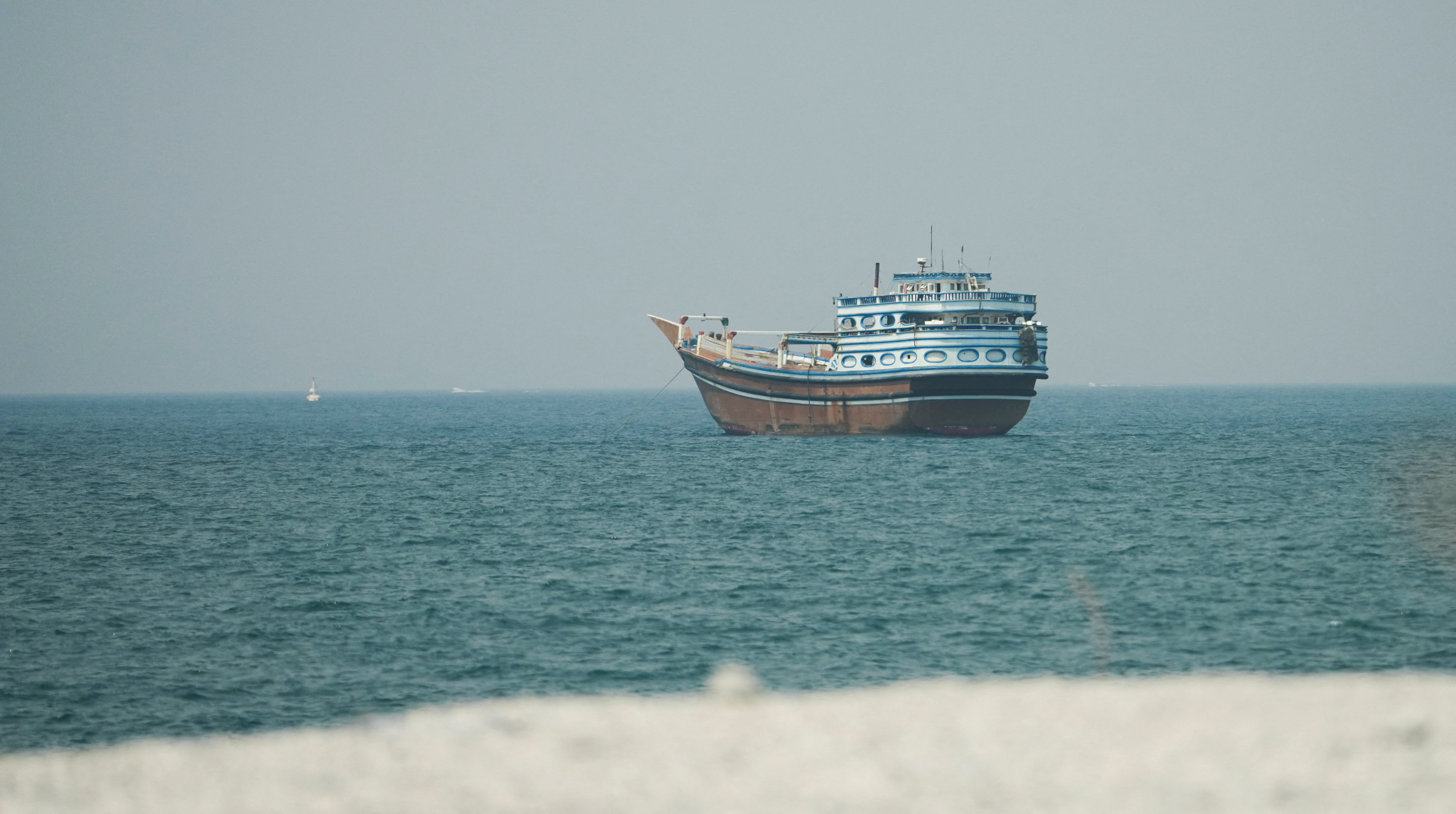
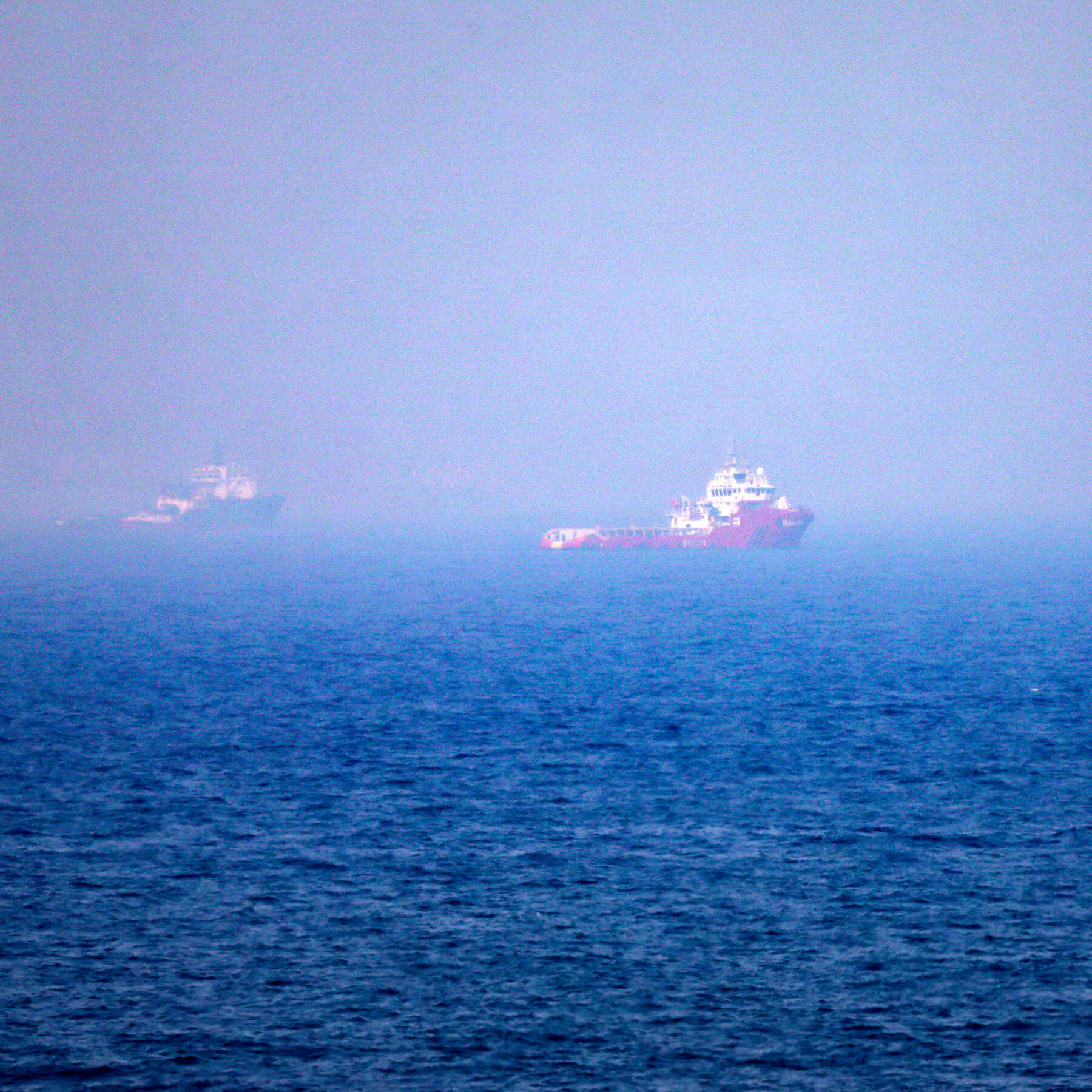
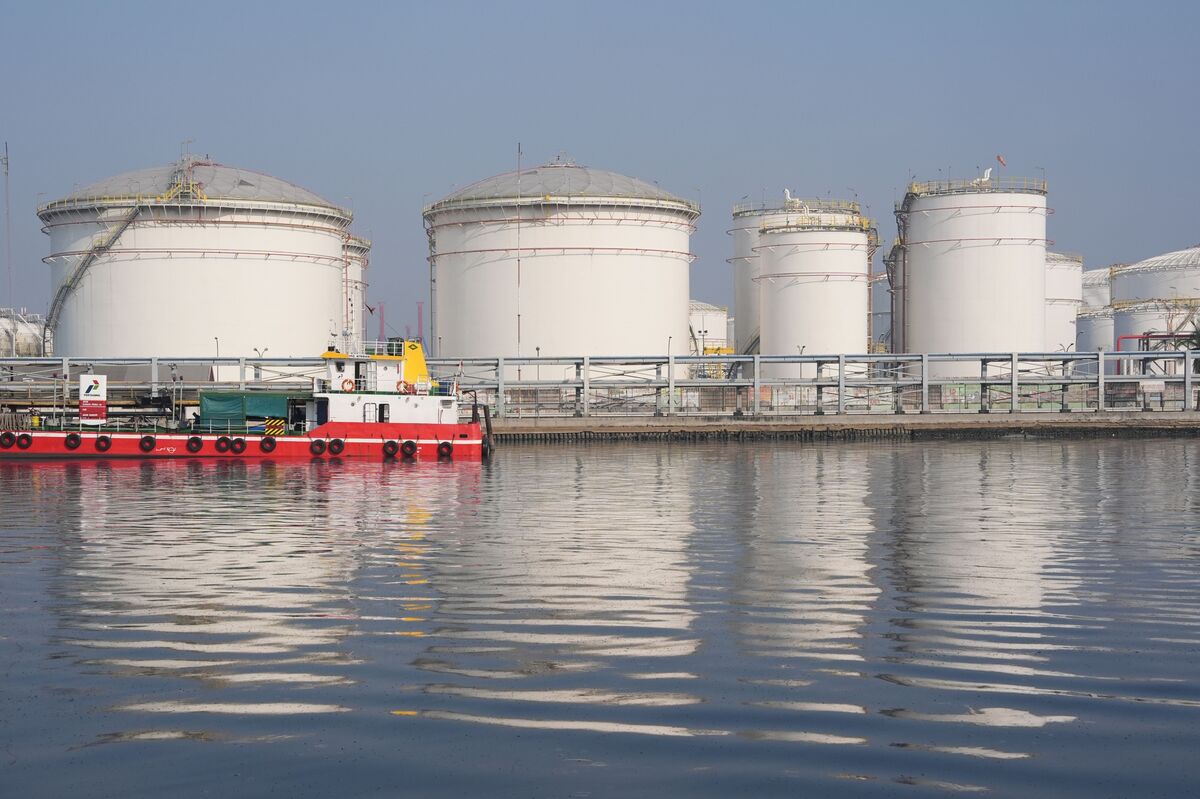
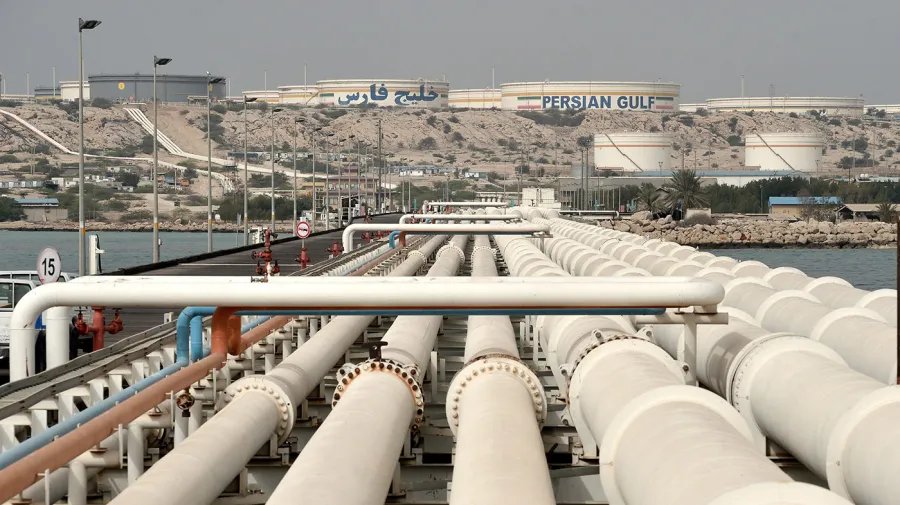
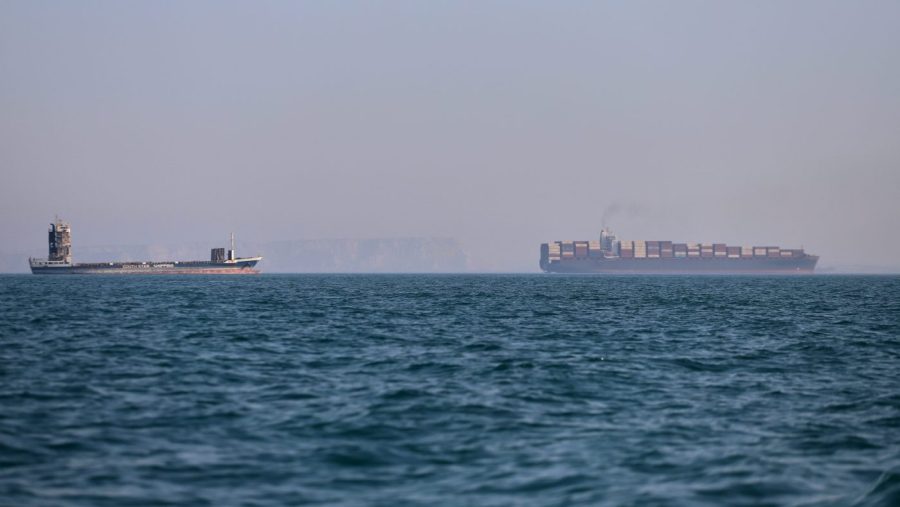
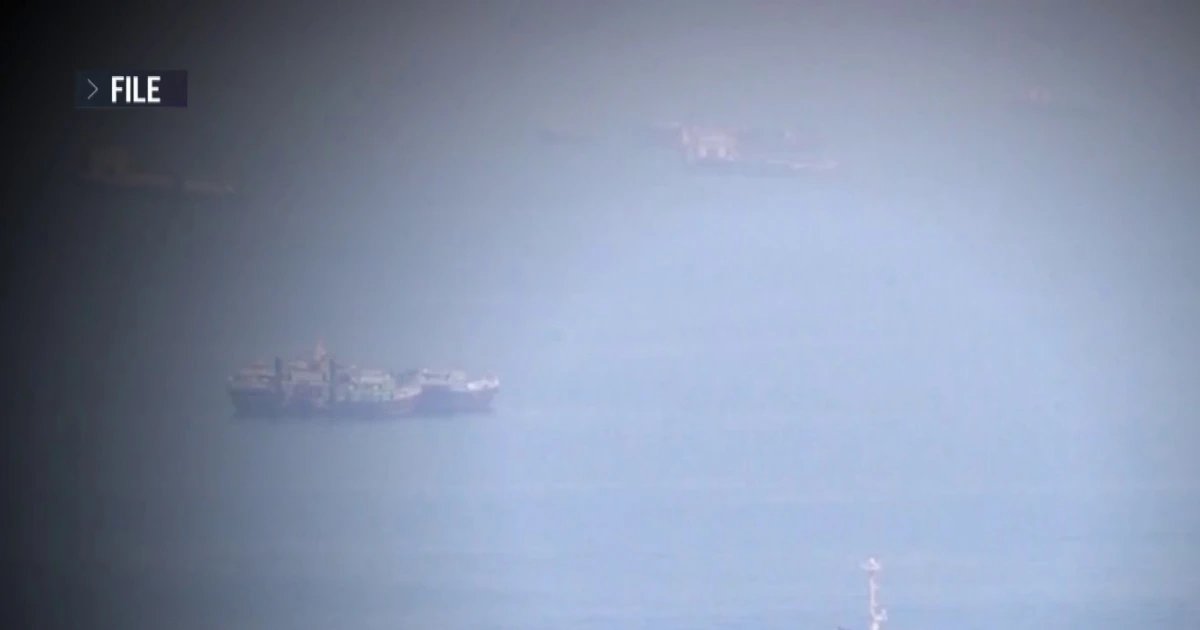
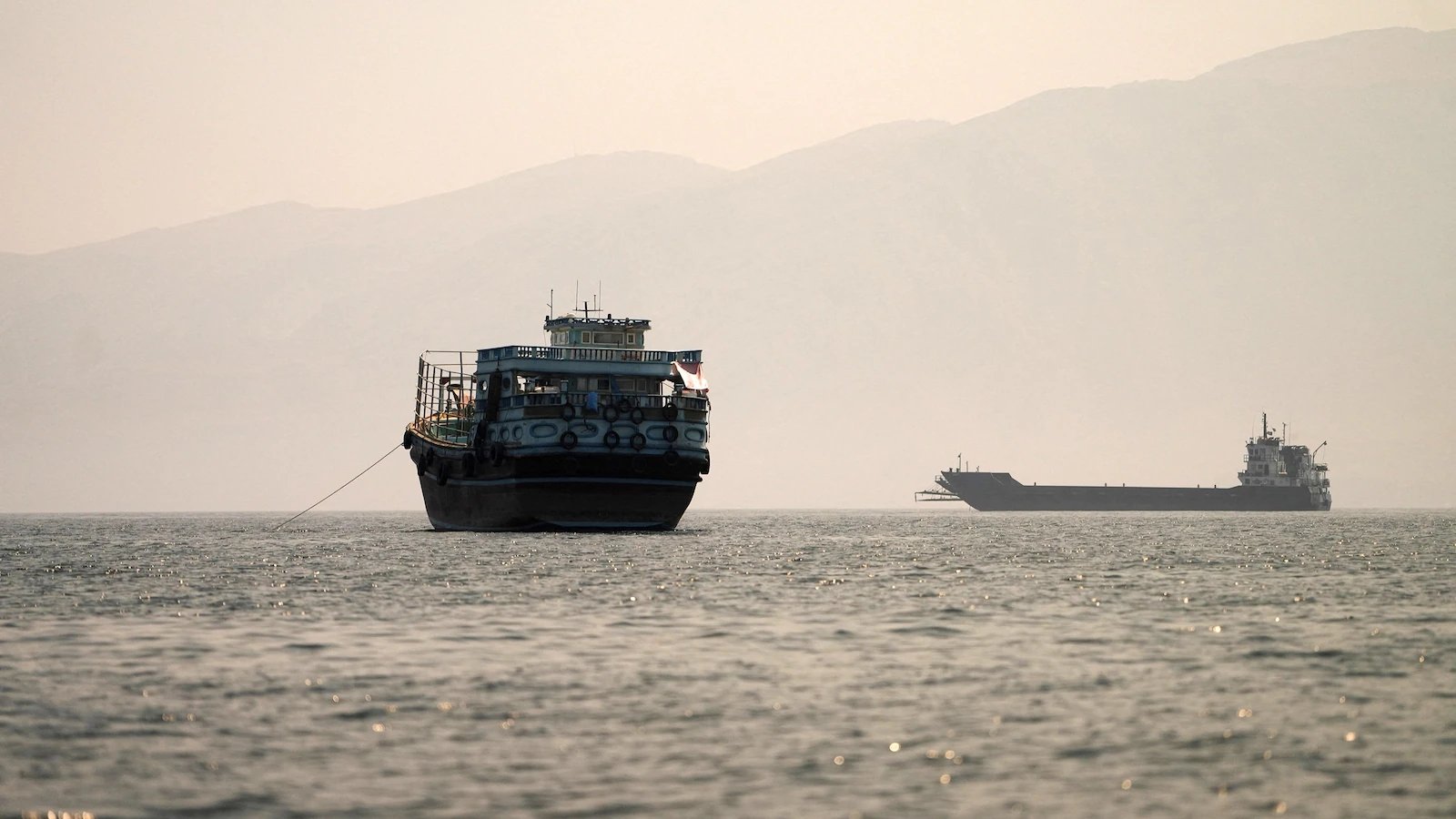
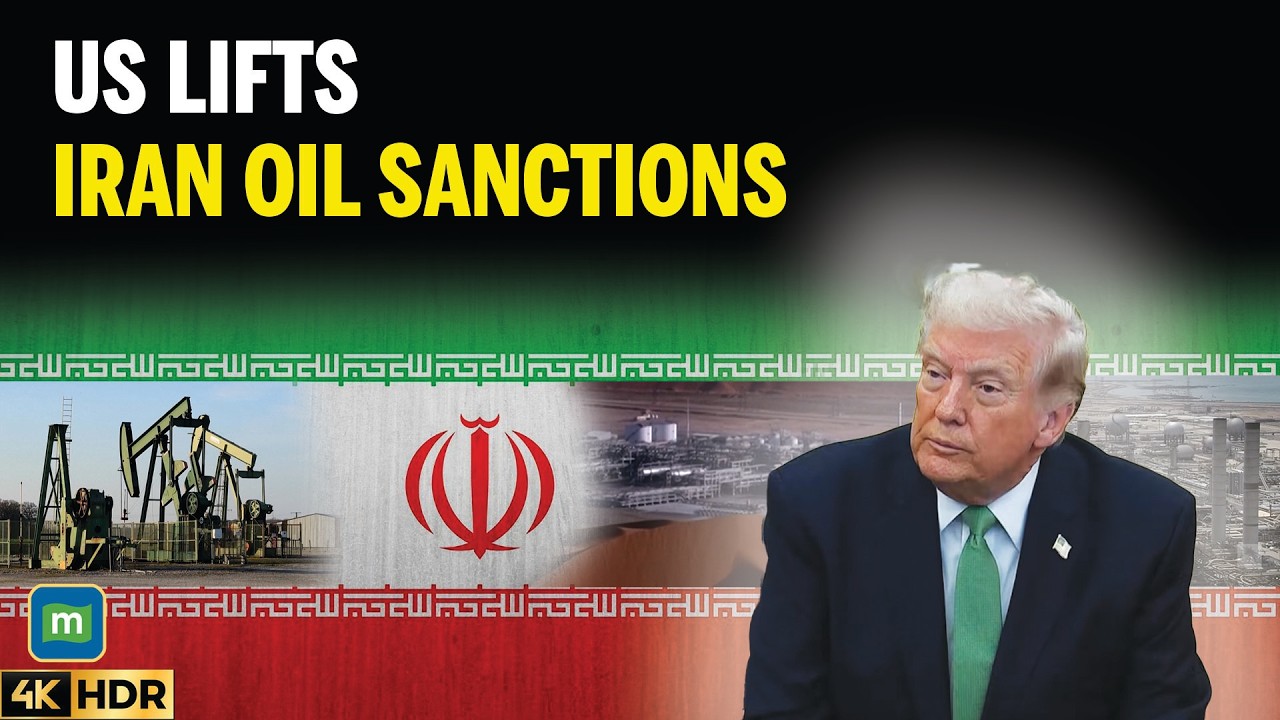
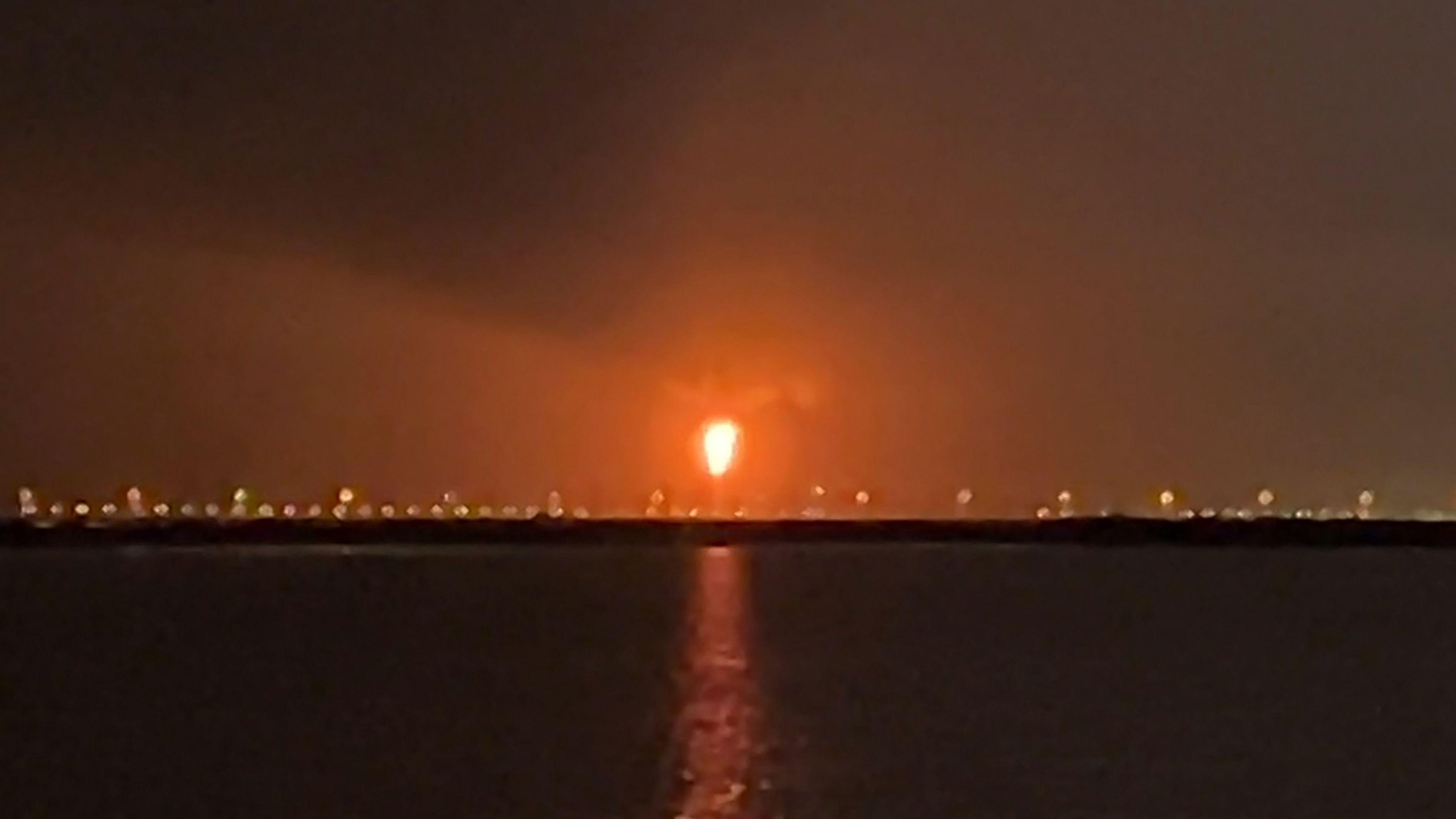
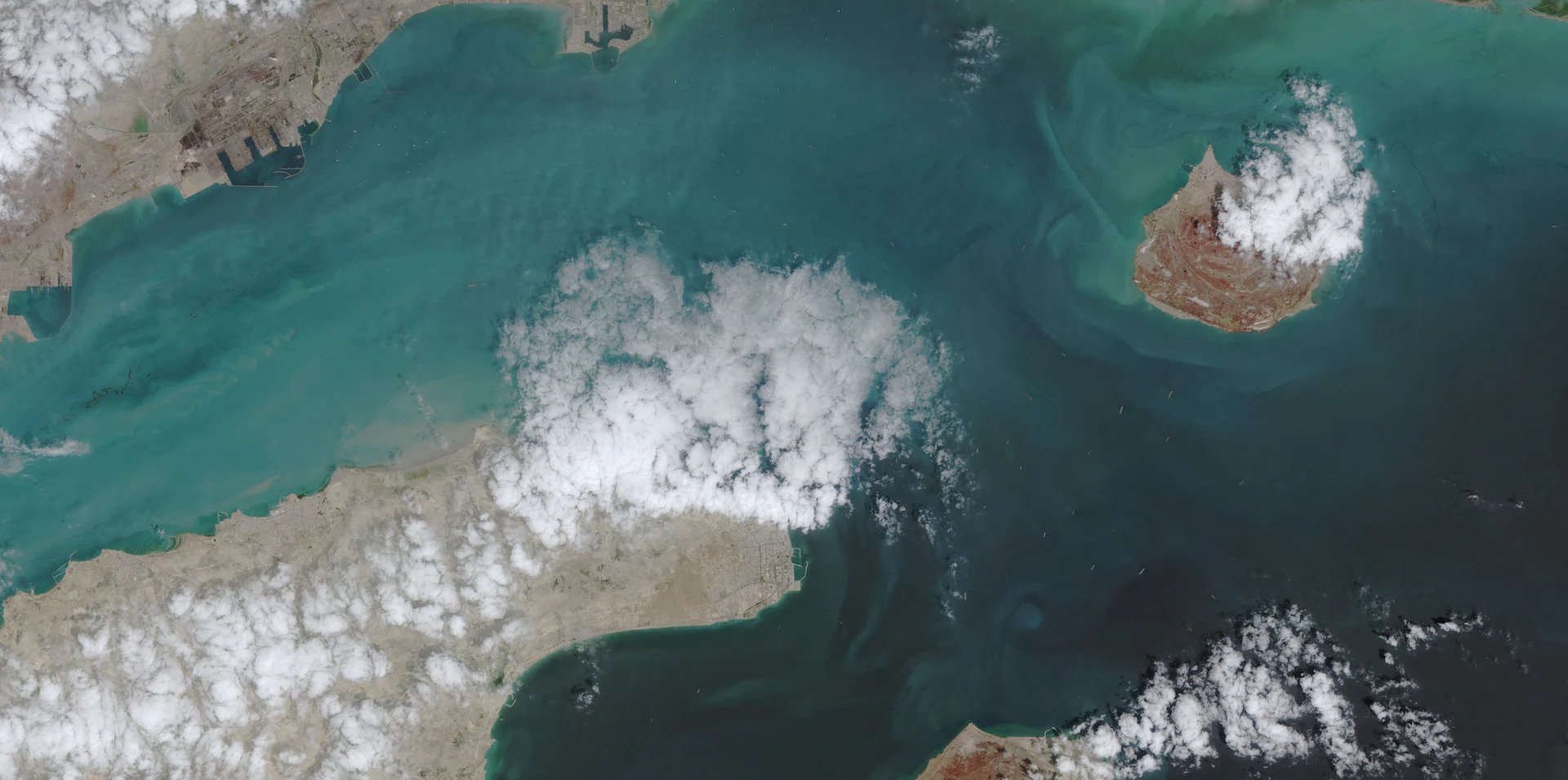
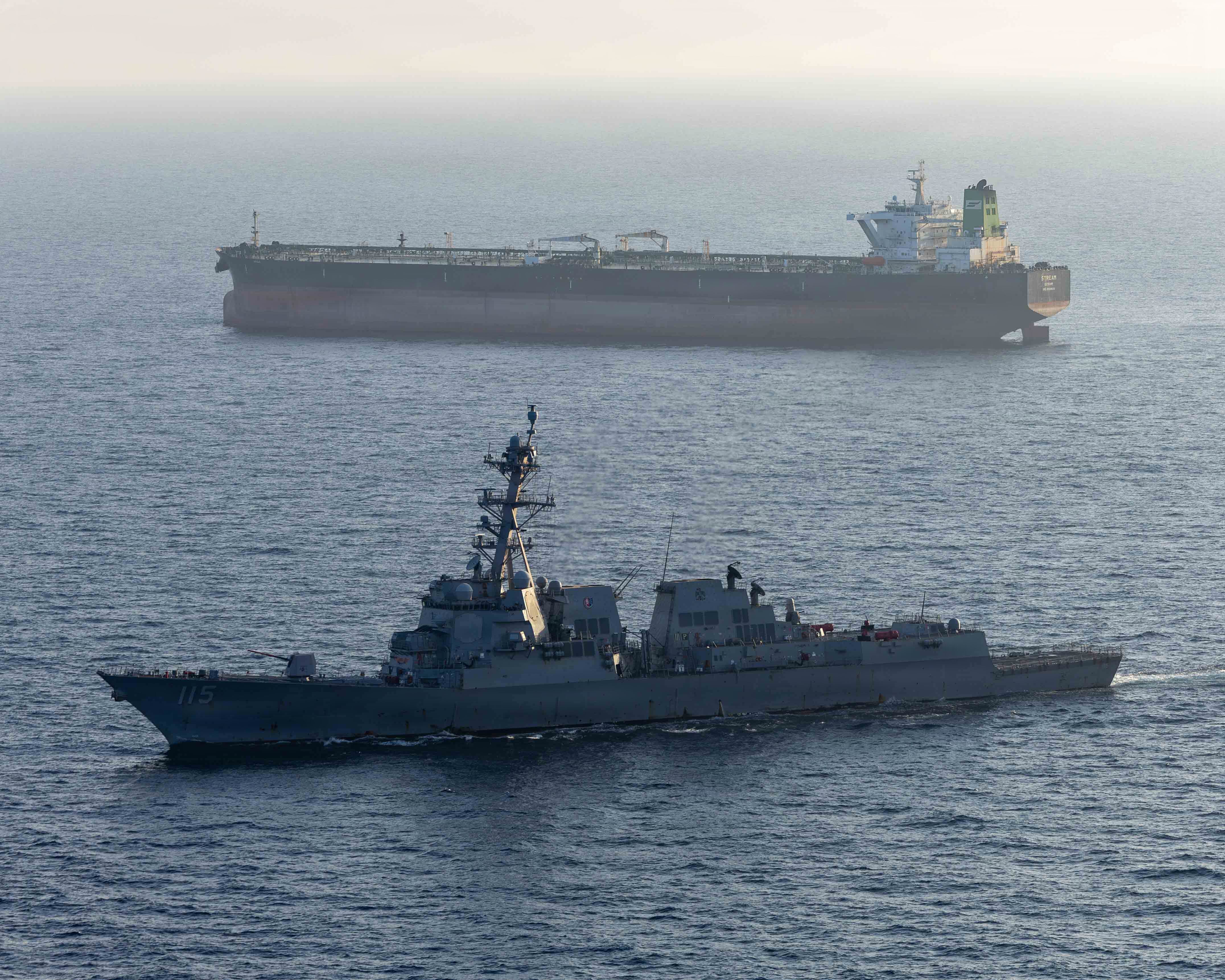
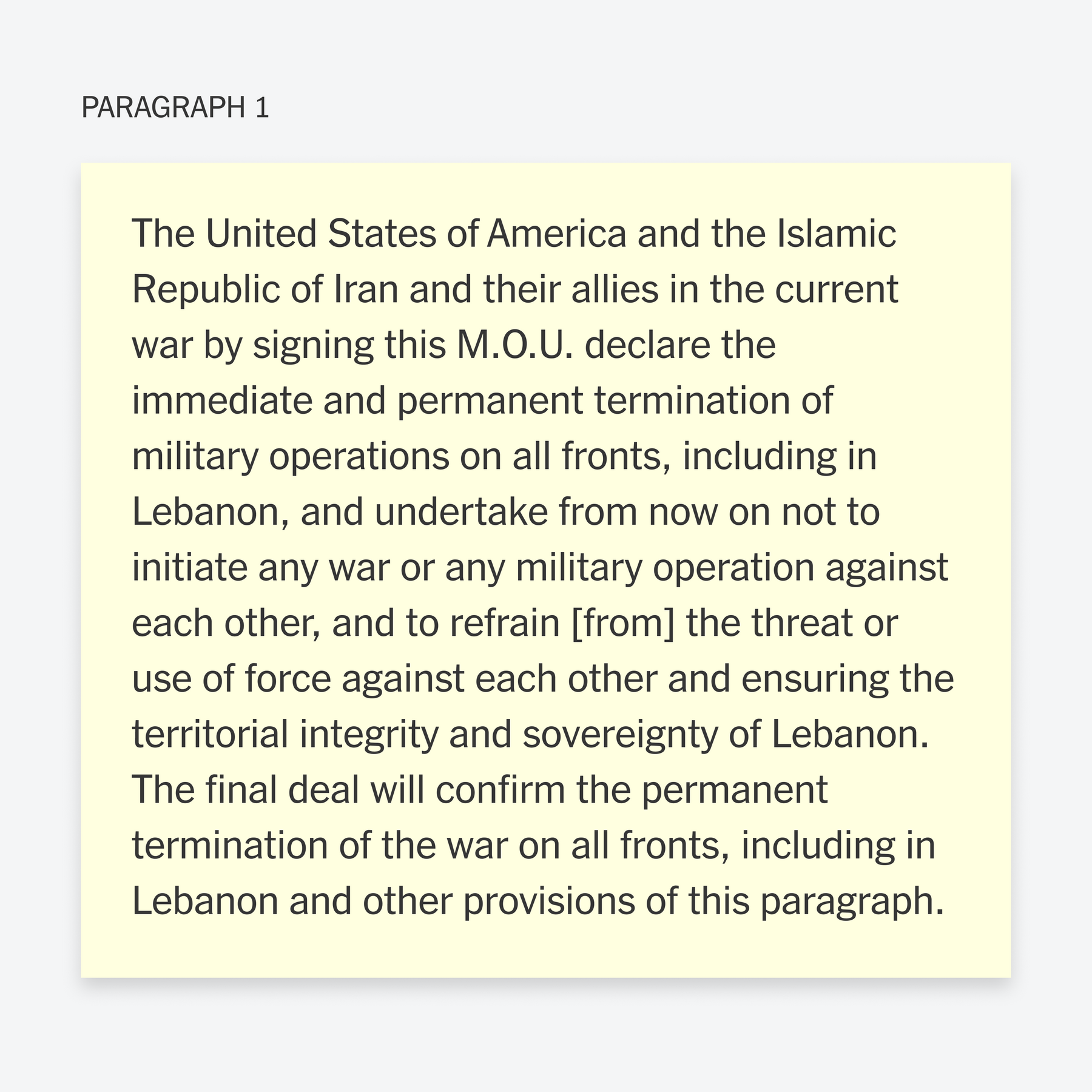
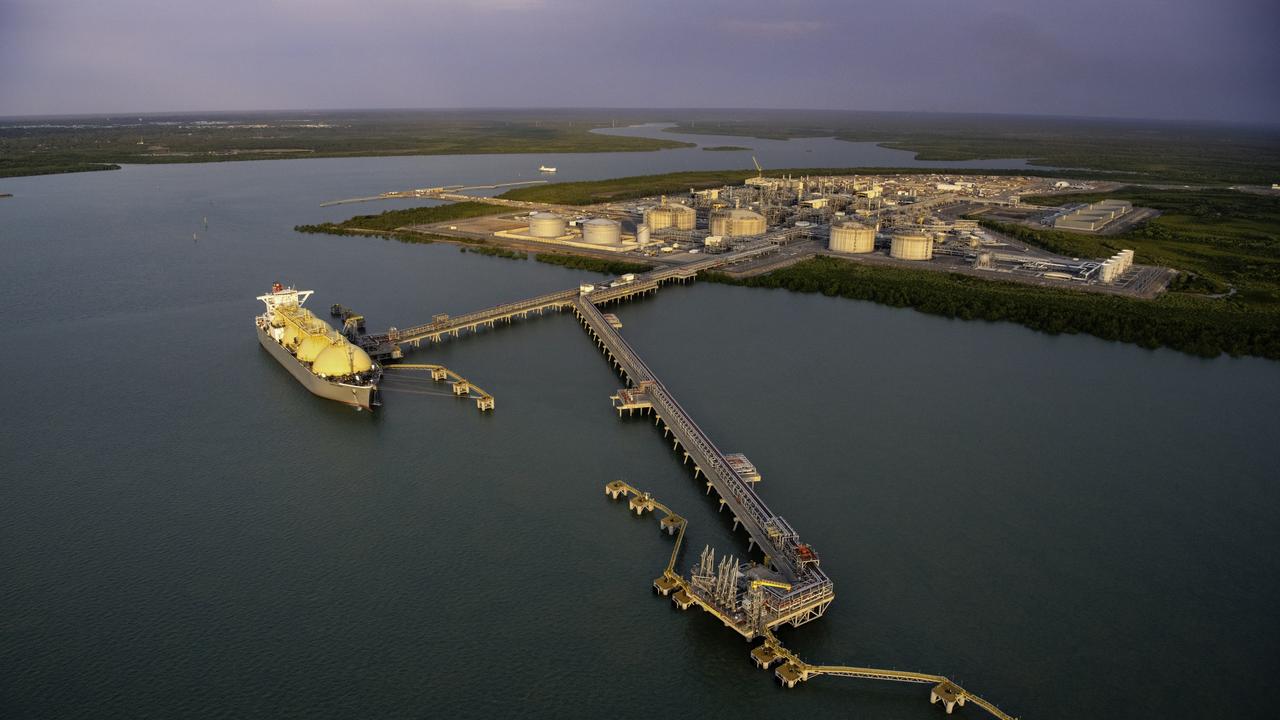
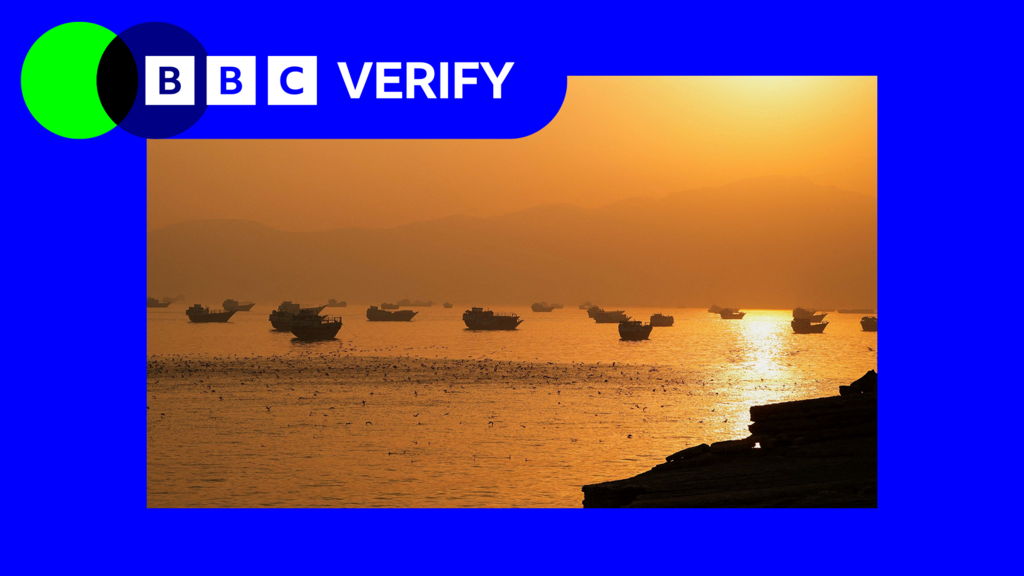
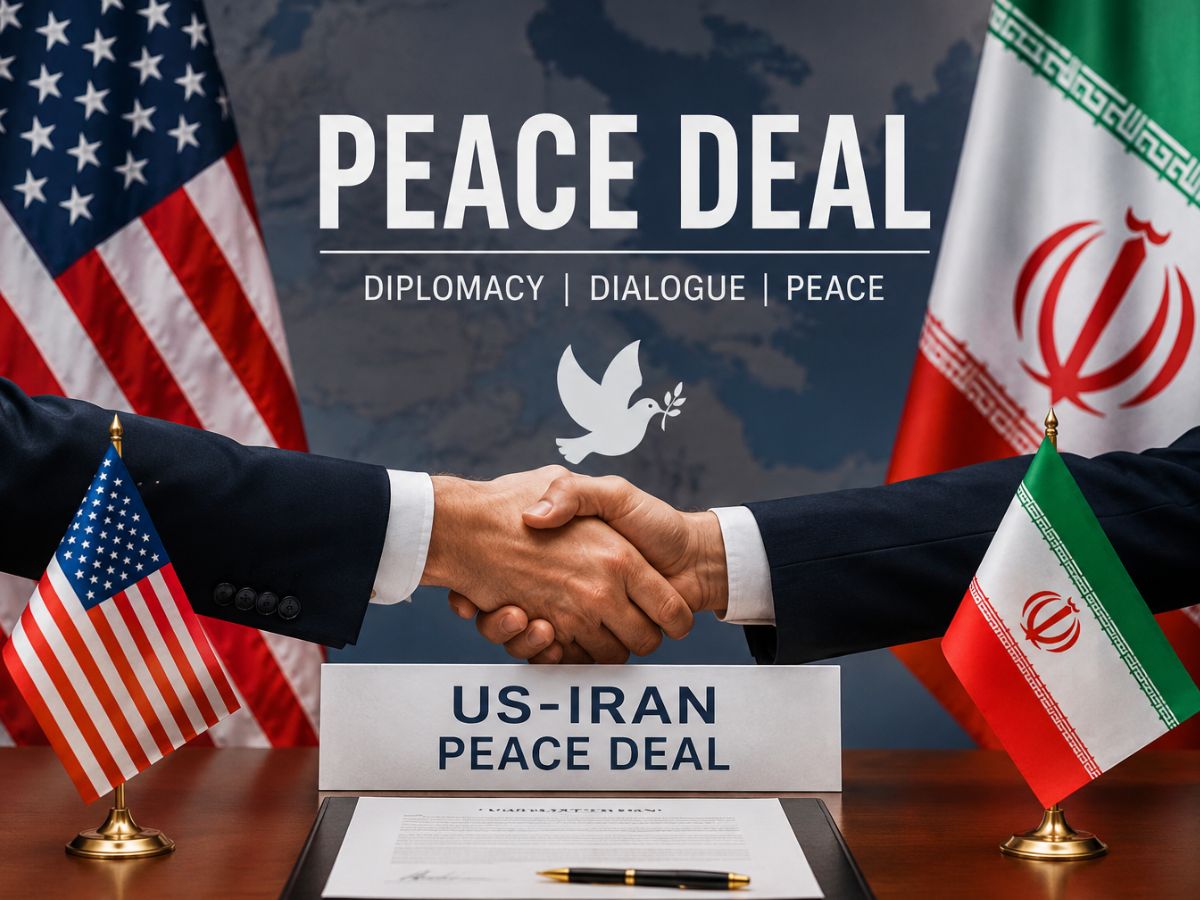
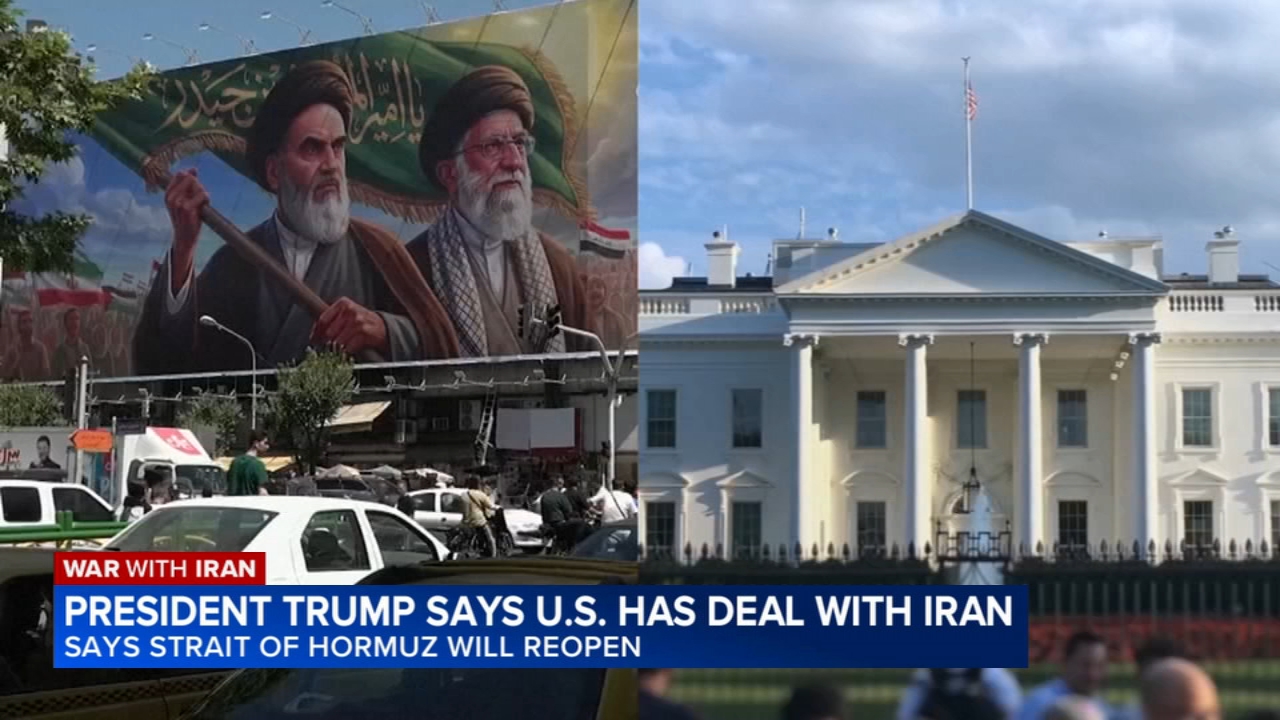
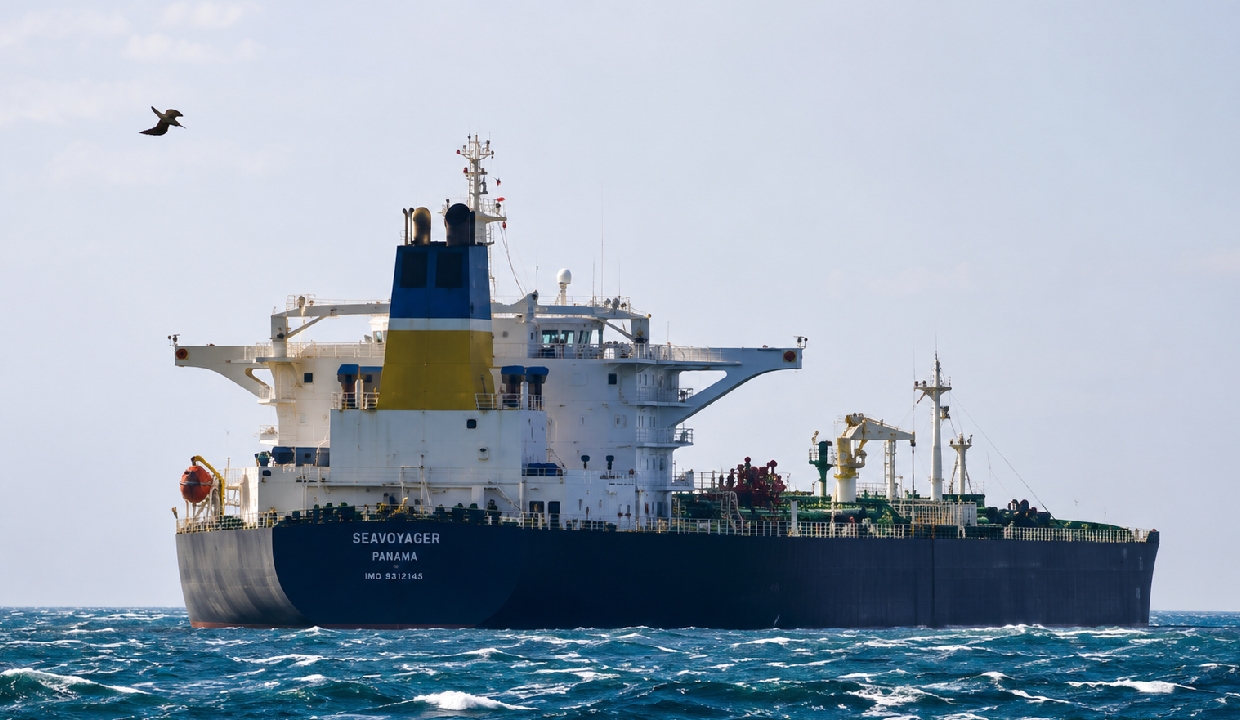
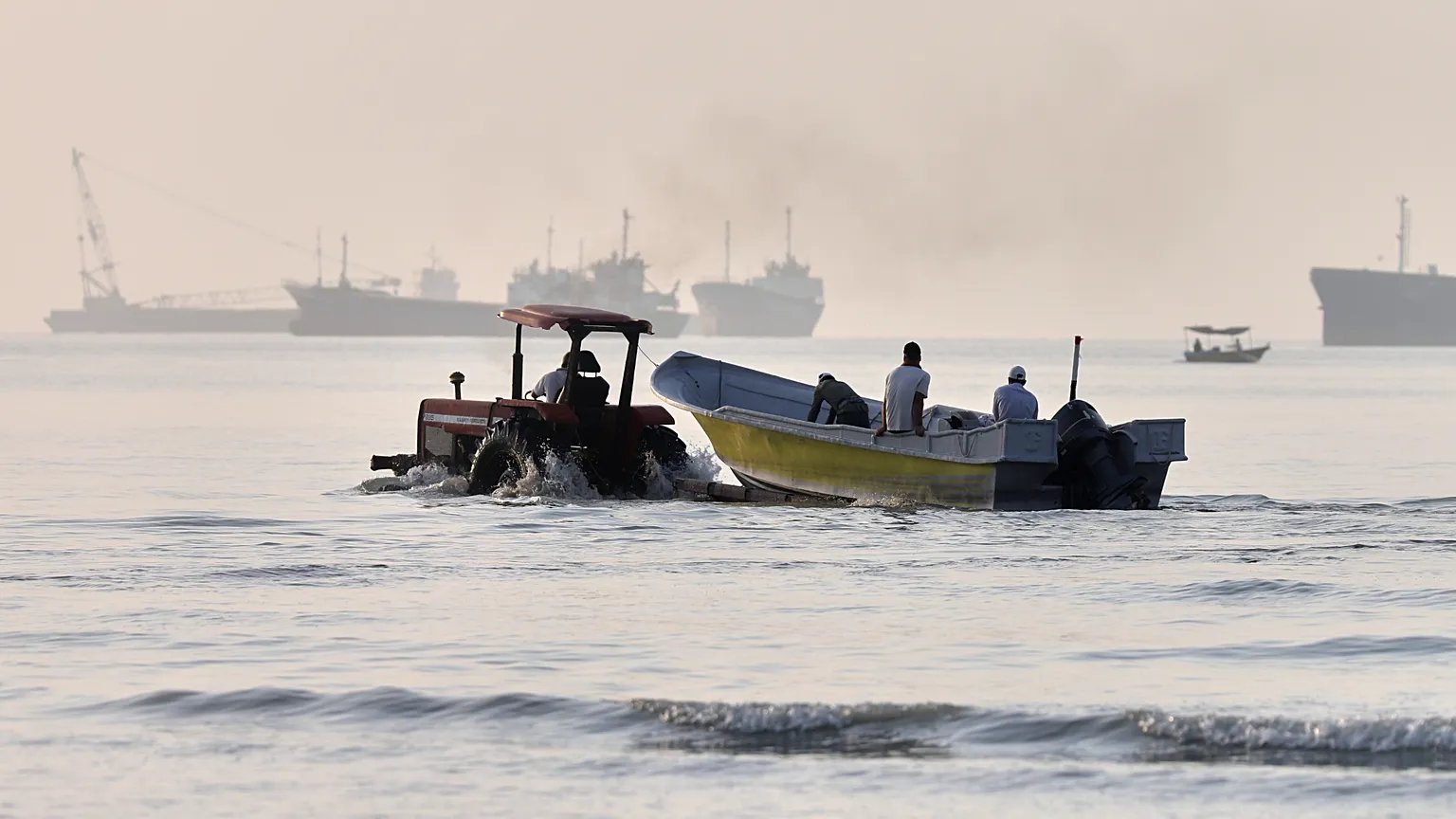
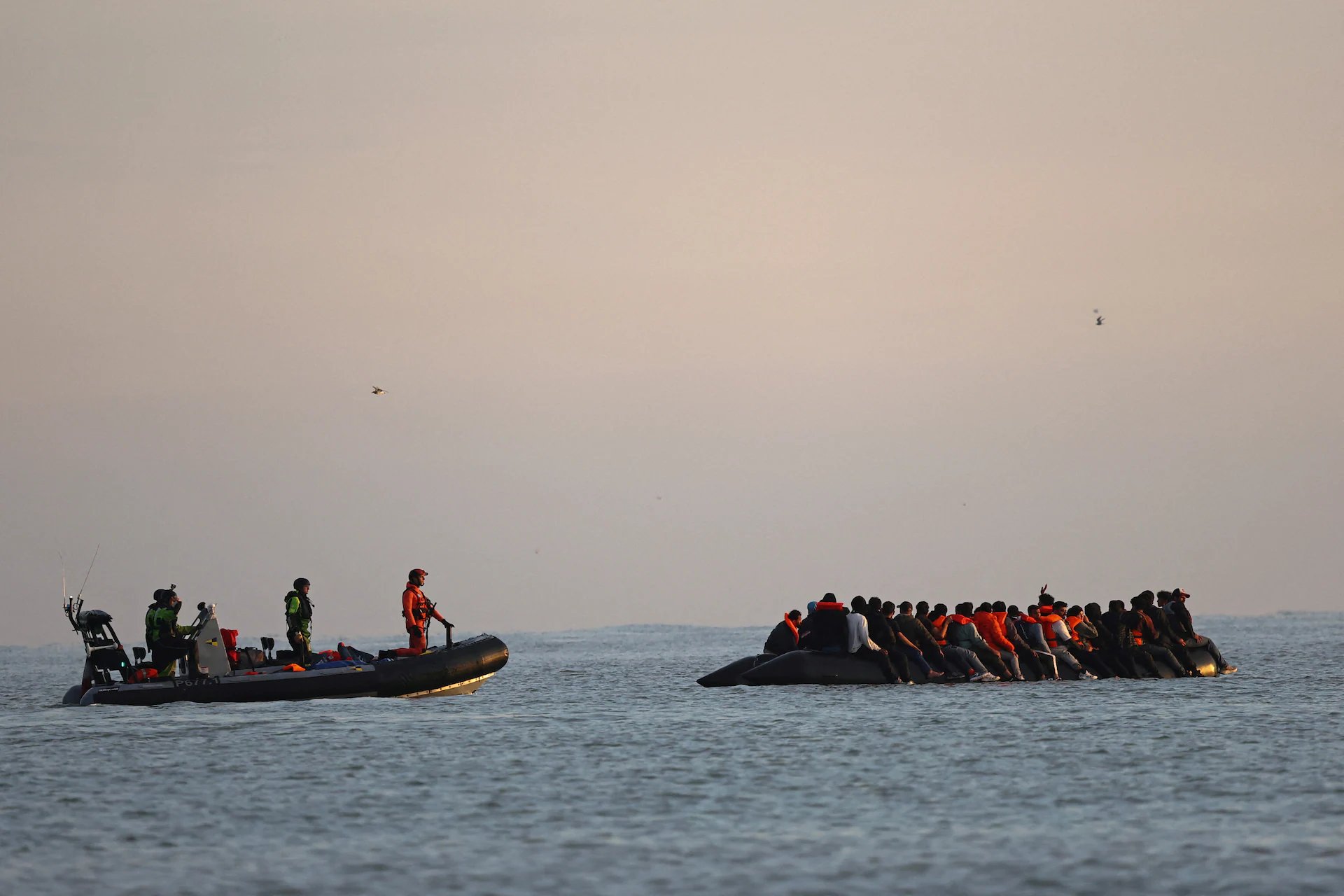
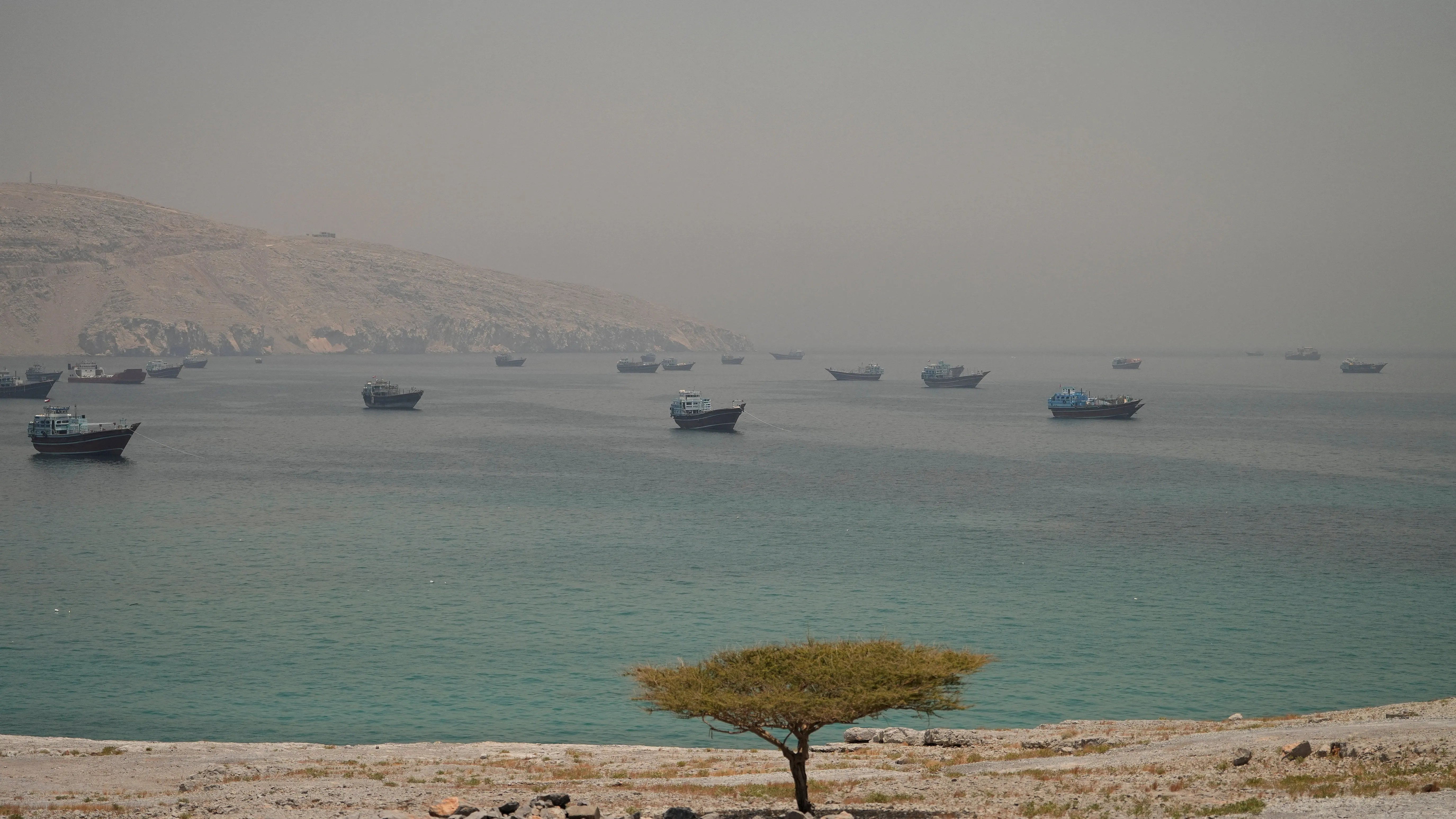
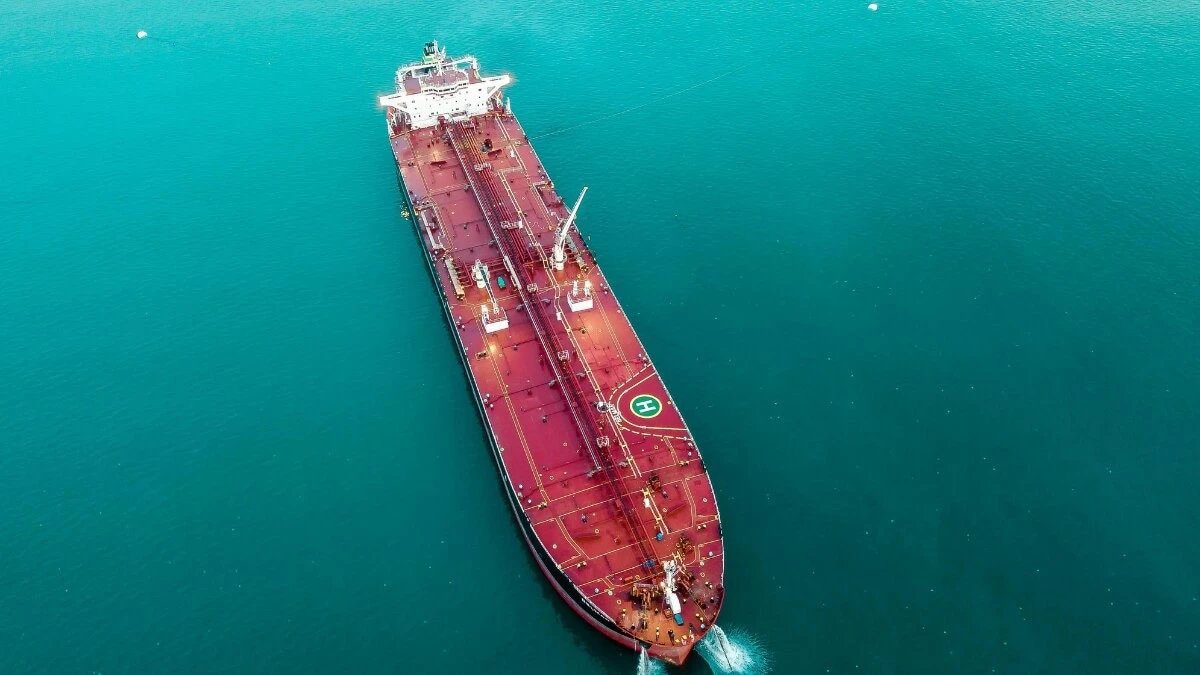
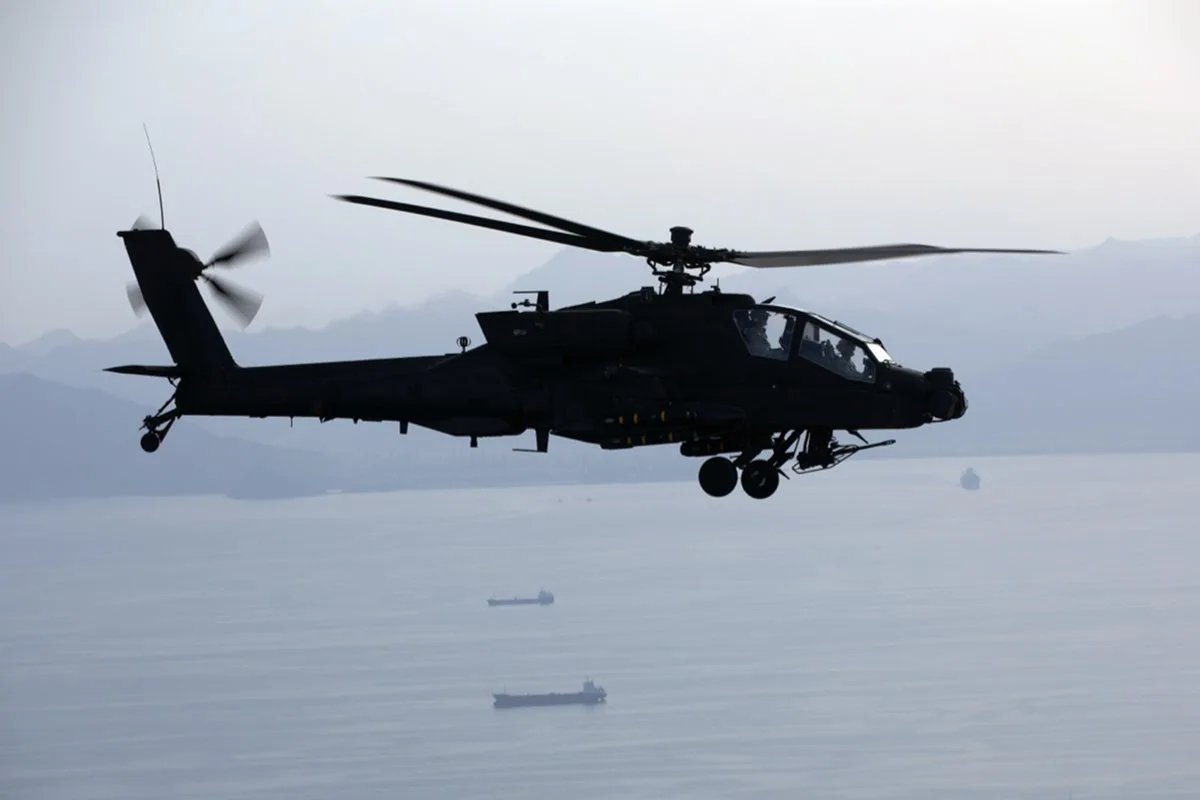
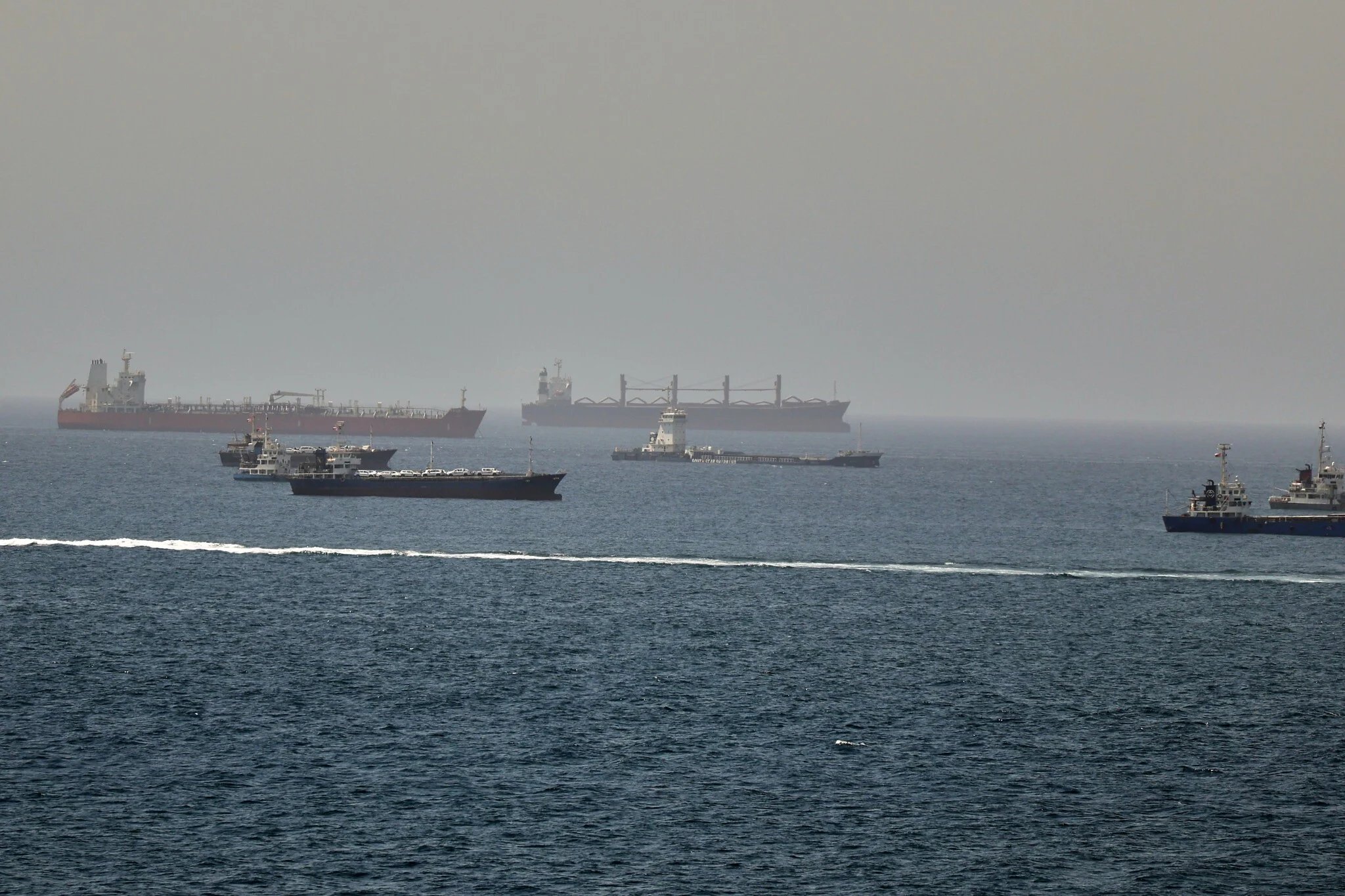
Three Saudi Arabian-flagged supertankers successfully transited the Strait of Hormuz after a recent deal between the United States and Iran that aims to reopen this critical maritime route. These vessels, managed by the Saudi shipping group Bahri, carried a total of 6 million barrels of oil. The transit occurred after the region had experienced significant shipping disruptions.
Increased Maritime Activity
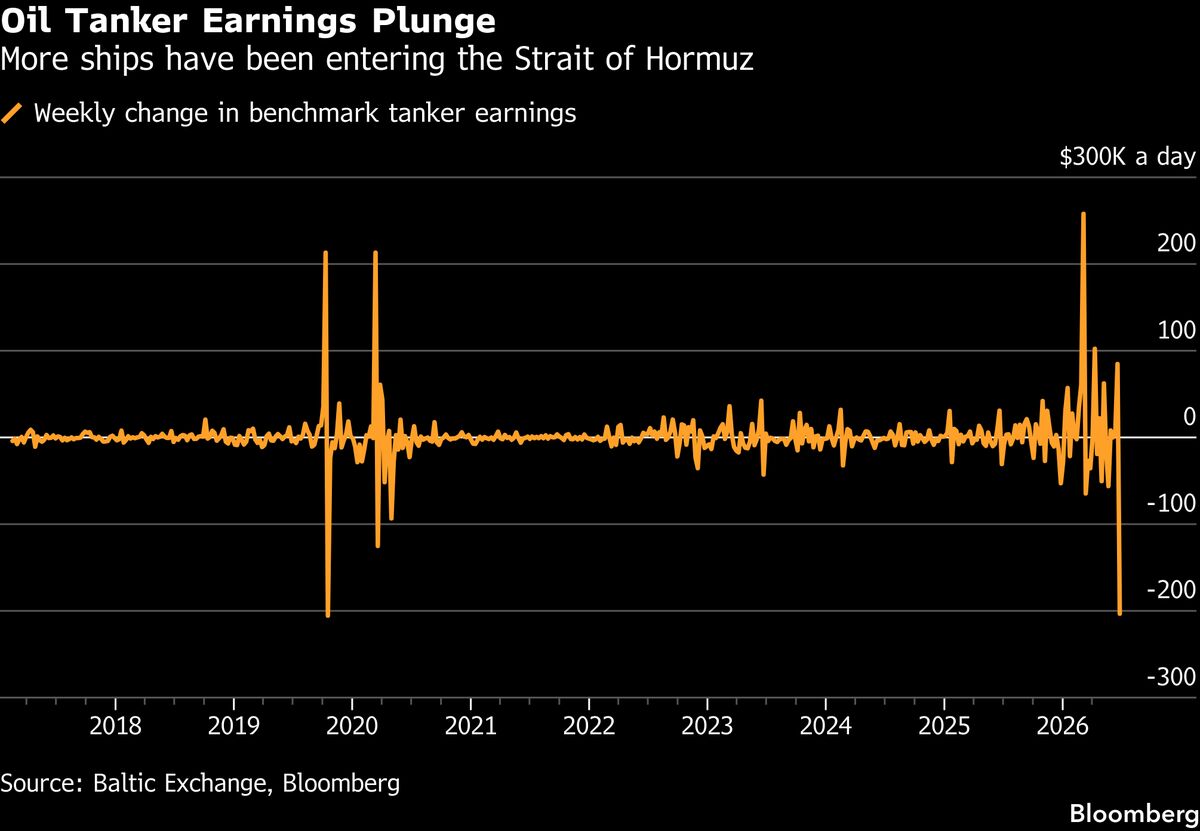
The reopening of the Strait of Hormuz has led to a surge in maritime traffic. A total of 25 commercial vessels crossed the strait on Thursday, marking the highest single-day count since mid-April. This figure is more than five times the average daily level recorded during the first 10 days of June, according to AXSMarine. The increase in traffic reflects a renewed confidence in the safety of the waterway following the agreement between the US and Iran.
Iran Waives Transit Fees
To facilitate smoother maritime operations during a 60-day negotiation period, Iran announced it would waive planned fees for vessels using the Strait of Hormuz. The Persian Gulf Strait Authority stated that ships must submit transit requests at least 48 hours prior to arrival. This waiver covers security, safety, environmental services, and related insurance, thus aiming to enhance navigation safety amid ongoing concerns about underwater mines.
Preparations for Mine-Clearing Operations
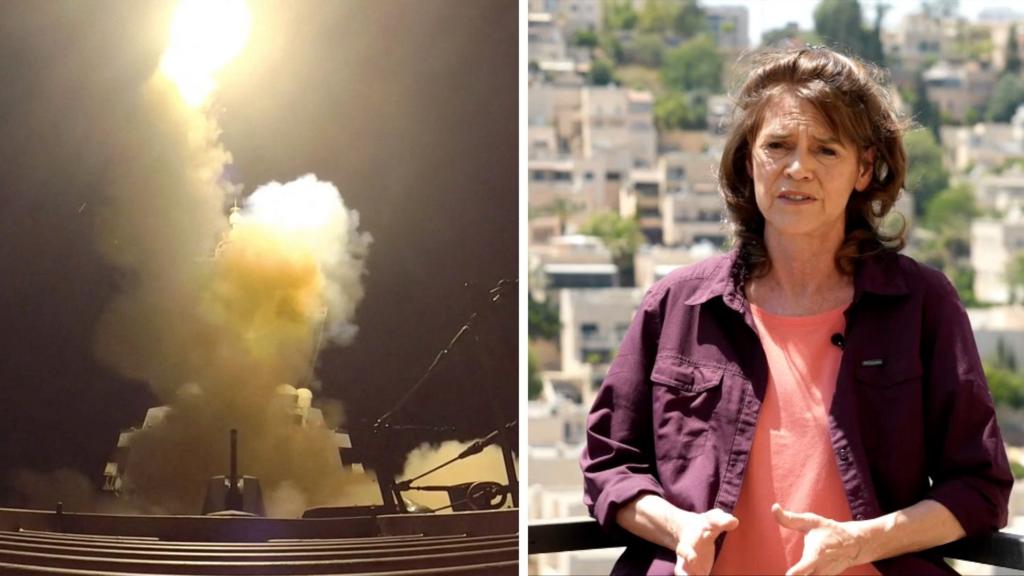
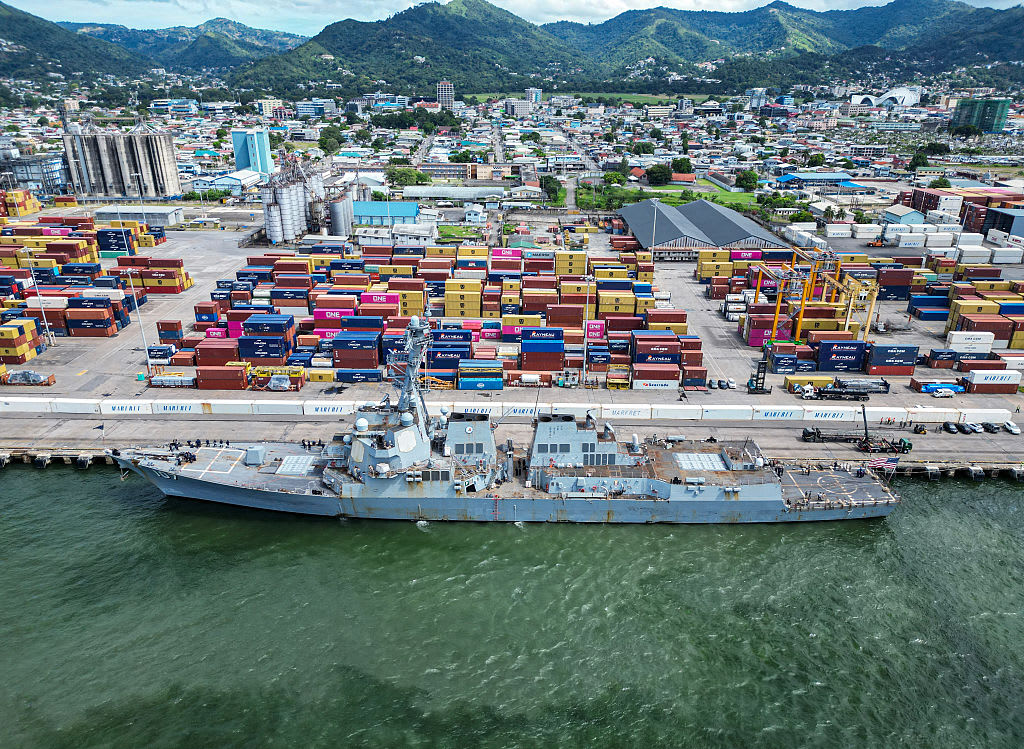
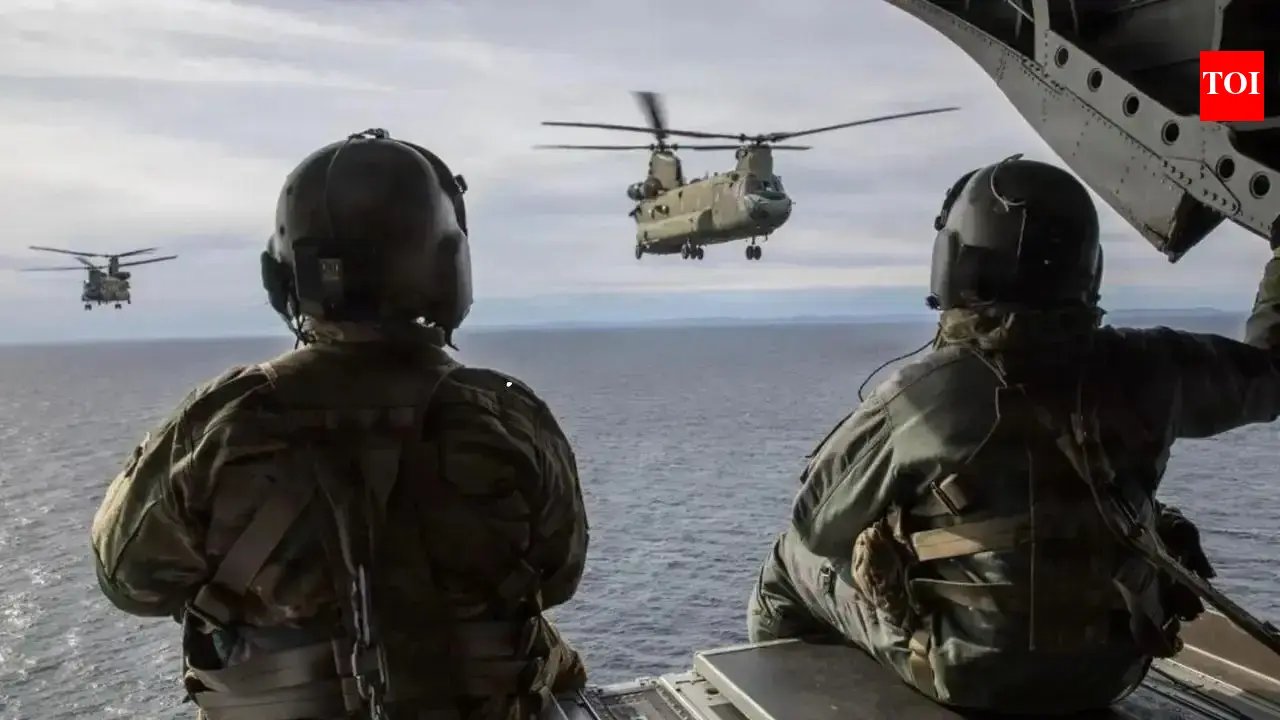
In response to the potential risks posed by underwater mines, the German military is preparing for a possible mine-clearing mission in the Strait of Hormuz. Defense Minister Boris Pistorius confirmed that the minesweeper Fulda and the tender ship Mosel are en route to the region, with about 140 soldiers on board. The German navy has expertise in mine clearance. Experts note that clearing mines is complex and can take weeks or months. "Sea mines are extremely difficult to detect," said Nitya Labh, a maritime security expert at Chatham House.
Ongoing Uncertainties and Challenges
Despite the positive developments, significant uncertainties remain regarding the implementation of the US-Iran agreement. The Bundestag, Germany's parliament, must approve any deployment of military forces, and Chancellor Friedrich Merz indicated that discussions would not occur until the parliament's last week before the summer recess.
Broader Implications for Global Oil Markets
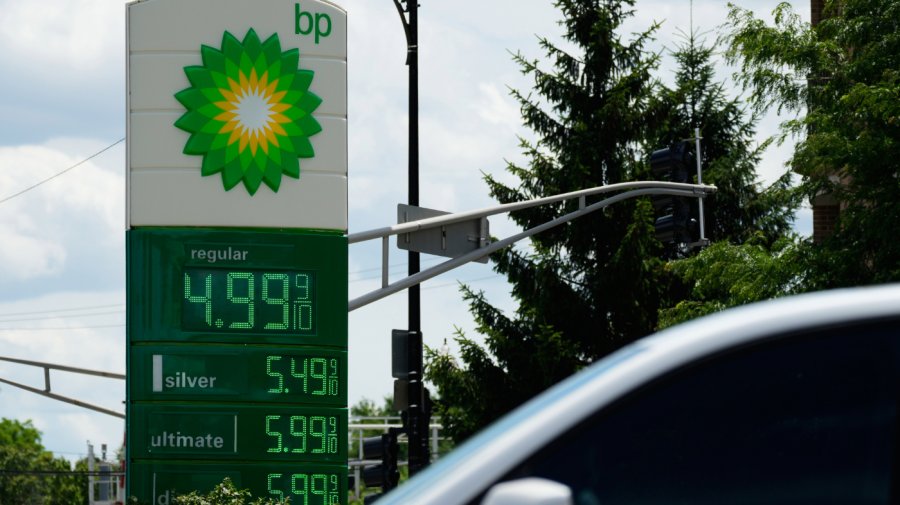
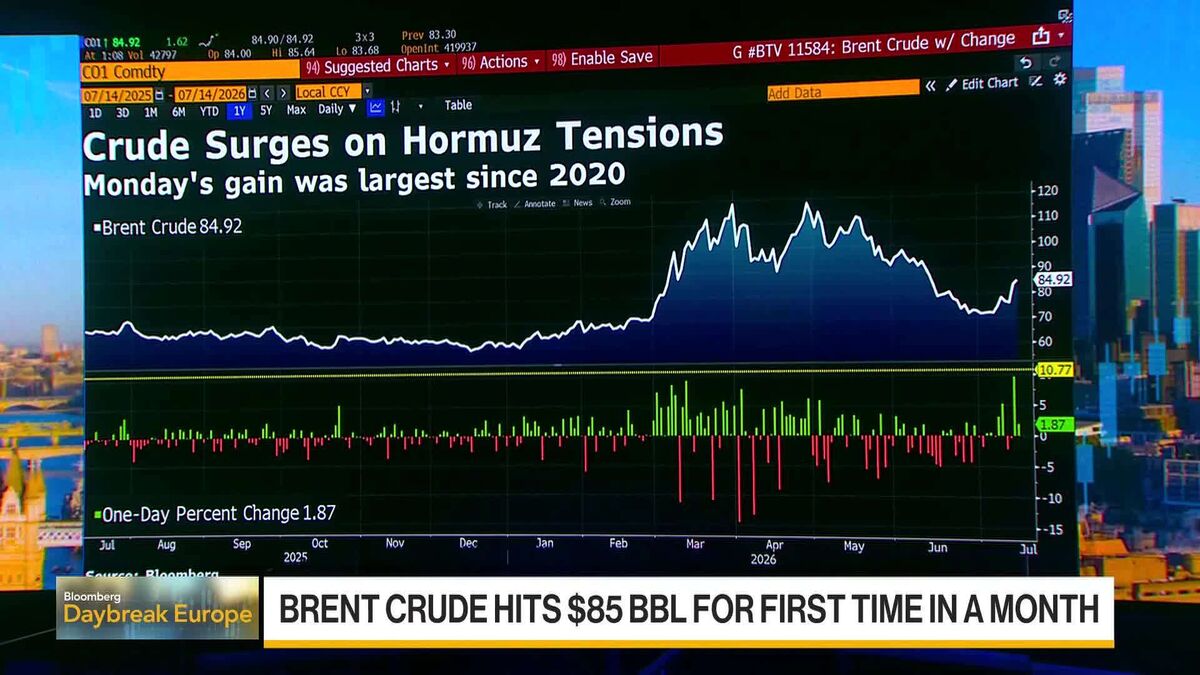
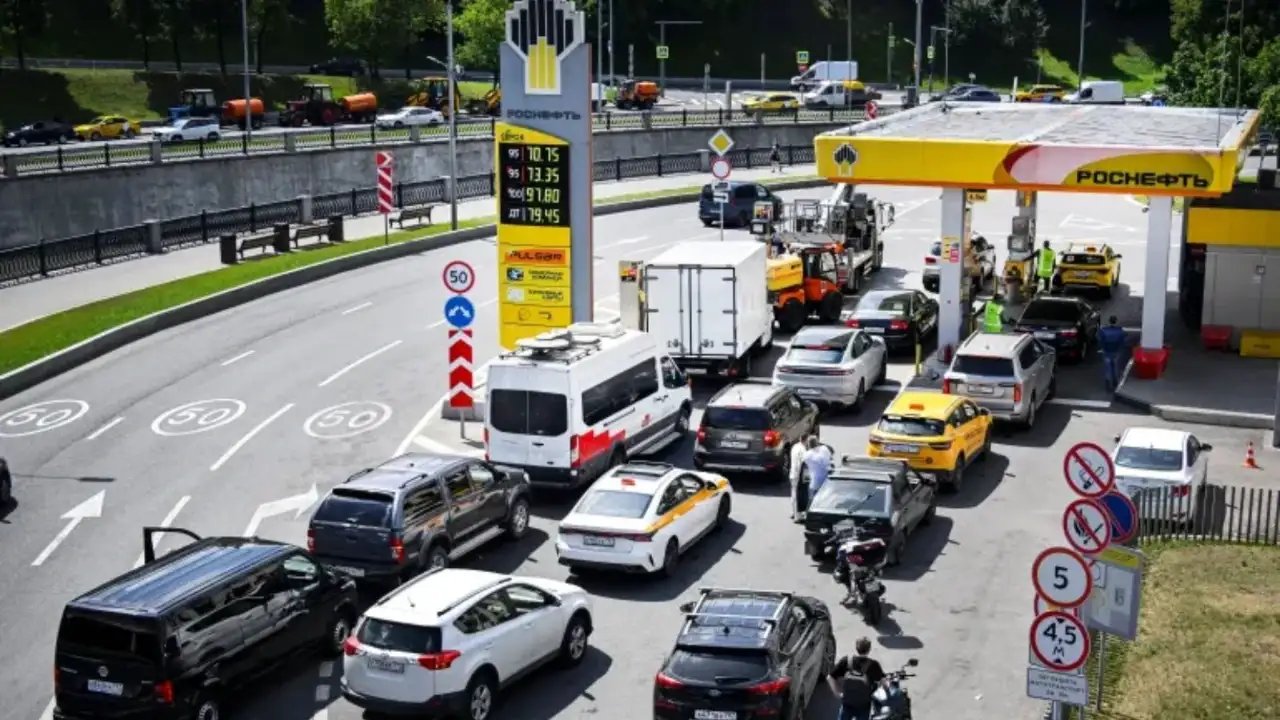
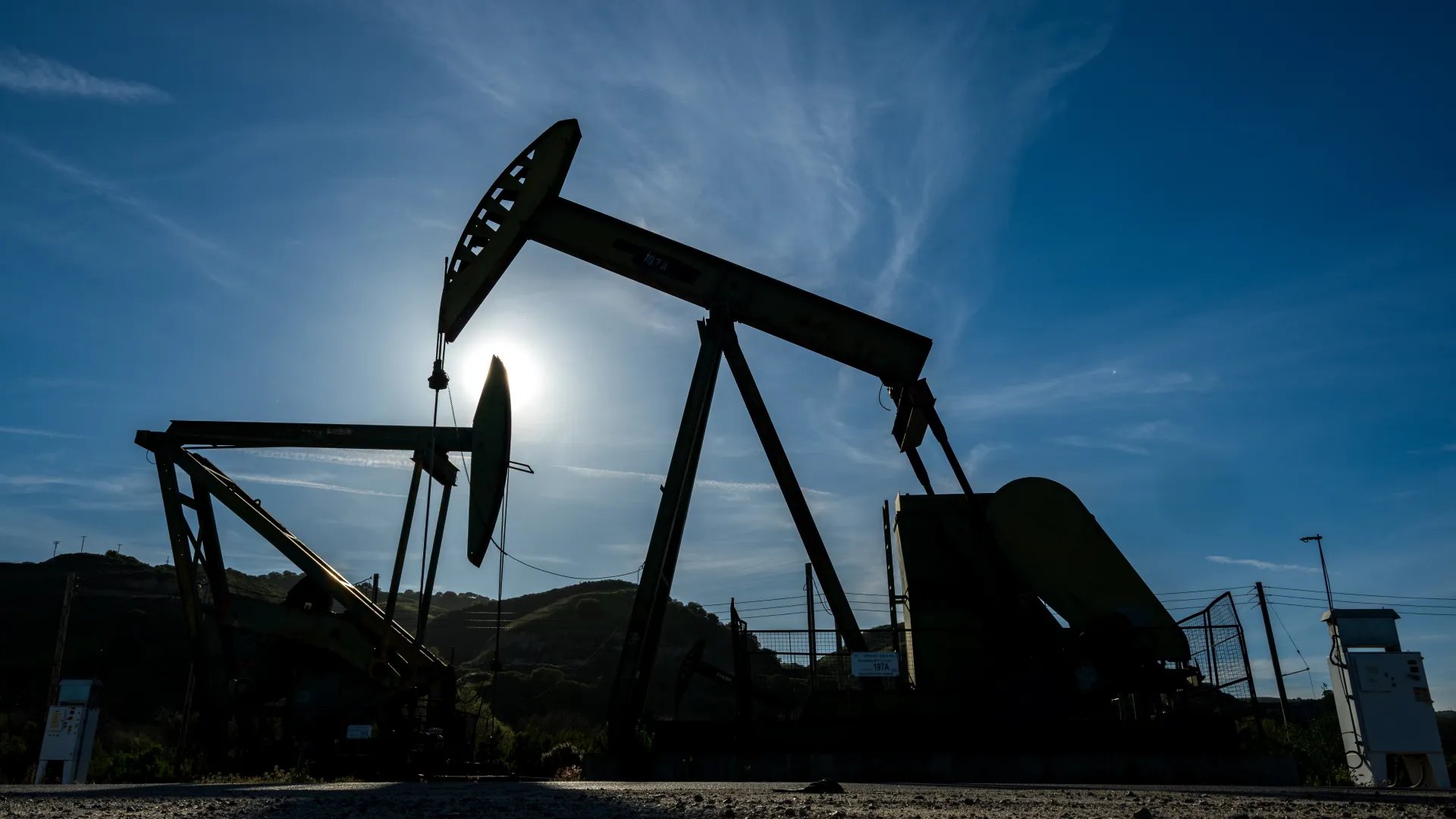
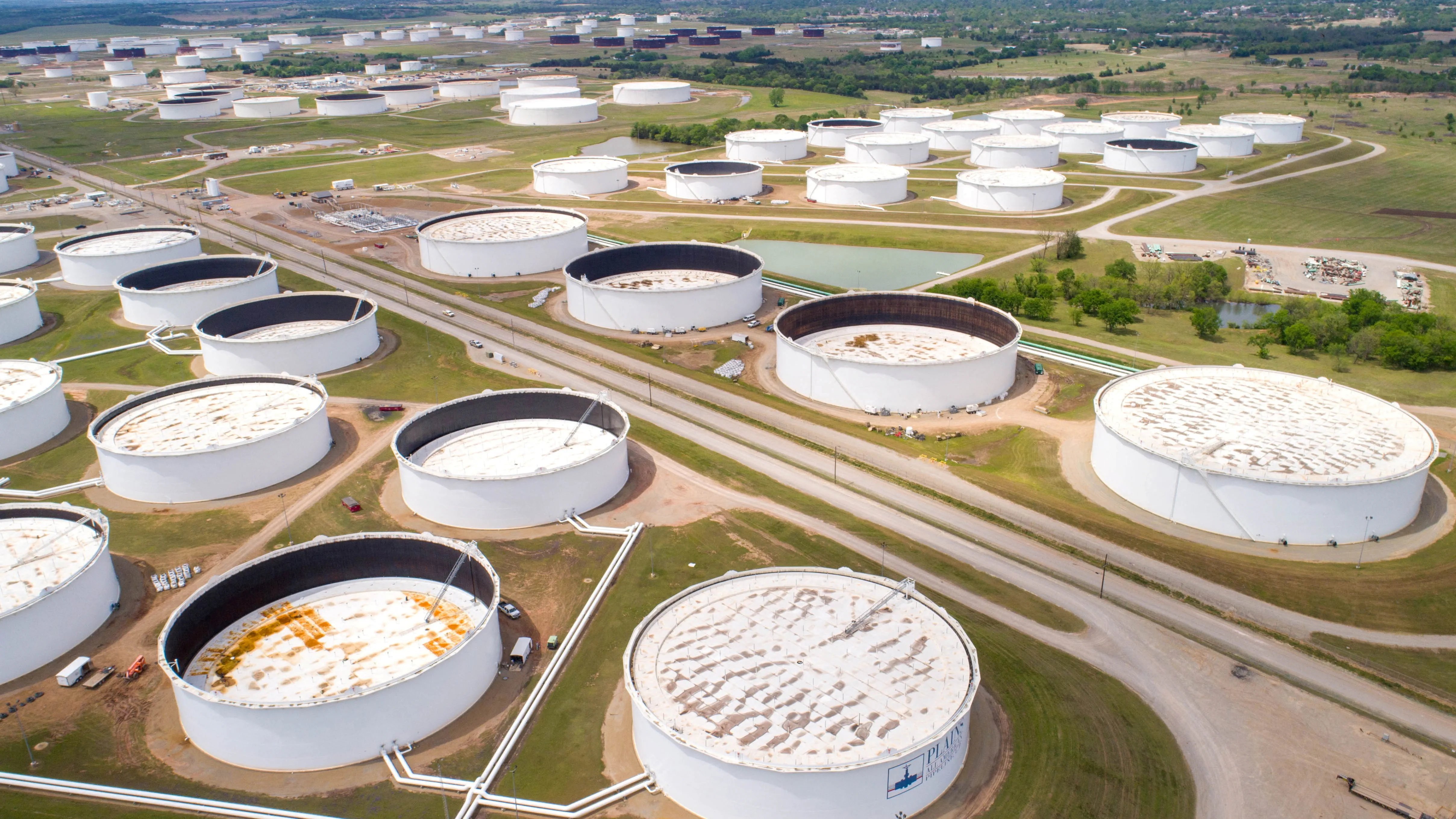
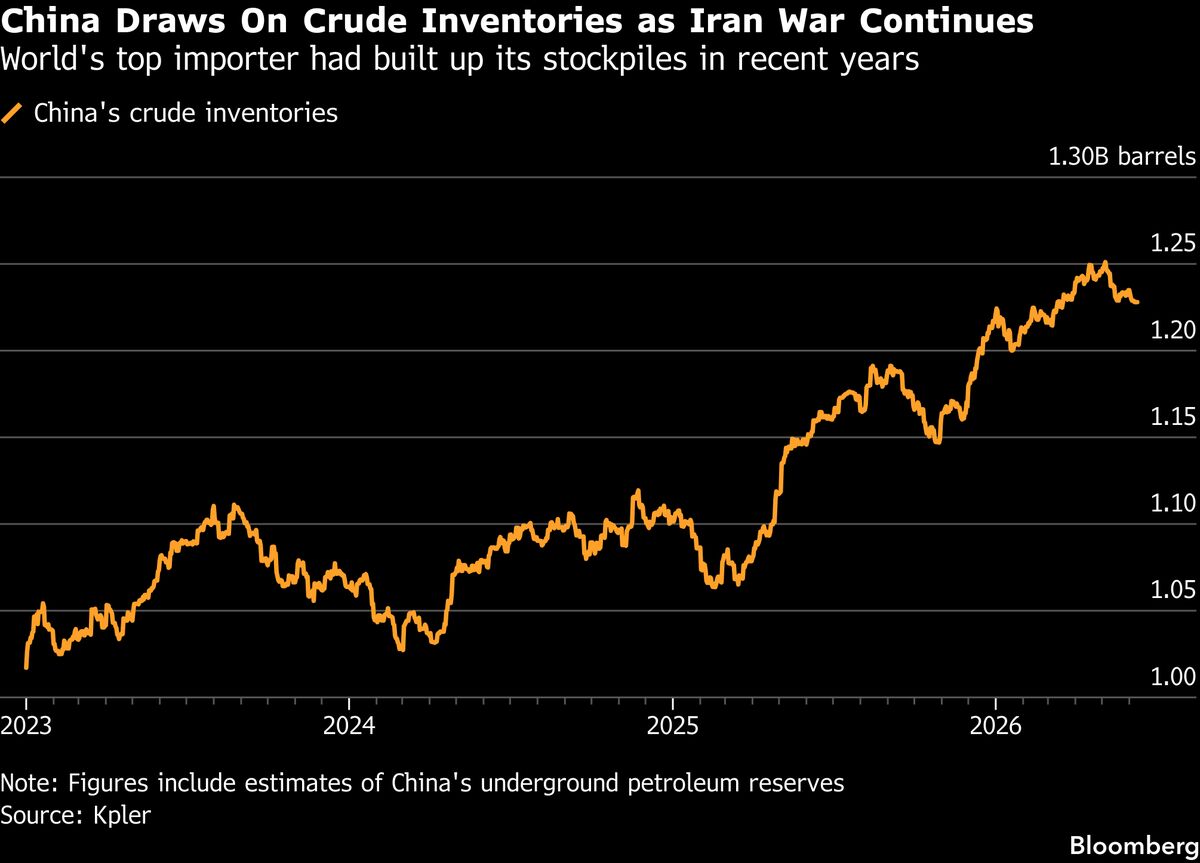
The previous blockade imposed by Iranian forces had a pronounced effect on global oil prices, contributing to a spike in fuel costs. If the current agreement leads to a lasting peace and improved security in the region, it could stabilize oil markets and alleviate some of the financial pressures faced by consumers and businesses worldwide.
The developments in the Strait of Hormuz highlight the intricate interplay between international diplomacy and global economic stability. As negotiations progress, the maritime community and oil markets will be closely monitoring the situation for any changes that could impact shipping routes and energy prices.