




Escalation of Violence in Gaza
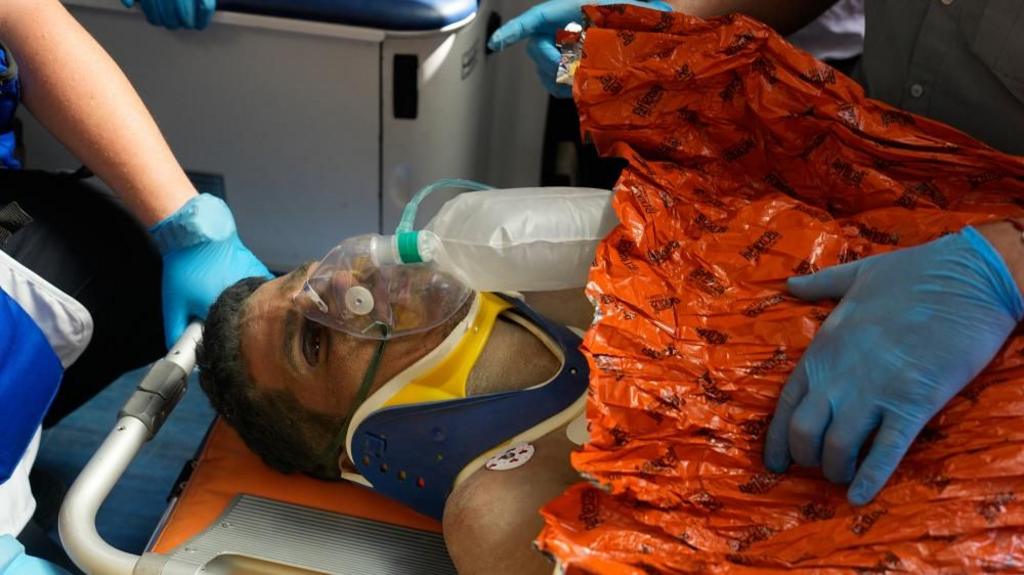
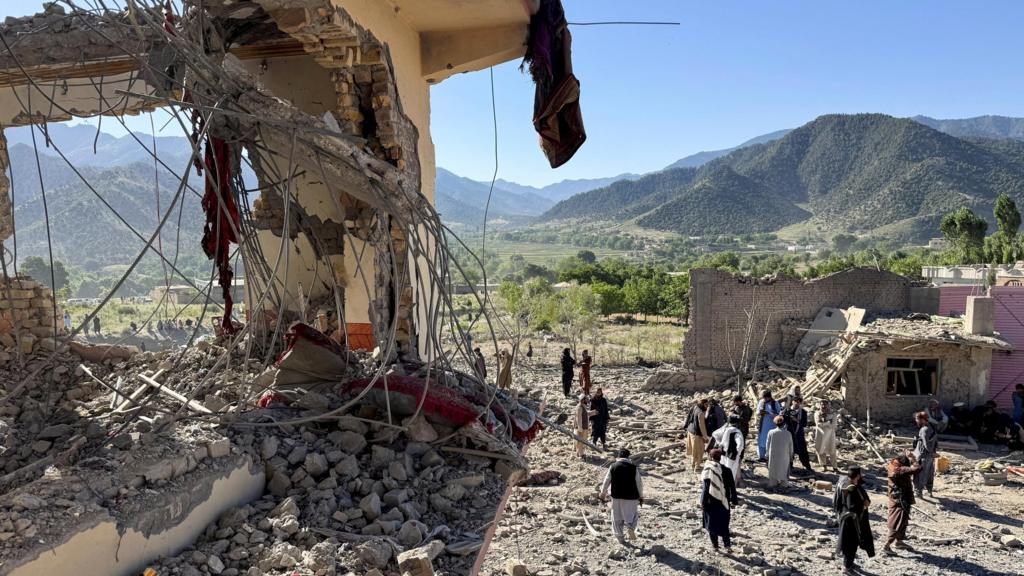
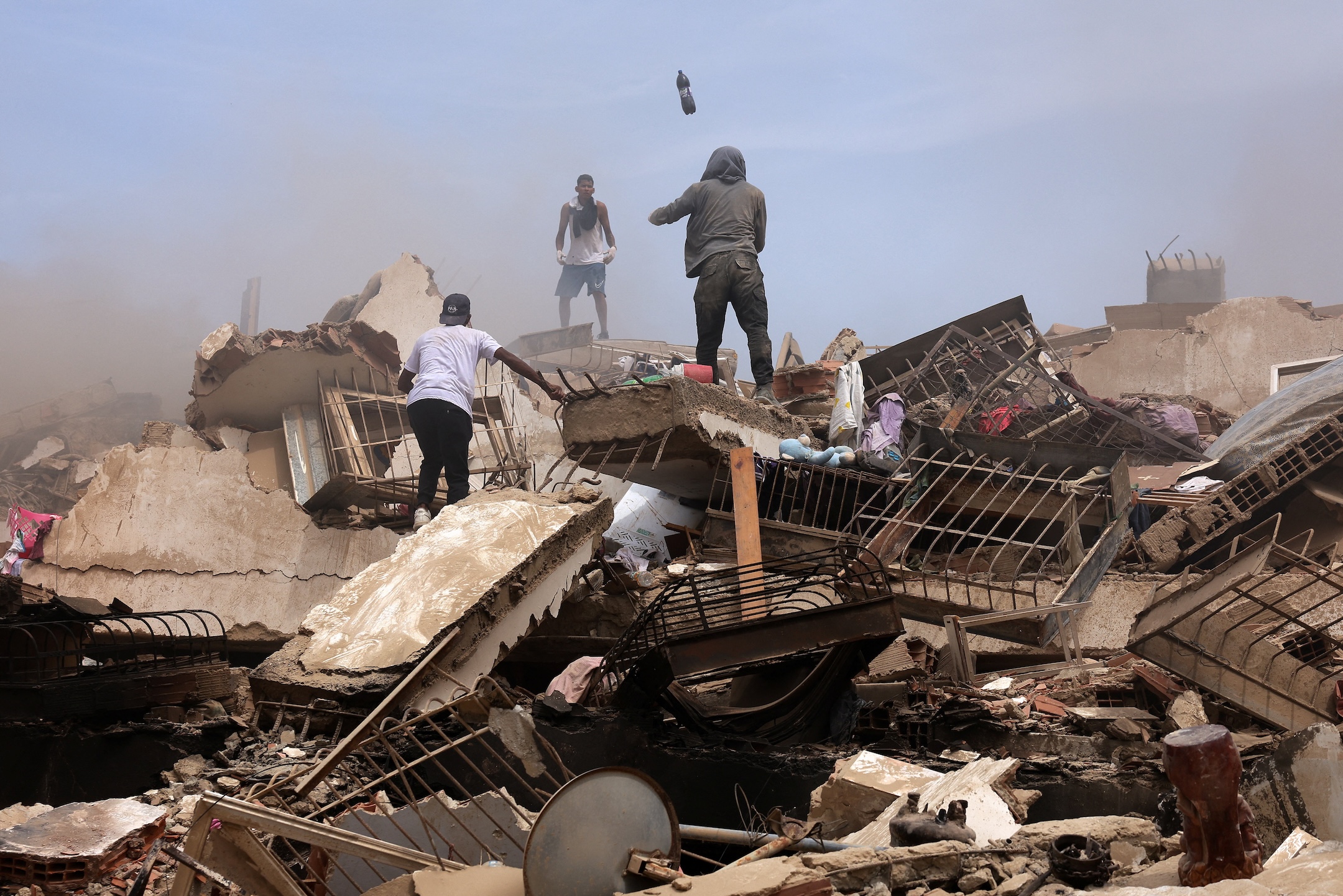
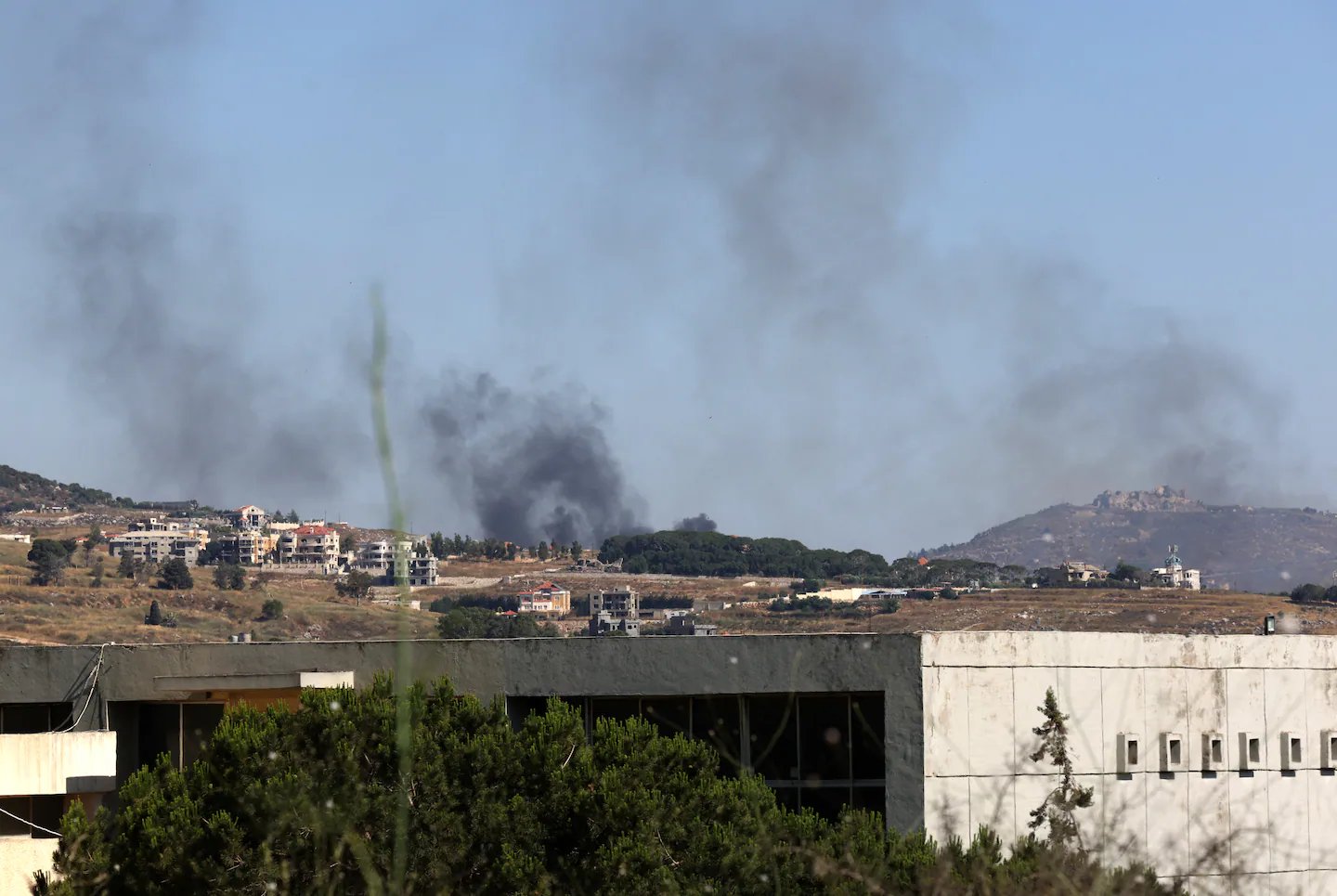
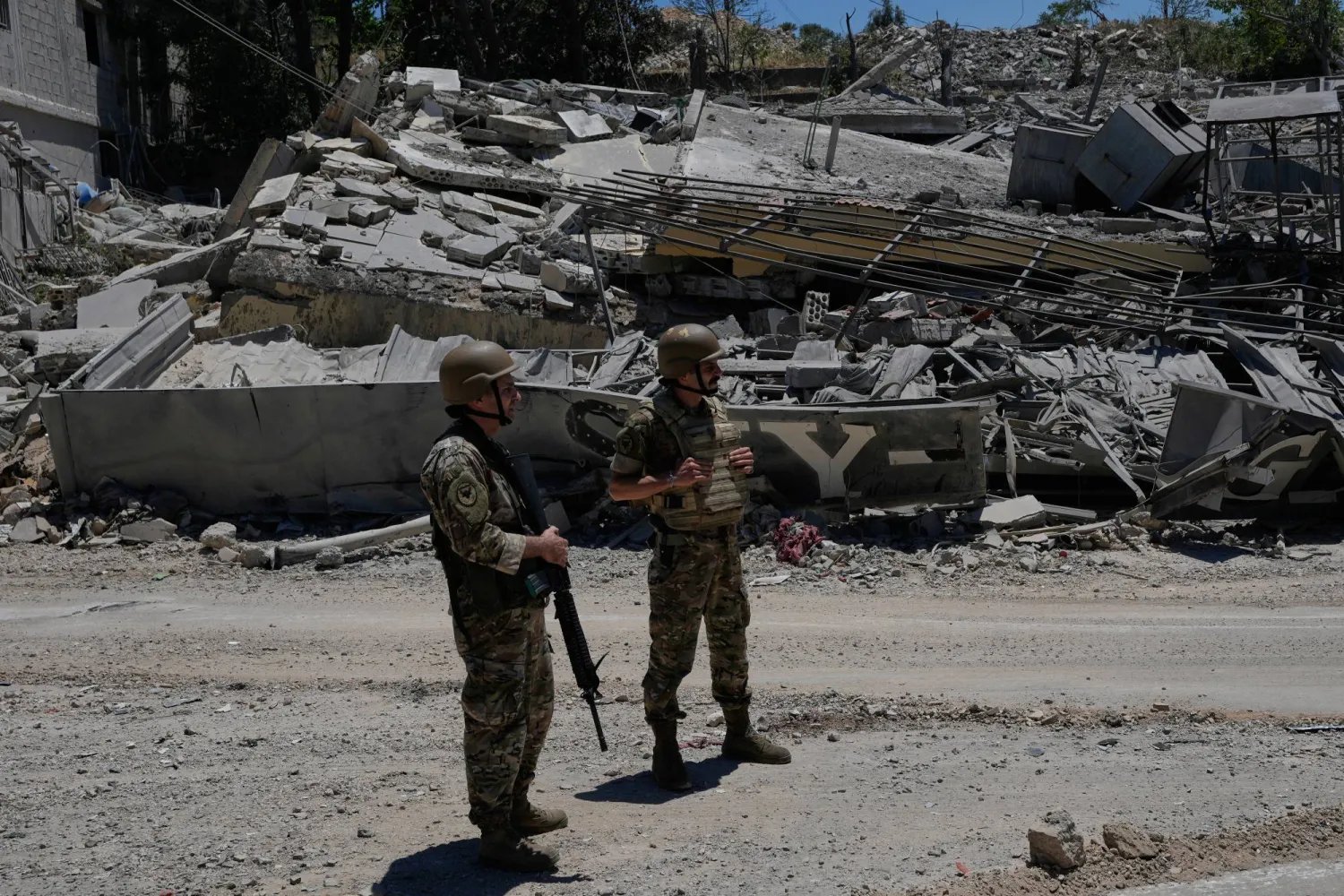
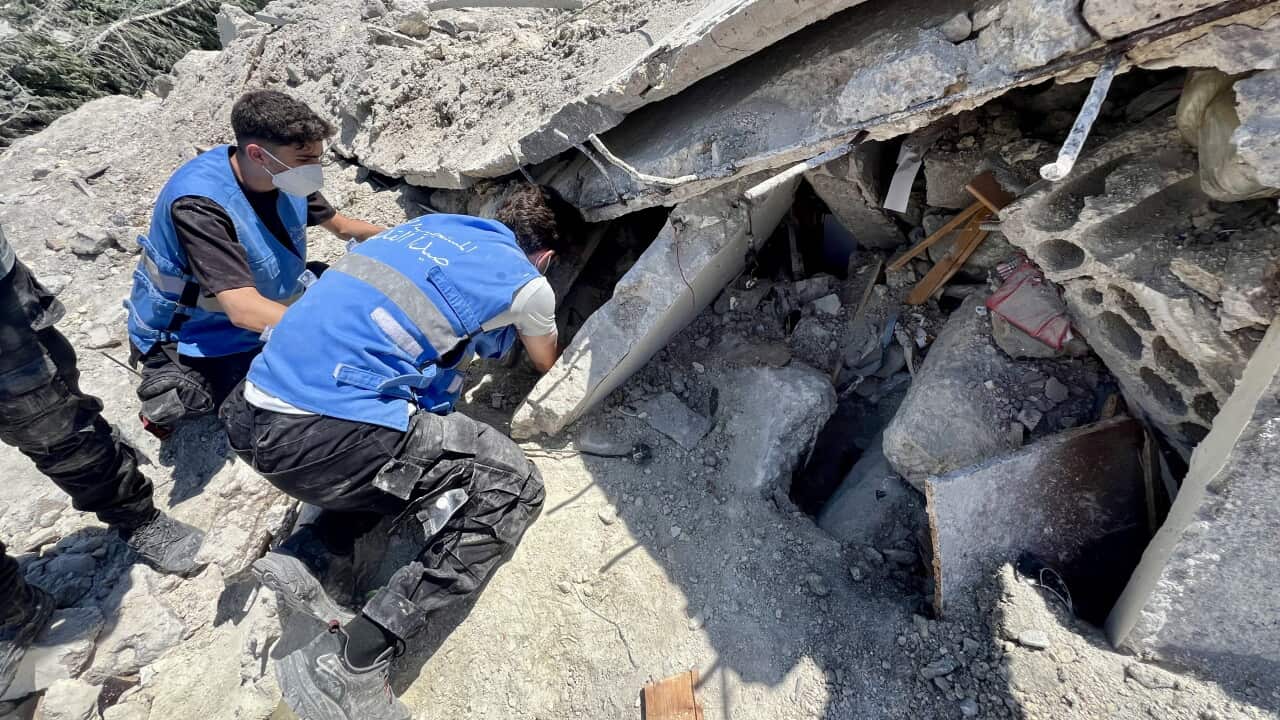
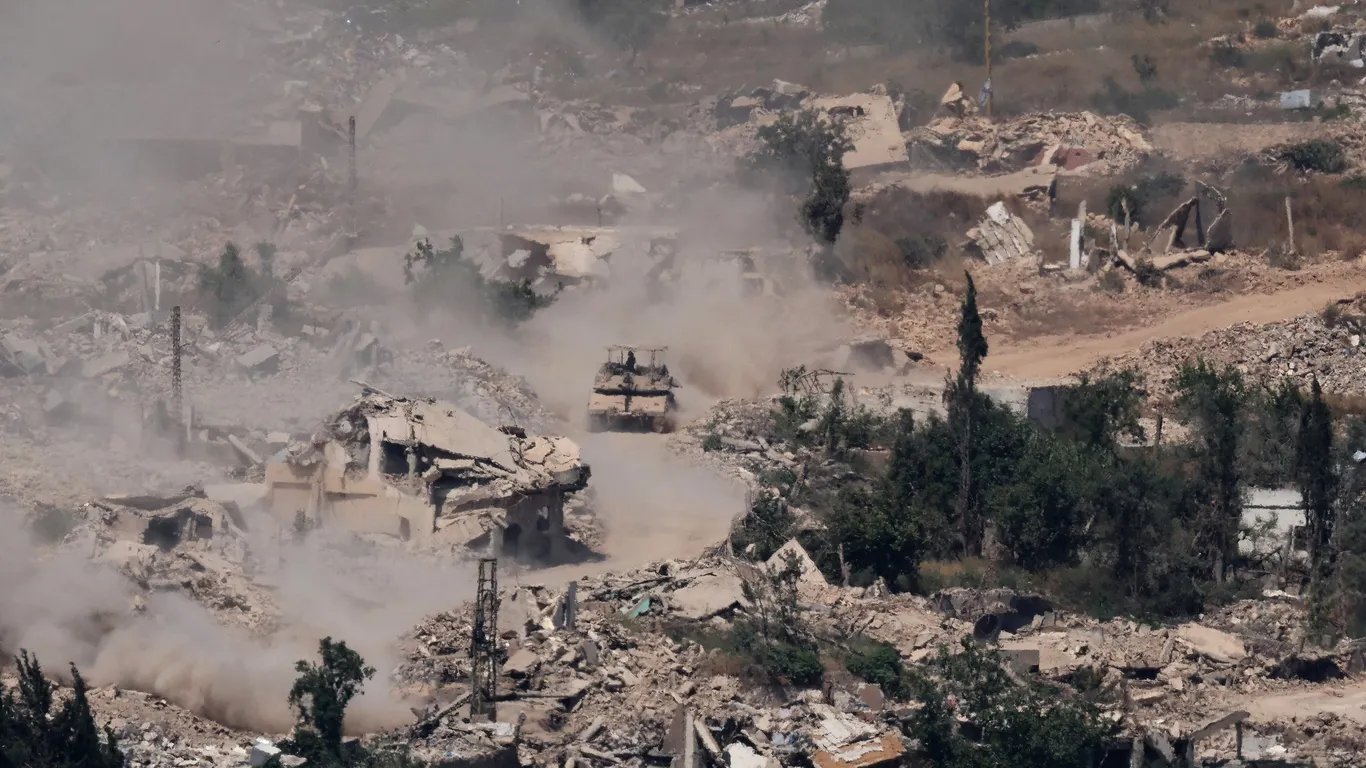
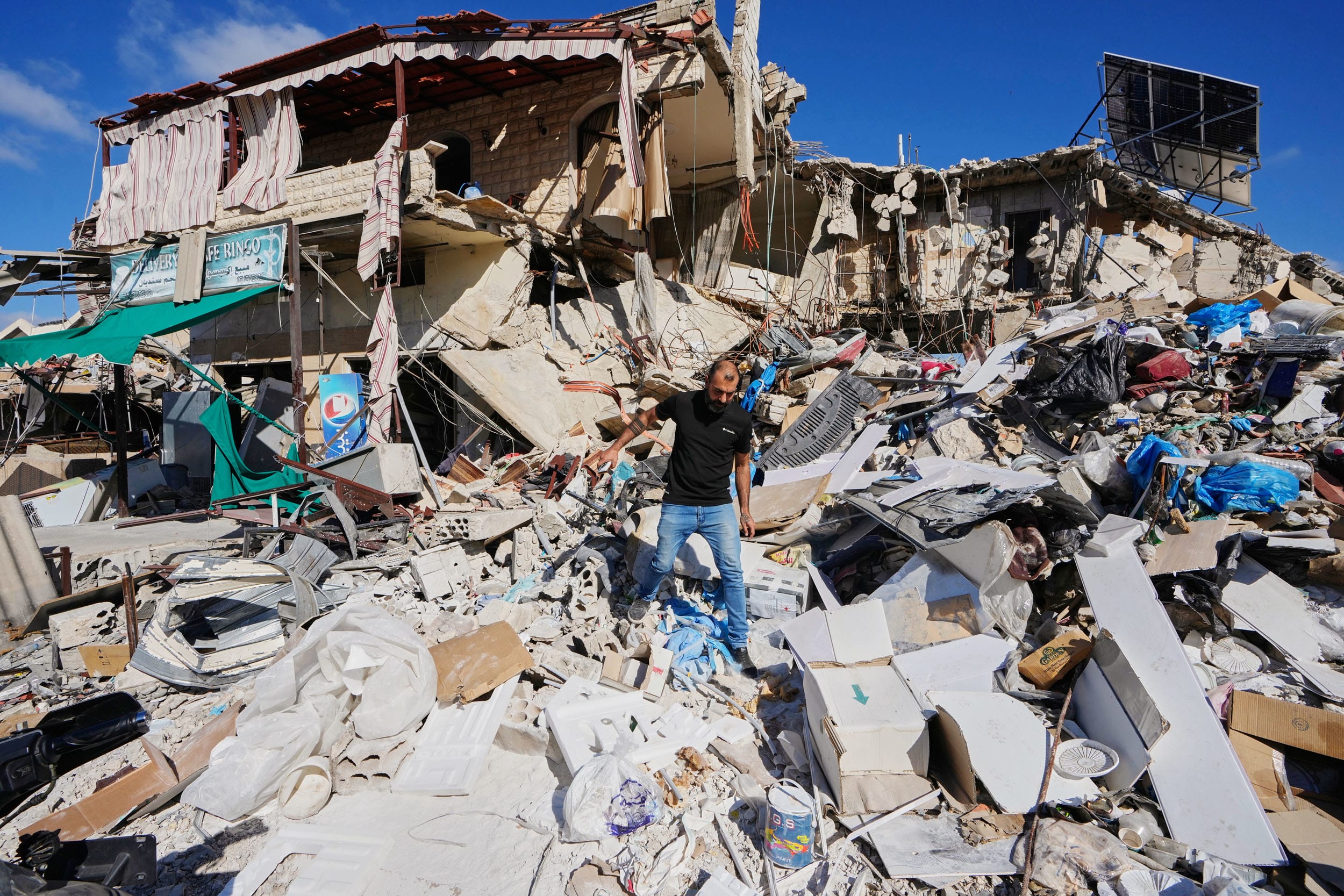
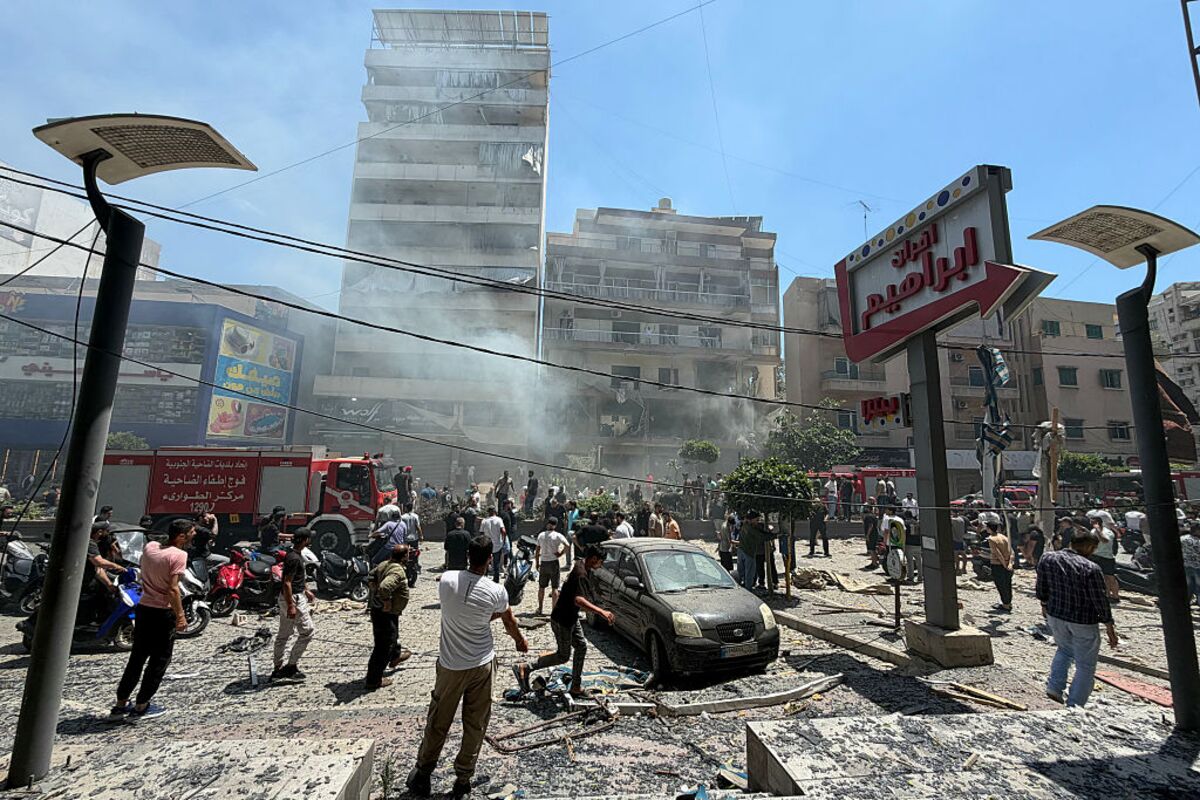
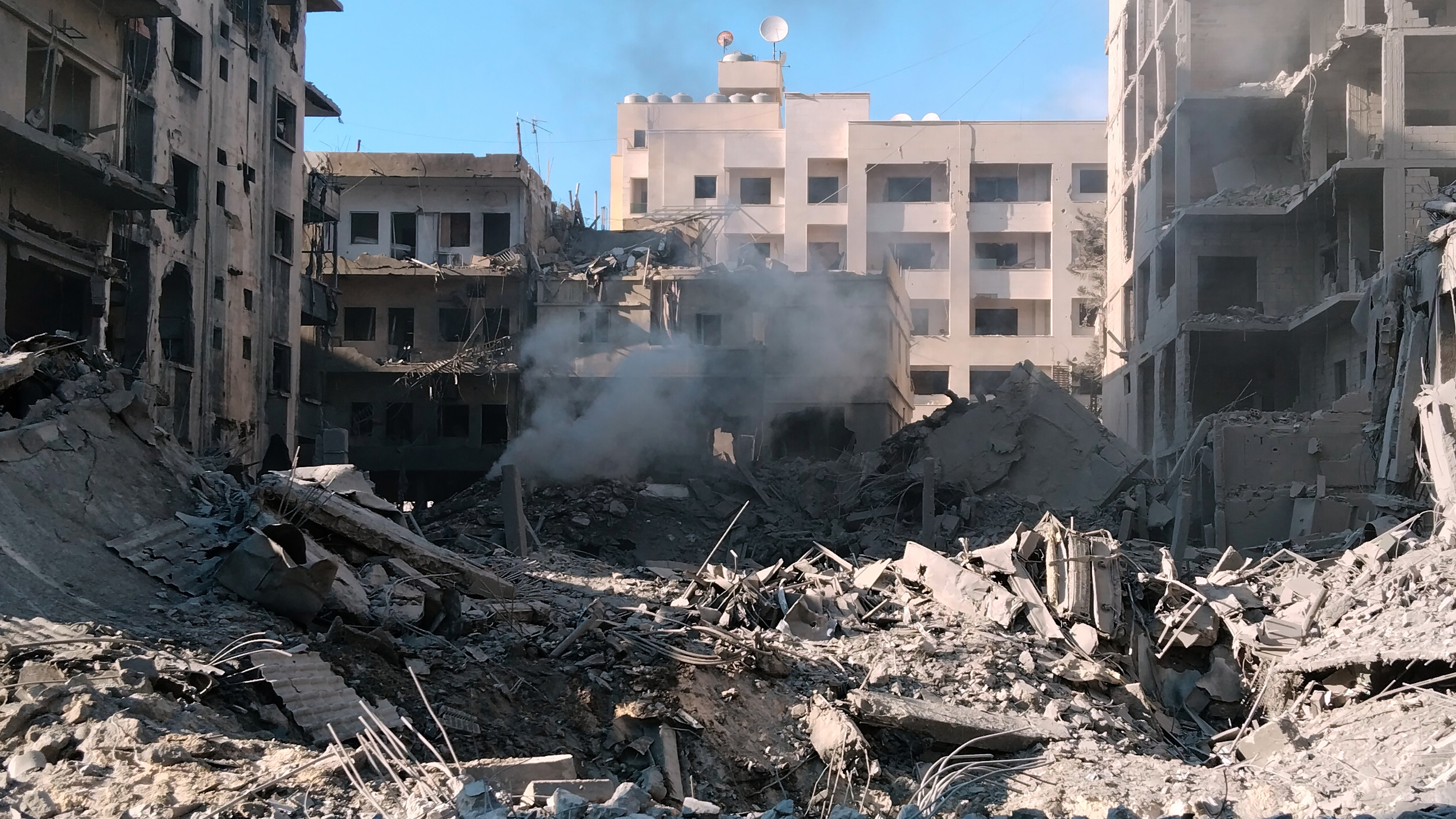
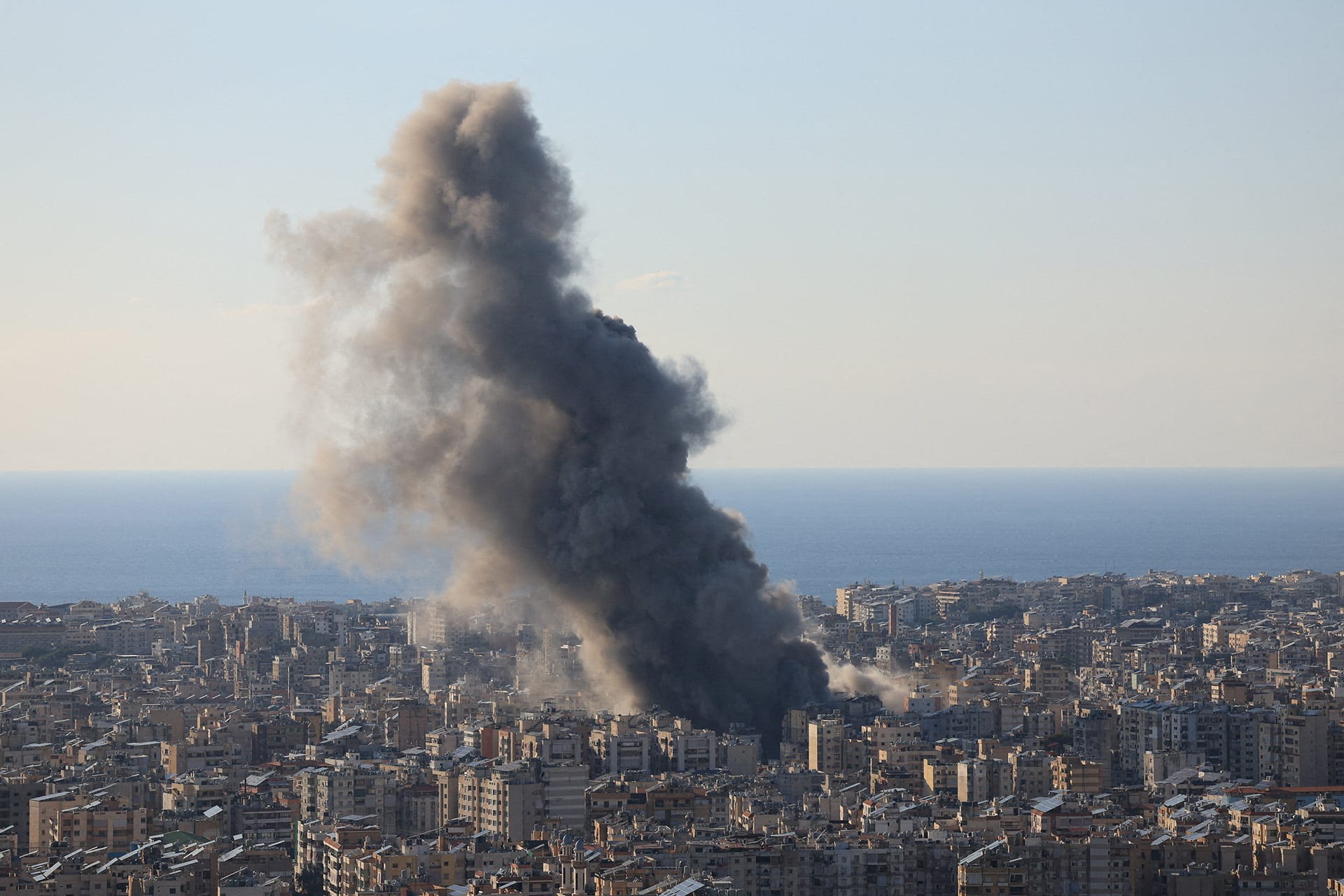
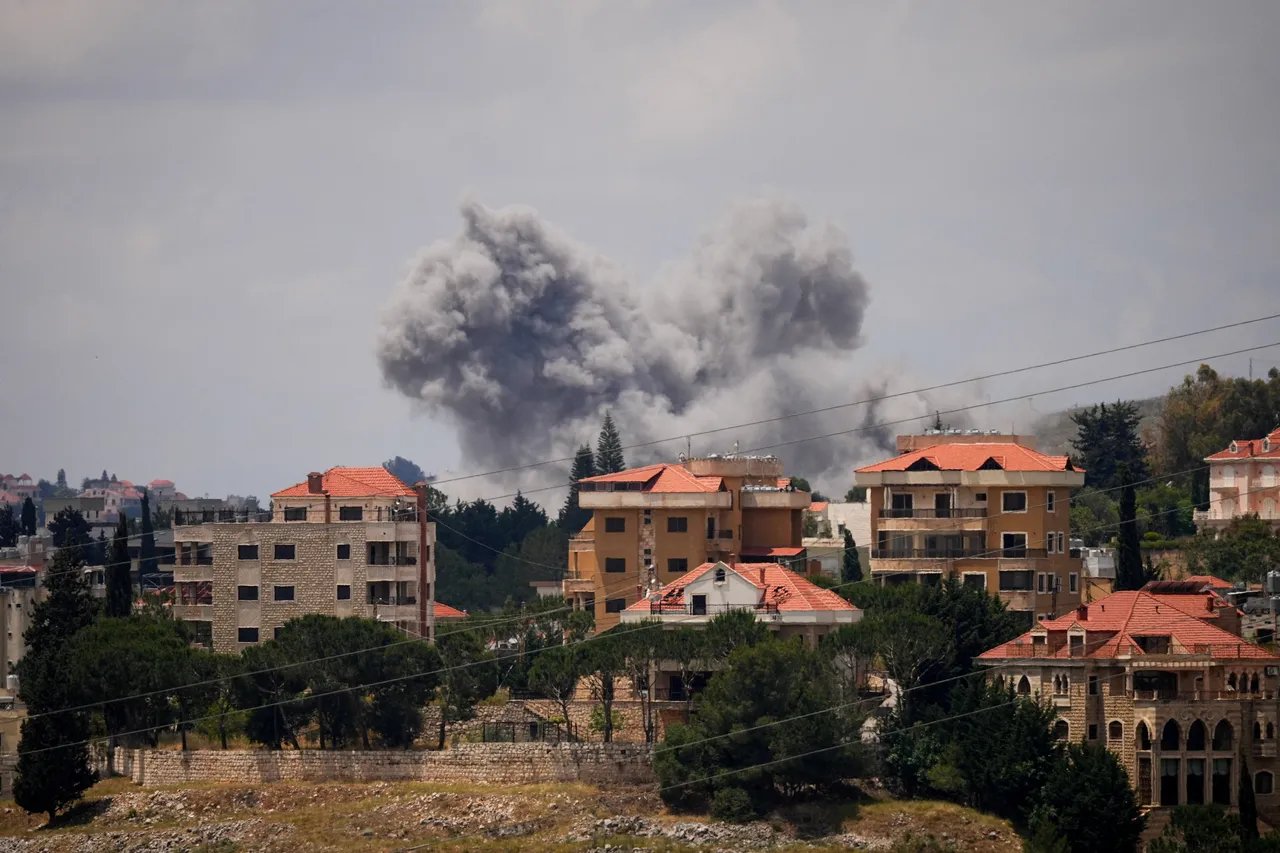
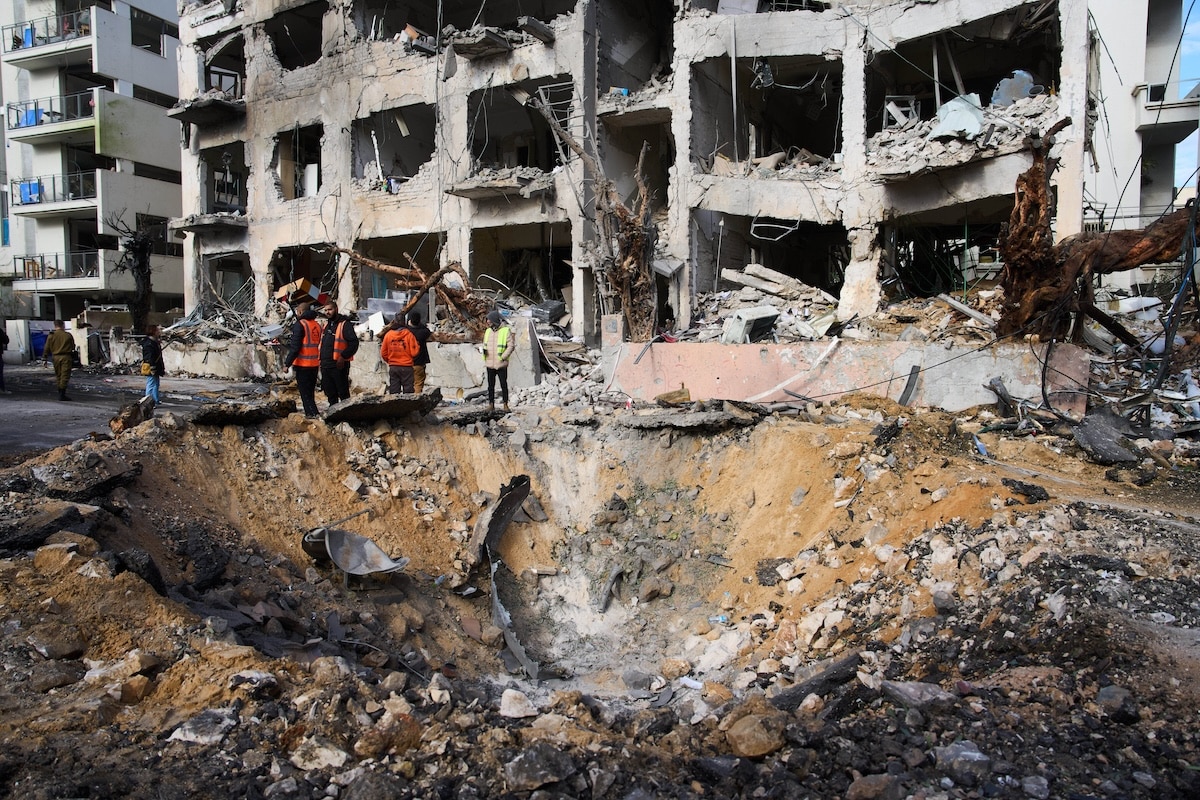
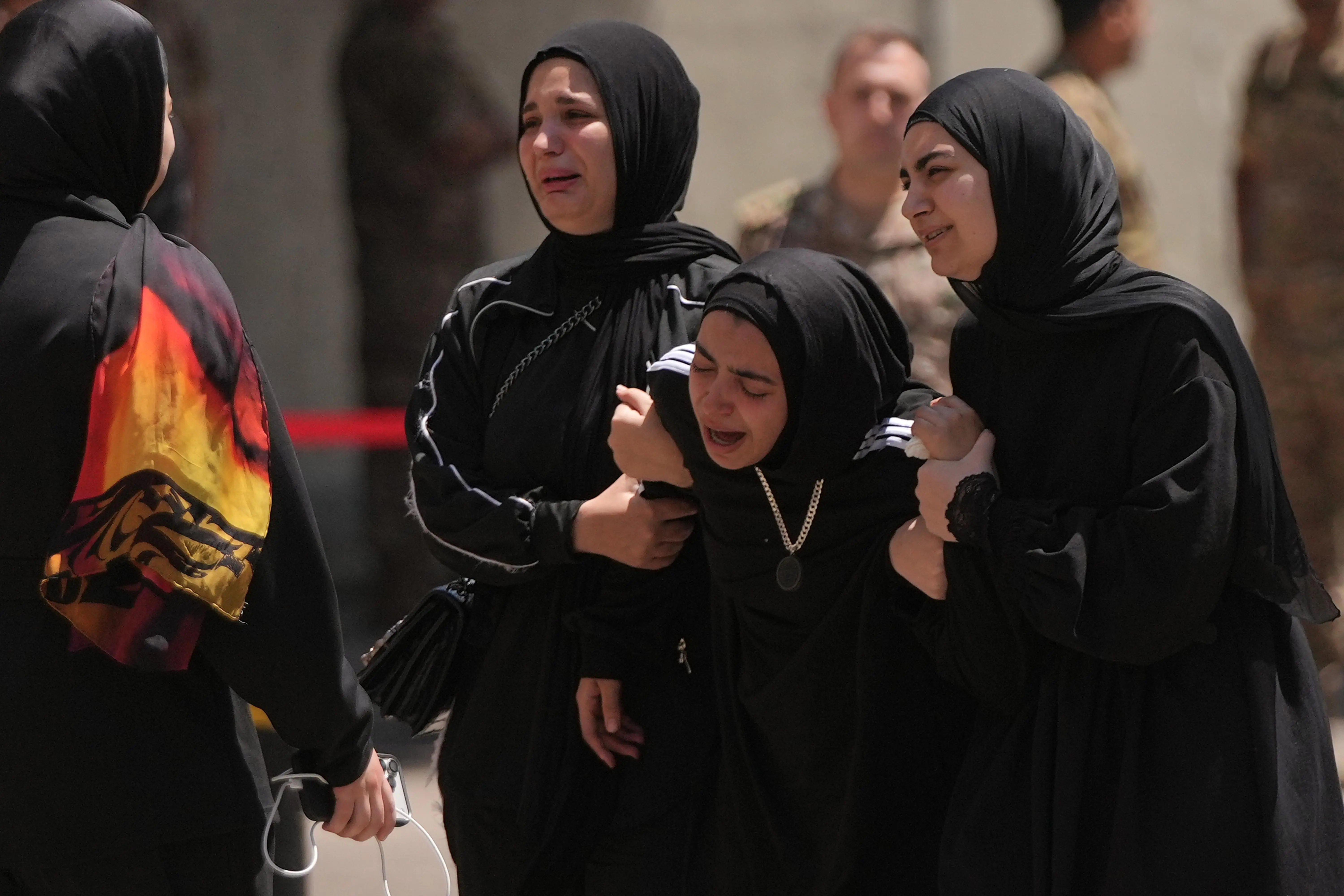
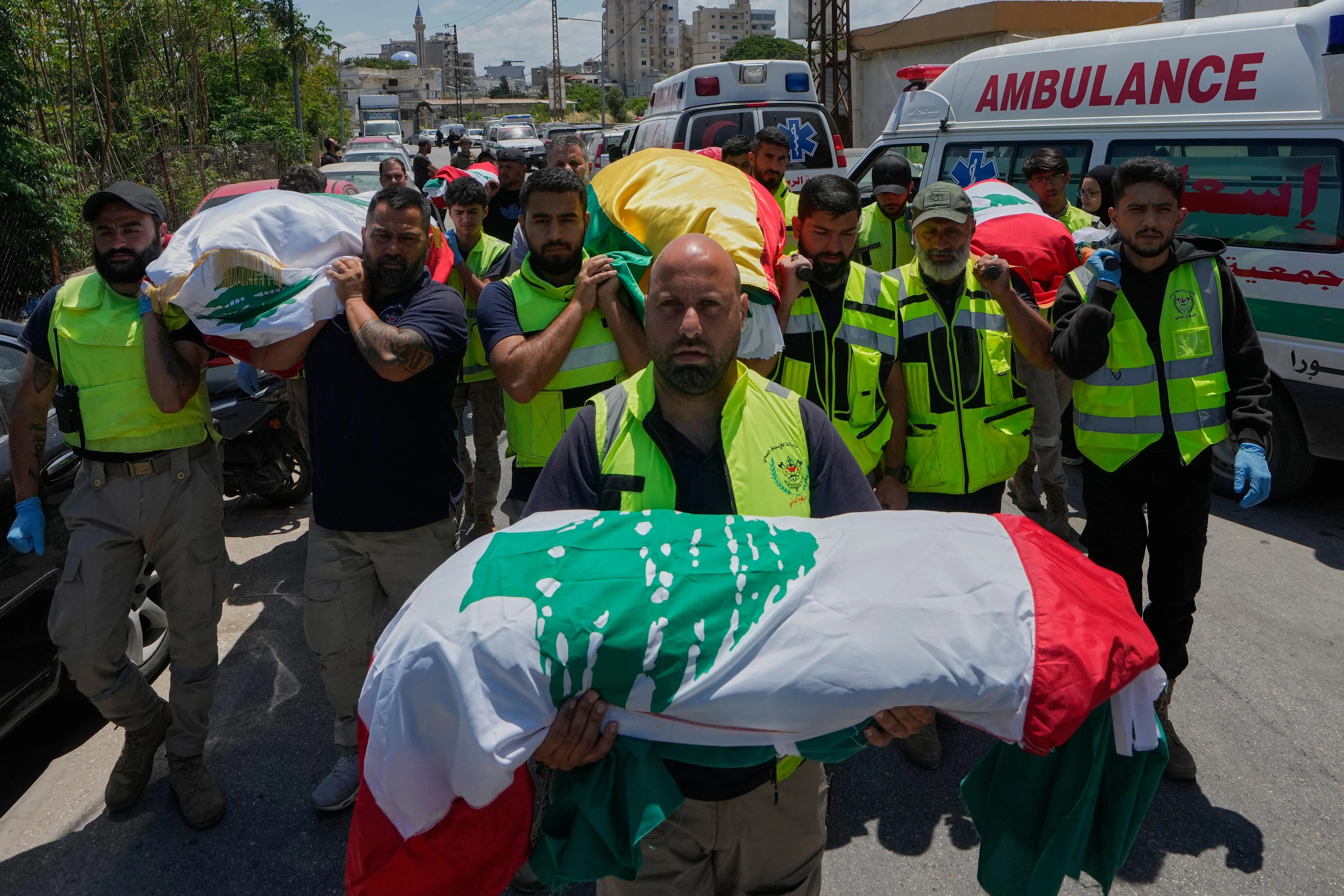
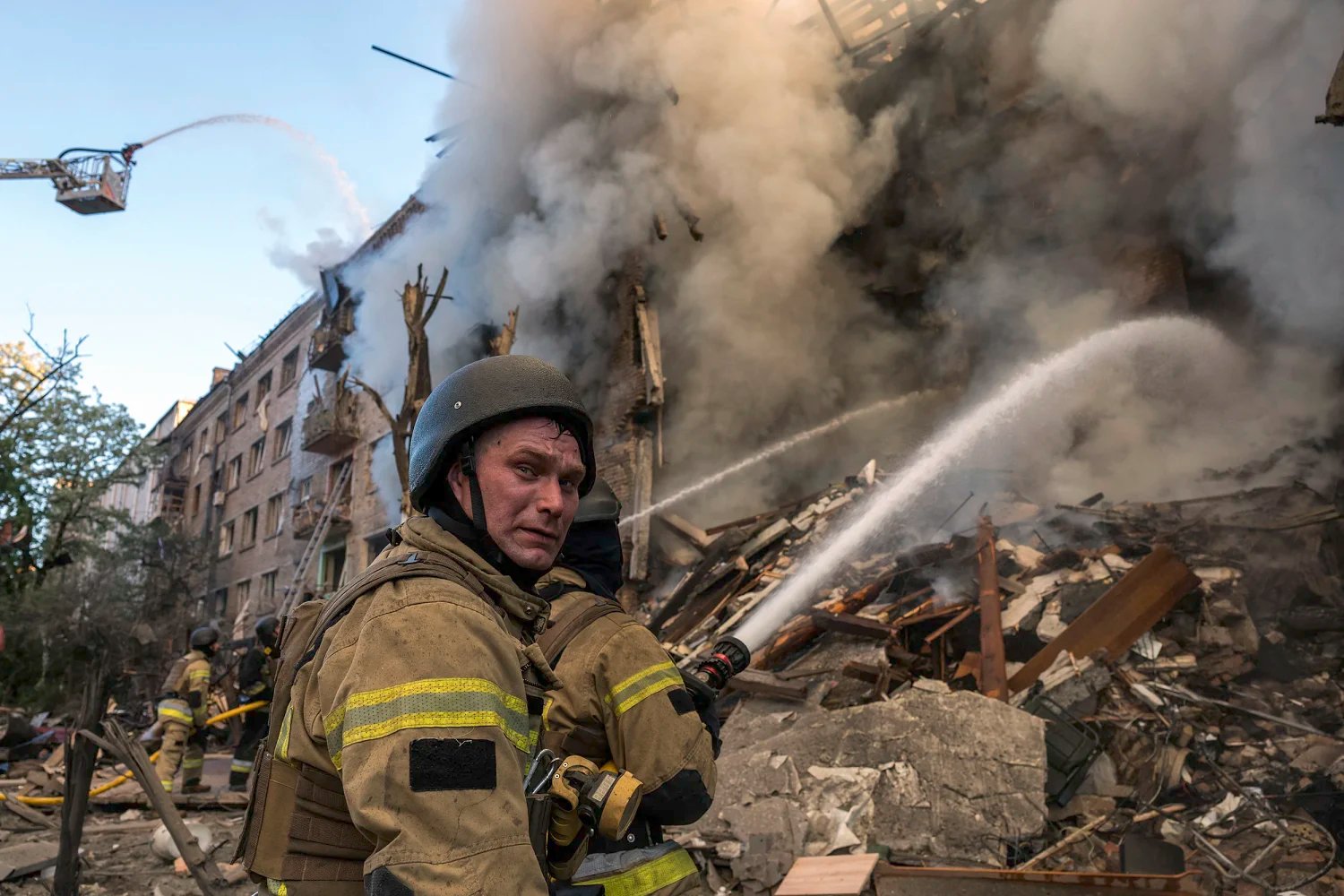
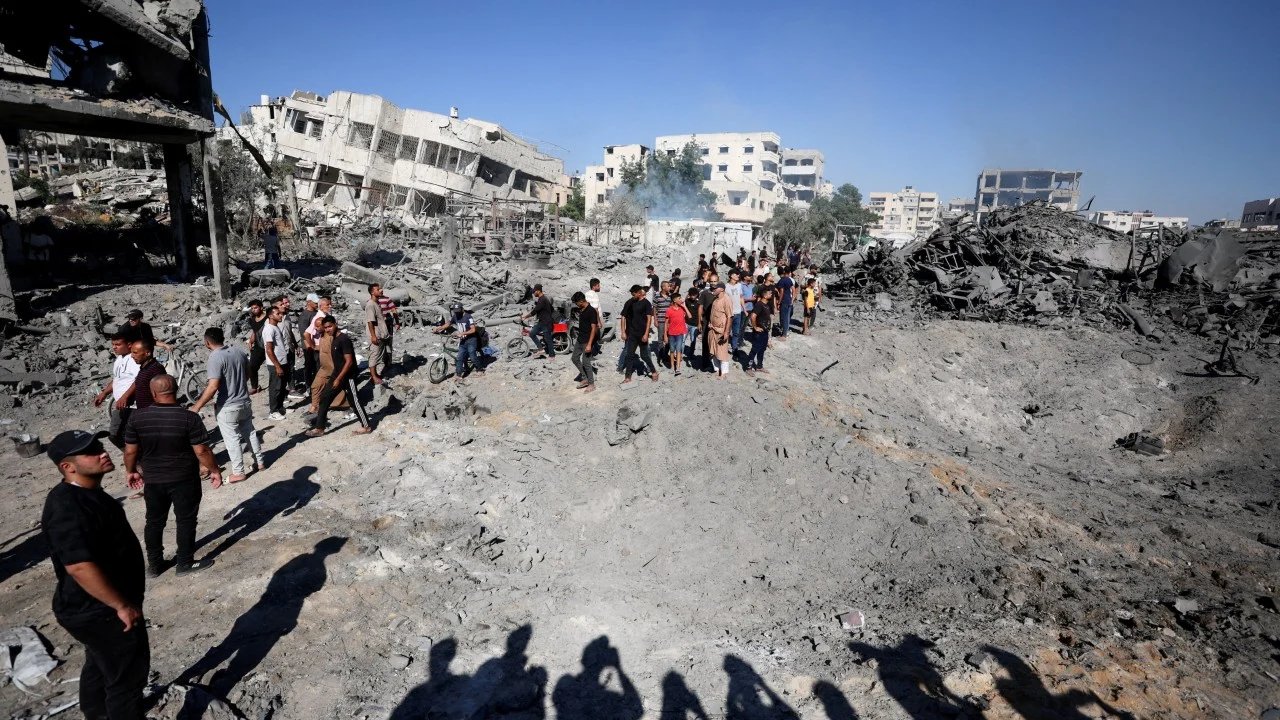
In recent attacks, Israeli forces have killed at least five Palestinians in Gaza, including a nine-year-old girl named Tala Abu Matar, according to Gaza’s Health Ministry. Tala died when Israeli gunfire targeted an encampment on the eastern side of the Al-Bureij refugee camp in central Gaza. This incident, along with a drone attack on a blacksmith’s shop in Gaza City, resulted in further casualties. The Israeli military acknowledged striking the area, claiming it targeted "terrorist infrastructure" without providing further details.
Ceasefire Violations and Ongoing Conflict
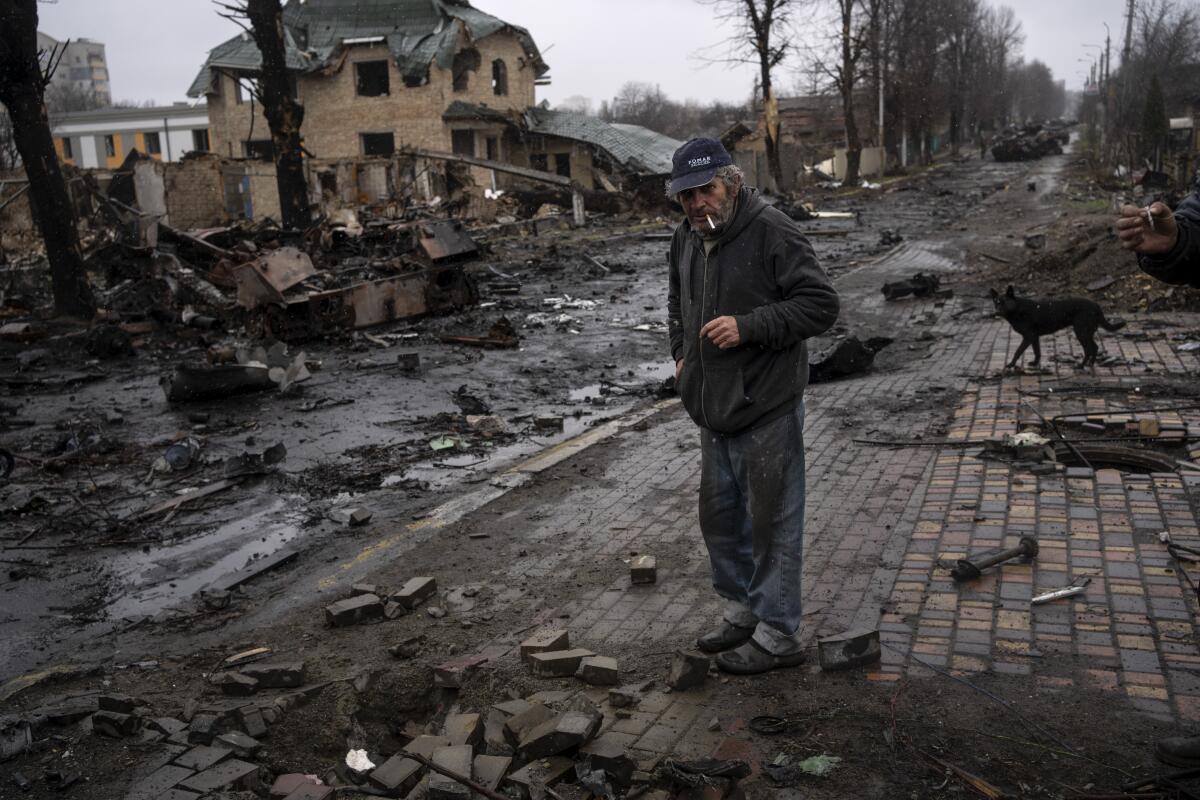
These attacks are in direct violation of the ceasefire agreed upon last October by Israel and Hamas. Despite the ceasefire, Israeli air strikes have continued, killing at least 1,098 Palestinians and wounding 3,535 during the so-called ceasefire, as per health ministry data. This indicates a significant escalation in violence that not only affects the lives of Palestinians but also poses challenges to international peace processes.
Control Over Gaza and Humanitarian Impact
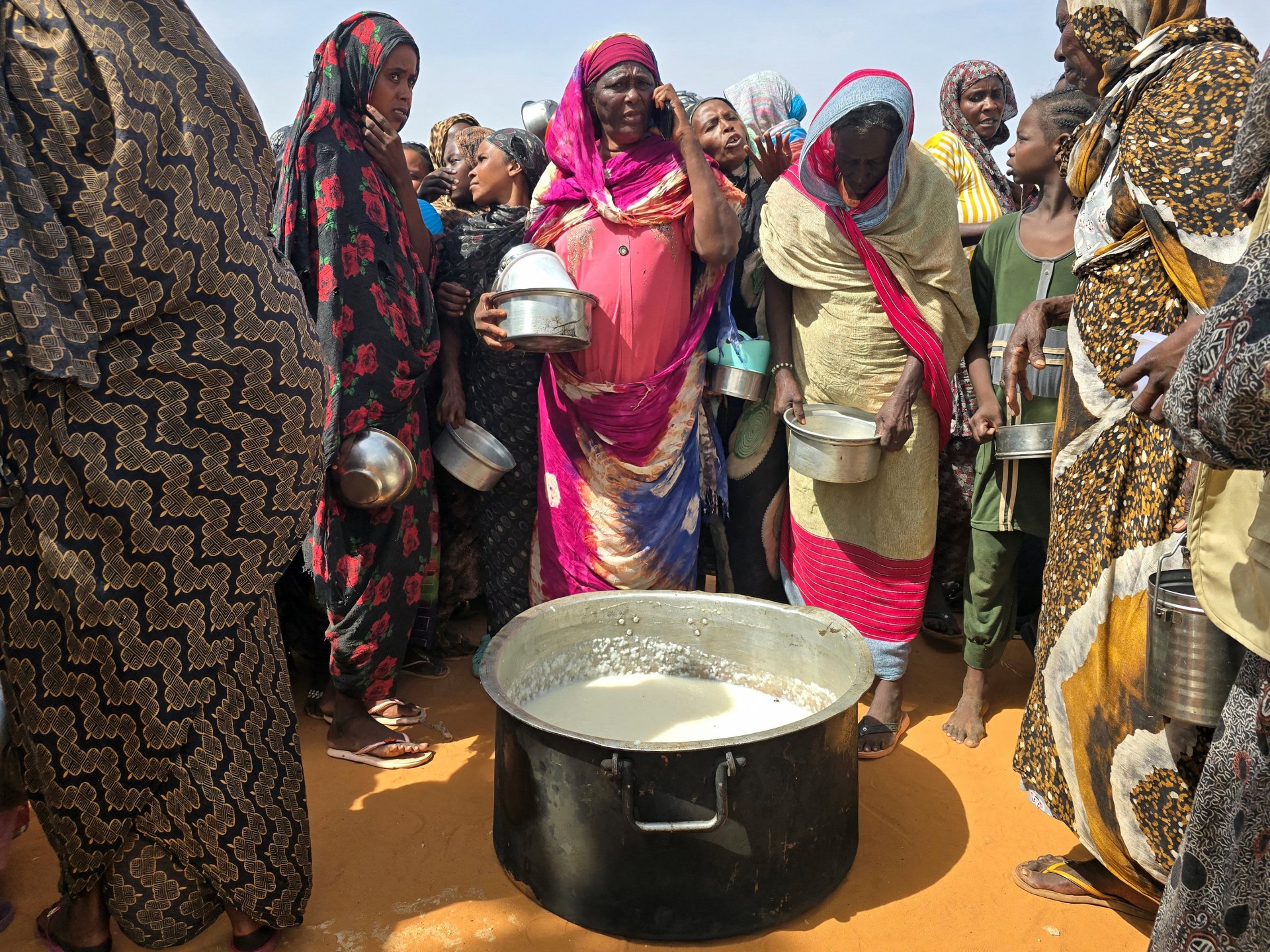
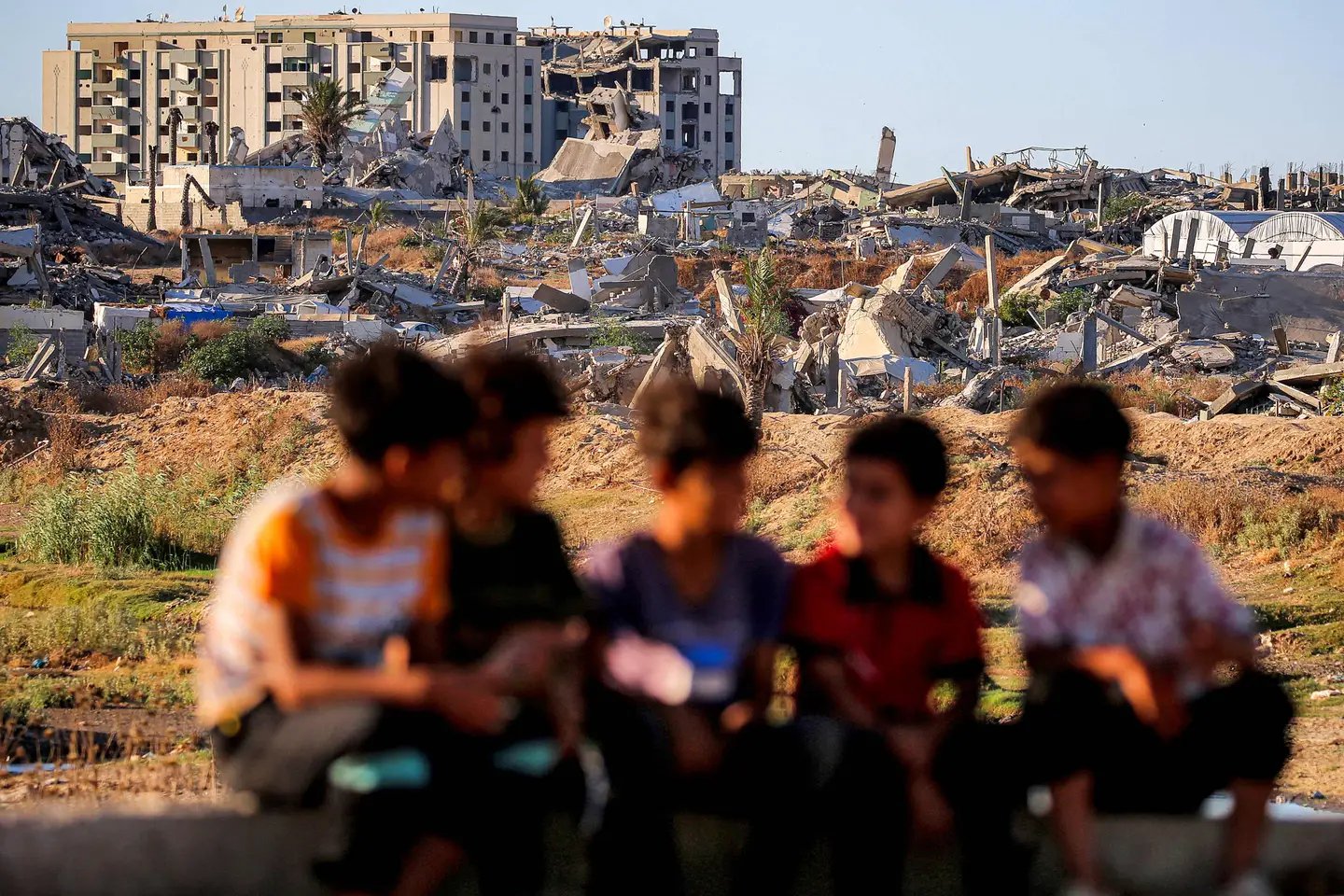
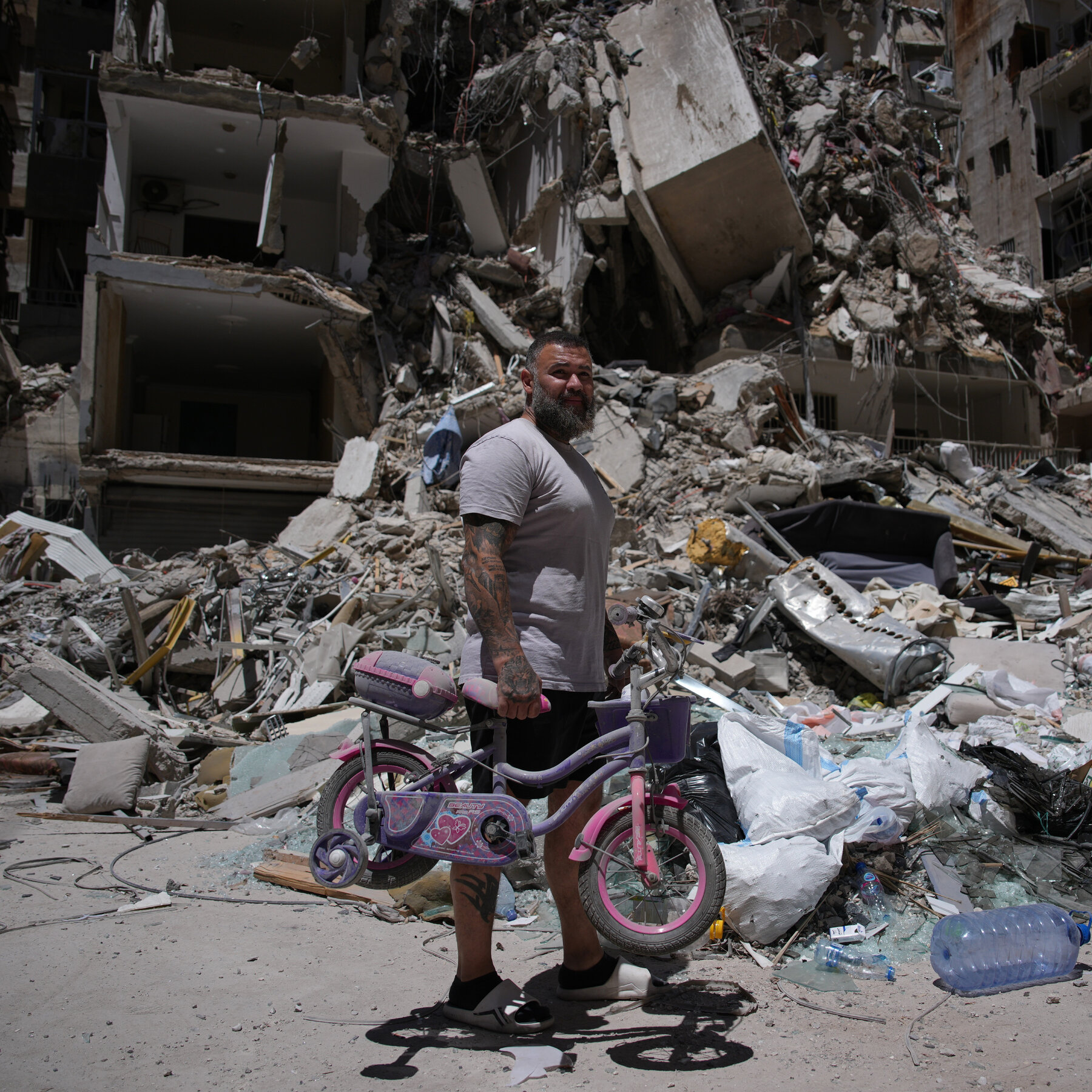
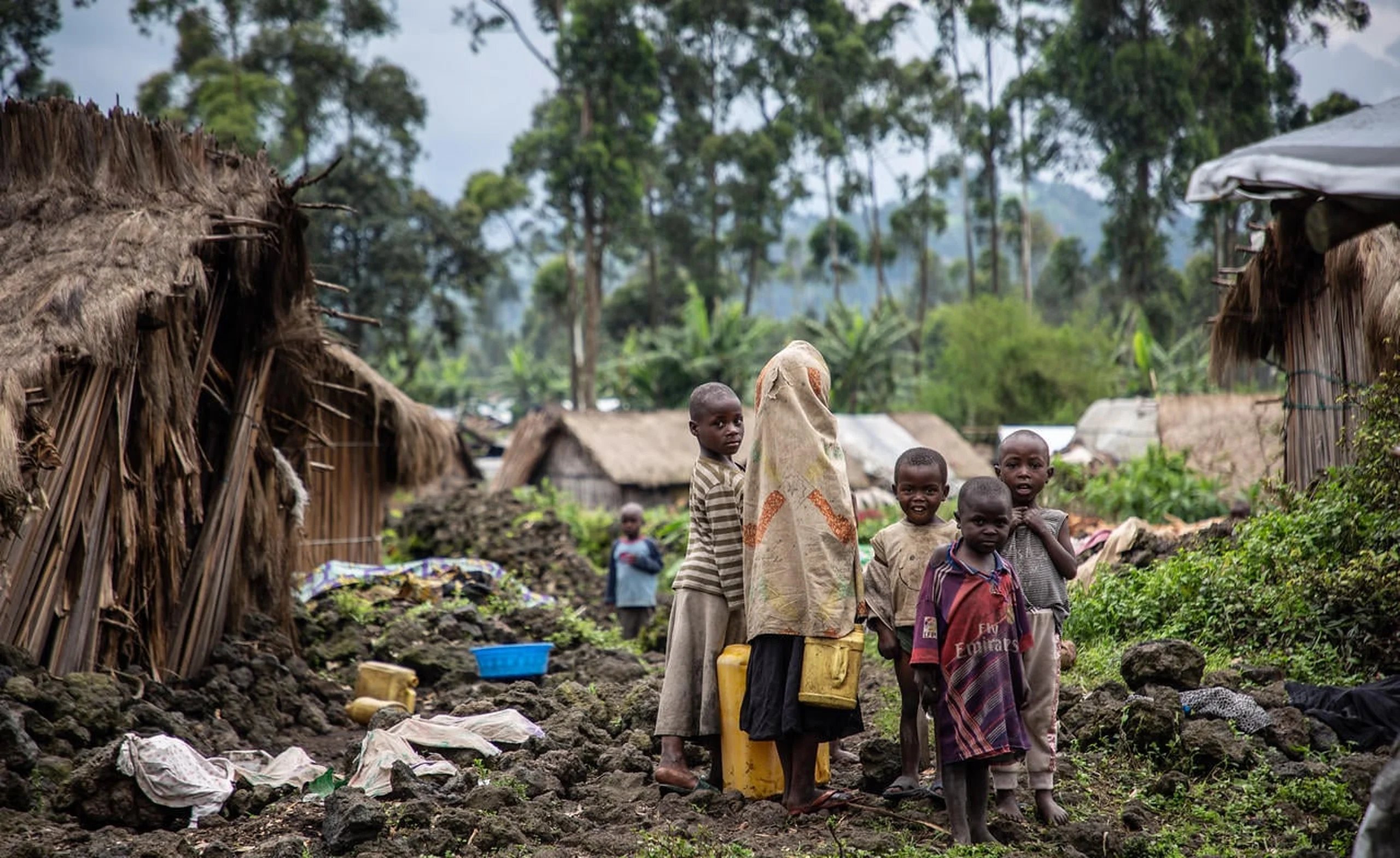
Since October, Israel has expanded its control over the Gaza enclave beyond the "Yellow Line," which demarcates territory occupied by Israel from the rest of Gaza under the ceasefire agreement. Gaza’s Government Media Office stated that Israeli forces now control about 80 percent of Gaza. This expansion, coupled with the ongoing attacks, has severe humanitarian implications for the 2 million people in Gaza who now live mainly in makeshift tents or damaged buildings along a tiny strip of land along the coast.
International Efforts and Peace Talks
The latest violence comes amidst Hamas leaders' visits to Cairo for further talks on implementing the second phase of US President Donald Trump’s Gaza peace plan. Discussions include Hamas disarmament and Israeli army withdrawals, but sources close to the talks report that no breakthrough has been achieved. The international community's efforts to safeguard the ceasefire and mediate peace talks are critical, given the current escalation and its impact on the region's stability.
Humanitarian Consequences and International Relations
The continued violence in Gaza has real-world consequences for the humanitarian situation and international relations. It not only affects the daily lives and safety of Palestinians but also has the potential to disrupt peace processes and further strain the region's already complex geopolitical dynamics. The international community must remain vigilant and committed to finding a lasting resolution to the conflict.