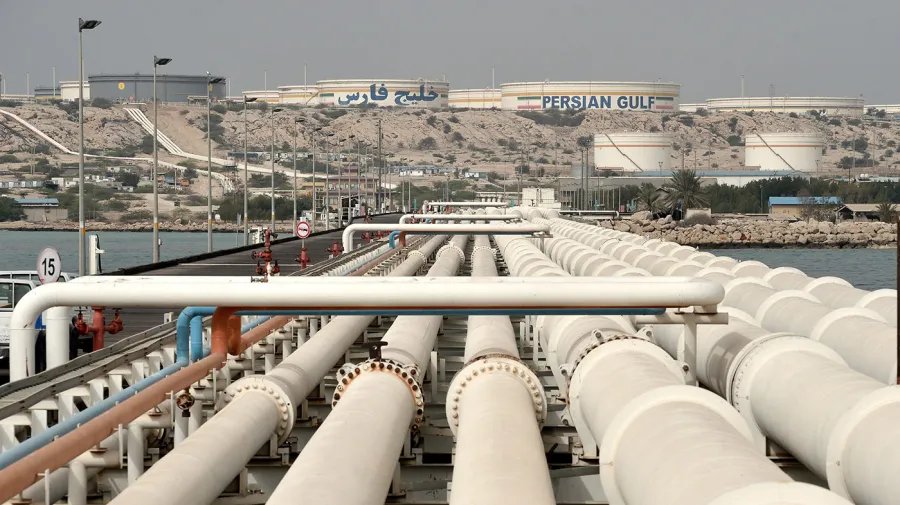
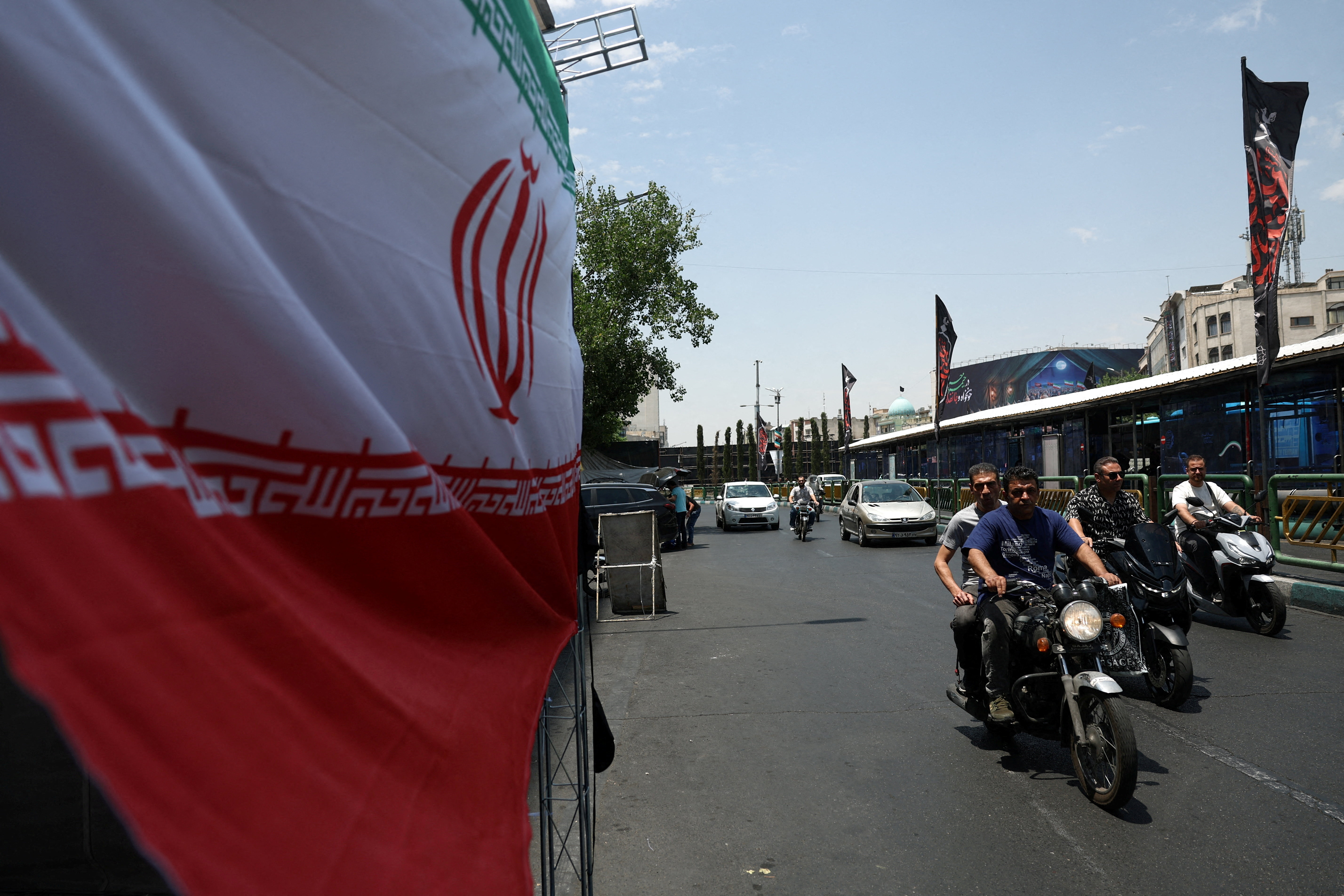
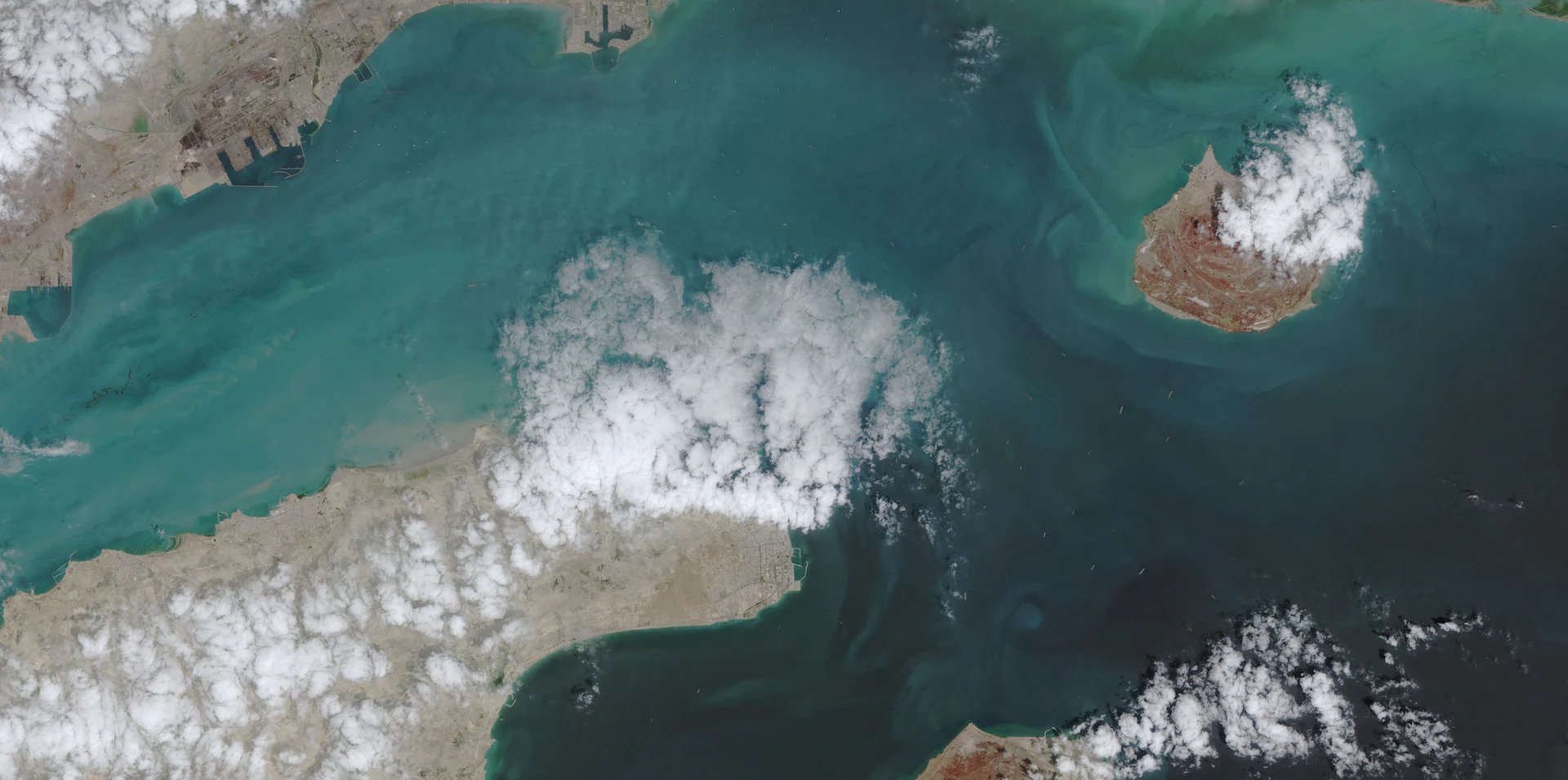
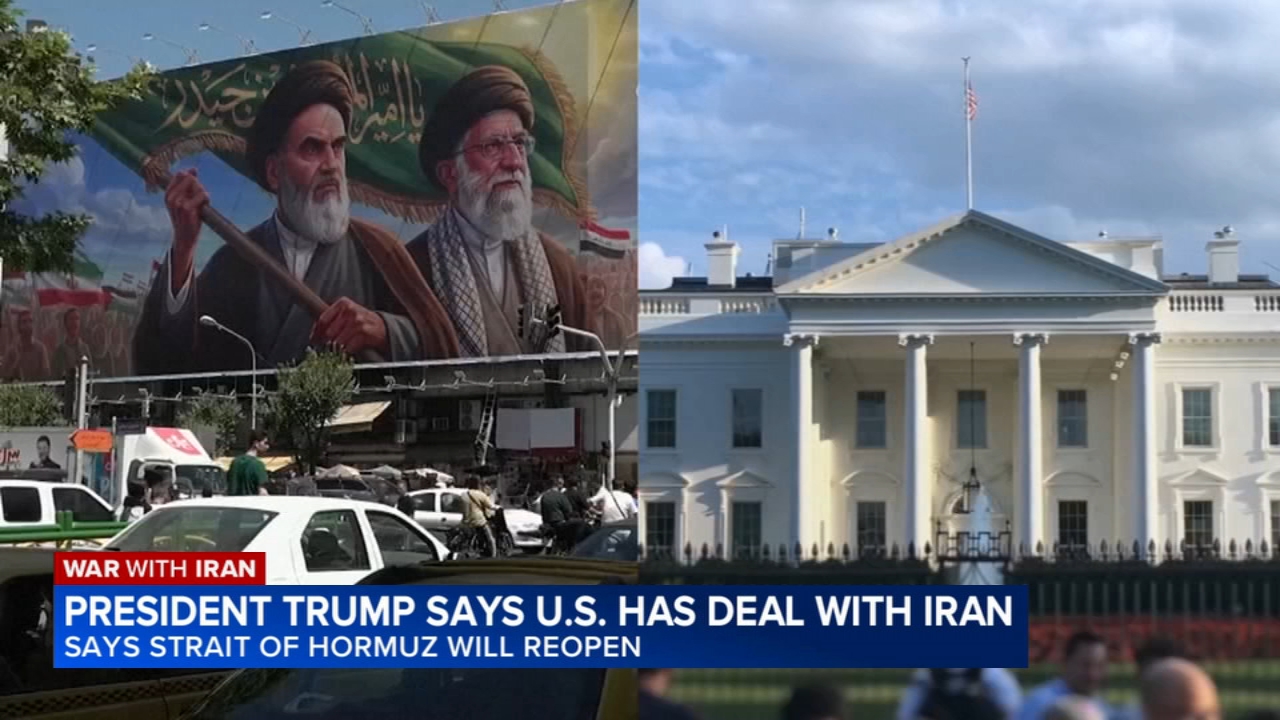
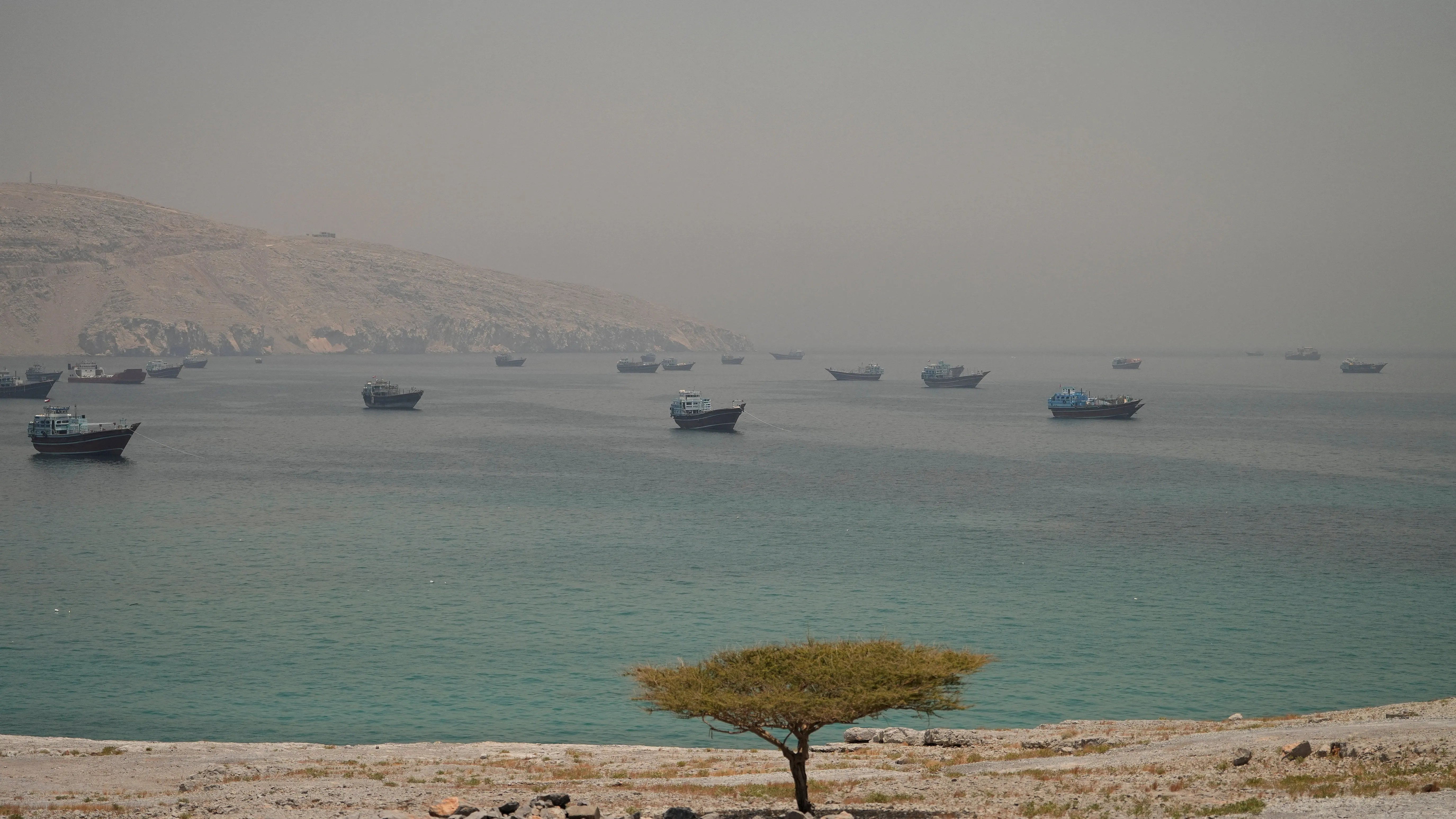
Iran's armed forces announced Saturday they are closing the Strait of Hormuz, one of the world's most critical oil shipping routes. Iran's joint military command said the closure responds to the U.S. "clear breach of its commitments" by failing to end the war, citing Israeli attacks on southern Lebanon as violations of the ceasefire agreement.
The Iranian Revolutionary Guards Corps navy followed with a statement that the strait "is closed to all vessels" and warned ships not to approach. Iran's military said this action represents "the first step" in responding to alleged violations, adding that "should the aggression continue, further measures have been planned and will be implemented to compel the enemy to abide by and carry out its obligations."
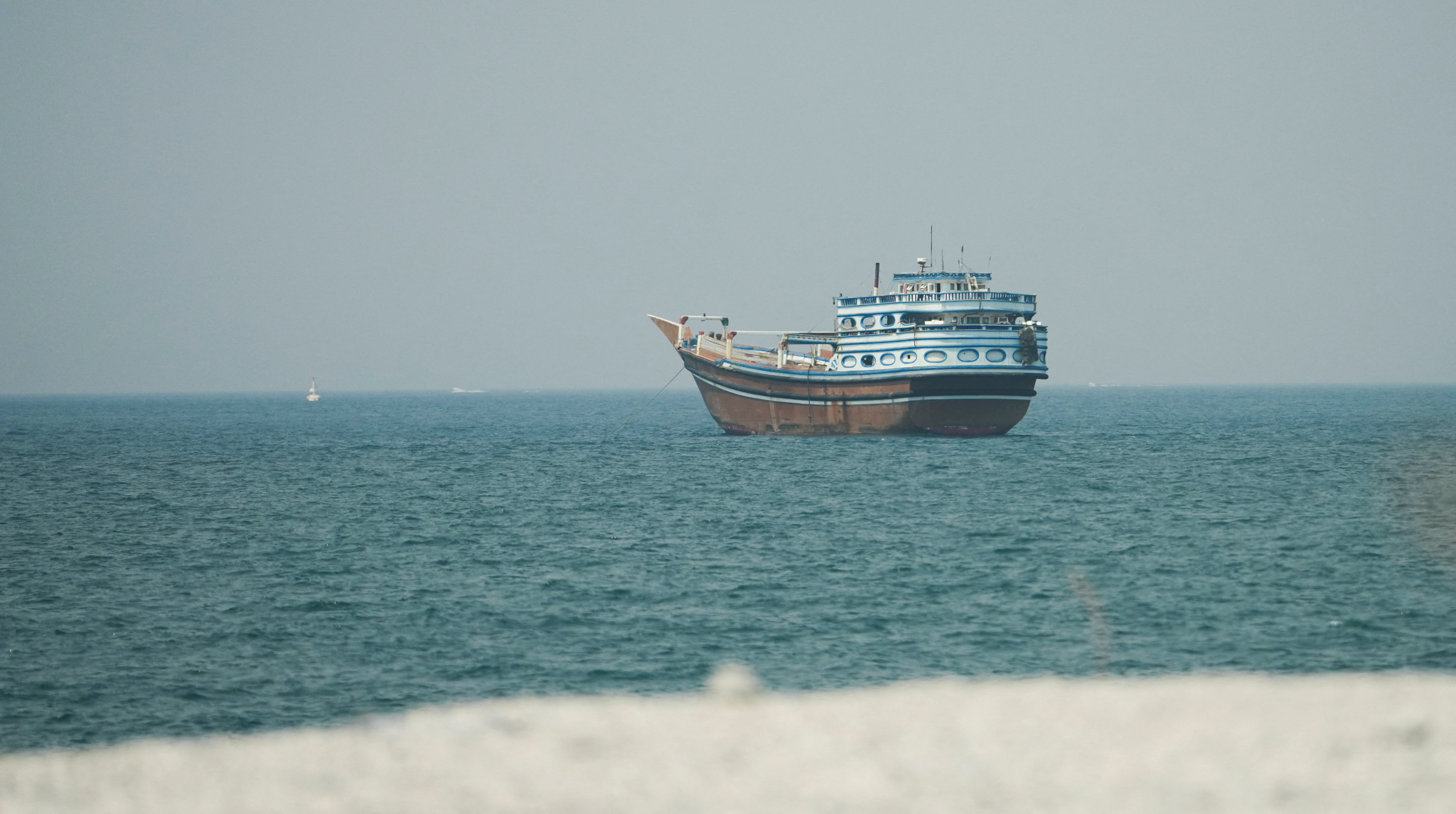
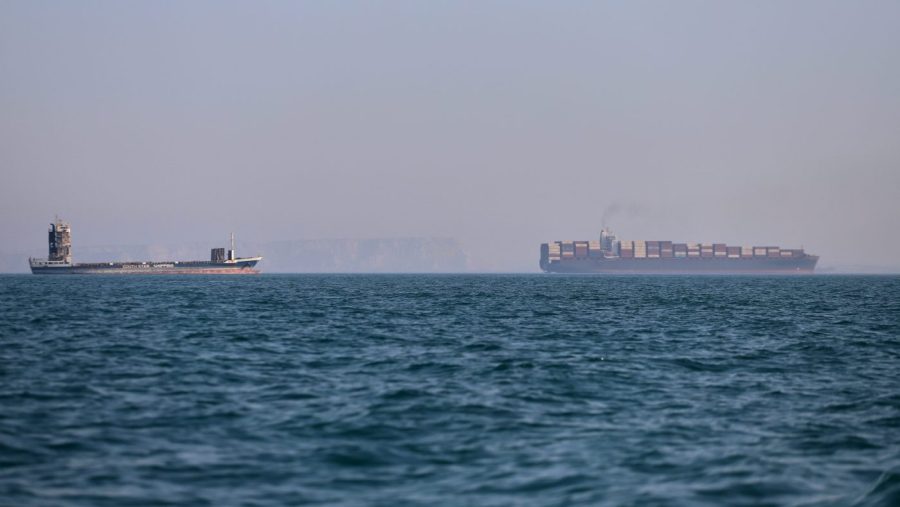
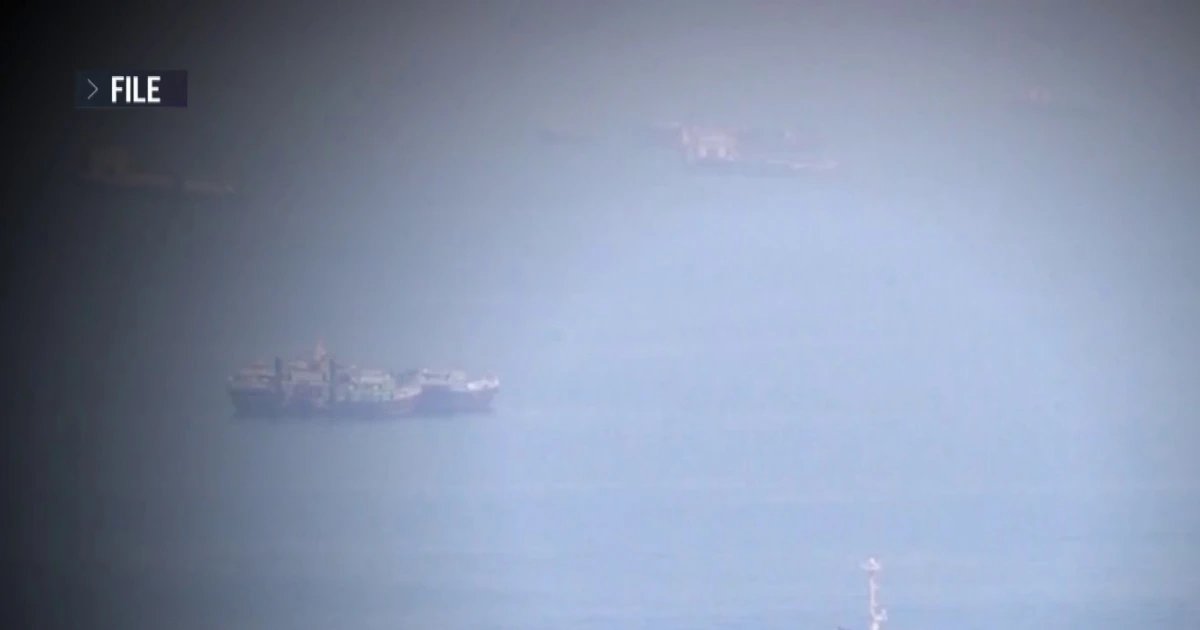
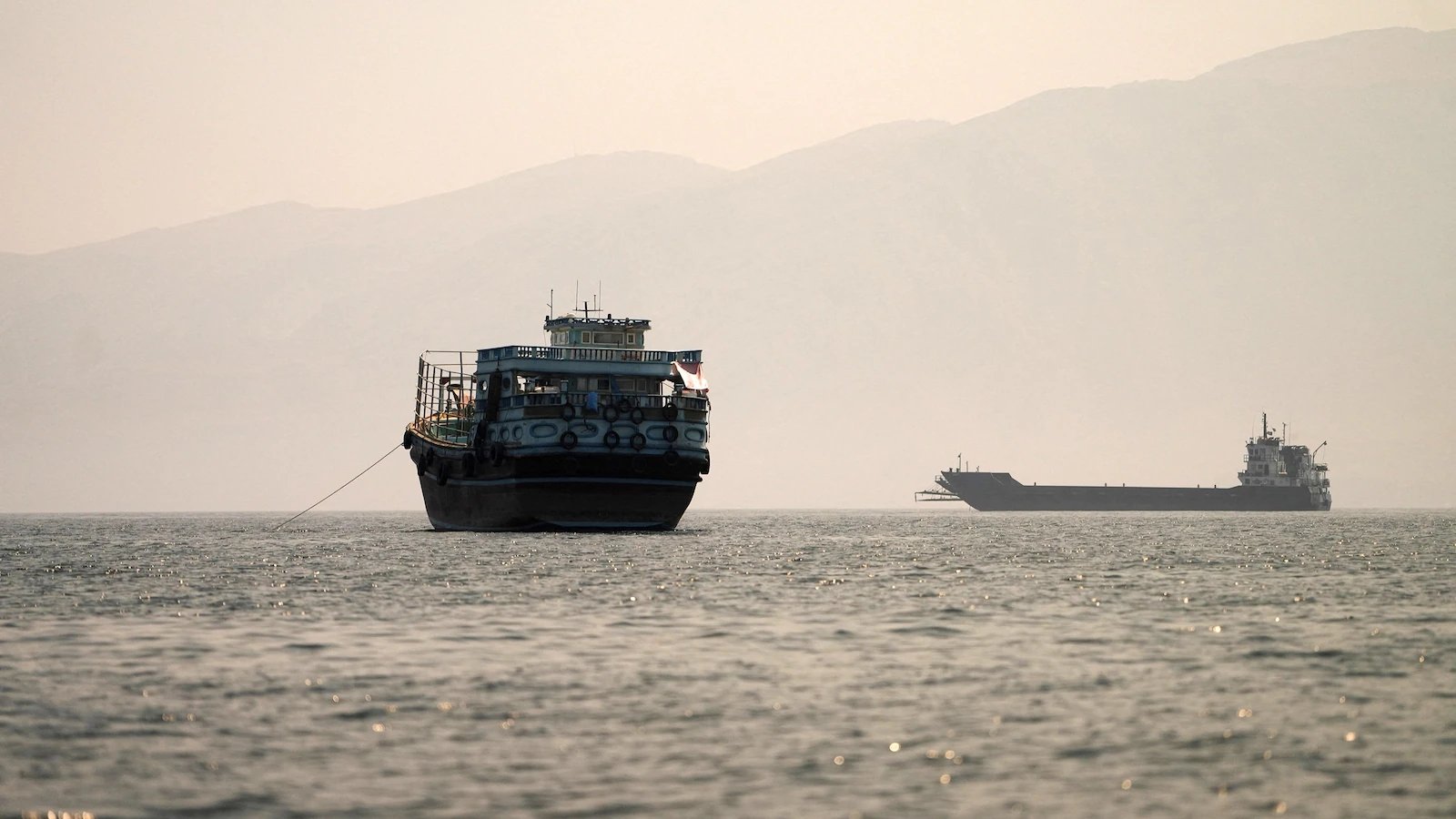
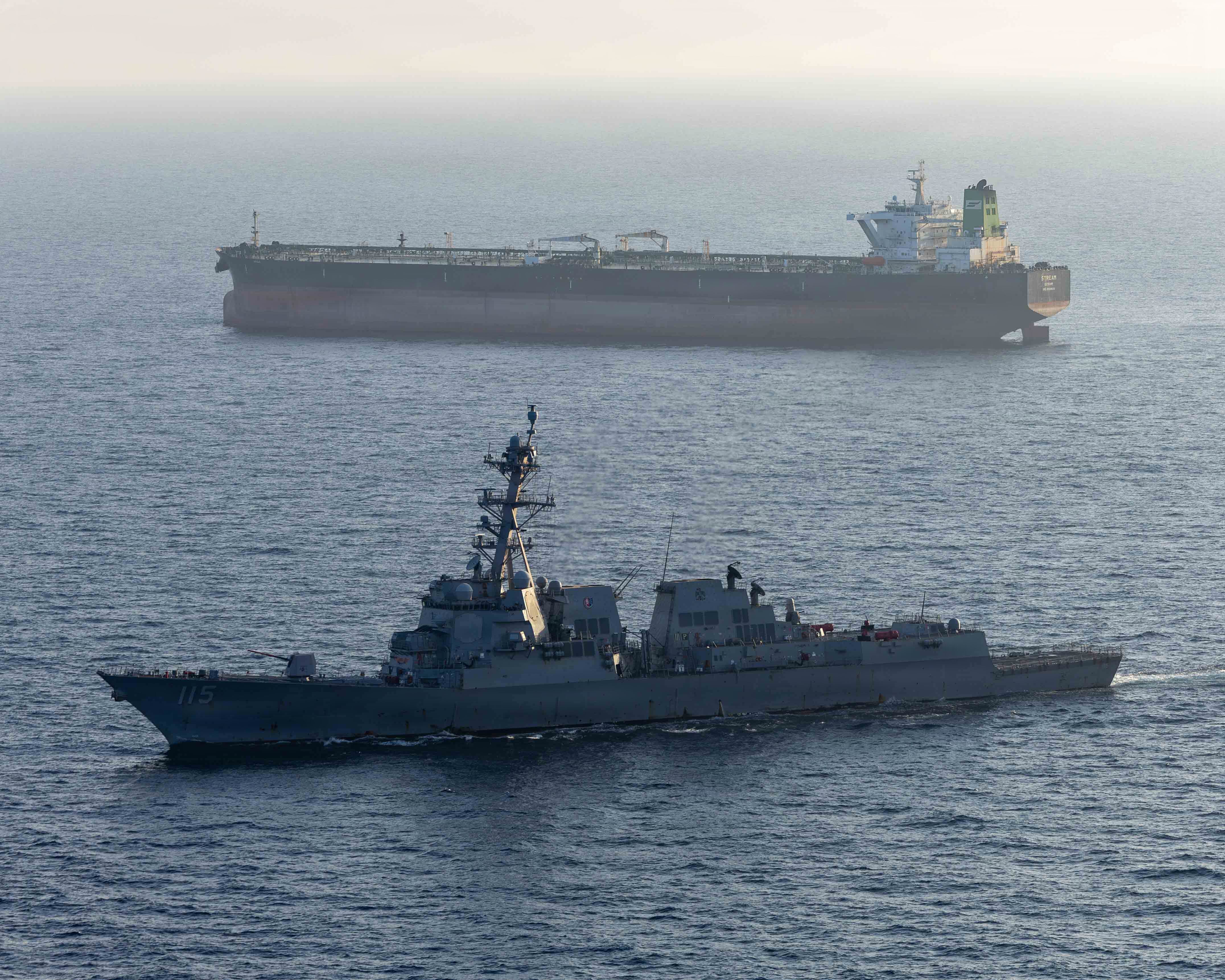
The U.S. military contradicted Iran's closure claim within hours. A senior U.S. defense official said the military is not seeing any Iranian military movements on the ground that reflect a potential closing of the strait. U.S. Central Command reported that 55 merchant ships transited the waterway on Saturday, moving more than 17 million barrels of oil to global markets and maintaining safe passage through the international waterway.
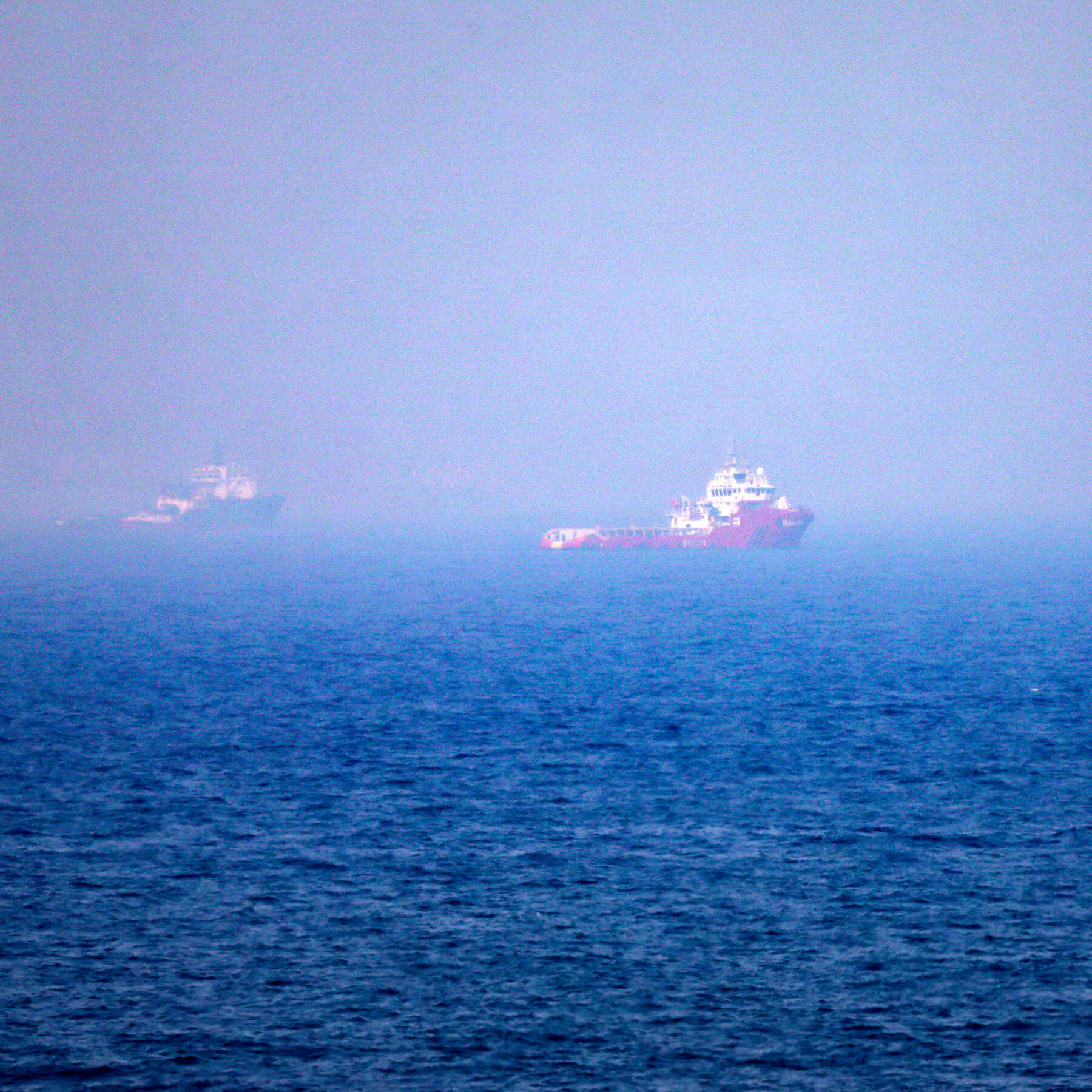
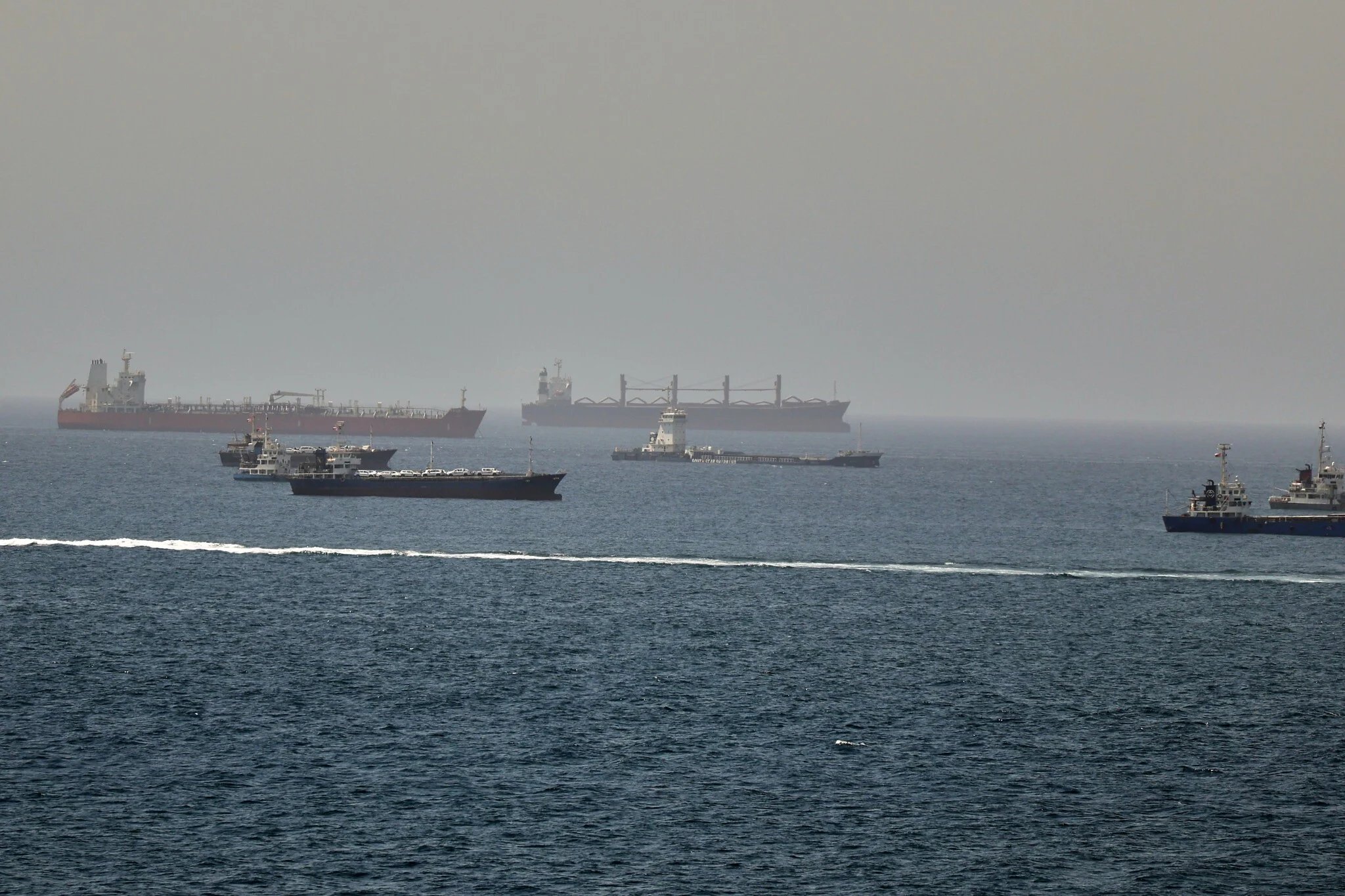
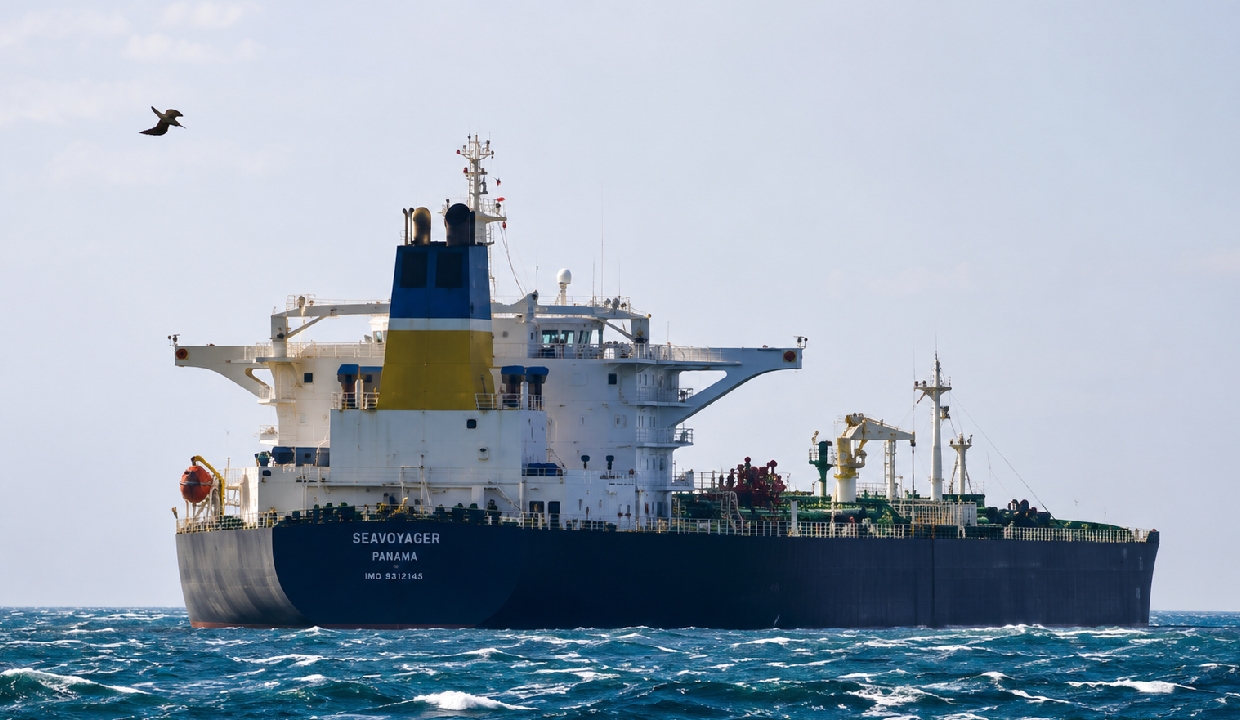
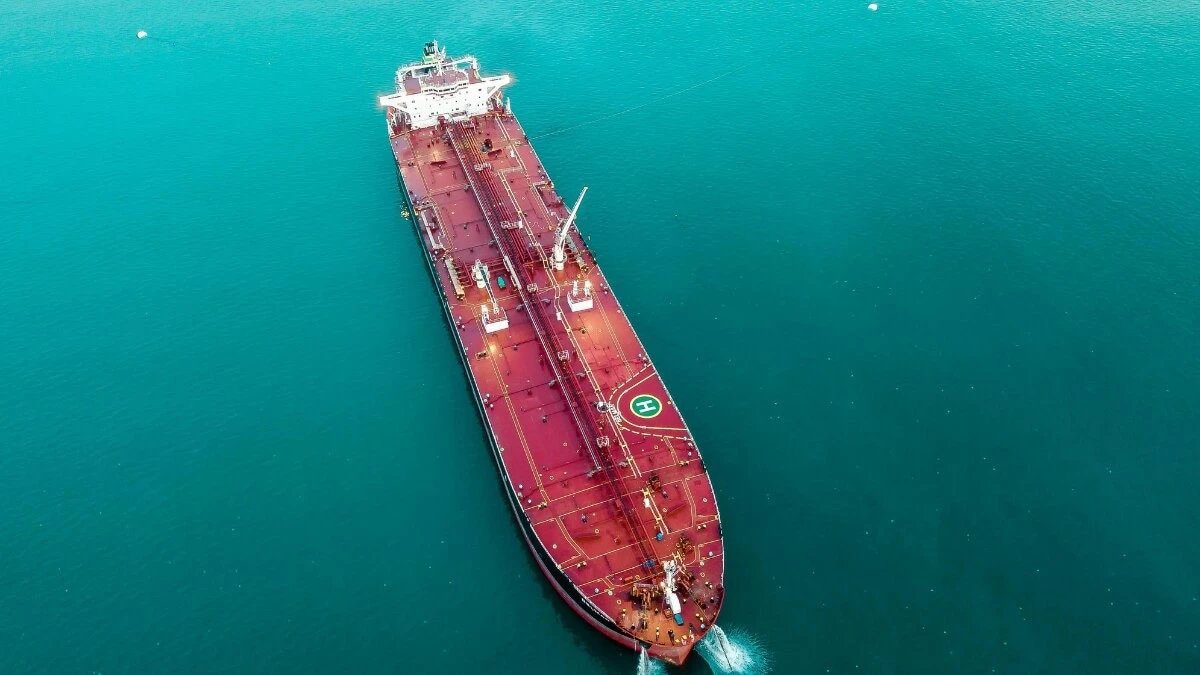
By Sunday, three fully laden India-linked supertankers—the Desh Vibhor, Desh Vaibhav, and Sanmar Herald—were observed in the Gulf of Oman and Arabian Sea after signaling their attempt to cross the Strait of Hormuz late Friday, according to ship-tracking data. The continued flow of traffic and vessel movements contradicted Iran's announcement that the strait was shut to all traffic.
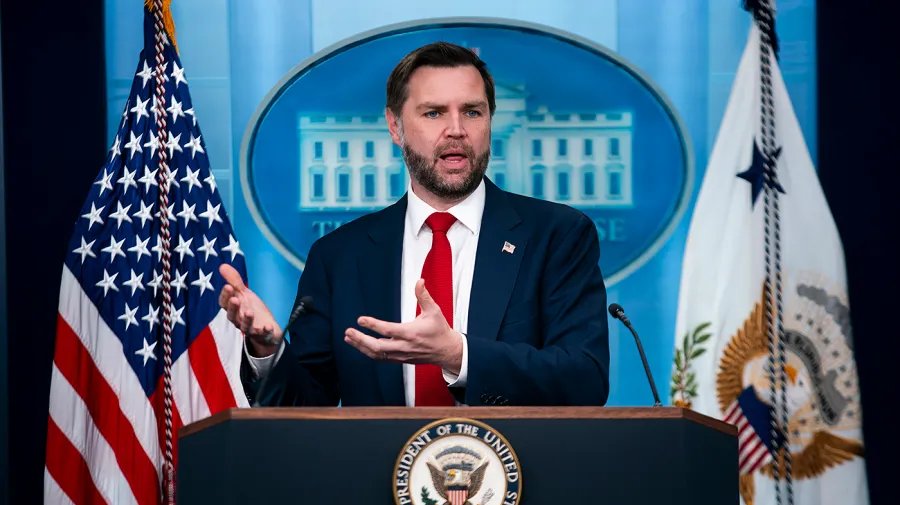
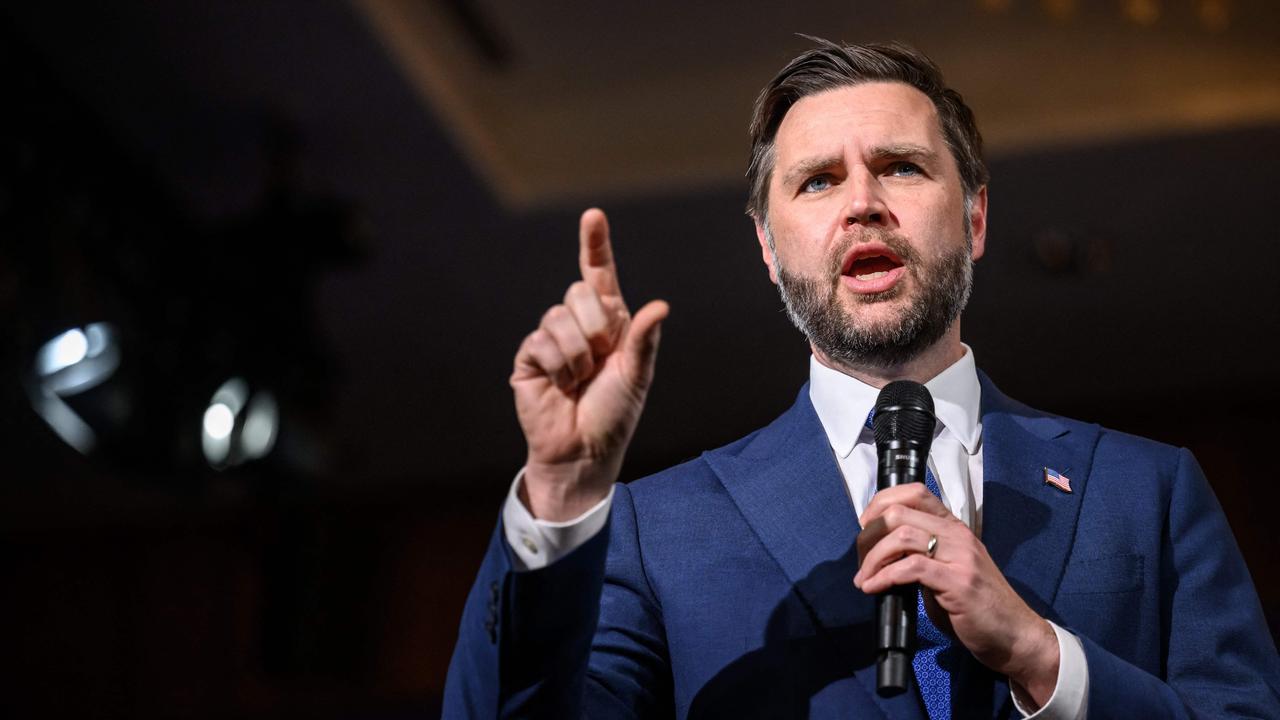
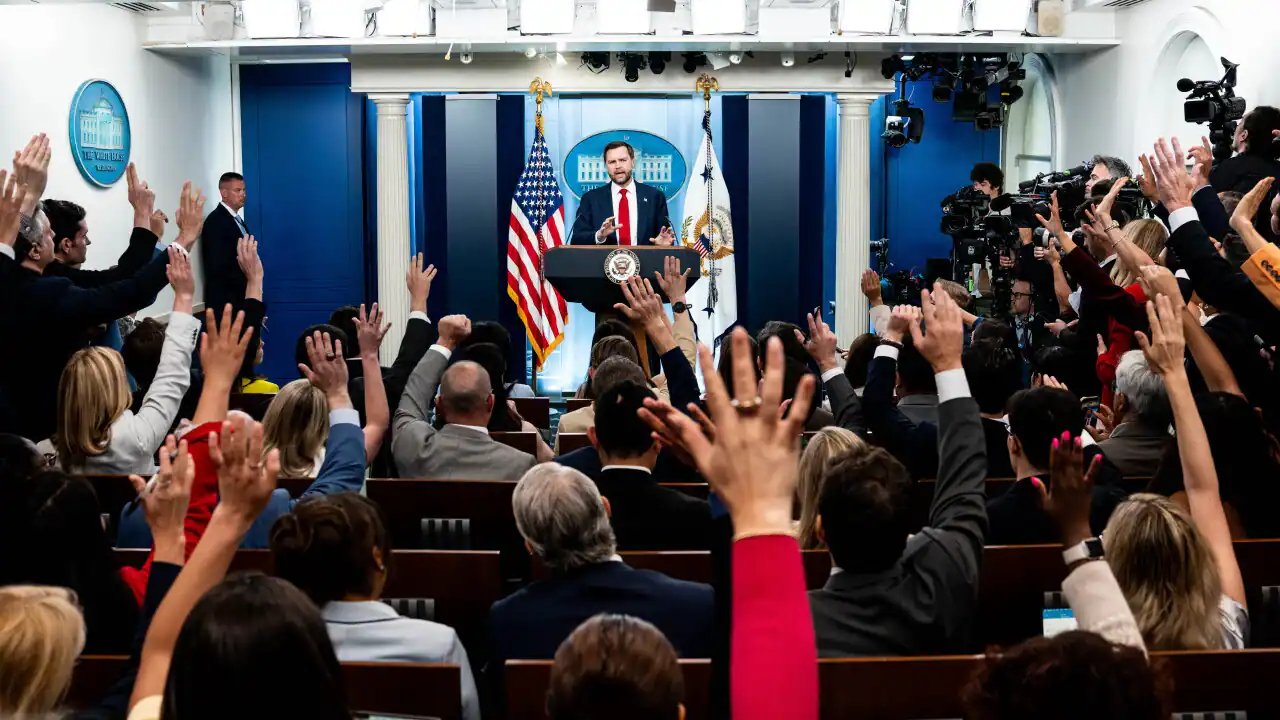
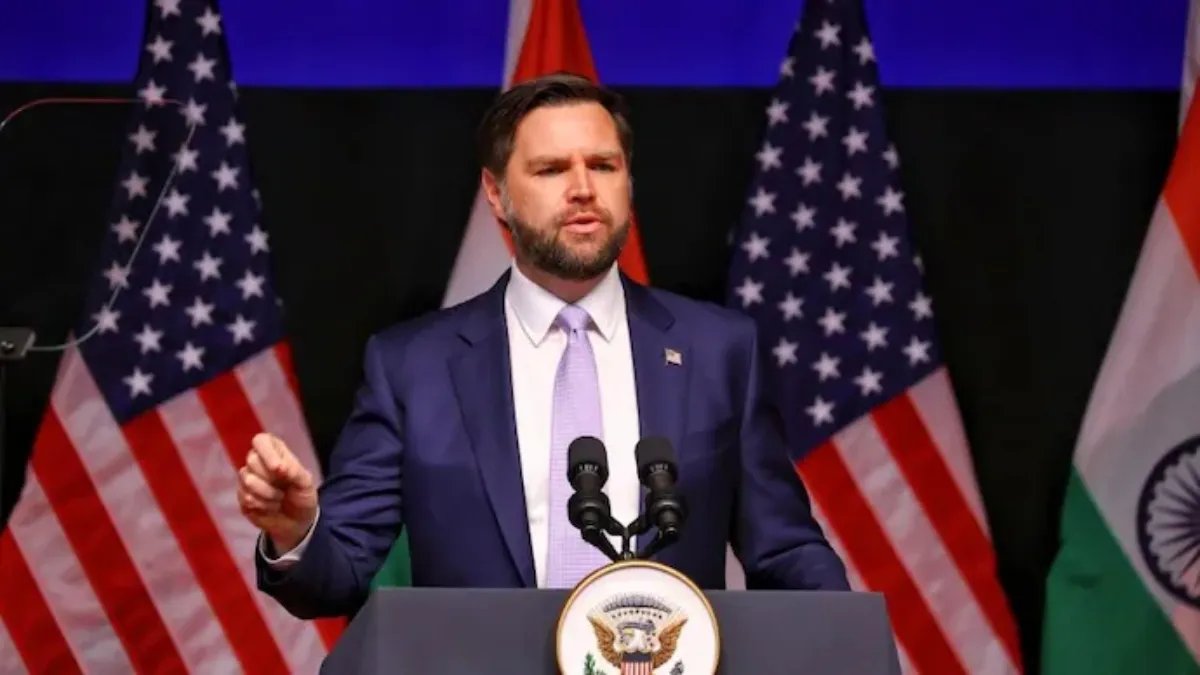
Vice President JD Vance departed for Switzerland on Saturday ahead of technical-level talks aimed at making the interim ceasefire permanent, reopening the Strait of Hormuz, and beginning nuclear negotiations. The discussions were initially scheduled for Friday but were delayed due to escalating fighting between Israel and Hezbollah. Iran's negotiating delegation, headed by speaker of parliament Mohammad Bagher Ghalibaf and foreign minister Abbas Araghchi, was expected to arrive in Switzerland on Saturday, with talks set to begin Sunday.
Iran warned that little progress would occur in Switzerland if Israeli attacks on Lebanon do not stop. Pakistan, serving as a key mediator, said the technical-level talks would proceed with Qatari mediators also participating.
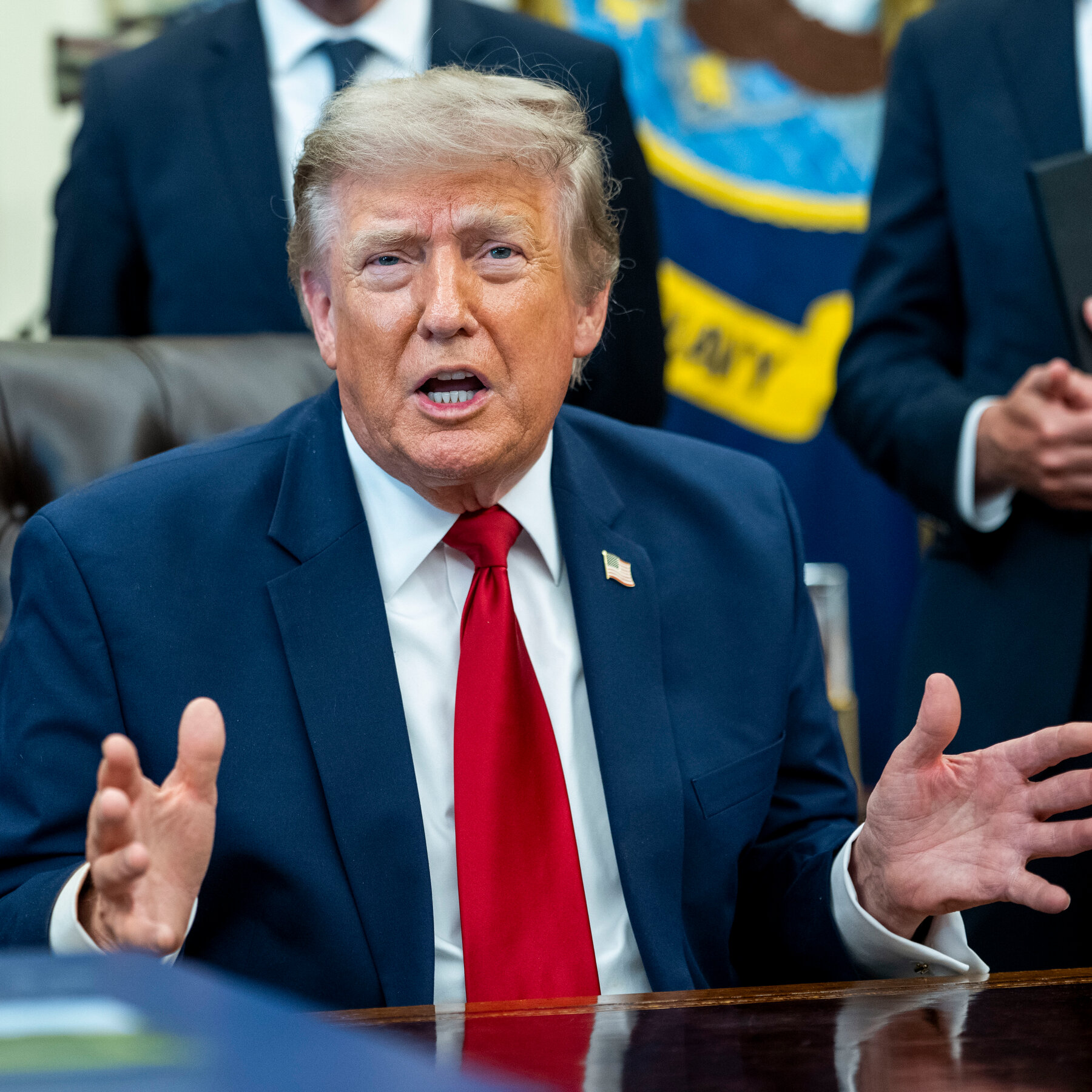
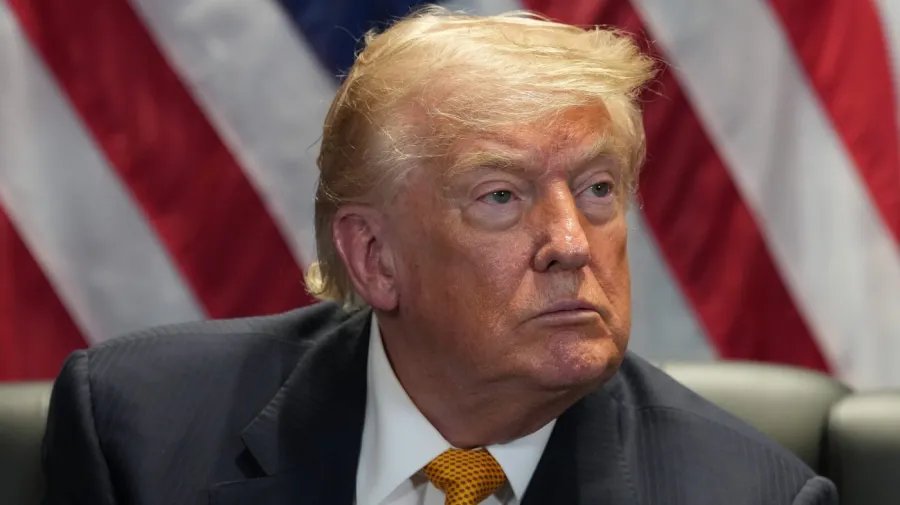
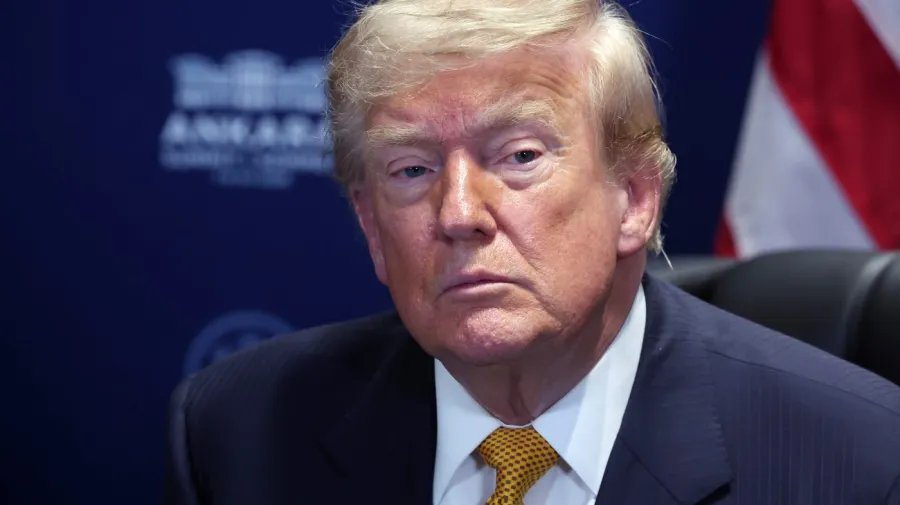
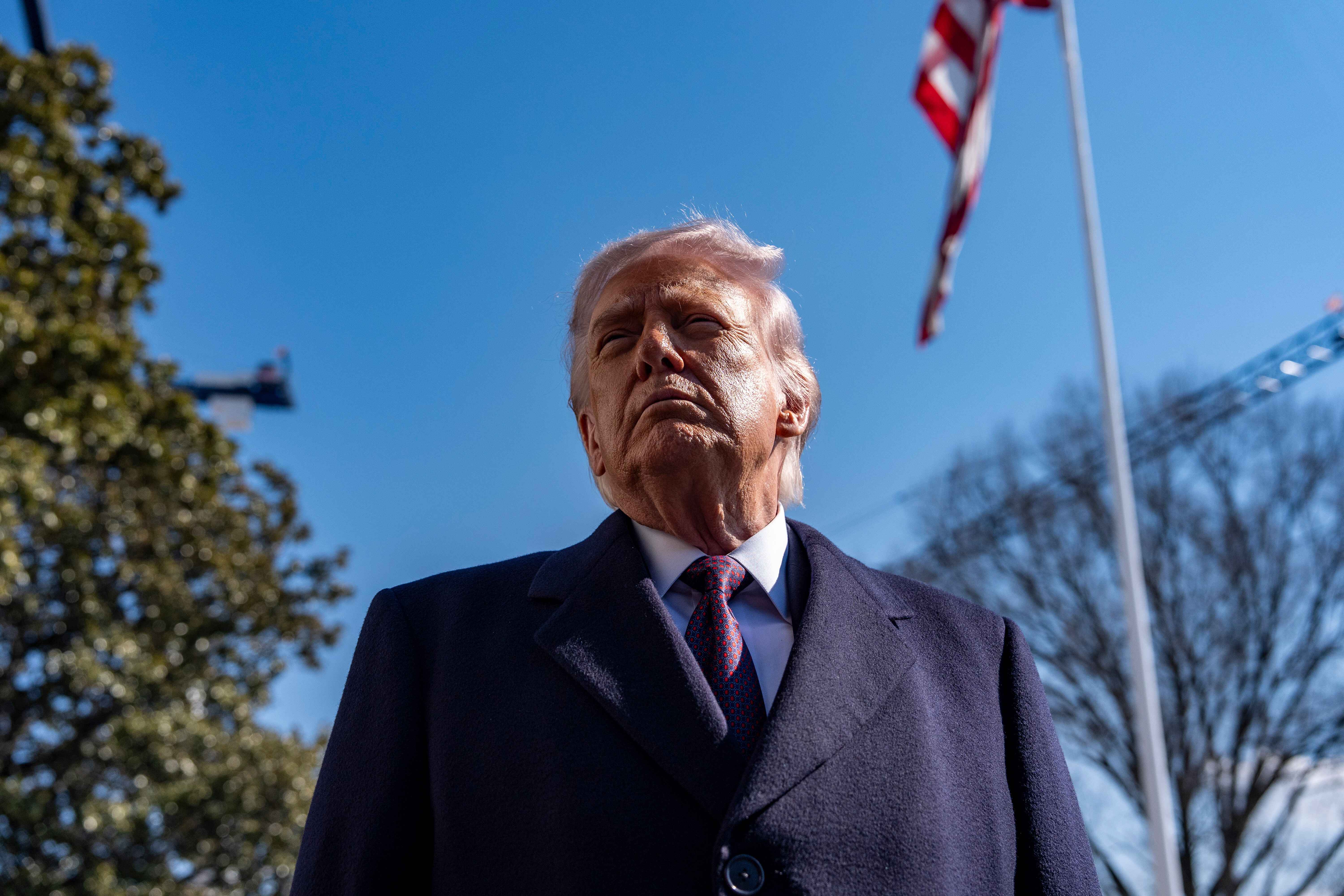
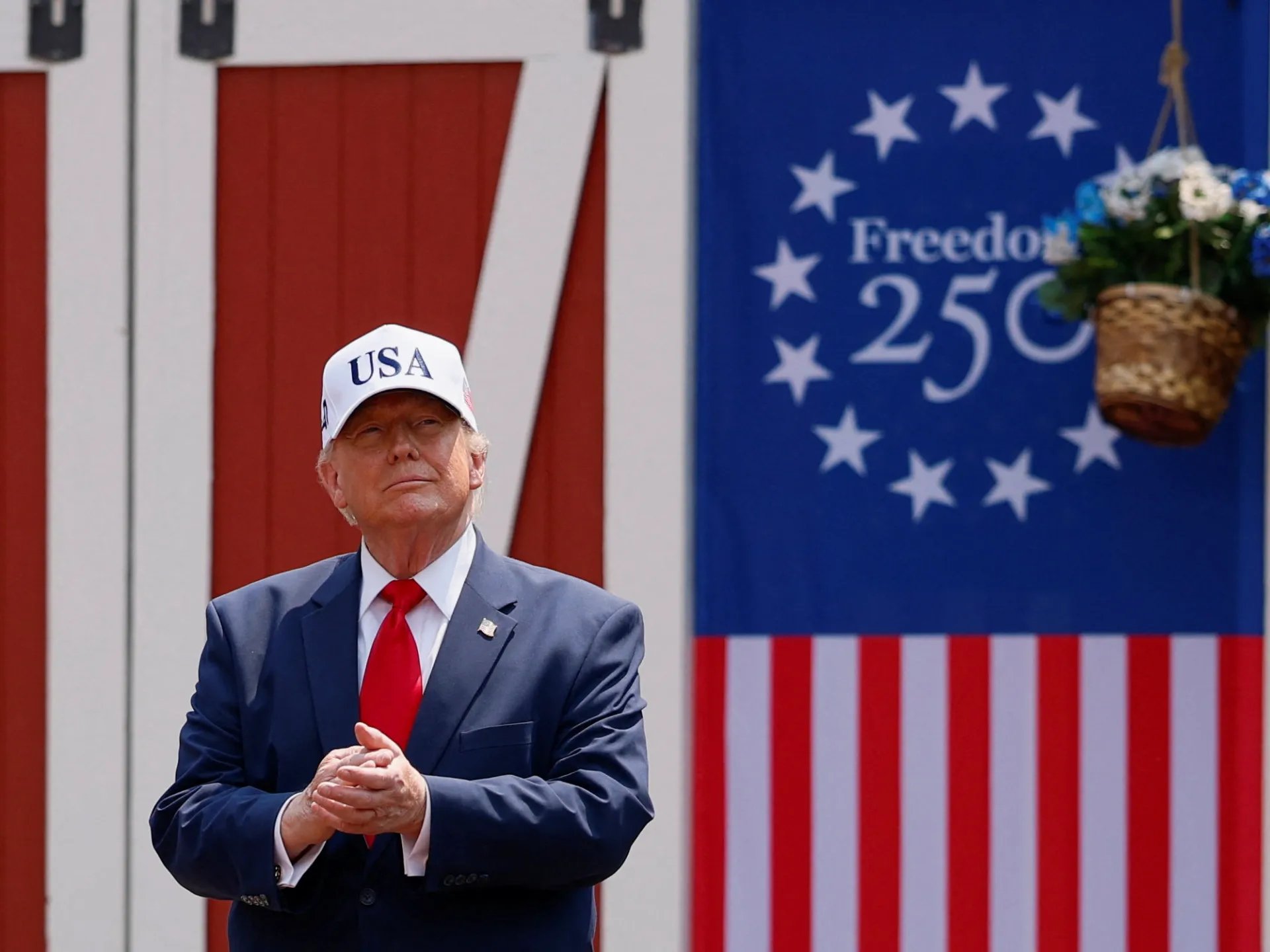
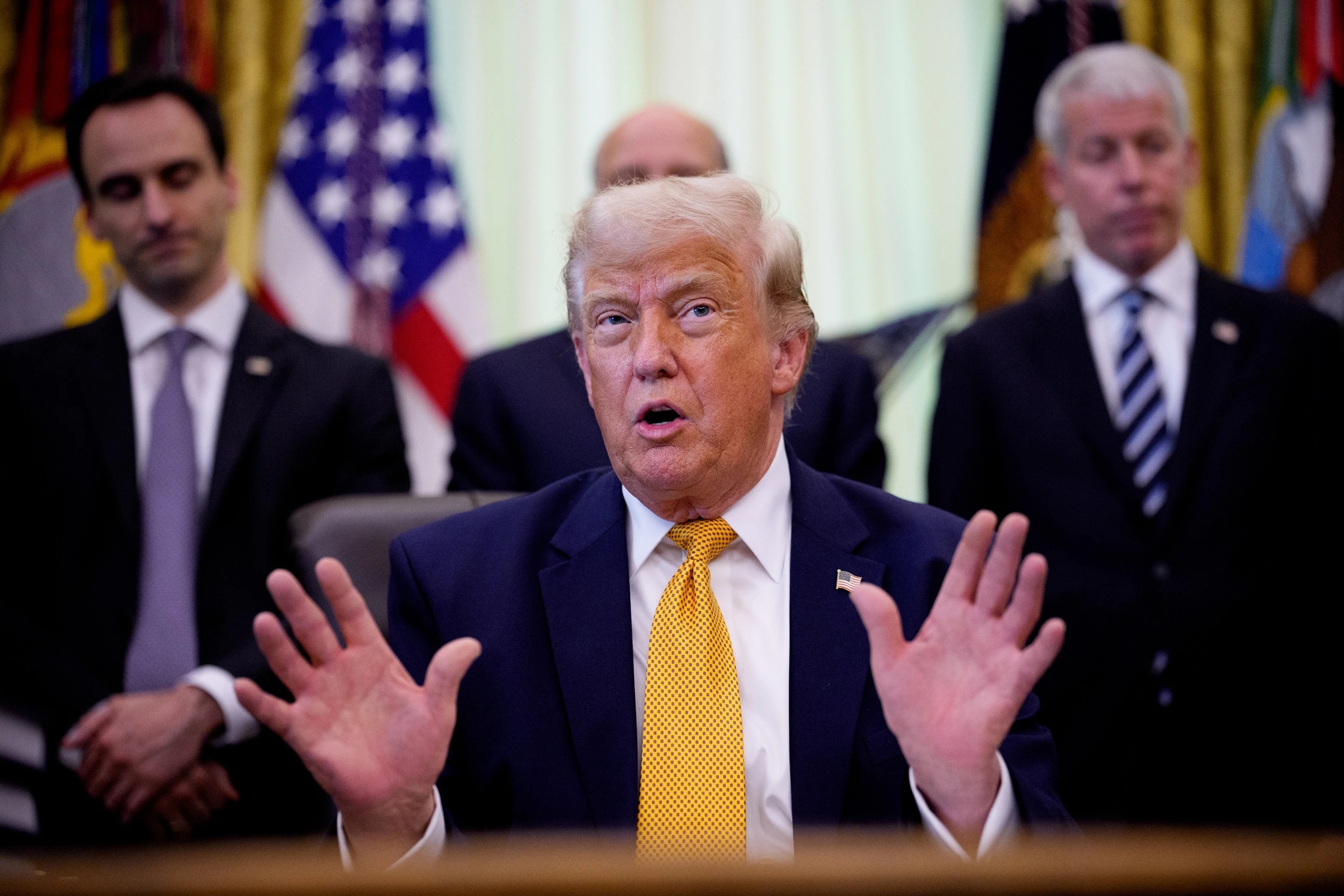
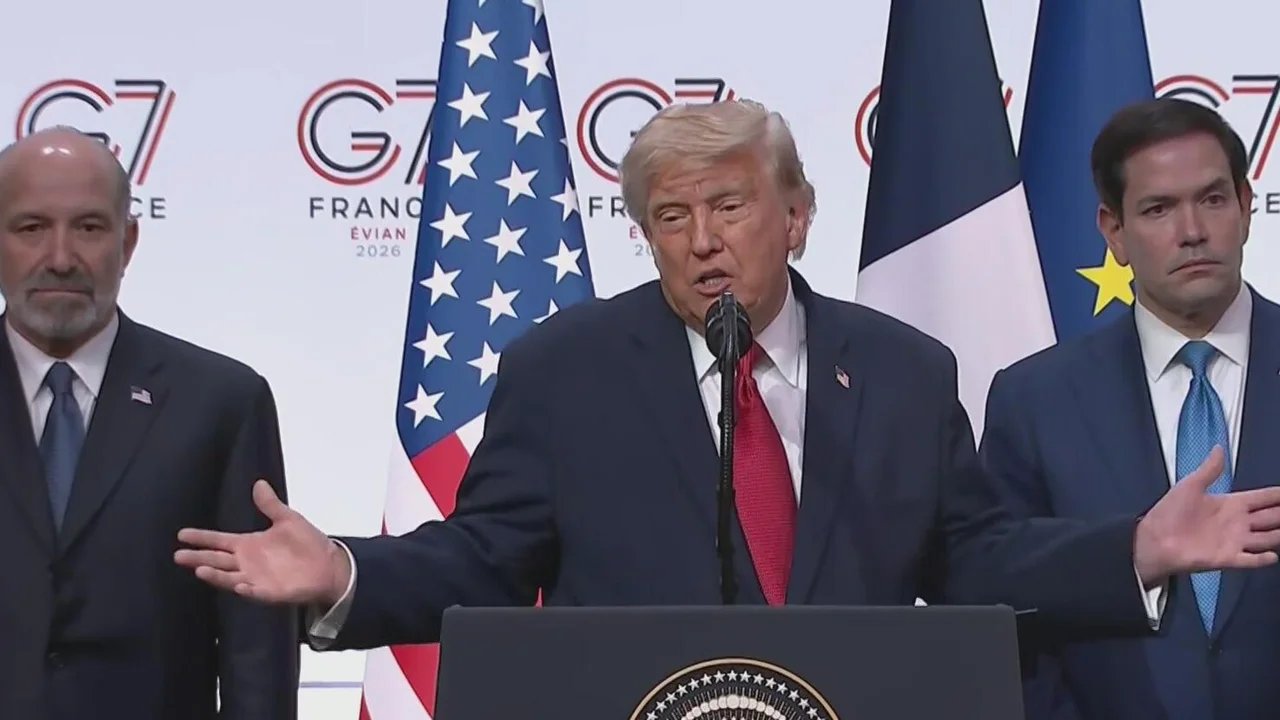
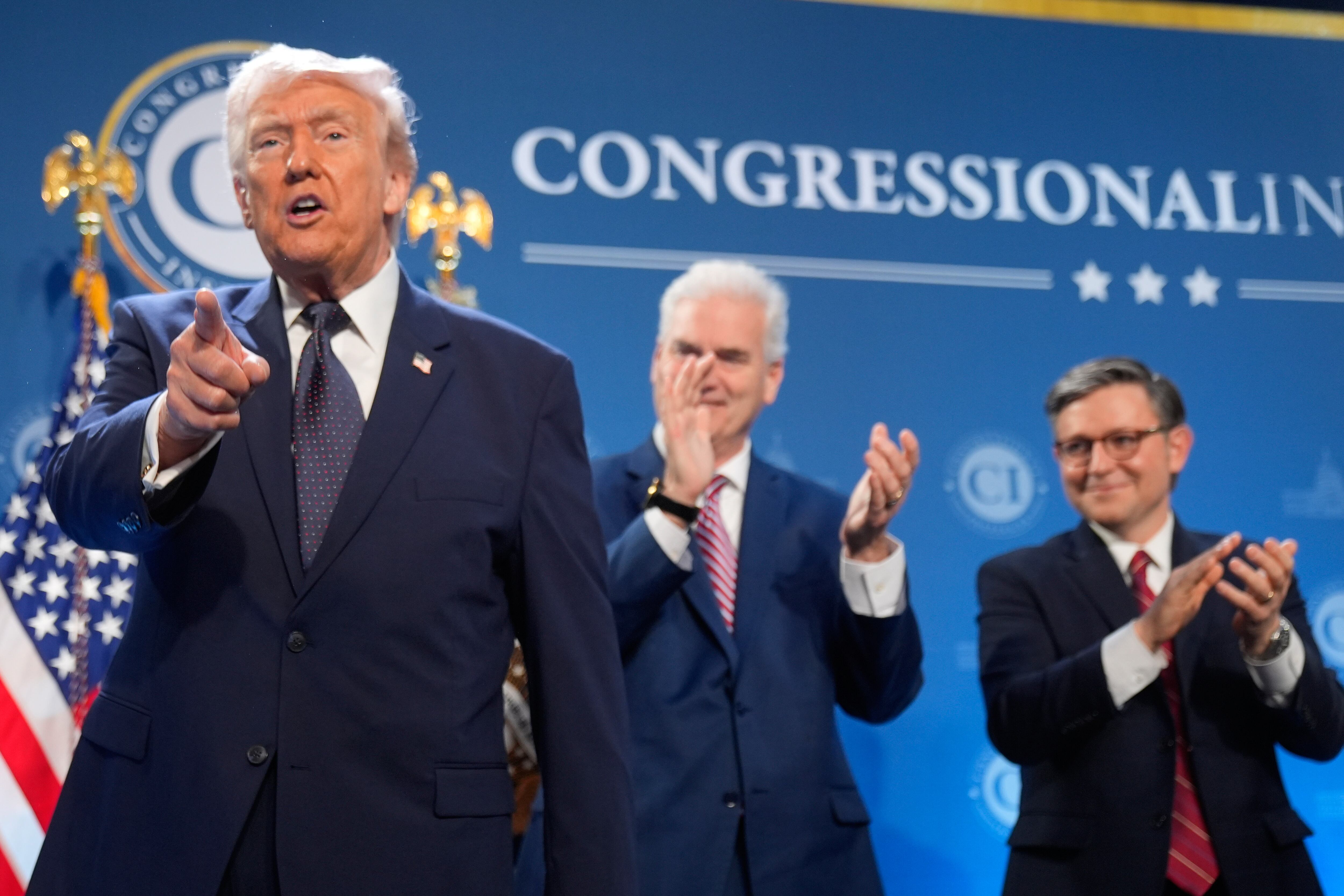
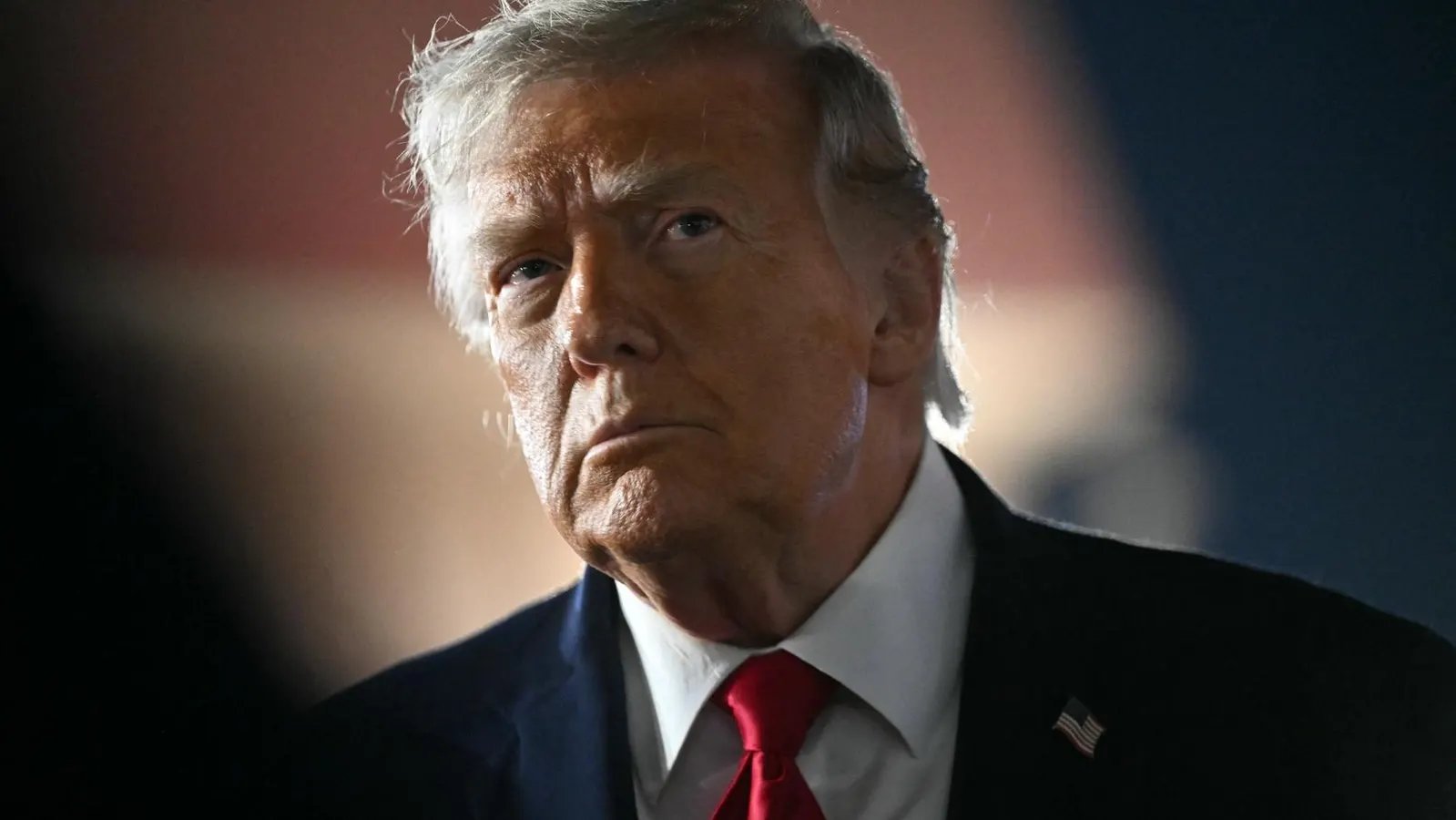
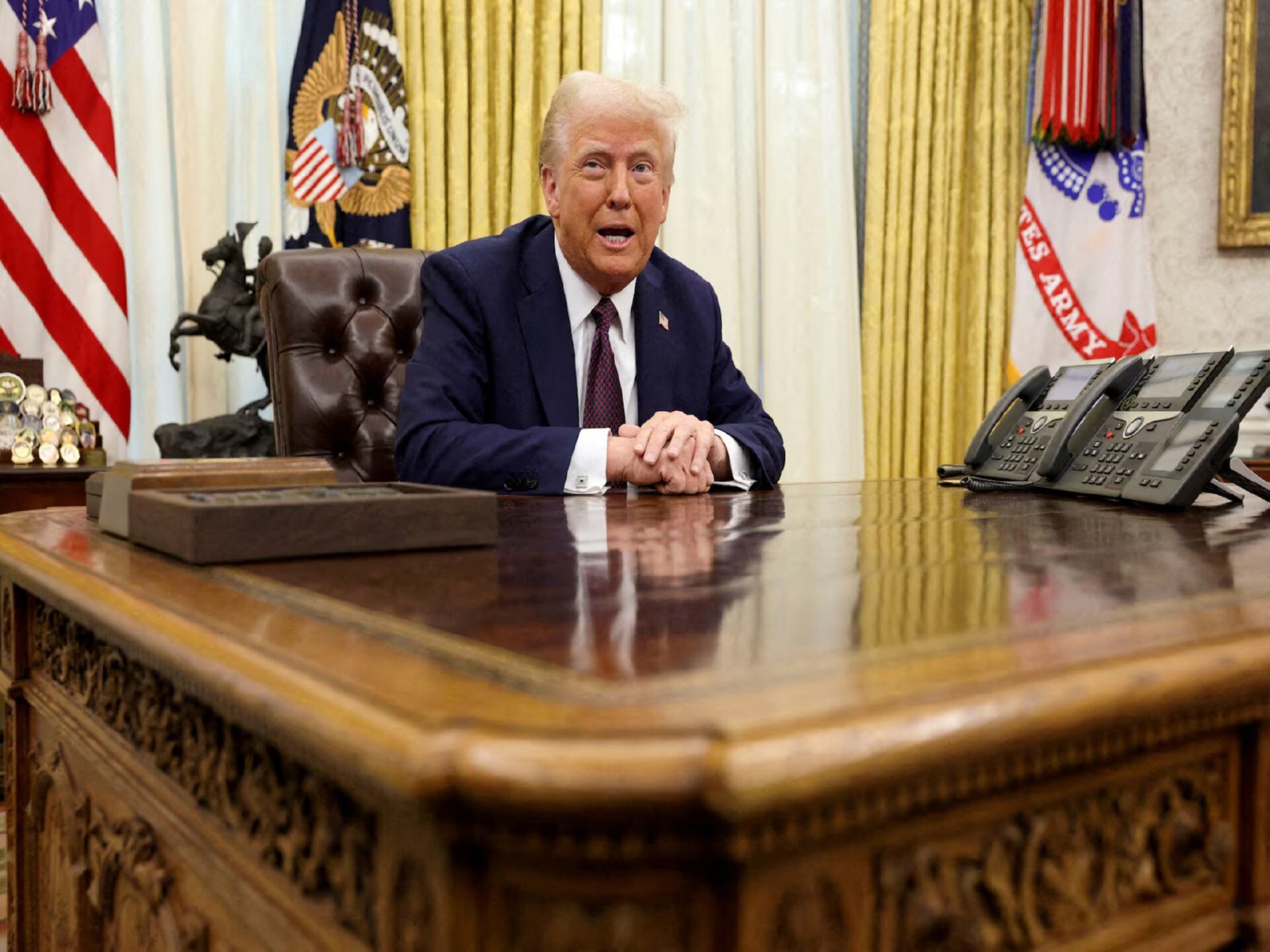
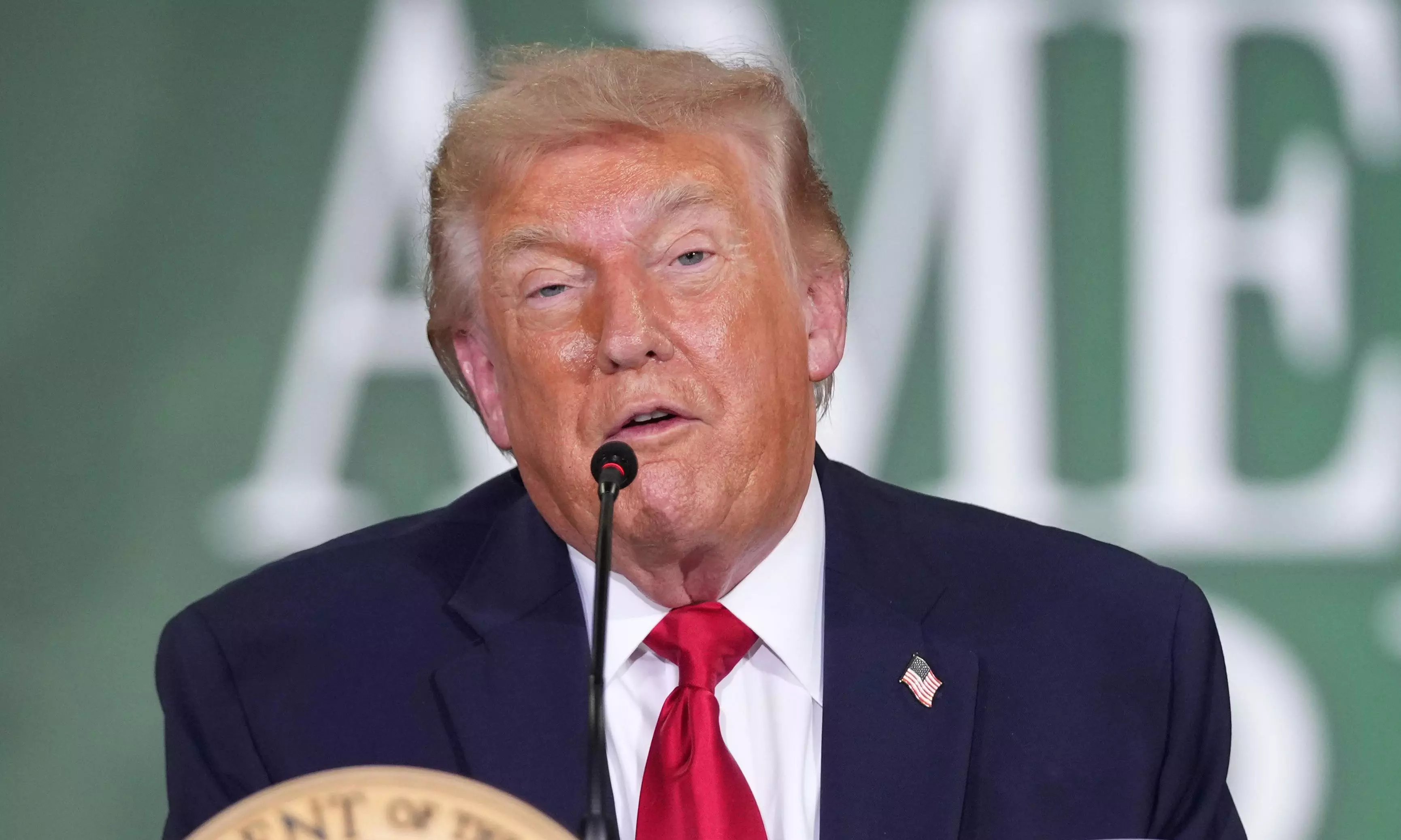
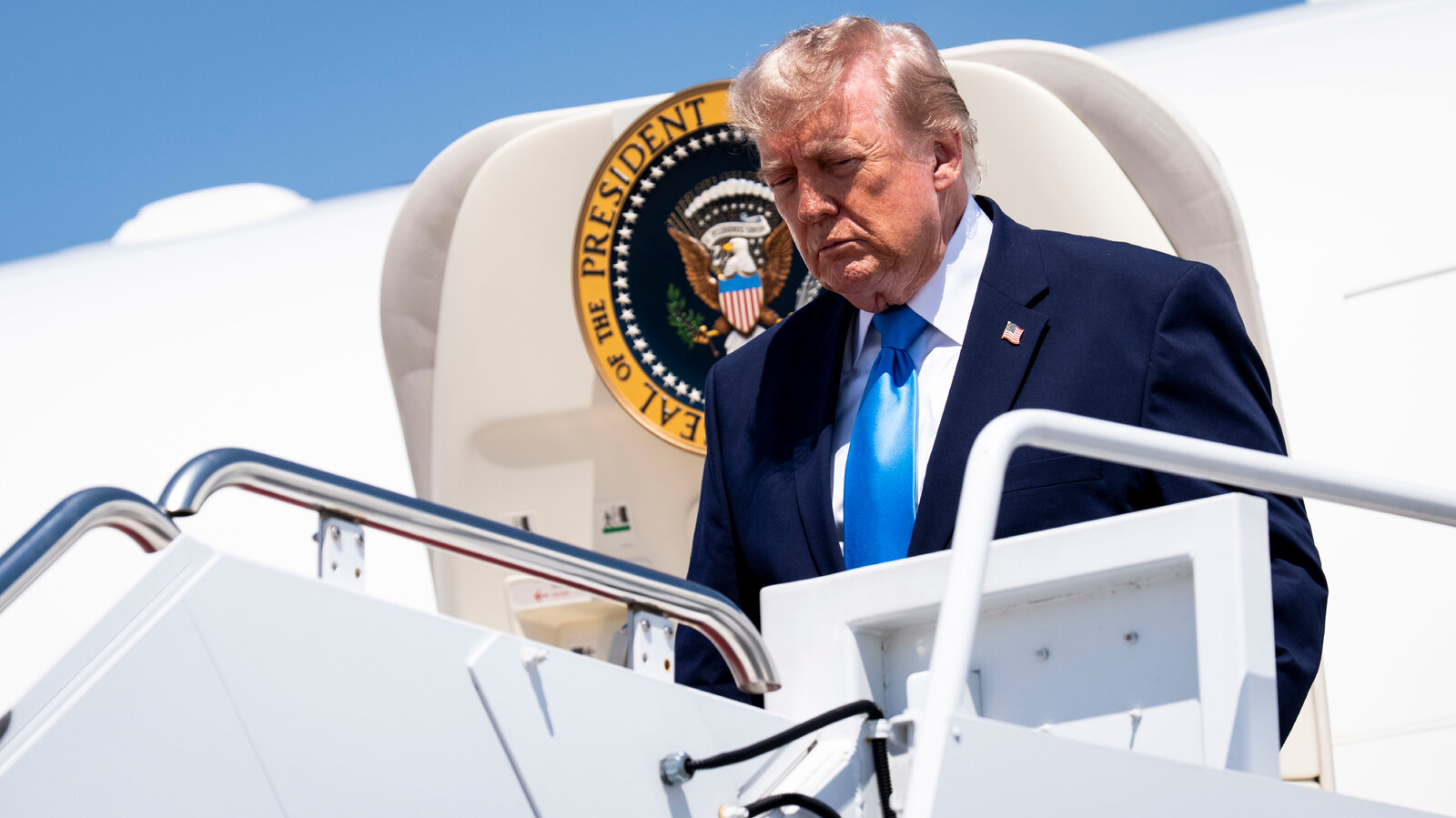
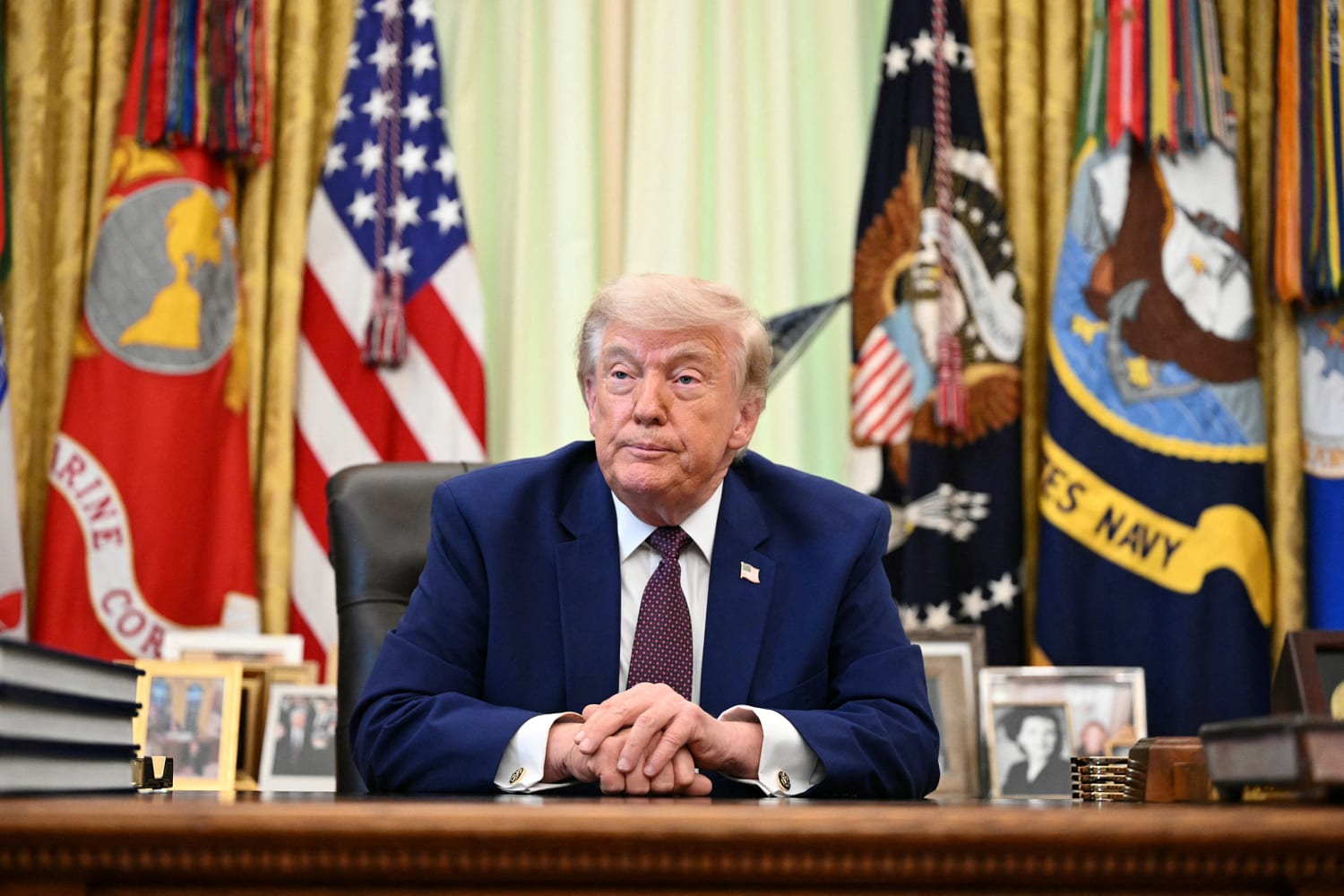
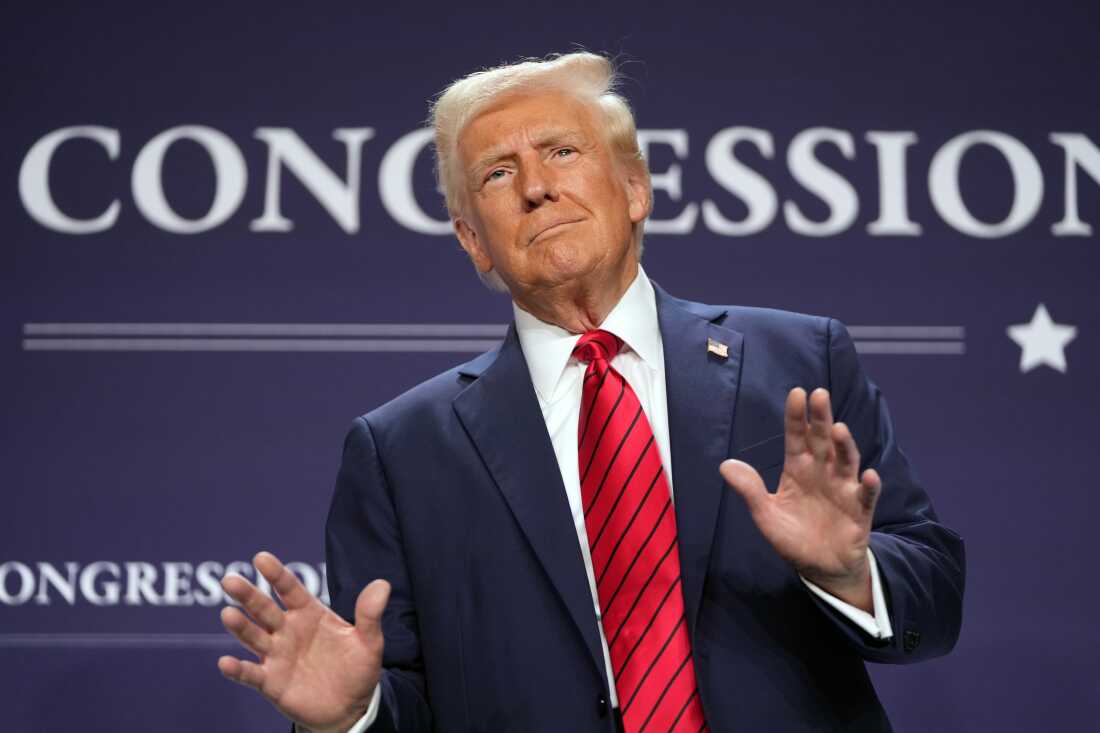
President Trump responded to Iran's closure announcement by threatening to impose U.S. tolls on the Strait of Hormuz if a final deal is not reached within 60 days. Trump said the money would be for "services rendered as the Guardian Angel to the countries of the Middle East." His statement underscored that the interim agreement calls for toll-free travel during the 60-day period.
The threat marked an immediate escalation in rhetoric as the two sides prepared for negotiations meant to resolve their differences.
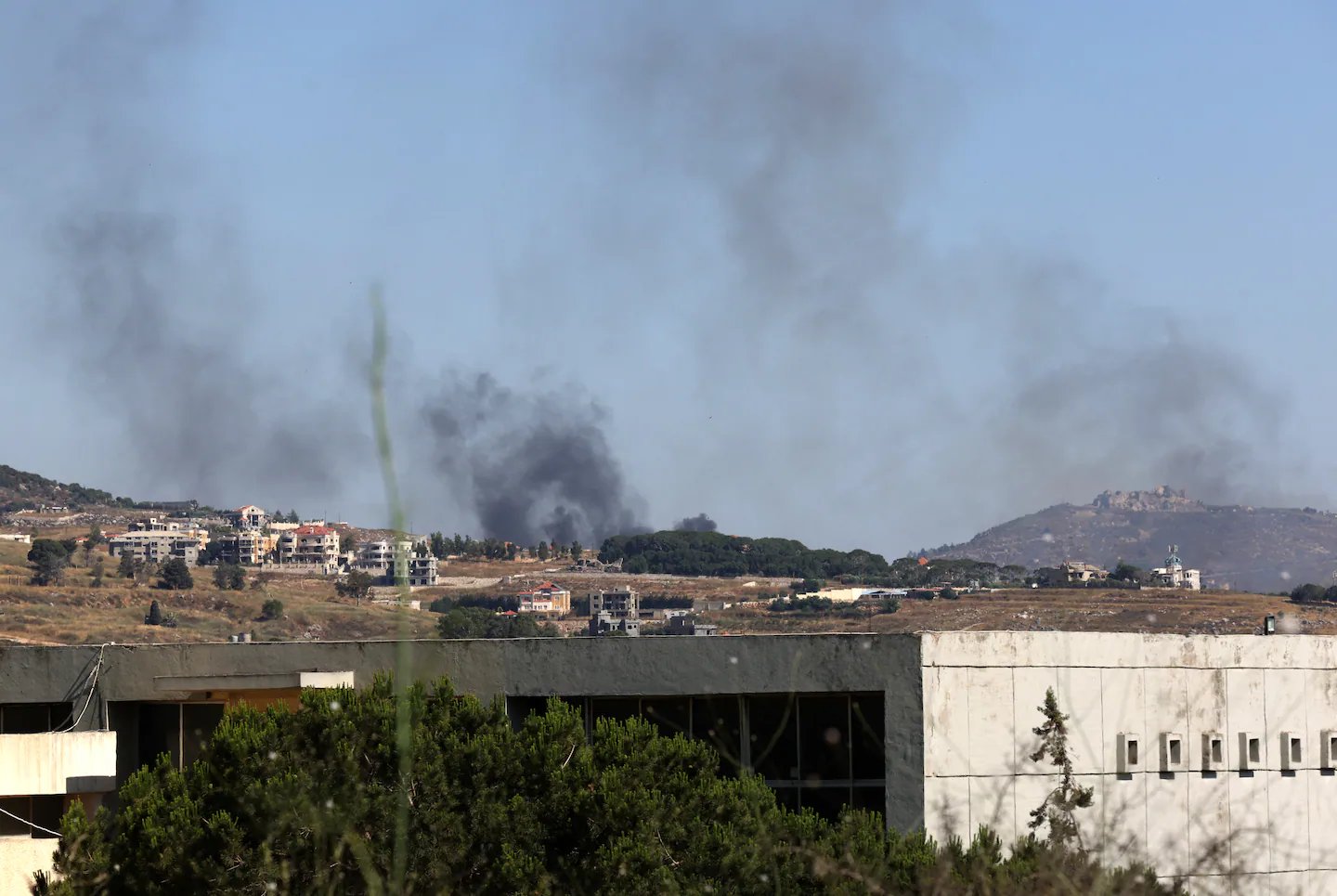
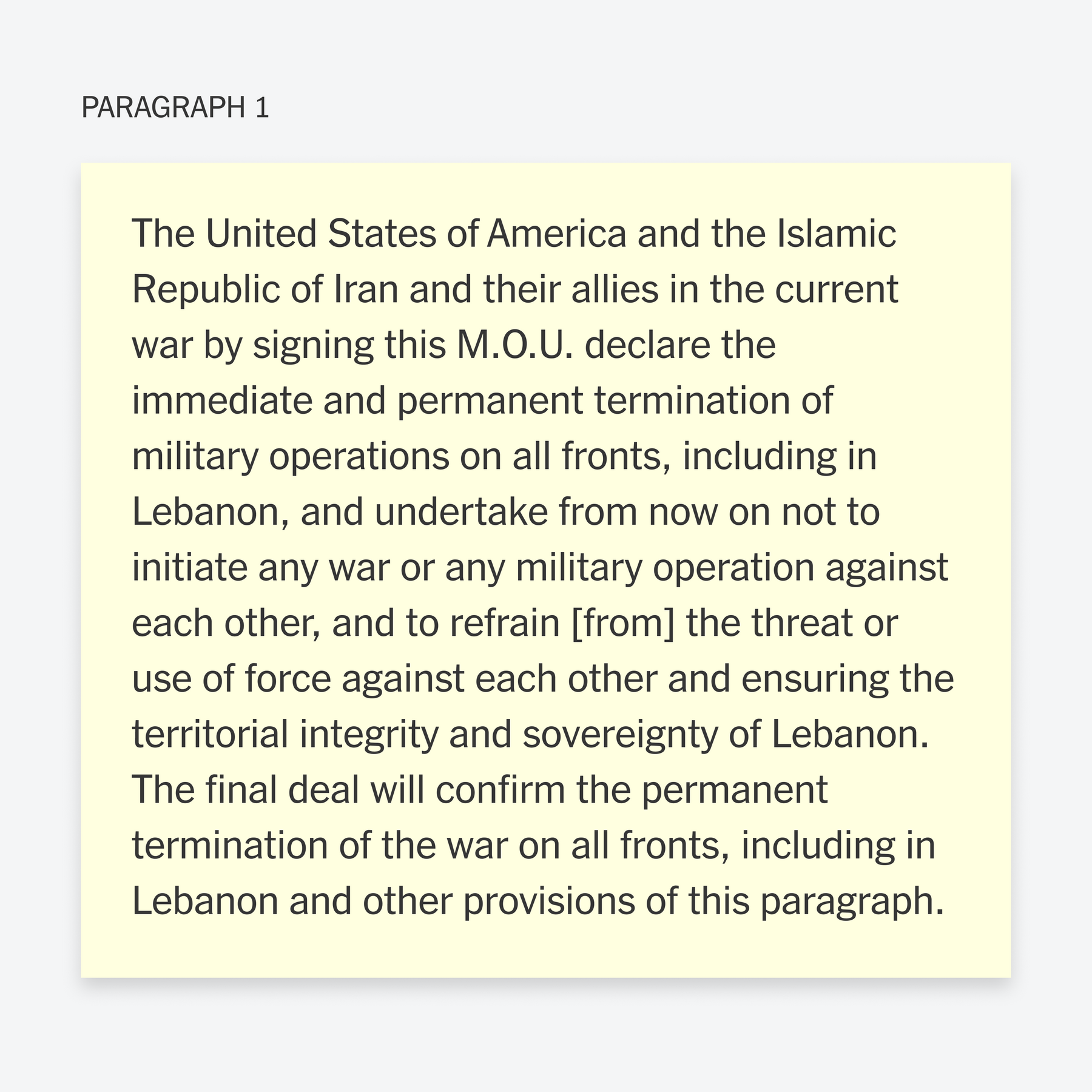
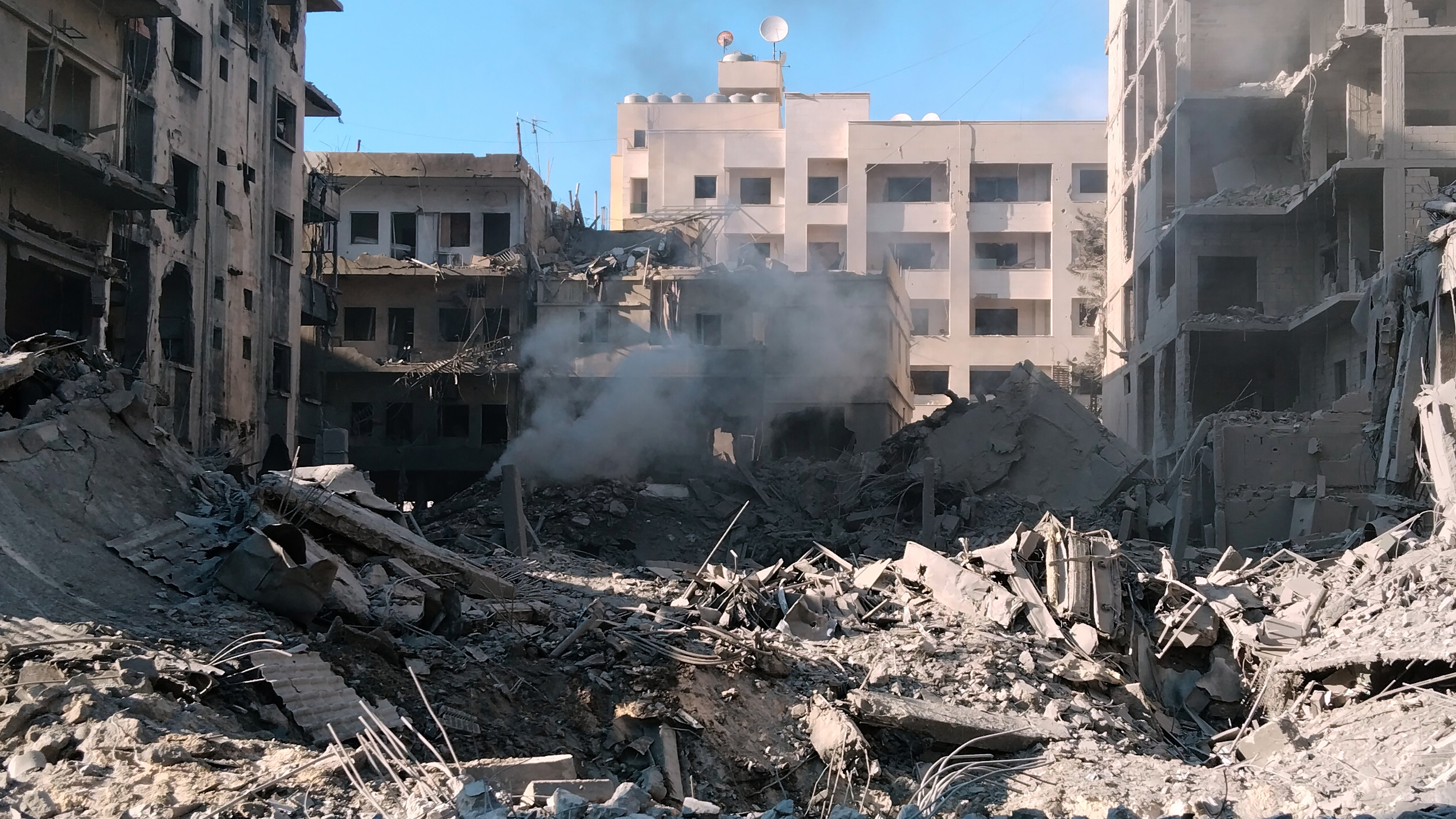
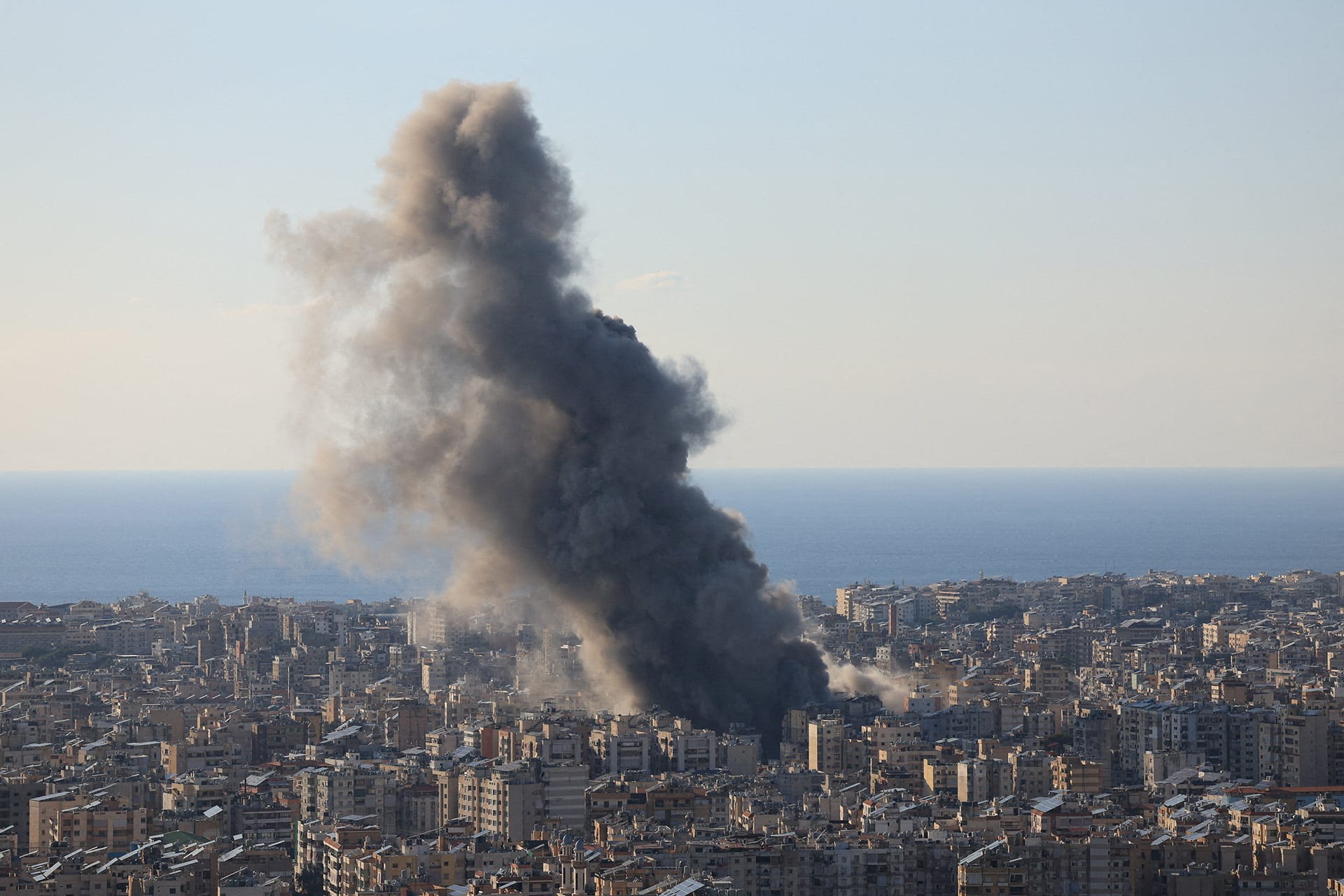
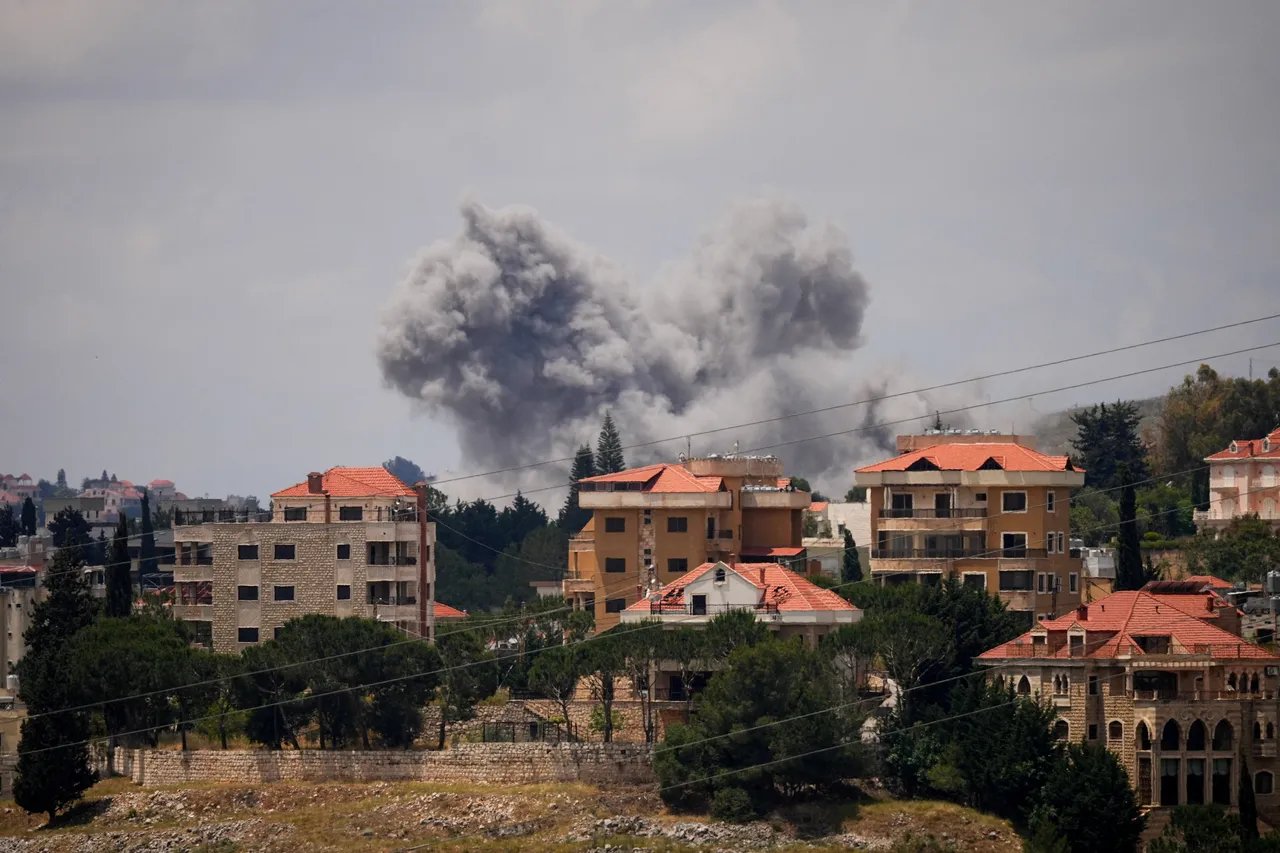
Iran's armed forces announced Saturday they are closing the Strait of Hormuz, one of the world's most critical oil shipping routes, just three days after the waterway reopened under a new ceasefire deal. The Khatam al-Anbiya central headquarters of the Iranian armed forces said the closure responds to what it calls the United States' "clear bad faith and breach of its commitment" to implement the memorandum of understanding signed earlier this week to end the war. Iran's military command alleged that Israeli attacks on southern Lebanon violate the ceasefire agreement and accused the U.S. of failing to rein in those strikes.
The Iranian Revolutionary Guards Corps navy followed with a statement that the strait "is closed to all vessels" and warned ships not to approach. Iran's military said this action represents "the first step" in responding to alleged violations, adding that "should the aggression continue, further measures have been planned and will be implemented to compel the enemy to abide by and carry out its obligations."
The U.S. military contradicted Iran's closure claim within hours. A senior U.S. defense official said the military is not seeing any Iranian military movements on the ground that reflect a potential closing of the strait. U.S. Central Command reported that 55 merchant ships transited the waterway on Saturday, moving more than 17 million barrels of oil to global markets and maintaining safe passage through the international waterway.
By Sunday, three fully laden India-linked supertankers—the Desh Vibhor, Desh Vaibhav, and Sanmar Herald—were observed in the Gulf of Oman and Arabian Sea after signaling their attempt to cross the Strait of Hormuz late Friday, according to ship-tracking data. The continued flow of traffic and vessel movements contradicted Iran's announcement that the strait was shut to all traffic.
Vice President JD Vance departed for Switzerland on Saturday ahead of technical-level talks aimed at making the interim ceasefire permanent, reopening the Strait of Hormuz, and beginning nuclear negotiations. The discussions were initially scheduled for Friday but were delayed due to escalating fighting between Israel and Hezbollah. Iran's negotiating delegation, headed by speaker of parliament Mohammad Bagher Ghalibaf and foreign minister Abbas Araghchi, was expected to arrive in Switzerland on Saturday, with talks set to begin Sunday.
Iran warned that little progress would occur in Switzerland if Israeli attacks on Lebanon do not stop. Pakistan, serving as a key mediator, said the technical-level talks would proceed with Qatari mediators also participating.
President Trump responded to Iran's closure announcement by threatening to impose U.S. tolls on the Strait of Hormuz if a final deal is not reached within 60 days. Trump said the money would be for "services rendered as the Guardian Angel to the countries of the Middle East." His statement underscored that the interim agreement calls for toll-free travel during the 60-day period.
The threat marked an immediate escalation in rhetoric as the two sides prepared for negotiations meant to resolve their differences. The closure announcement and Trump's response signaled that the fragile ceasefire agreement faces its first major test just days after being signed.
Highlighted text was flagged by the council. Tap to see feedback.