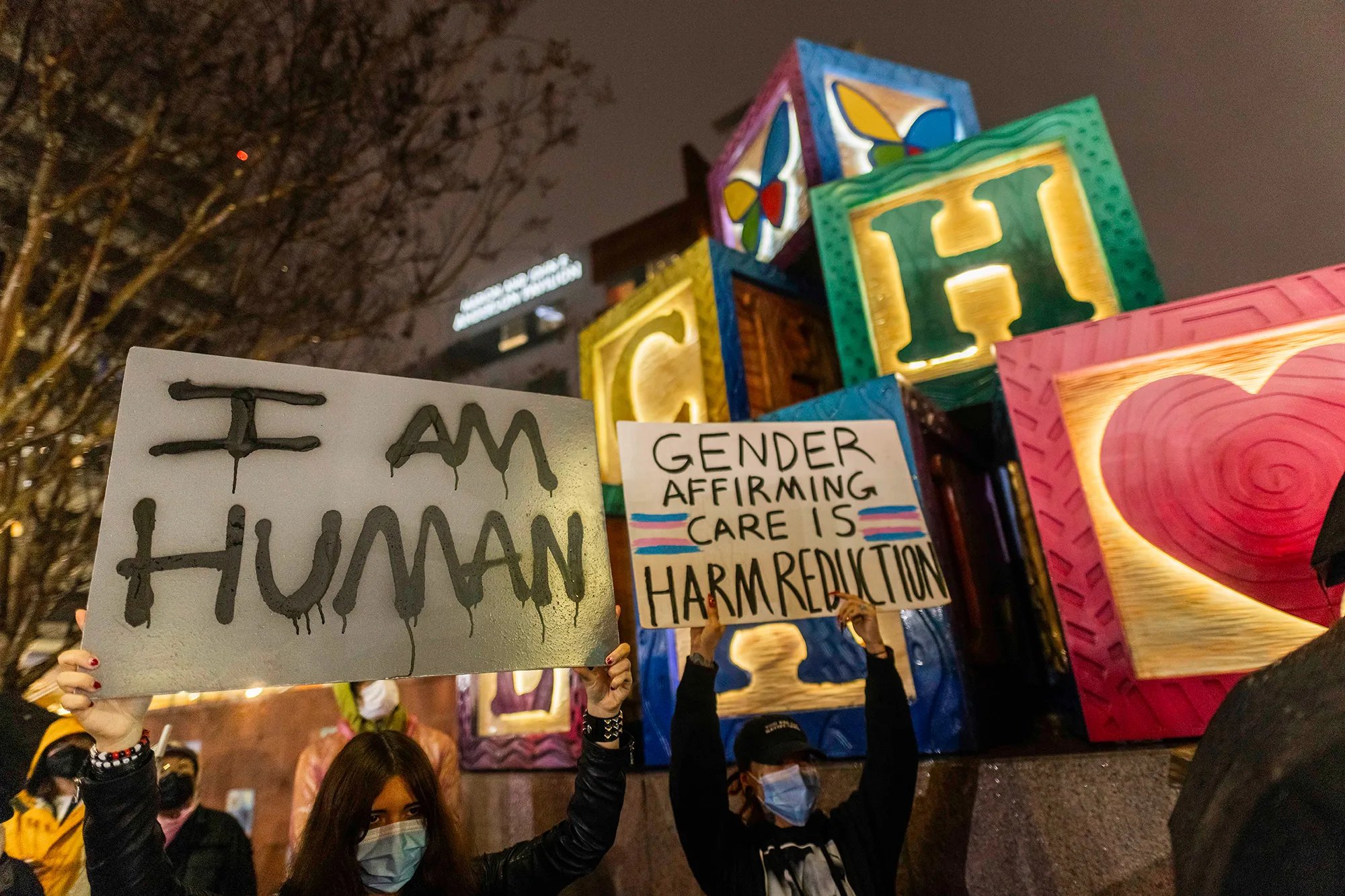
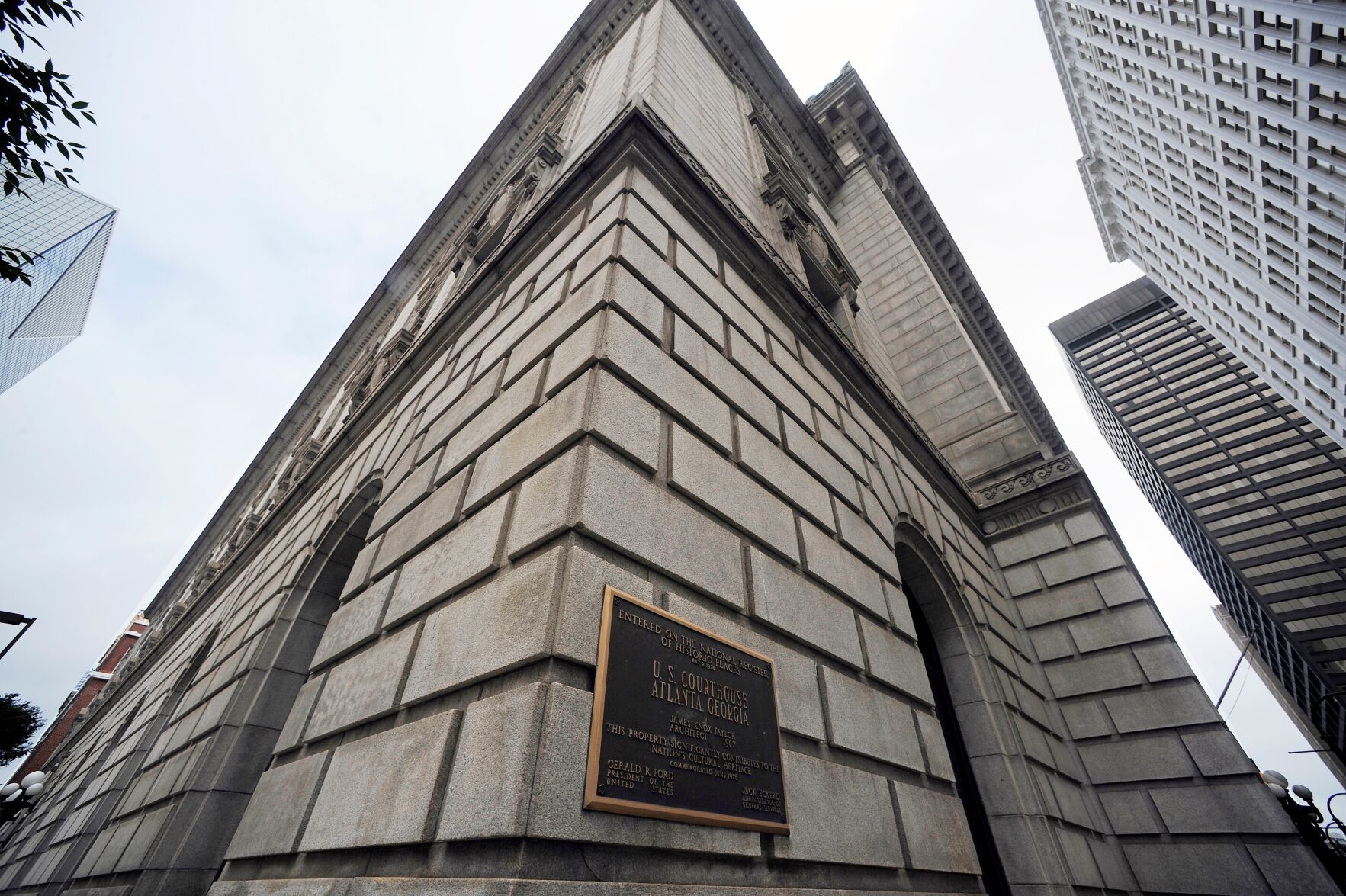
A federal court has prevented the Trump Department of Justice from obtaining names and medical files of young people treated at transgender clinics in California, at least temporarily.
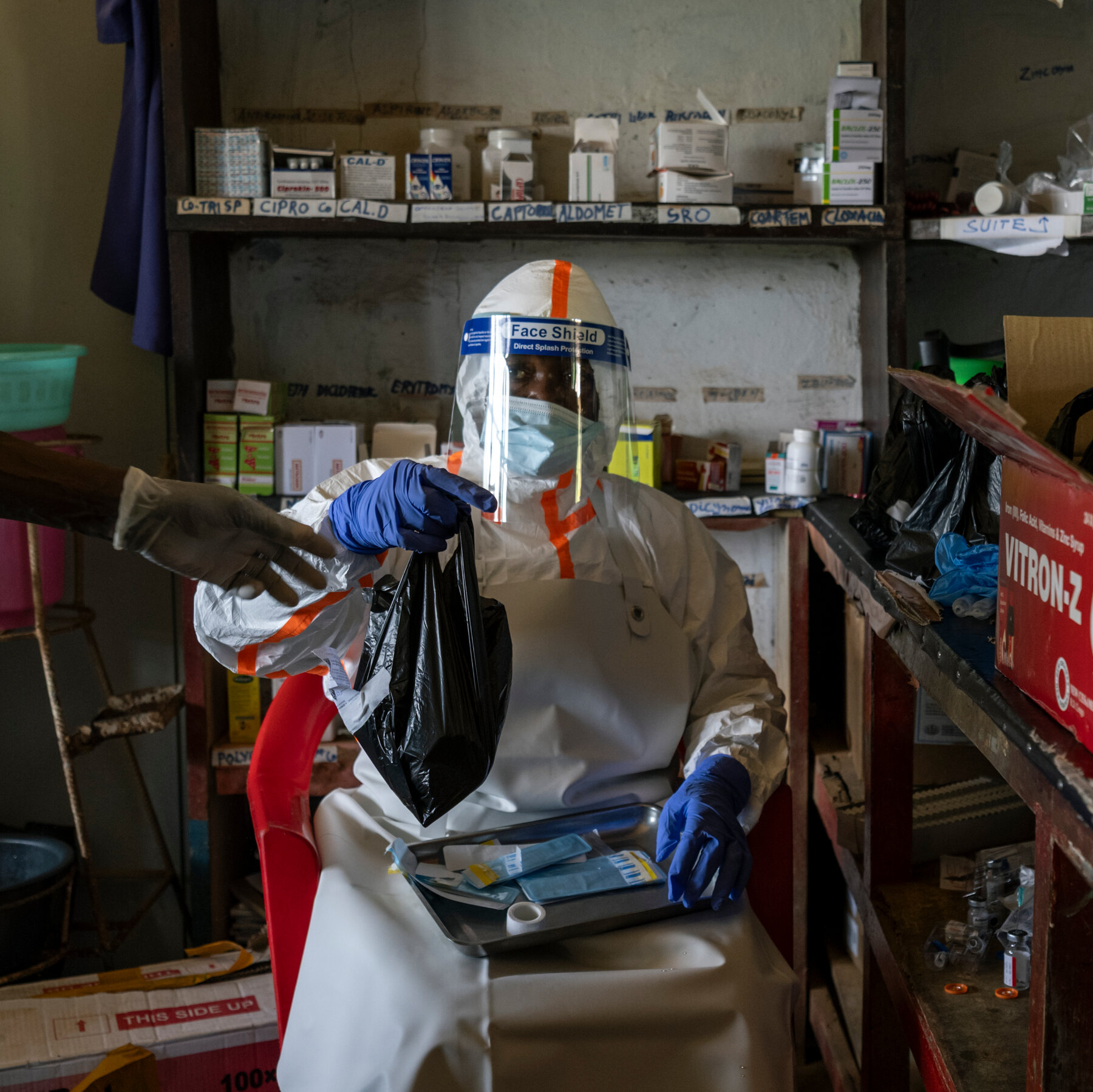
The Justice Department had sought patient files that would identify transgender youth receiving treatment. The request also targeted records of hospital workers involved in providing that care. The scope of the demand encompassed both the identities of minors and detailed medical documentation from California's transgender health clinics.
Devlin Barrett, who has covered federal law enforcement for more than two decades, explores this dynamic in his new book titled "The Department of Revenge: How Trump Took Control of American Justice." Barrett's work examines how the department has been used as a tool to settle political scores, according to reporting on his recent interviews.
The court's decision establishes that the DOJ's authority has limits when it comes to accessing sensitive personal medical information. Federal judges have previously constrained other Trump administration initiatives through similar rulings. A federal court earlier blocked a $100,000 H-1B visa application fee that the Justice Department had defended as necessary to protect American workers and hold companies accountable for visa system exploitation. That judge determined the fee exceeded executive authority and functioned as an unapproved tax, reasoning the administration is now appealing.
Healthcare providers and privacy advocates will likely monitor any further legal action closely. For now, the names and medical files of transgender youth in California remain protected from federal government access.
A federal court has blocked the Trump Department of Justice from obtaining names and medical files of young people treated at transgender clinics in California. The ruling creates a legal barrier preventing the government from accessing patient records and information about hospital staff who provided care at these facilities. The decision marks a concrete limit on executive power in a case centered on healthcare privacy and civil rights.
The Justice Department had sought patient files that would identify transgender youth receiving treatment. The request also targeted records of hospital workers involved in providing that care. The scope of the demand encompassed both the identities of minors and detailed medical documentation from California's transgender health clinics.
The blocking of this records request occurs within a larger pattern of Justice Department activity under the current administration. Devlin Barrett, who has covered federal law enforcement for more than two decades, explores this dynamic in his new book titled "The Department of Revenge: How Trump Took Control of American Justice." Barrett's work examines how the department has been used as a tool to settle political scores, according to reporting on his recent interviews.
The court's decision establishes that the DOJ's authority has limits when it comes to accessing sensitive personal medical information. Federal judges have previously constrained other Trump administration initiatives through similar rulings. A federal court earlier blocked a $100,000 H-1B visa application fee that the Justice Department had defended as necessary to protect American workers and hold companies accountable for visa system exploitation. That judge determined the fee exceeded executive authority and functioned as an unapproved tax, reasoning the administration is now appealing.
The Justice Department has not announced whether it will appeal the California court's decision blocking access to the medical records. Healthcare providers and privacy advocates will likely monitor any further legal action closely. For now, the names and medical files of transgender youth in California remain protected from federal government access.
Highlighted text was flagged by the council. Tap to see feedback.