




The Plea and Sentence
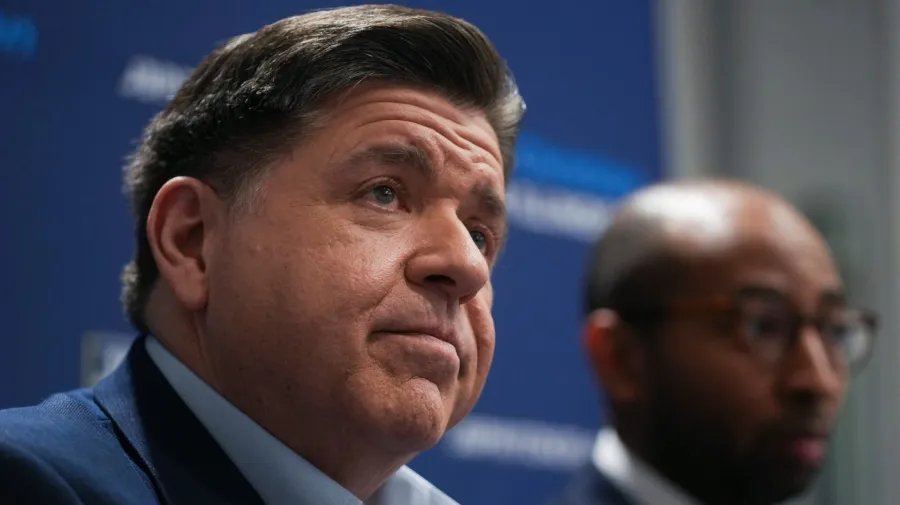
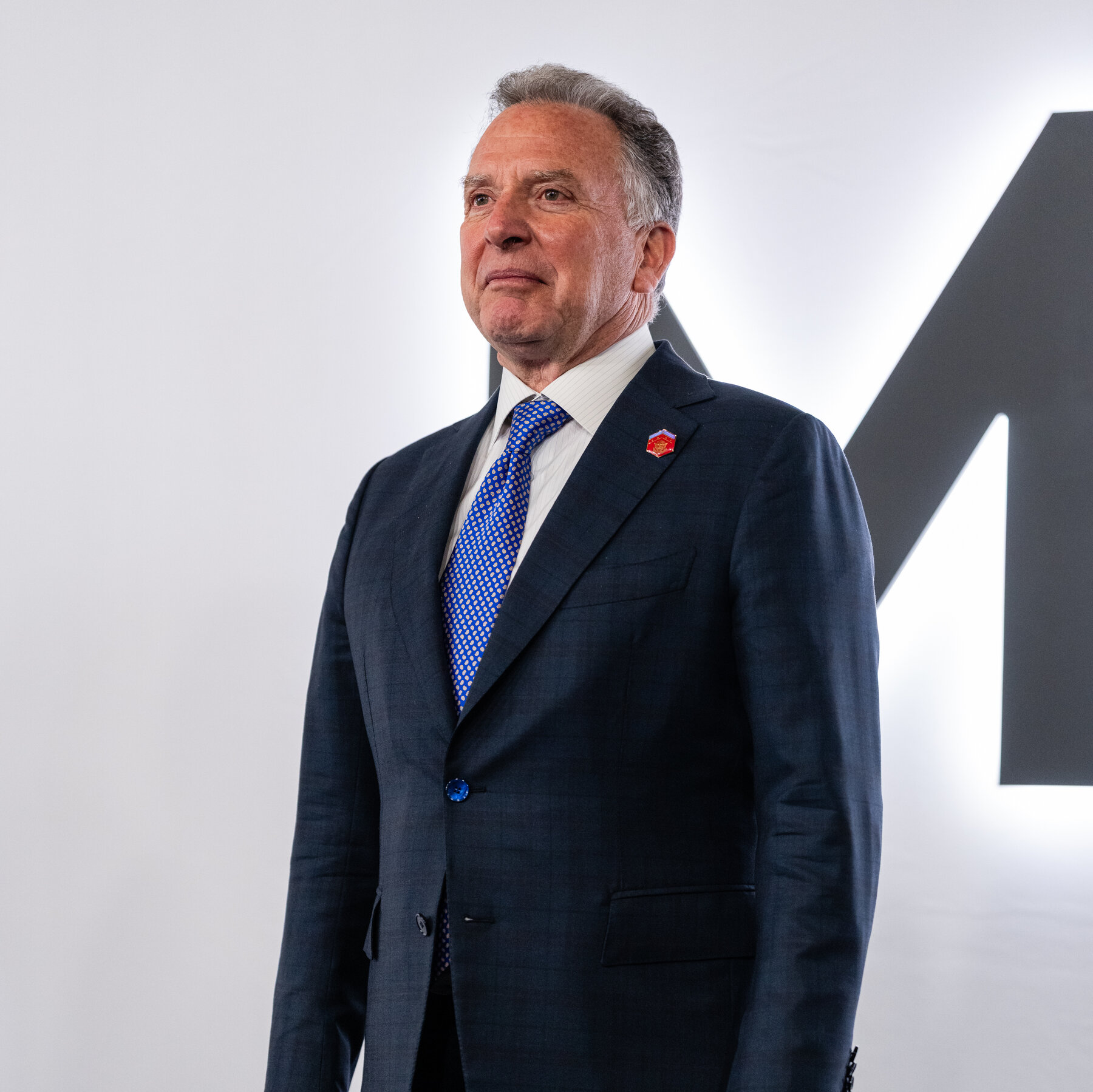
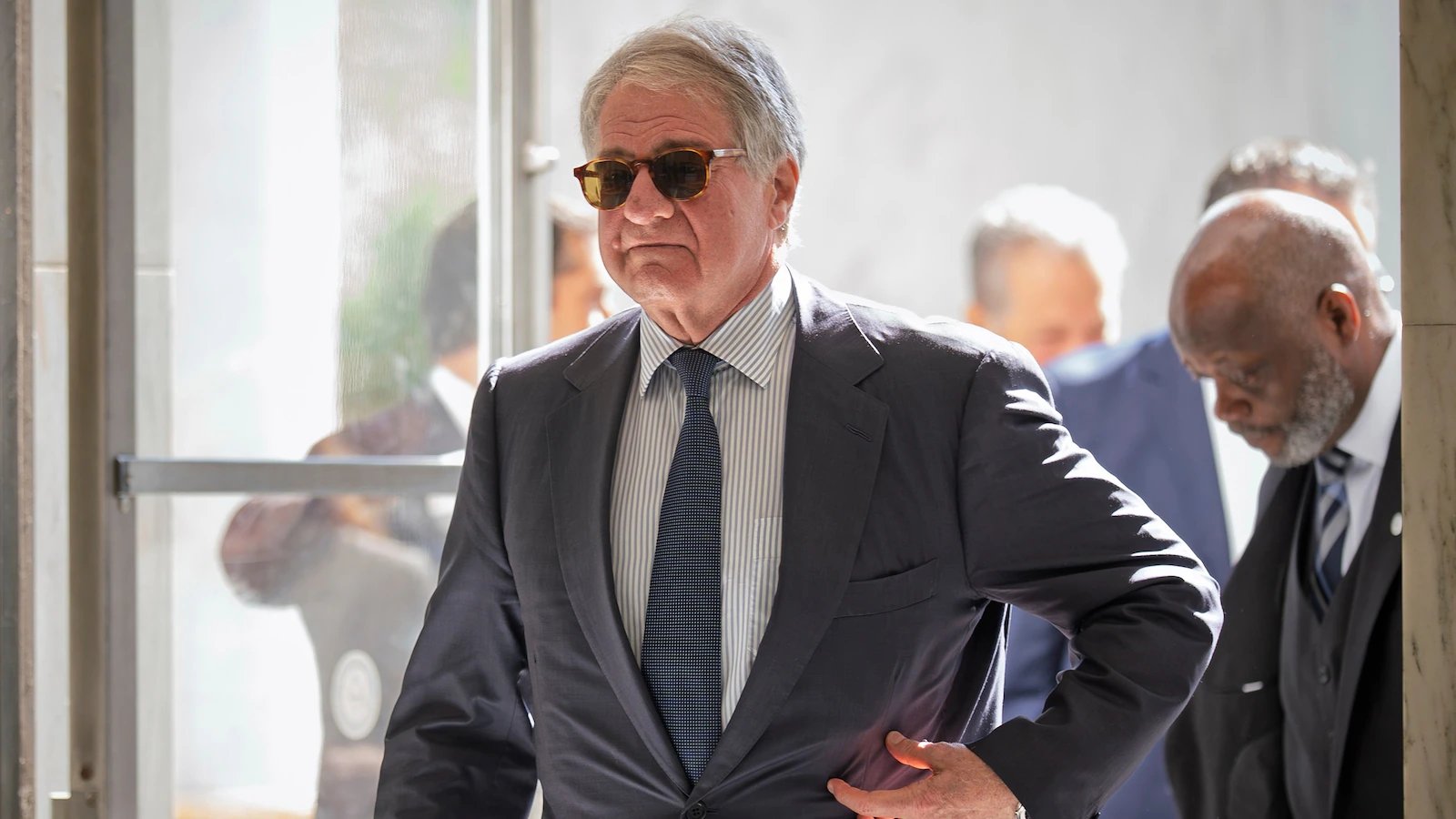
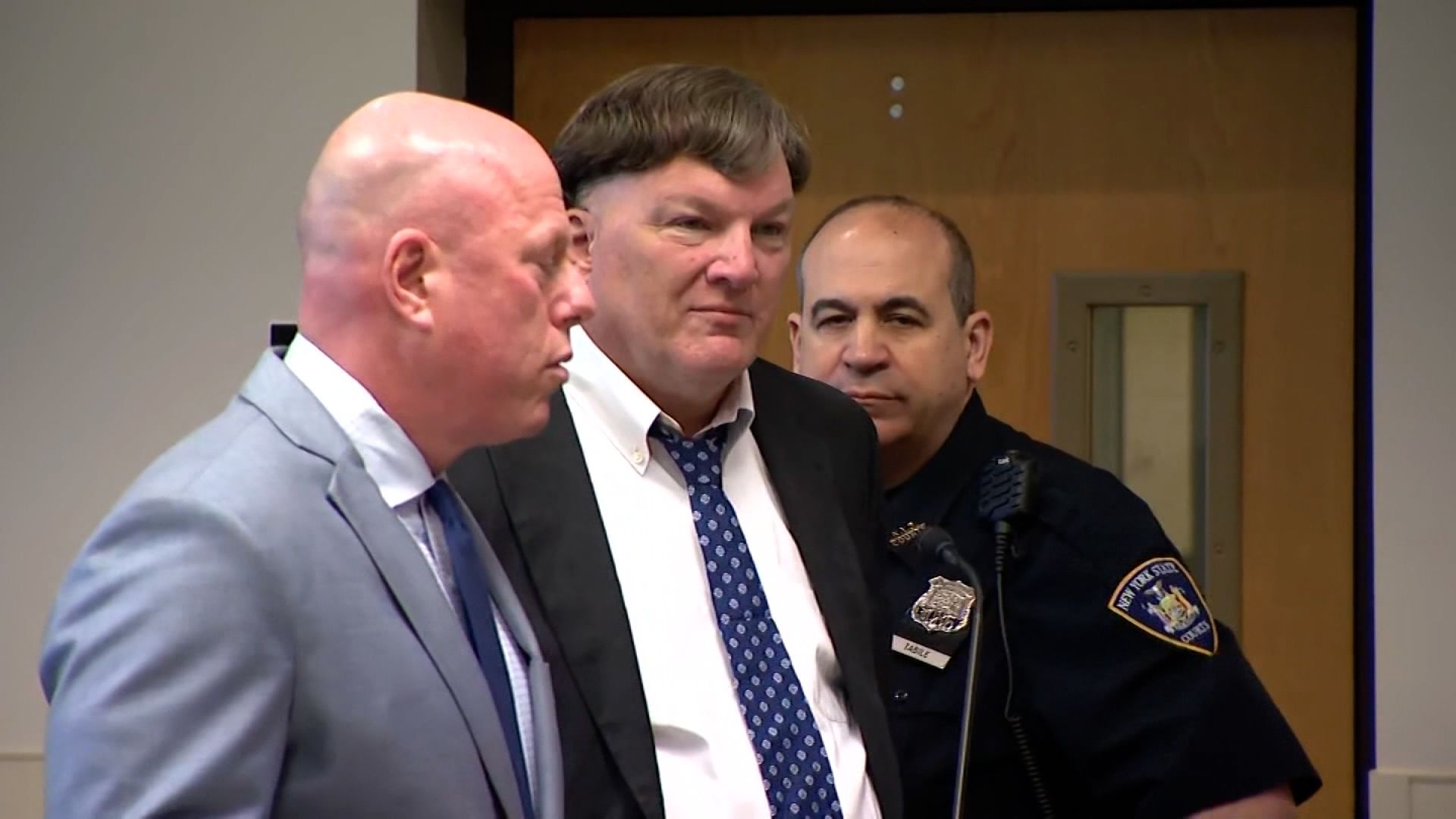
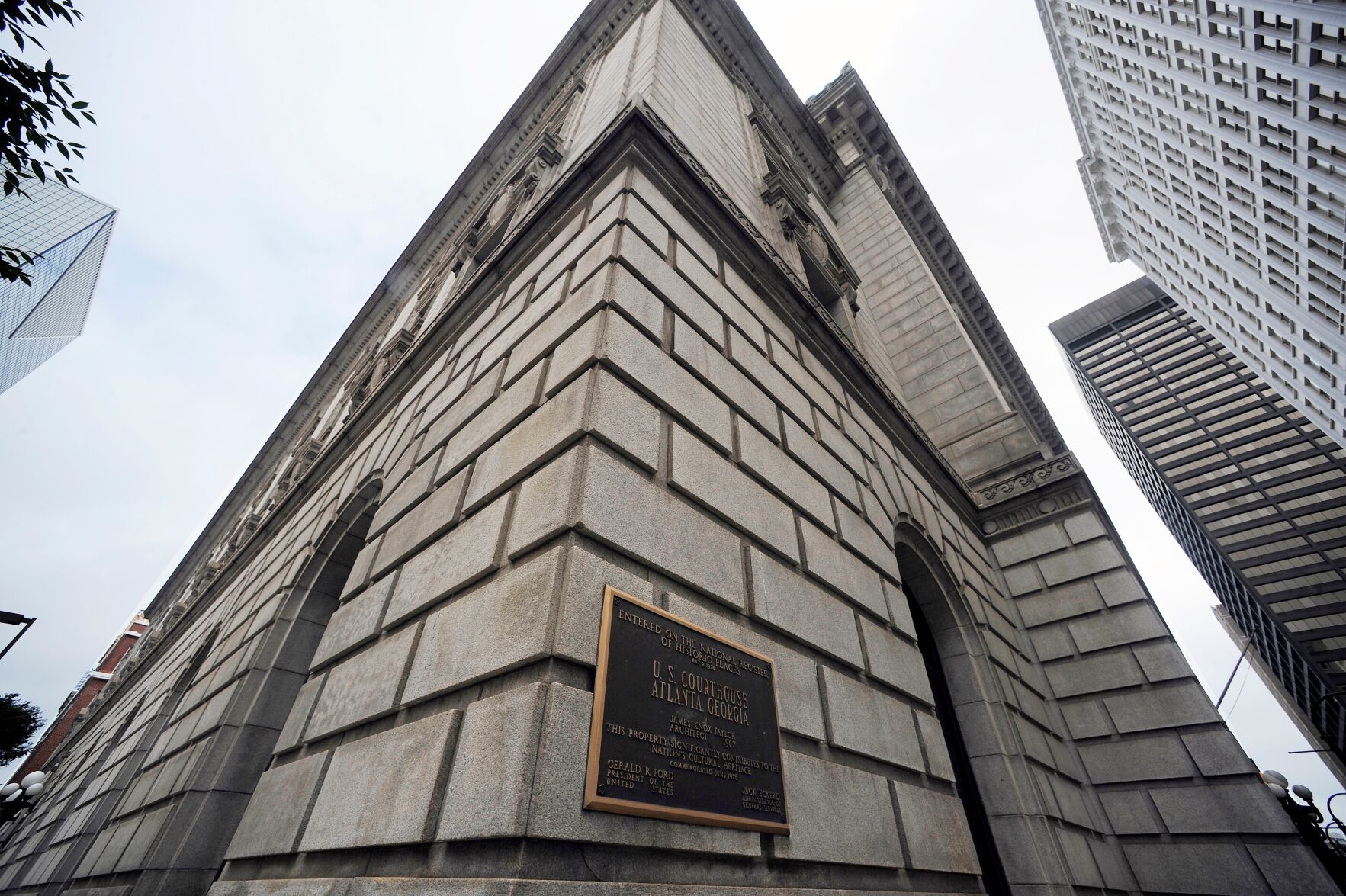
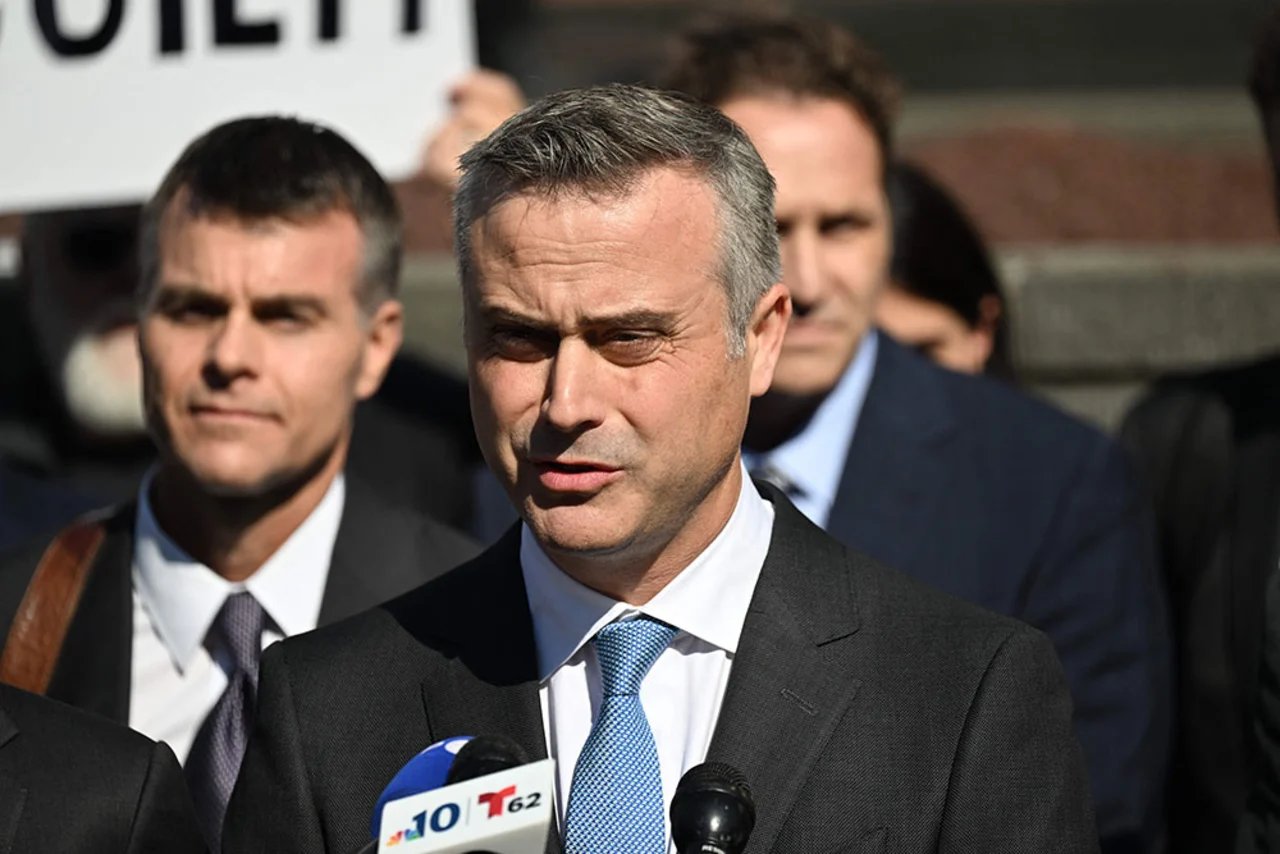
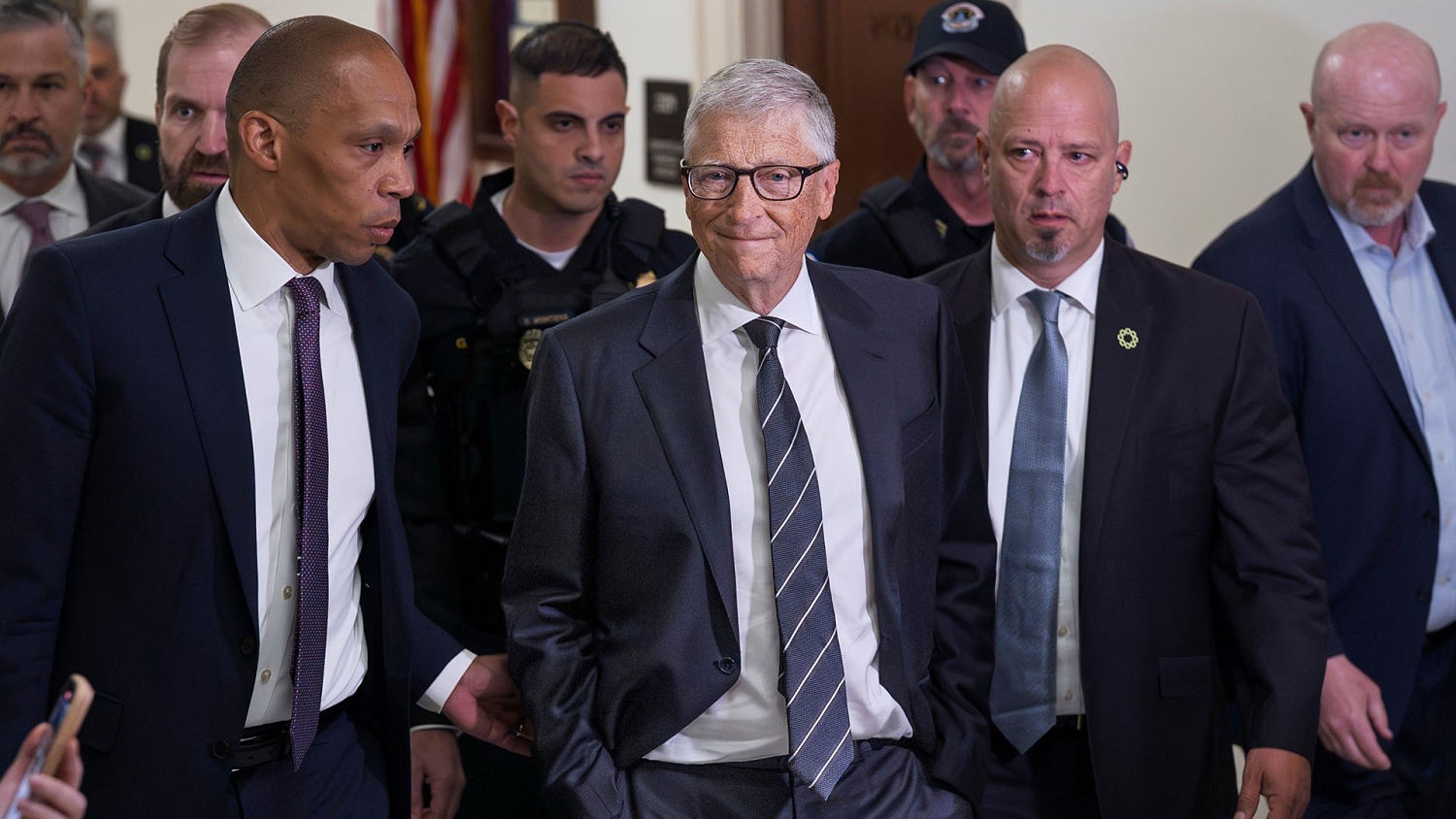
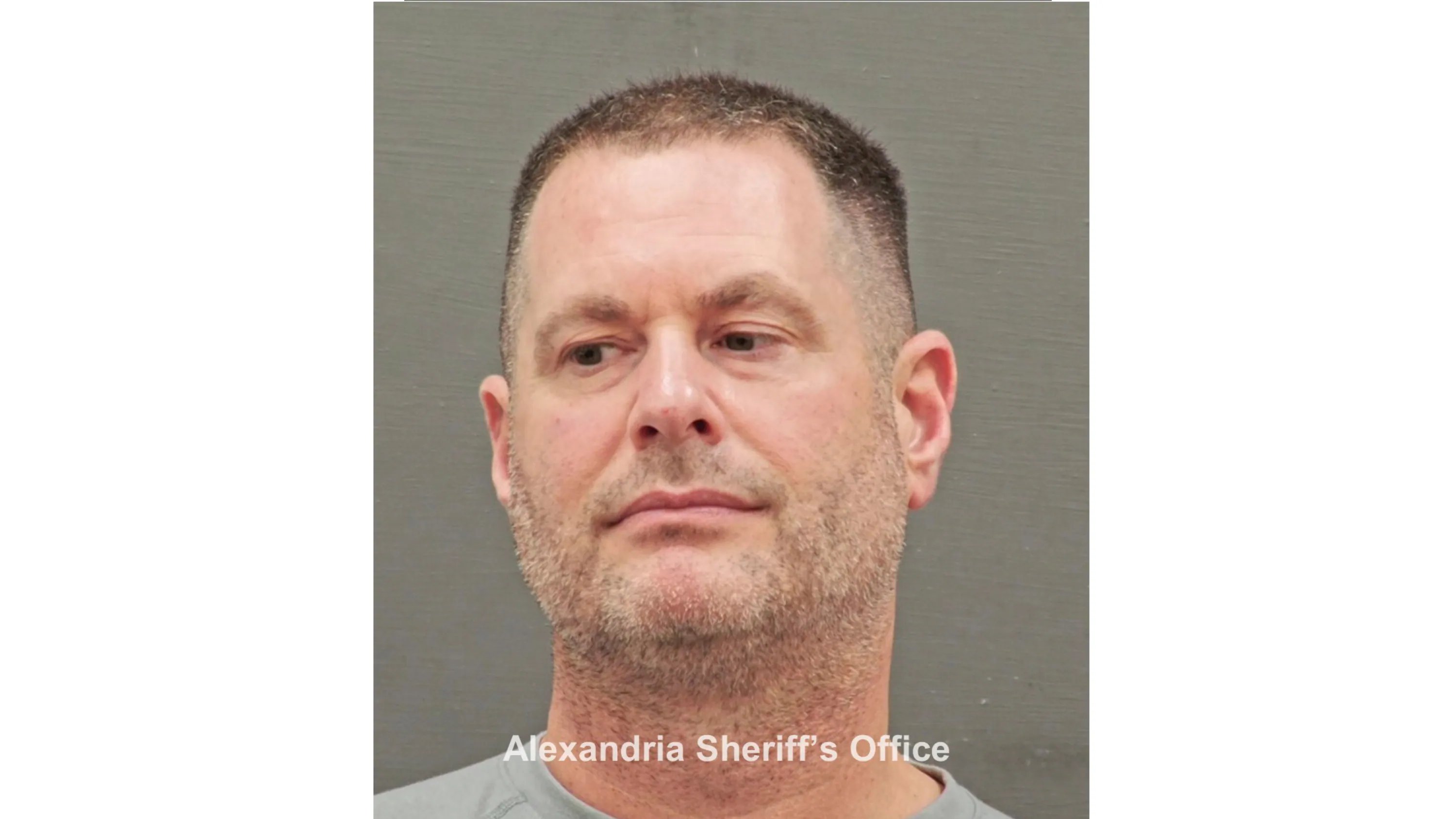
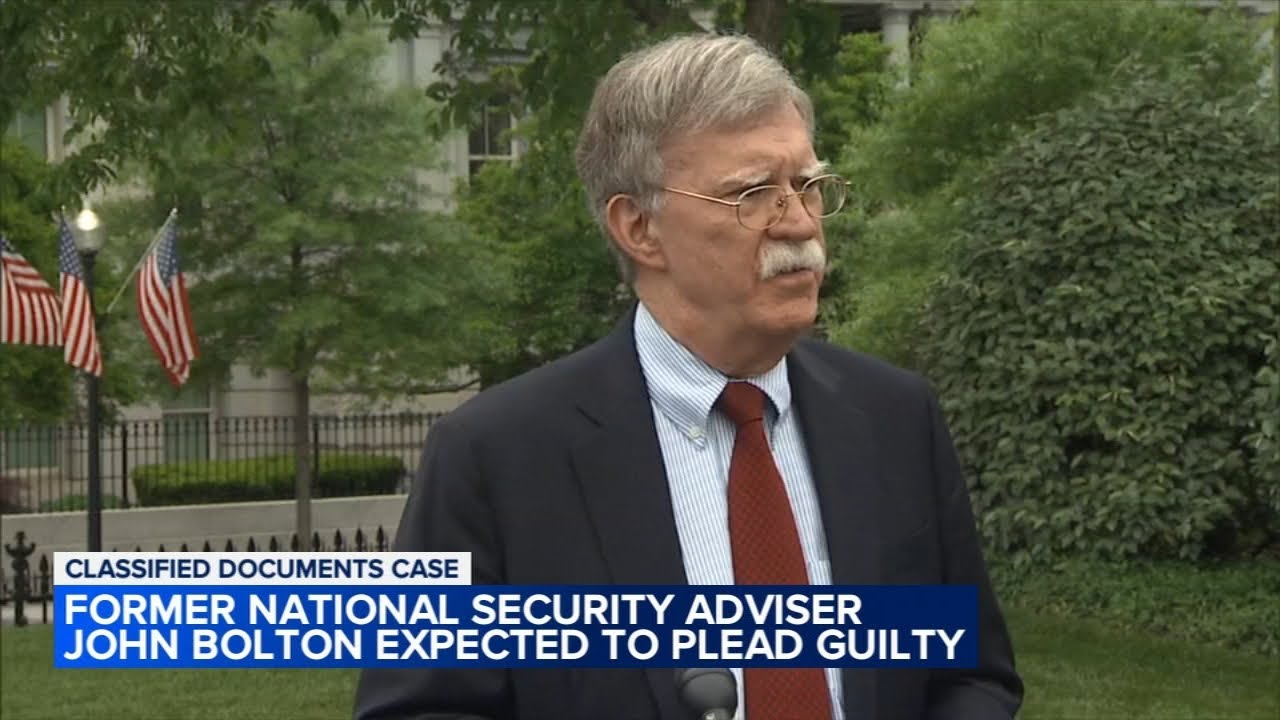
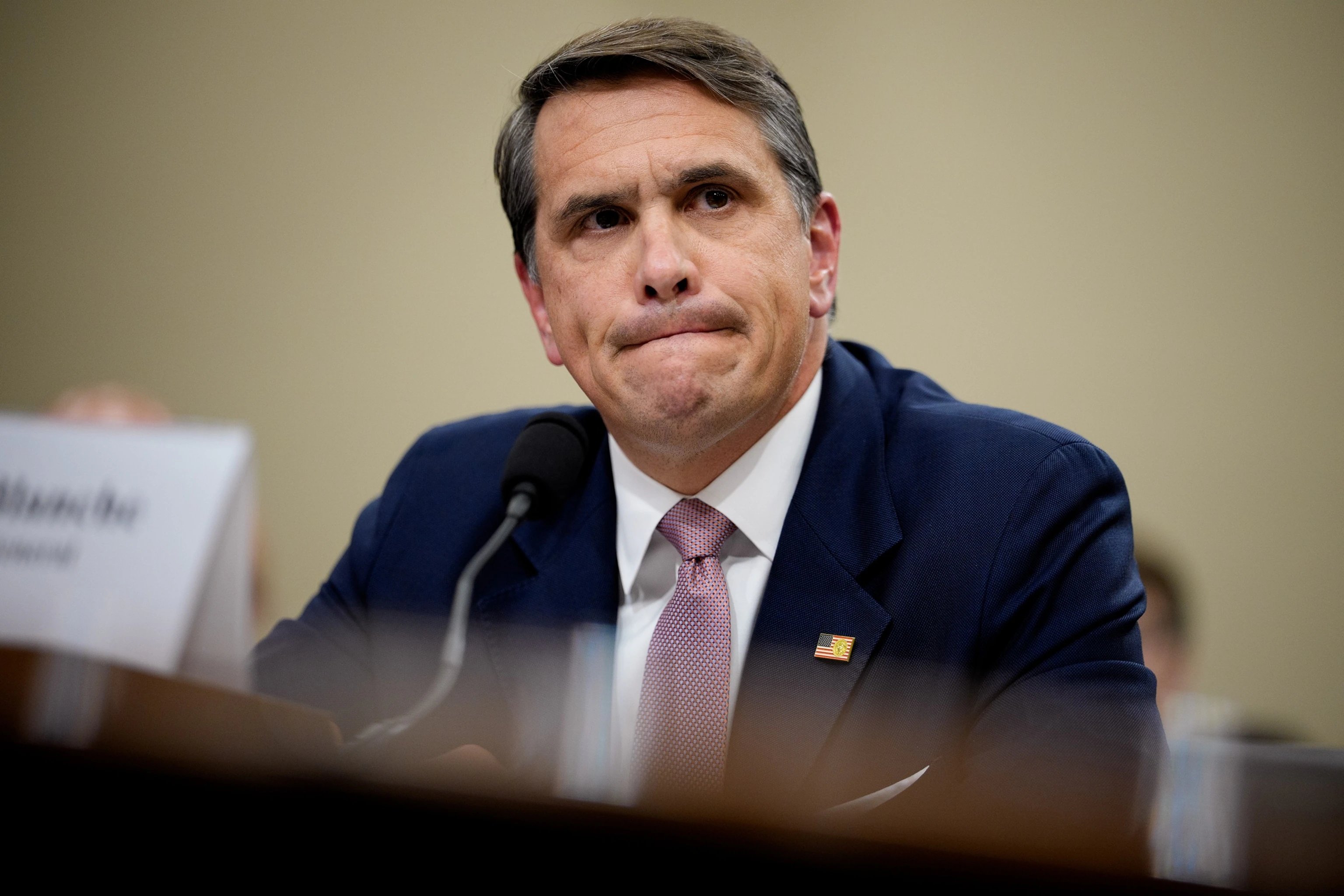
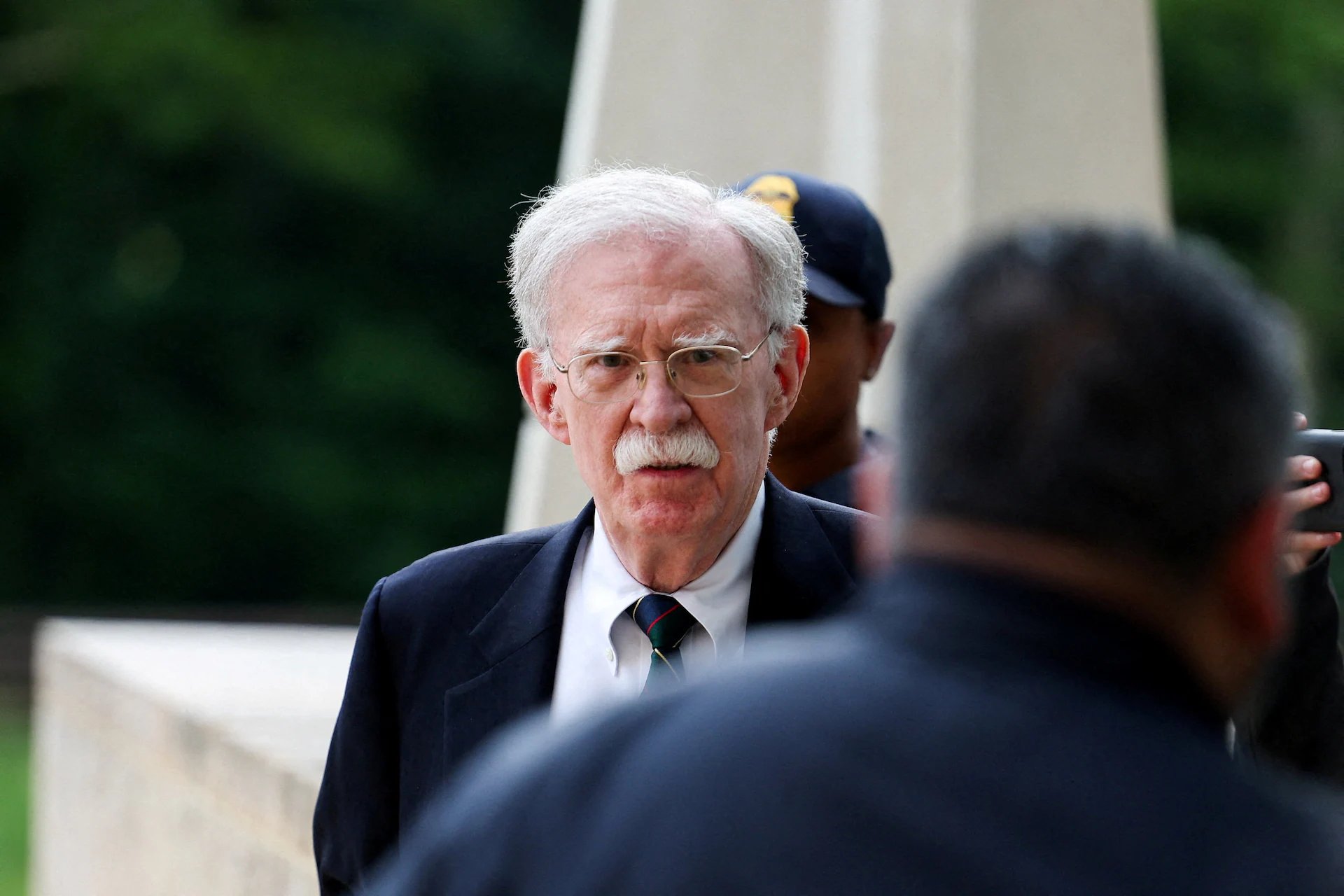
John Bolton, the former national security adviser who became one of President Trump's fiercest critics, pleaded guilty Friday to retaining classified national defense information. Standing before U.S. District Judge Theodore D. Chuang in federal court in Greenbelt, Maryland, Bolton admitted to one count and told the judge: "And I am sorry for it."
The plea agreement caps a case that began with 18 criminal counts. Bolton will face a maximum of five years in prison and must pay $2.25 million in fines, with half due within five days of sentencing. He will also forfeit all retirement benefits from his government service and perform 100 hours of community service focused on preventing unlawful disclosure of classified information. His sentencing is scheduled for October 28.
By pleading guilty, he waived his right to appeal both the conviction and sentence, though he can withdraw the plea before sentencing concludes.
What Bolton Shared and How
Federal prosecutors said Bolton compiled handwritten notes containing highly classified information during his tenure as national security adviser from April 2018 to September 2019. He then transcribed these notes and sent them to two family members through commercial messaging apps and personal email accounts, including AOL and Google.
The materials Bolton shared included information classified at the TOP SECRET/SCI level. According to prosecutors, the documents contained human intelligence using sensitive sources and methods, information about a covert action program, intelligence about future attacks by an adversarial group in another country, details about liaison partners sharing sensitive information with U.S. intelligence, and intelligence that a foreign adversary was planning a missile launch.
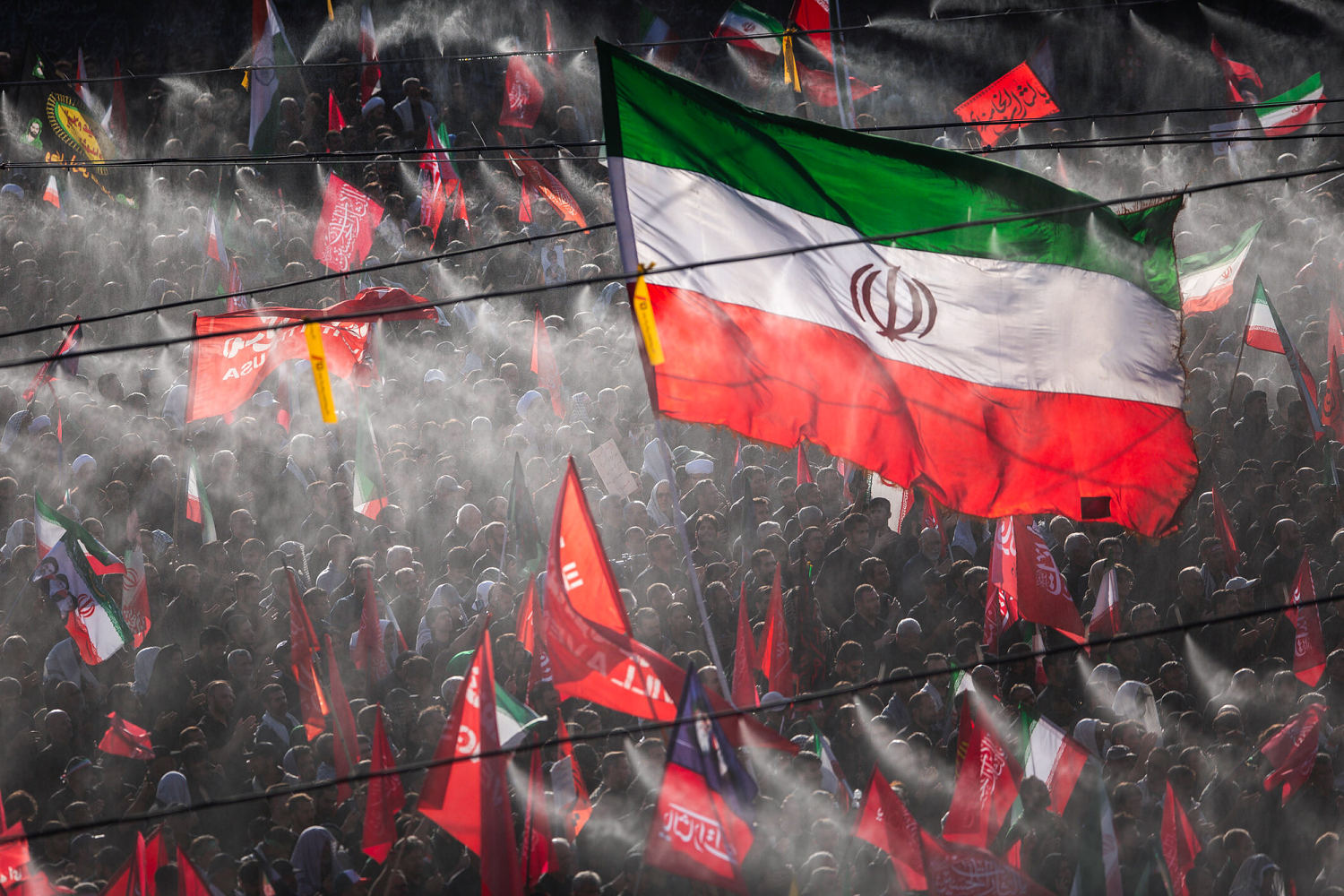
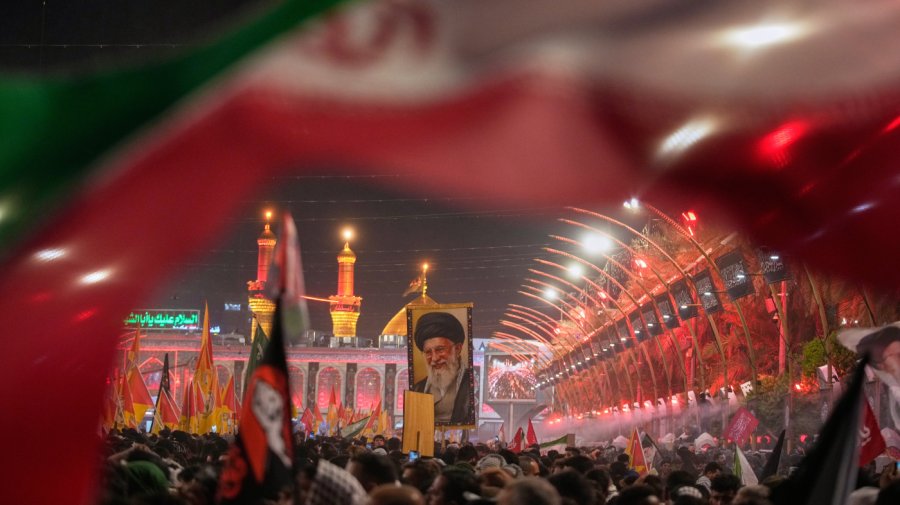
After Bolton left the Trump administration, hackers believed to be associated with the Iranian government gained access to the personal email account where he had sent this information. The hacker sent an apparent threat referencing "the biggest scandal since Hillary Clinton's emails were leaked."
Government and Defense Arguments
U.S. Attorney Kelly O. Hayes told reporters that the case demonstrated "no one is above the law" and that the rules governing classified information "apply equally to everyone, regardless of position, and regardless of how long you have served with the United States government." Hayes emphasized that Bolton knew how to handle classified information and understood the damage his actions could cause to national security.
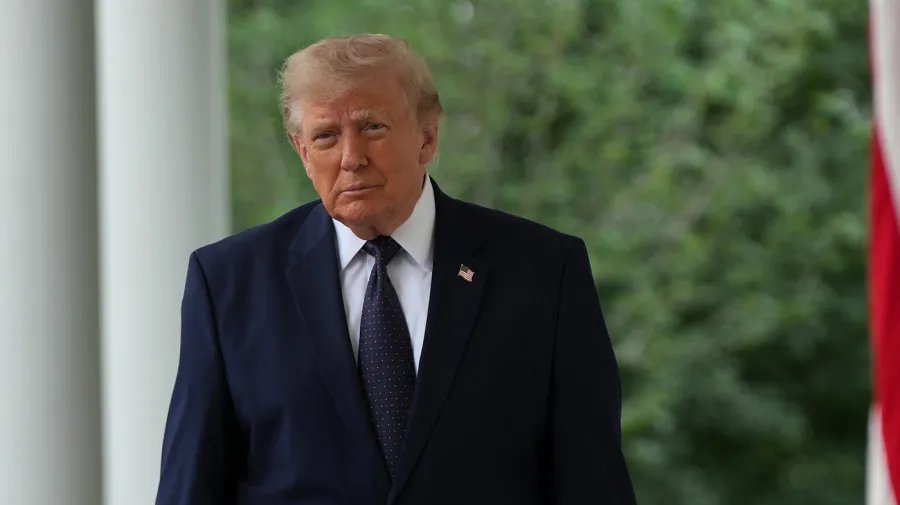
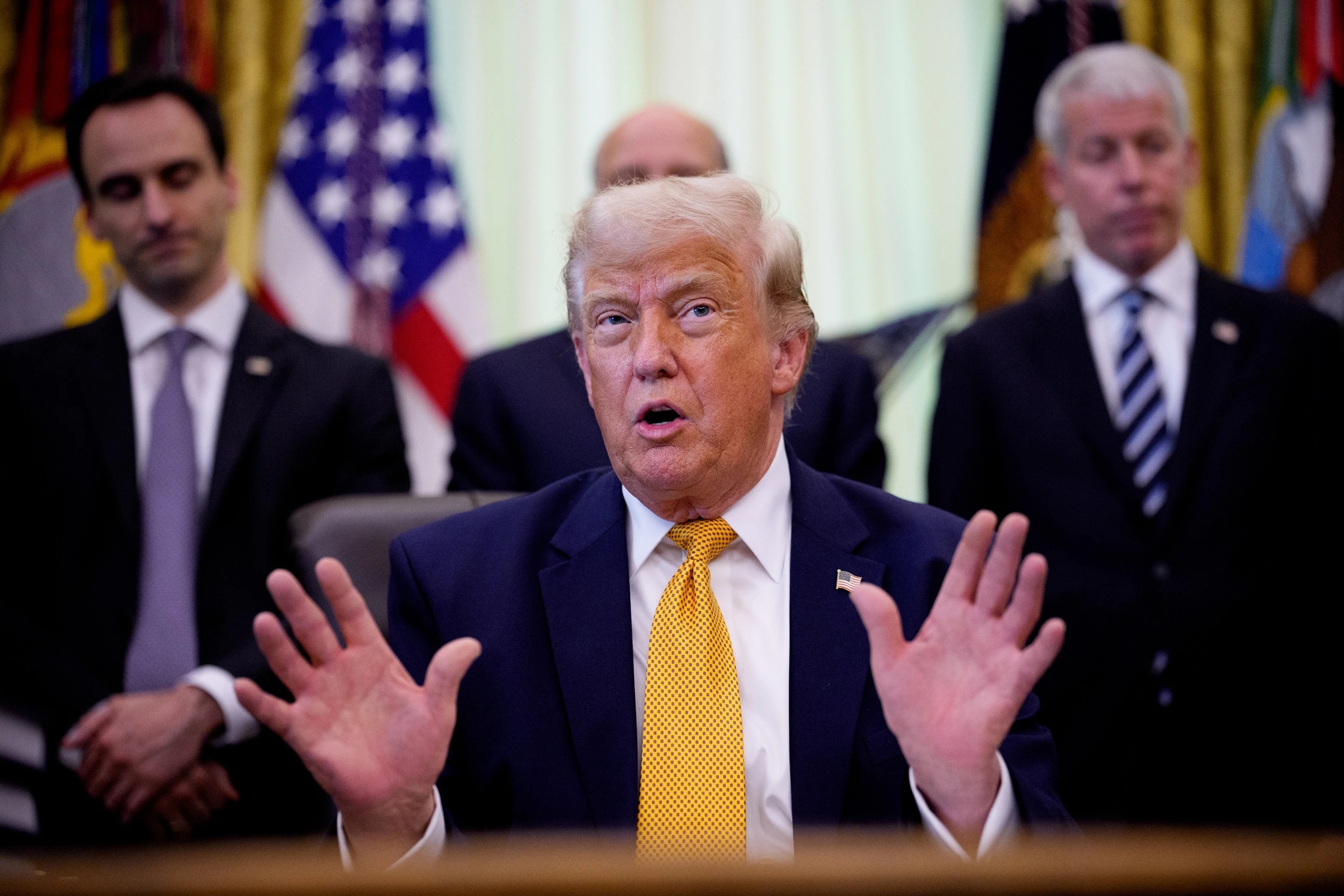
Bolton's lawyer, Abbe Lowell, said his client "did what real leaders do" by taking responsibility. Lowell added that Bolton's guilty plea would "save the government resources to pursue a case that could expose additional sensitive information." In his statement, Lowell contrasted Bolton's conduct with Trump's handling of classified documents, noting that Trump "took actual classified documents to his Florida mansion, interfered with the investigation of that conduct, and has never accepted any accountability for his conduct."
Legitimacy of the Case
The Bolton prosecution has drawn scrutiny because Trump's Justice Department has pursued legal charges against other Trump critics, including former FBI Director James Comey and New York Attorney General Letitia James. The initial cases against Comey and James were dropped, though Comey was later indicted for what the government said was a threatening Instagram post against Trump.
Former DOJ attorney Stacey Young, now executive director of Justice Connection, acknowledged public skepticism. "After seeing DOJ leadership repeatedly bow to President Trump's orders to prosecute his enemies, it's hard for the public to separate this case from the vindictive and selective prosecutions we've seen," Young said. However, she added that the Bolton case is legitimate and different from those other prosecutions.
Michael O'Hanlon, a national security specialist at the Brookings Institution, agreed the case had merit. "This is a prominent public official who did make some mistakes and should have known better and deserved some kind of punishment as a result," he said.
Bolton's Path to Conflict with Trump
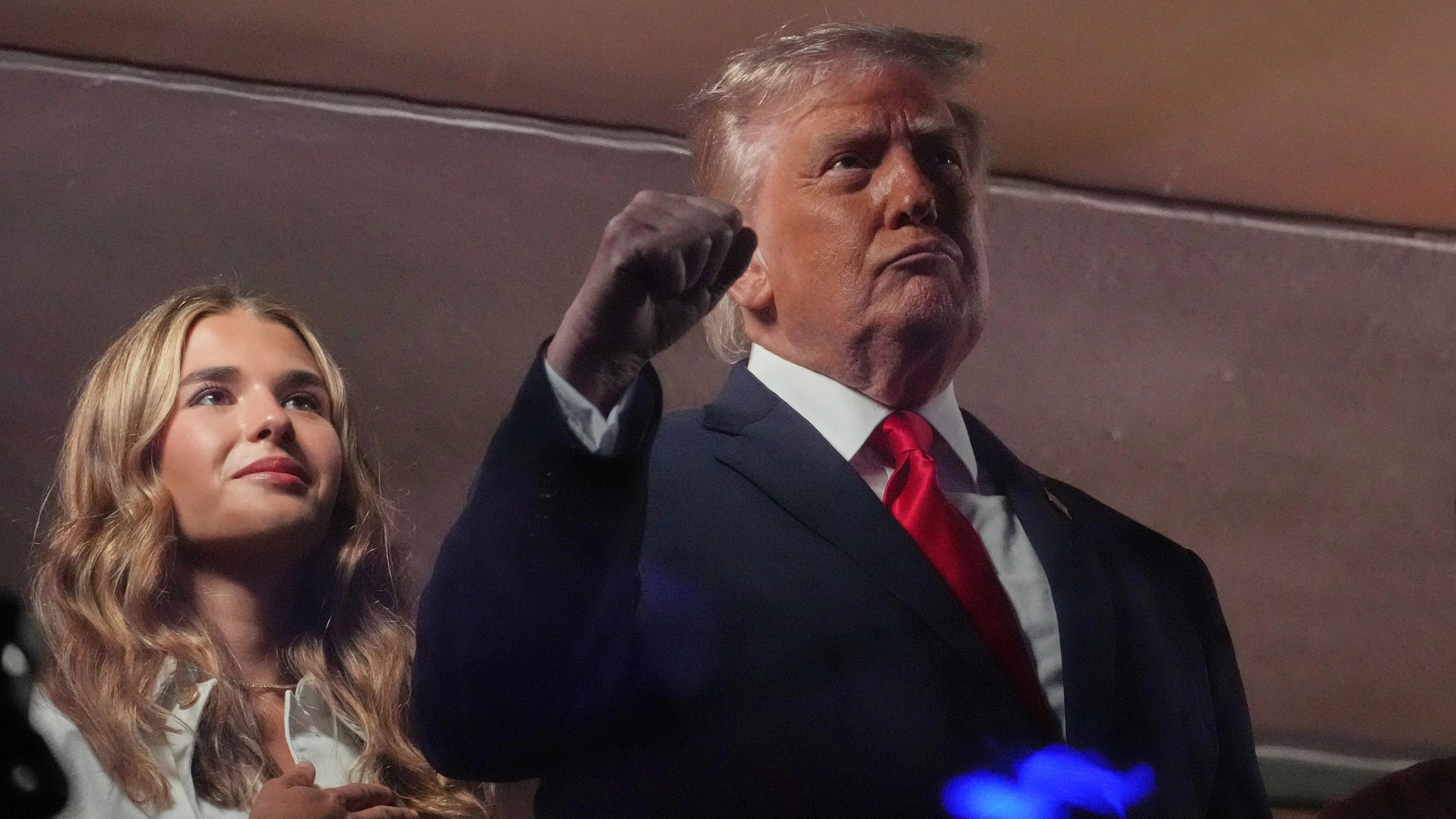
Bolton served as Trump's national security adviser during the president's first term before leaving office in September 2019. Bolton claimed he resigned of his own accord, though Trump said he fired him. The two became bitter enemies, frequently attacking each other over foreign policy.
In 2020, Bolton published a memoir titled "The Room Where It Happened," which portrayed Trump as an erratic and irrational leader. The Trump administration sued to block the book's release, claiming it contained classified national security secrets. A federal judge allowed publication, and Bolton was never prosecuted for anything included in the book. The Justice Department later opened an investigation into whether Bolton had mishandled classified information by disclosing parts of it in the memoir.
Bolton has continued criticizing Trump publicly. Trump has responded by suggesting Bolton should go to jail and calling him a "sleazebag." In January, Bolton was among former officials critical of Trump who had their Secret Service protection stripped.