




Details of the Attack
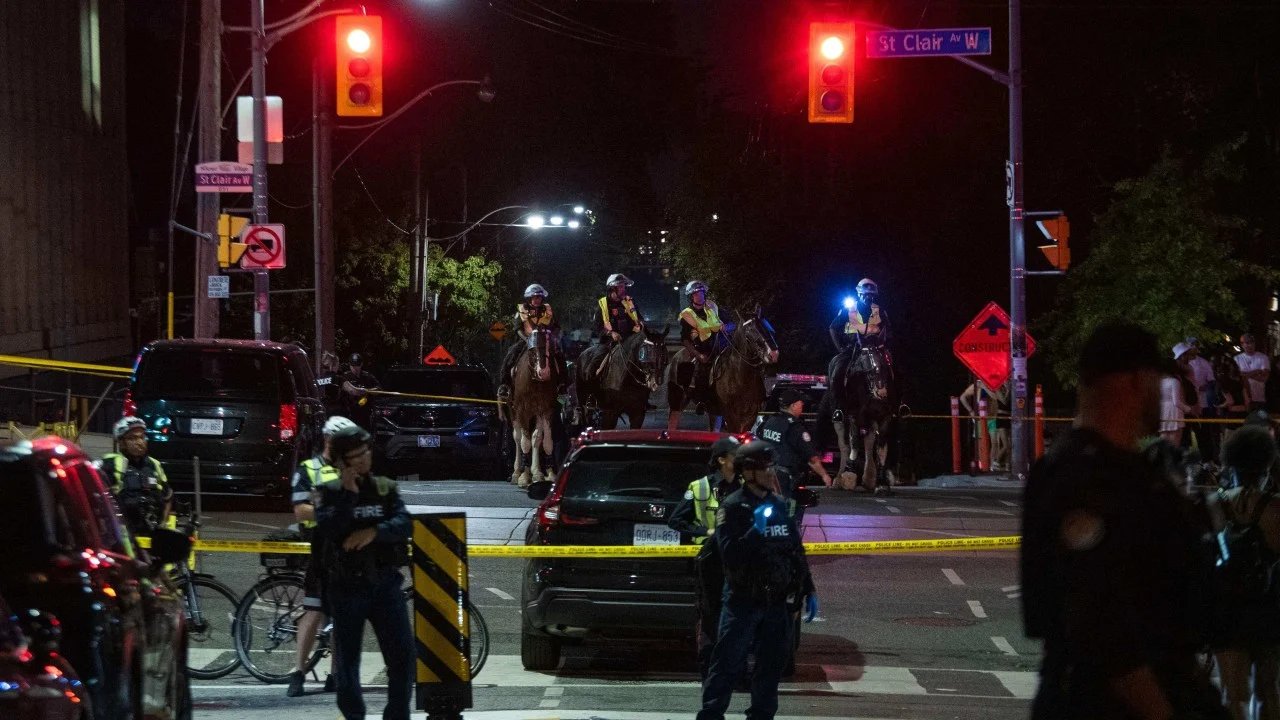
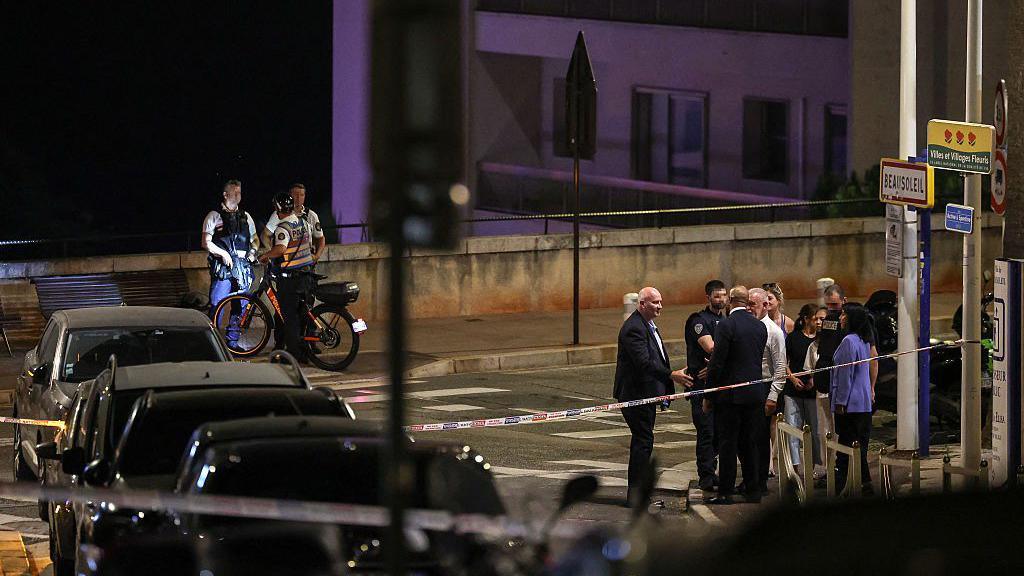
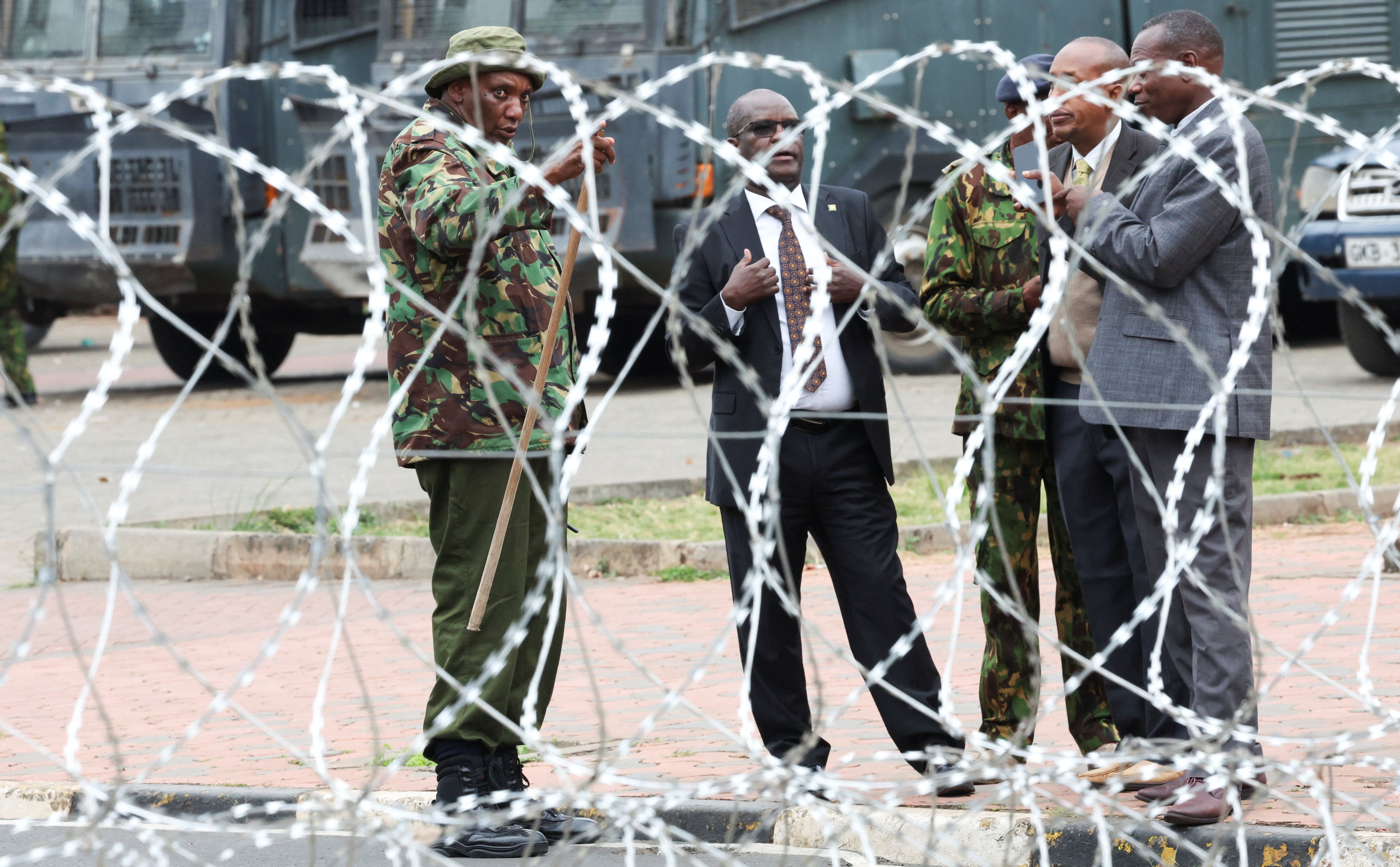
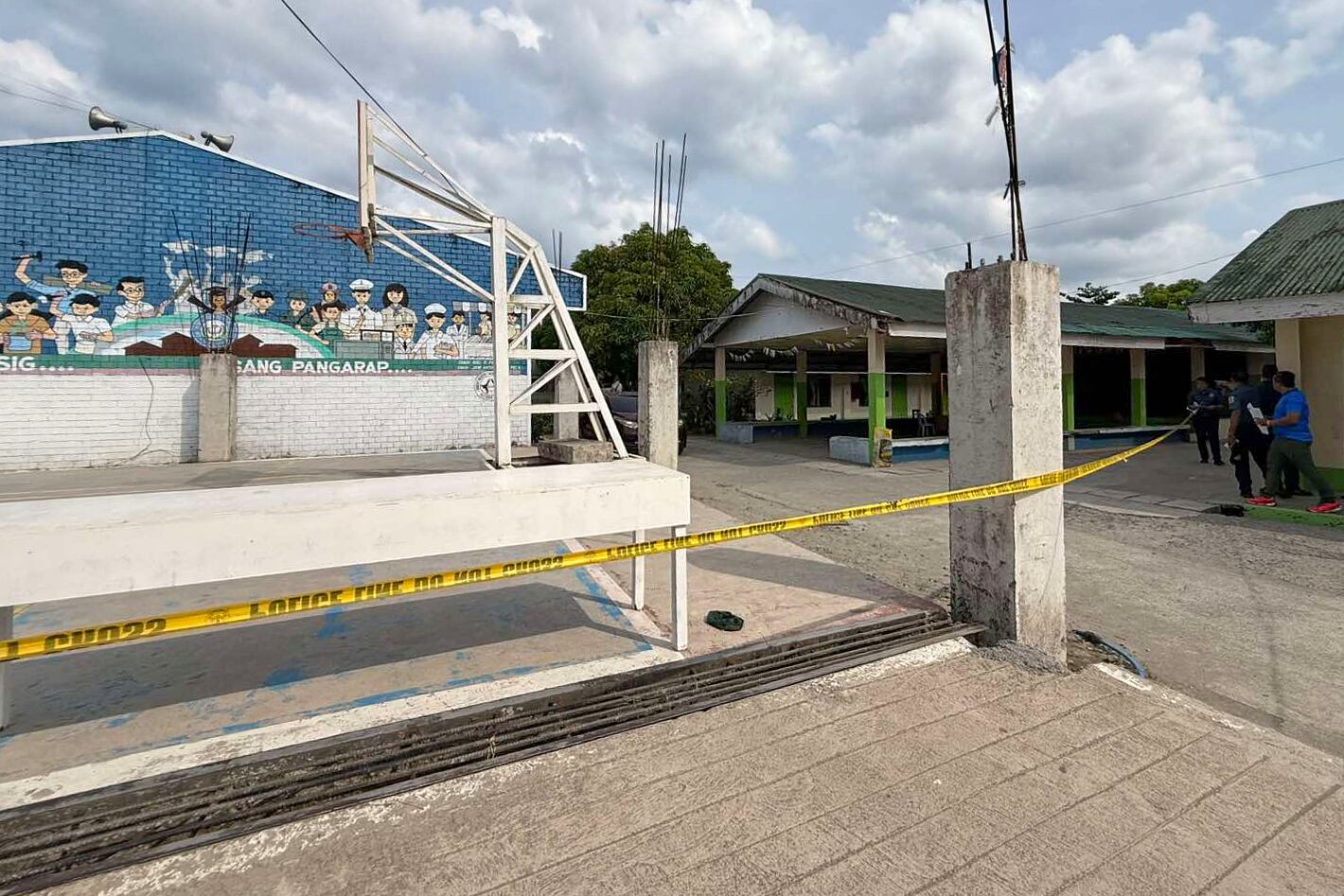
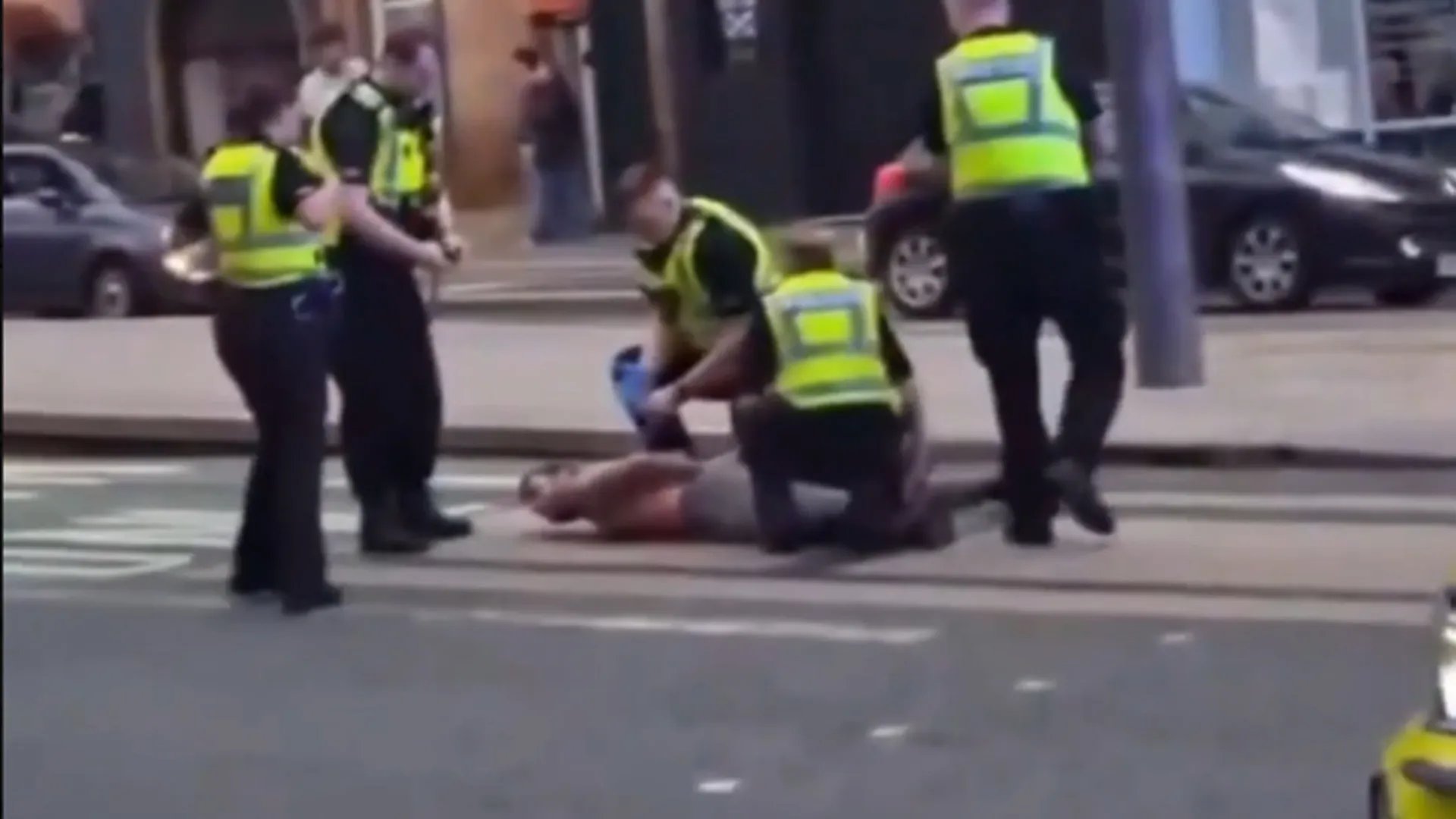
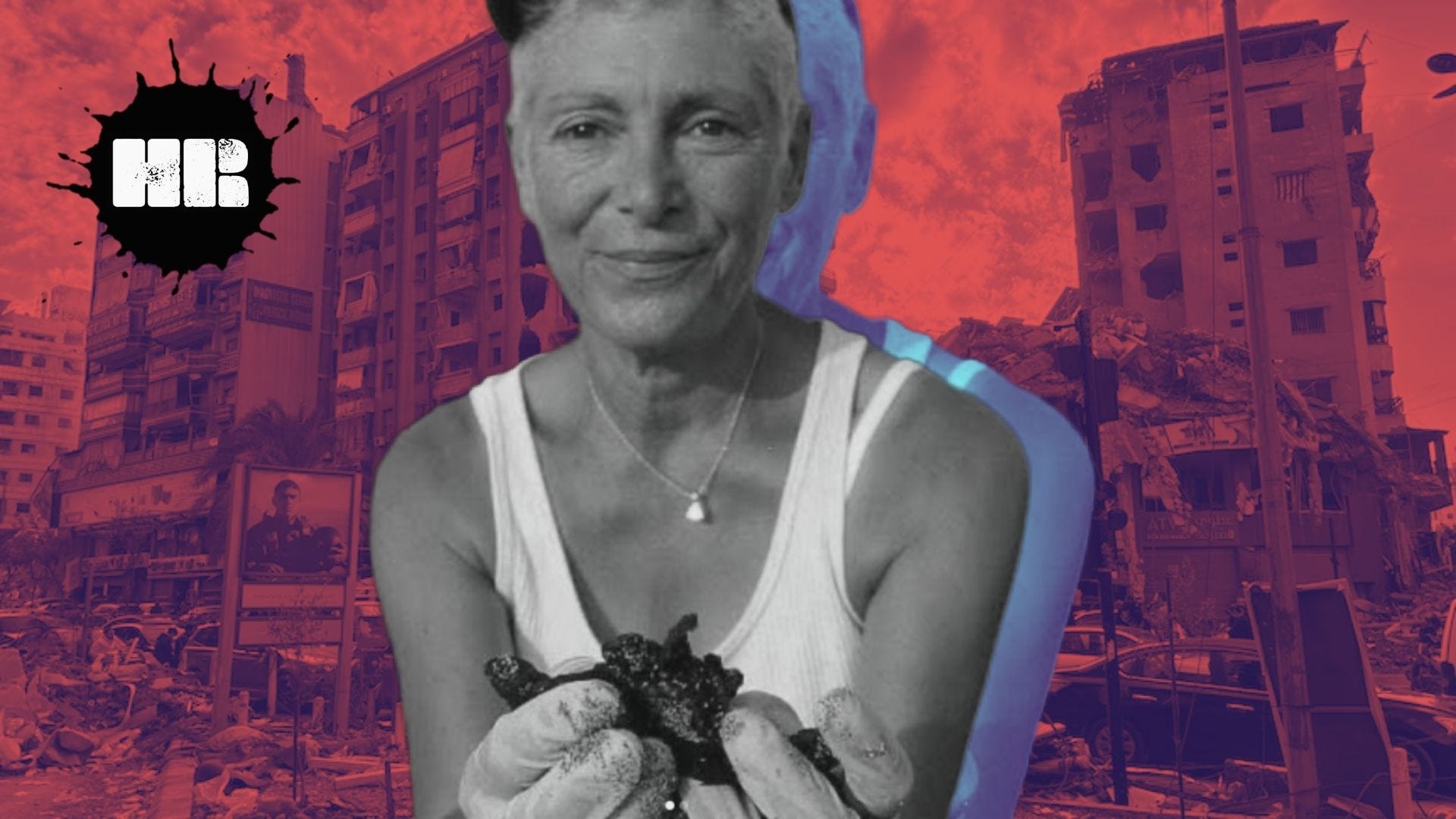
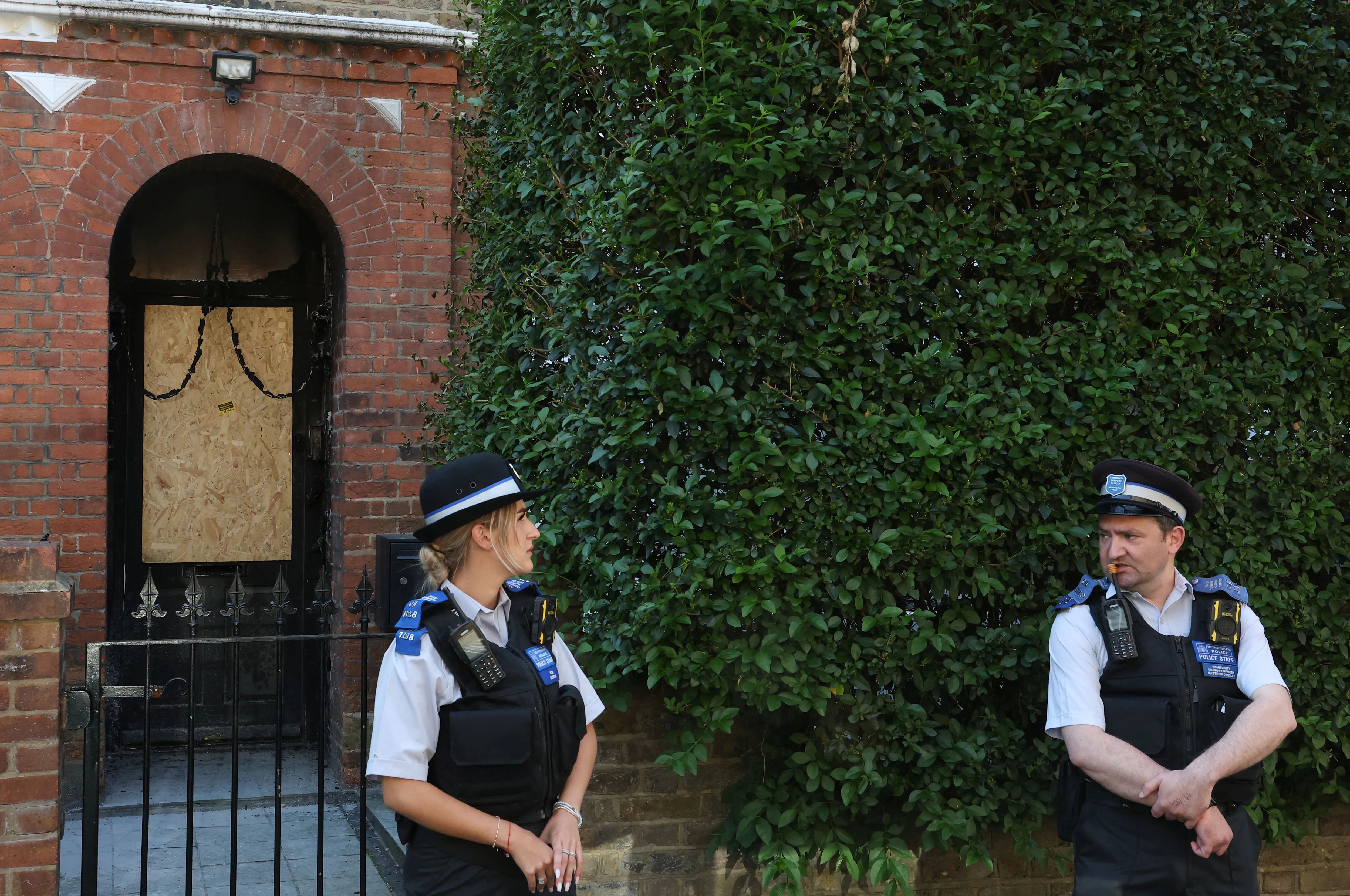
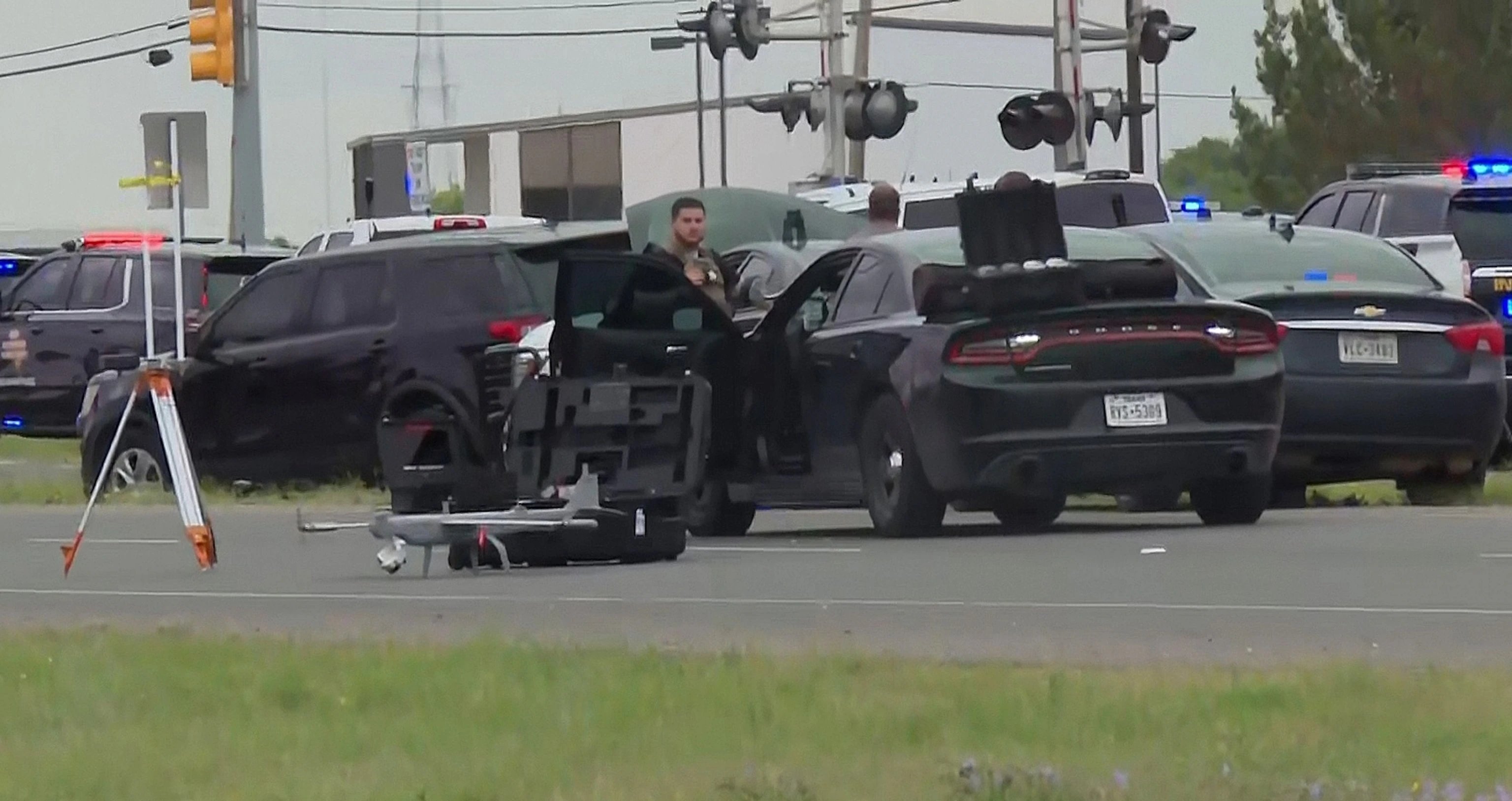
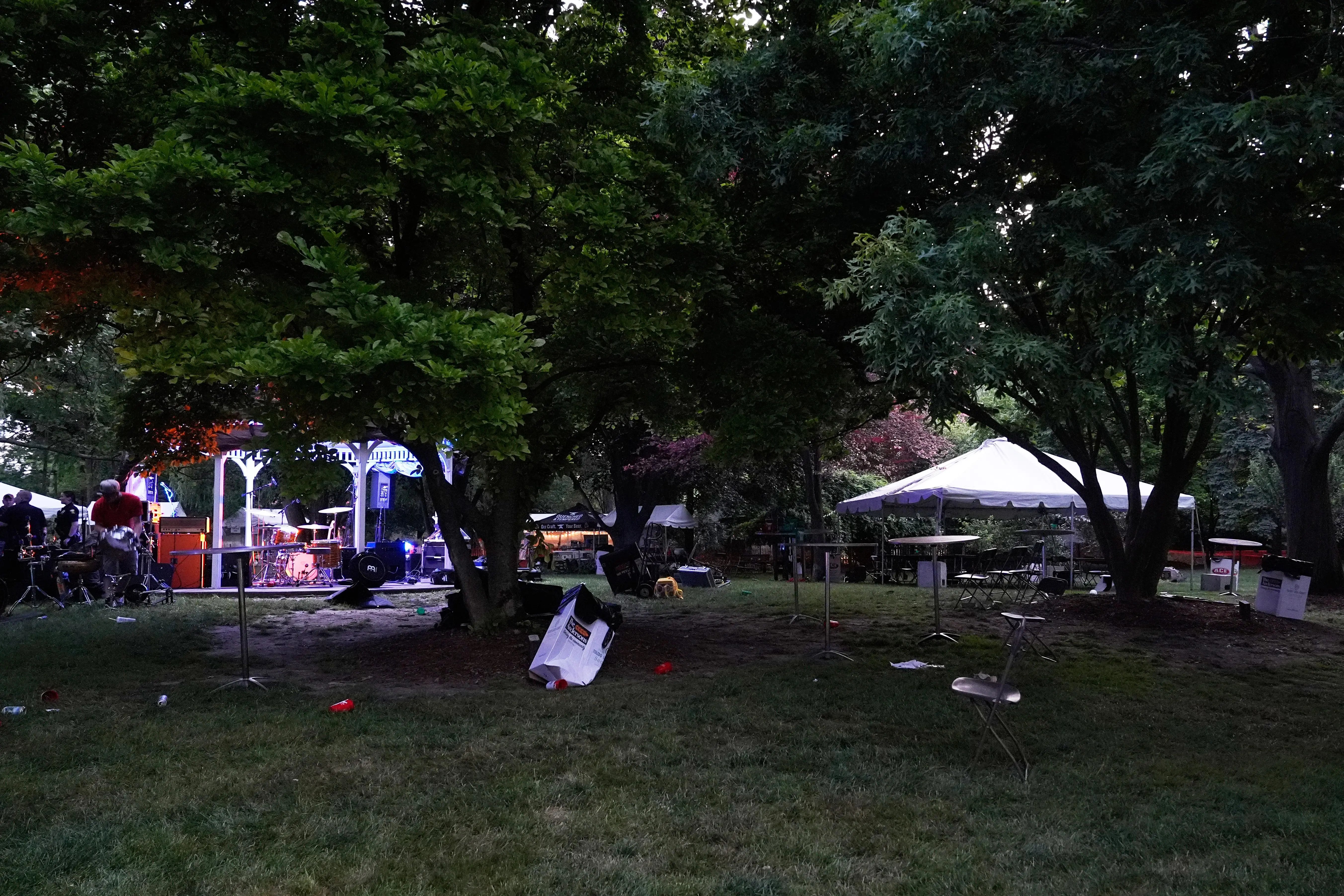
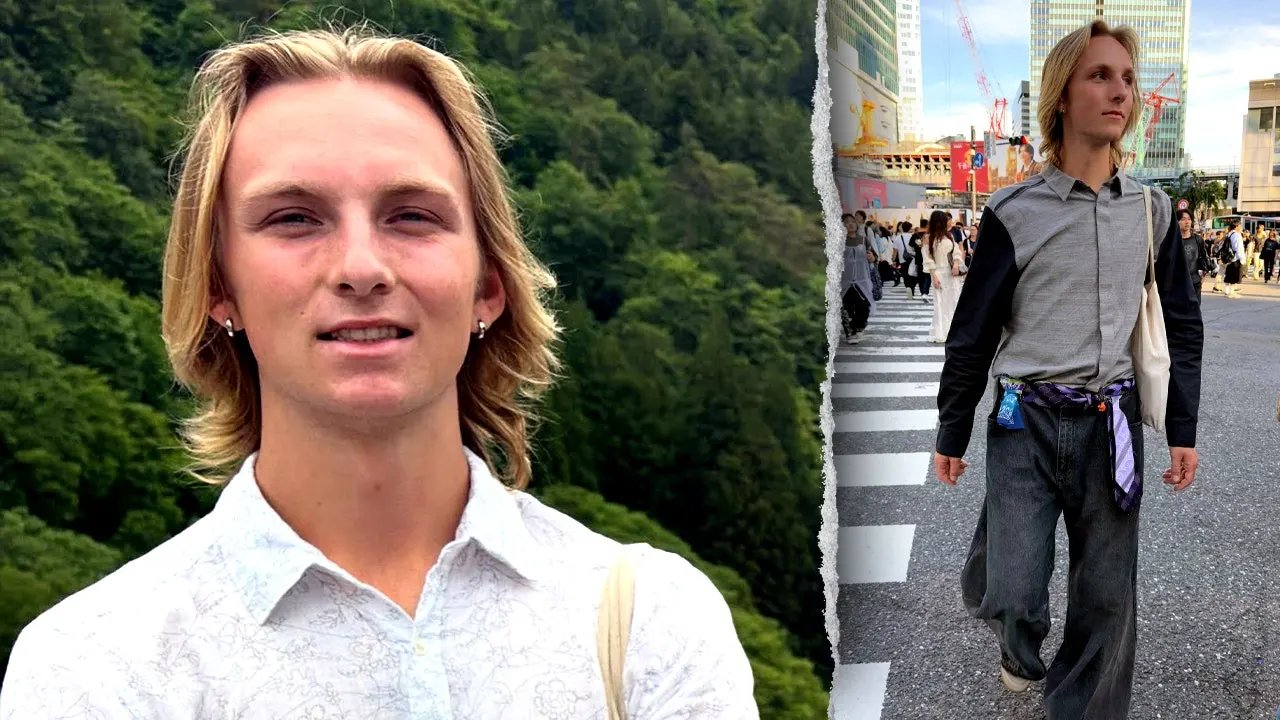
Semyon Skrepetsky, a 44-year-old Russian artist known for his vocal criticism of President Vladimir Putin, was shot dead in Biała Podlaska, Poland, on Monday morning. Witnesses reported that the assailant approached Skrepetsky on a pedestrian path and fired three shots before advancing and firing two more at close range. A preliminary examination revealed five gunshot wounds, including injuries to his chest and head. The police have launched a massive search operation, establishing checkpoints and reviewing surveillance footage, but the shooter remains at large.
Background on Skrepetsky's Activism
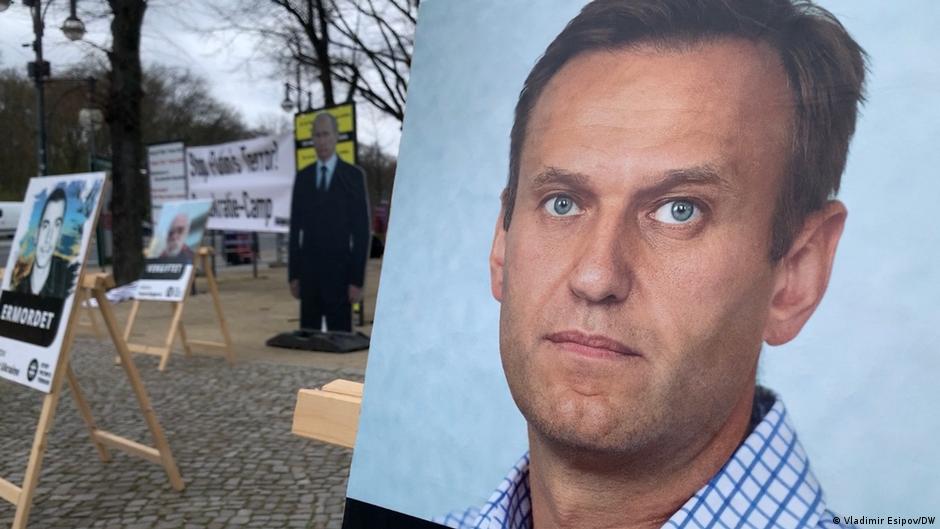
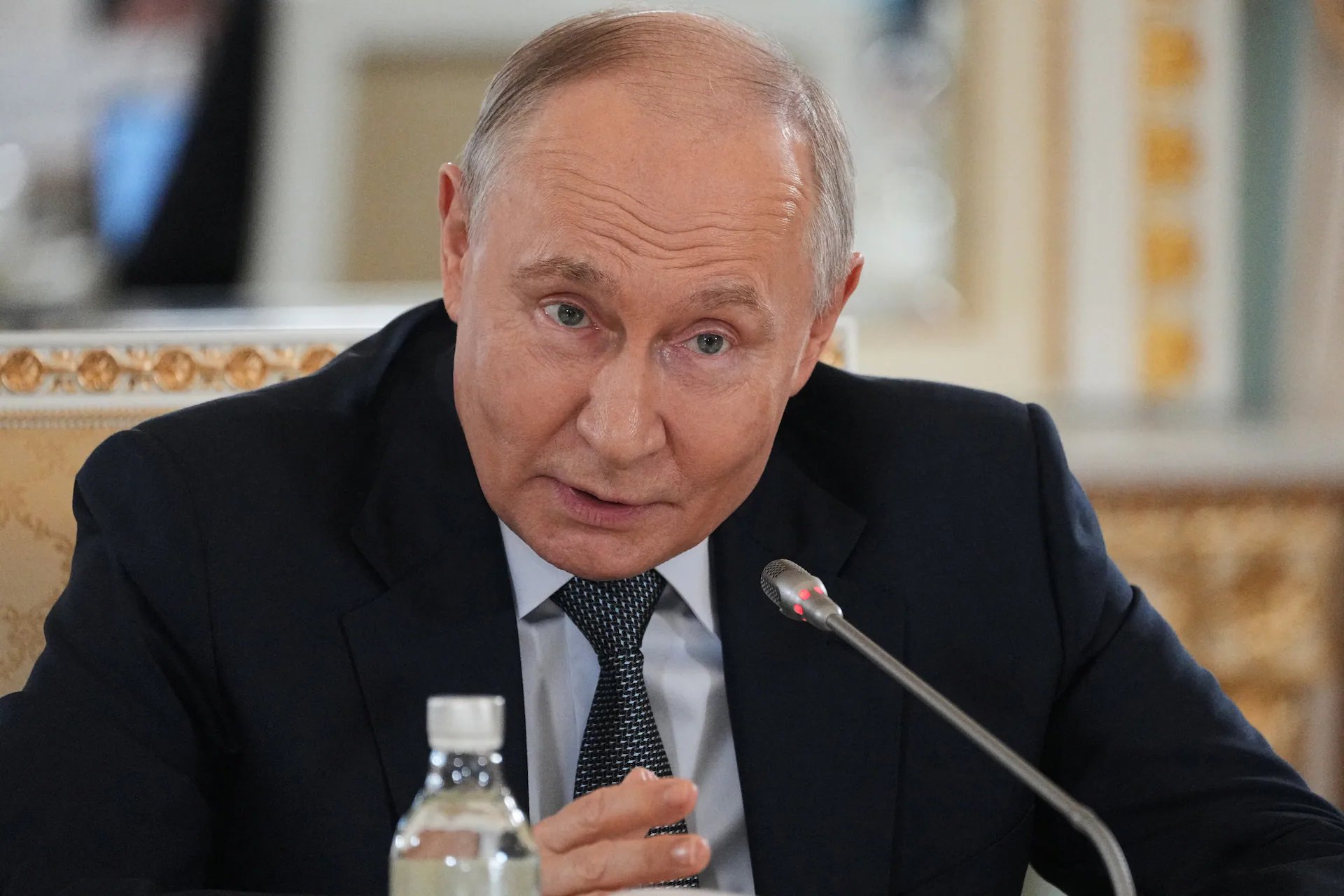
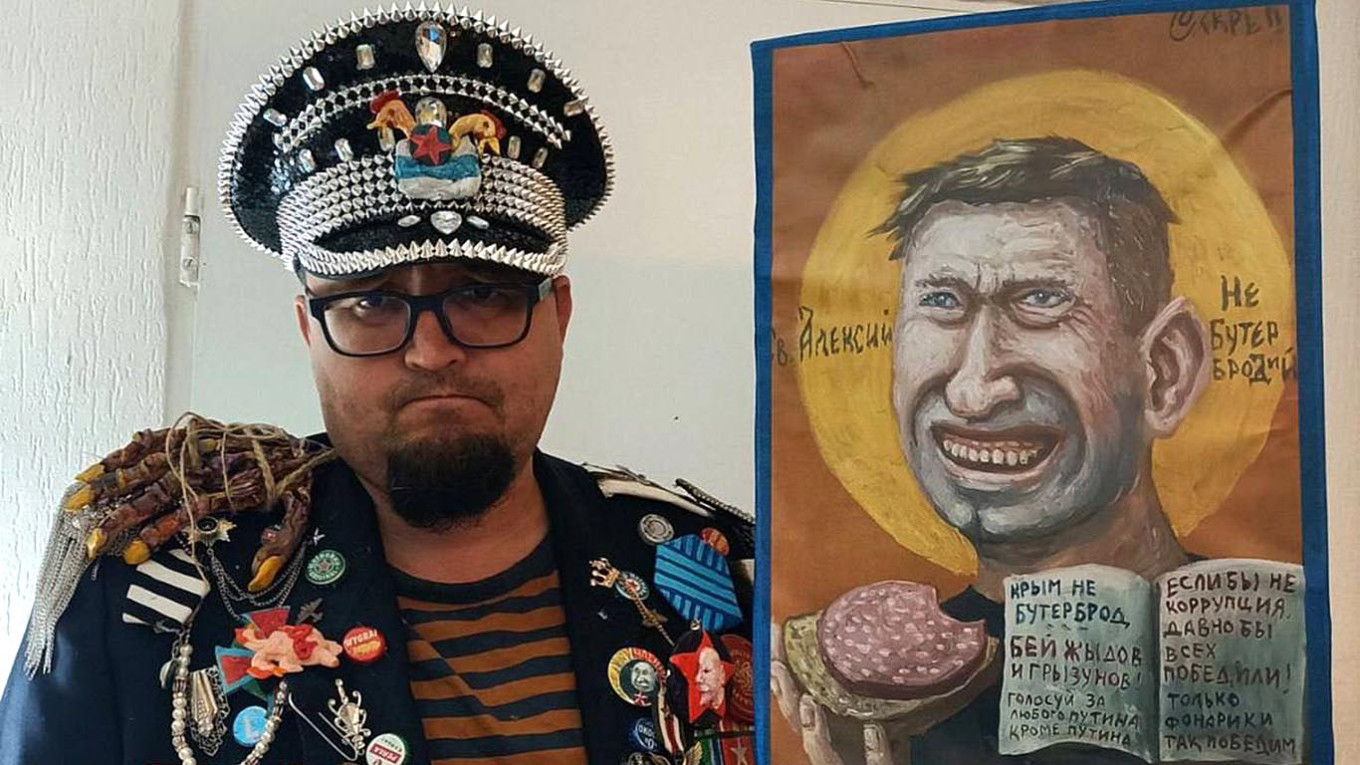
Skrepetsky, whose real name was Robert Kuzovkov, had been living in Poland since leaving Russia in 2021 due to fears of political persecution. He continued to create provocative artwork and performances targeting not just Putin but also Belarusian leader Alexander Lukashenko and Chechen leader Ramzan Kadyrov. Just three days before his death, Skrepetsky staged a protest outside the Russian embassy in Berlin, showcasing an artwork that linked modern Russian leadership to its Soviet past. His activism had drawn threats, according to friends and supporters, though investigators have not confirmed any direct connection between those threats and the shooting.
Arrests and Investigation
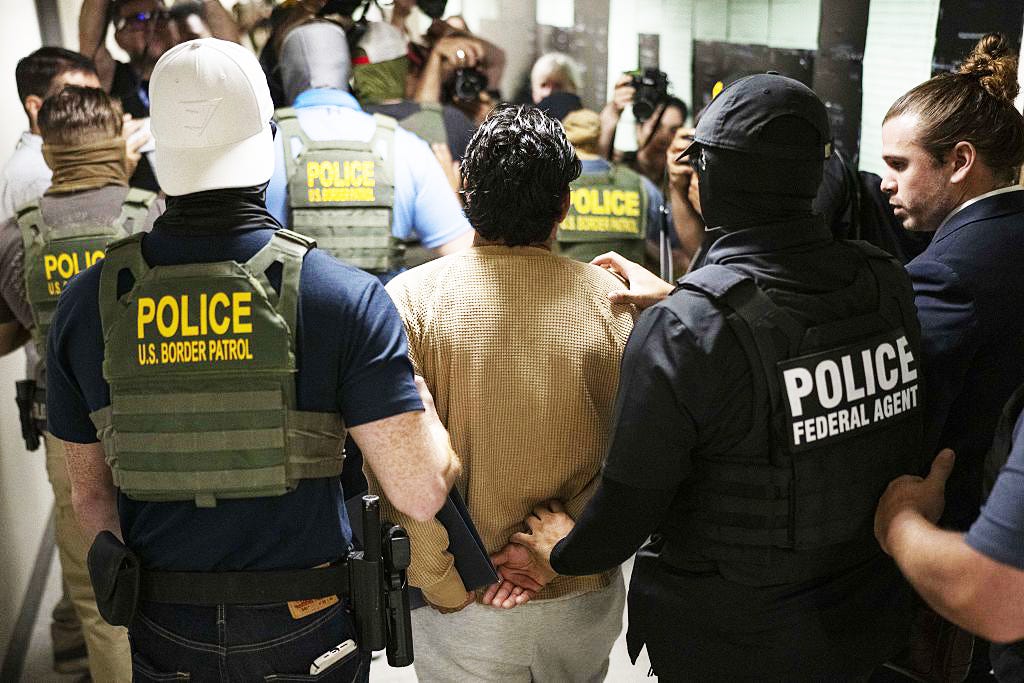
Following the shooting, Polish authorities detained two Belarusian nationals near the Belarusian consulate in Biała Podlaska. As of now, neither has been charged, and investigators are working to determine their potential connection to Skrepetsky's assassination. The district prosecutor in Lublin has stated that the investigation remains ongoing, with a focus on the political implications of the killing.
Implications for Political Dissidents
The assassination of Skrepetsky raises serious concerns about the safety of political dissidents in Europe. His killing has shocked opposition activists and highlighted the risks faced by individuals who openly criticize authoritarian regimes. Experts suggest that this incident may signal a chilling effect on free speech and artistic expression among Russian expatriates and critics of the Kremlin.
Broader Geopolitical Context
This violent act occurs amid heightened geopolitical tensions between Russia and the West. As the war in Ukraine continues, incidents of aggression and intimidation against those opposing the Kremlin are becoming increasingly common. Skrepetsky's death may provoke further scrutiny of Russia's actions abroad and could lead to increased calls for protective measures for dissidents living in exile.
Next Steps for Authorities
Polish law enforcement is under pressure to resolve the case swiftly, given its potential implications for international relations and human rights advocacy. The investigation could lead to discussions about enhancing protections for political refugees and artists in Europe, especially those fleeing oppressive regimes. The international community is likely to watch closely as this case unfolds, given its potential impact on freedom of expression and the safety of dissidents.