




Upcoming Changes Impact Repayment Plans and Eligibility
Starting July 1, several federal student loan changes will take effect, potentially reshaping repayment options and eligibility for millions of borrowers. These changes come after years of adjustments, including the end of pandemic-related payment pauses and ongoing shifts in forgiveness programs. Borrowers currently enrolled in income-driven repayment (IDR) plans may see fewer choices available, and some could face higher monthly payments than expected.
Confirm Your Current Repayment Plan
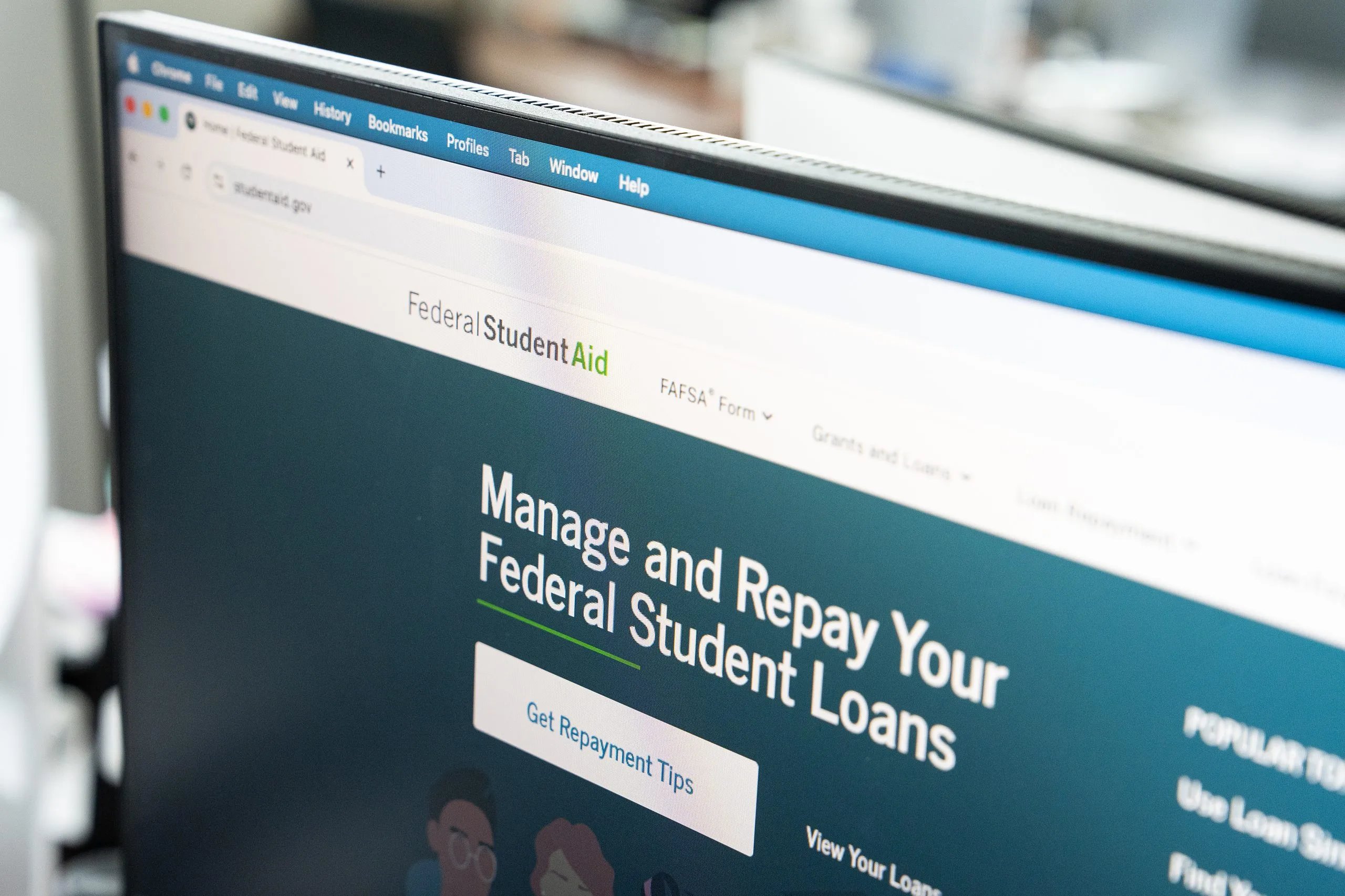
One of the first steps borrowers should take is to confirm their current repayment plan. Many may have signed up for IDR plans years ago and not reviewed their status since. As eligibility requirements for repayment plans change, understanding where you currently stand is crucial. Checking your loan servicer account can help confirm your plan, monthly payment amount, and any upcoming recertification requirements. This knowledge allows for informed comparisons with alternative repayment options that might better suit your financial goals.
Assess Future Borrowing Needs
The upcoming changes will also alter future federal borrowing opportunities, particularly for graduate students and parents of college-bound children. Borrowers should evaluate how these adjustments may impact their funding strategies. As certain loan programs may face new limits, understanding what federal loan options will remain available is essential, especially for those considering advanced degrees. Borrowers should assess how much they expect to borrow and whether alternative financing options will be necessary.
Evaluate Your Overall Financial Strategy
Student loans do not exist in a vacuum; they compete with other financial obligations such as housing costs, credit card bills, and retirement savings. It is important to consider how the upcoming changes will impact your overall budget. For instance, if your monthly payment is expected to increase, evaluate whether your current budget can accommodate this change. Running the numbers now can help avoid unpleasant surprises later and potentially reveal opportunities to redirect savings toward other financial priorities.
Reassess Long-Term Repayment Goals
Finally, borrowers should take this opportunity to reassess their long-term repayment goals. Each borrower's situation is unique, and the ideal repayment strategy depends on individual circumstances. For those focused on aggressive debt repayment, a plan that minimizes monthly payments may not be ideal. Conversely, borrowers pursuing loan forgiveness may prioritize different factors. Understanding how the new rules could affect your repayment strategy now can provide time to explore alternatives and make necessary adjustments before the changes take effect.
By asking these four key questions—confirming your current repayment plan, assessing future borrowing needs, evaluating your overall financial strategy, and reassessing long-term goals—borrowers will be better positioned to navigate the changes arriving on July 1. Taking action now can help ensure that you maintain flexibility and avoid missing out on potential options that could save you money in the long run.