




Putin Refuses Zelenskyy's Meeting Request
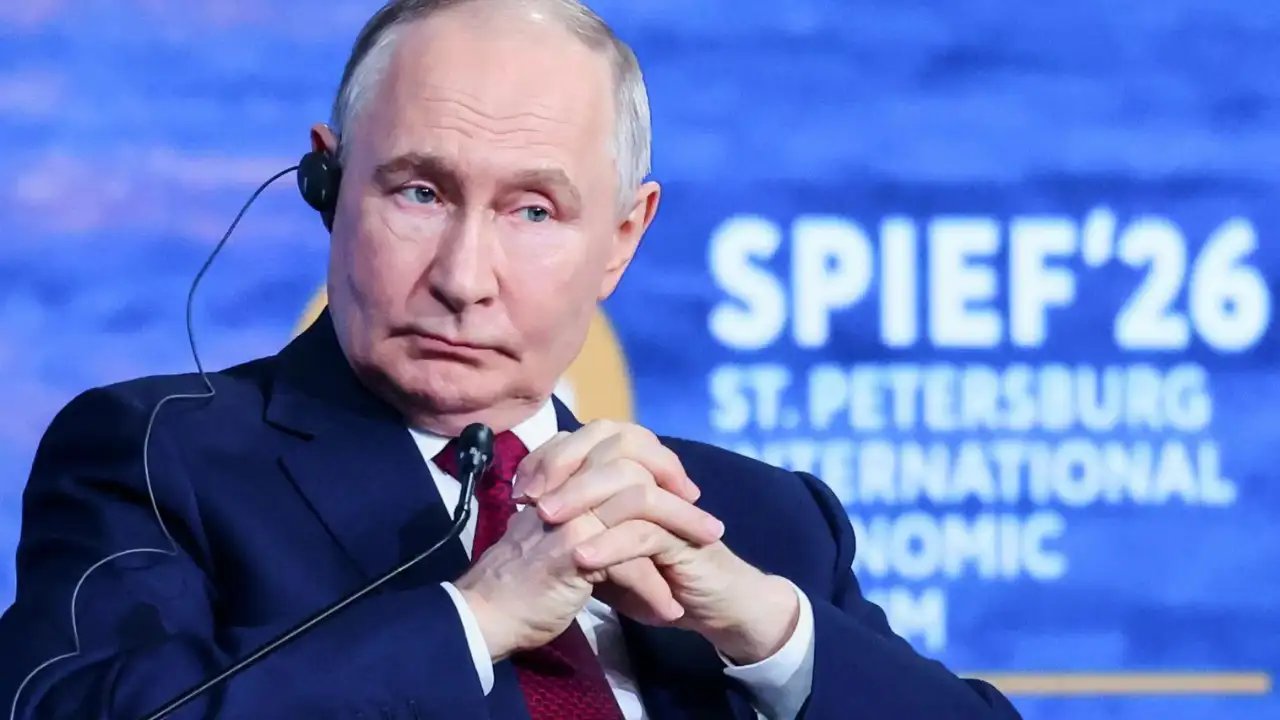
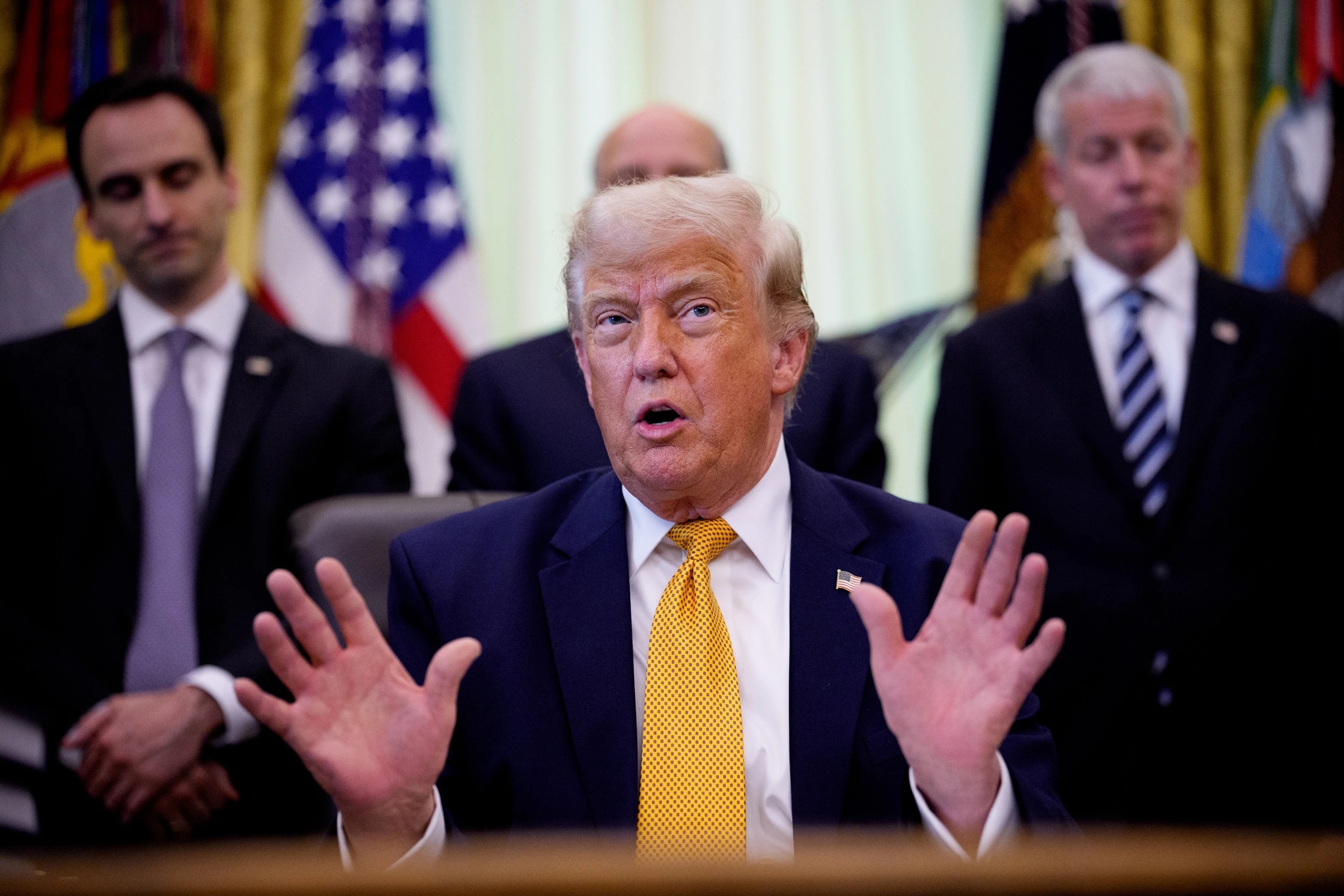
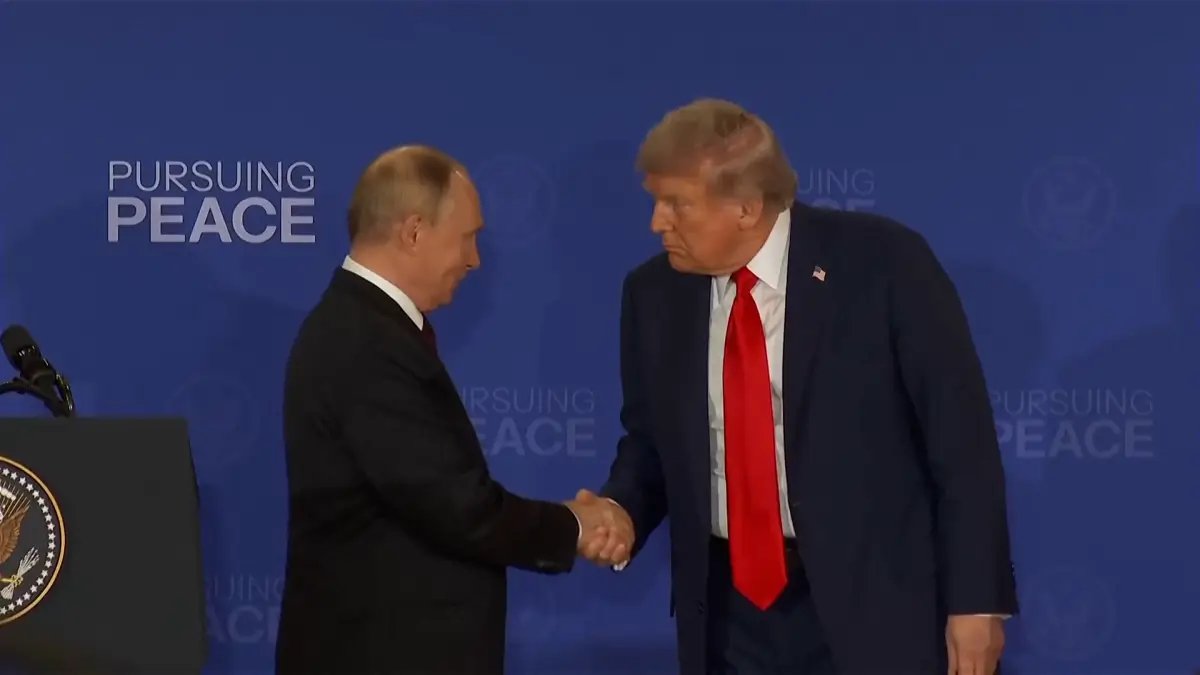
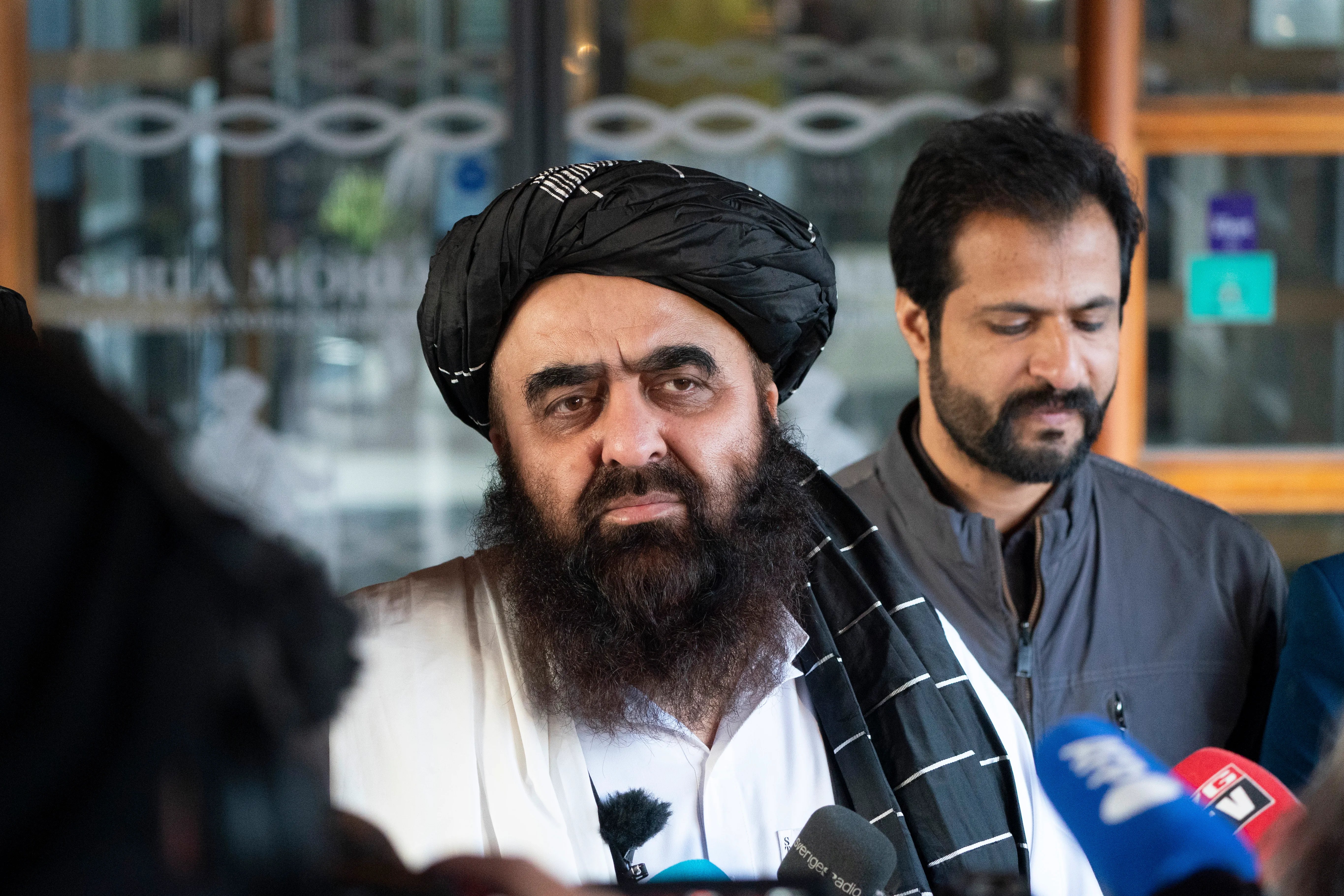
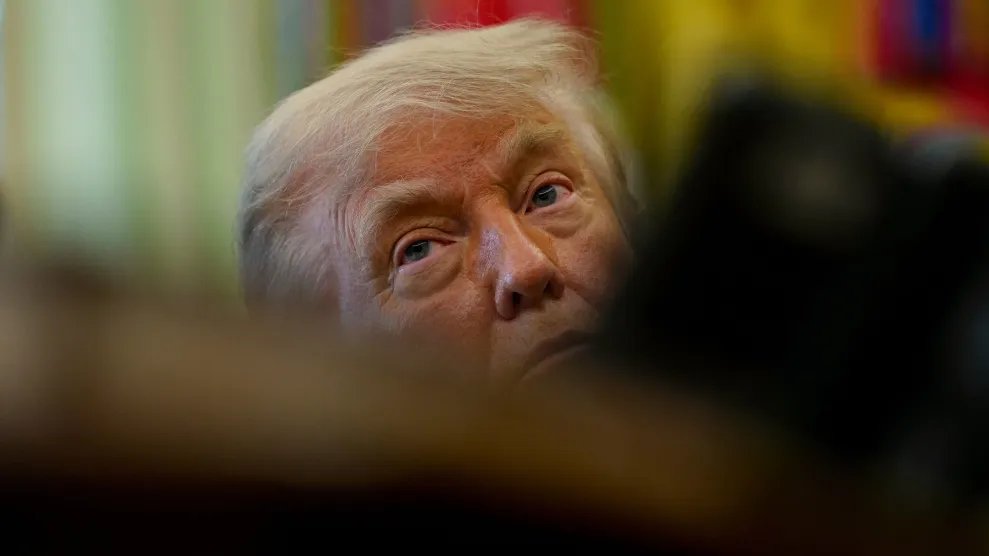
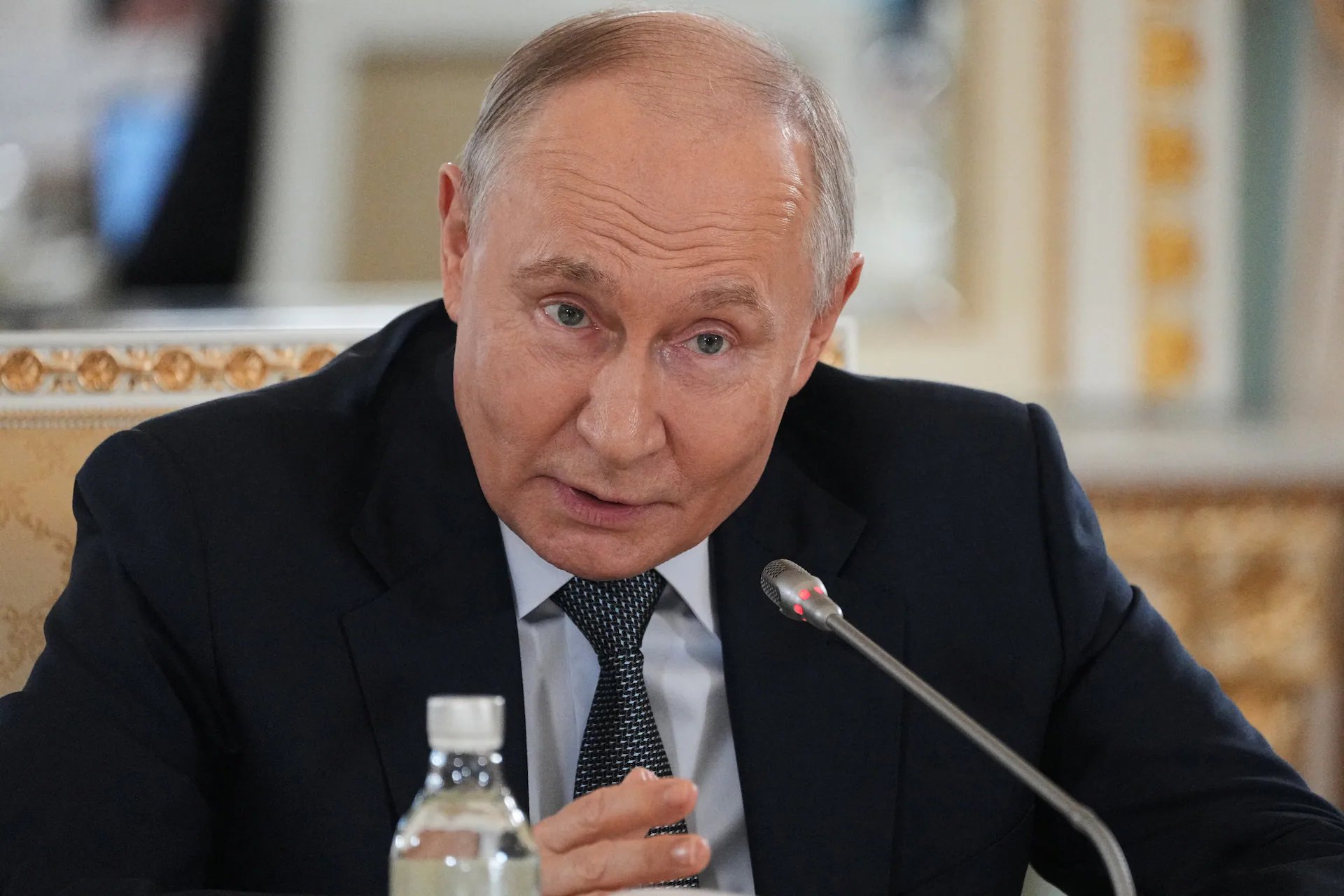
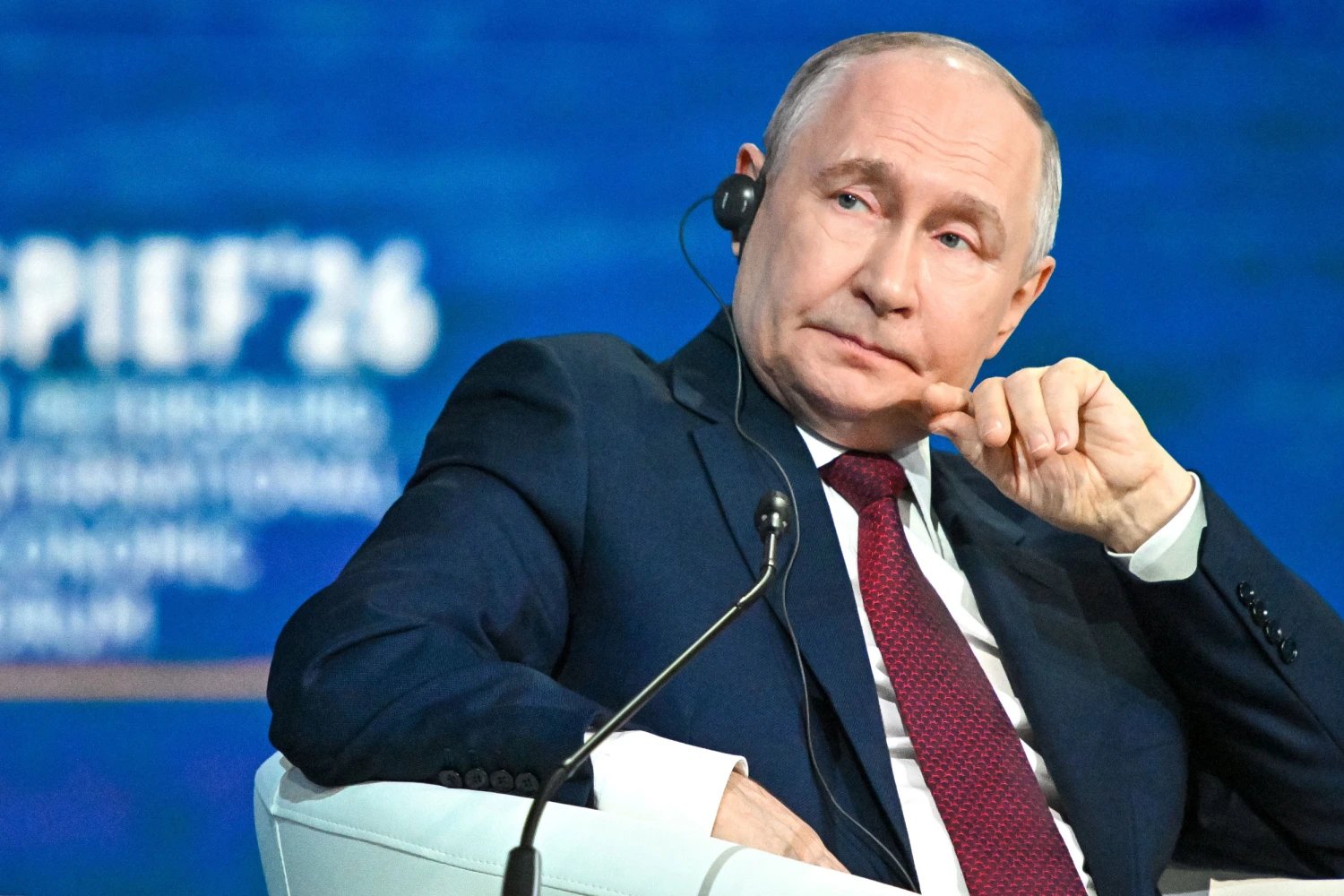
Russian President Vladimir Putin dismissed Ukrainian President Volodymyr Zelenskyy's request for face-to-face negotiations on Friday, calling the proposal pointless. Speaking at the St. Petersburg International Economic Forum, Putin said there was "no point for now" in meeting with Zelenskyy, adding that "let experts work, work something out, and then we can meet to sign things." He characterized Zelenskyy's open letter from Thursday as "rude" and questioned whether it was genuinely intended to establish dialogue or to make negotiations impossible.
"The only point is for the Ukrainian side to halt the advance of our armed forces," he said. "But we need agreements, not for six months, not for three months, but for the long term." He also questioned Zelenskyy's authority to negotiate, noting that a Ukrainian presidential election was due in 2024 but postponed because of the war.
Zelenskyy Responds to Putin's Refusal
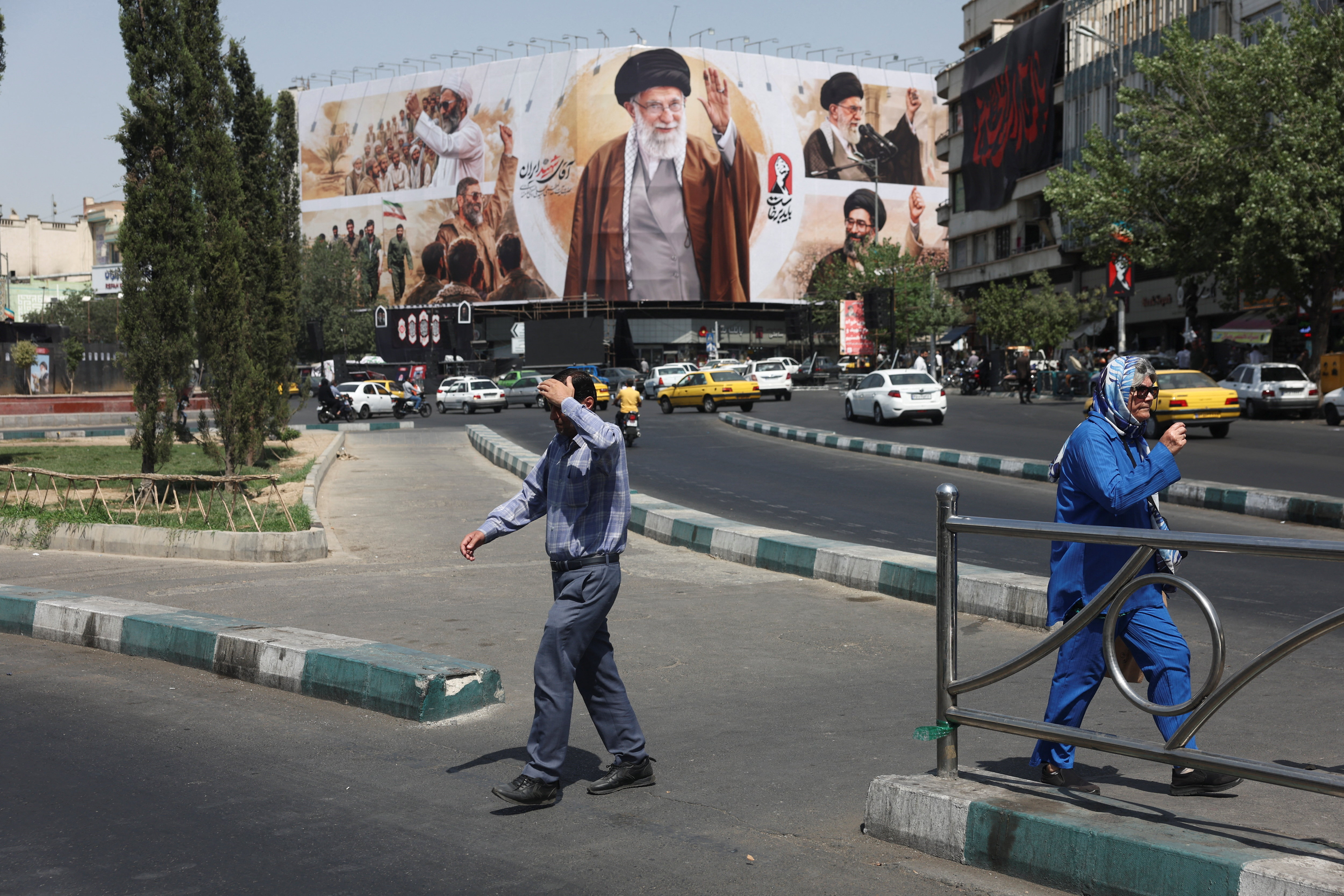
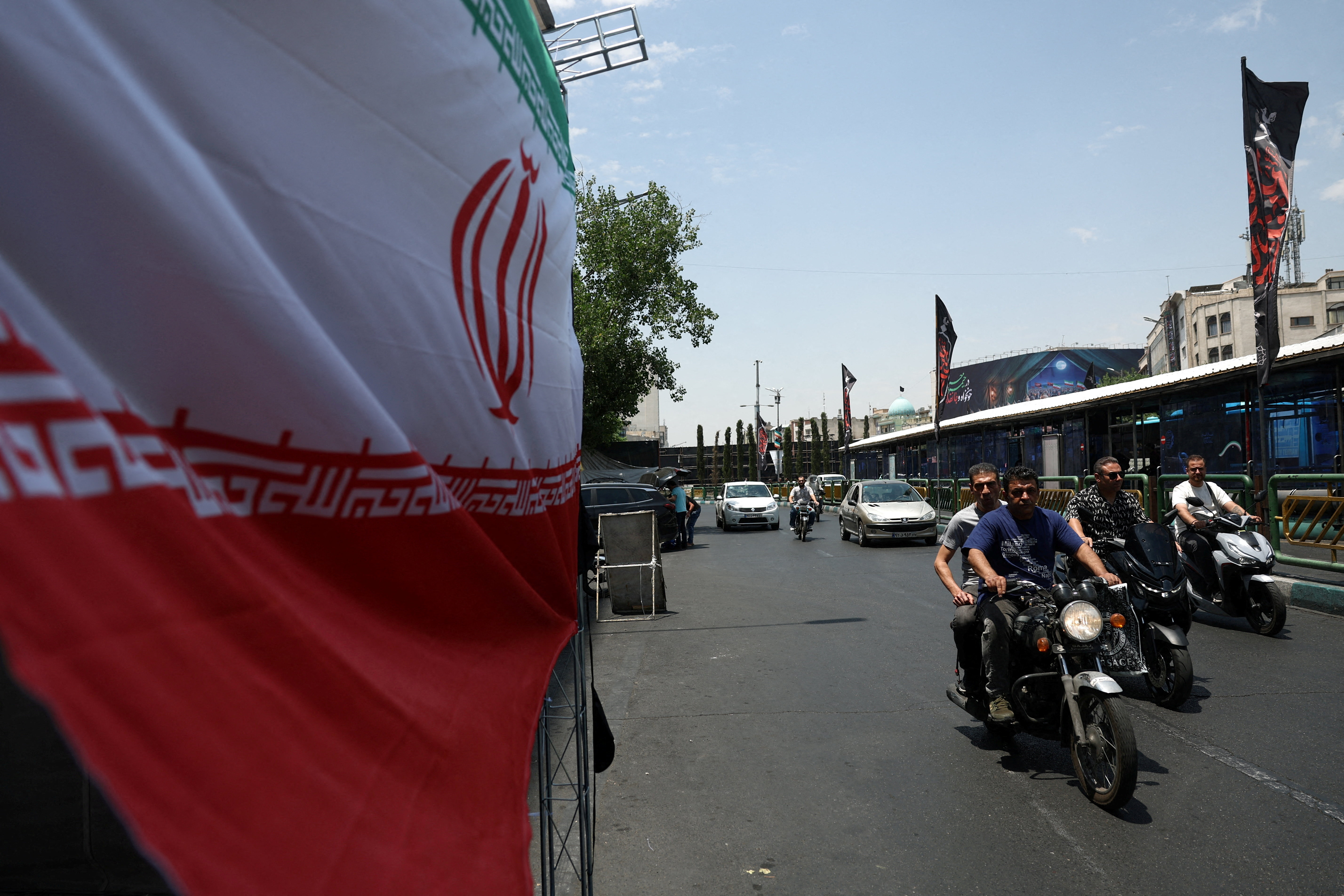
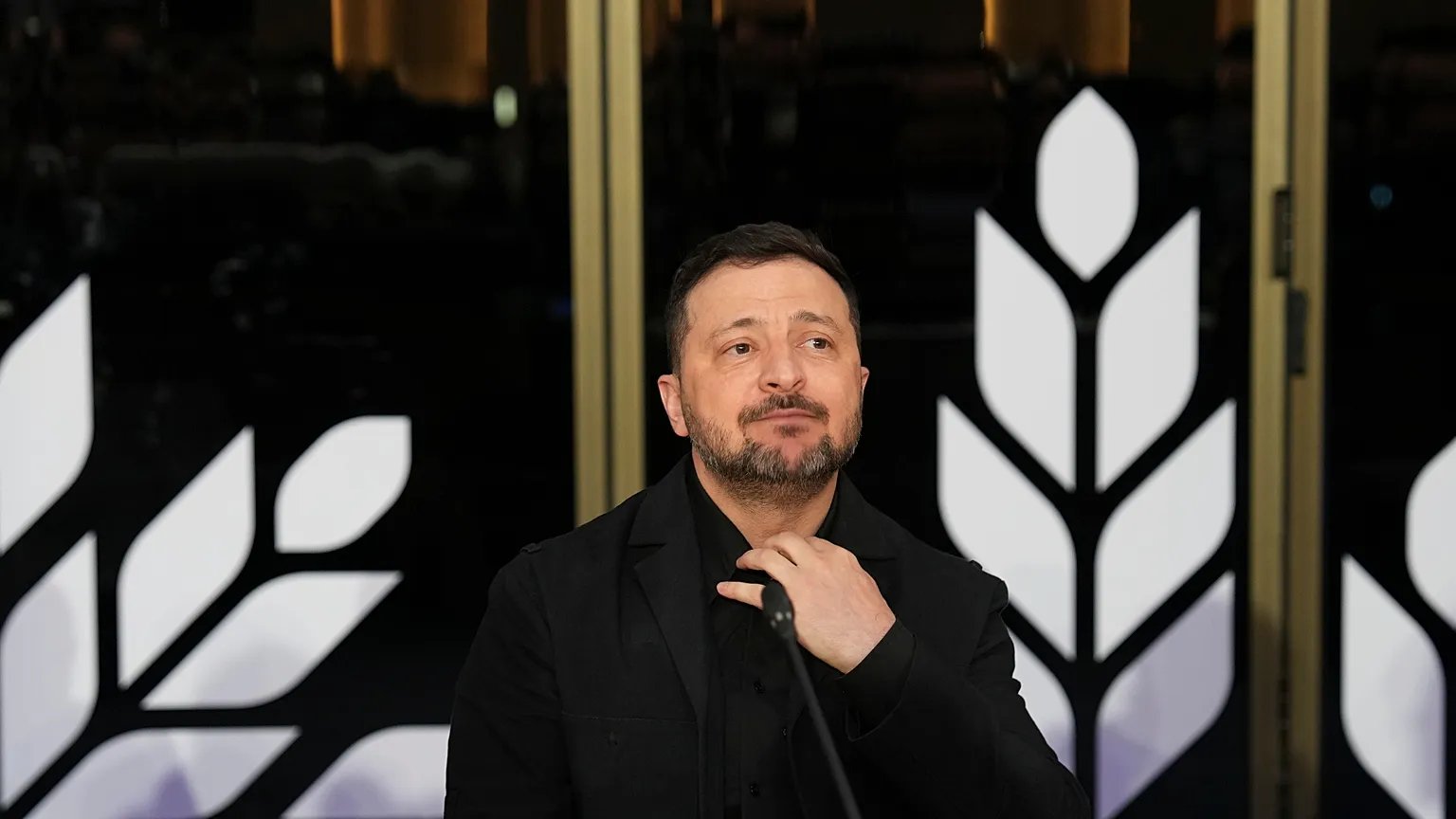
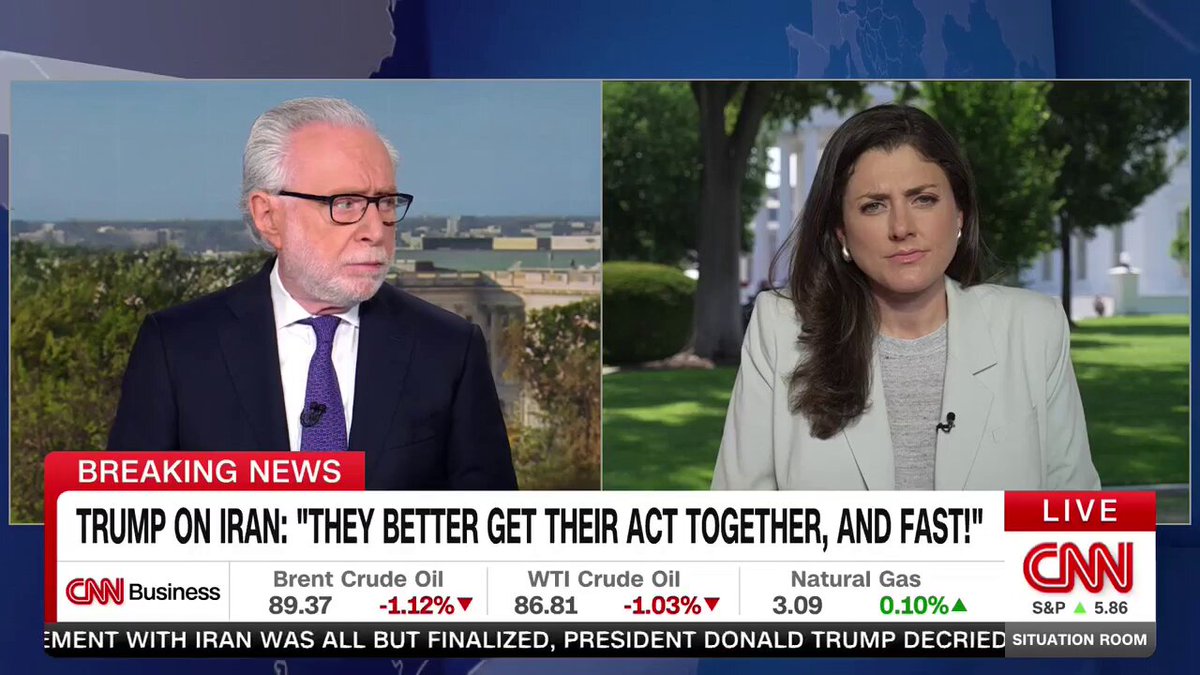
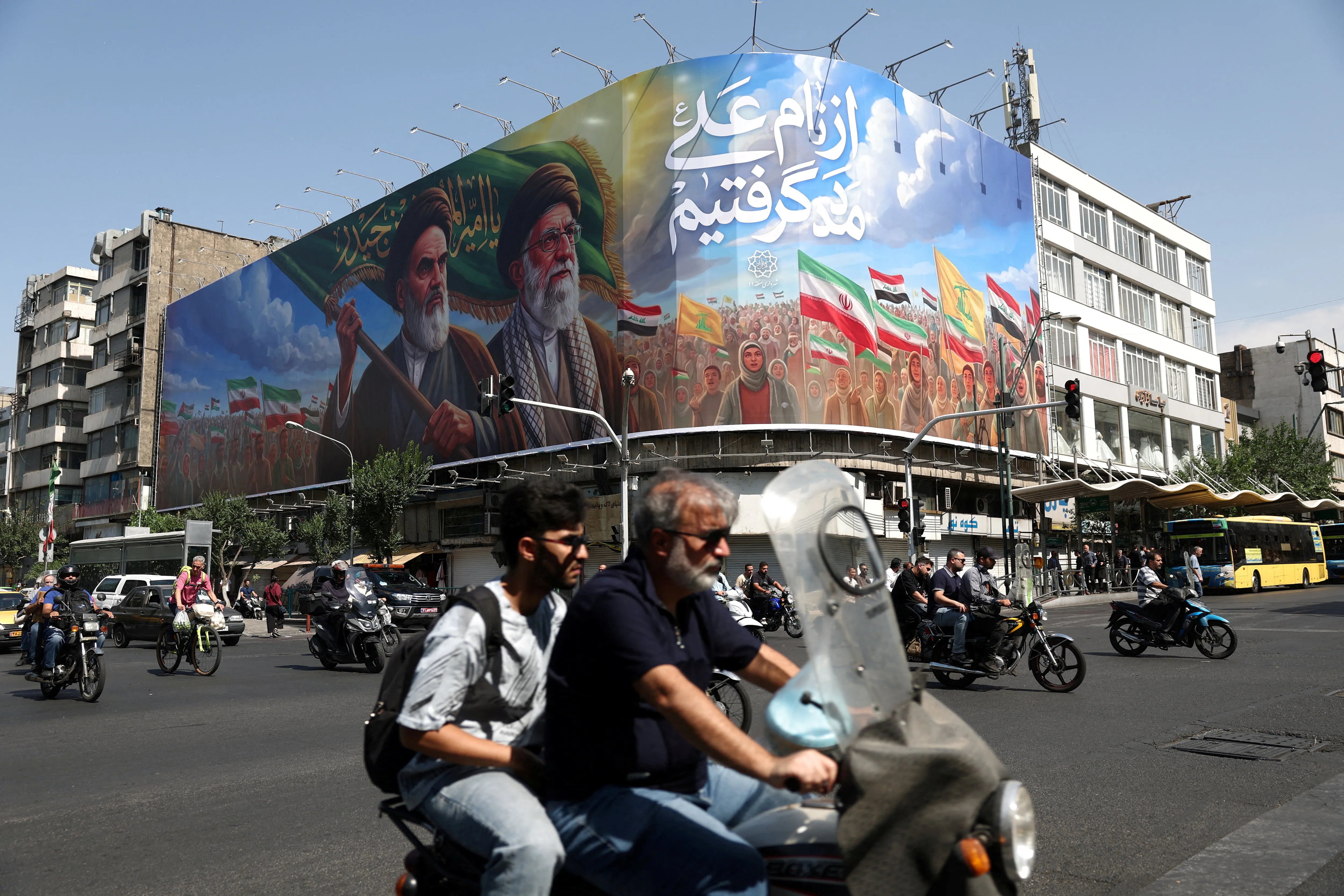
Zelenskyy responded by accusing Russia of choosing war over peace. "He just doesn't want to end the war. I think that many in the world were disappointed by this answer," he wrote on Telegram. In his Thursday letter, Zelenskyy had proposed direct engagement between the two leaders, arguing that "we see that the United States is fully focused on the issue of Iran" and that Ukraine should not wait for American attention to shift back to the conflict.
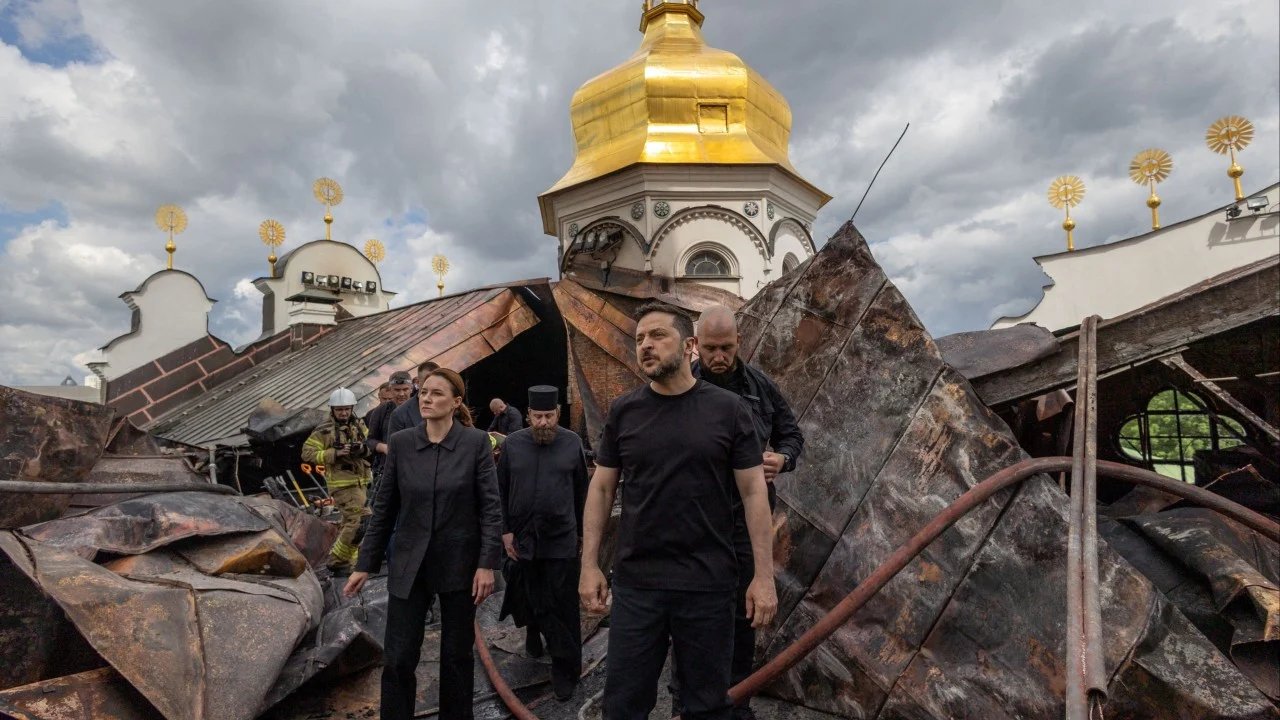
The Ukrainian president's letter also taunted Putin, writing that "after 26 years in power, age is beginning to take its toll" on him and that he would "have to fight much harder for your own existence, not Russia's, but your own." Zelenskyy referenced recent Ukrainian drone strikes on Russian territory, describing one on St. Petersburg as "paying a visit."
Missiles Over the Forum
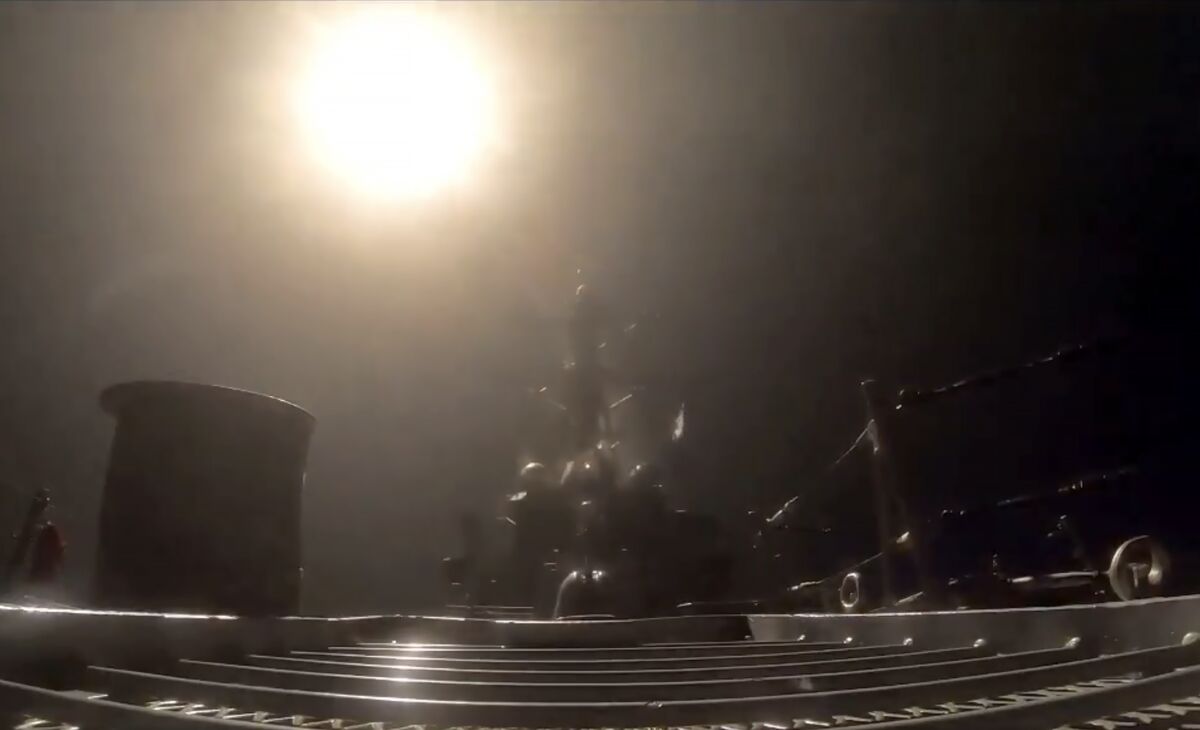
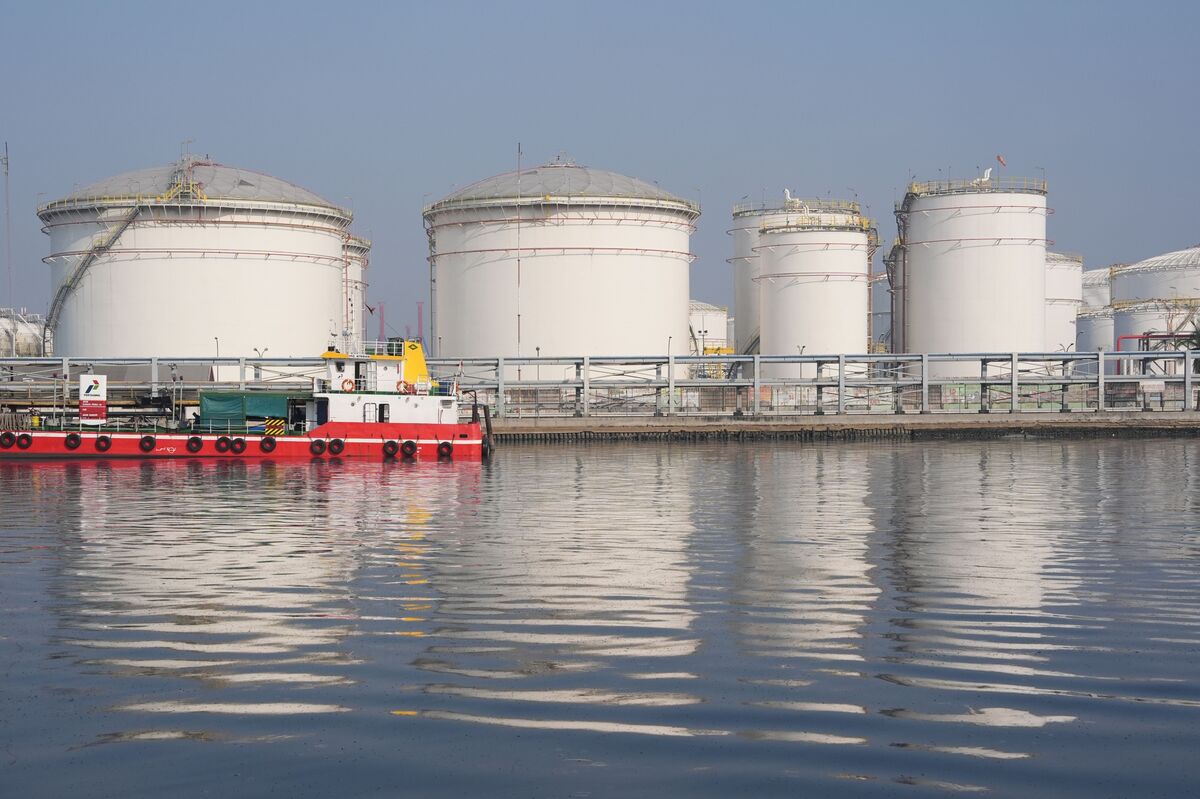
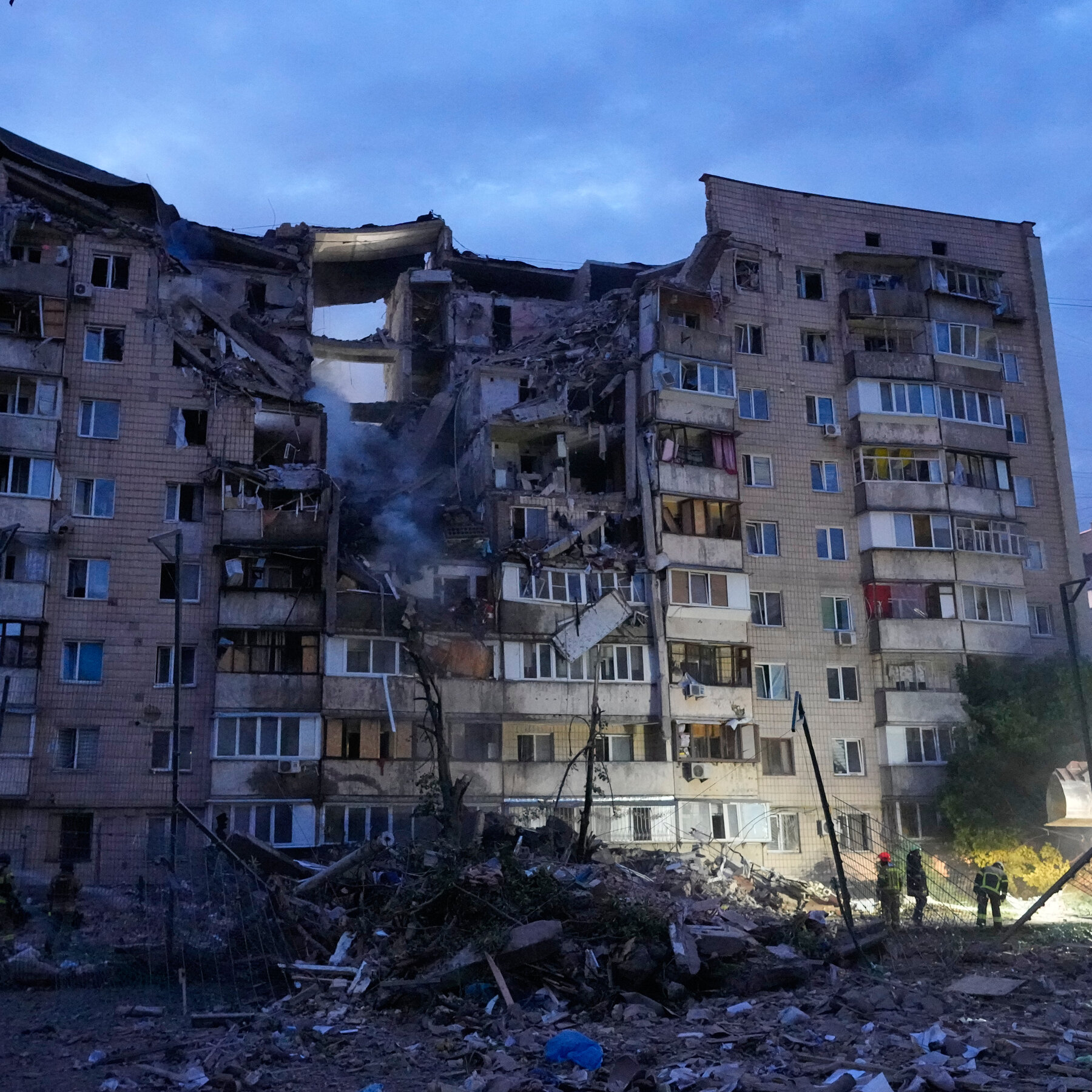
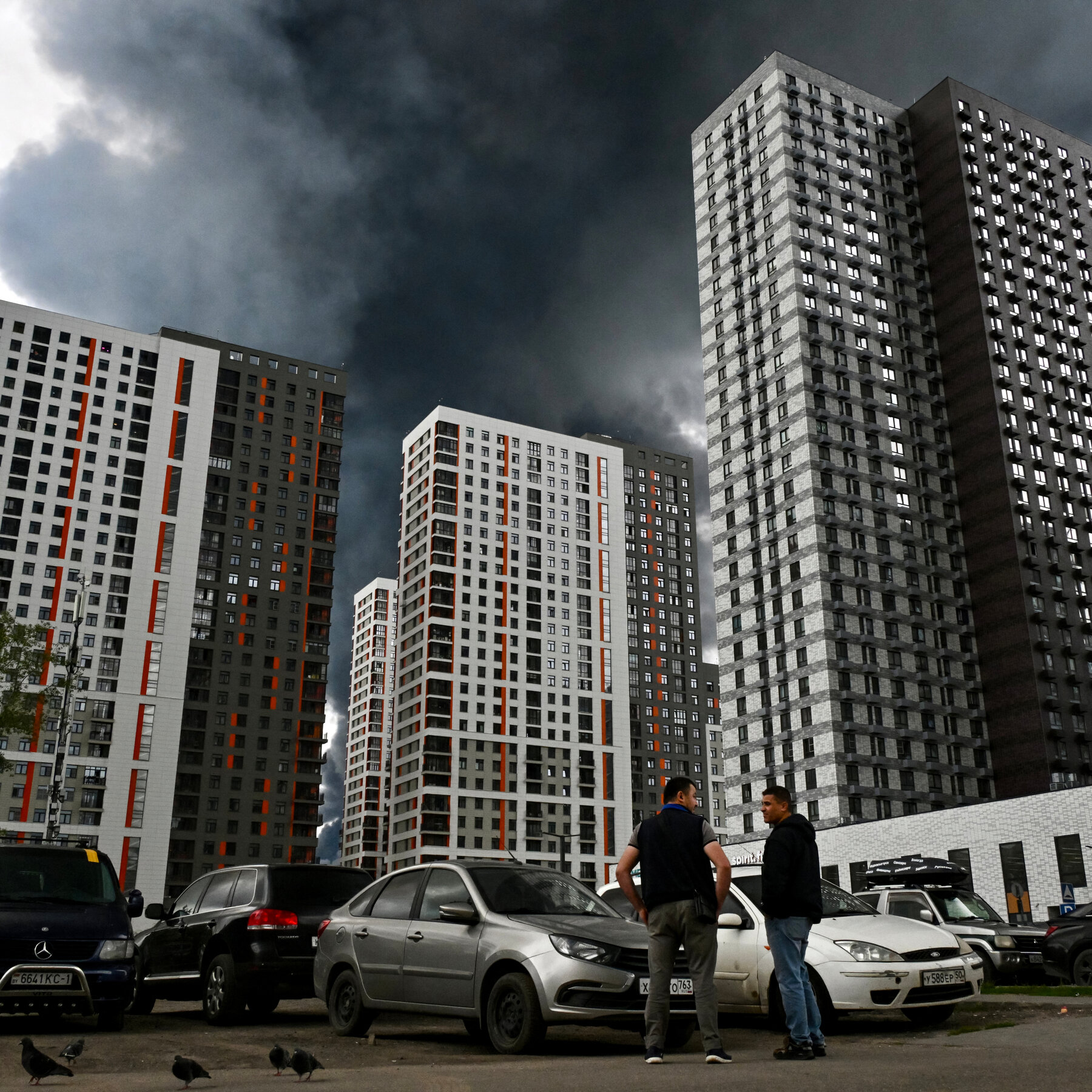
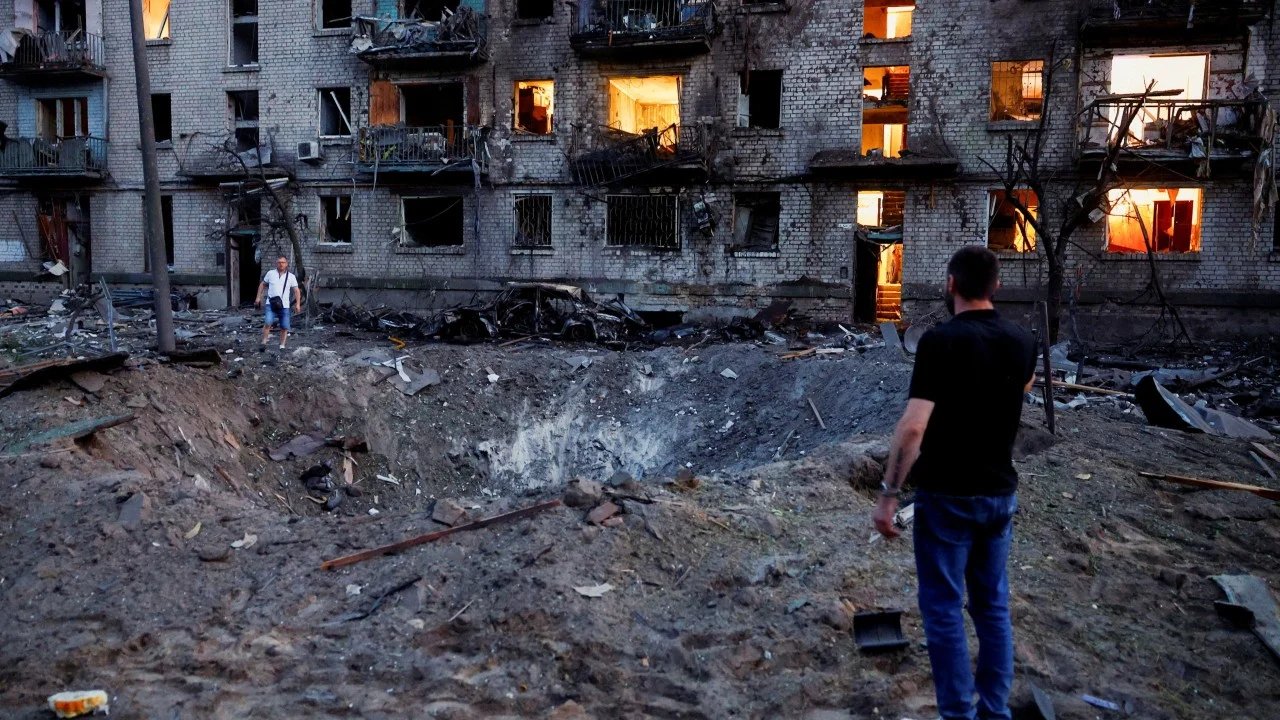
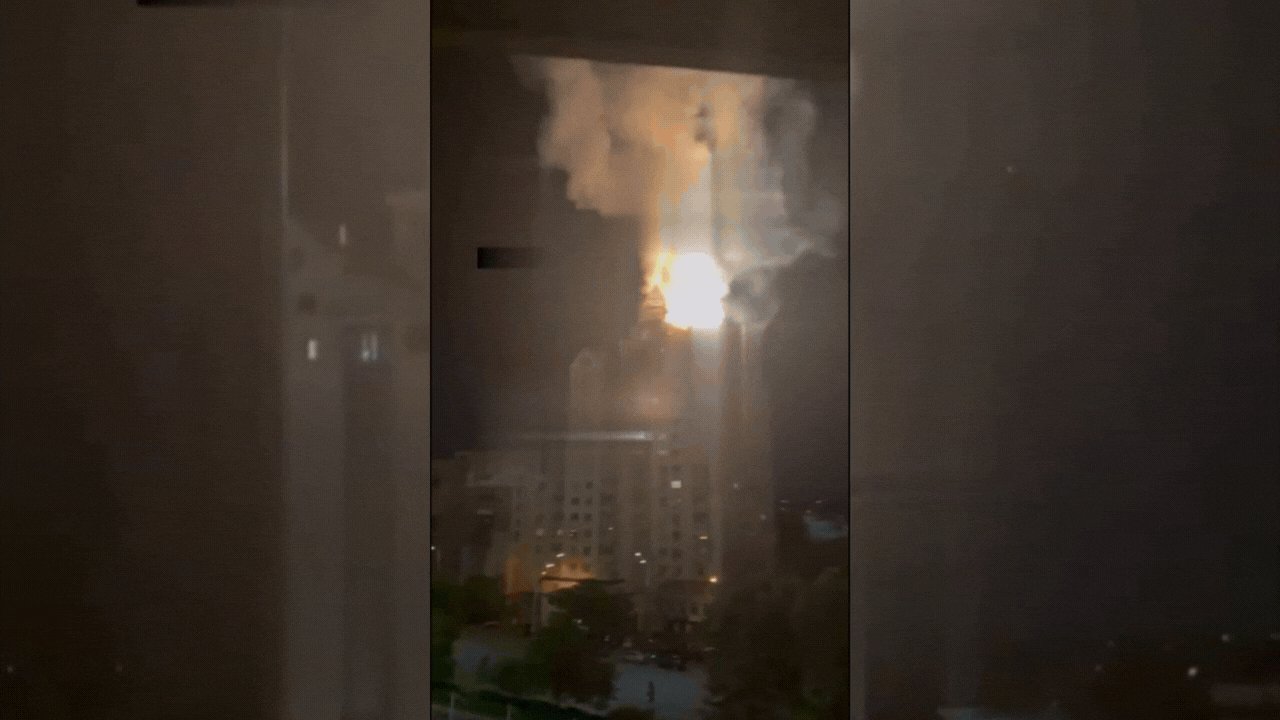
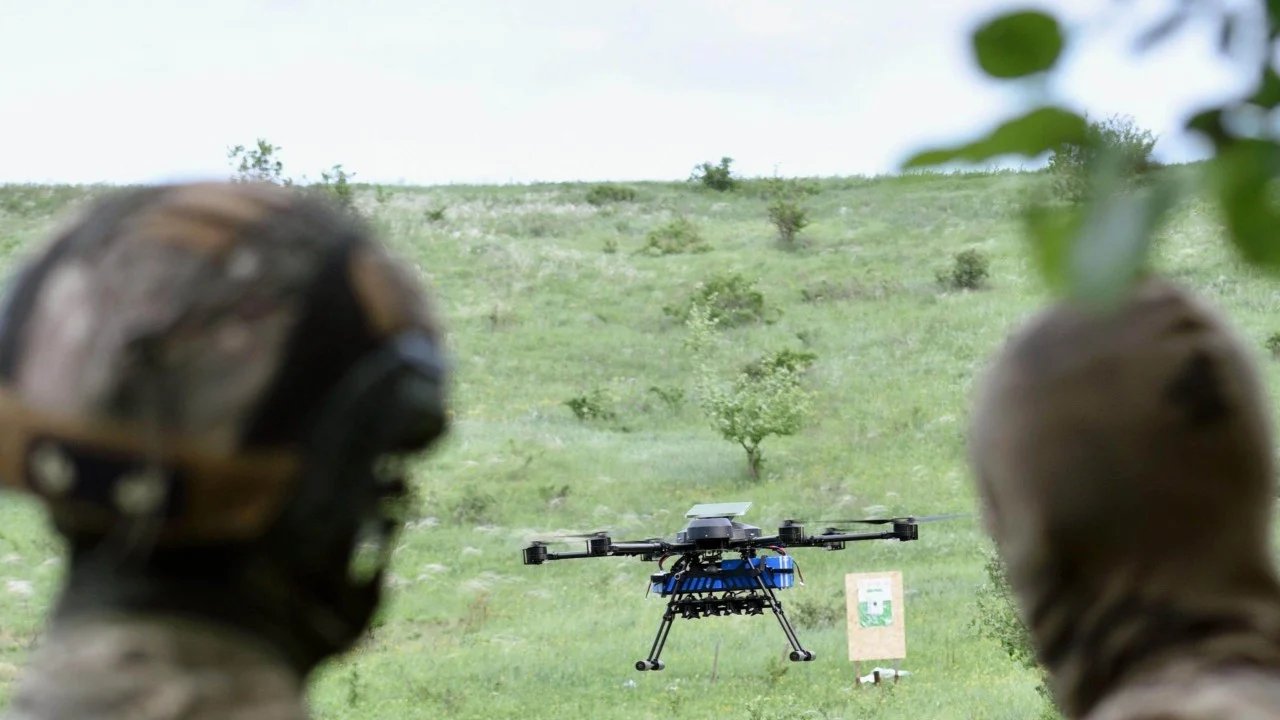
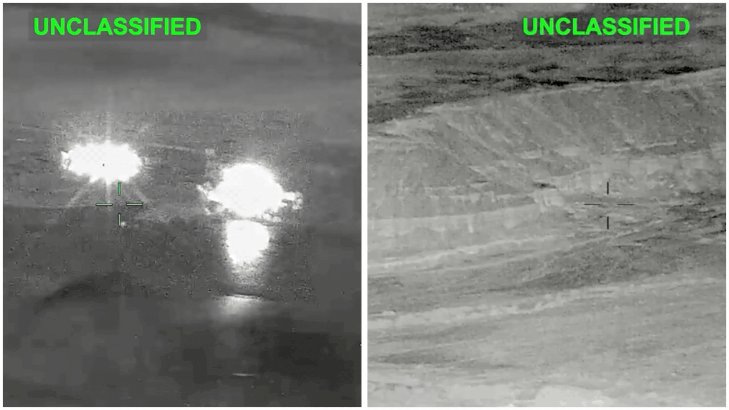
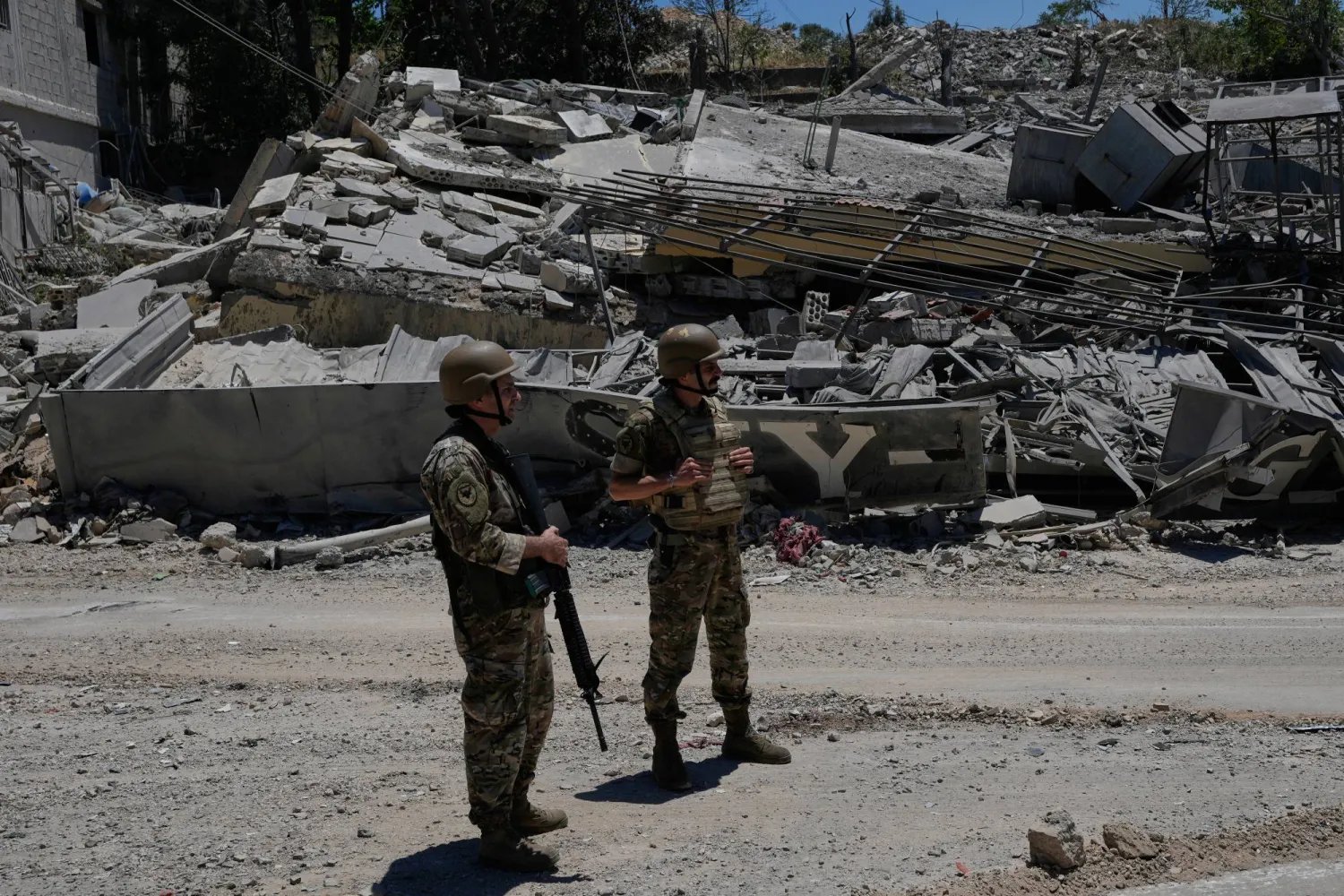
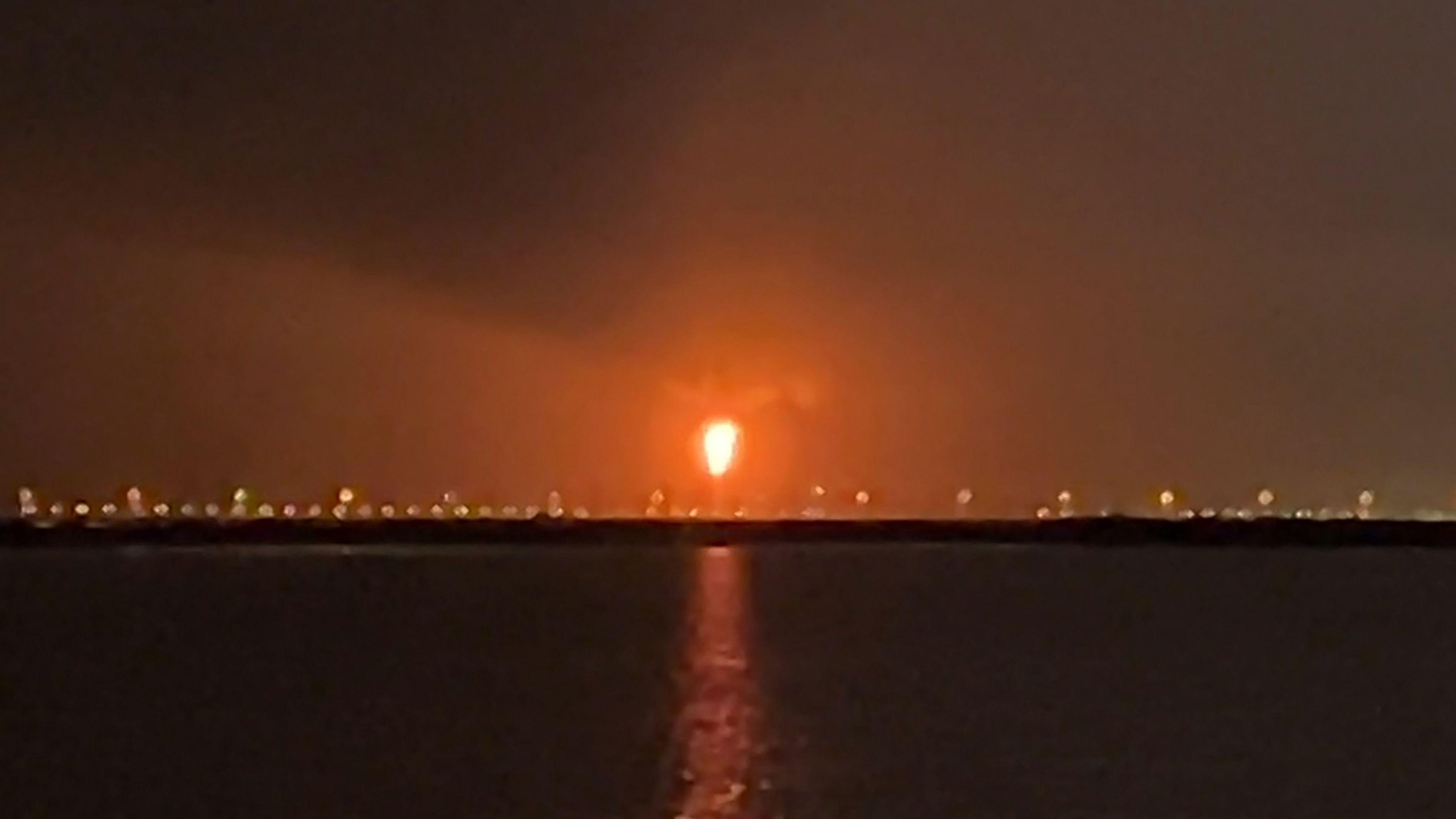
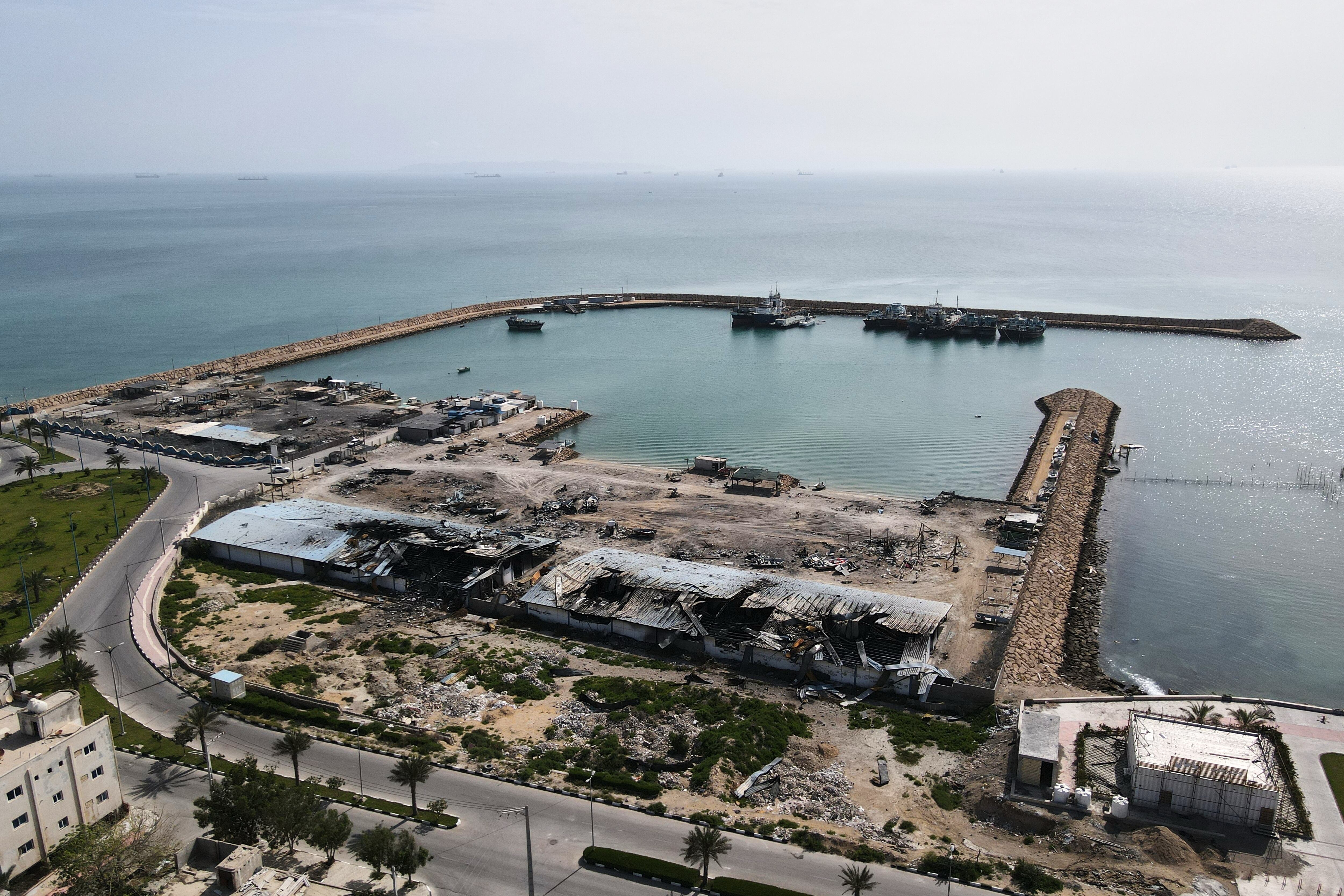
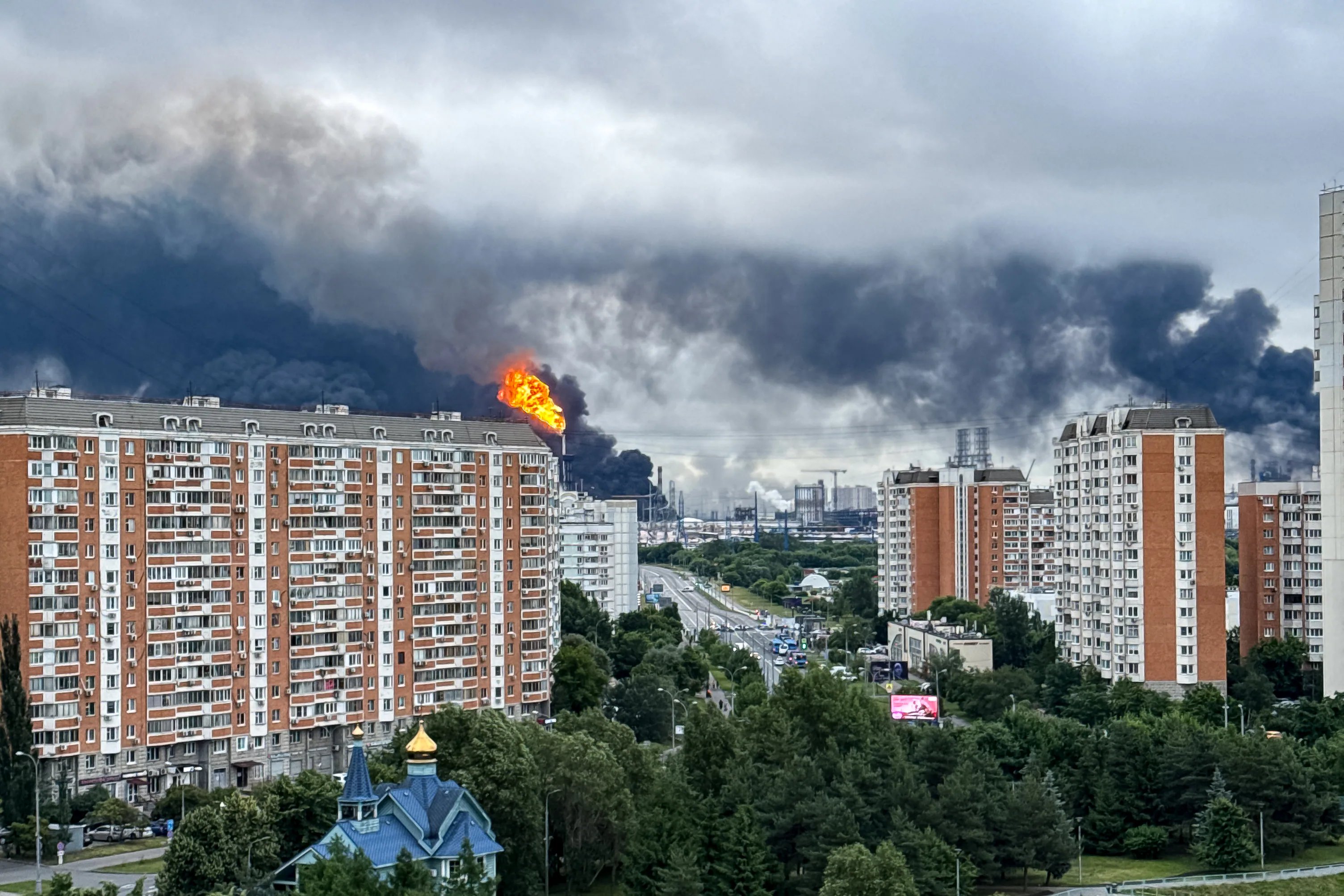
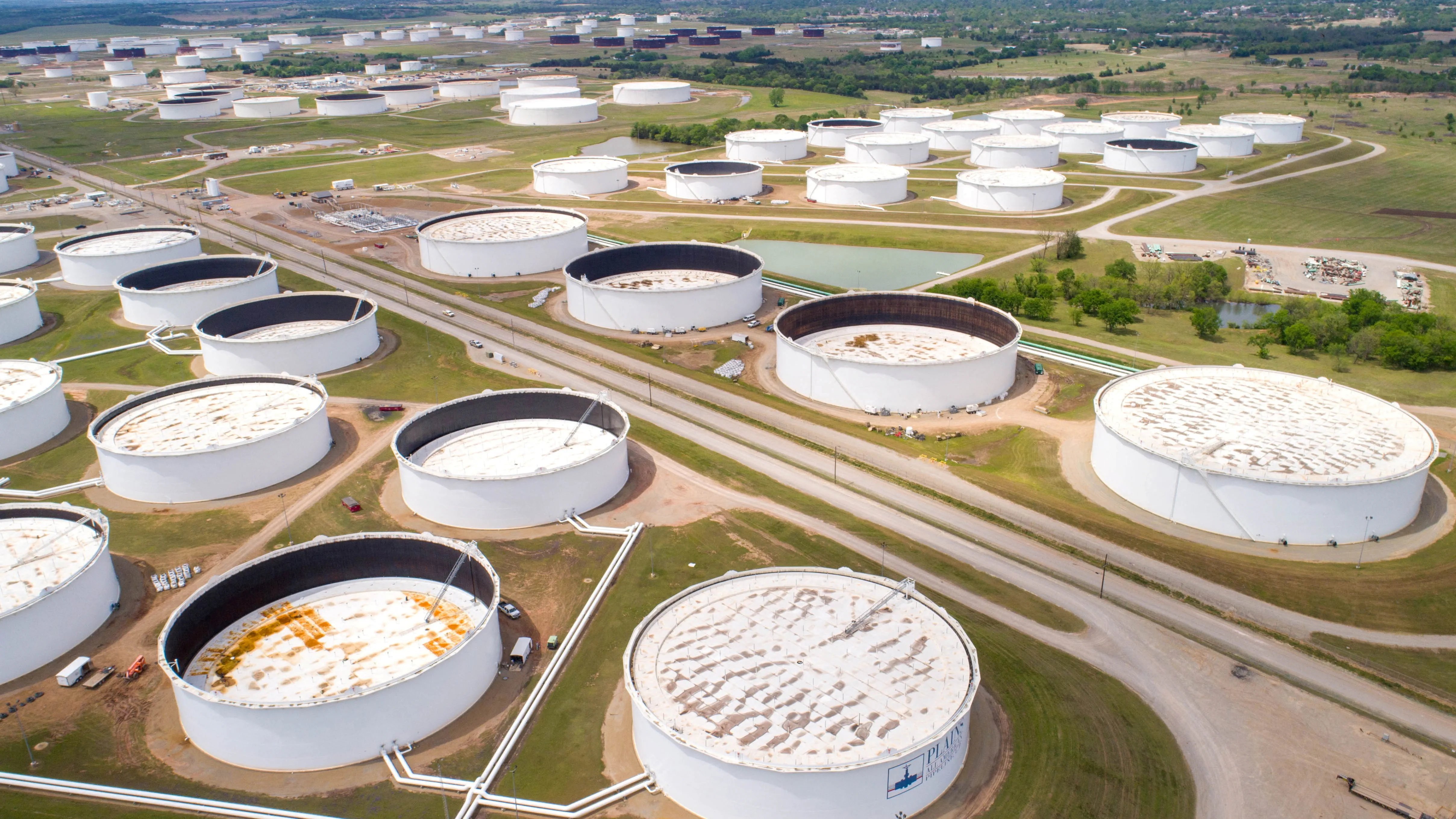
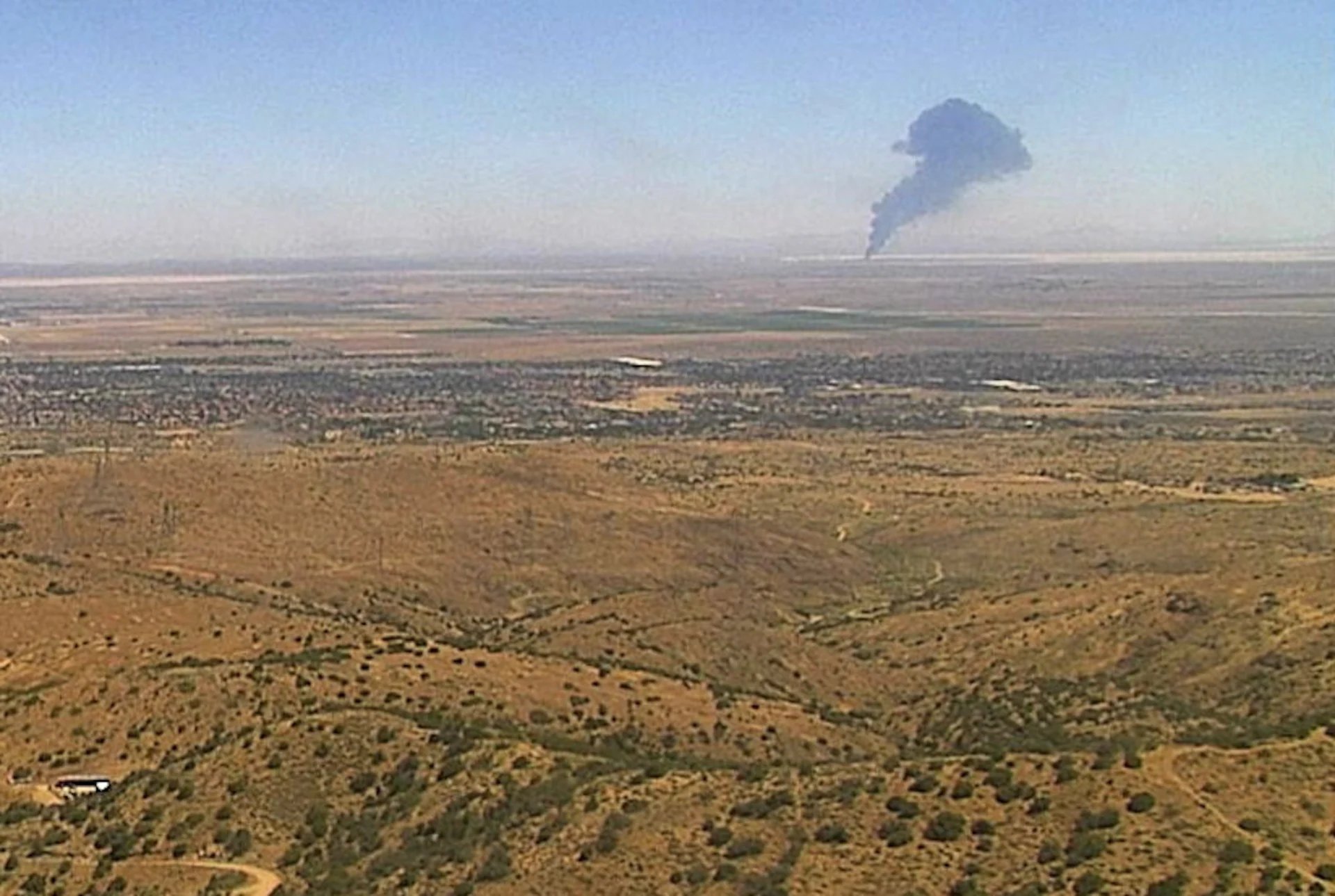
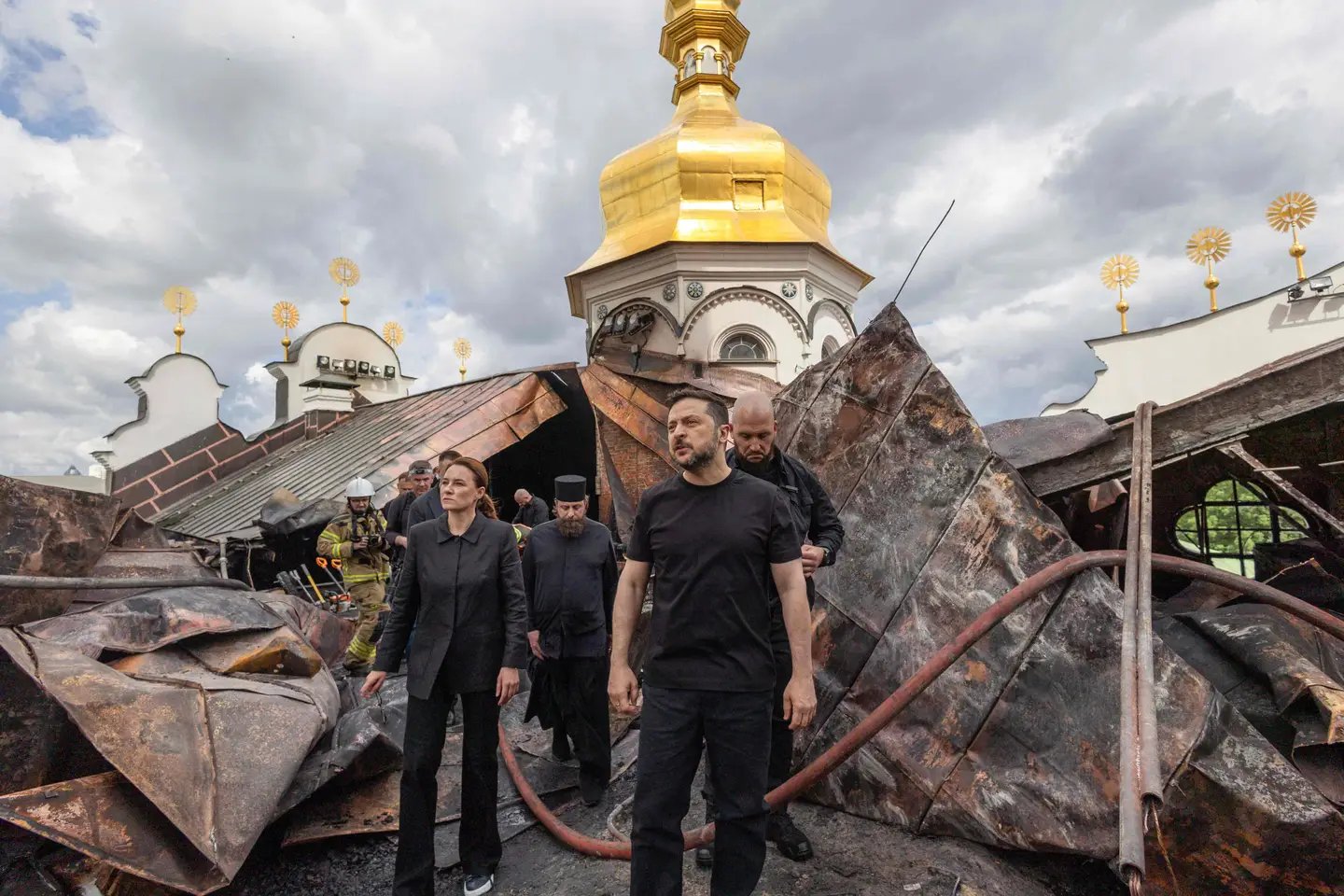
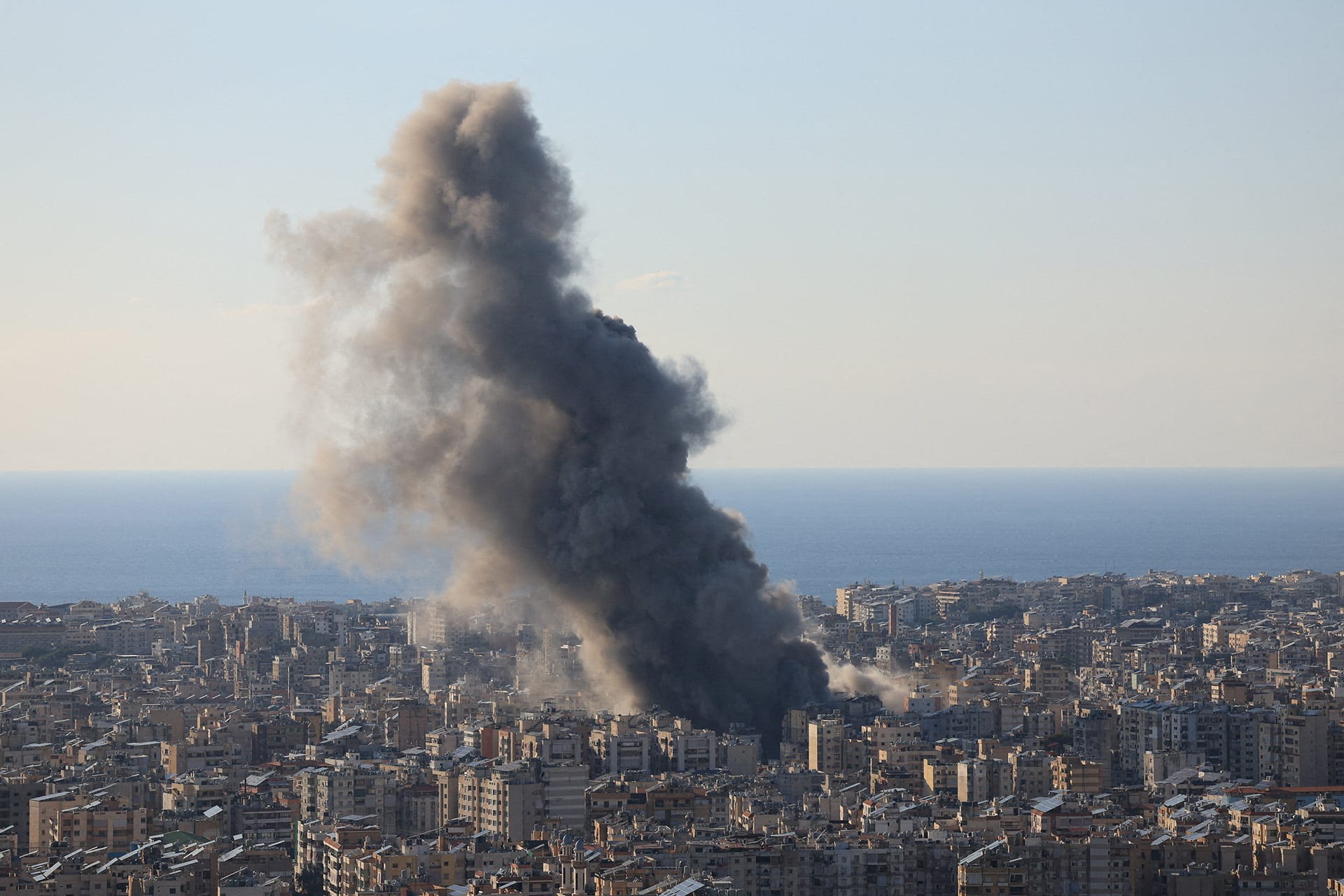
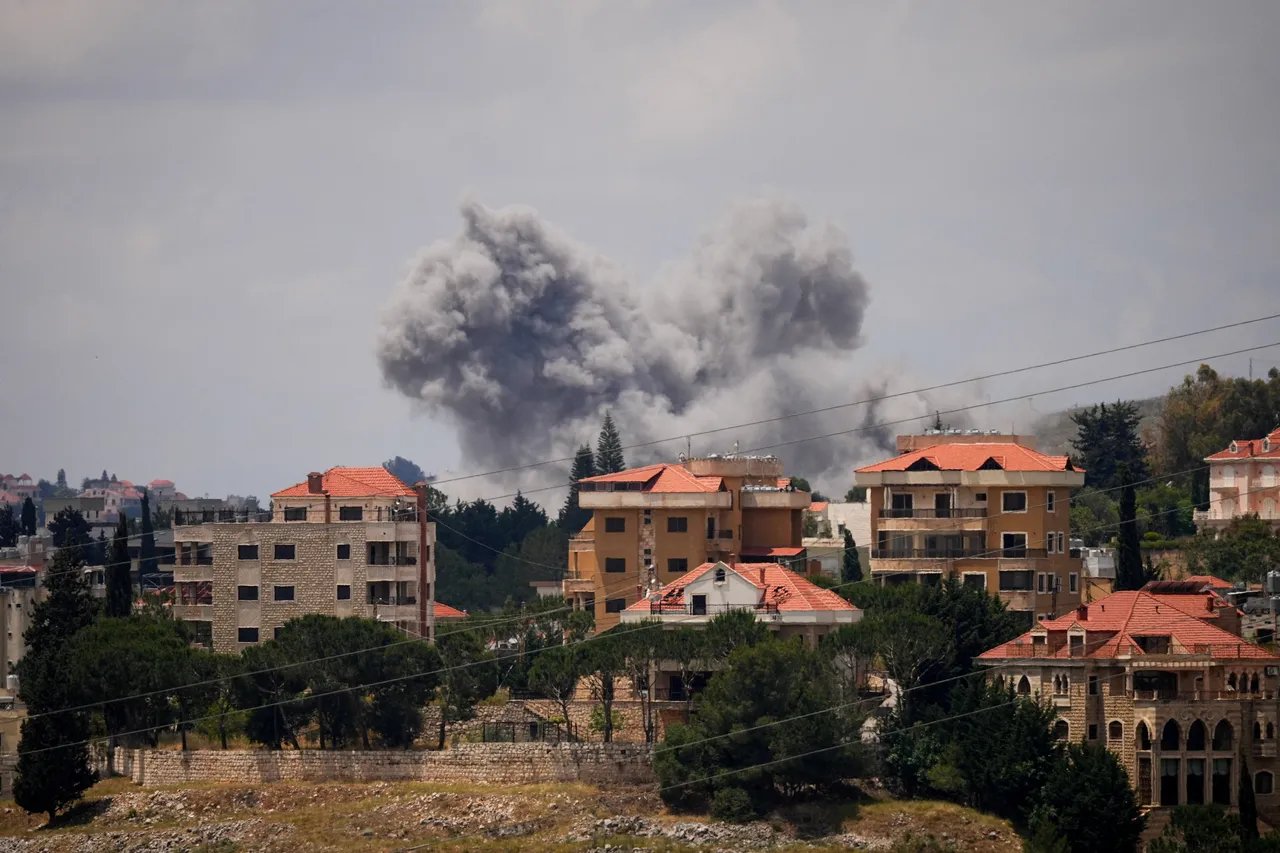
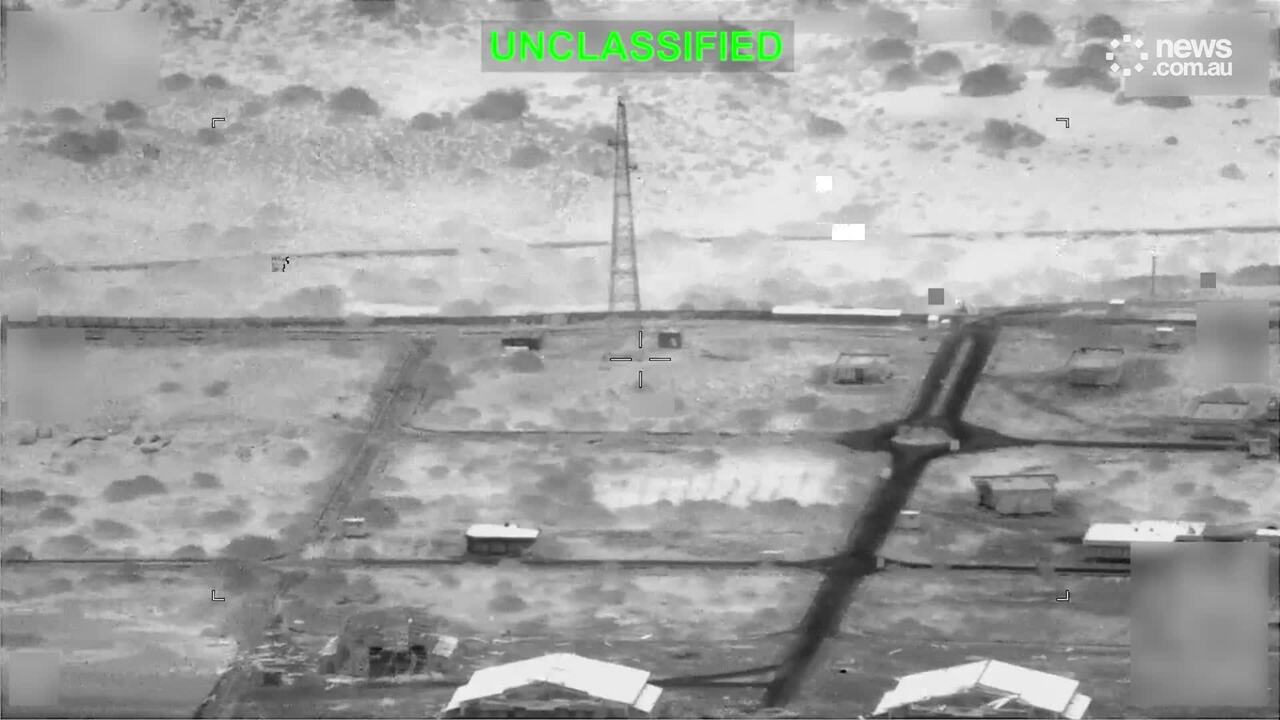
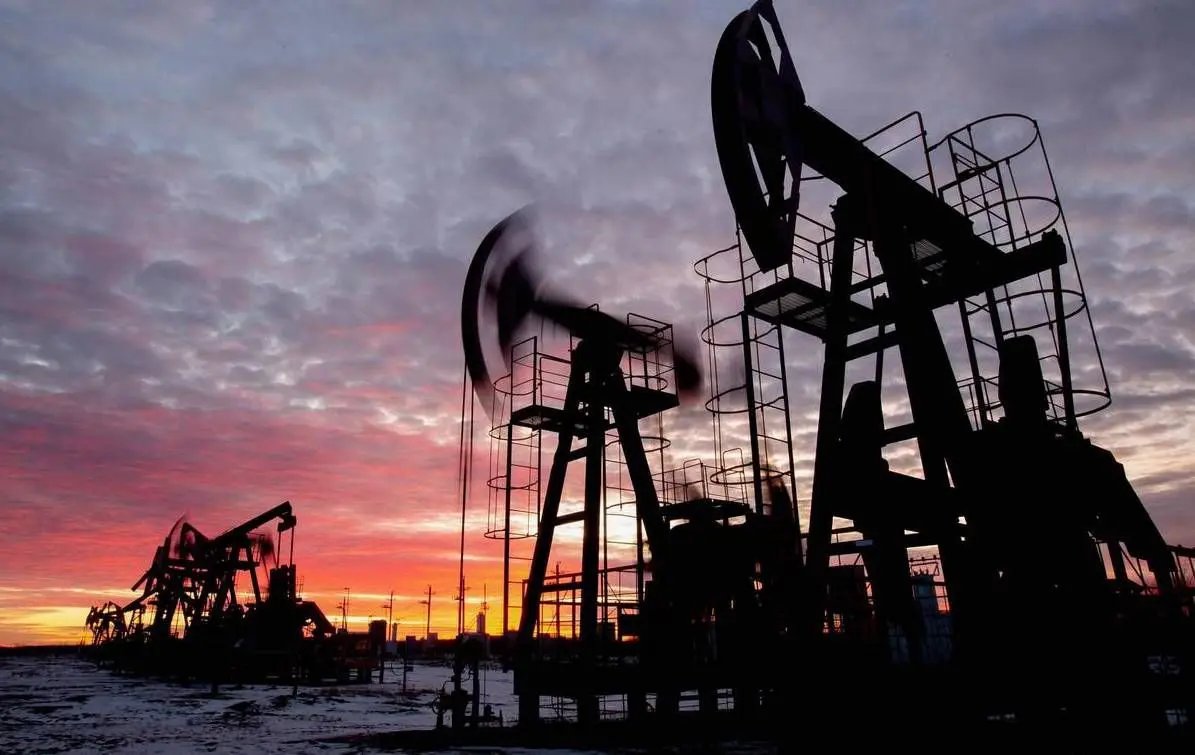
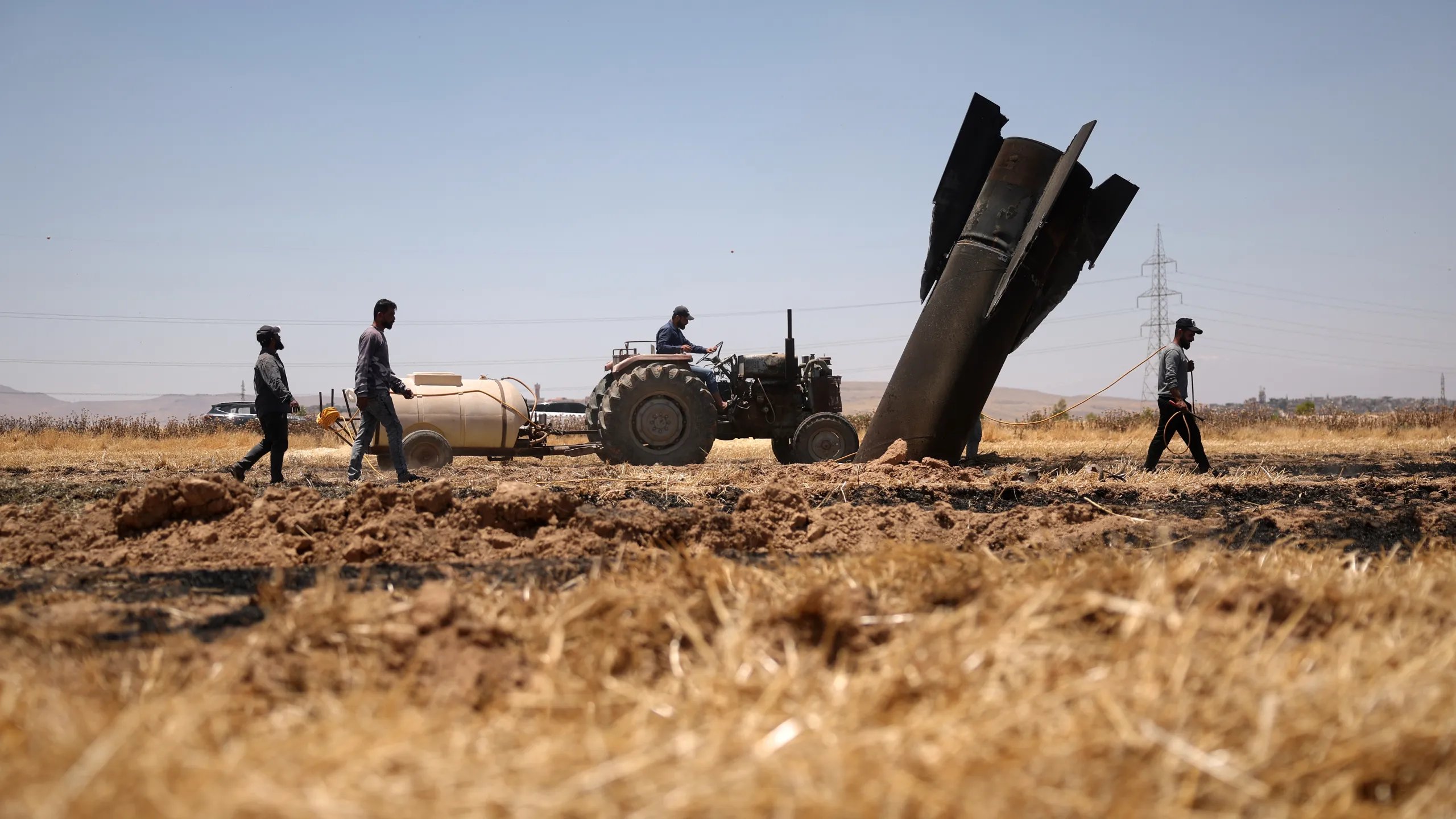
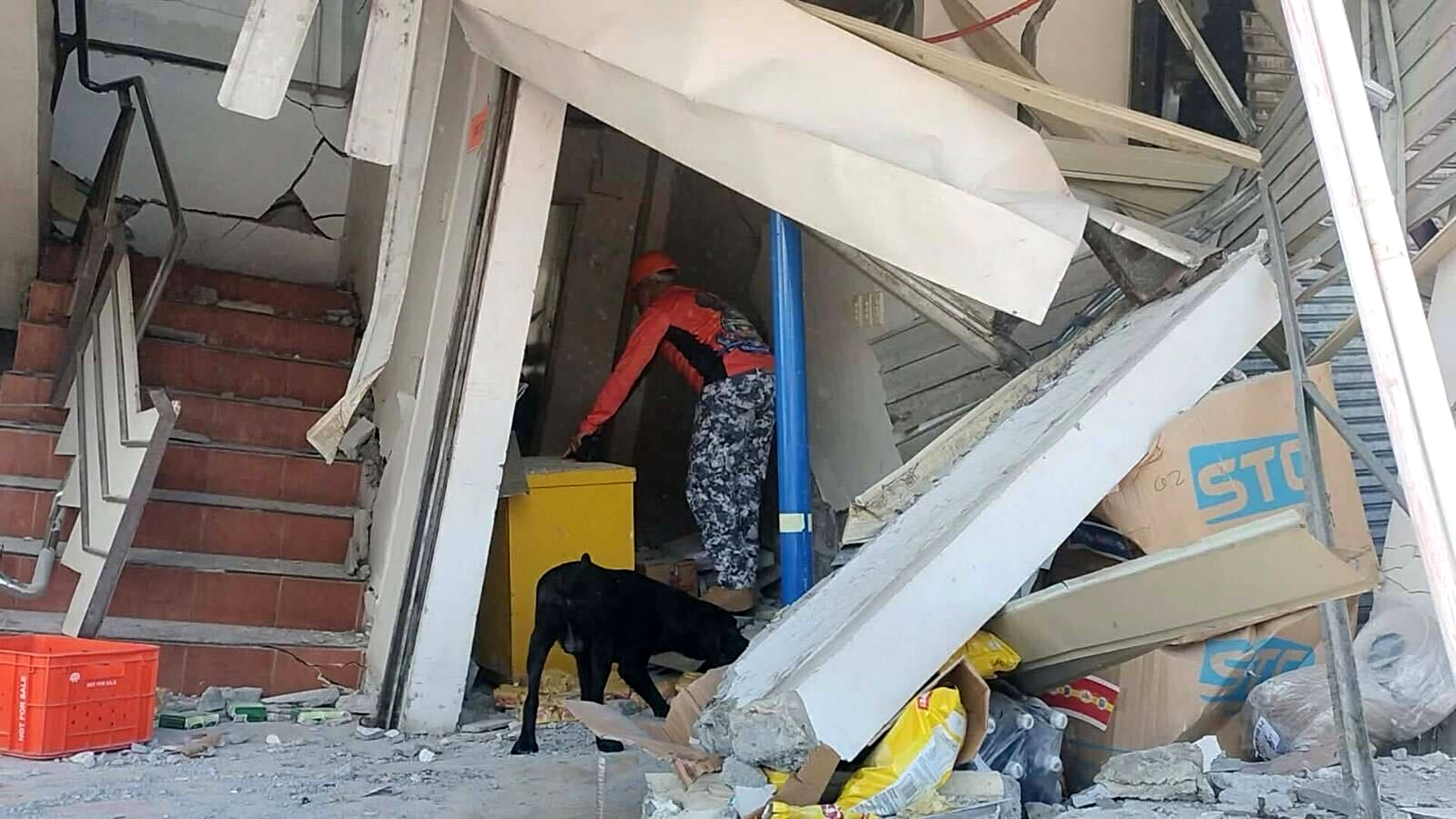
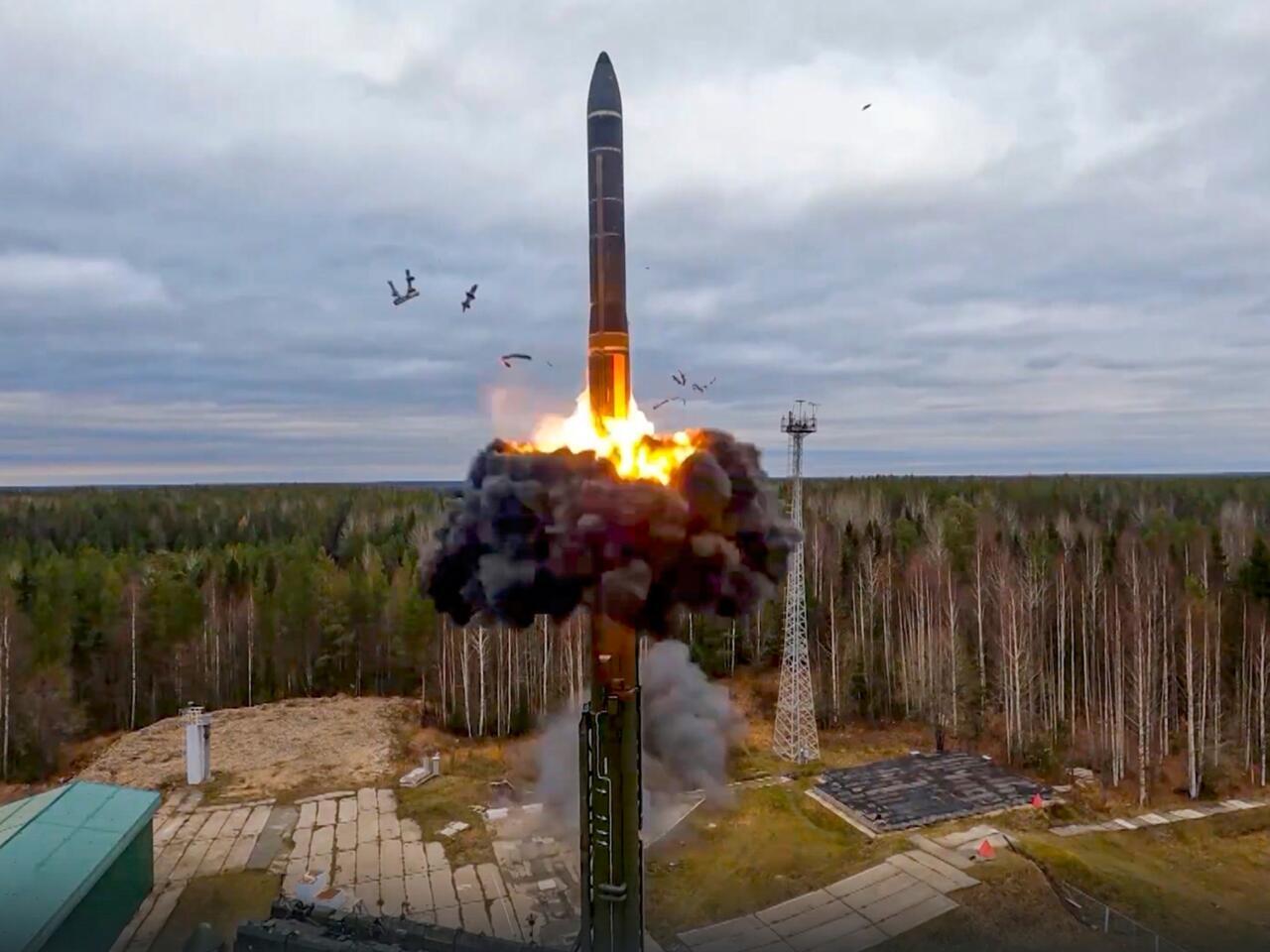
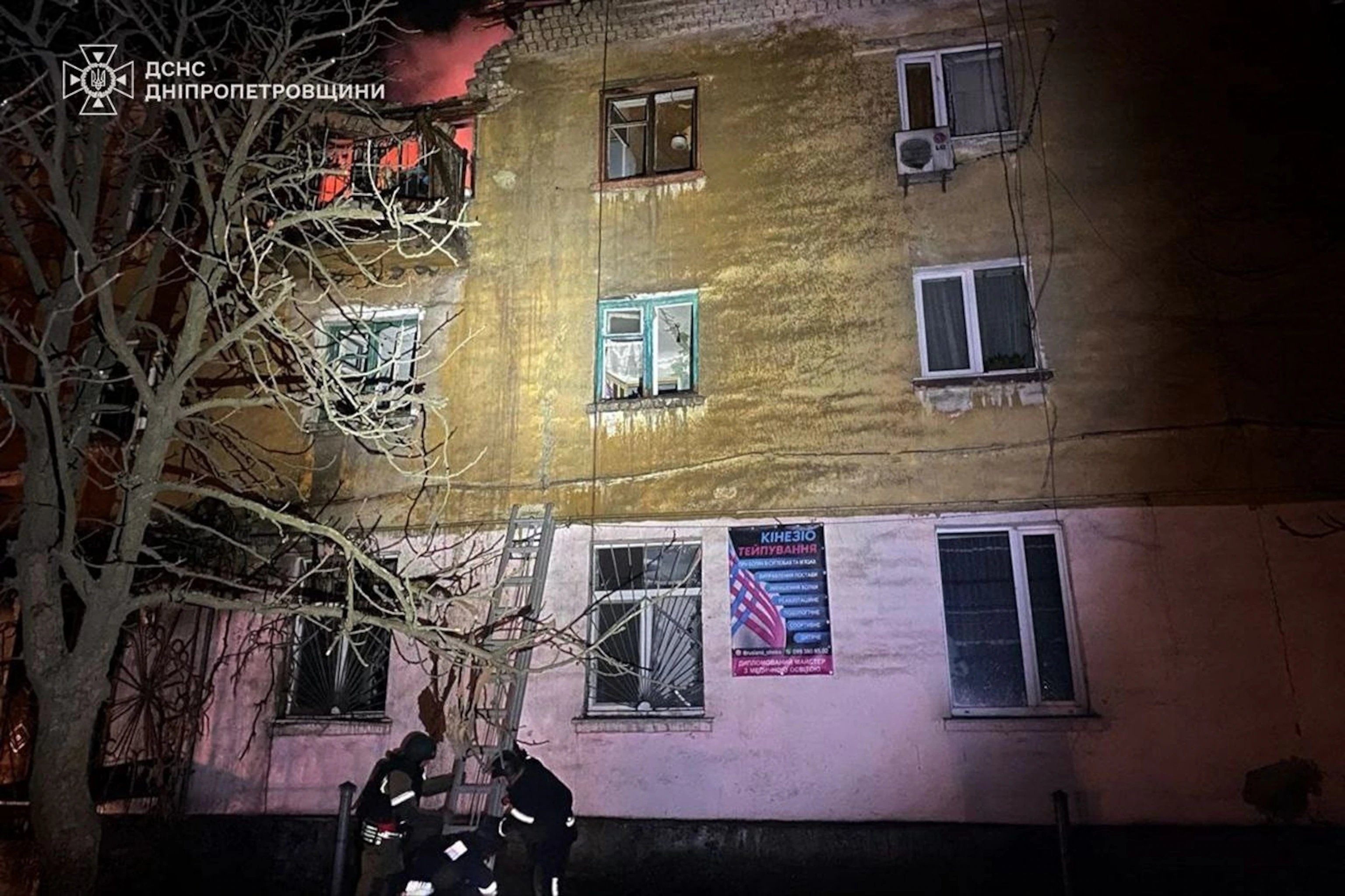
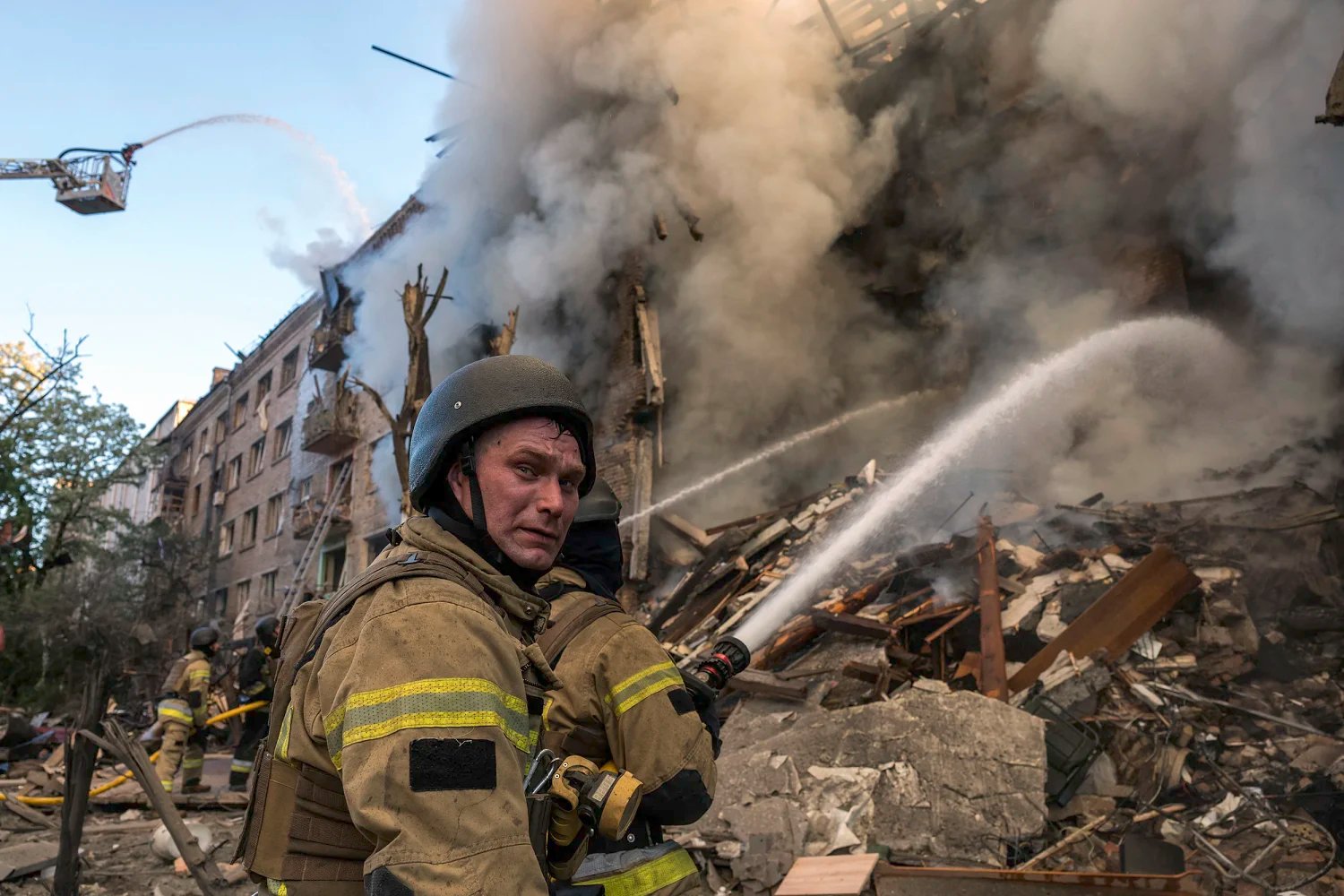
On Wednesday, Ukrainian drones flew more than 600 miles to target an oil depot in St. Petersburg, with the blast illuminating some of Russia's most iconic buildings. The strikes also hit a nearby naval base and collapsed part of a warship with guided missiles.
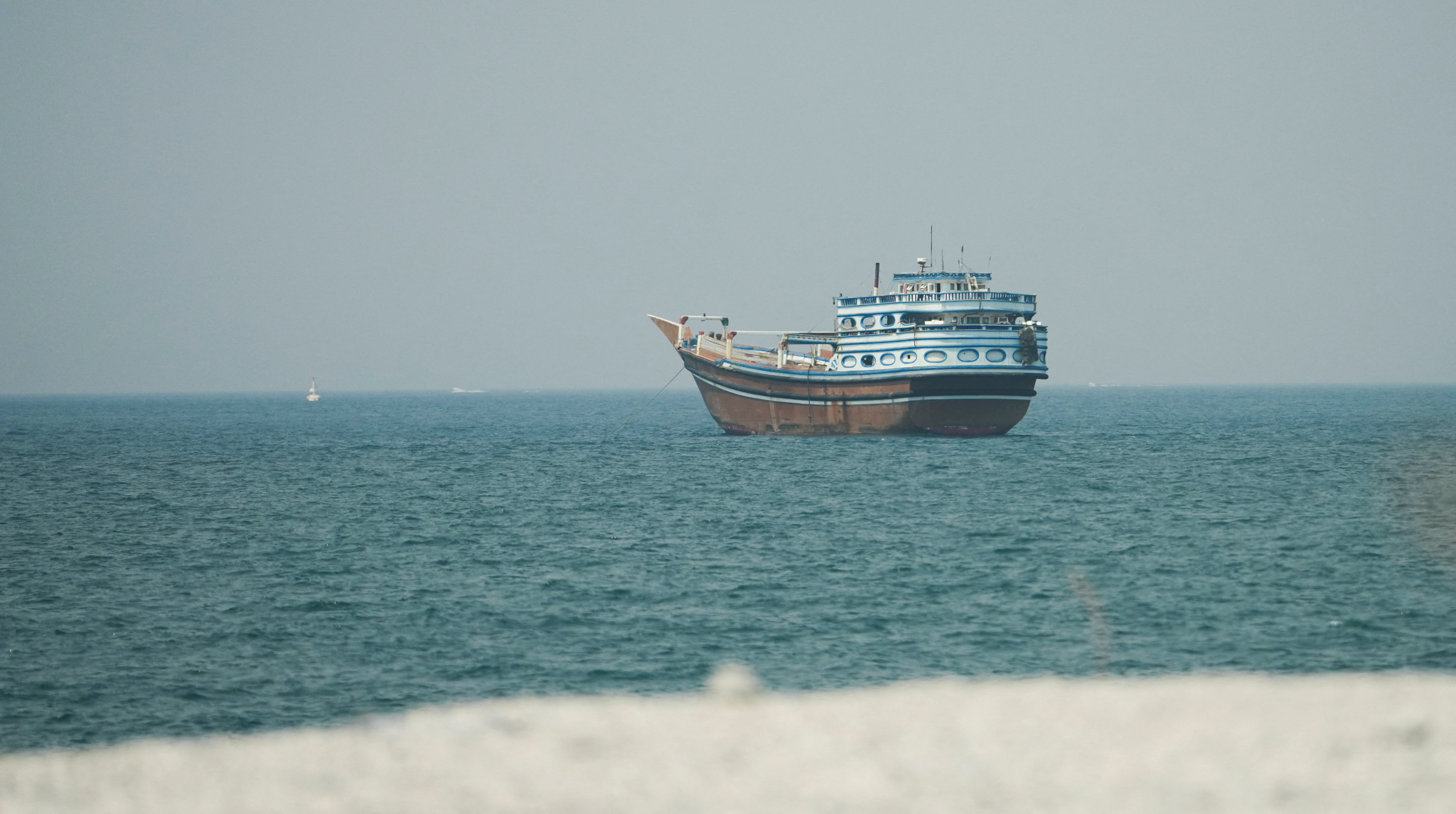
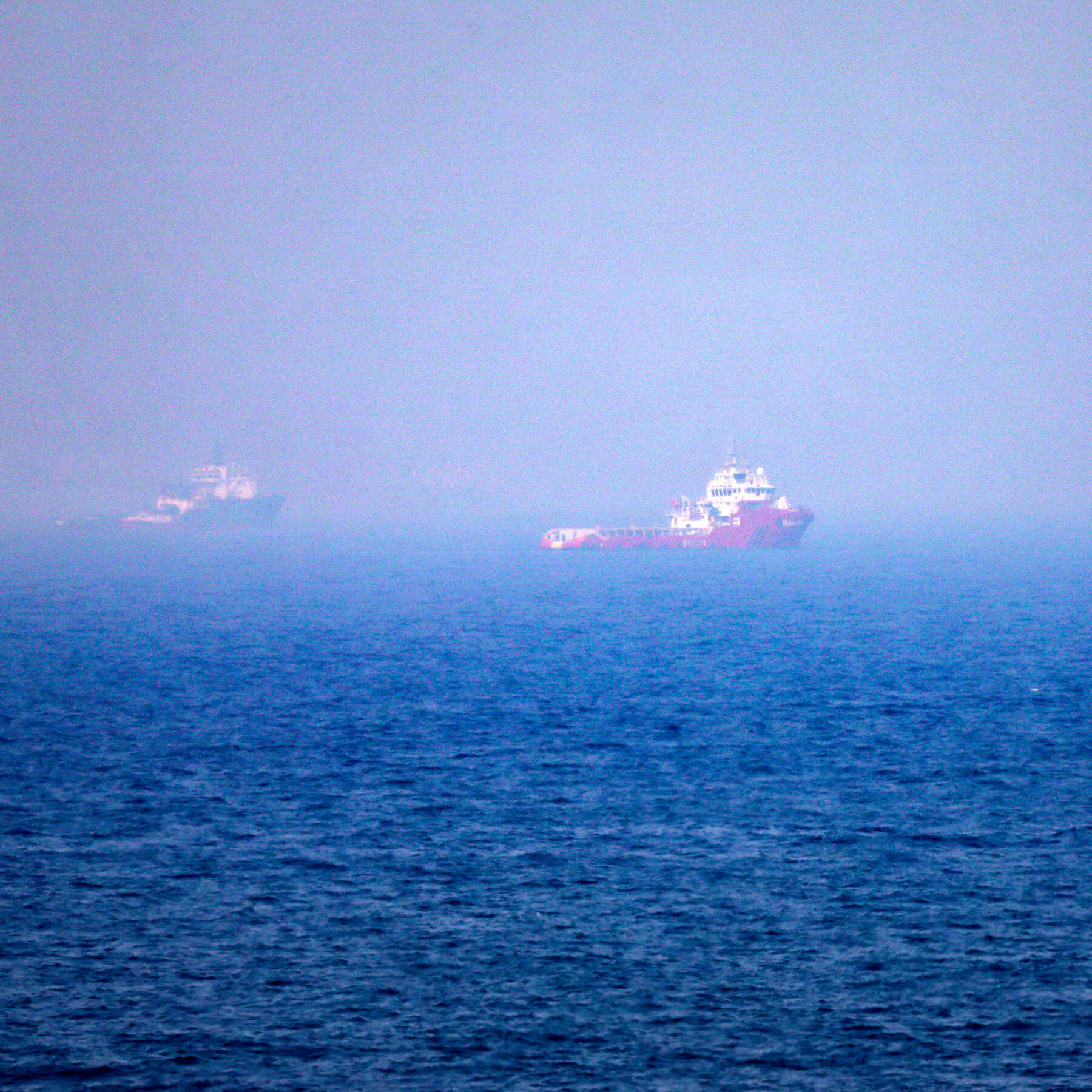
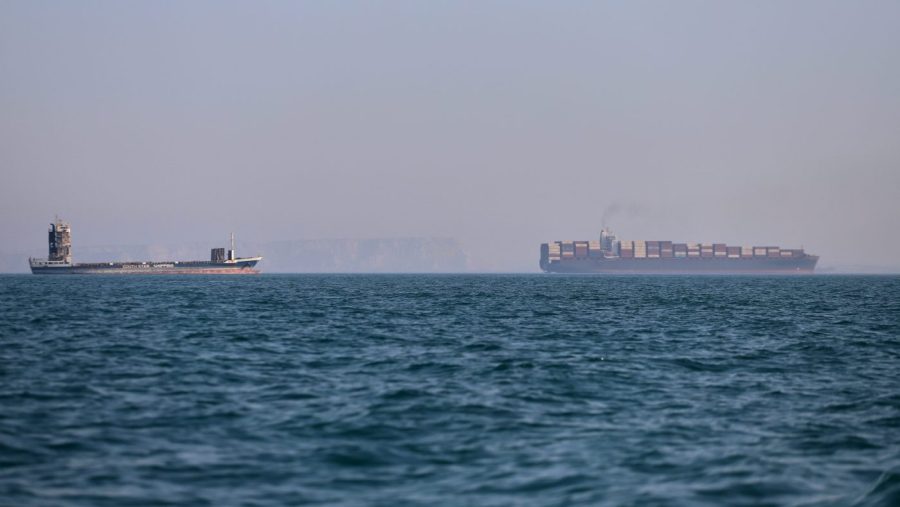
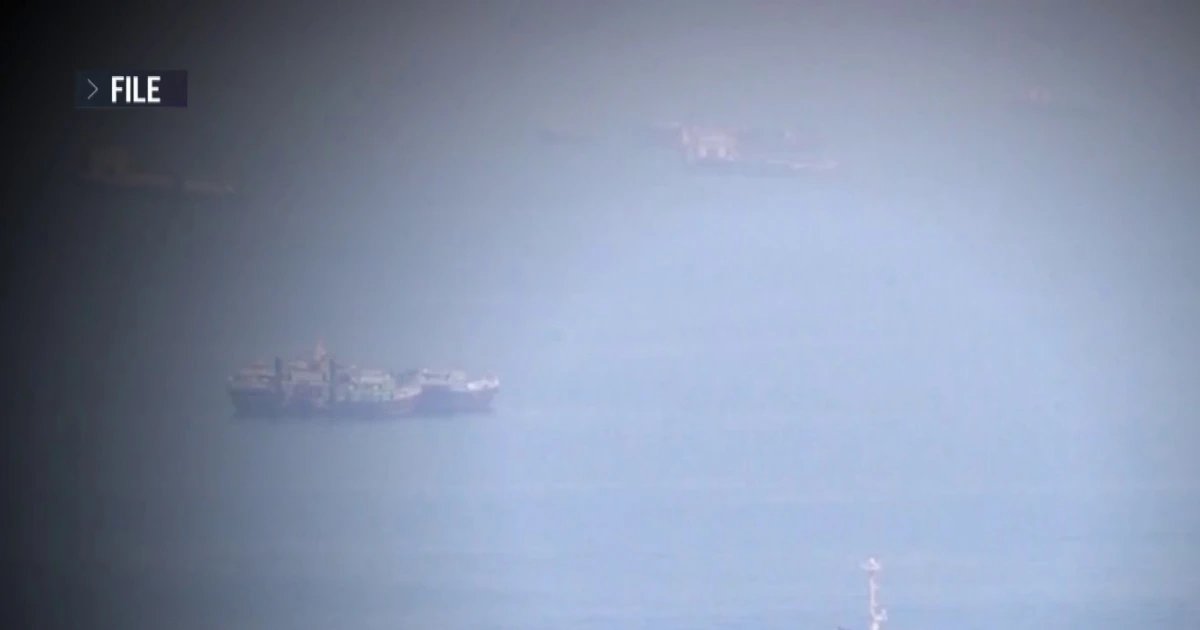
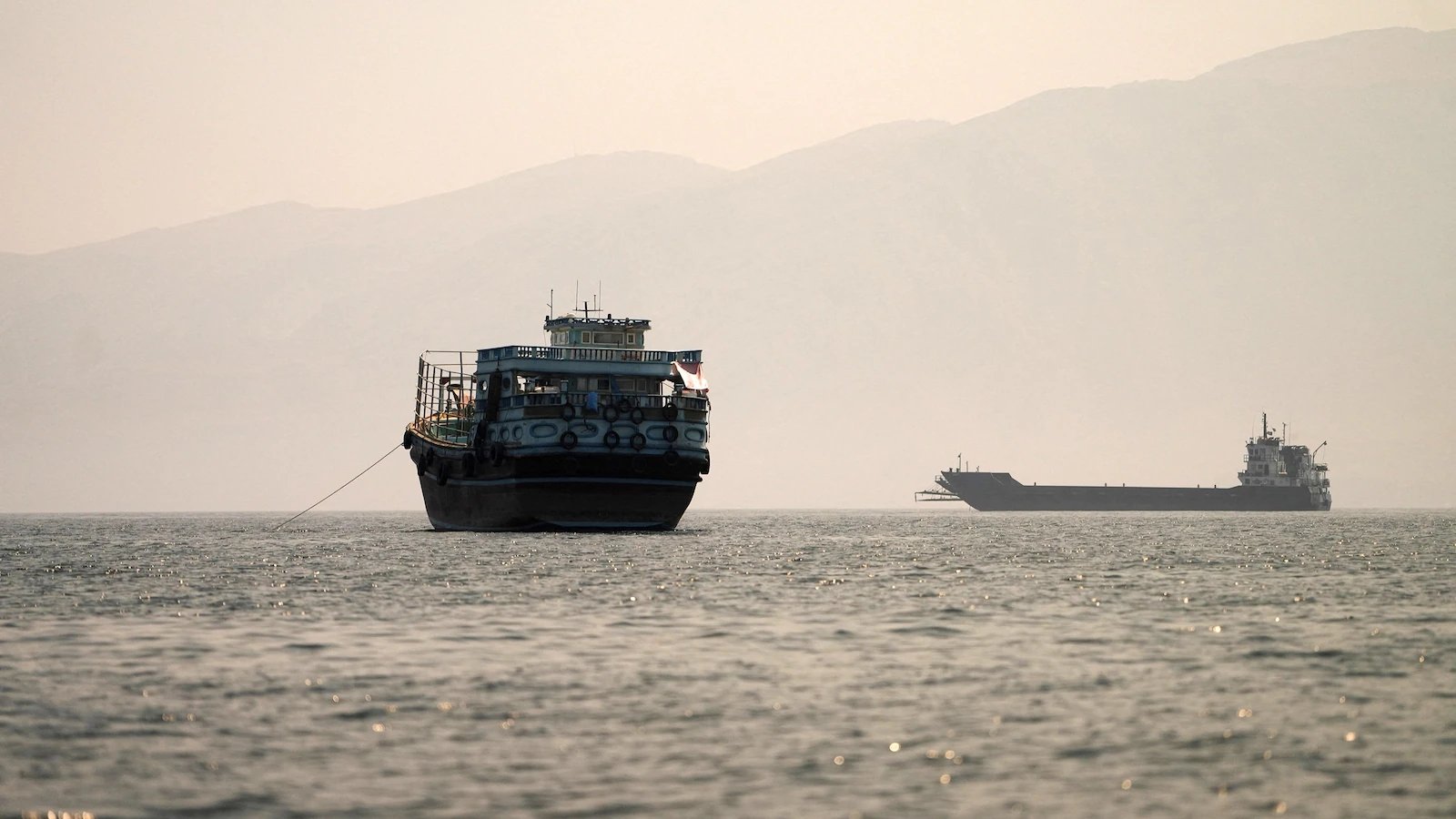
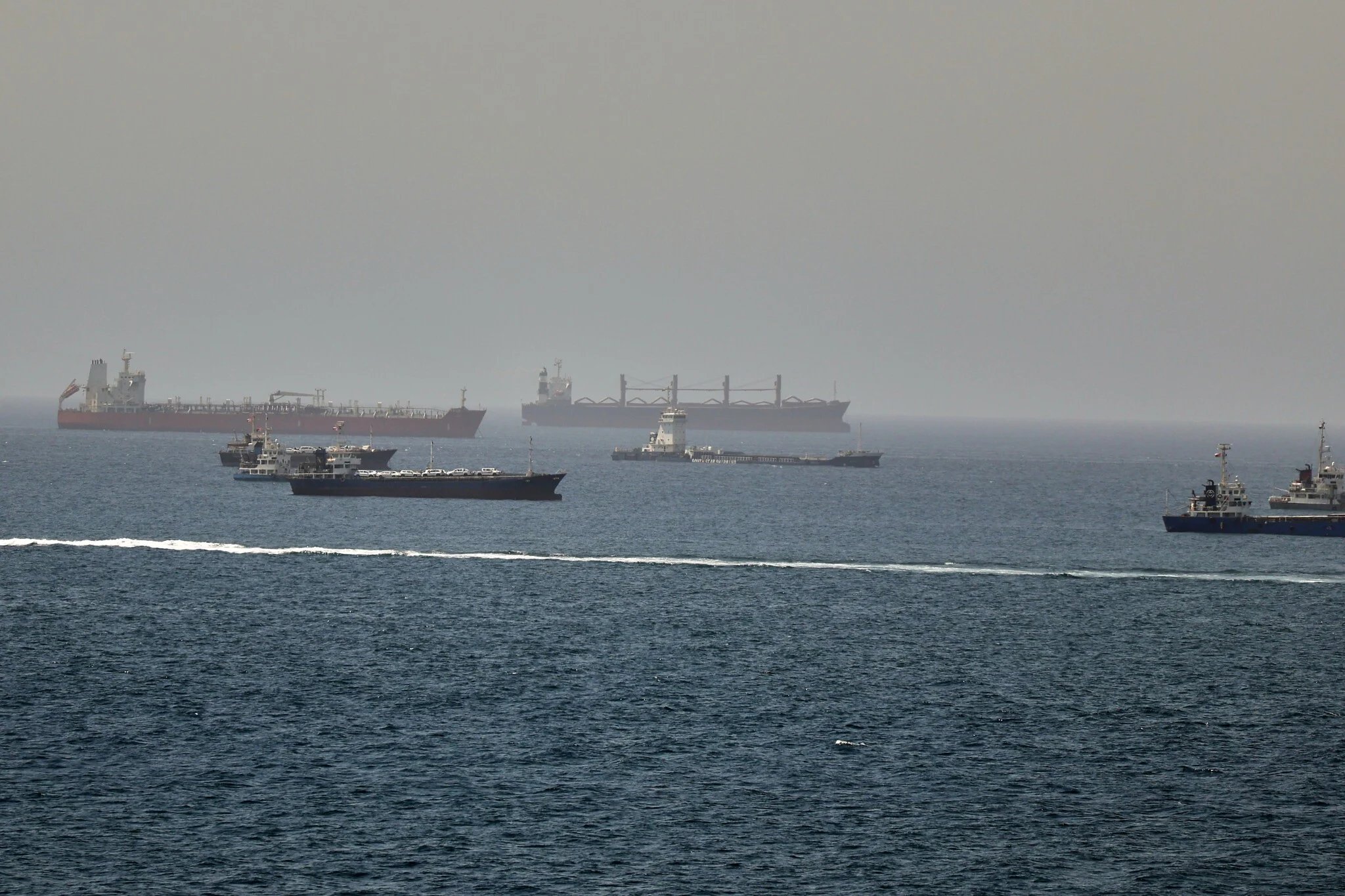
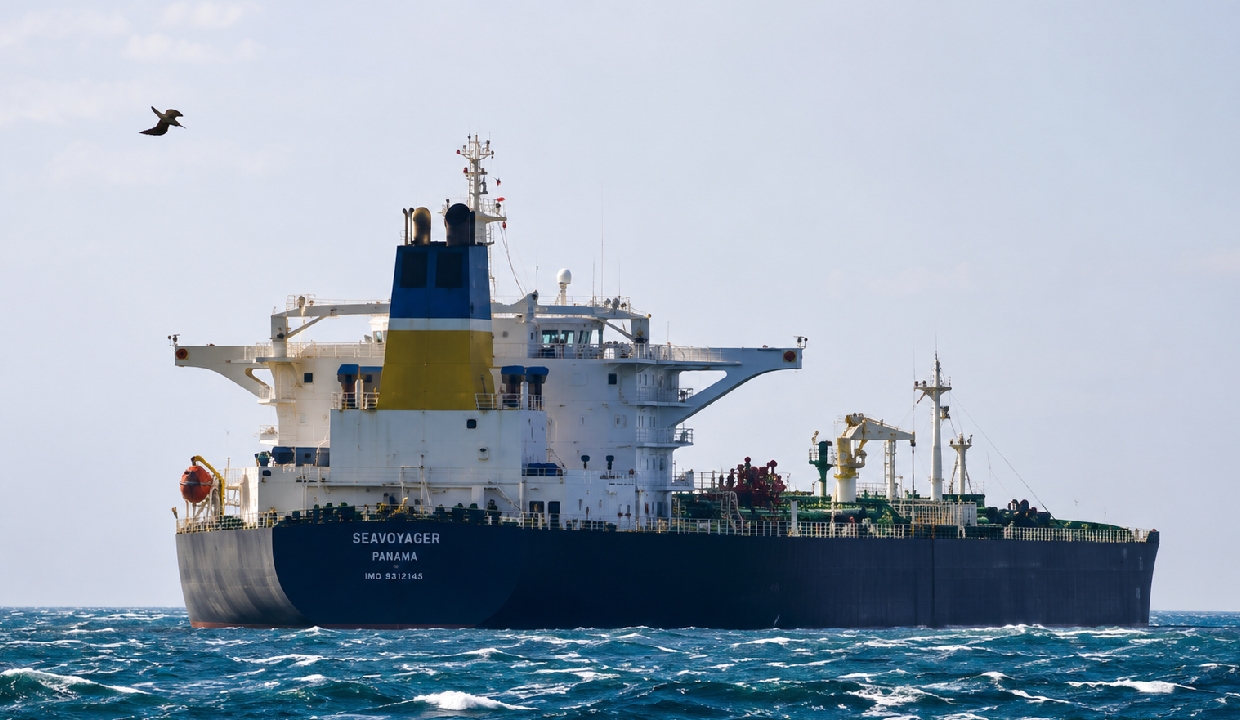
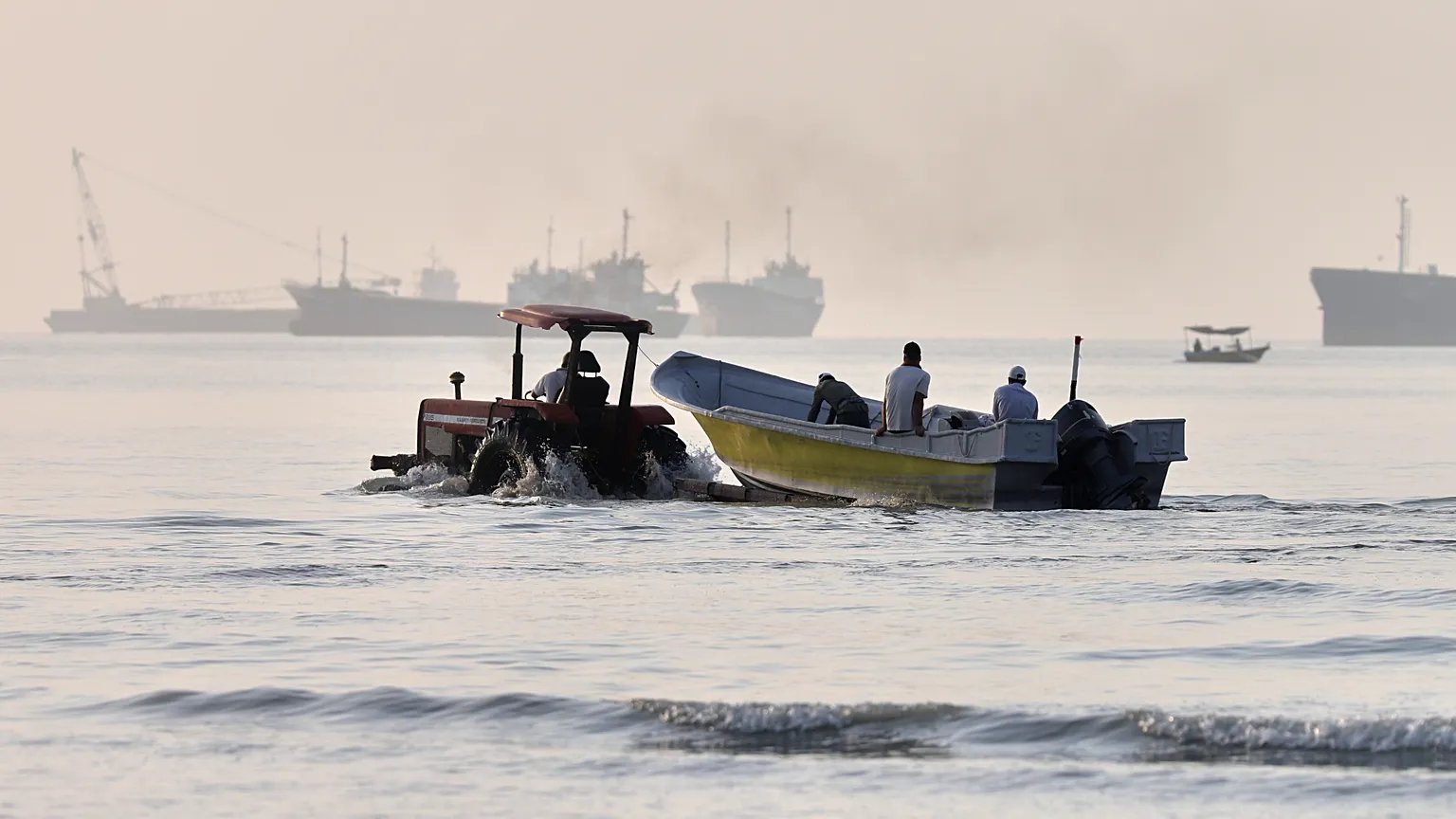
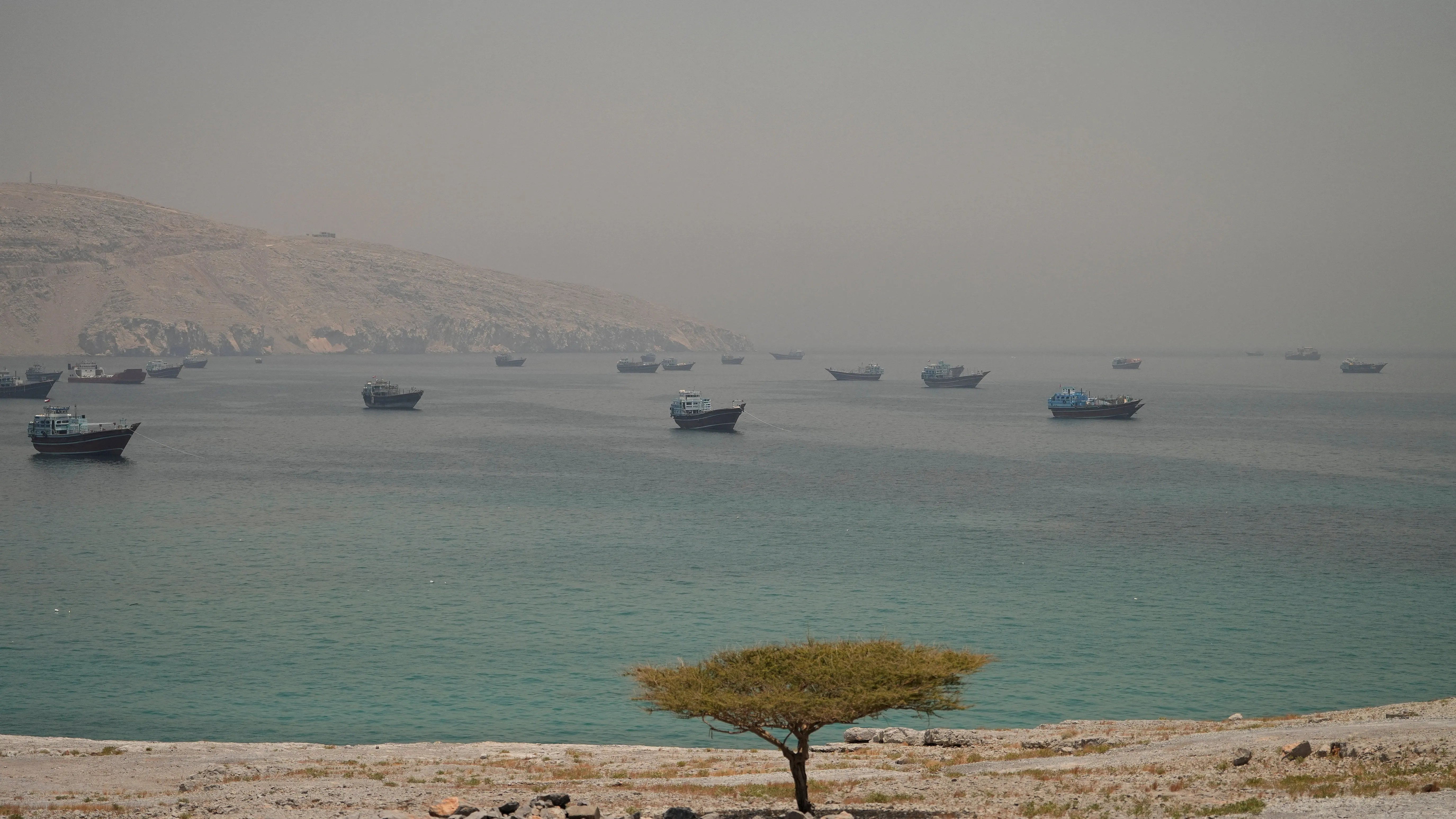
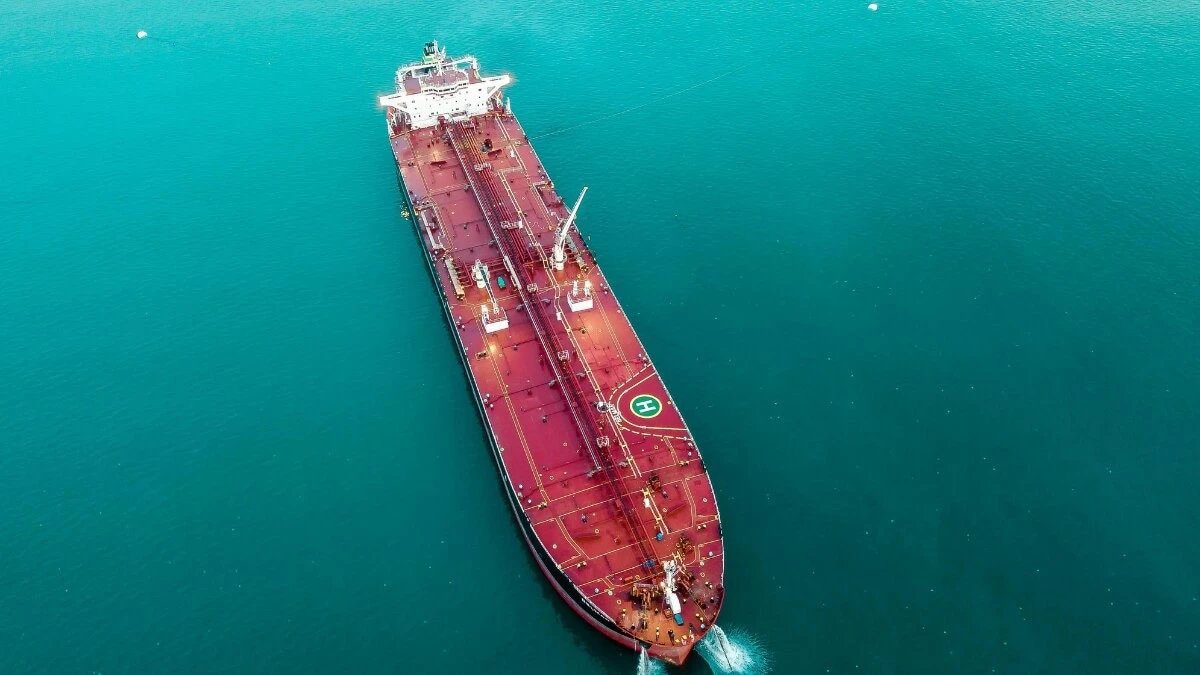
The strikes continued on Saturday, the final day of the forum, with Ukraine launching another drone barrage at the city. Ukraine said on Friday that it had struck five ships with illegal cargo in the Sea of Azov and coastal waters of occupied territories, according to Robert Brovdi, Ukraine's drone commander. He said the vessels had been involved in "stealing" Ukrainian grain and transferring fuel and military supplies.
Moscow's Economic Signals
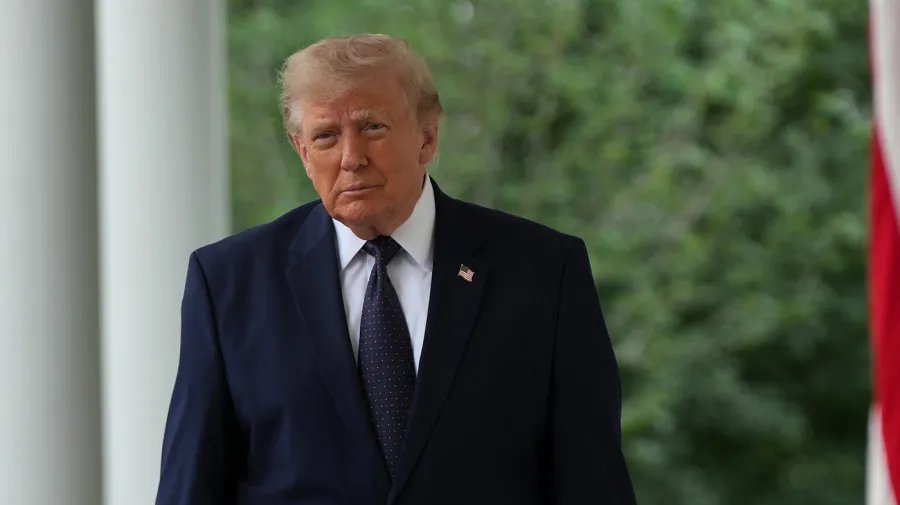
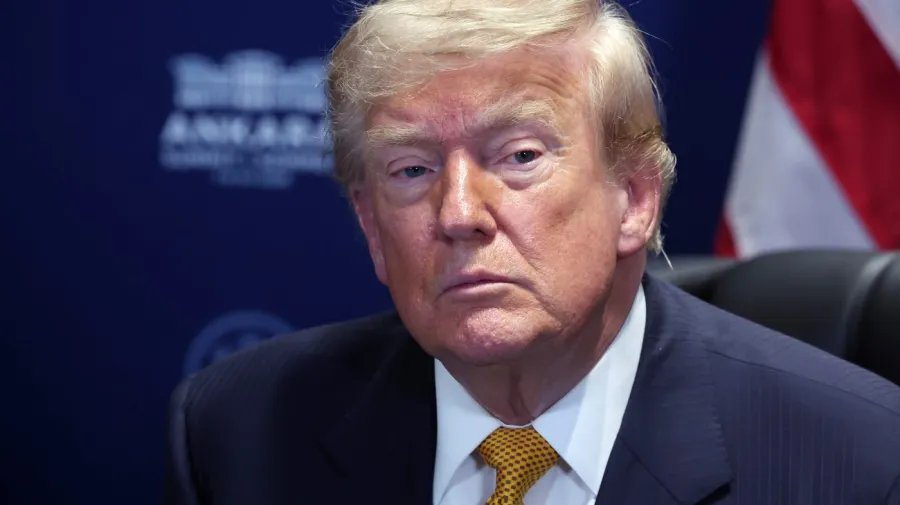
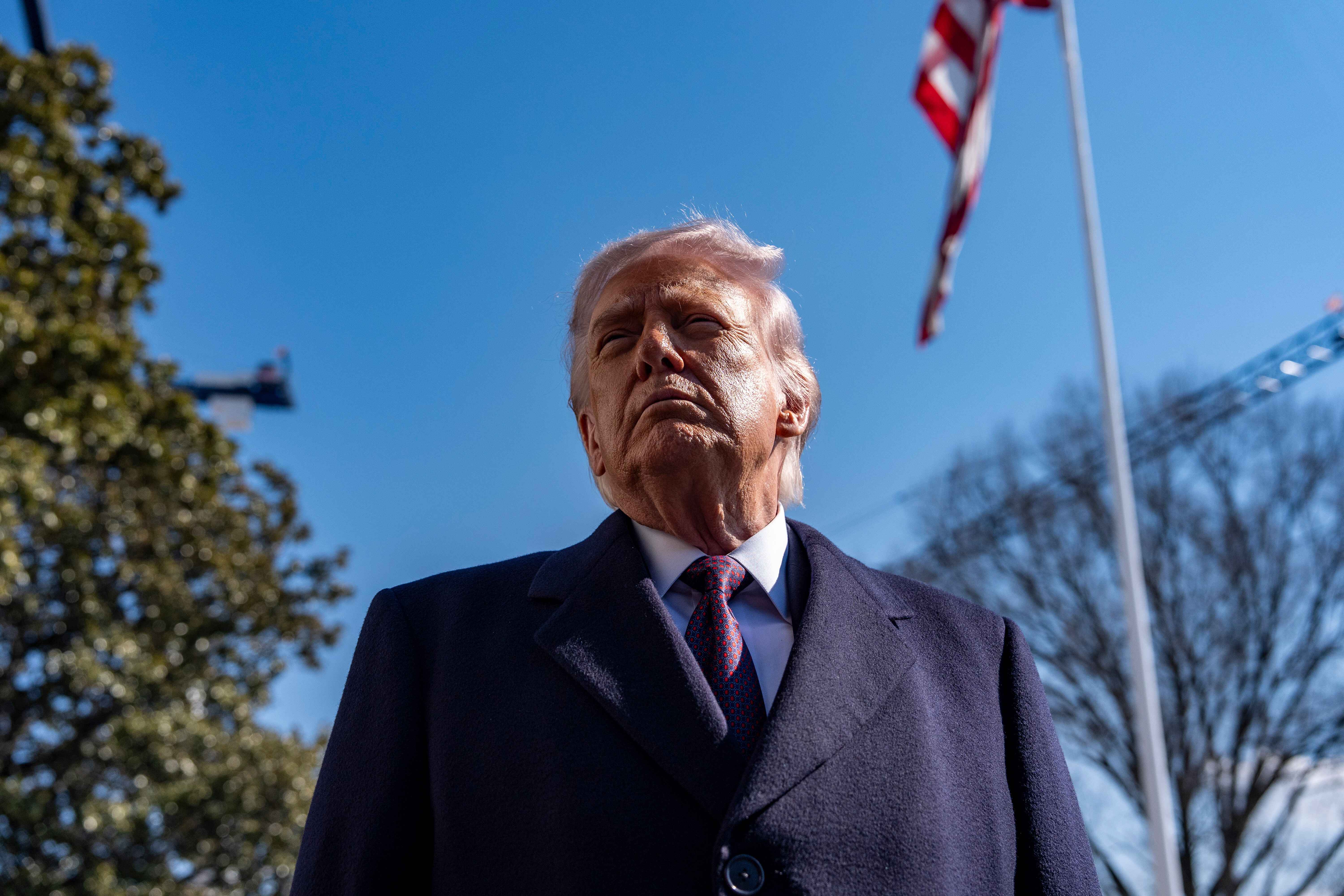
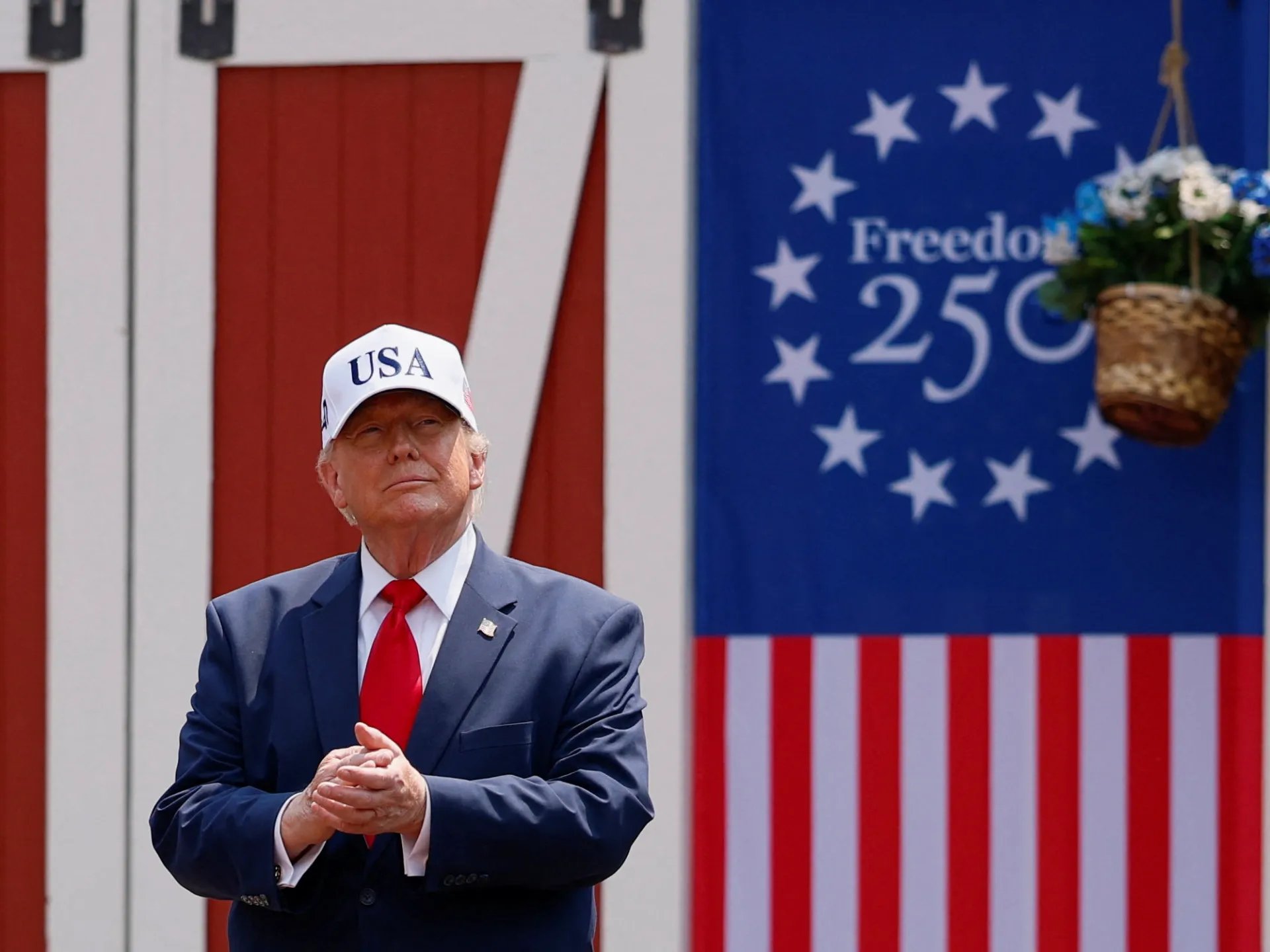
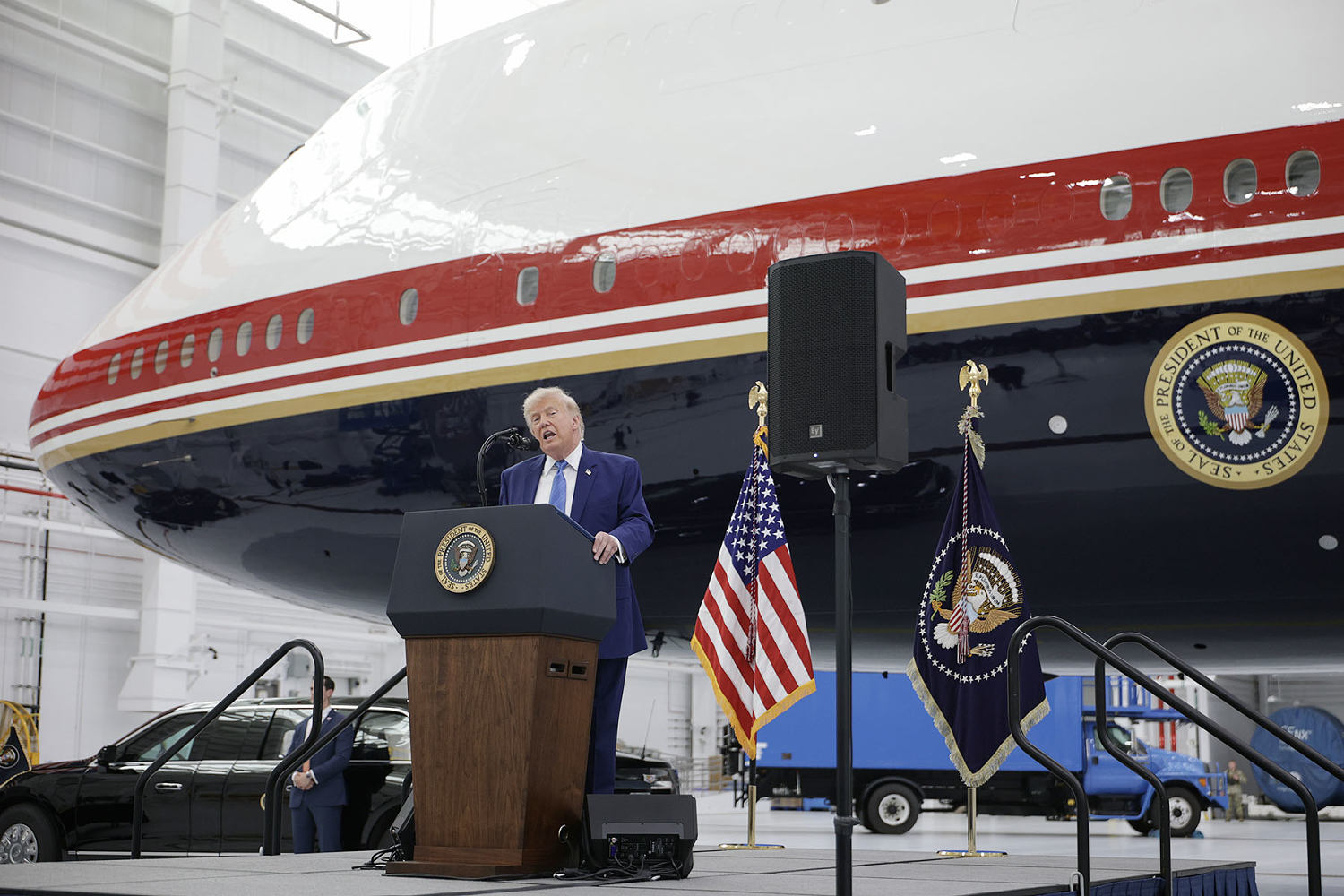
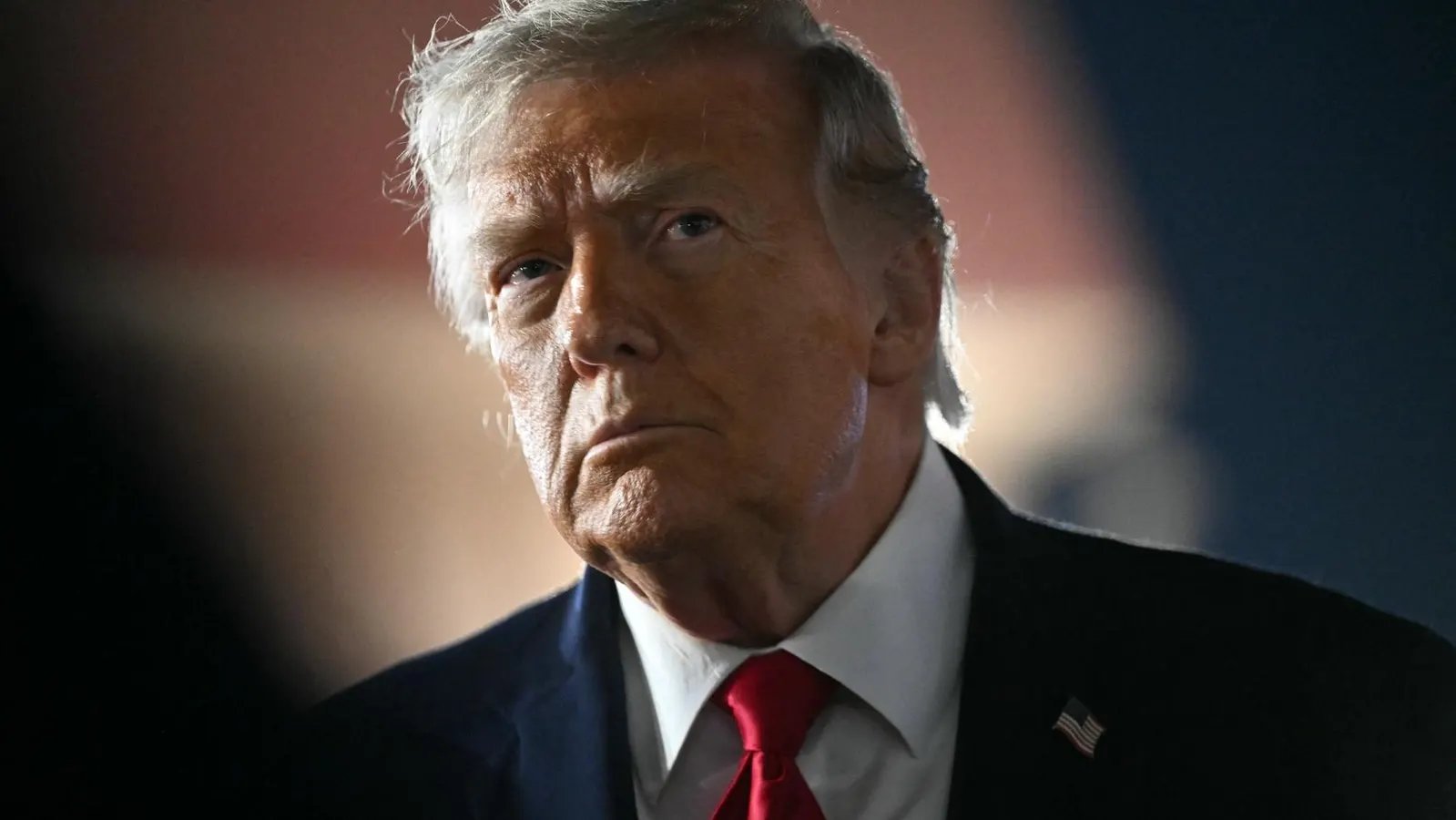
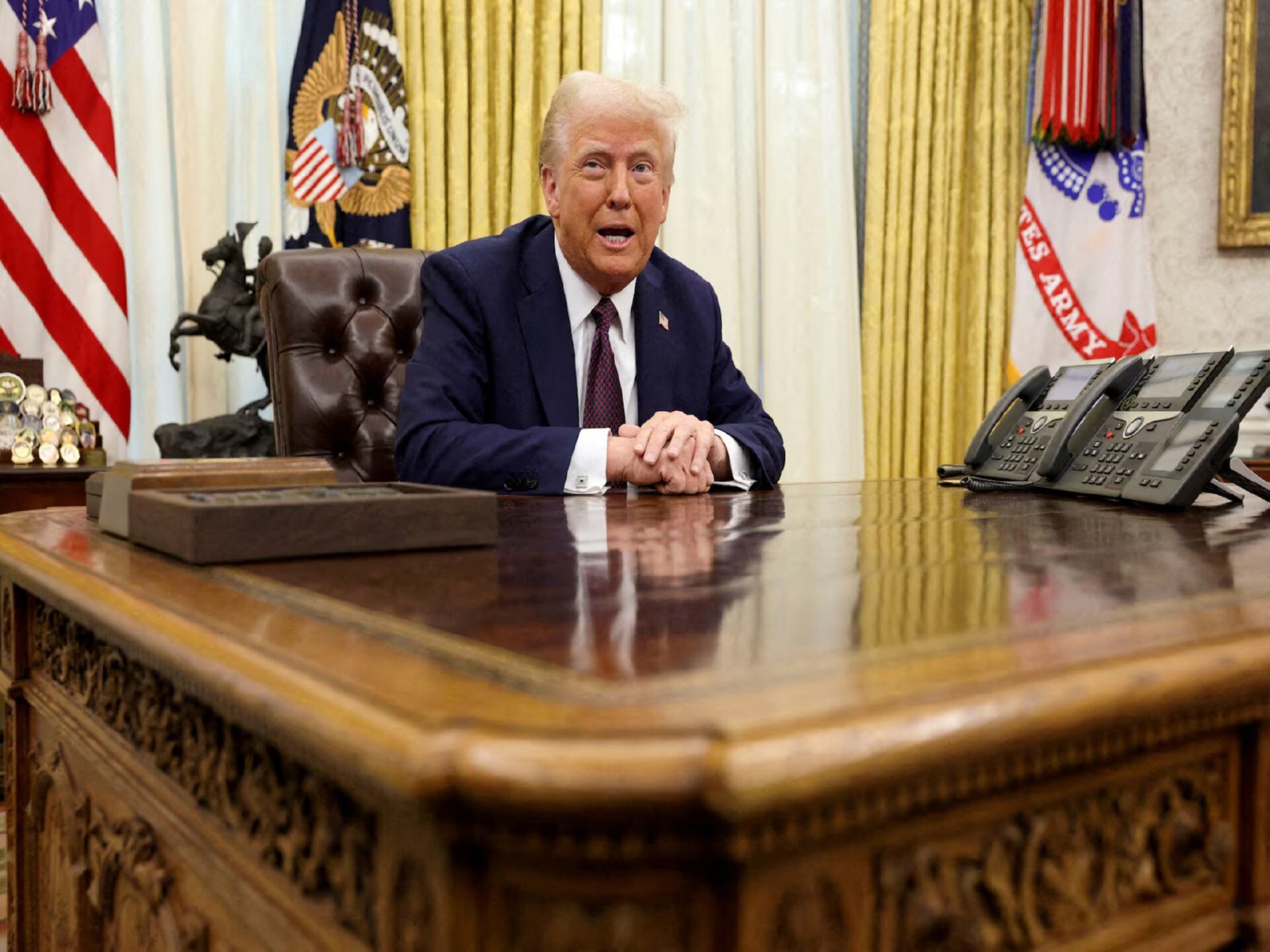
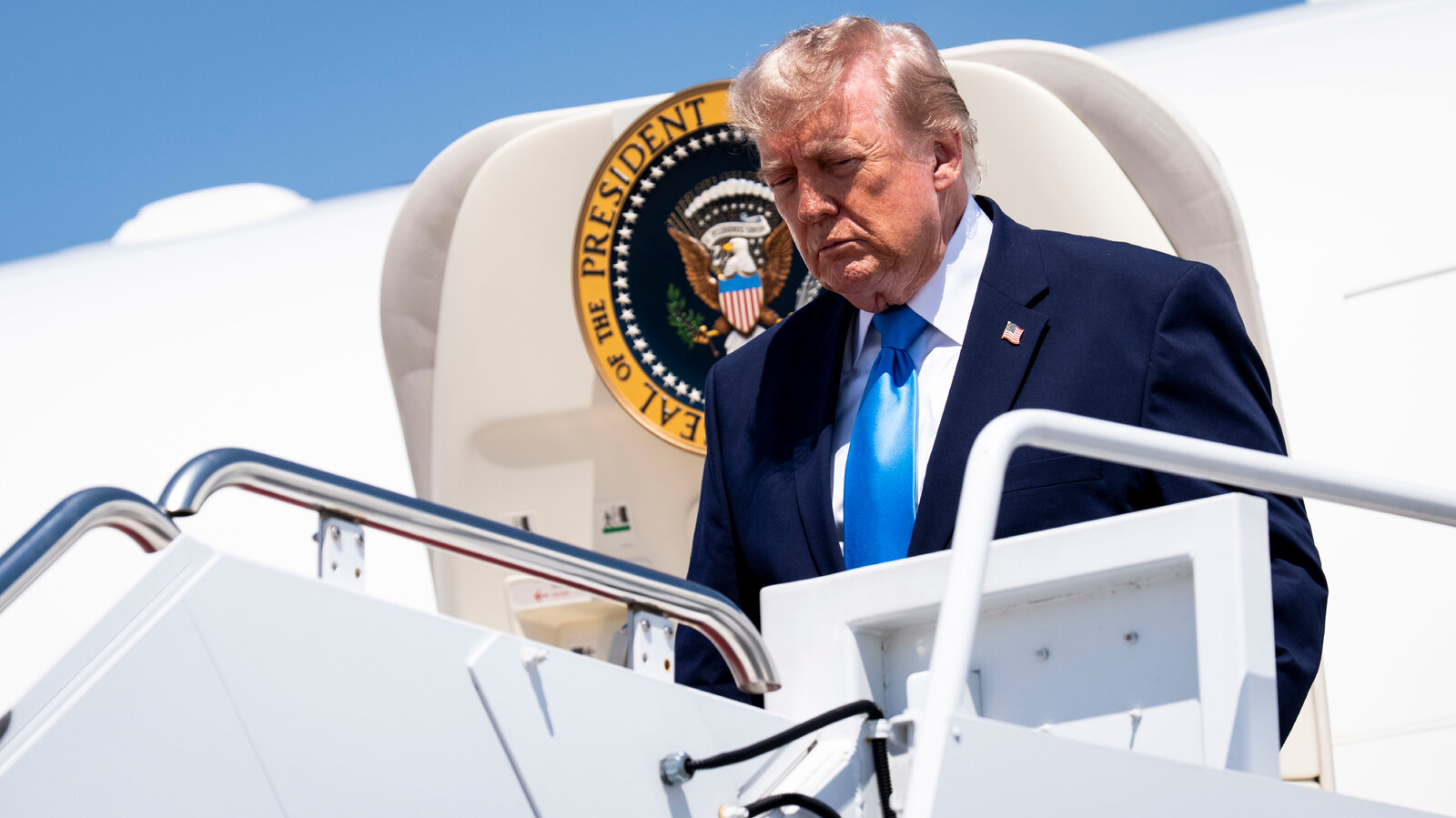
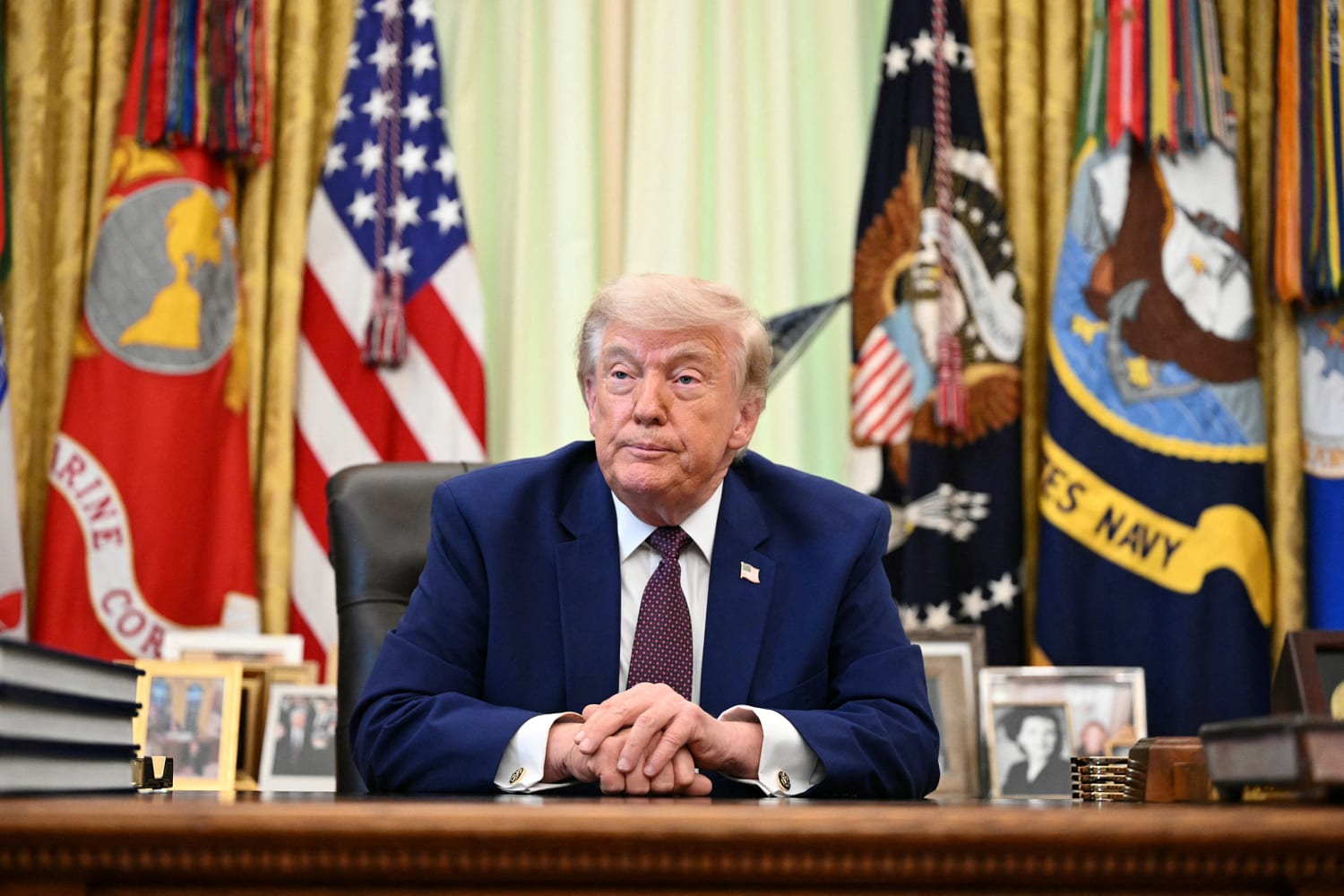
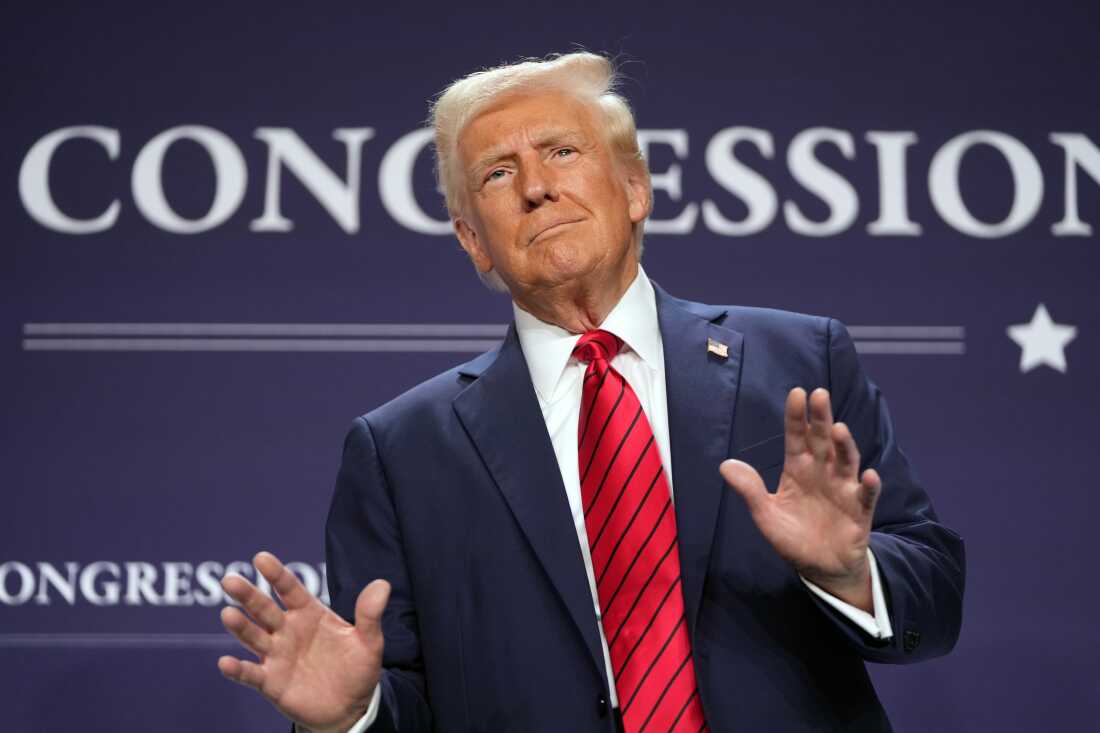
Despite the military pressure, Russia's Deputy Prime Minister Alexander Novak told NBC News that Moscow remains open to improved ties with Washington. "Russia never turned its back to the United States," he said. "We are ready and open to this new relationship. The ball is in your court." Putin thanked President Donald Trump for his efforts to mediate an end to the conflict, saying "It's useful, but there are other things that still need to be done."
Putin envoy Kirill Dmitriev revealed ongoing contact with U.S. envoy Steve Witkoff and Trump's son-in-law Jared Kushner, whom the president has tasked with ending the war. Dmitriev said that Zelenskyy had publicly stated the U.S. was ready to provide security guarantees only once Ukraine leaves the Donbas, a region in eastern Ukraine that is the focus of much of the fighting.
The Cost of Stalemate
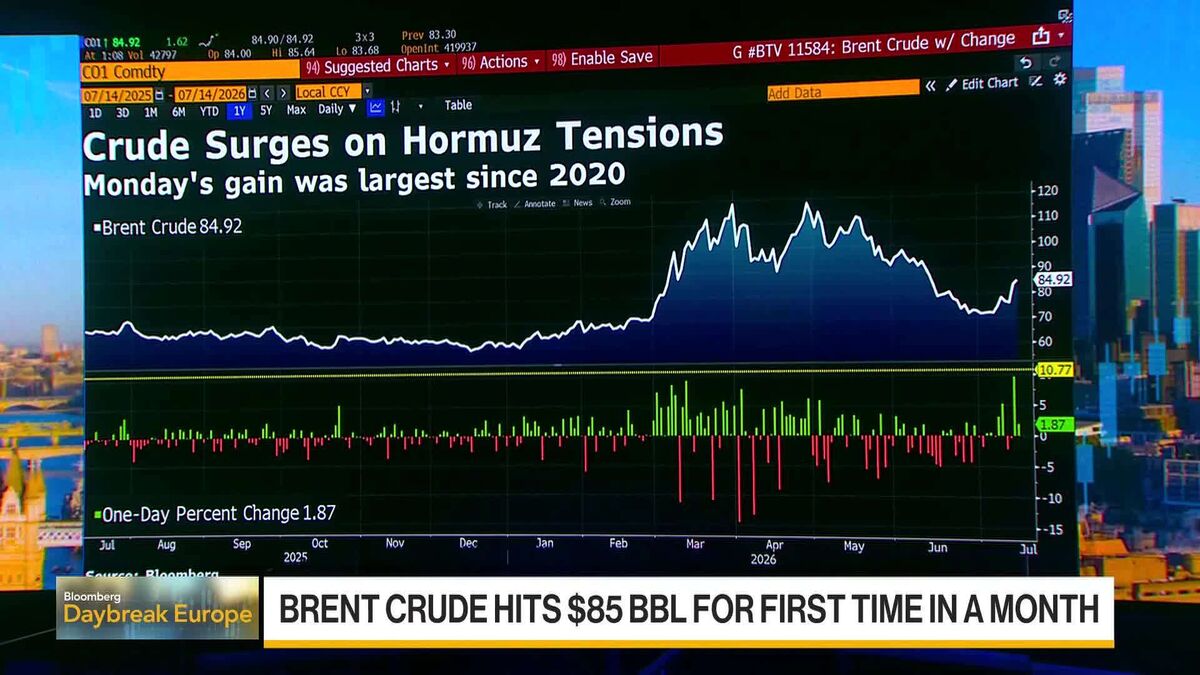
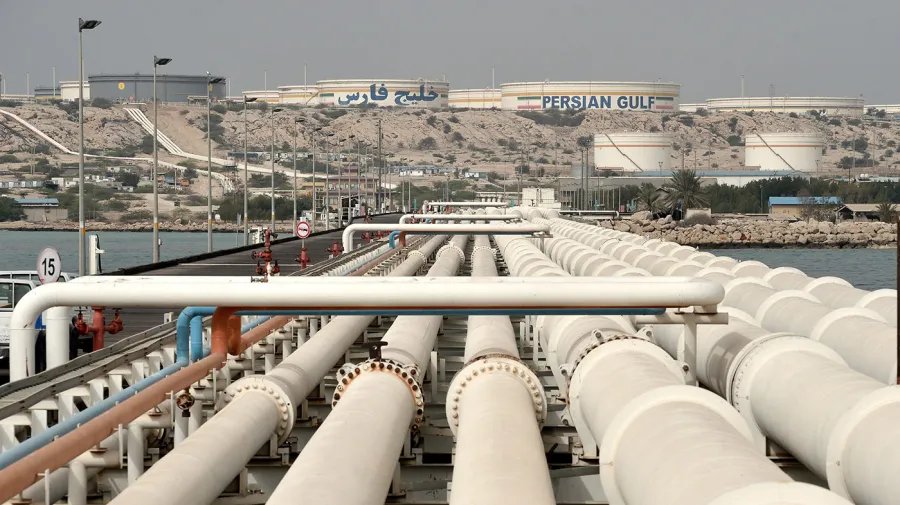
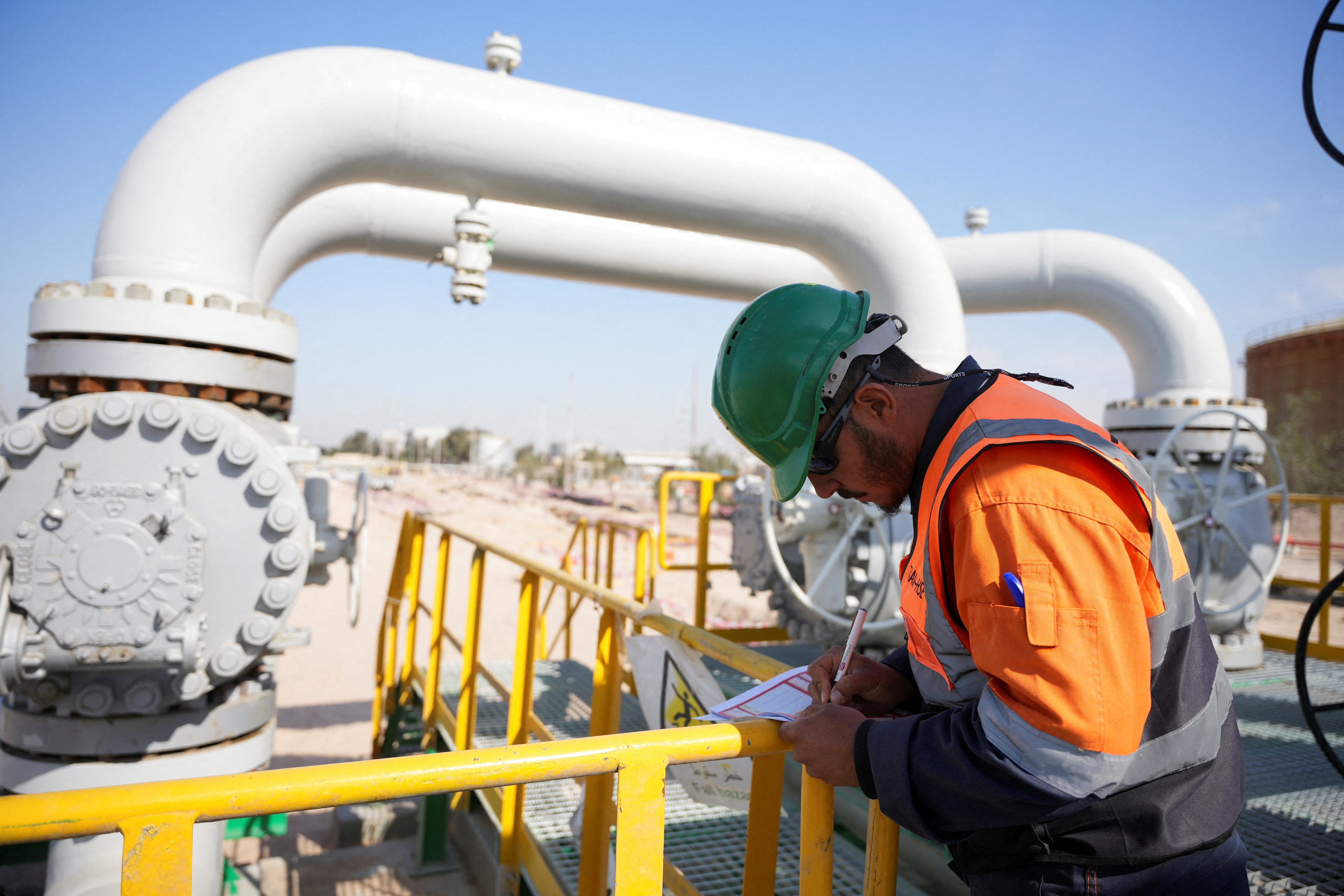
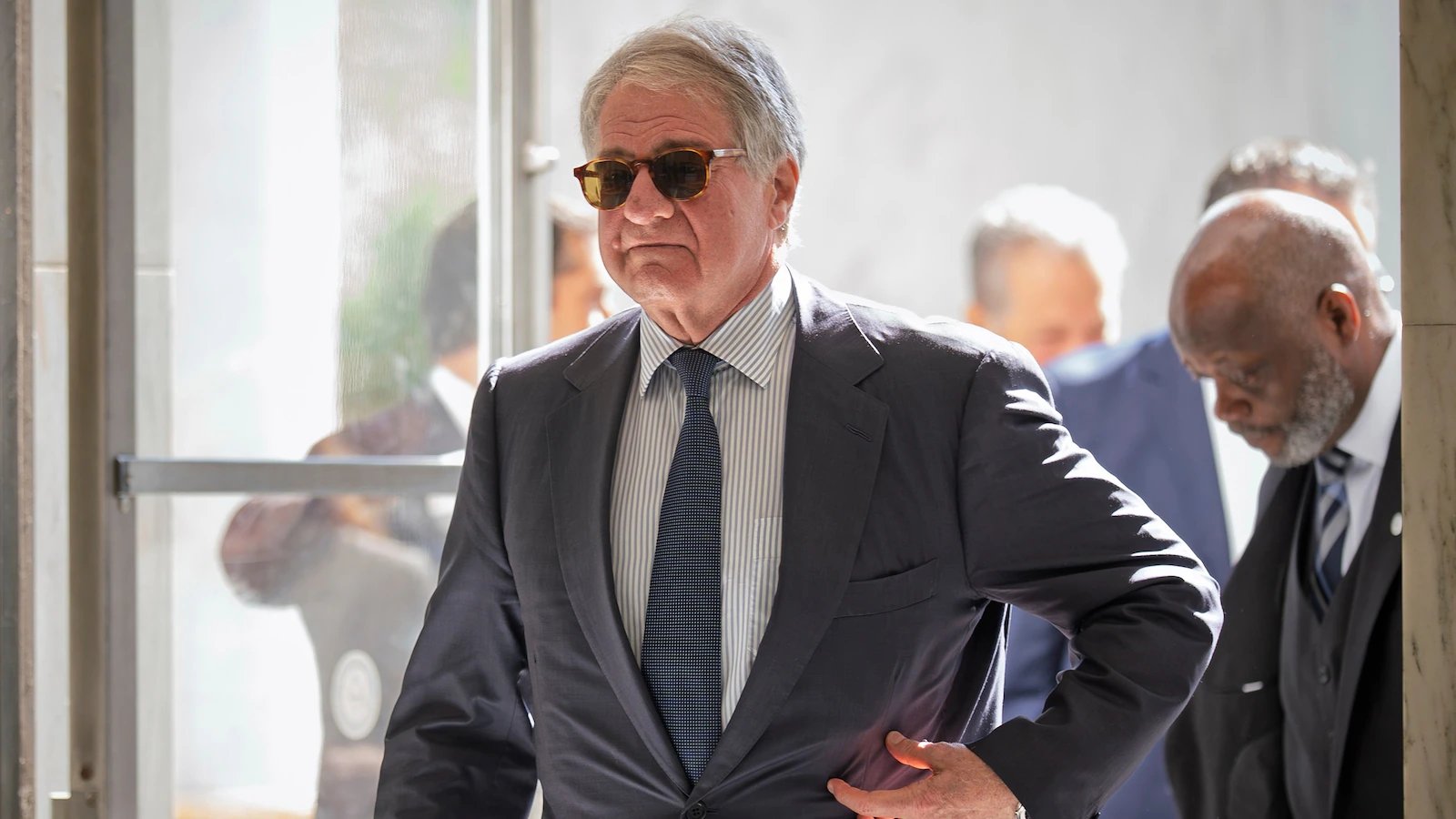
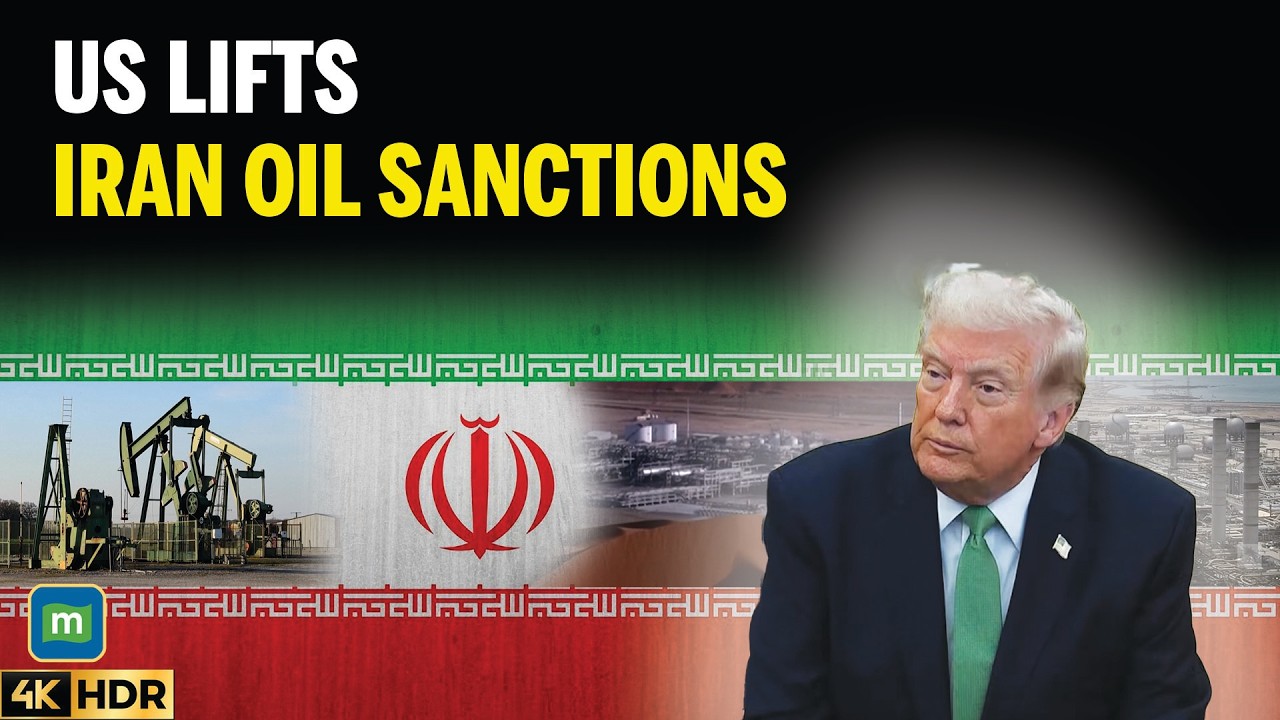
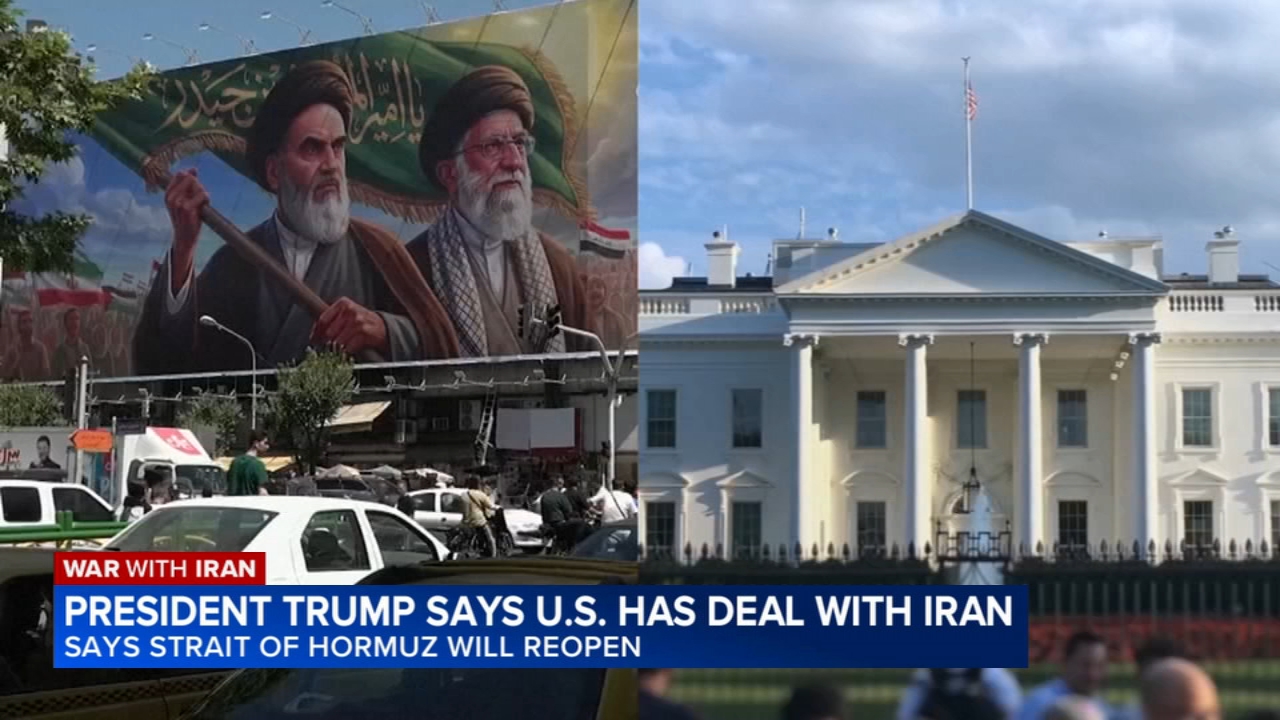
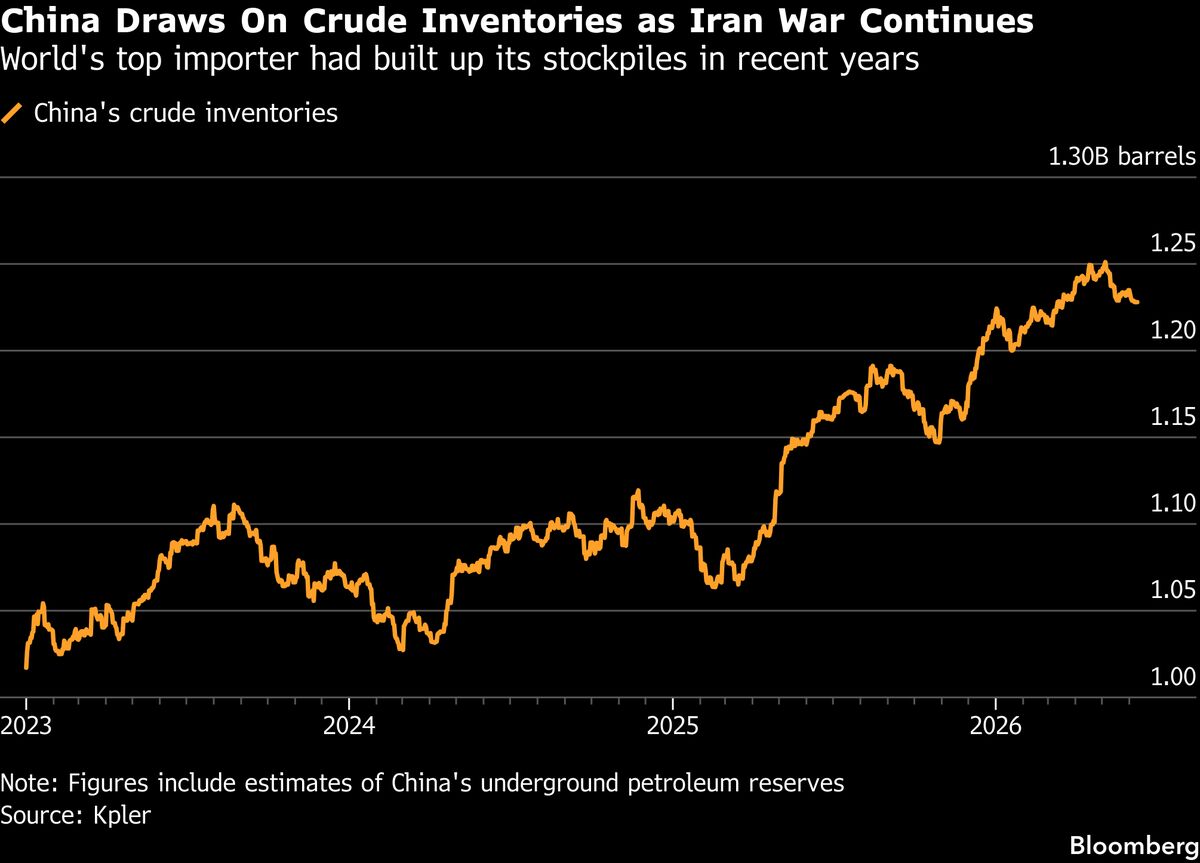
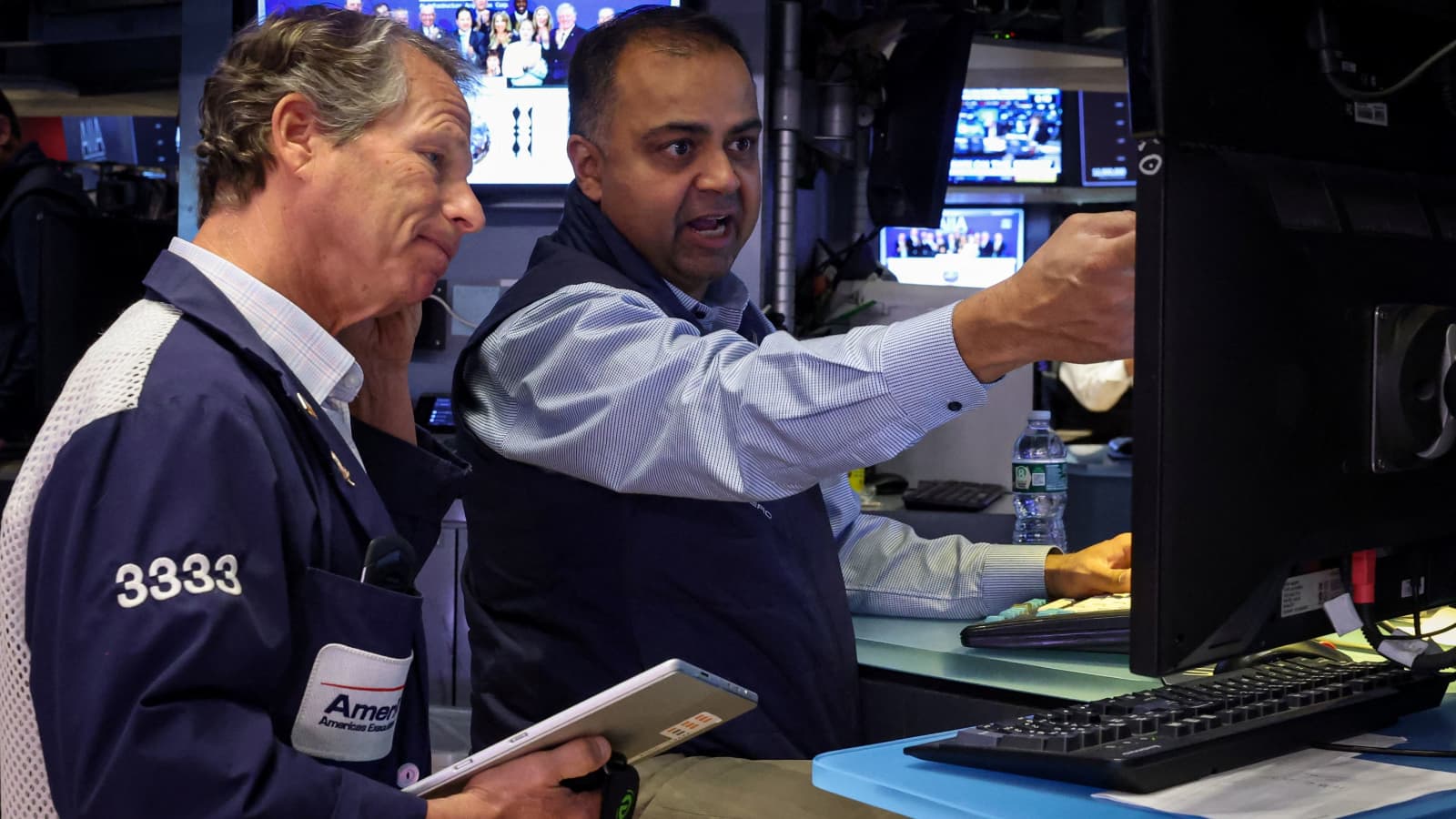
Billionaire Russian oligarch Vladimir Yevtushenkov acknowledged the painful impact of Western sanctions on the Russian economy. "Whoever tells you that sanctions do not work is wrong," he said. Higher oil prices resulting from the U.S.-Israeli conflict with Iran have helped boost the Kremlin's coffers, but not enough to offset the impact of Russia's unresolved war in Ukraine.
Yevtushenkov compared Russia's experience to Iran's long-term economic isolation, saying "we could not understand how they survived. Today we are in the same position." Still, he expressed cautious optimism that companies have adapted after more than four years of restrictions. "We are very close to the moment when the war ends and economic growth begins again," he said, despite mounting challenges from sanctions, labor shortages, and rising costs.