




Pulte's Appointment Sparks Bipartisan Concerns
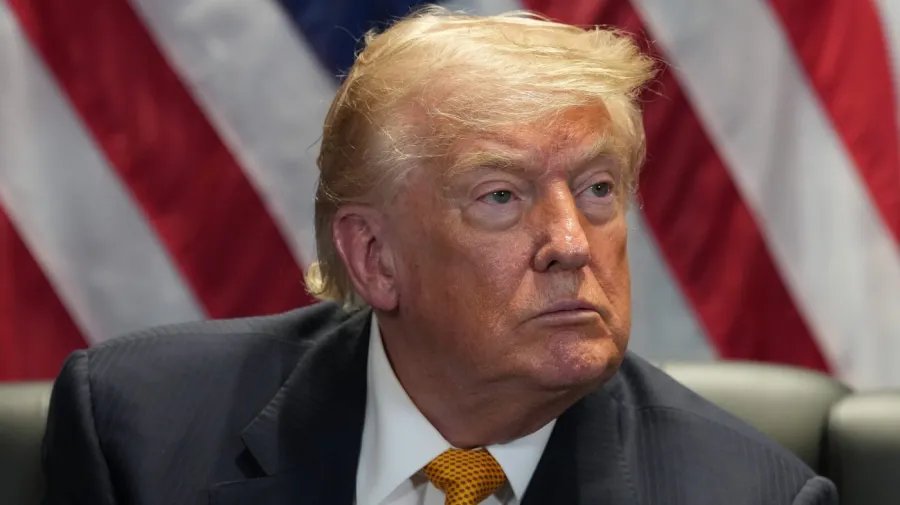
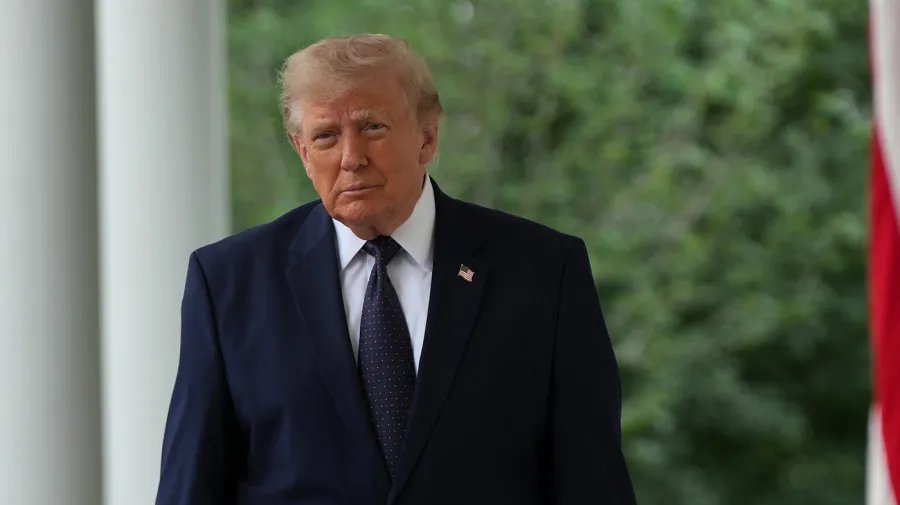
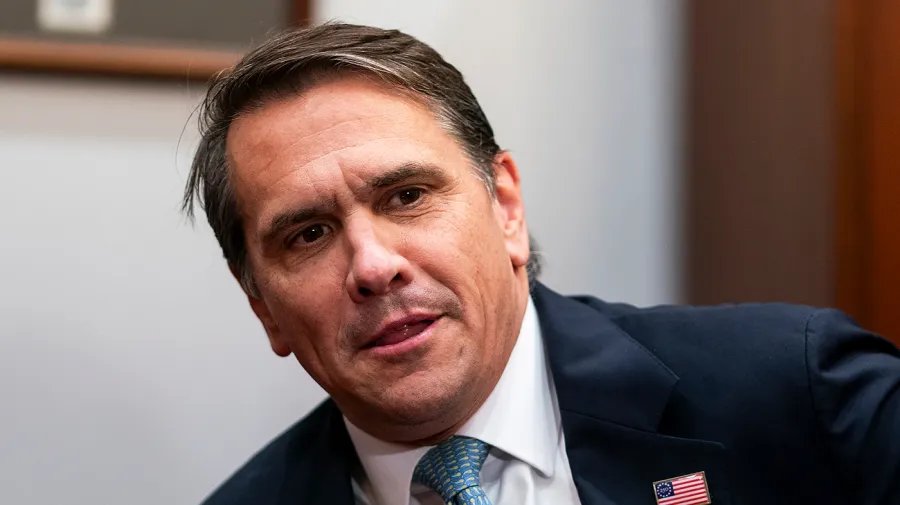
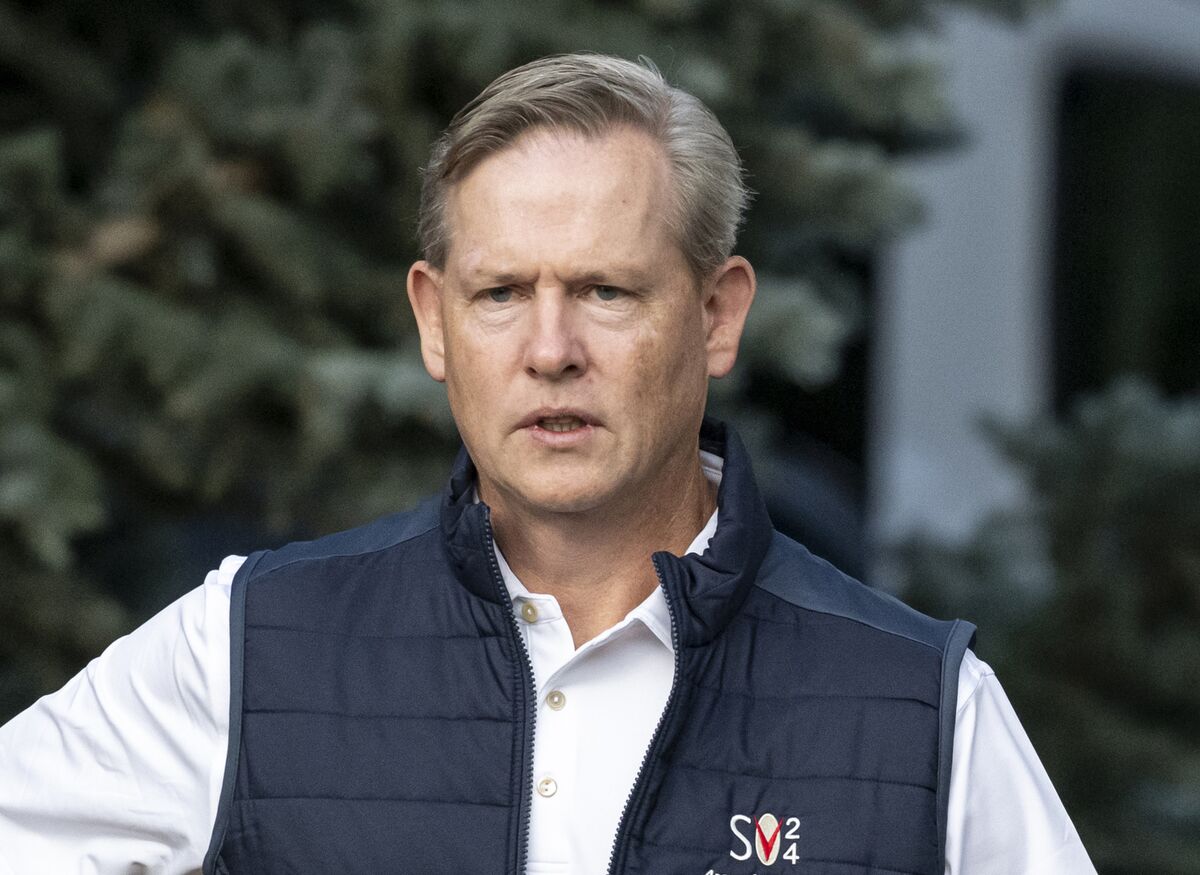
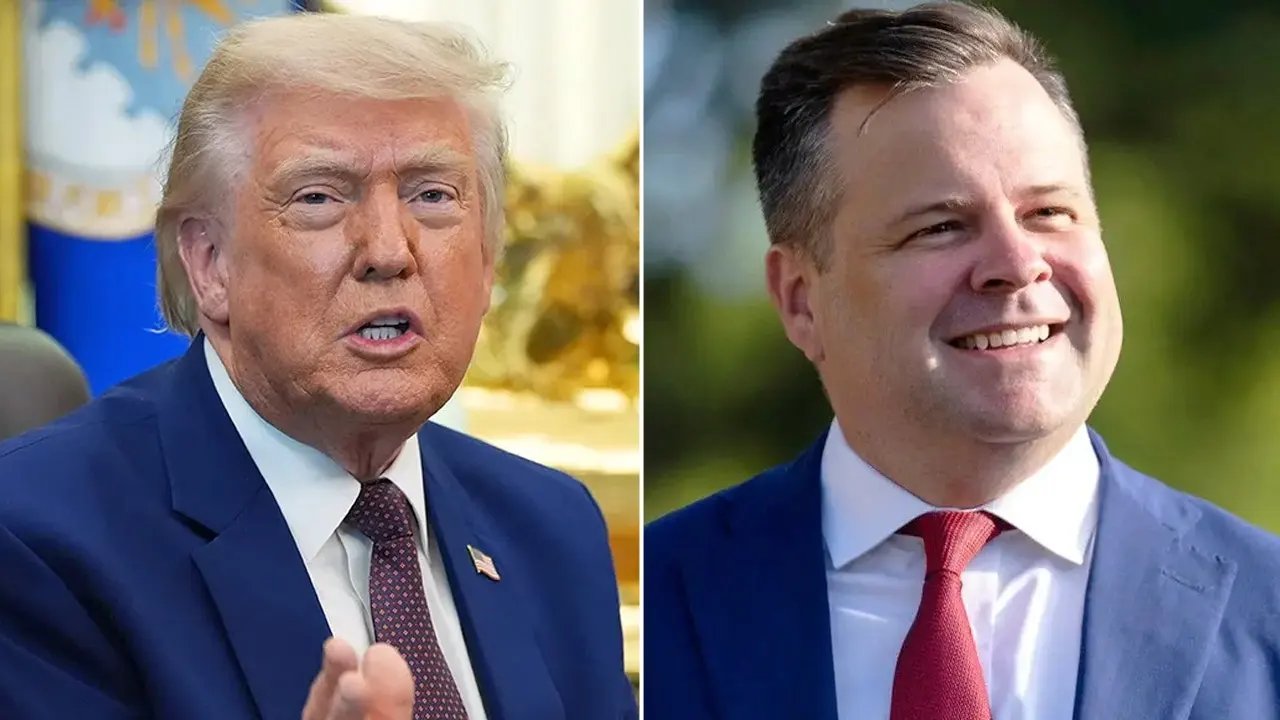
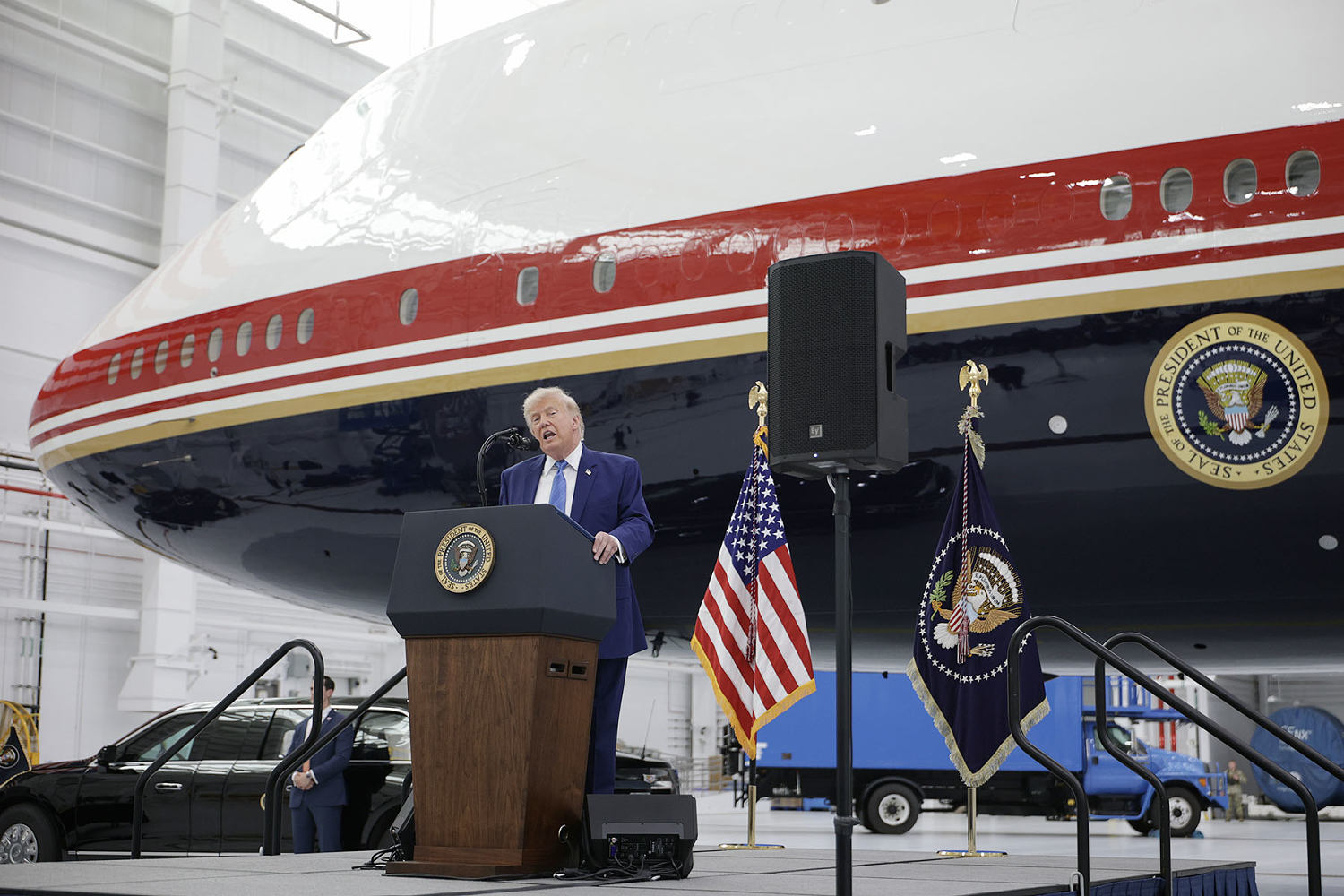
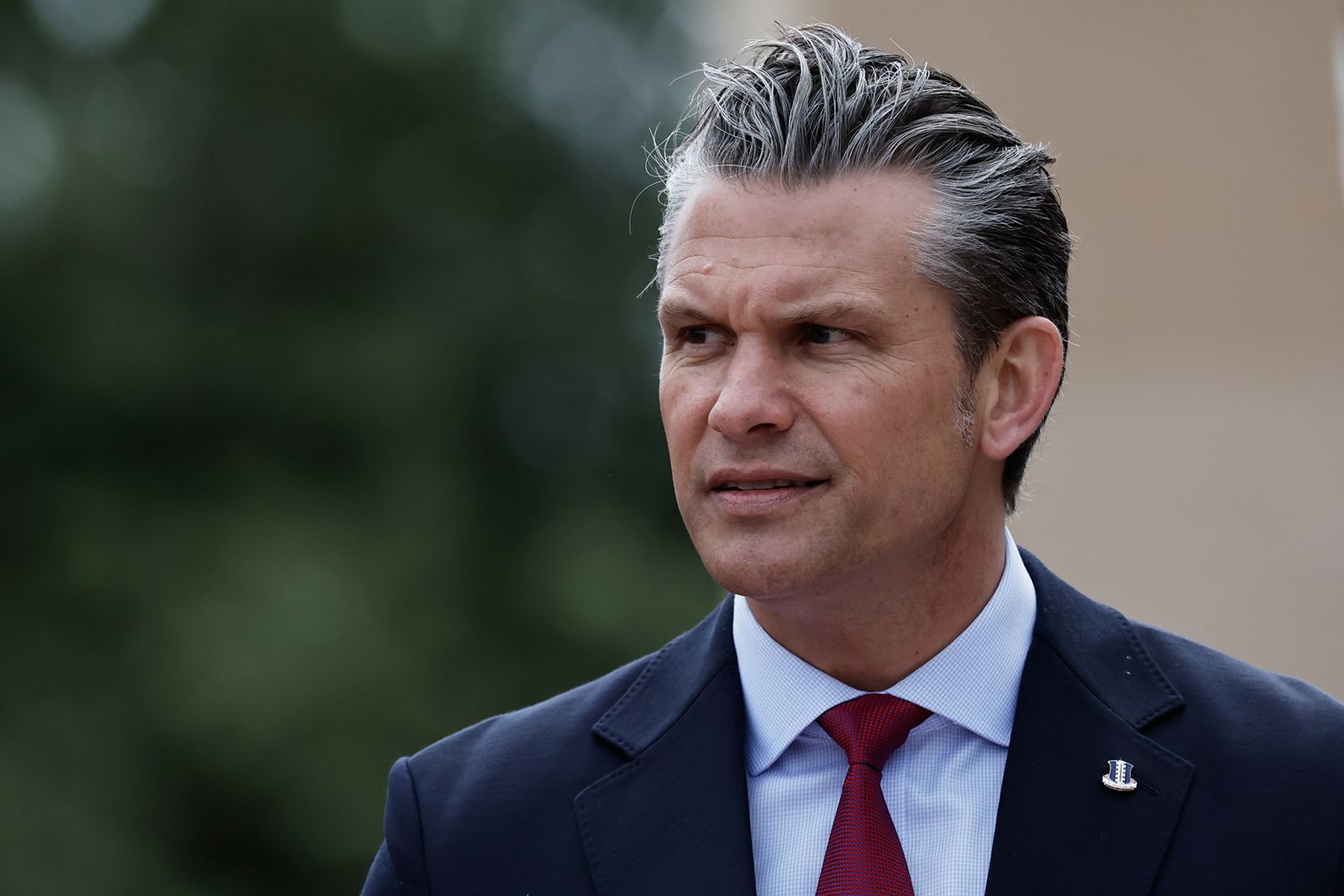
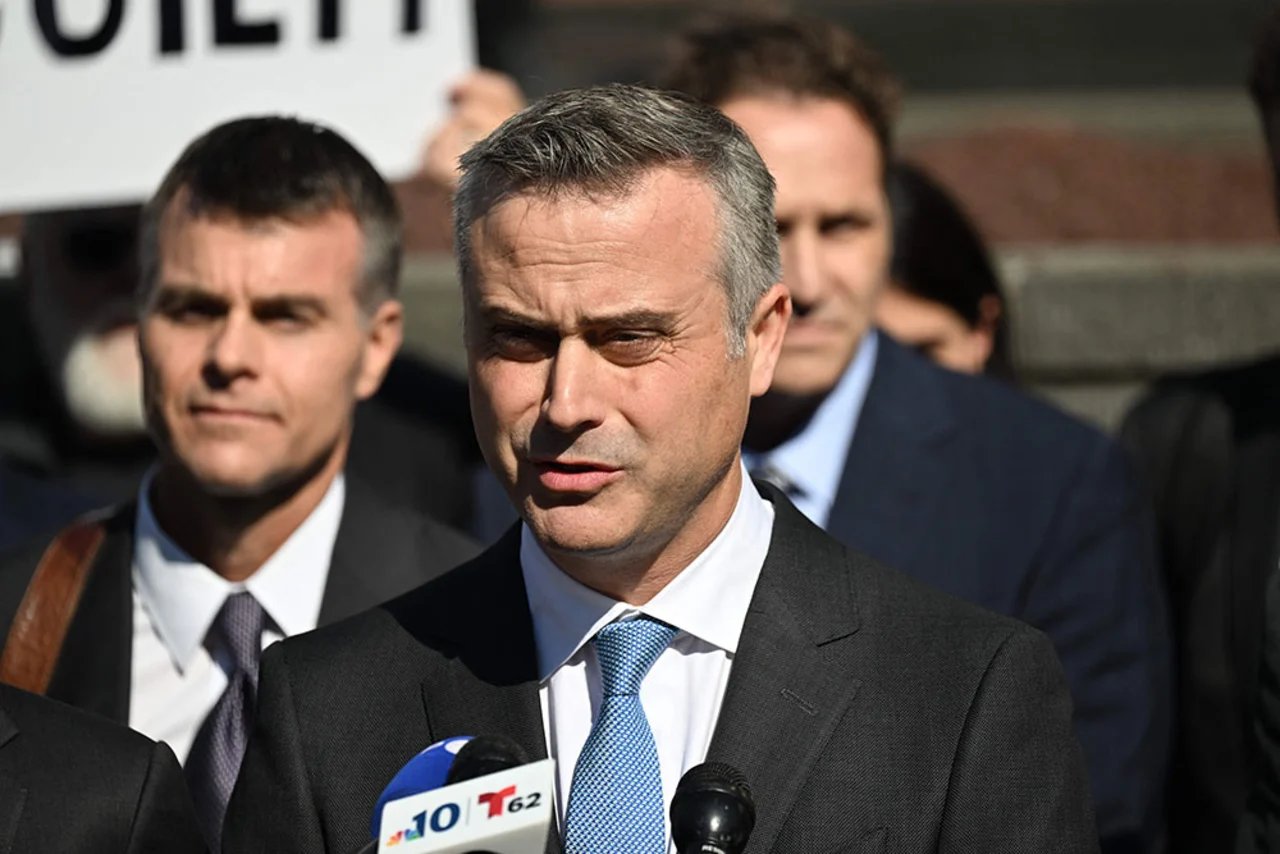
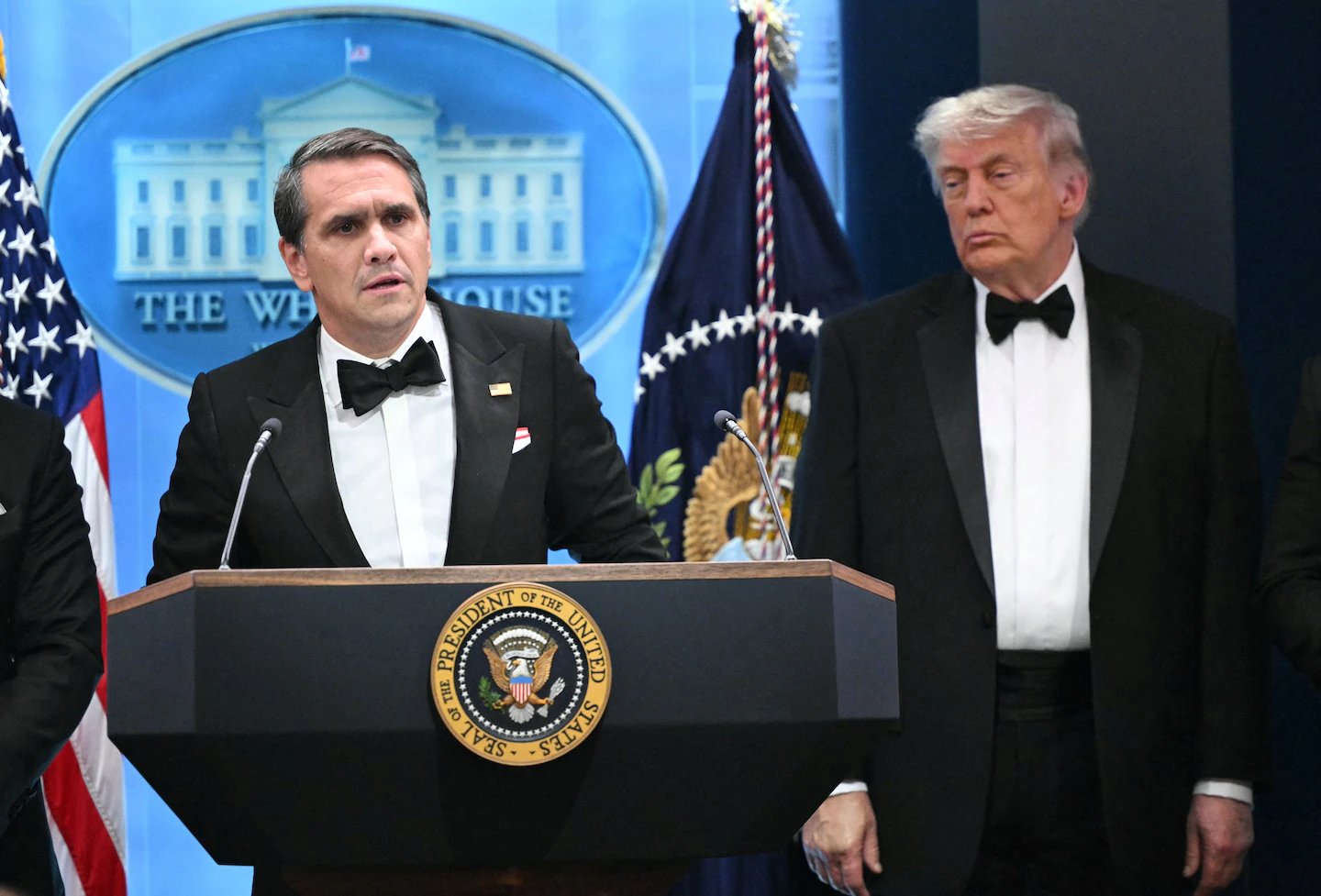
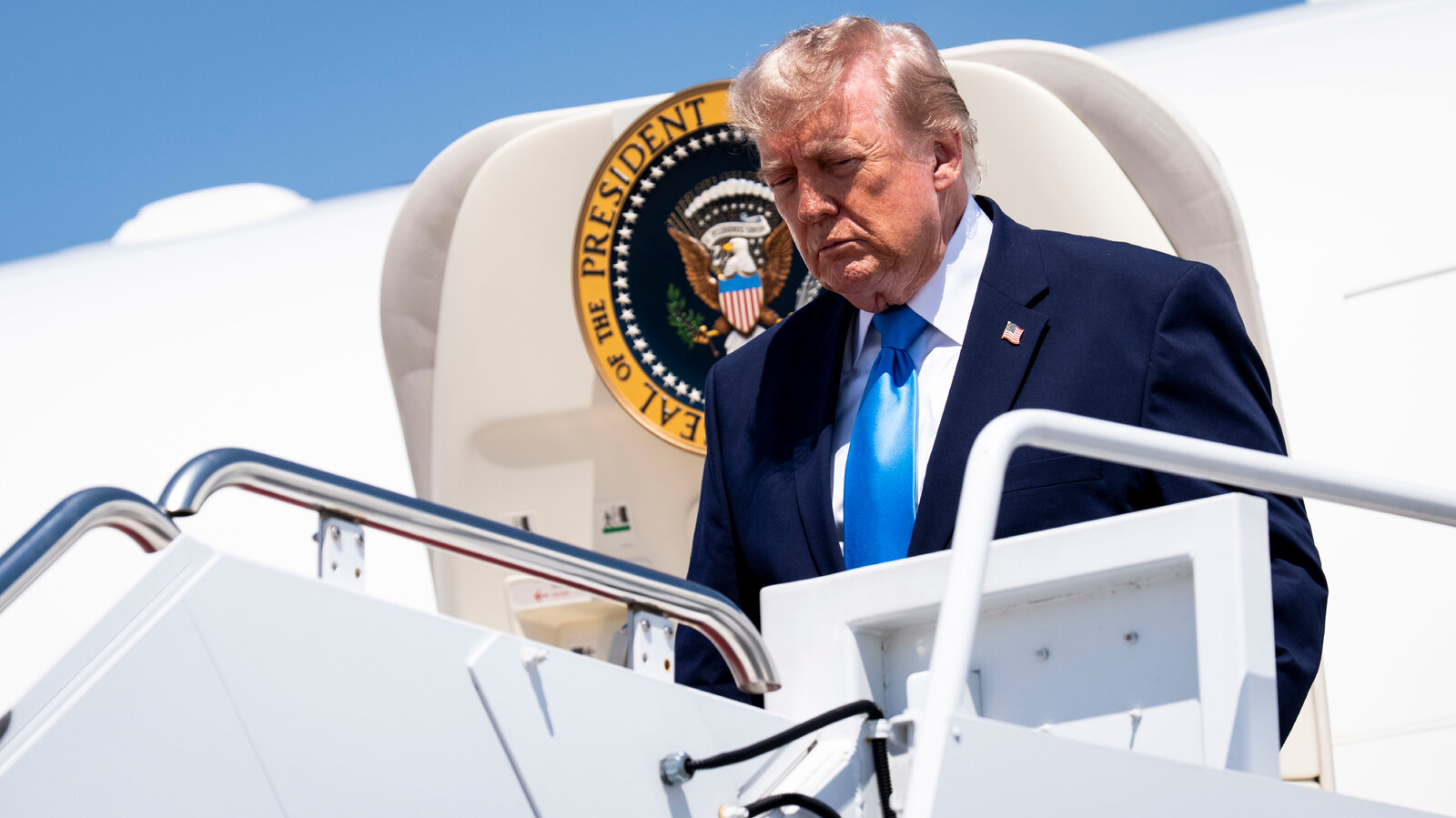
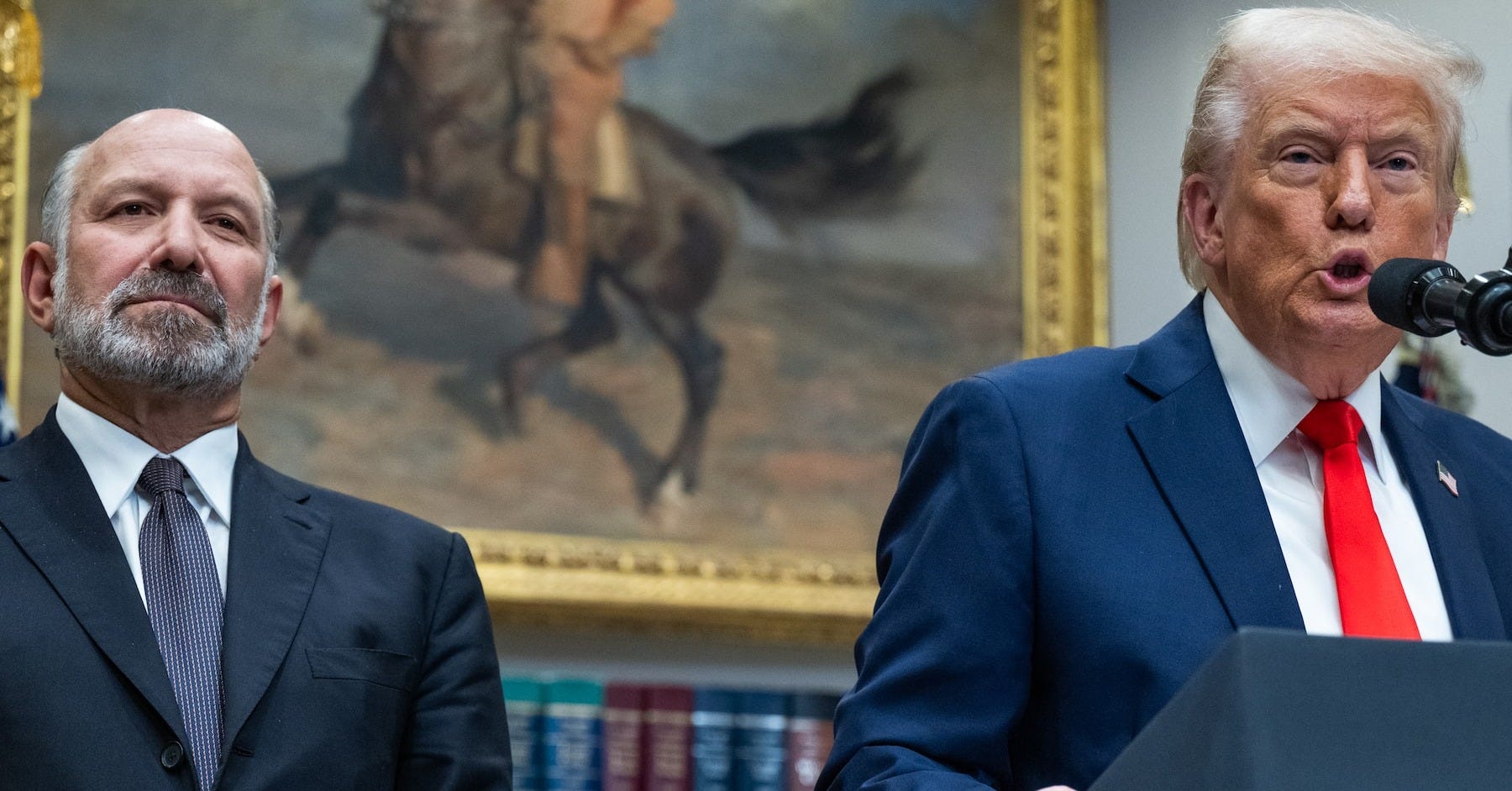
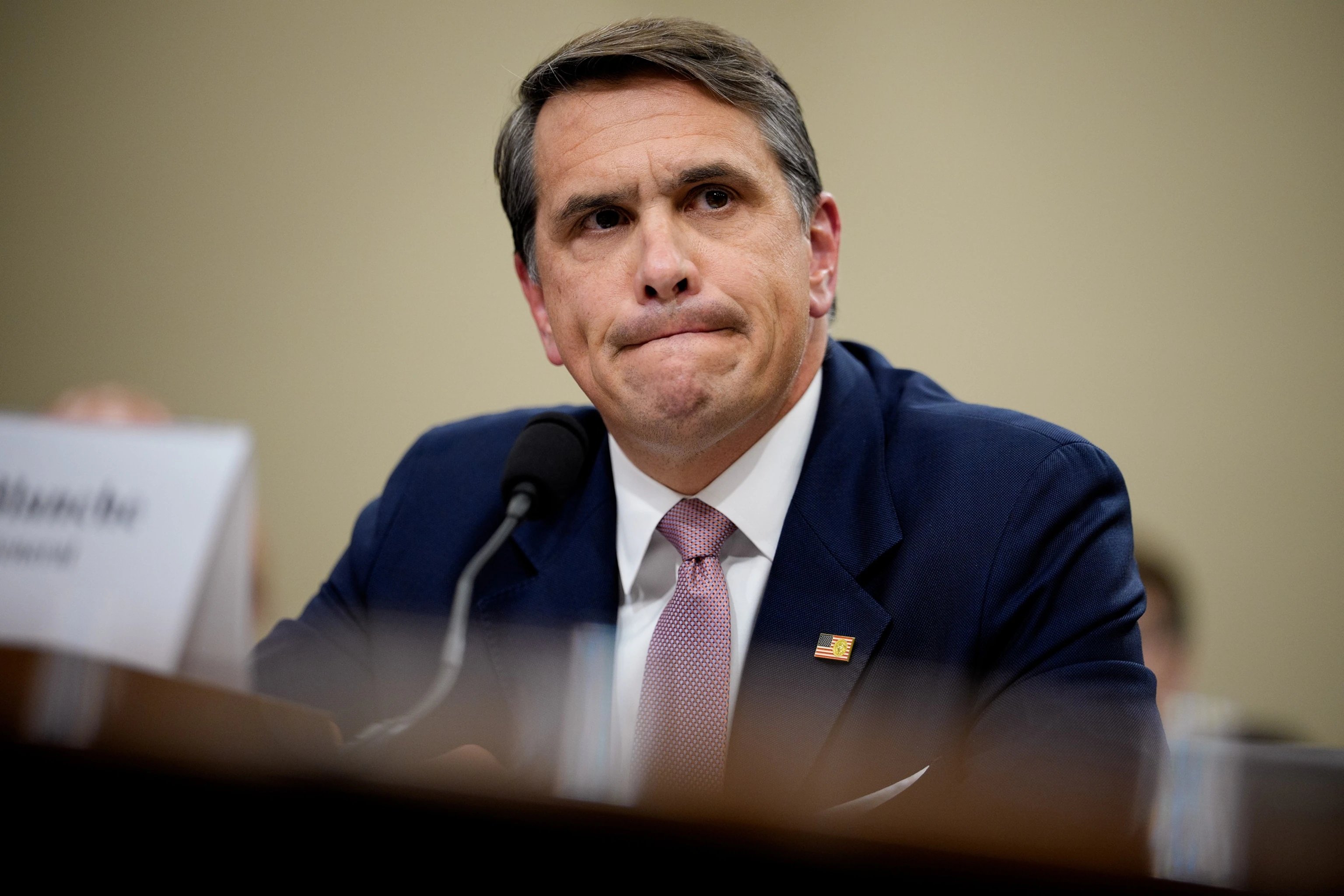
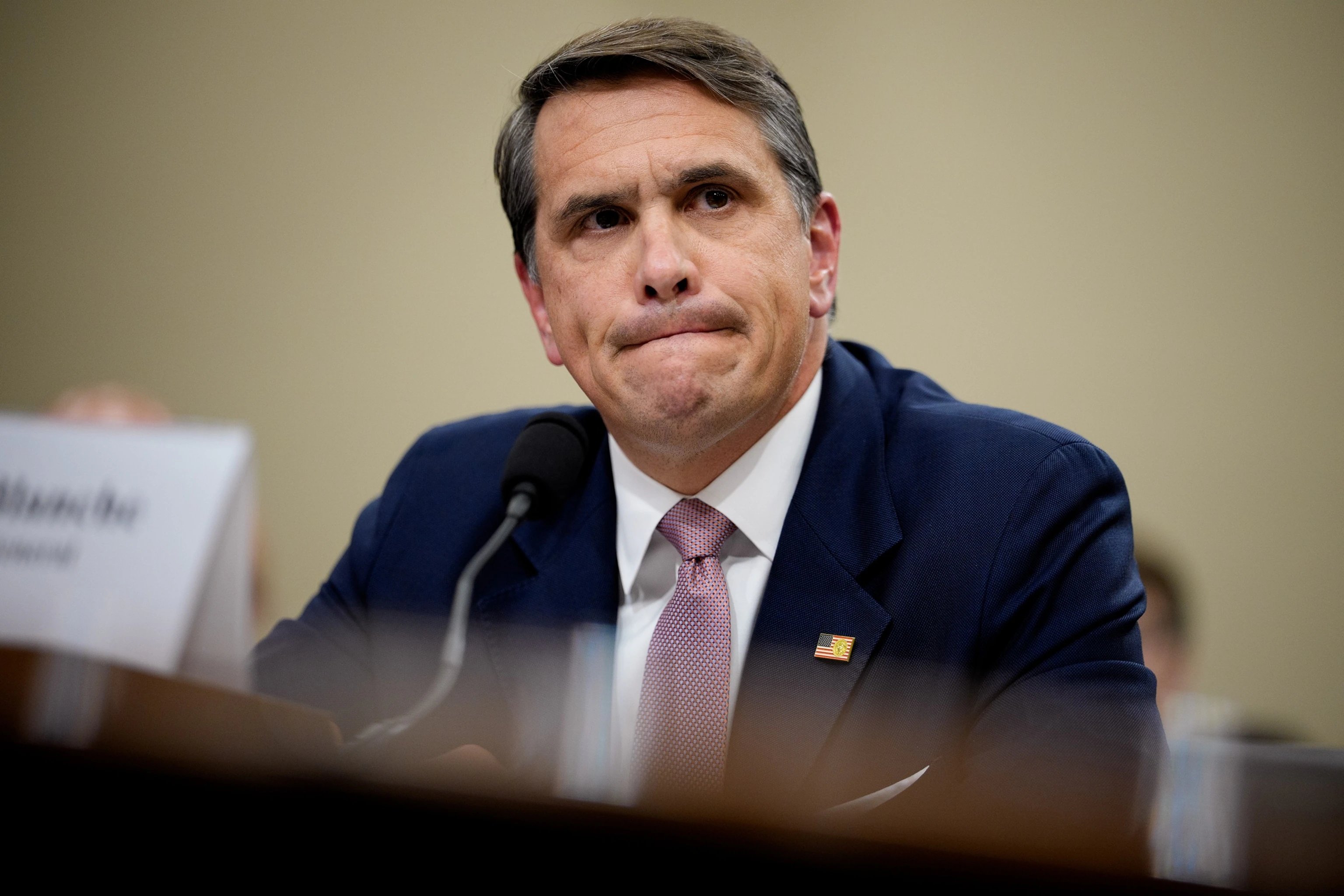
Bill Pulte, President Trump's pick for the temporary leadership of the Office of the Director of National Intelligence, has raised concerns among both Republican and Democratic lawmakers due to his lack of national security experience and his role as a Trump loyalist. Pulte's appointment has disrupted talks to renew a critical spy tool known as FISA 702, which allows warrantless surveillance of foreign targets.
FISA 702 Renewal Stalled by Pulte's Appointment
House Republicans failed to pass a short-term extension of Section 702 when they could not secure sufficient Democratic support. The bill to extend Section 702 of the Foreign Intelligence Surveillance Act through July did not pass, leaving the future of this key surveillance tool in jeopardy. This lapse in legal authority will prevent the US intelligence community from conducting surveillance operations under Section 702.
Trump's Temporary Appointment Causes Further Division
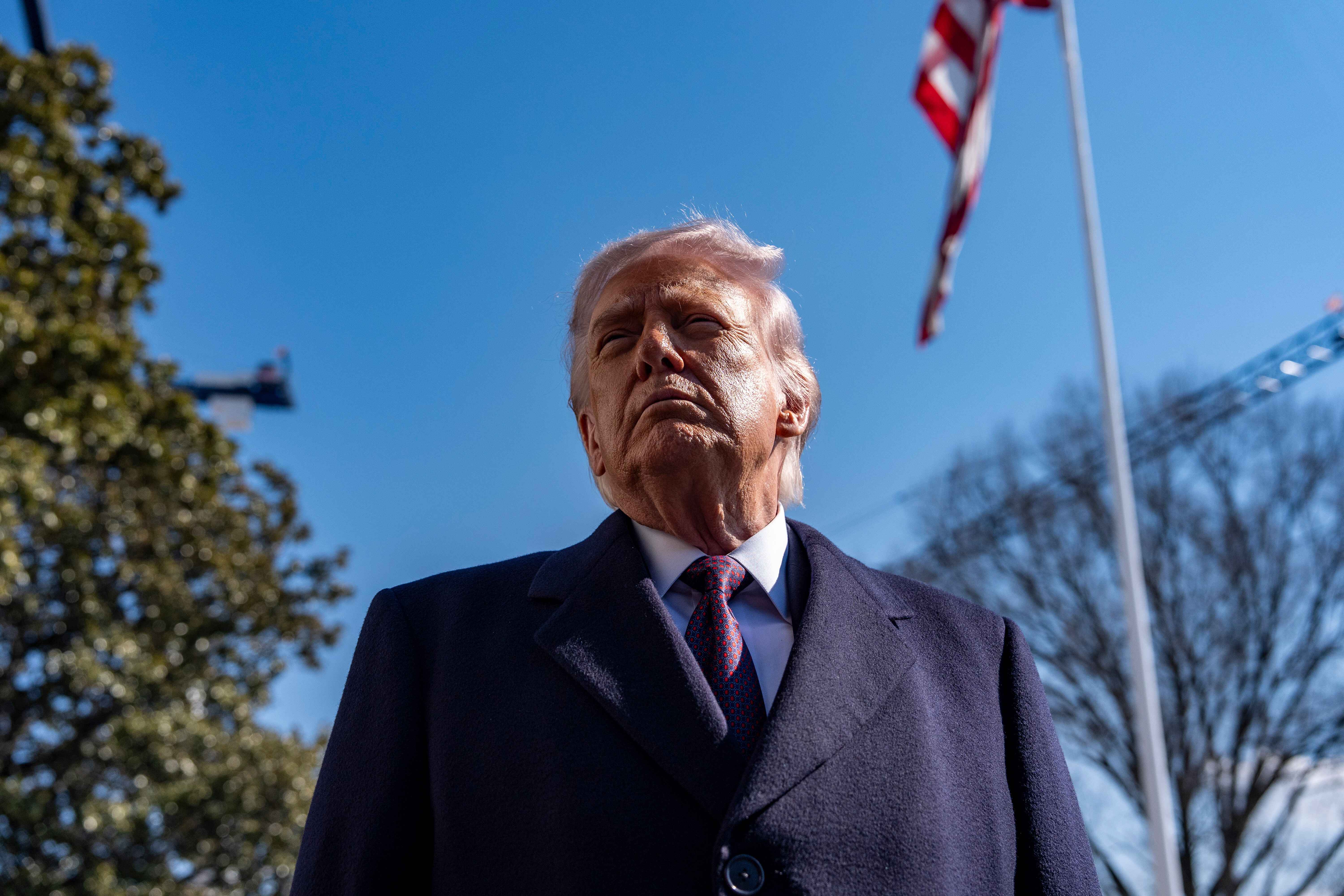
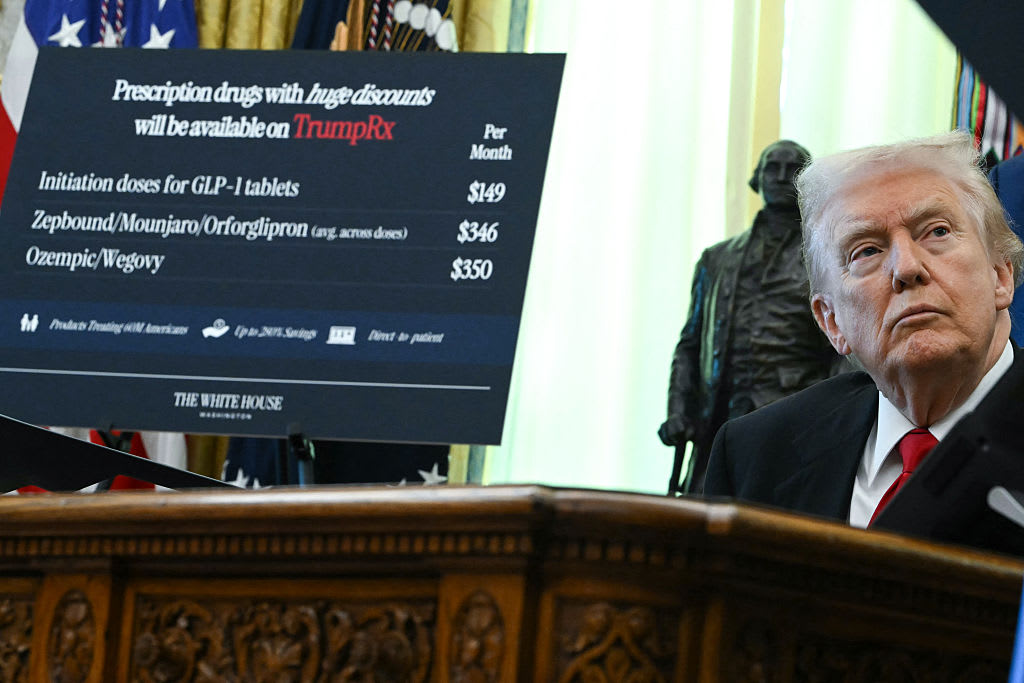
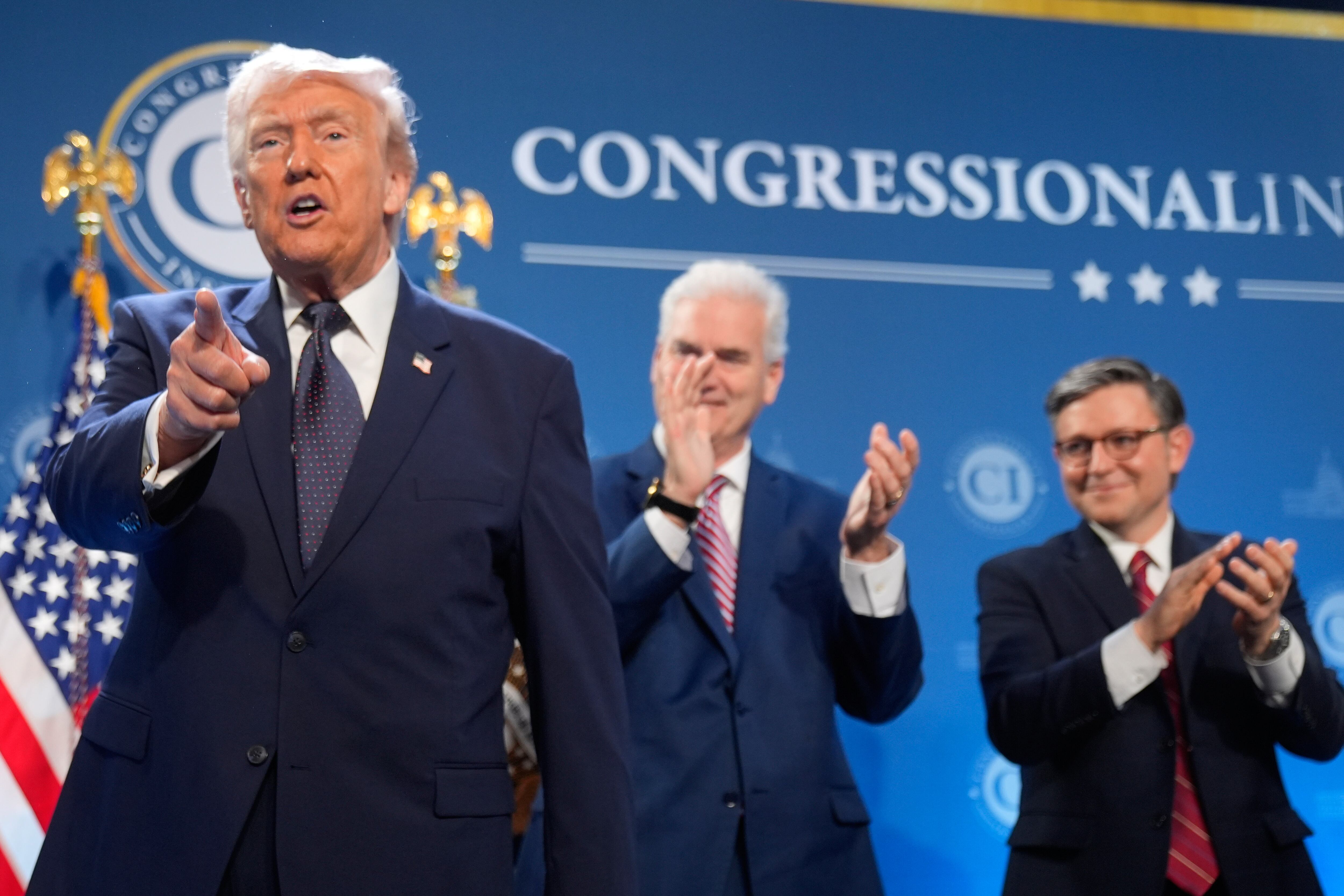
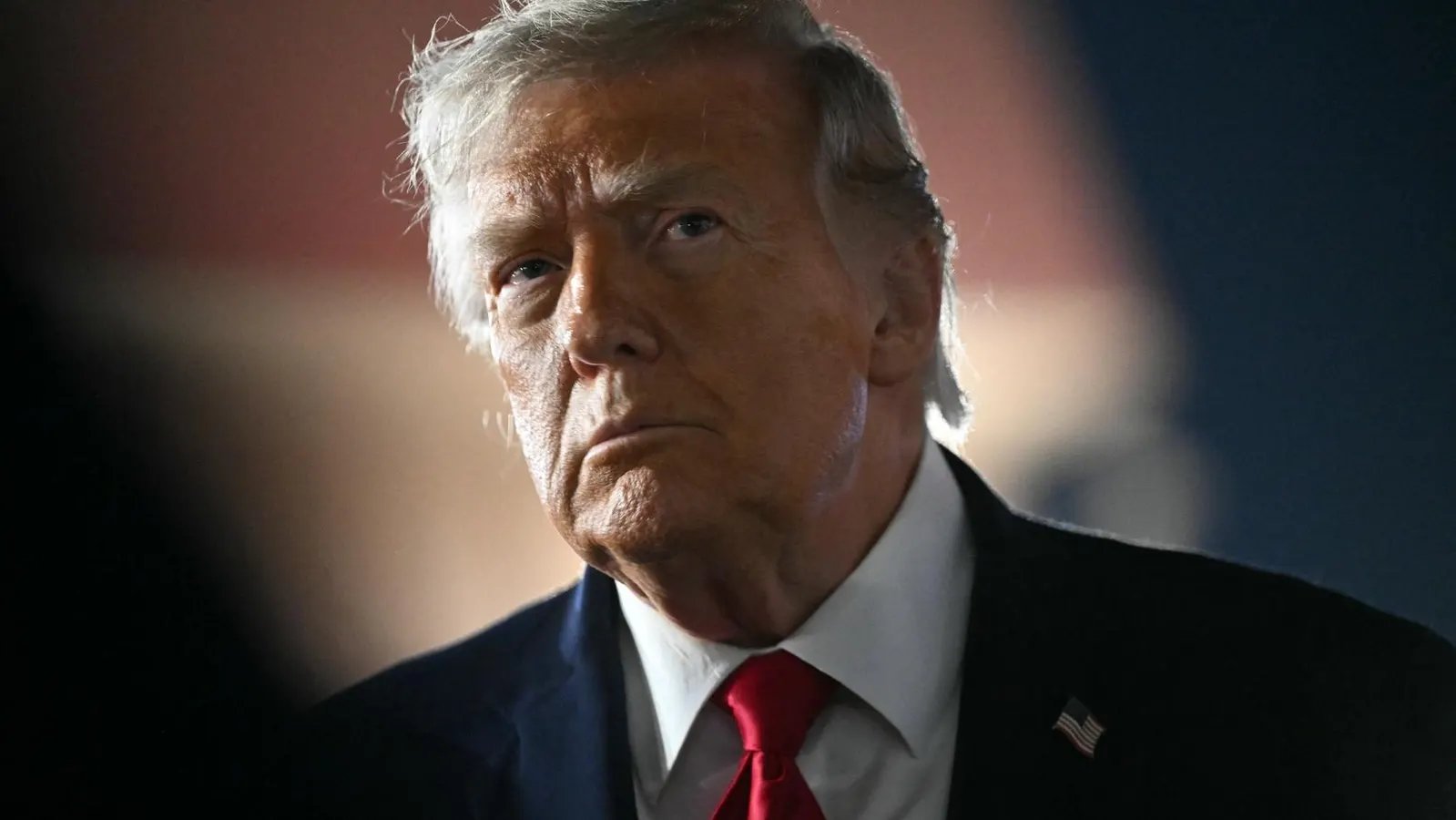
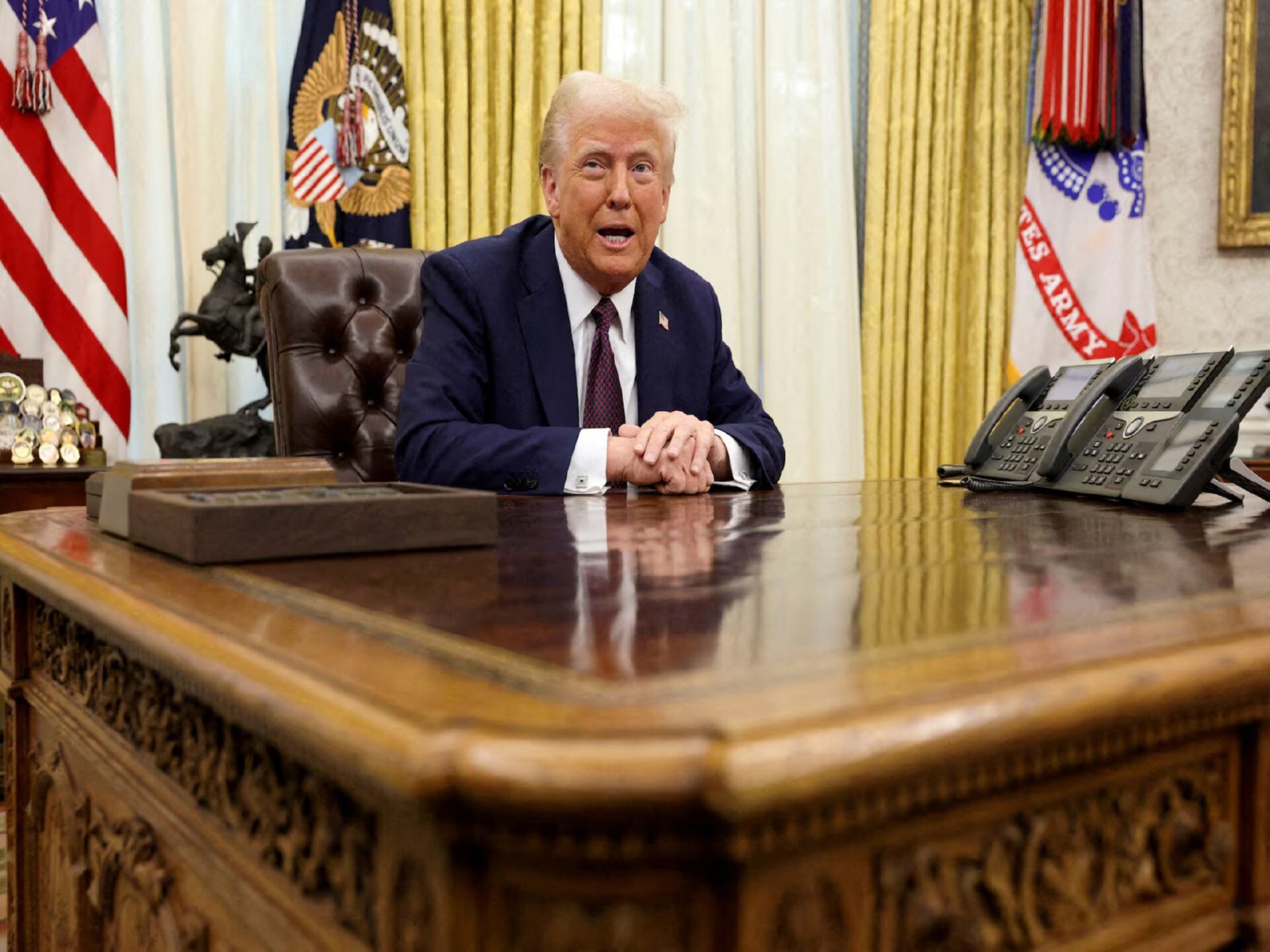
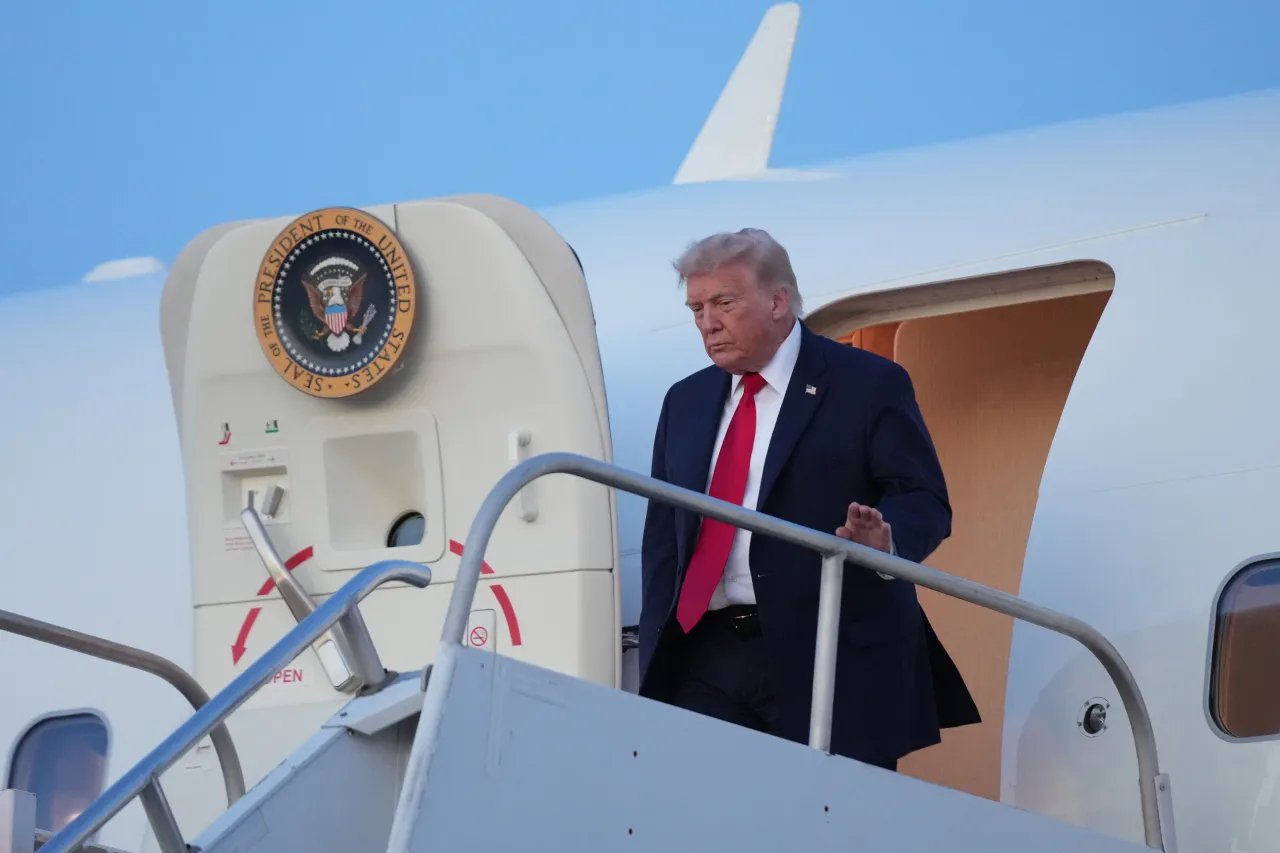
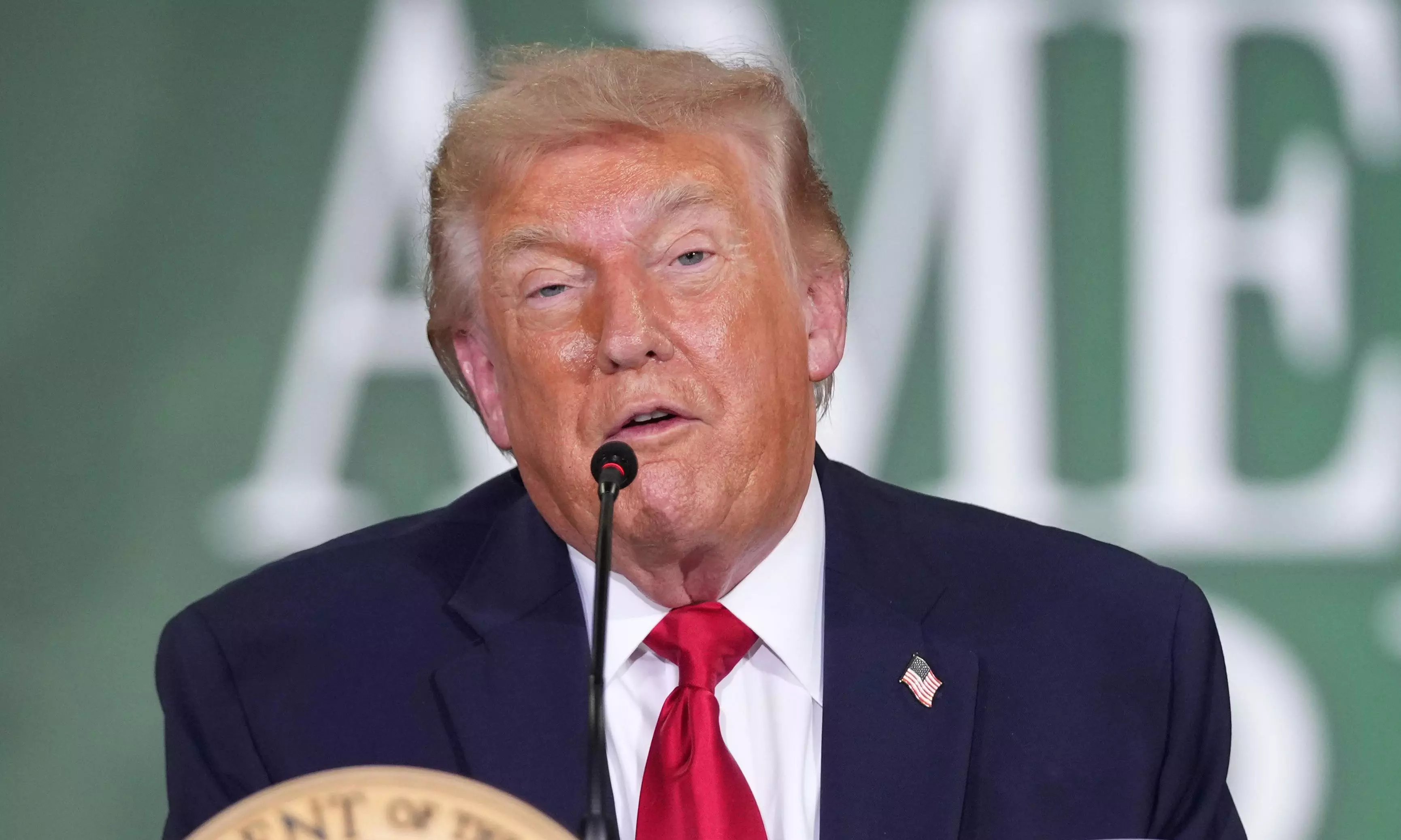
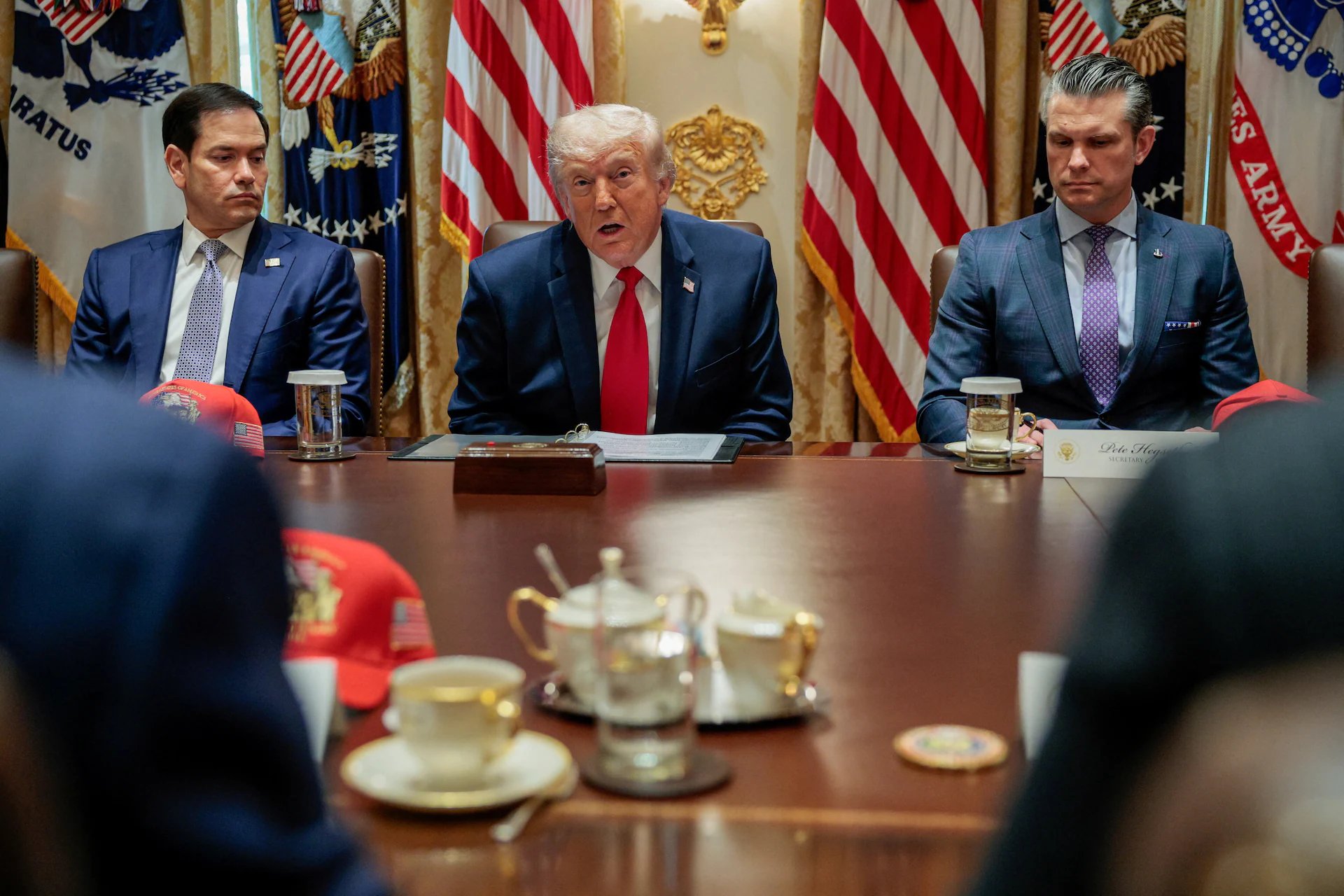
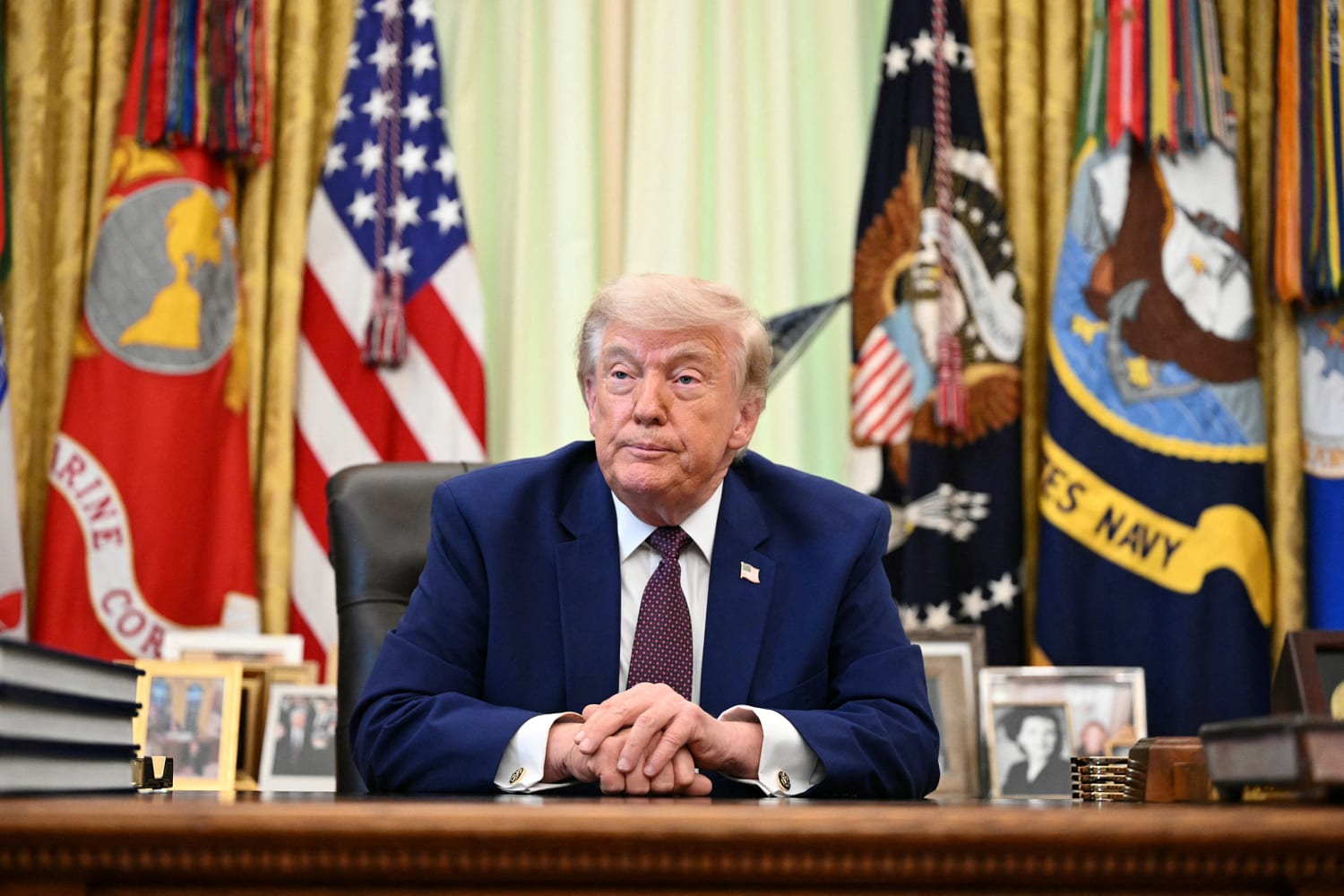
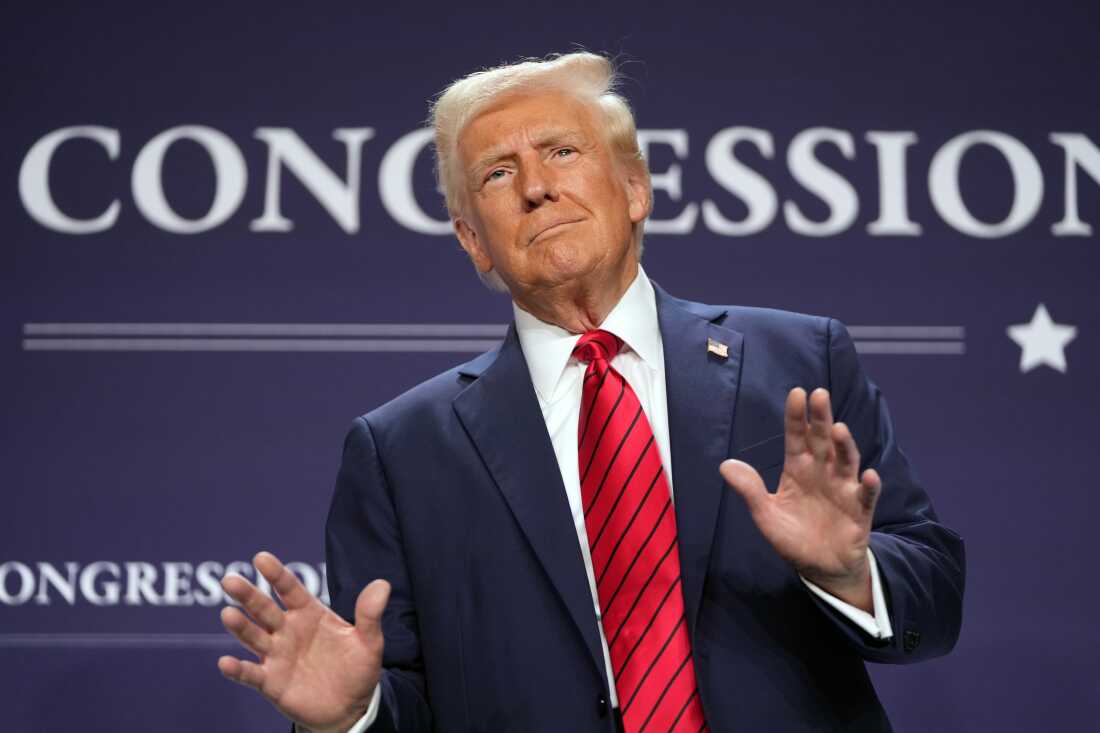
Trump's decision to place Pulte in charge of the nation's intelligence apparatus has intensified the fight over the surveillance program. According to a senior administration official, Pulte persuaded Trump to choose him by promising to fire ODNI staff, including officials deemed unable to succeed at other agencies and alleged "deep state" bureaucrats sympathetic to Democrats. This move has caused a rift in Congress, with some expressing frustration at the disruption of FISA negotiations. One administration official was quoted as saying, "We were so close to FISA passing, and then this Pulte thing blew it up."
Impact on National Security and Future Negotiations
The delay in renewing FISA 702 and the uncertainty created by Pulte's appointment could have significant implications for US national security. As Representative Greg Landsman, an Ohio Democrat, pointed out, the lapse of a law permitting foreign surveillance will make it harder for law enforcement to keep the country safe, especially during times of heightened global tensions. The standoff also casts doubt on the future of intelligence oversight and the ability of Congress to effectively manage national security operations.
Conclusion
The contentious appointment of Bill Pulte as the temporary leader of the Office of the Director of National Intelligence has not only disrupted the renewal of a key US surveillance tool but also raised questions about the administration's commitment to national security and the integrity of intelligence operations. As FISA 702's expiration looms, the impact on the nation's ability to conduct foreign surveillance and the potential risks to national security are becoming increasingly apparent, highlighting the urgent need for a resolution to this impasse.