




The removal takes effect after judges reject last-minute appeals
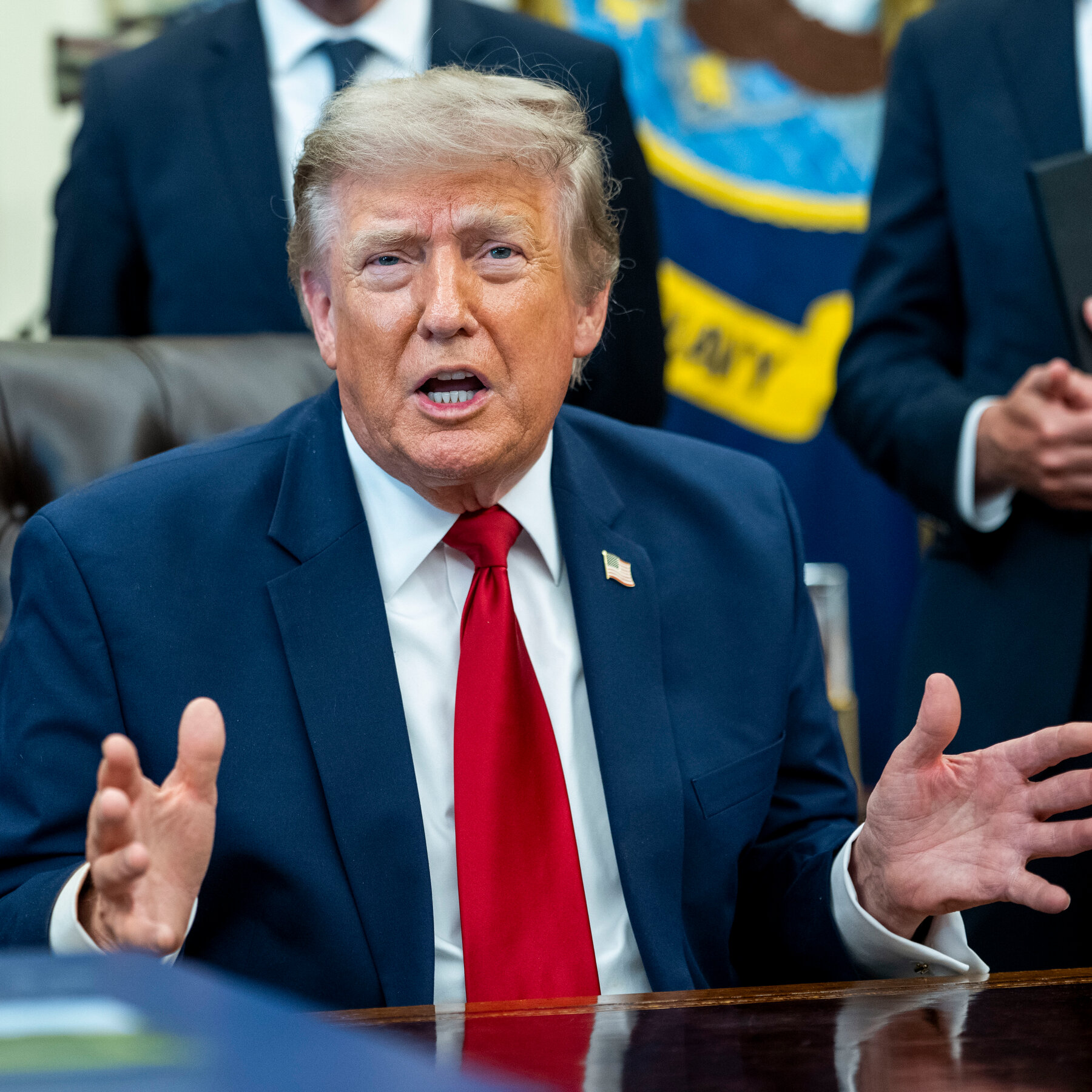
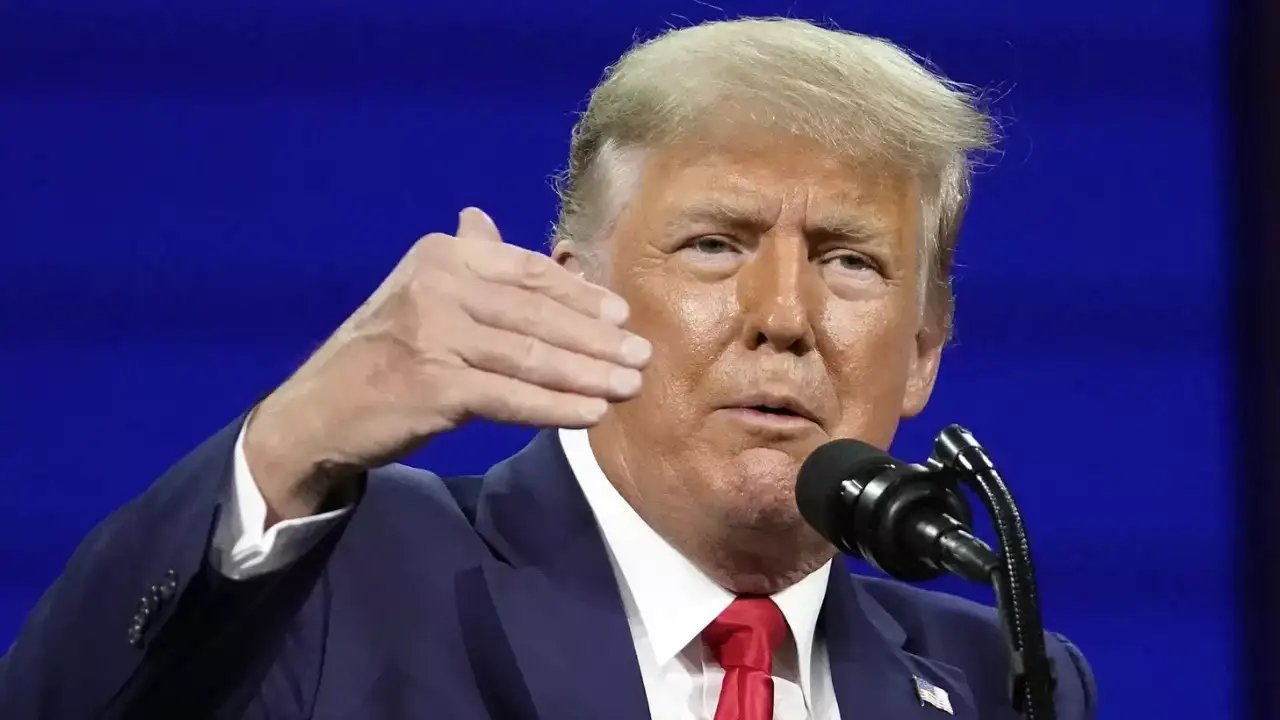
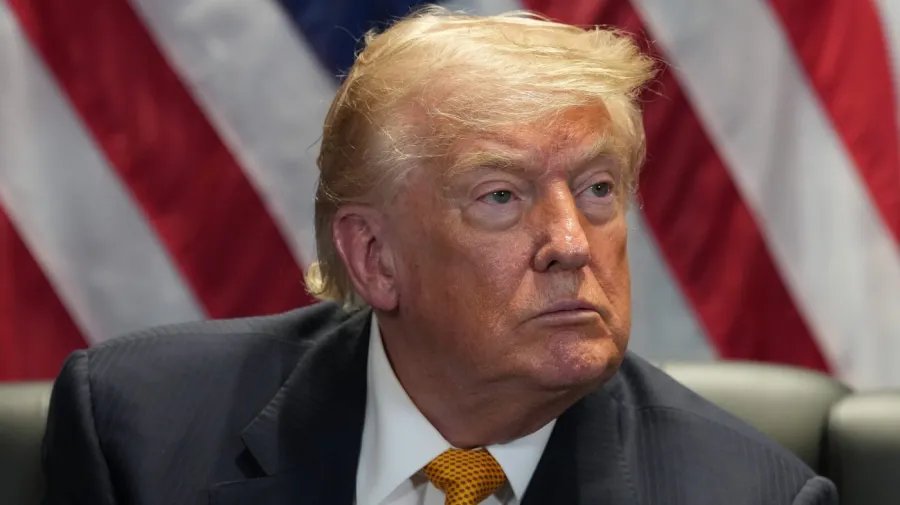
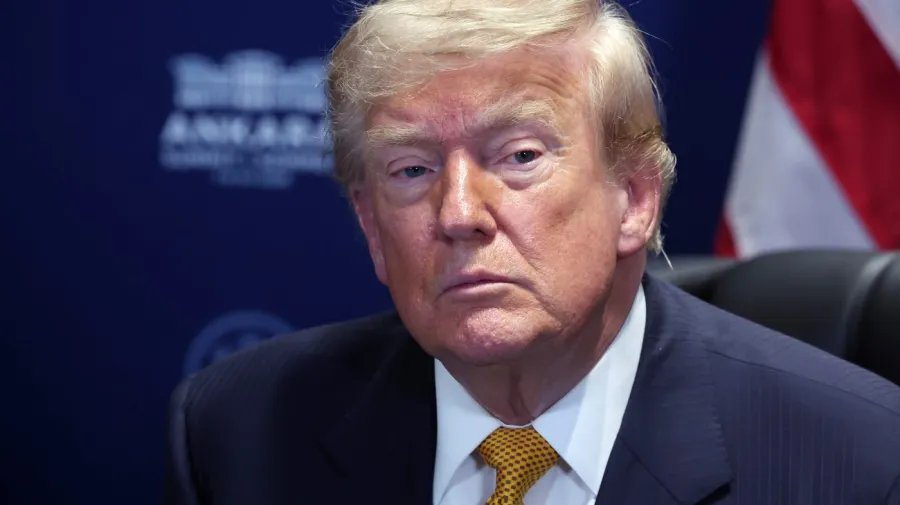
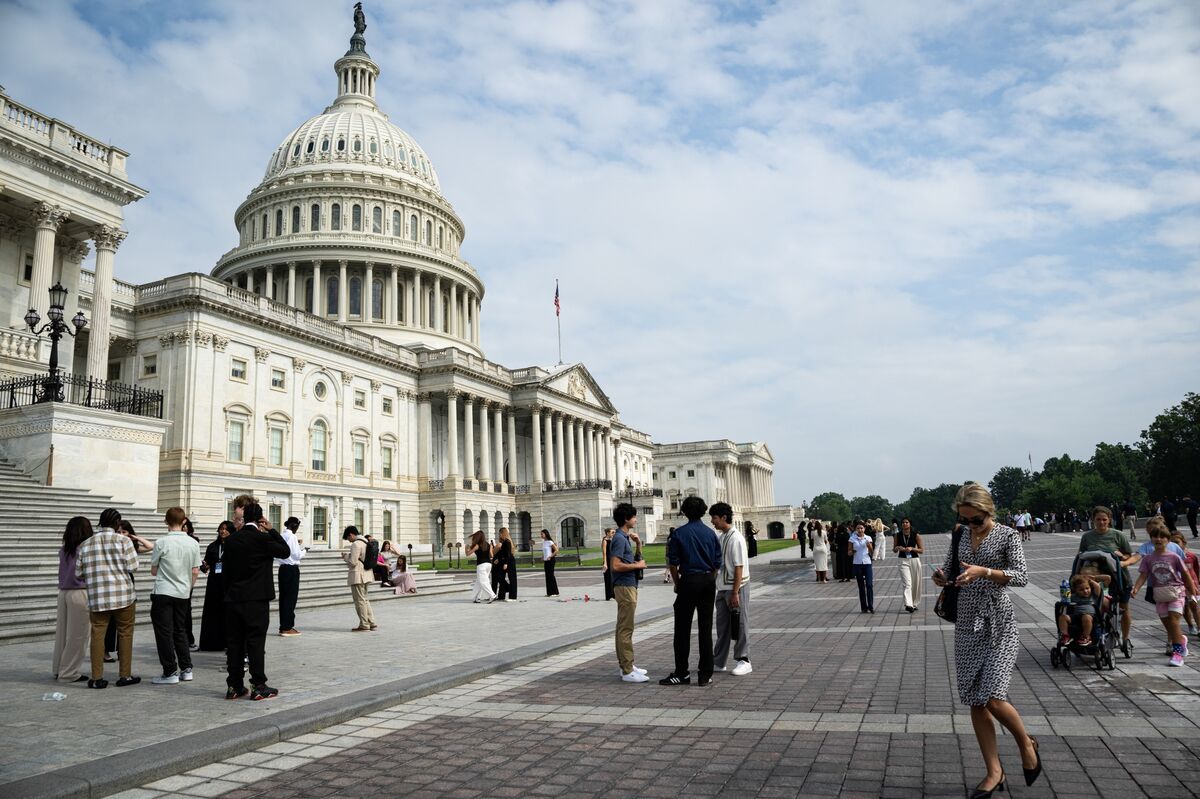
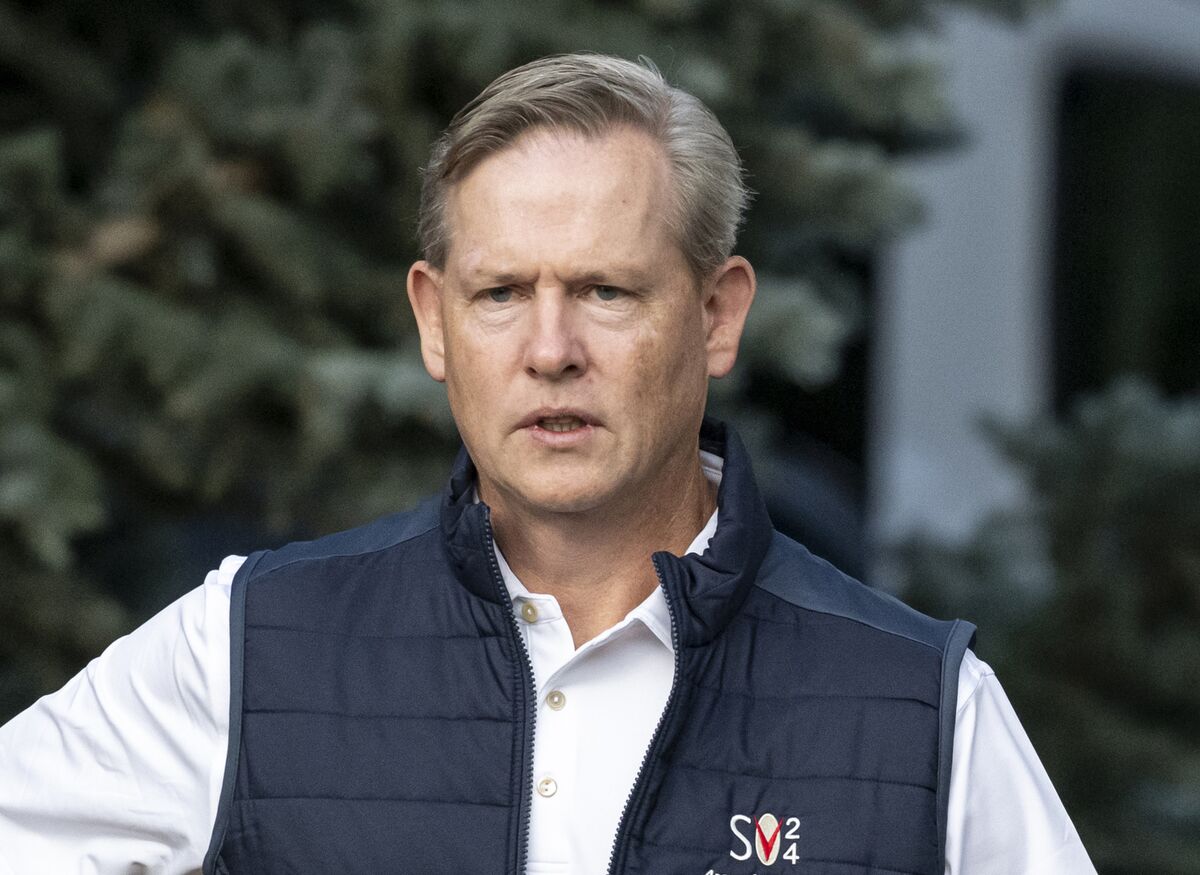
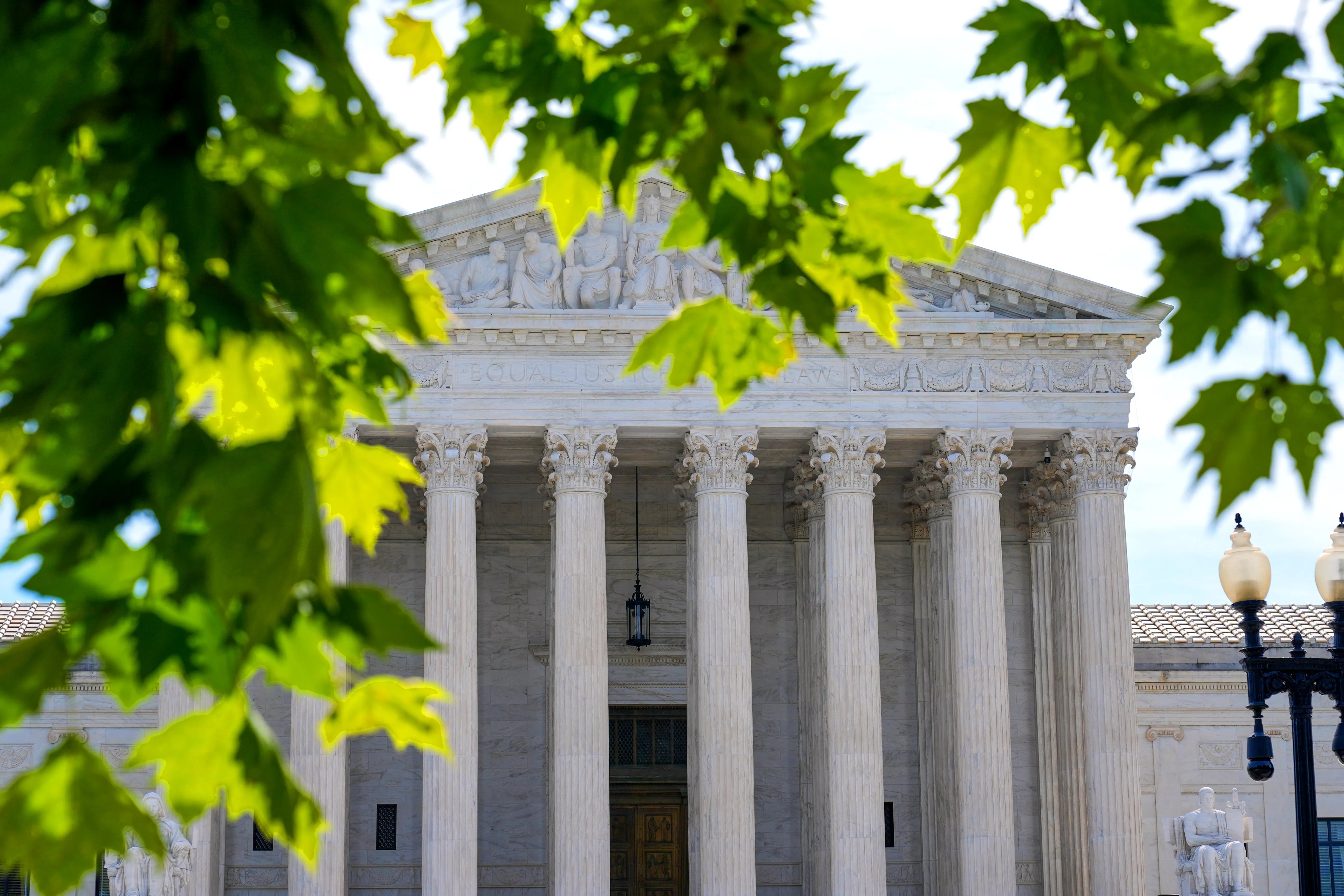
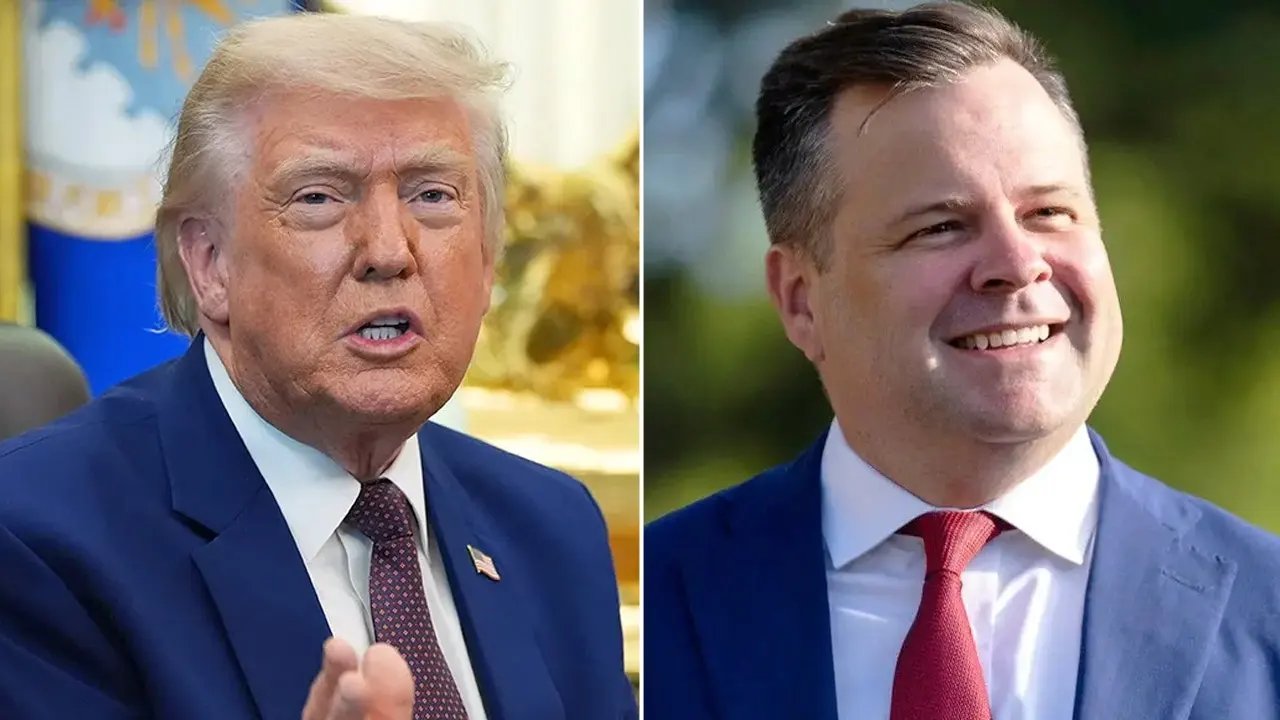
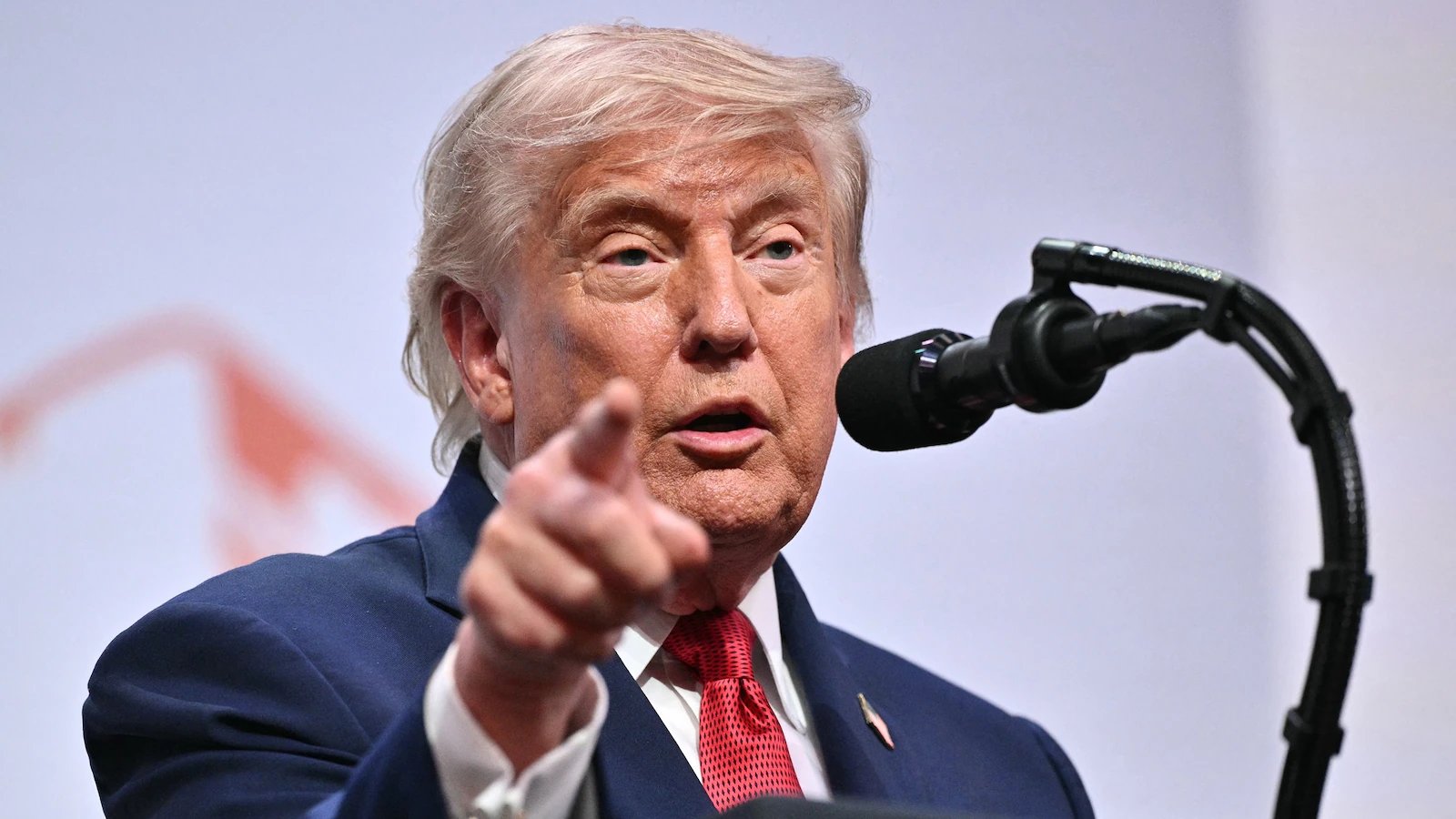
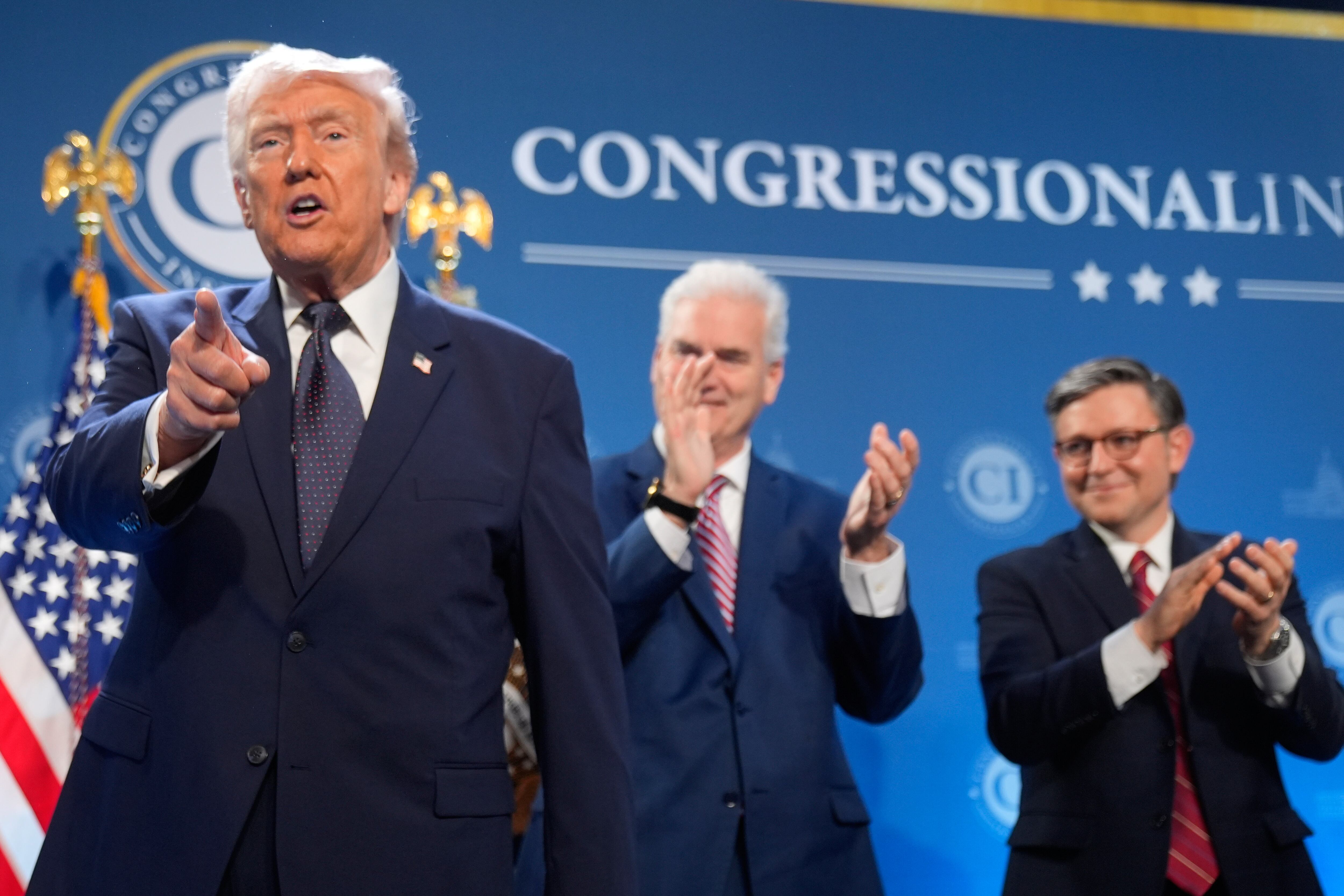
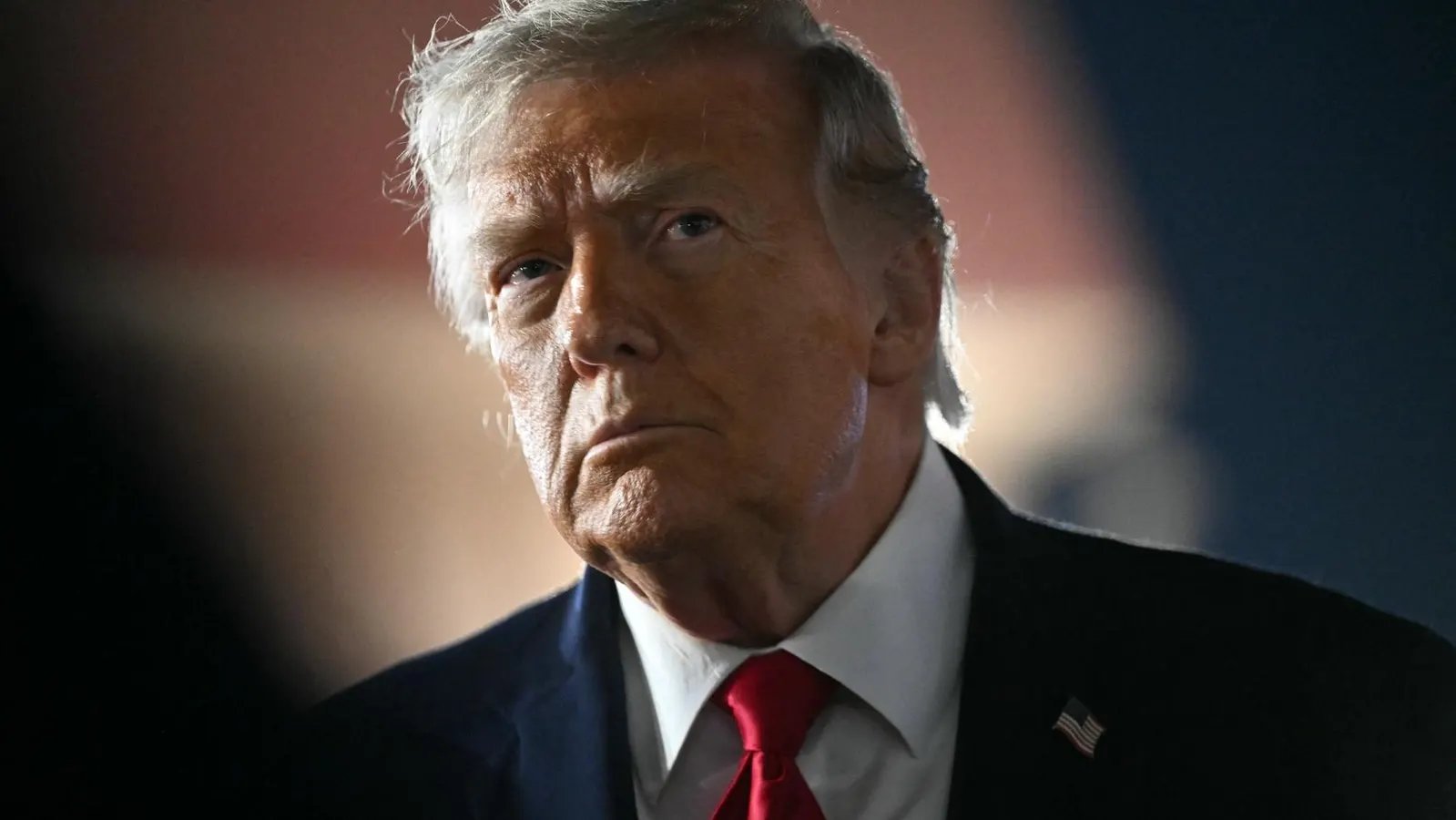
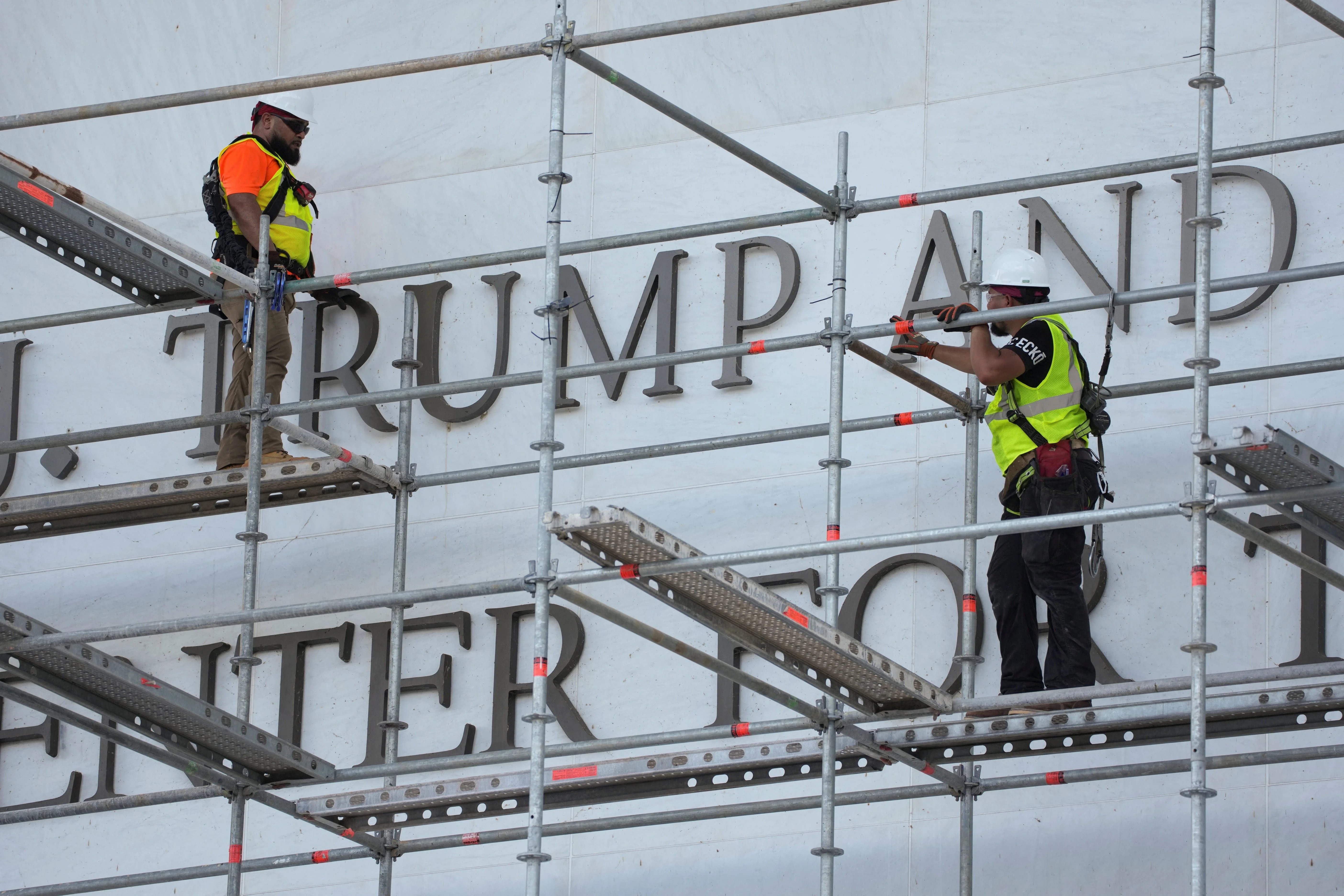
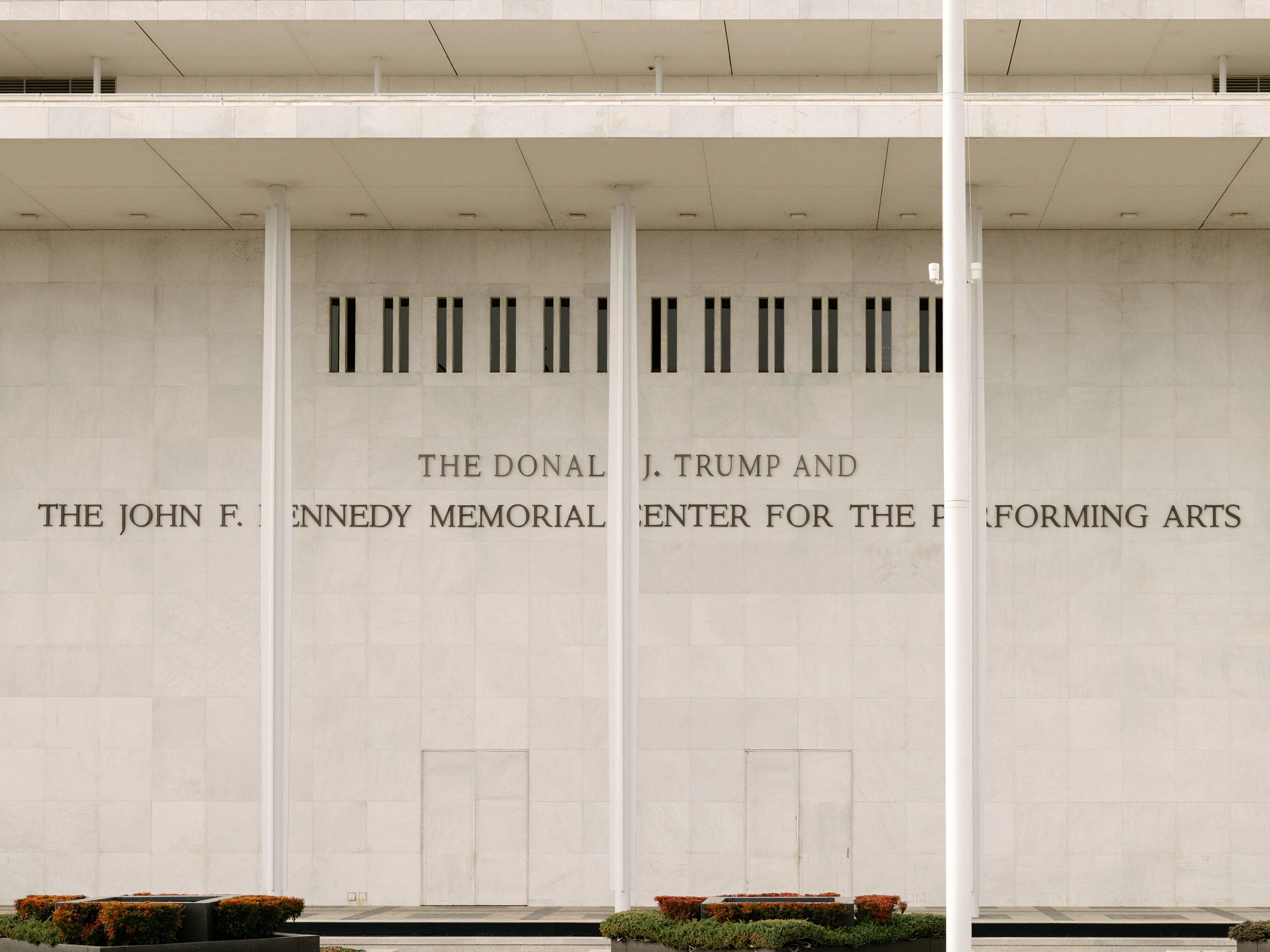
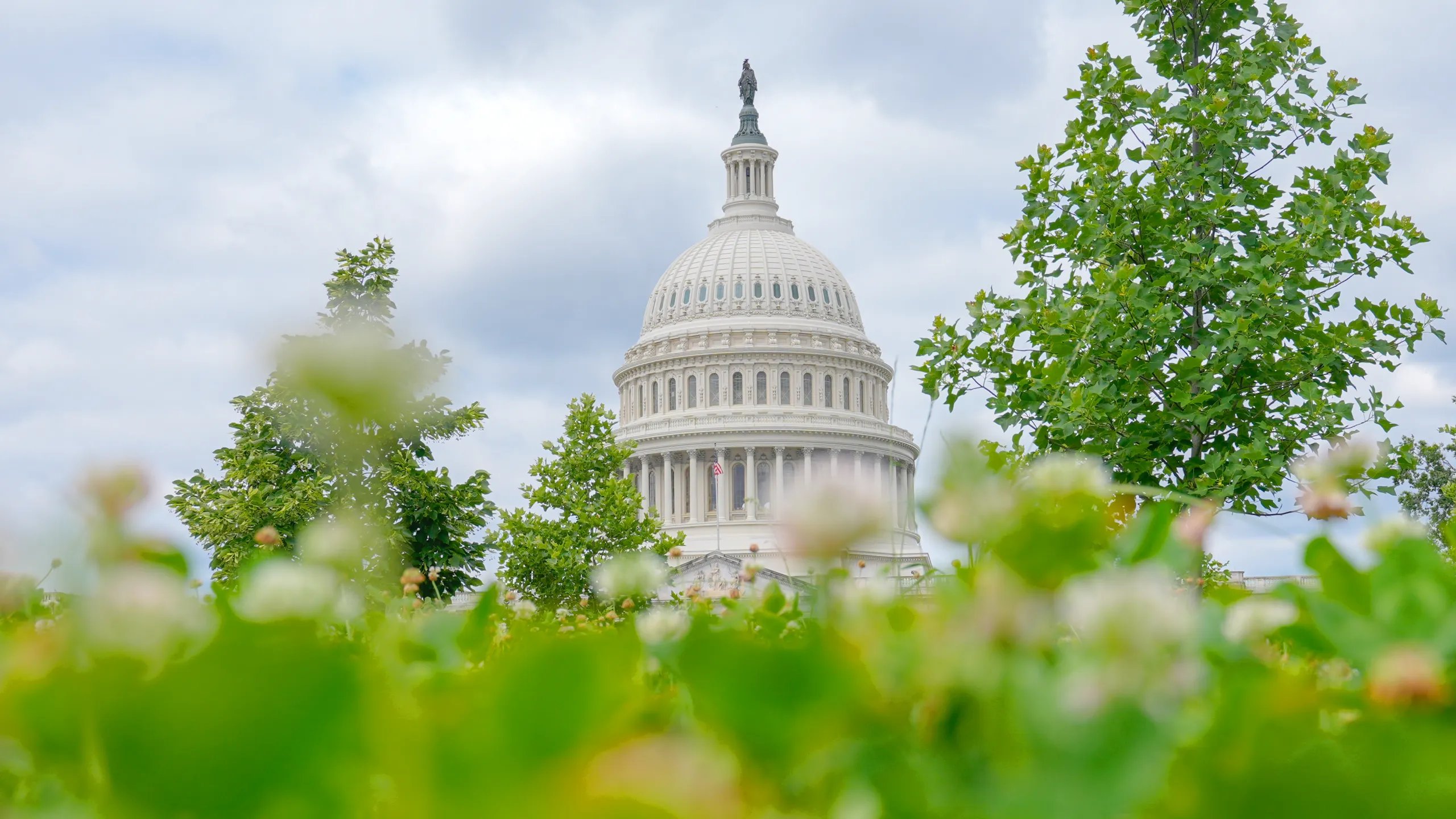
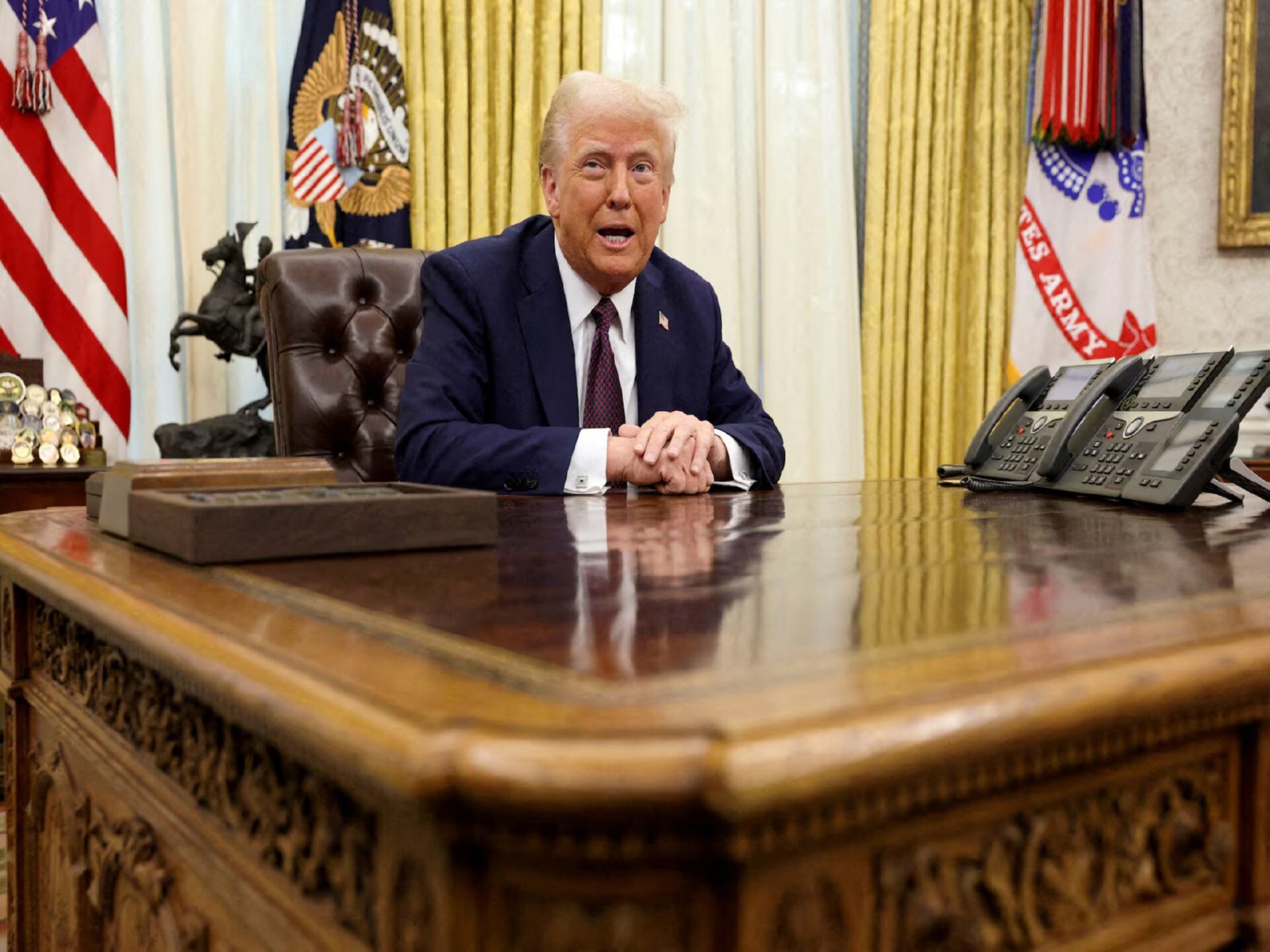
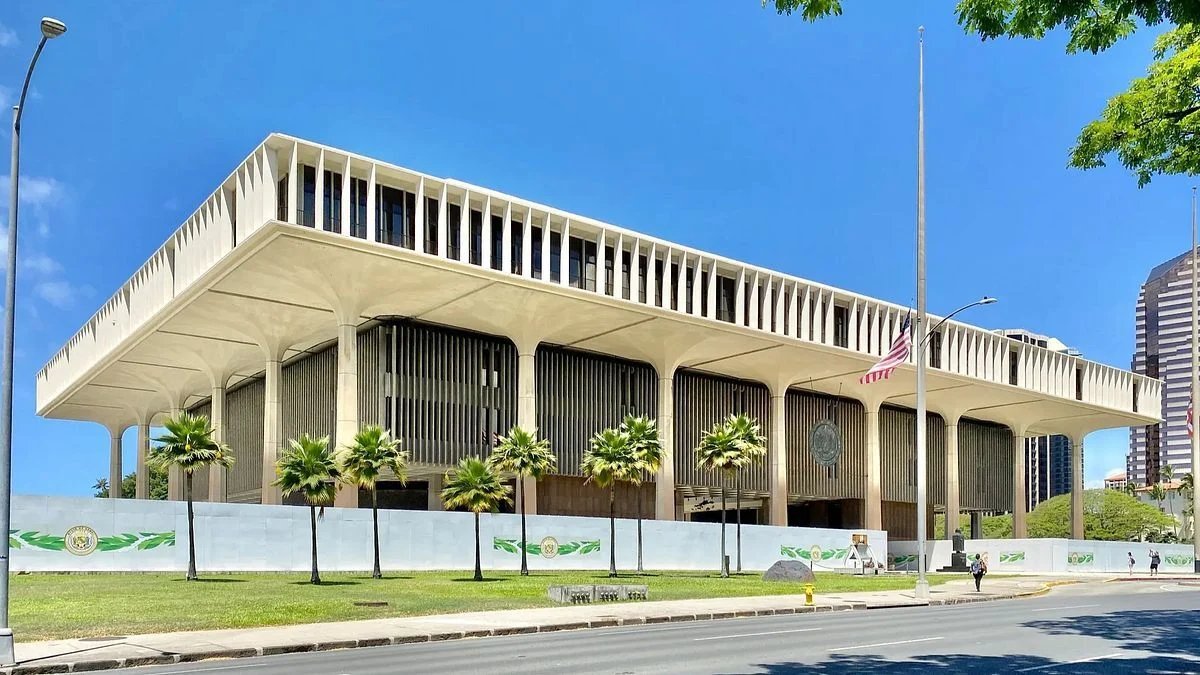
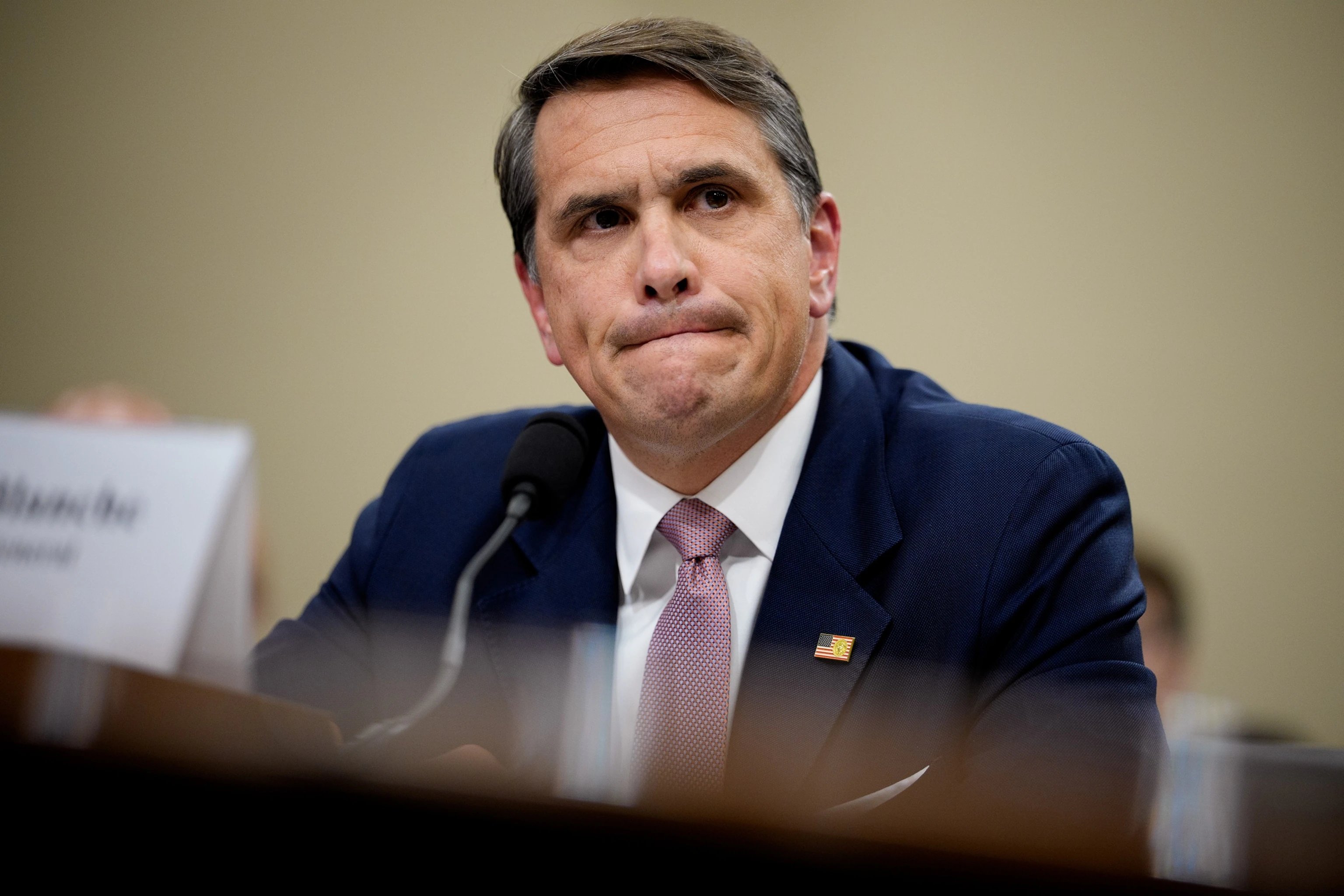
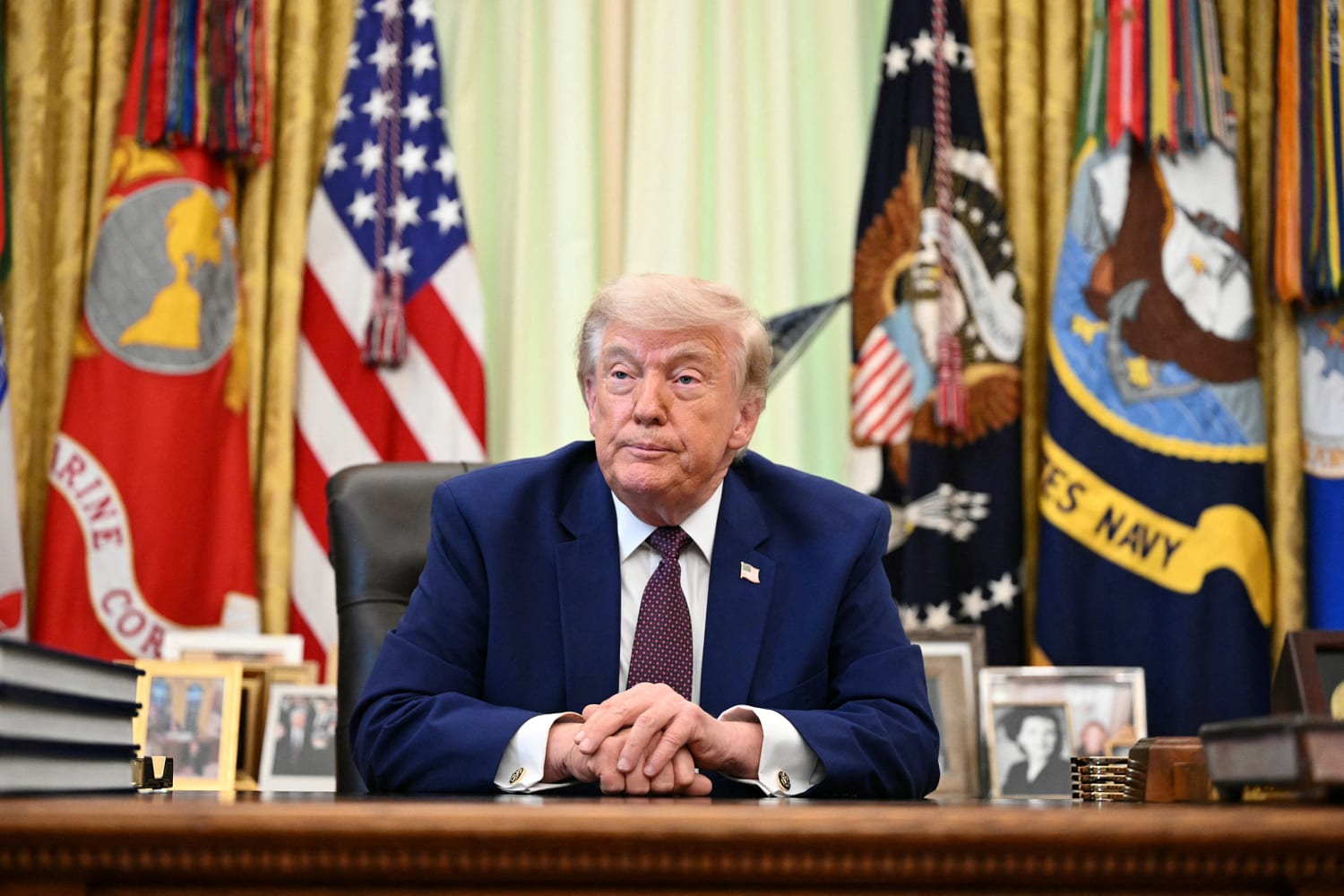
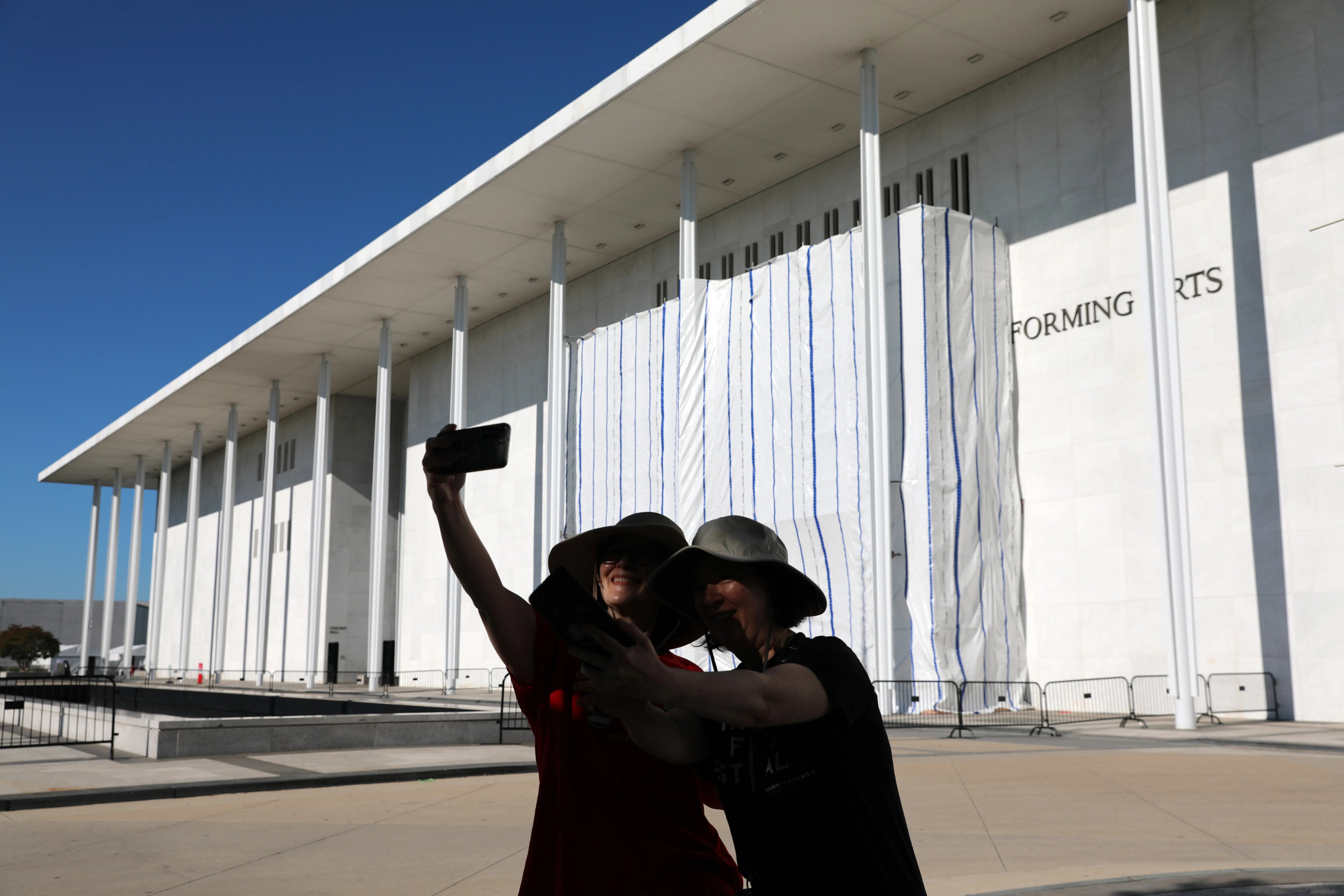
President Trump's name was removed from the Kennedy Center's facade Saturday morning, hours after federal courts rejected the administration's final attempts to block the order. Matt Floca, the Kennedy Center's president and executive director, filed court documents confirming that Trump's name had been removed from all physical signage, the institution's website, employee email signatures, letterheads, and brochures. A tarp now covers the area where the signage formerly stood on the building's exterior.
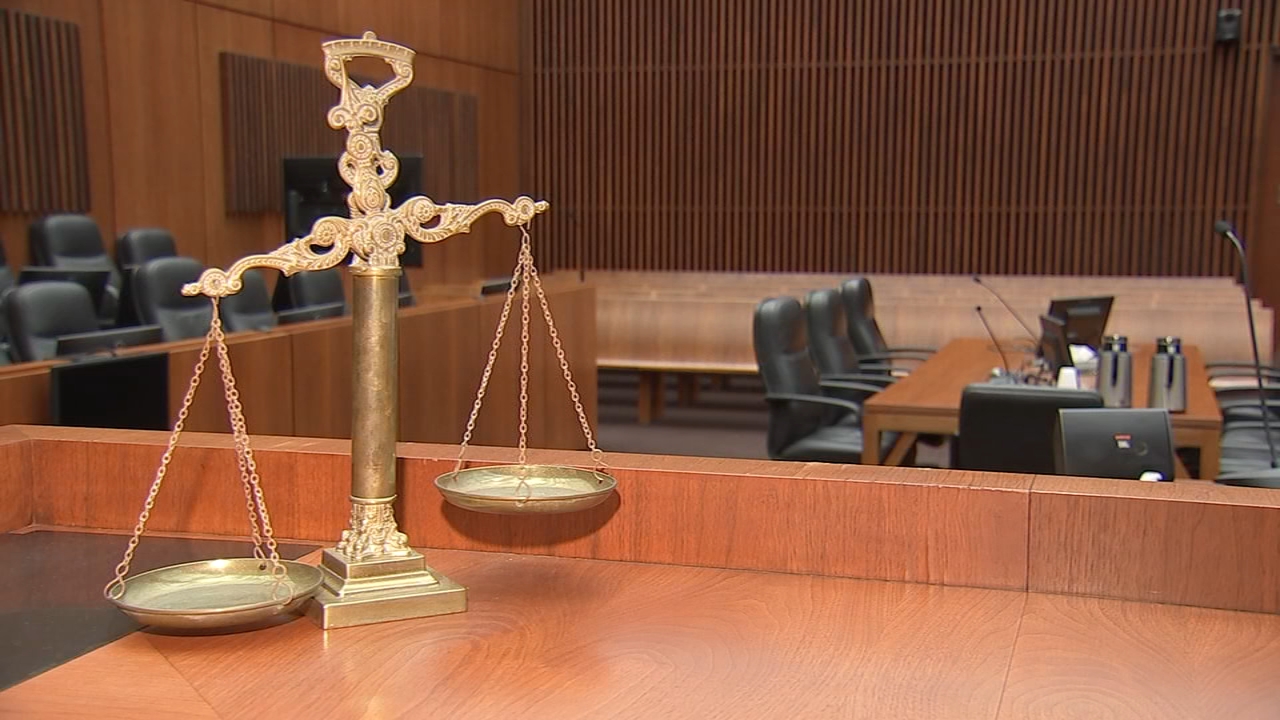
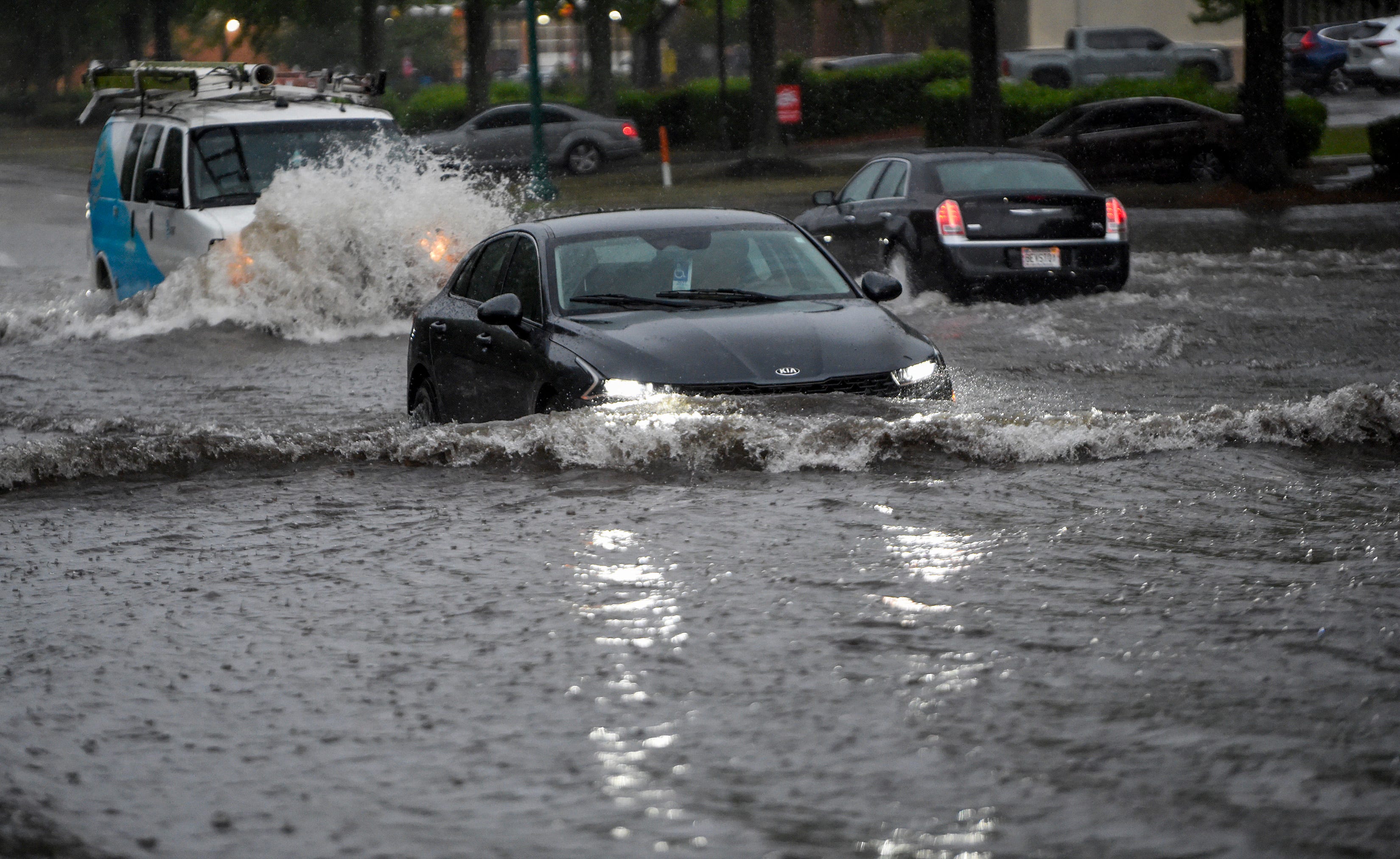
U.S. District Court Judge Christopher Cooper had ordered the name removed by 11:59 p.m. Friday. After thunderstorms delayed the work, the Kennedy Center requested a 12-hour extension, which the court granted Saturday morning. The removal proceeded despite the Trump administration's emergency motion to the Court of Appeals for the D.C. Circuit, which a panel of judges rejected in a one-page unsigned order Friday evening.
Why the name was added and why it had to come down
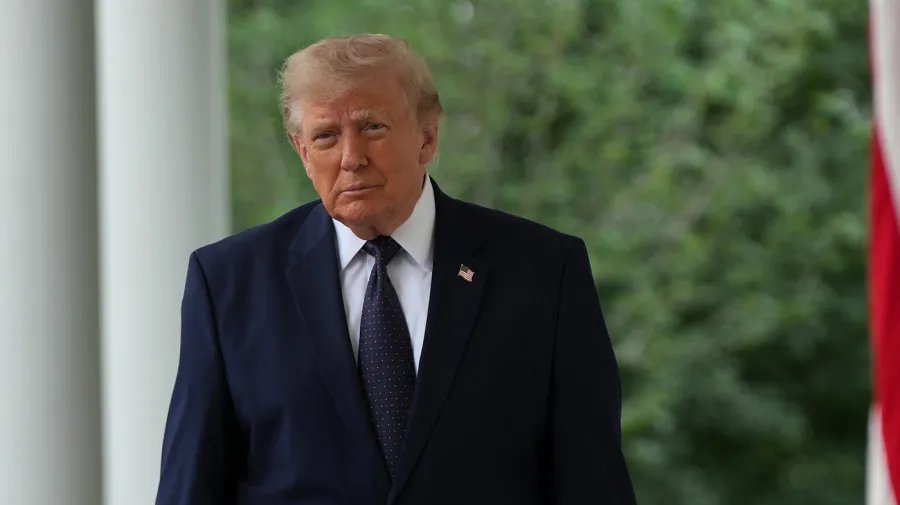
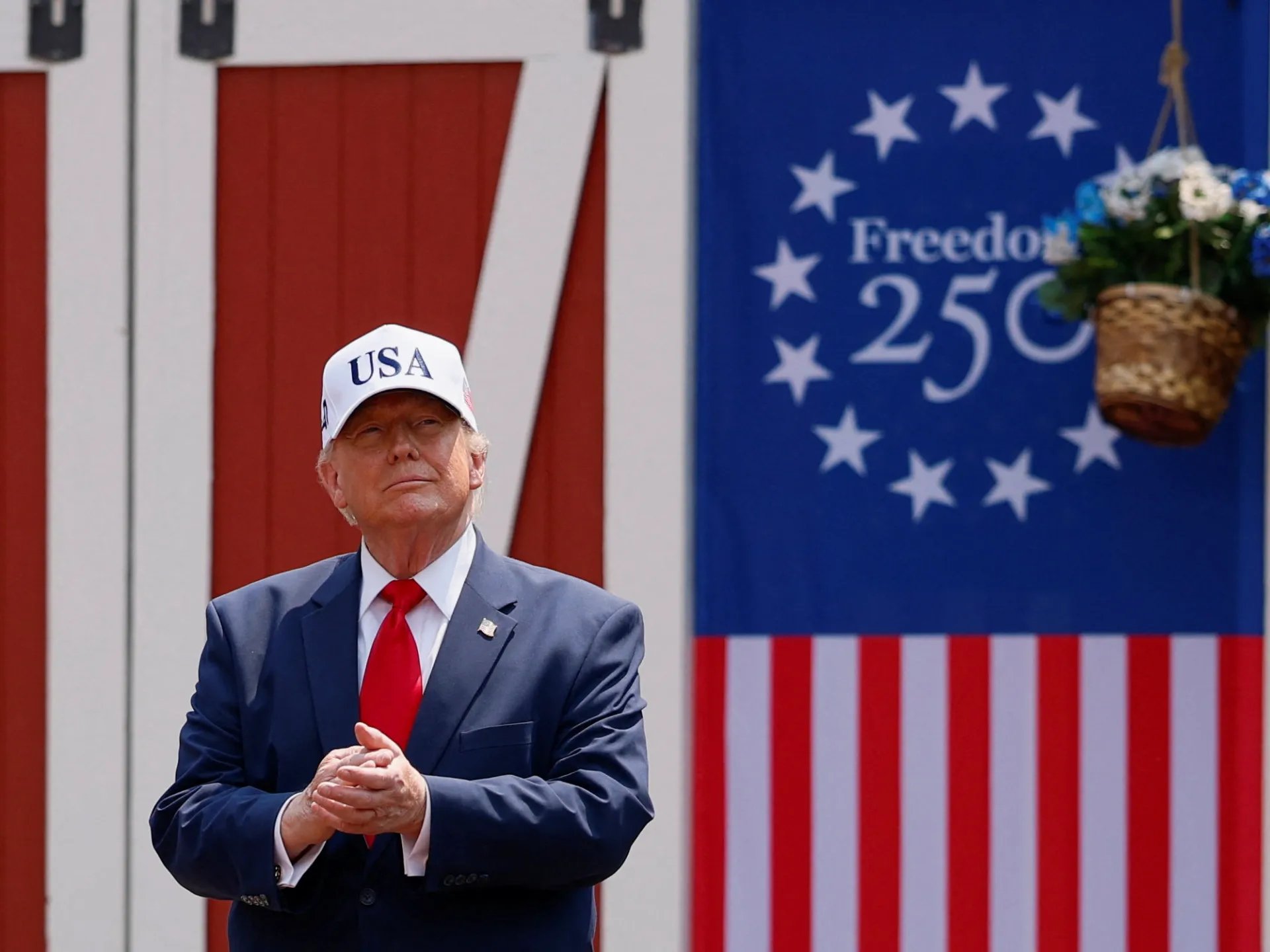
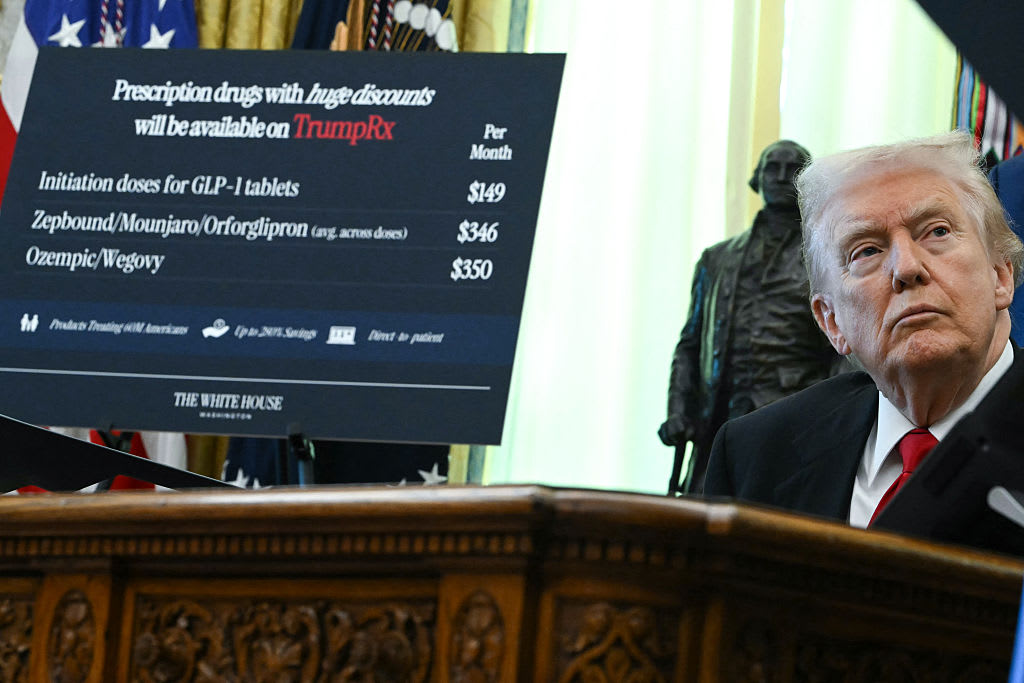
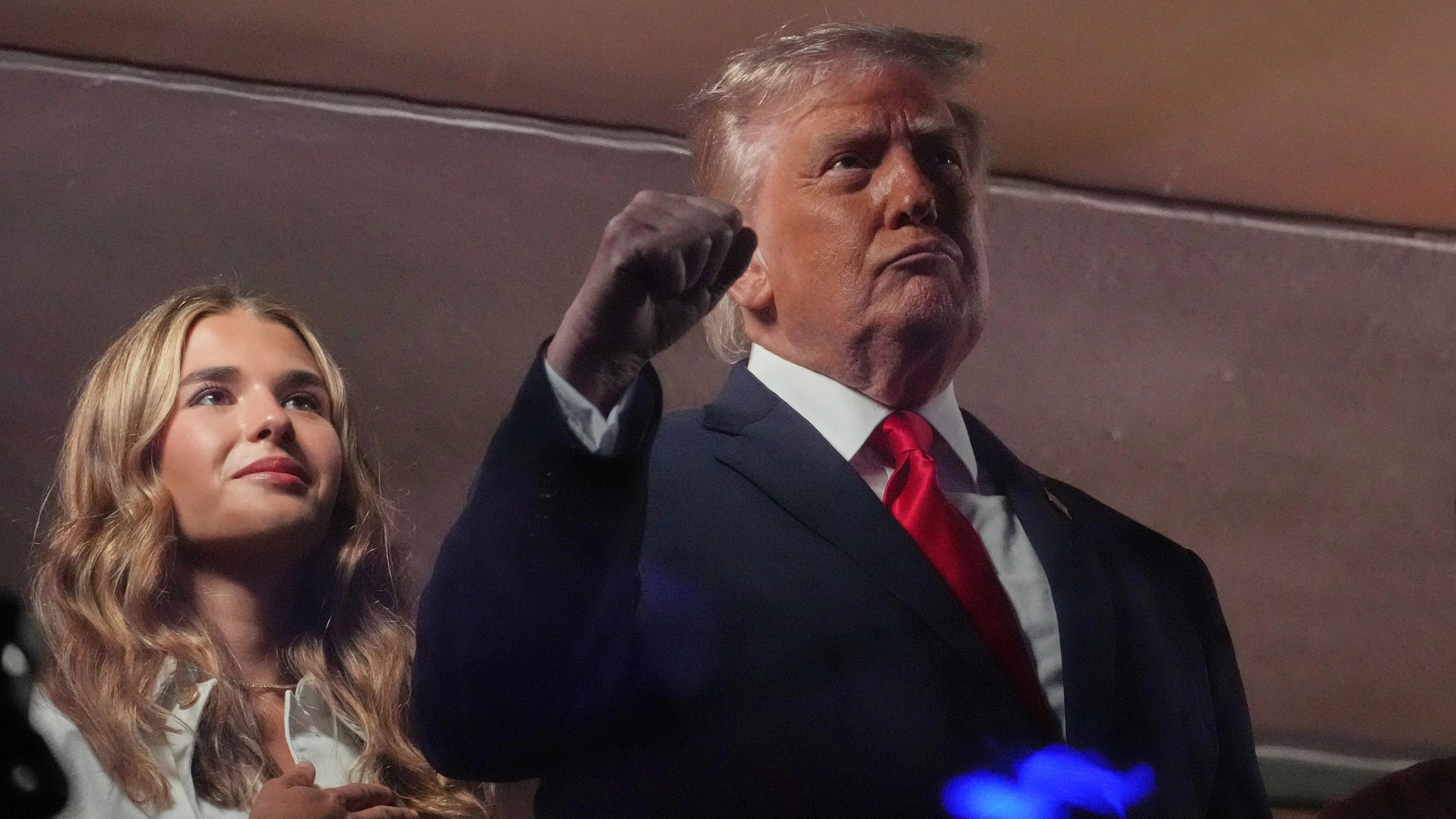
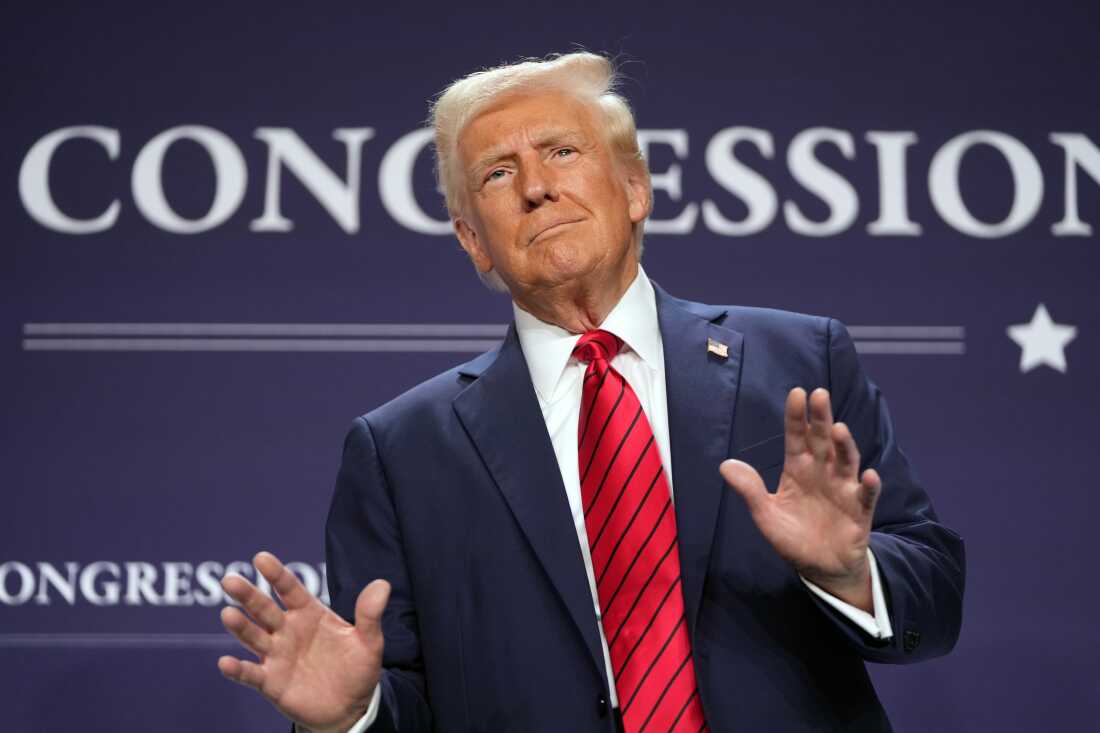
Trump's name was added to the Kennedy Center in December when the center's board of trustees voted to rebrand it as the Trump-Kennedy Center. In February 2025, Trump replaced several trustees on the centre's board and appointed himself as a trustee before being voted in as the arts centre's chairman.
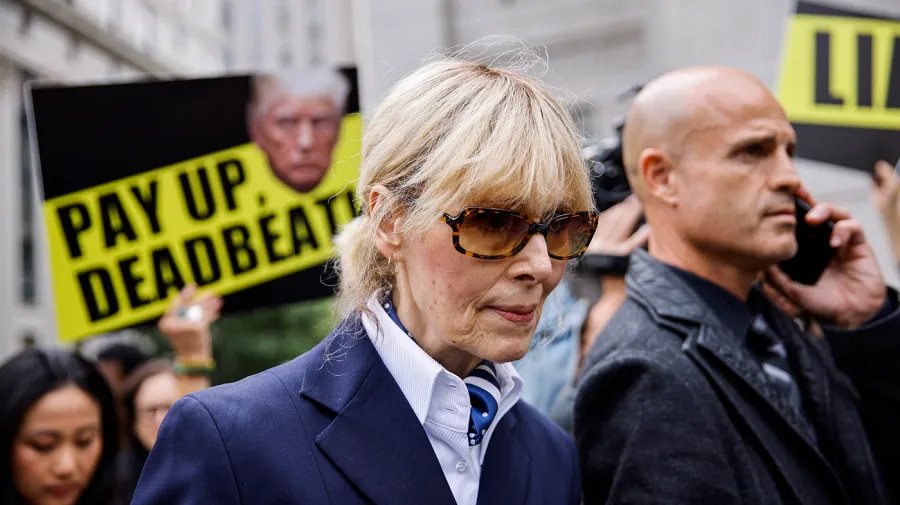
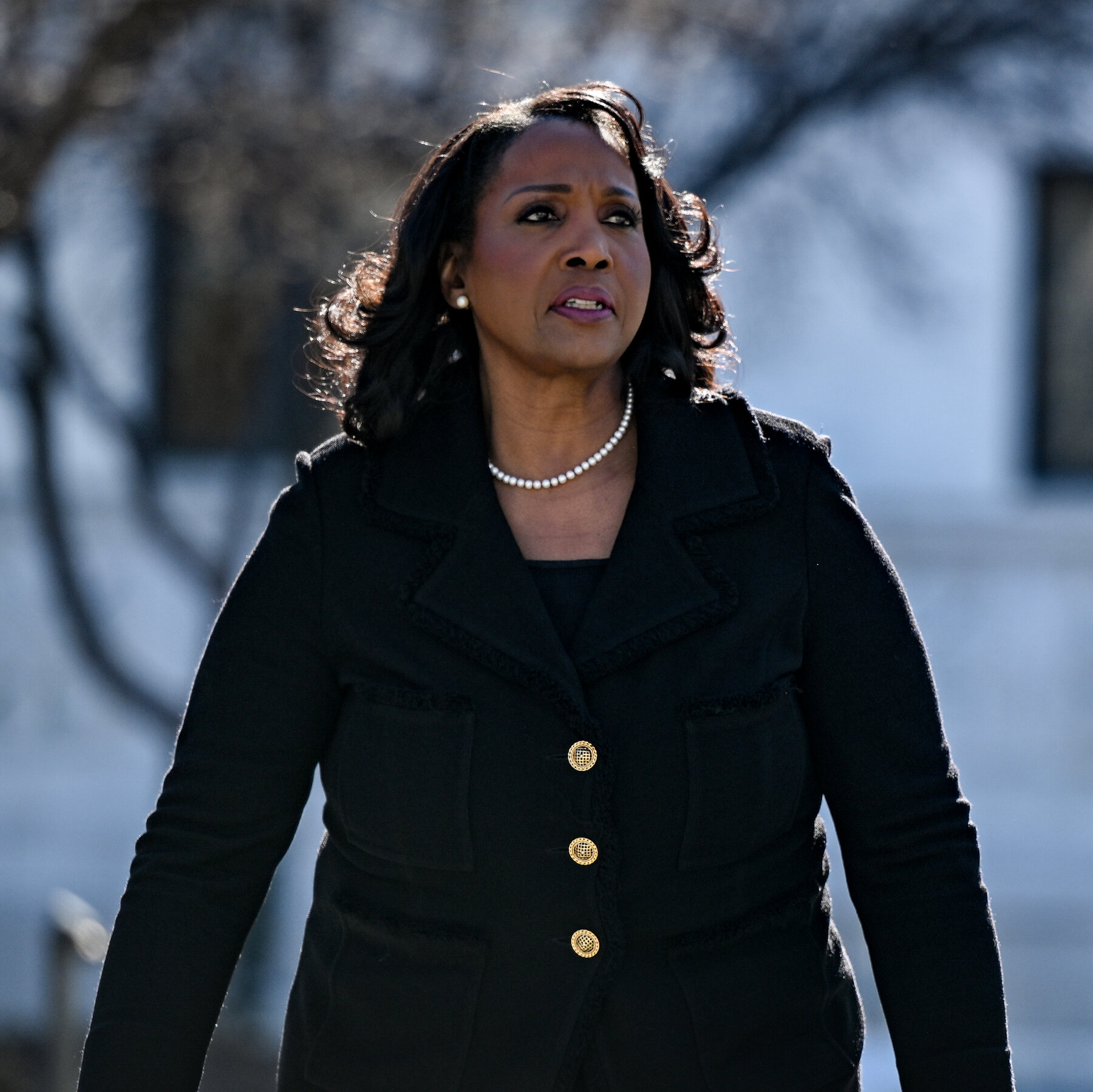
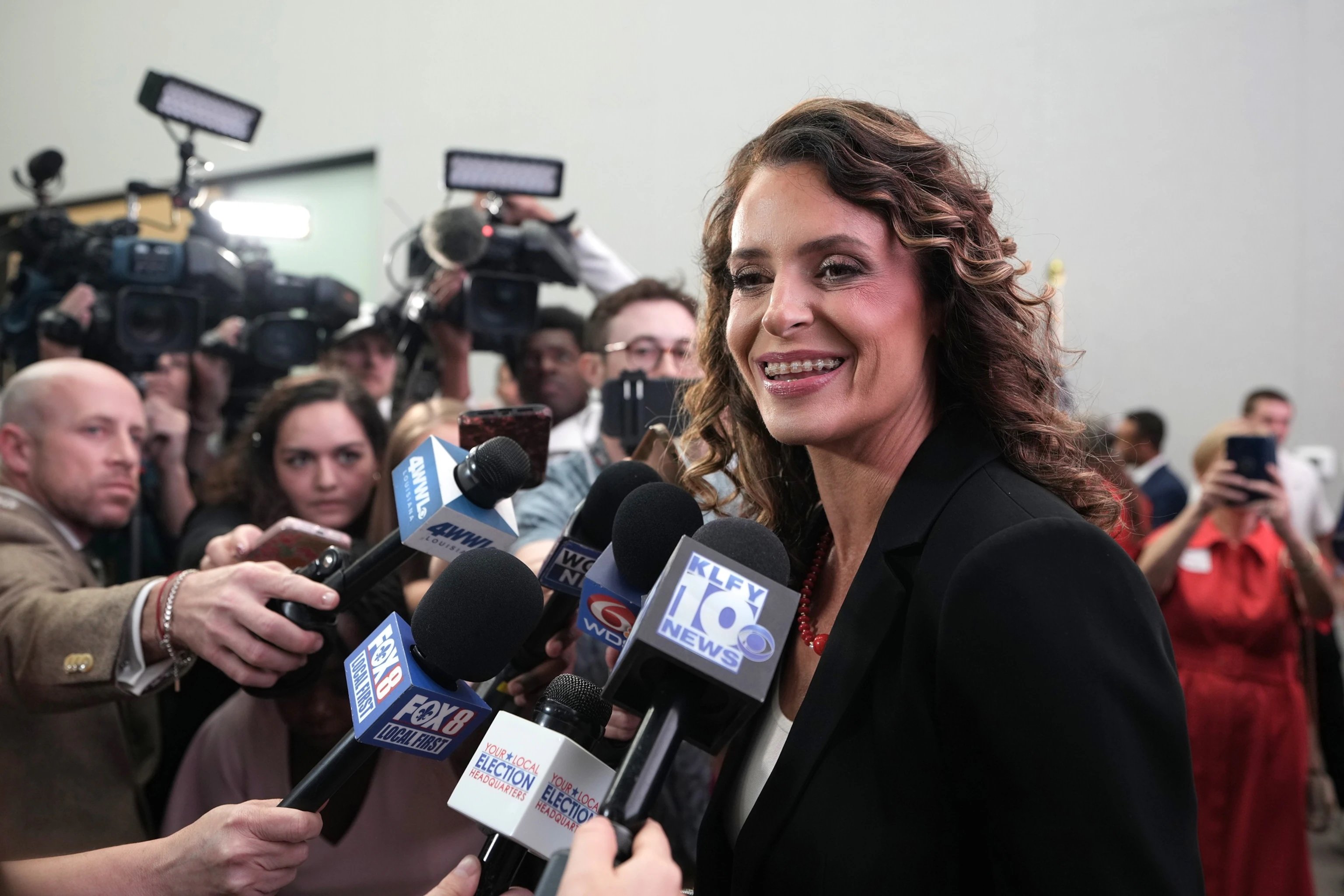
Rep. Joyce Beatty of Ohio, a board member and Democrat, sued to challenge the name change. Judge Cooper ruled in late May that only Congress could approve renaming the institution, which federal law designates as a memorial to President John F. Kennedy. Cooper also blocked the administration's plans to close the center for nearly two years of renovations.
The administration's legal arguments
The Trump administration argued that removing the name and potentially restoring it later could confuse donors and the public. In its emergency motion to the appellate court, the government wrote that "it does not make sense to alter the Center's name and signage now, only to potentially revert the name again after what should be a successful appeal."
The administration claimed that some donors gave money specifically because of Trump's name. Court filings stated that without the name on the building, "our fundraising will not only come to a halt, but any and all monies raised or committed would be obligated to be returned, refunded, or terminated." The government wrote in its filing that the building is in "bad shape" and "unsightly to look at," and that when renovations are completed, it "will be the envy of the World, something that everyone, including this court, will be proud of."
Beatty's legal team counters with accusations of delay tactics
Beatty's lawyers filed a 12-page response accusing the administration of "gamesmanship" and "running out the clock." They called the emergency motion "a frivolous stay request, filed at the eleventh hour, in a transparent effort to jam the Court and game the judicial system." The lawyers argued the administration had known for two weeks about the June 12 deadline but waited to file the emergency appeal.
Beatty's team also noted that even if the appellate court granted a stay, the administration could easily restore Trump's name to the building during the appeal process if it chose to do so. A panel of appellate judges rejected the stay in a one-page unsigned order.
What happens next in the legal fight
The Court of Appeals for the D.C. Circuit directed the parties to file briefs later this month, keeping the door open for further arguments over whether Judge Cooper's ruling will ultimately stand. The case will continue even as Trump's name remains off the building, potentially for months or longer depending on how the appeal proceeds.