




A Historic Step for Ukraine's EU Aspirations
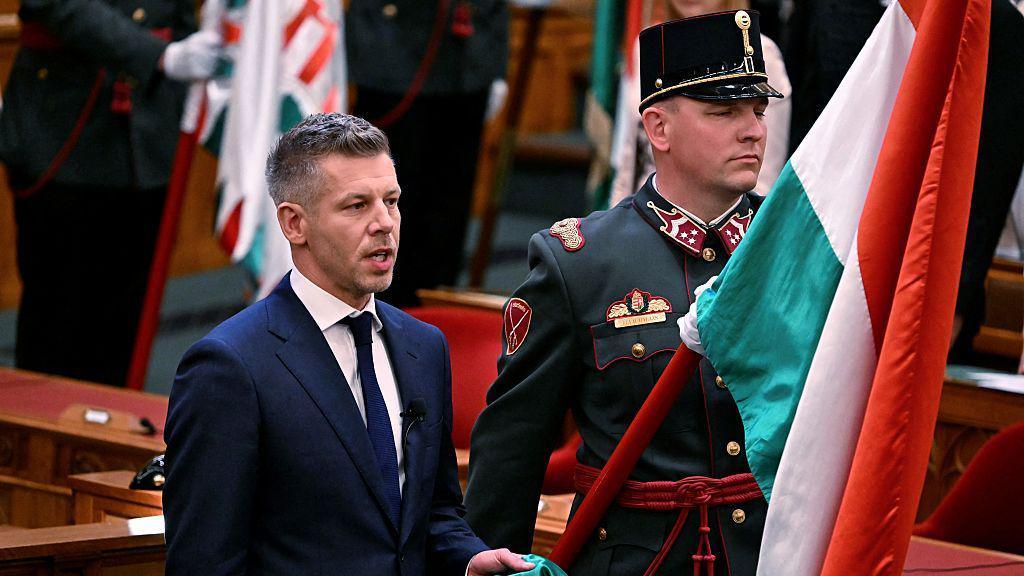
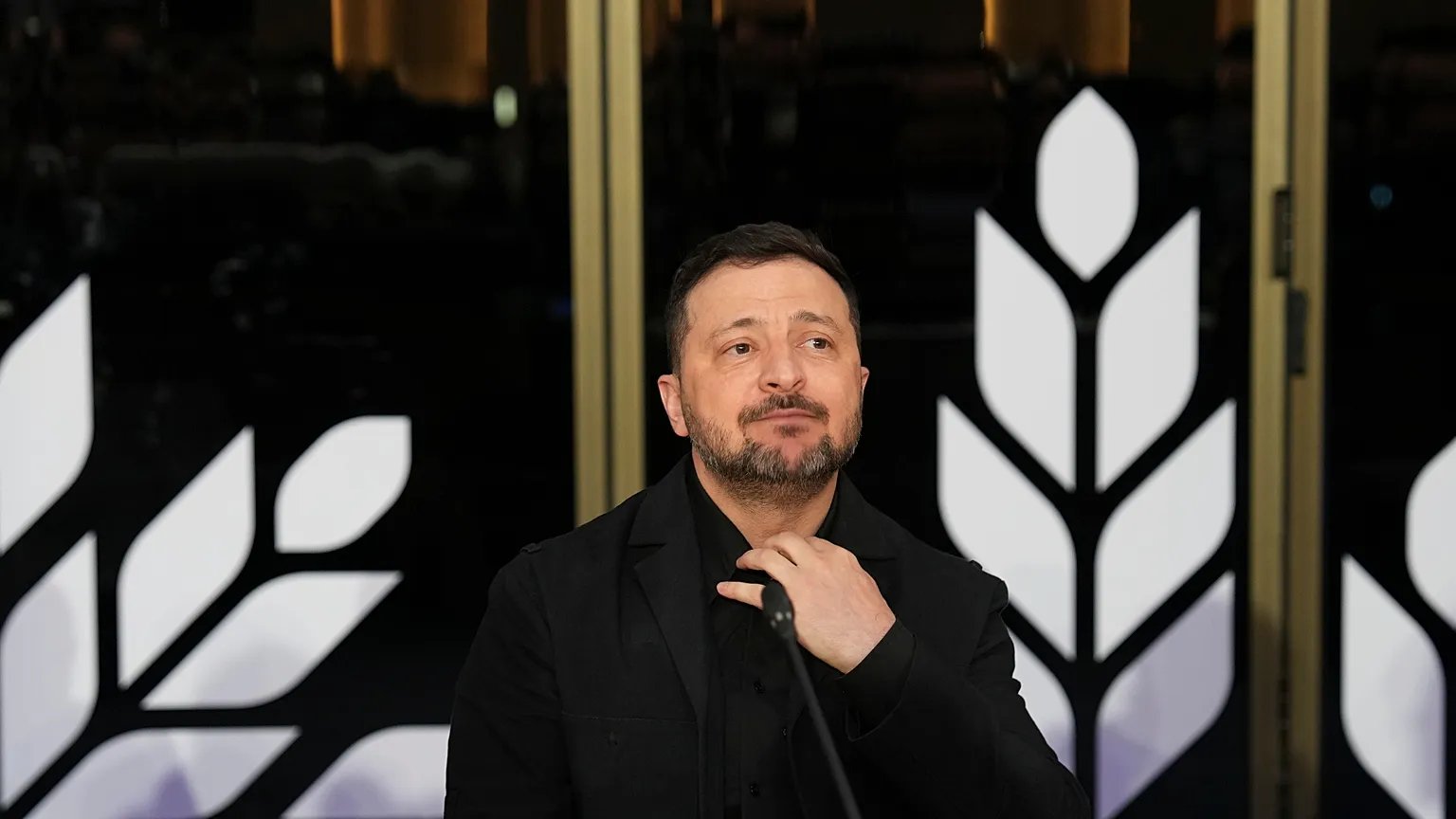
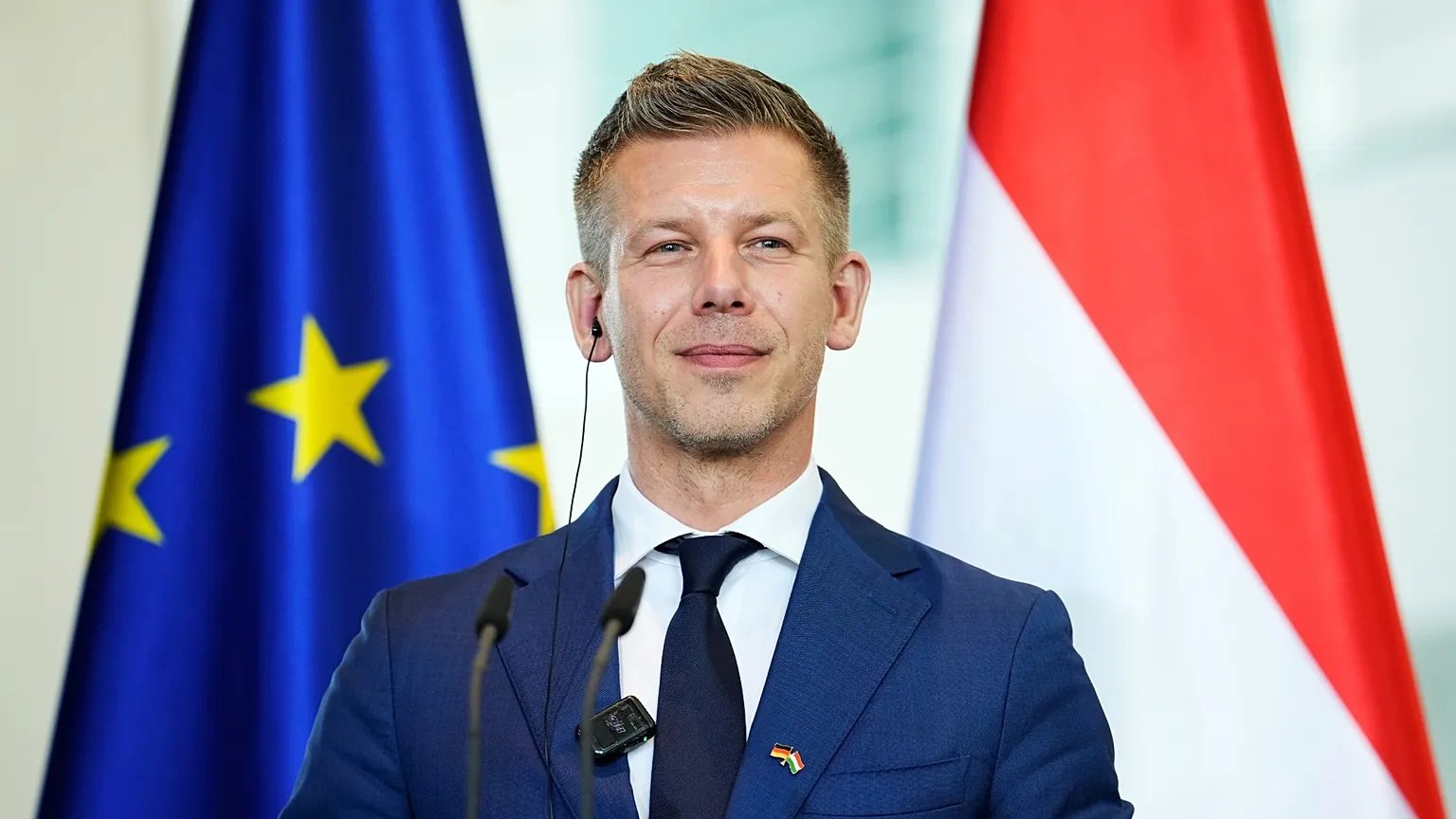
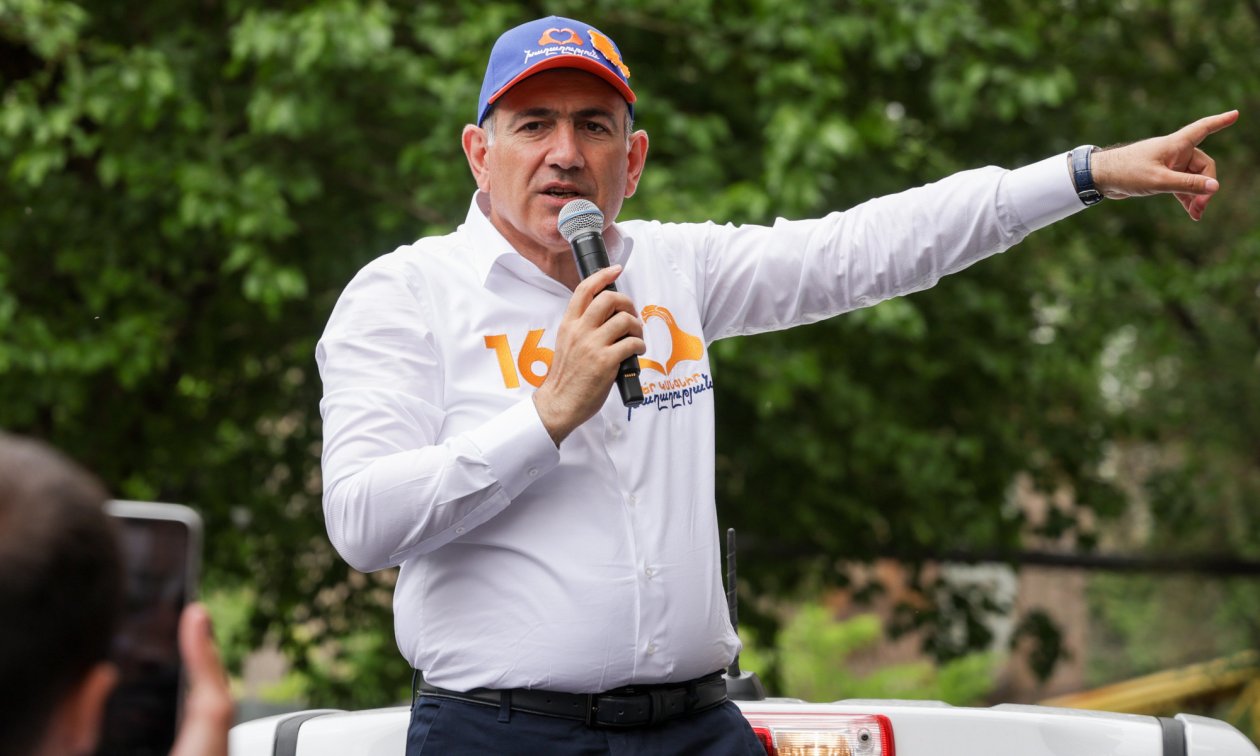
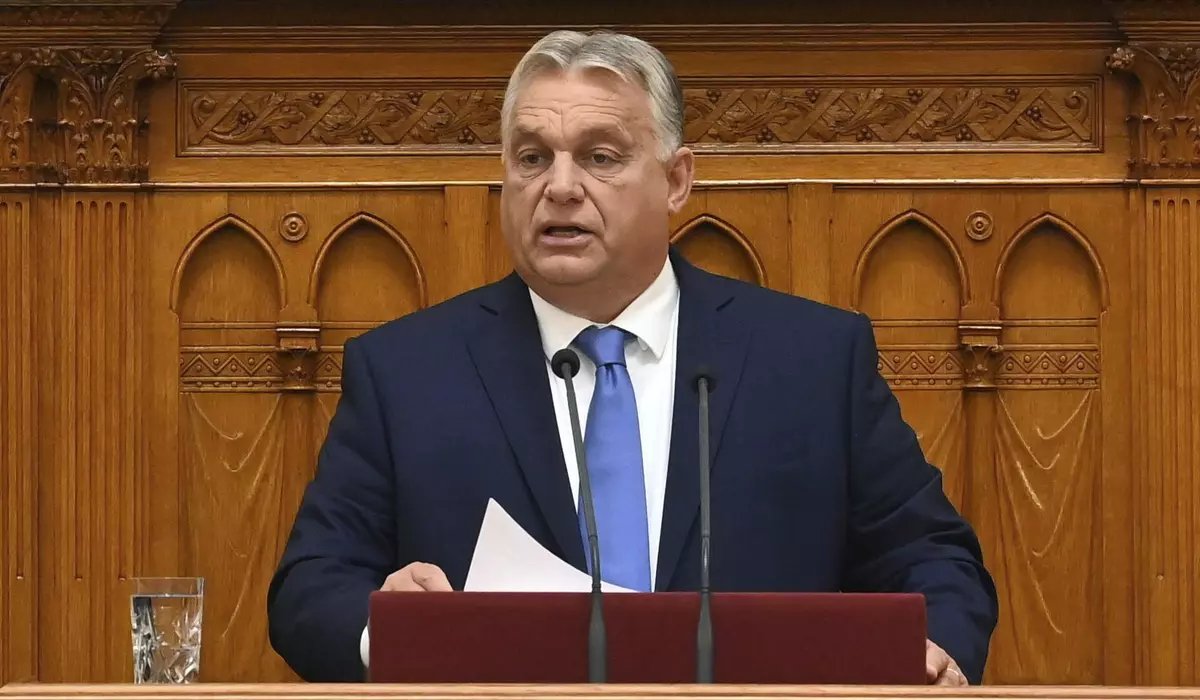
The European Union has officially opened the first stage of accession negotiations with Ukraine, marking a pivotal moment in the country's quest for EU membership. This development comes two years later than anticipated. Hungary's former Prime Minister Viktor Orban had blocked formal accession talks, though technical-level negotiations continued during that period. With Orban's recent election defeat, Hungary's new Prime Minister Péter Magyar lifted the veto, allowing Ukraine to advance toward joining the 27-member bloc.
Ukraine's Drive for EU Membership
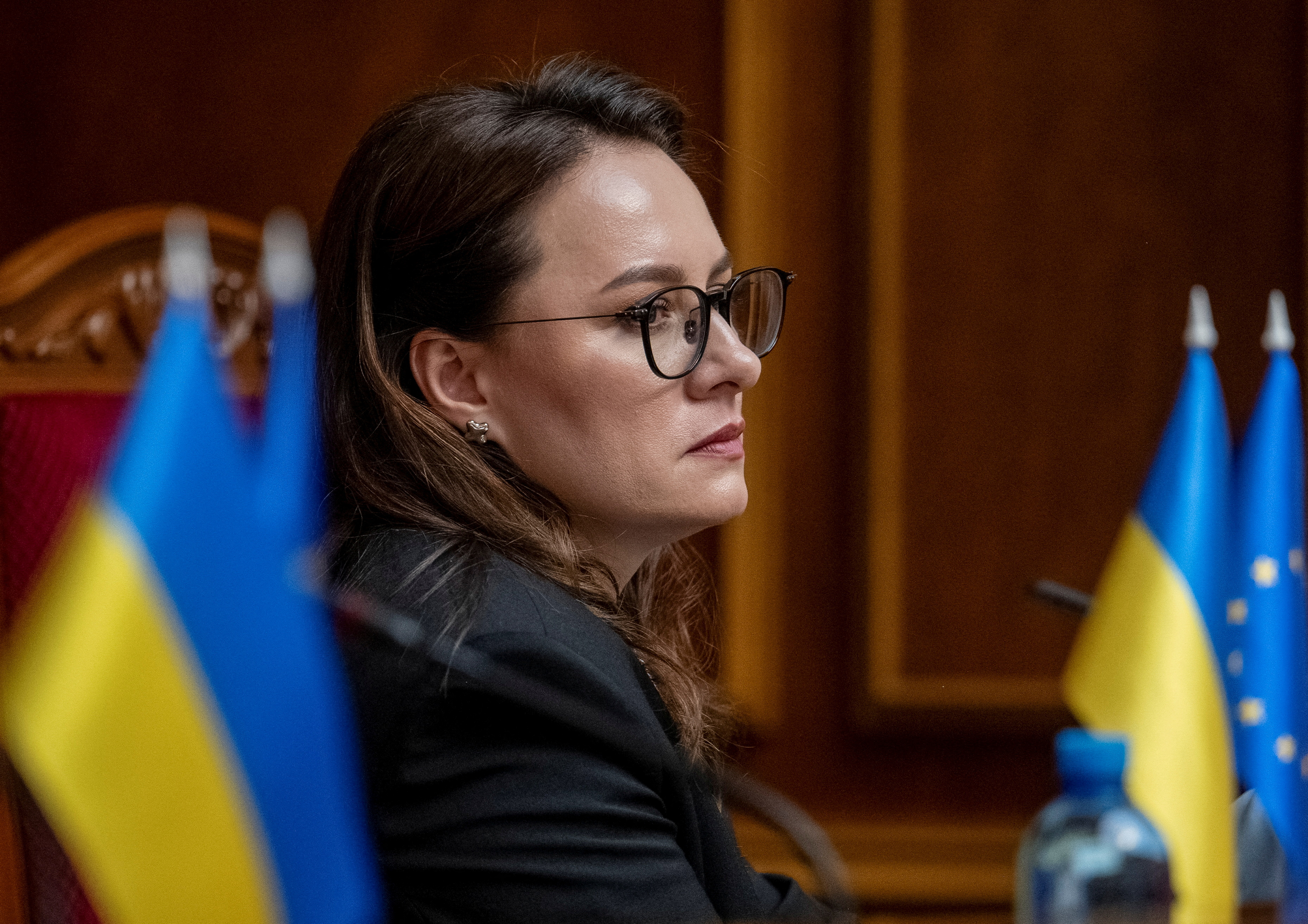
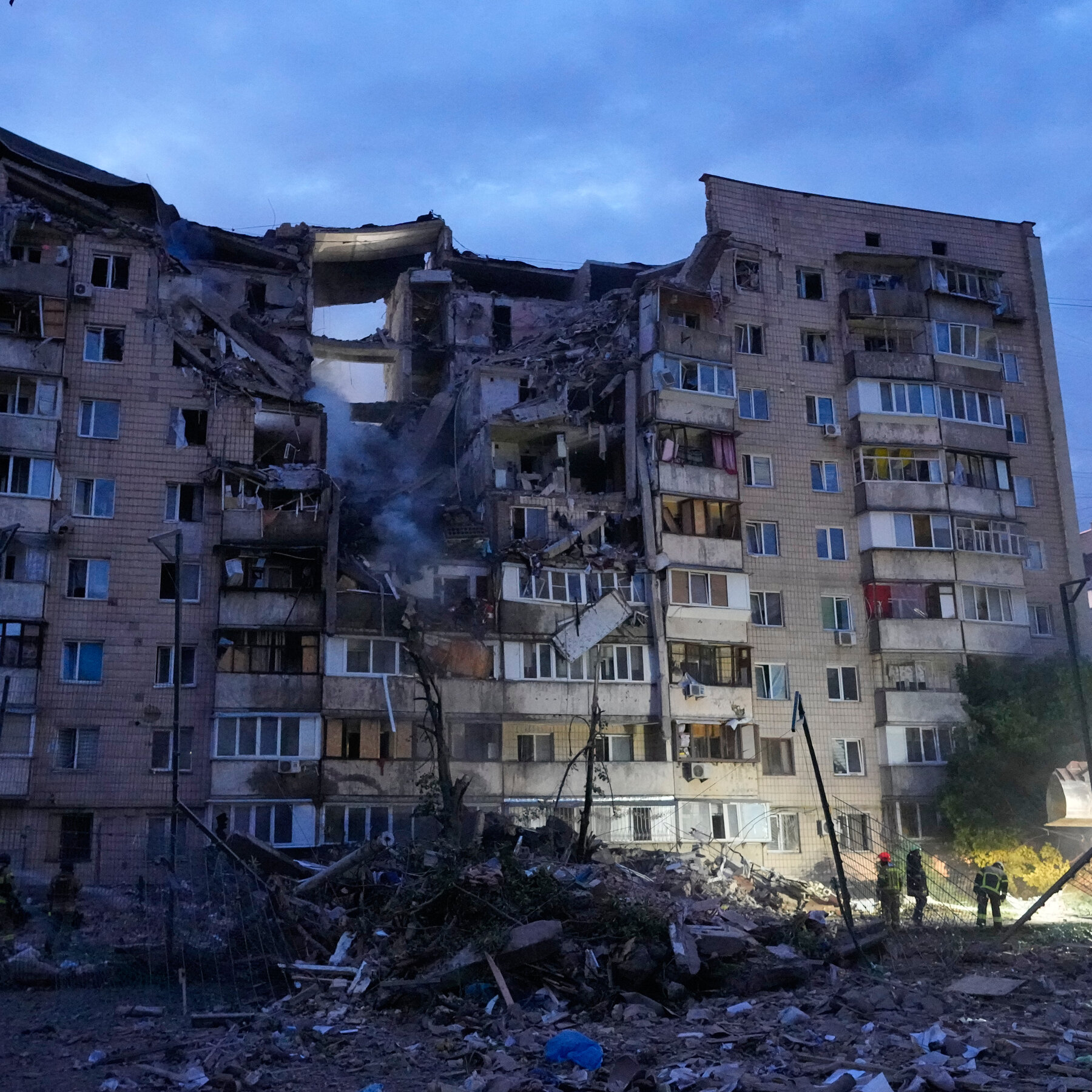
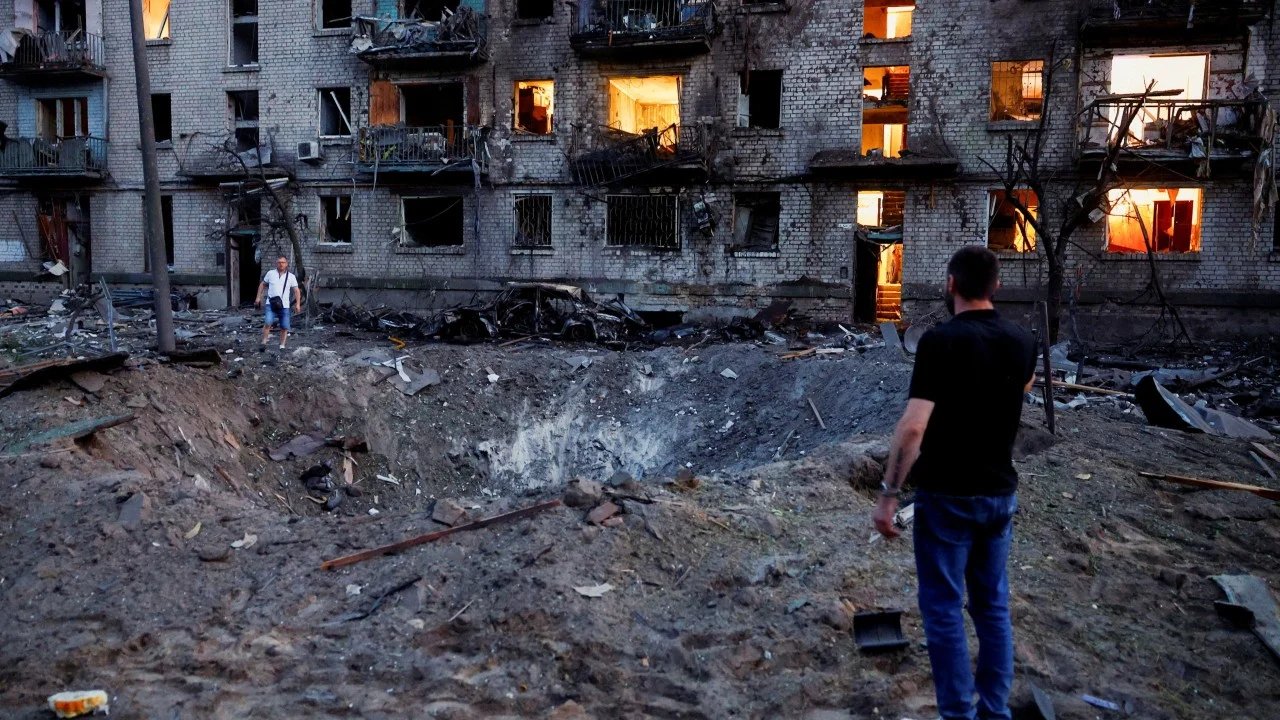
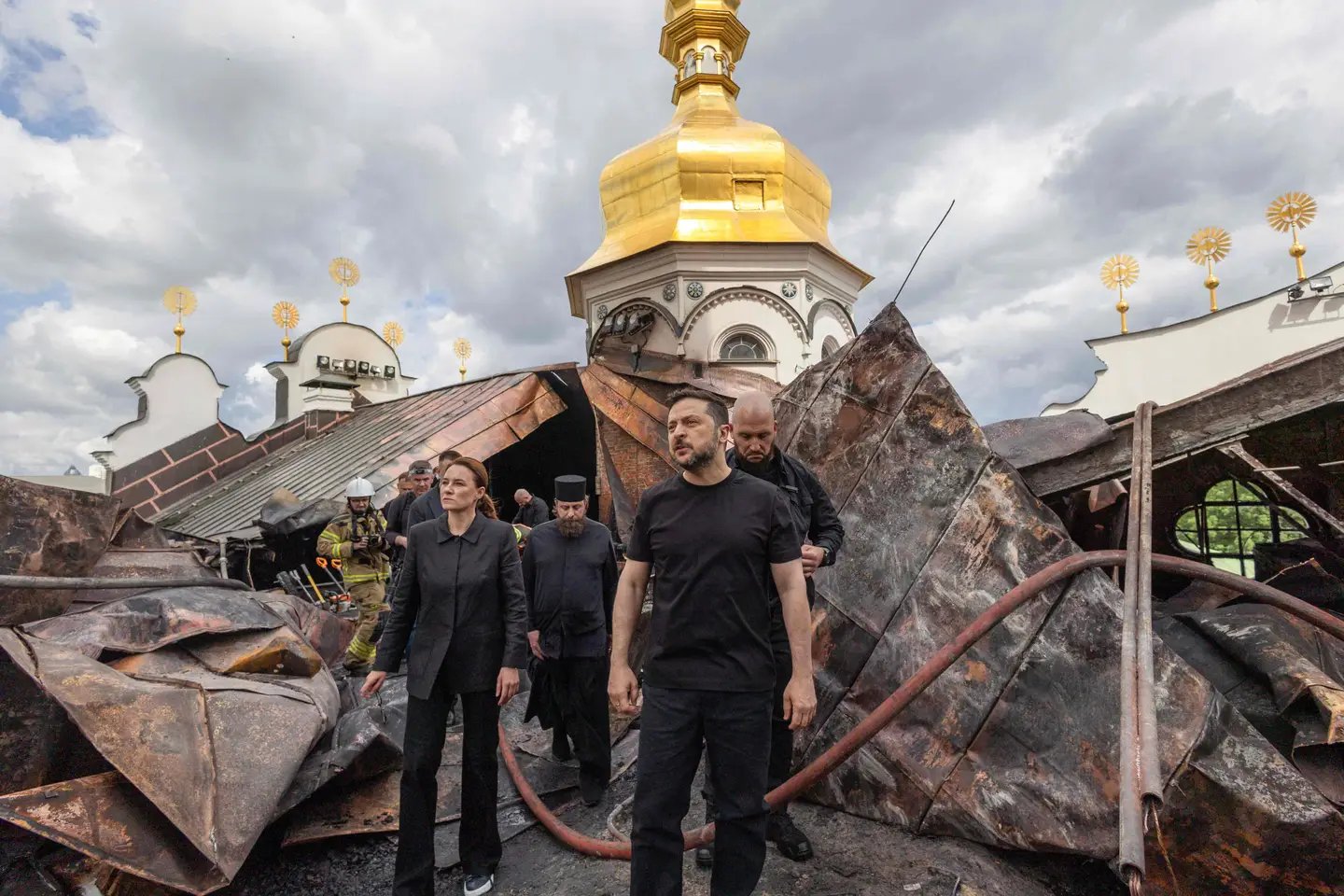
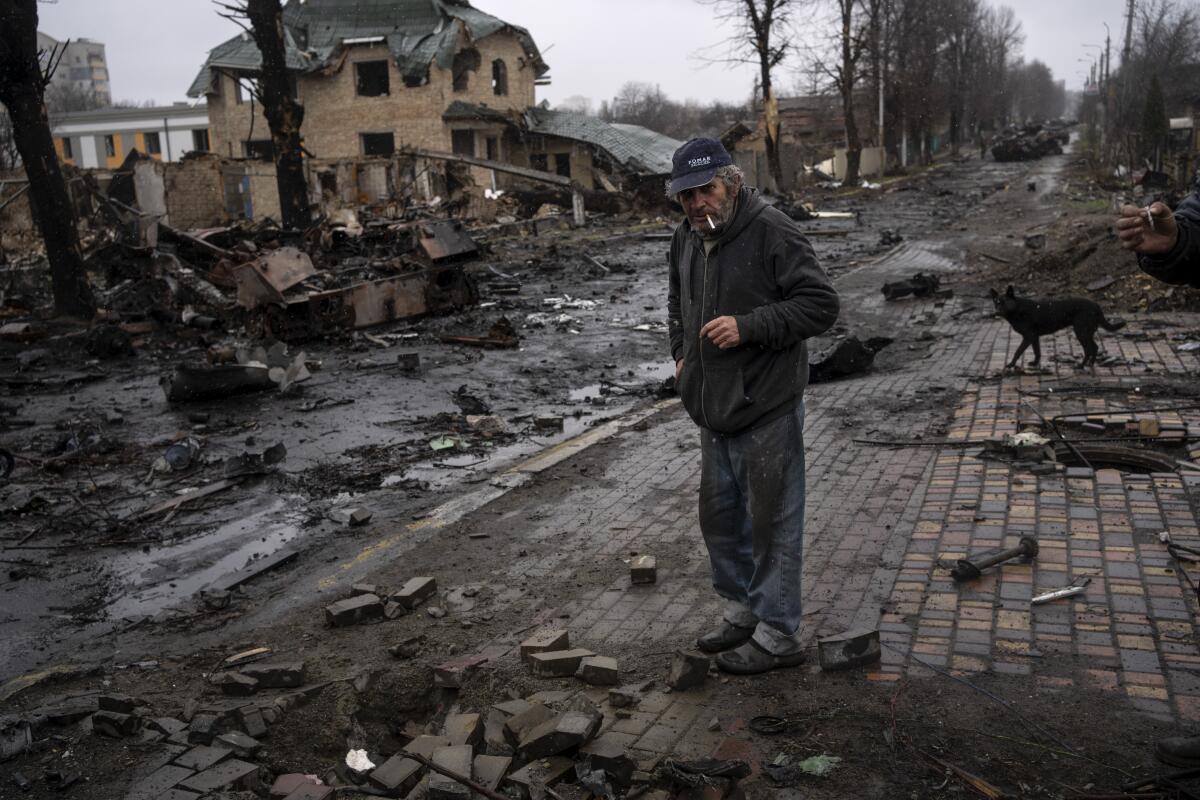
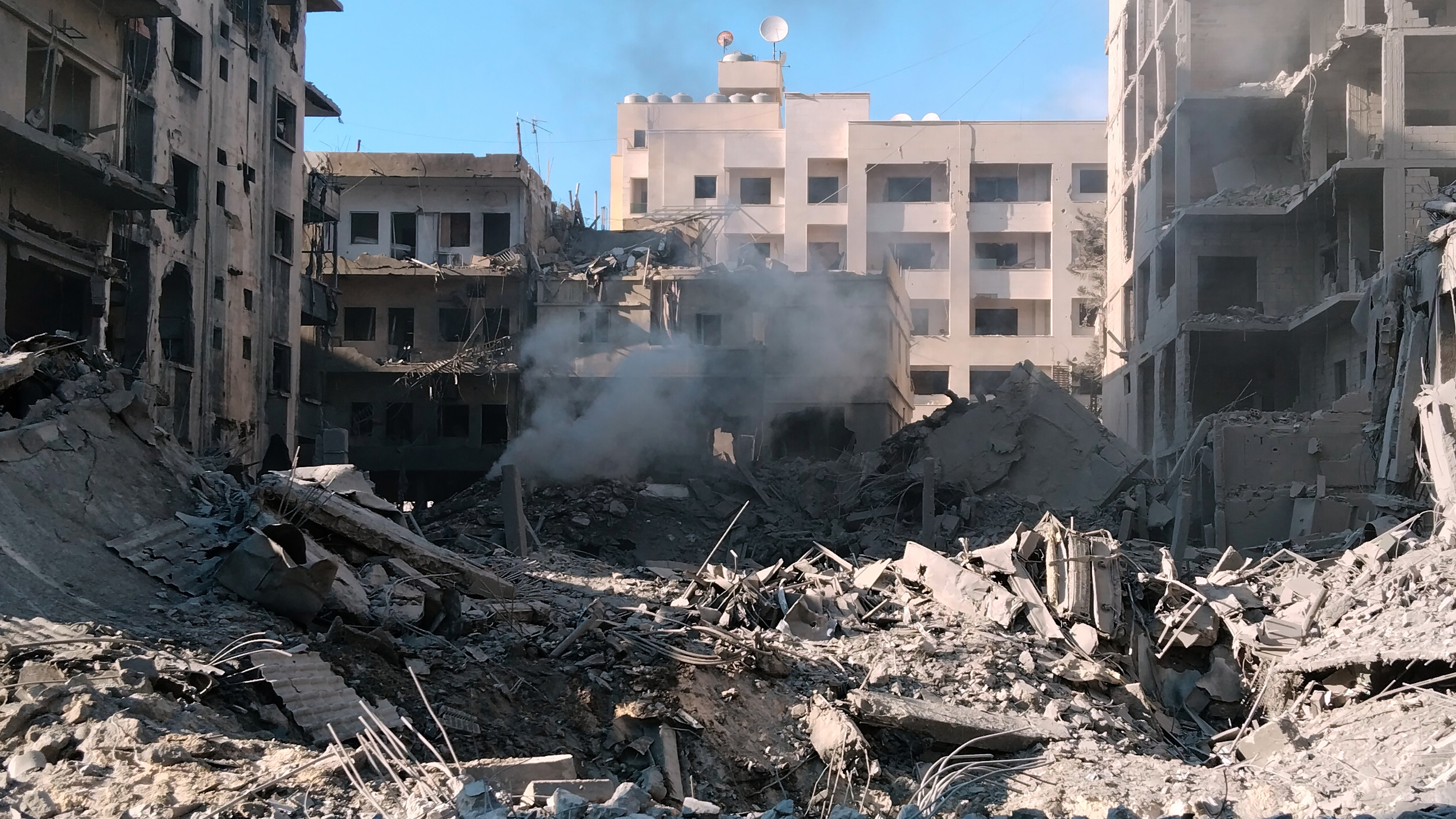
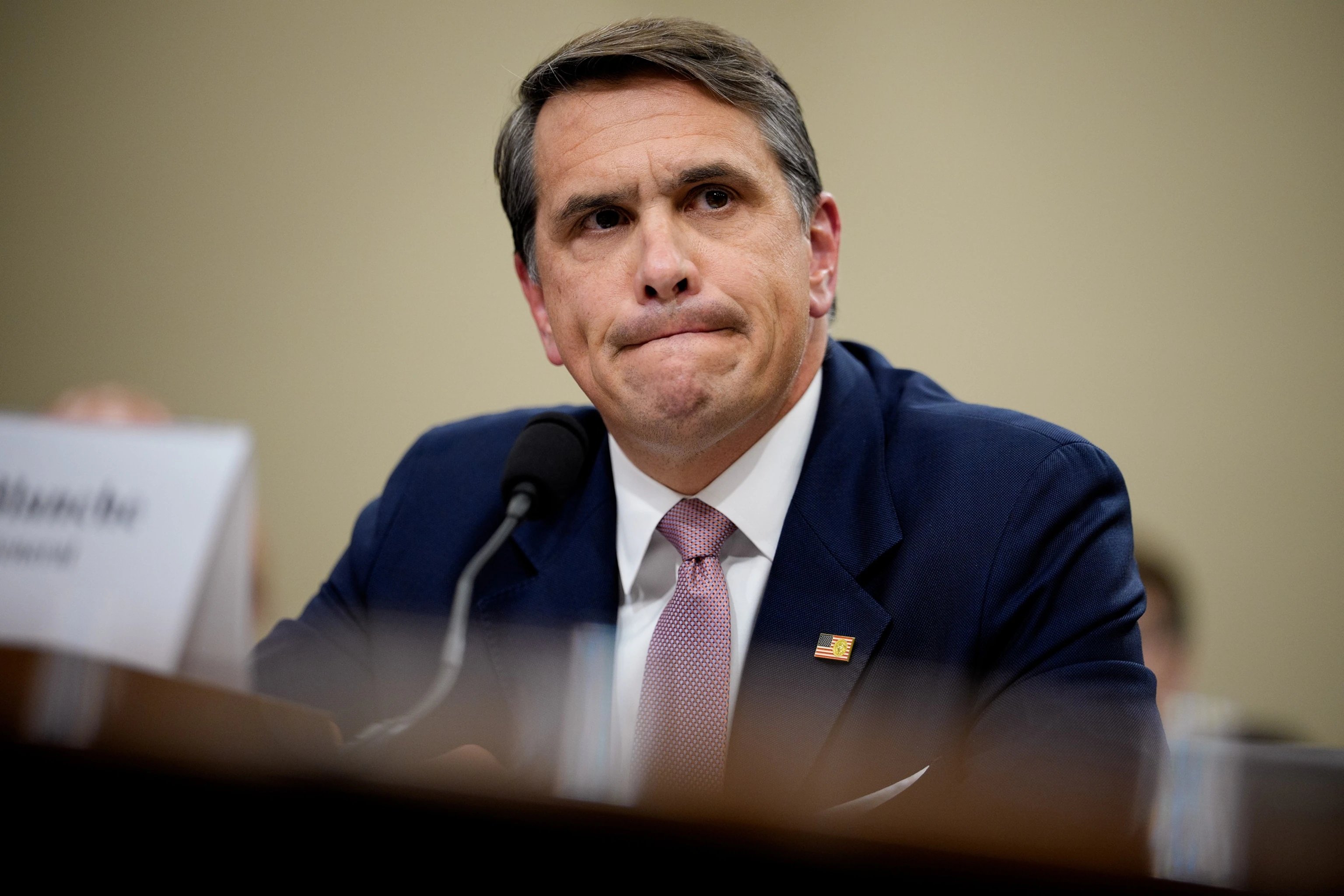
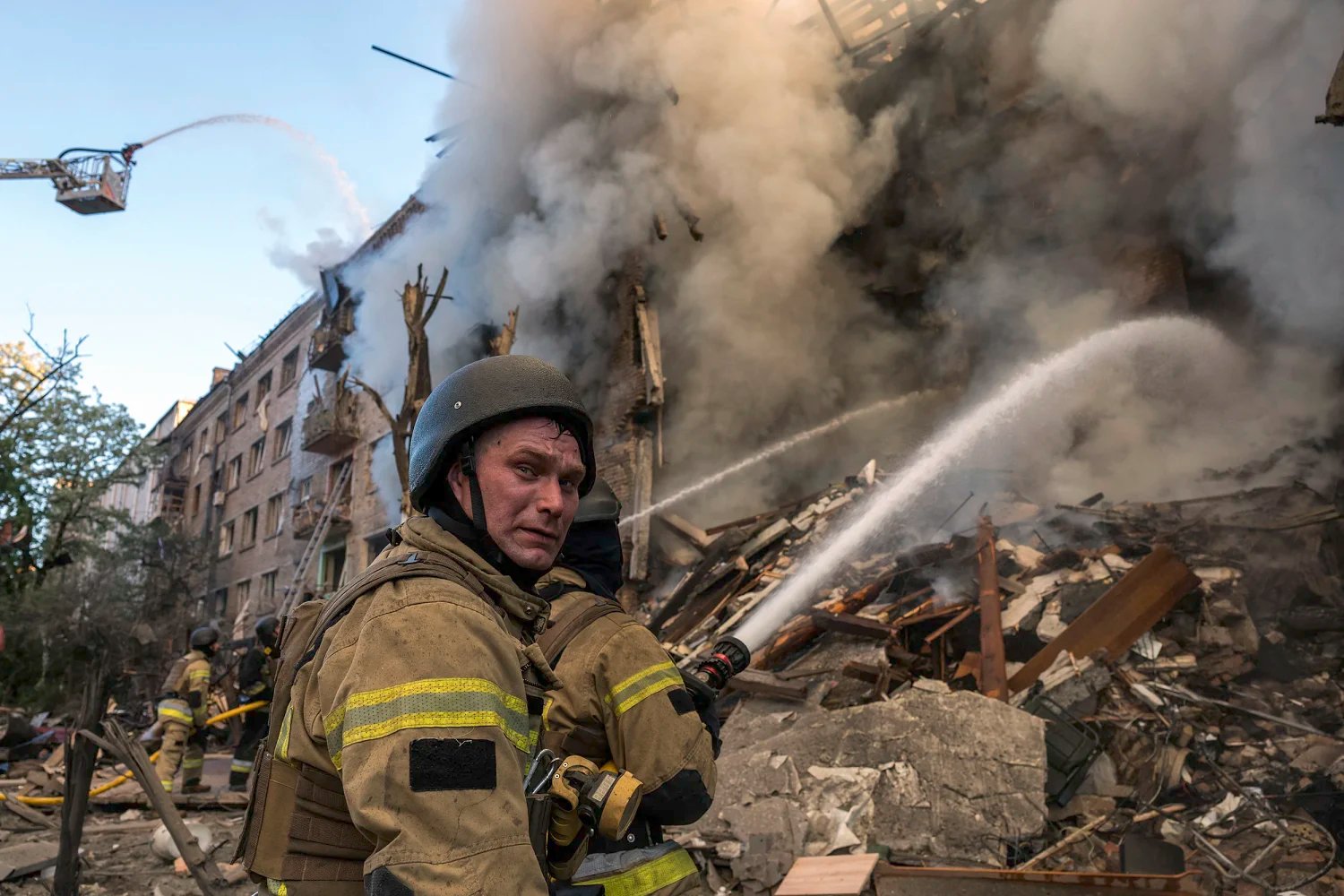
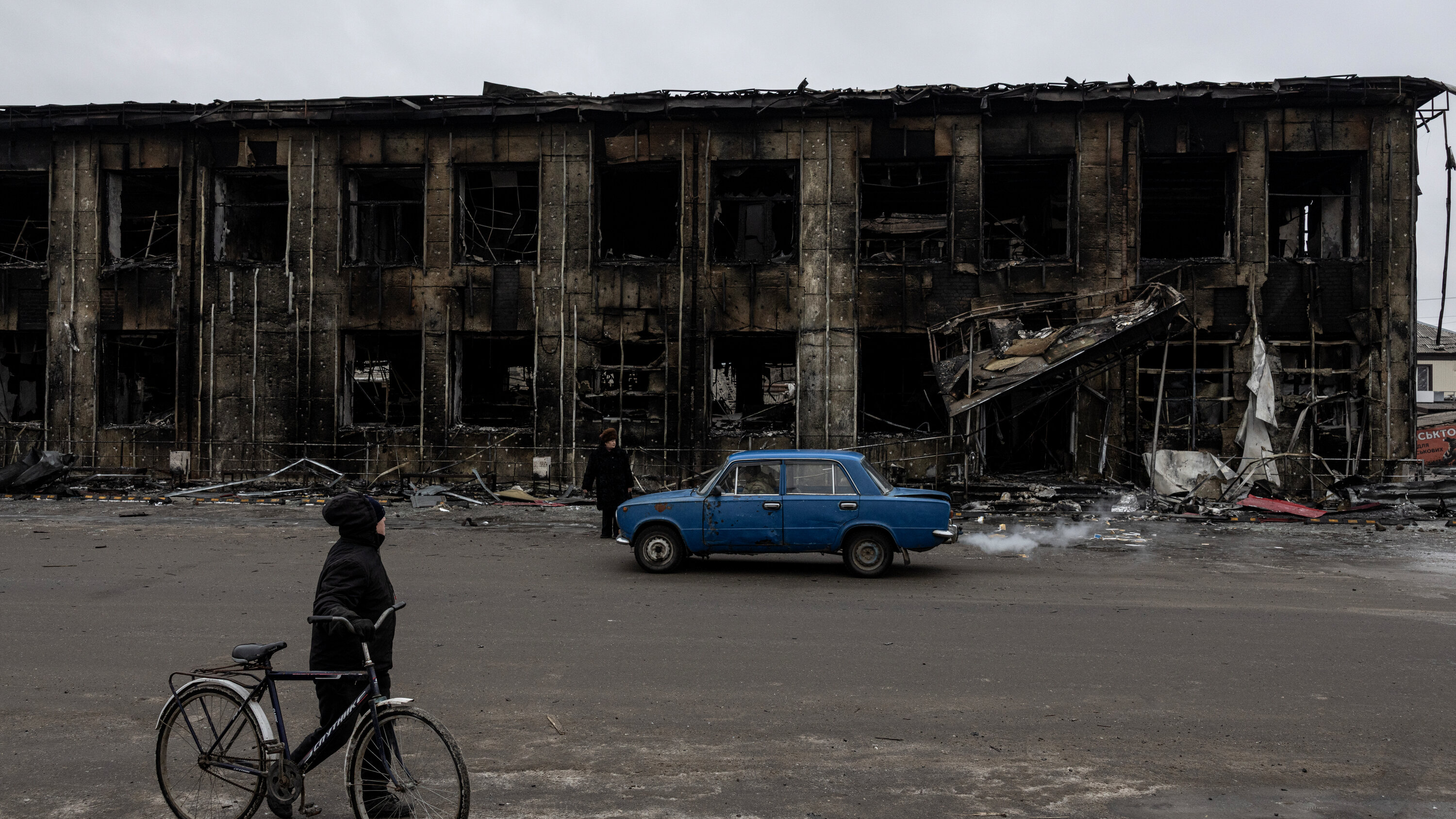
Ukraine views EU membership as a security guarantee and an anchor for its efforts to join the West. Deputy Prime Minister Taras Kachka emphasized the urgency of this process, stating, "Aggression against Ukraine and threats against Europe is a permanent policy of Russia, so that's why we need to be united." The formal launch of the accession talks will require Ukraine to undertake extensive political reforms while it continues to defend itself against Russian invasion.
Challenges Ahead
The accession process demands compliance with EU standards across 35 policy areas, known as chapters, which include essential topics such as the rule of law and fundamental rights. Ukraine will begin negotiations on five key chapters that underpin the EU's foundational values. However, concerns remain within the EU regarding Ukraine's readiness and the implications of its ongoing war with Russia. EU foreign policy chief Kaja Kallas described the start of these negotiations as a "major milestone," affirming that Ukraine has made significant reforms despite extraordinary circumstances.
Hungary's Shift in Policy
The change in Hungary's stance reflects a broader shift in the region's political landscape. Viktor Orban's administration had long been seen as a stalwart ally of Russia within the EU, but Magyar's government is keen to reintegrate Hungary into the EU's mainstream. The recent agreement between Magyar and Ukraine to strengthen the rights of the ethnic Hungarian minority in Ukraine facilitated the lifting of Hungary's veto, clearing the path for the accession talks.
The Road to Accession
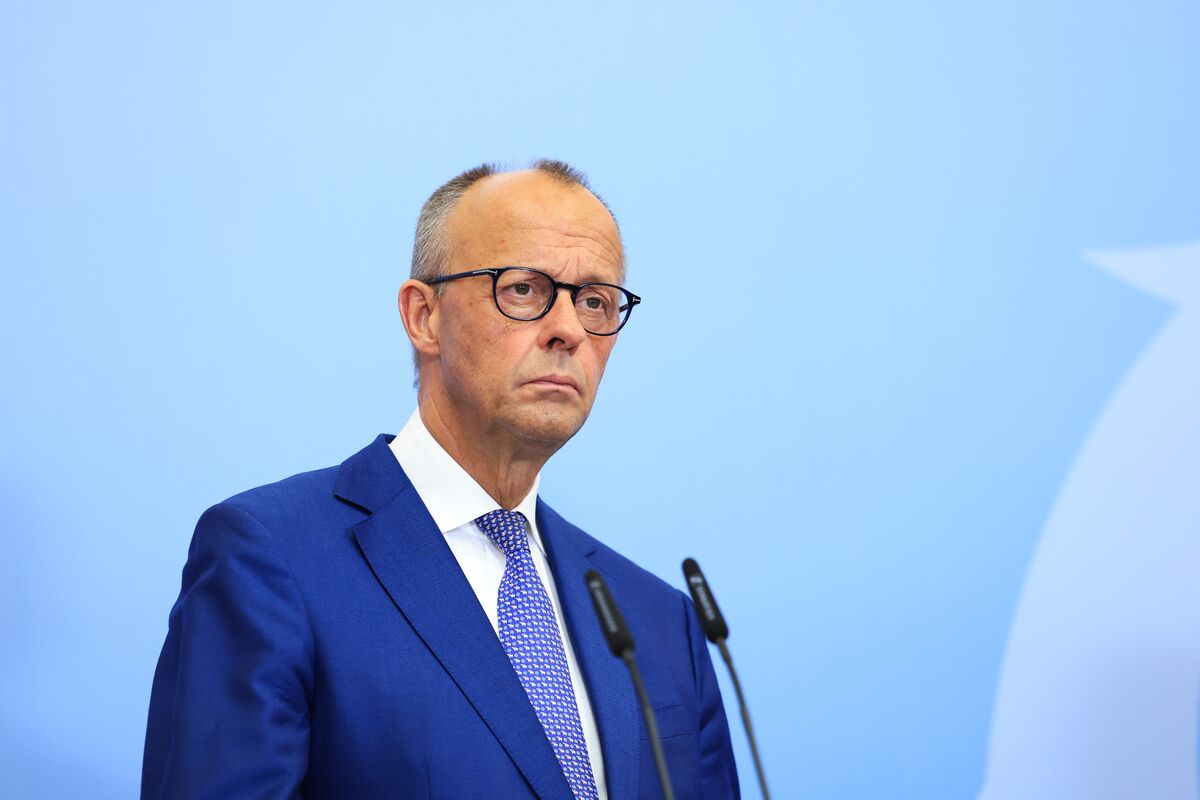
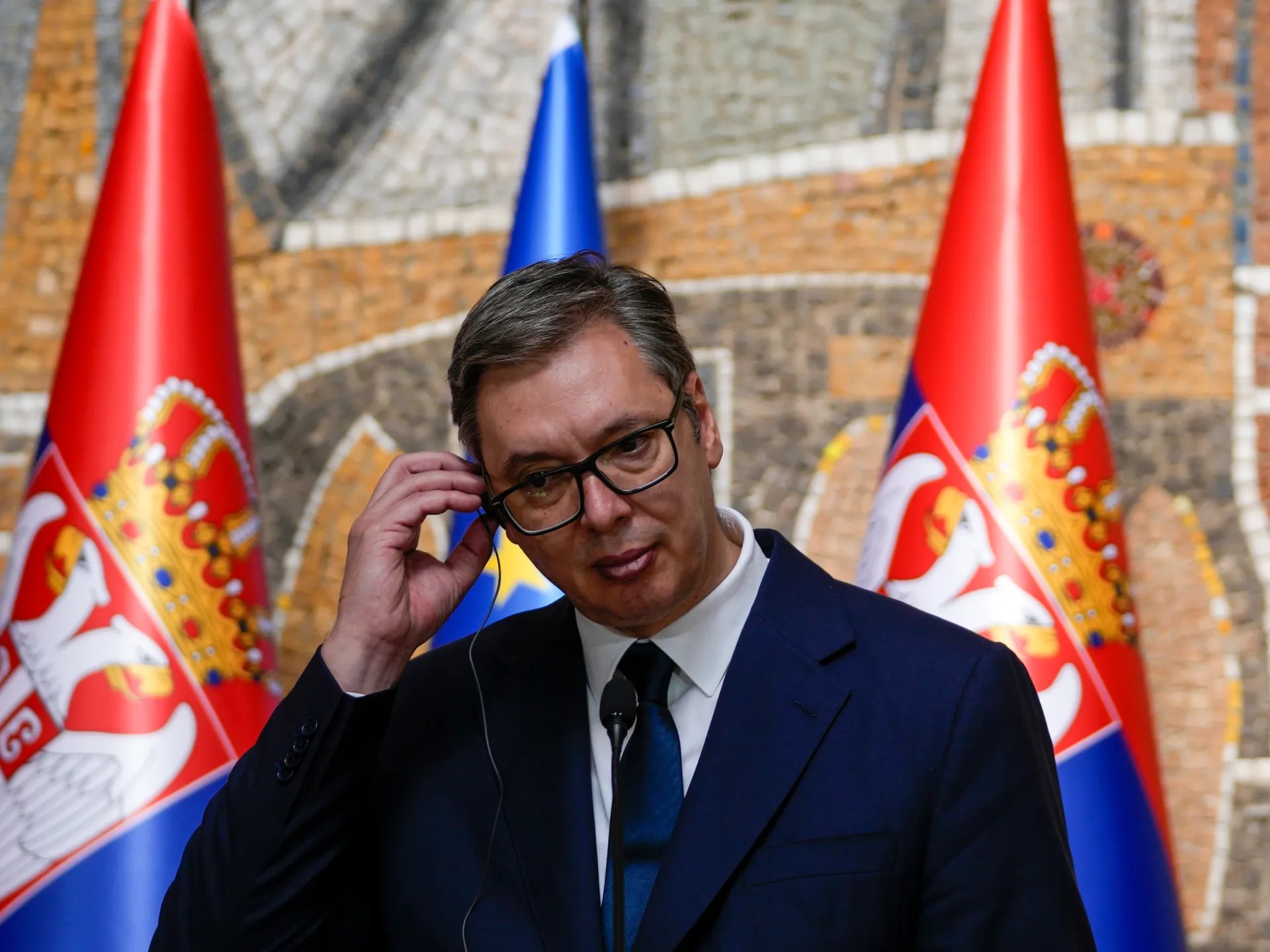
Historically, the EU accession process can take years or even decades, with the last member to join being Croatia in 2013. Ukraine's journey is expected to be similarly protracted, especially while it remains embroiled in conflict. German Chancellor Friedrich Merz has proposed an "associate membership" status for Ukraine, allowing participation in EU summits and ministerial meetings without voting rights. Other proposals, including one from Serbia and Albania, have suggested different forms of partial membership involving access to the European Single Market. The associate membership proposal met resistance inside Ukraine, amid concerns such a status could sideline the country instead of bringing it closer to full membership.
Implications for Regional Stability
The formal launch of accession talks not only impacts Ukraine but also signifies a potential shift in regional dynamics. This shift also sends a message to other countries in the region about the EU's commitment to its enlargement strategy, despite previous hesitations.
Next Steps for Ukraine and the EU
As Ukraine embarks on this complex journey, the nation must demonstrate its commitment to reform and compliance with EU standards. The path ahead is fraught with challenges, but the initiation of formal talks represents a significant step toward European integration. For citizens of Ukraine, this development is not just about national aspirations but also about securing a safer and more prosperous future within the European community.