




Global Oil Use Drops Temporarily
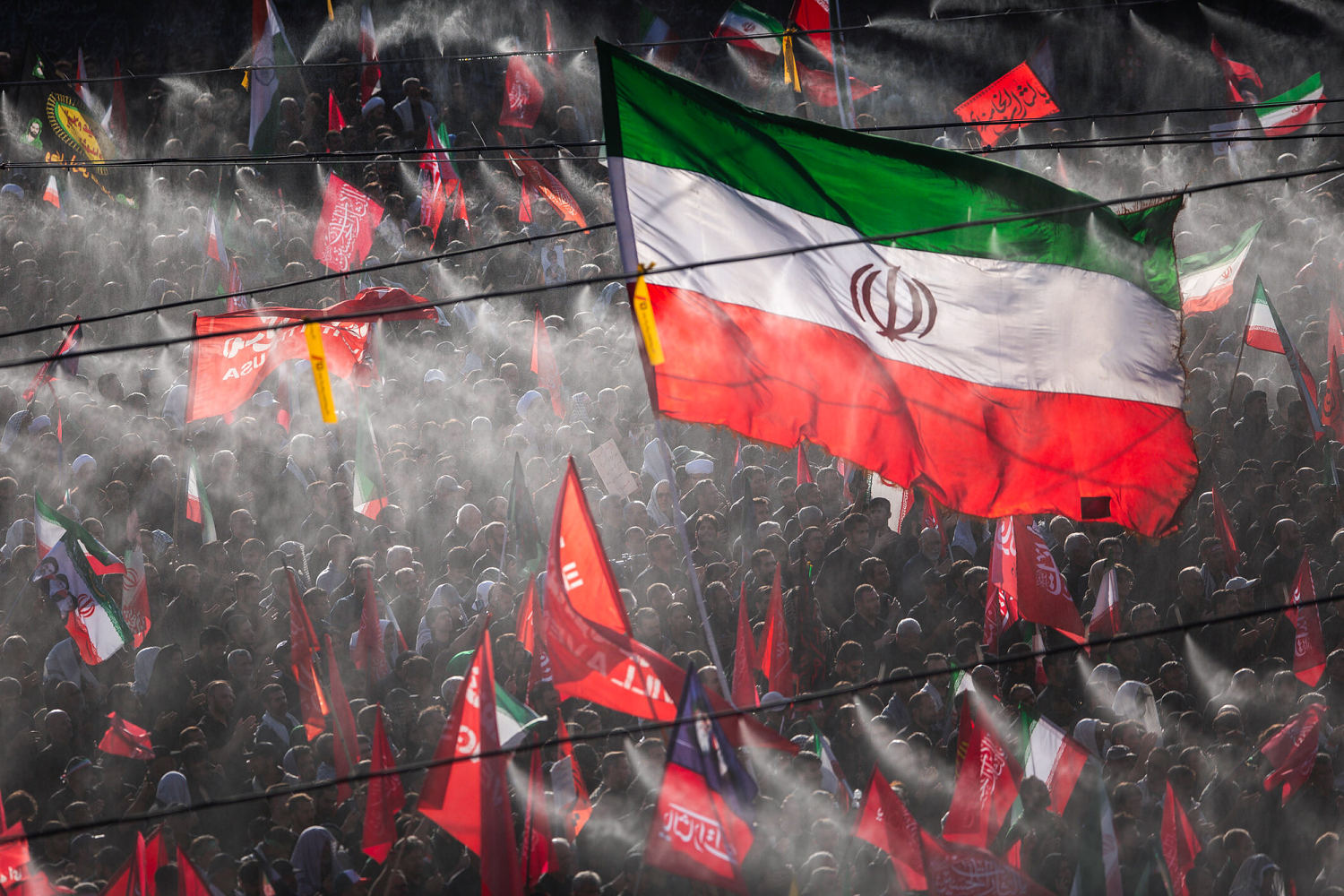
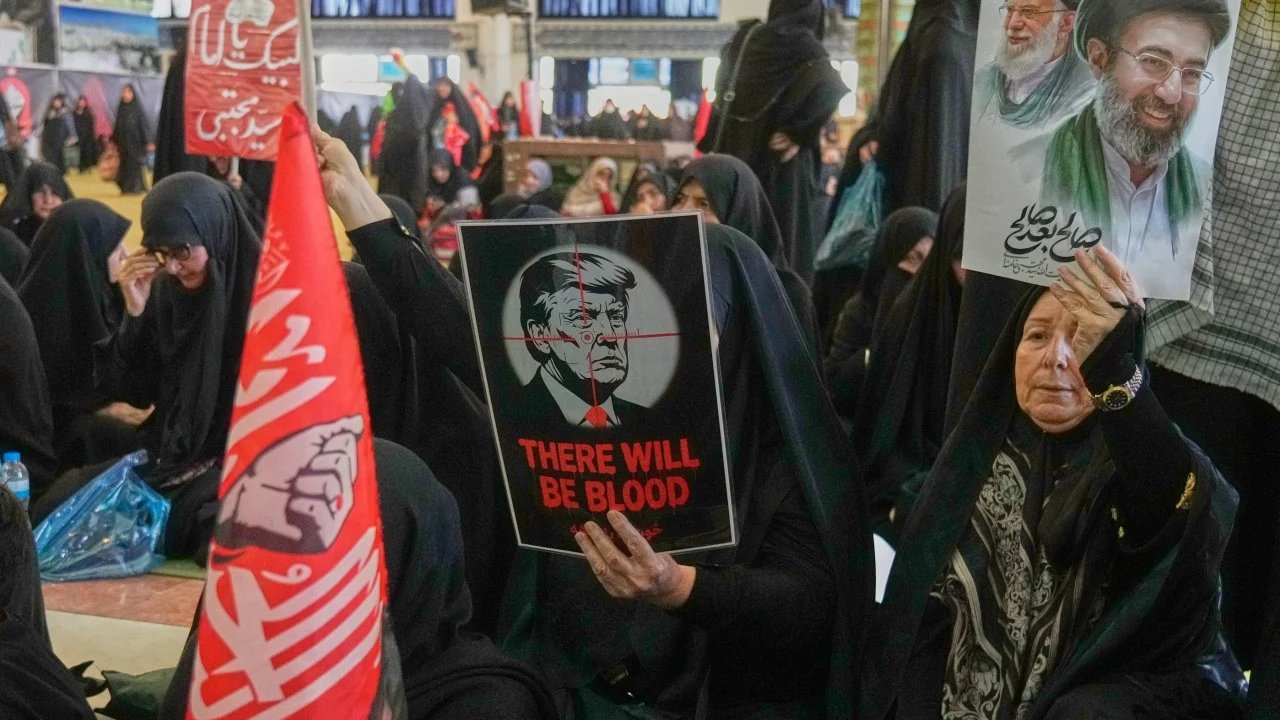
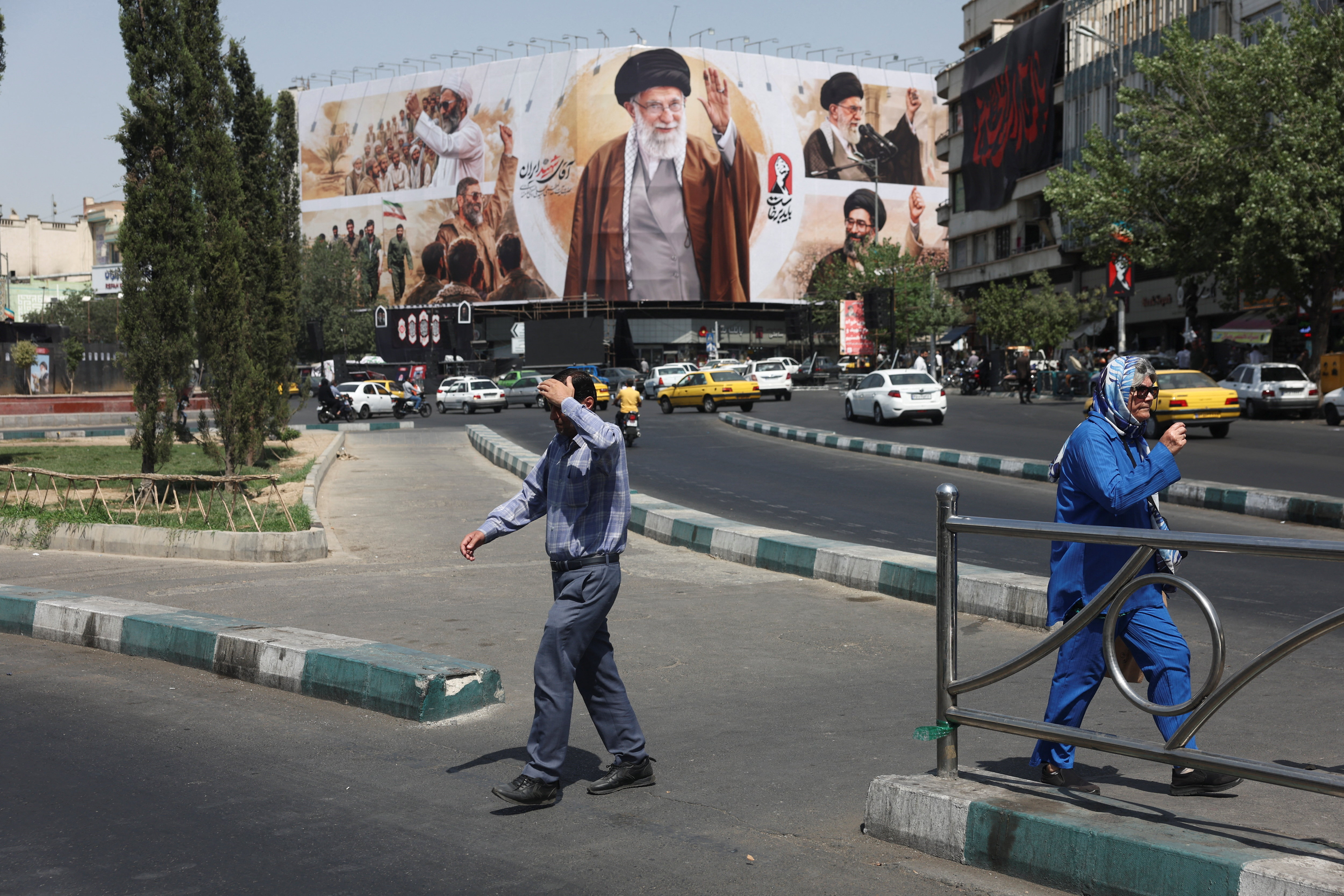
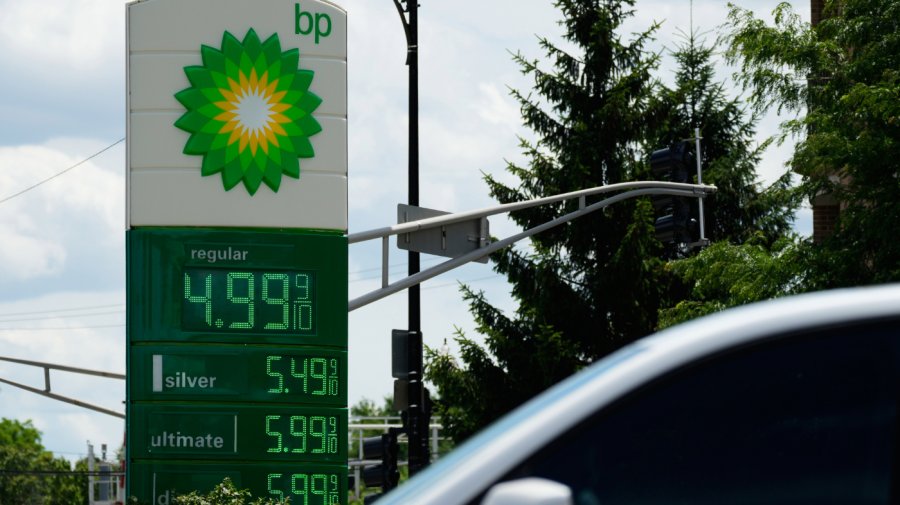
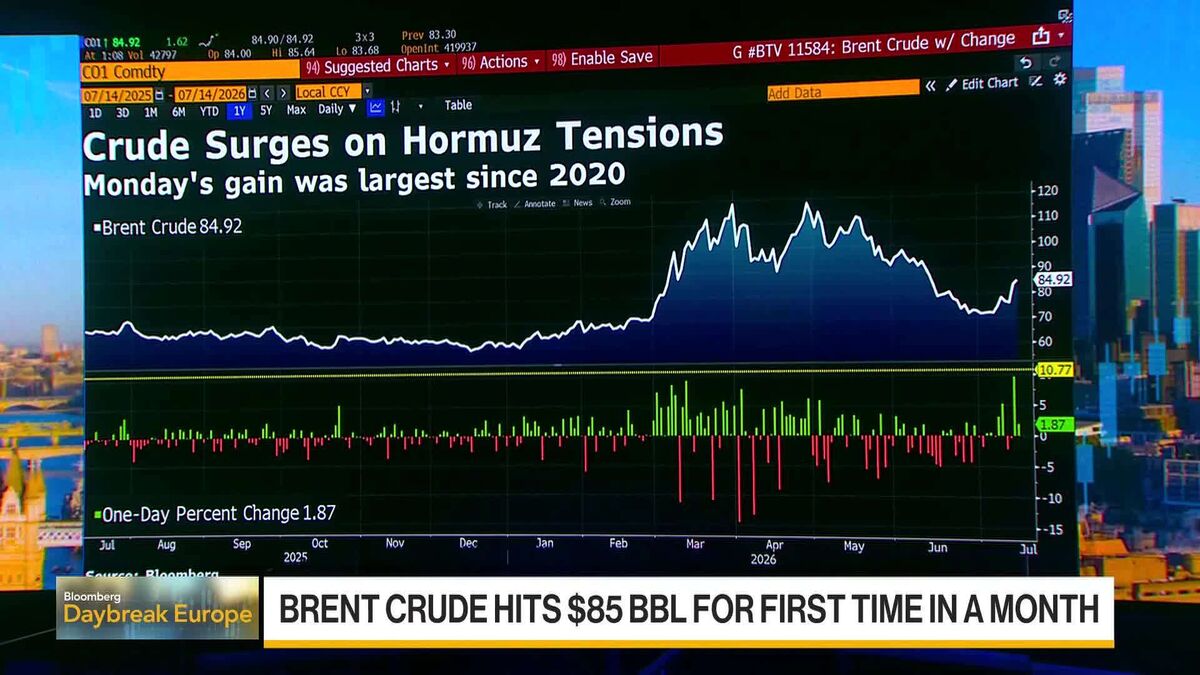
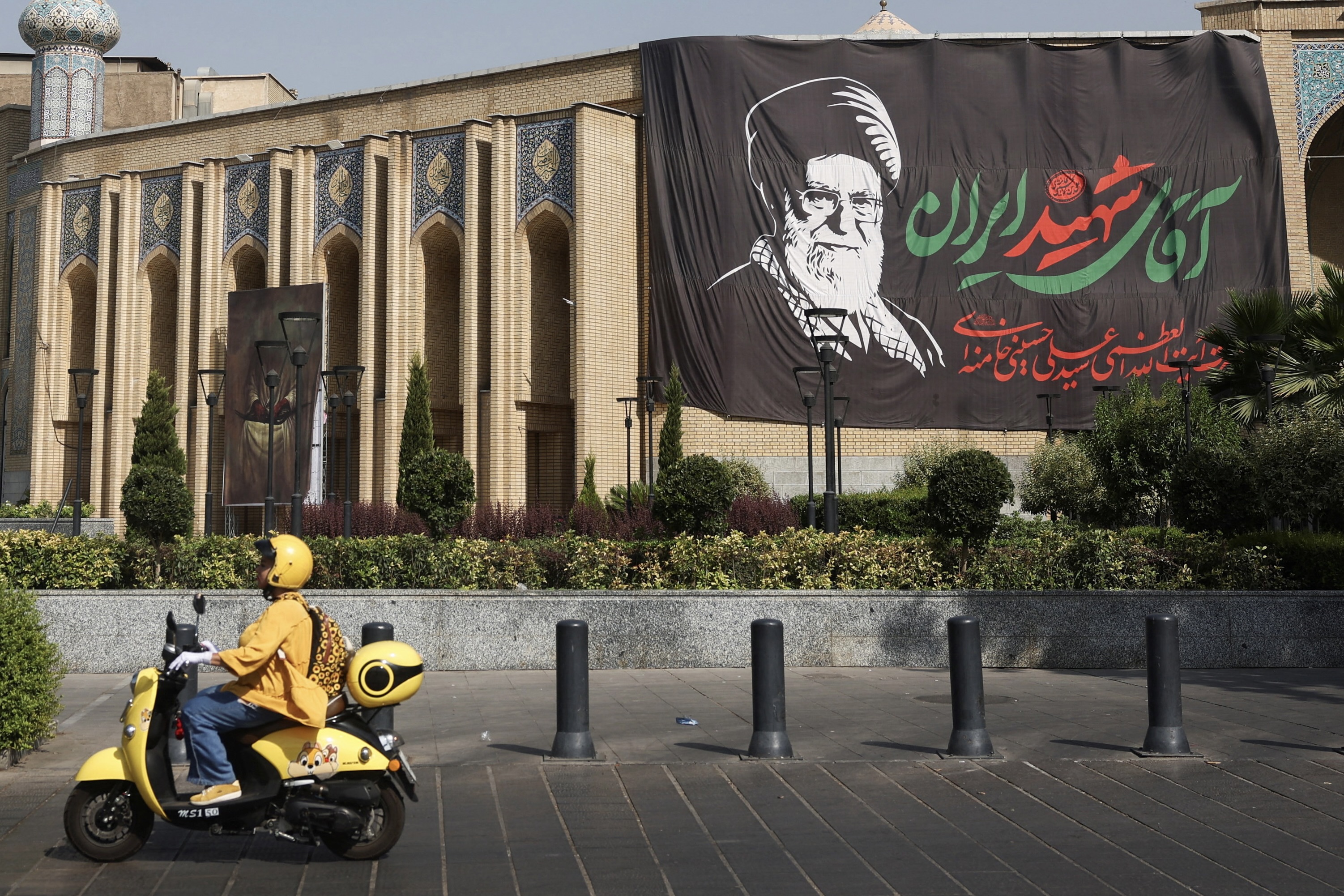
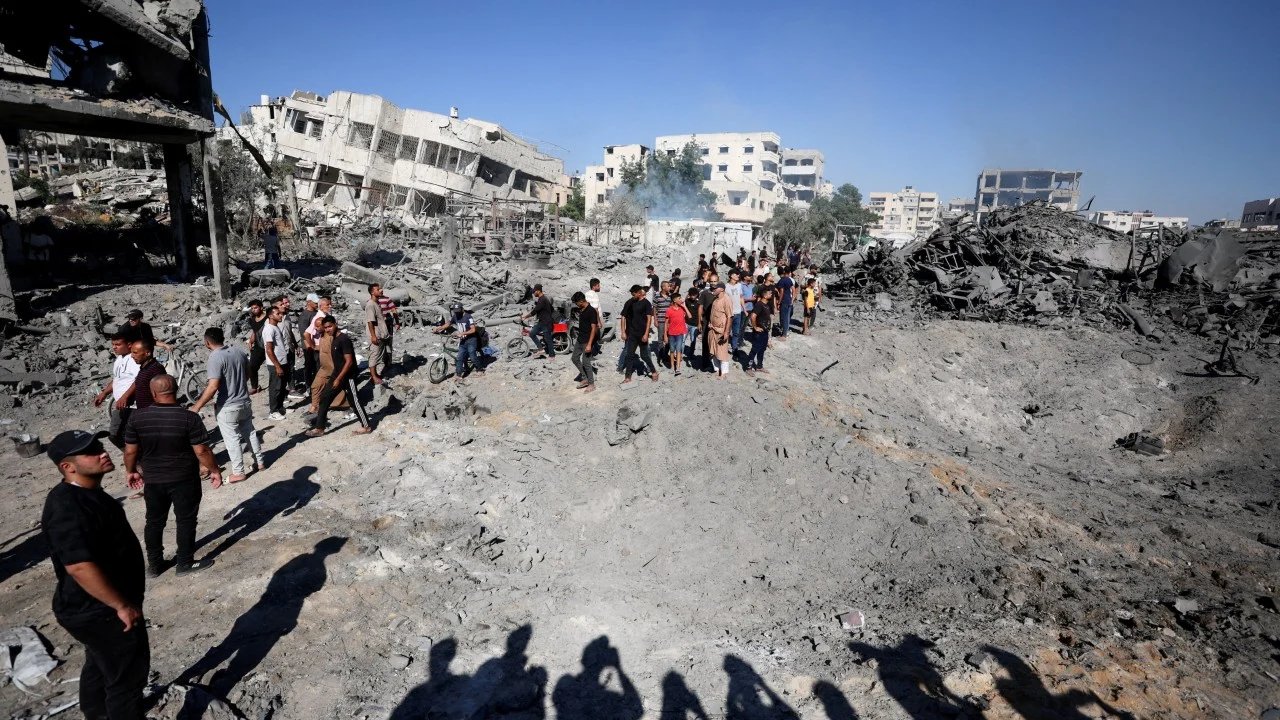
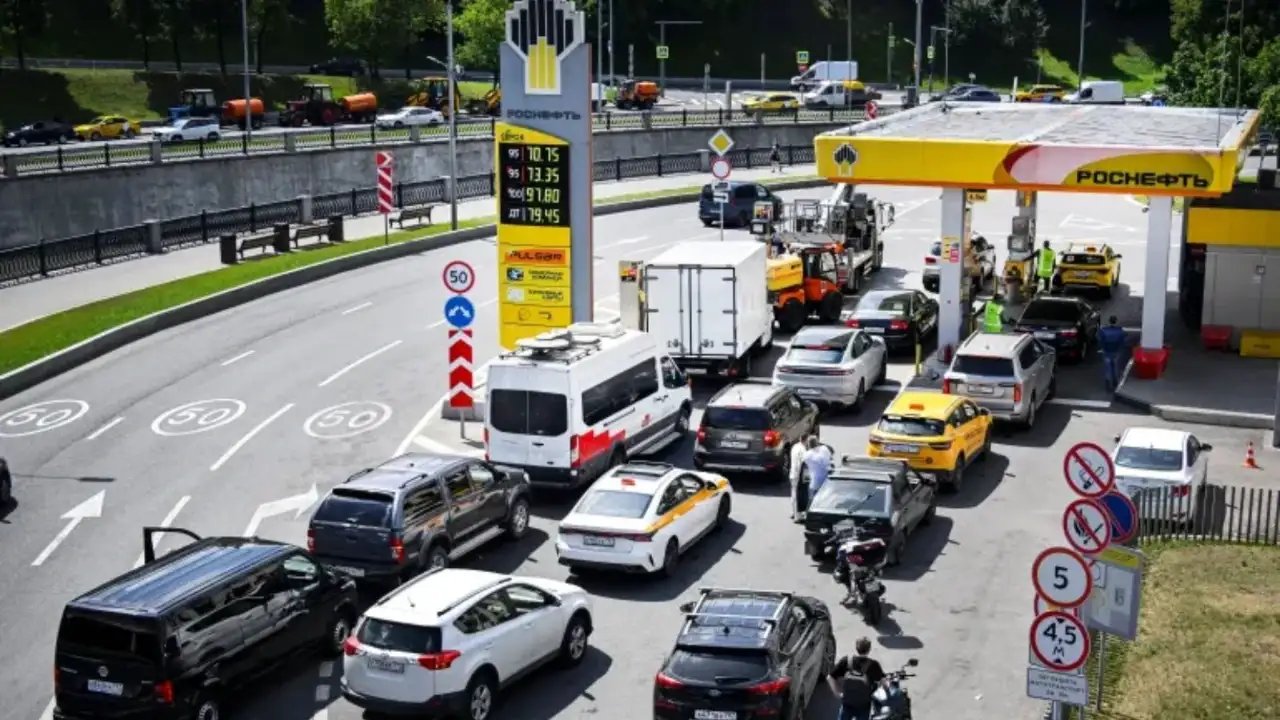
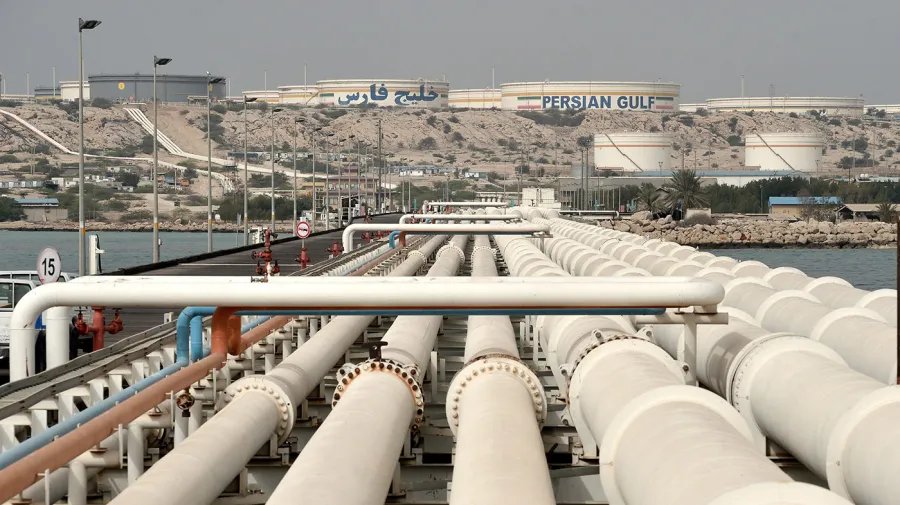
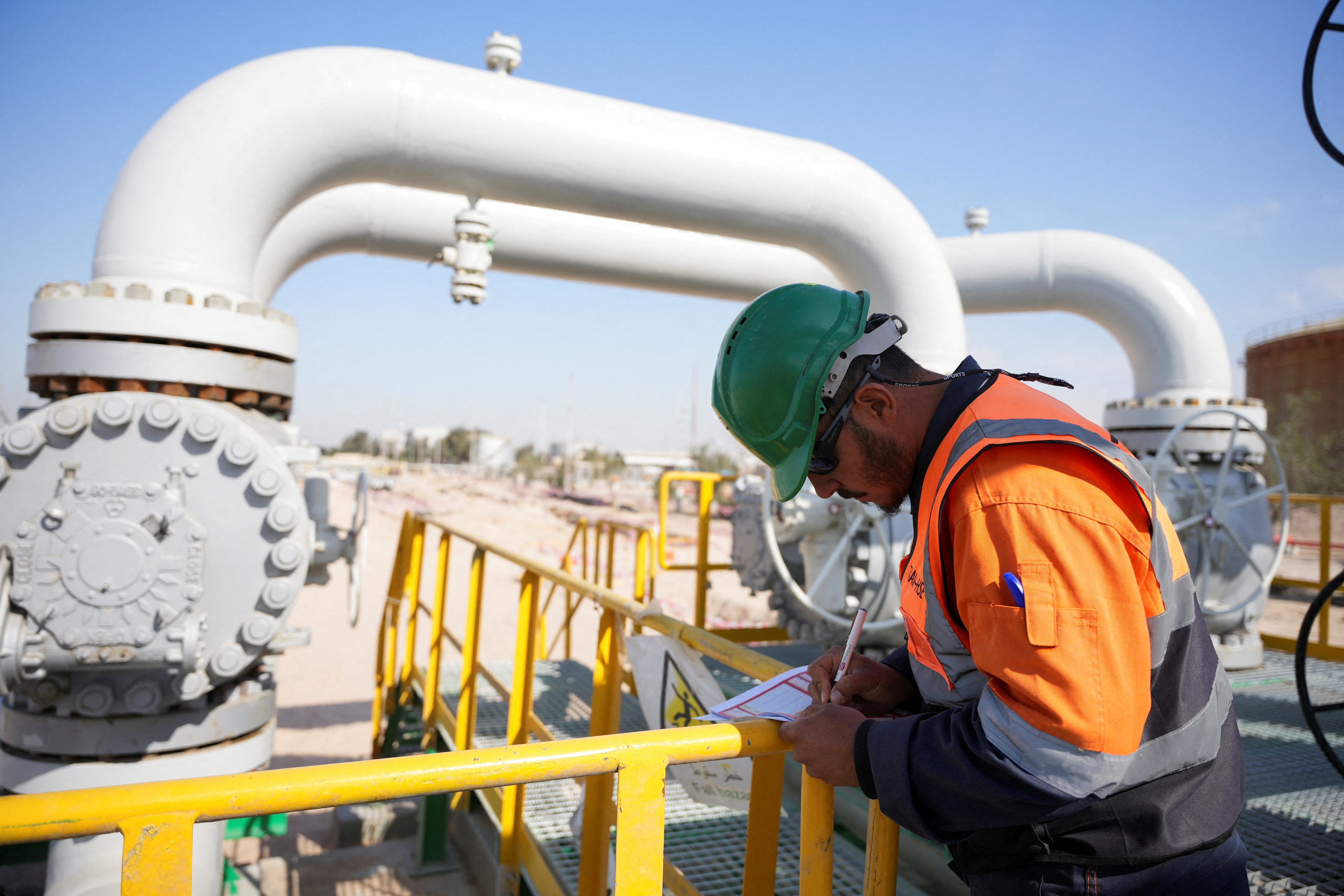
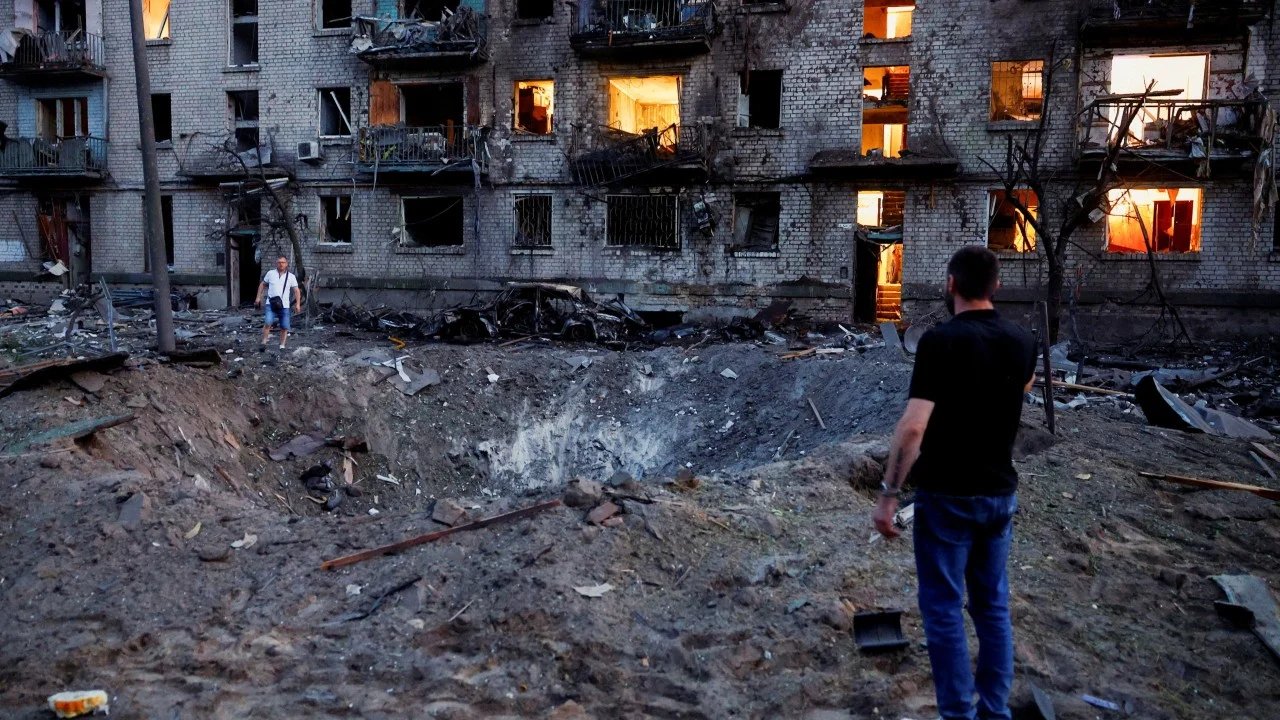
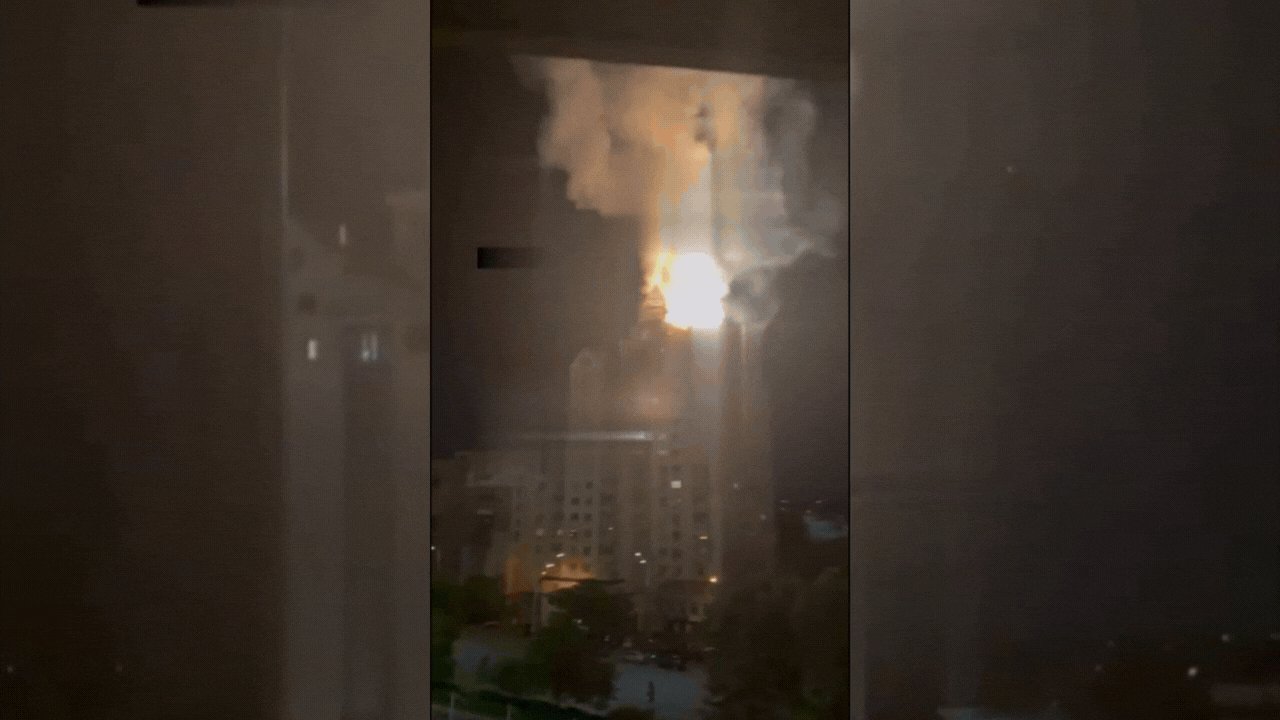
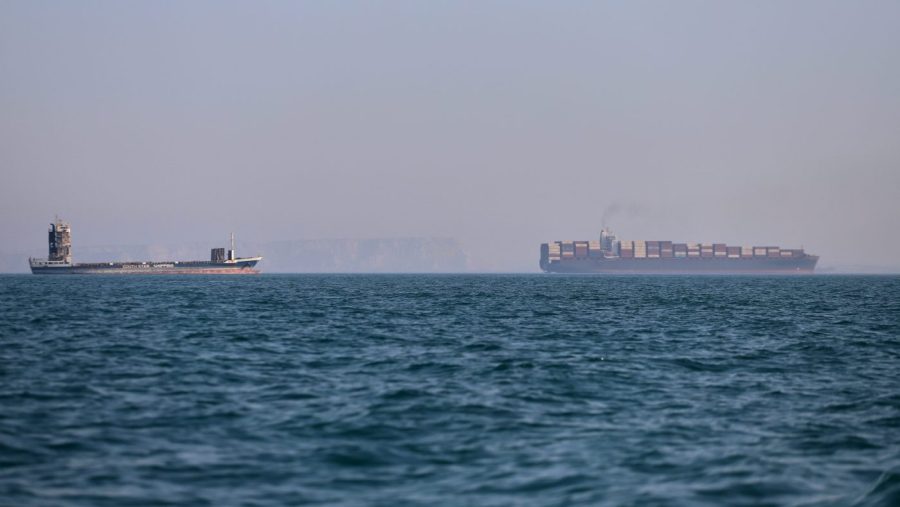
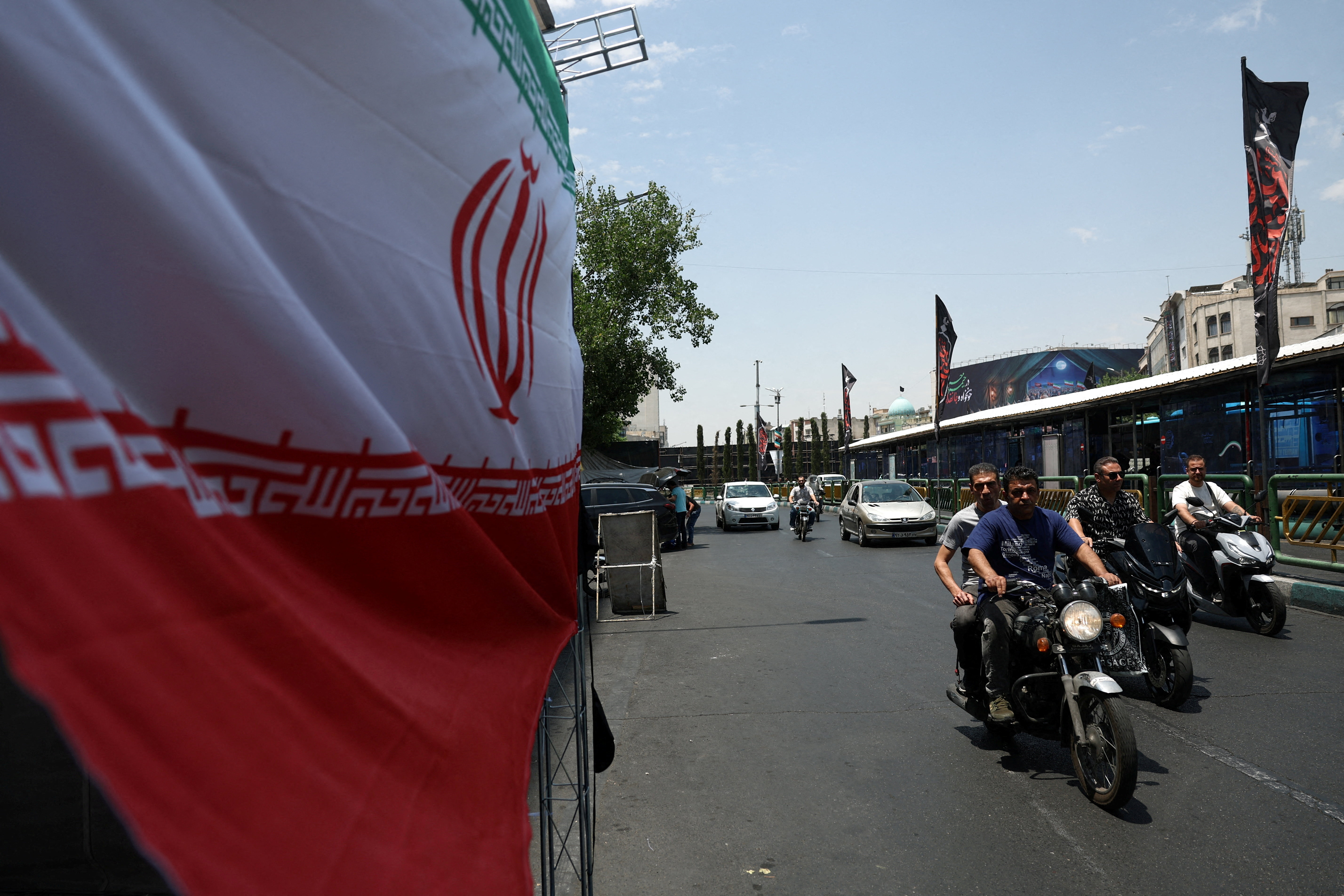
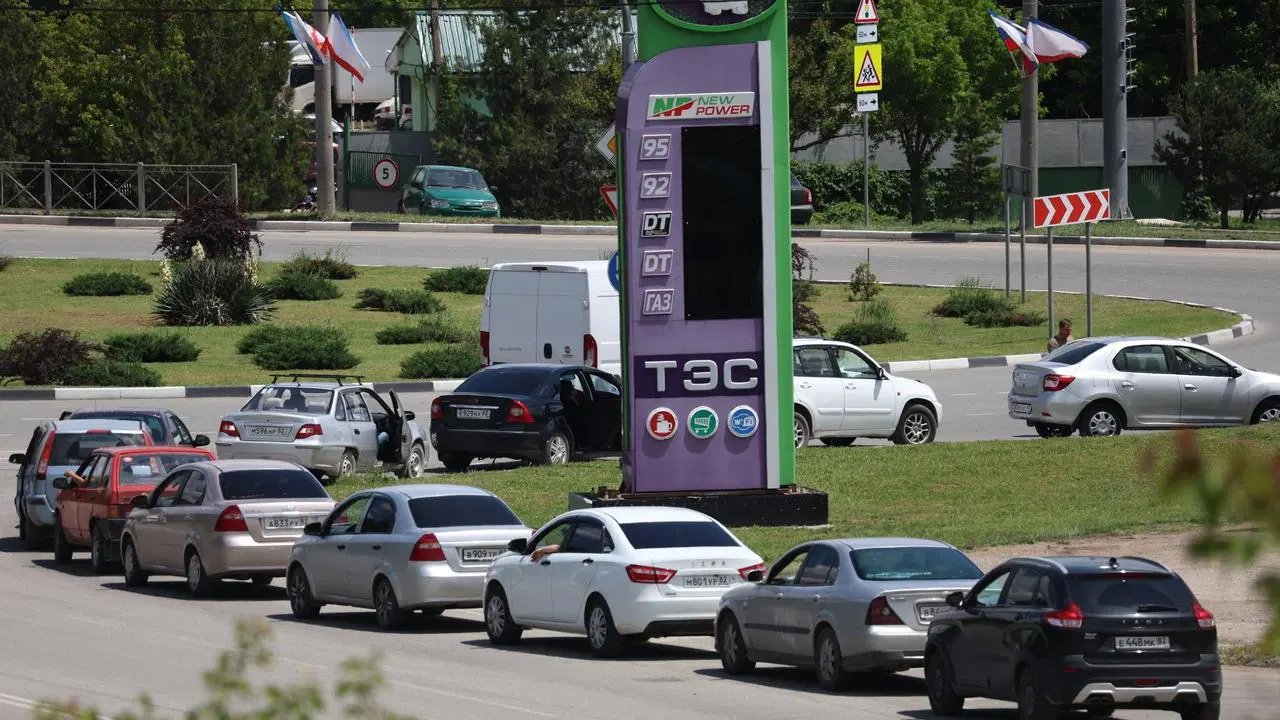
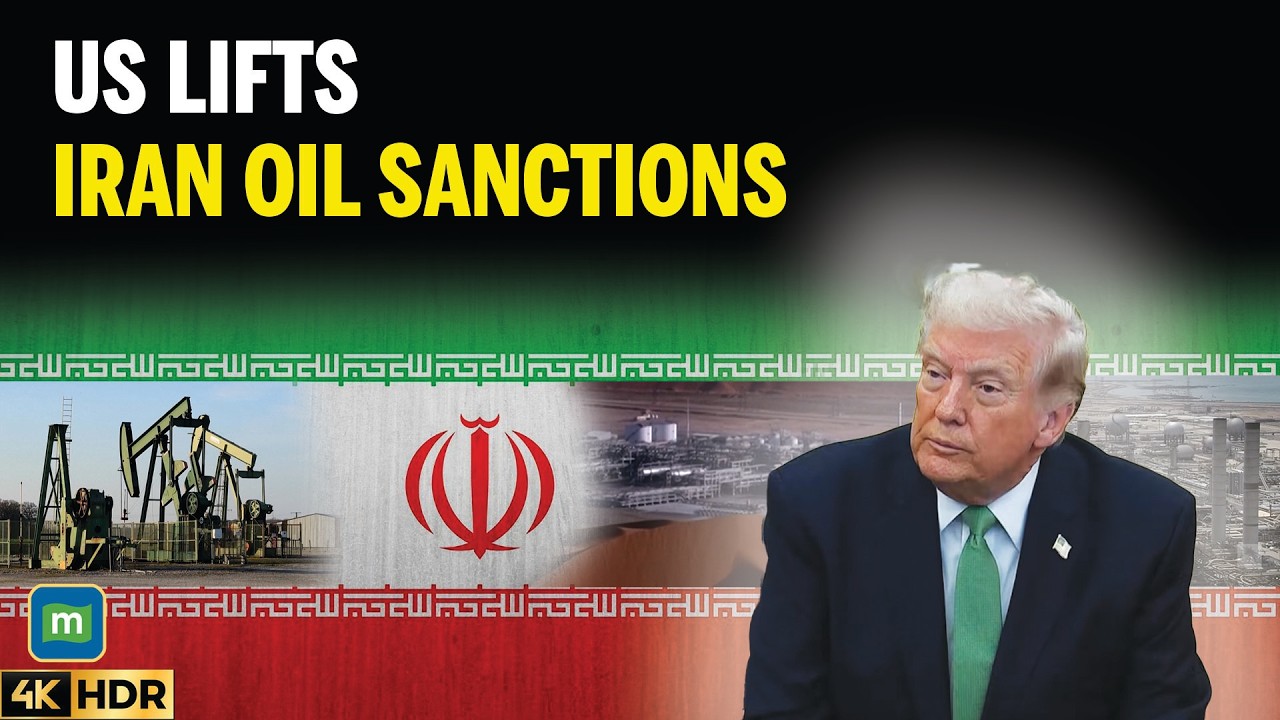
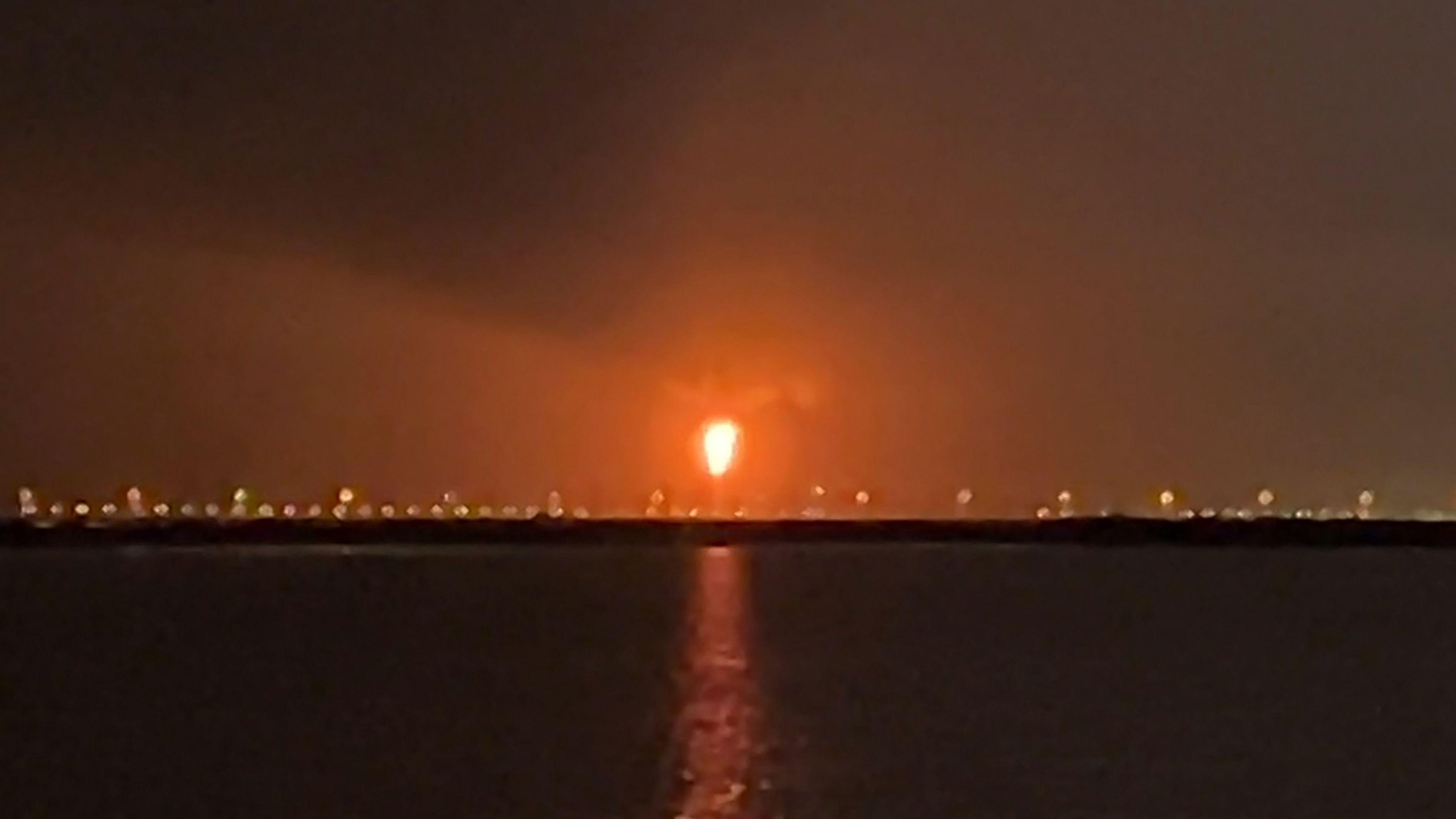
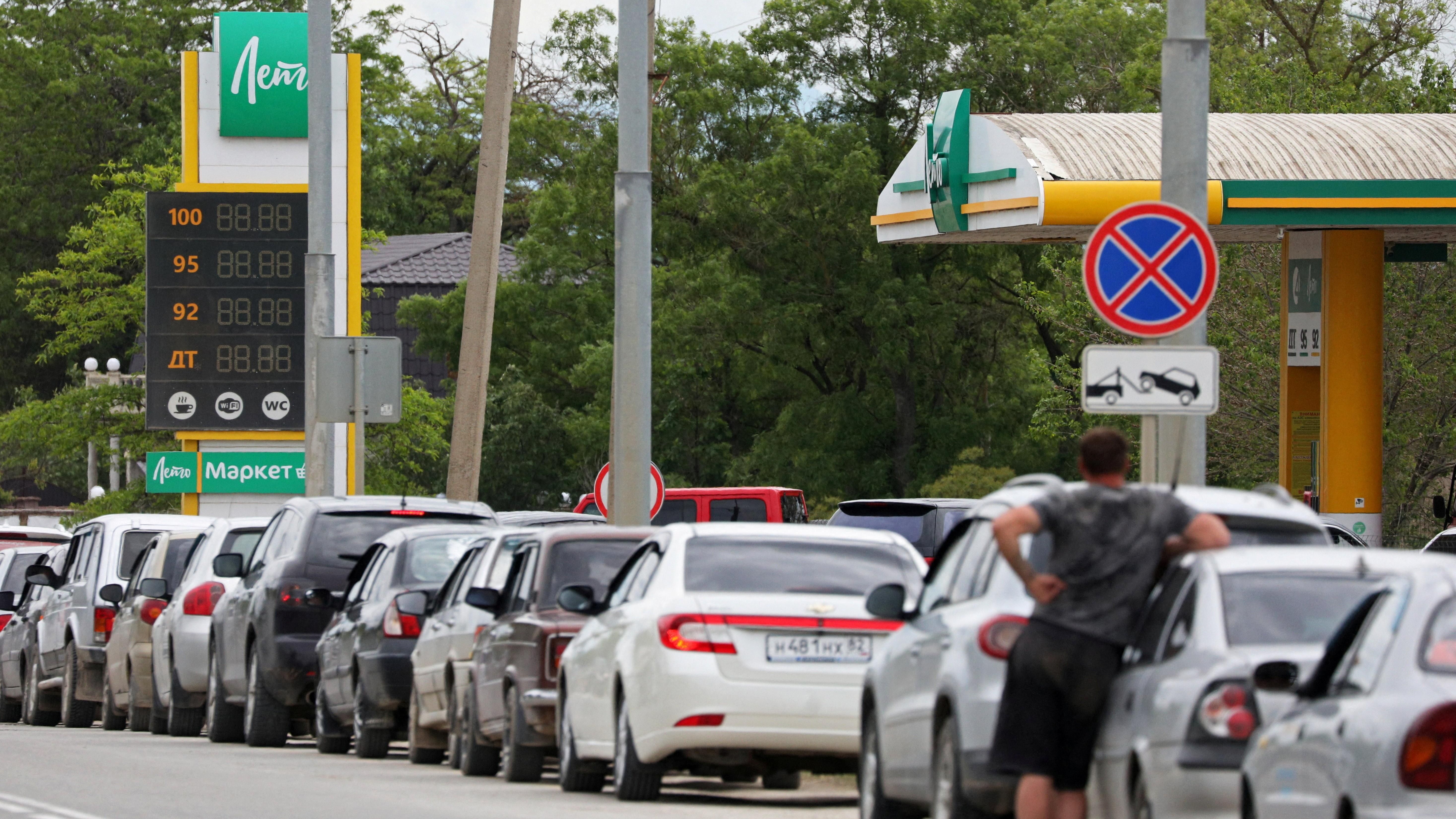
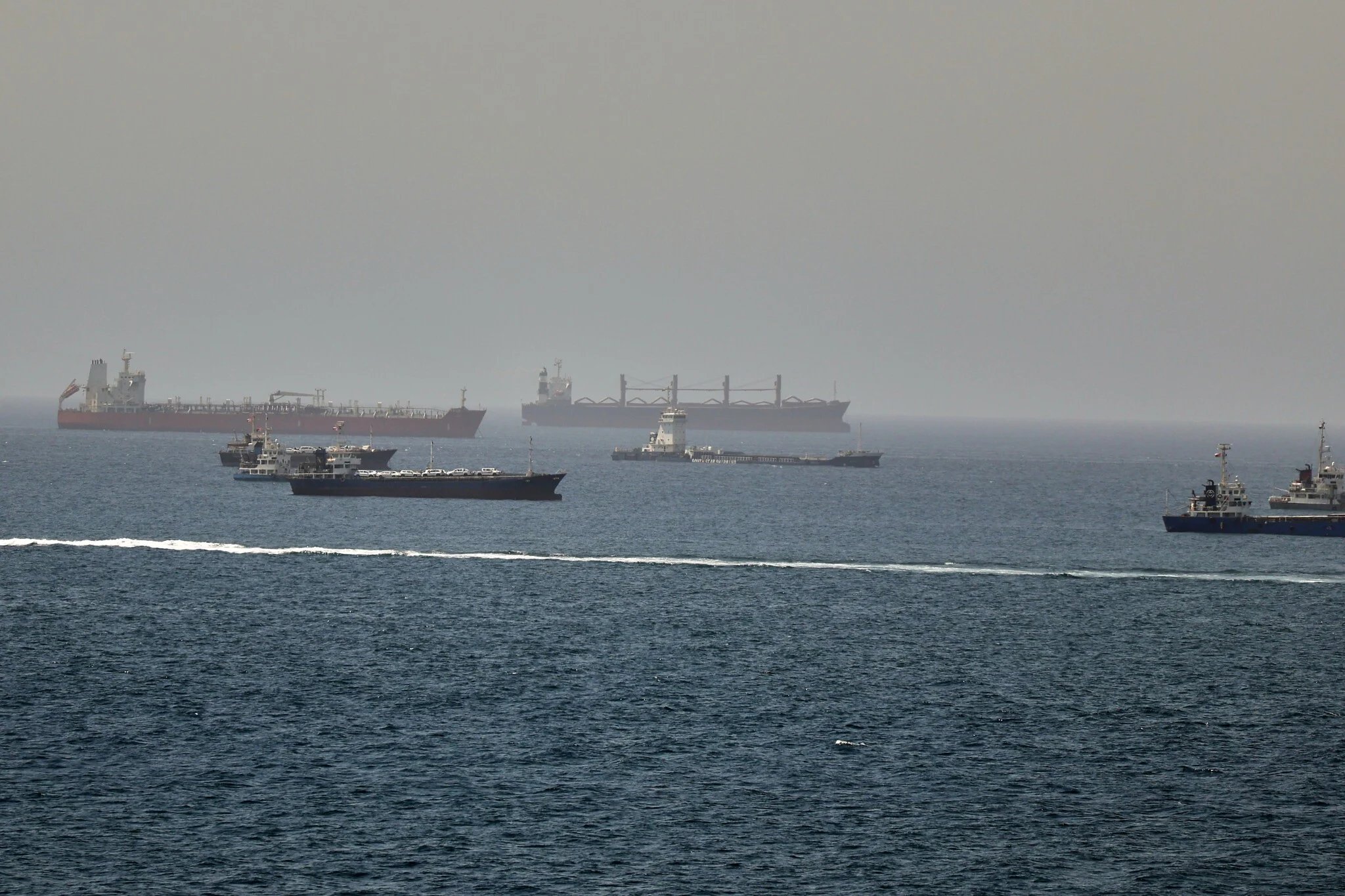
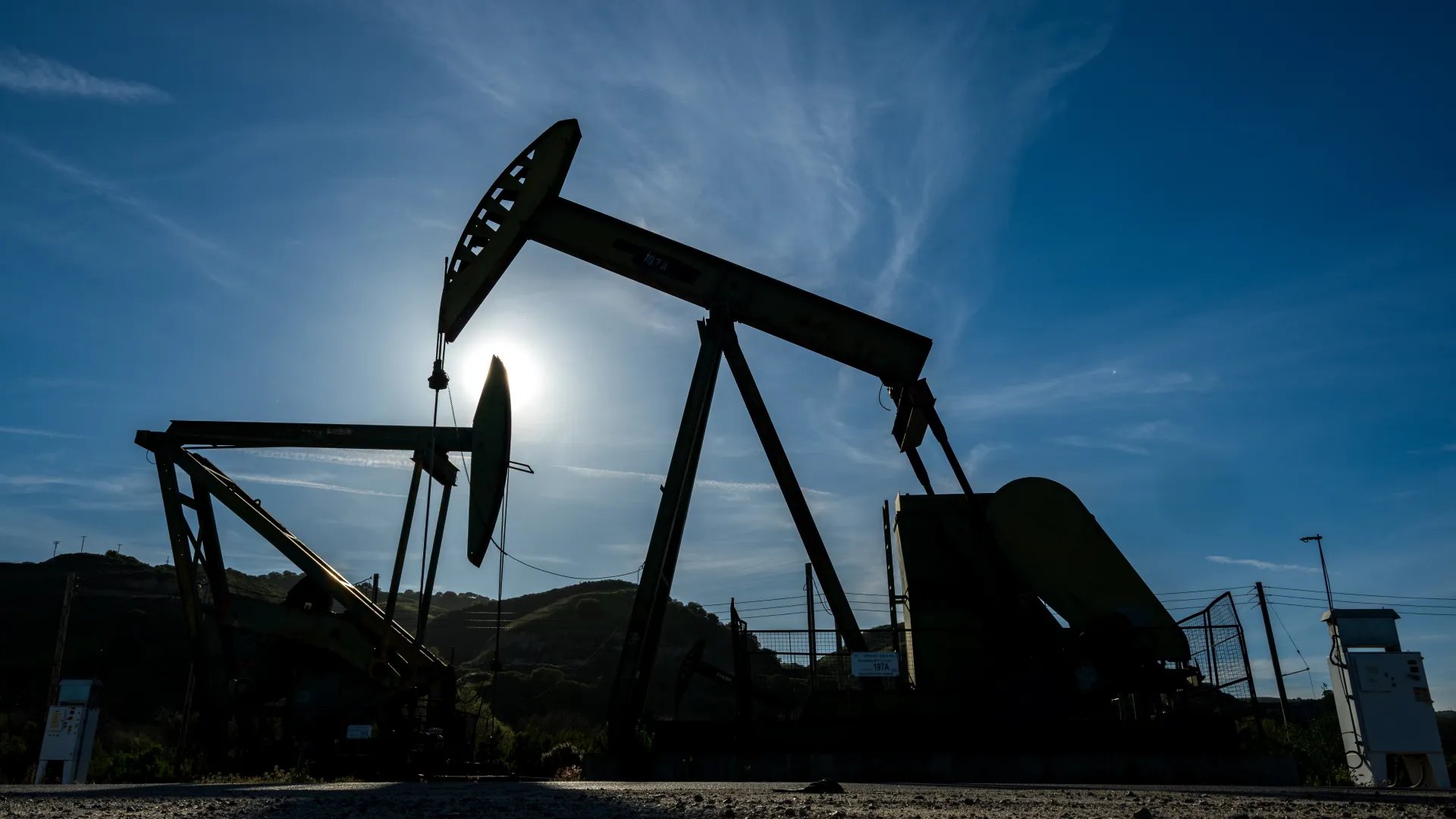
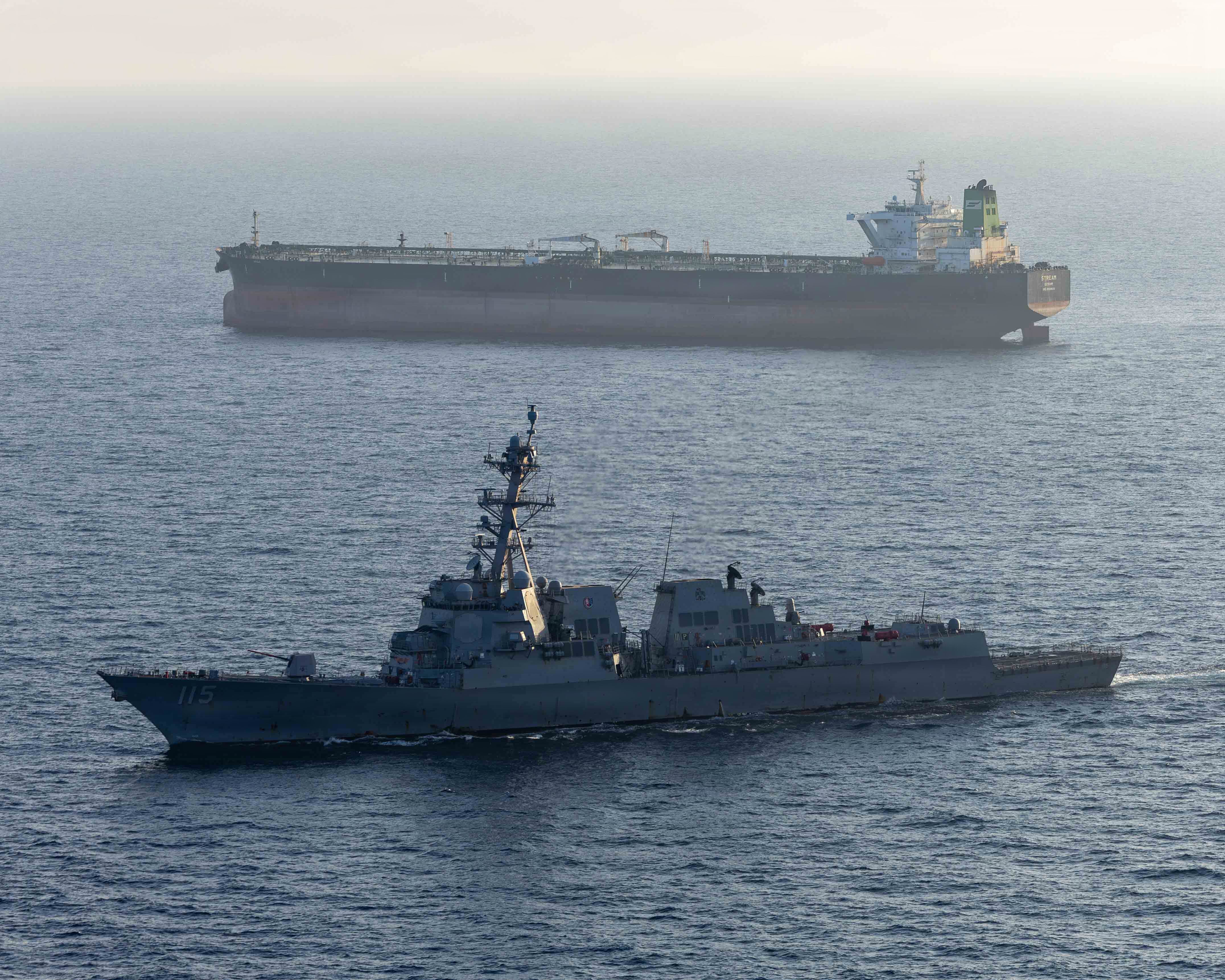
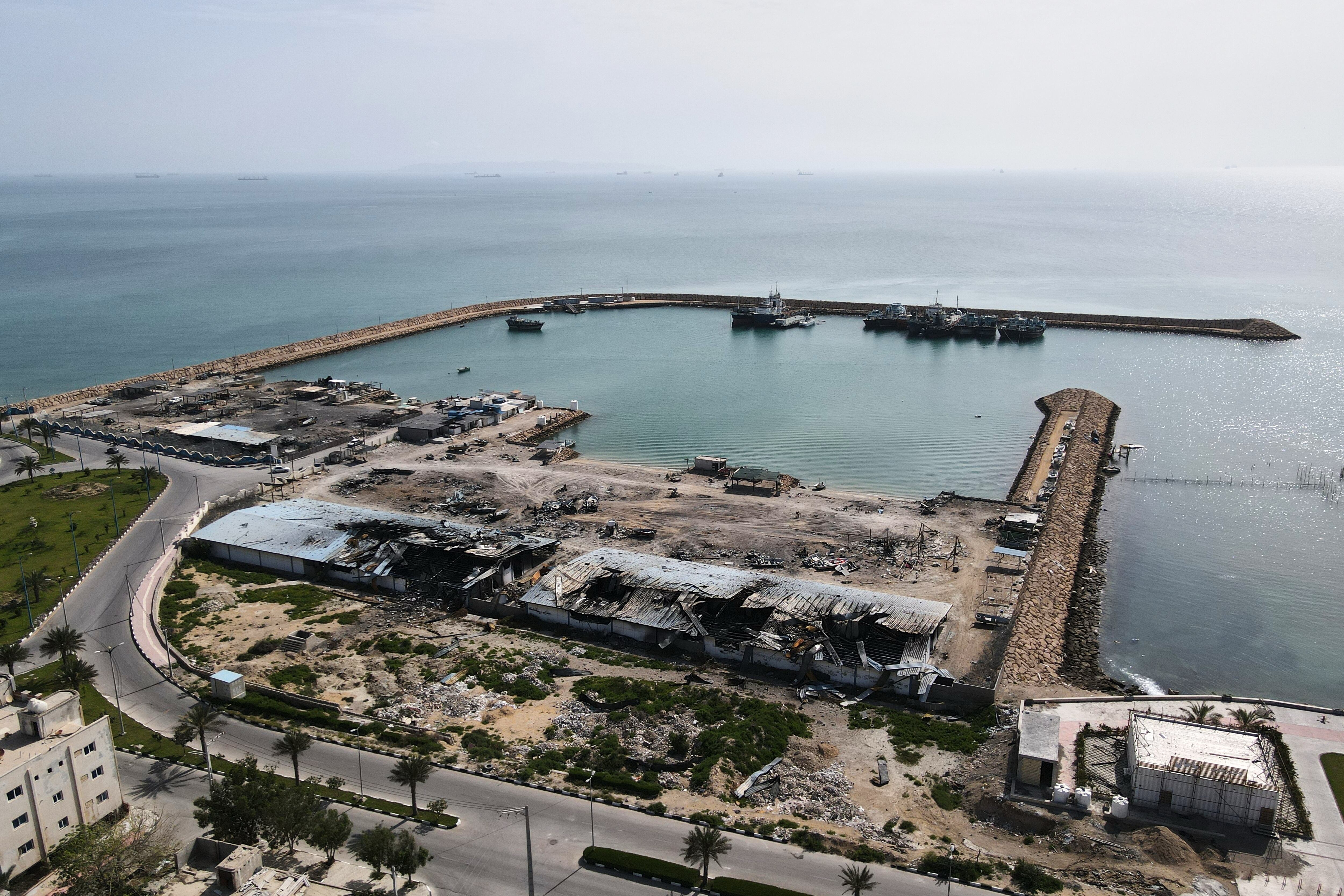
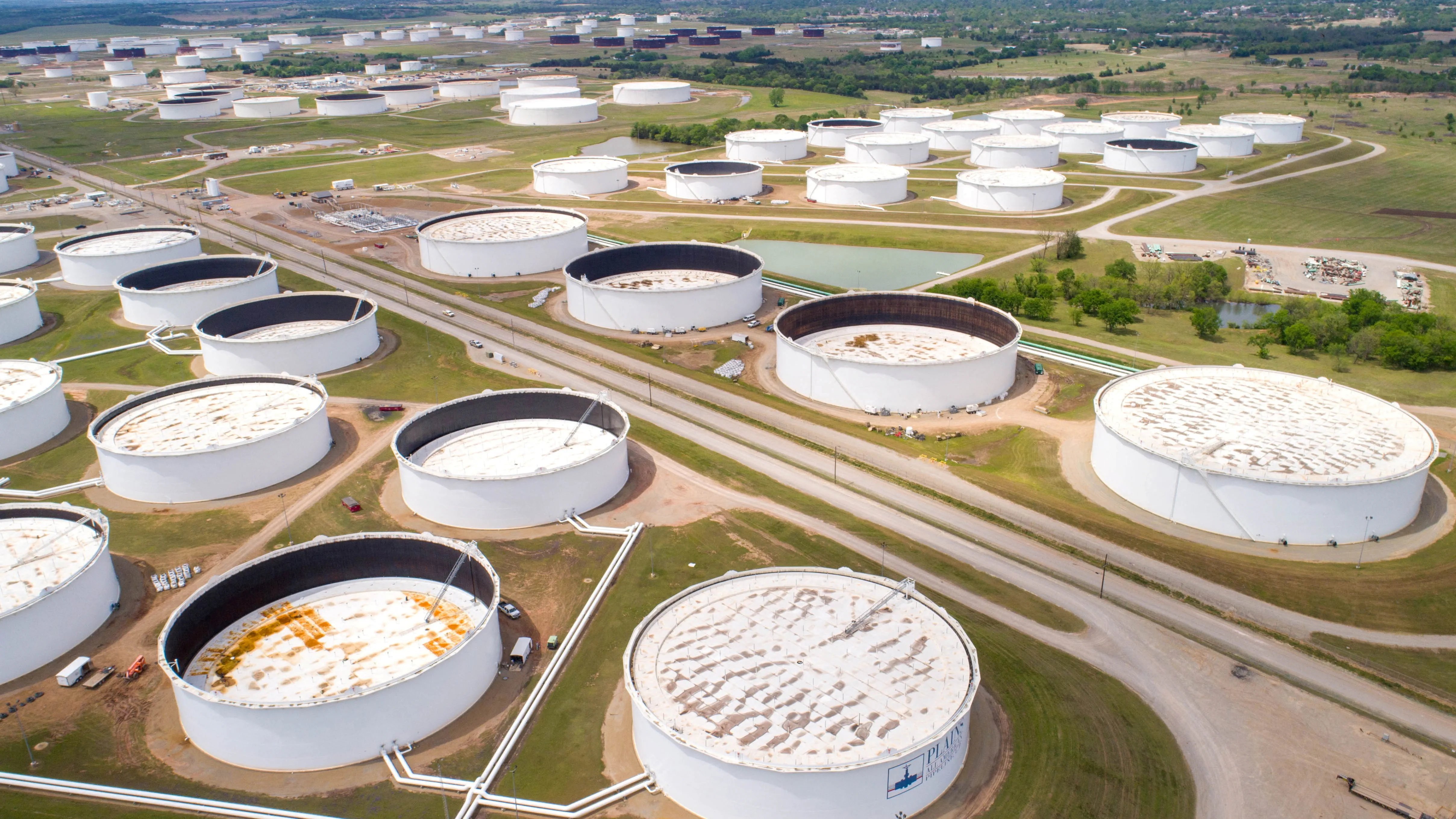
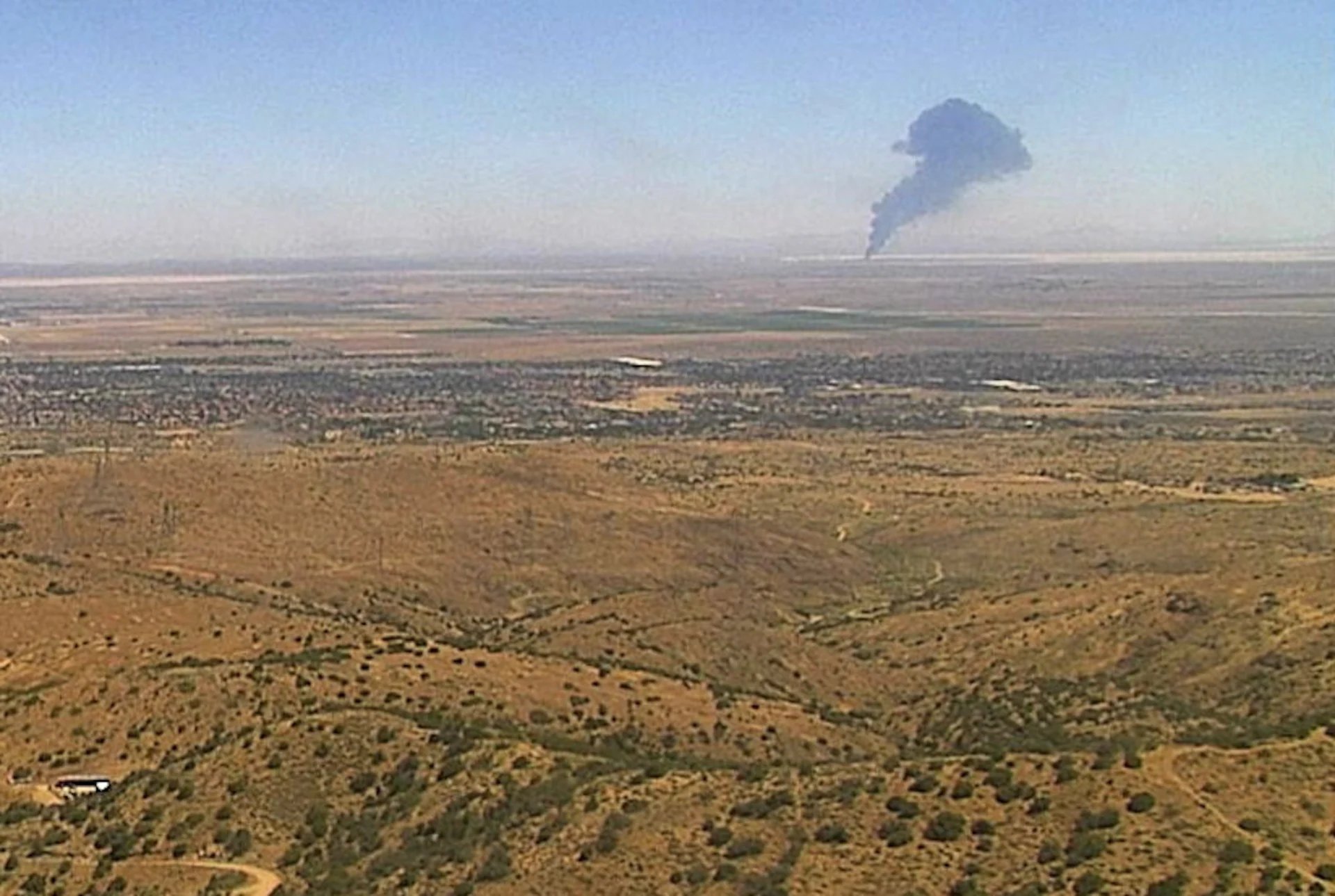
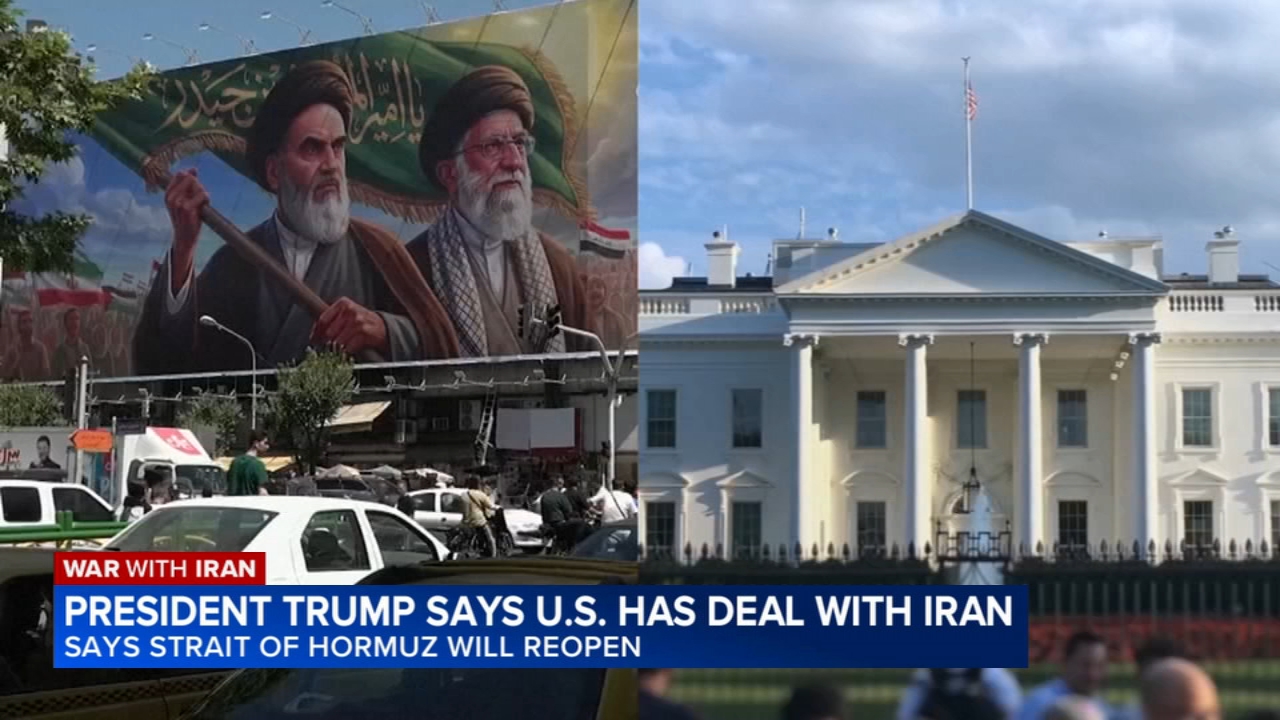
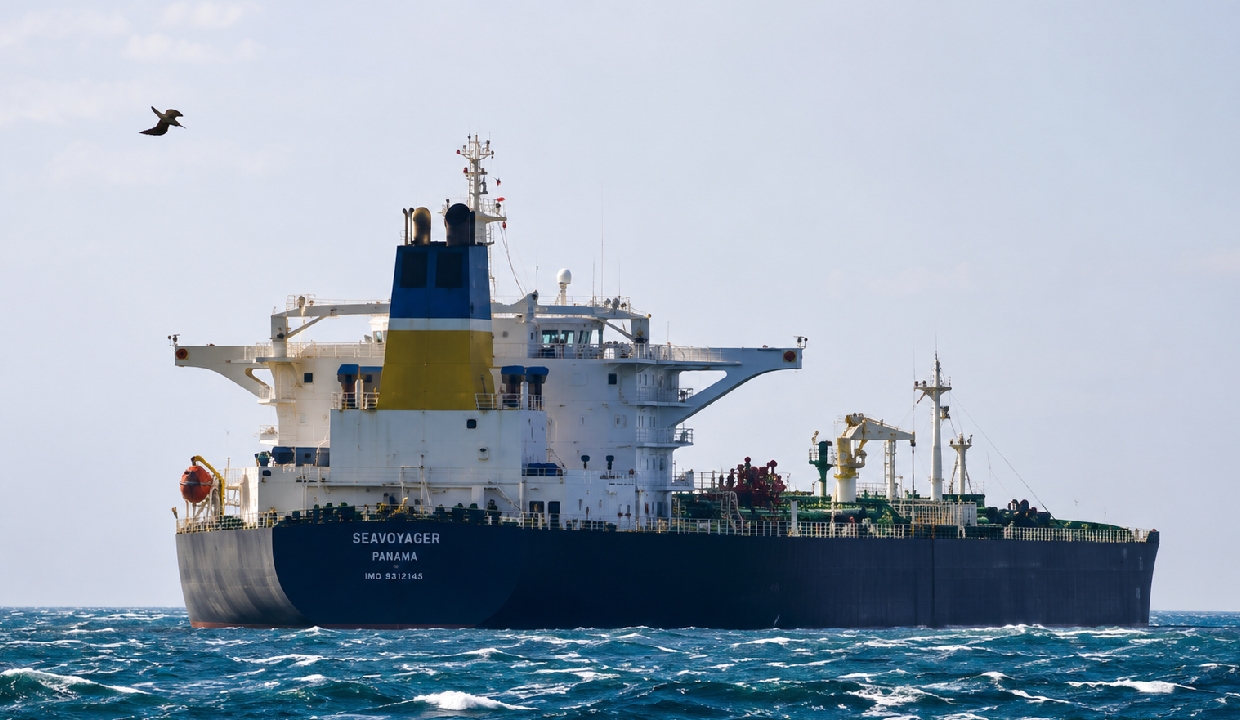
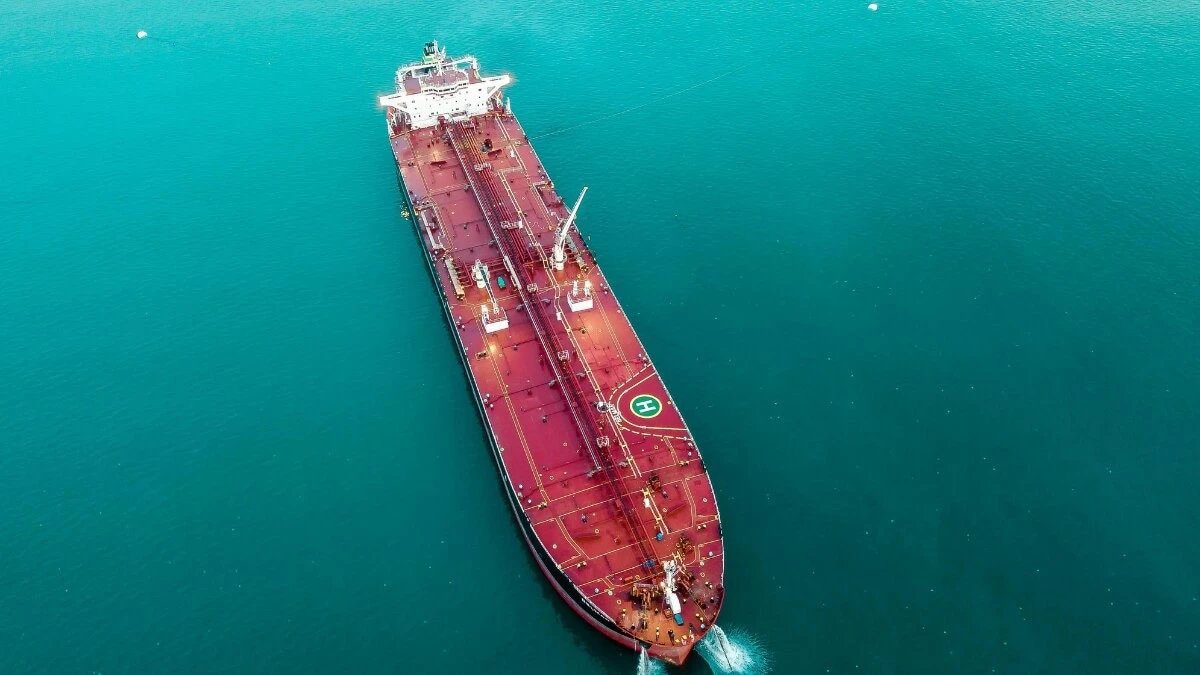
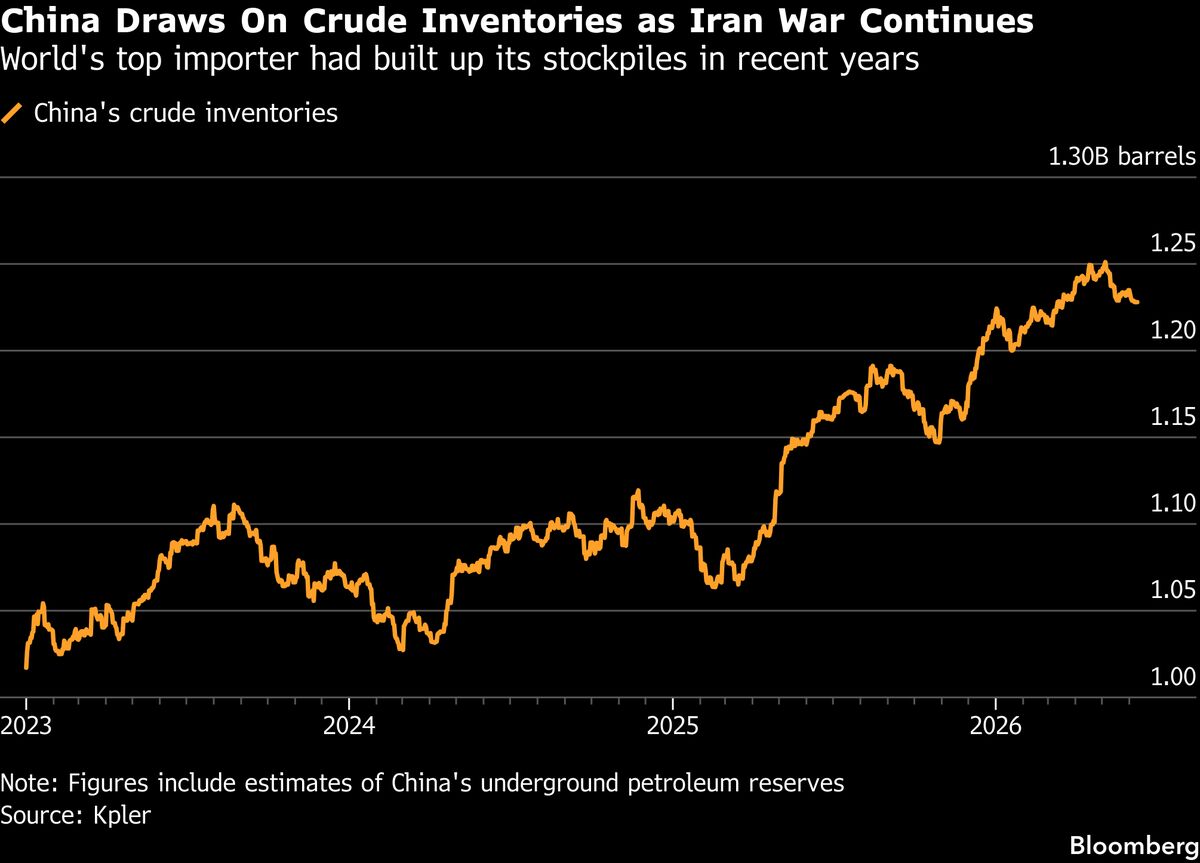
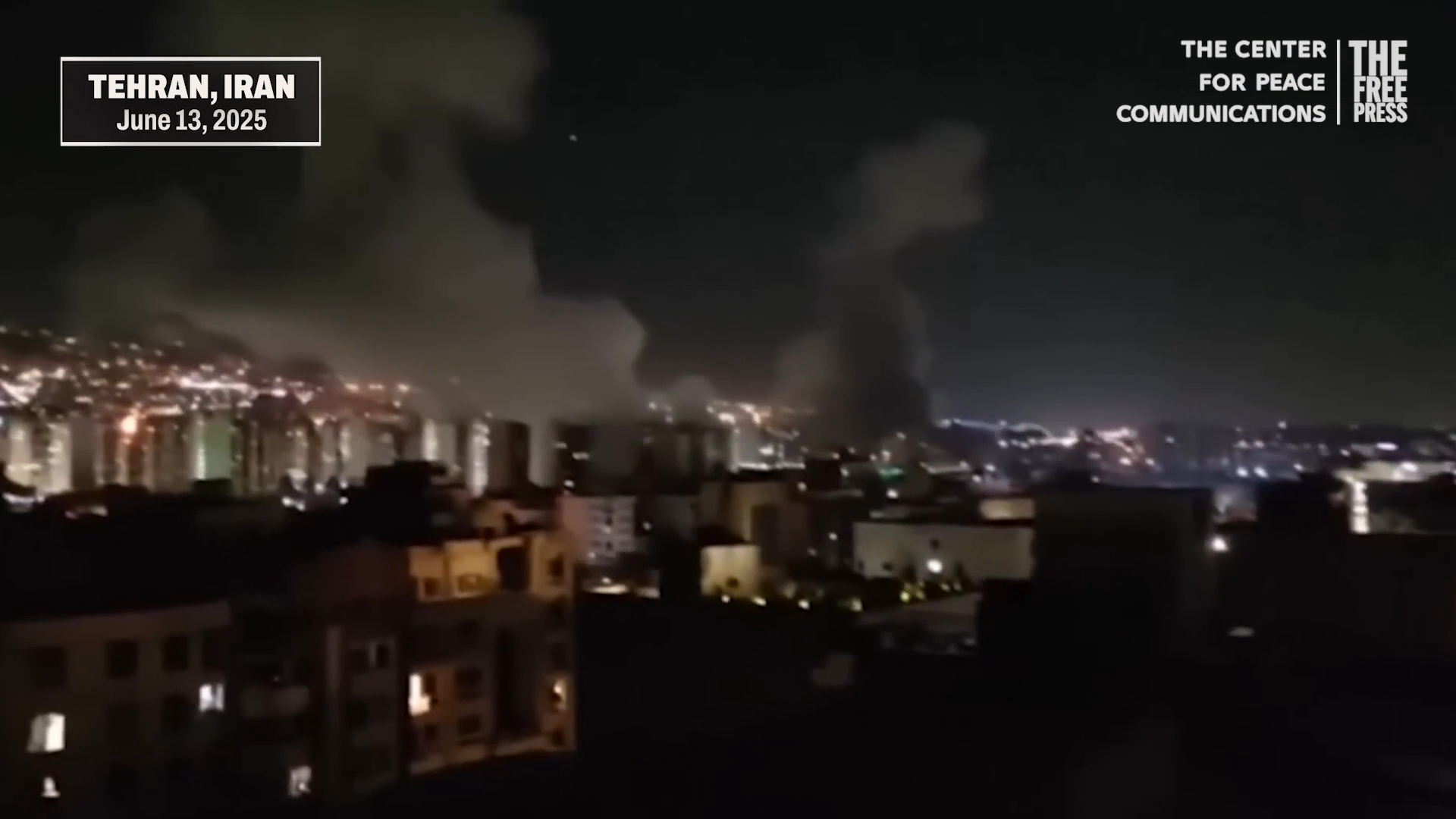
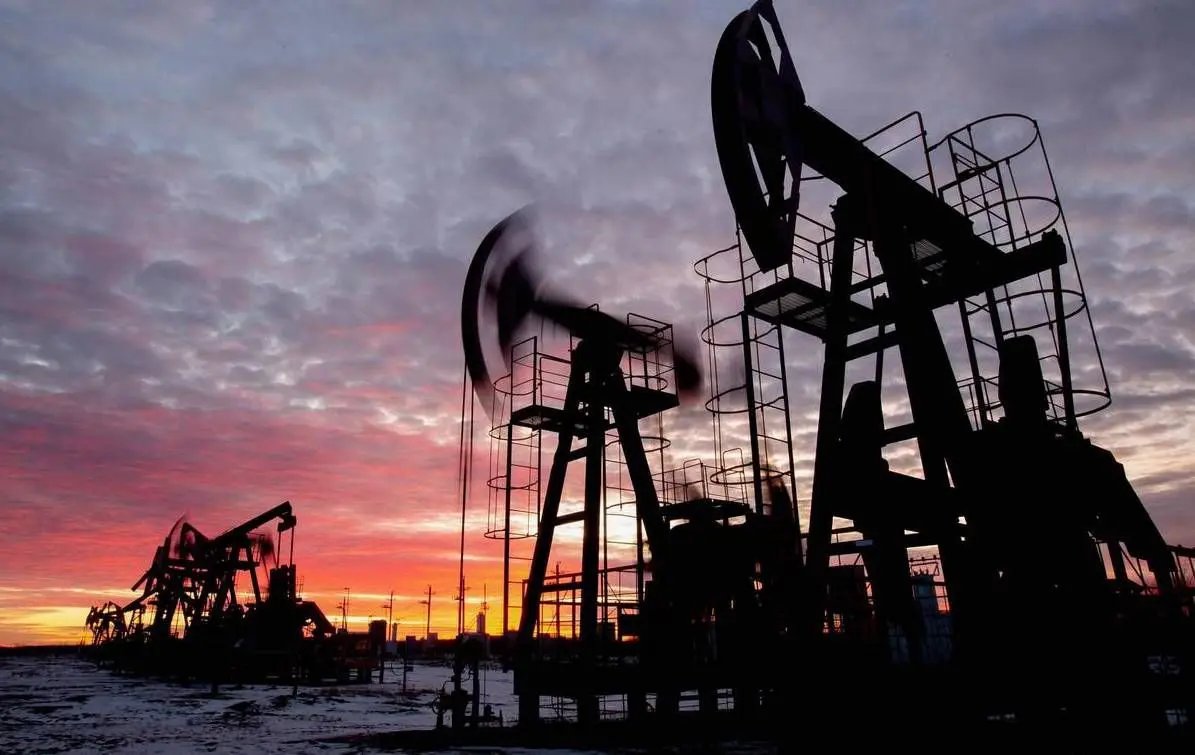
The ongoing Iran war has led to a significant shift in global energy markets, with the Department of Energy's data arm reporting a drop in global oil use by 1.1 million barrels per day (bpd) this year, as stated in its latest outlook. This reduction is attributed to "high fuel prices, reduced fuel availability, and government initiatives," according to the U.S. Energy Information Administration. Despite this, the agency anticipates a rebound next year, with U.S. production growth estimated to rise from 13.7 million bpd this year to almost 14.2 million bpd in 2027, contrasting with a pre-war estimate of a decline to 13.3 million.
UN Climate Talks Highlight Clean Energy Push
The crisis has also intensified discussions at the UN climate talks in Bonn, Germany, where officials are advocating for more aggressive steps towards clean energy. The Turkish hosts of the upcoming UN summit in November (COP31) have unveiled initiatives, including a target for electricity to meet 35% of total global energy demand by 2035. UN climate official Simon Stiell emphasized that the "current fossil fuel cost crisis" is "painfully" making the case for such efforts.
Coal Use Surges in Asia-Pacific Region
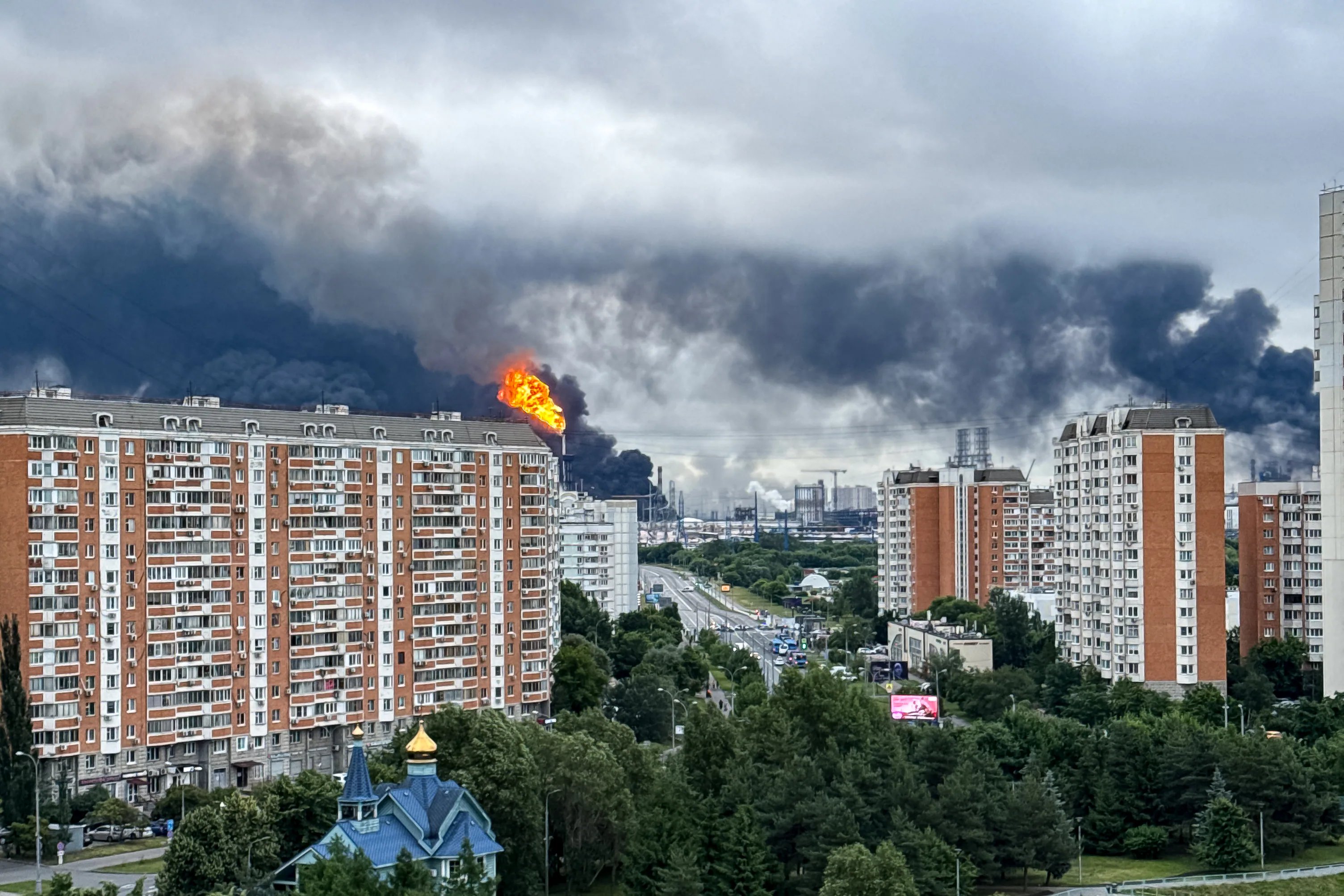
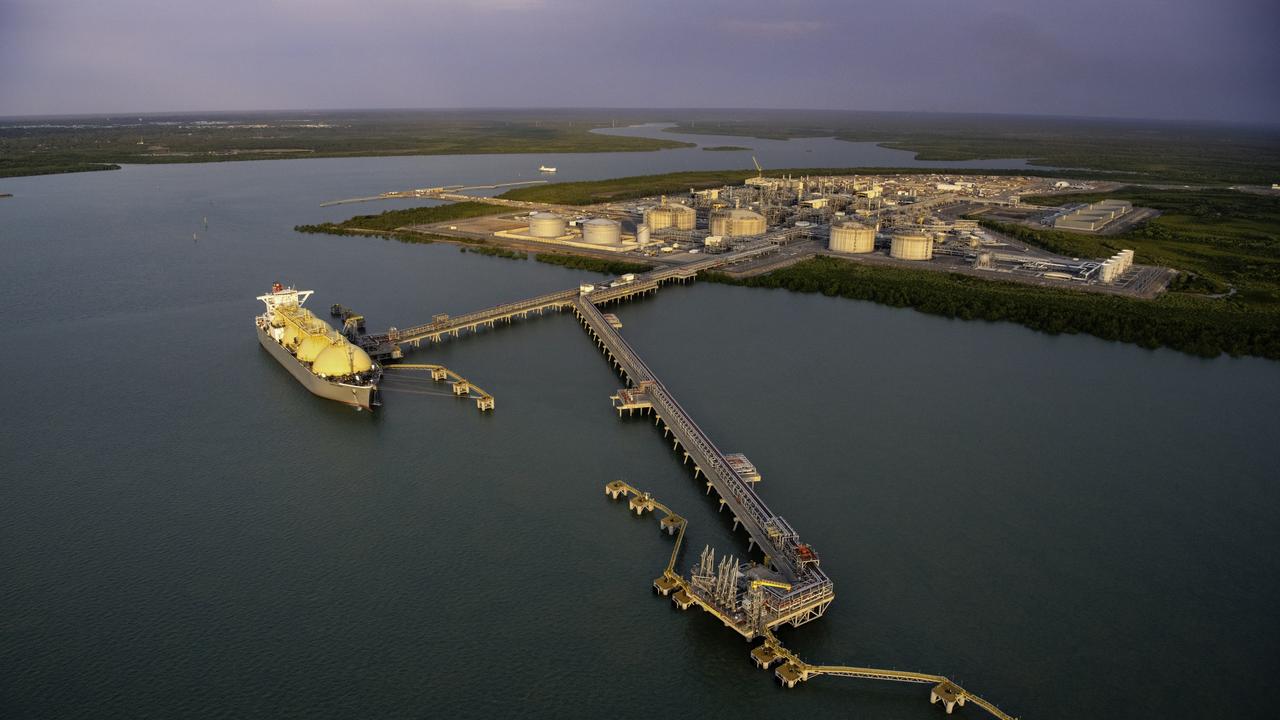
In the Asia-Pacific region, there has been a significant near-term surge in coal use for power generation, as reported by Rystad Energy. Disruptions in Qatar's liquefied natural gas sector and higher fuel prices are driving this increase in the most CO2-emitting fuel.
Economic Impacts Felt Globally
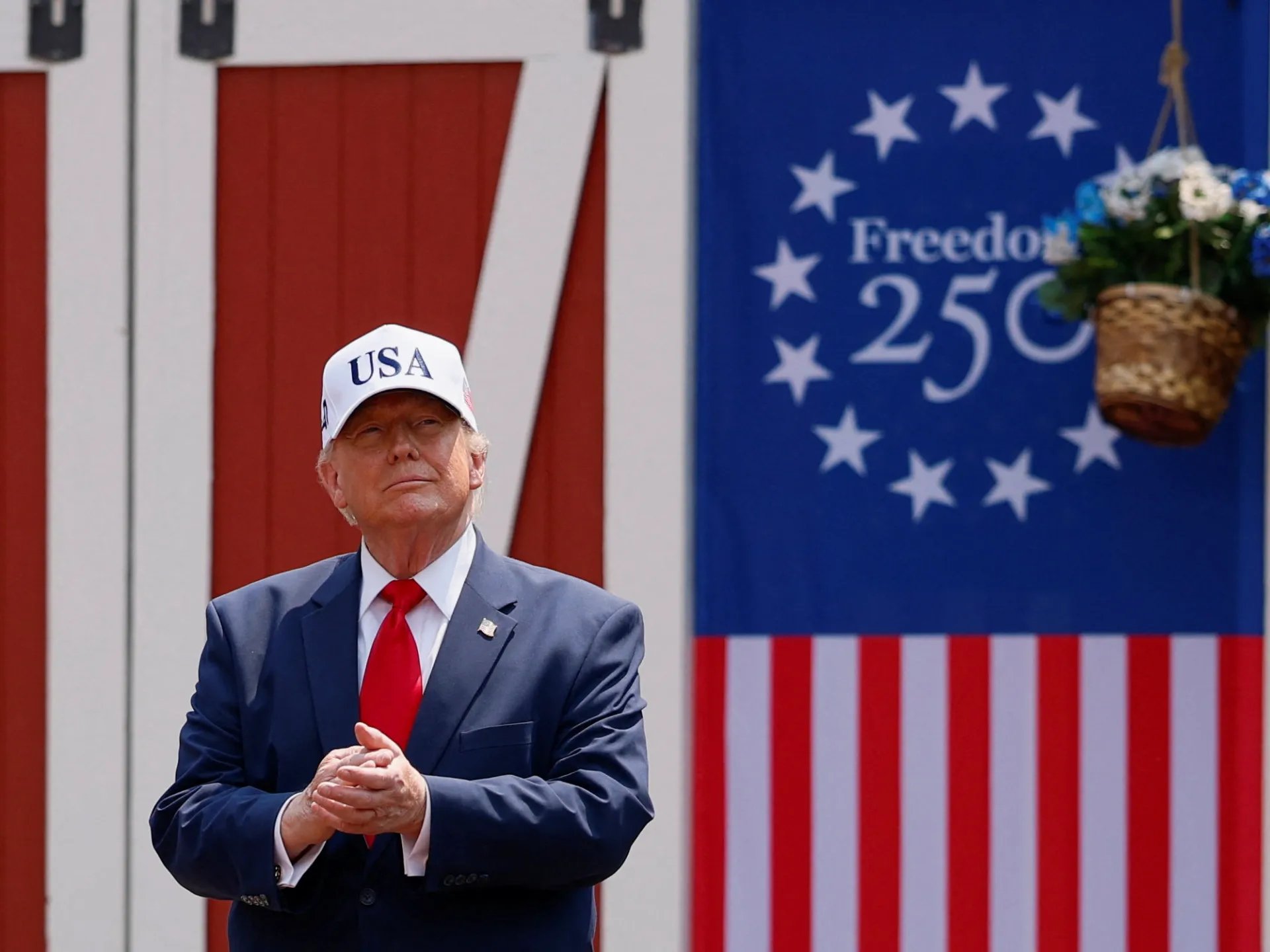
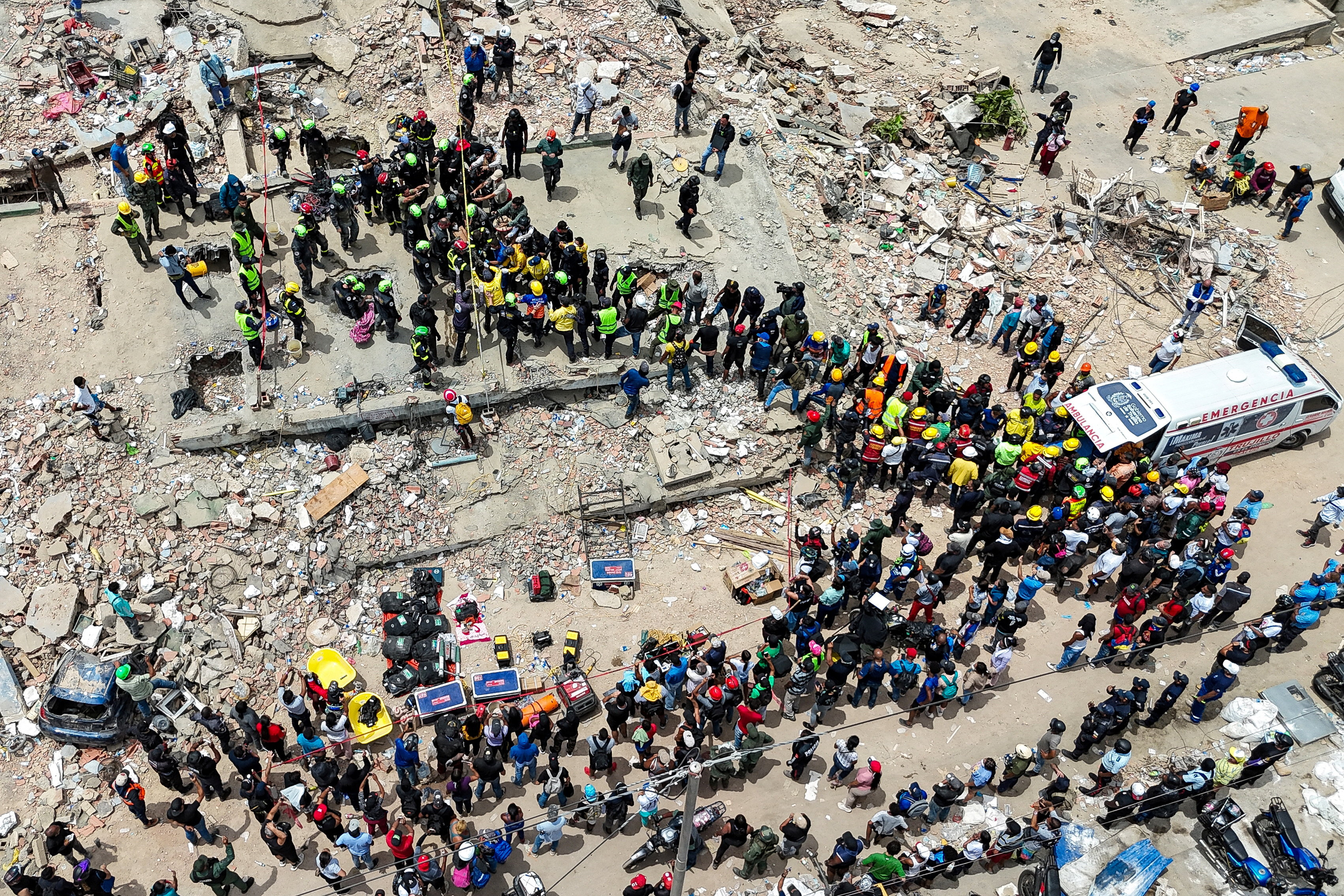
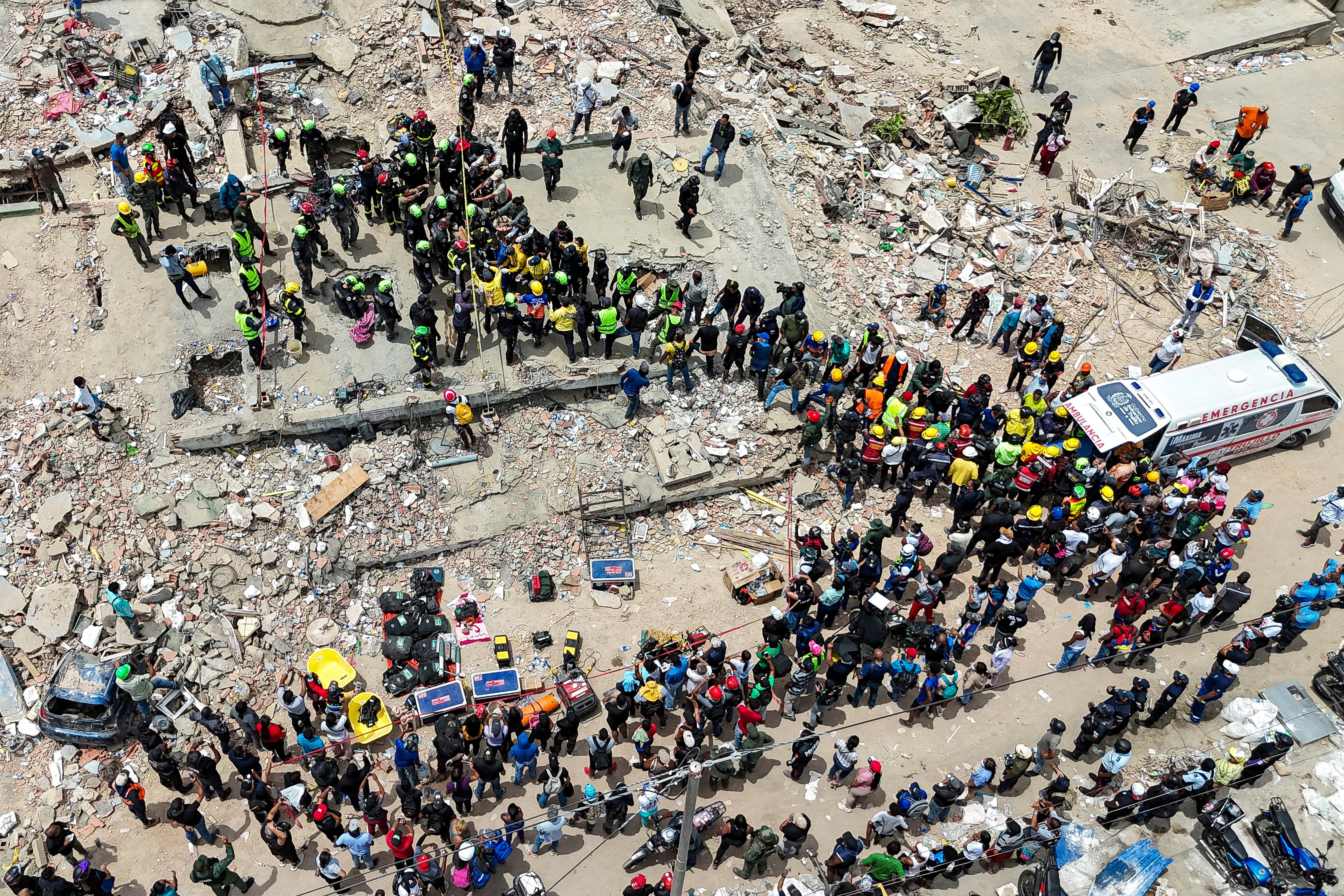
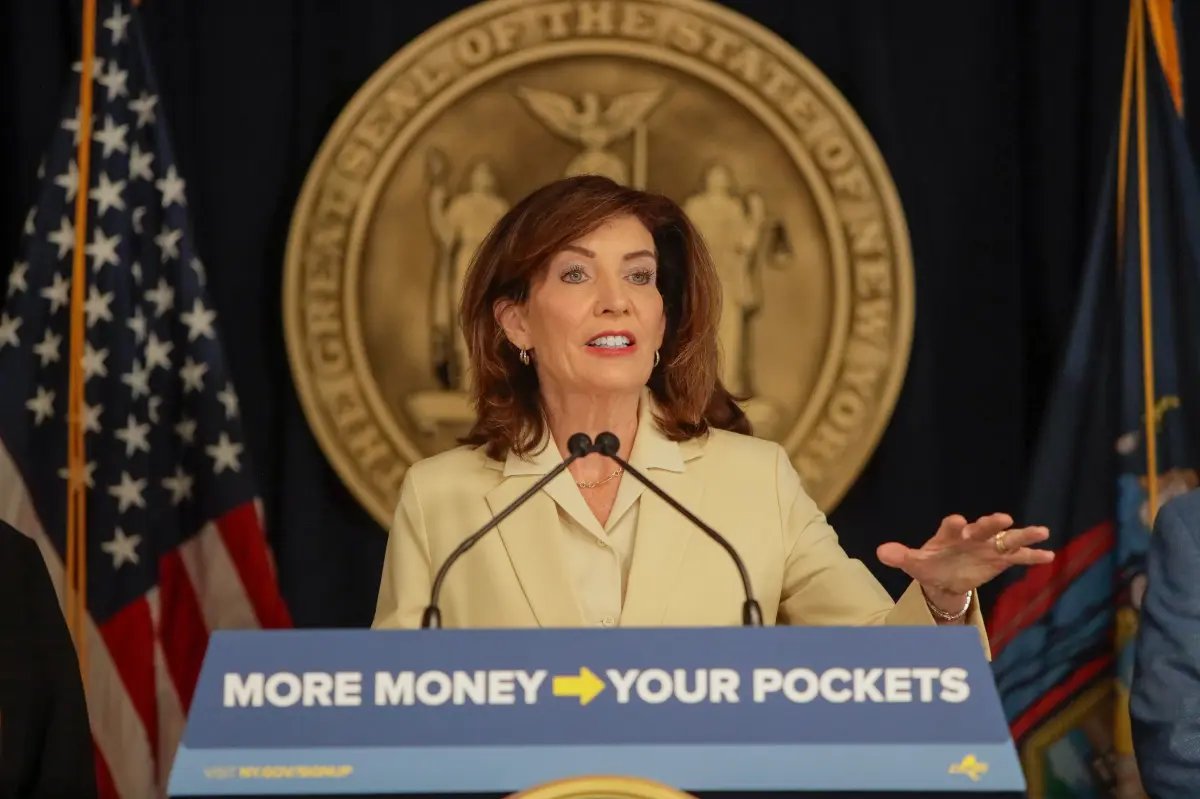
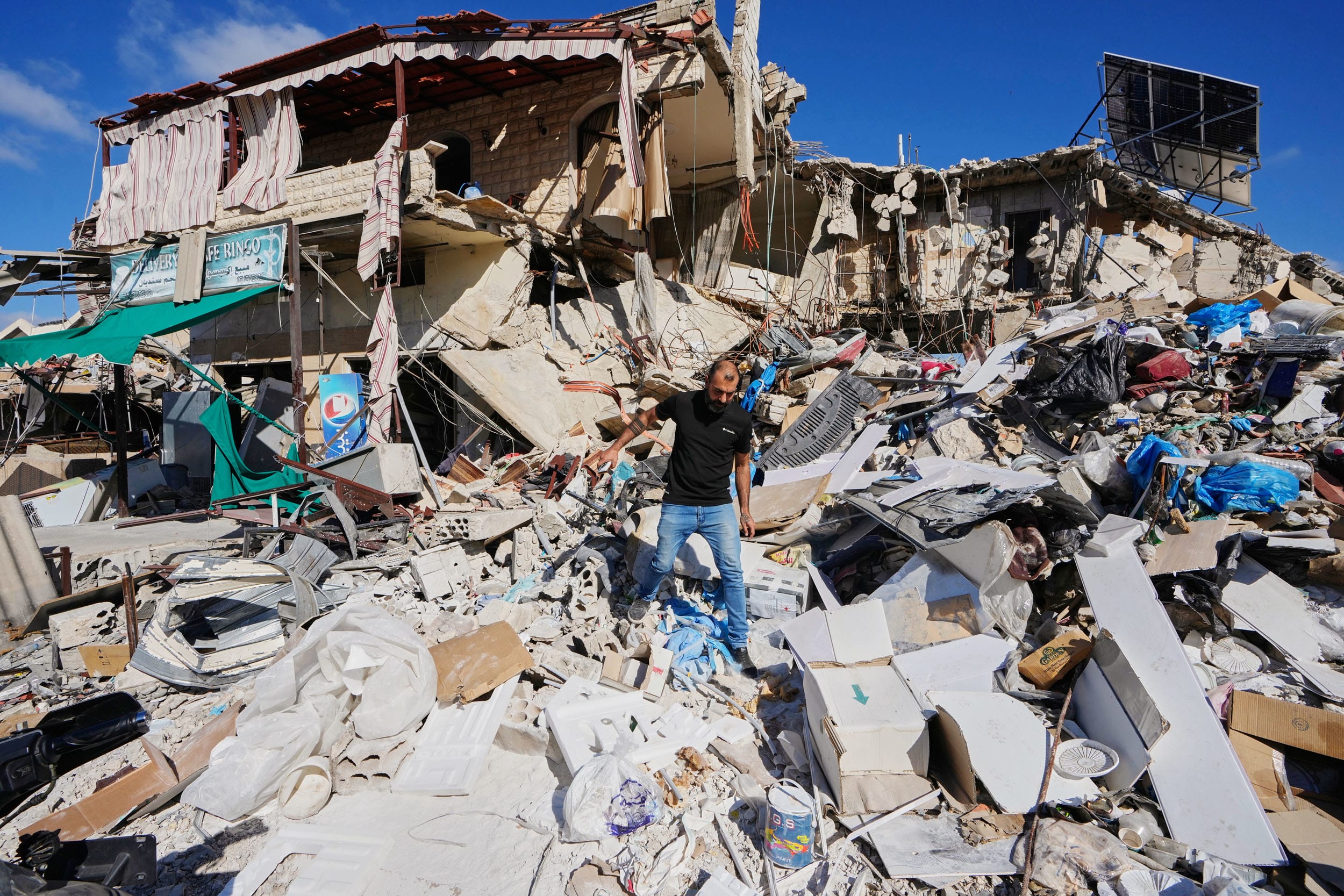
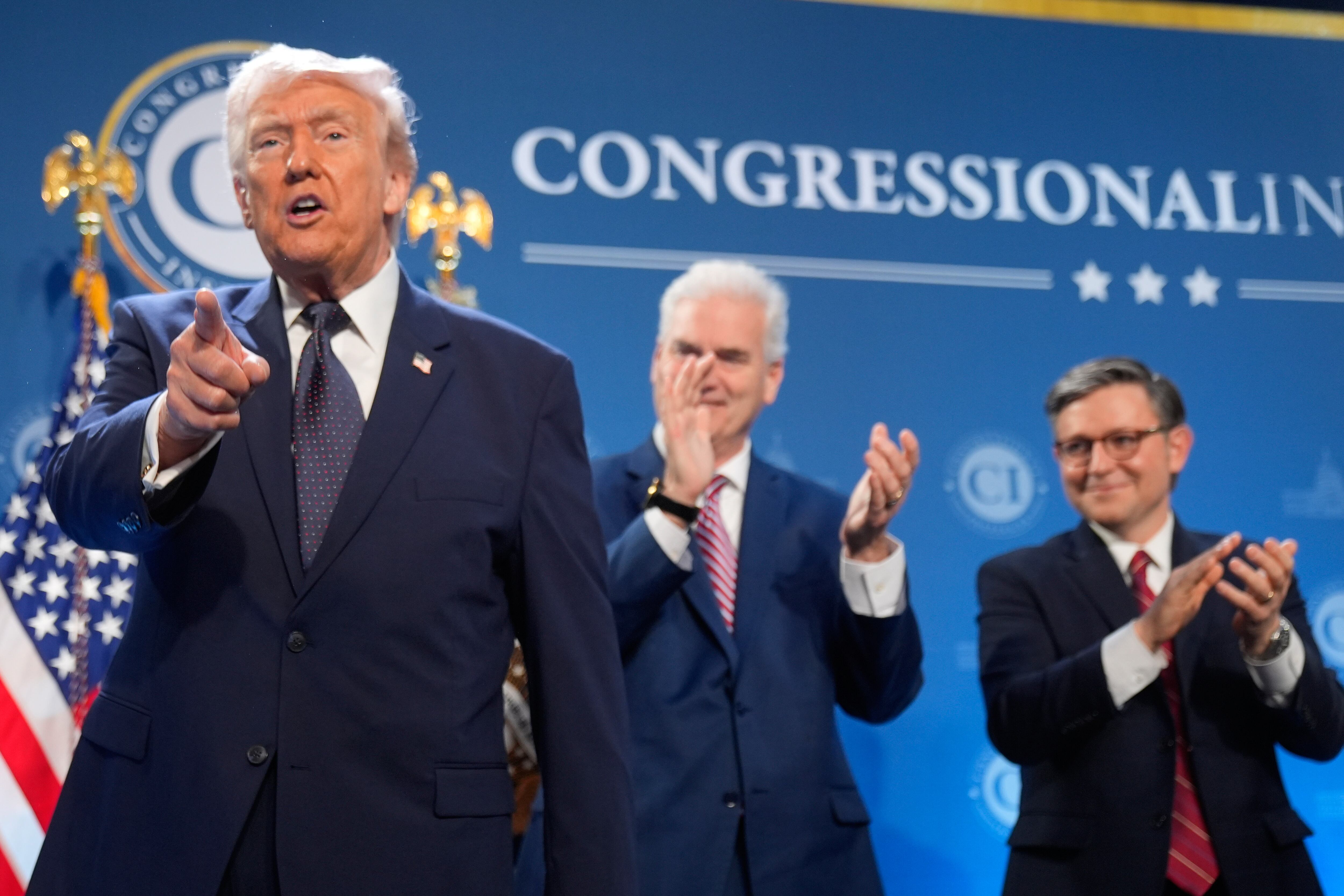
Economic repercussions from the war are being felt globally, with Germany, for instance, edging towards a recession due to the energy shock, as reported by Deutsche Welle. Economists at DIW Berlin predict that output will shrink in the spring and summer quarters, potentially leading to a technical recession. The US has also seen its consumer inflation surge to a three-year high in May, with the consumer price index (CPI) rising 4.2% year on year, as reported by the South China Morning Post. The surge follows energy price increases resulting from the Iran war, which began in late February. Soaring costs have become a major issue for American voters as they head to the 2026 midterm election in November.
Conclusion
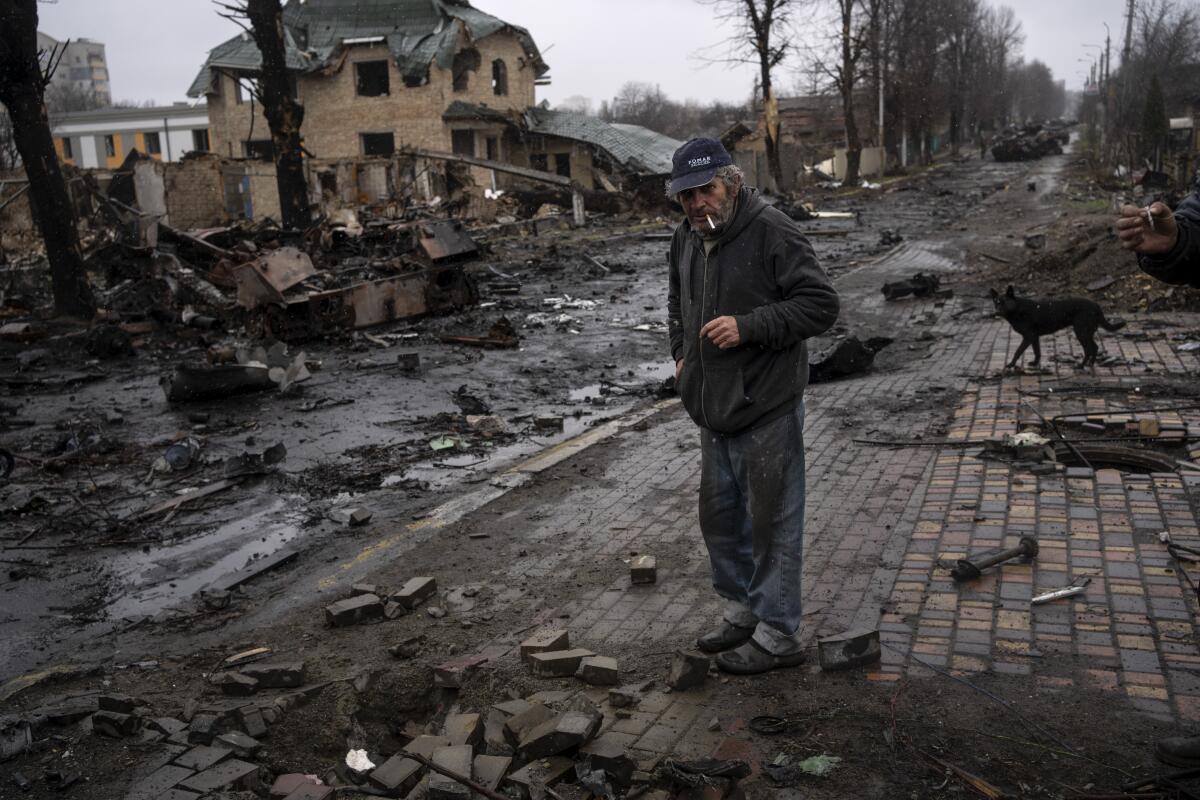
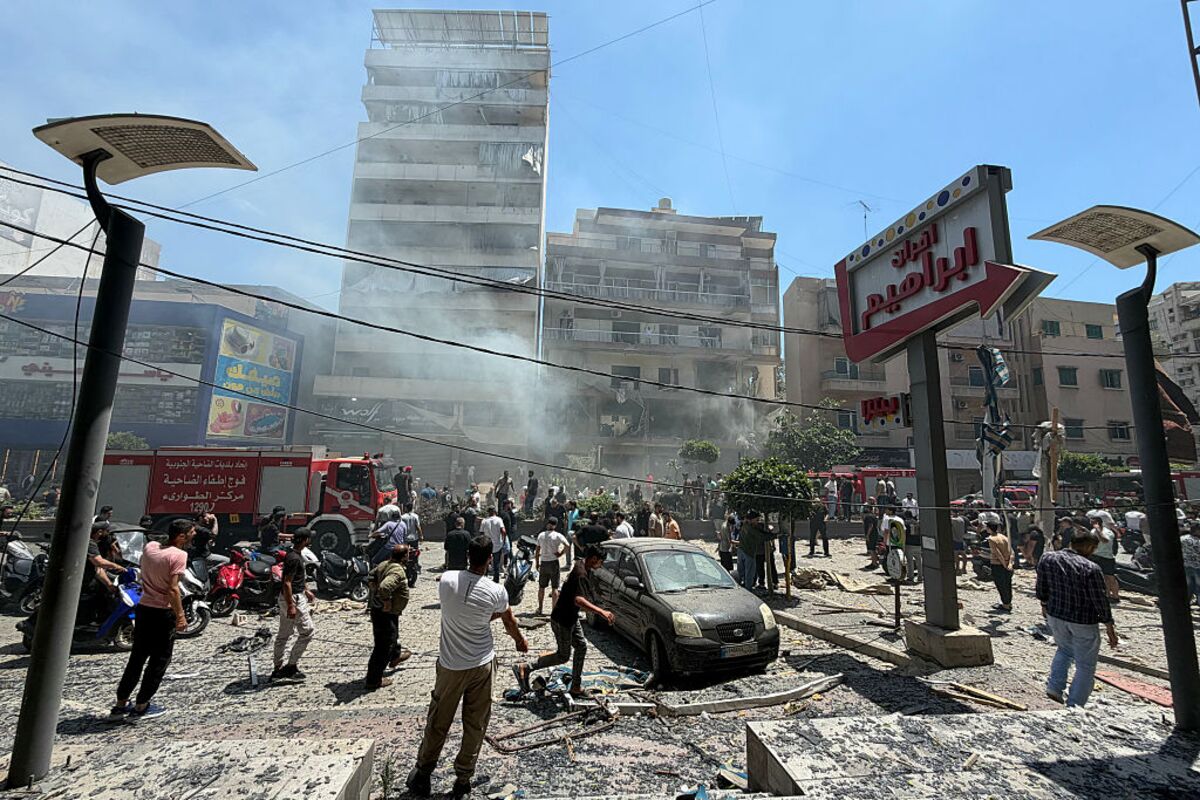
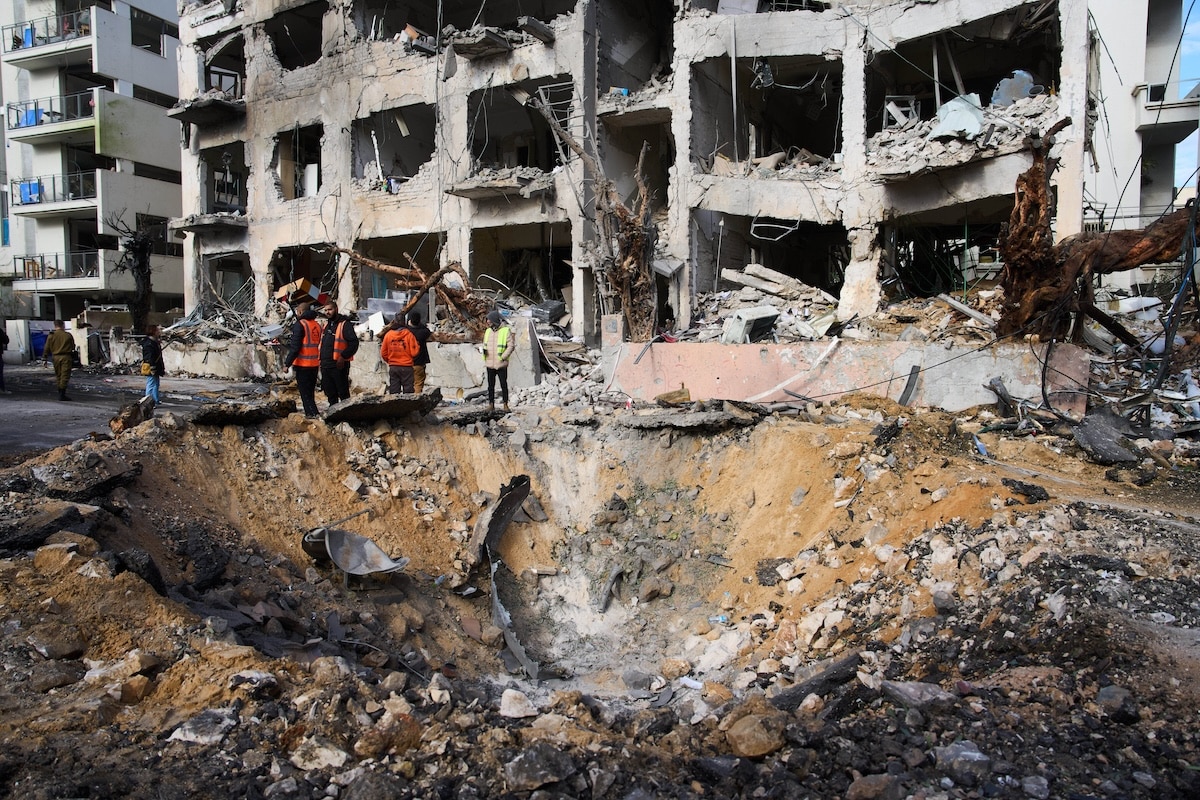
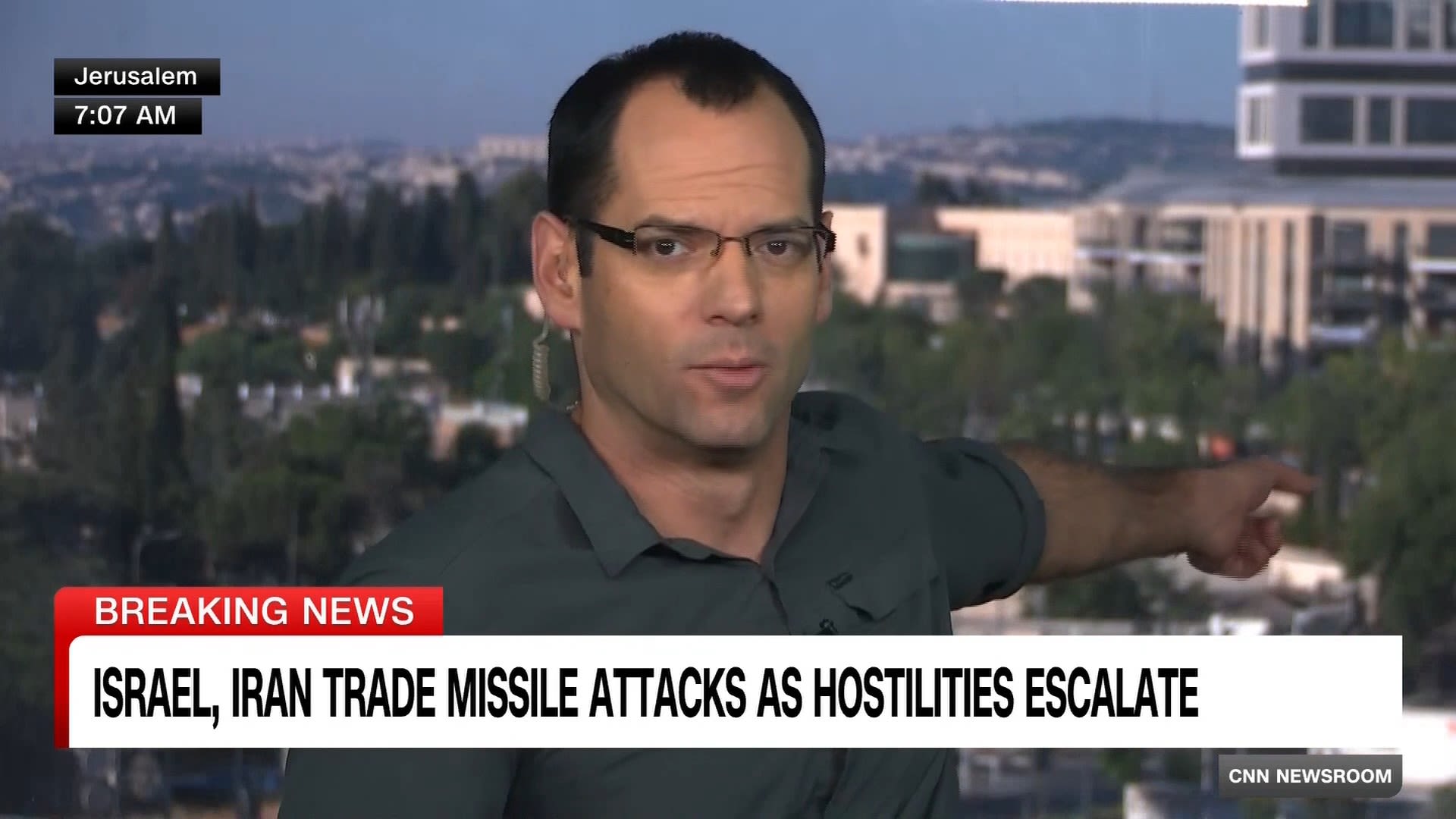
The Iran war has triggered a series of economic and environmental aftershocks that are impacting the global energy landscape and economic stability. As the conflict continues, countries are grappling with the immediate economic impacts while also being urged to consider long-term shifts towards cleaner energy sources. The coming months will be crucial in understanding the full extent of these aftershocks and how they will shape global energy policies and markets.