




Court Decision Solidifies Political Landscape
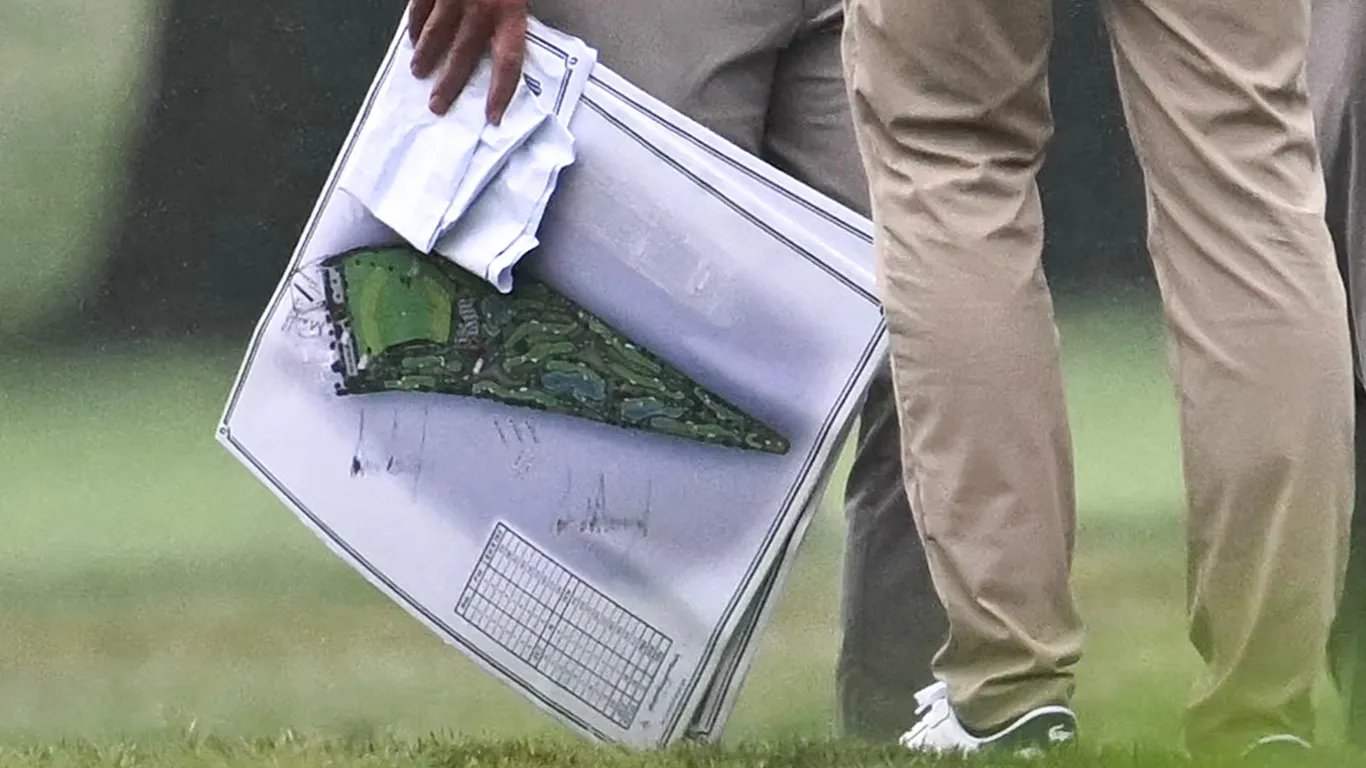
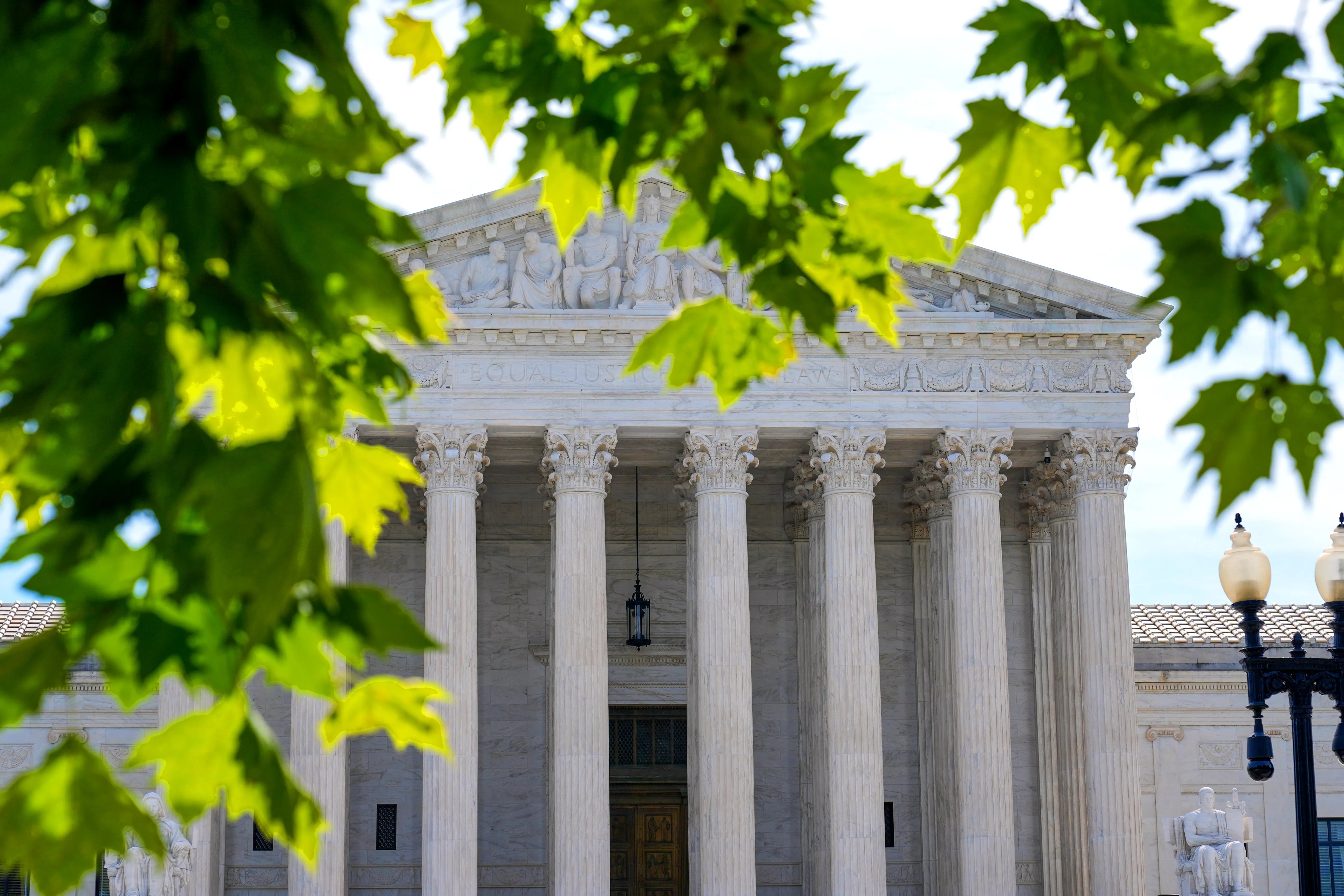
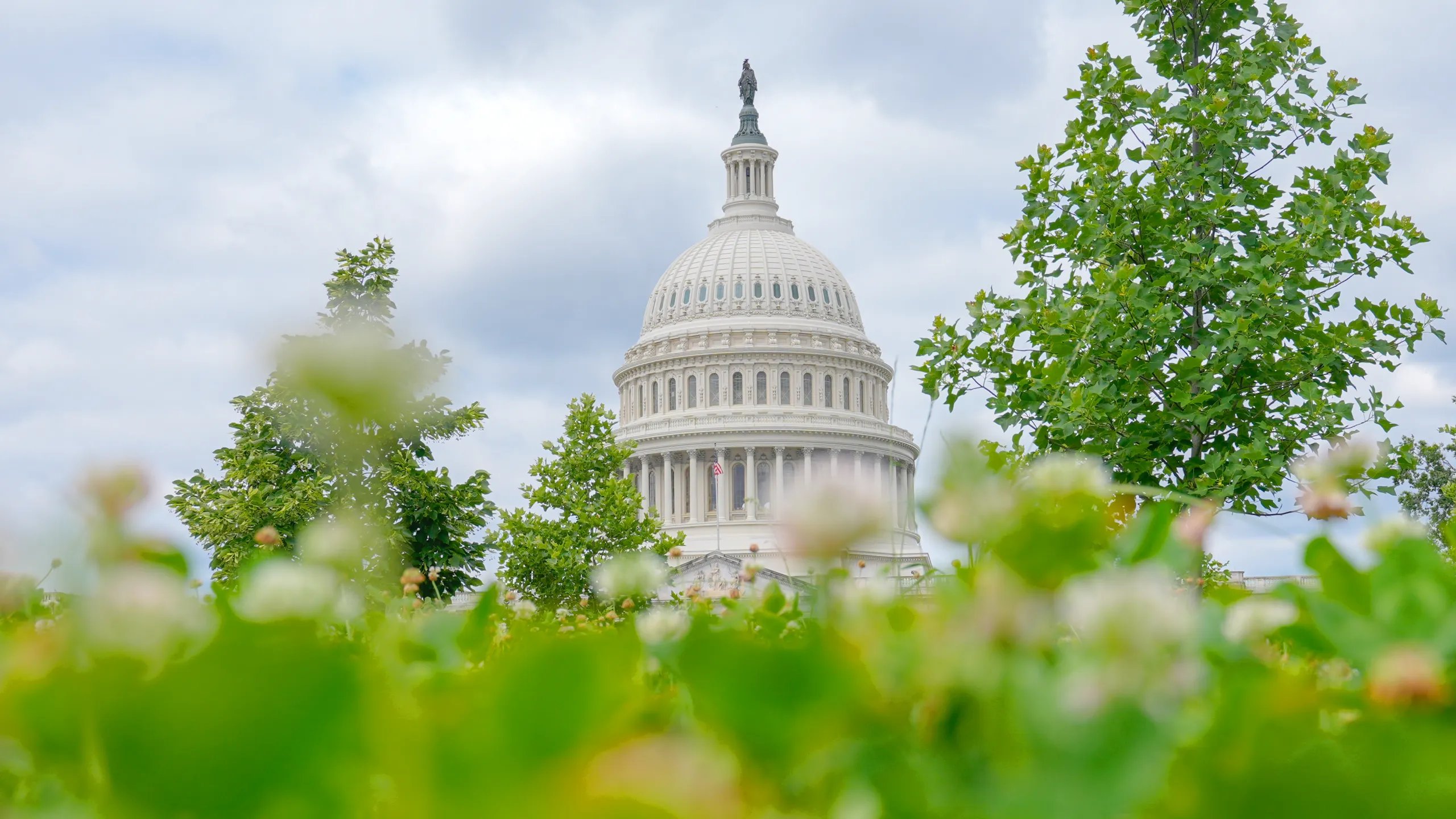
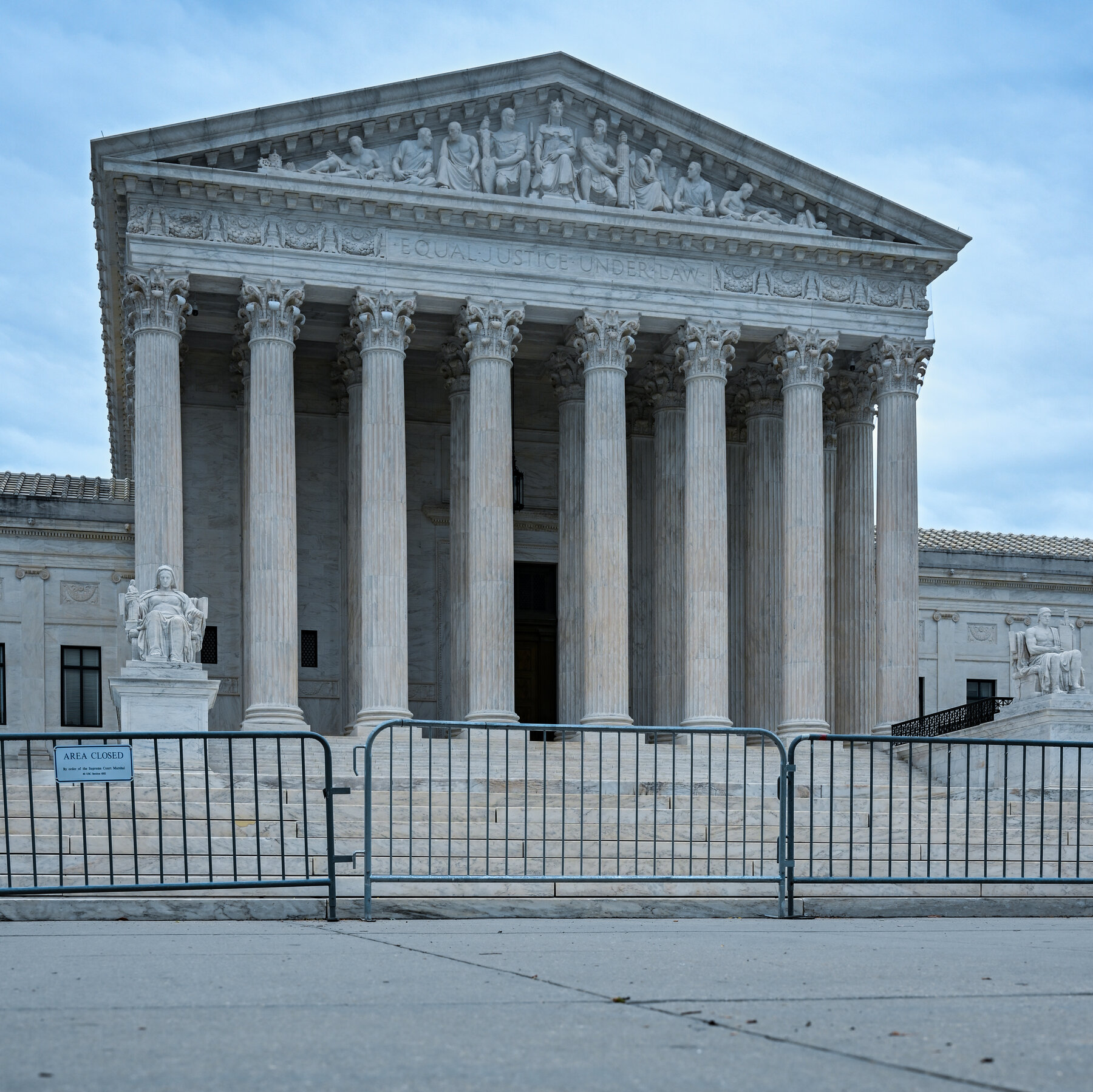
The Florida Supreme Court confirmed that newly drawn congressional maps will be utilized in the 2026 midterm elections, following a 6-1 ruling that rejected a challenge from several advocacy groups. The court's majority, comprised largely of justices appointed by Governor Ron DeSantis, stated it lacked jurisdiction over the case, allowing the Republican-drawn plan to proceed. This decision is expected to enhance the GOP's chances in the upcoming elections, with the party aiming to gain up to four additional seats.
Implications for Congressional Representation
The new maps tilt Florida's congressional delegation even further towards the Republicans, making 24 of the state's 28 congressional seats GOP-leaning. Currently, Florida's House includes 20 Republicans and eight Democrats. The maps have significant implications for several incumbents, including Democratic Rep. Jared Moskowitz, whose district has been reconfigured to lean more Republican. In the newly drawn 25th Congressional District, Trump won by a margin of nine points in the last election.
Ongoing Legal Challenges
Despite the court's ruling, the underlying legal challenge against the maps remains active. Groups such as Common Cause and the Campaign Legal Center argue that the new maps violate Florida's Fair Districts amendments, which prohibit drawing districts to favor one political party over another. They contend that the maps dilute minority representation and compromise the integrity of the electoral process. DeSantis has argued that the amendments conflict with federal law.
Reactions from Political Leaders
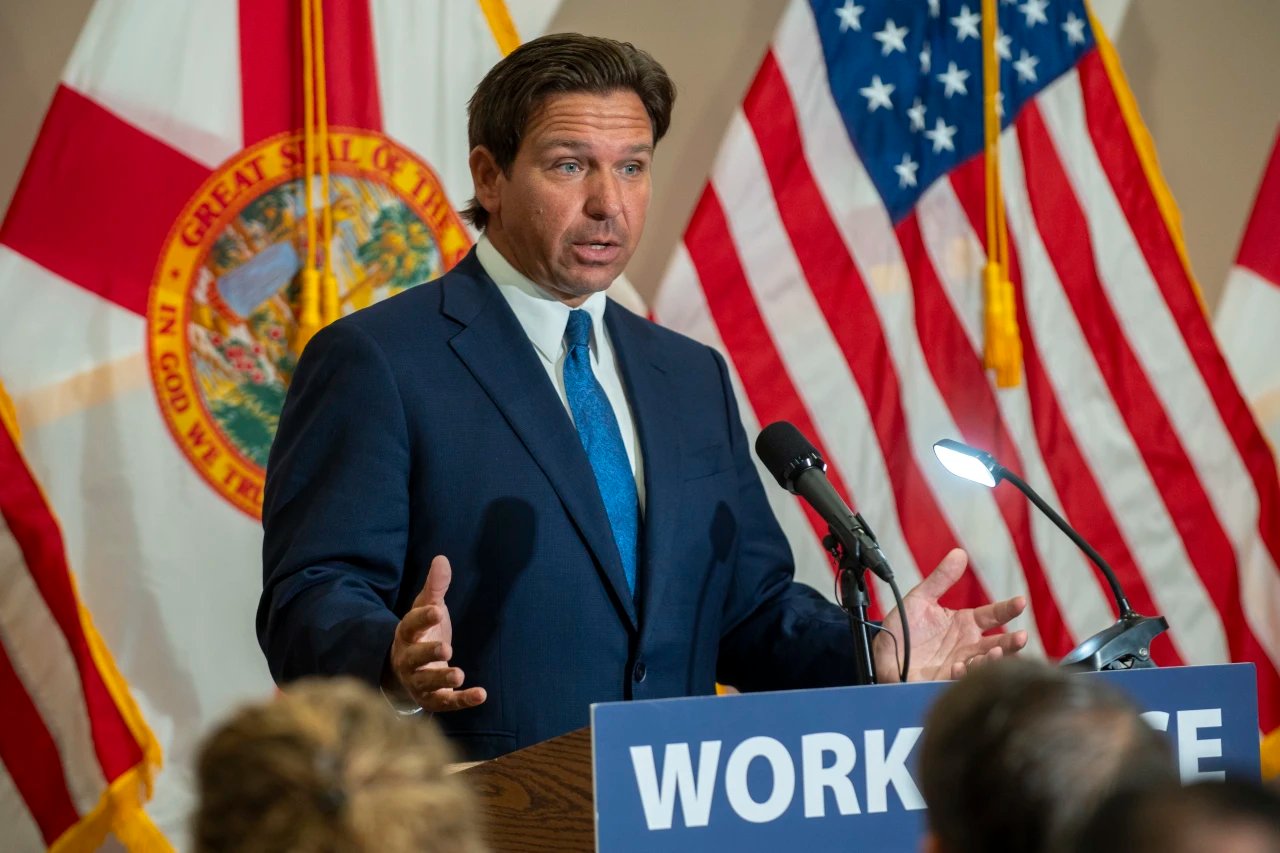
Governor Ron DeSantis celebrated the ruling, asserting that it secures the new map for the 2026 election cycle. He emphasized the importance of the decision in the context of broader Republican efforts to solidify their control in various states. Conversely, Justice Jorge Labarga, the lone dissenting voice in the court, expressed concern over the implications for voters, stating, "Only this time, the votes of even more Floridians are at stake."
Impact on Democratic Candidates
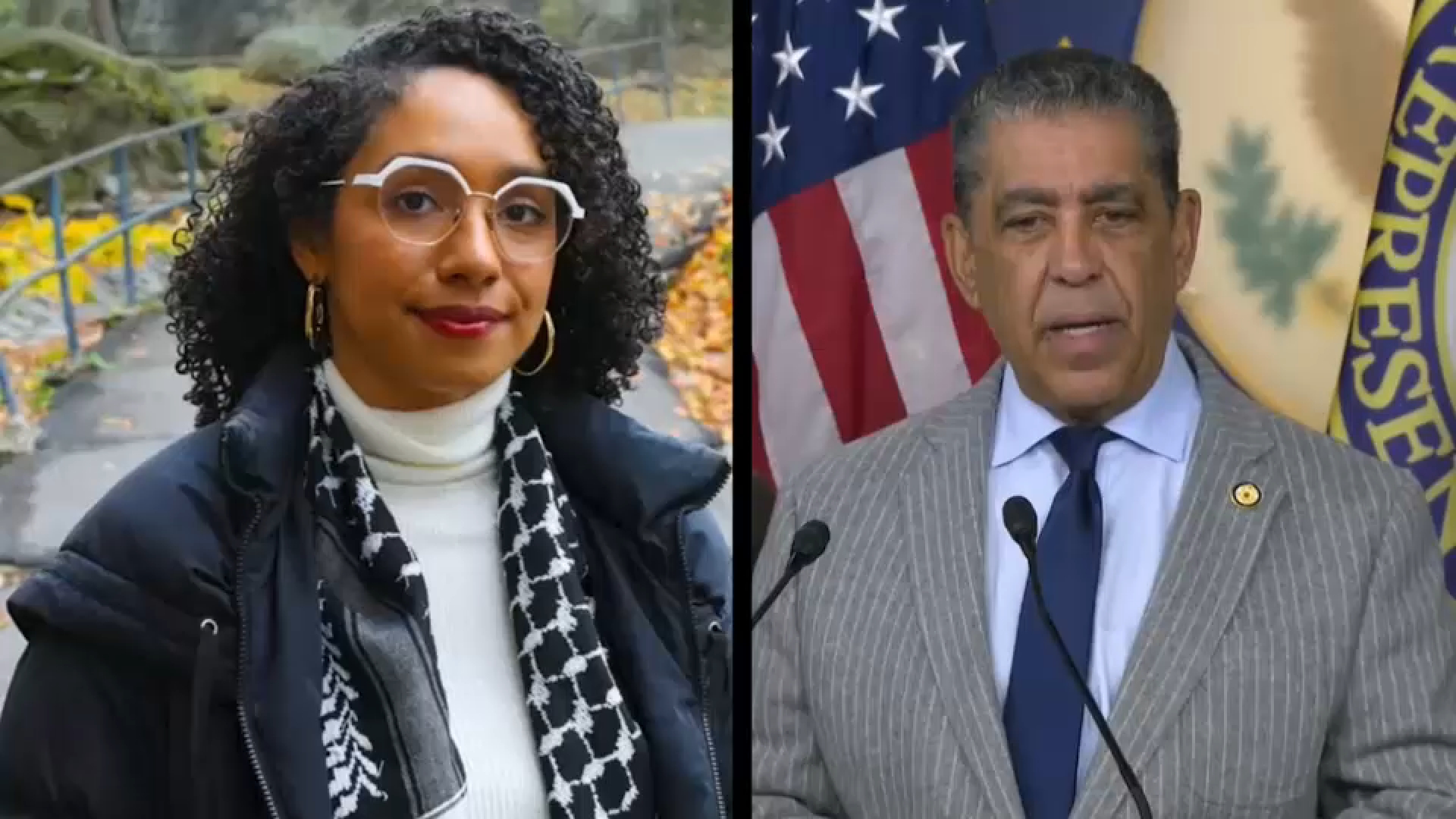
The redraw has created significant challenges for Democratic incumbents, particularly Rep. Debbie Wasserman Schultz. Her district has shifted dramatically, prompting her to run in the 20th Congressional District, a seat originally designed to ensure Black voters could elect their preferred candidates. This decision has drawn criticism from local Black leaders and candidates, who argue that a white representative should not run in a district meant to empower minority voters.
Candidate Landscape and Fundraising
As the qualifying deadline approaches, candidates are mobilizing for their respective campaigns. Wasserman Schultz has raised $2.5 million, significantly outpacing her opponents, which may bolster her position despite the backlash. Activist Elijah Manley, one of the prominent Black candidates in the 20th District race, commented on the unusual dynamics, stating, "I didn't think a white Democrat would be the one to take away a Black seat."
Looking Ahead to the Midterms
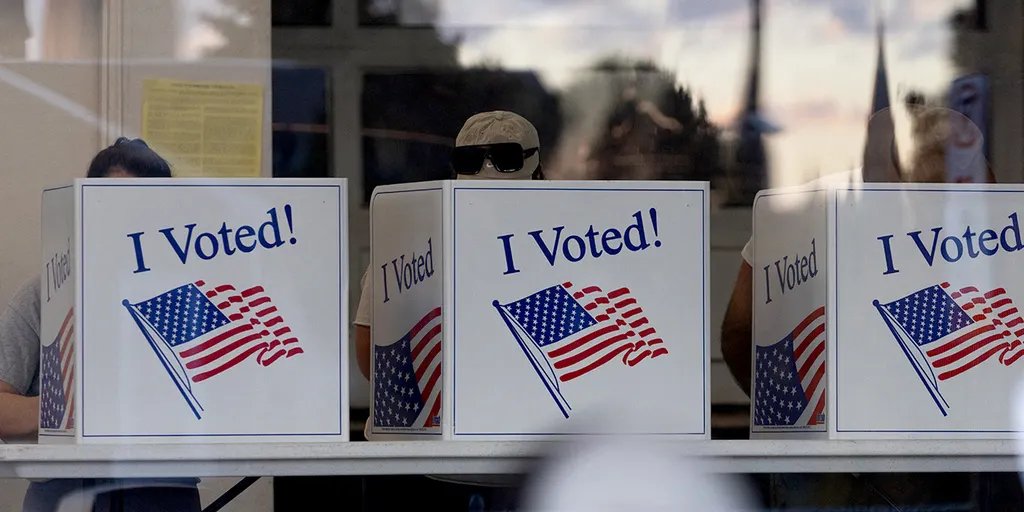
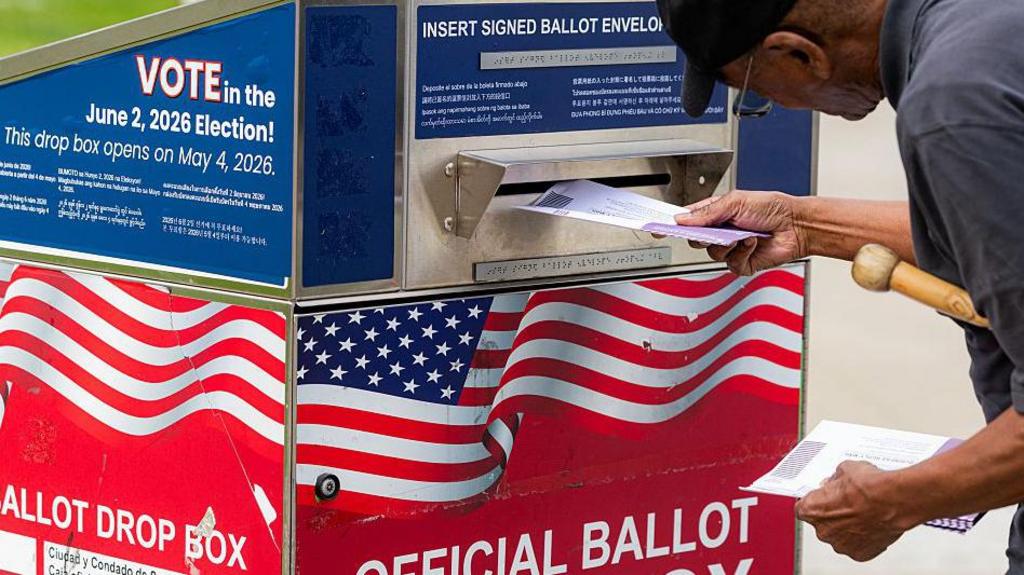
With the Supreme Court's decision solidifying the congressional maps, the 2026 midterm elections in Florida are poised to be highly competitive. The GOP's strategic advantage could reshape the political landscape, making it crucial for voters to engage with the electoral process. As candidates prepare their campaigns, the implications of these maps will likely resonate through local communities and beyond, affecting representation and policy direction in Florida for years to come.