




SAVE Plan Borrowers Face Mandatory Transition
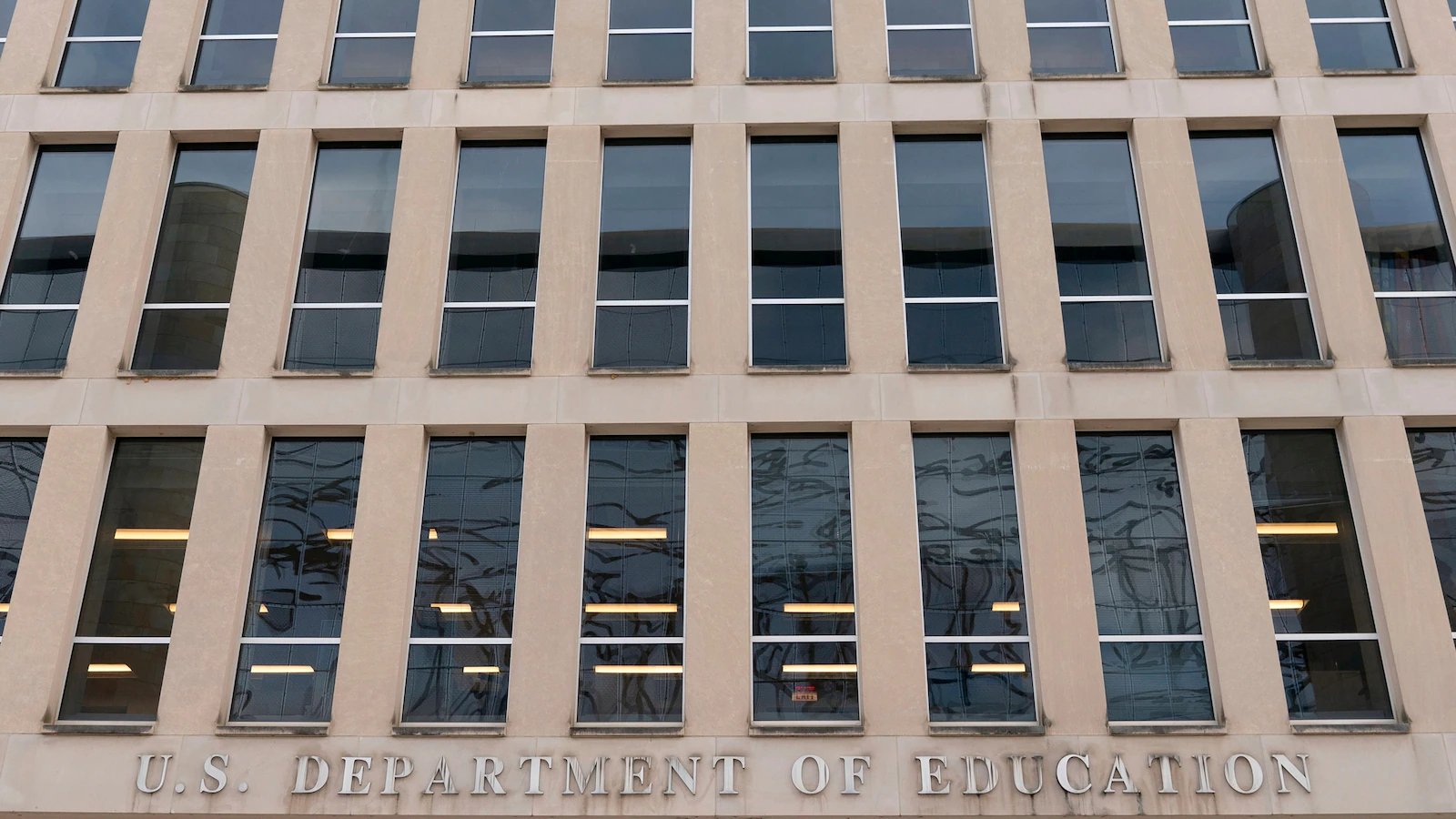
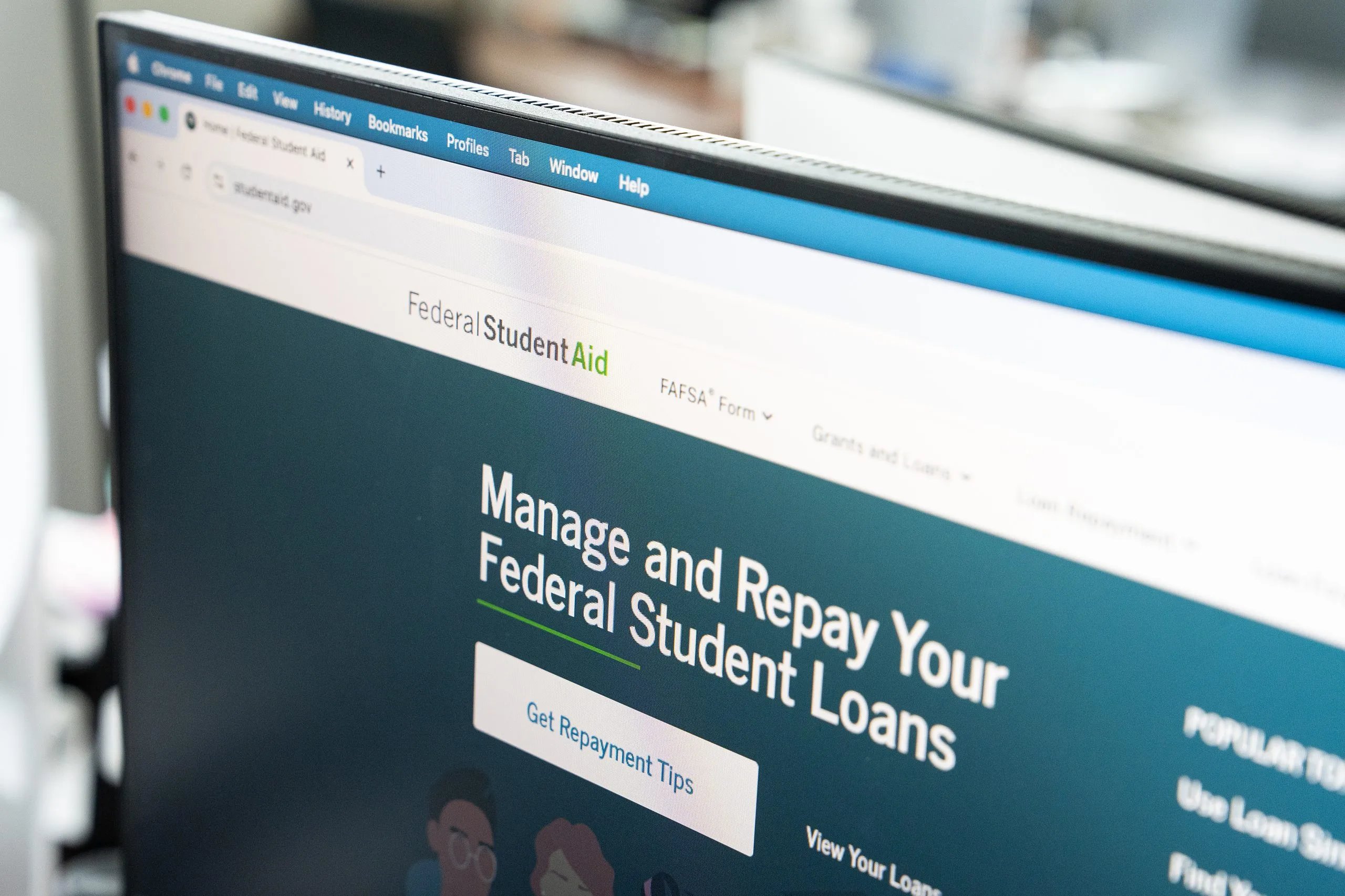
Starting July 1, the Department of Education will begin phasing out the Saving on a Valuable Education (SAVE) repayment plan, requiring current borrowers to switch to a different option. Borrowers will have 90 days after receiving notice to choose a new eligible repayment plan. Those who fail to select a plan could be automatically placed into a standard repayment plan, which may result in higher monthly payments for some households.
New Borrowers Enter Simplified System
Federal student loan borrowers taking out loans for the first time after July 1 will enter a markedly different repayment landscape. Rather than choosing from numerous income-driven repayment programs available to previous borrowers, most new borrowers will select between a standard repayment plan and the new Repayment Assistance Plan (RAP), an income-driven option designed to simplify repayment. The streamlined system may be easier to navigate, though it offers fewer repayment options than were available in recent years.
Graduate Students Face New Borrowing Limits
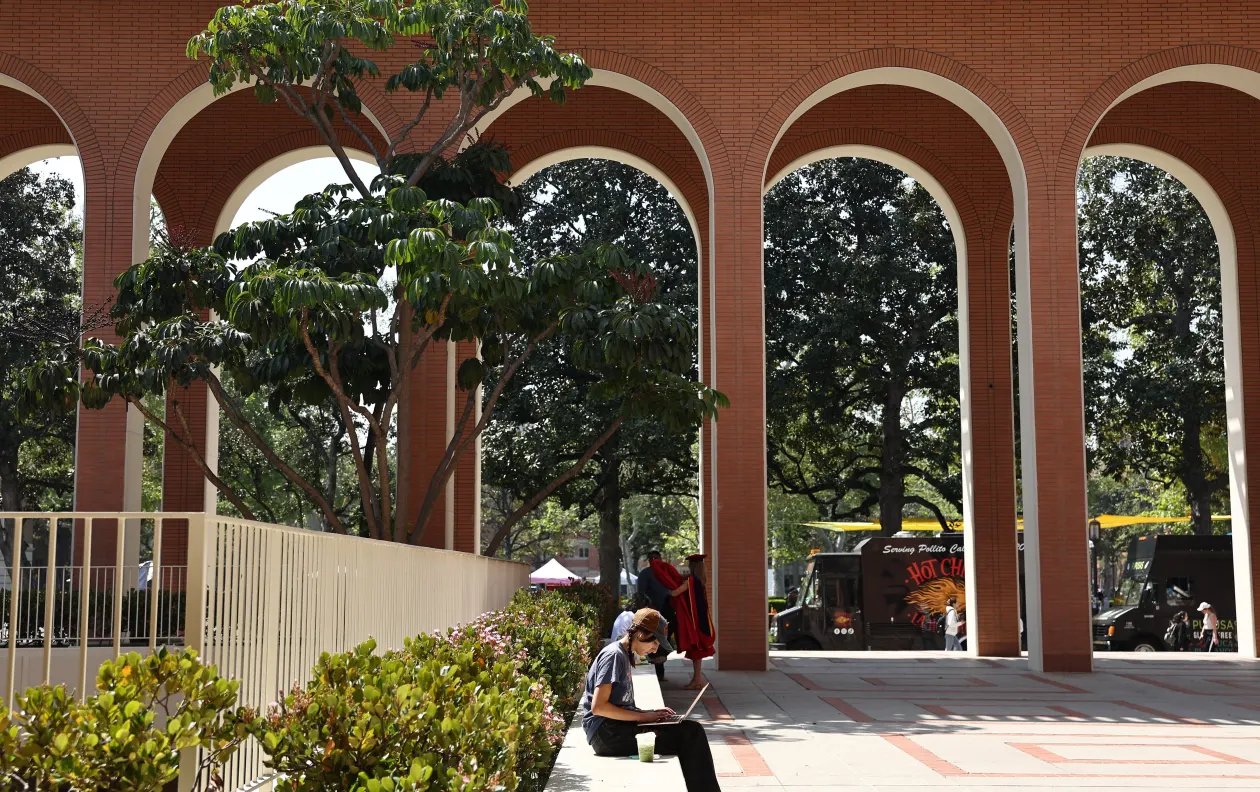
Starting July 1, Graduate PLUS loans will no longer be available to new borrowers. New annual and lifetime borrowing limits will apply instead. Students in professional degree programs such as medicine and law will receive higher borrowing limits than many other graduate programs. Students already enrolled in qualifying programs may be protected by temporary grandfathering provisions, making it essential to check with your school's financial aid office before assuming the new limits apply.
Parents Must Reassess College Financing Strategy
Families relying on Parent PLUS loans will see significant changes starting July 1. Previously, eligible parents could borrow up to the full cost of attendance after other financial aid was applied. Starting now, new Parent PLUS loans become subject to annual and lifetime borrowing caps, limiting how much parents can finance through the federal program. Families expecting to finance a significant share of college costs through Parent PLUS loans may need to consider scholarships, payment plans, savings or private financing to bridge any gaps.
Steps Borrowers Should Take Now
Borrowers currently in repayment should confirm which repayment plan they are enrolled in and ensure their contact information is current with both their loan servicer and StudentAid.gov. Saving copies of repayment records and loan documents is advisable, as those documents may prove useful if questions arise during the transition. Future borrowers should look beyond federal student loan financing, comparing schools more carefully, seeking additional grants or scholarships, and weighing private student loan options given the new borrowing limits.