
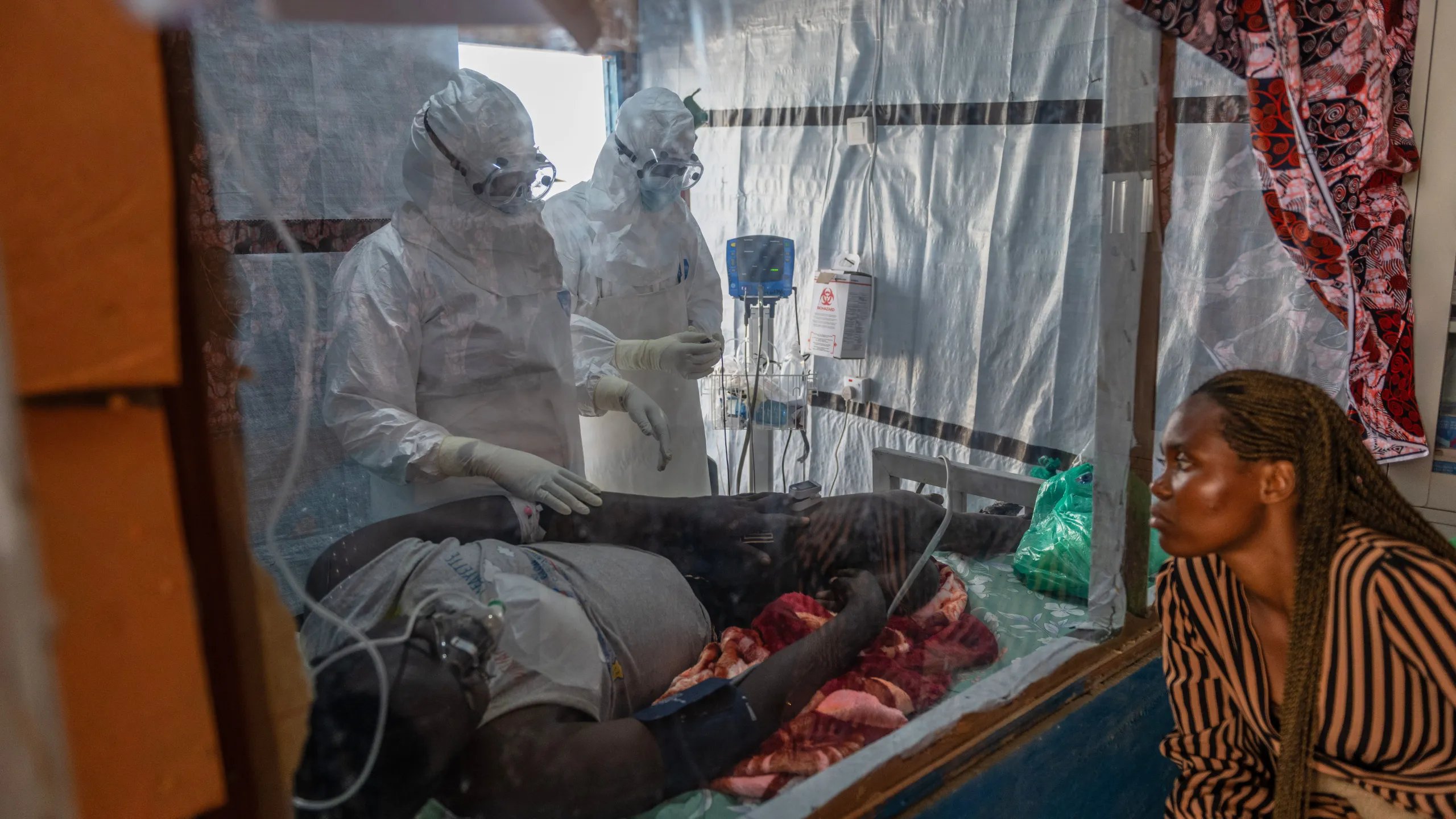





Child recovered after armed removal from treatment center
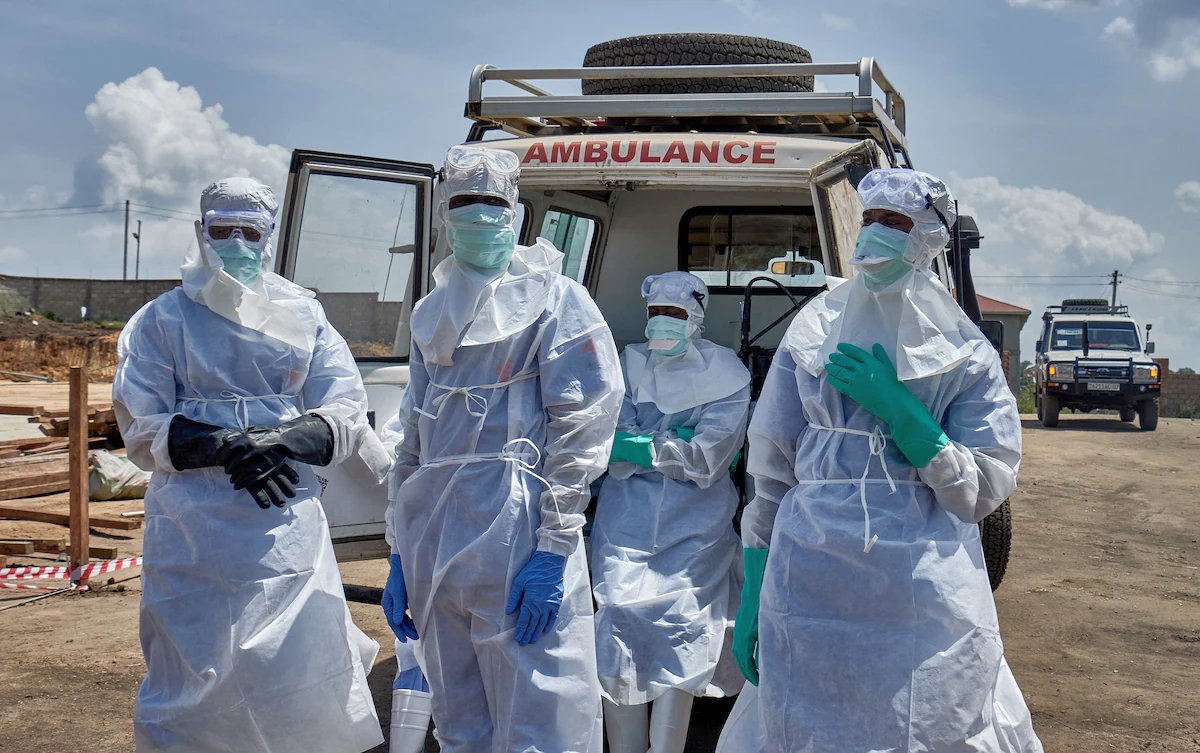
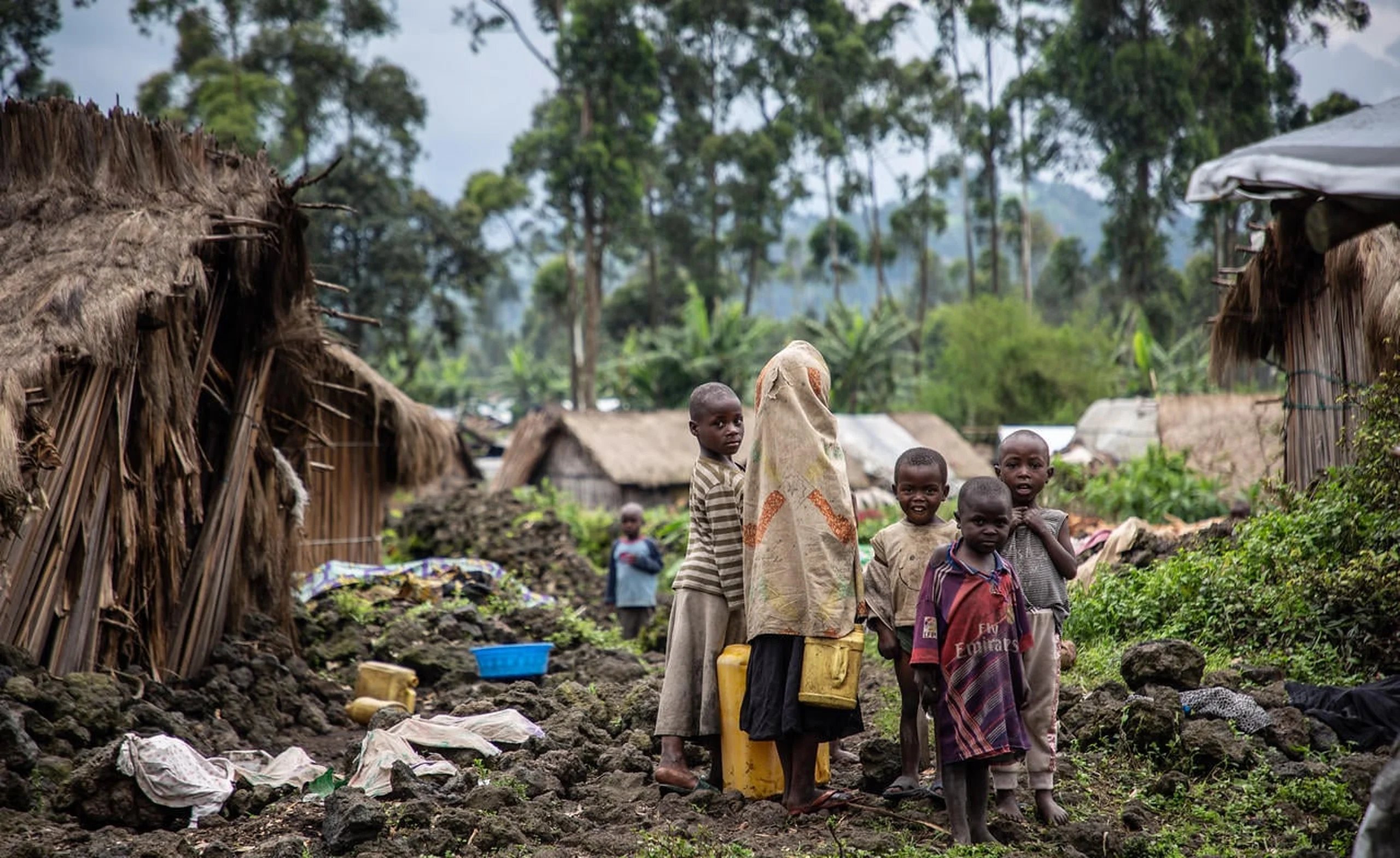
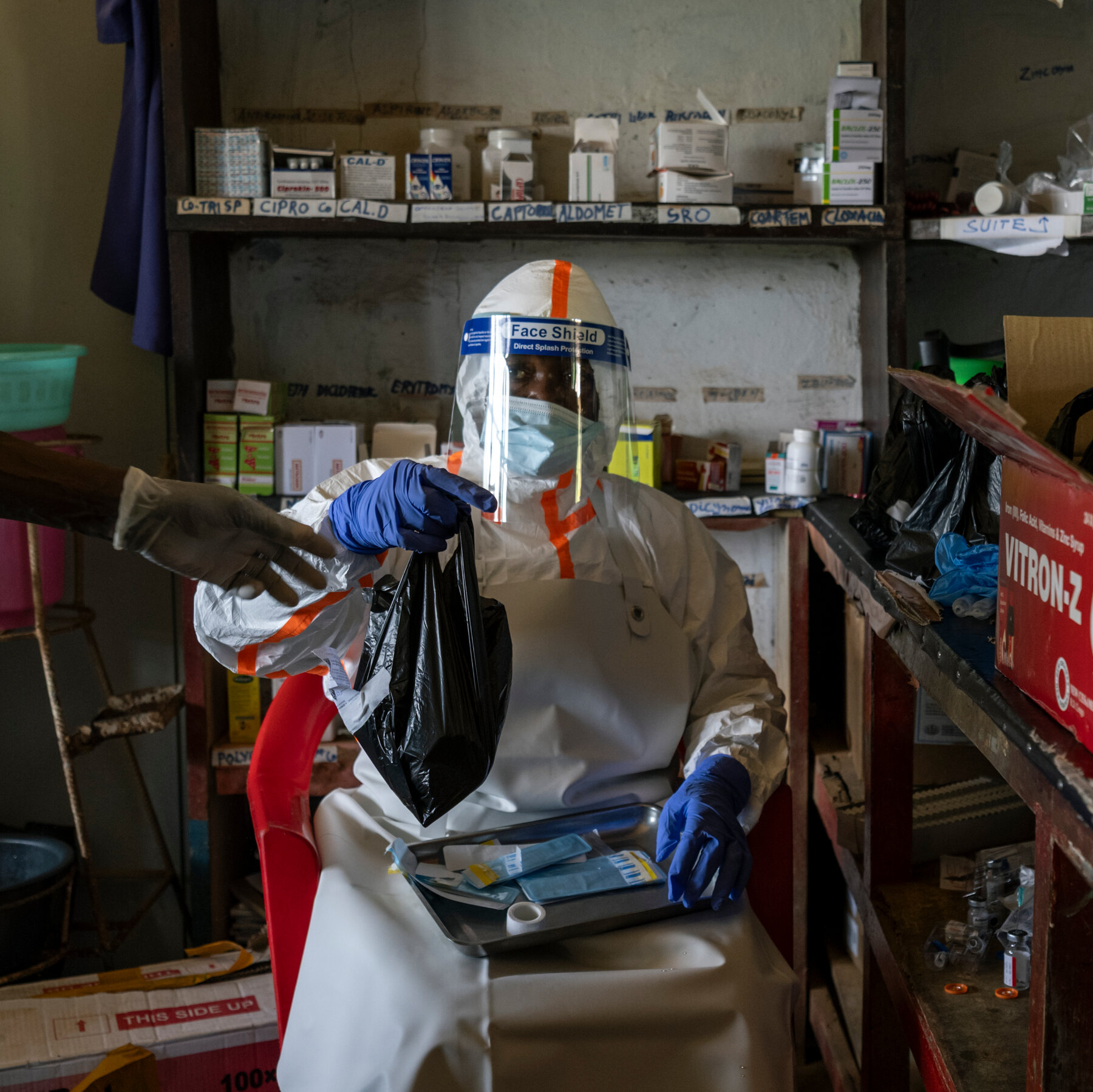
A six-year-old girl taken from a hospital in Butembo by armed men has been found and is doing well, according to Dr. Lubambo Maboko Gaston, a local health official. The child and her mother were removed from the facility by what Gaston described as "very angry" men. On Friday, both turned up at an Ebola treatment centre roughly 18 kilometers from Butembo, with the girl's condition considered stable.
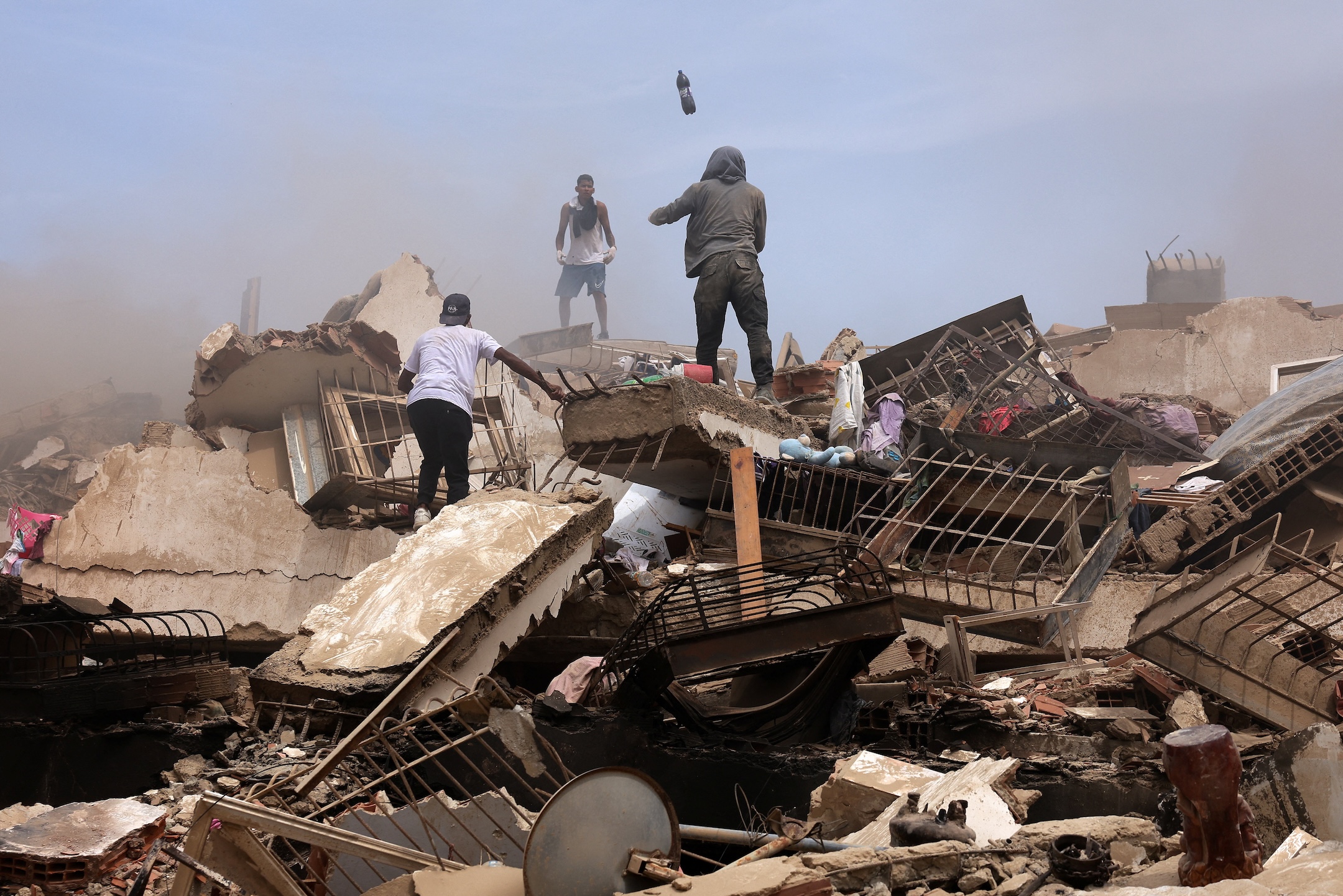
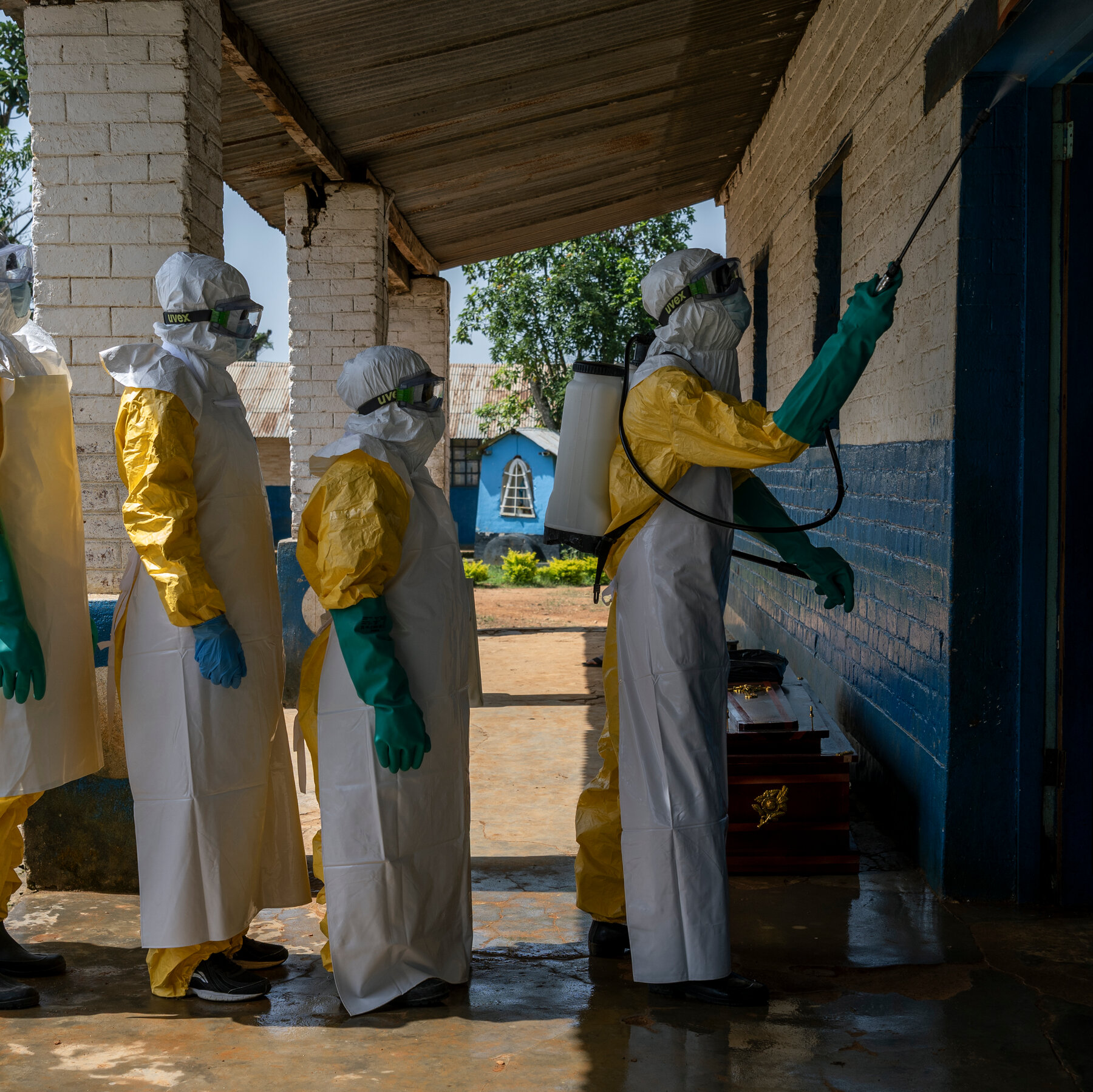
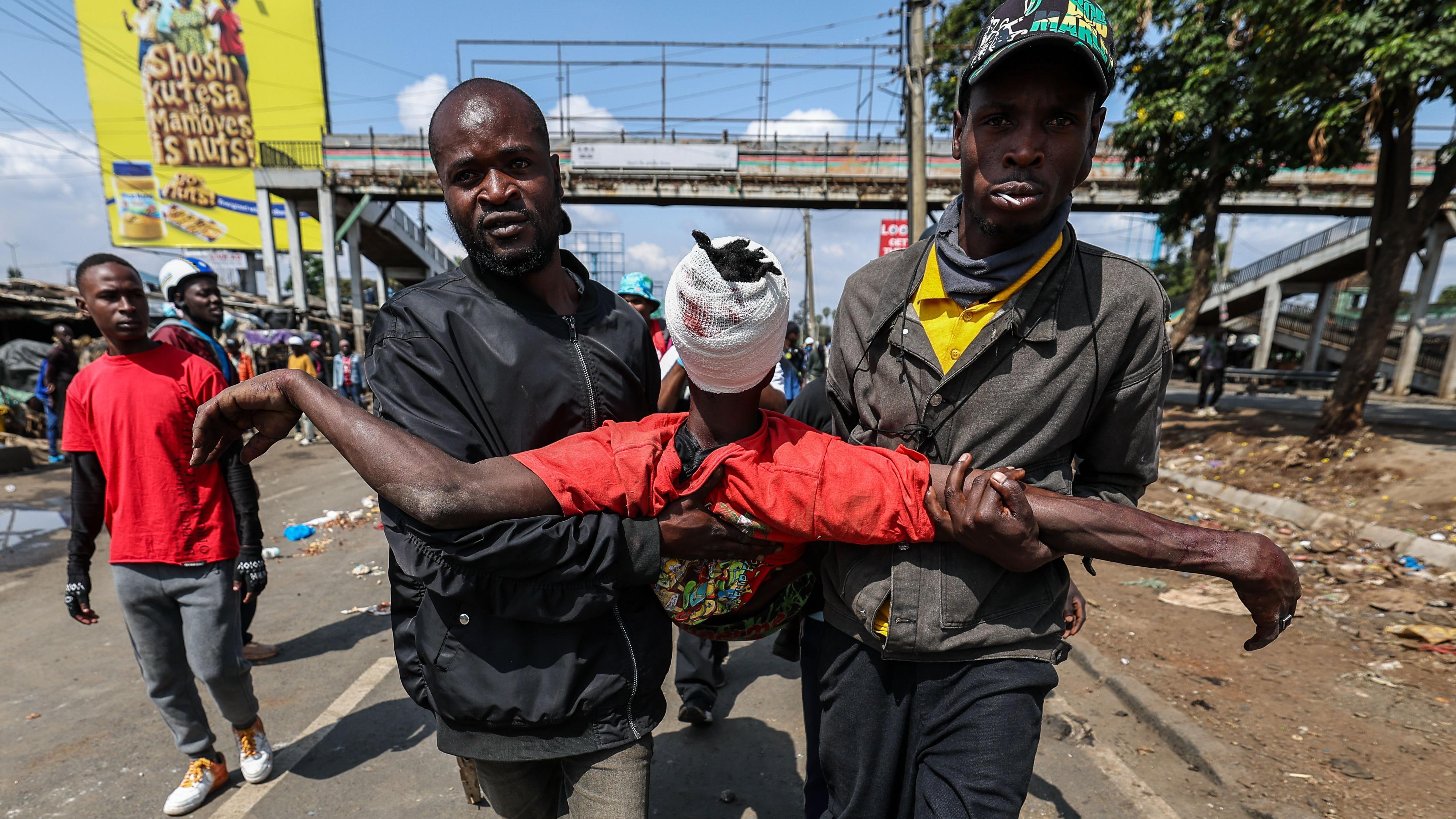
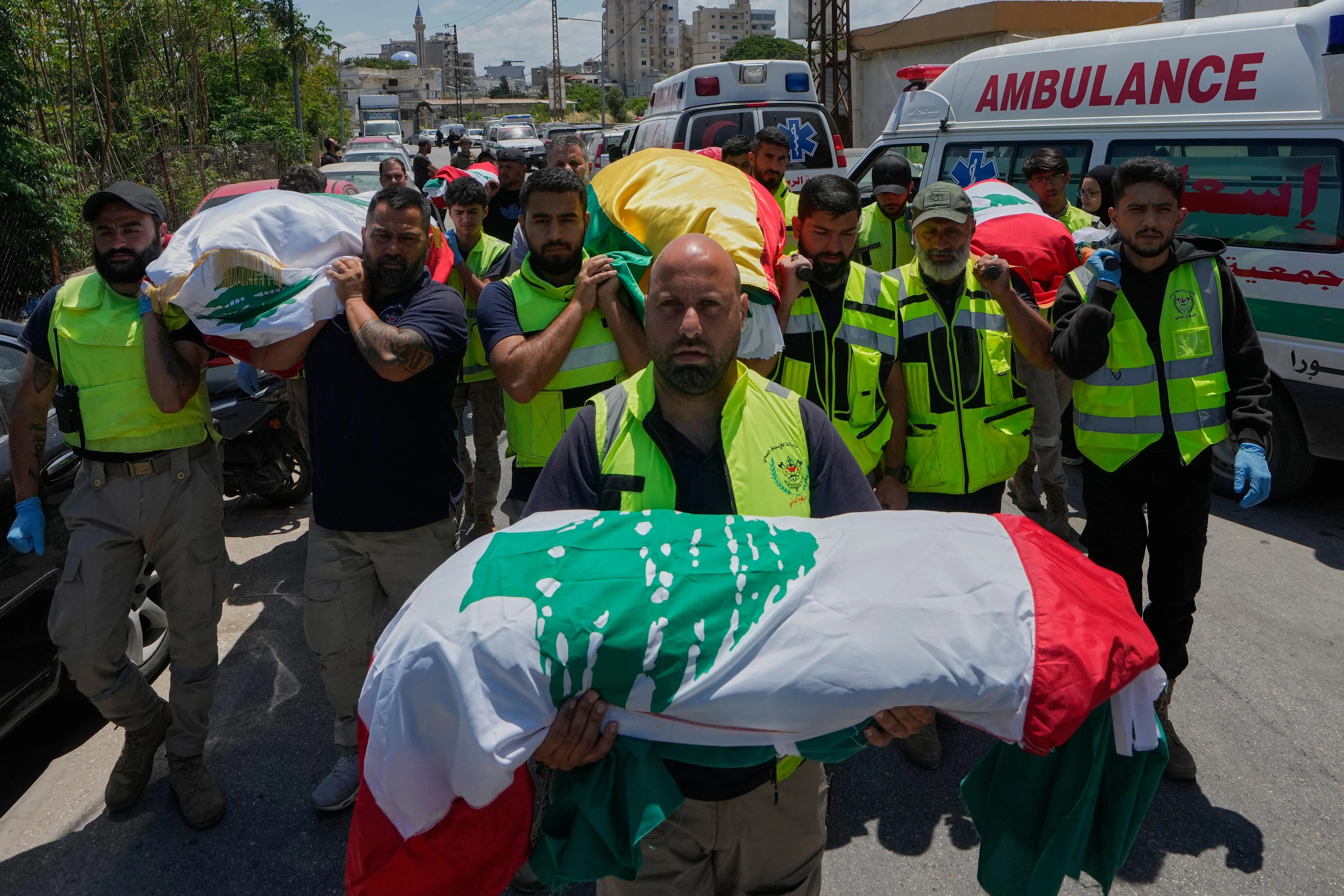
Health facilities have come under attack multiple times, with crowds in some cases attempting to reclaim bodies of deceased relatives. In the town of Mongbwalu last month, police fired shots in the air after angry crowds tried to take bodies from a health facility. Days before that incident, crowds set fire to isolation tents at a hospital in Rwampara, located 85 kilometers southeast of Mongbwalu, after being prevented from taking the body of a man suspected of dying from Ebola.
Misinformation fueling resistance to treatment
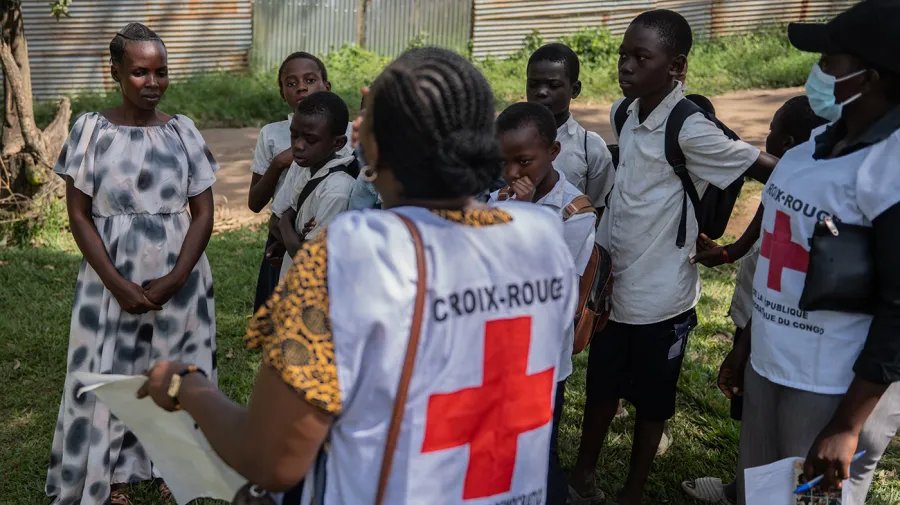
Local politician Luc Malembe told the BBC that misinformation is driving the resistance. "People are not properly informed or sensitised about what is happening," Malembe said. "For a certain segment of the population, especially in remote areas, Ebola is an invention by outsiders. They believe it is the NGOs and hospitals creating this to make money, and this is tragic."
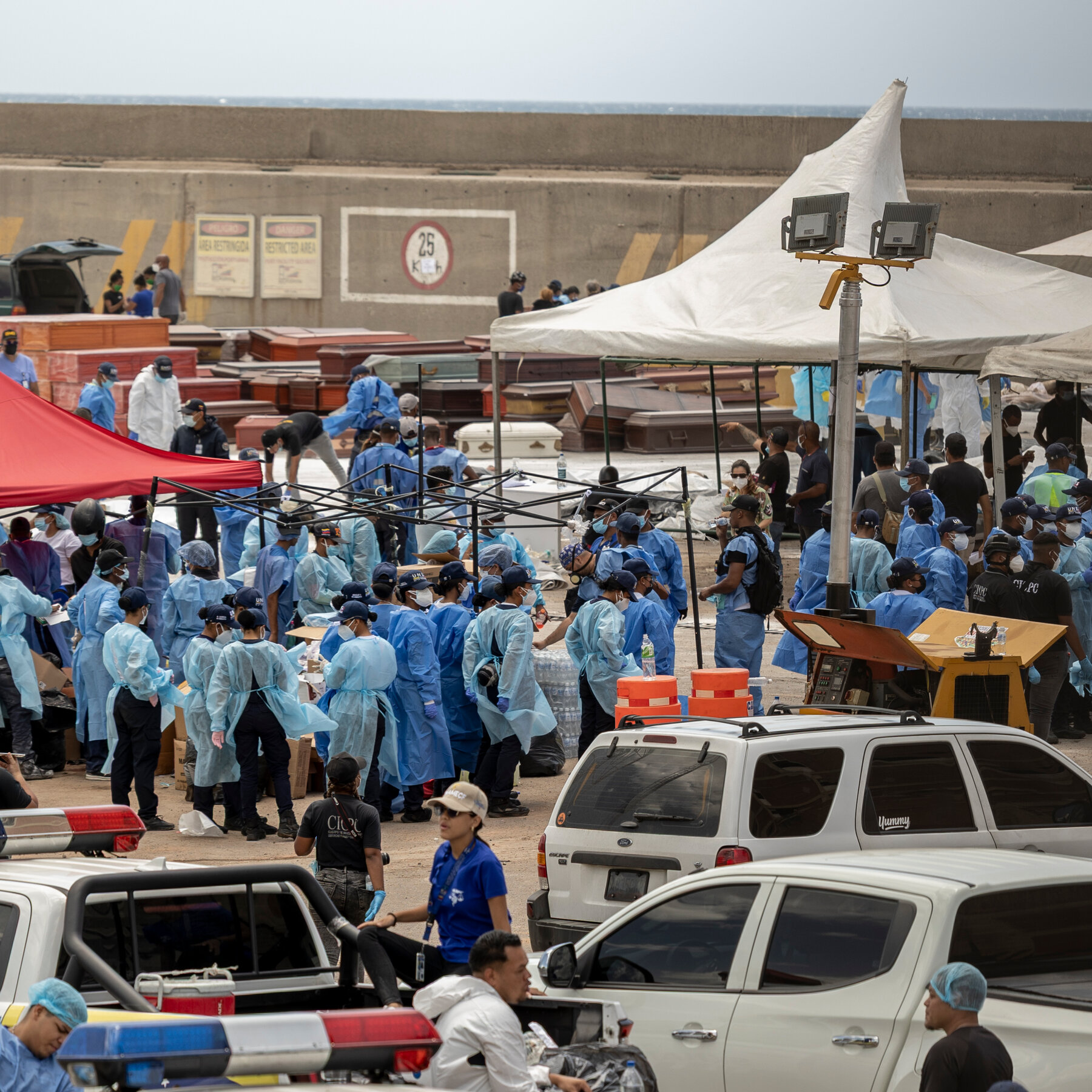
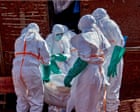
The resistance to safe burial practices poses a direct public health threat. Bodies of Ebola victims are highly infectious and can spread the virus further when prepared according to traditional burial methods rather than safe protocols.
Outbreak spreading despite accelerating response
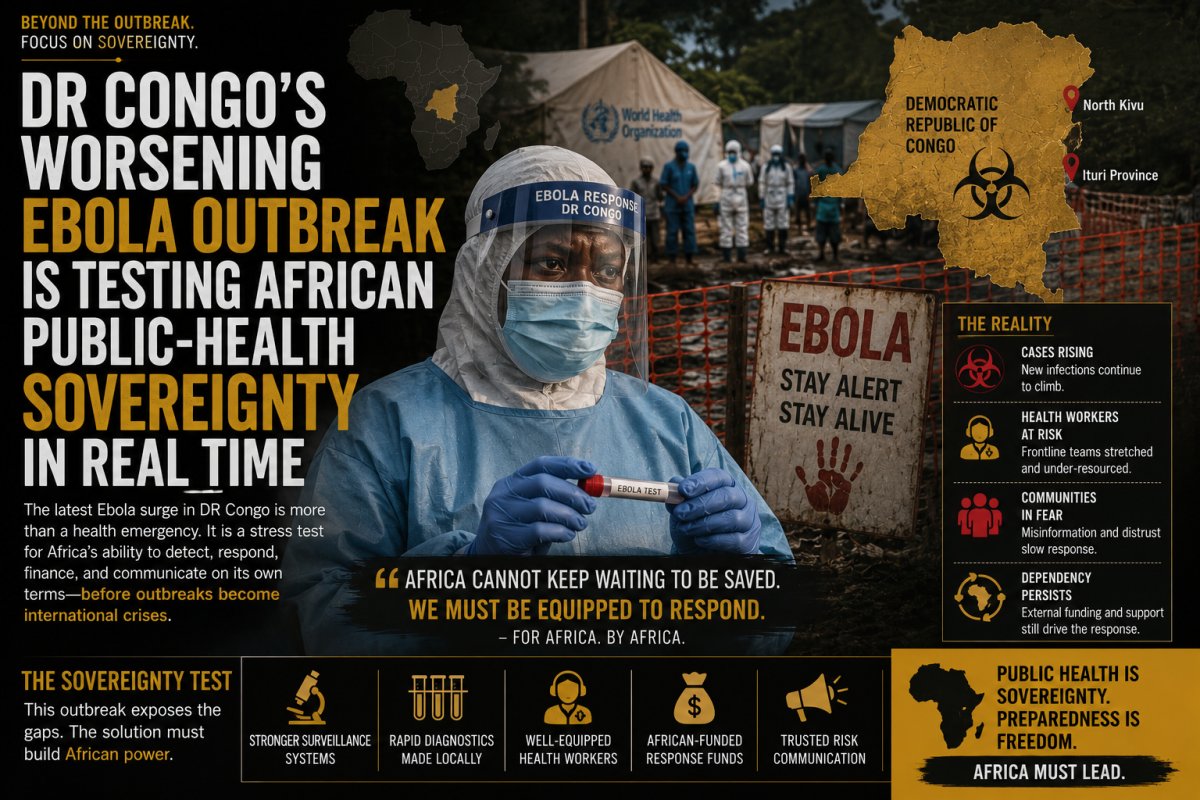
The Ebola outbreak in eastern DR Congo is spreading rapidly despite intensifying public health measures, the World Health Organization warned Friday. The outbreak is caused by the Bundibugyo strain, a rare species for which there is currently no vaccine. The WHO said a vaccine could take months to be ready.
More than 230 deaths and 890 cases have been confirmed. Ituri province accounts for more than 90 percent of confirmed infections, with cases also concentrated in South Kivu and North Kivu. Marie-Roseline Belizaire, WHO Africa's emergencies chief, said the outbreak is "evolving so fast" but that she had "seen a response that is growing stronger every day."
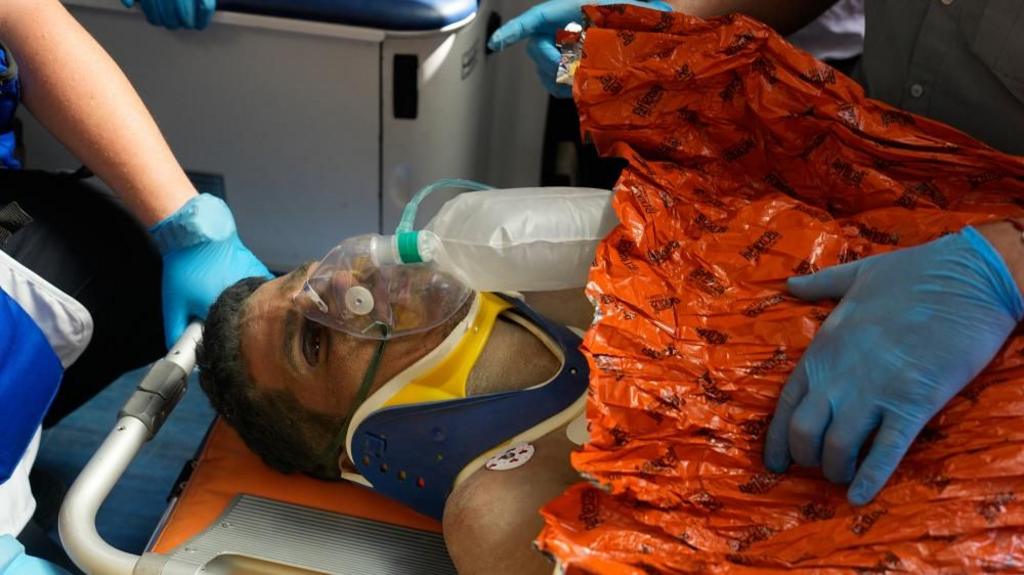
The toll on healthcare workers has been severe. Seventy-five health workers have caught Ebola during the outbreak, with 17 deaths among them.
International response and neighboring concerns
Uganda, which shares a border with DR Congo, has reported 19 confirmed cases including two deaths. Africa CDC's head said on Tuesday the outbreak has the potential to be one of the largest ever.
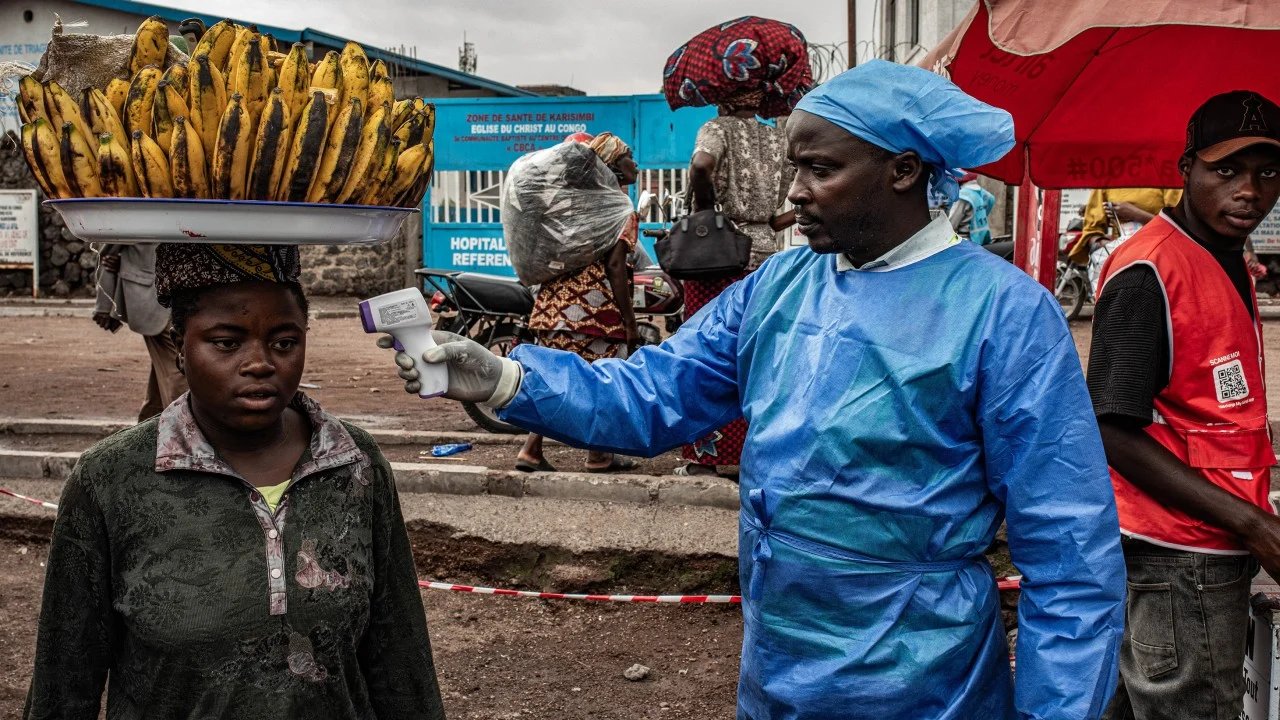
DR Congo's health ministry has stepped up surveillance systems, contact tracing, and treatment infrastructure with dedicated centres in several affected towns. The WHO has pledged $3.9 million to the response, while Africa CDC announced a $319 million budget. Conflict in the region, particularly control of North and South Kivu by the M23 rebel group, continues to complicate containment efforts.








































































The sources also report that the outbreak was declared on May 15, though transmission had been undetected for some time.