




A Narrow Victory and Polarized Nation
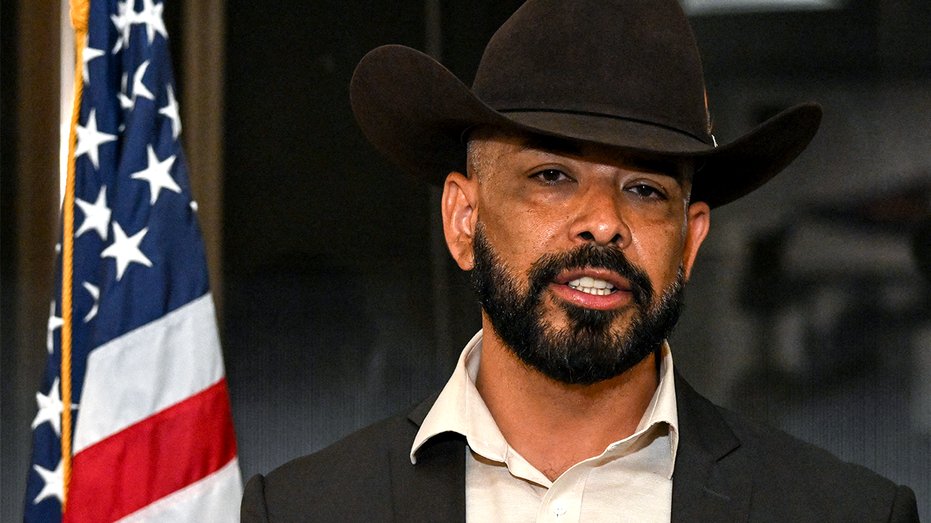
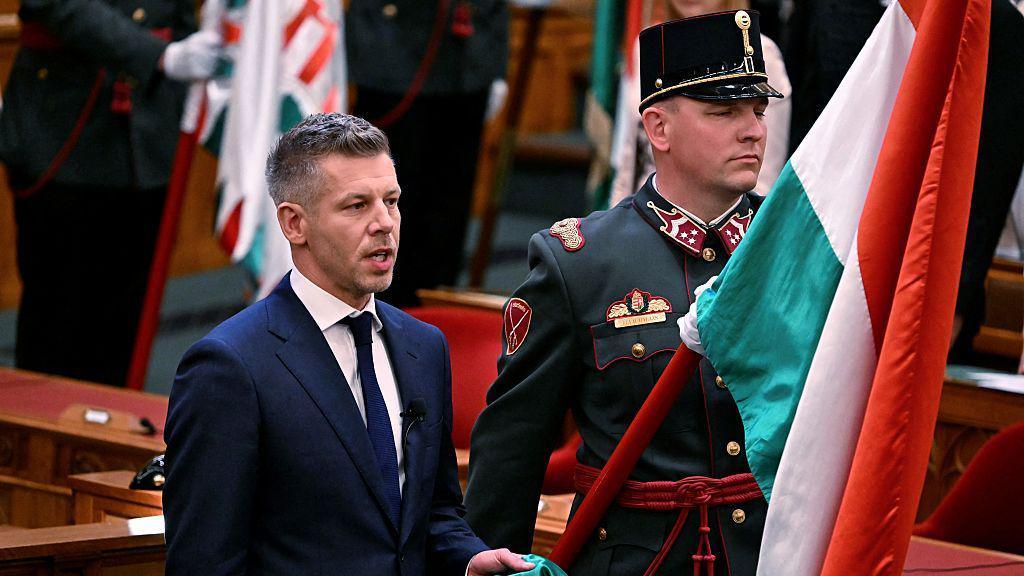
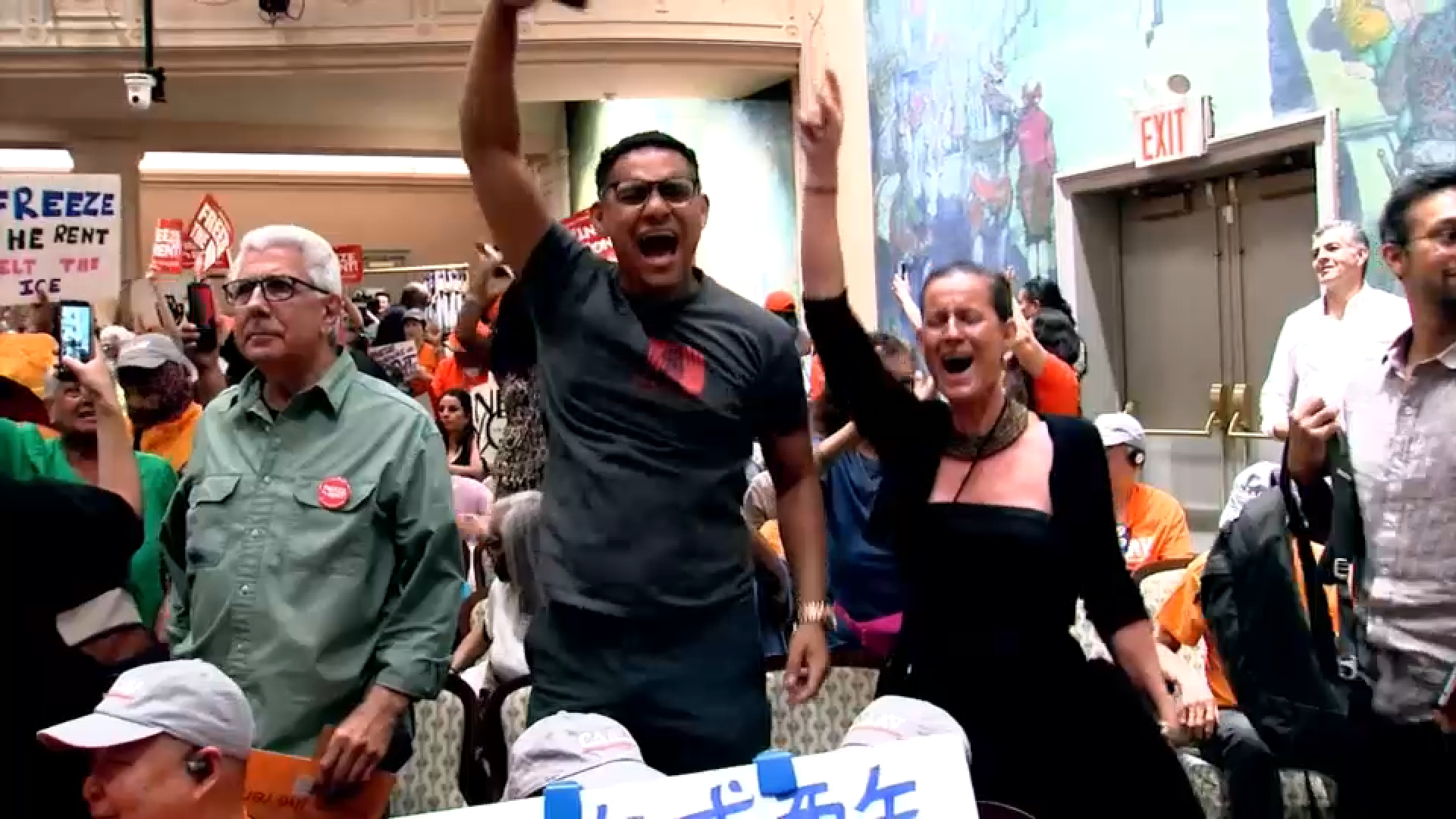
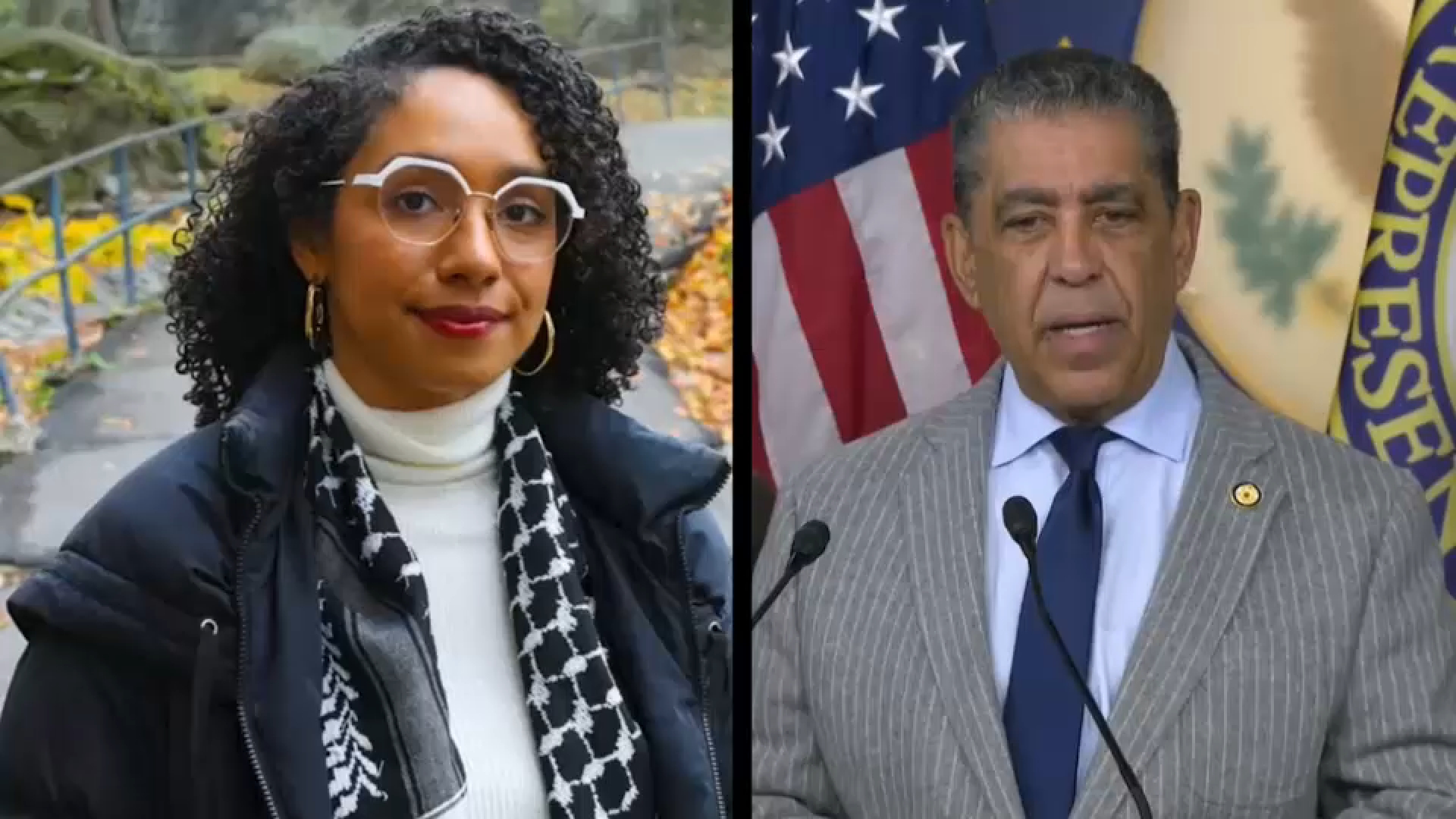
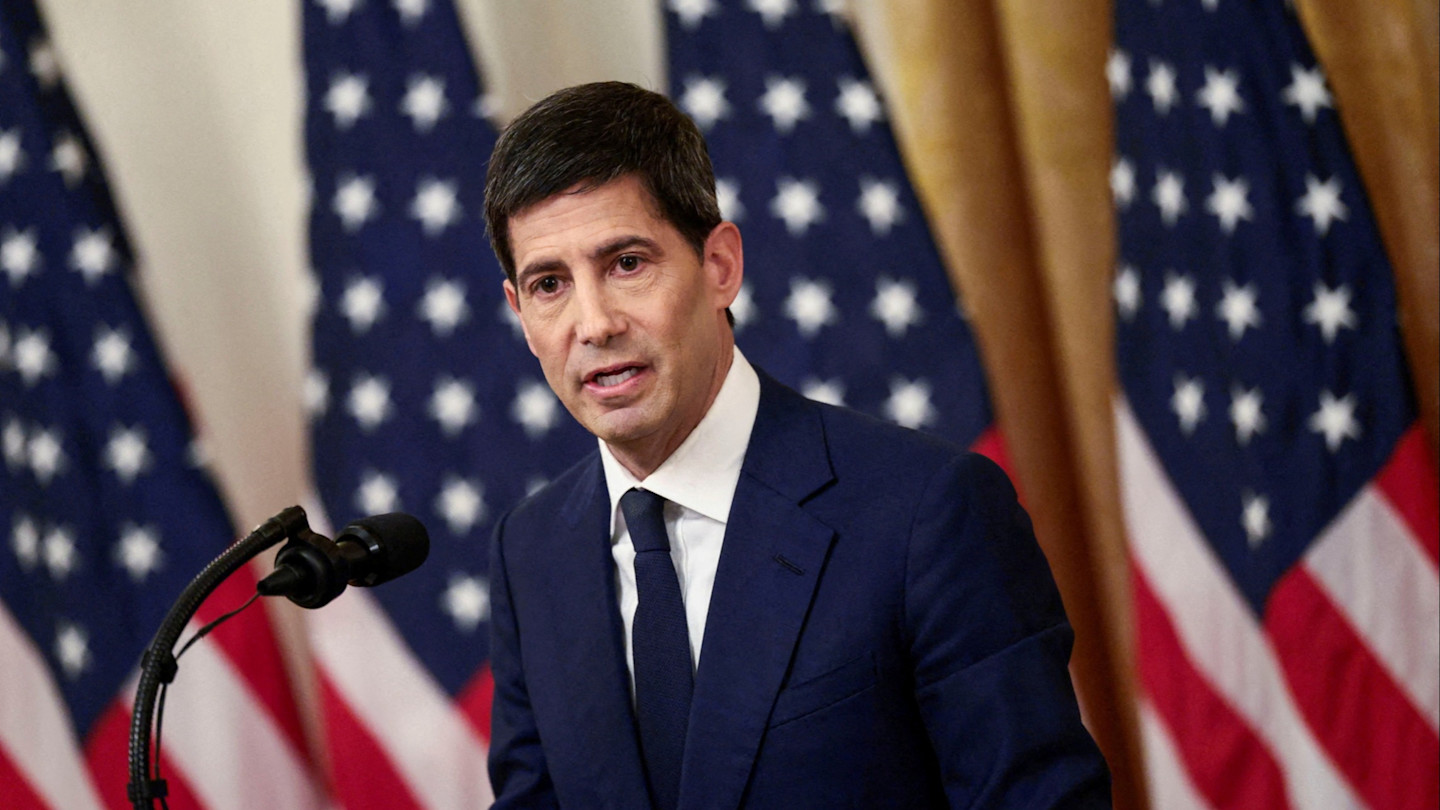
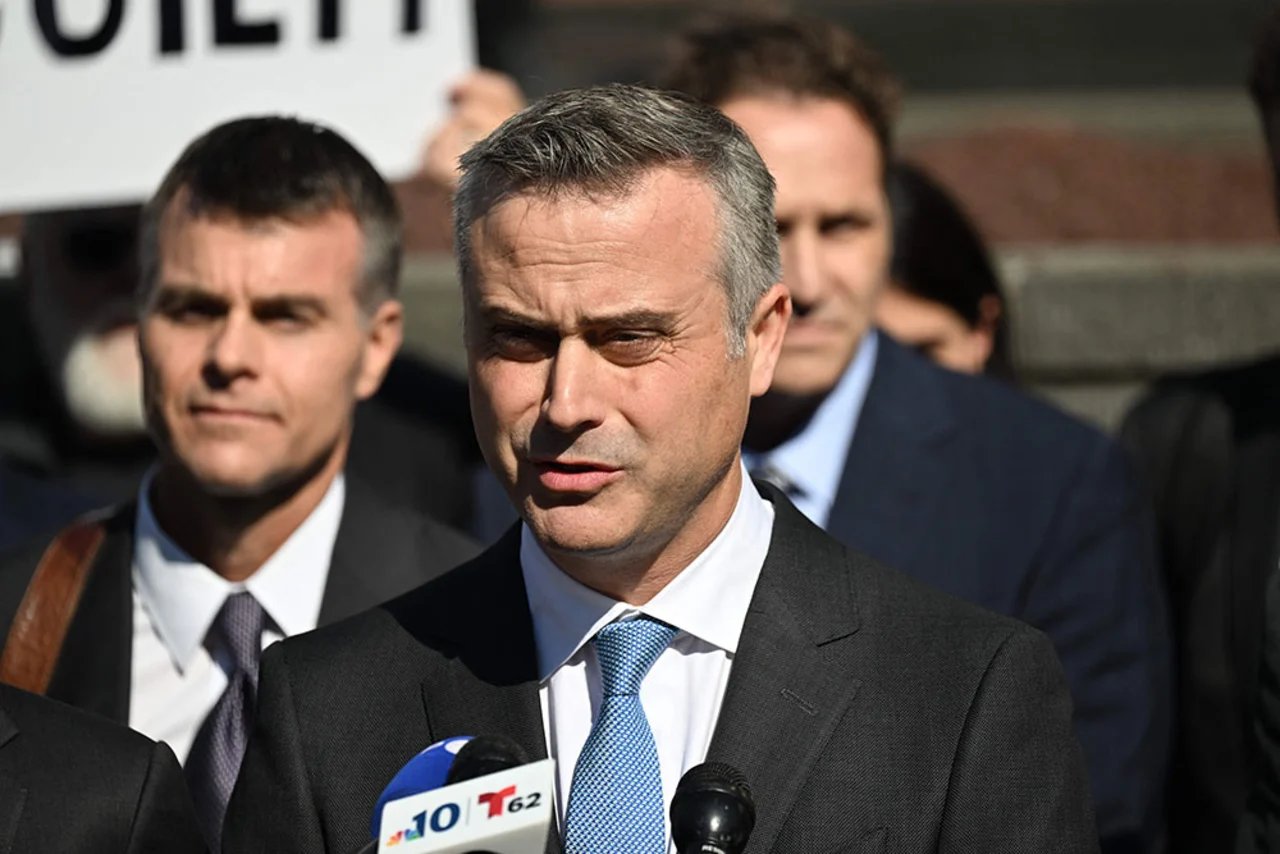
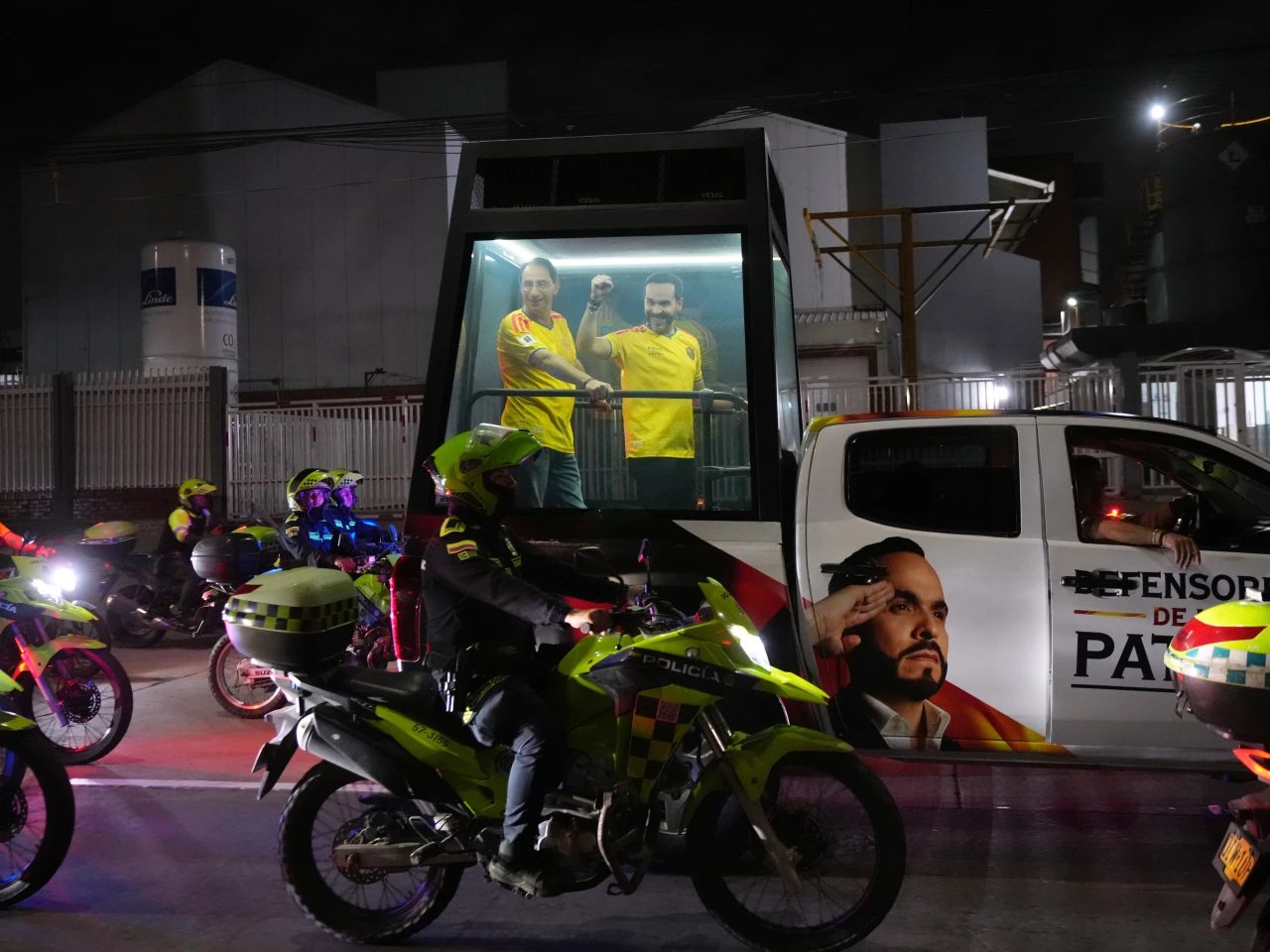
Abelardo de la Espriella, a flamboyant lawyer with no prior political experience, narrowly clinched Colombia's presidential election with 49.66% of the vote against left-wing Senator Iván Cepeda's 48.70%. The tight race, with just 247,000 votes separating the two candidates, has sparked widespread protests across the country. Cepeda has not conceded, saying the preliminary count was "not yet official or binding" and that his campaign is challenging results from more than 30,000 ballot boxes. The unrest highlights deep divisions within Colombian society, as demonstrators clashed with police in cities like Cali and Bogotá, burning tires and American flags.
Protests Erupt Across Colombia
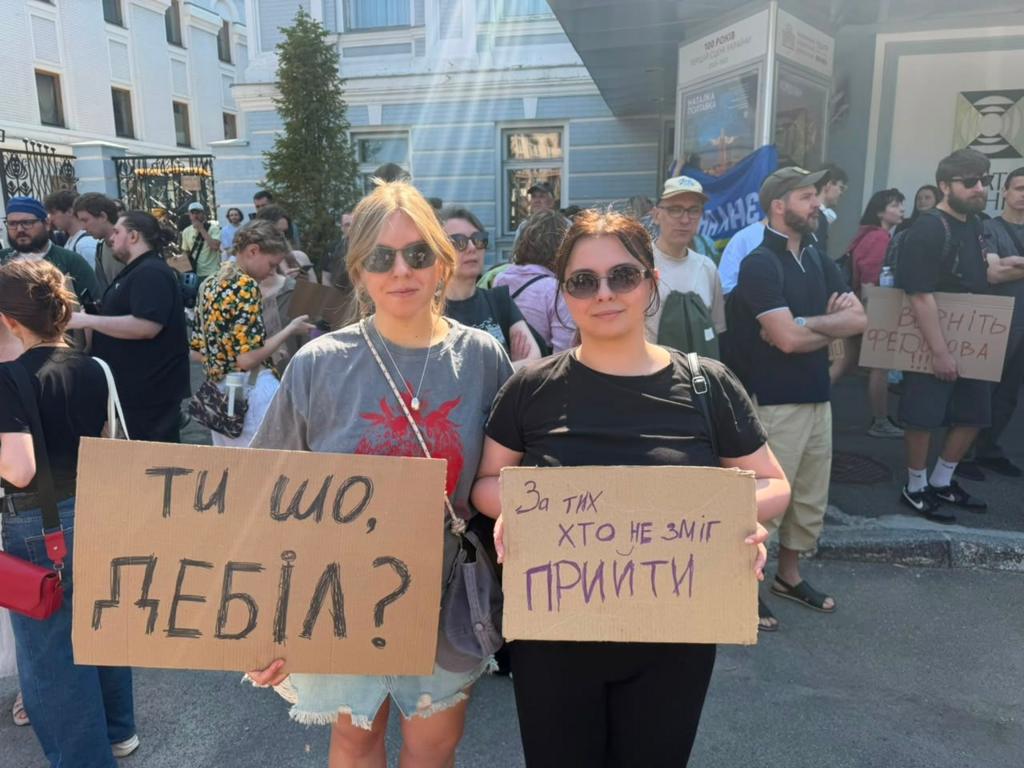
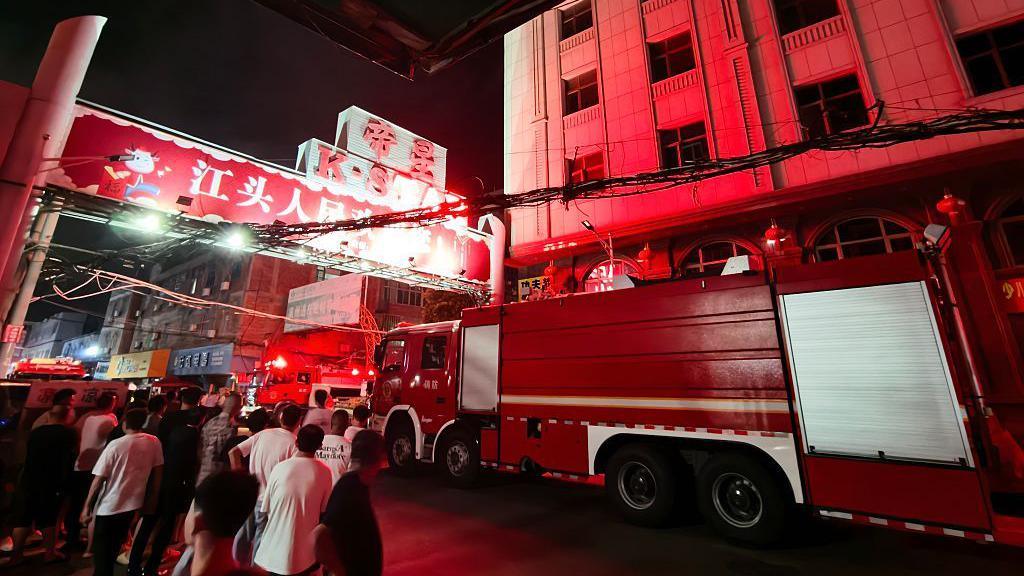
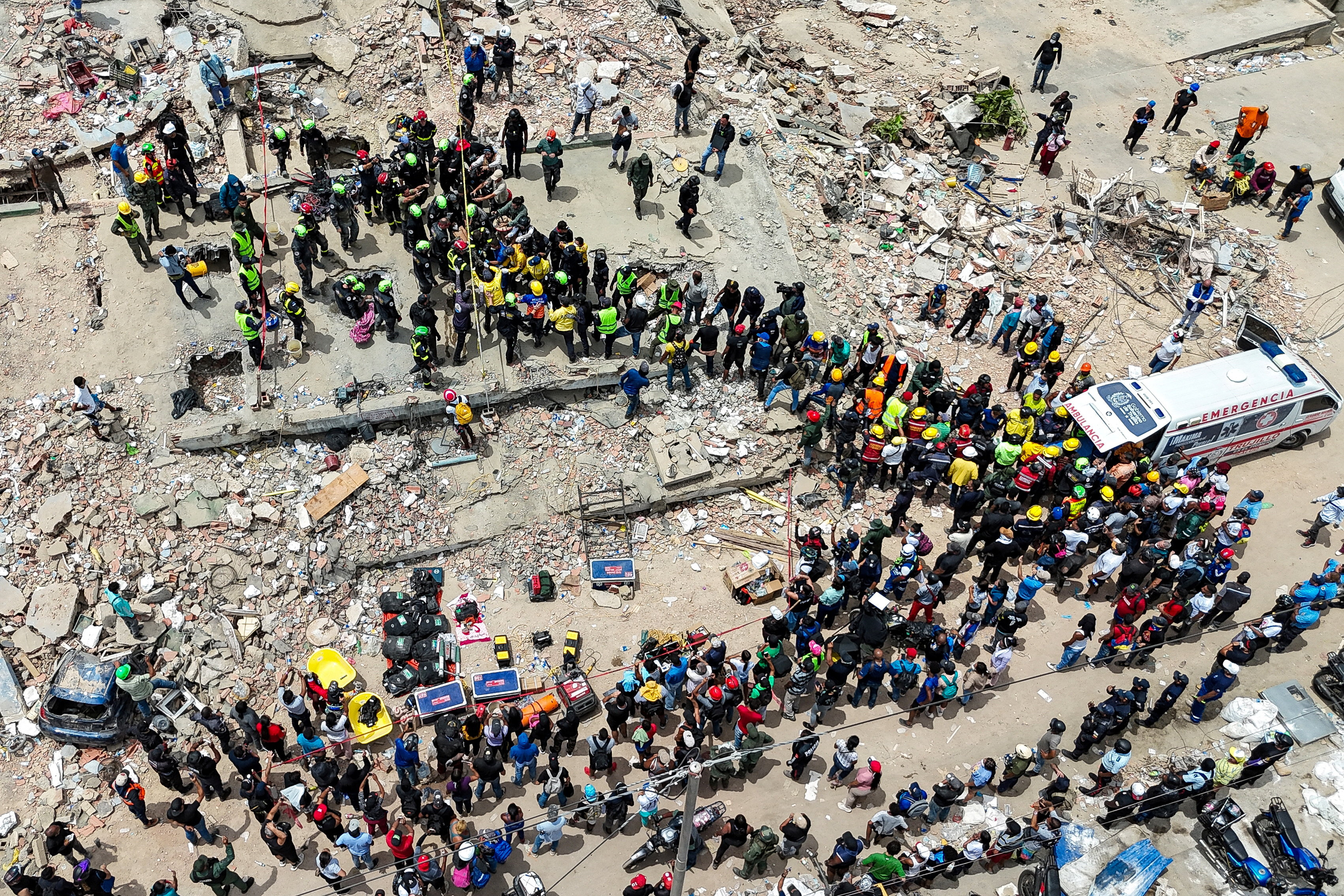
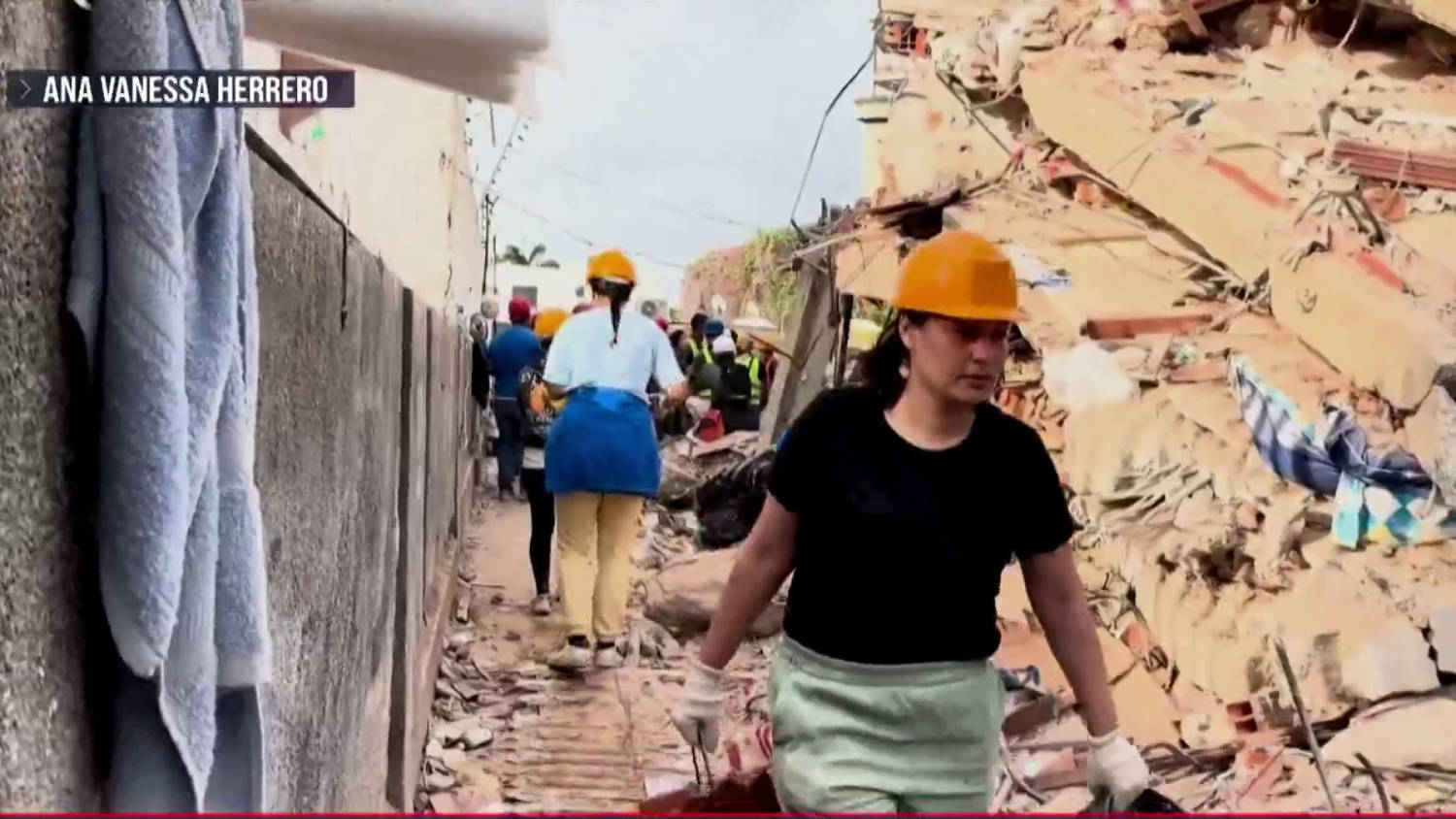
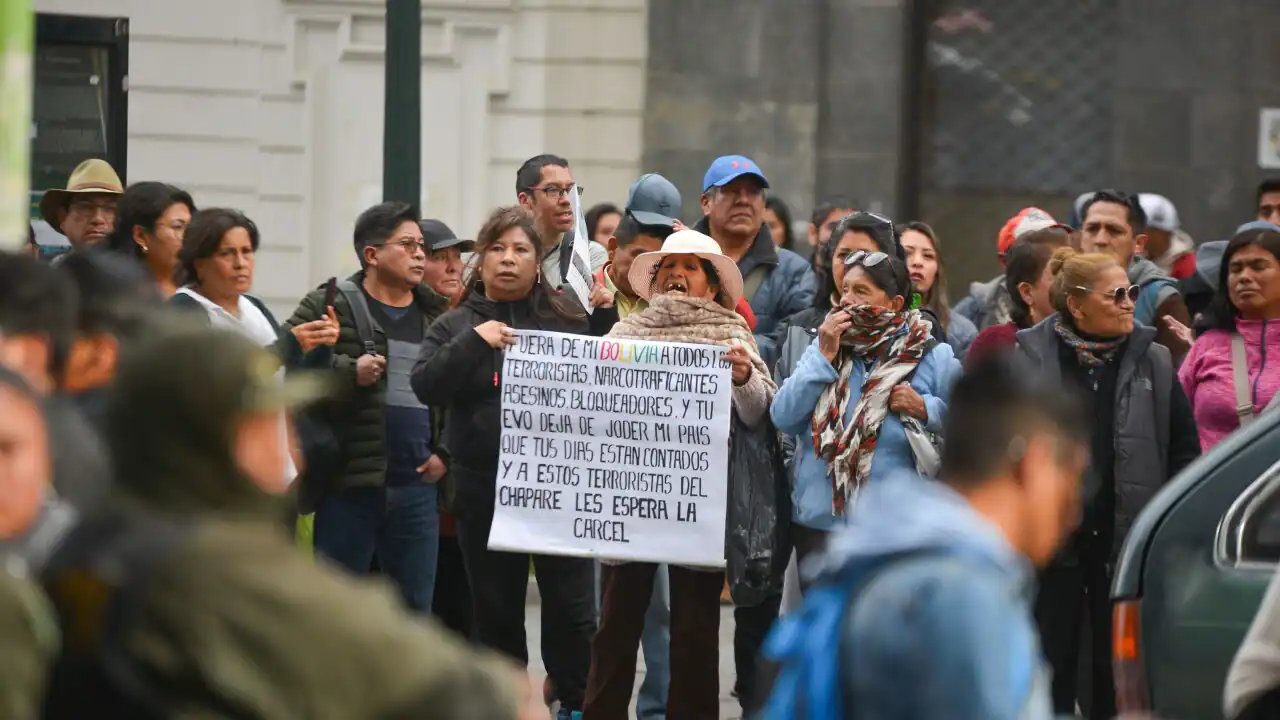
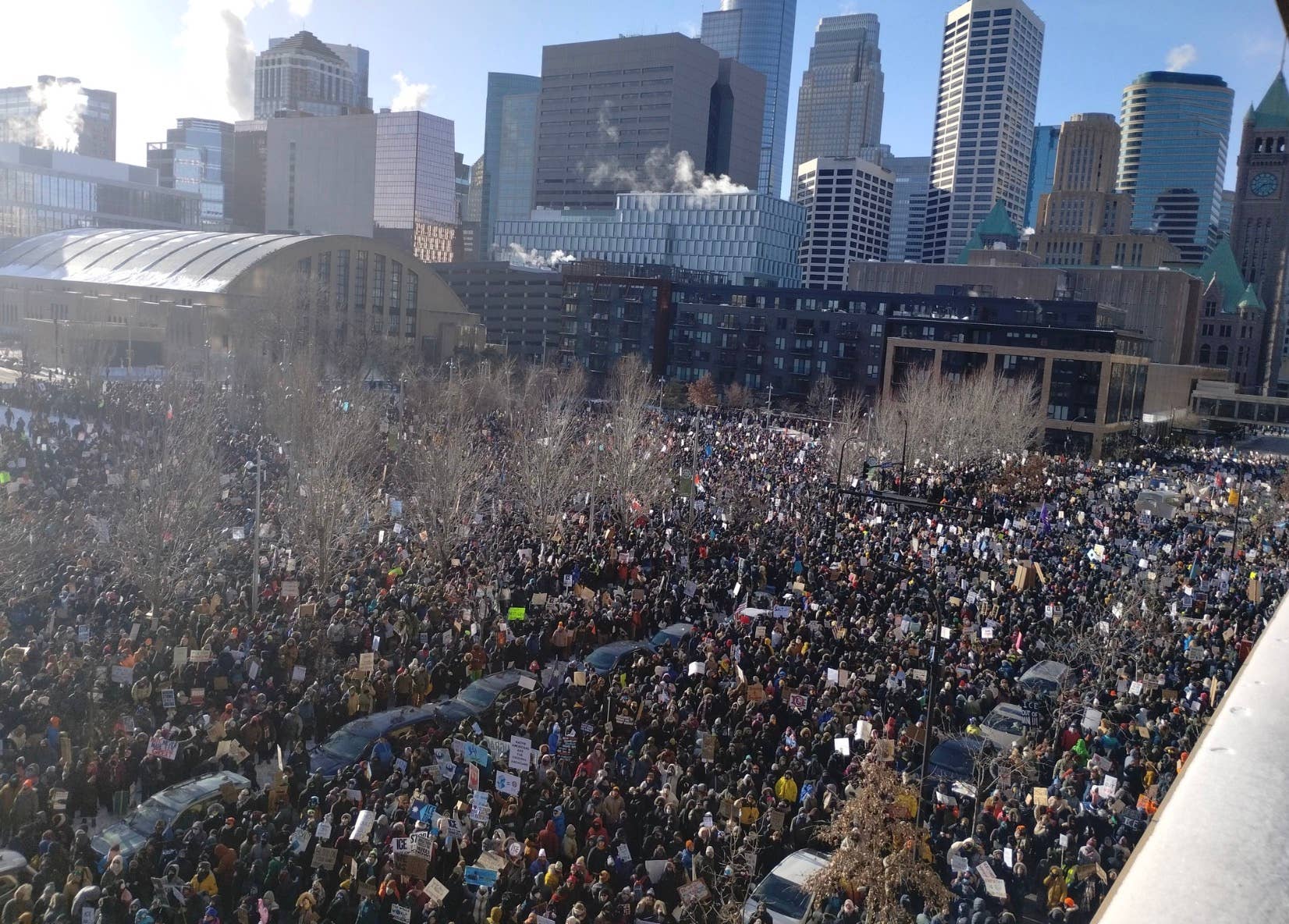
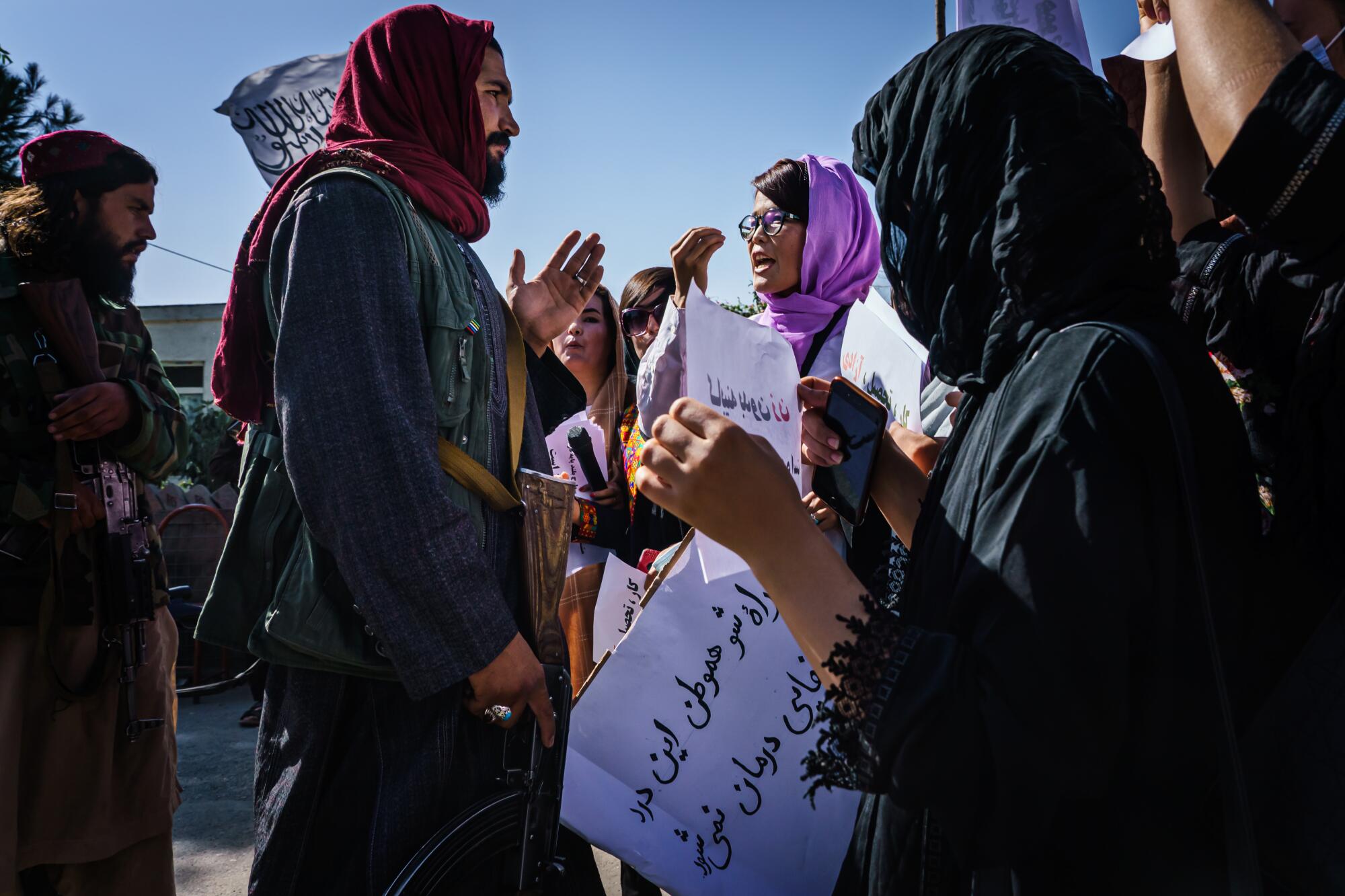
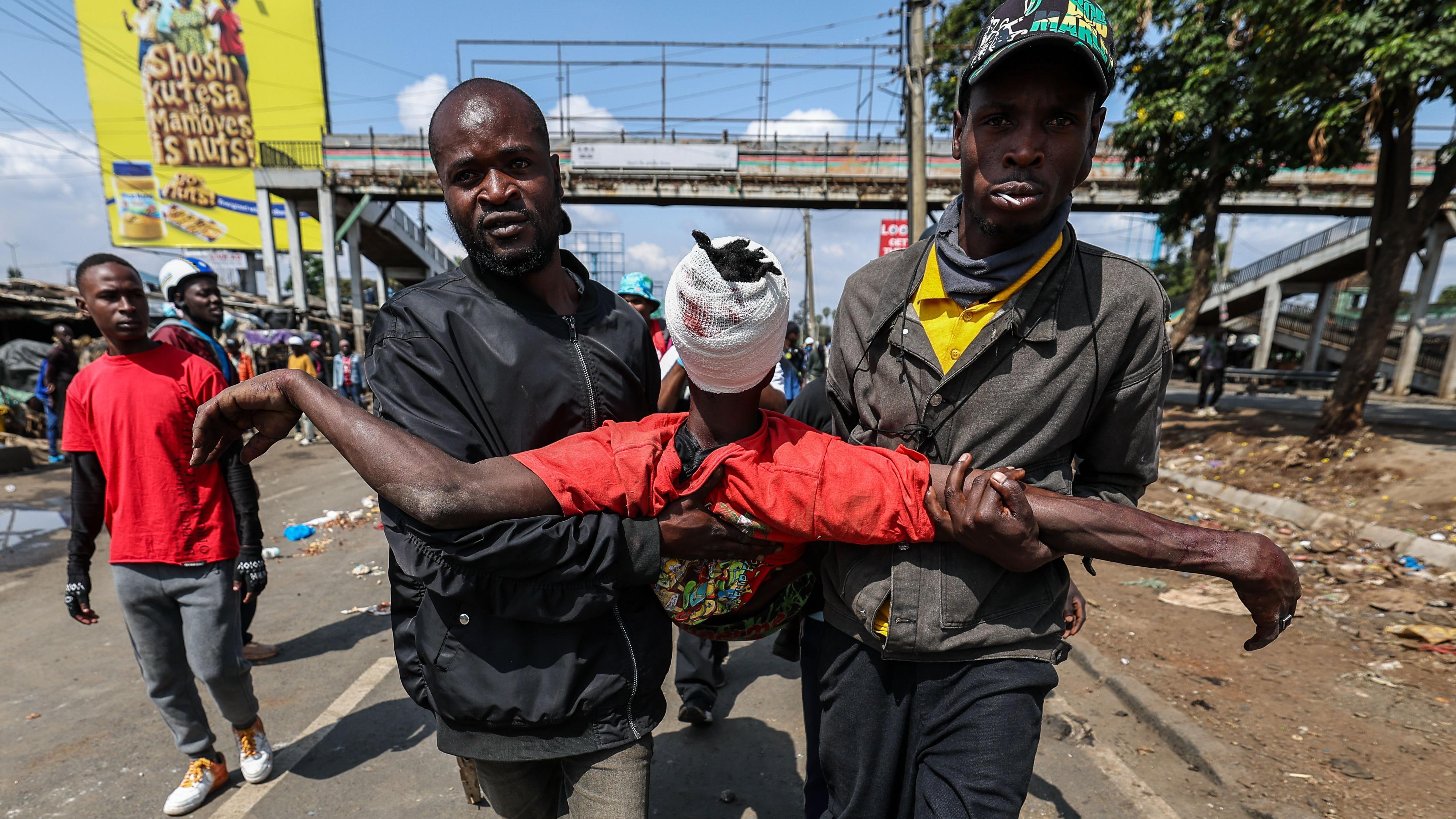
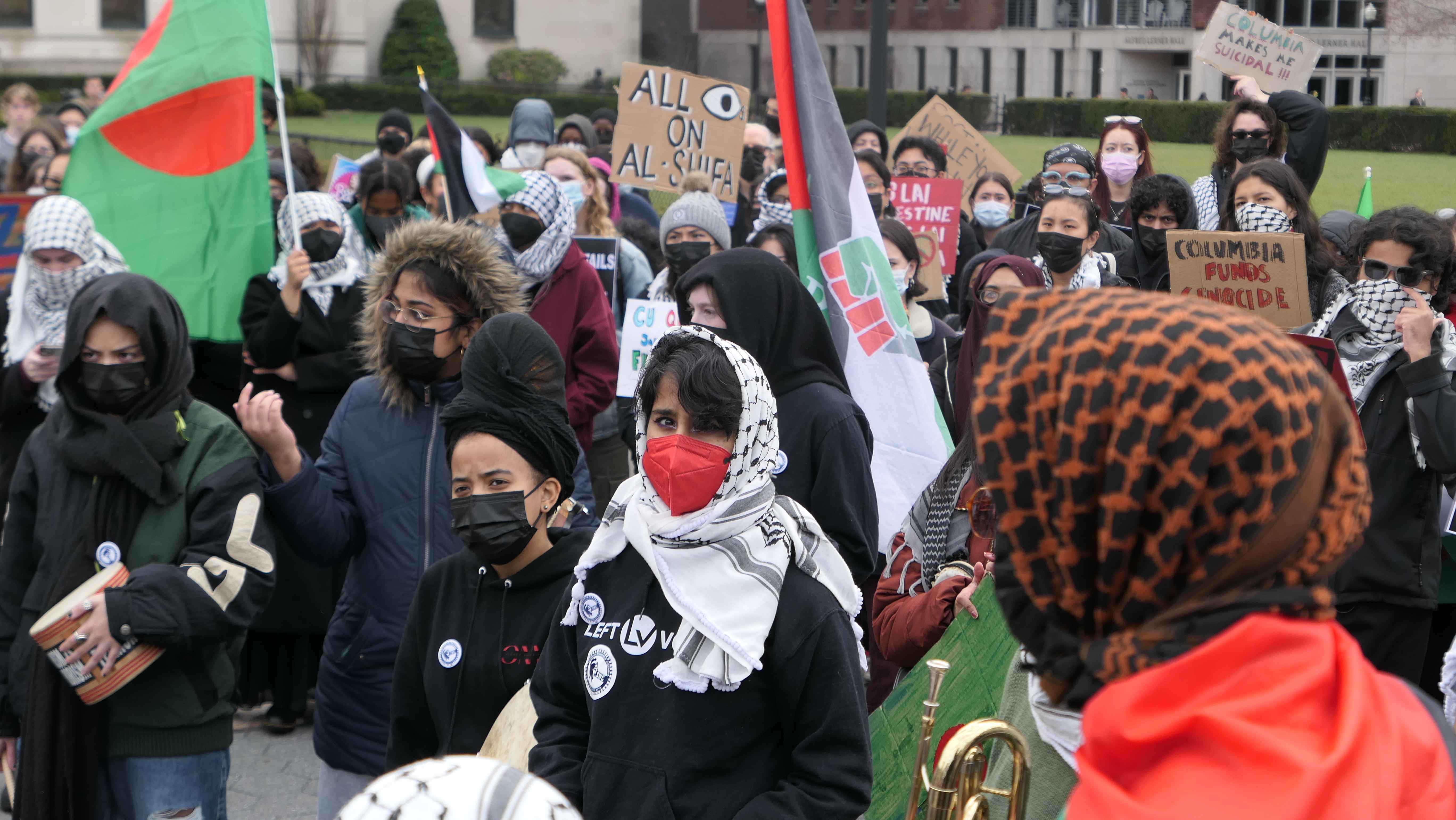
Following the announcement of de la Espriella's victory, thousands took to the streets to voice their discontent. Protesters in Cali clashed with riot police, who responded with teargas, while others in Bogotá set fires and hurled bricks. Natalia, a 26-year-old student, expressed her frustration, saying, "We've already had many years of right-wing governments that care only about making the rich richer." De la Espriella supporters poured onto the streets wearing the canary-yellow national football jersey he adopted as a campaign uniform. "I'm very happy," said 30-year-old supporter Daniela Oliveros in Barranquilla. "I believe a lot in the country, I believe a lot in freedom."
A Shift to the Right
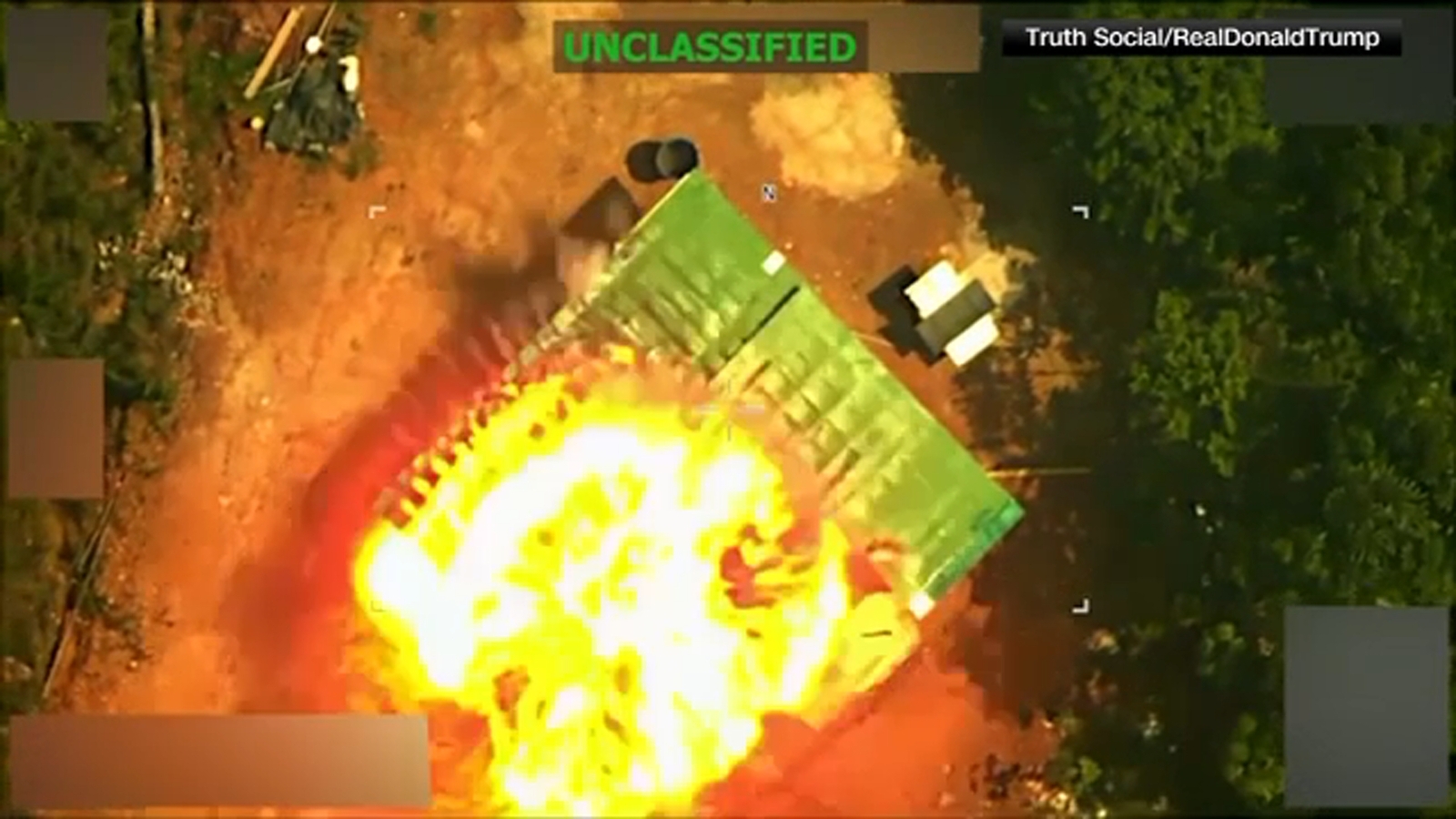
De la Espriella's win marks a significant shift to the right for Colombia, which has been governed by leftist policies under outgoing President Gustavo Petro. De la Espriella has pledged to end peace talks with armed groups and initiate a military crackdown on illegal armed organizations, including a 90-day campaign of U.S.-backed airstrikes. He declared, "For those who have sown violence, terror, drug trafficking, and corruption all these years, their time is up!" This approach signals a return to "iron fist" security policies that have characterized much of Colombia's history.
International Reactions and Implications
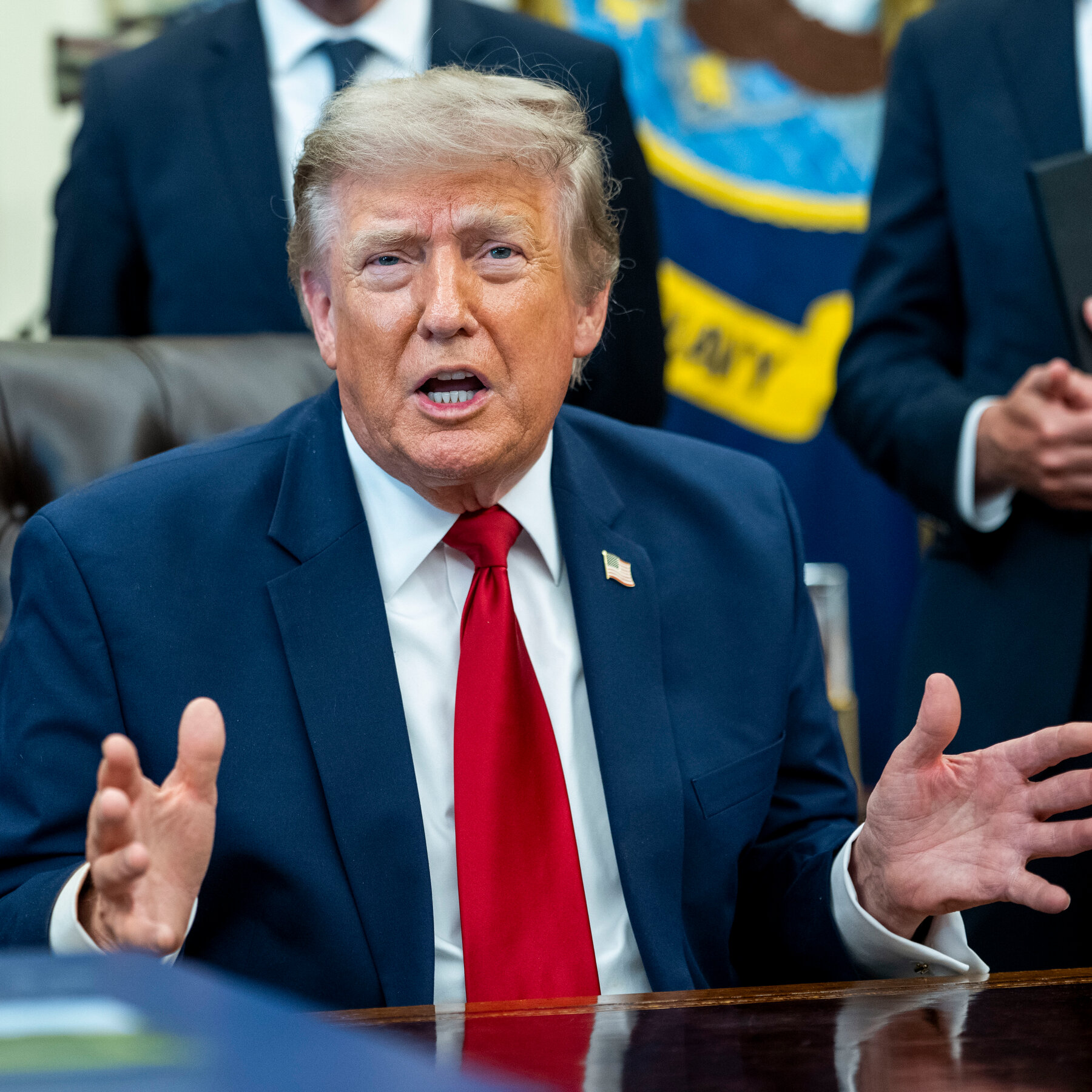
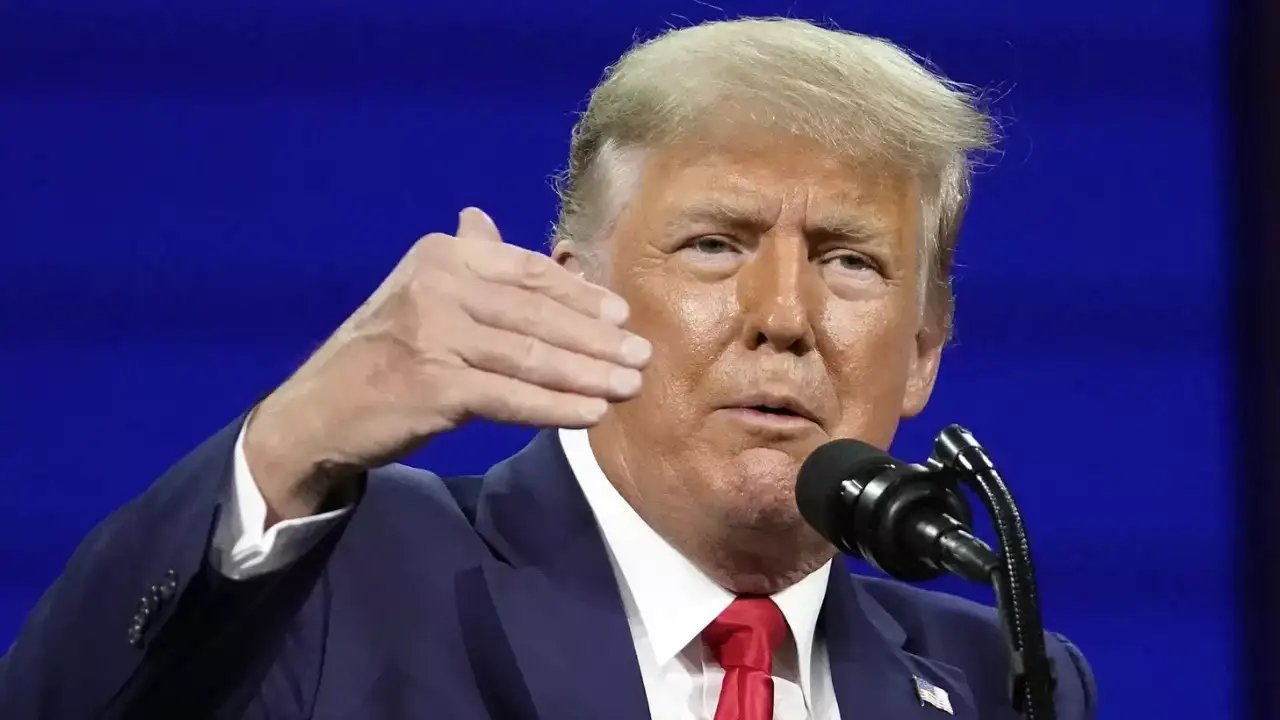
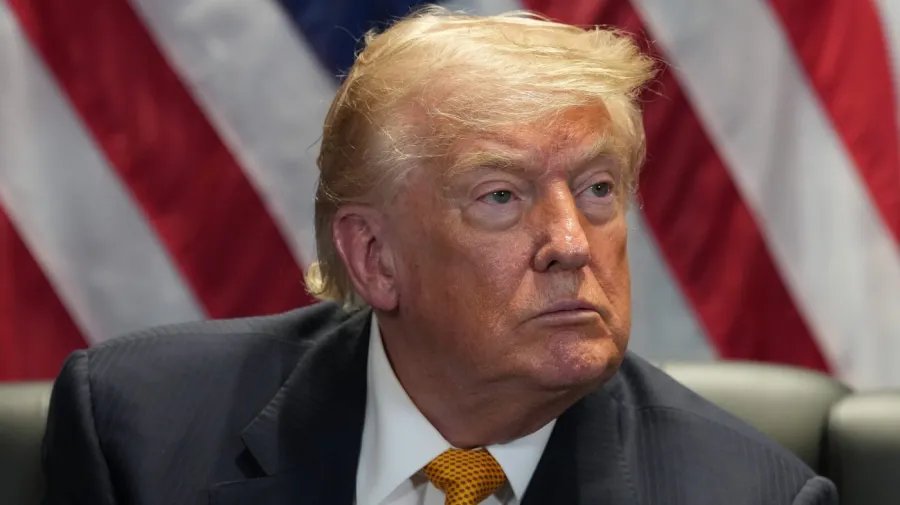
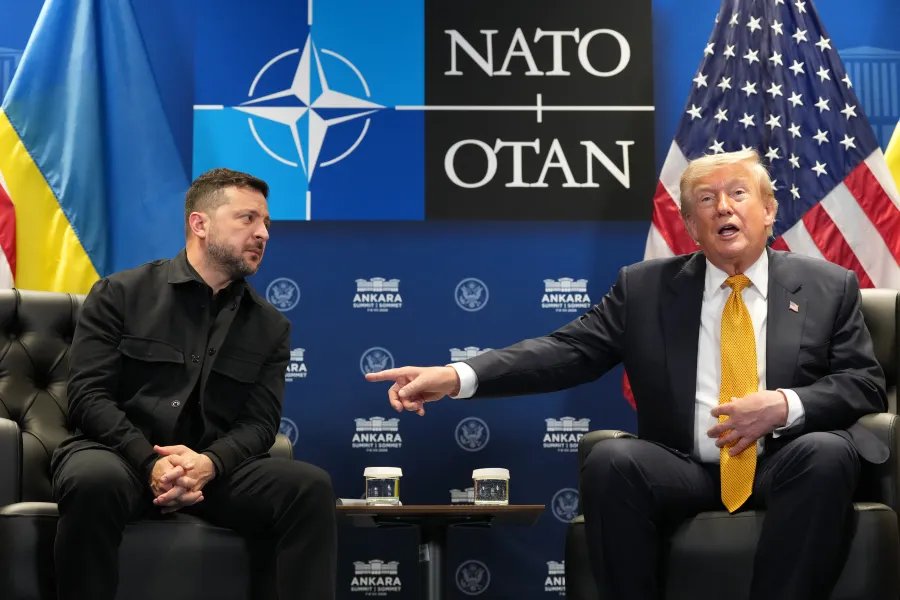
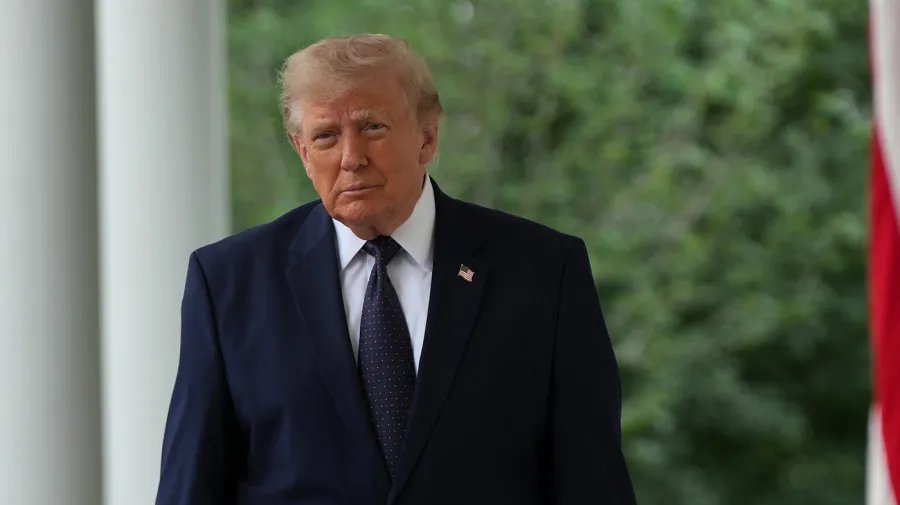
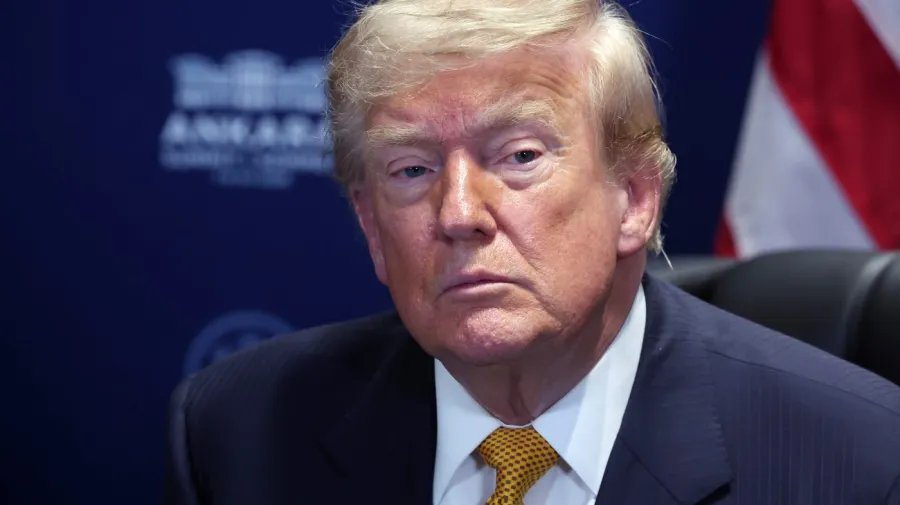
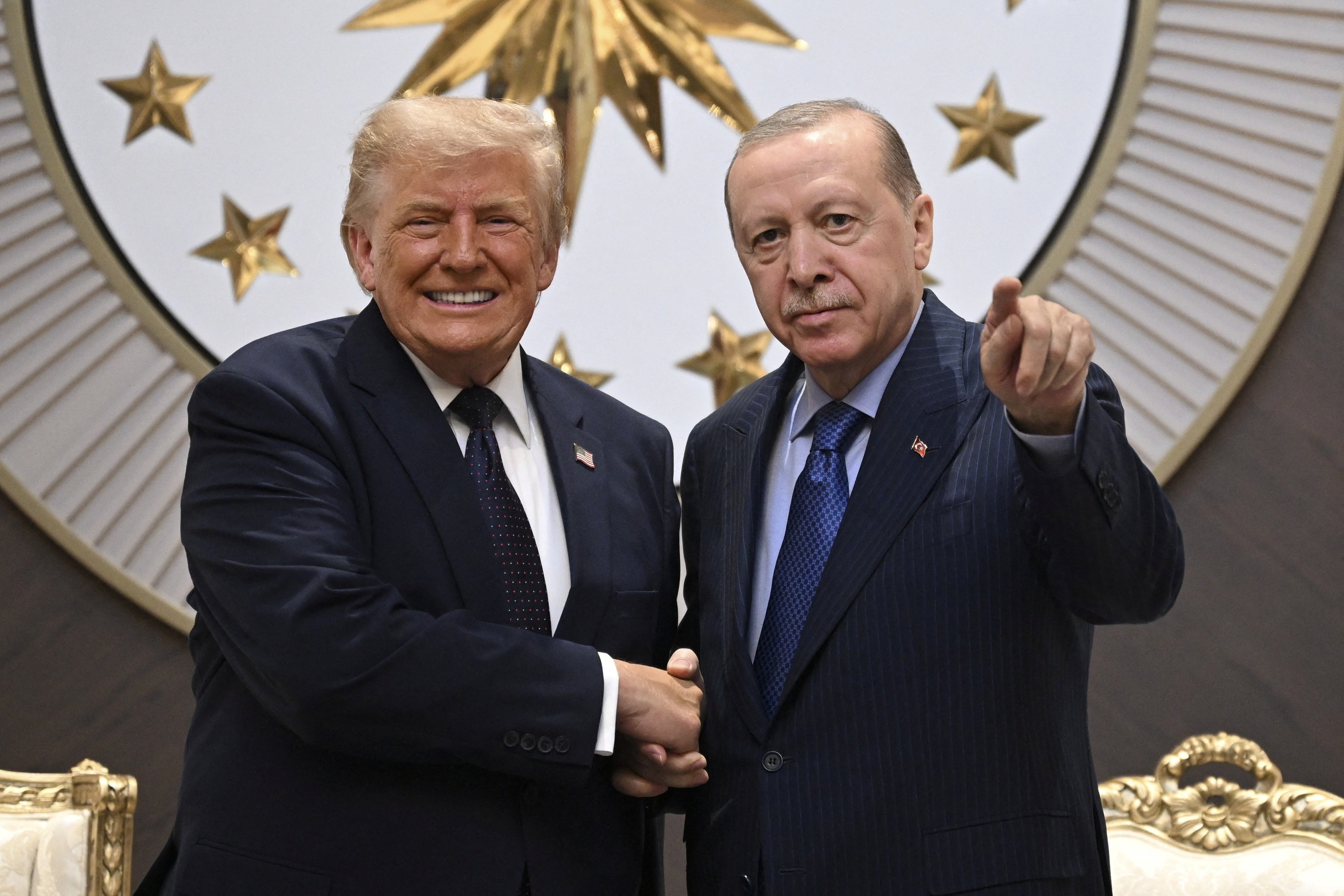
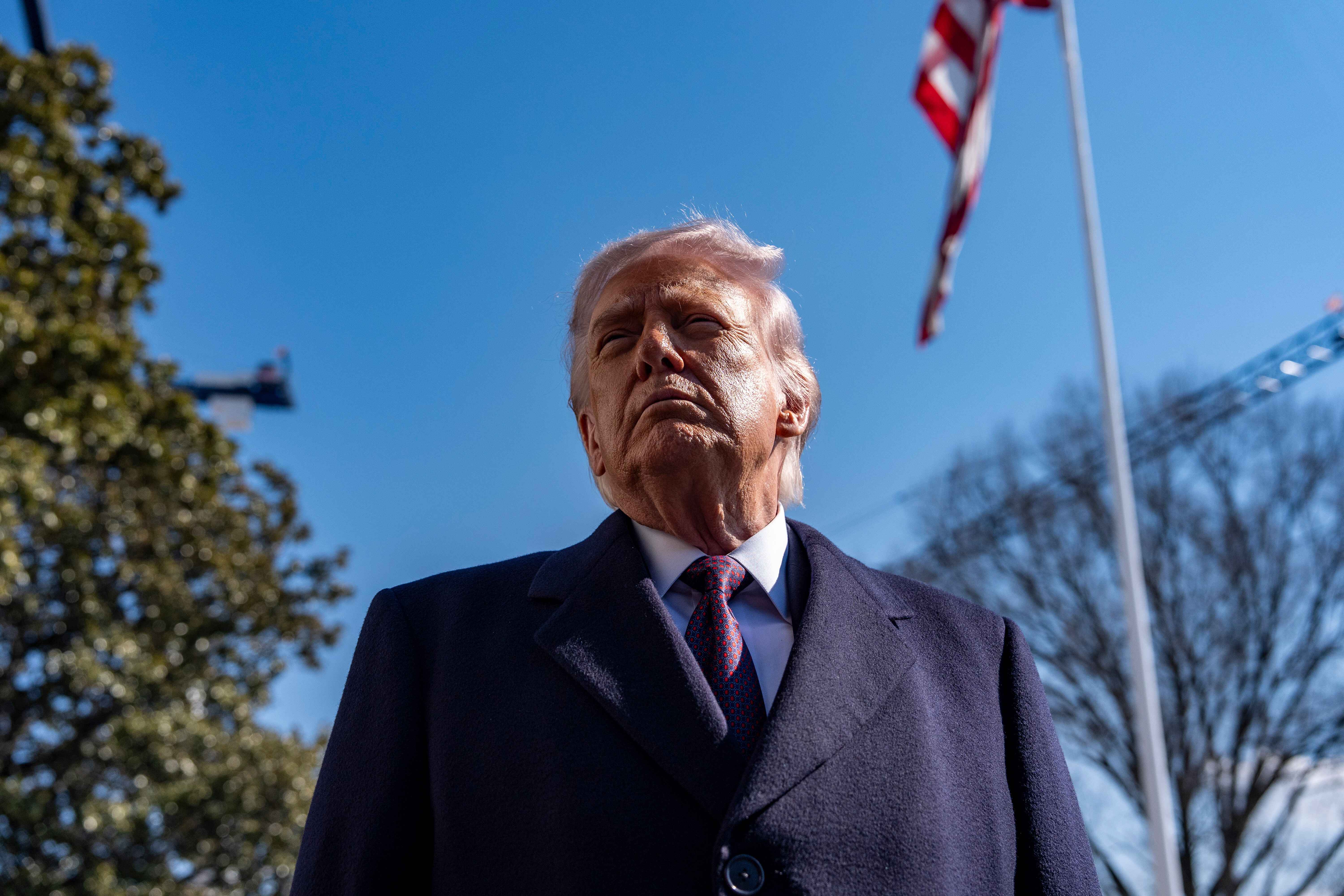
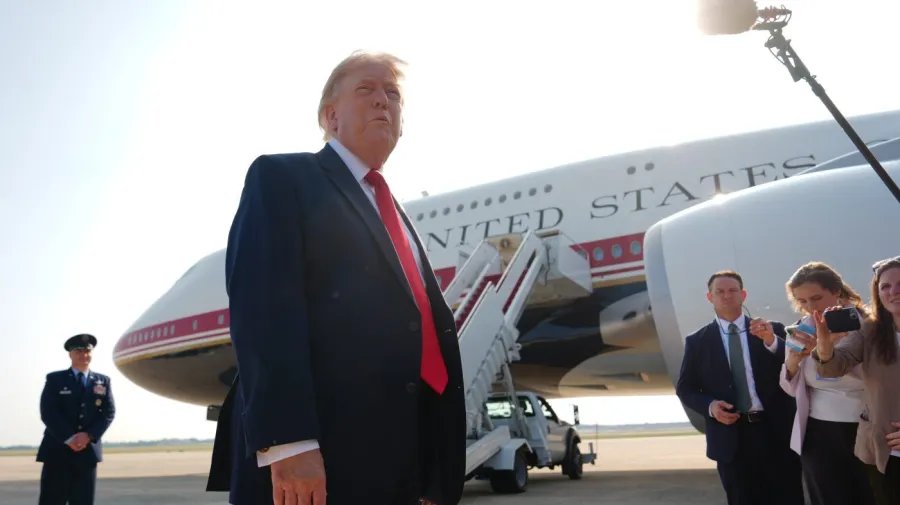
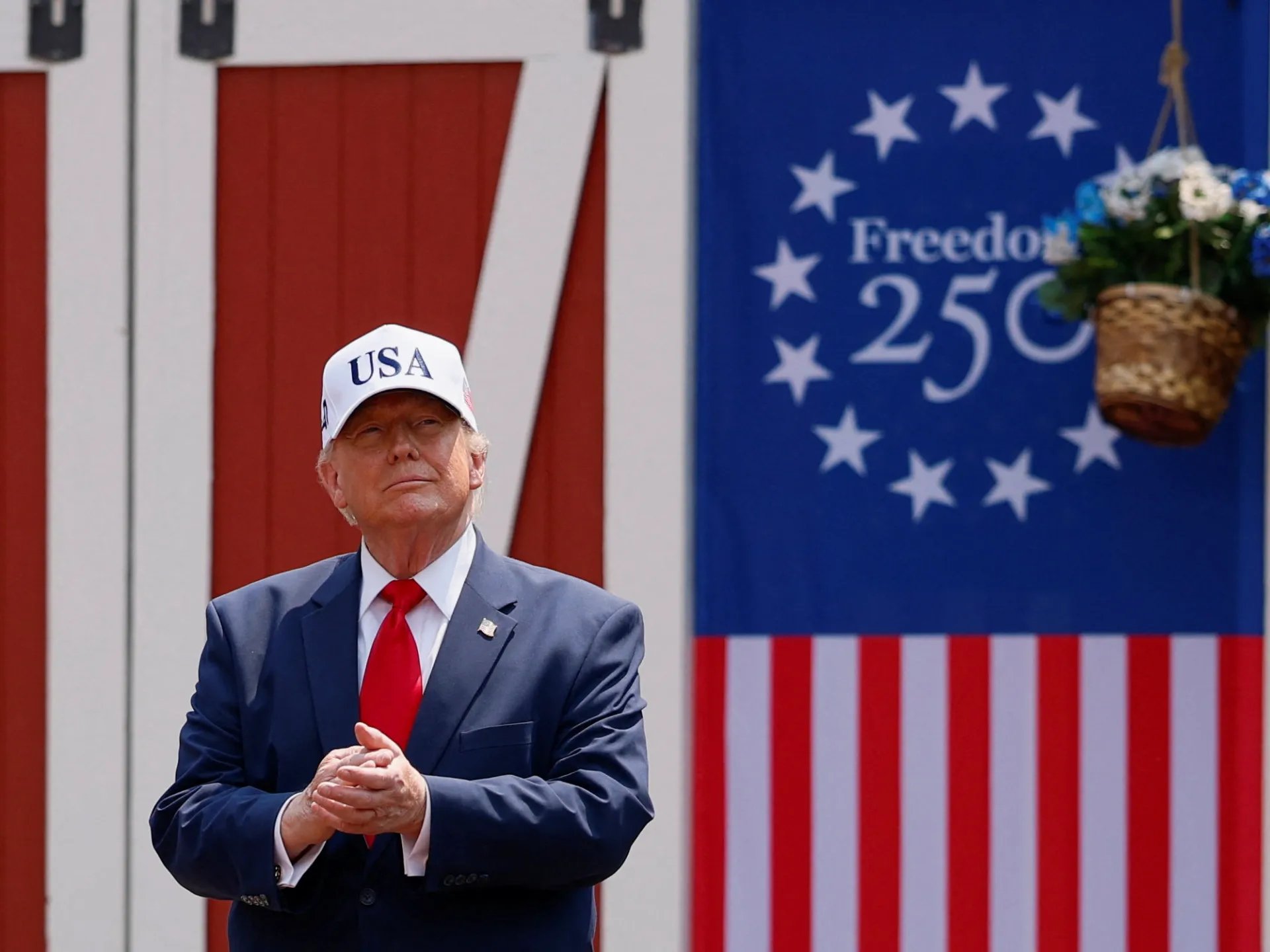
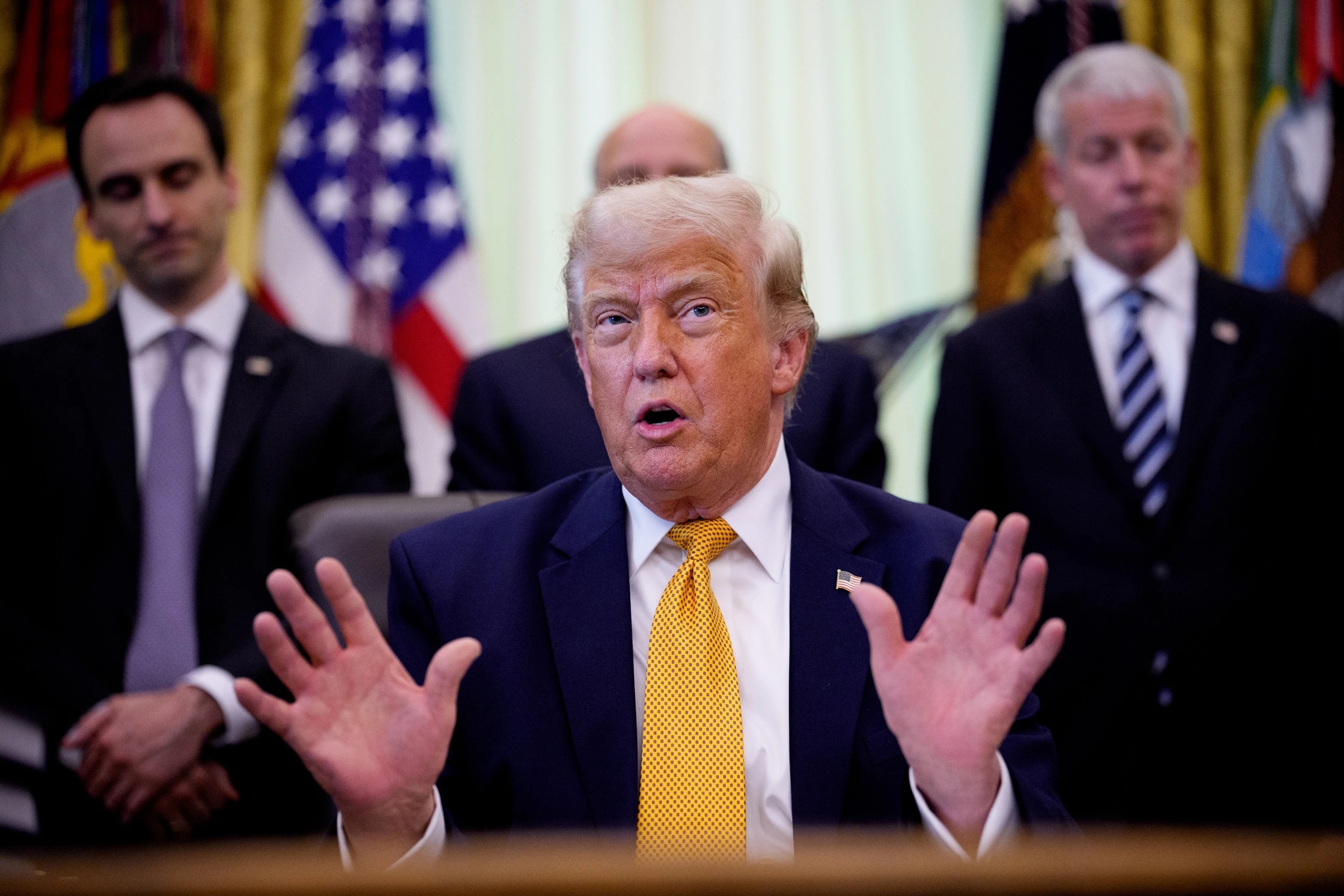
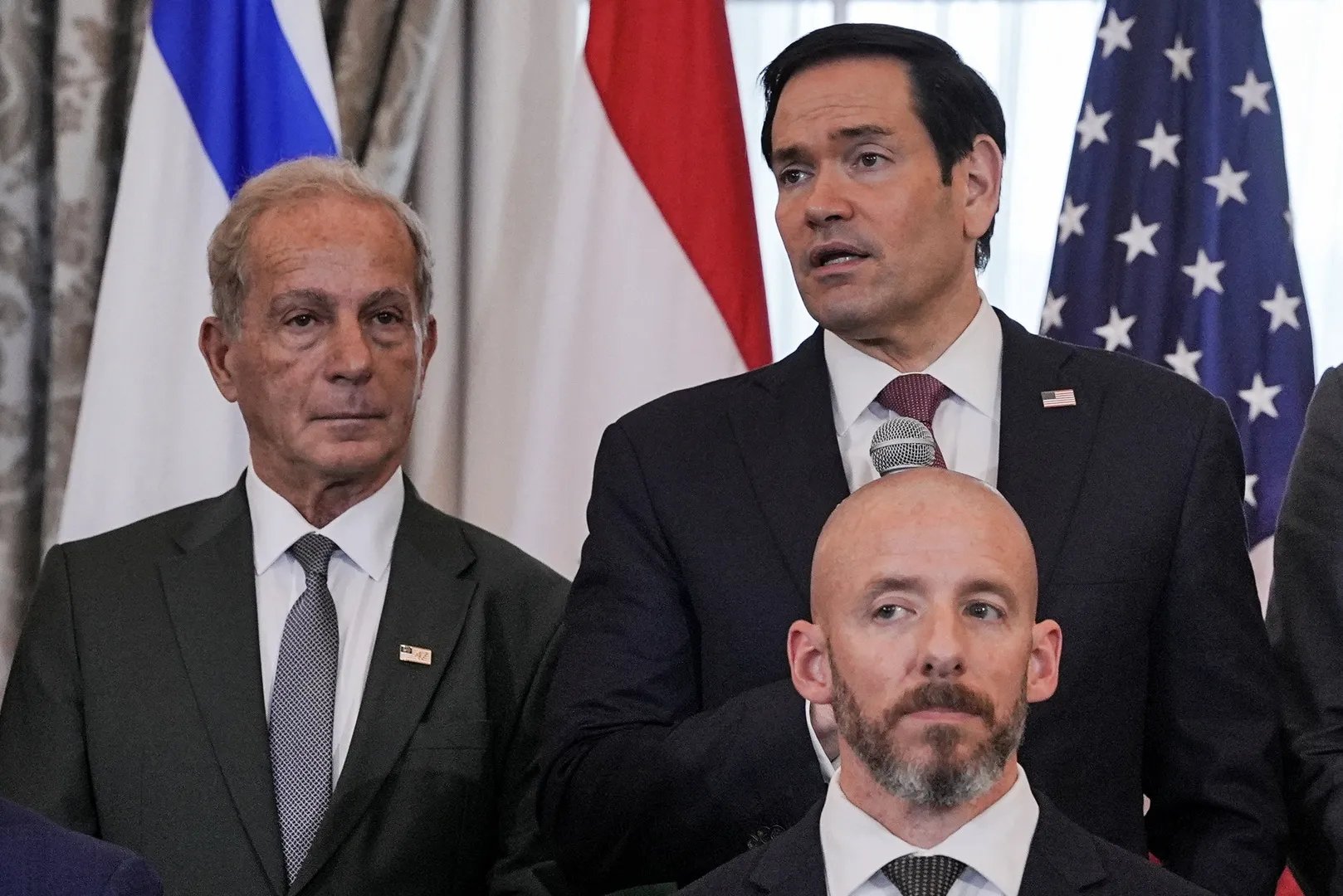
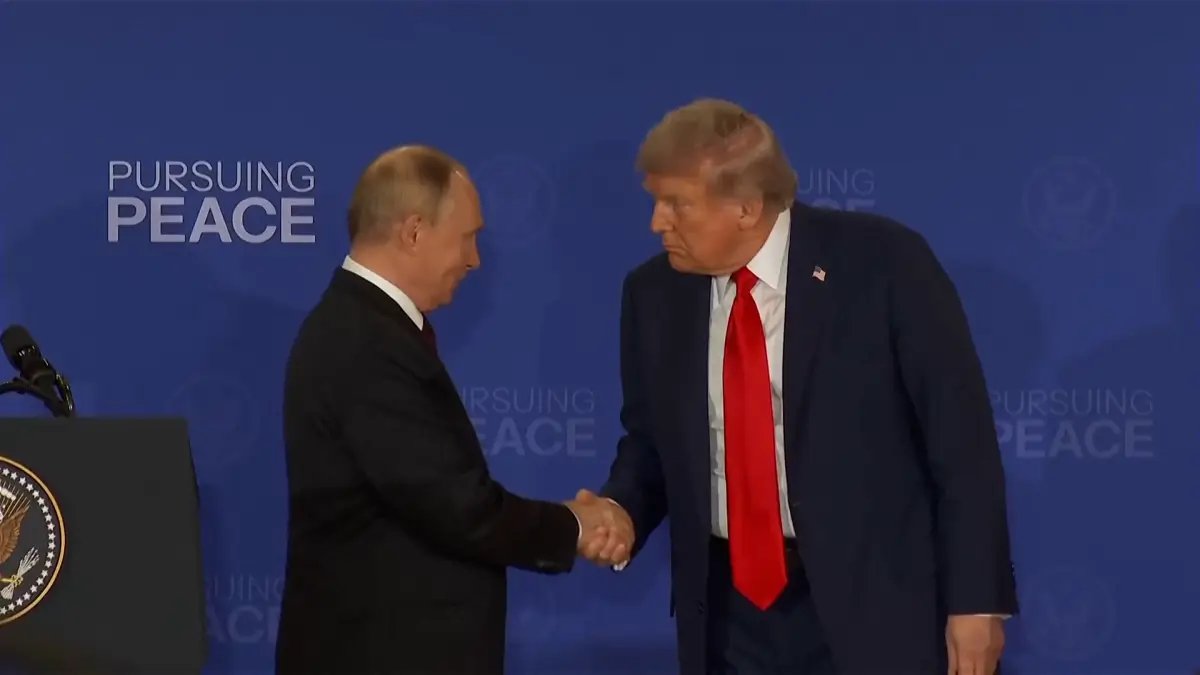
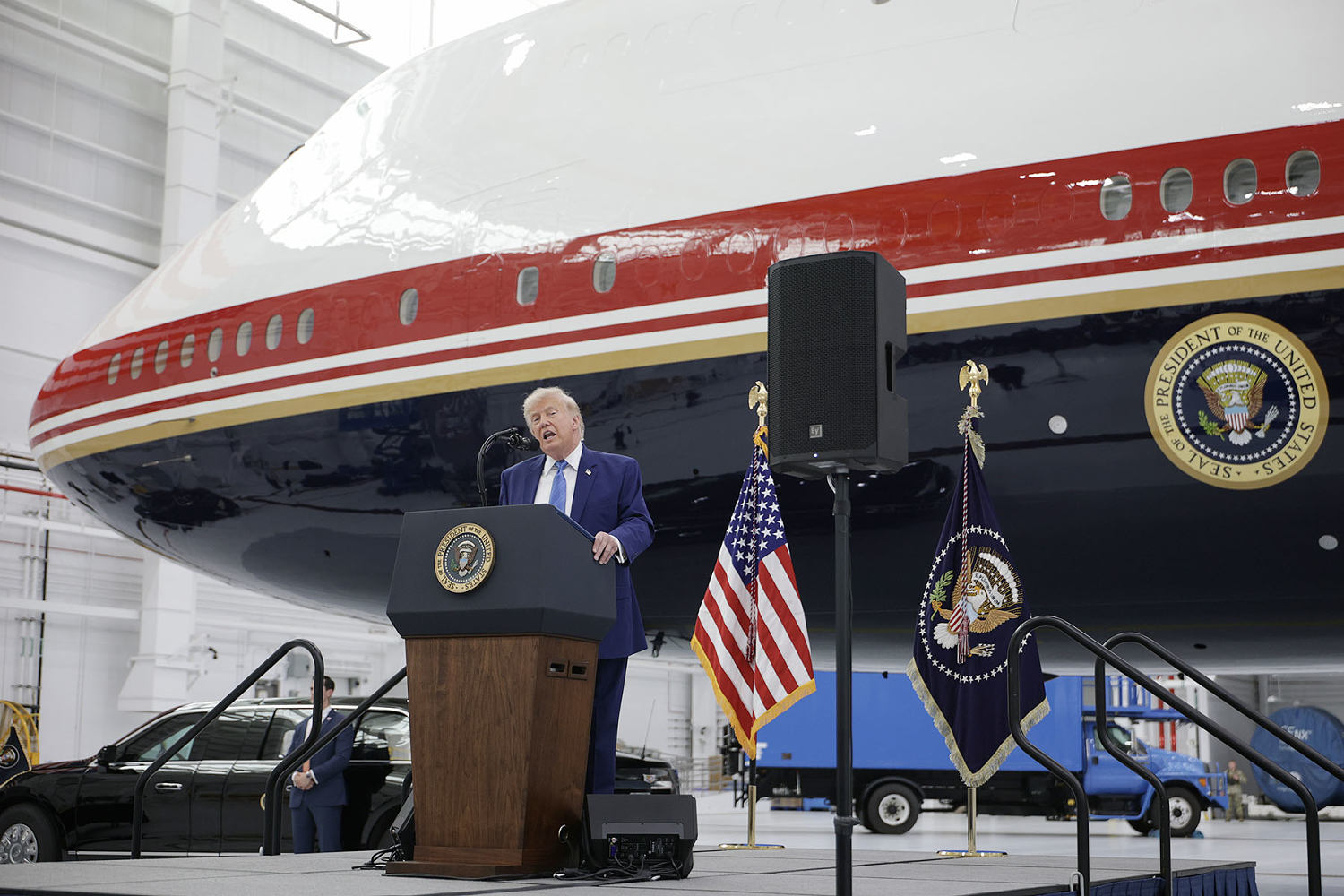
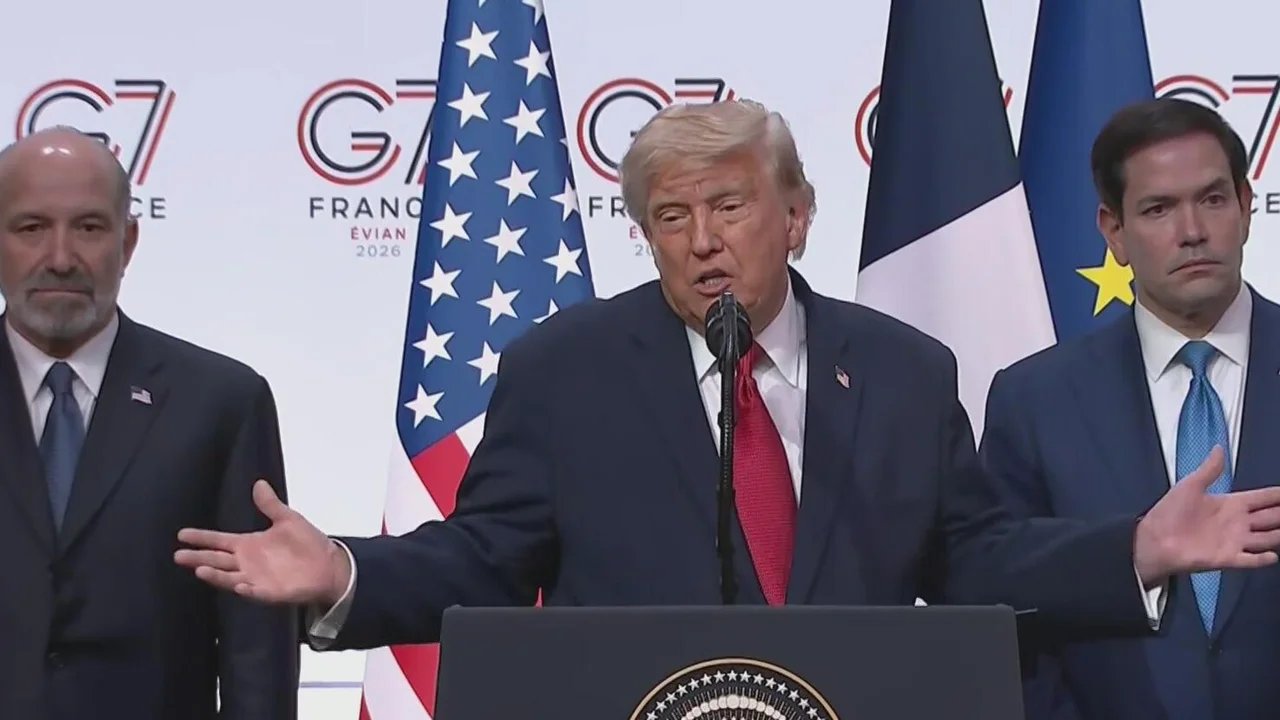
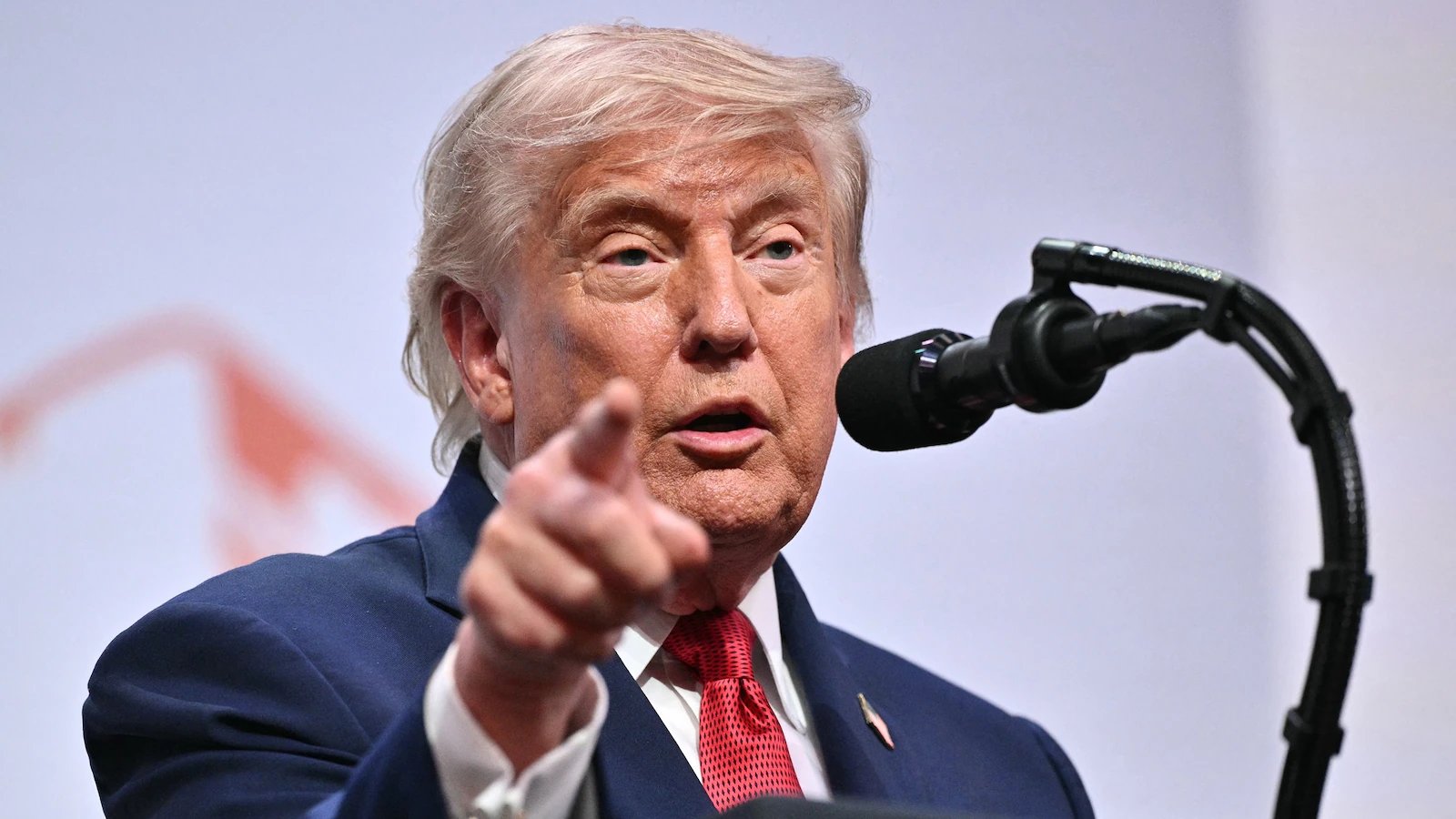
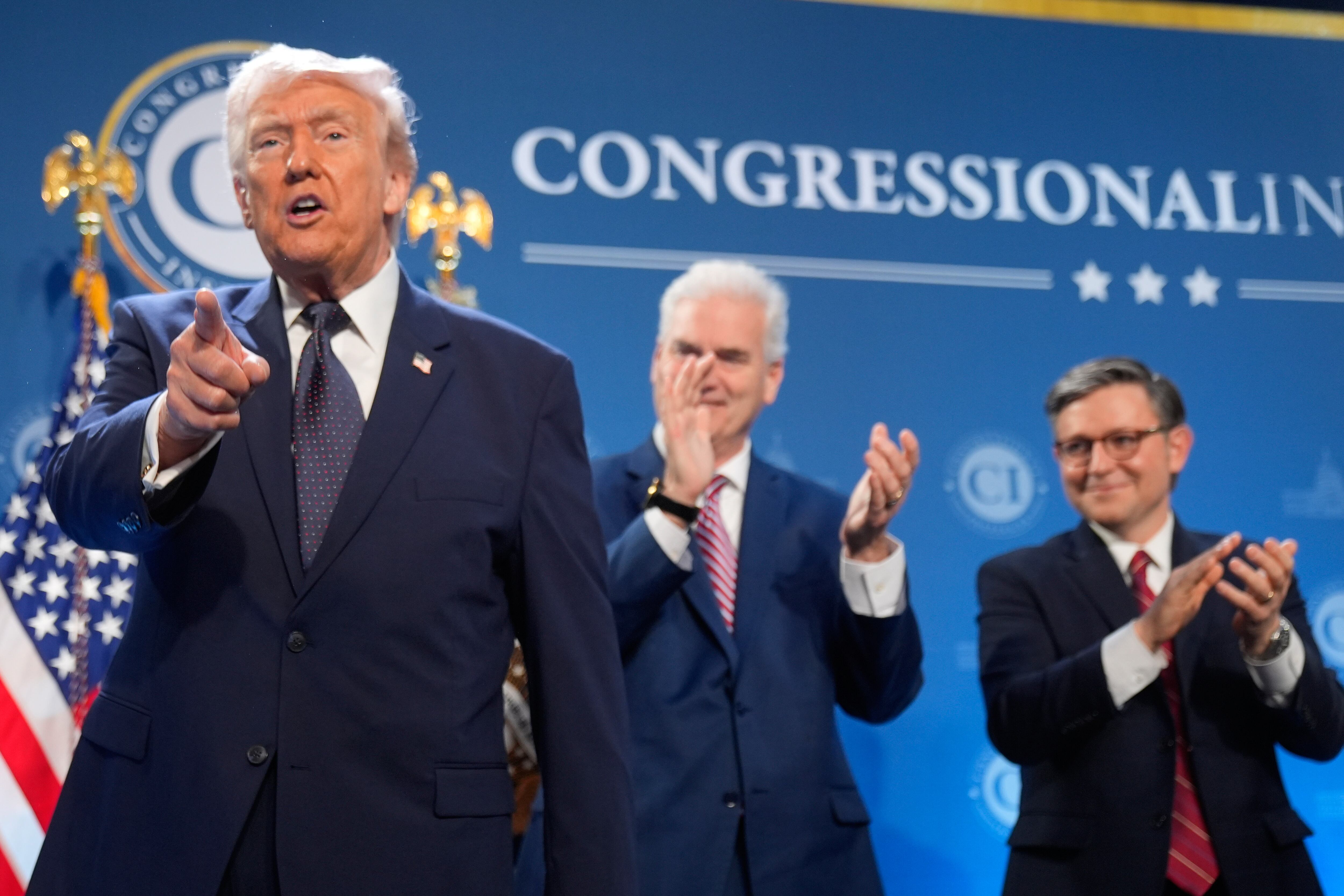
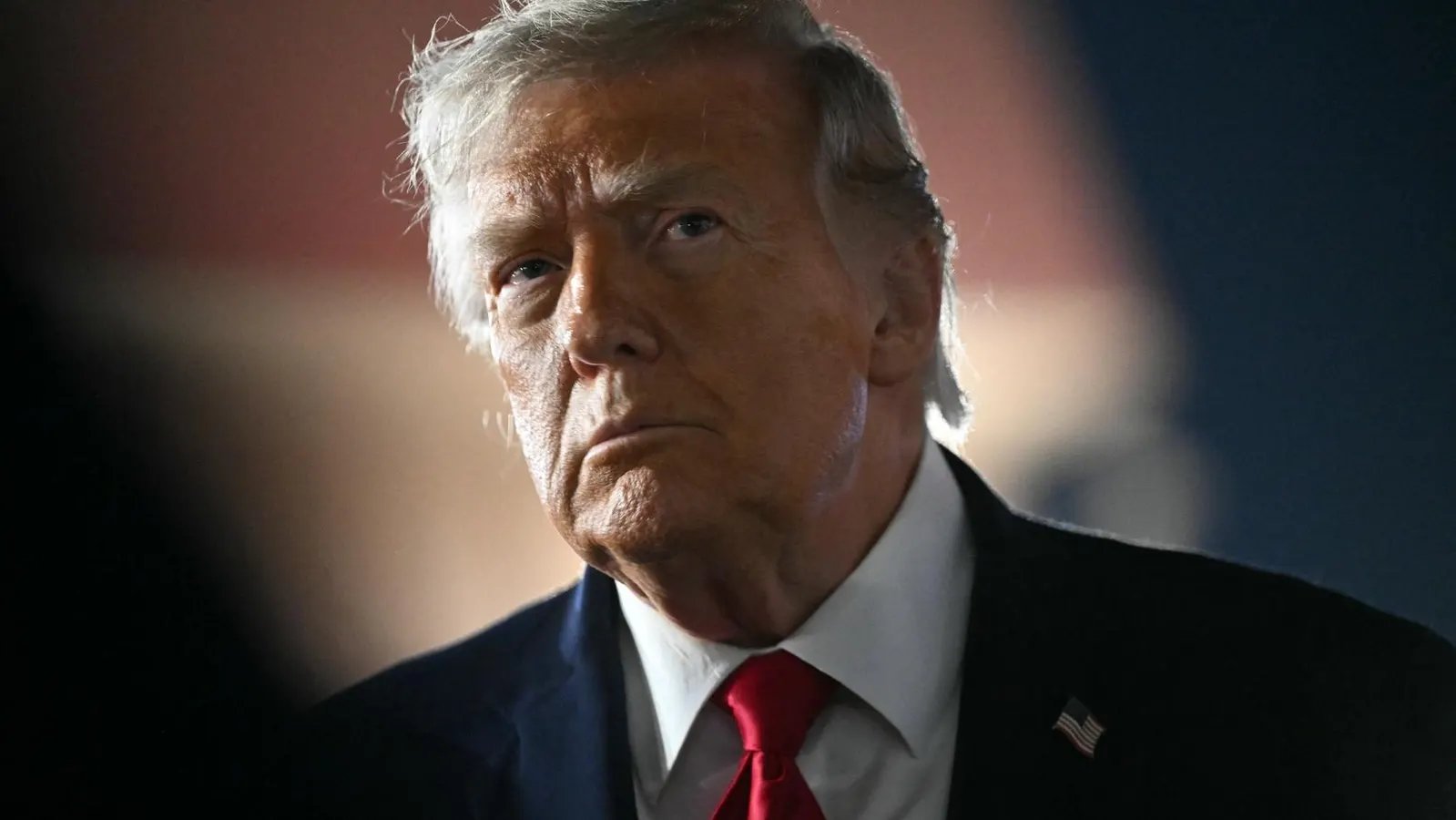
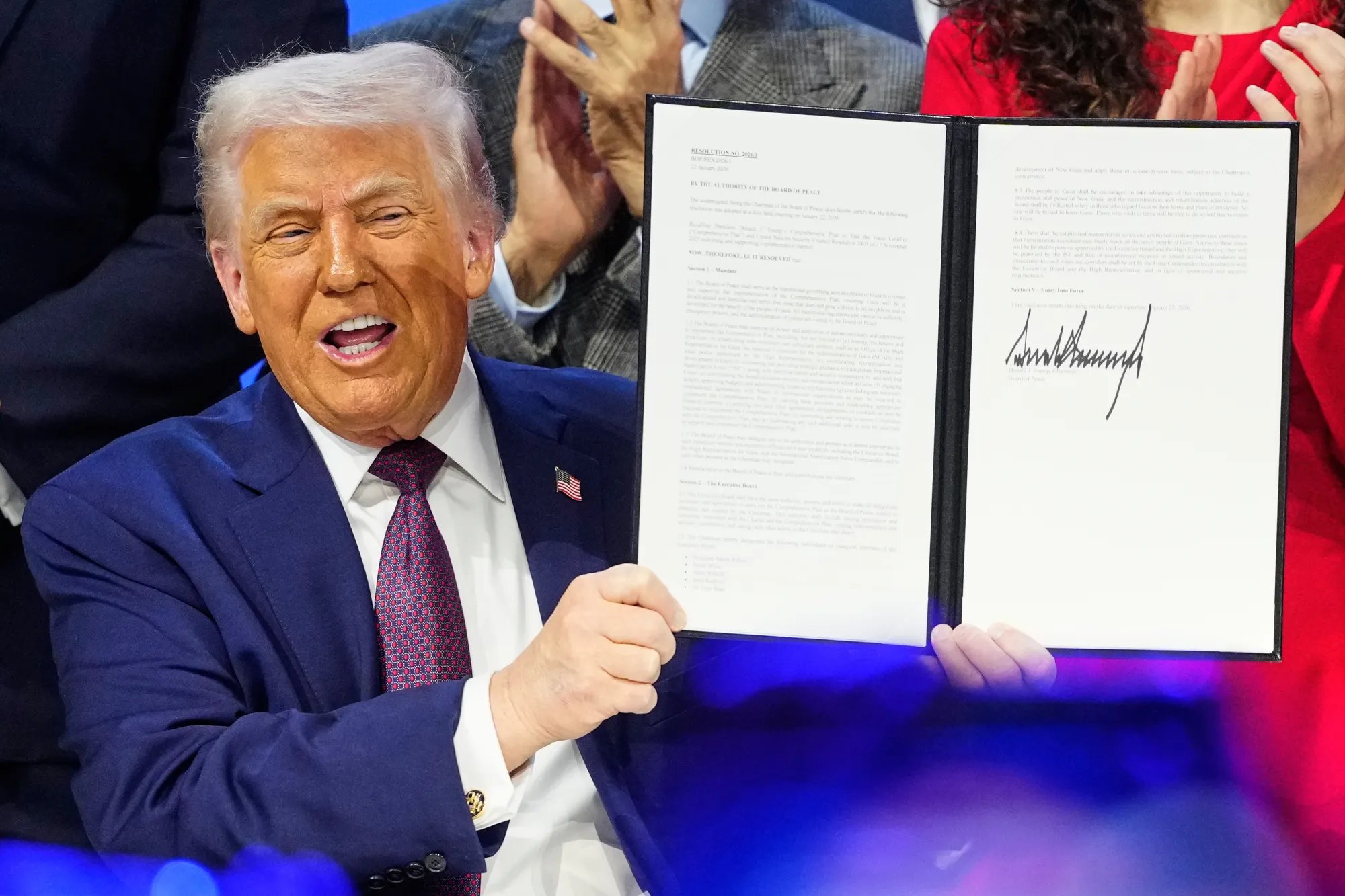
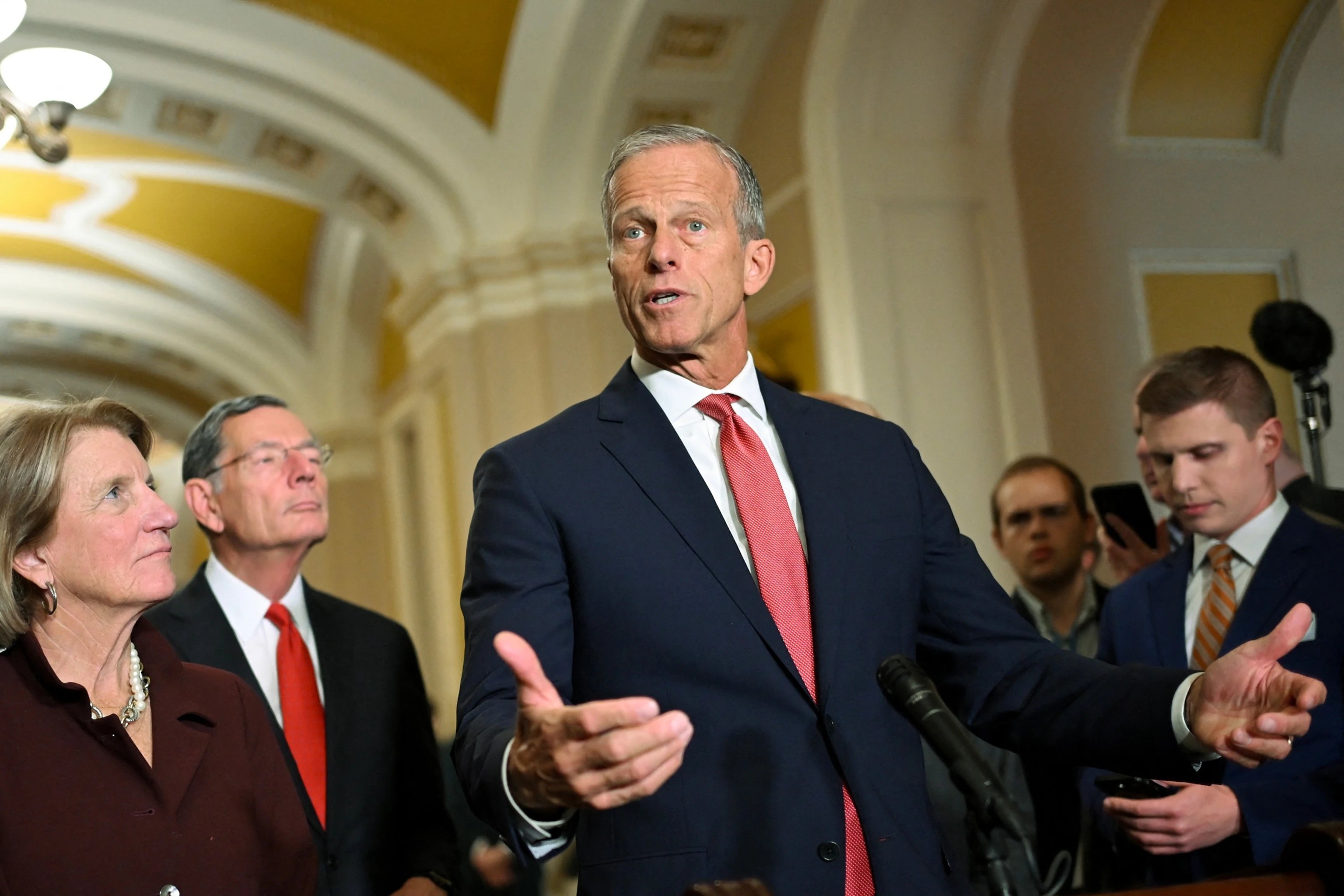
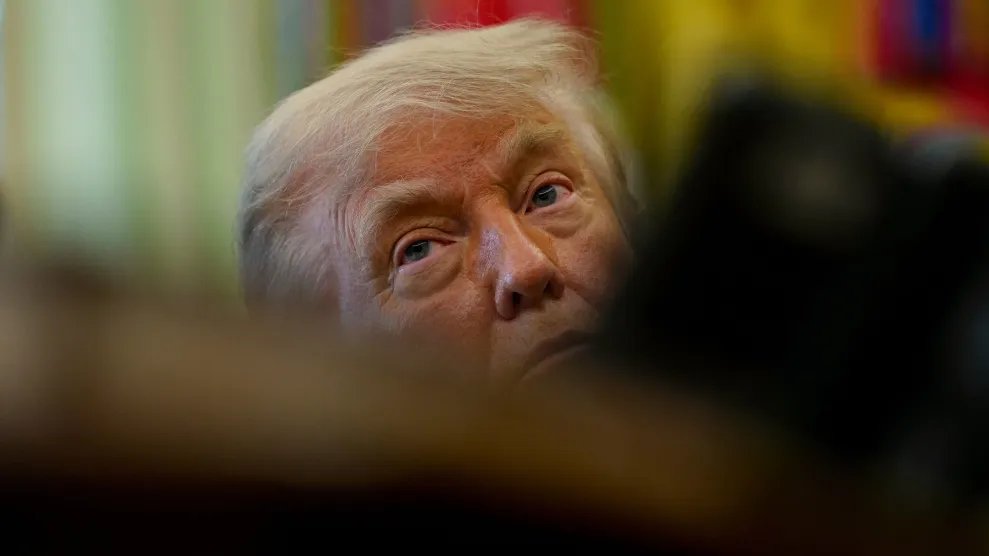
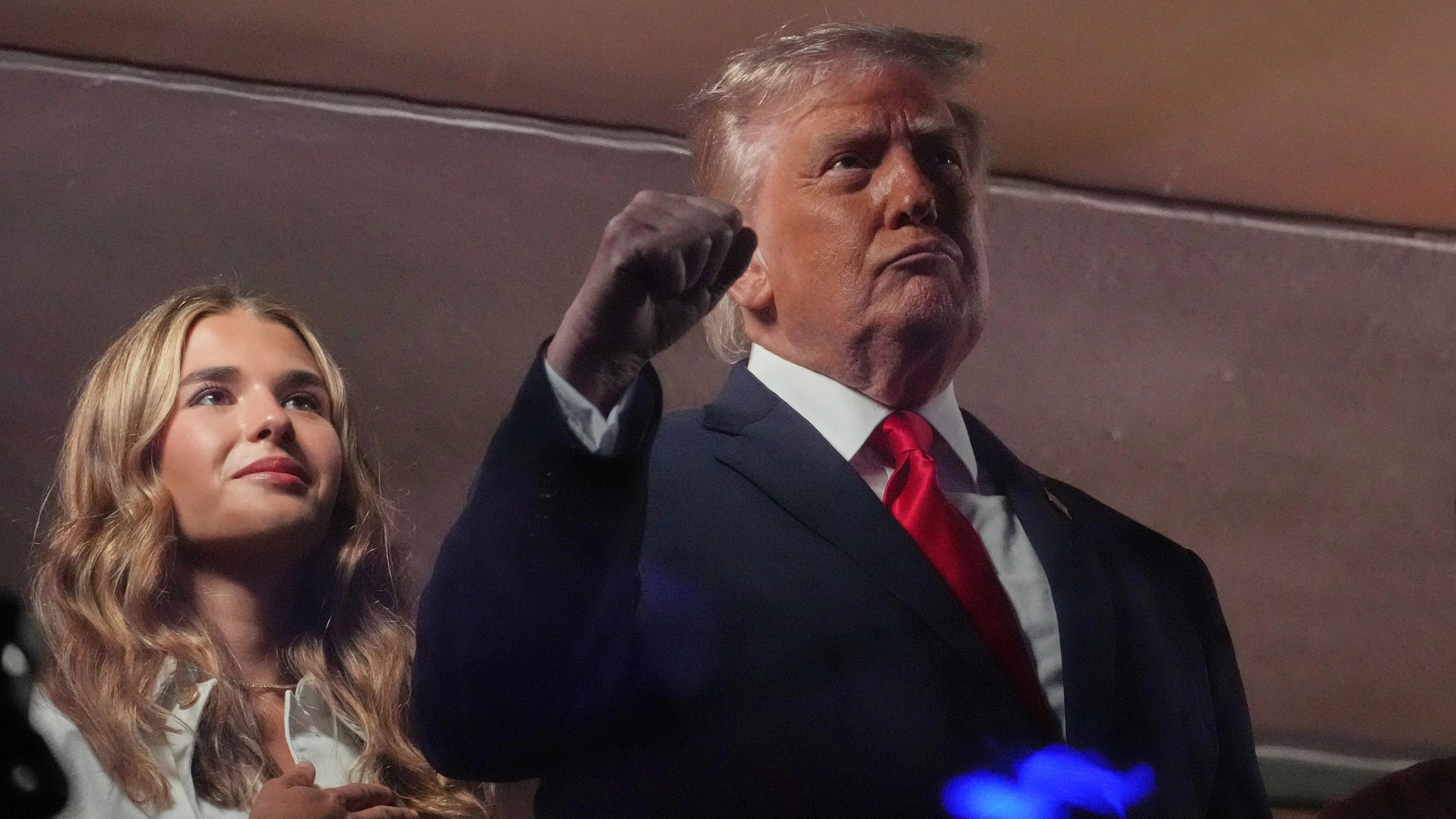
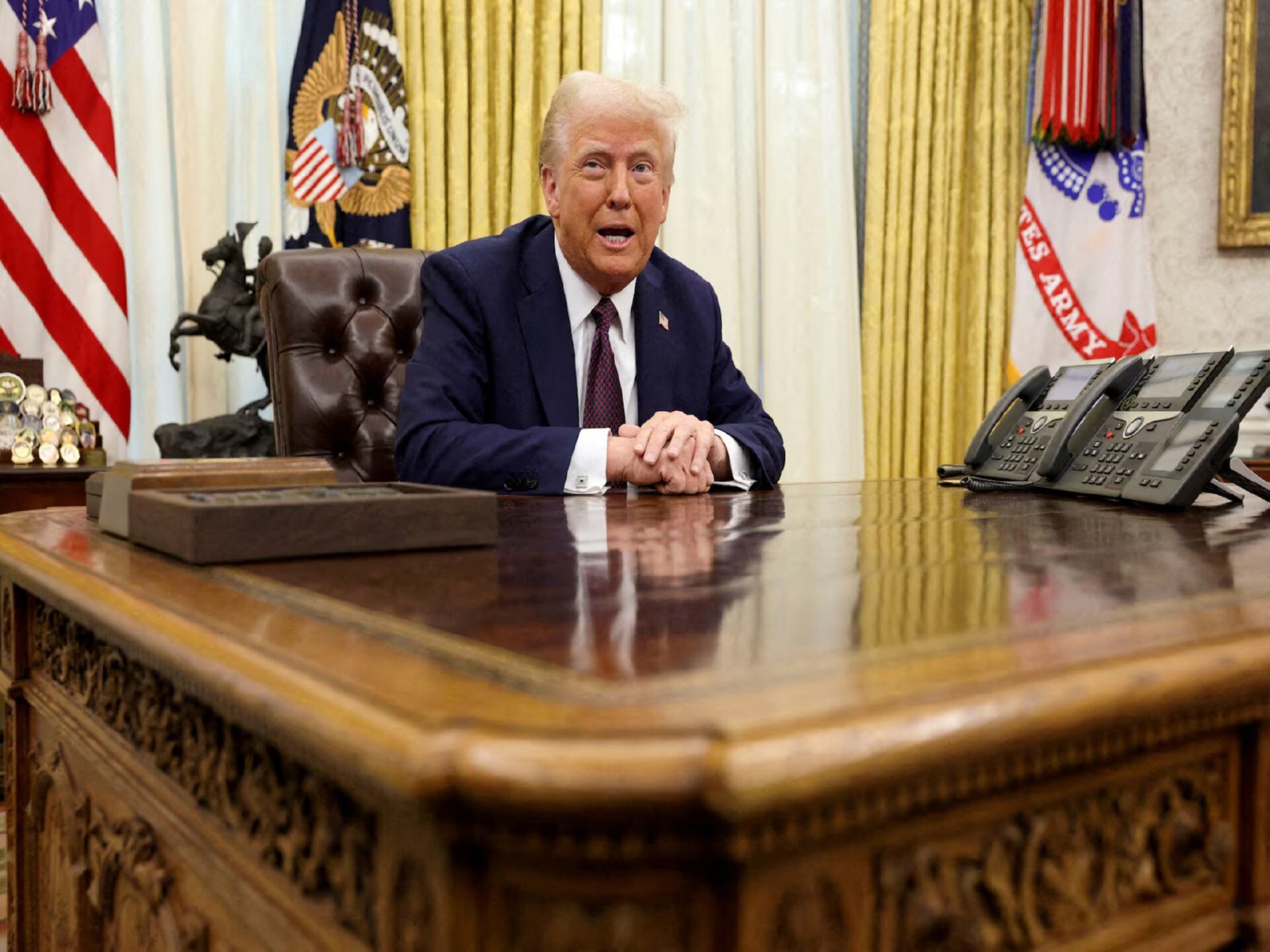
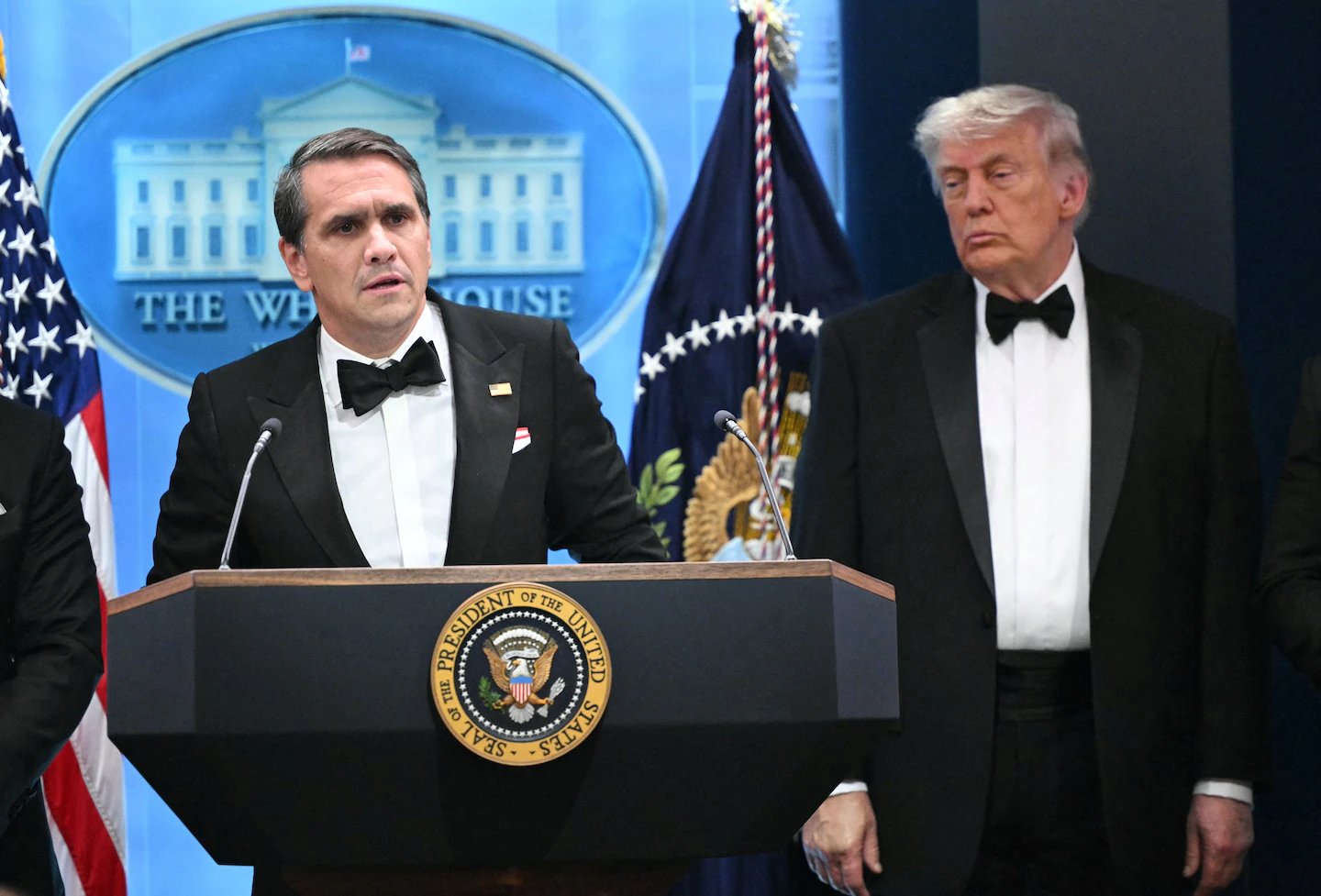
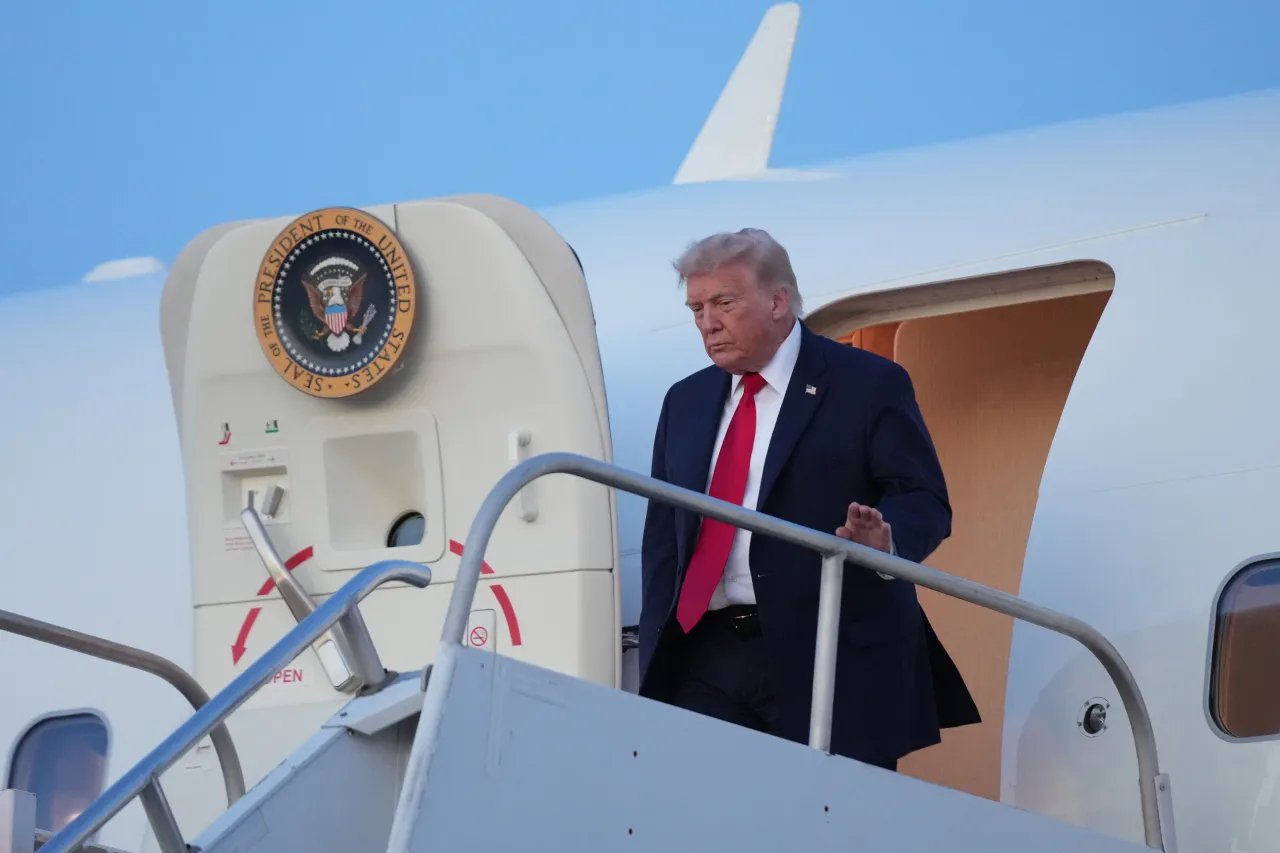
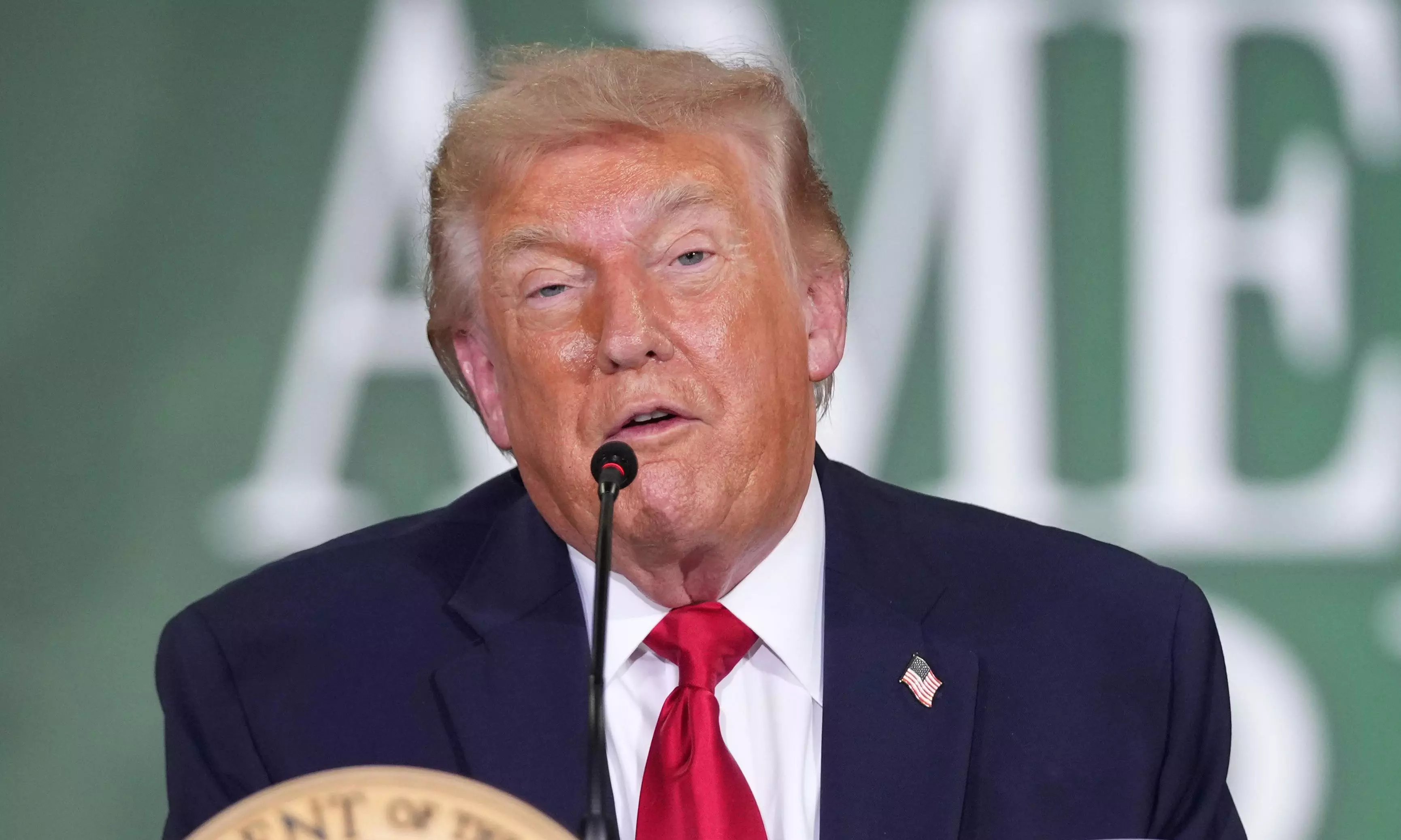
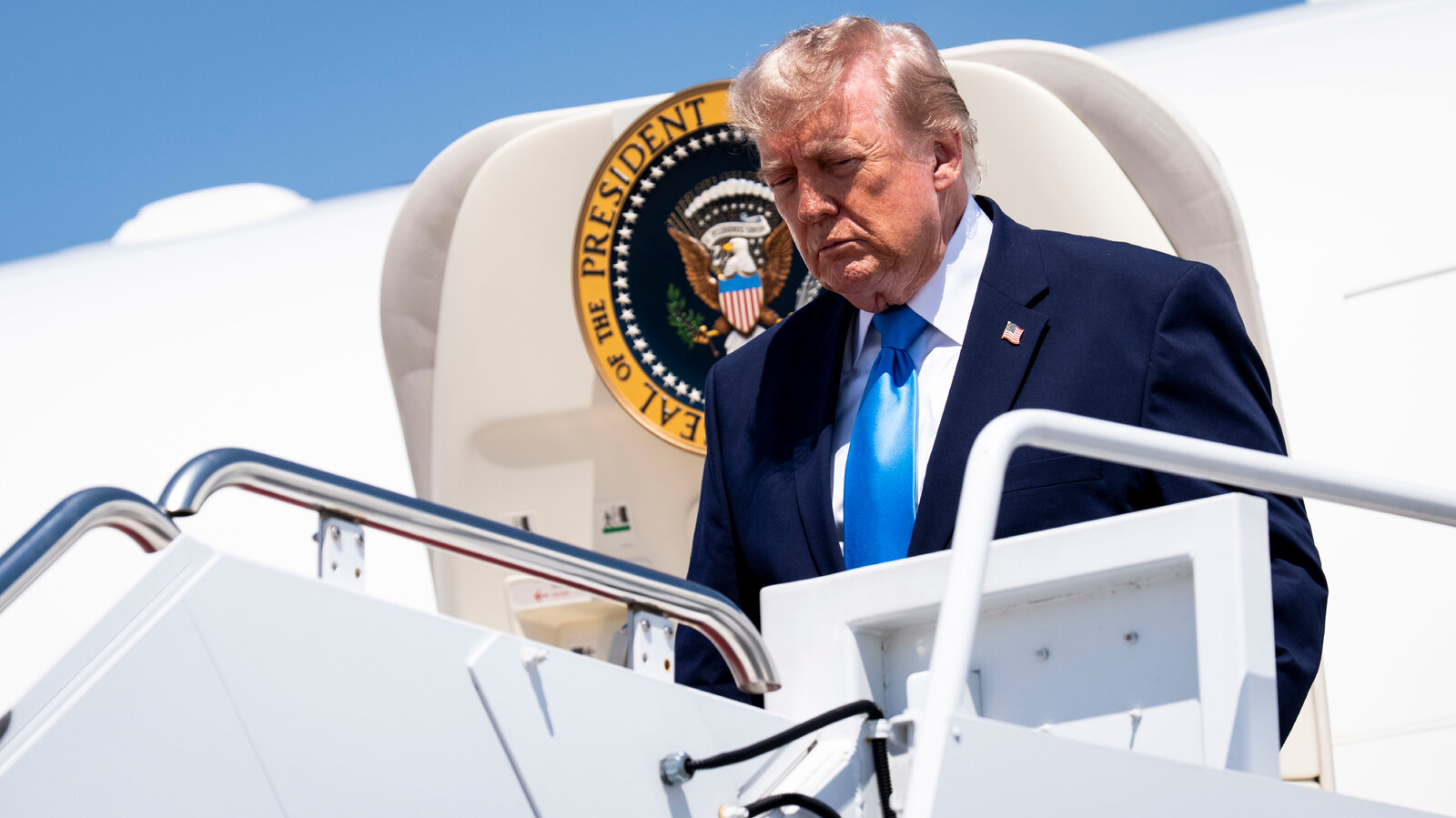
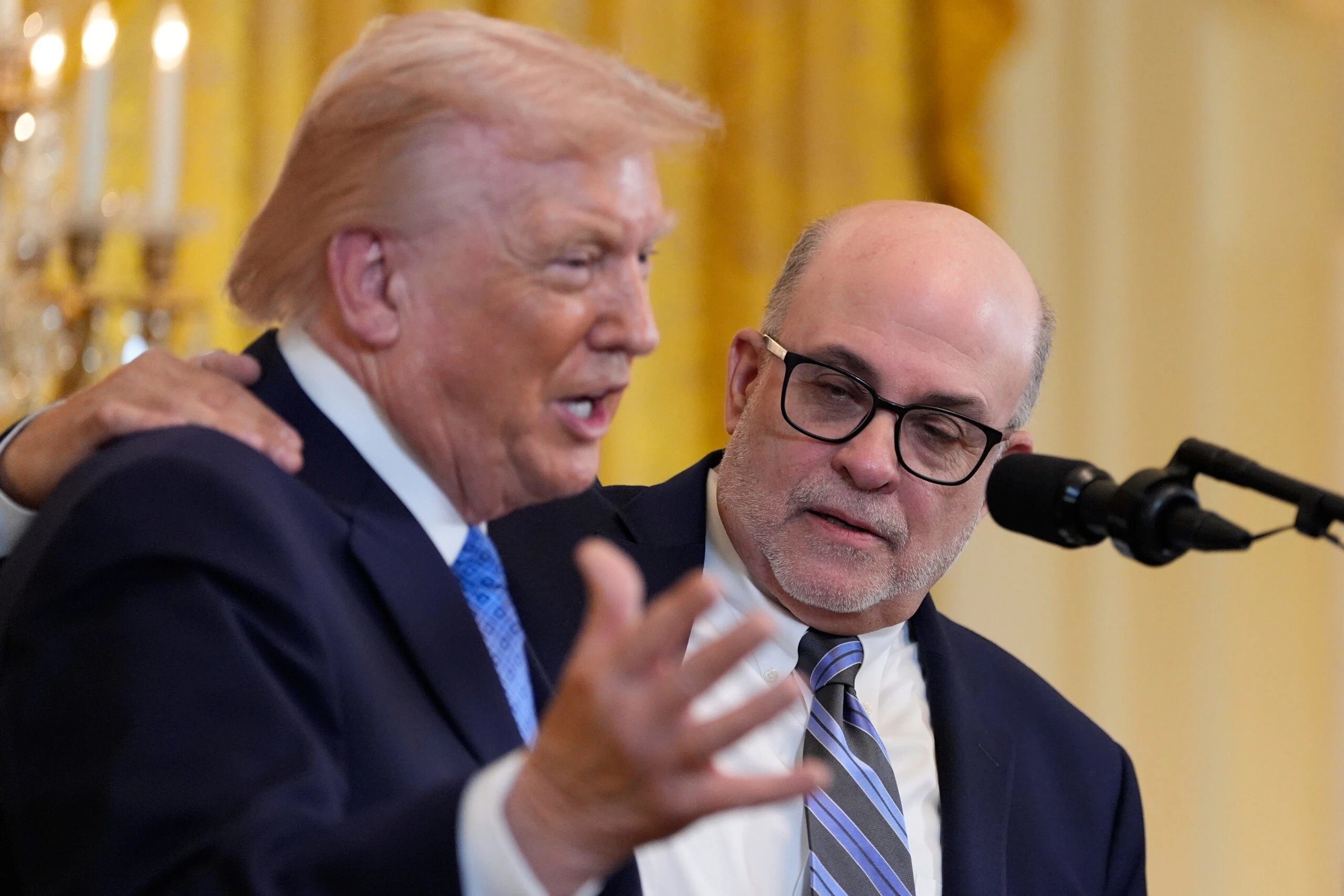
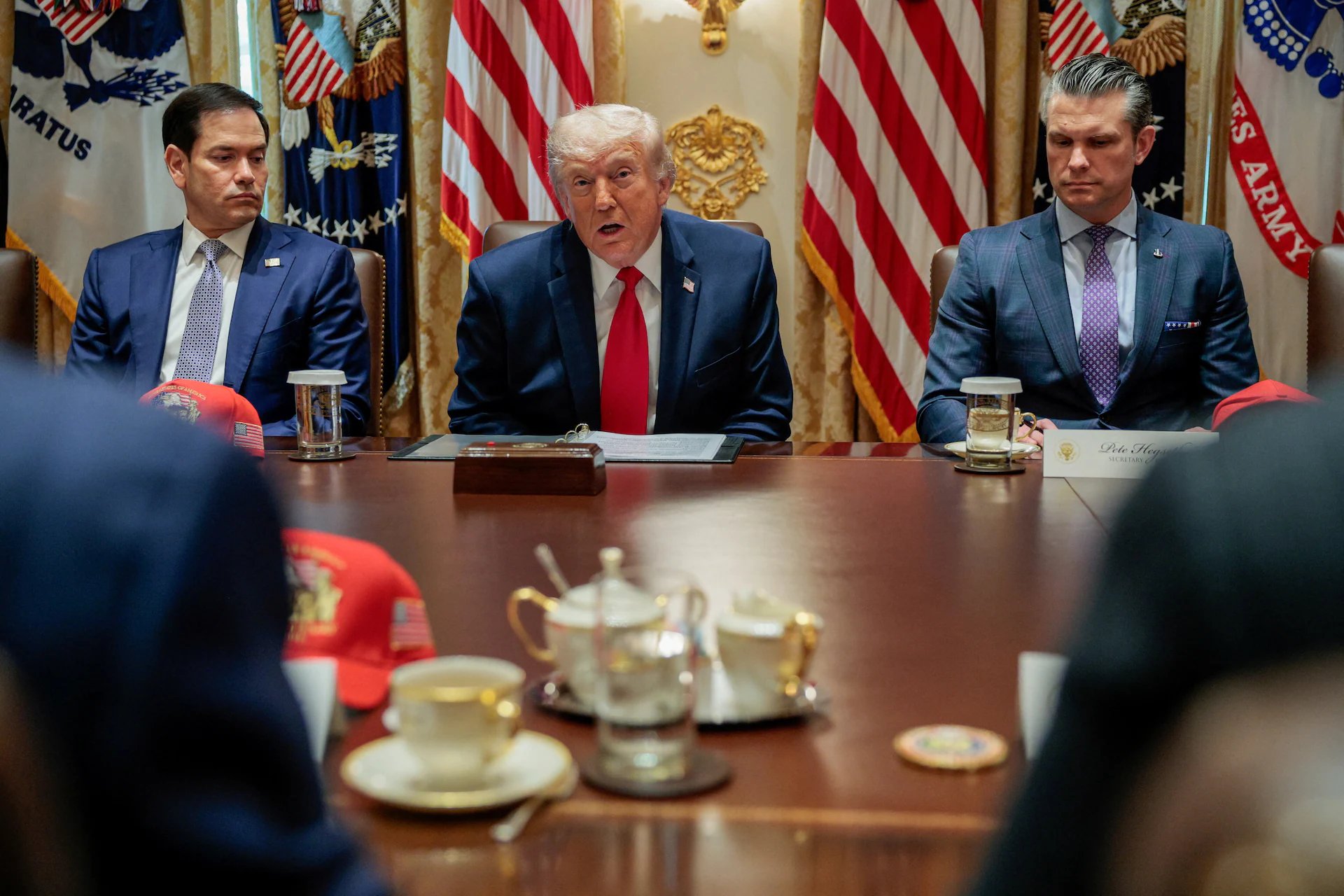
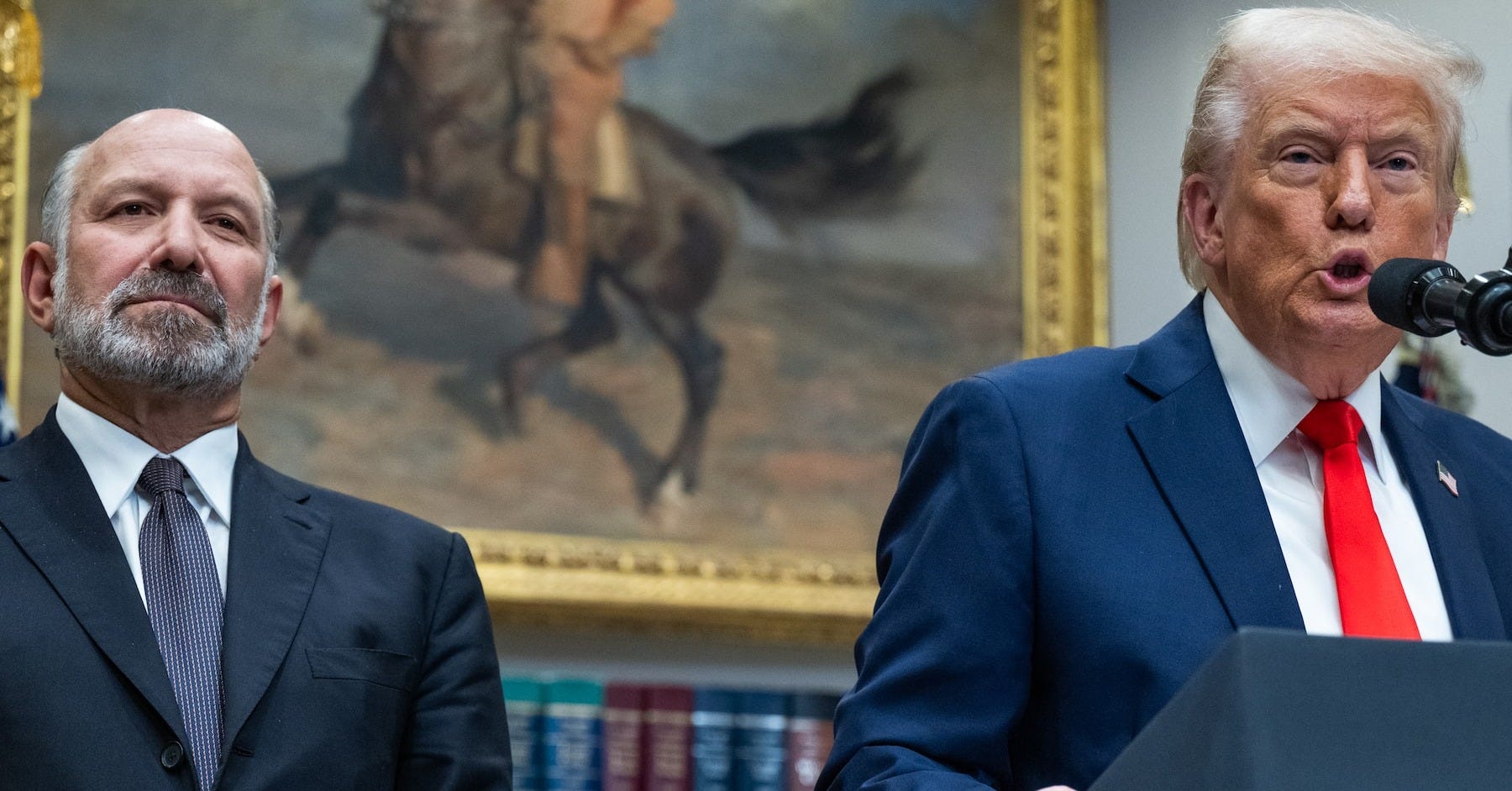
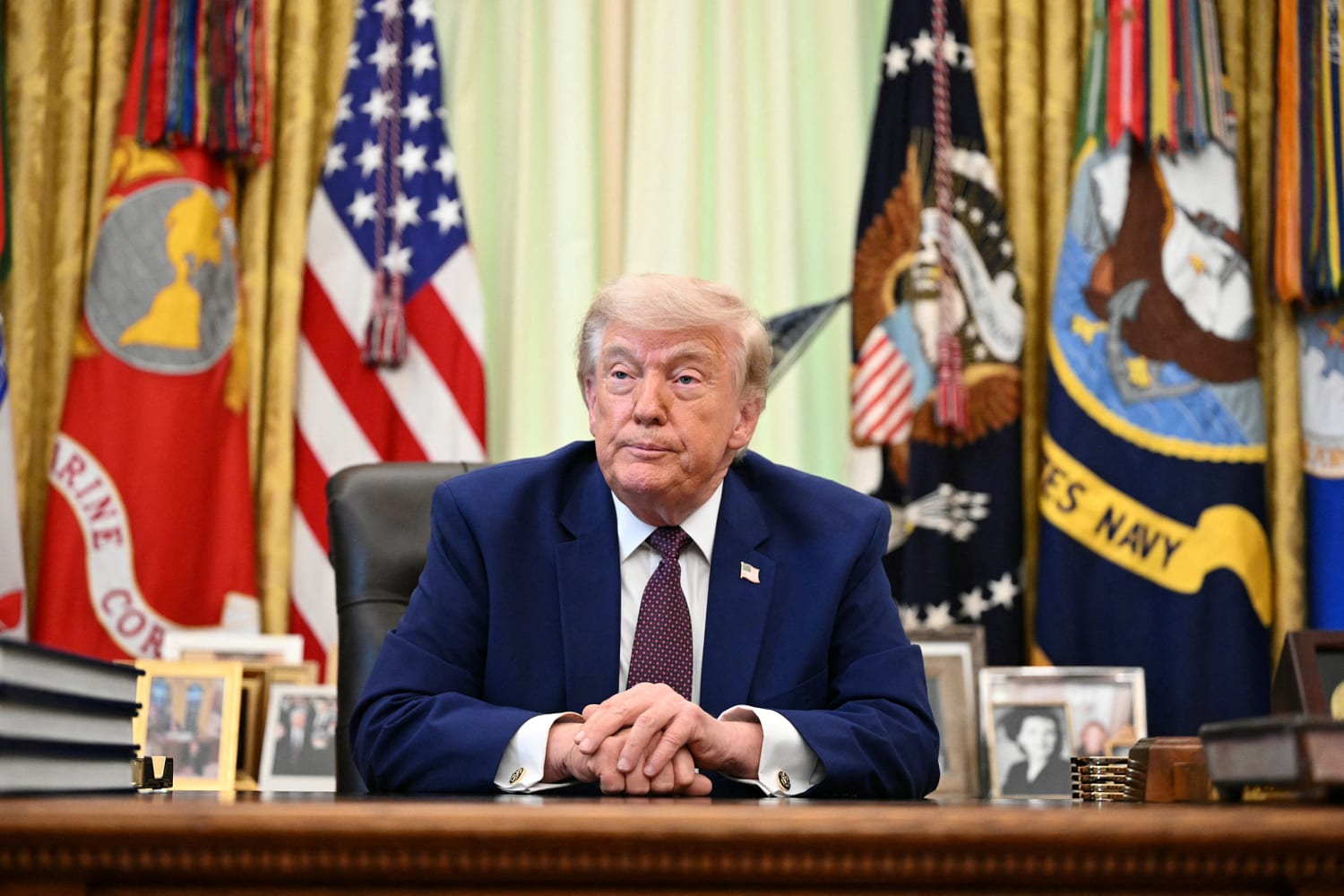
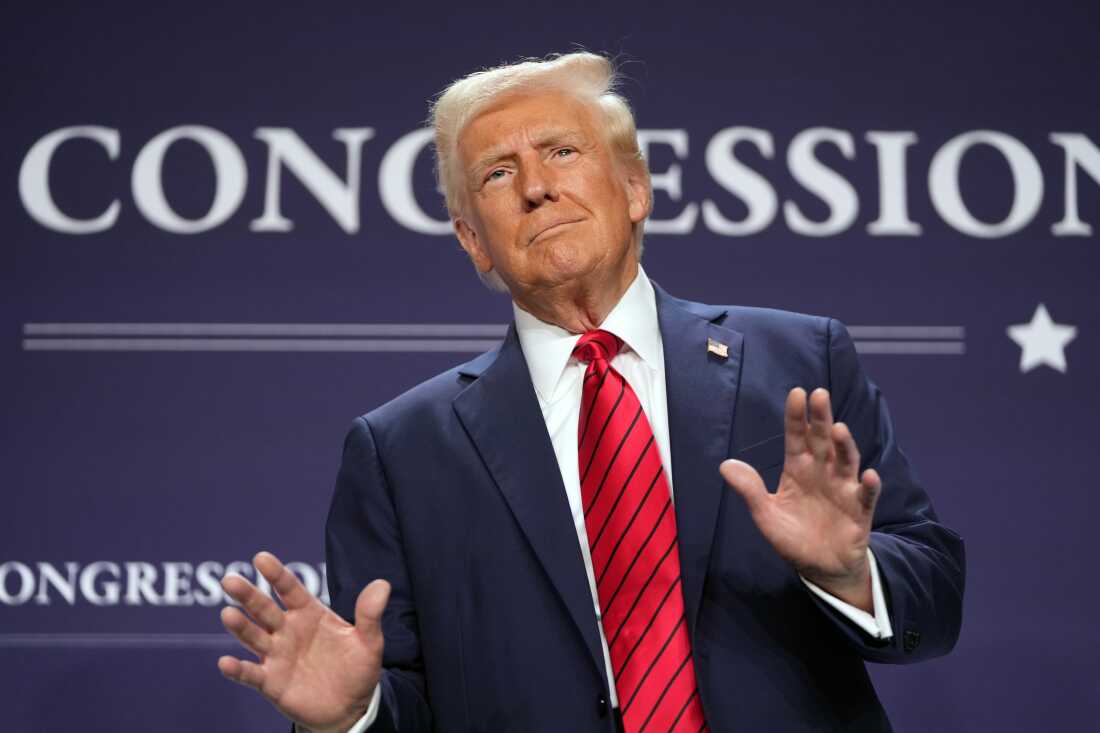
U.S. President Donald Trump celebrated de la Espriella's victory, proclaiming "He Won, BIG!" and reinforcing the close ties expected between the two nations. This election outcome aligns with a broader rightward shift in Latin America, where several countries have recently elected conservative leaders, driven largely by public concerns over security and crime. Right-wing leaders across the region, including Argentina's President Javier Milei, congratulated de la Espriella, framing his win as a victory for economic freedom and security. U.S. Secretary of State Marco Rubio stated that Washington "looks forward to working closely with your incoming administration," signaling improved ties after tensions under President Petro.
Challenges Ahead
Despite the initial enthusiasm, de la Espriella faces significant challenges as he takes office. His administration will need to address a deeply divided Congress and high public debt. An investigation by local outlet La Silla Vacia found that many of his businesses have been dissolved, are in debt and have lost money overall. De la Espriella's political inexperience may complicate efforts to govern effectively in a country still grappling with the impacts of decades-long internal conflict and economic inequality.
Looking Forward
As Colombia stands at a crossroads, the future remains uncertain. De la Espriella's promise to govern "for all Colombians" will be tested as he navigates the complexities of a divided nation. The ongoing protests and political tension signal that his presidency could be contentious, with Cepeda's supporters demanding a thorough review of the election results.