




Pritzker's Announcement on Tax Breaks
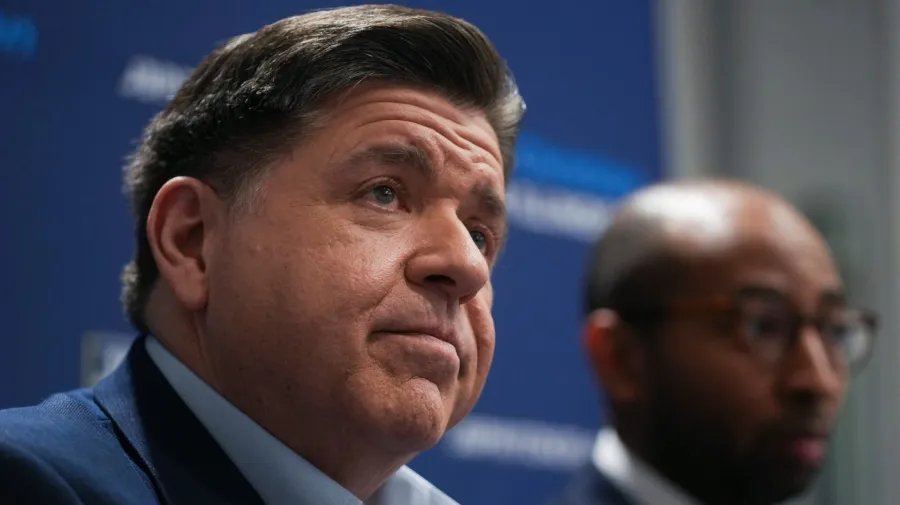
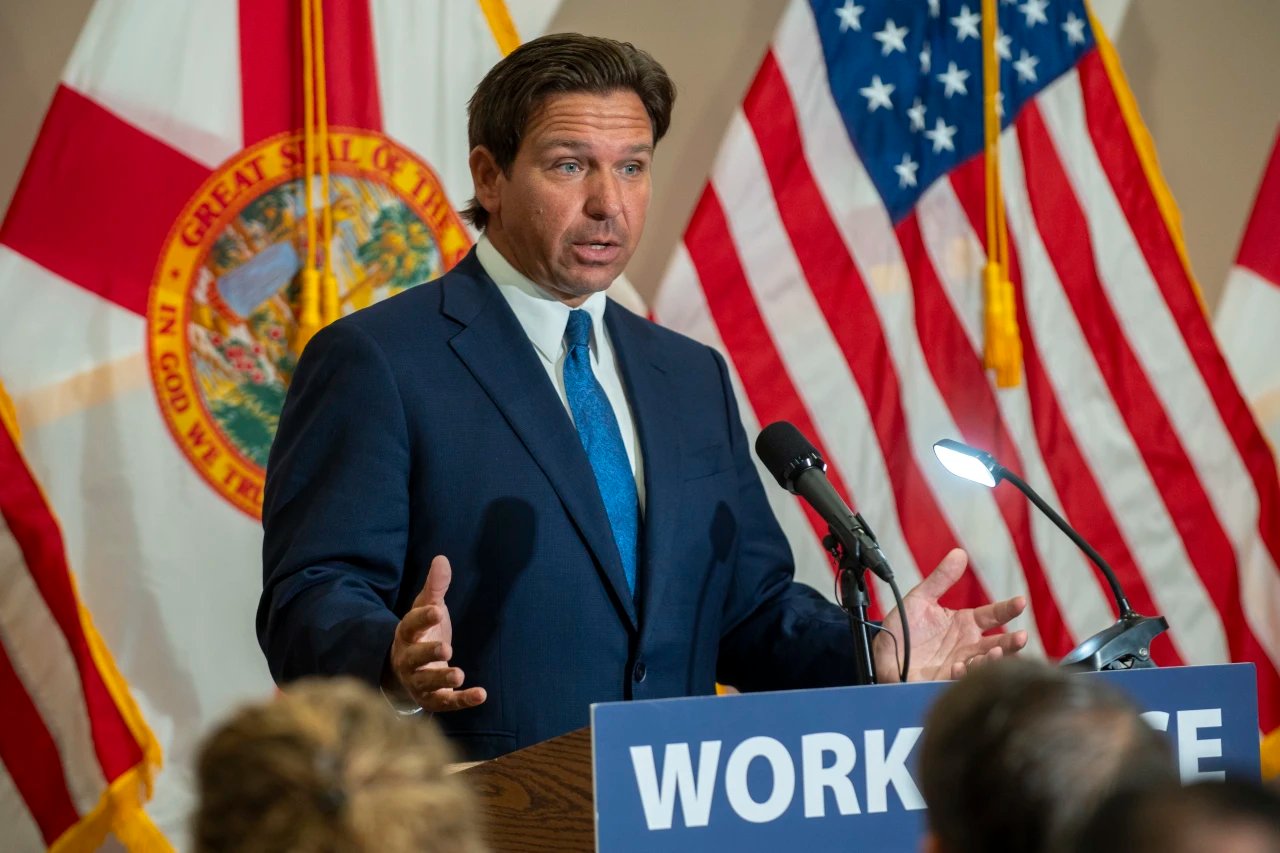
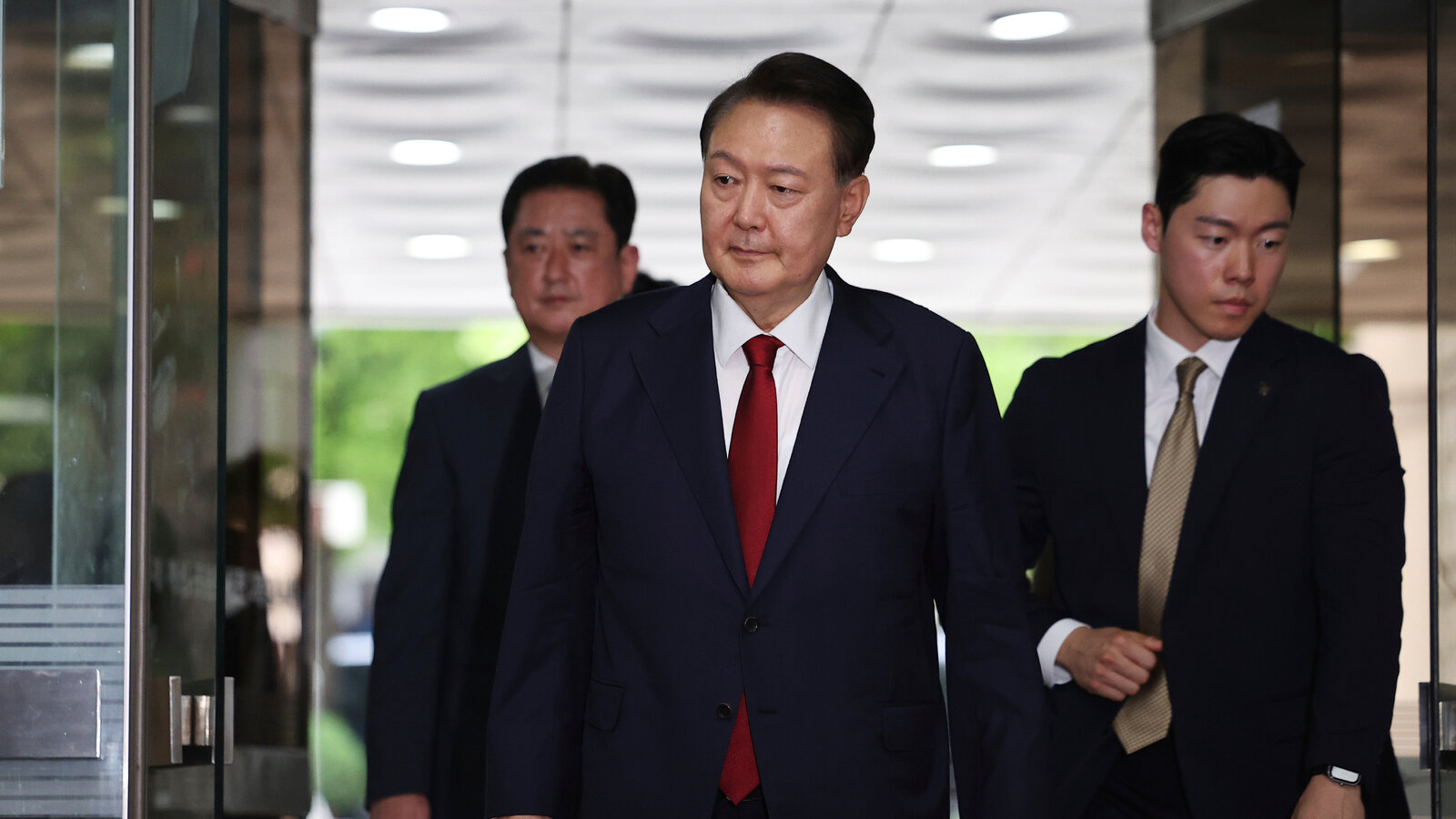
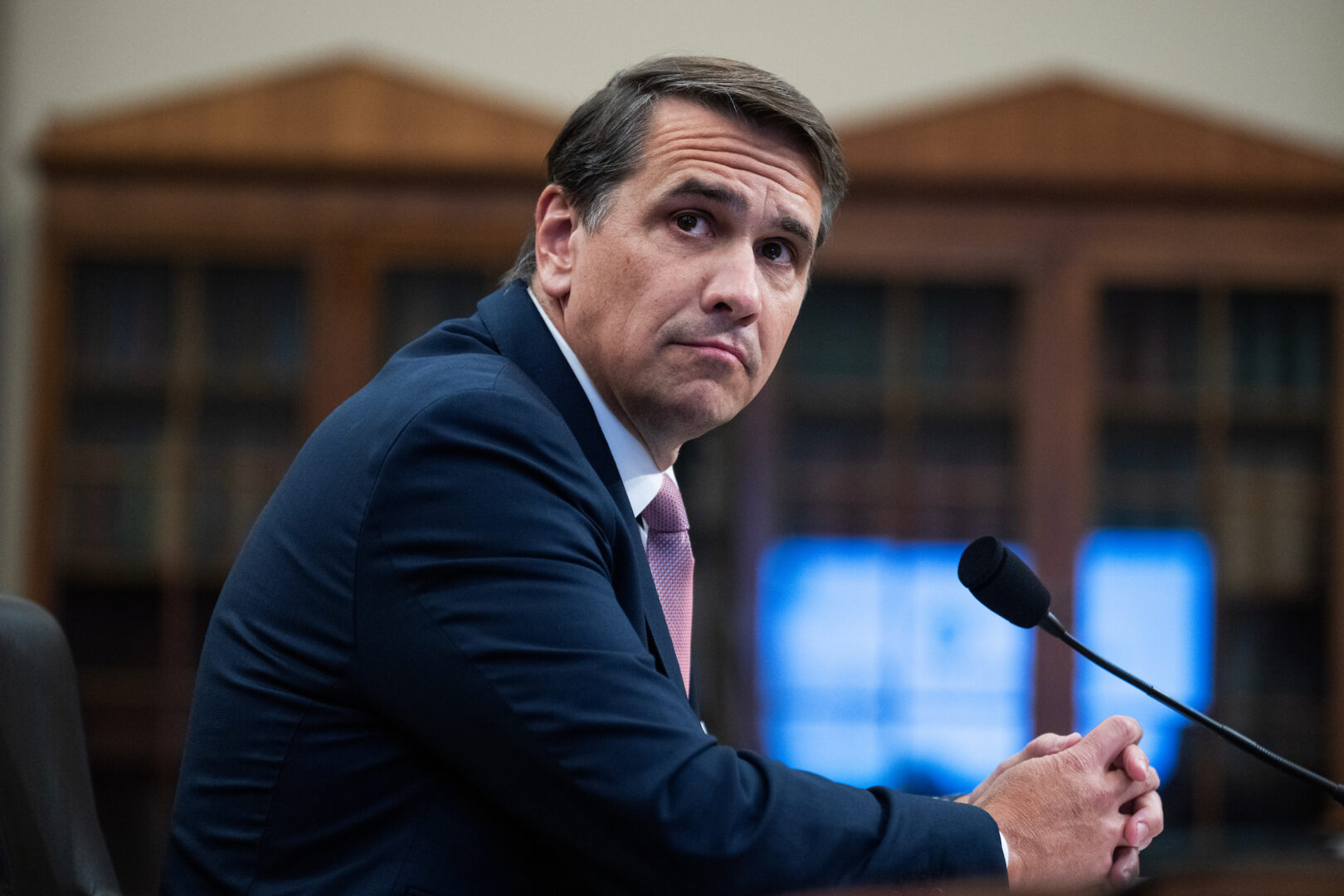
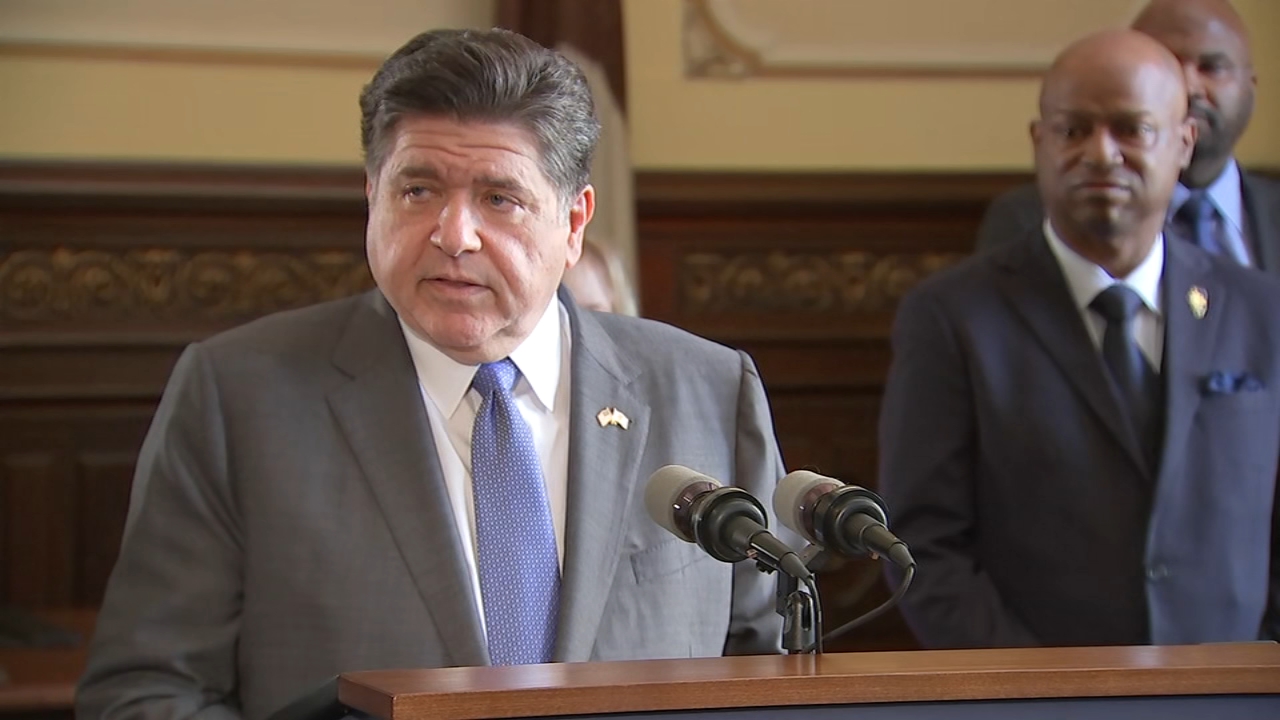
Illinois Governor JB Pritzker announced on Friday that he will temporarily halt tax breaks for data centers starting July 1. This decision comes as part of a broader initiative to address rising electricity costs and water resource concerns associated with the rapid expansion of data centers powered by artificial intelligence. Pritzker's office stated that while he cannot unilaterally end the program, he can control the processing of applications through the Illinois Department of Commerce and Economic Opportunity.
Legislative Call to Action
Pritzker is urging state lawmakers to engage in discussions during the fall veto session to establish a comprehensive framework regarding data center development. He emphasized that the state must understand the implications of data centers on utility bills and water consumption. "Illinois has an opportunity to continue leading in technological innovation and economic growth, but we also have a responsibility to protect working families and local communities," he stated.
Community Concerns Driving Policy Change
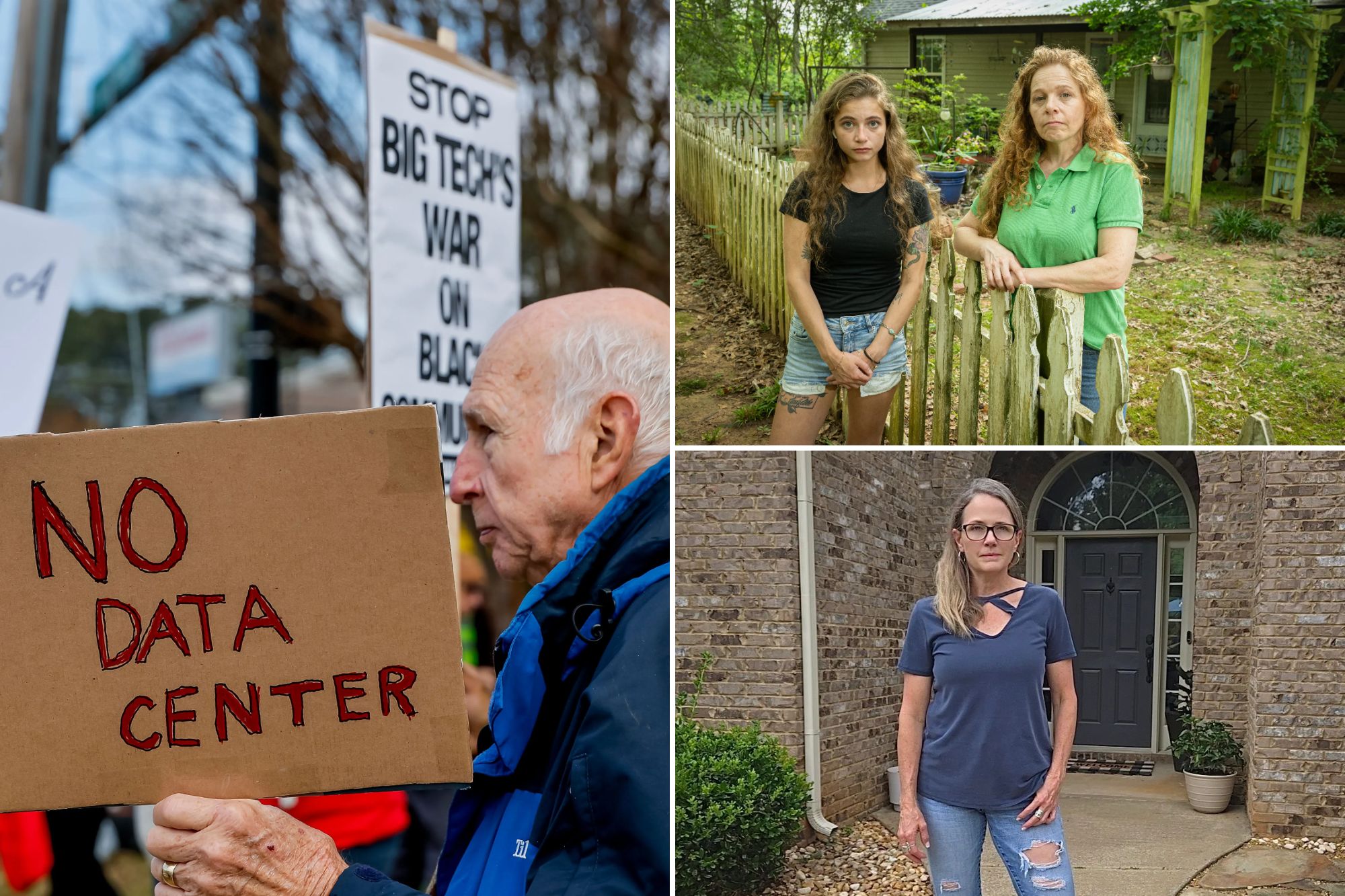
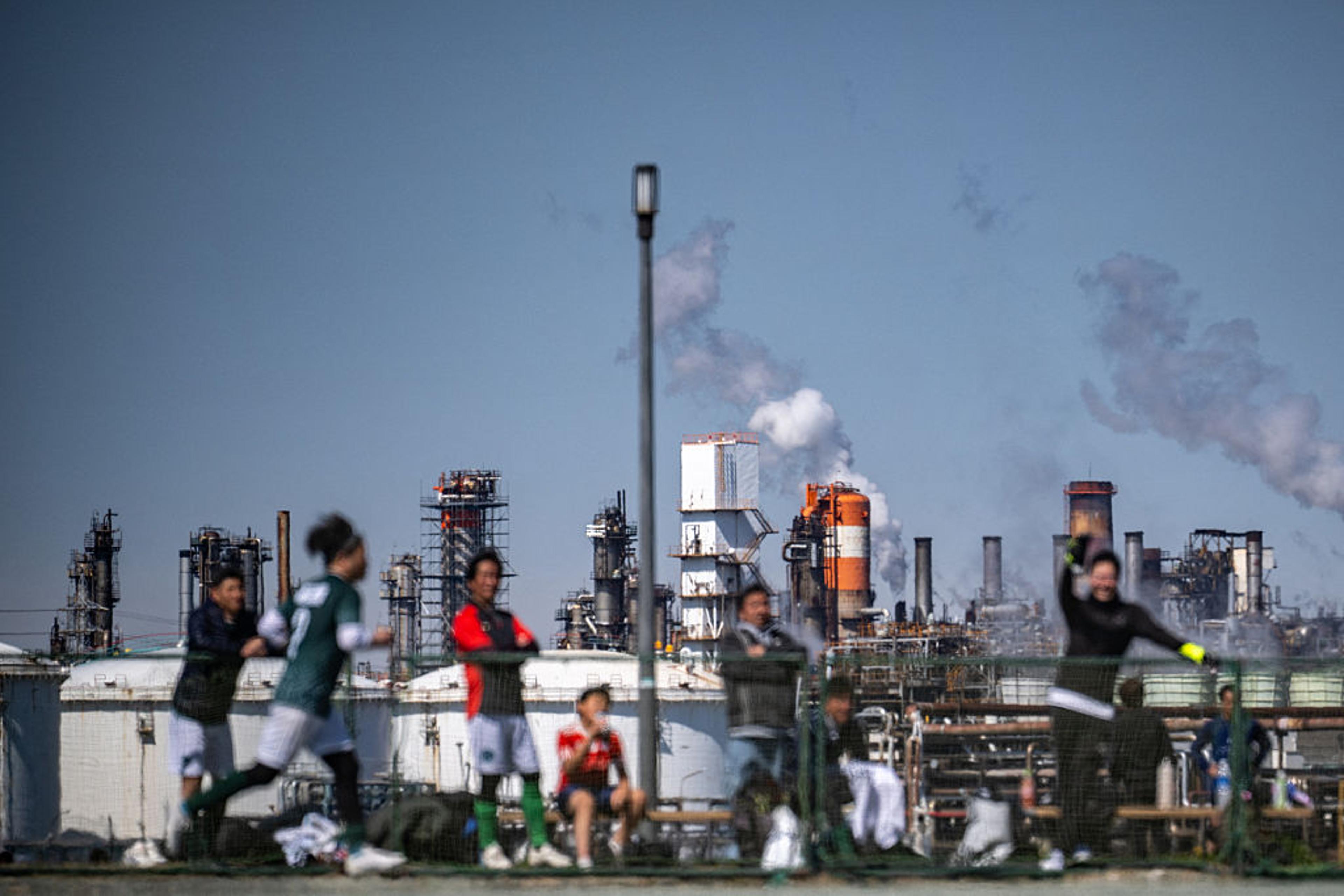
The governor's decision reflects growing community pushback against data centers across the nation. An NBC News poll this year found that Americans believe the dangers of AI outweigh its benefits. Data-center critics cite concerns ranging from higher electricity bills and heavy water use to noise from cooling systems. Others highlight environmental concerns.
Proposals for Reform
Pritzker has called for several reforms to ensure responsible growth in the data center sector. Proposed measures include requiring data centers to "pay their fair share" in taxes, protecting natural resources, and ensuring a reliable energy grid. He emphasized the need for transparency, insisting that communities should be informed about the anticipated water and electricity consumption of new data centers before they are built.
Broader Implications for the Data Center Industry
The suspension of tax breaks comes amid a national trend where an expanding number of states are trying to curb data center development or end tax breaks. As the demand for AI infrastructure grows, concerns about the environmental and economic impact of these facilities are becoming paramount. The data center industry faces increasing scrutiny as opponents cite issues such as higher electricity bills and excessive water use.
The Political Landscape
Pritzker is running for a third term and is widely viewed as having 2028 White House aspirations. By tapping into an issue seen as important to voters, he is addressing concerns about data centers and calling for protections for working families and local communities.
Next Steps for Stakeholders
Moving forward, Pritzker has called on a diverse group of stakeholders, including labor organizations, utility companies, local governments, and industry leaders, to collaborate on the proposed reforms. The outcome of these discussions will shape the future of data center development in Illinois and could set a precedent for other states grappling with similar issues. As the state seeks to balance innovation with community welfare, the decisions made in the upcoming months will be critical for both the data center industry and Illinois residents.