
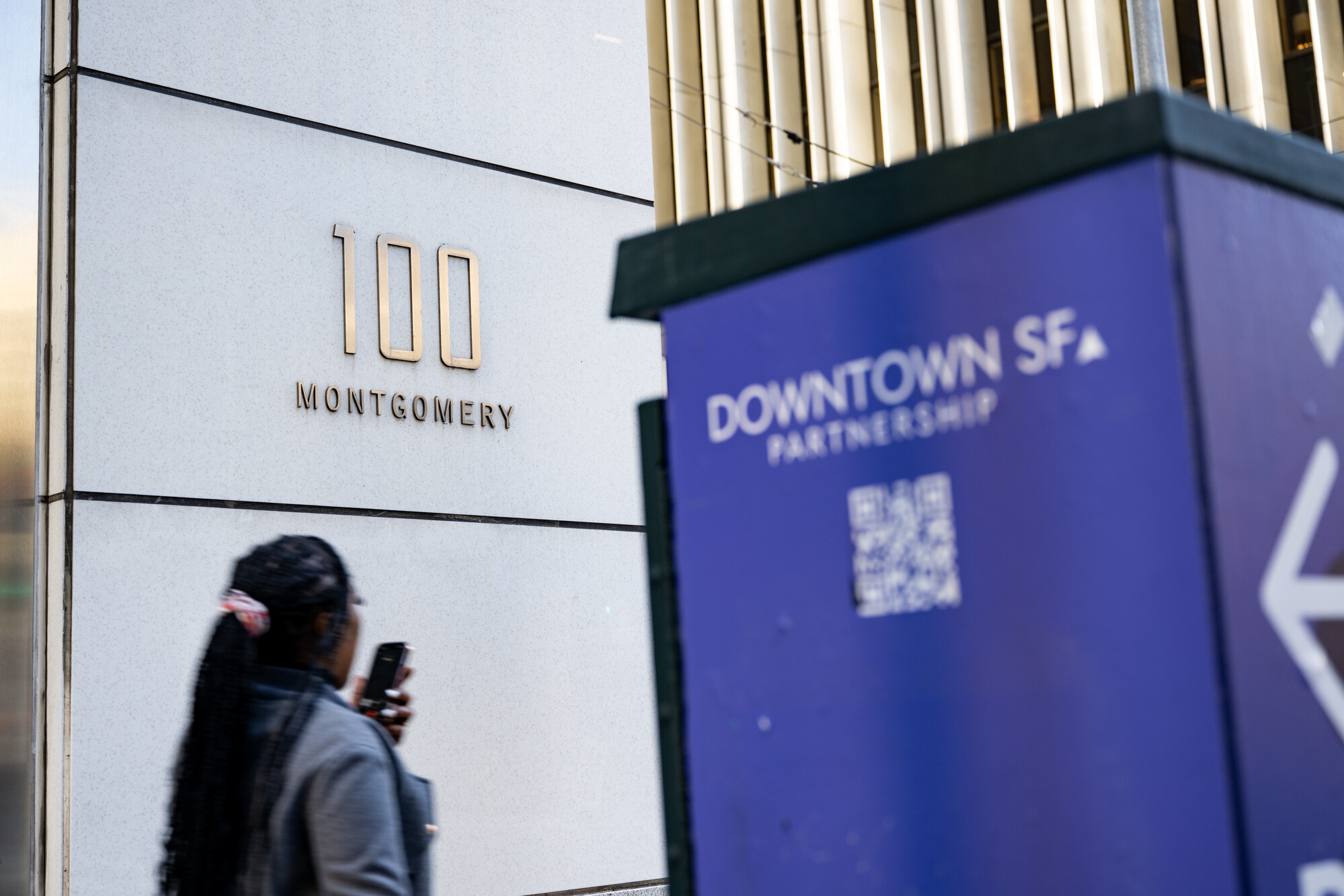





Court's Impact on Asylum and Deportation Proceedings
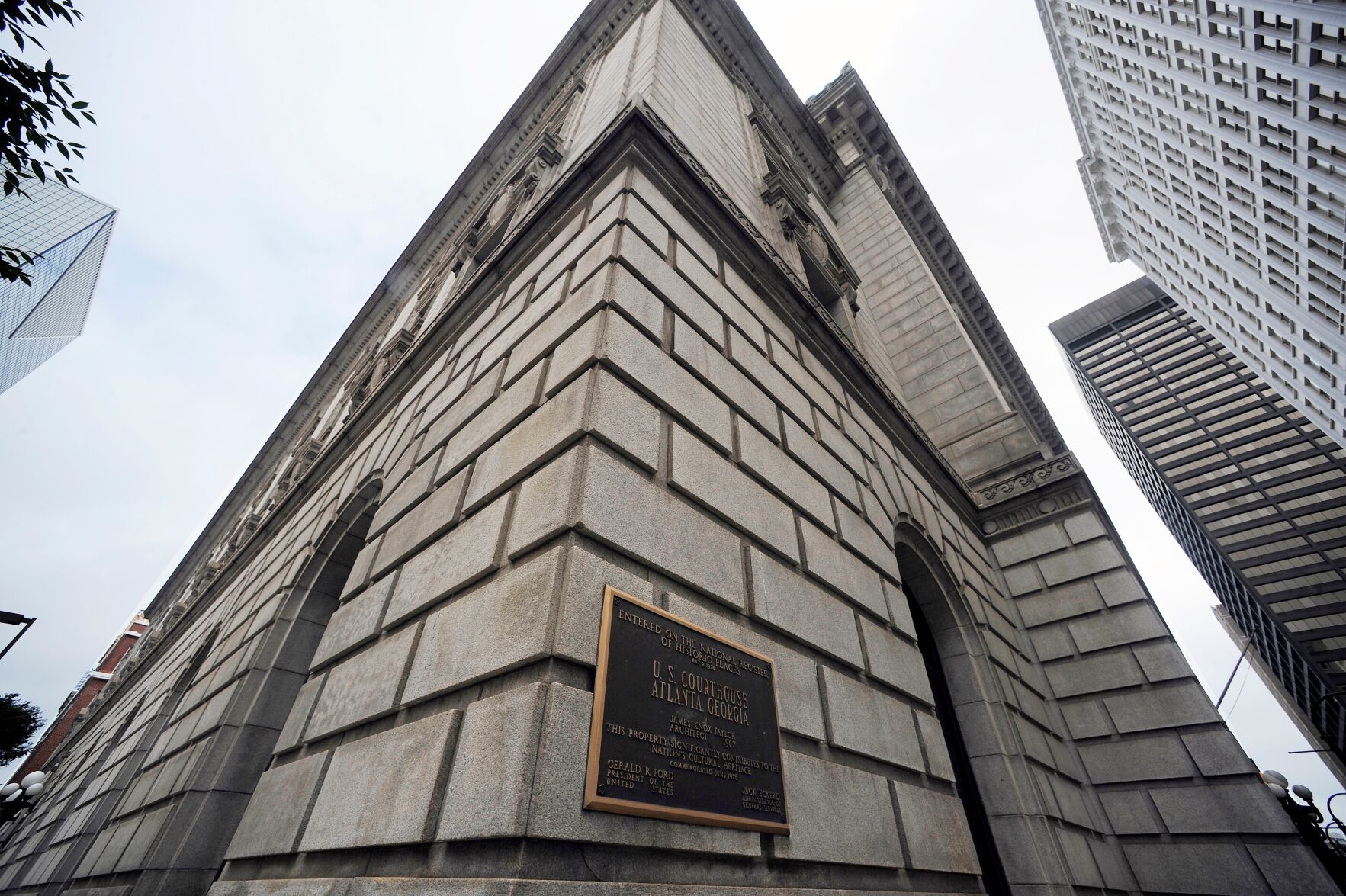
The abrupt closure of San Francisco's main immigration courthouse has brought over 100,000 pending cases to a standstill, complicating the lives of immigrants awaiting their fate in the U.S. According to Kathryn Mattingly, a spokesperson for the Executive Office for Immigration Review, the closure is "more cost effective."
Re分配ation of Cases and Logistical Challenges
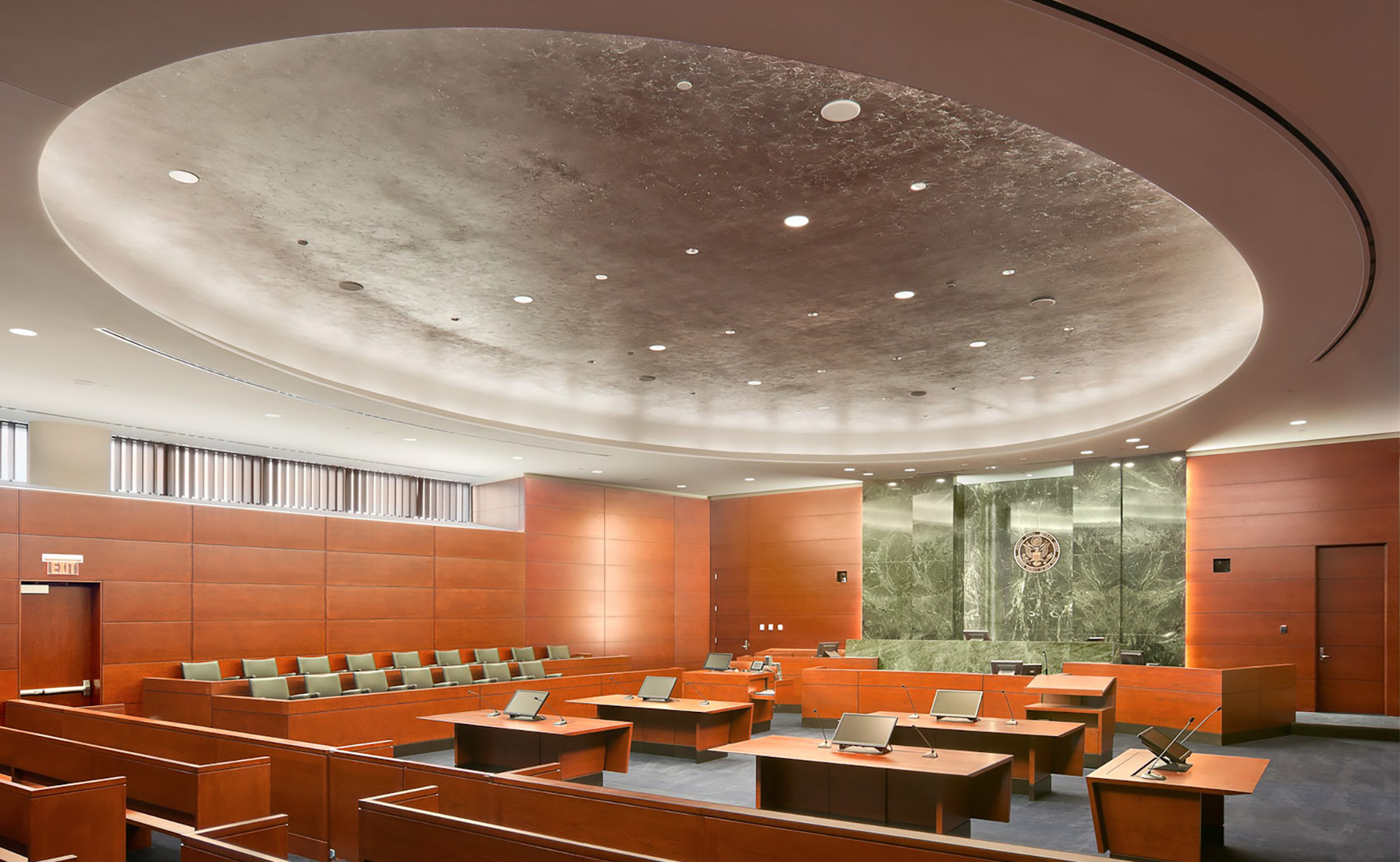
The shutdown has forced the transfer of cases to the Concord Immigration Court, an hour away from San Francisco, creating logistical nightmares for immigrants like Elin, an asylum seeker from Nicaragua, who must now travel to a court hours away from his home. The Concord court, understaffed and ill-prepared to handle the influx, currently has only four judges, not counting the supervisor, to manage the surge of cases.
Impact on Legal Advocacy and Community
This move is seen by many as a symbolic blow to a region known for its advocacy on immigration issues. Bill Hing, a law and migration studies professor at the University of San Francisco, stated, "It's part of the message that the Trump administration is sending, that they're not open to asylum seekers." The closure not only affects the immigrants in limbo but also undermines the collaborative legal efforts that have characterized San Francisco's approach to immigration law.
Critics' Concerns and Future Steps
Critics, such as immigration attorney Ghassan Shamieh, fear that the administration's strategy is to make it "almost virtually impossible" for immigrants to have their cases heard by moving the physical location of the court. The Pacific Legal Foundation has expressed disappointment in the court's ruling on a related lawsuit and plans to either amend the complaint or appeal.
Human Consequences and Uncertainty
Elin said the uncertainty is "incredibly scary" and that "sometimes I am afraid to go outside." His case, rescheduled multiple times, is now set for 2029, reflecting the broader challenges faced by immigrants as they navigate a system in flux. The closure of the San Francisco immigration court and the subsequent disruption underscore the human-scale consequences of policy changes on the lives of those seeking refuge in the U.S.






































































































































































































































































































































































The sources also report that Concord was meant to have 21 judges but currently has only 4, not counting the supervisor.