




Long Island Rail Road Workers Walk Off the Job
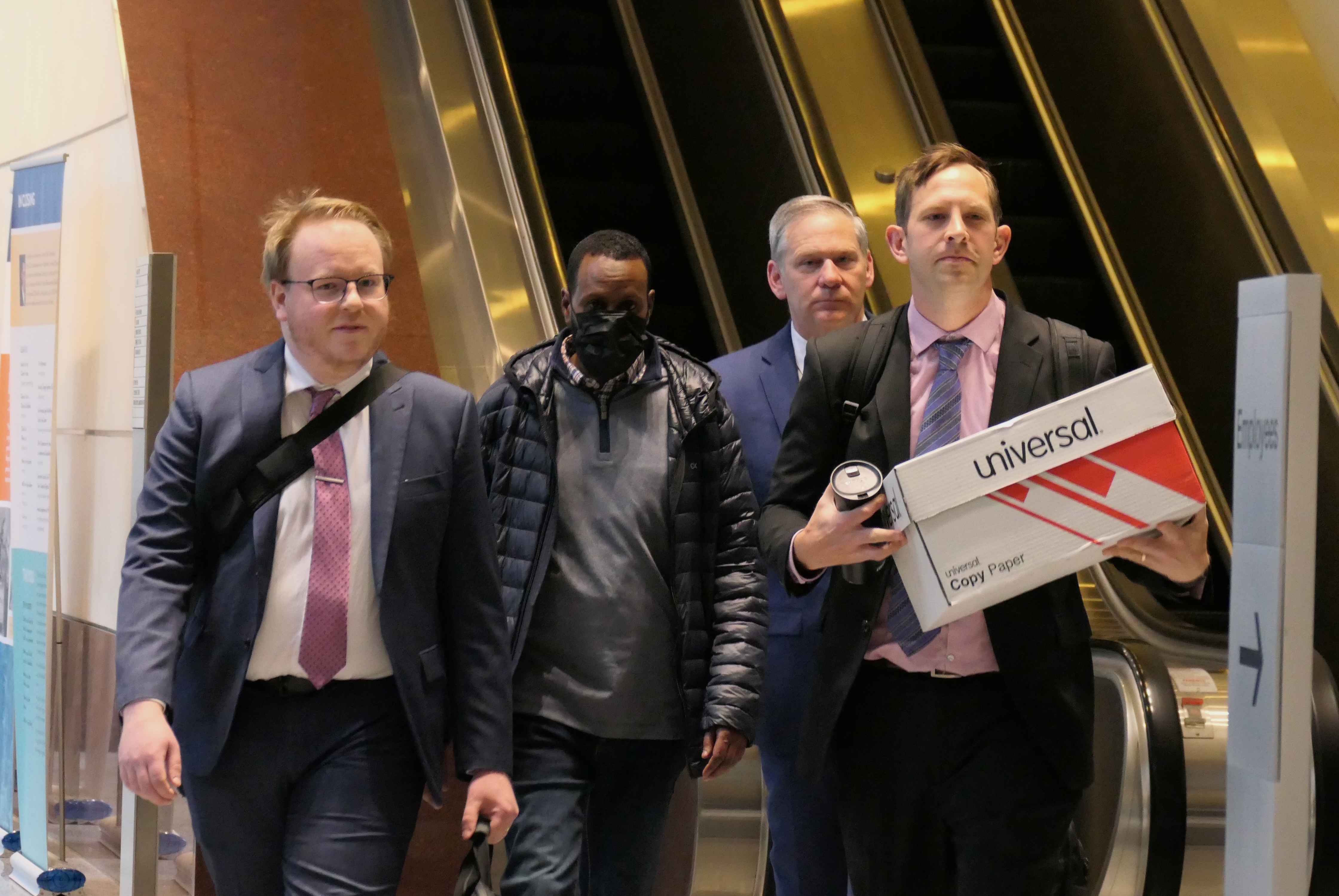
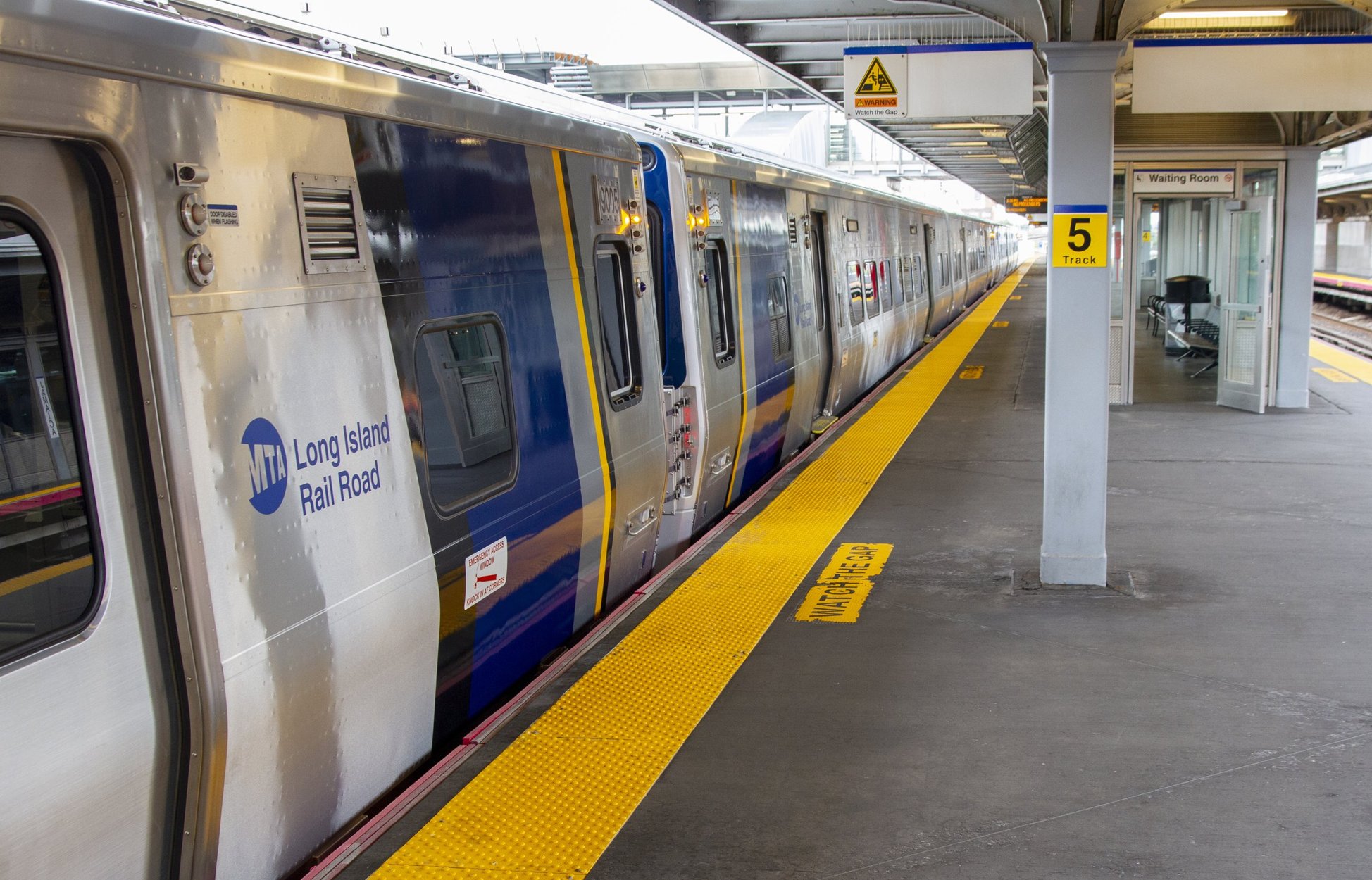
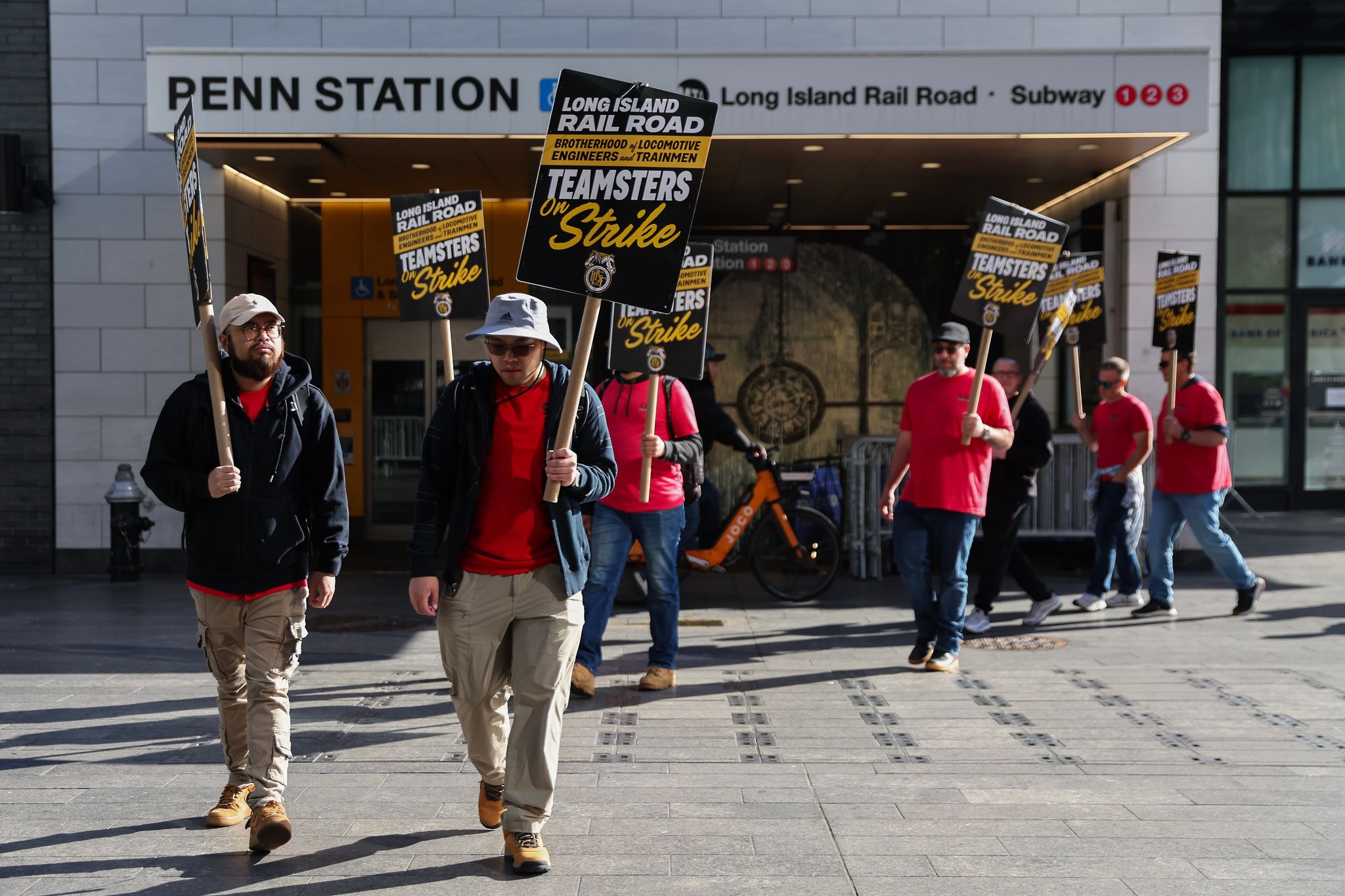
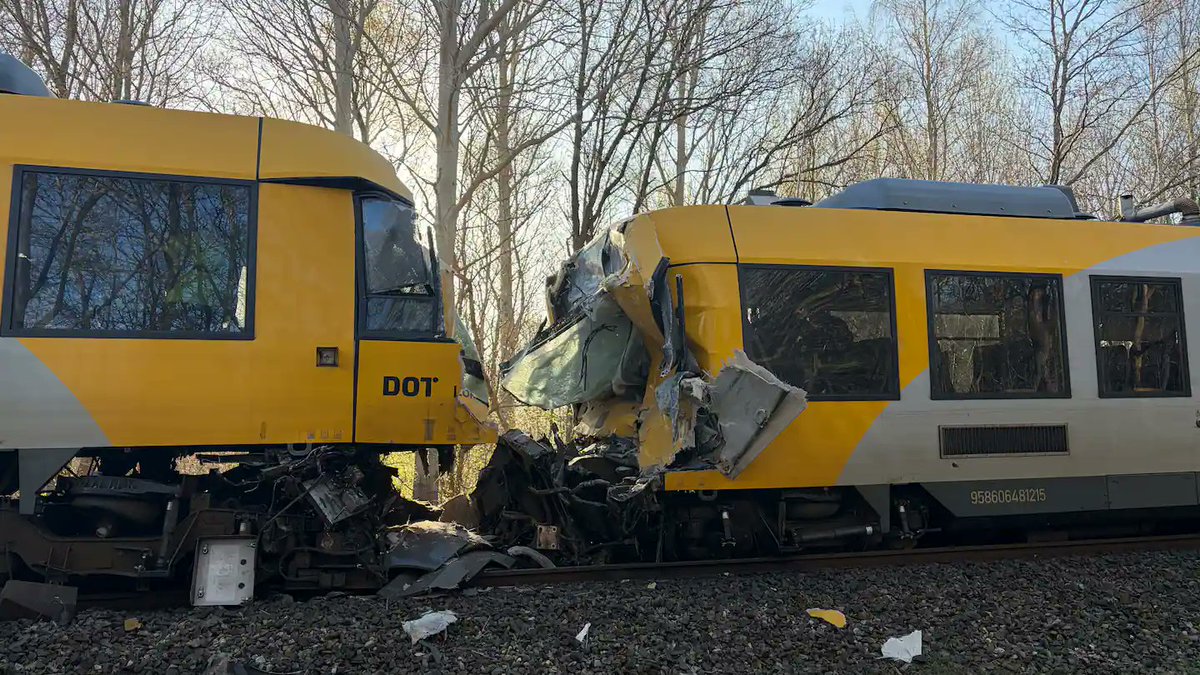
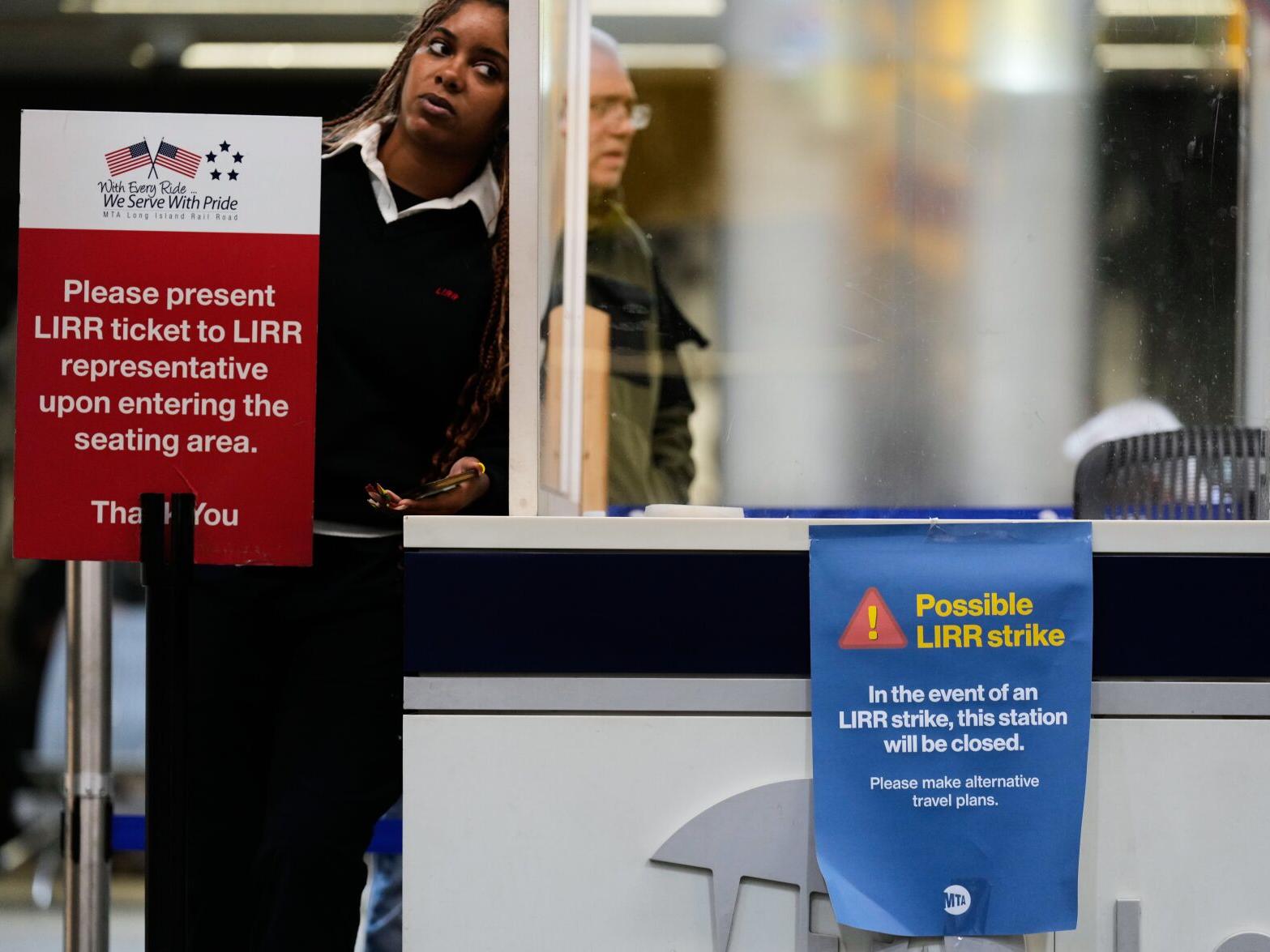
Long Island Rail Road workers initiated a strike on May 16, bringing travel to a standstill for nearly 300,000 daily commuters. The action marks the first strike by LIRR employees in three decades, as they rejected the Metropolitan Transportation Authority’s latest wage offer. The MTA's proposal included a 9.5% wage increase over three years, which union leaders deemed insufficient amidst rising living costs in the New York metropolitan area.
Economic Impact of the Strike
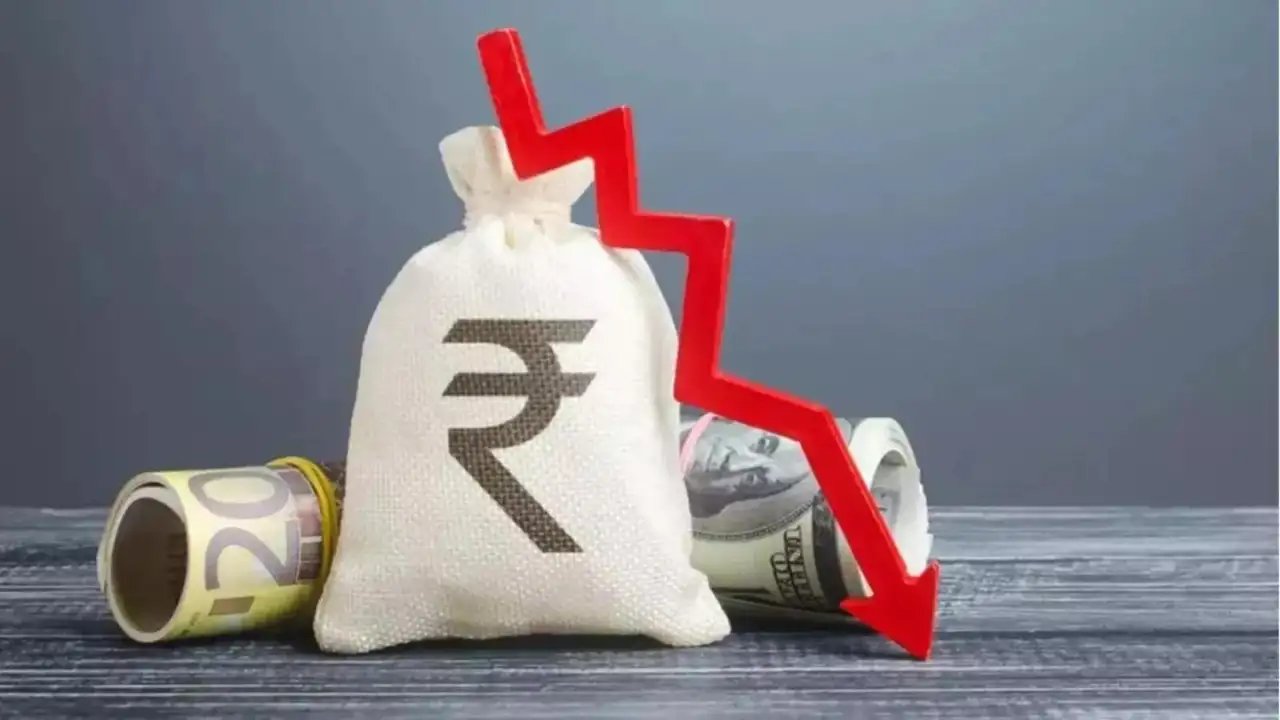
The strike is projected to cost the New York region an average of $61 million per day, according to the New York State Comptroller. With the LIRR’s average employee earning $121,646, plus an additional $25,957 in overtime, the financial strain on both workers and commuters raises questions about economic disparities. The median household income on Long Island stands at $131,000, underscoring the stark contrast between transit salaries and the broader economic landscape.
Union Demands and Negotiations
Union leaders have called for a 14.5% raise over four years without conditions, rejecting the MTA's offer that had already been accepted by other transit unions. Gil Lang, General Chairman of the Brotherhood of Locomotive Engineers and Trainmen’s LIRR General Committee, expressed frustration, stating, "To every LIRR passenger whose trip is disrupted, know that the MTA left us no choice but to strike." The unions argue that three years without raises has left them unable to compromise further.
Commuter Experiences
Commuters have voiced their frustrations as they navigate the disruptions caused by the strike. One teacher shared his struggle, stating he had to wake up at 2 a.m. to catch a 4:30 a.m. shuttle bus into the city, emphasizing the inconvenience of the situation. Another commuter remarked, “It’s just crazy. It’s an inconvenience,” highlighting the ripple effect the strike has on daily lives.
Political Reactions and Potential Interventions
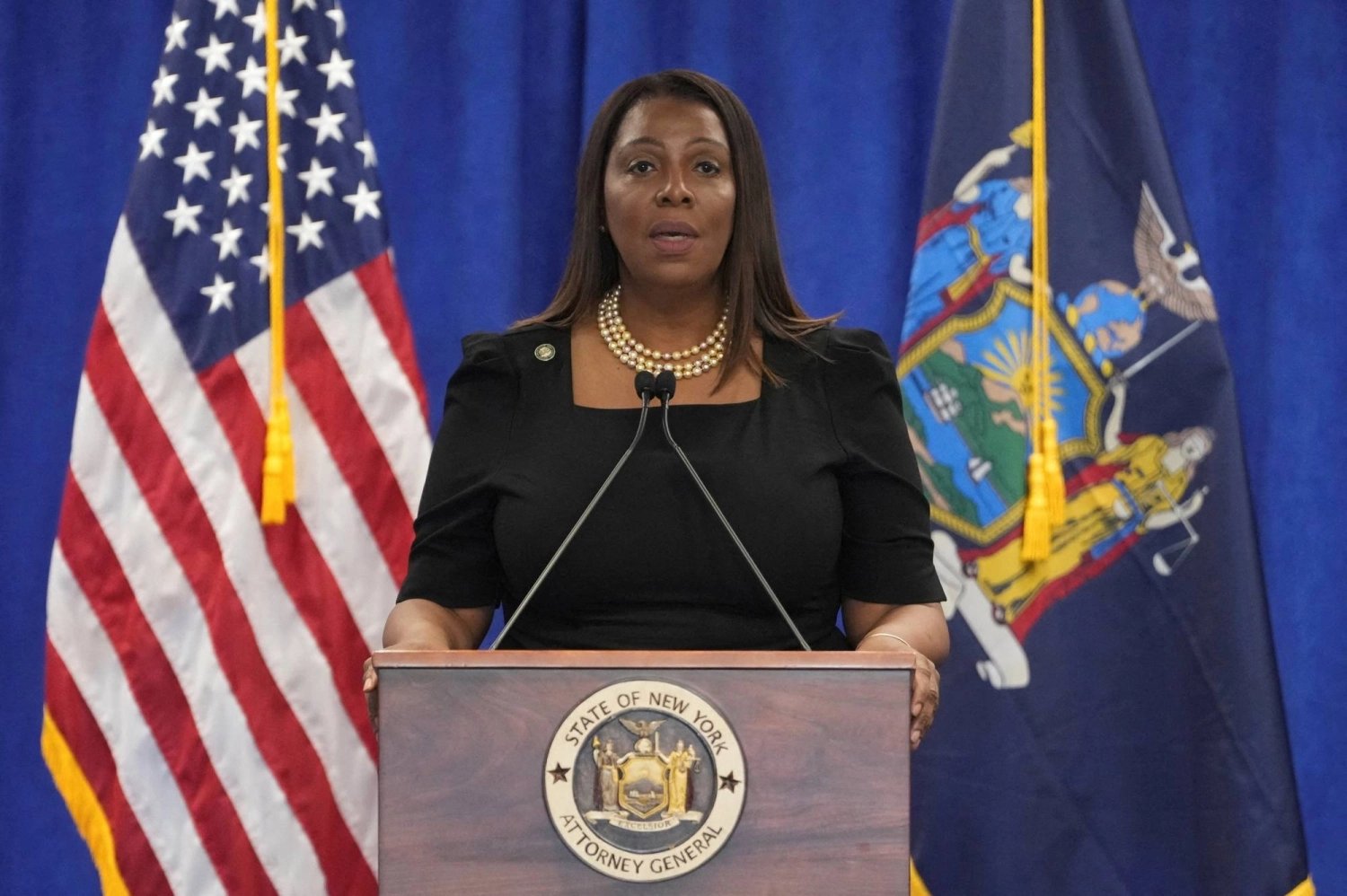
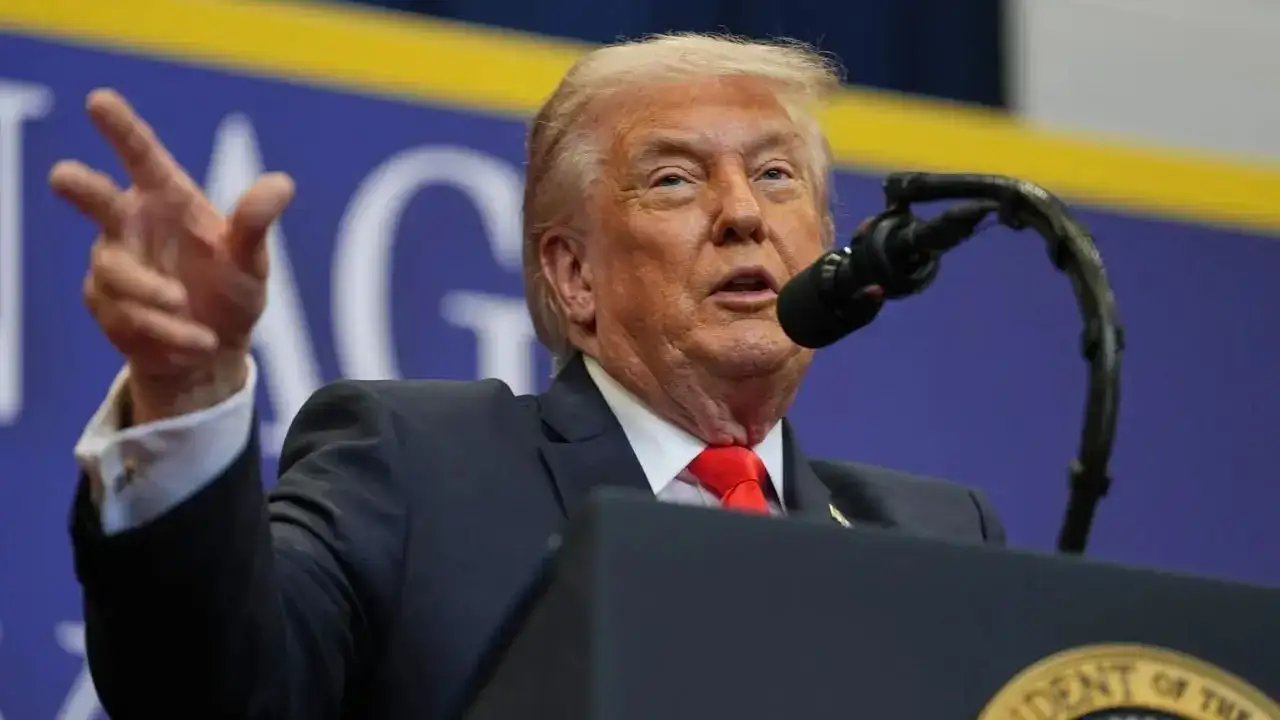
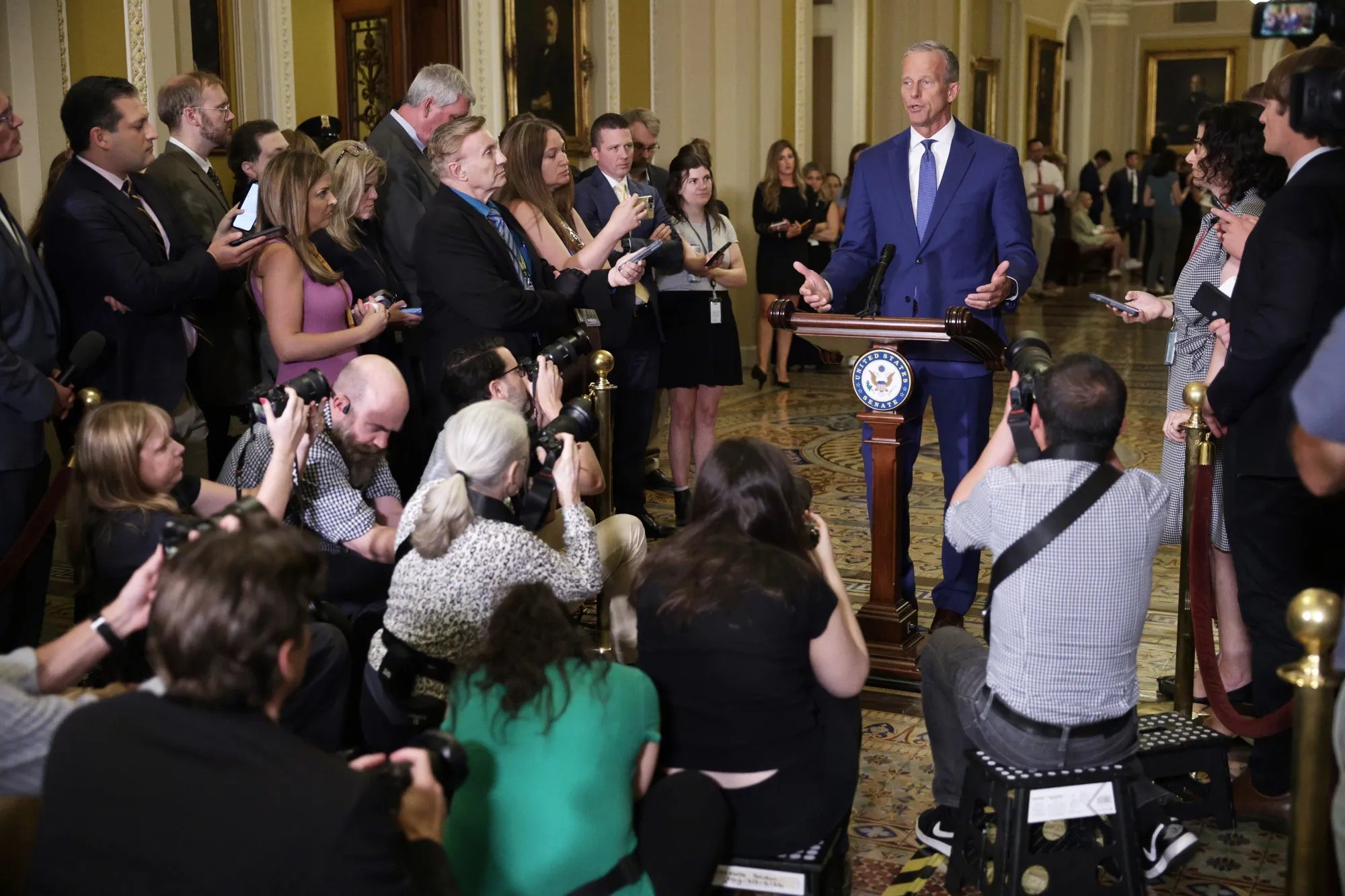
New York Governor Kathy Hochul attributed the strike to "reckless actions by the Trump administration," referencing past failed negotiations involving federal involvement. As negotiations continue, there is a possibility that the U.S. Congress could intervene to facilitate a resolution if an agreement is not reached soon. The ongoing discussions between union leaders and New York government representatives aim to reopen the crucial commuter transport network ahead of the work week.
Future of the Strike
As the strike persists with no clear resolution in sight, both sides remain distant in their negotiations. Kevin Sexton, national vice president of the Brotherhood of Locomotive Engineers and Trainmen, acknowledged the challenges, stating, "We're far apart at this point." The situation underscores the delicate balance between worker compensation and the economic realities faced by commuters, making it a critical issue for many in New York.