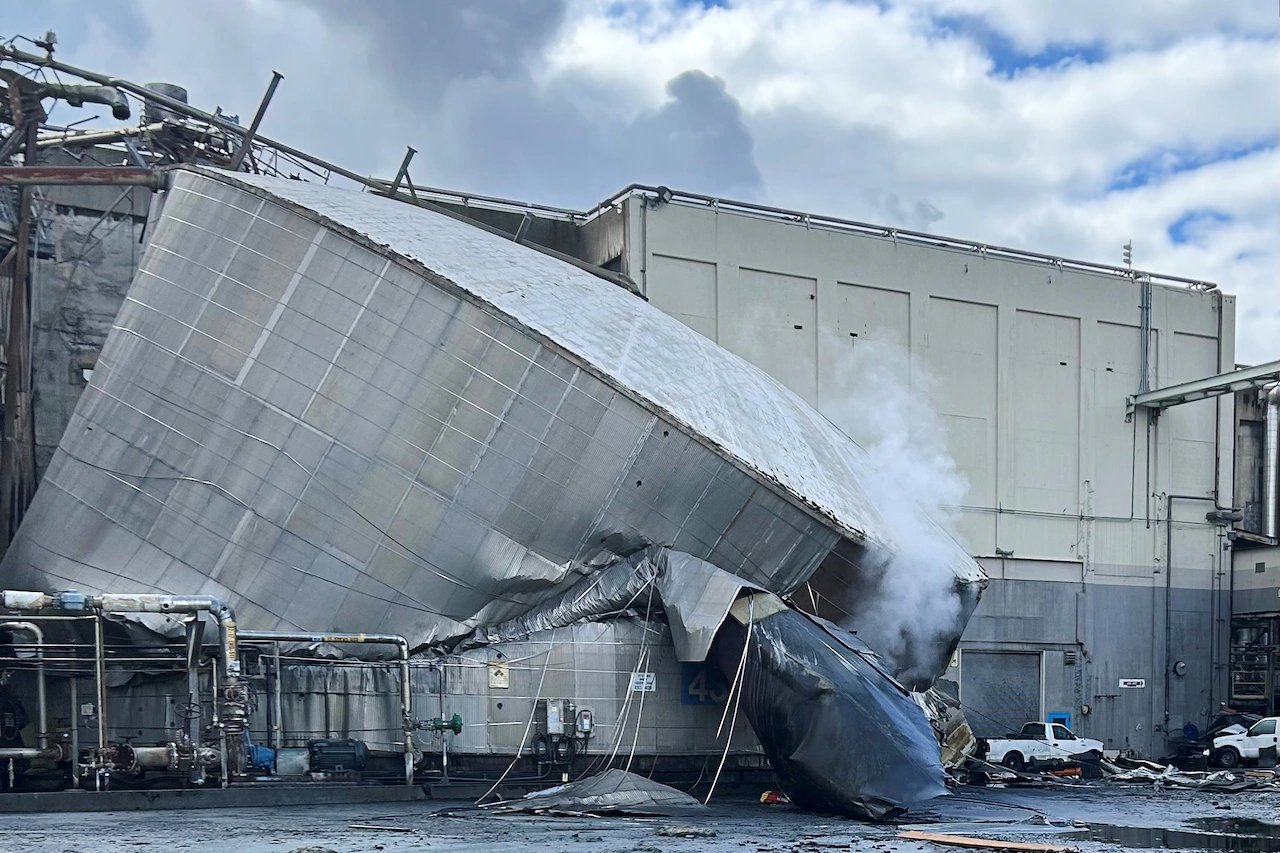
On May 30, Russia's state nuclear energy company, Rosatom, reported that a Ukrainian drone struck the Zaporizhzhia nuclear plant, Europe's largest, causing a detonation that left a hole in the wall of a turbine hall. Rosatom's head, Alexei Likhachev, described the drone as a "kamikaze combat drone" and claimed that the explosion did not damage any primary equipment.
Ukraine's military swiftly denied the allegations, labeling them as "yet another propaganda ploy" by Moscow. A statement from the Ukrainian military emphasized that no active fighting occurred in the area during the incident and that Ukrainian forces adhere strictly to international humanitarian law. The military underscored its awareness of the severe consequences of any actions targeting nuclear facilities, reinforcing its commitment to safety amid the conflict.
The International Atomic Energy Agency (IAEA) has requested access to the Zaporizhzhia nuclear plant to assess the situation following the reported strike. IAEA head Rafael Grossi expressed serious concern about the incident, stating, "Attacking nuclear sites is like playing with fire." The agency noted that this would be the first drone attack within the plant's perimeter since April 2024.
On Saturday, Ukraine and Russia traded aerial attacks. The incident at Zaporizhzhia underscores the fragile nature of nuclear safety in the region and the potential for escalation in military actions, which could have dire consequences not only for Ukraine and Russia but also for global security.
As international bodies like the IAEA seek to investigate, the situation at the Zaporizhzhia nuclear plant remains precarious. The ongoing conflict raises critical questions about the protection of nuclear facilities during warfare and the potential risks to civilian populations.
On May 30, Russia's state nuclear energy company, Rosatom, reported that a Ukrainian drone struck the Zaporizhzhia nuclear plant, Europe's largest, causing a detonation that left a hole in the wall of a turbine hall. Rosatom's head, Alexei Likhachev, described the drone as a "kamikaze combat drone" and claimed that the explosion did not damage any primary equipment. This incident marks a significant escalation in the ongoing conflict, particularly given the plant's strategic importance and history of military activity.
Ukraine's military swiftly denied the allegations, labeling them as "yet another propaganda ploy" by Moscow. A statement from the Ukrainian military emphasized that no active fighting occurred in the area during the incident and that Ukrainian forces adhere strictly to international humanitarian law. The military underscored its awareness of the severe consequences of any actions targeting nuclear facilities, reinforcing its commitment to safety amid the conflict.
The International Atomic Energy Agency (IAEA) has requested access to the Zaporizhzhia nuclear plant to assess the situation following the reported strike. IAEA head Rafael Grossi expressed serious concern about the incident, stating, "Attacking nuclear sites is like playing with fire." The agency noted that this would be the first drone attack within the plant's perimeter since April 2024, raising alarms over the safety of nuclear infrastructure in a war zone.
The alleged drone strike comes amid an increase in aerial attacks between Ukraine and Russia. President Volodymyr Zelenskyy held a special meeting with top aides to discuss next steps following the ongoing hostilities. The incident at Zaporizhzhia underscores the fragile nature of nuclear safety in the region and the potential for escalation in military actions, which could have dire consequences not only for Ukraine and Russia but also for global security.
As international bodies like the IAEA seek to investigate, the situation at the Zaporizhzhia nuclear plant remains precarious. The ongoing conflict raises critical questions about the protection of nuclear facilities during warfare and the potential risks to civilian populations. Both Russia and Ukraine's narratives shape the unfolding situation, leaving the world on edge about the implications of their military strategies in such a sensitive context.
Highlighted text was flagged by the council. Tap to see feedback.































The IAEA wants to examine the turbine building after the drone strike. IAEA head Rafael Grossi said, "Attacking nuclear sites is like playing with fire."