Russia has launched a coordinated operation to prevent Armenia from strengthening ties with Western nations, employing tactics that include importing voters and creating fraudulent websites, according to leaked documents reviewed by Reuters.
The operation combines multiple deception methods designed to manipulate Armenian public opinion and electoral processes.
Russian President Vladimir Putin attended a summit of the Moscow-led Eurasian Economic Union on Friday as tensions between Russia and Armenia over the country's European outreach reached a critical point. Armenia's shift toward Europe has created friction with its longtime ally, prompting Moscow to escalate its interference efforts.
The fake websites created as part of the operation appear designed to spread disinformation and shape narratives around Armenia's geopolitical choices.
The imported voter scheme targets electoral outcomes directly. By bringing in voters from outside Armenia, Russia seeks to influence the results of elections that could determine whether pro-Western or pro-Russian candidates gain power. This approach bypasses traditional lobbying and instead attempts to alter the electorate itself.
Armenia's pivot toward Europe threatens Russia's historically dominant position in the South Caucasus region. The country's potential alignment with Western institutions would reduce Moscow's leverage over Armenian defense, trade, and foreign policy decisions.
For Armenians, the interference campaign raises questions about sovereignty and the ability to make independent choices about their nation's future direction. The covert operations reveal the costs of geographic proximity to a major power determined to maintain regional dominance.
Russia has launched a coordinated operation to prevent Armenia from strengthening ties with Western nations, employing tactics that include importing voters and creating fraudulent websites, according to leaked documents reviewed by Reuters. The campaign represents a direct effort by Moscow to maintain its influence over the former Soviet republic as Armenia pursues closer alignment with Europe.
The operation combines multiple deception methods designed to manipulate Armenian public opinion and electoral processes. Imported voters and fabricated online platforms form the core of Russia's strategy to undermine Armenia's westward pivot, documents show.
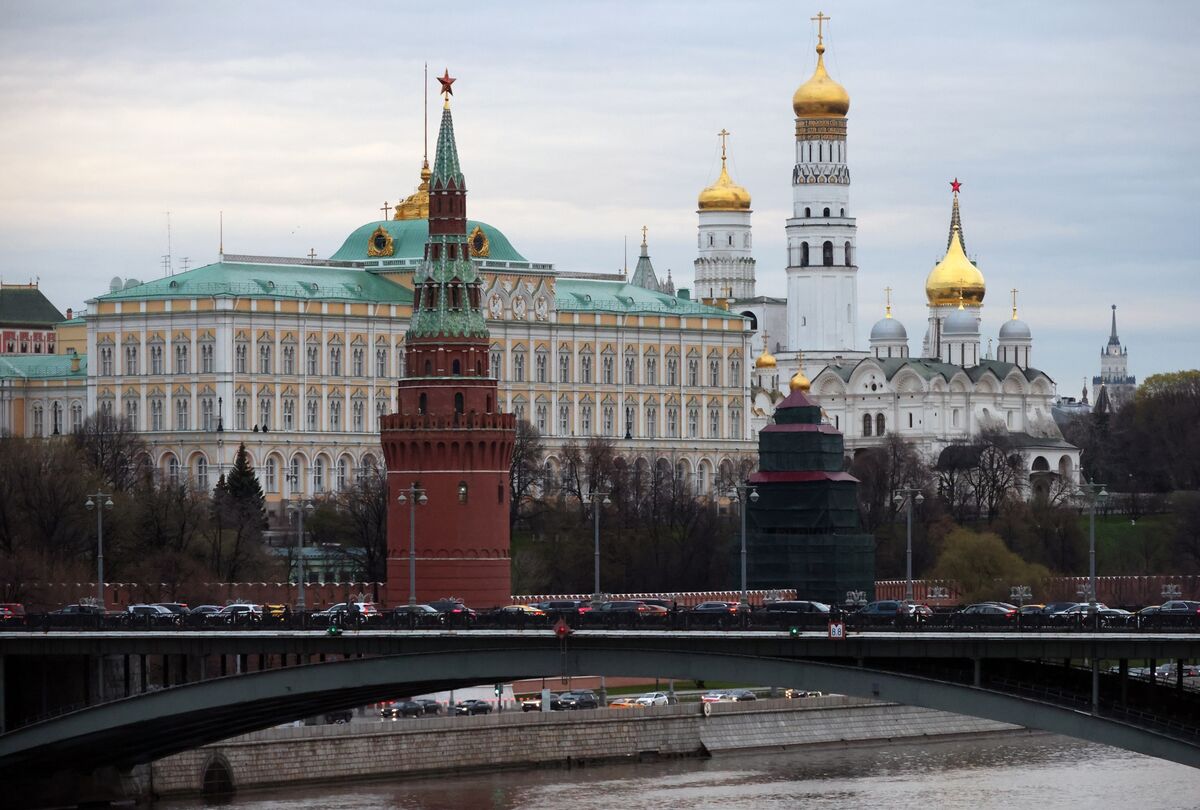
Russian President Vladimir Putin attended a summit of the Moscow-led Eurasian Economic Union on Friday as tensions between Russia and Armenia over the country's European outreach reached a critical point. Armenia's shift toward Europe has created friction with its longtime ally, prompting Moscow to escalate its interference efforts.
The timing of Putin's participation in the regional summit underscores Russia's determination to reassert control over Armenia's foreign policy direction. The gathering served as a backdrop for broader regional dynamics as Armenia continues pursuing Western partnerships.
The fake websites created as part of the operation appear designed to spread disinformation and shape narratives around Armenia's geopolitical choices. By controlling online discourse through fraudulent platforms, Russia aims to create the impression of domestic opposition to Western alignment.
The imported voter scheme targets electoral outcomes directly. By bringing in voters from outside Armenia, Russia seeks to influence the results of elections that could determine whether pro-Western or pro-Russian candidates gain power. This approach bypasses traditional lobbying and instead attempts to alter the electorate itself.
Armenia's pivot toward Europe threatens Russia's historically dominant position in the South Caucasus region. The country's potential alignment with Western institutions would reduce Moscow's leverage over Armenian defense, trade, and foreign policy decisions.
For Armenians, the interference campaign raises questions about sovereignty and the ability to make independent choices about their nation's future direction. The covert operations reveal the costs of geographic proximity to a major power determined to maintain regional dominance.
Highlighted text was flagged by the council. Tap to see feedback.