





The outbreak spreads across Congo and Uganda
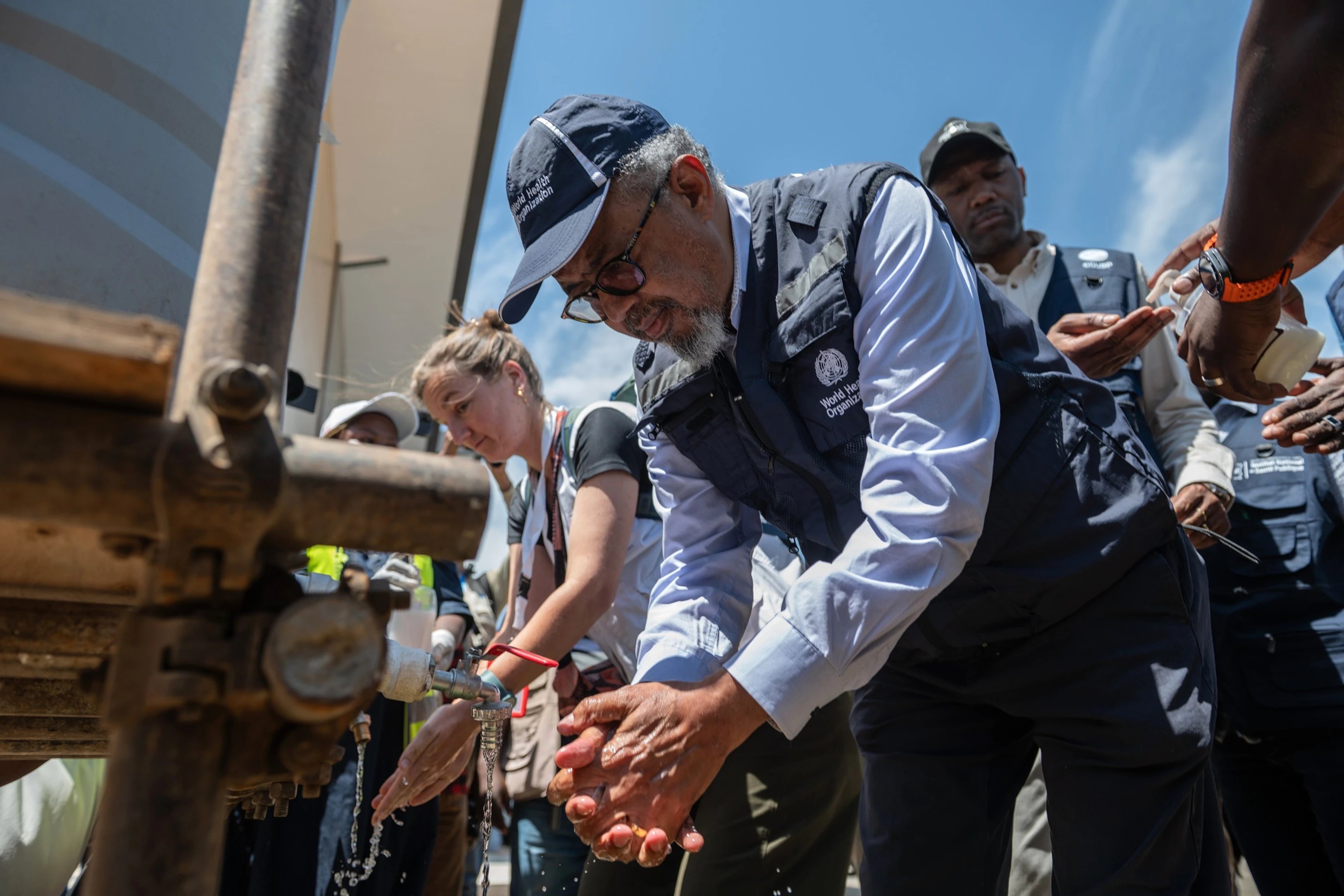
Dr. Tedros Adhanom Ghebreyesus, director-general of the World Health Organization, arrived in Bunia on Saturday to coordinate response efforts as the Ebola outbreak in the Democratic Republic of the Congo accelerates beyond containment capacity. The WHO confirmed 134 cases and 18 deaths across the DRC and neighboring Uganda, while suspected cases have climbed to at least 1,077 with 225 suspected deaths. Former CDC Director Robert Redfield warned the outbreak is now the third-largest in Ebola history and continues to outpace the global response.
A strategy built on local knowledge
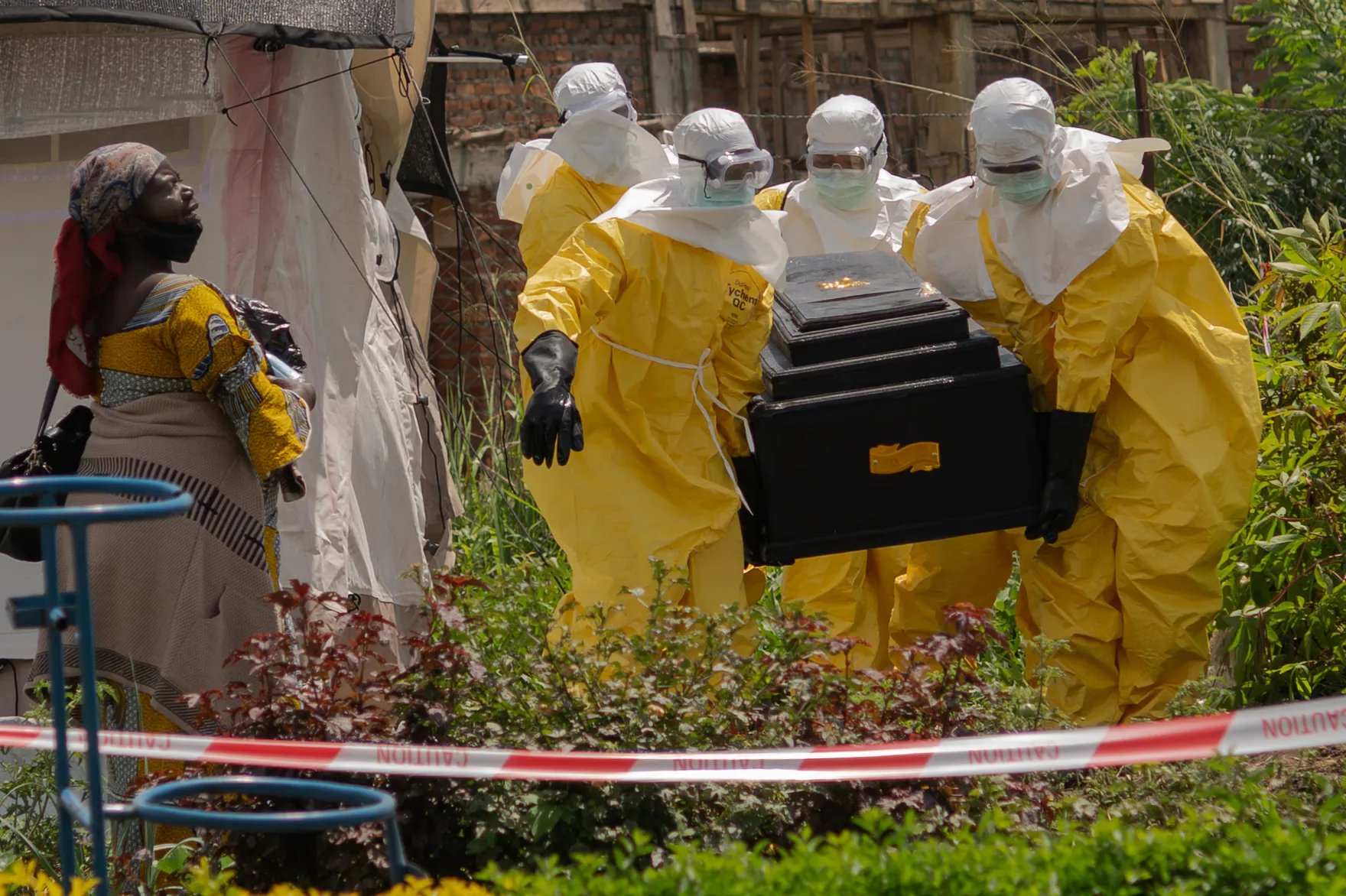
Tedros rejected the top-down approach typical of international health interventions, telling reporters in Bunia that the WHO's role is to listen rather than dictate. "Communities understand their own challenges and their own solutions. Our role is to support you in implementing those solutions, together. Community ownership is what will bring this outbreak to an end," he said. He emphasized that certain practices, including touching the bodies of those who have died from Ebola, can spread the virus further and must change even as people grieve.
Before arriving in Bunia, Tedros spoke with DRC Prime Minister Judith Suminwa about leveraging the country's historical experience. "That history gives me real confidence," Tedros said of the seventeenth outbreak.
The hardest message in grief
Tedros framed the behavioral shift required as both difficult and essential. "Protecting each other, even in grief, is one of the hardest and most important things we can do," he said. DRC Minister of Communication Patrick Muyaya clarified that Ebola spreads through contact with bodily fluids of infected patients, not through respiratory transmission like COVID, and stressed there is no cause for panic given the country's experience and available expertise.
One positive sign emerged when Muyaya announced the DRC's first recovery: a female patient released from treatment after two negative tests. The government is providing daily information to prevent misinformation from fueling fear.
International response and constraints
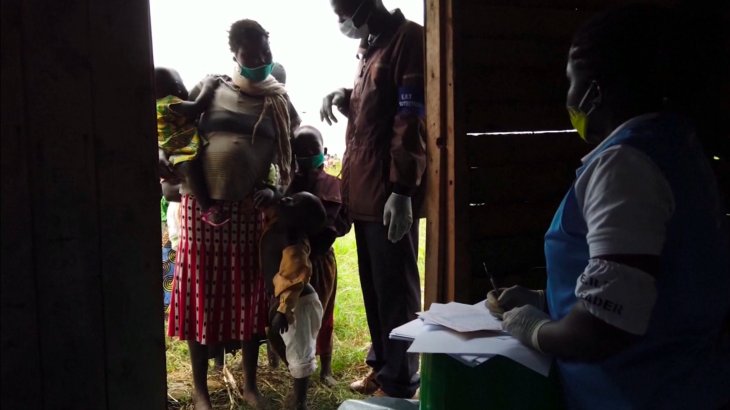
Aid agencies are racing to reach underequipped health workers in affected areas, but travel restrictions and border closures are hindering the response. Countries worldwide have mobilized funds and personnel, though the Trump administration has adopted increasingly isolationist policies that infectious disease experts find alarming. The WHO said it will remain alongside the DRC for as long as necessary to bring the outbreak under control.

























The WHO's Tedros, speaking with DRC Prime Minister Judith Suminwa, said the DRC has faced Ebola 16 times before, ending every outbreak.