According to Reuters, Greenpeace has documented illegal gold mining in the Amazon despite Brazilian government enforcement efforts. The scale of illegal extraction underscores the gap between policy and enforcement in one of the world's most biodiverse regions. The Greenpeace report documents both the financial incentives driving miners to the Amazon and the environmental consequences of their work.
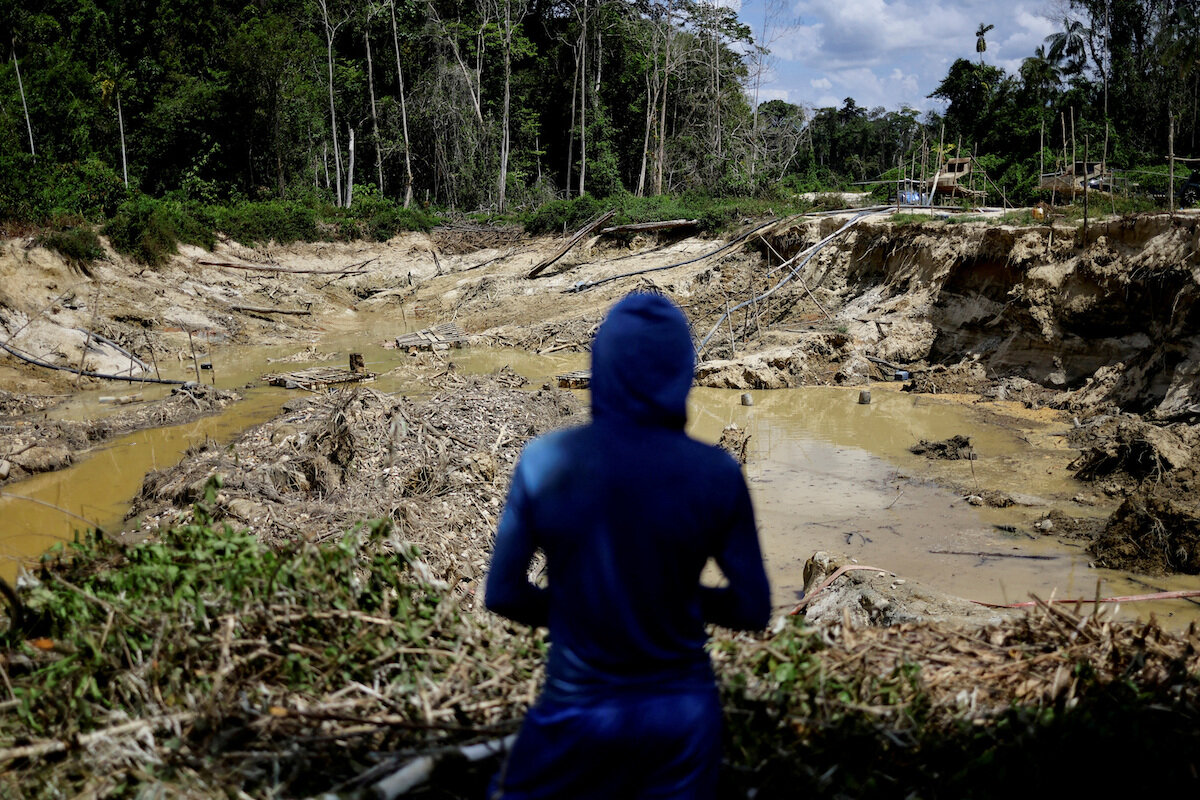
Illegal gold mining in the Amazon destroys habitat, contaminates waterways, and displaces indigenous communities and local residents who depend on the forest. The operations leave behind scarred landscapes and toxic residue that persist long after miners move to new sites. Greenpeace's on-the-ground investigation captured evidence of the environmental damage that accompanies extraction on an industrial scale.
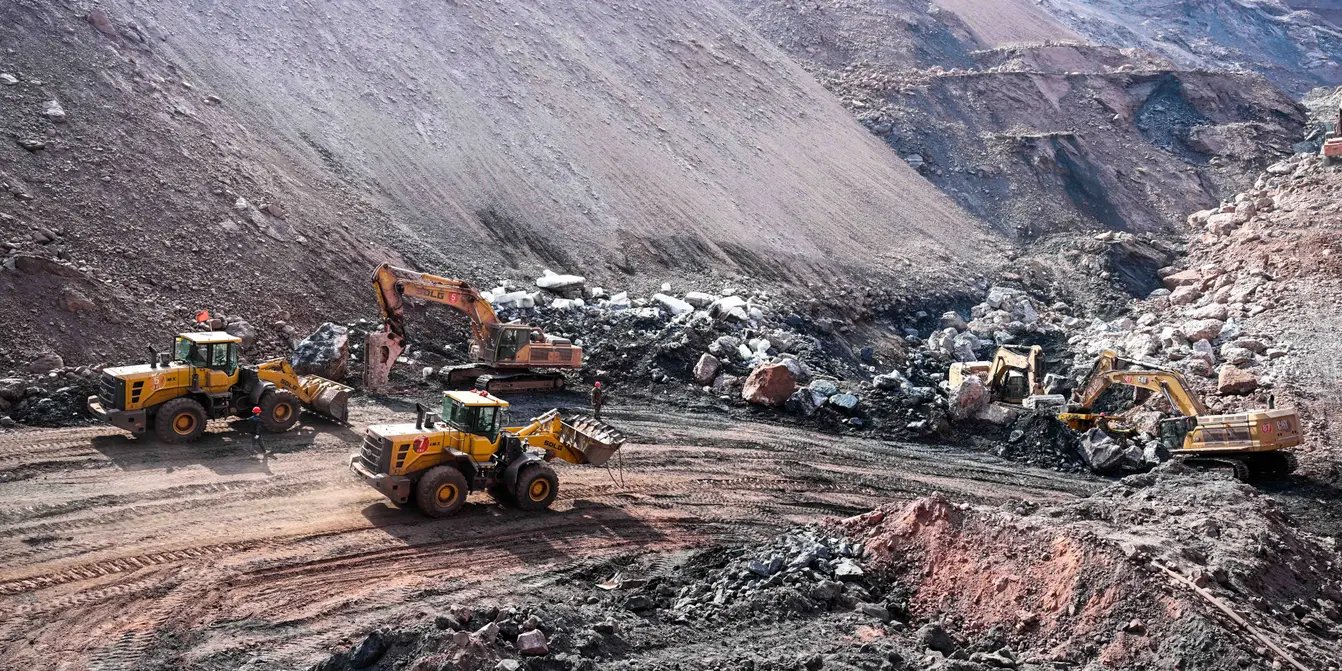
The mining also creates dangerous working conditions for the miners themselves. Informal mining practices globally, including in some Amazon regions, often involve dangerous working conditions where workers face serious physical risks for wages slightly above minimum wage. The economic desperation that drives people into illegal mining reflects broader inequality and lack of economic opportunity in mining regions.
The Brazilian government has implemented crackdowns aimed at stopping illegal mining, but the persistence of large-scale operations despite enforcement indicates that either resources devoted to enforcement are insufficient or that miners have adapted their tactics to evade detection. The investigation raises questions about the effectiveness of current regulatory approaches and the capacity of authorities to monitor vast forest areas.
Illegal miners continue to operate because the financial returns justify the risks they take and the penalties they face if caught. Addressing the problem will require either dramatically increased enforcement capacity or interventions that reduce the economic appeal of illegal mining.
Greenpeace investigators have documented that illegal miners continue extracting billions of dollars in gold from the Amazon despite Brazilian government enforcement efforts. The environmental organization's findings reveal the persistence and profitability of mining operations that devastate rainforest ecosystems and local communities. The investigation provides concrete data on a problem that Brazil has struggled to control despite increased crackdowns.
The scale of illegal extraction underscores the gap between policy and enforcement in one of the world's most biodiverse regions. Illegal mining operations have proven resilient against government intervention, suggesting that current strategies have failed to deter the activity or significantly reduce its volume. The Greenpeace report documents both the financial incentives driving miners to the Amazon and the environmental consequences of their work.
Illegal gold mining in the Amazon destroys habitat, contaminates waterways, and displaces indigenous communities and local residents who depend on the forest. The operations leave behind scarred landscapes and toxic residue that persist long after miners move to new sites. Greenpeace's on-the-ground investigation captured evidence of the environmental damage that accompanies extraction on an industrial scale.
The mining also creates dangerous working conditions for the miners themselves. One international rescue effort in Laos brought attention to informal mining practices across the region, where workers pan for gold in conditions that can pay more than minimum wage but expose them to serious physical risks. The economic desperation that drives people into illegal mining reflects broader inequality and lack of economic opportunity in mining regions.
The Brazilian government has implemented crackdowns aimed at stopping illegal mining, but Greenpeace's findings suggest these efforts have not substantially reduced the volume of extraction or the profits flowing to mining networks. The persistence of billion-dollar operations despite enforcement indicates that either resources devoted to enforcement are insufficient or that miners have adapted their tactics to evade detection. The investigation raises questions about the effectiveness of current regulatory approaches and the capacity of authorities to monitor vast forest areas.
Illegal miners continue to operate because the financial returns justify the risks they take and the penalties they face if caught. The billions extracted annually represent a powerful economic incentive that outweighs enforcement costs for many operators. Addressing the problem will require either dramatically increased enforcement capacity or interventions that reduce the economic appeal of illegal mining.
Highlighted text was flagged by the council. Tap to see feedback.