The United States has officially designated Brazil's two largest criminal organizations, the Red Command and the First Capital Command, as terrorist organizations. U.S. Senator Marco Rubio announced the designation.
Brazilian President Luiz Inácio Lula da Silva's government has expressed strong opposition to the U.S. action. The Brazilian government has called for dialogue instead of unilateral decisions that could exacerbate existing challenges.
The U.S. designation triggers a series of legal and financial repercussions. American law enforcement agencies will gain increased authority to investigate and prosecute individuals associated with the two gangs. This includes potential asset freezes and sanctions against individuals linked to the organizations. This move aligns with U.S. counter-terrorism strategies, which aim to dismantle networks that threaten national and international security.
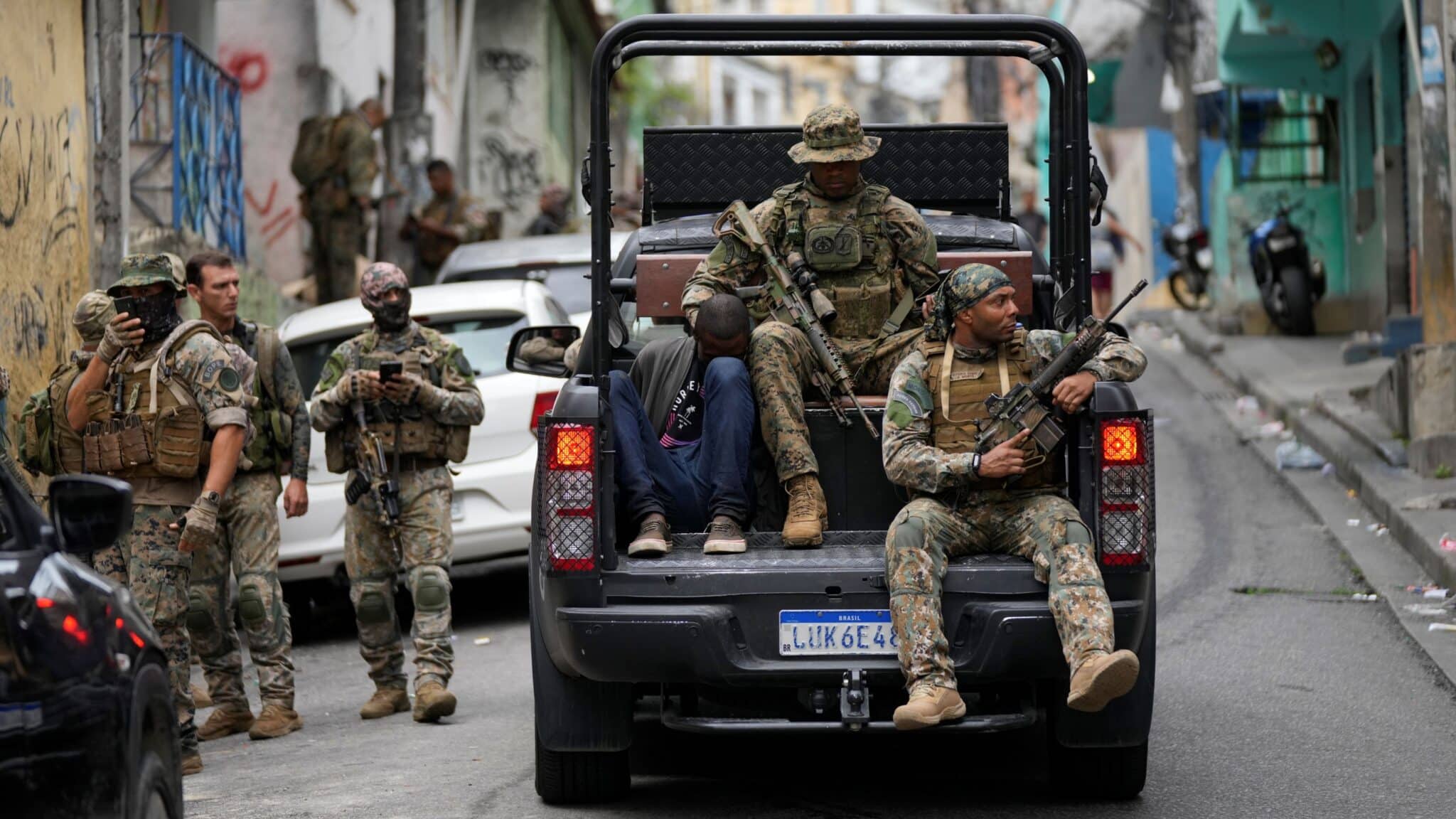
The Red Command and the First Capital Command have been at the forefront of Brazil's drug trafficking and violent crime issues. Both groups have extensive influence in various regions of Brazil and are known for their brutal tactics. U.S. officials have noted that these organizations not only operate within Brazil but also have connections across borders, spreading their criminal activities throughout the region.
Experts on international relations and security have mixed views on the U.S. designation. Some argue that labeling these gangs as terrorist organizations could lead to more robust international cooperation against drug trafficking and organized crime. Others warn that this could further alienate Brazil and hinder collaborative approaches to crime prevention.
With the designation in place, U.S. law enforcement agencies are preparing to enhance their operations against these gangs. This includes sharing intelligence with Brazilian authorities to disrupt criminal activities. The U.S. aims to support Brazil in combatting organized crime while simultaneously protecting its own borders from the threats posed by these gangs.
The recent U.S. designation of the Red Command and the First Capital Command as terrorist organizations represents a pivotal moment in U.S.-Brazil relations and counter-terrorism efforts. As both nations navigate the complexities of organized crime, the consequences of this decision will unfold in the coming months, impacting both domestic safety and international collaboration.
The United States has officially designated Brazil's two largest criminal organizations, the Red Command and the First Capital Command, as terrorist organizations. This decision, articulated by U.S. Senator Marco Rubio, reflects a significant policy shift aimed at addressing the transnational criminal networks these gangs operate. Rubio emphasized that these groups pose a serious security threat, not only to Brazil but also to the United States.
The designation of these gangs as terrorist organizations is expected to heighten tensions between Washington and Brasília. Brazilian President Luiz Inácio Lula da Silva's government has expressed strong opposition to the U.S. action, arguing that it undermines Brazil's sovereignty and complicates efforts to combat crime domestically. The Brazilian government has described the U.S. move as unnecessary and counterproductive to ongoing cooperative efforts to tackle organized crime.
The U.S. designation triggers a series of legal and financial repercussions. American law enforcement agencies will gain increased authority to investigate and prosecute individuals associated with the two gangs. This includes potential asset freezes and sanctions against individuals linked to the organizations. This move aligns with U.S. counter-terrorism strategies, which aim to dismantle networks that threaten national and international security.
The Red Command and the First Capital Command have been at the forefront of Brazil's drug trafficking and violent crime issues. Both groups have extensive influence in various regions of Brazil and are known for their brutal tactics. U.S. officials have noted that these organizations not only operate within Brazil but also have connections across borders, spreading their criminal activities throughout the region.
Experts on international relations and security have mixed views on the U.S. designation. Some argue that labeling these gangs as terrorist organizations could lead to more robust international cooperation against drug trafficking and organized crime. Others warn that this could further alienate Brazil and hinder collaborative approaches to crime prevention. The Brazilian government has called for dialogue instead of unilateral decisions that could exacerbate existing challenges.
With the designation in place, U.S. law enforcement agencies are preparing to enhance their operations against these gangs. This includes sharing intelligence with Brazilian authorities to disrupt criminal activities. The U.S. aims to support Brazil in combatting organized crime while simultaneously protecting its own borders from the threats posed by these gangs.
The recent U.S. designation of the Red Command and the First Capital Command as terrorist organizations represents a pivotal moment in U.S.-Brazil relations and counter-terrorism efforts. As both nations navigate the complexities of organized crime, the consequences of this decision will unfold in the coming months, impacting both domestic safety and international collaboration.
Highlighted text was flagged by the council. Tap to see feedback.