The workers, represented by the Electrical Trades Union, are preparing to vote on strike action as they seek improved wages and better working conditions. This labor action could disrupt operations at one of the world's largest iron ore export hubs, potentially impacting global steel prices and manufacturing costs.
A strike could hinder the export of millions of tons of iron ore, which is essential for steel production. Analysts suggest that any disruption to supply could lead to increased steel prices, affecting industries that rely on this key material, including construction and manufacturing sectors.
The electrical workers are demanding a wage increase and improved safety measures amid rising inflation and increased workloads. Union representatives argue that the current pay does not reflect the increased cost of living and the demands placed on workers.
BHP has expressed its commitment to negotiating in good faith with the union, emphasizing its desire to reach a resolution that satisfies both parties. The company has stated that it values its workforce and is aware of the importance of maintaining operational stability. However, as negotiations progress, the threat of a strike remains a significant concern for both BHP and the broader market.
The potential strike at BHP's iron ore port highlights the ongoing tension between labor rights and corporate interests in the resource sector. As global demand for iron ore remains high, any disruption in supply could have cascading effects on steel prices worldwide.
If approved, the strike could commence by the end of June, intensifying pressure on BHP to address workers' demands. As negotiations unfold, both sides remain under scrutiny, with the outcome likely to set a precedent for labor relations in the mining sector.
This labor dispute at BHP's iron ore port is not just an issue for the workers involved; it could resonate throughout the global economy, affecting everything from construction costs to consumer prices.
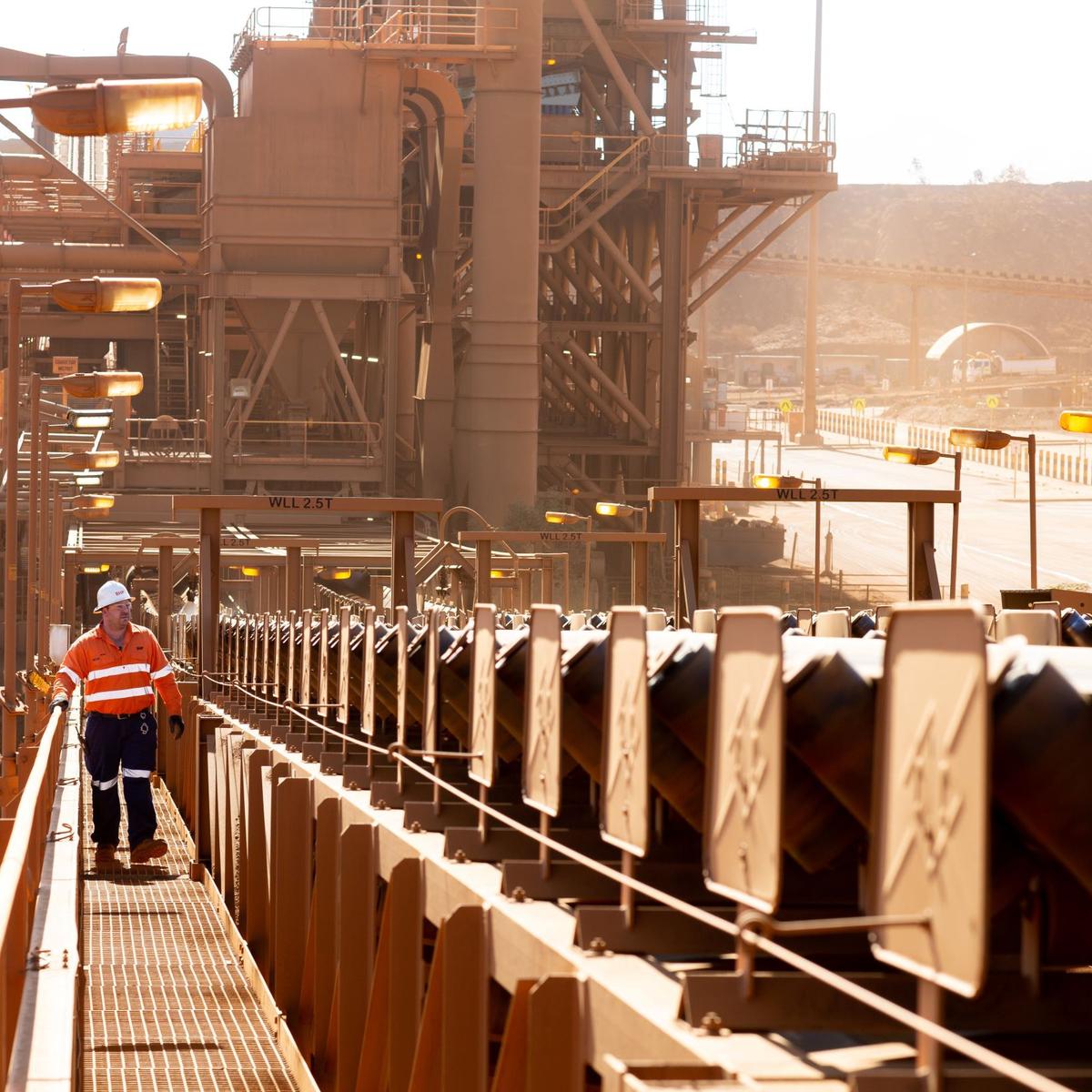
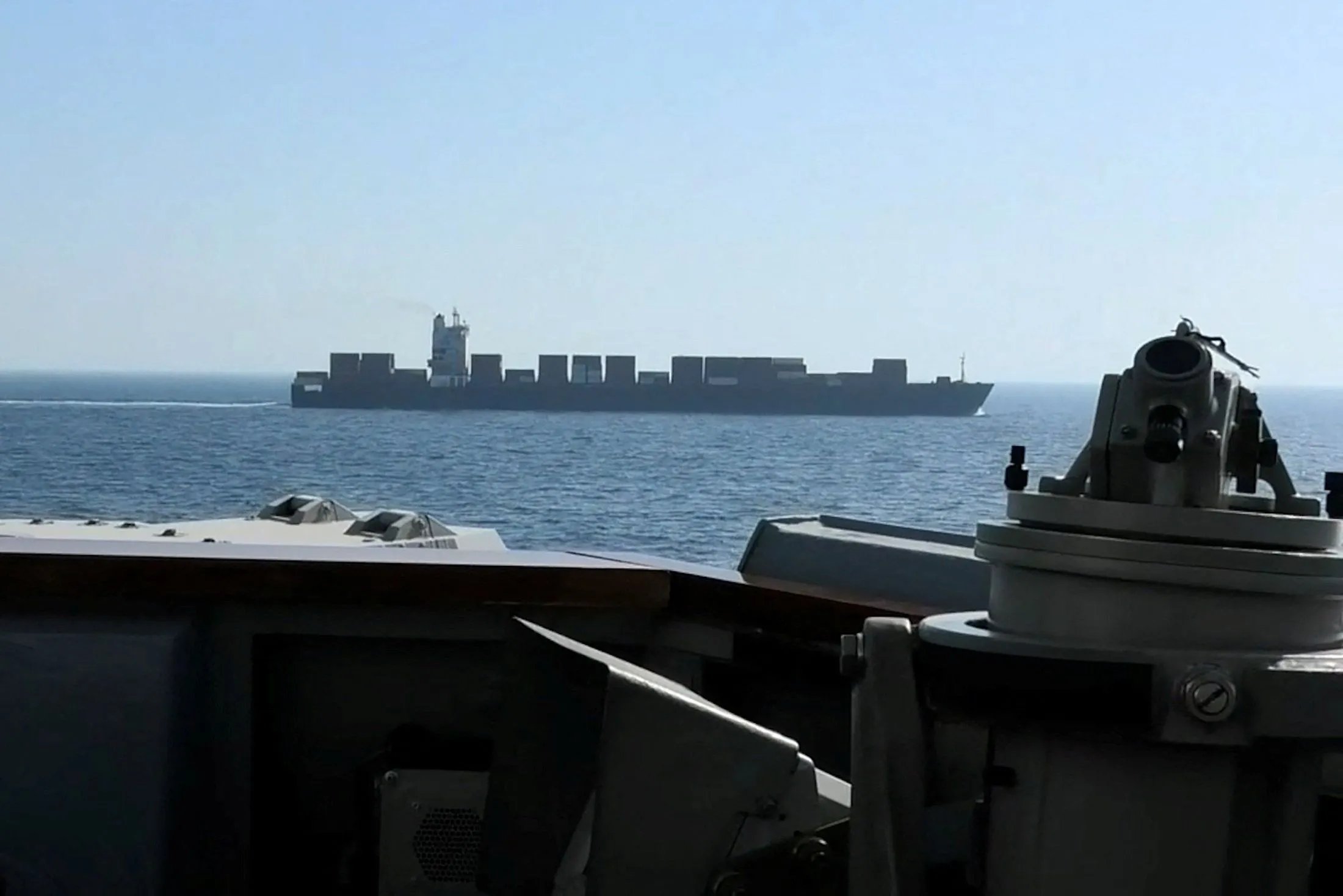
Electrical workers at BHP's iron ore port in Western Australia have issued a strike threat, with action expected to begin by the end of June. The workers, represented by the Electrical Trades Union, are preparing to vote on strike action as they seek improved wages and better working conditions. This labor action could disrupt operations at one of the world's largest iron ore export hubs, potentially impacting global steel prices and manufacturing costs.
BHP's iron ore operations are critical to global supply chains, with the company accounting for approximately 27% of Australia’s iron ore exports. A strike could hinder the export of millions of tons of iron ore, which is essential for steel production. Analysts suggest that any disruption to supply could lead to increased steel prices, affecting industries that rely on this key material, including construction and manufacturing sectors.
The electrical workers are demanding a wage increase and improved safety measures amid rising inflation and increased workloads. Union representatives argue that the current pay does not reflect the increased cost of living and the demands placed on workers. "Our members are feeling the pinch financially, and they deserve fair compensation for their hard work," said a union spokesperson.
BHP has expressed its commitment to negotiating in good faith with the union, emphasizing its desire to reach a resolution that satisfies both parties. The company has stated that it values its workforce and is aware of the importance of maintaining operational stability. However, as negotiations progress, the threat of a strike remains a significant concern for both BHP and the broader market.
The potential strike at BHP's iron ore port highlights the ongoing tension between labor rights and corporate interests in the resource sector. As global demand for iron ore remains high, any disruption in supply could have cascading effects on steel prices worldwide. Economists warn that if the strike occurs, it could exacerbate existing inflationary pressures, particularly in industries reliant on steel.
The union plans to hold a vote among its members shortly to determine the next course of action. If approved, the strike could commence by the end of June, intensifying pressure on BHP to address workers' demands. As negotiations unfold, both sides remain under scrutiny, with the outcome likely to set a precedent for labor relations in the mining sector.
This labor dispute at BHP’s iron ore port is not just an issue for the workers involved; it could resonate throughout the global economy, affecting everything from construction costs to consumer prices.
Highlighted text was flagged by the council. Tap to see feedback.