




Targeted Attack Near Capital
Israel's air force conducted a strike on a southern suburb of Beirut, marking the first such attack near the Lebanese capital in weeks. The Israeli Defense Forces (IDF) confirmed that the strike occurred around 2:00 PM local time. Israeli media cited unnamed sources as saying the target was Ali al-Husni, head of the missile force in an Iranian militia allied with Hezbollah, though the IDF provided no official confirmation.
Civilian Impact and Casualties
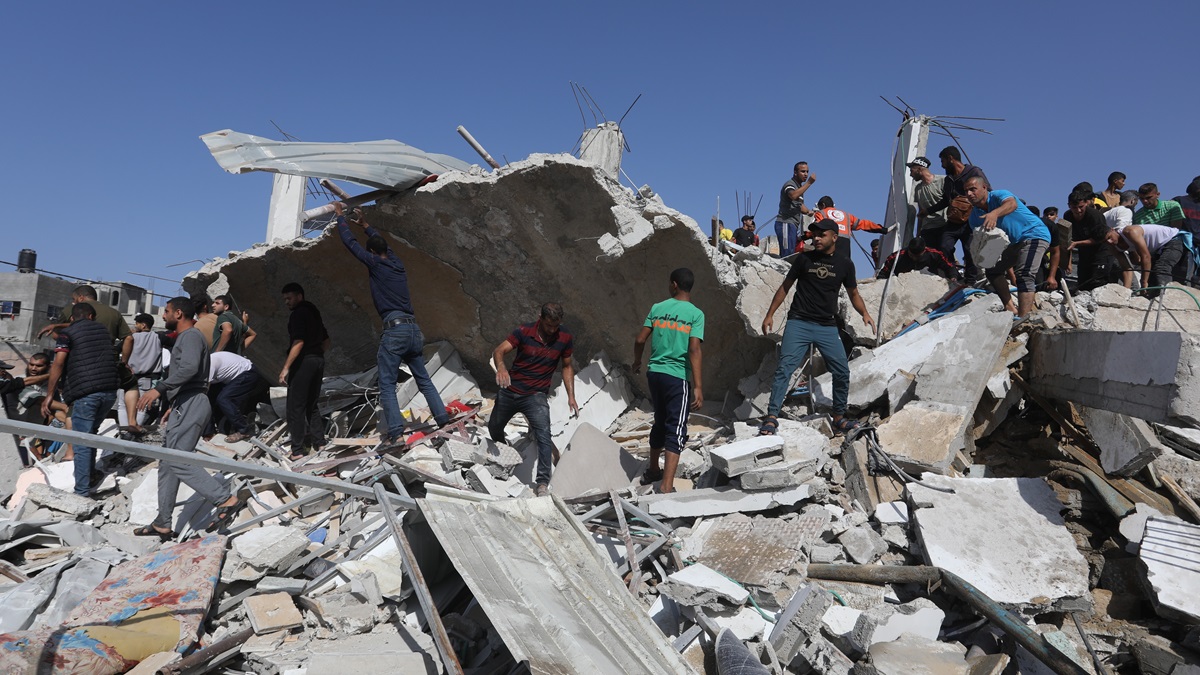
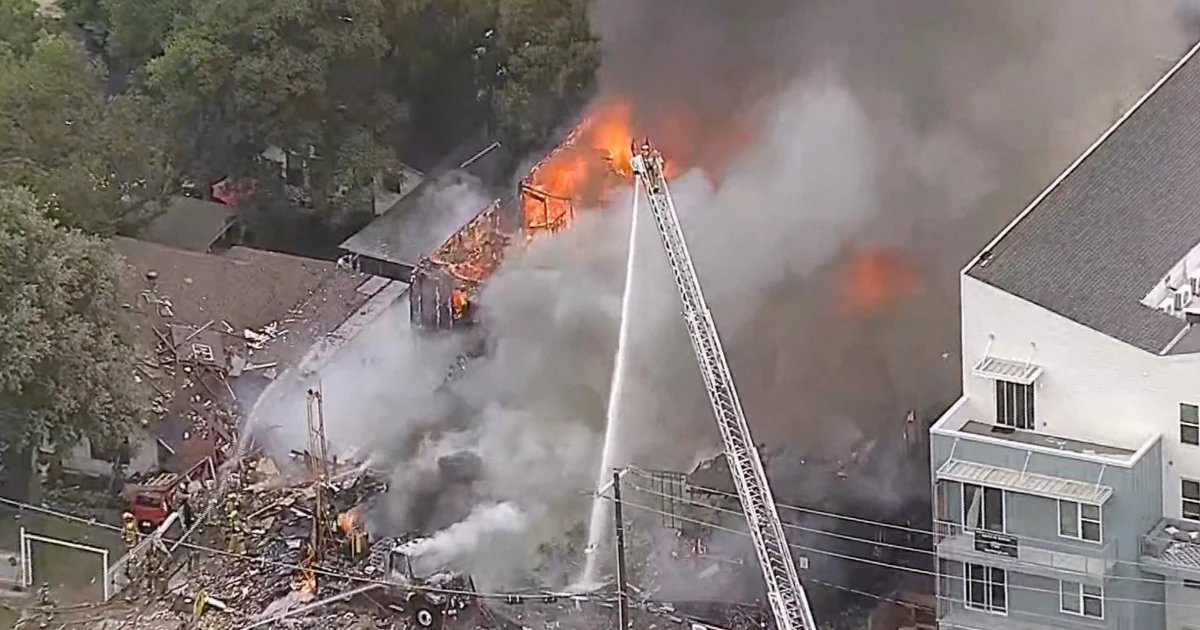
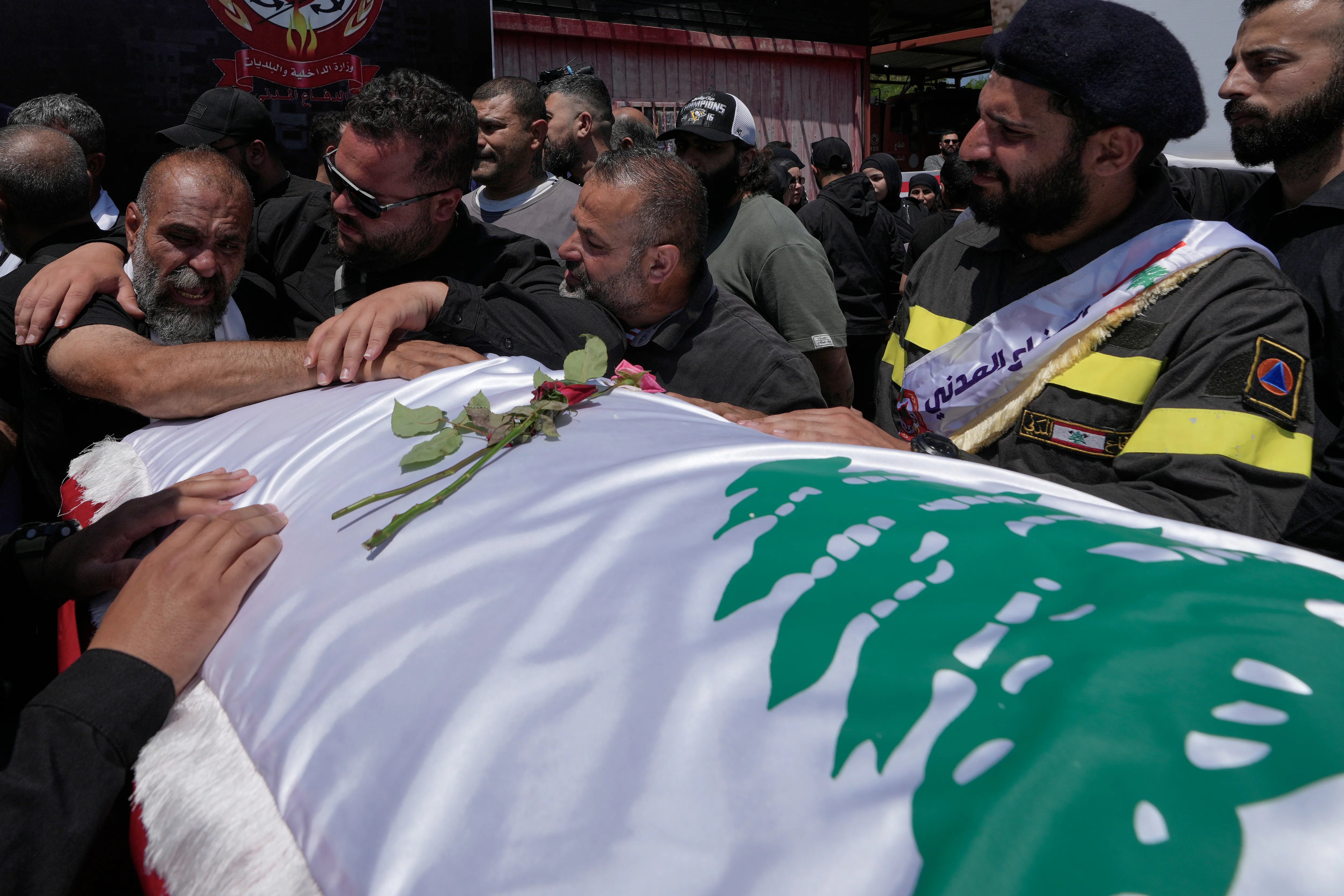
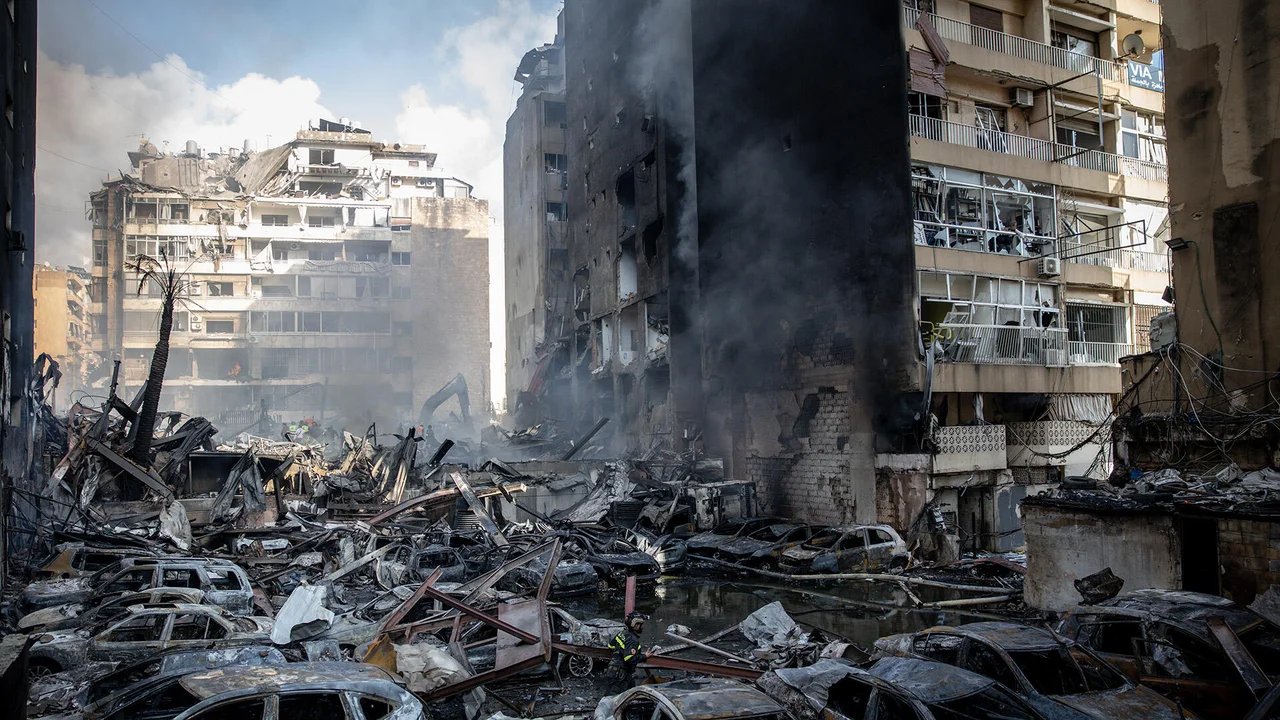
Thick smoke billowed over residential areas in Dahieh, a densely populated suburb known for its Hezbollah stronghold. Eyewitness accounts describe a chaotic scene, with one resident recalling the harrowing moment he found a three-month-old baby on the ground after the strike. Tragically, the child did not survive. Local hospitals reported at least 11 fatalities from the strikes, including civilians, as rescue crews responded to the aftermath in a landscape filled with debris and fear.
Ceasefire Violations and Regional Reactions
The latest airstrike comes amidst accusations from both Israel and Hezbollah of violating a ceasefire that had been in place for several weeks. Israel had spared Beirut at the request of the US. However, Prime Minister Benjamin Netanyahu announced an expansion of military operations following drone attacks by Hezbollah. The ongoing violence raises concerns about the potential derailment of negotiations aimed at resolving tensions between the US, Israel, and Iran, which include Lebanon in the discussions.
Broader Context of the Conflict
The Israeli military's actions are part of a broader campaign against Hamas and Iranian-backed militias. Since Lebanon was drawn into the war on March 2, more than 3,320 people have been killed in Lebanon, according to the country's health ministry. The escalation of violence, particularly in civilian areas, complicates humanitarian efforts and displaces countless families already affected by the ongoing conflict.
Evacuations and Humanitarian Concerns
In light of the recent attacks, the IDF has urged residents in southern Lebanon to evacuate north of the Zahrani River, affecting about 300 towns and villages. Many displaced individuals find themselves without shelter, as local facilities are overwhelmed. Hanaa Jamaa, a resident whose apartment was struck, expressed her anguish over the loss of her rental property, emphasizing her desire for peace amid the chaos. As humanitarian workers scramble to assist those affected, the situation remains dire, with many families facing uncertainty in their search for safety.
International Implications and Future Outlook
The strike on Beirut underscores a significant escalation in military actions that could have lasting implications for regional stability. With ongoing tensions and conflicting narratives from both sides, the potential for further violence looms large. As negotiations between the US, Israel, and Iran continue, the impact of these military actions on diplomatic efforts remains to be seen. Residents in the region are left grappling with the immediate consequences, as they seek safety and stability amidst the turmoil.