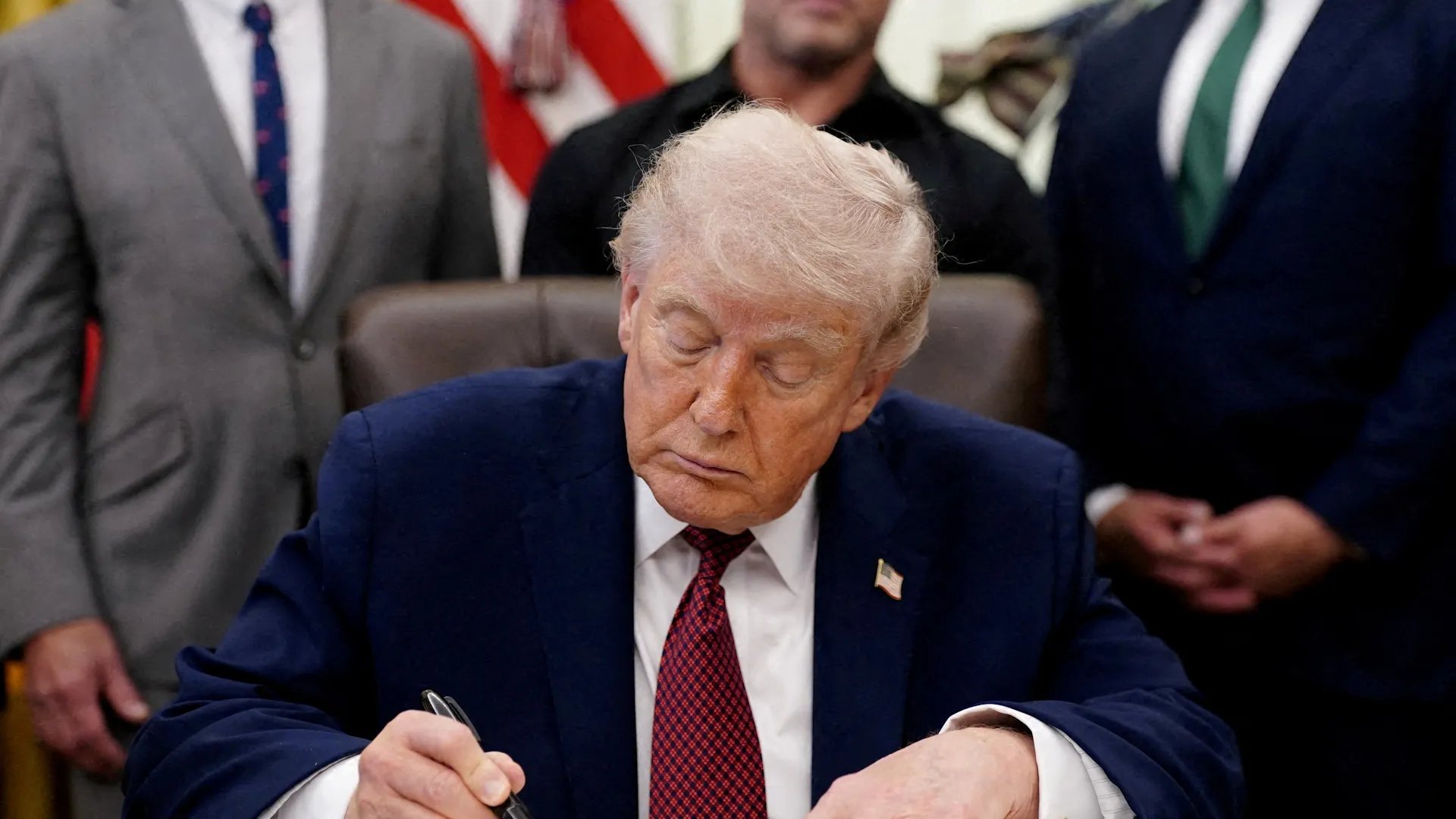
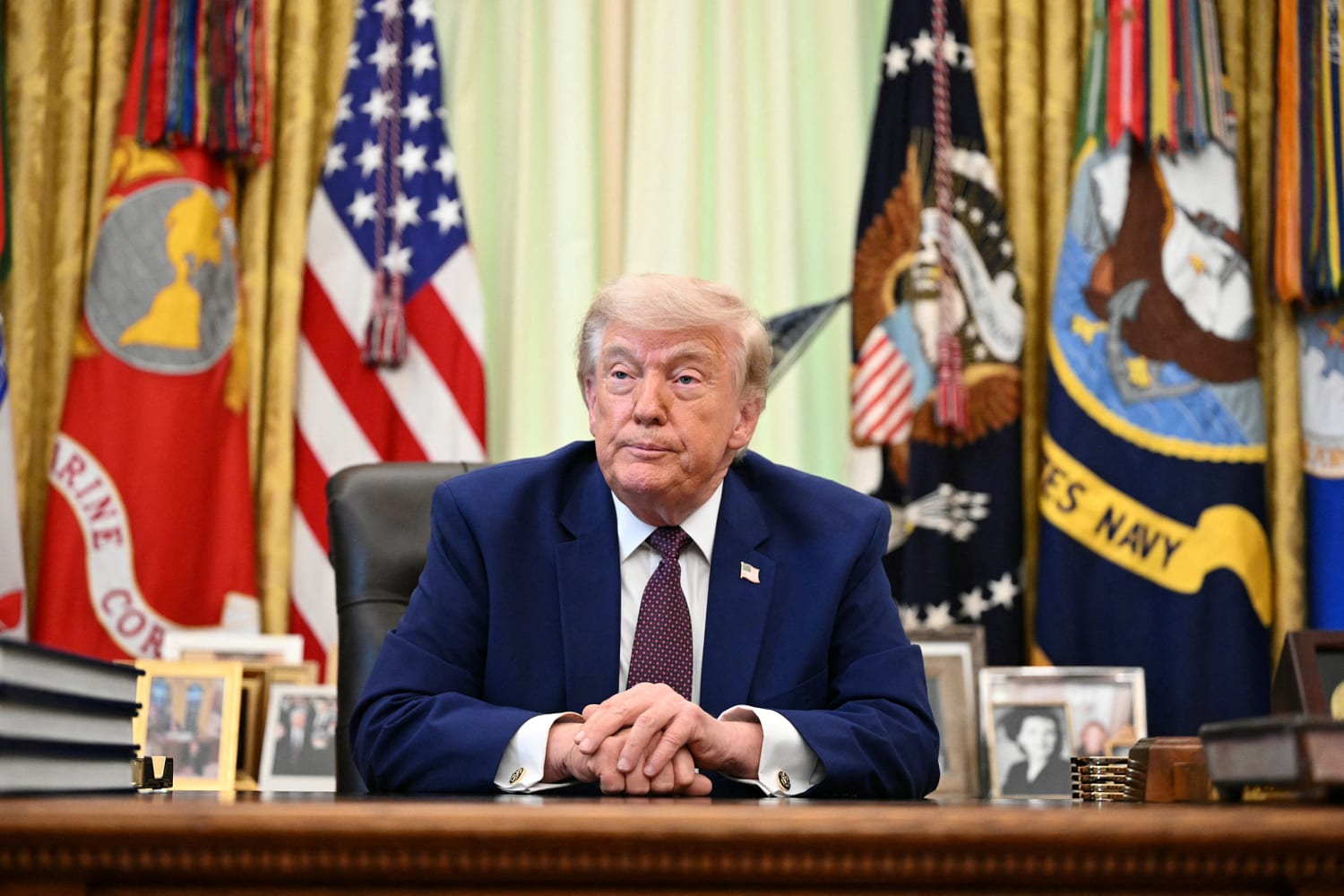
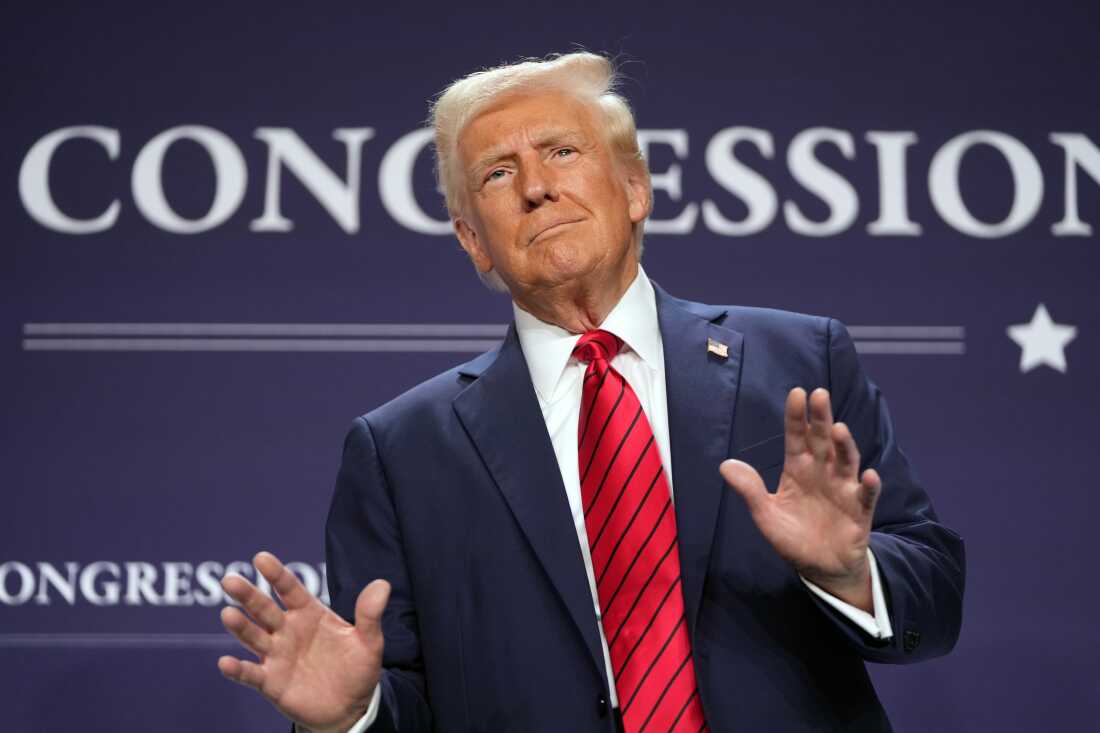
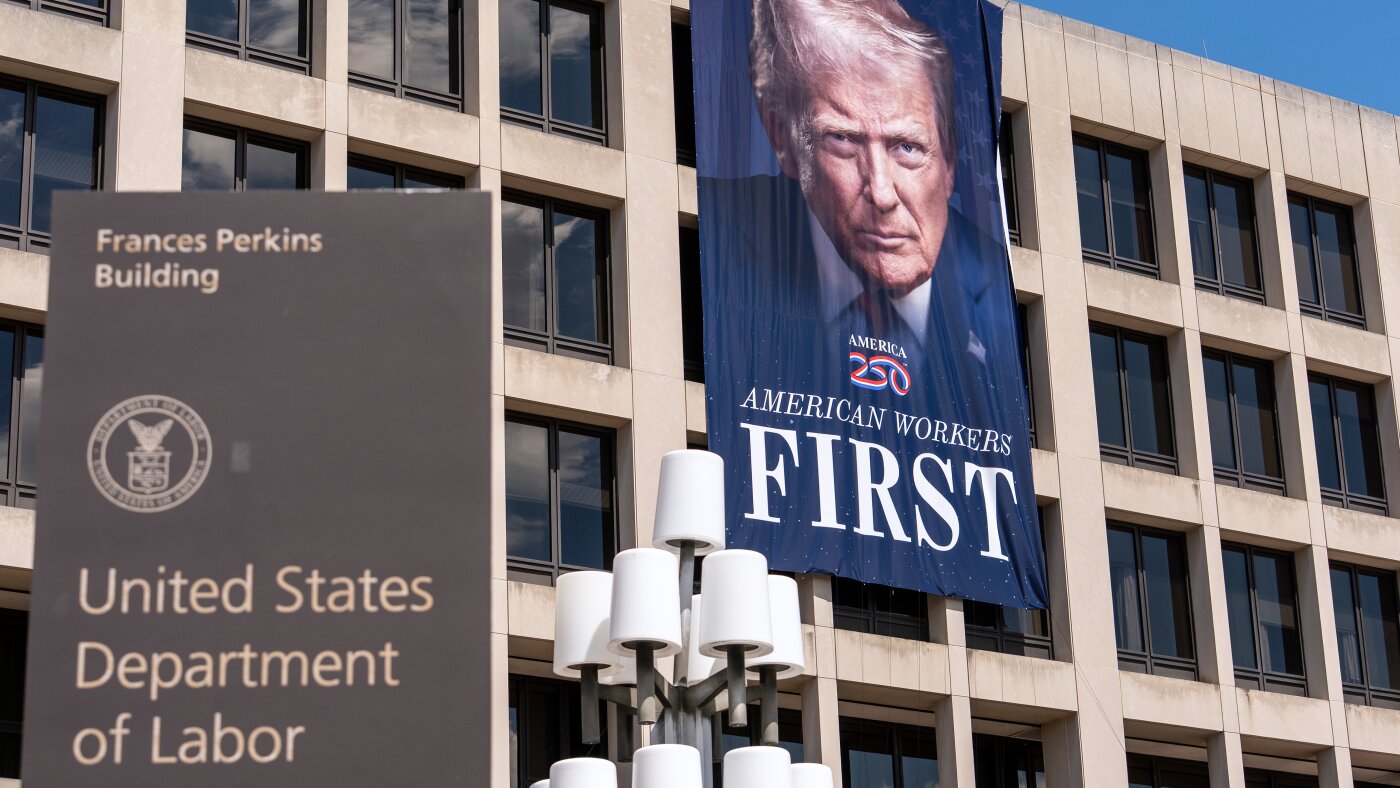
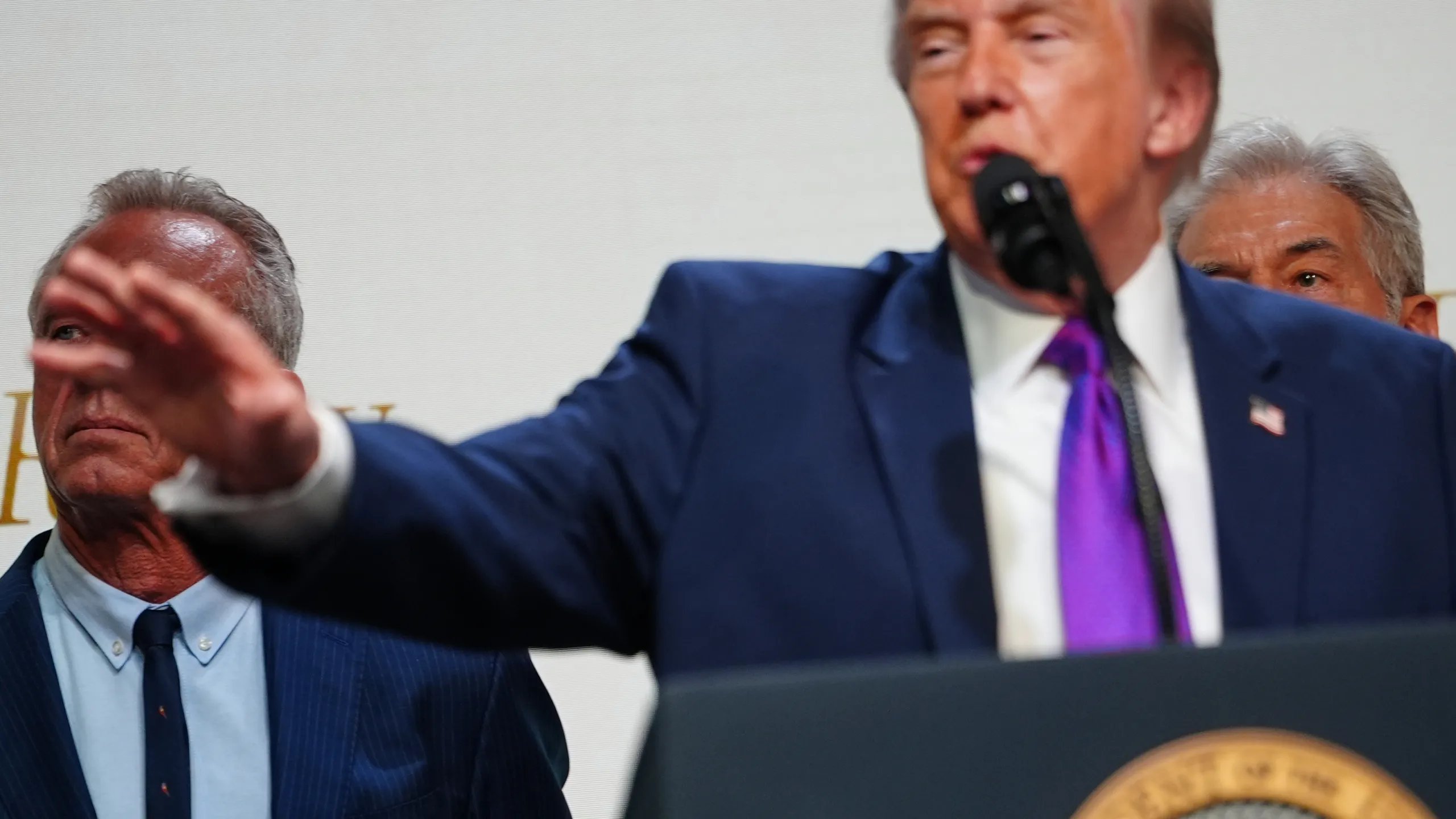
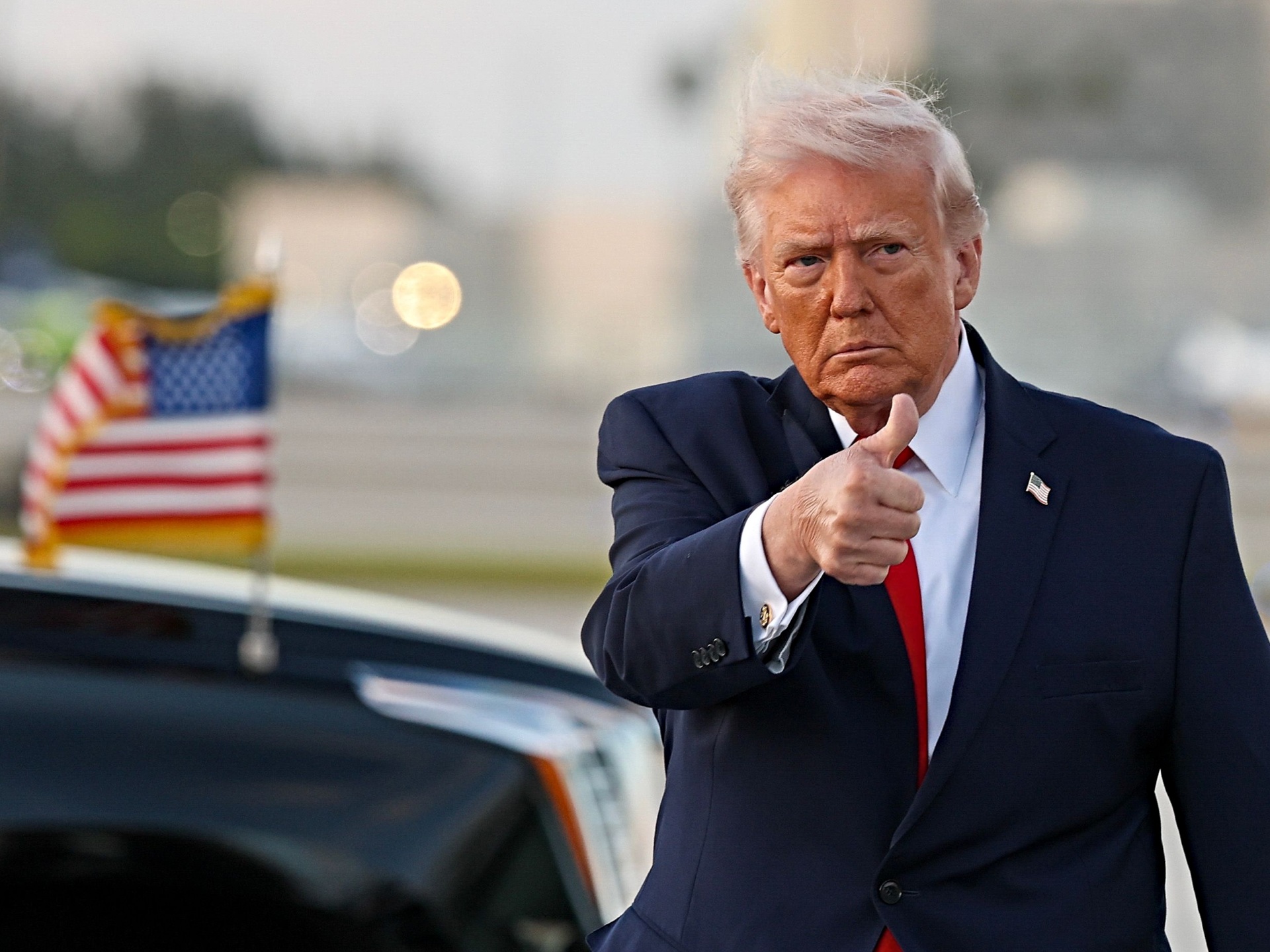
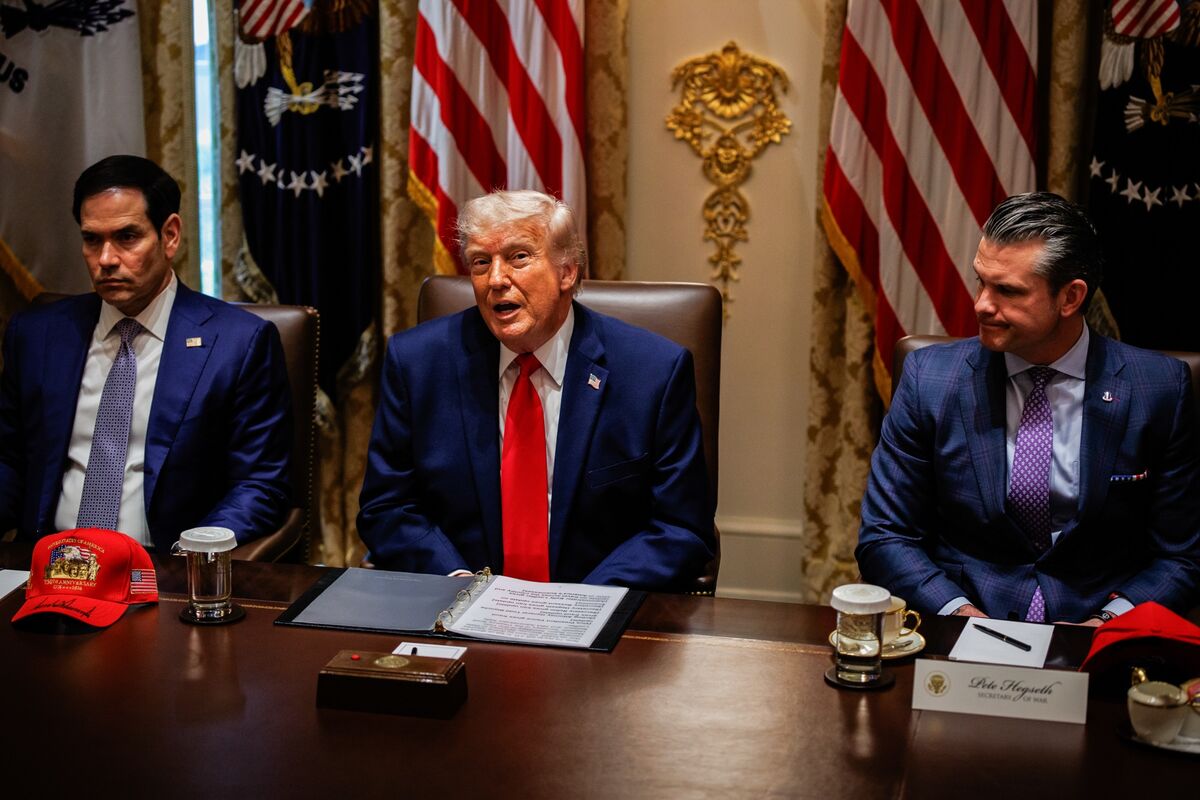
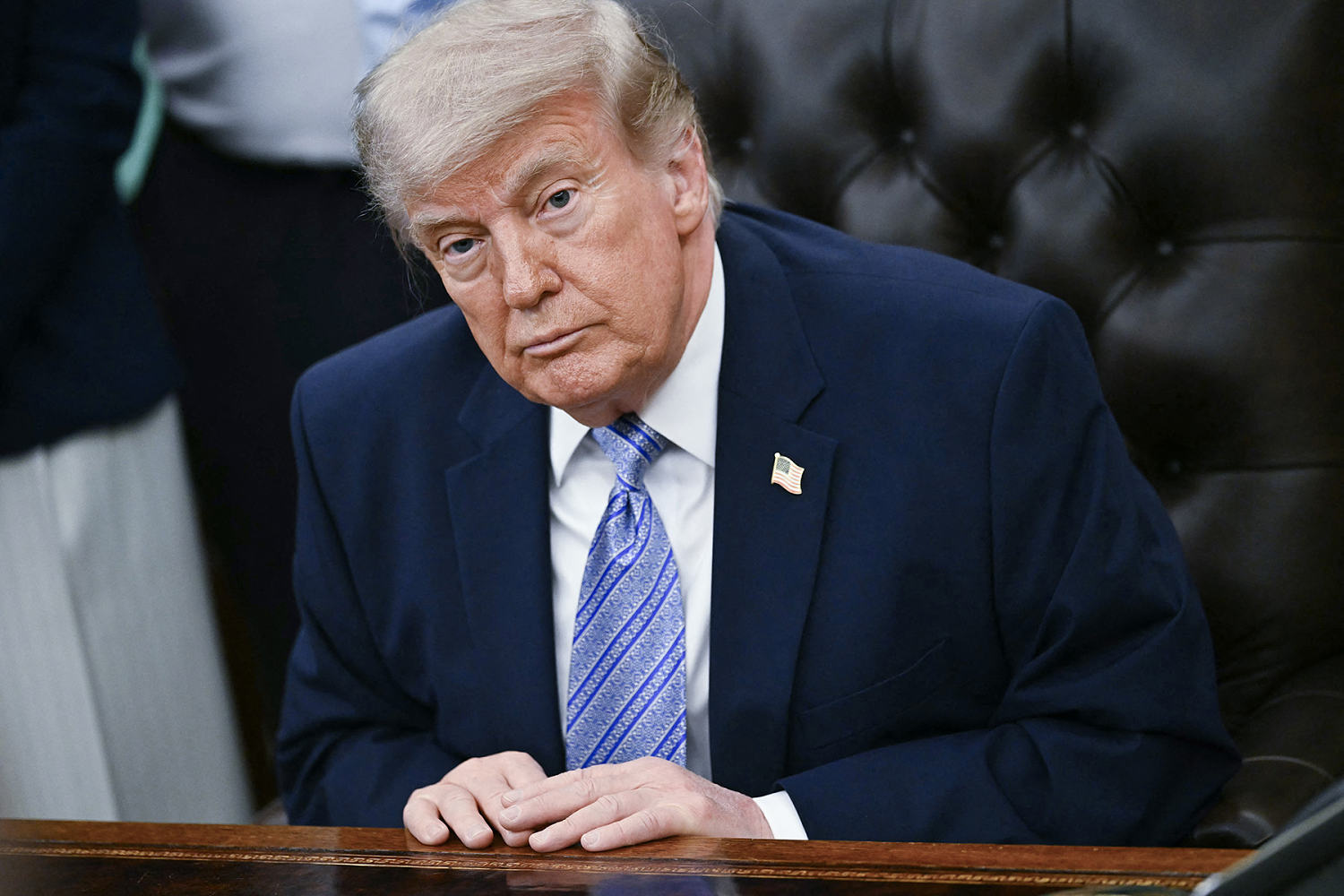
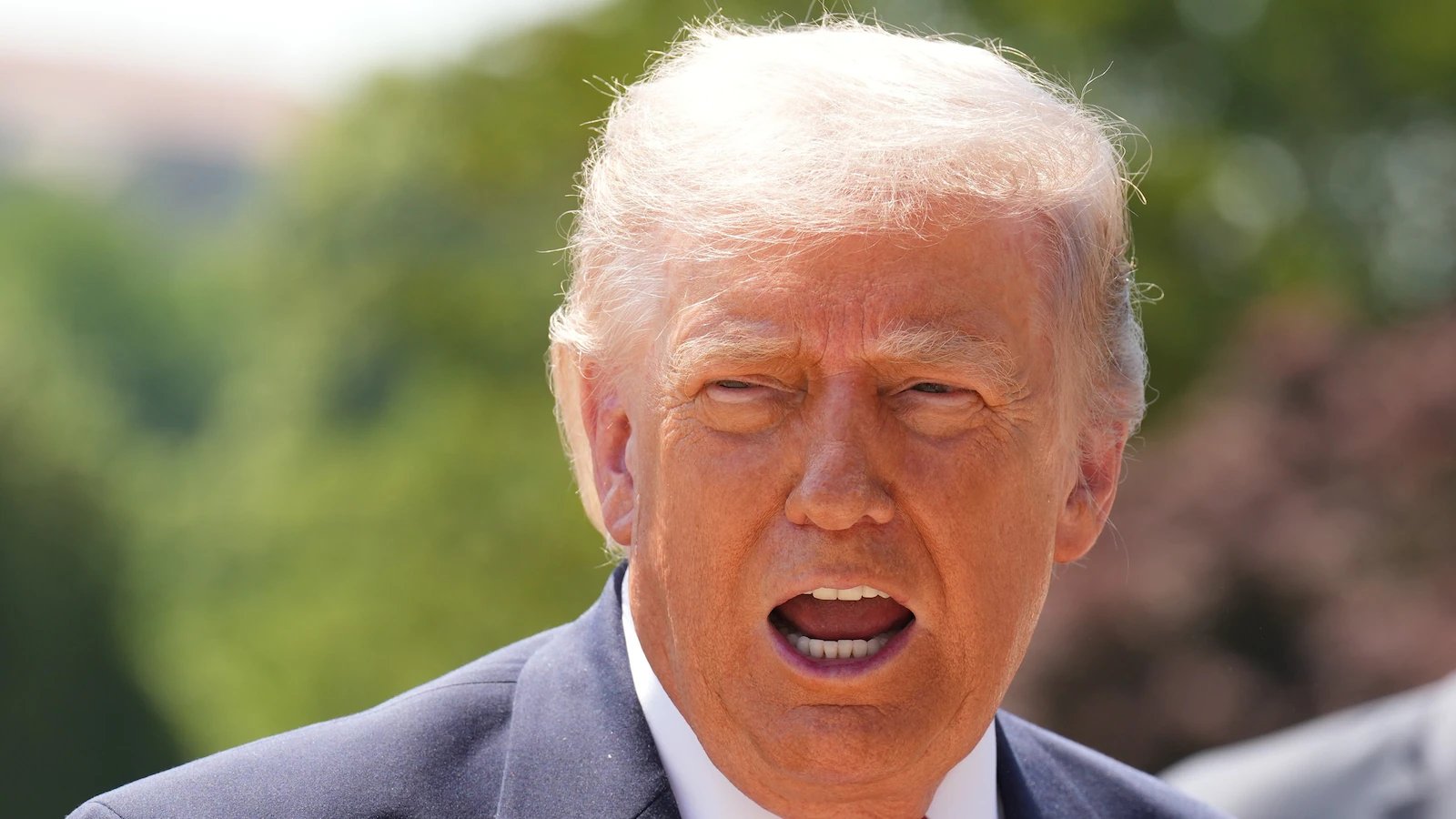
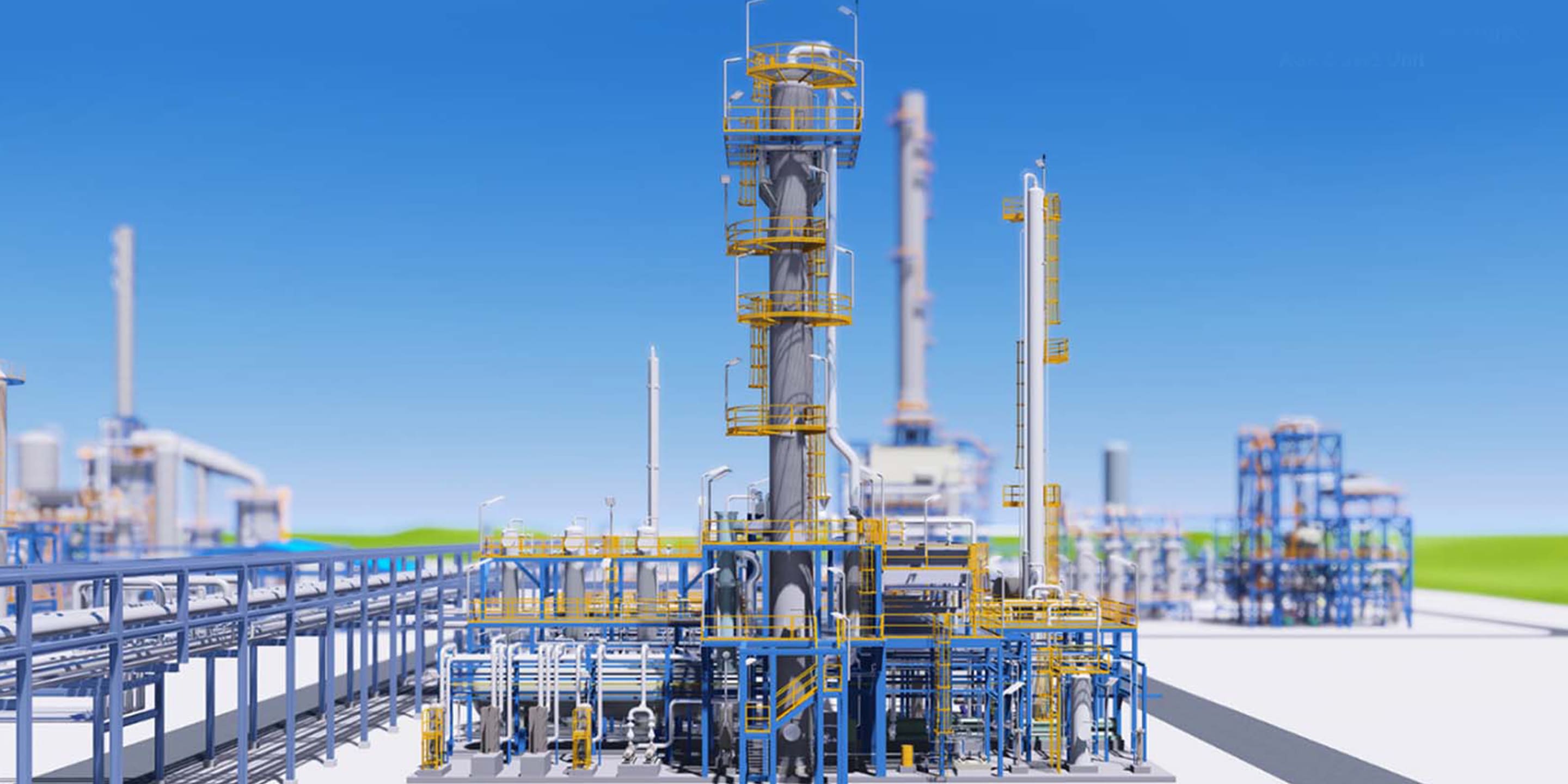
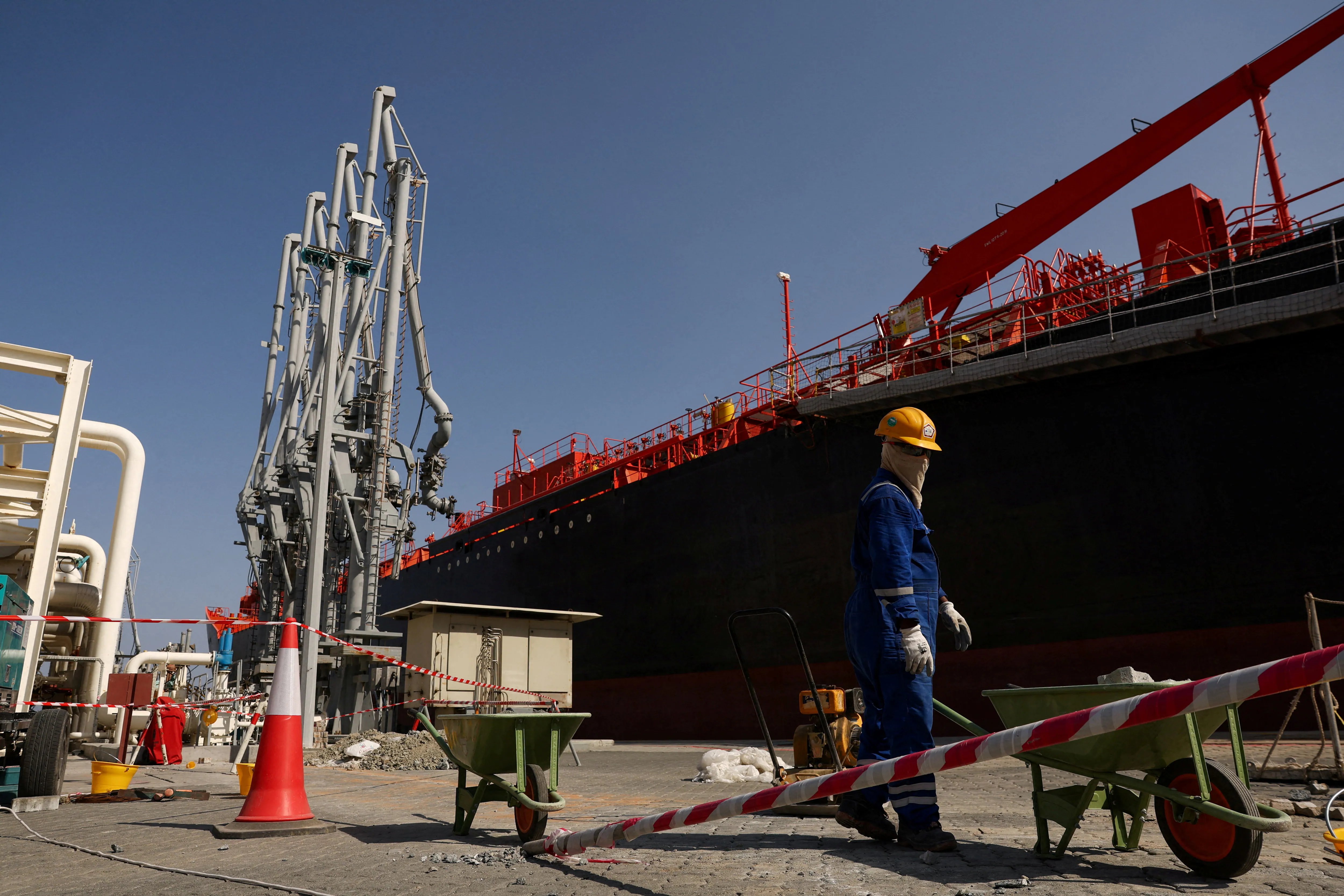
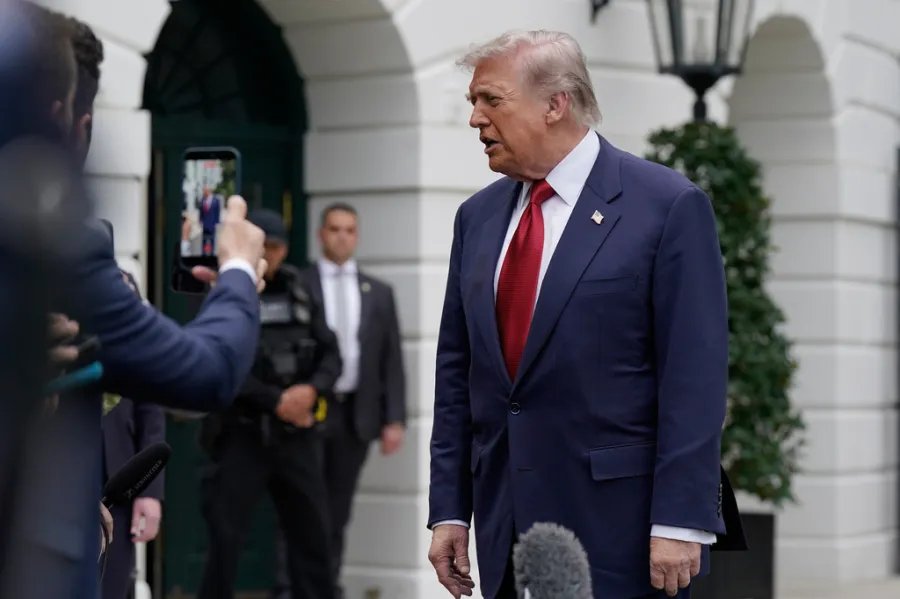
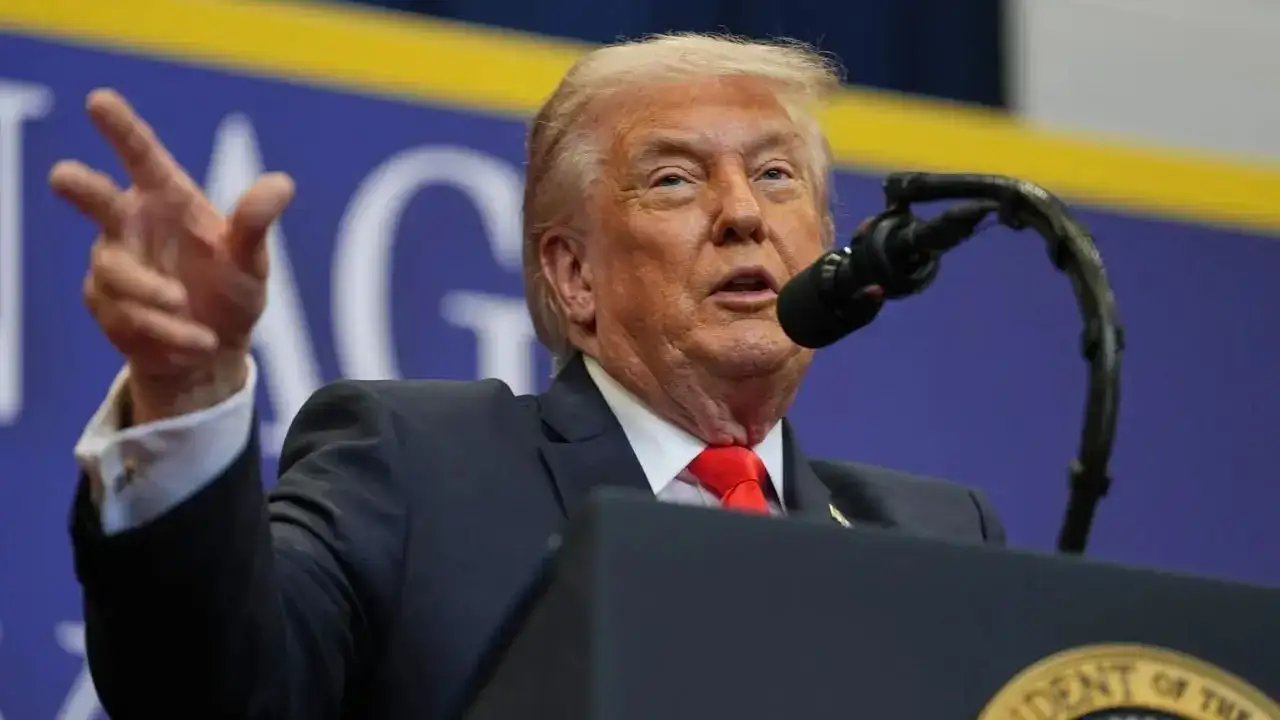
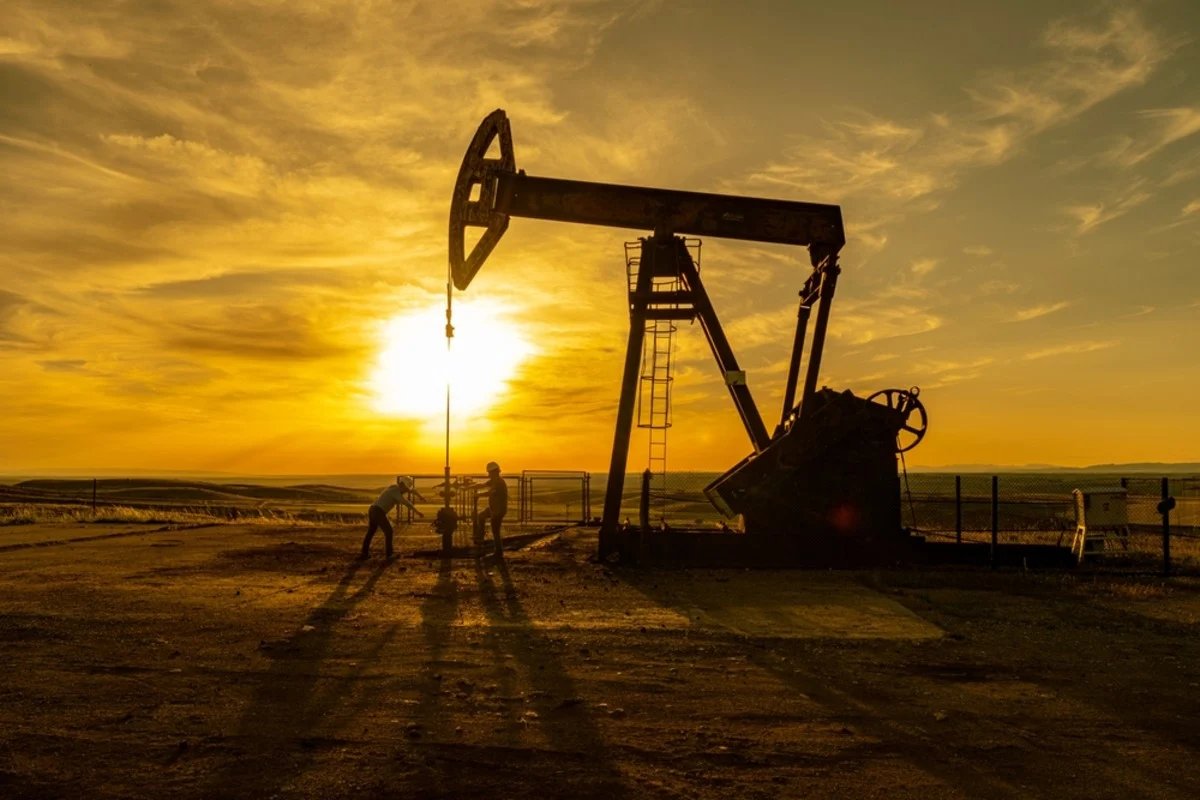
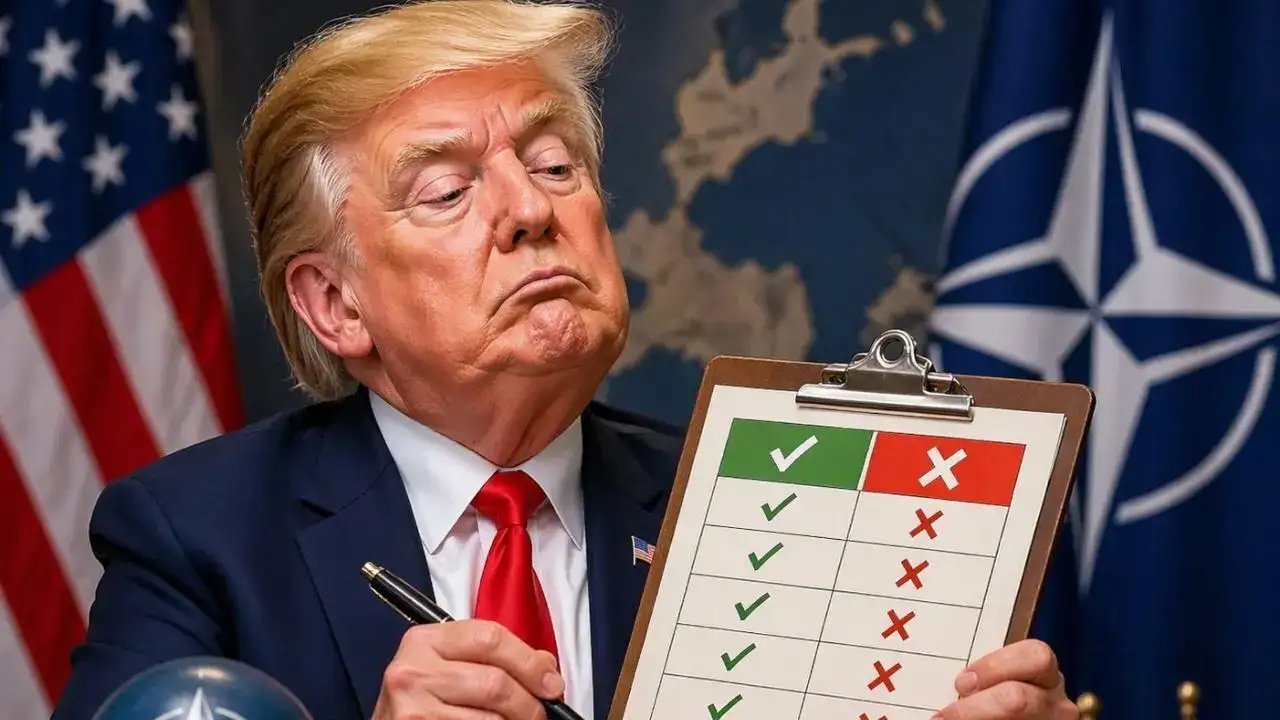
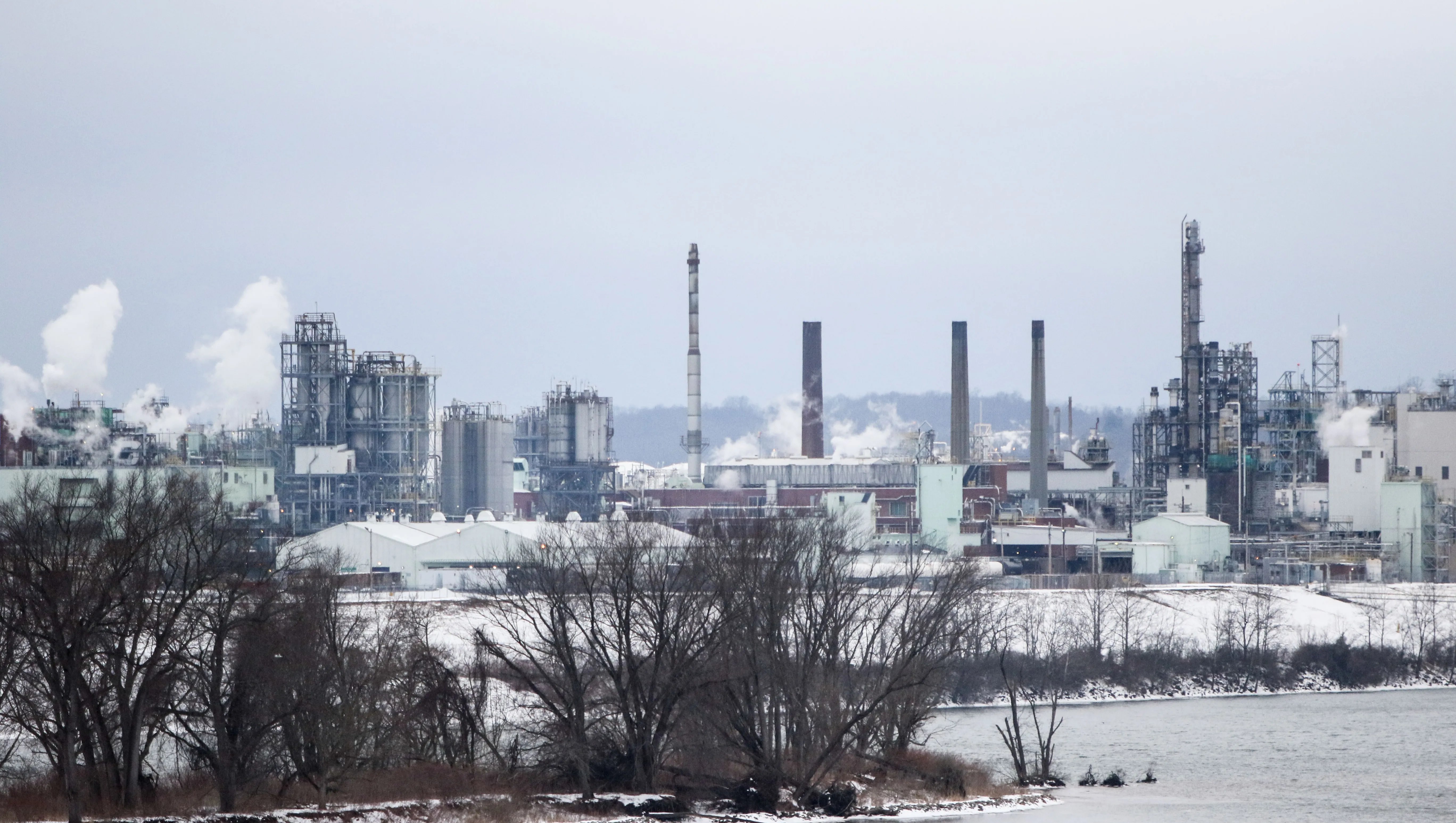
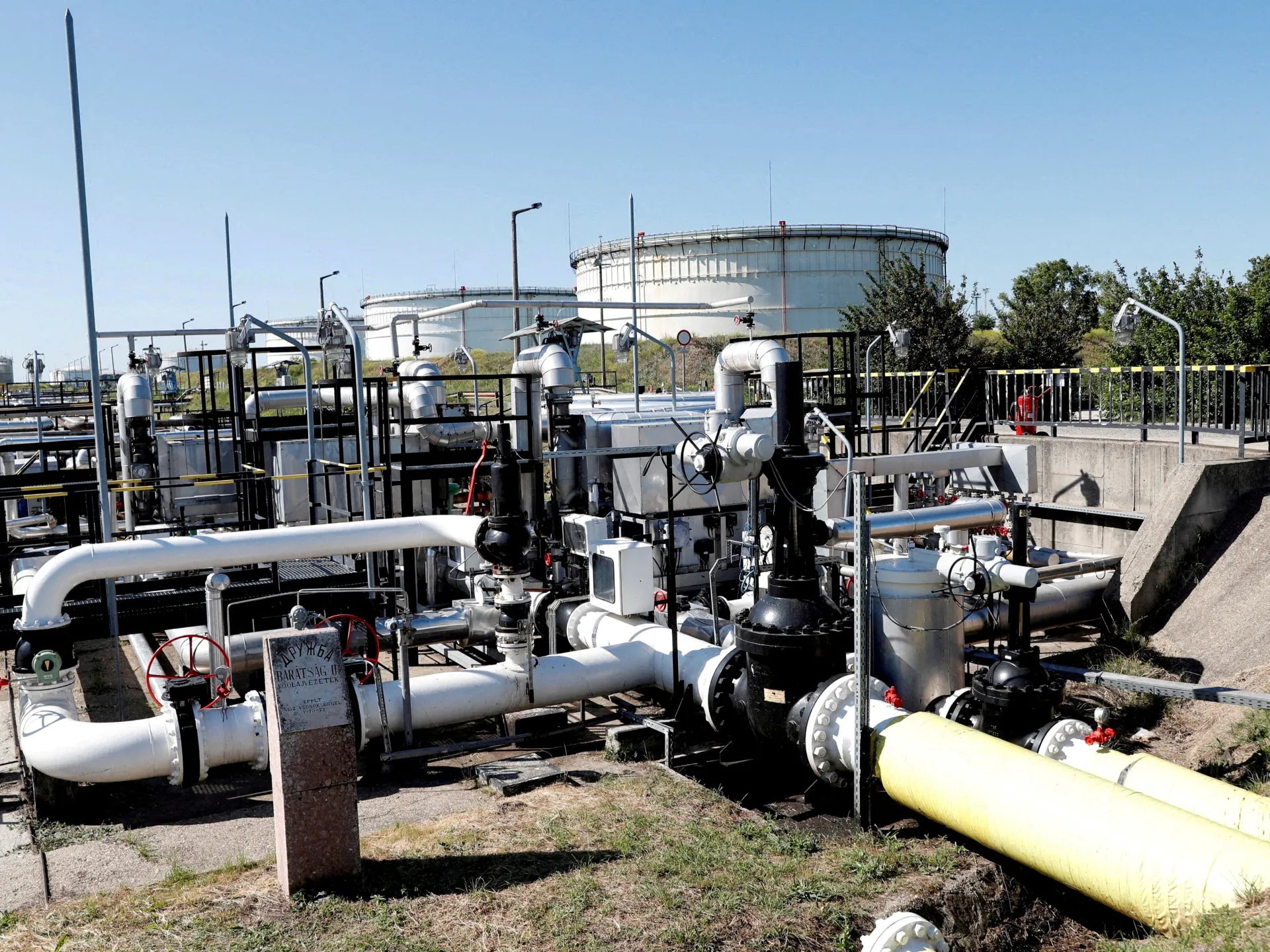
President Trump signed a series of memos Monday invoking the Defense Production Act, a Cold War-era law that grants presidents broad authority to expand domestic industrial production deemed vital to national security. The memos direct the Energy Department to bolster petroleum production and refining, coal-fired power generation, natural gas pipelines, and electrical transformer manufacturing. White House spokeswoman Taylor Rogers stated the action allows the Energy Department to "strengthen our grid infrastructure and unleash reliable, affordable, secure energy." Trump and President Biden have previously employed the law.
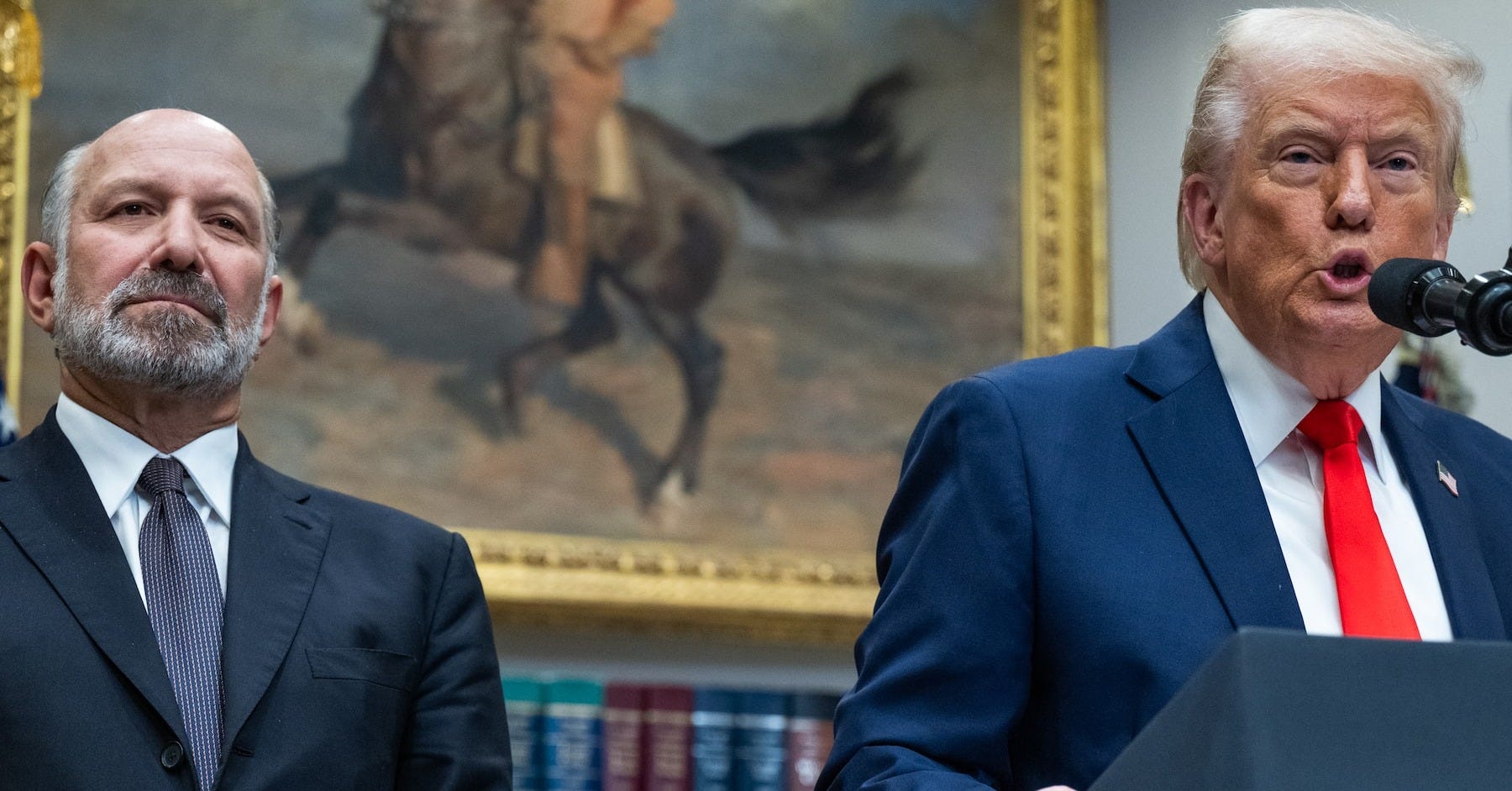
Trump's memos, which reference his January 2025 executive order declaring a national energy emergency, argue that the U.S. faces a critical vulnerability. One memorandum states that "our Nation's current inadequate and intermittent energy supply leaves us vulnerable to hostile foreign actors and poses an imminent and growing threat to the United States' prosperity and national security." Trump wrote that "petroleum fuels the Nation's Armed Forces, industrial base, and crucial infrastructure. Without immediate Federal action, United States defense capabilities will remain vulnerable to disruption." The memos also cite constrained financing, long lead times, permitting bottlenecks, and supply chain limitations as reasons private industry cannot act quickly enough without federal intervention.
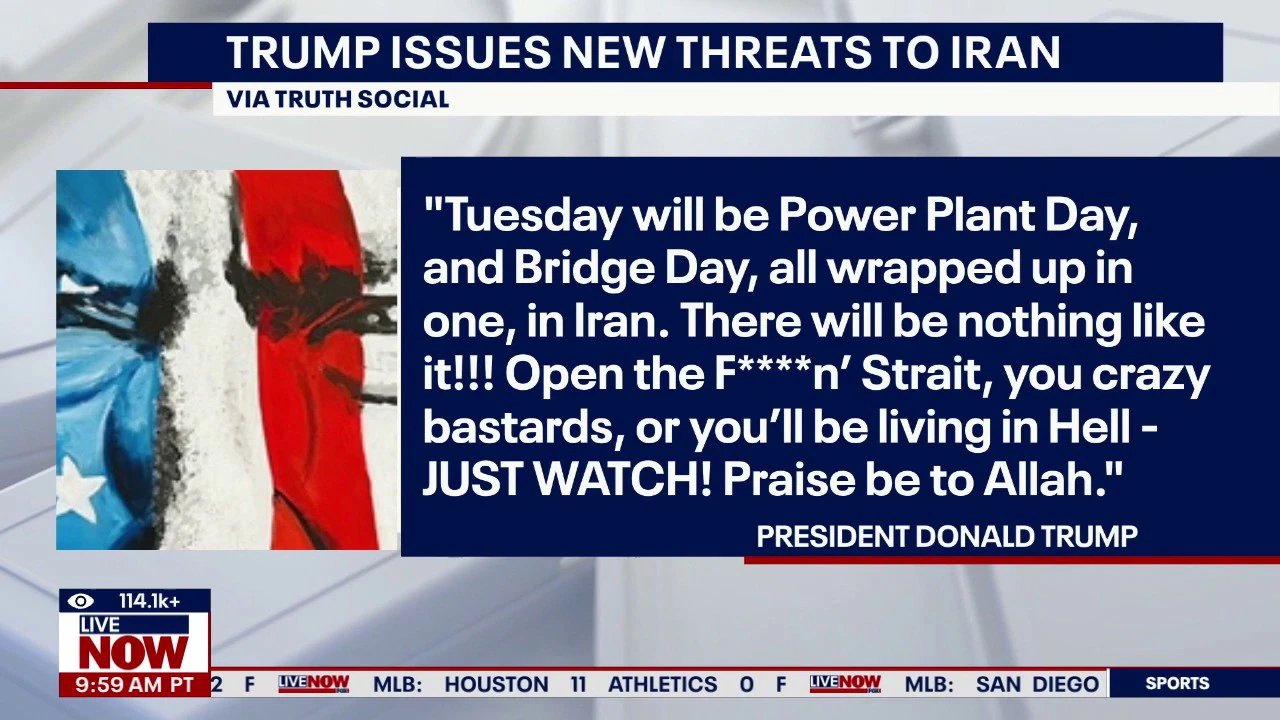
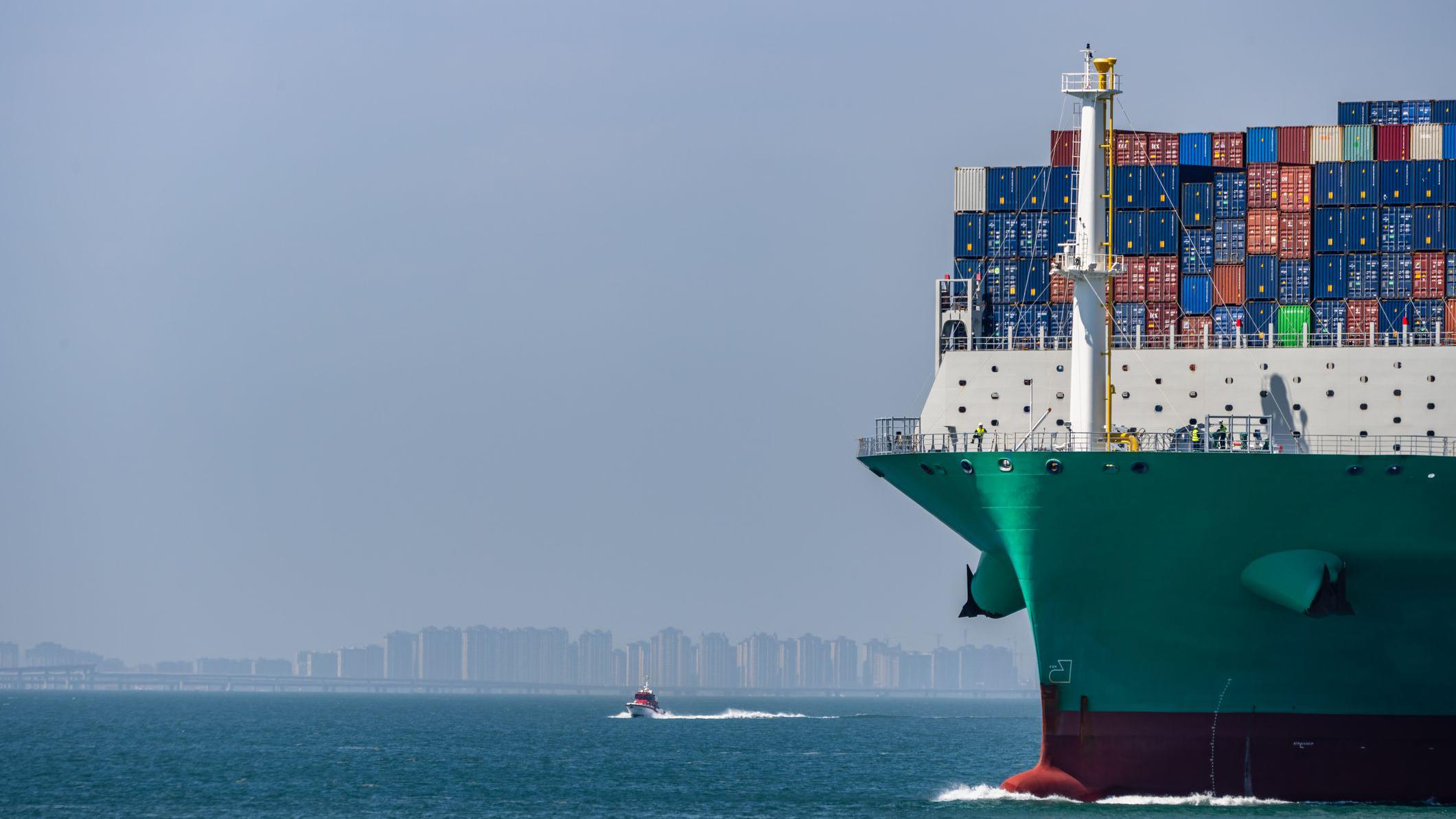
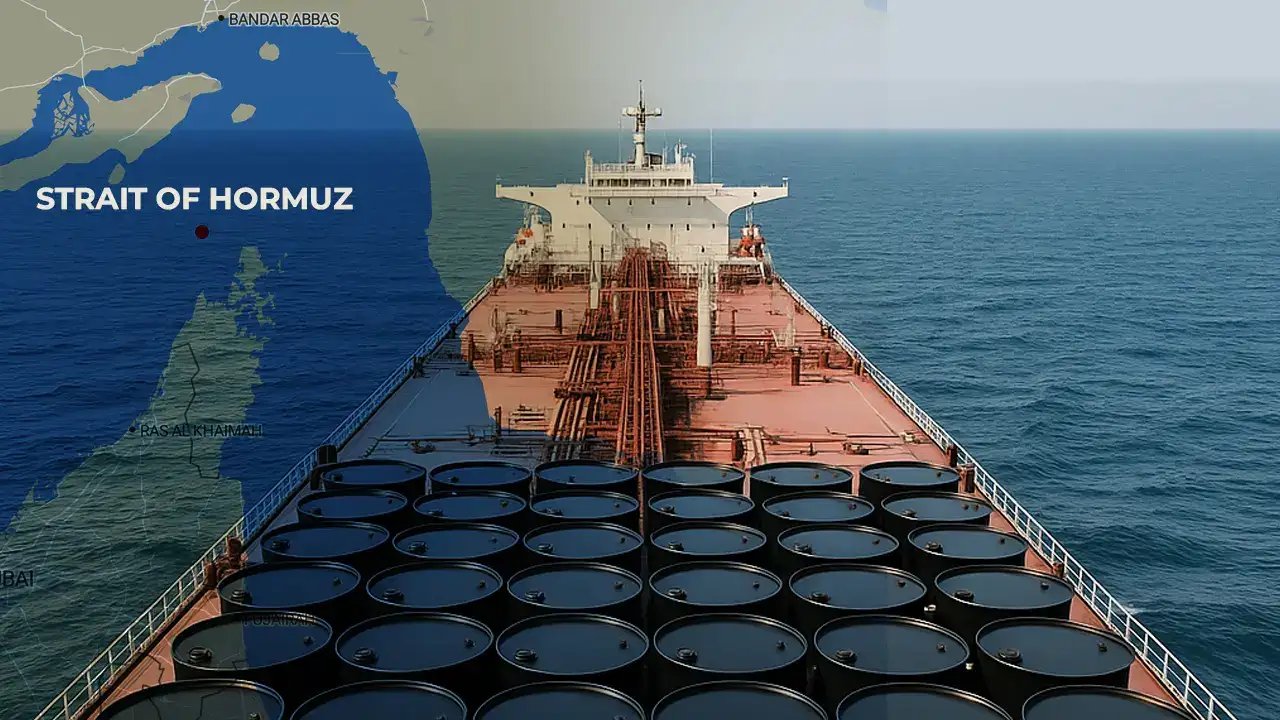
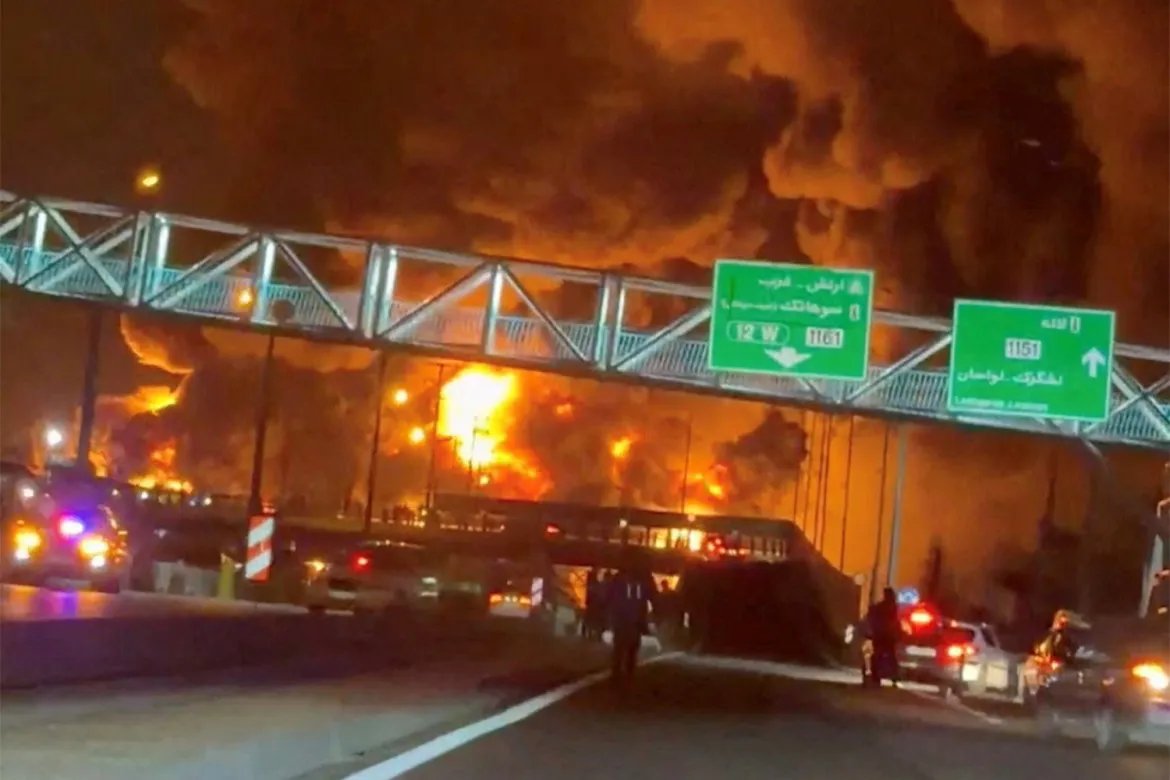
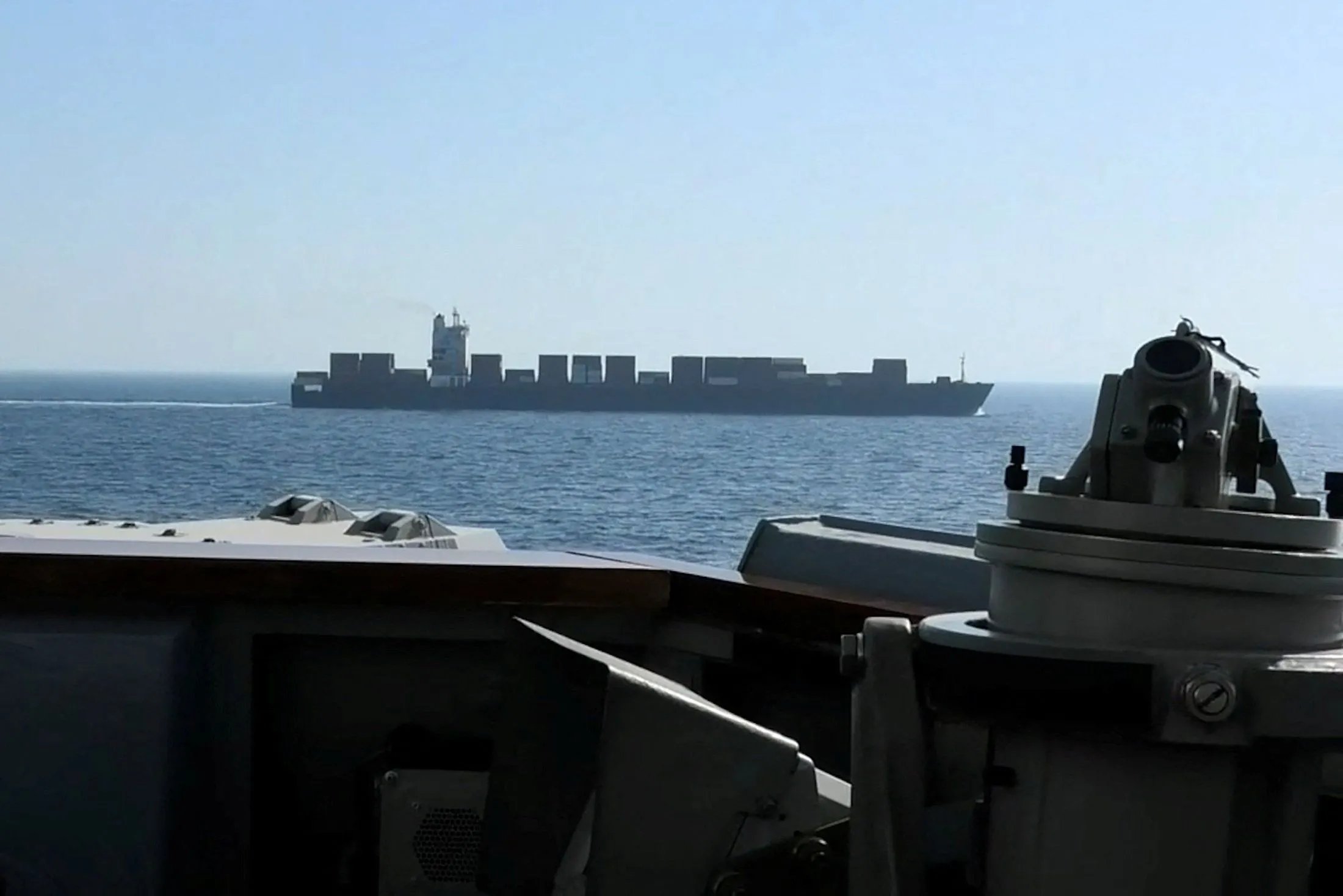
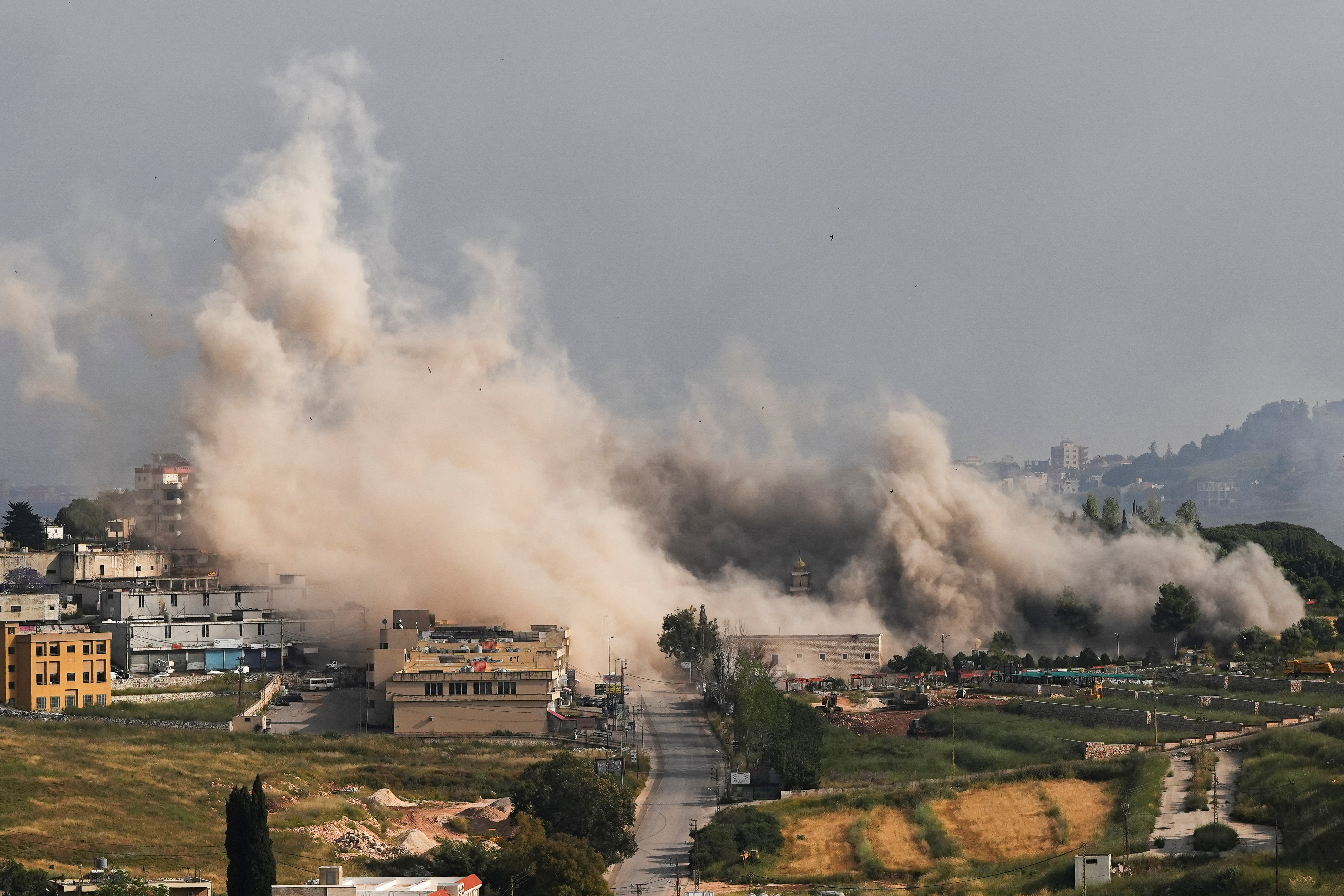
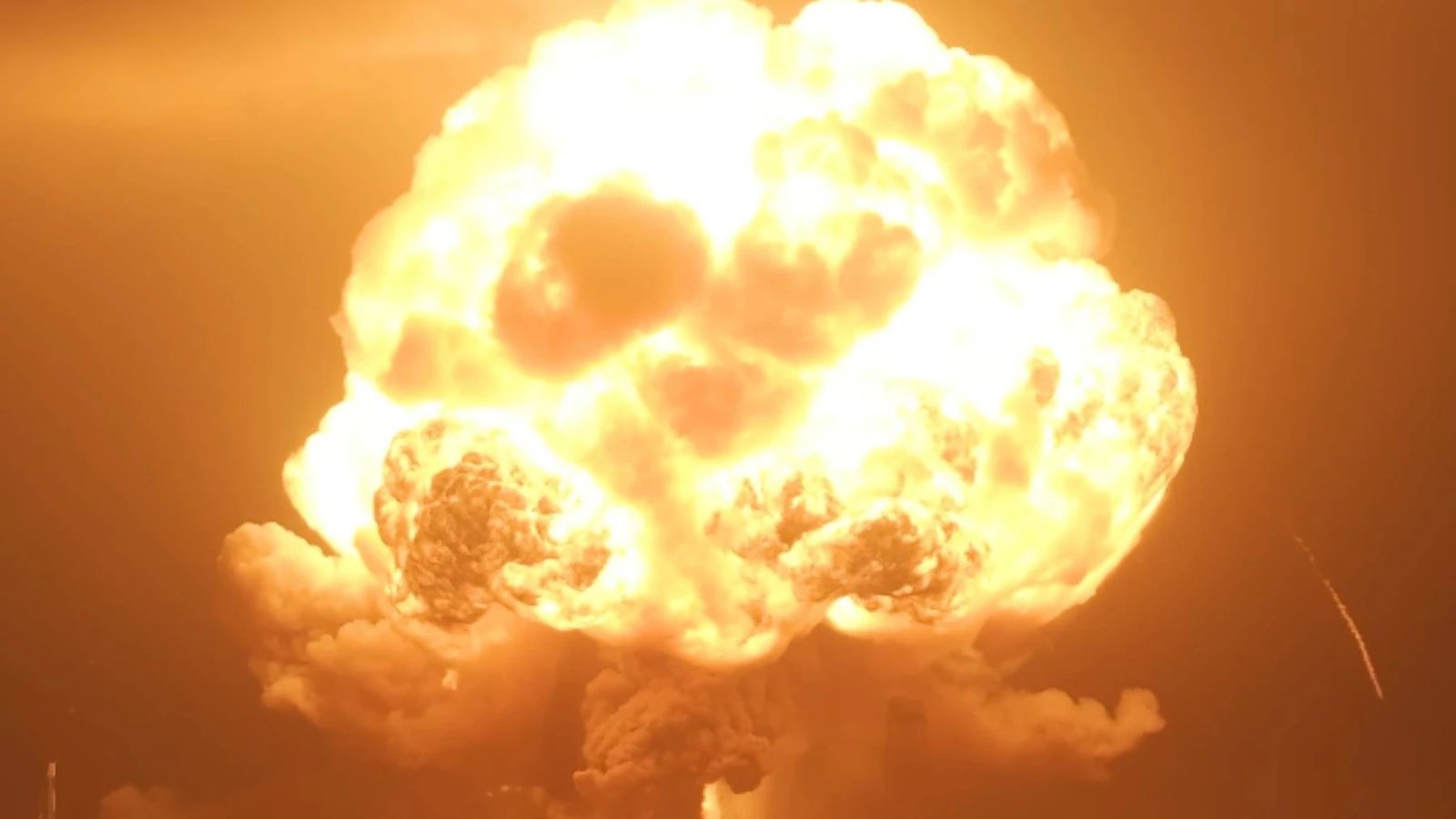
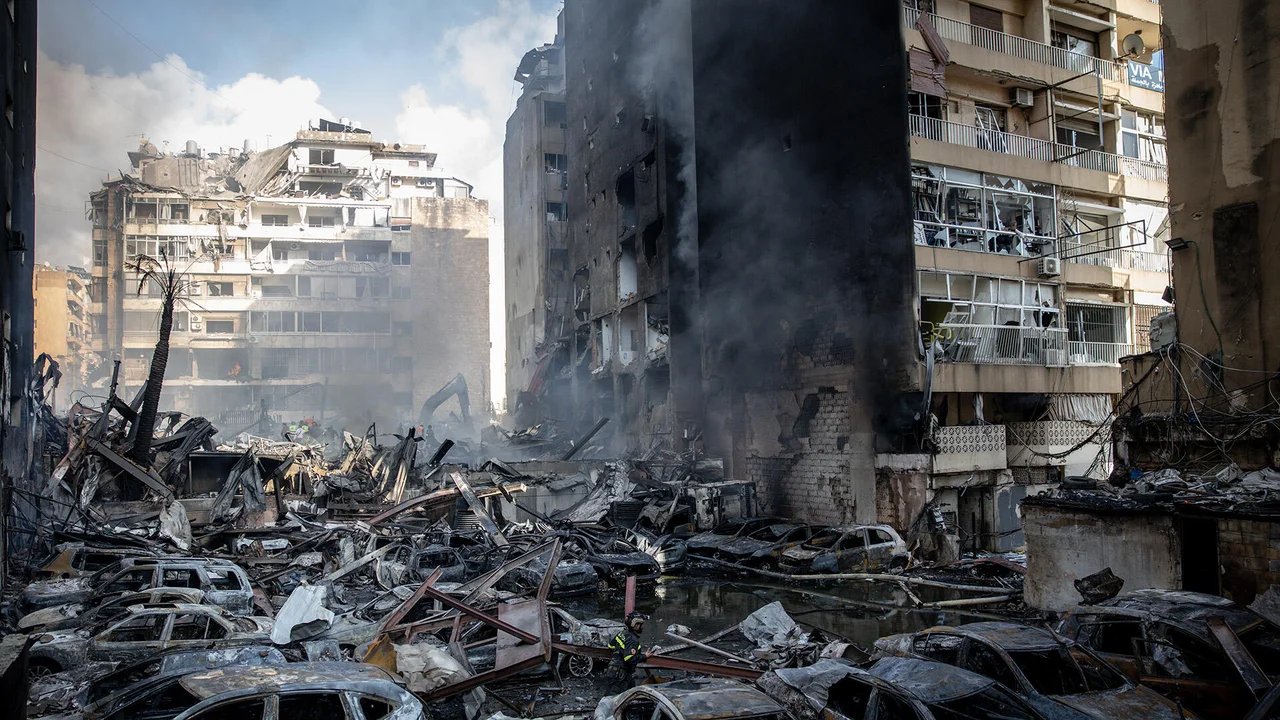
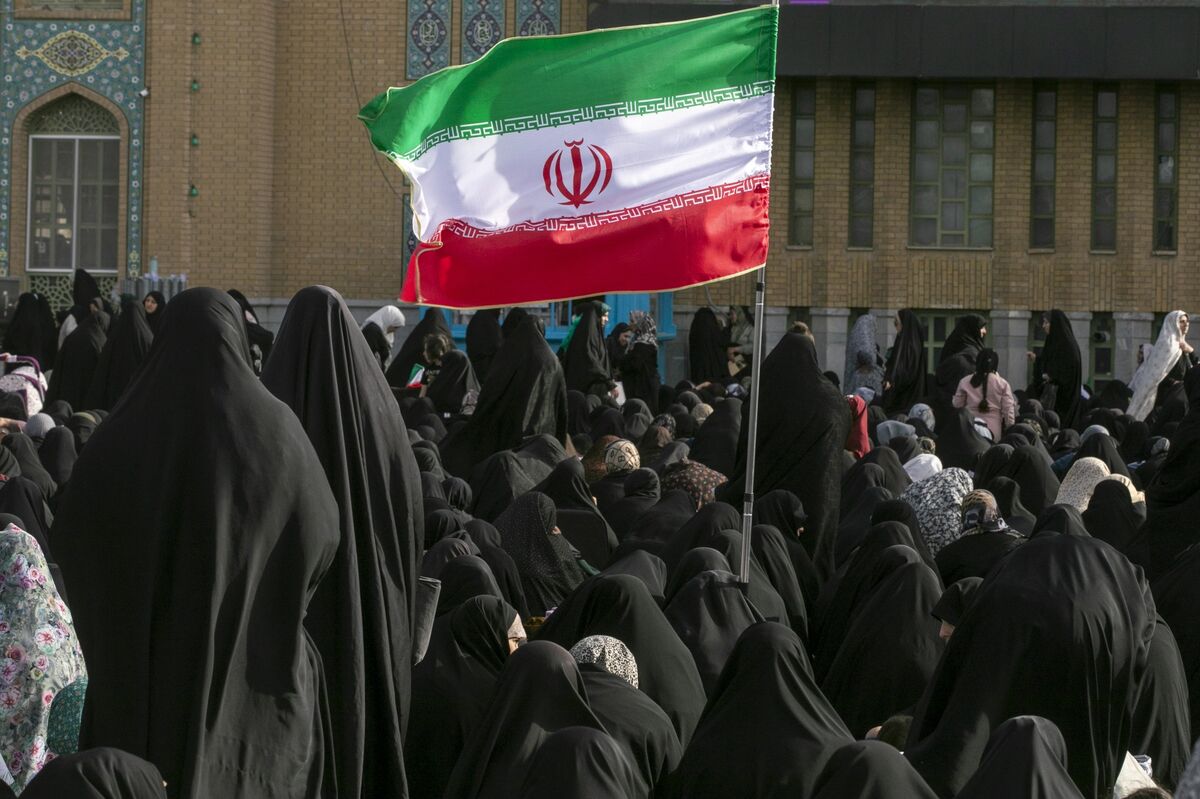
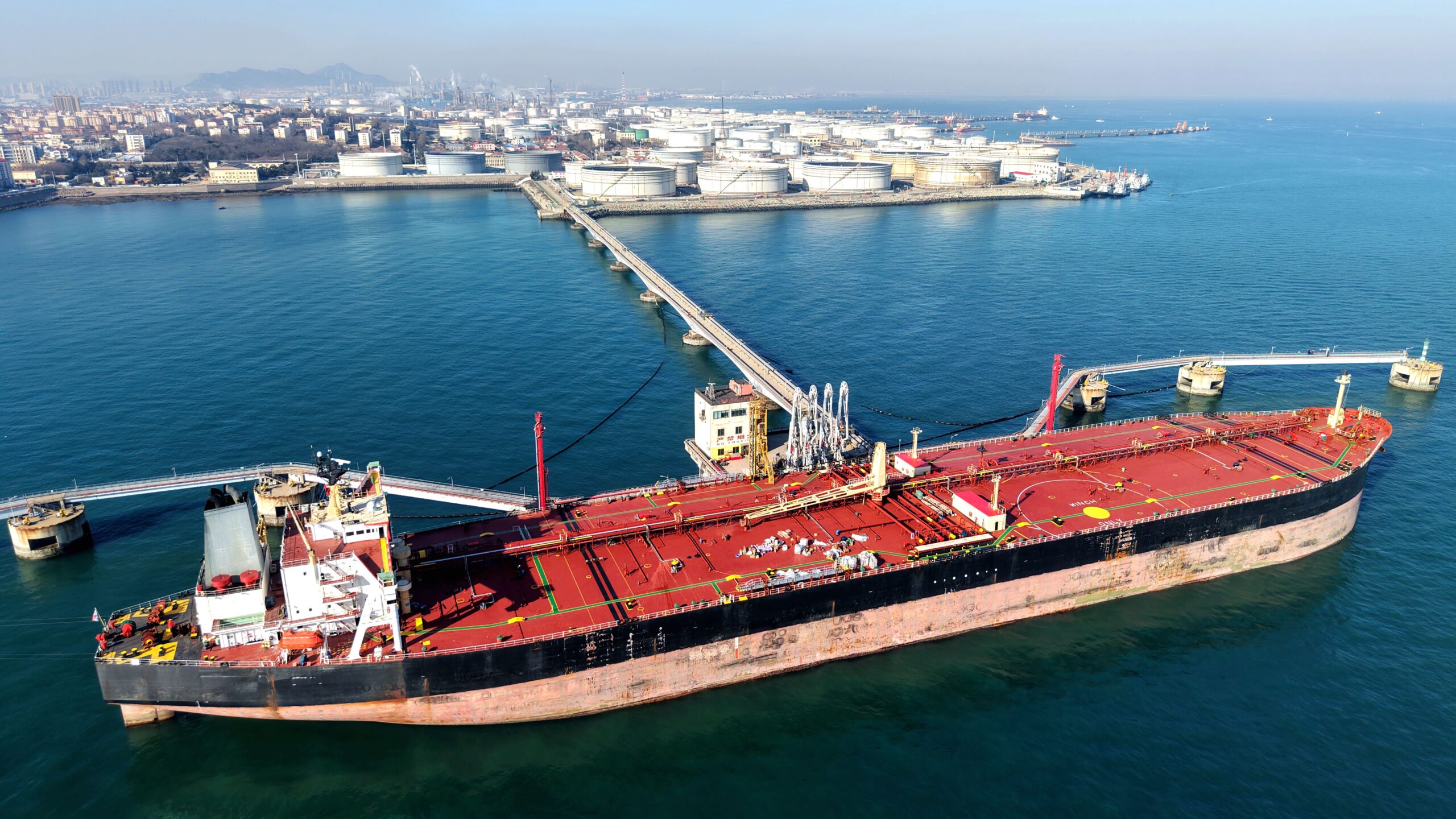
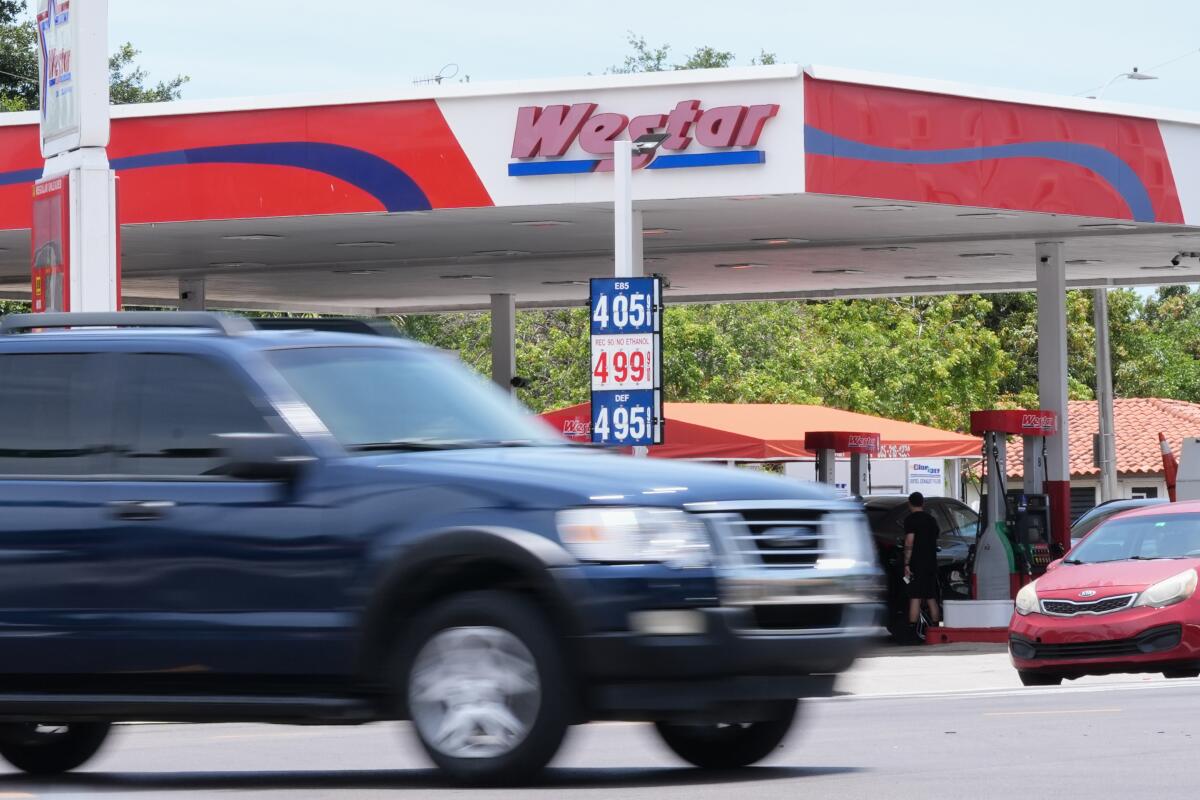
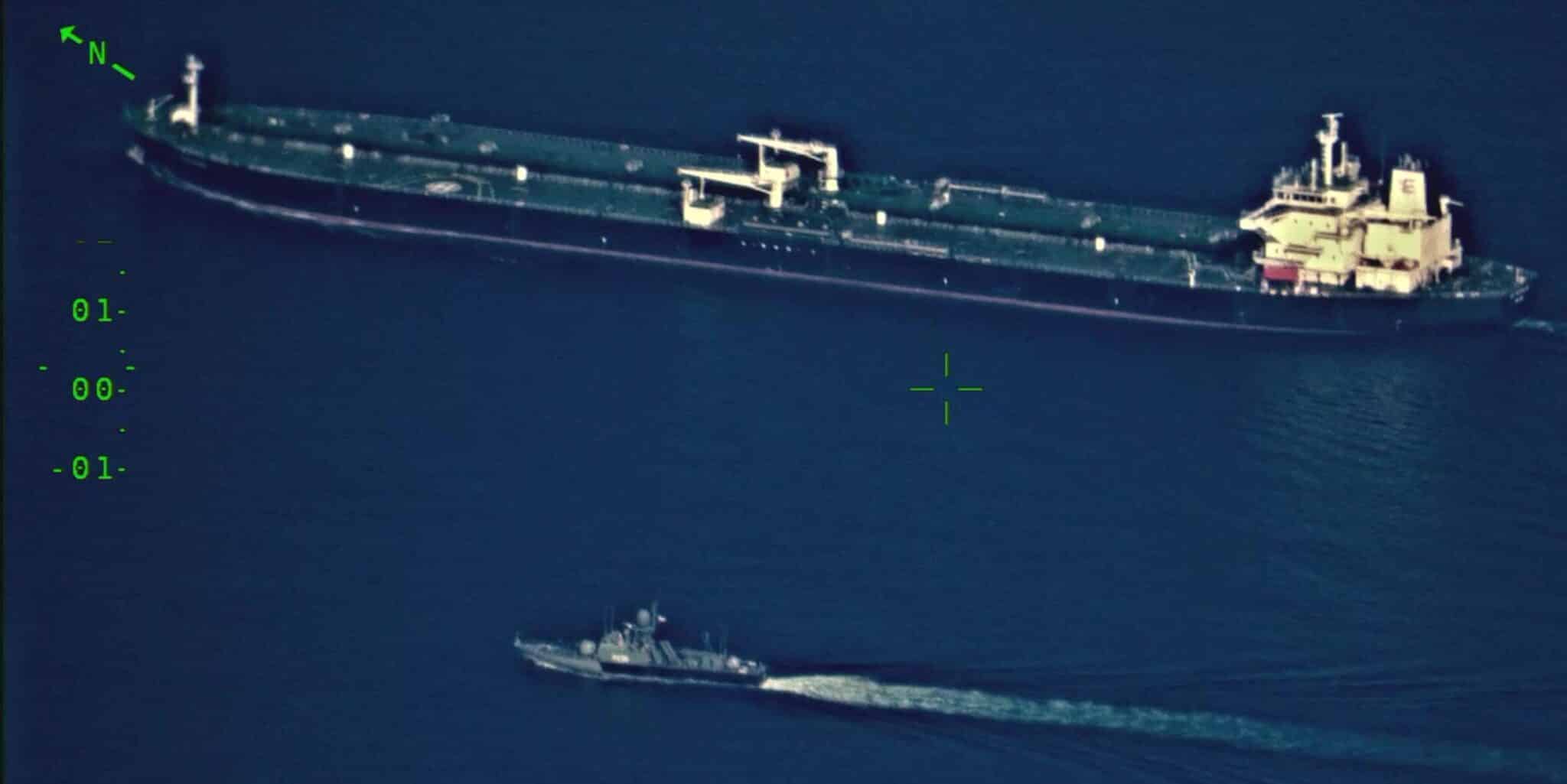
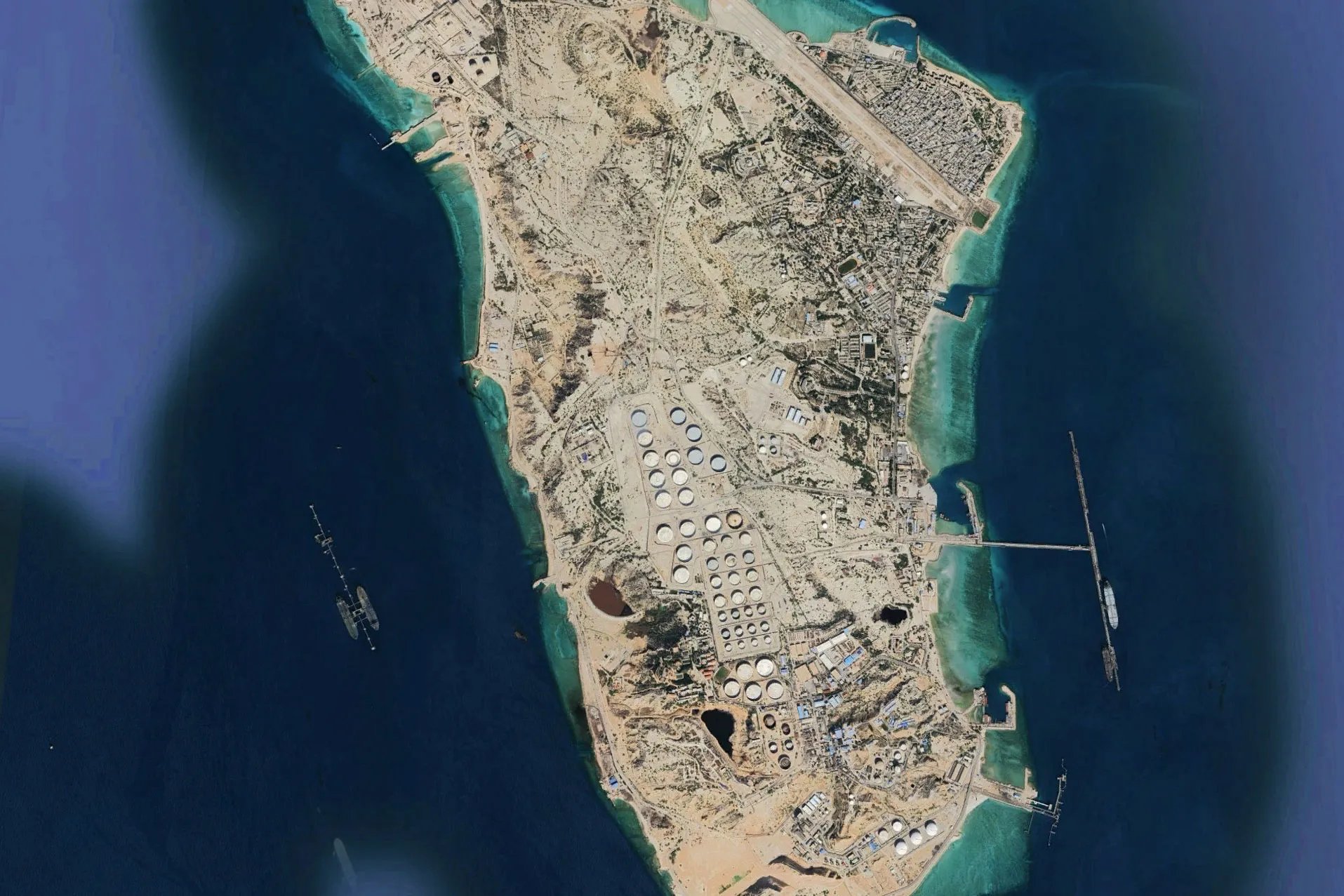
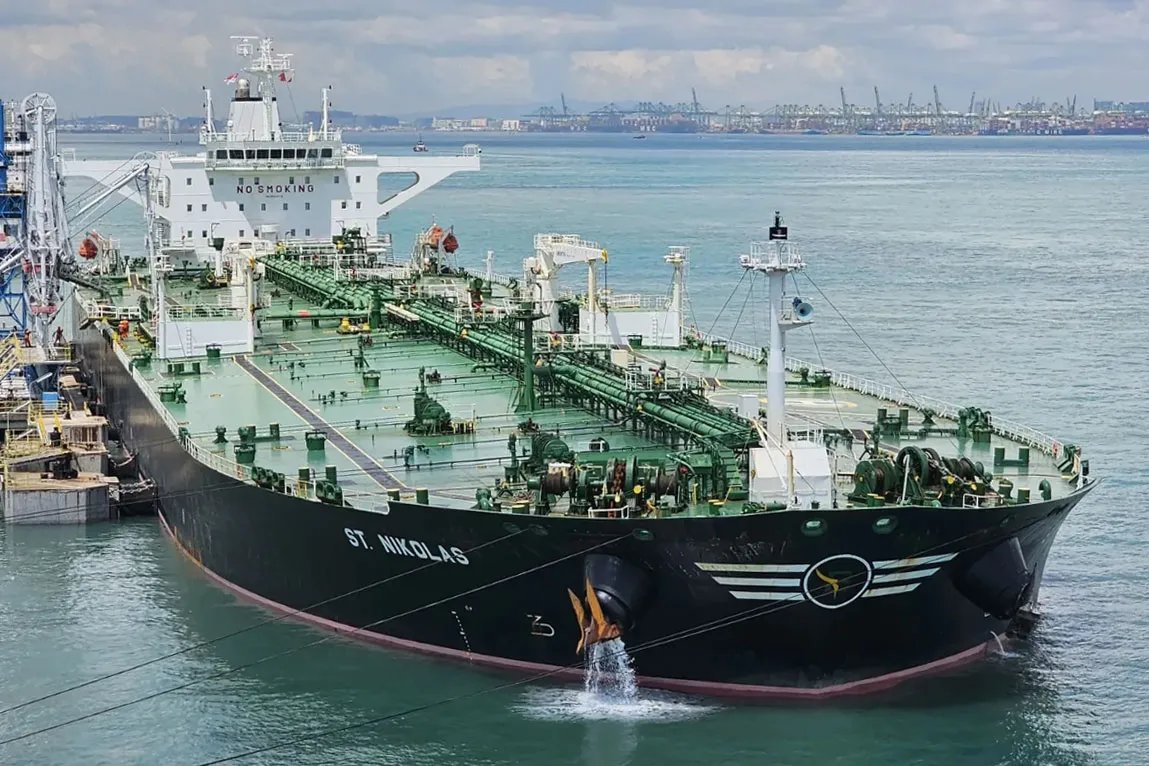
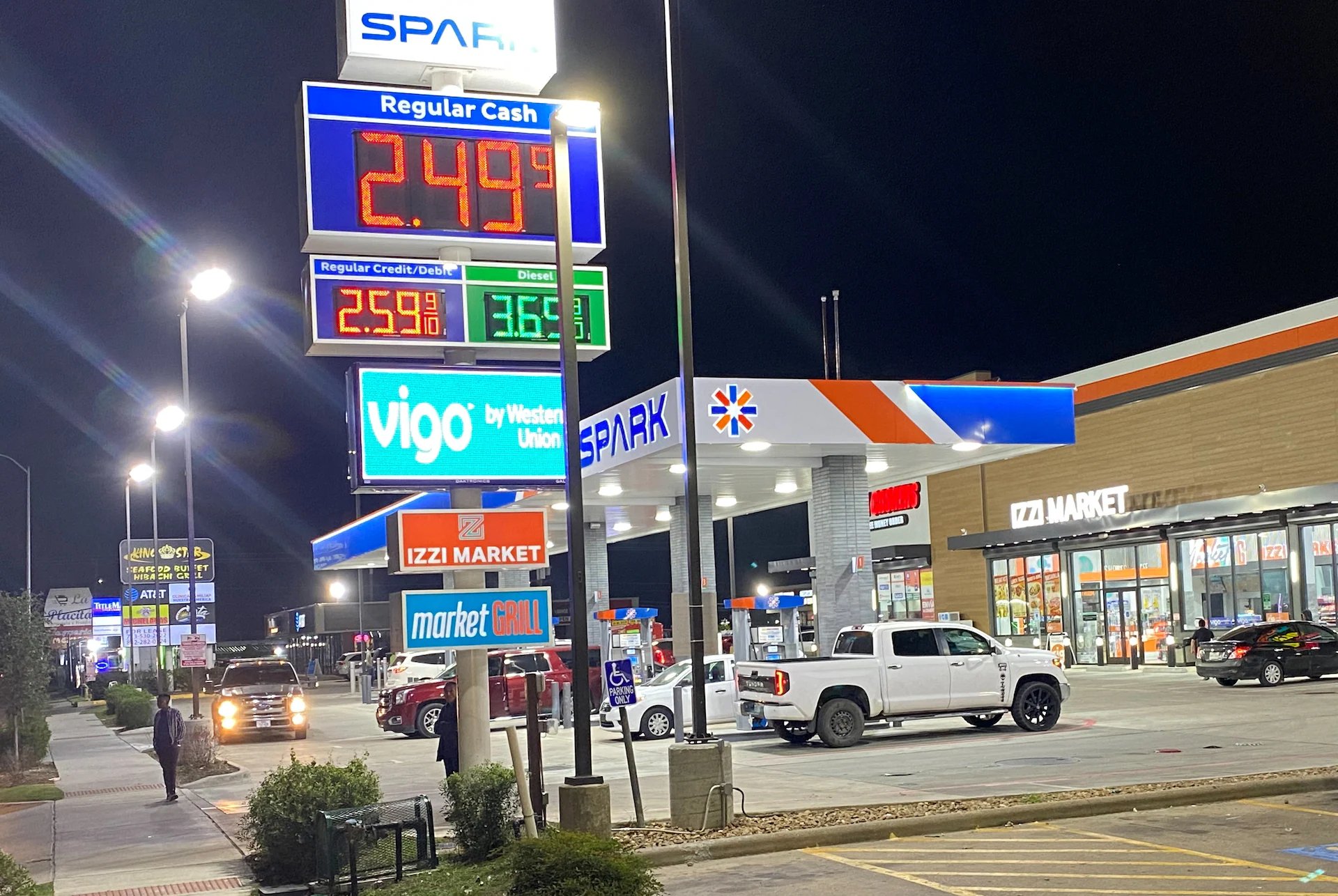
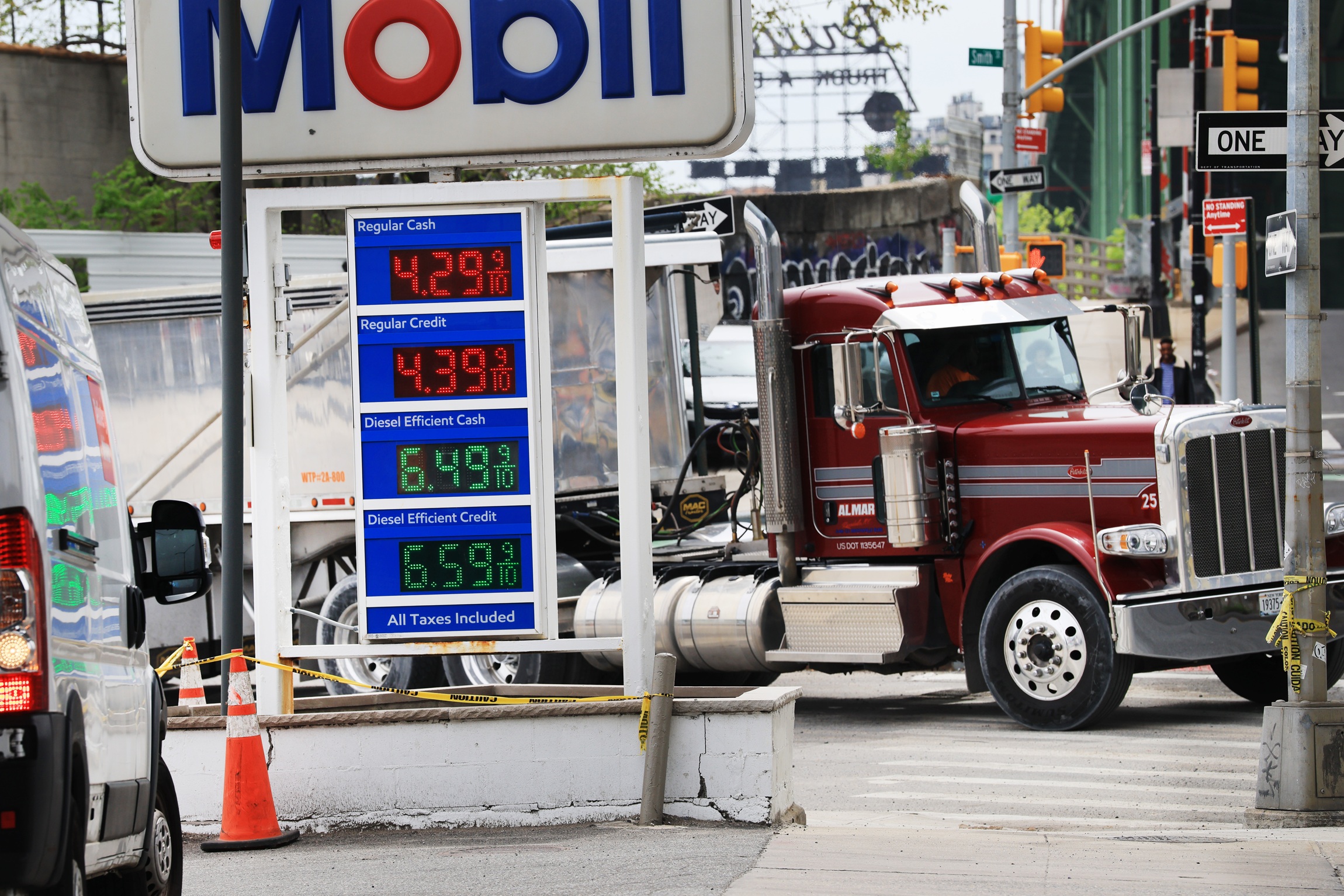
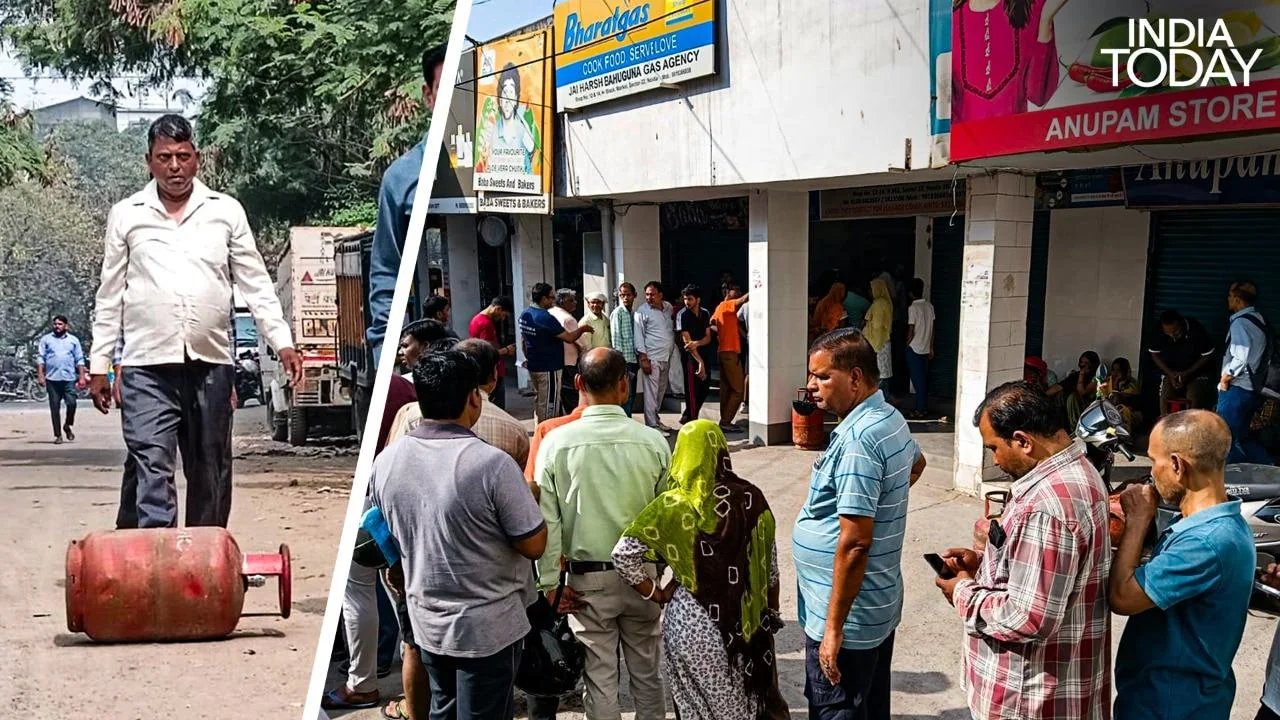
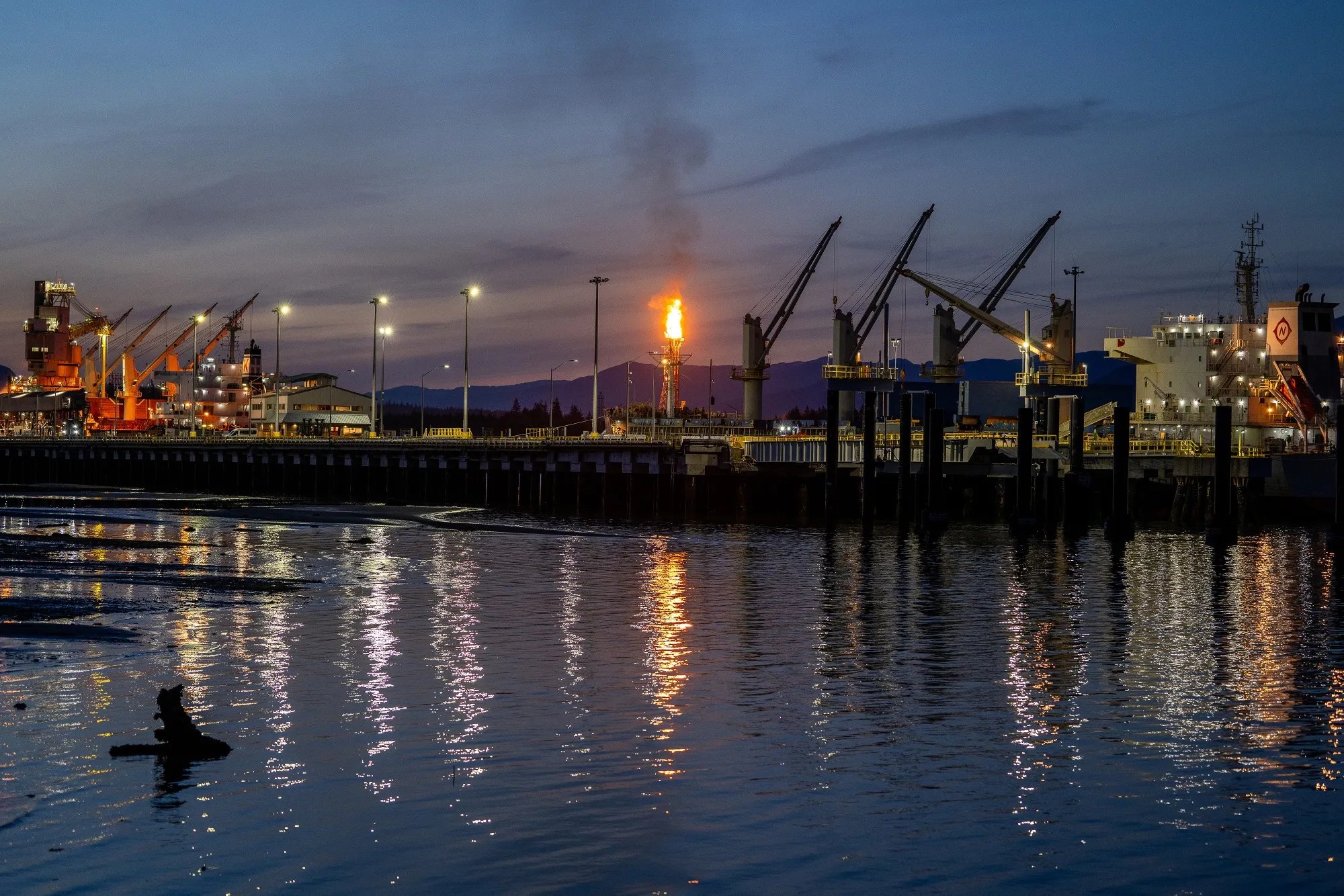
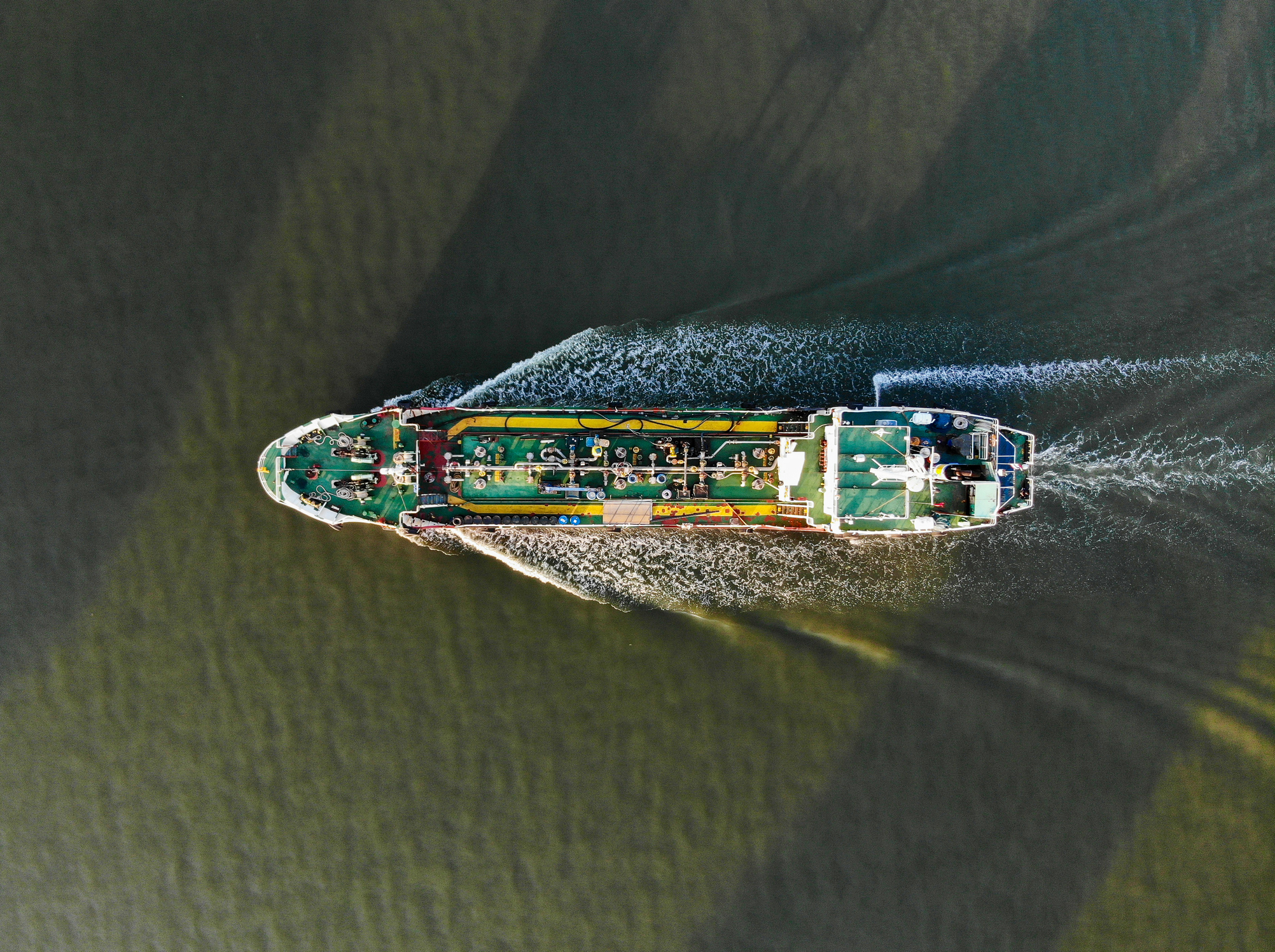
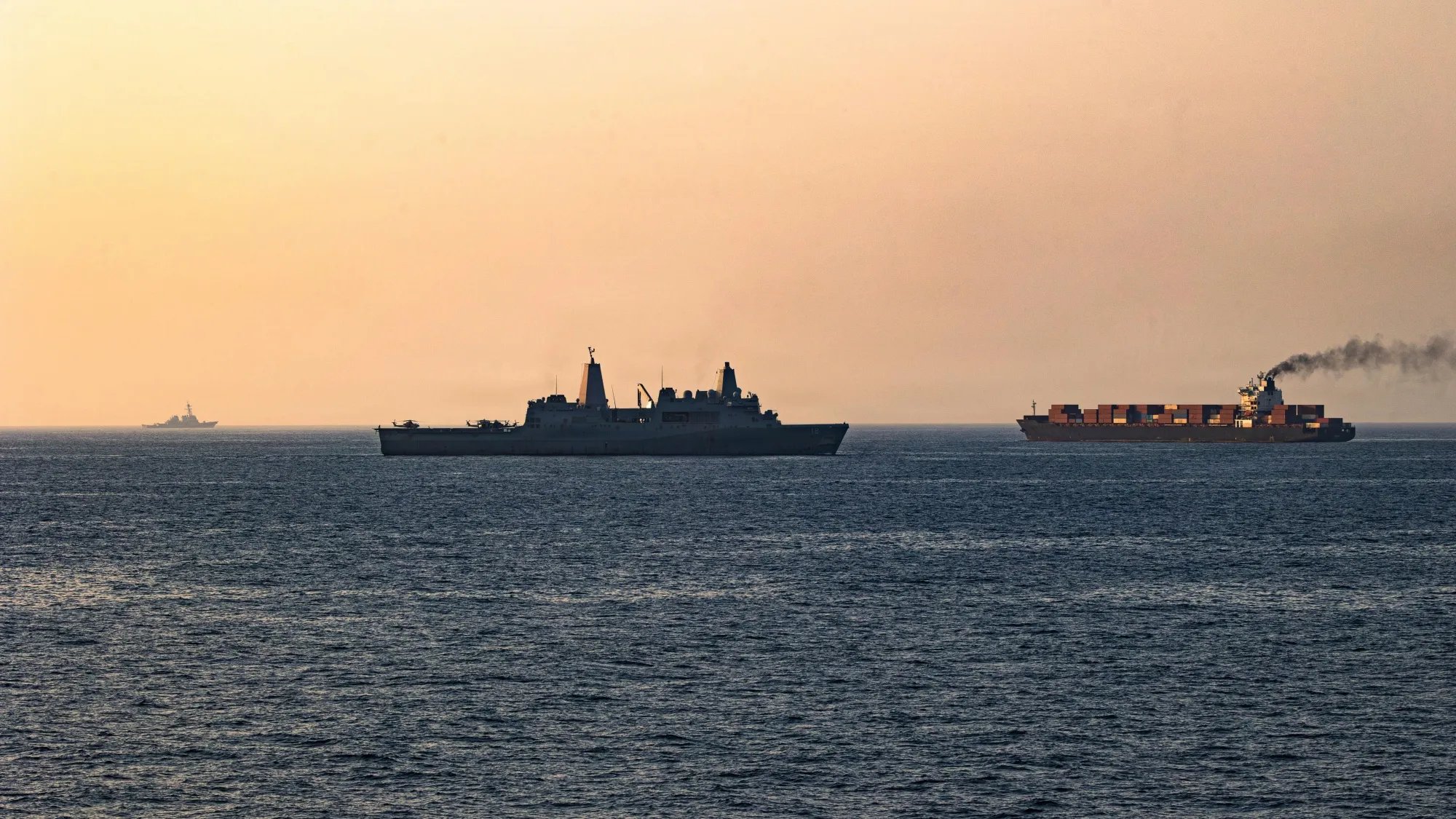
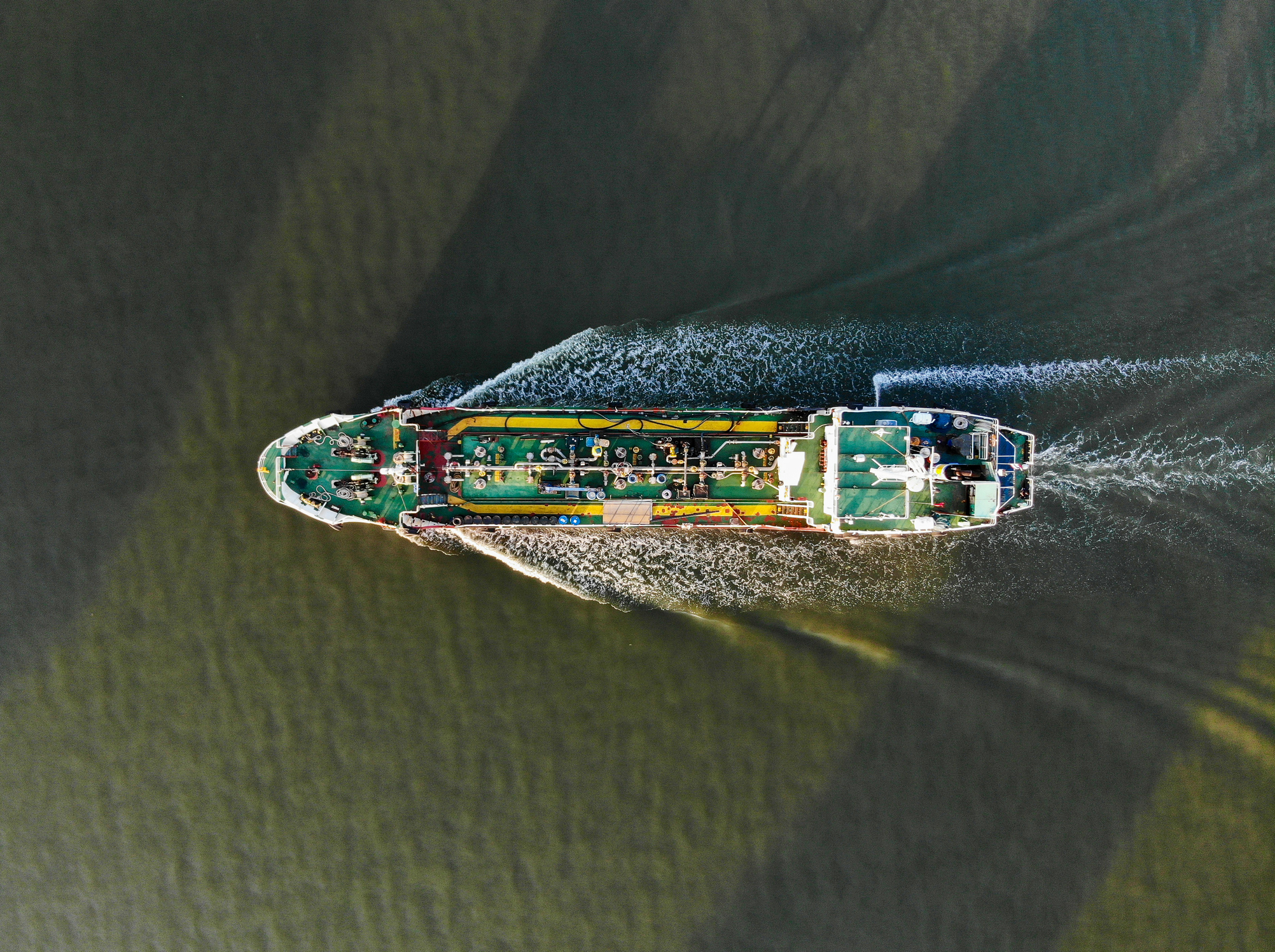
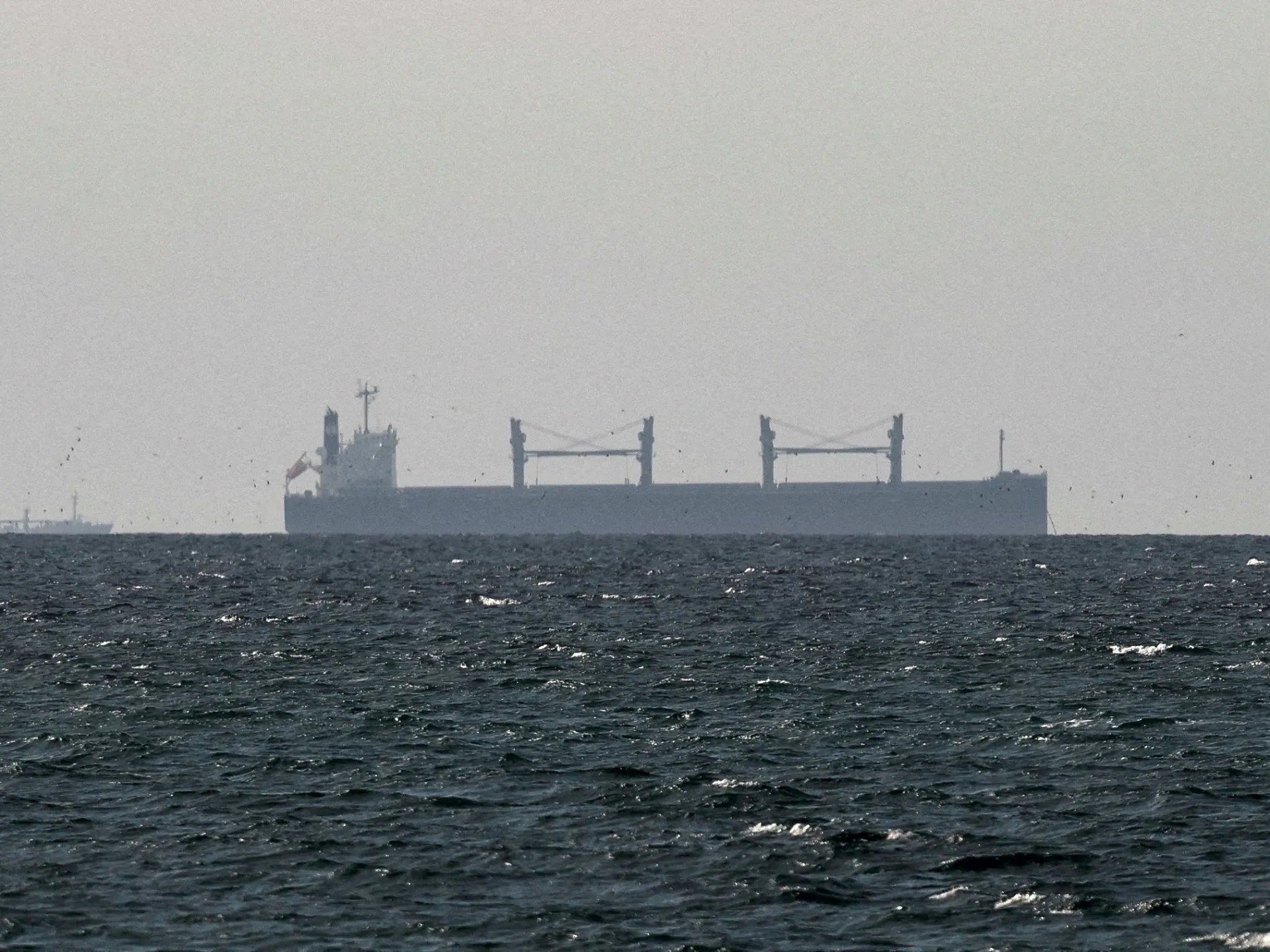
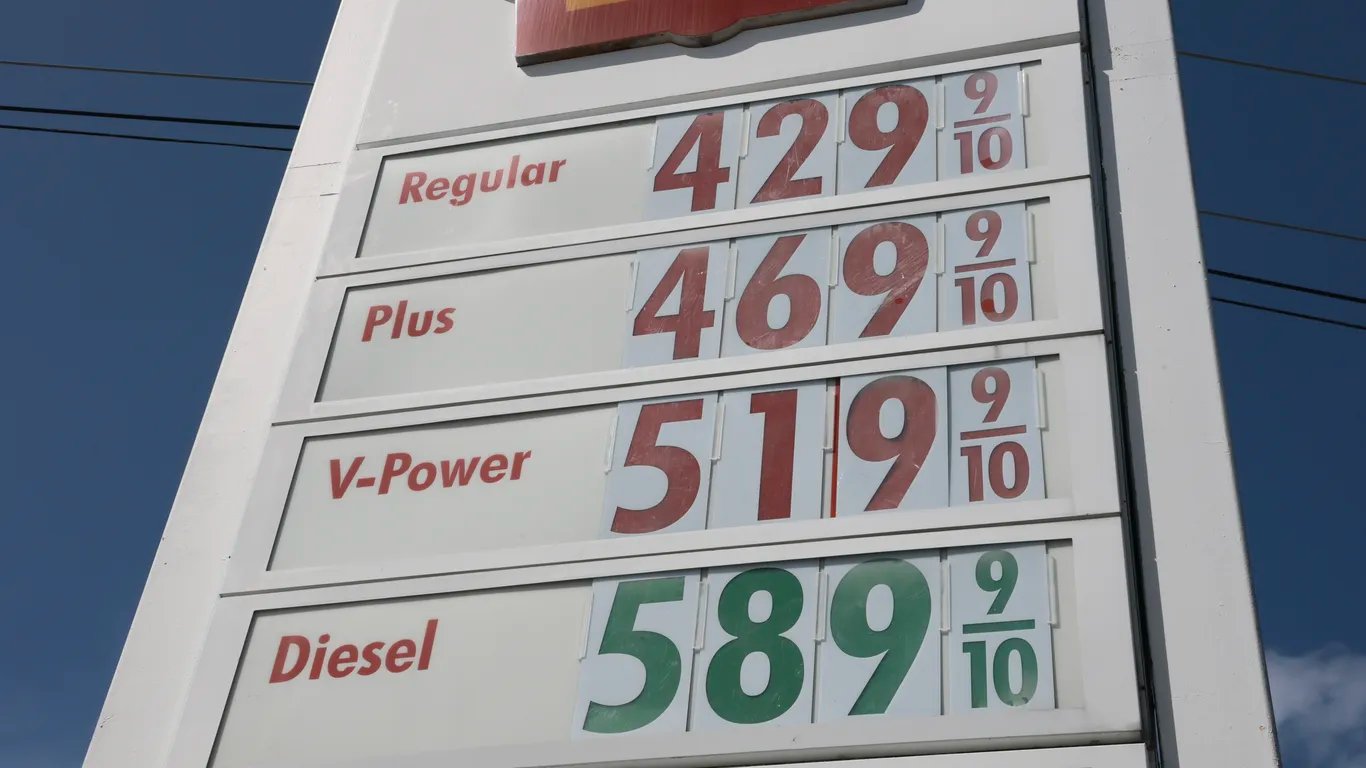
The memos arrive as Americans confront soaring energy prices triggered by the Iran war. Gasoline costs have climbed above $4.10 a gallon nationally after the closure of the Strait of Hormuz, where one-fifth of the world's oil and gas normally travels. Trump stated gasoline prices could be "a little bit higher" by November.
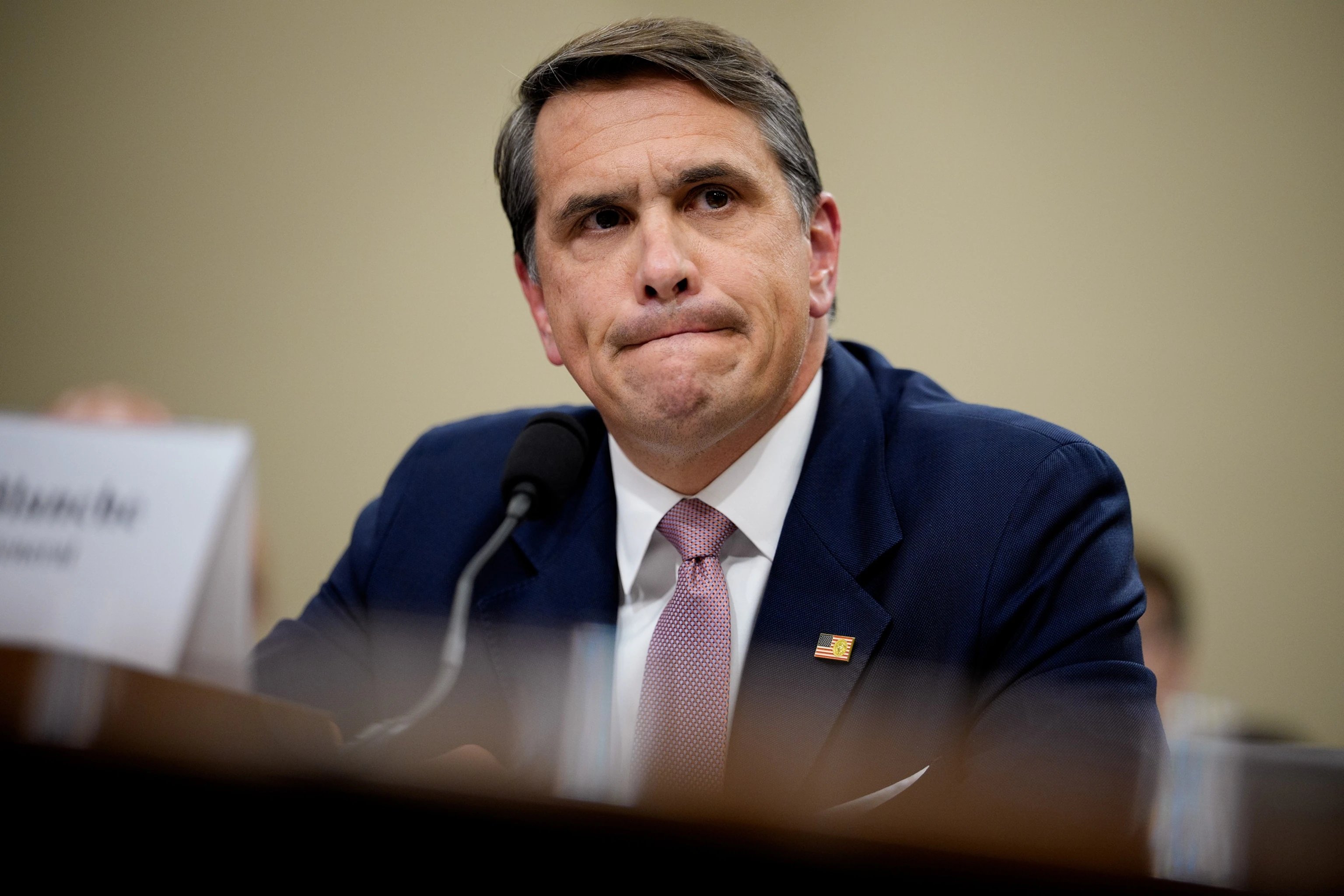
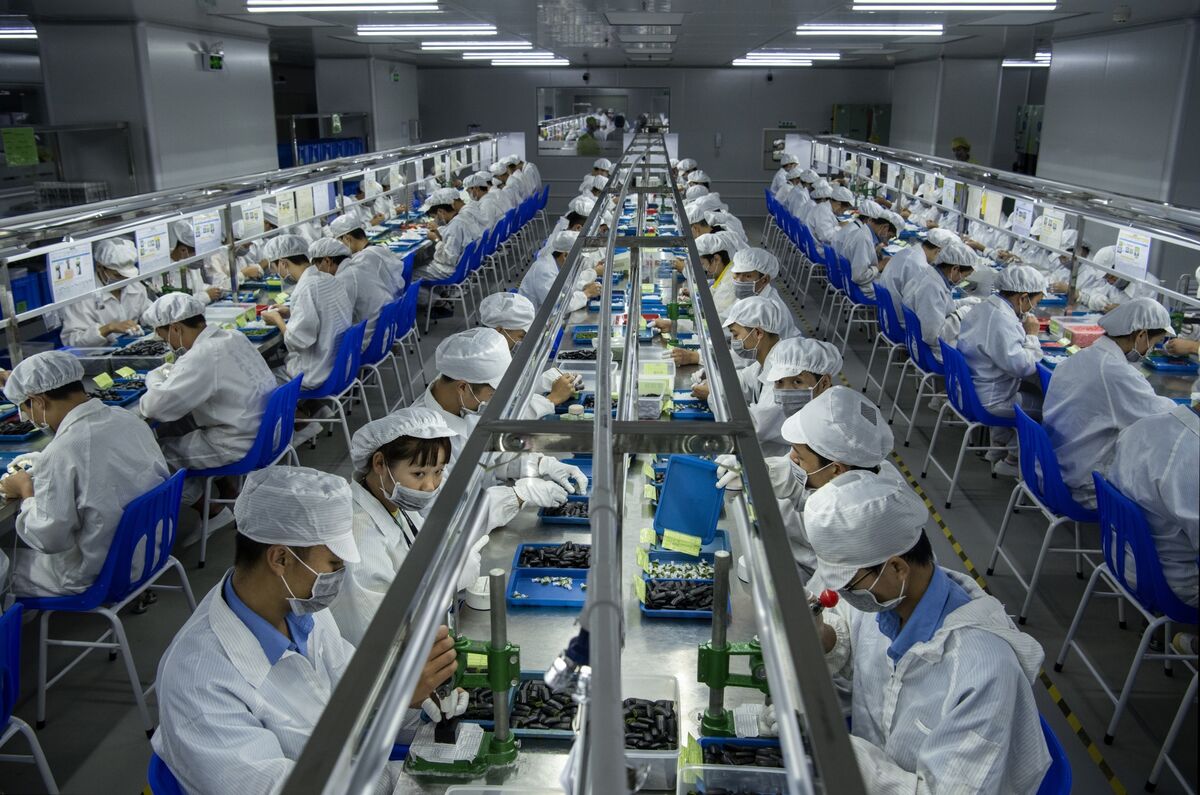
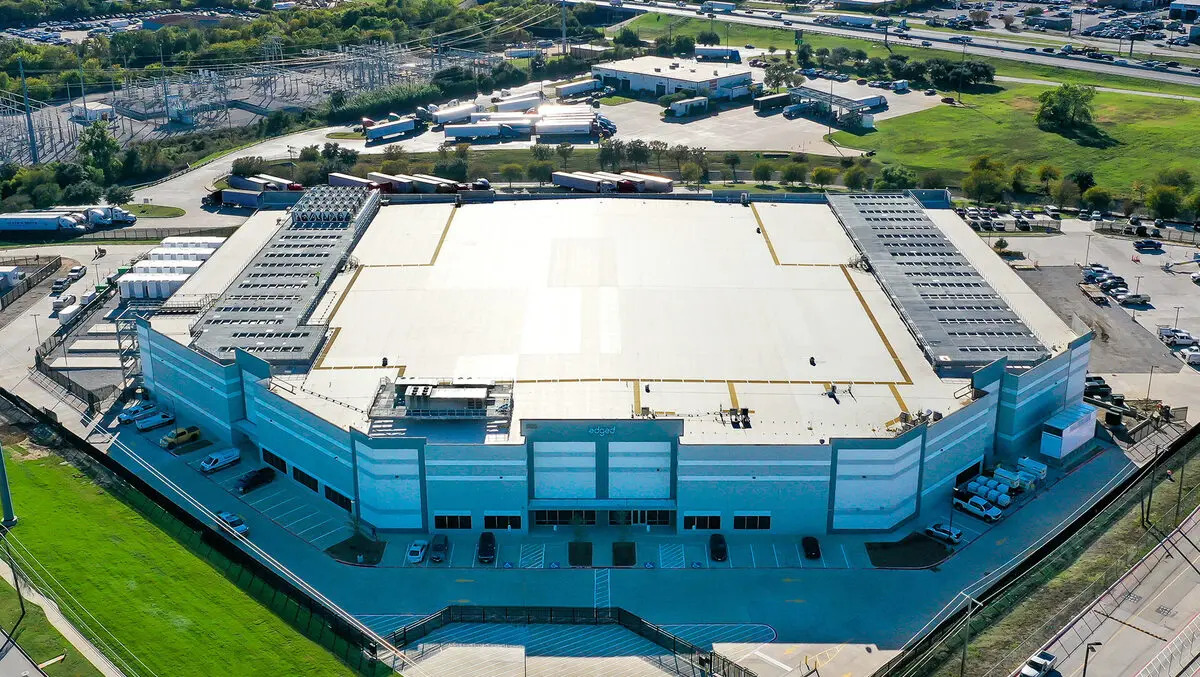
The memos authorize federal purchases, purchase commitments, and financial support for developing production capabilities. Projects to manufacture natural gas turbines for power generation and electrical transformers—materials now in short supply with long wait times—are eligible for support. A White House official stated the memos are necessary for the Energy Department to access funding secured in last year's Republican budget law. The oil and gas industry has donated more than $75 million to Trump's campaign since he assumed his second term in office.
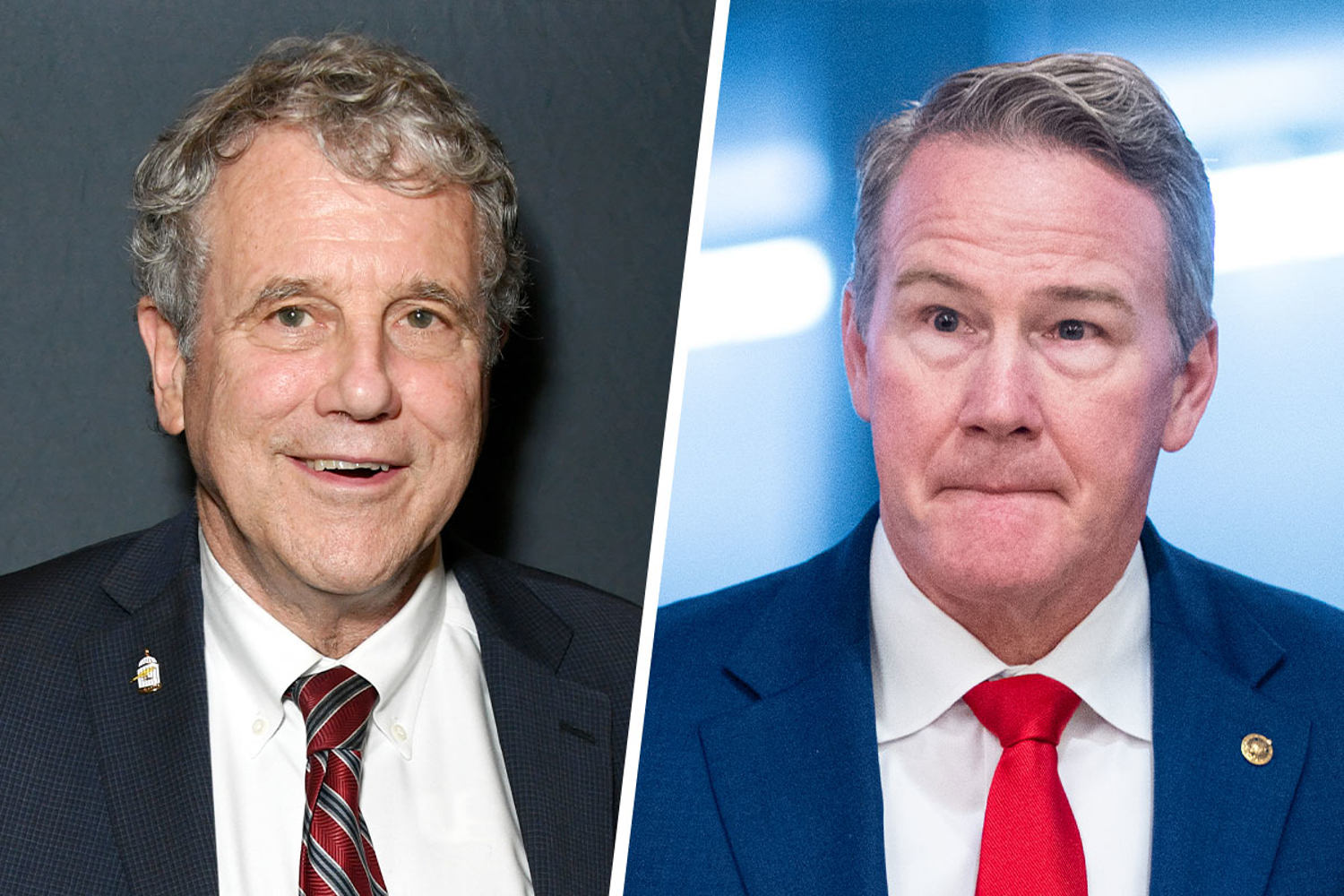
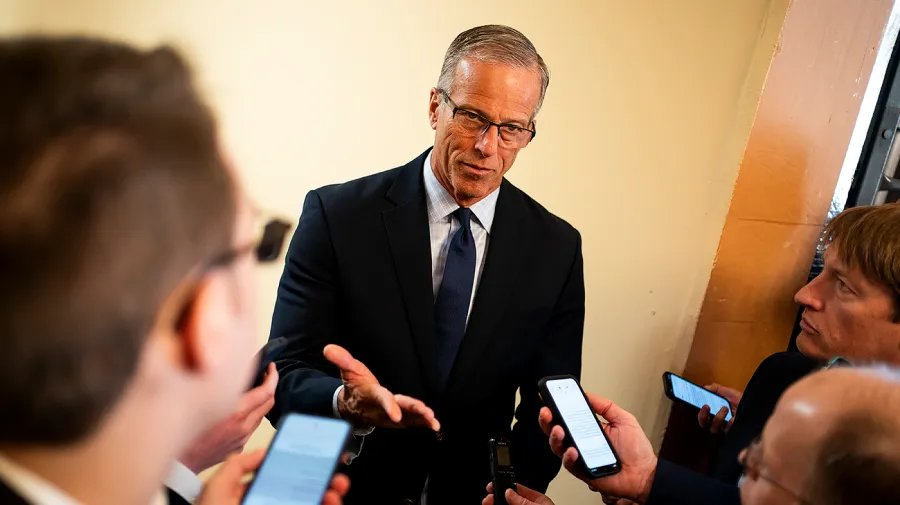
Democratic Senator Sheldon Whitehouse urged his party to champion clean energy as a solution to energy cost volatility. He stated: "True energy independence will be achieved by powering our economy with renewable energy, the fuel sources for which are unlimited, free and independent of geopolitical events." Paul Bledsoe, a former climate adviser to Bill Clinton, said Democrats should pitch clean energy as cutting consumer costs first. Representative Ro Khanna added that the U.S. needs to "wean ourselves off the petro-states" and pursue "a moonshot for clean technology."
President Trump signed a series of memos Monday invoking the Defense Production Act, a Cold War-era law that grants presidents broad authority to expand domestic industrial production deemed vital to national security. The memos direct the Energy Department to bolster petroleum production and refining, coal-fired power generation, natural gas pipelines, and electrical transformer manufacturing. White House spokeswoman Taylor Rogers stated the action allows the Energy Department to "strengthen our grid infrastructure and unleash reliable, affordable, secure energy." Trump and his predecessor both previously employed the law.
Trump's memos, which reference his January 2025 executive order declaring a national energy emergency, argue that the U.S. faces a critical vulnerability. One memorandum states that "our Nation's current inadequate and intermittent energy supply leaves us vulnerable to hostile foreign actors and poses an imminent and growing threat to the United States' prosperity and national security." Trump wrote that "petroleum fuels the Nation's Armed Forces, industrial base, and crucial infrastructure. Without immediate Federal action, United States defense capabilities will remain vulnerable to disruption." The memos also cite constrained financing, long lead times, permitting bottlenecks, and supply chain limitations as reasons private industry cannot act quickly enough without federal intervention.
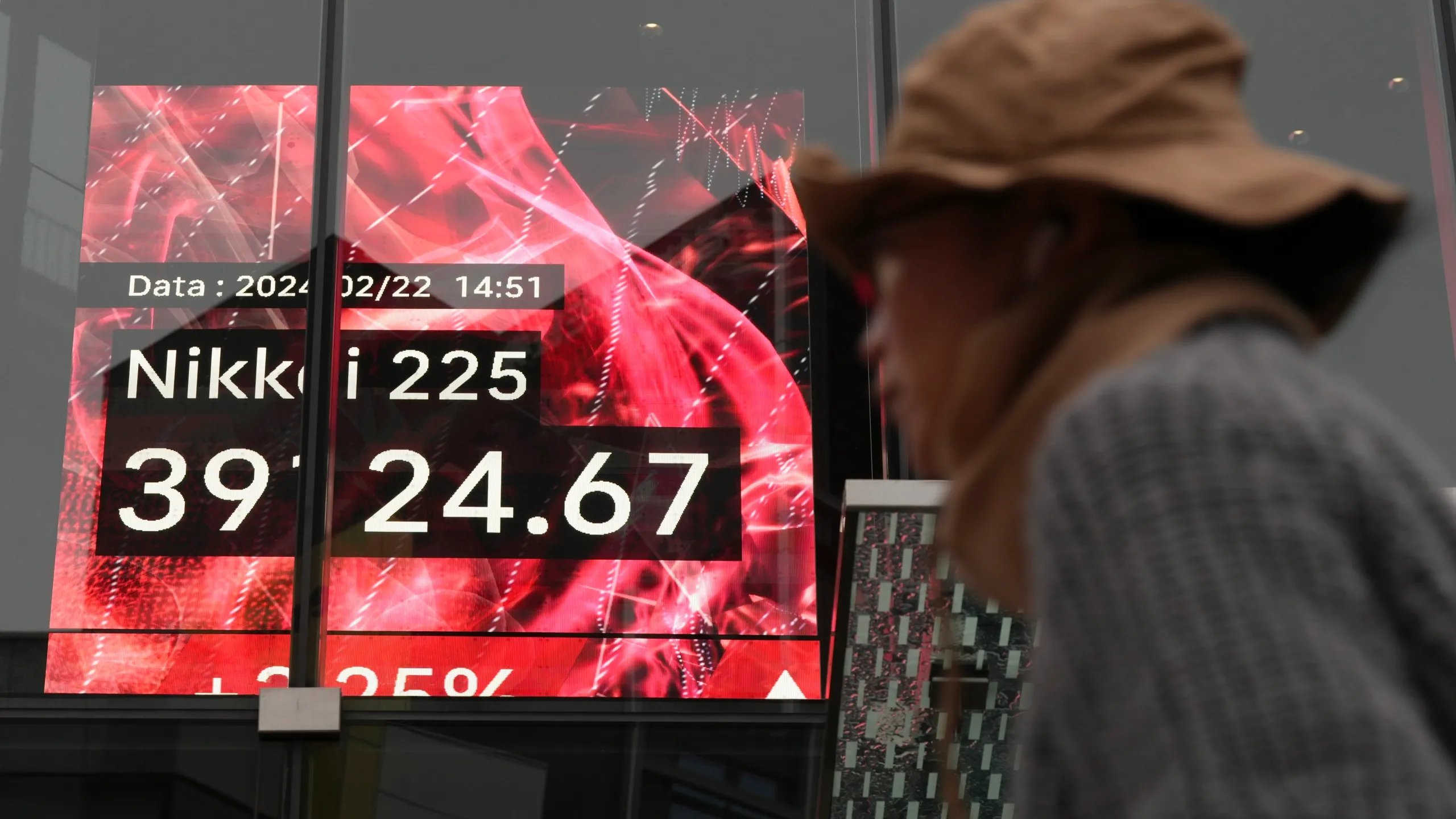
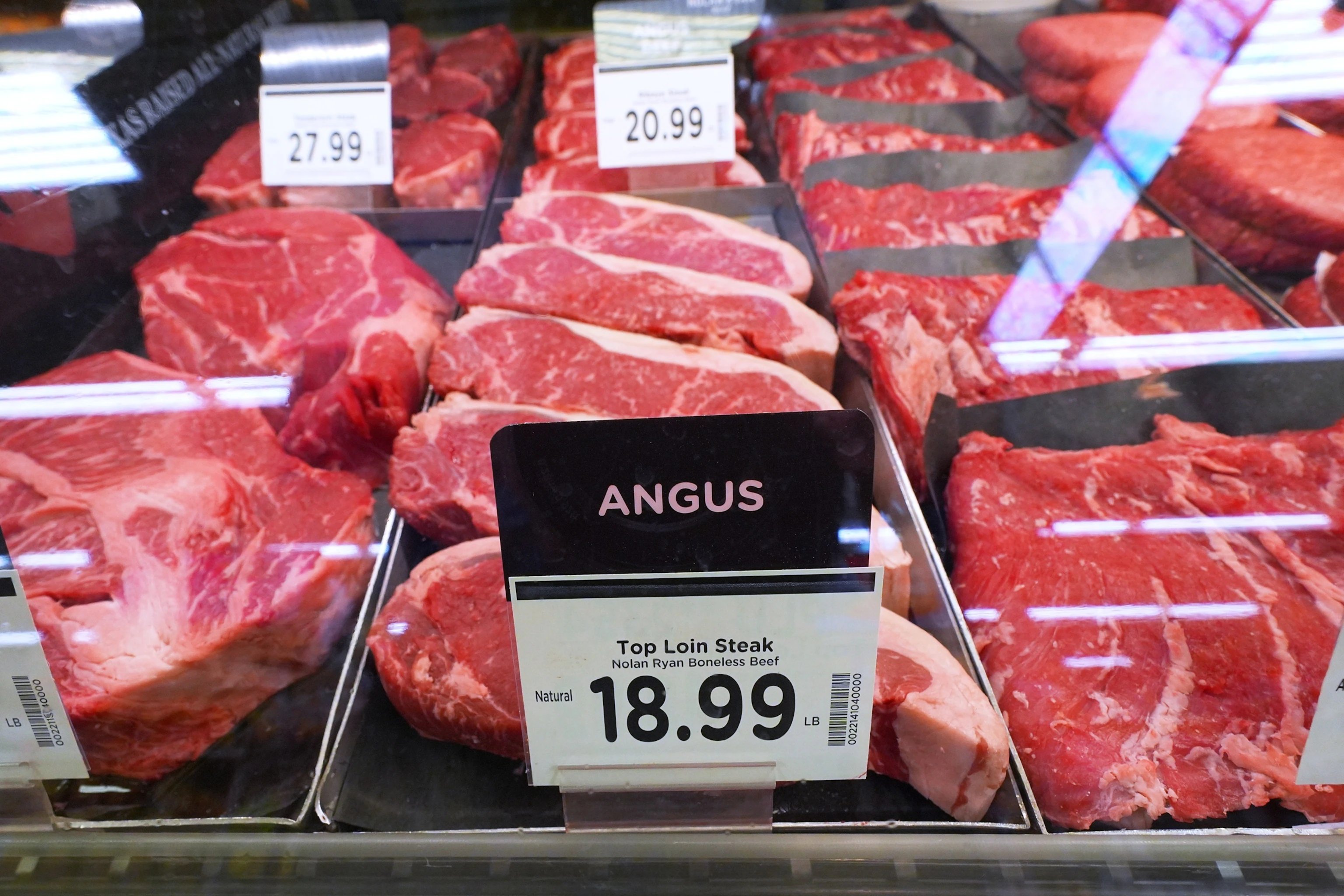
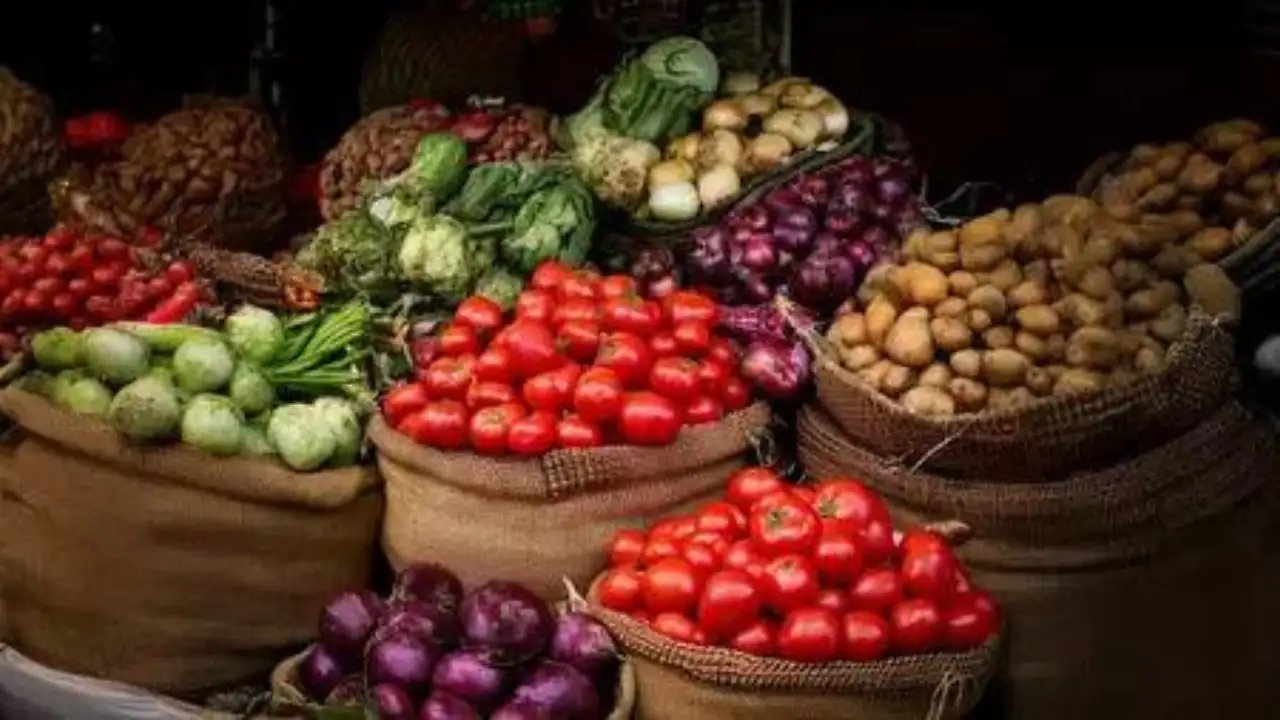
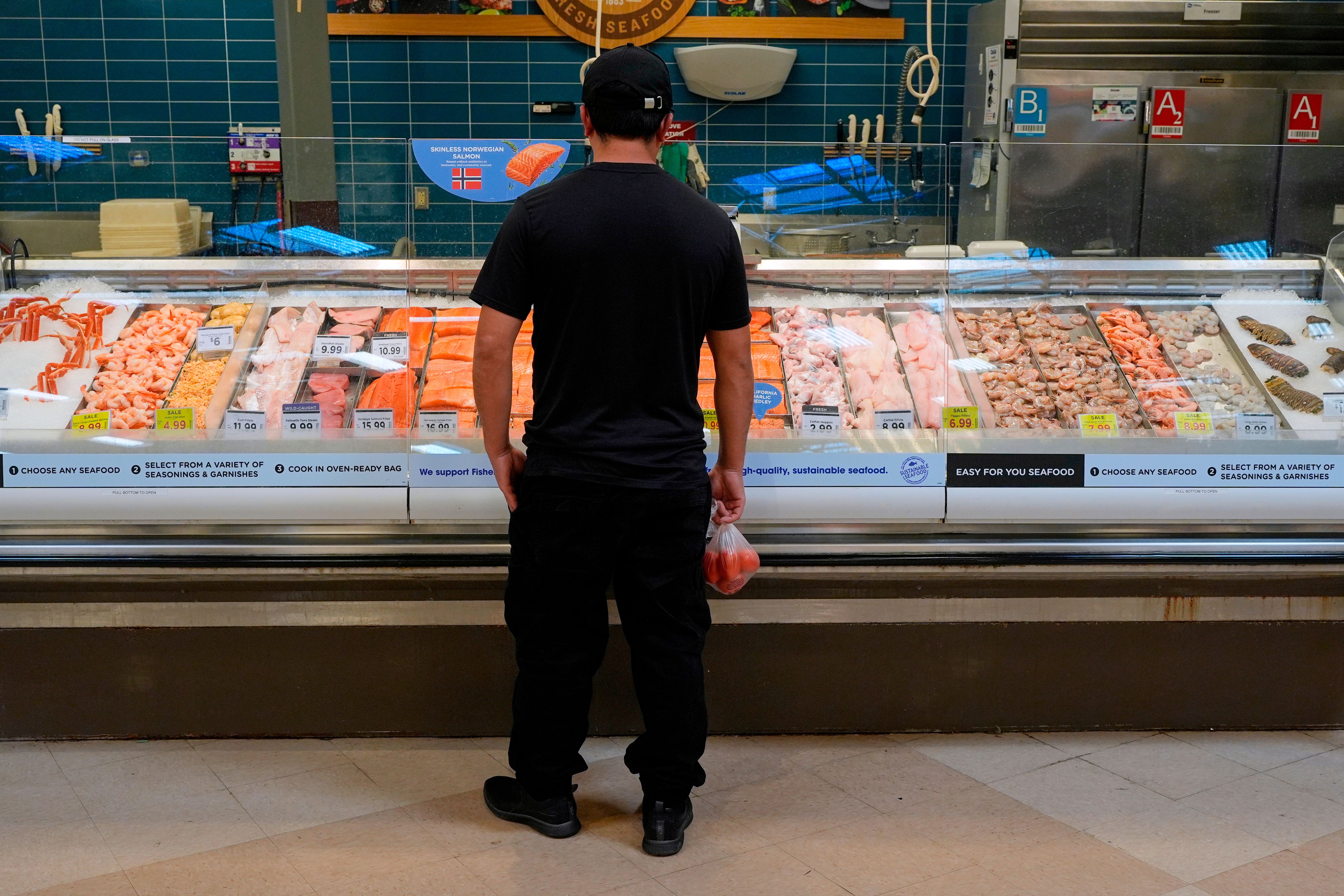
The memos arrive as Americans confront soaring energy prices triggered by the Iran war. Gasoline costs have climbed above $4.10 a gallon nationally after the closure of the Strait of Hormuz, where one-fifth of the world's oil and gas normally travels. Trump acknowledged prices could rise even higher, stating they could be "a little bit higher" by November. The Department of Agriculture predicts food prices will rise 3.6% this year, with food-at-home costs increasing 3.1% and food-away-from-home rising 3.9%, both figures faster than the 20-year historical average.
The memos authorize federal purchases, purchase commitments, and financial support for developing production capabilities. Projects to manufacture natural gas turbines for power generation and electrical transformers—materials now in short supply with long wait times—are eligible for support. A White House official stated the memos are necessary for the Energy Department to access funding secured in last year's Republican budget law. The oil and gas industry donated more than $75 million to Trump's campaign.
Democratic Senator Sheldon Whitehouse urged his party to champion clean energy as a solution to energy cost volatility. He stated: "True energy independence will be achieved by powering our economy with renewable energy, the fuel sources for which are unlimited, free and independent of geopolitical events." Paul Bledsoe, a former climate adviser to Bill Clinton, said Democrats should pitch clean energy as cutting consumer costs first. Representative Ro Khanna added that the U.S. needs to "wean ourselves off the petro-states" and pursue "a moonshot for clean technology." Meanwhile, other nations have responded to the crisis by accelerating clean energy adoption. South Korea and Malaysia have seen electric car sales boom, while Indonesia's president announced plans to convert all motorcycles, cars, trucks, and tractors to electric power.
Highlighted text was flagged by the council. Tap to see feedback.