




New Legal Standards for Redistricting
The Supreme Court has issued a ruling that significantly alters the approach to redistricting, declaring that Congressional districts cannot be drawn along racial lines but can be shaped by partisan interests. This 6-3 decision in the case of Louisiana v. Callais has prompted states, particularly in the South, to begin redrawing their electoral maps in a bid to maintain or enhance political power ahead of the upcoming elections. Congressman Cleo Fields of Louisiana emphasized the gravity of this ruling, stating, "Once the Supreme Court rules, it's the final judgment of the highest court of the land."
Implications for Minority Representation
Critics argue that this ruling undermines the Voting Rights Act and could diminish representation for Black Americans in Congress. Democratic Senator Cory Booker from New Jersey expressed concern that the decision sends the country "backwards in time" by invalidating efforts to create majority-Black districts. The ruling has sparked fears that fewer Black representatives will emerge from redistricting processes, raising questions about equitable representation in government.
Immediate Reactions from Lawmakers
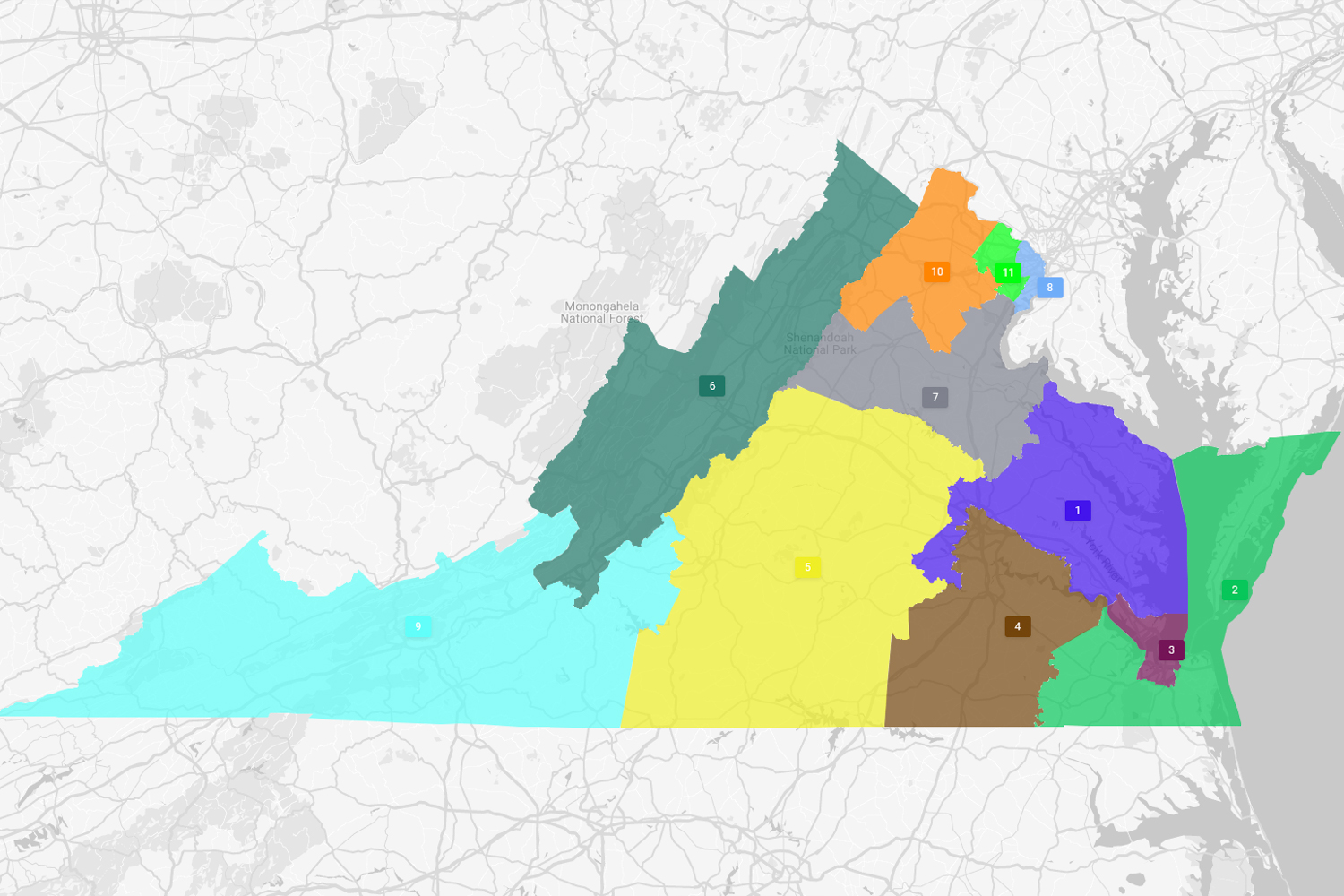
In response to the ruling, Virginia Democratic Representative Jennifer McClellan stated that "all options are on the table" for her party as they grapple with the implications of a recent Virginia Supreme Court decision that struck down their redistricting measures. The decision eliminated four House seats that were expected to flip to Democrats, showcasing the immediate electoral stakes tied to the Supreme Court's ruling.
GOP Strategy in Red States
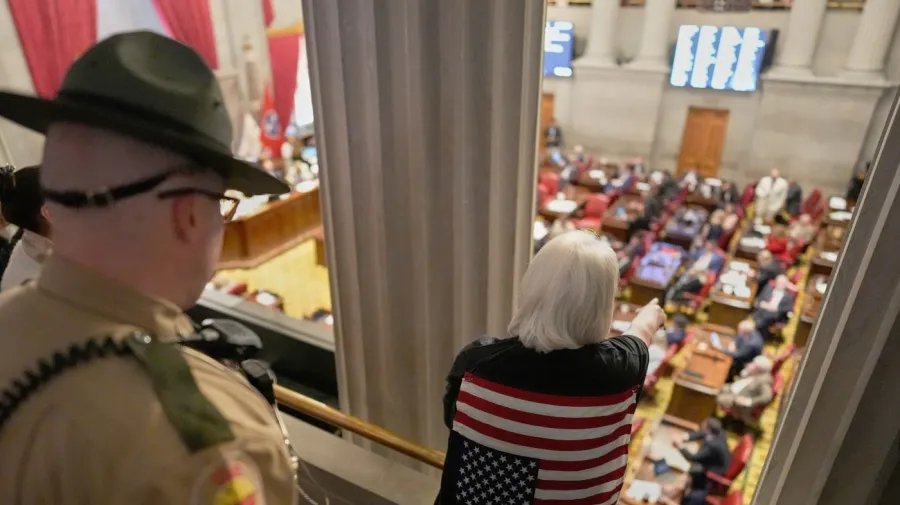
Republican-controlled states are moving quickly to capitalize on the ruling. Tennessee's Republican governor recently signed a new congressional map into law, which critics argue will dilute the voting power of Black citizens. Hans von Spakovsky, a conservative legal expert, defended the Court's decision, claiming it reflects a commitment to ending racial discrimination in electoral processes, even as he acknowledged that partisan gerrymandering would continue.
Partisan Division in Judicial Perspectives
Democratic Congressman Jamie Raskin of Maryland condemned the ruling as evidence of the Roberts Court's alignment with partisan interests, accusing it of attempting to bolster Republican electoral prospects. He argued that the ruling contradicts the original intent of the Voting Rights Act, stating that the Court has effectively established a double standard favoring majority-white districts.
Historical Context and Future Consequences
Martha Jones, a historian at Johns Hopkins University, described the ruling as part of an ongoing struggle for racial equality in American politics. The decision reflects a historical pattern where the quest for equitable representation continues to meet legal and political challenges. As states rush to redraw maps in light of the ruling, the long-term consequences for Black representation and American democracy remain uncertain. Jones noted, "Only history will tell us in some sense what it meant, what its long-term consequences were."
Virginia’s Controversial Response Plan
In Virginia, a controversial proposal has emerged among Democrats to lower the mandatory retirement age for Supreme Court justices as a means to replace those who voted against their redistricting measures. This strategy aims to reconstitute the court to facilitate a more favorable ruling on redistricting. Representative Suhas Subramanyam supported the drastic measures, asserting that Democrats must act decisively to protect voter-approved maps.
Next Steps for Voters and Legislators
As the Supreme Court's ruling reverberates through state legislatures, voters may soon see the effects of these changes in their electoral districts. With the 2026 elections approaching, the urgency for both parties to adapt their strategies is palpable. Lawmakers and activists are closely monitoring developments, knowing that the reshaping of district maps could have lasting implications on voter representation and the political landscape in the years to come.