




"Totally Unacceptable"
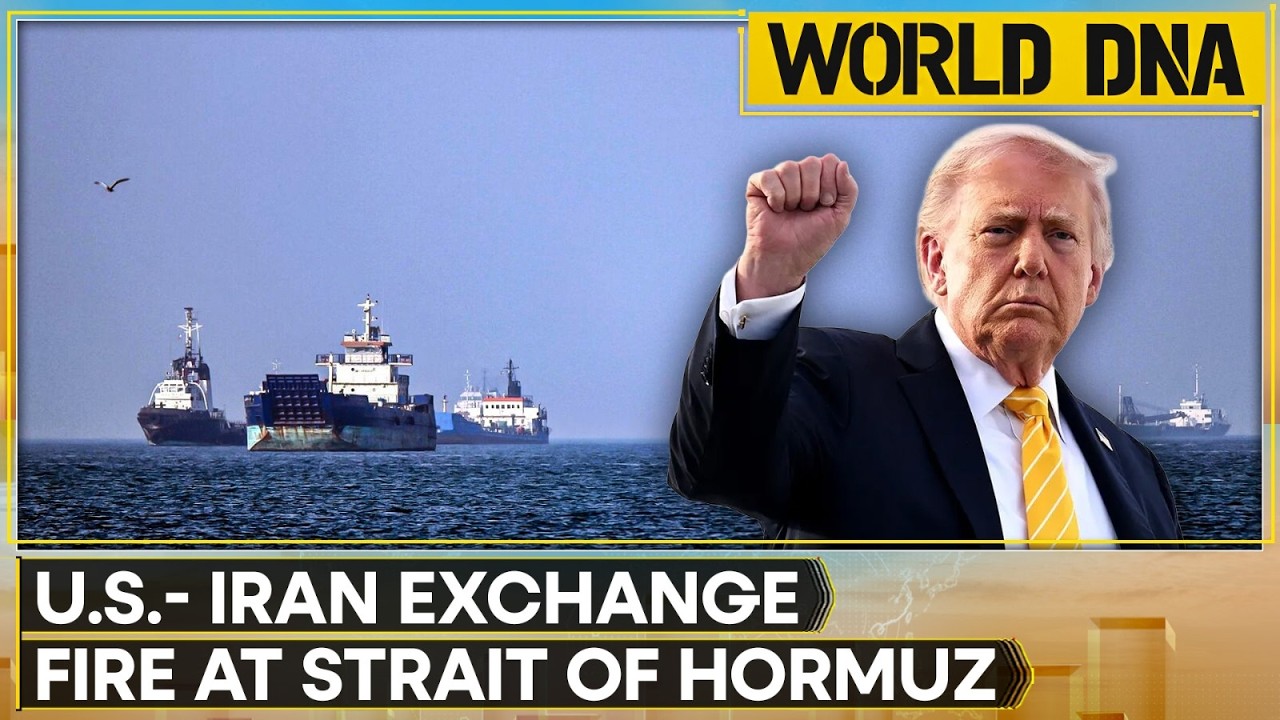
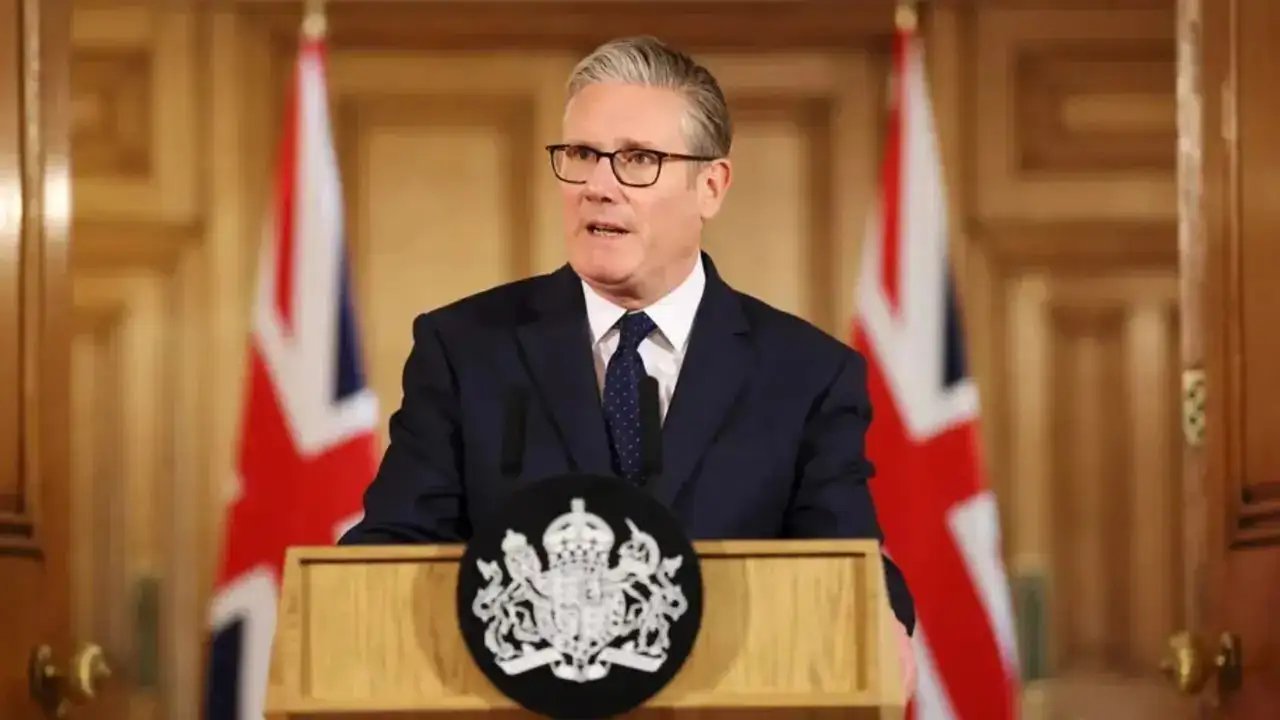
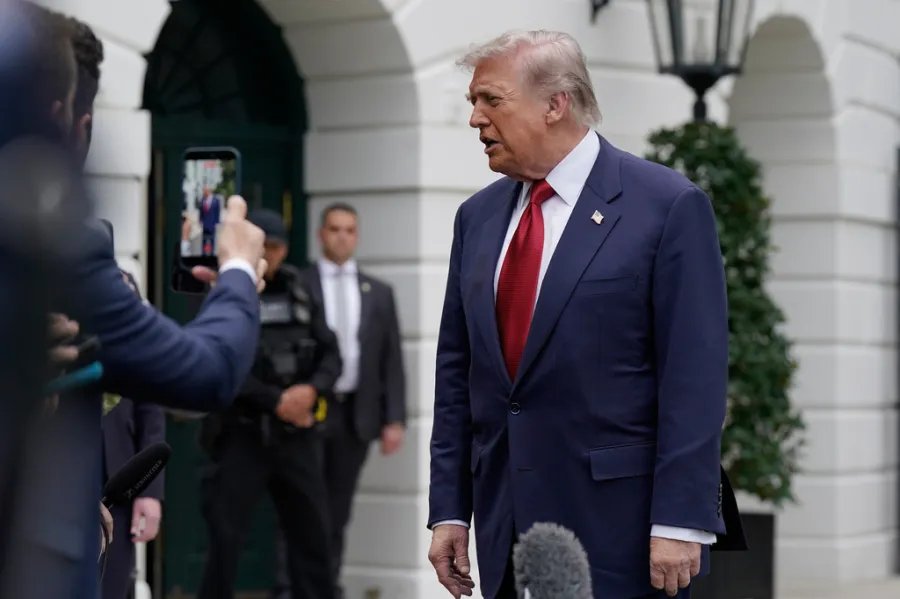
President Trump rejected Iran's response to the U.S. peace proposal on Sunday, calling it "TOTALLY UNACCEPTABLE!" in a Truth Social post. Trump did not provide details regarding his issues with Iran's response, nor did he outline potential next steps. The Iranian government submitted its response to the U.S. through Pakistani mediators.
Iranian Demands
Iranian state media reported that their response focused on ending the war and securing guarantees it won't resume. Tasnim news agency, affiliated with the Islamic Revolutionary Guards Corps, stated Iran's text "stresses the necessity of lifting U.S. sanctions, ending the war on all fronts" and ensuring Iranian management of the Strait of Hormuz. Iran demanded an immediate end to the U.S. naval blockade upon signing the memorandum of understanding.
U.S. Stance
The U.S. proposal involved Iran gradually opening the Strait of Hormuz, with the U.S. easing its blockade over 30 days, according to officials. U.S. Ambassador to the United Nations Mike Waltz said President Trump is giving diplomacy with Iran "every chance" before restarting military strikes. Waltz stated that Trump will determine what constitutes a violation of the ceasefire and when to resume military action.
Oil Market Reaction
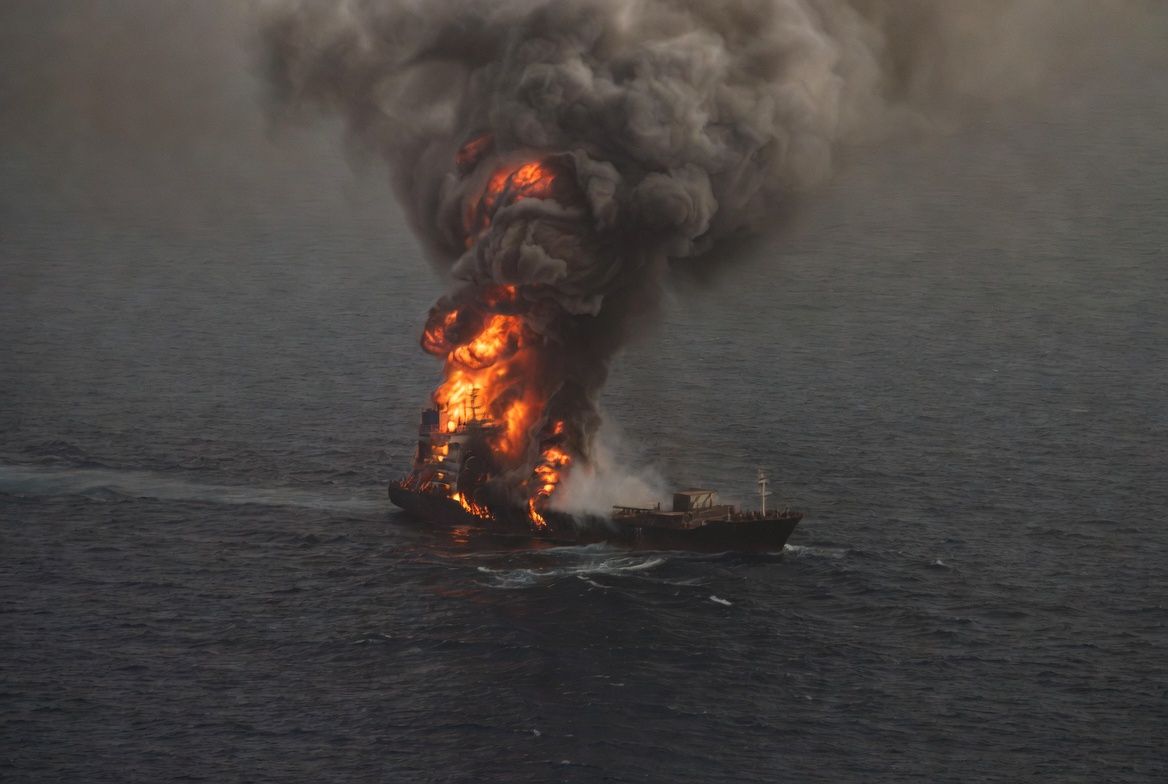
Oil prices jumped 3% in early trading following Trump's comments, with Brent crude hovering around $104 a barrel. Saudi Aramco warned of significant oil market losses. Tankers are navigating the Strait of Hormuz with tracking systems off.
Military Readiness
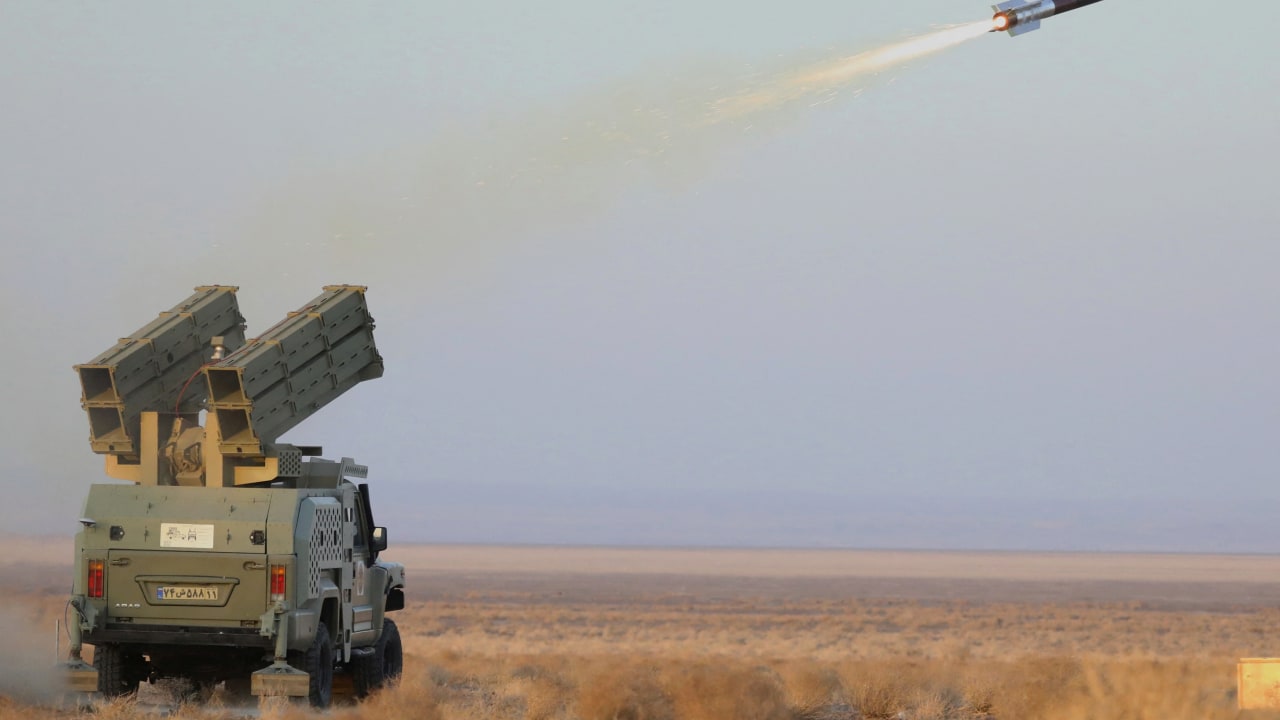
Brig. Gen. Akrami Nia told the Islamic Republic News Agency that Iranian forces are on "full readiness" to protect nuclear sites. The Lebanese Ministry of Health released an updated death toll from Israeli strikes, reporting over 2,800 killed and nearly 8,700 wounded. The U.S. military said it has redirected 61 commercial vessels attempting to exit or enter Iranian ports through the Strait of Hormuz.
Diplomatic Efforts Continue
President Trump spoke with Israeli Prime Minister Benjamin Netanyahu on Sunday and discussed the Iranian response. Qatari Prime Minister Sheikh Mohammed bin Abdulrahman bin Jassim Al-Thani met with Secretary of State Marco Rubio and President Trump's Middle East envoy Steve Witkoff in Miami to discuss efforts to end the Iran war. Two days of "intensive talks" will be held in Washington, D.C., between representatives from Lebanon and Israel on May 14 and 15 to work out a "lasting peace and security arrangements," according to the State Department.
The rejection of Iran's response raises concerns about continued tensions and potential military action, with Senator Lindsey Graham suggesting Trump should consider military action.