





Rising Tensions
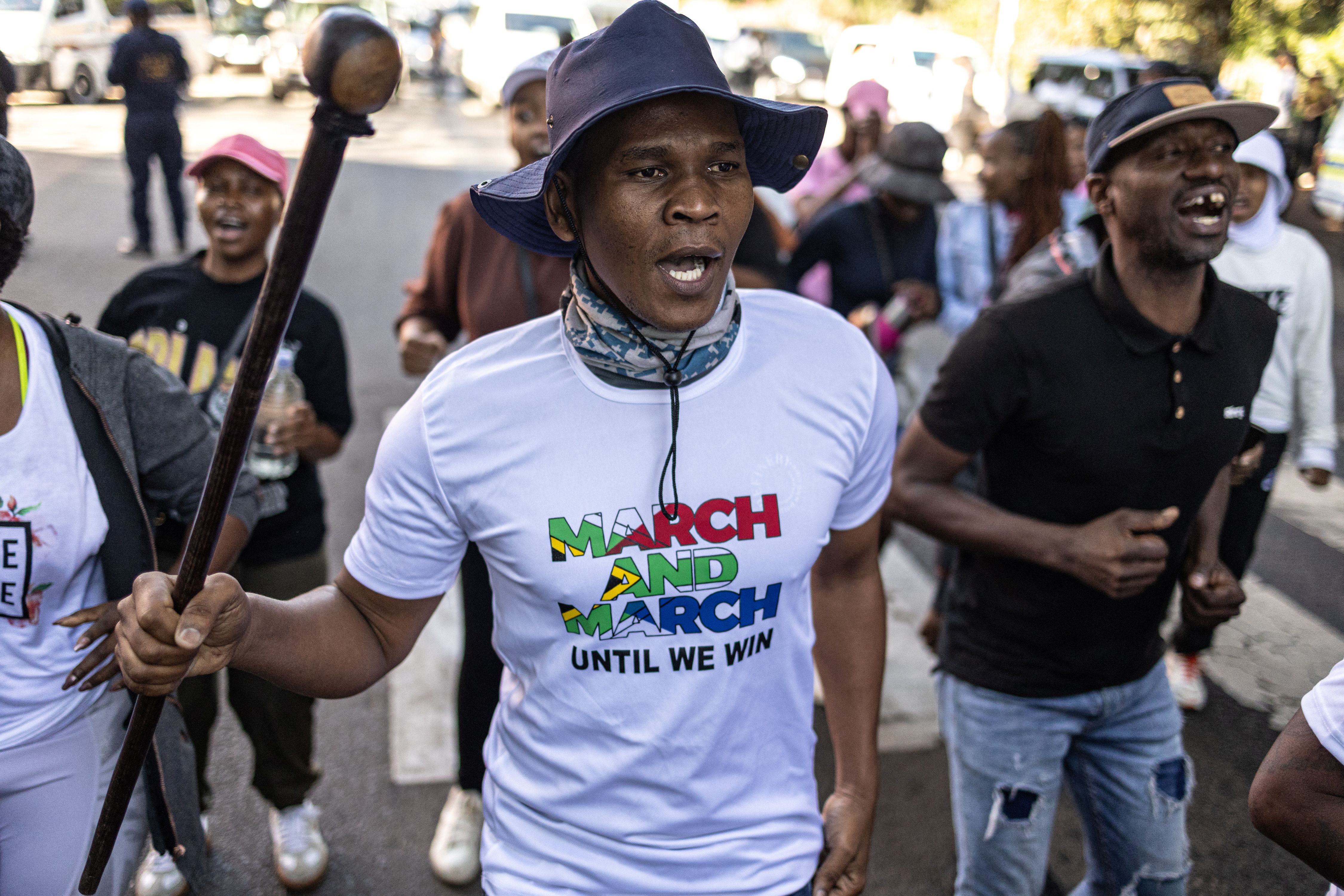
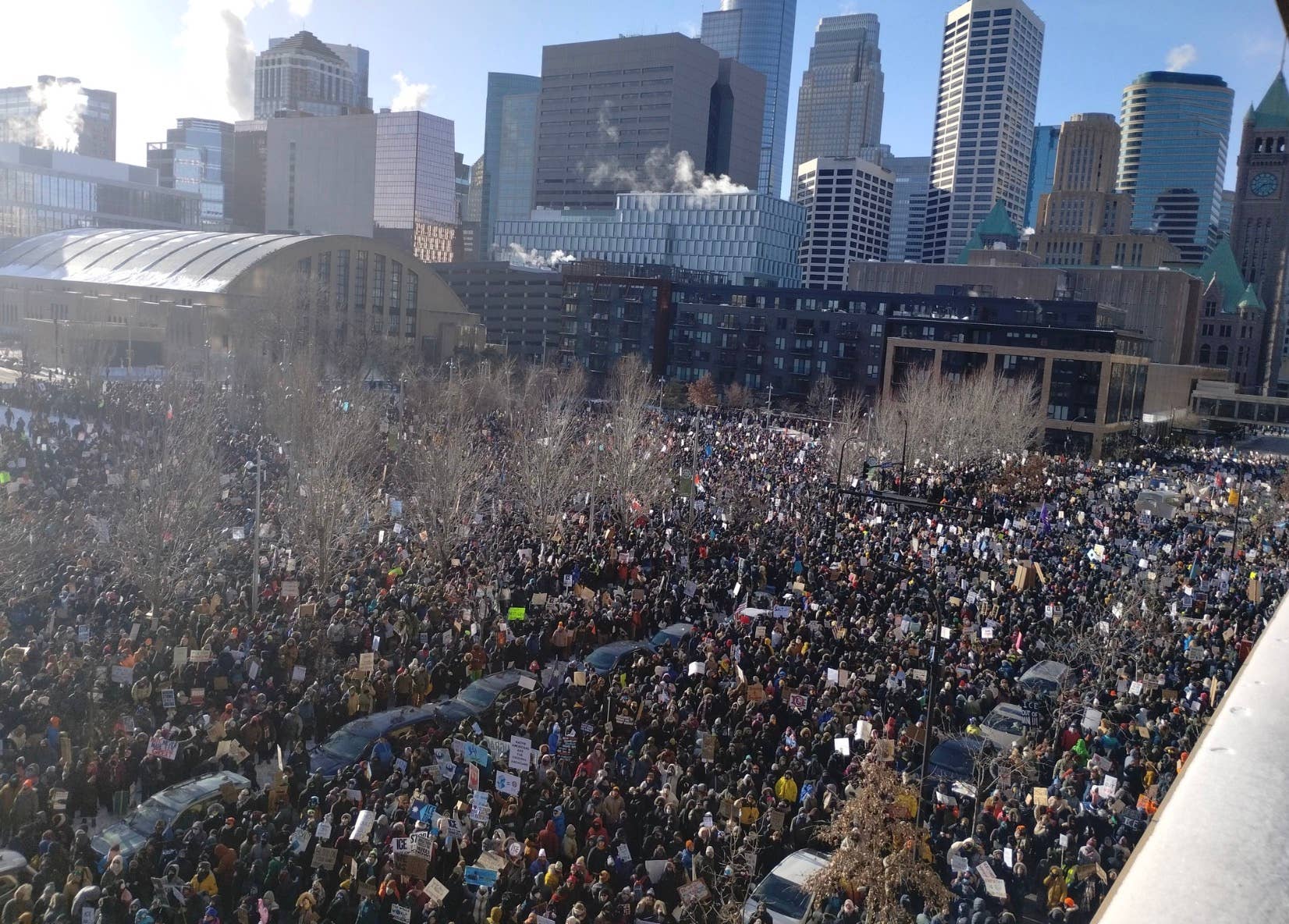
Nigeria is preparing to repatriate citizens who wish to leave South Africa voluntarily, as anti-migrant protests escalate. Foreign Minister Bianca Odumegwu-Ojukwu stated that 130 people have already applied for repatriation. These protests have included violence against foreign shopkeepers.
Official Response
Nigeria has summoned South Africa's acting High Commissioner to a meeting to formally convey its "profound concern" regarding the attacks. This follows a similar complaint lodged by Ghana weeks earlier. The meeting will address anti-immigrant marches and "documented instances of mistreatment of Nigerian citizens and attacks on their businesses."
Government Condemnation
President Bola Tinubu expressed concern about the violence and "xenophobic rhetoric, hate speeches and incendiary anti-migrant statements". The Nigerian government insists that "Nigerian lives and businesses in South Africa must not continue to be put at risk". The government is demanding justice for the killing of two Nigerians in separate incidents involving local security personnel.
Personal Accounts
Peter Odike, a Nigerian naturalized in 2006, said that "business is totally down. Most of us are shutting down because it's not safe to stay here". Another Nigerian man told BBC Pidgin during a march in Pretoria that "It is not okay because we are blacks, we are brothers... everybody comes here just to survive." A security guard expressed fear, asking, "It's just making us scared - imagine if we're scared in our own African continent - what if we go to Europe?"
International Criticism
UN Secretary-General Antonio Guterres stated he was "deeply concerned by reports of xenophobic attacks and acts of harassment and intimidation against migrants and foreign nationals." He added that "Violence, vigilantism and all forms of incitement to hatred have no place in an inclusive, democratic society governed by the rule of law and respect for human rights". South Africa's foreign affairs minister, Ronald Lamola, stated that violence against migrants was a threat to South Africa's constitutional order.
South African Perspective
South African President Cyril Ramaphosa has condemned the attacks but also cautioned foreigners to respect local laws. Some South Africans accuse foreigners of taking jobs and having links to crime, especially drugs trafficking. Anti-immigrant groups have been stopping people to demand to see their identity papers.
Underlying Factors
With an unemployment rate of more than 30%, some say migrants have been scapegoated for South Africa's economic struggles. Ferial Haffajee, the associate editor of South Africa's Daily Maverick, wrote that "political entrepreneurs" had been abusing the situation.
Regional Impact
News outlet City Press reports that South African trucks and citizens could be prevented from entering Mozambique in retaliation for xenophobic attacks against immigrants in South Africa. South Africa is home to about 2.4 million migrants.
Repatriation Efforts
Arrangements are underway to collate details of Nigerians in South Africa for voluntary repatriation flights for those seeking assistance to return home. The priority is the safety of Nigerian citizens.





























































































































































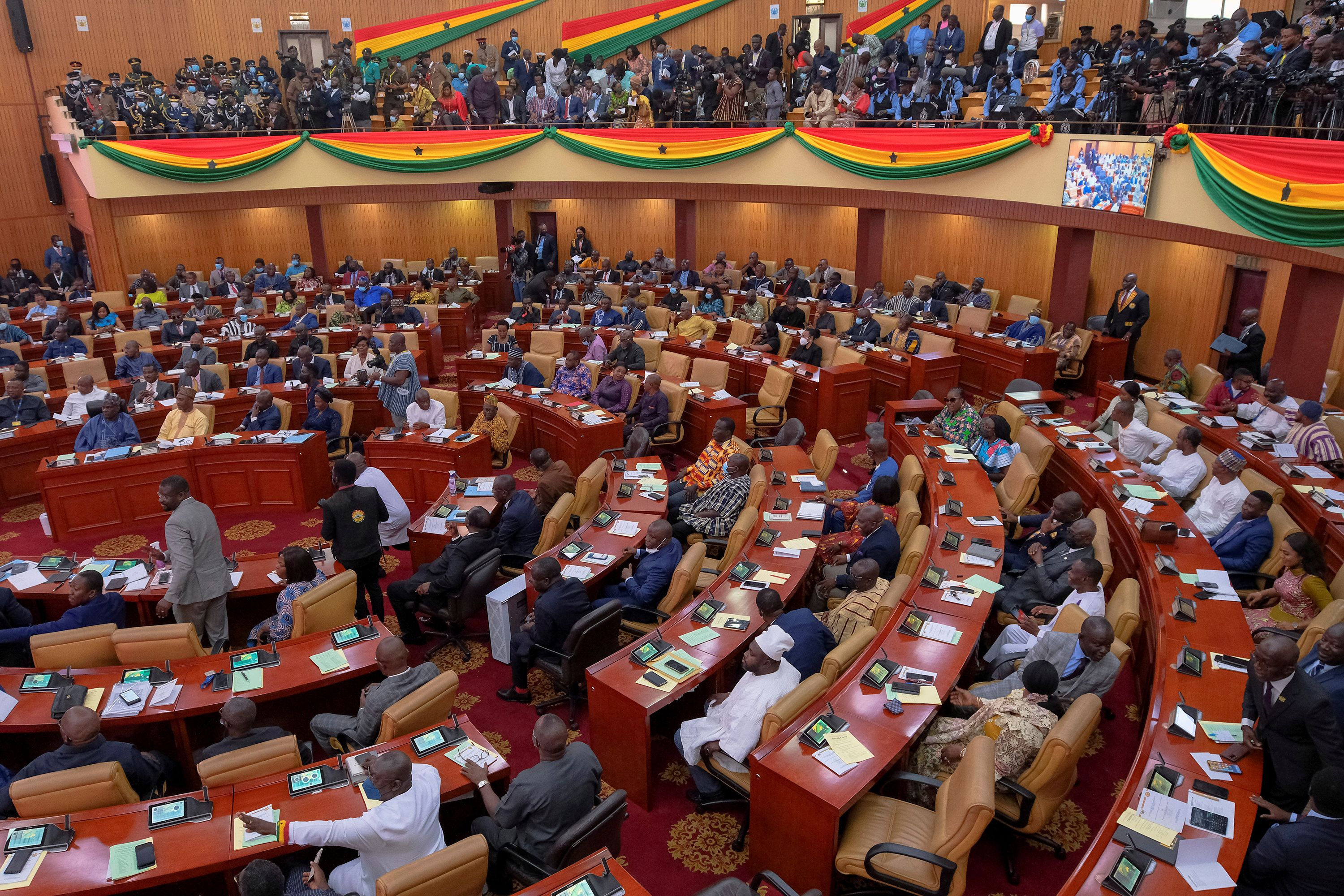












































The sources also report that Ghana's foreign ministry held talks with South Africa's acting high commissioner in Accra to protest several alleged xenophobic incidents involving Ghanaians.