




War Powers Resolution Deadline
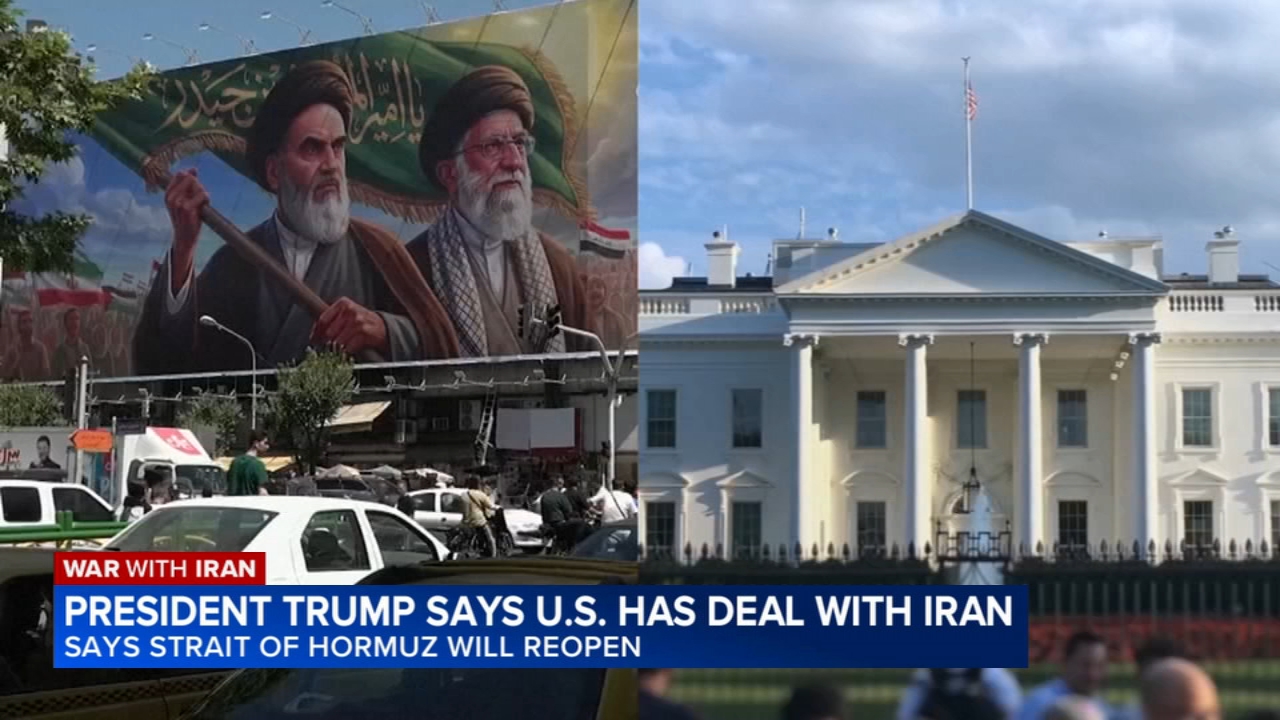
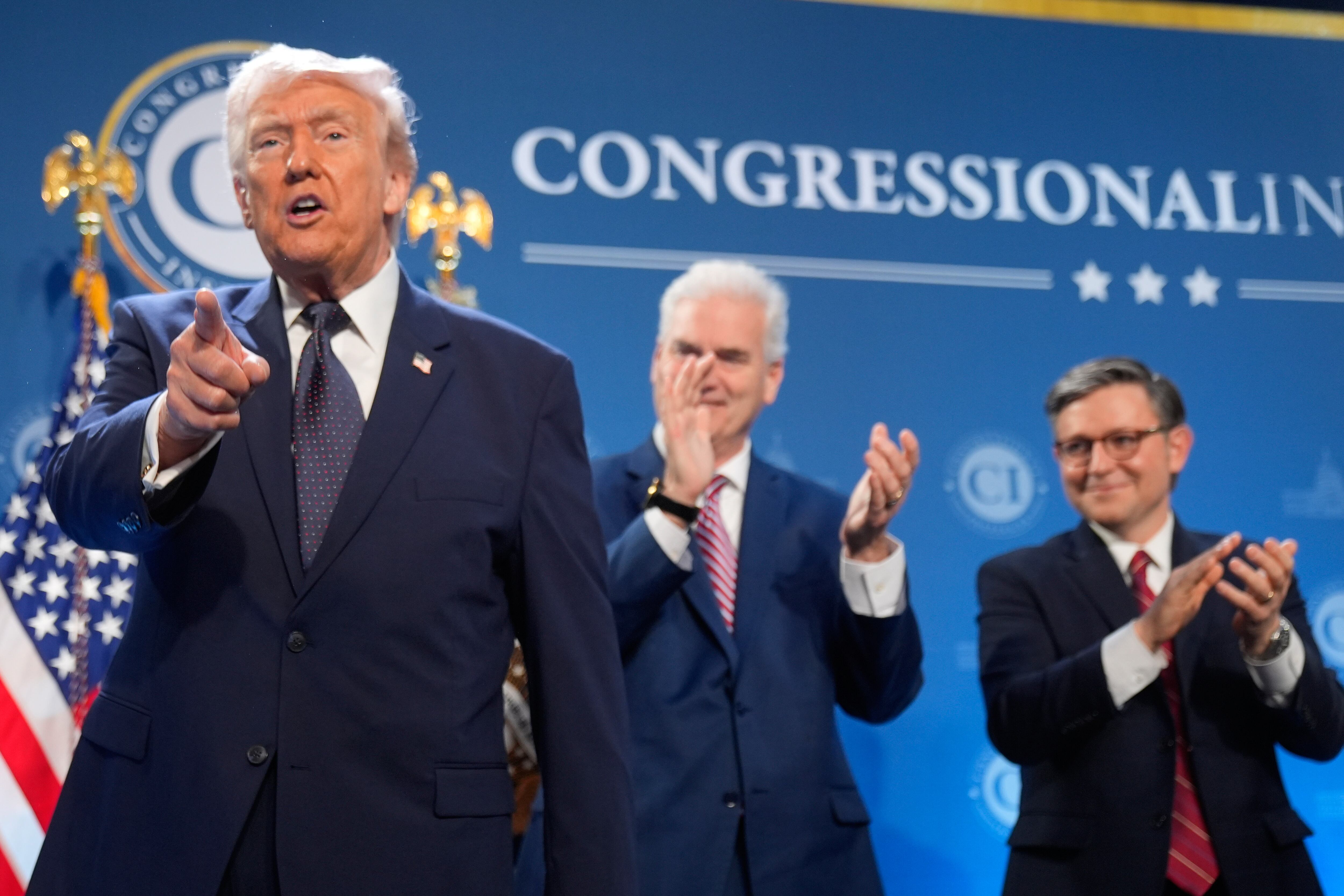
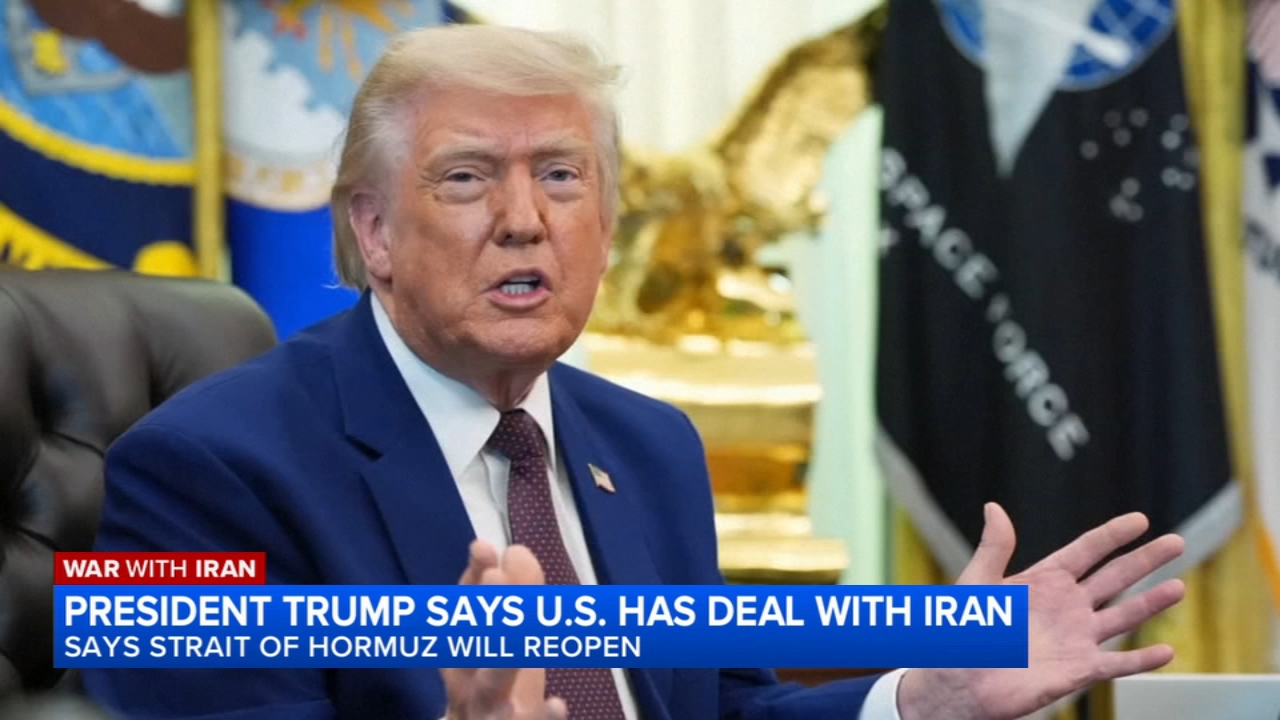
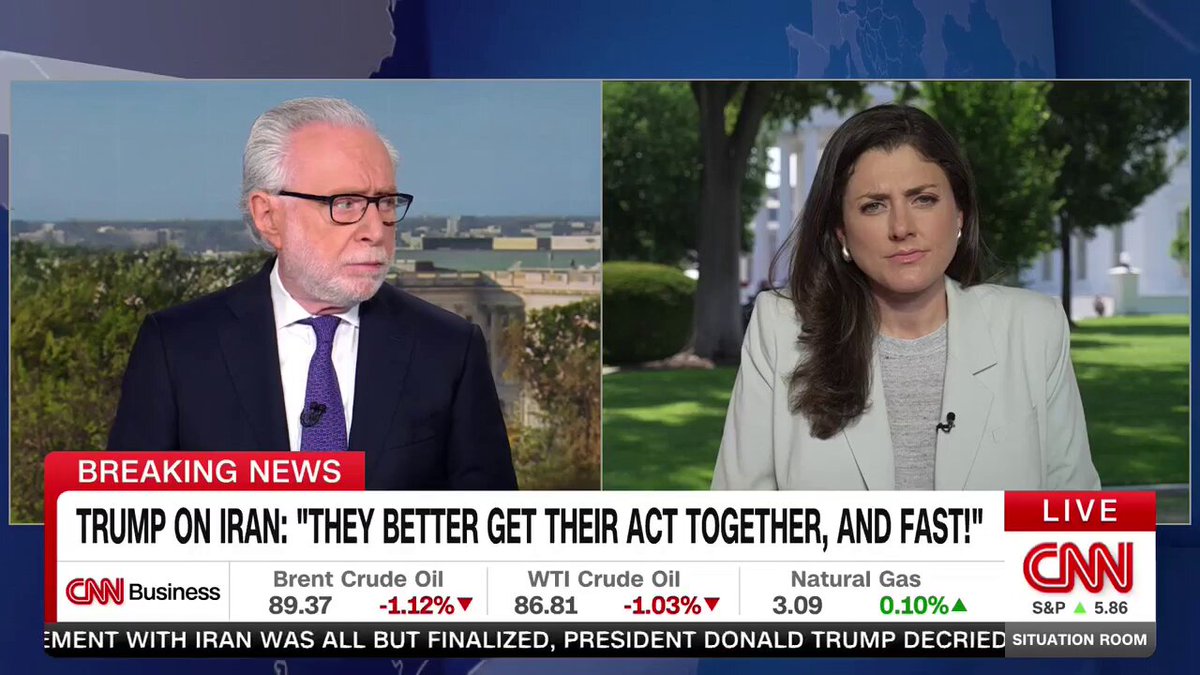
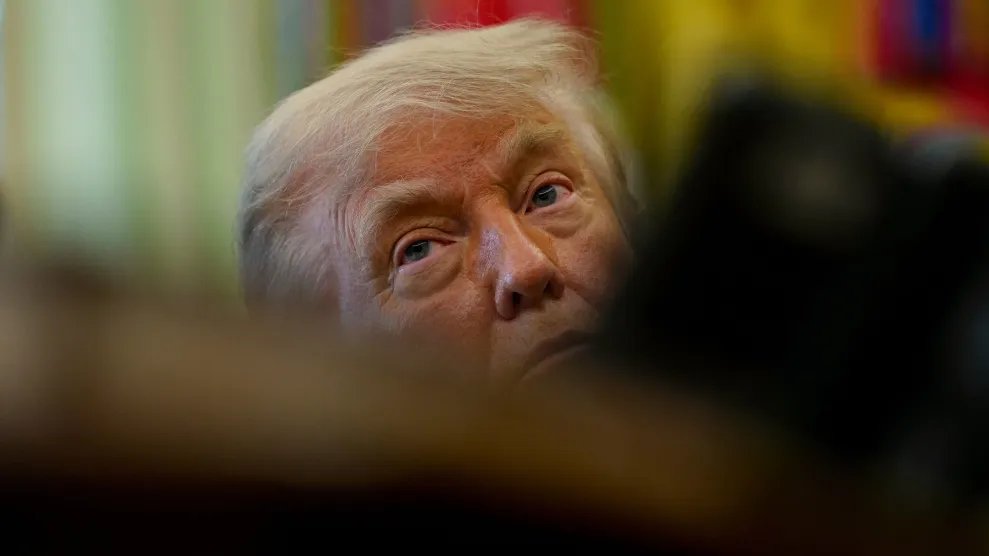
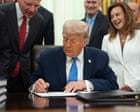
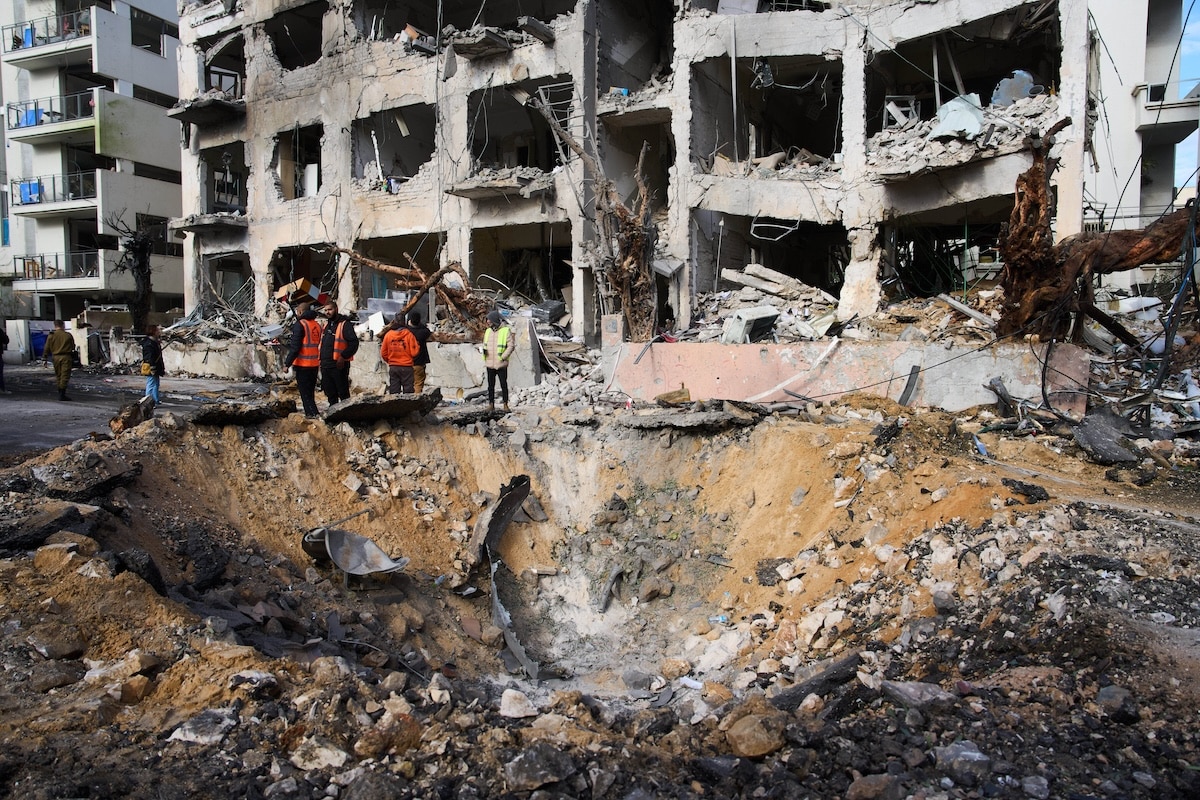
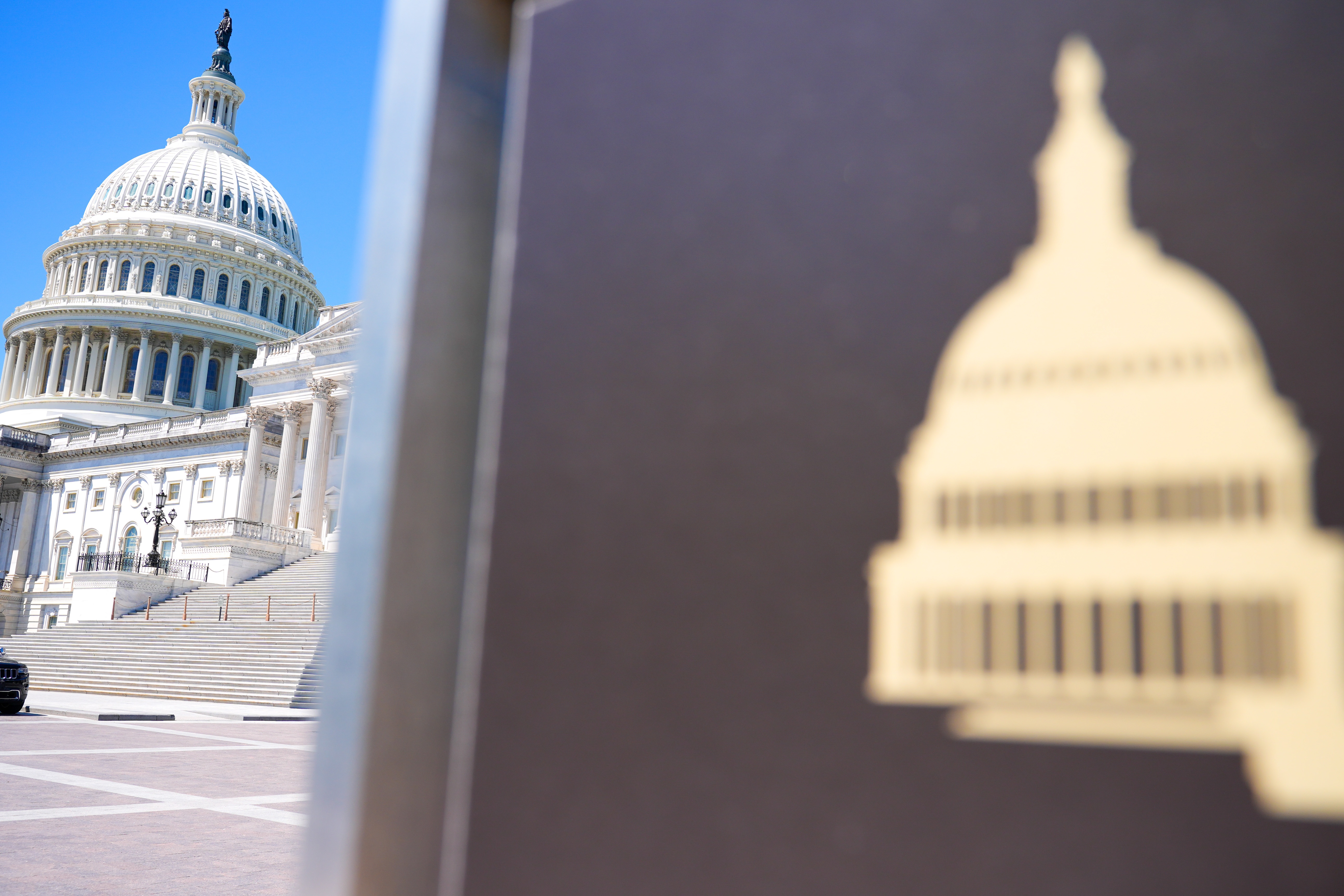
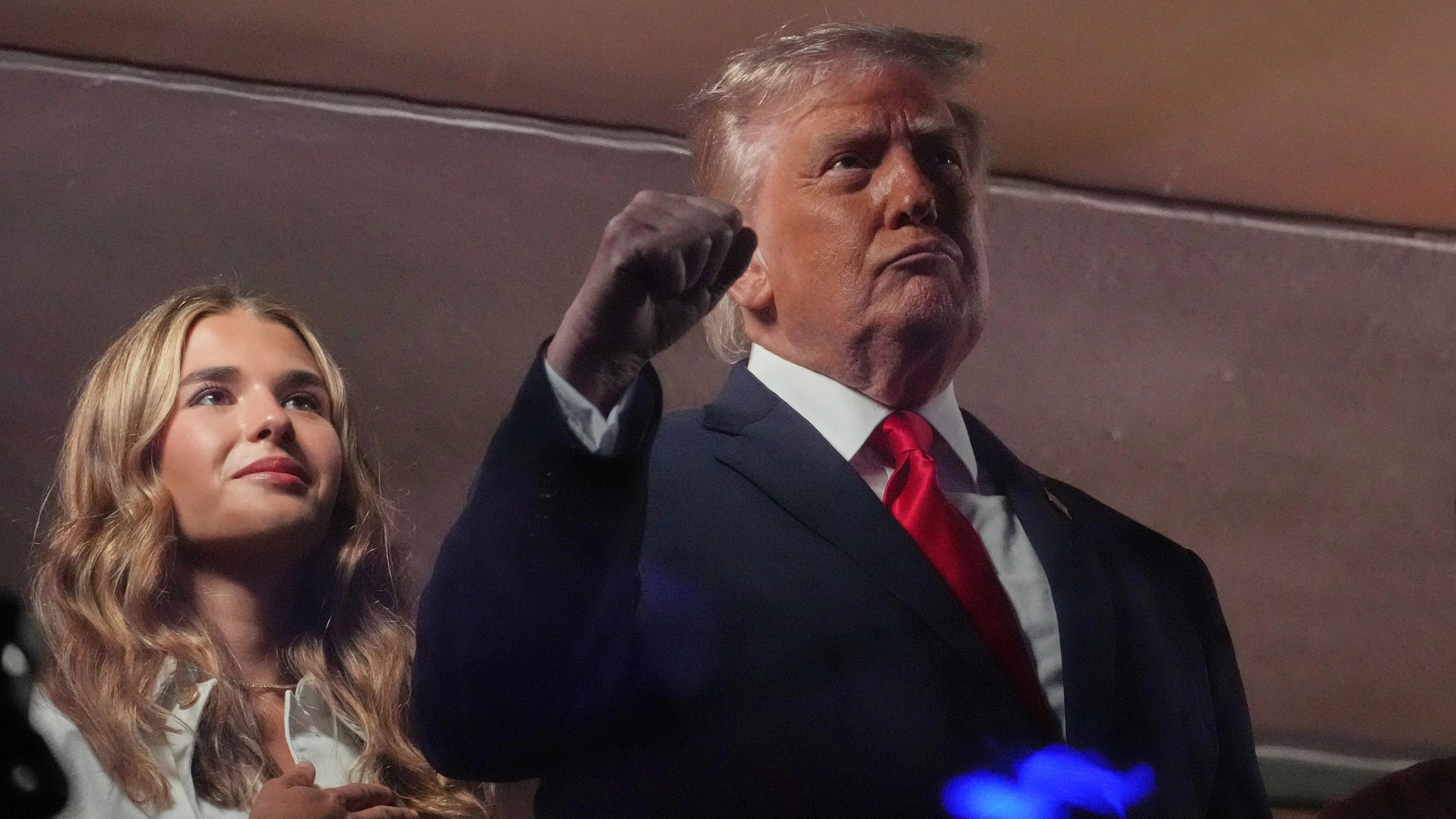
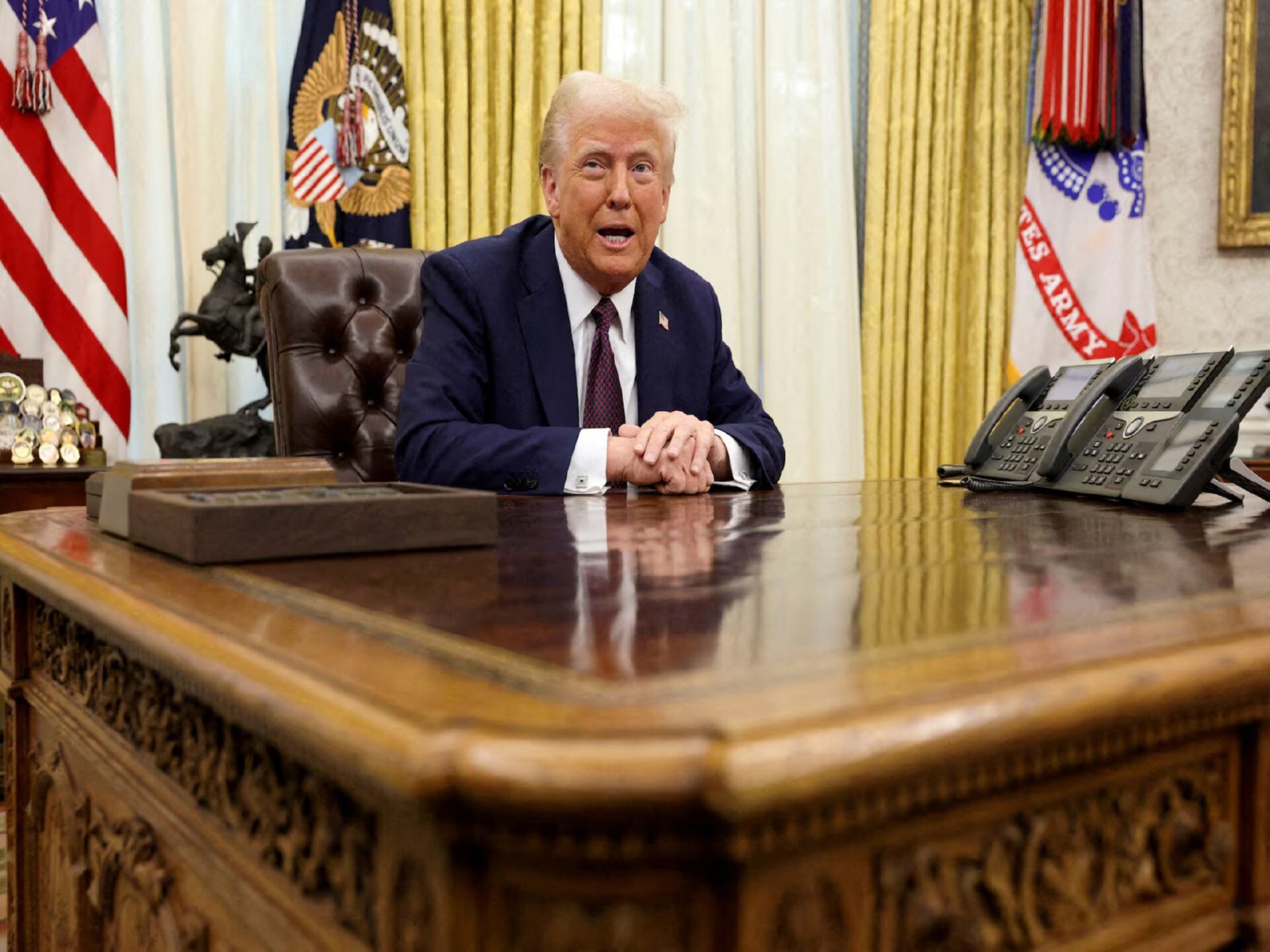
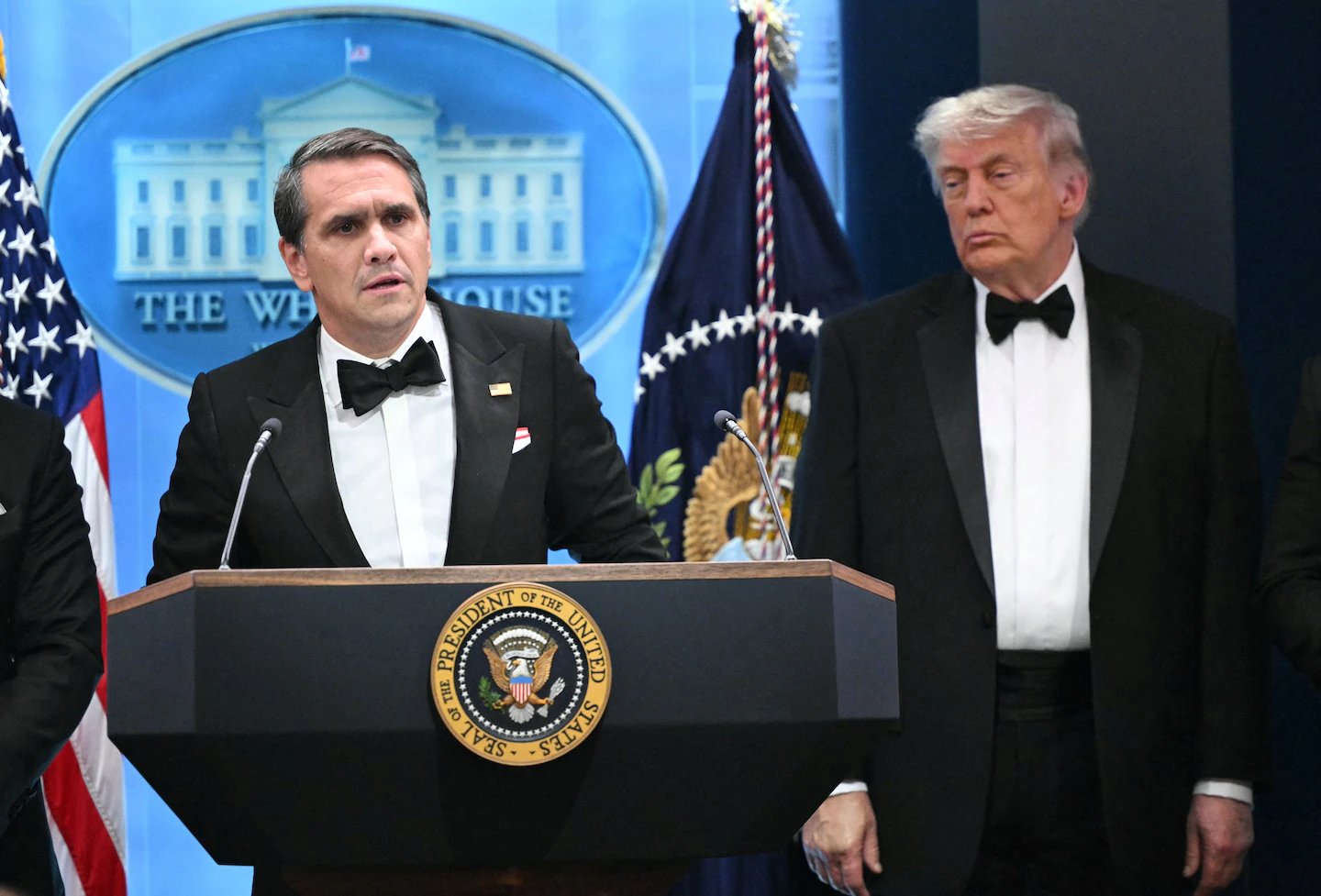
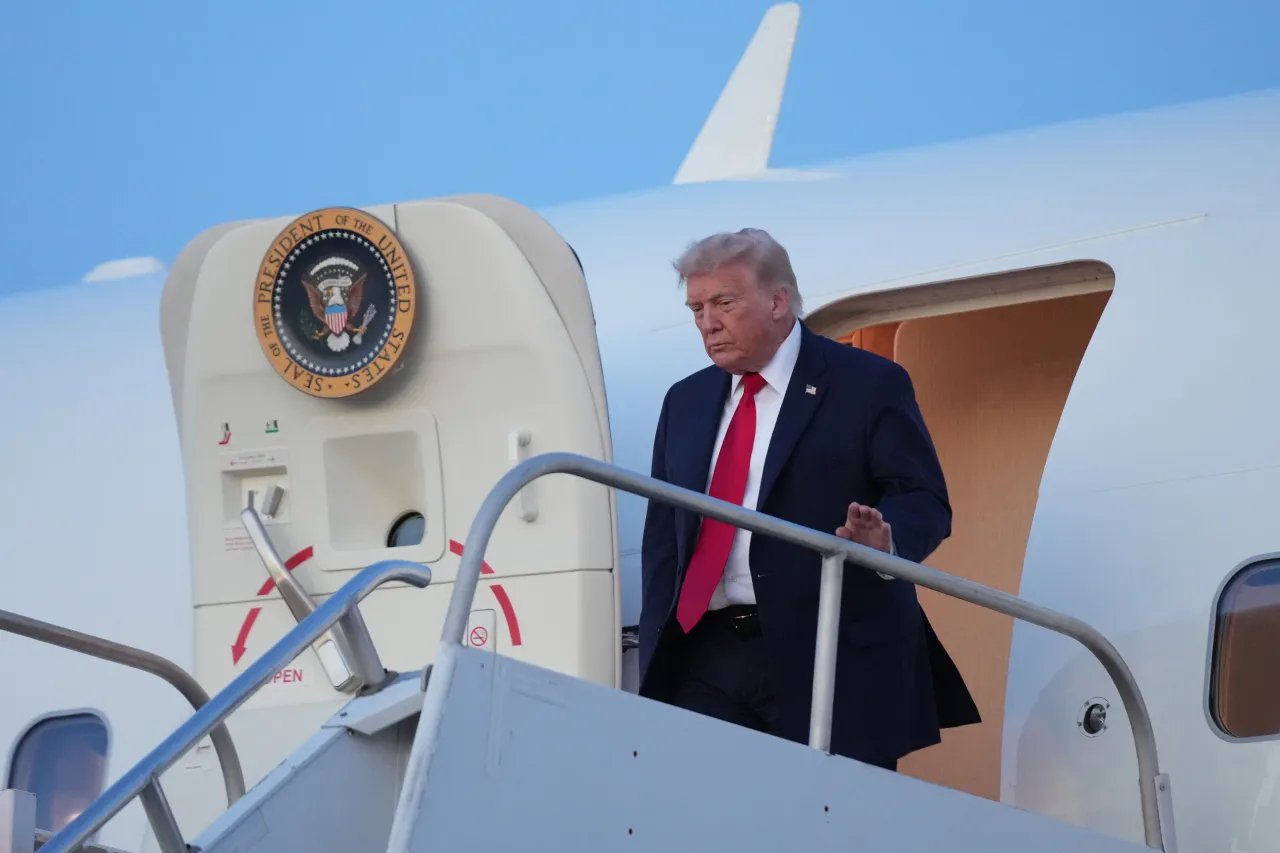
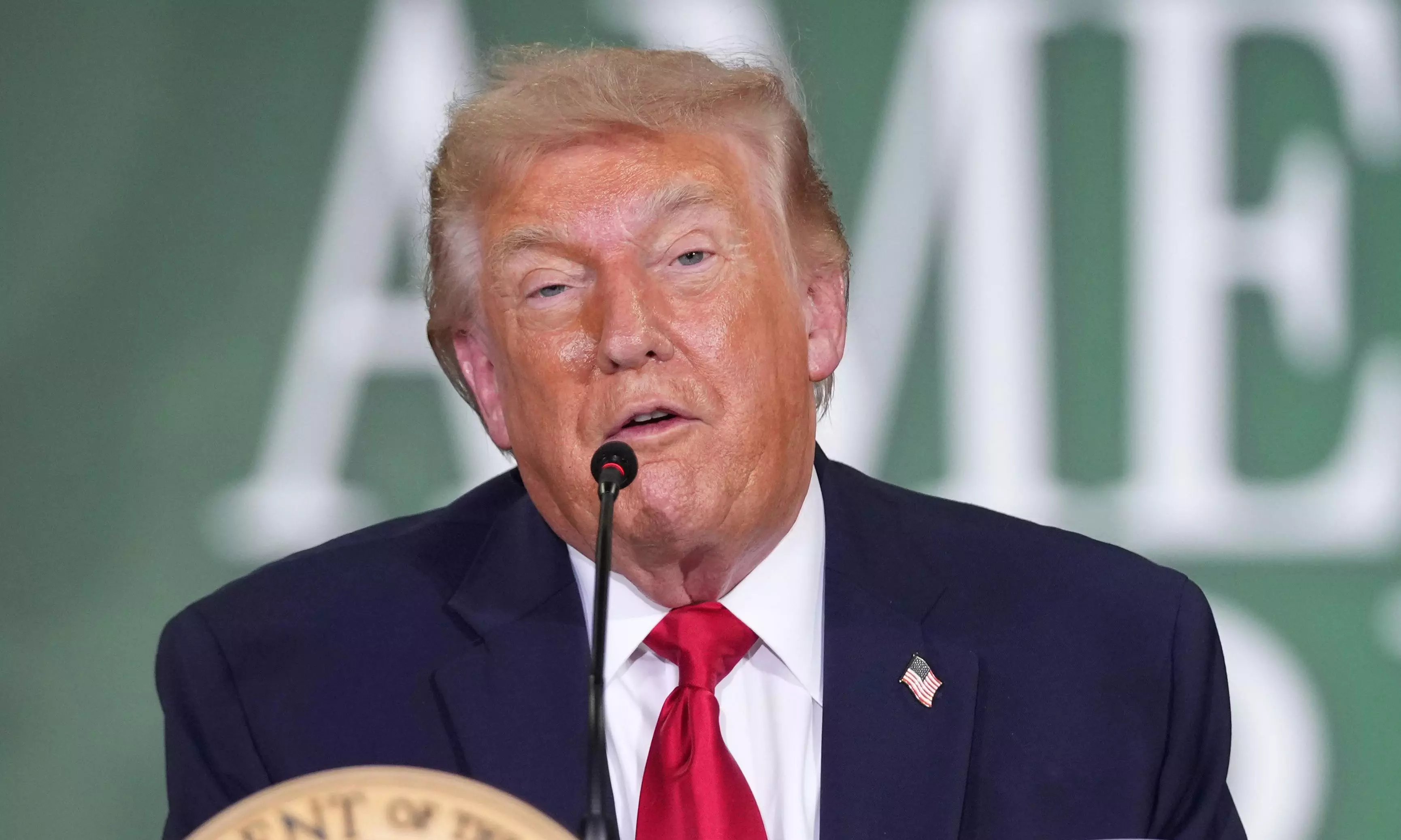
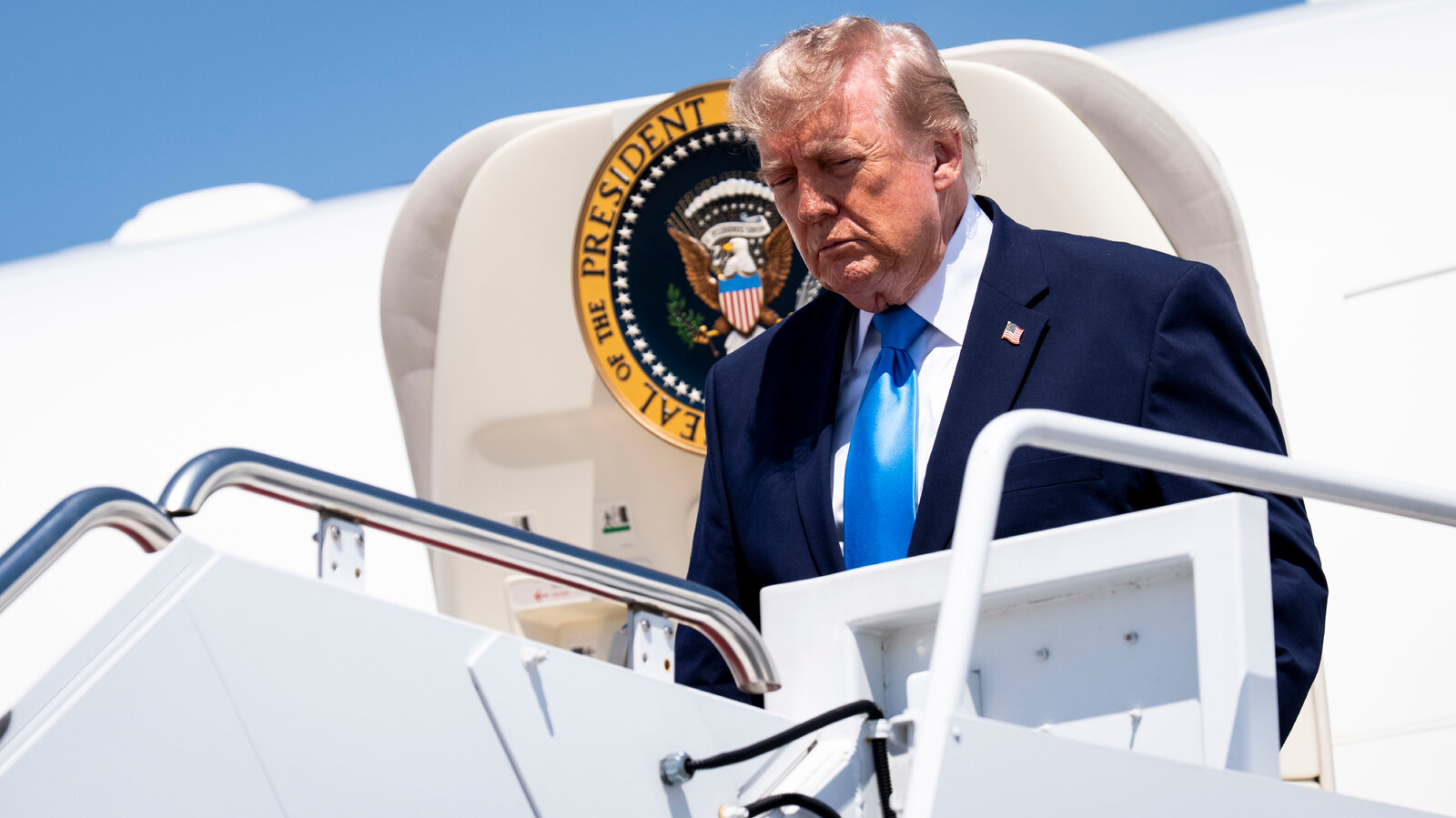
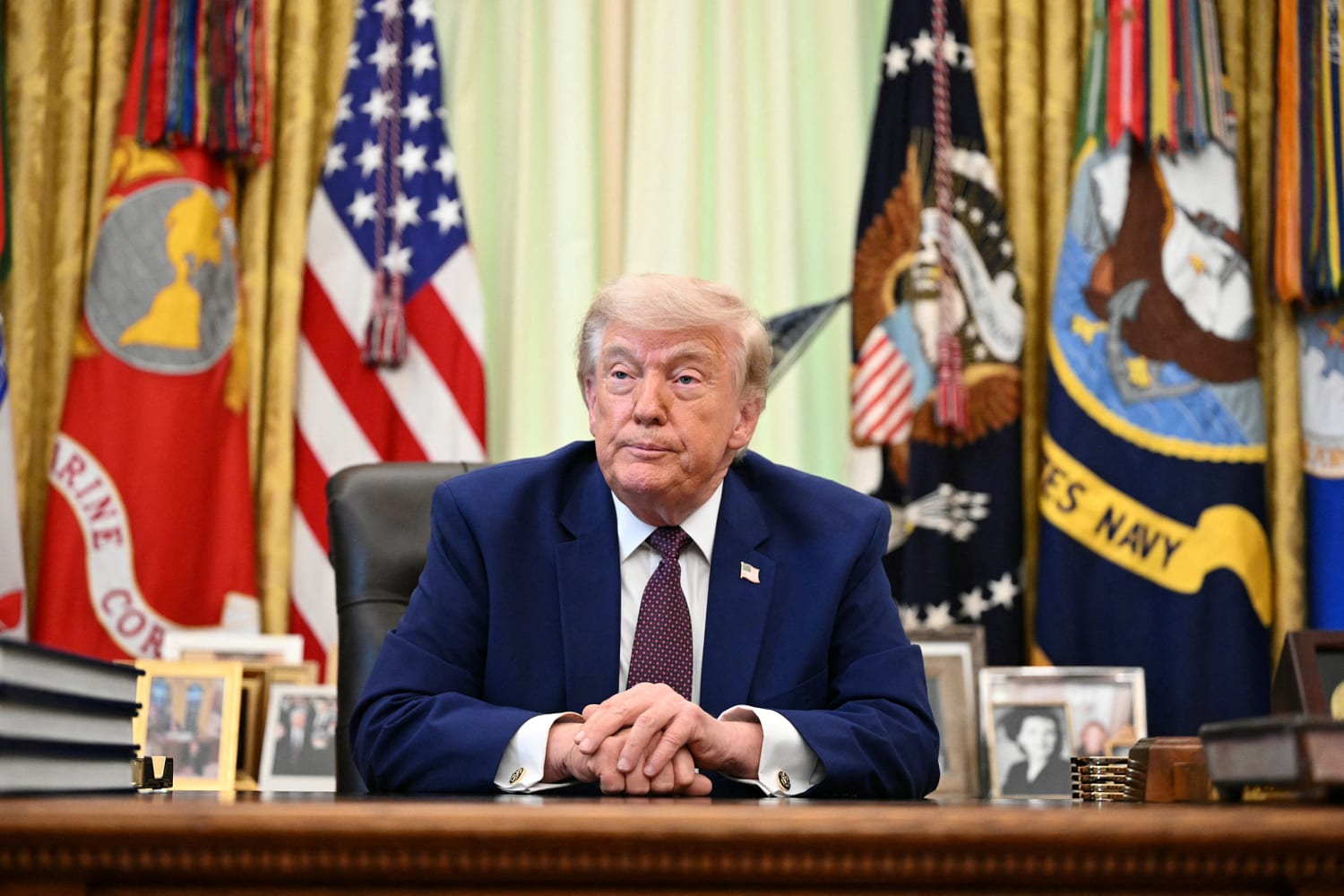
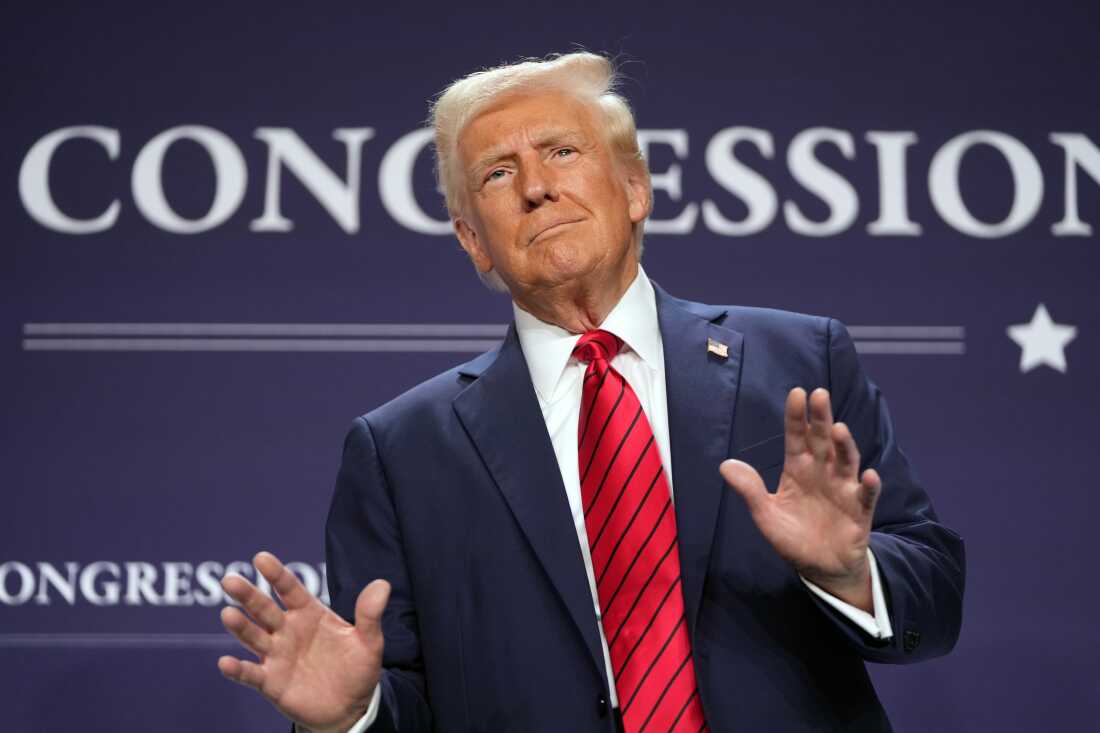
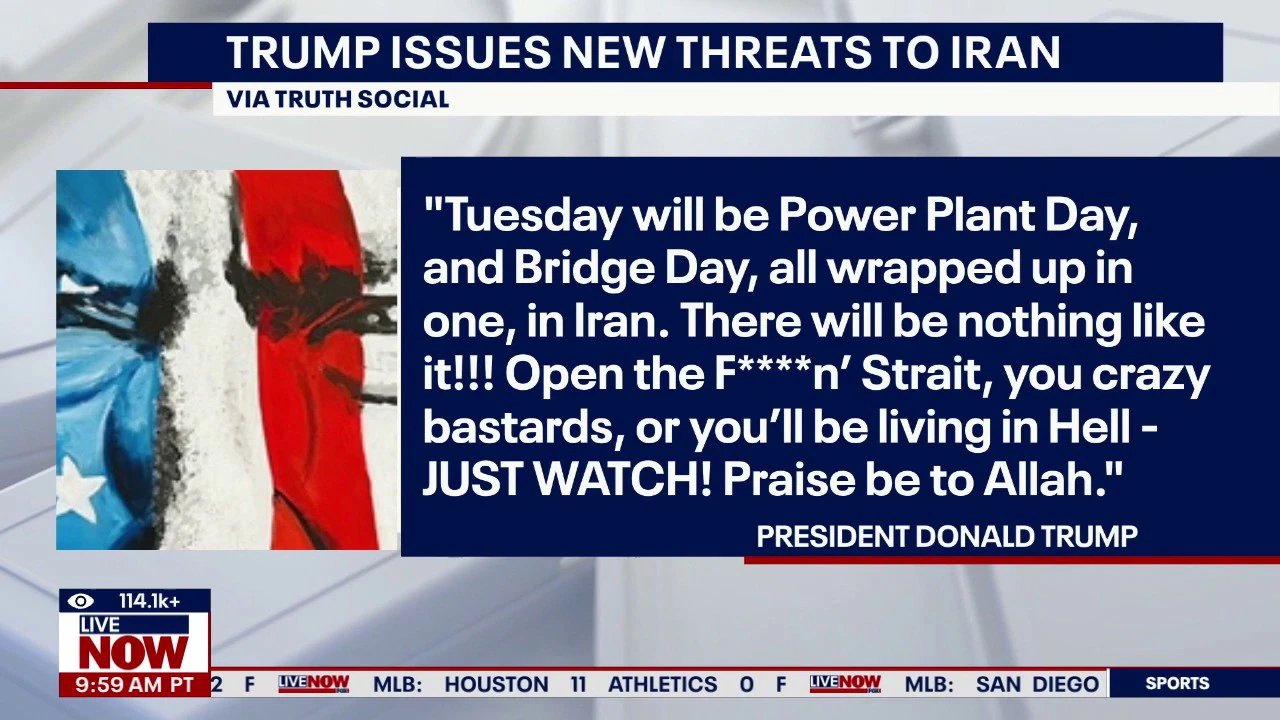
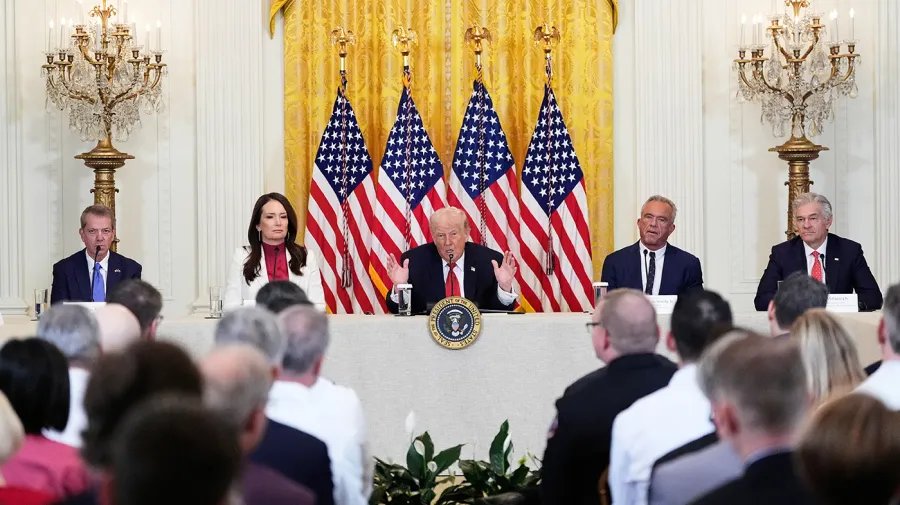
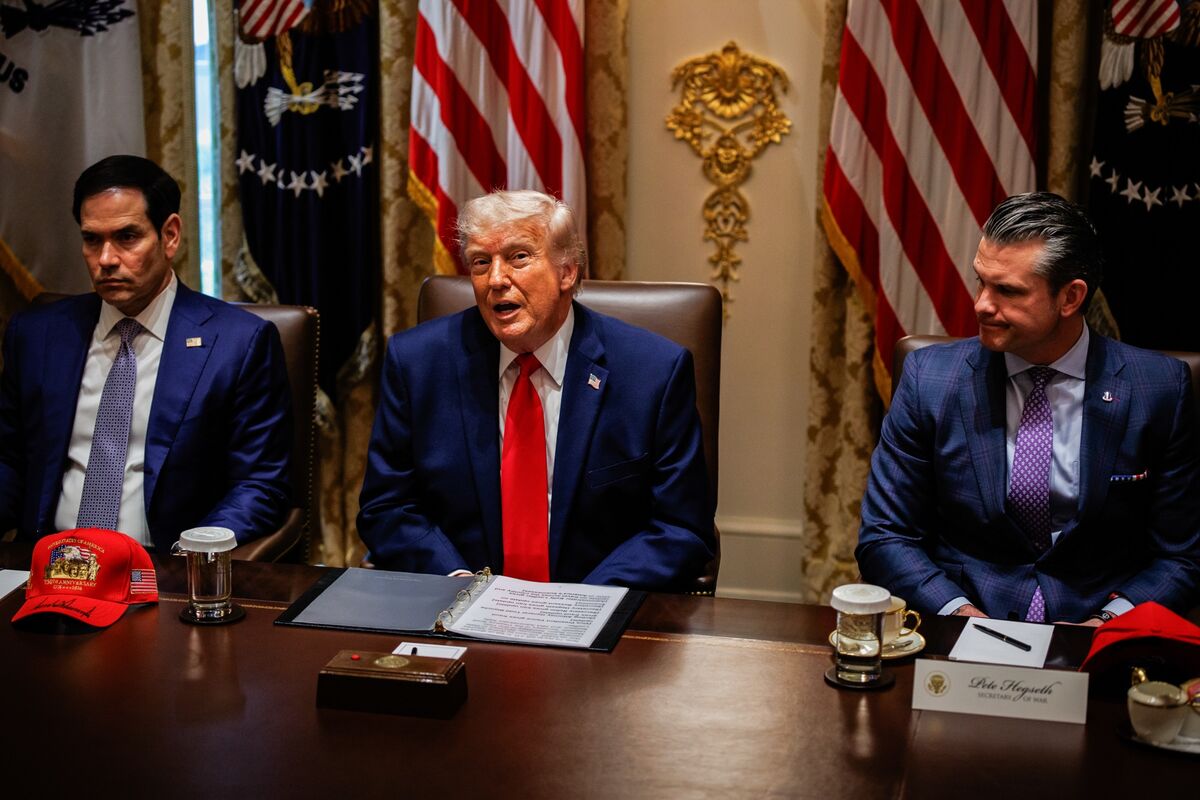
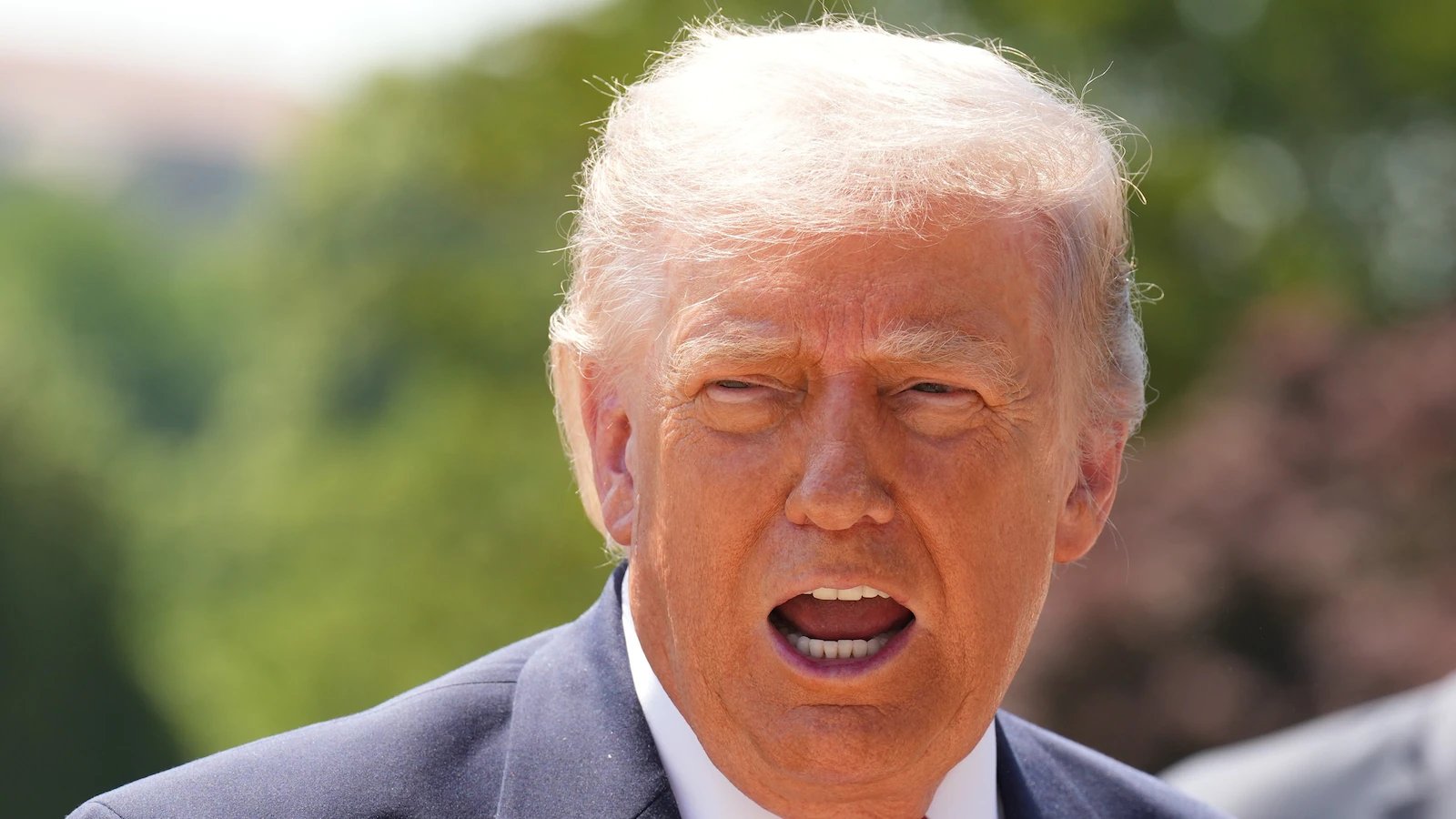
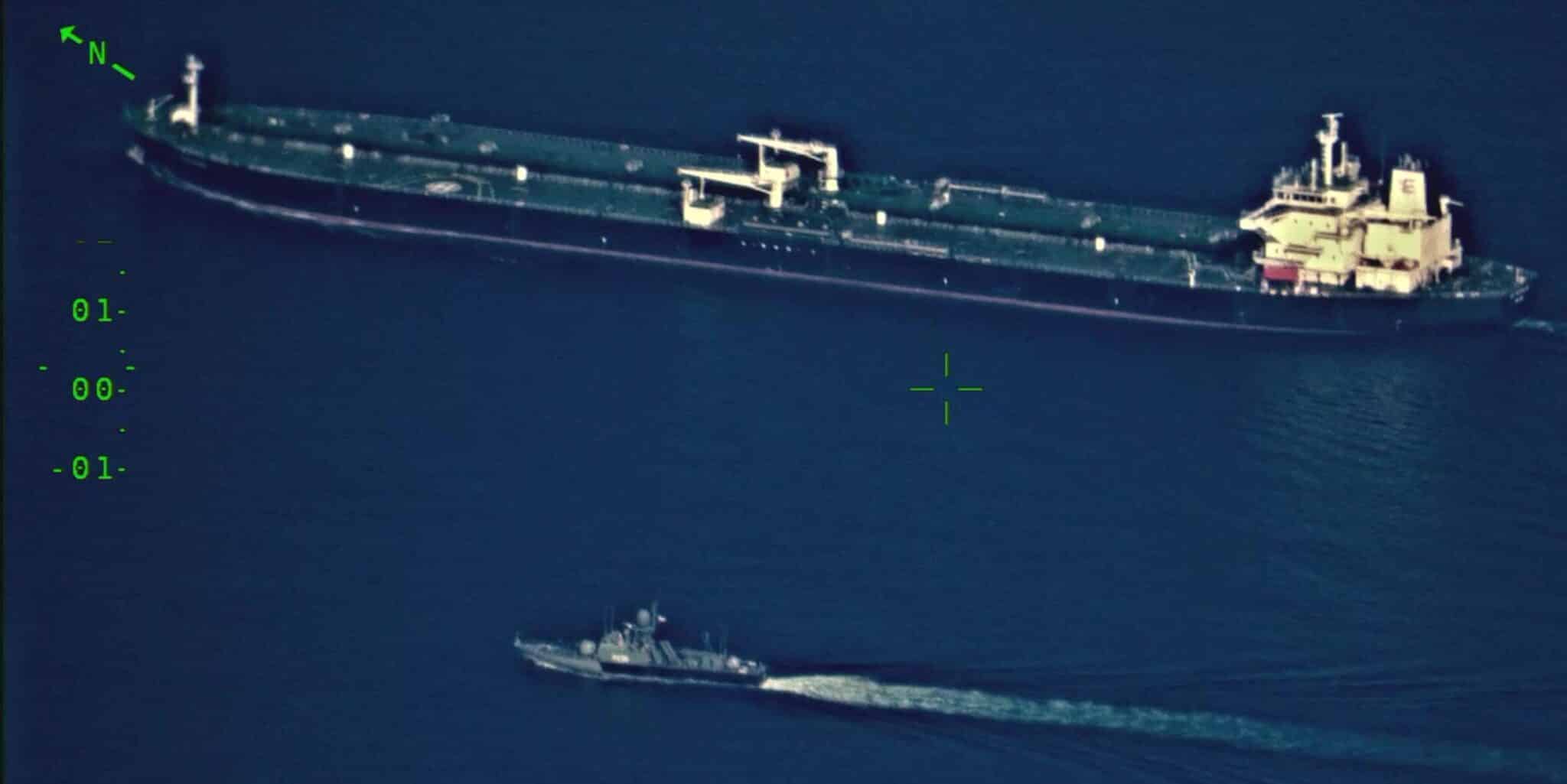
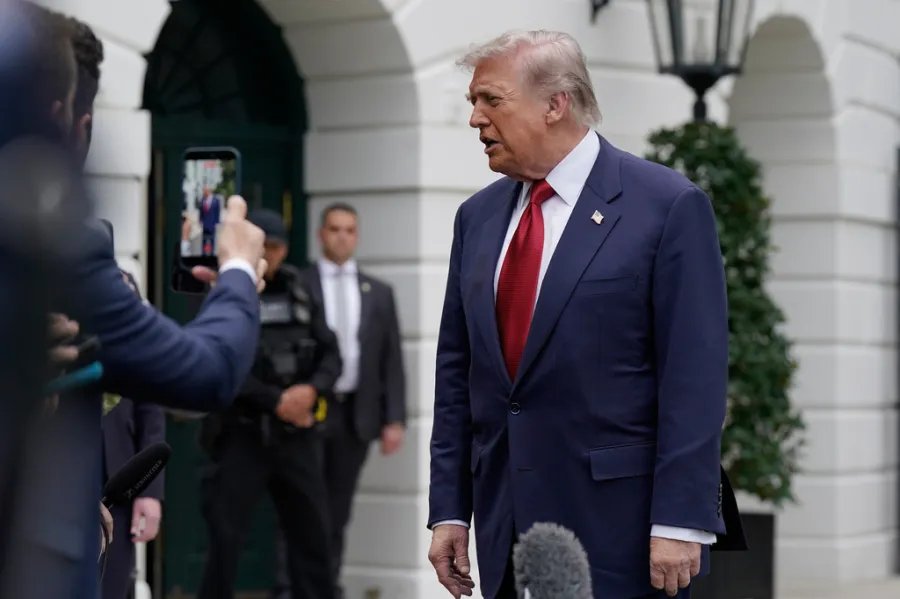
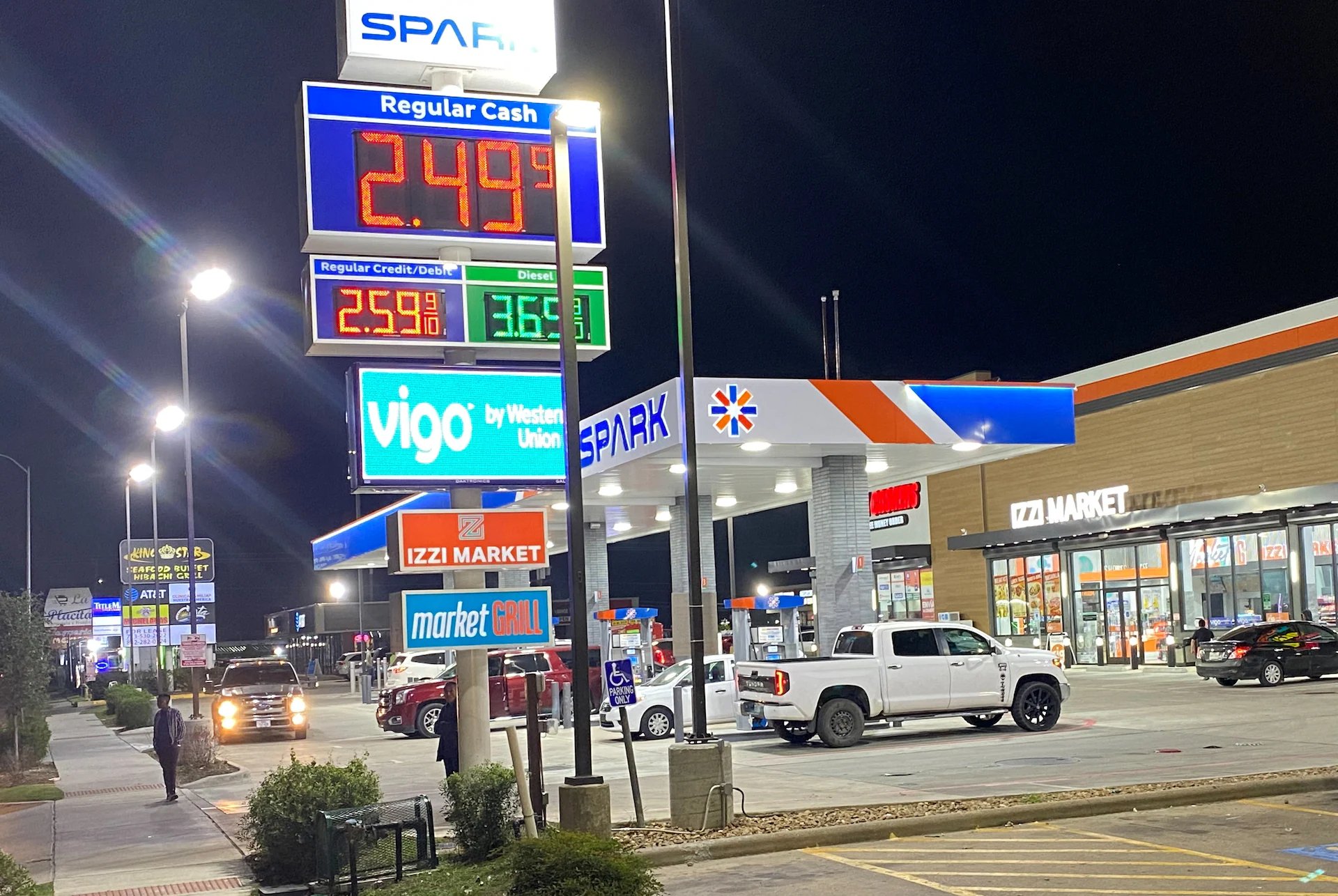
President Trump faces a Friday deadline to either end the war with Iran or seek congressional approval for continued military action, set by the War Powers Resolution. The 60-day period, triggered by Trump's formal notification to Congress on March 2, coincides with rising gas prices, currently averaging over $4.39 per gallon. The White House has been in "active conversations" with Congress regarding authorization for the war, according to spokeswoman Anna Kelly.
Conflicting Interpretations
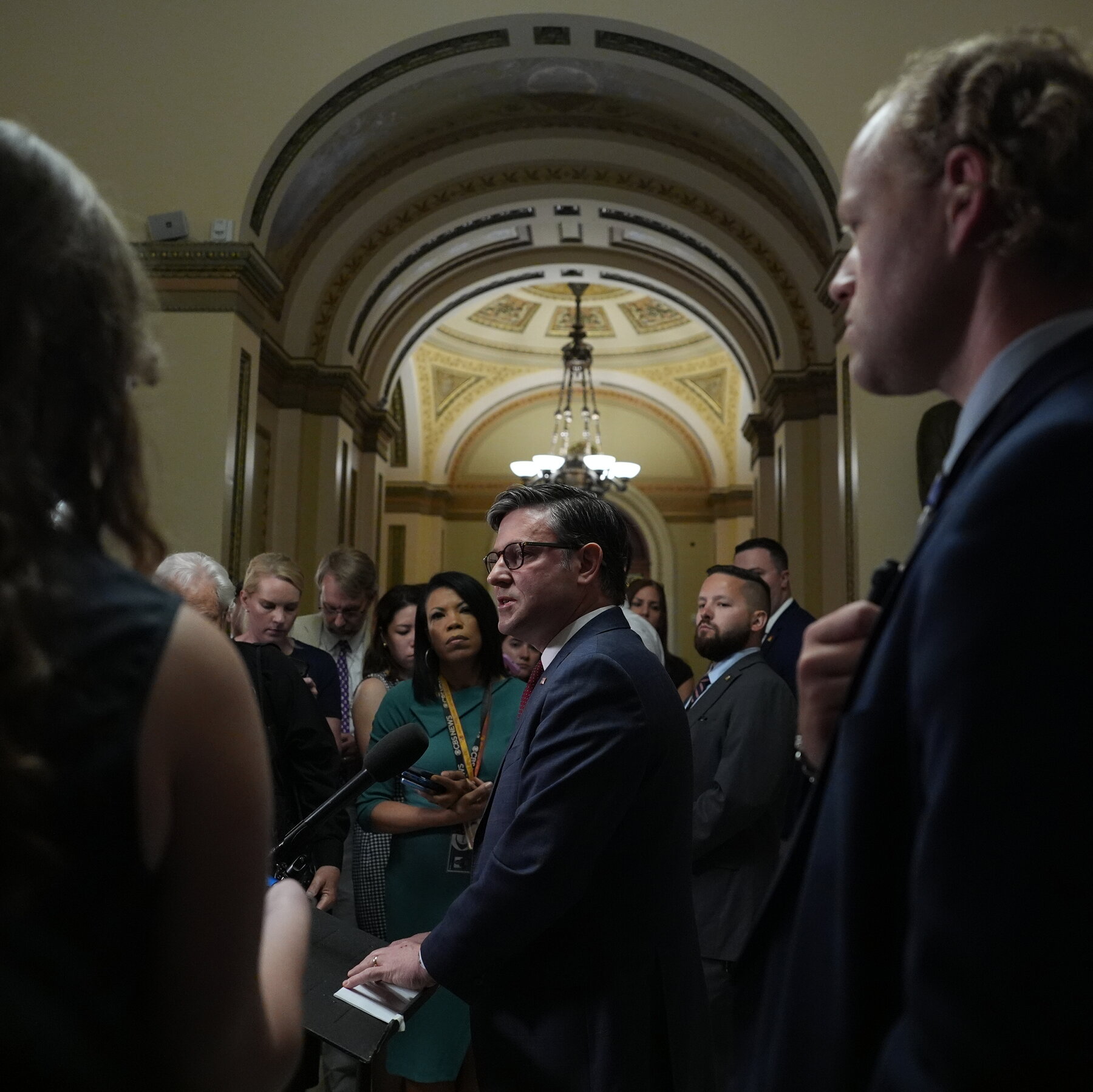
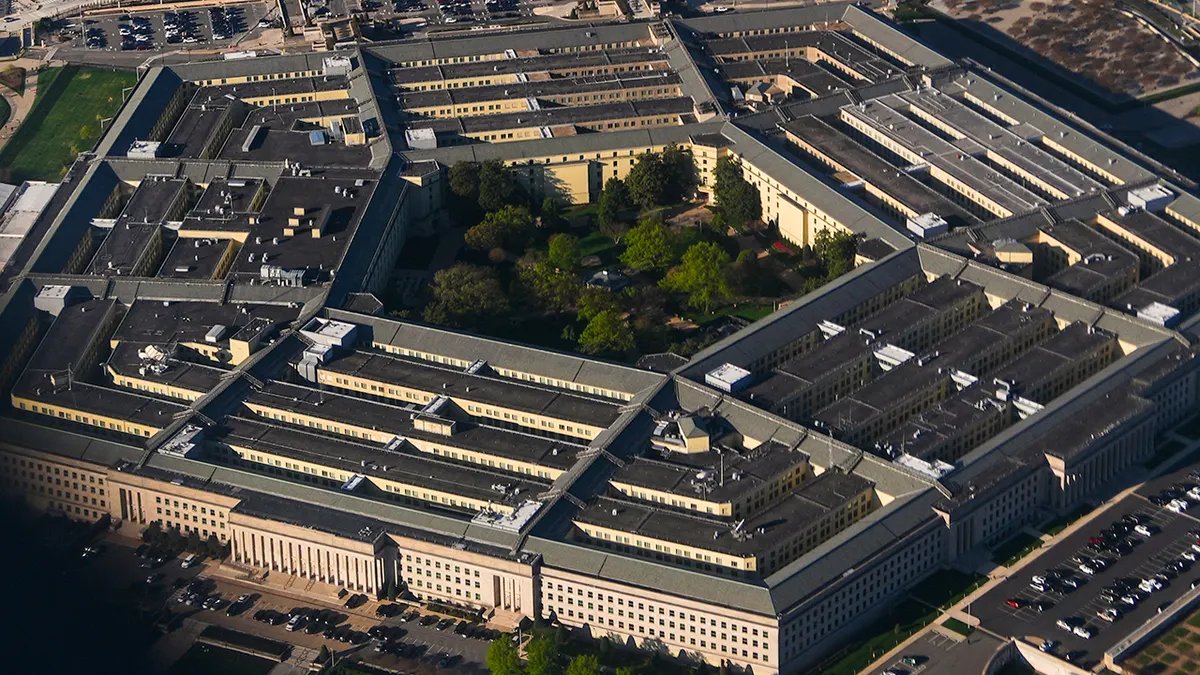
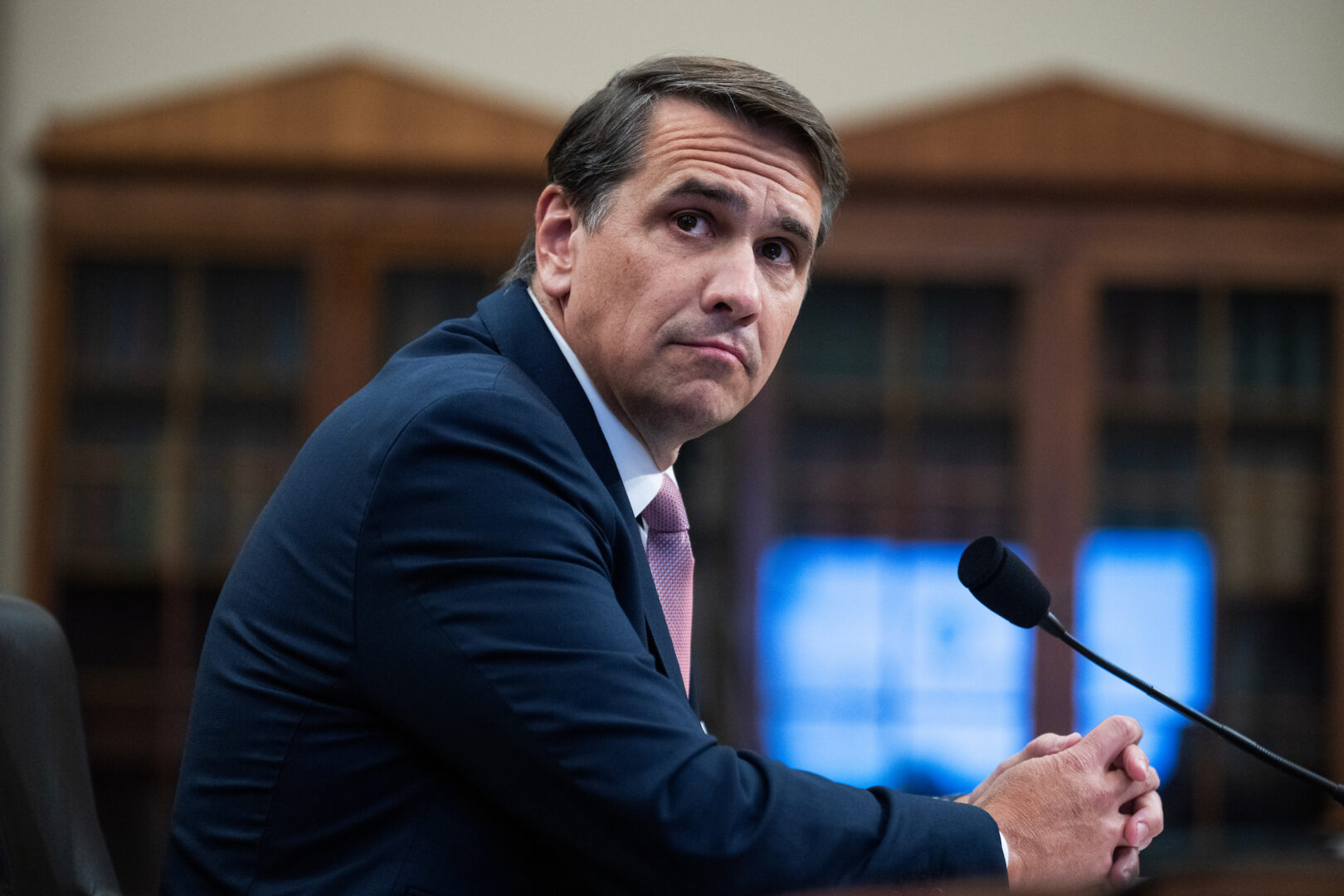
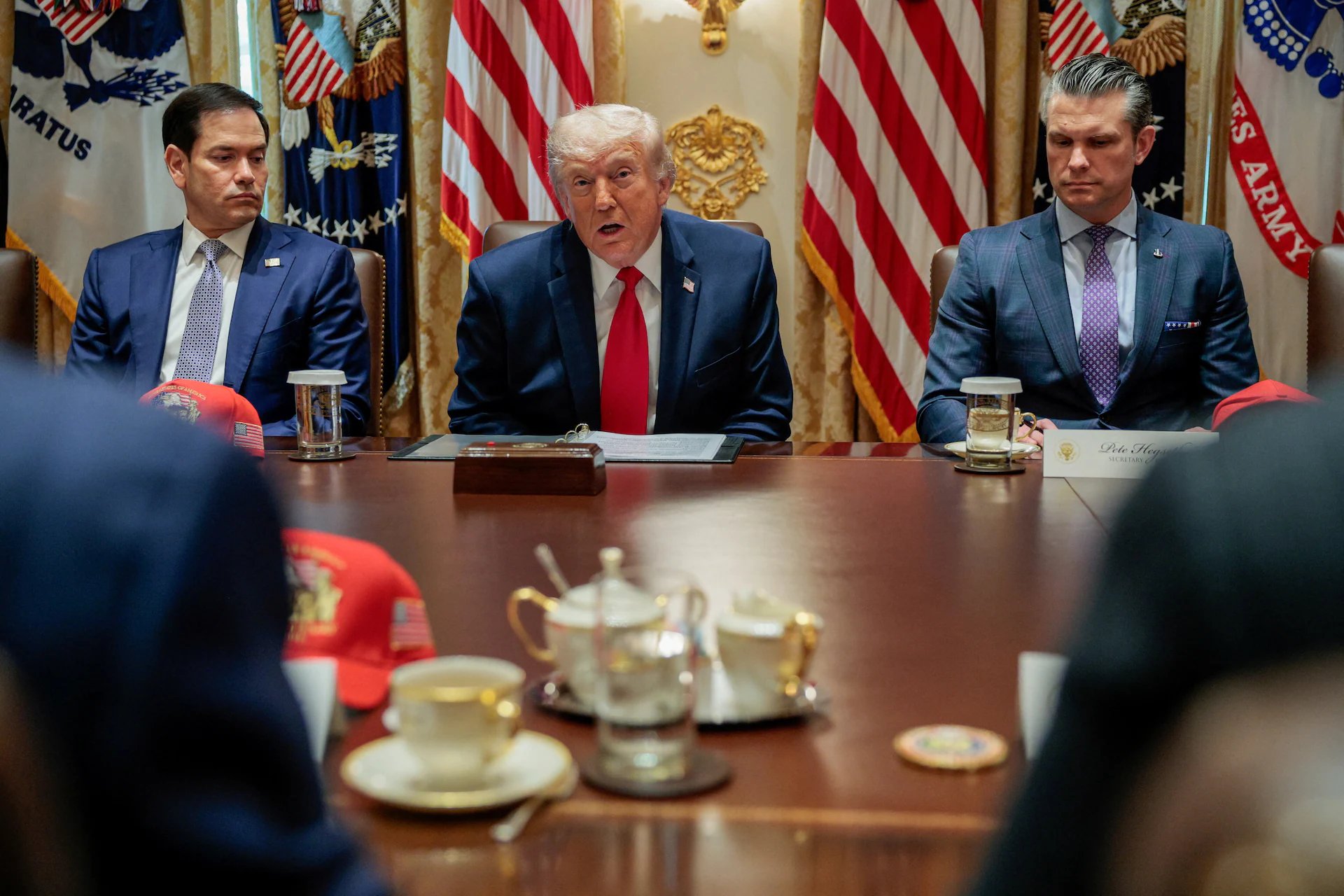
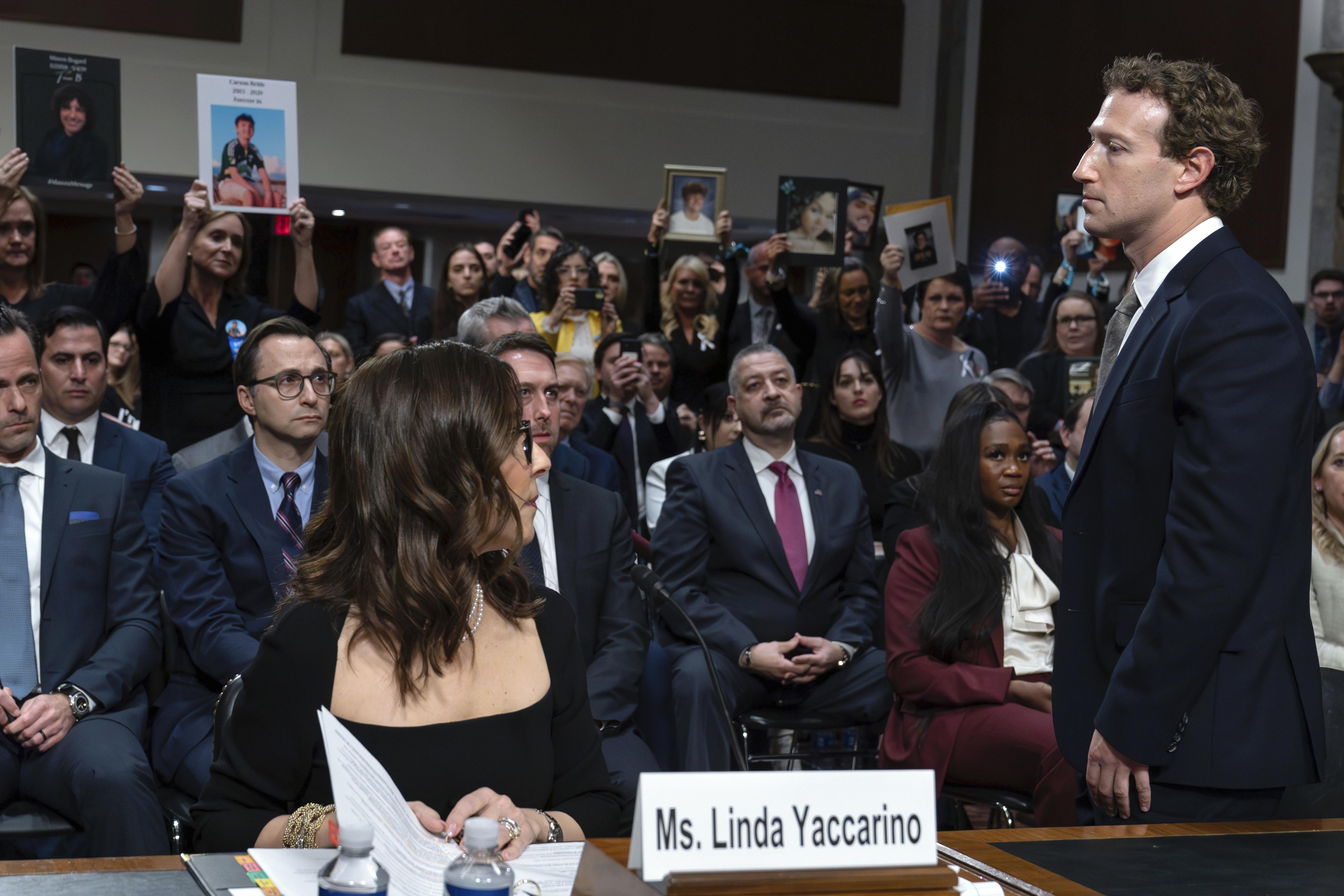
Defense Secretary Pete Hegseth argued before the Senate Armed Services Committee on Thursday that the early April ceasefire with Iran "pauses or stops" the 60-day clock. Democratic Senator Tim Kaine voiced concerns that the White House doesn't intend to honor the 60-day deadline. Speaker of the House Mike Johnson stated that the U.S. is "not at war" with Iran.
Congressional Maneuvering
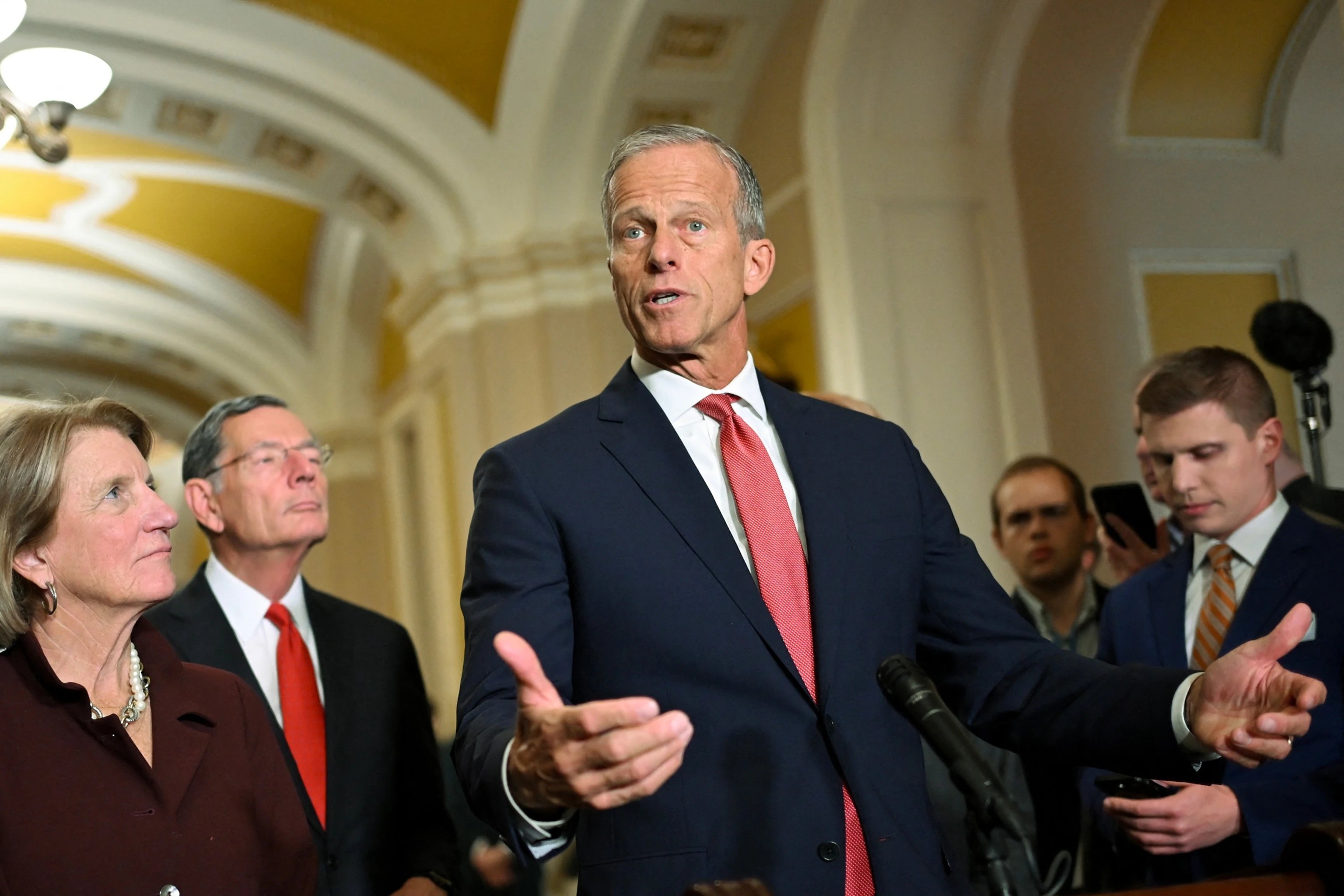
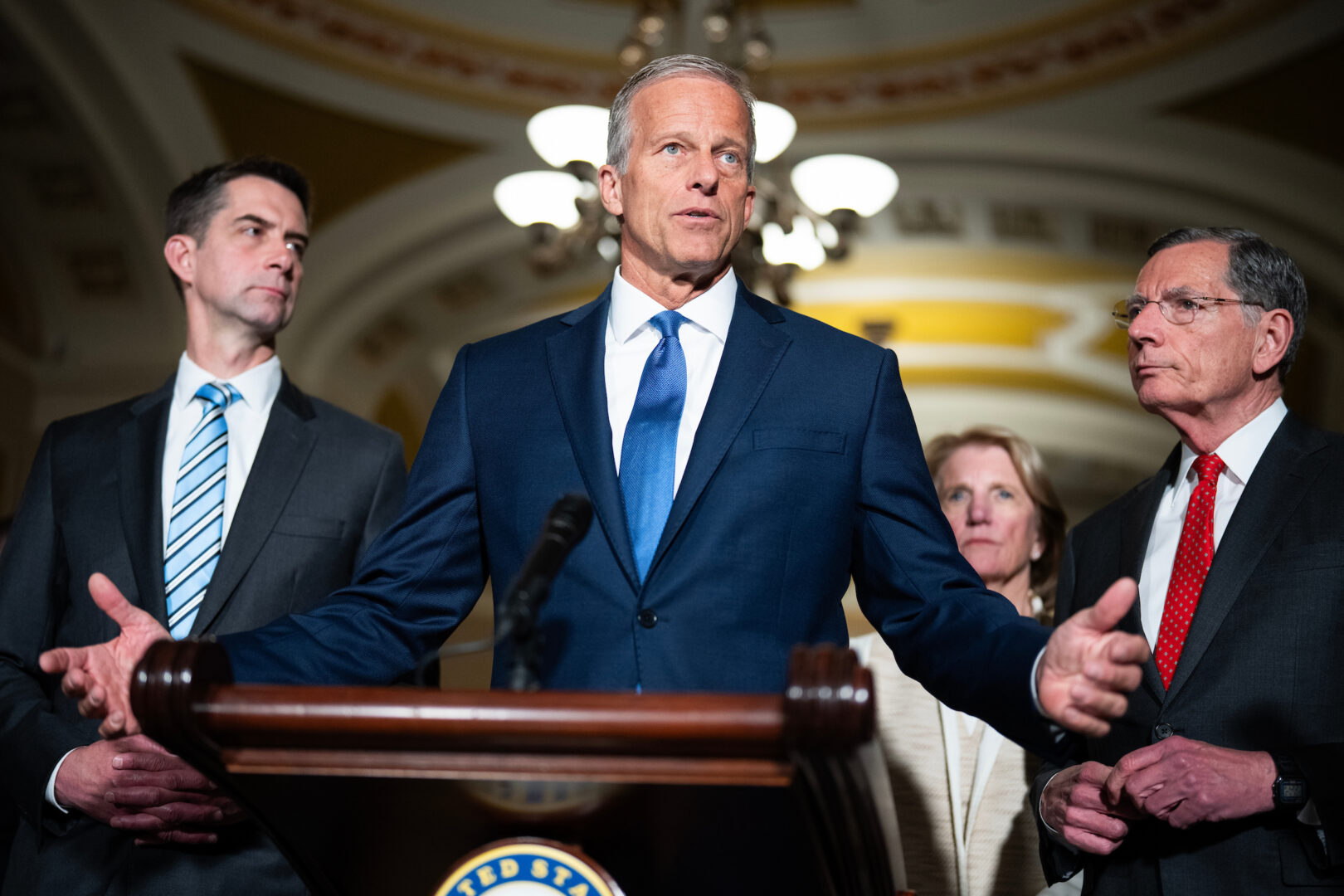
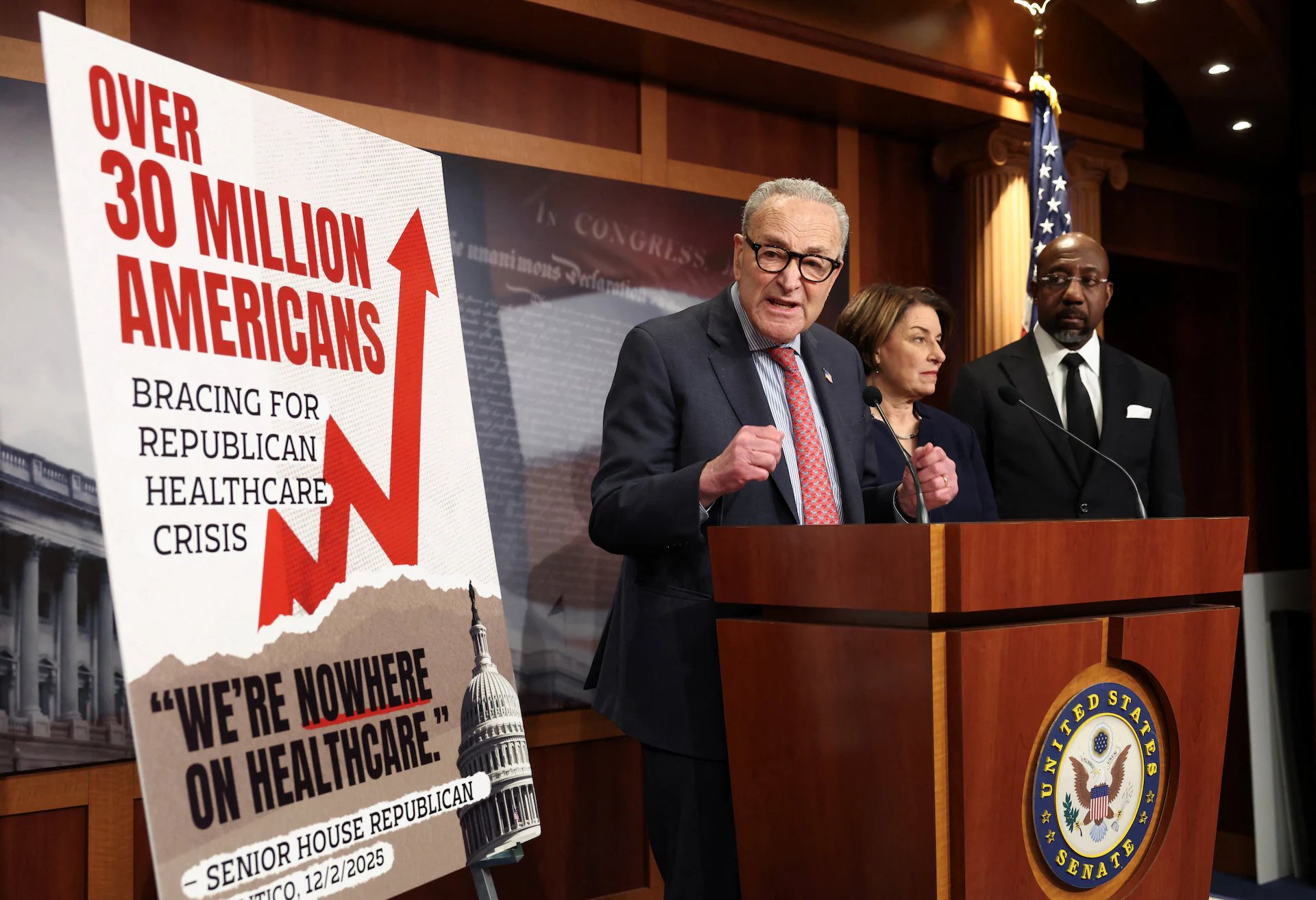
Democrats have made six attempts to push forward an Iran War Powers Resolution, but Republicans have largely blocked these efforts. Senator Lisa Murkowski is working with colleagues to introduce an Authorization for Use of Military Force (AUMF) after the May recess. According to Murkowski, this AUMF would require the president to come to Congress with clearly defined political and military objectives. Senator John Curtis stated he would "not support ongoing military action beyond a 60-day window without congressional approval."
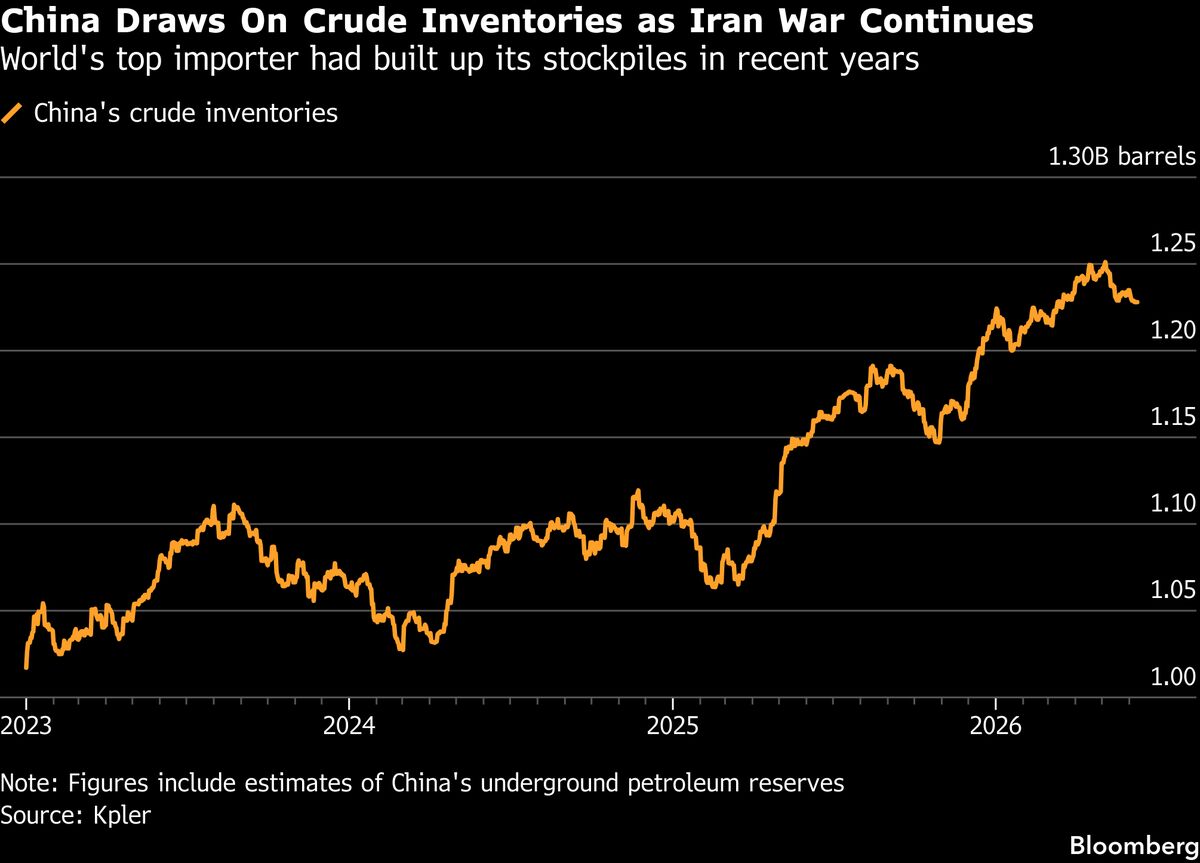
Economic Impact
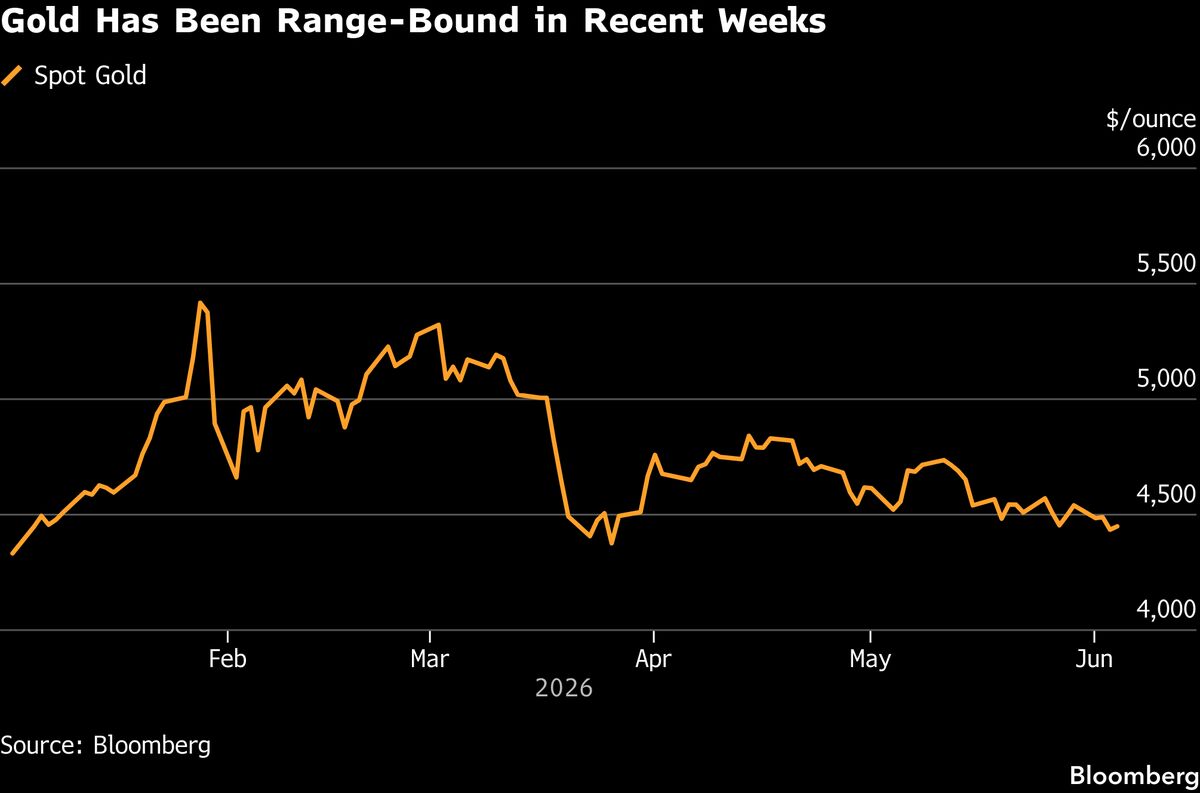
Rising tensions have contributed to increased oil prices, with Brent crude futures hitting $126.41 on Thursday, a 5 percent rise for the week. Trump claimed that gas prices "will go down rapidly" when the Iran war ends. Despite these concerns, government data released Friday indicated that gross GST collections reached a record Rs 2.43 lakh crore in April, an 8.7% increase over the previous year.
Potential Outcomes
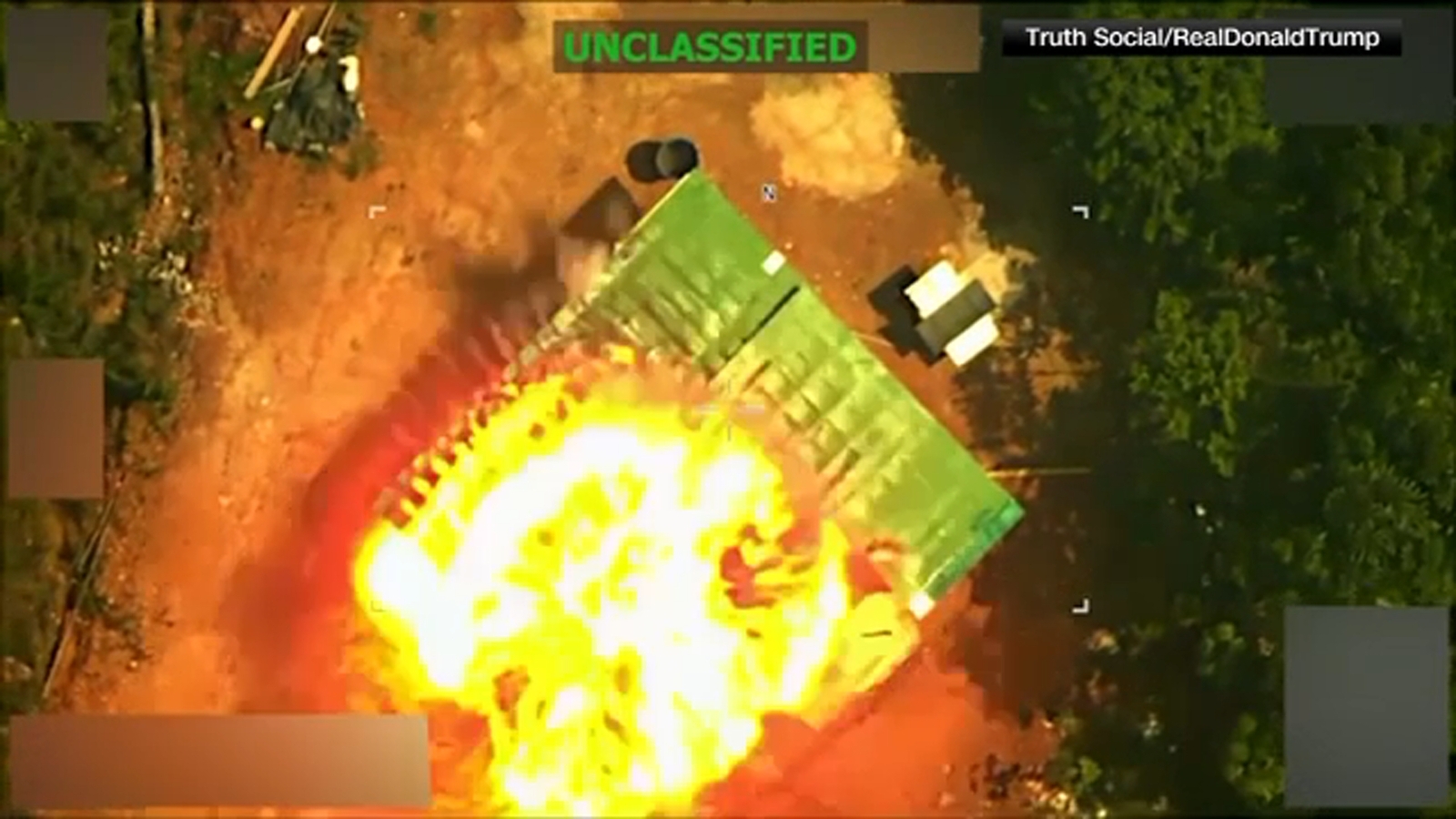
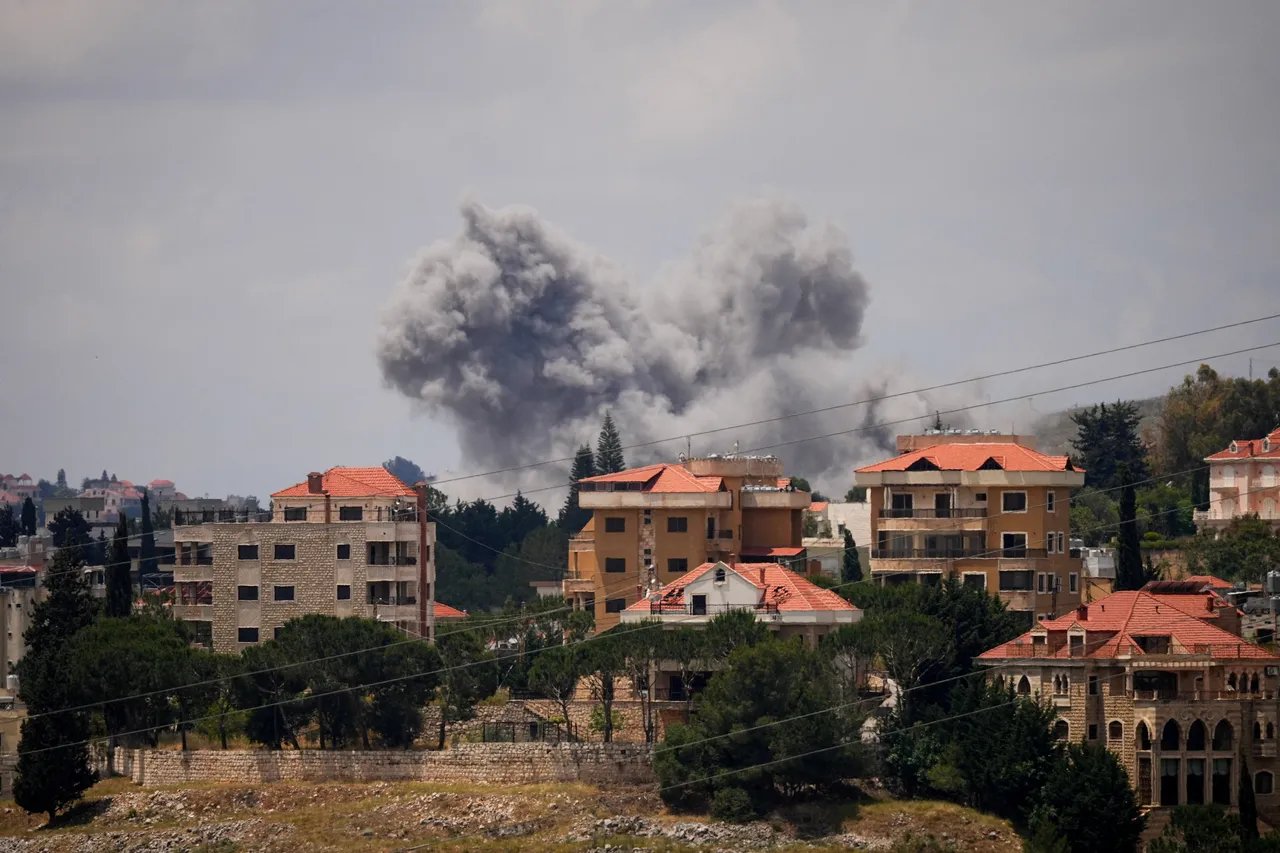
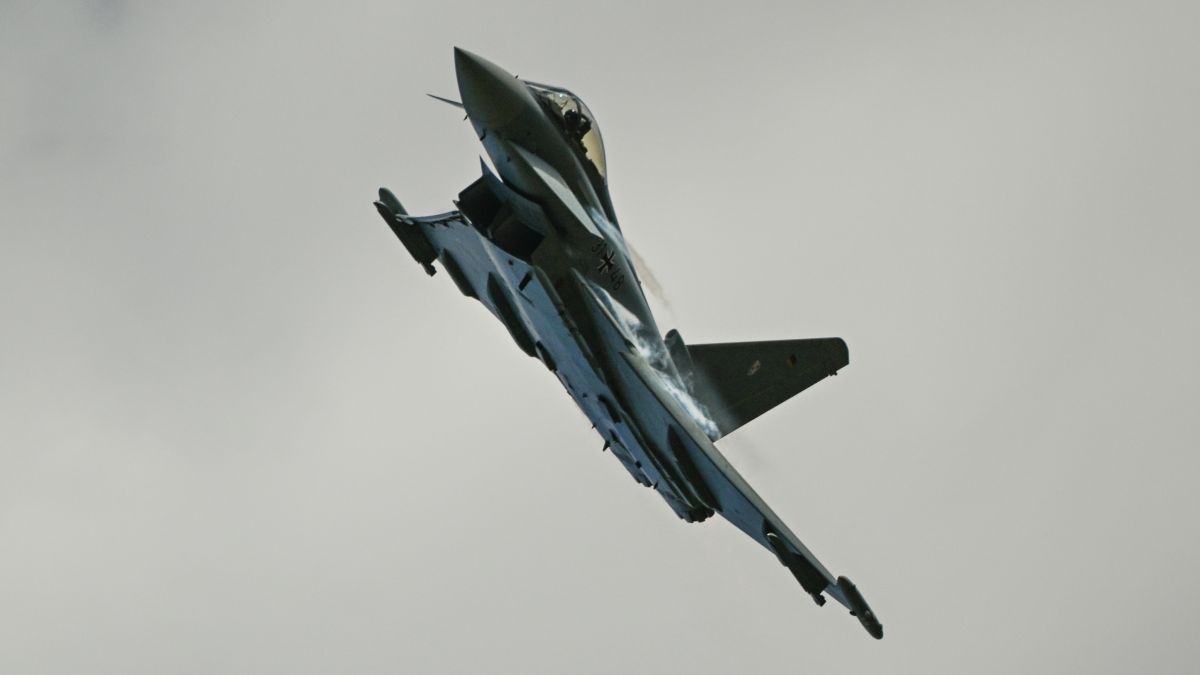
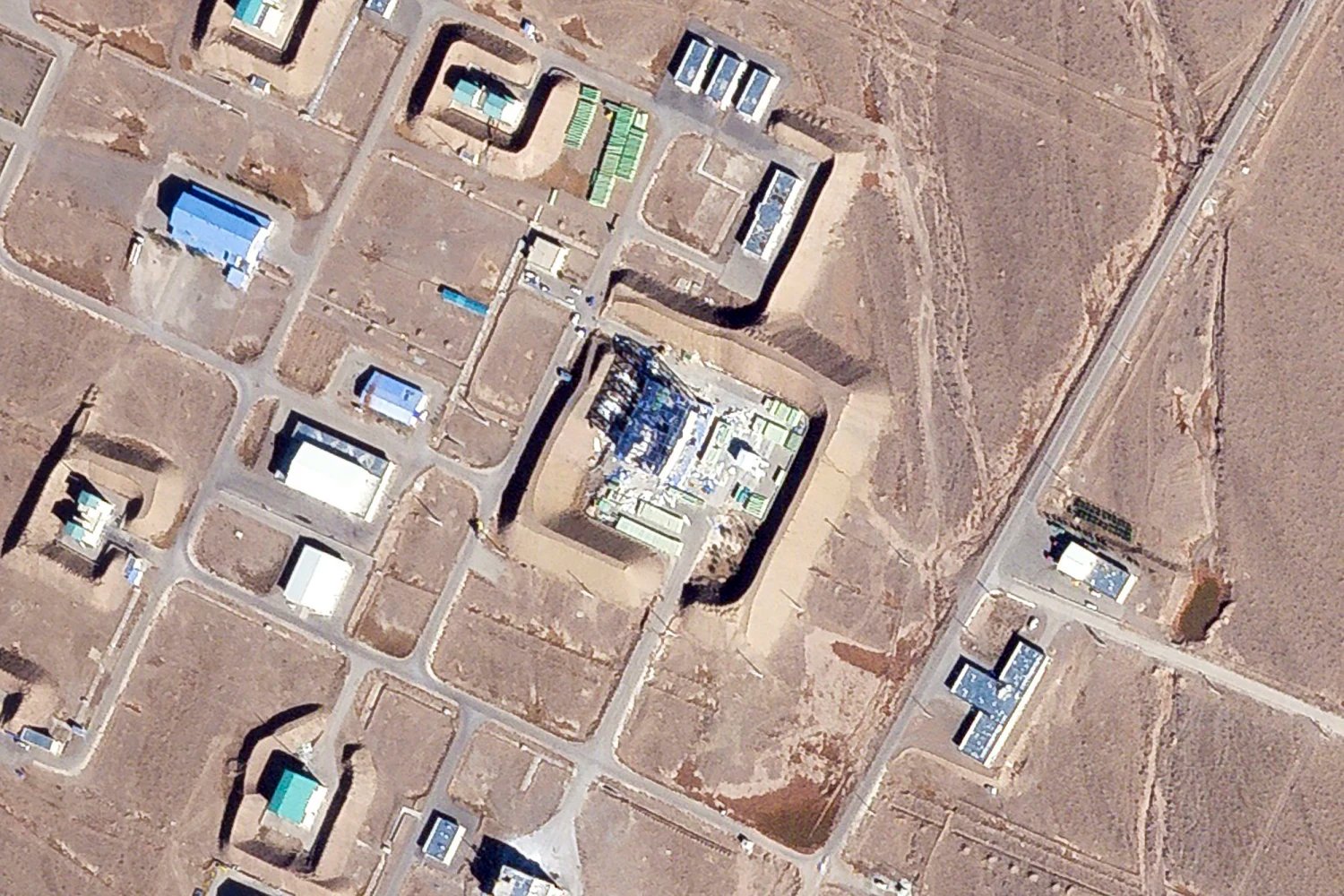
The White House has not indicated its plans following the deadline. The President is reportedly considering new military strike options against Iran, with US Central Command drafting plans involving "short and powerful" strikes. Congress is in recess until May 11 for the Senate and May 12 for the House.
Historical Context
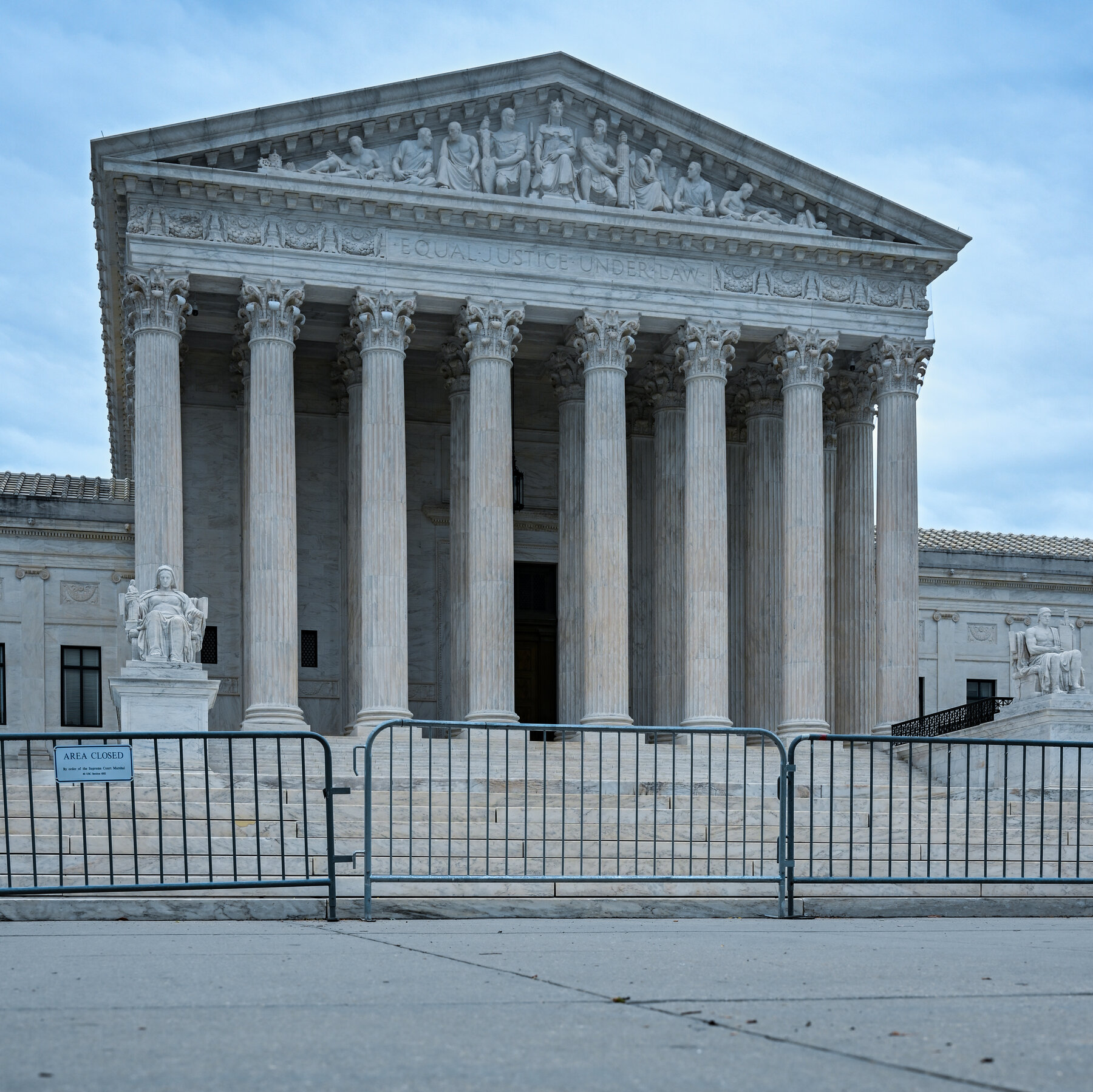
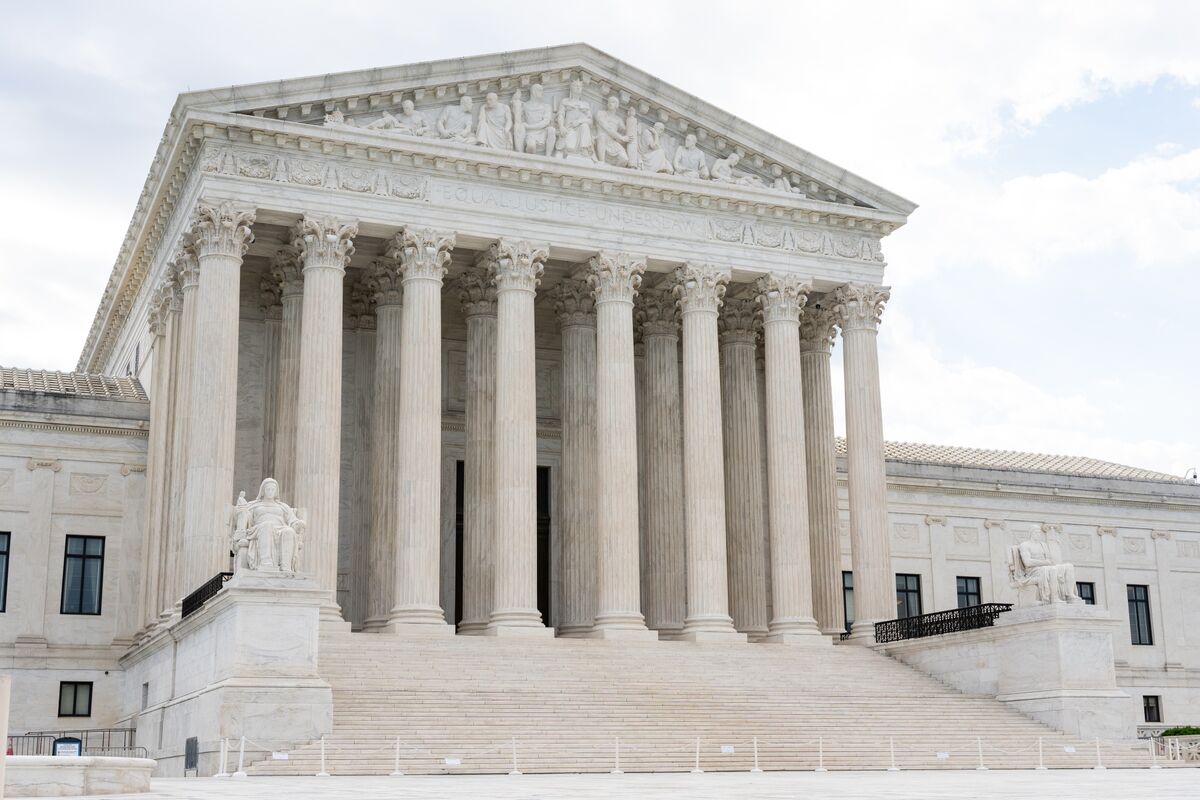
The Constitution grants Congress the sole power to formally declare war. The War Powers Resolution of 1973 requires the president to notify Congress within 48 hours of initiating military force. No Congress has ever successfully used the War Powers Resolution to force the executive branch to end hostilities. Senator Susan Collins crossed party lines to vote for the sixth attempt of the Democrats' resolutions on Thursday.
With the deadline approaching, Senator Murkowski plans to introduce an AUMF after the May recess, potentially setting the stage for a congressional debate on the scope and duration of military engagement in Iran.