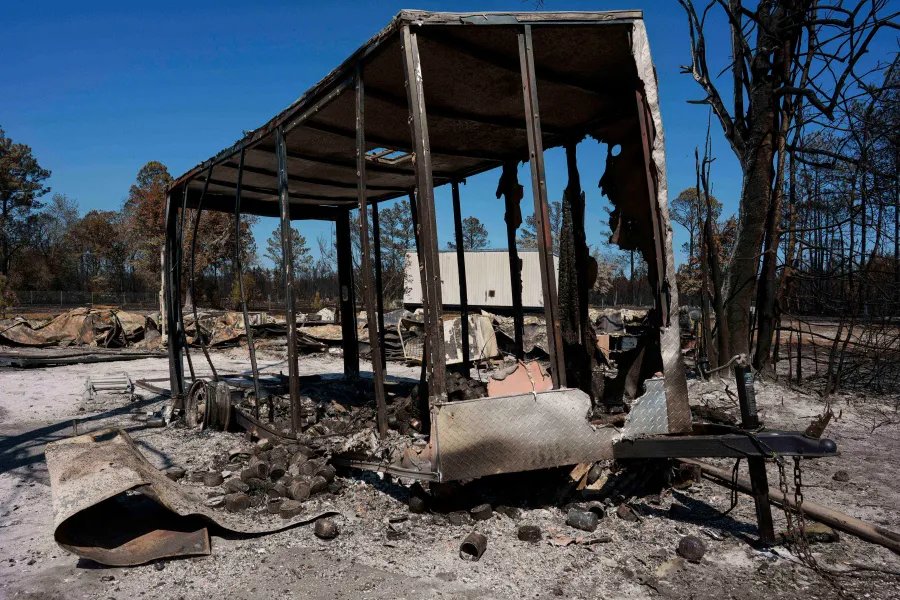
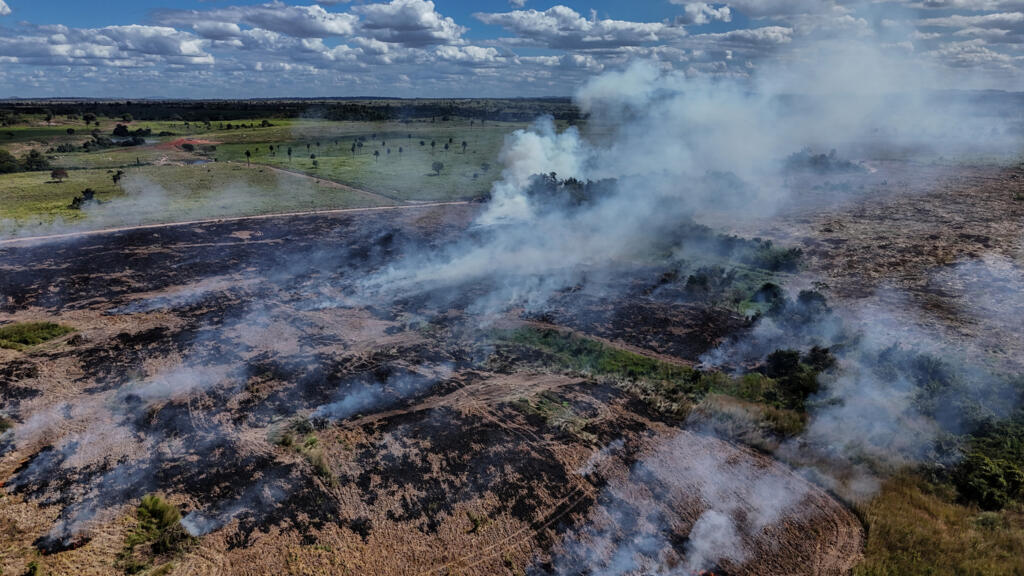
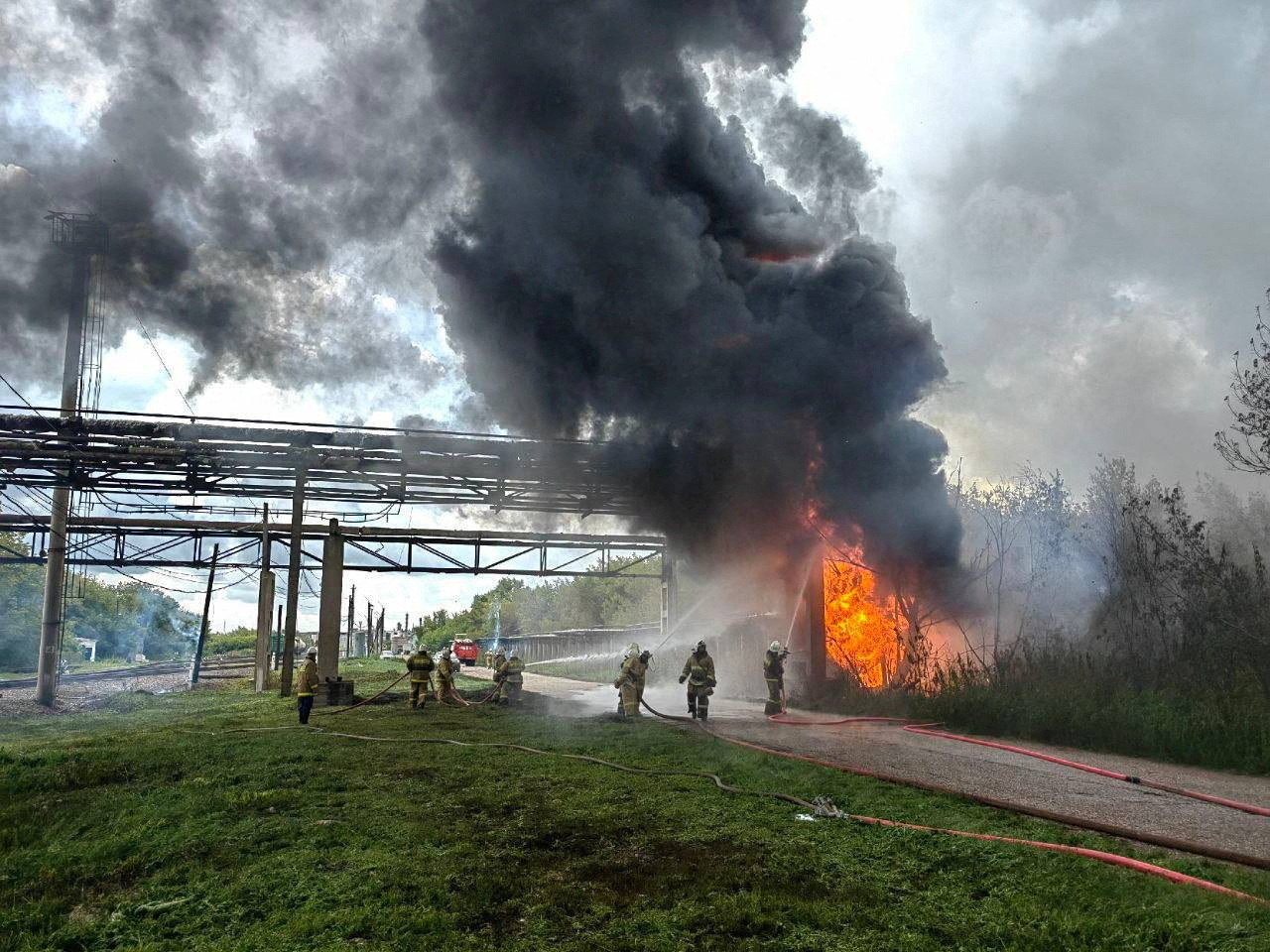
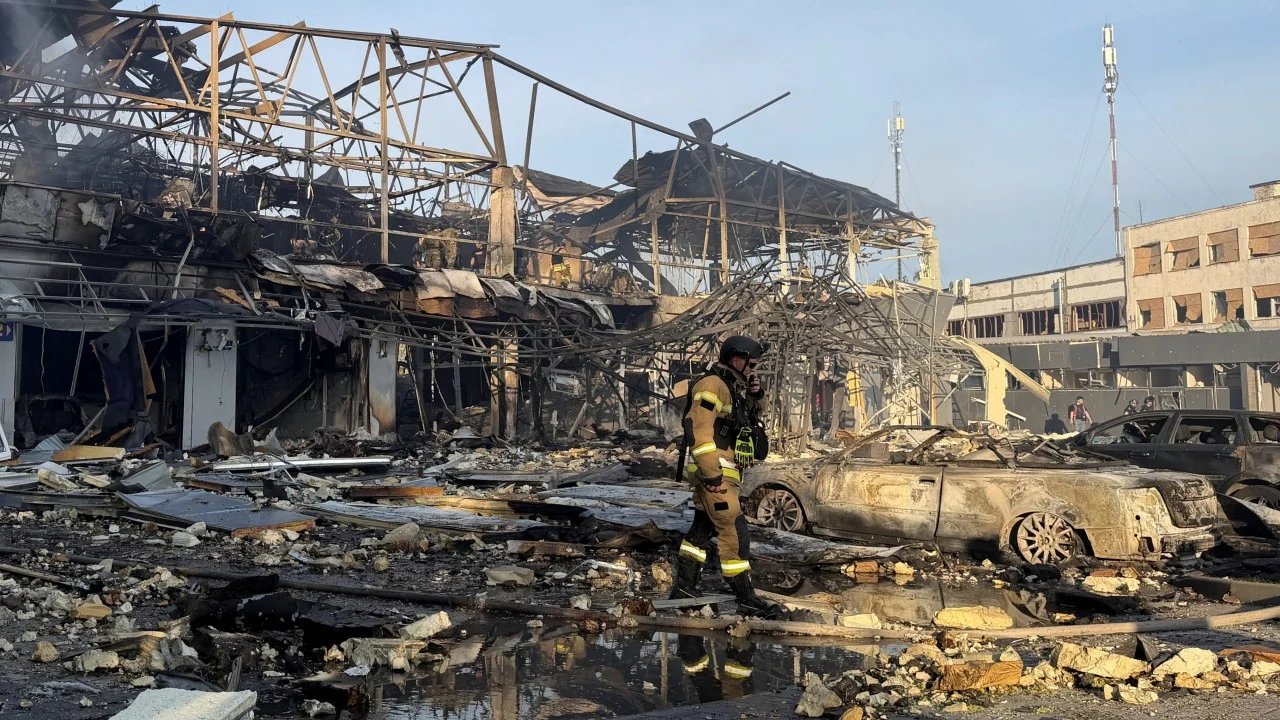
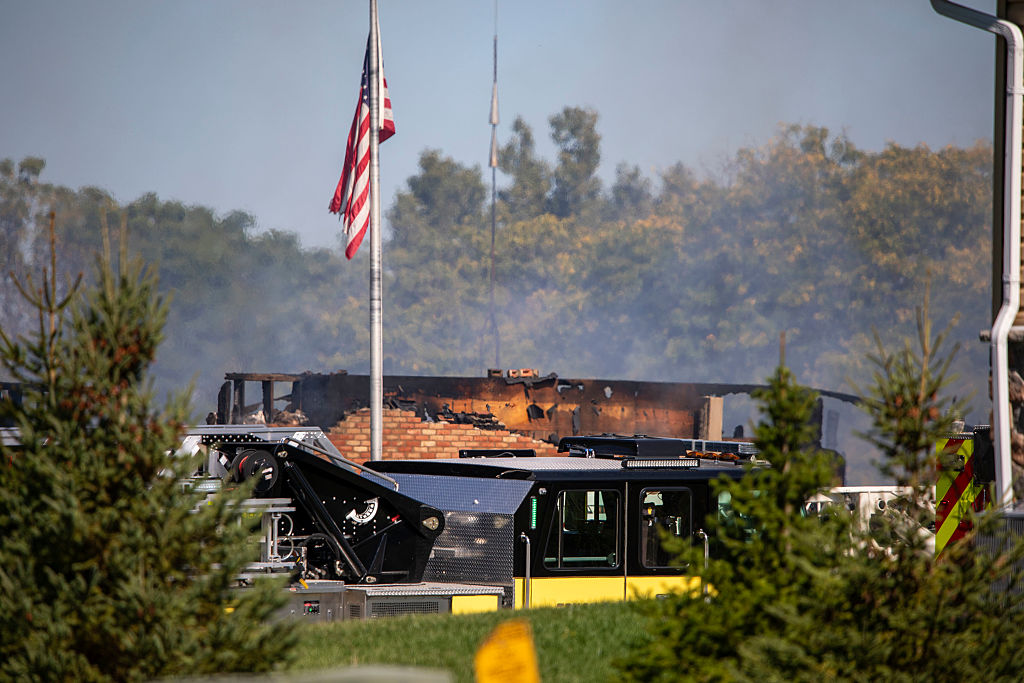
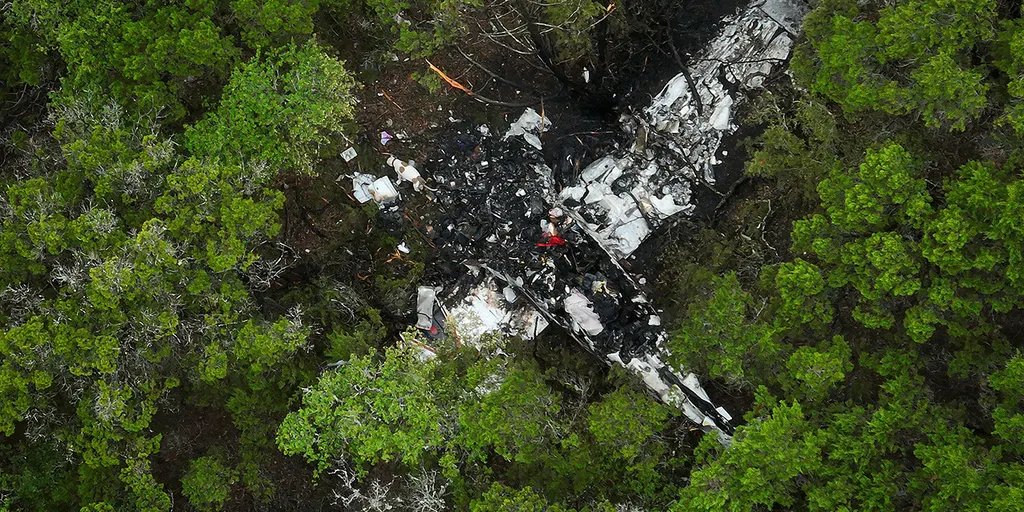
The Pineland Road fire has destroyed at least 35 homes and scorched over 50 square miles. The Highway 82 fire, burning since April 20, has destroyed at least 87 homes and charred more than 35 square miles. The Georgia Forestry Commission reported that the Highway 82 fire is only 6% contained, and both blazes are part of a larger outbreak of wildfires across the southeastern United States.
The wildfires have been exacerbated by a combination of extreme drought conditions, gusty winds, and an abundance of dead vegetation. The Pineland Road fire area has been full of highly combustible dead trees and other vegetation since Hurricane Helene carved a destructive path northward in September of 2024. Joey Cason, the Brantley County manager, noted that the Highway 82 fire "basically doubled last night in size." Firefighters have been battling over 150 additional wildfires throughout Georgia and Florida, highlighting a worrying trend of increased wildfire activity this spring.
Heavy rain over the weekend provided some relief, allowing crews to make progress in fighting the blazes. However, officials indicated that the rain was "not nearly enough to put the fires out." The Georgia Forestry Commission reported that despite the rainfall, crews responded to ten new wildfires throughout the state, underscoring the persistent threat posed by dry conditions and strong winds.
Authorities are investigating the origins of the wildfires. The Highway 82 fire was reportedly sparked by a foil balloon coming into contact with live power lines, which created an electrical arc that ignited nearby combustible materials. The Pineland Road fire is believed to have been started by sparks from a welding operation. No fatalities or injuries have been reported in Georgia, although a volunteer firefighter in Florida died while responding to a separate brush fire.
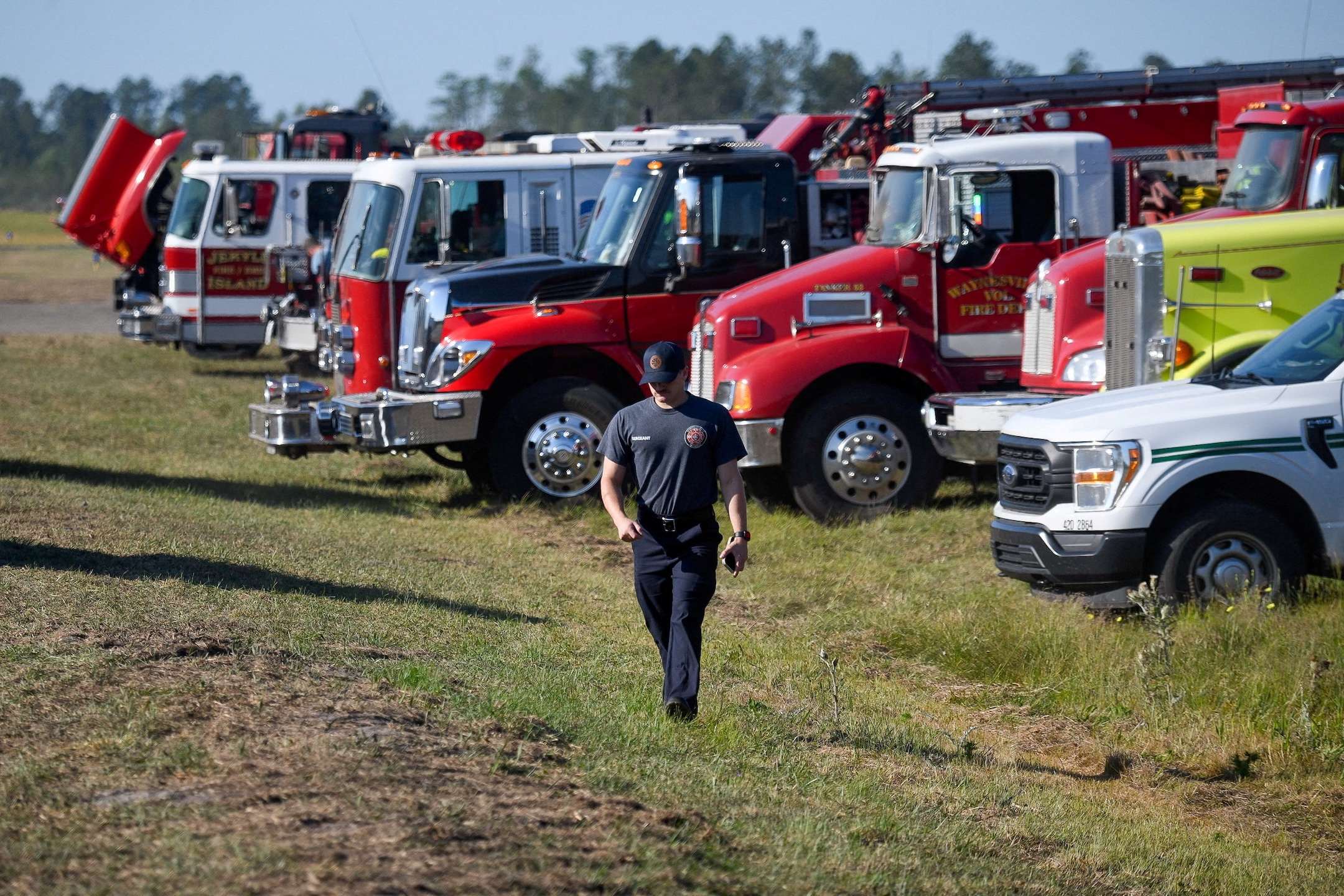
Communities affected by the wildfires are beginning to assess the damage and seek assistance. Local officials have emphasized the need for ongoing firefighting resources and support for displaced residents. As firefighters continue to battle the blazes, the long-term impact on local communities and housing remains a pressing concern.
At least 120 homes have been destroyed in two major wildfires in Georgia, with the Pineland Road fire and the Highway 82 fire leading the devastation. The Pineland Road fire has scorched over 50 square miles and is responsible for at least 35 of the lost homes, while the Highway 82 fire, burning since April 20, has destroyed at least 87 homes and charred more than 35 square miles. The Georgia Forestry Commission reported that the Highway 82 fire is only 6% contained, and both blazes are part of a larger outbreak of wildfires across the southeastern United States.
The wildfires have been exacerbated by a combination of extreme drought conditions, gusty winds, and an abundance of dead vegetation, remnants from Hurricane Helene in 2024. Joey Cason, the Brantley County manager, noted that the Highway 82 fire “basically doubled last night in size,” illustrating the dynamic and unpredictable nature of the situation. Firefighters have been battling over 150 additional wildfires throughout Georgia and Florida, highlighting a worrying trend of increased wildfire activity this spring.
Heavy rain over the weekend provided some relief, allowing crews to make progress in fighting the blazes. However, officials indicated that the rain was “not nearly enough to put the fires out.” The Georgia Forestry Commission reported that despite the rainfall, crews responded to ten new wildfires throughout the state, underscoring the persistent threat posed by dry conditions and strong winds.
Authorities are investigating the origins of the wildfires. The Highway 82 fire was reportedly sparked by a foil balloon coming into contact with live power lines, which created an electrical arc that ignited nearby combustible materials. The Pineland Road fire is believed to have been started by sparks from a welding operation. No fatalities or injuries have been reported in Georgia, although a volunteer firefighter in Florida died while responding to a separate brush fire.
Communities affected by the wildfires are beginning to assess the damage and seek assistance. Local officials have emphasized the need for ongoing firefighting resources and support for displaced residents. As firefighters continue to battle the blazes, the long-term impact on local communities and housing remains a pressing concern.
The situation in Georgia serves as a stark reminder of the increasing frequency and intensity of wildfires, driven by climate change and environmental factors. As residents begin to rebuild, their resilience will be tested in the face of ongoing natural threats.
Highlighted text was flagged by the council. Tap to see feedback.