




The crisis at planting season
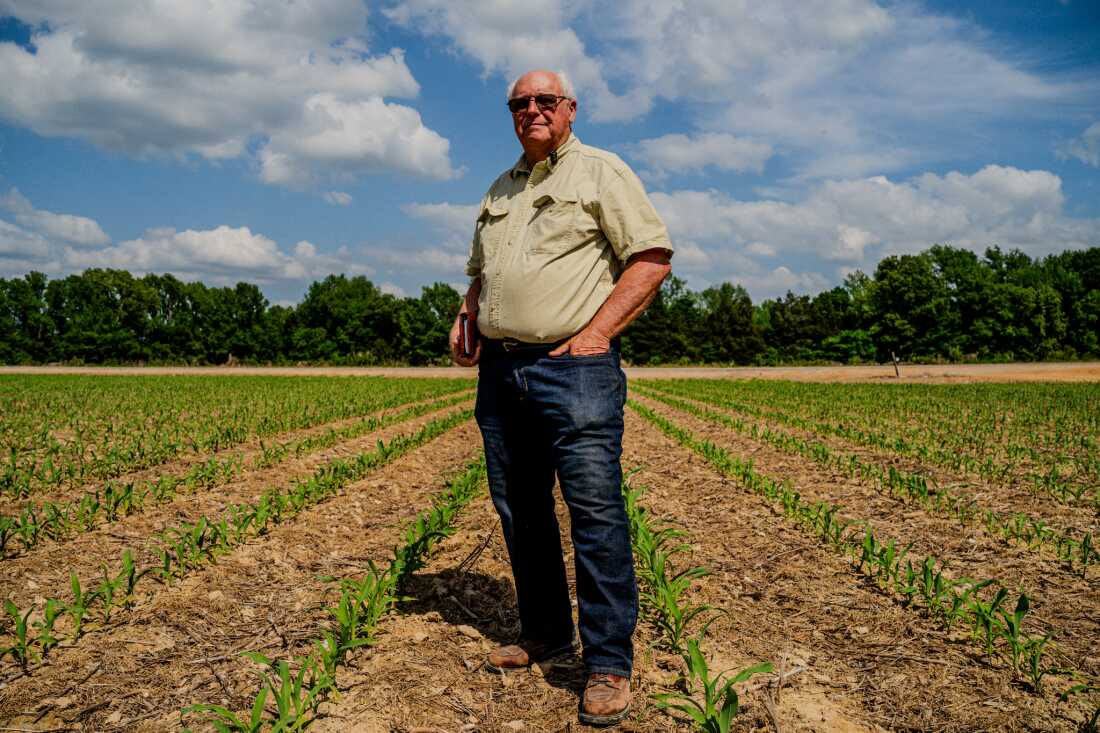
Sledge Taylor, a 73-year-old farmer who has walked his corn fields every morning for 53 years, faces a decision that could reshape his family's agricultural legacy. His 4,000 acres of corn in Panola County, Mississippi are at a critical growth stage known as V3 to V5, when nitrogen fertilizer normally gets applied to boost yields. Taylor may skip that step entirely this year. "But I may not do it this year," he said, "because of the price of nitrogen and the low price of corn."
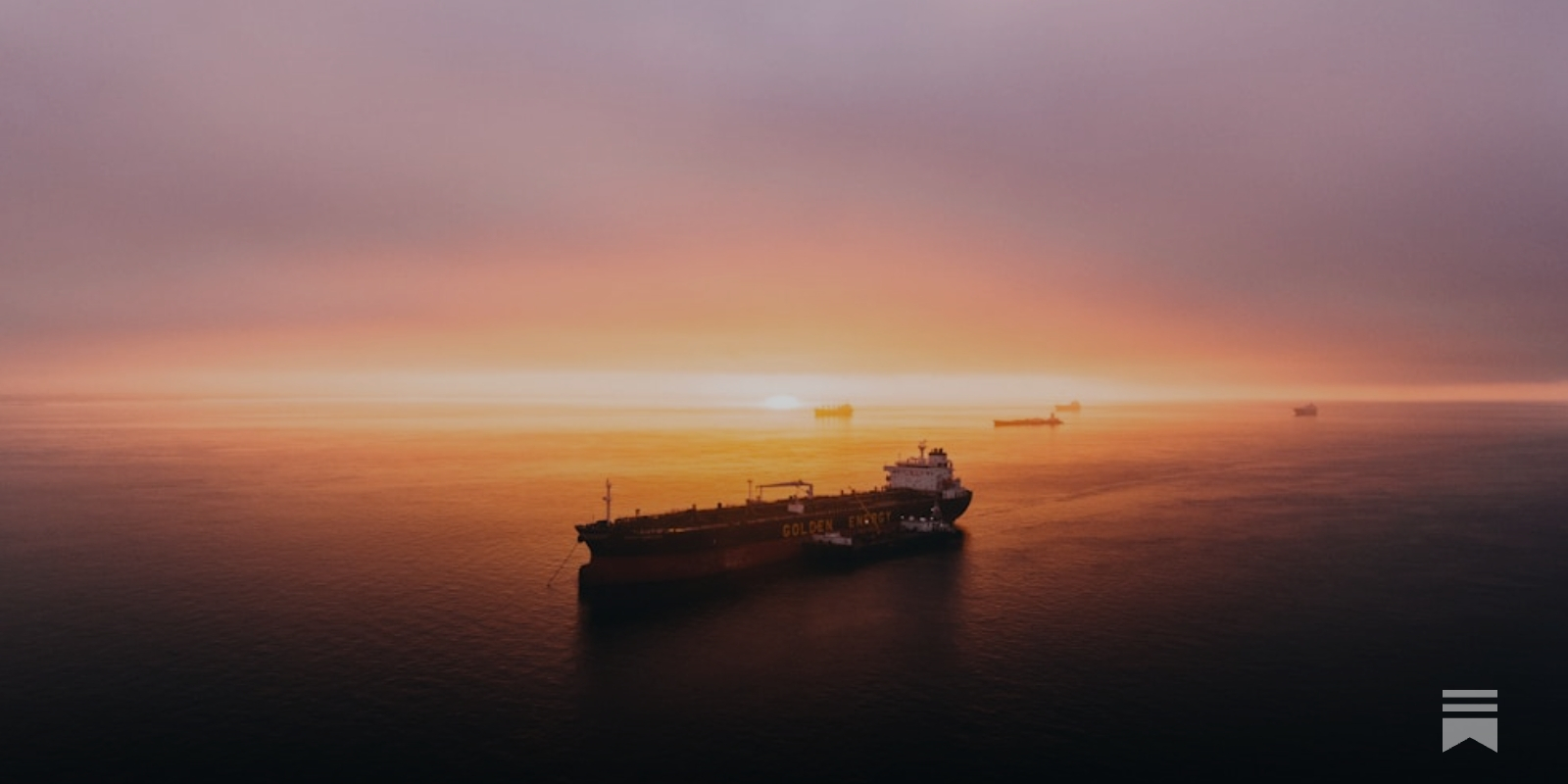
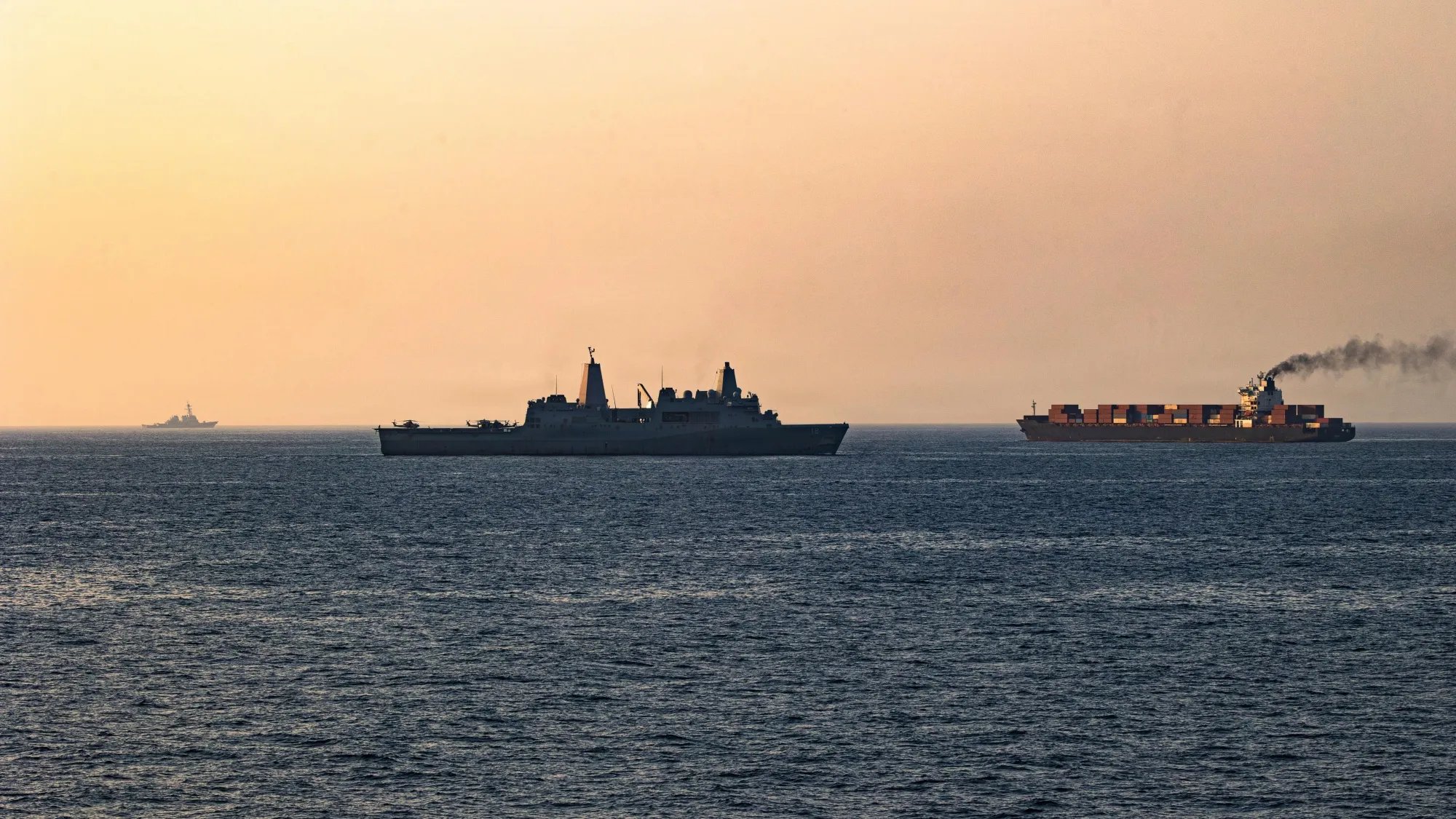
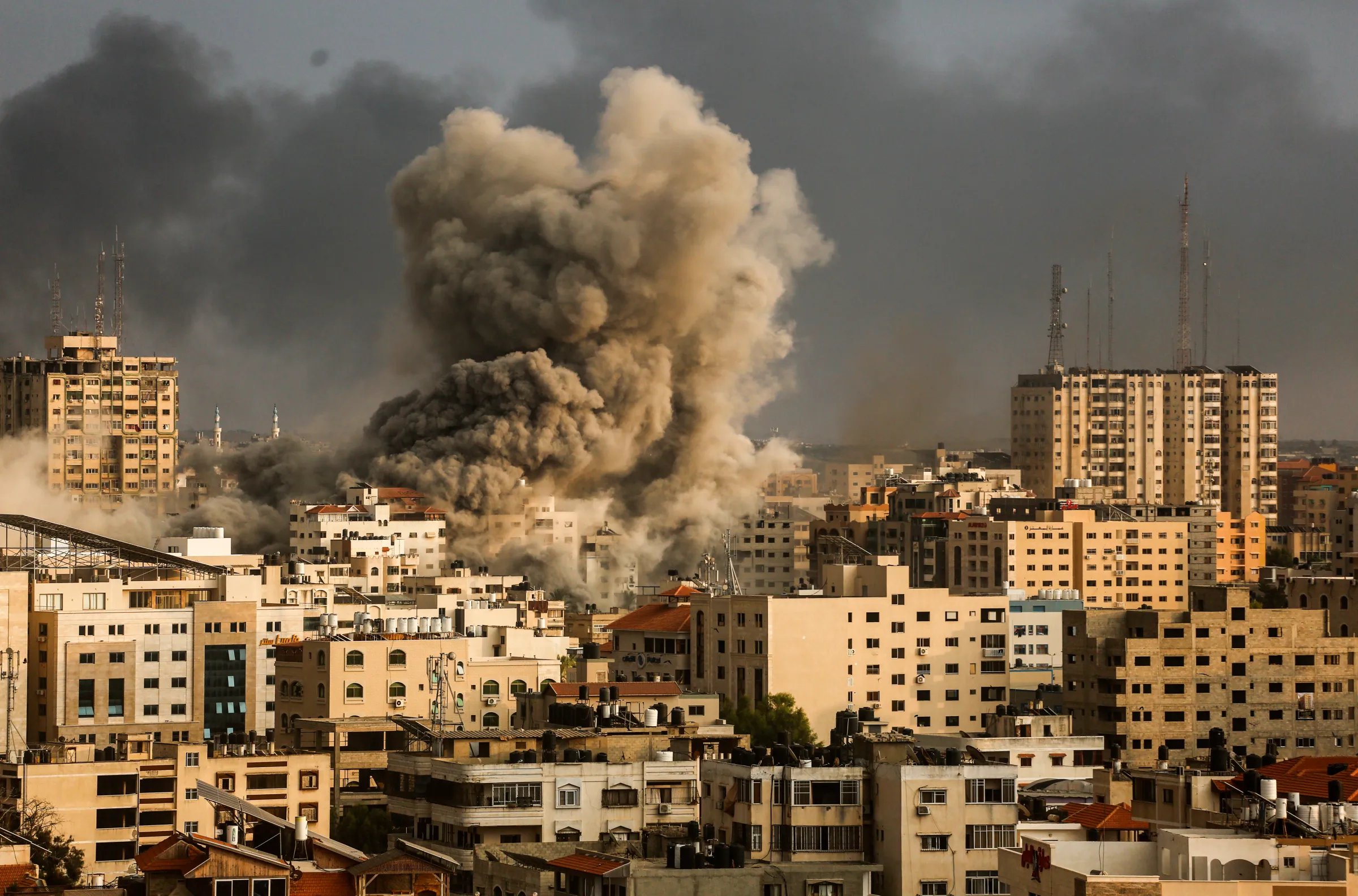
Delta farmers were already reeling from the Trump administration's tariffs and retaliatory measures that gutted export markets. China has largely stopped buying American soybeans. Rice exports to Latin America cratered. Corn prices plummeted. Cotton markets bottomed out. Now, nitrogen prices have spiked because about one-third of the world's supply flows through the Strait of Hormuz, which is currently closed amid the U.S.-Israeli war with Iran. Roughly 20 percent of global fuel also passes through that waterway. Spring is planting season in the Mississippi Delta, when farmers burn the most fuel and spend the most on fertilizer.
Taylor has resorted to buying diesel fuel in small batches, what he calls "hand to mouth." His farm has storage capacity for more than 20,000 gallons, but he is sitting on about 1,000. "Sometimes we know that we've only got two weeks of fuel," he said.
The compounding losses
Taylor voted for President Trump in 2024 and applied for relief from the administration's $12 billion Farmer Bridge Assistance Program. He received a payment in March, which he said covered only about 20 percent of what he actually lost last year. "If somebody took $100 out of my pocket and then turned around and gave me $20 back, patted me on the back and said they were my friend, I'm not really sure I would agree," Taylor said. His patience with the Trump administration is "wearing thin."
A USDA spokesperson said the Trump administration has provided over $30 billion in ad hoc assistance to farmers since January 2025, but the agency did not respond to questions about whether additional payments are being considered or what it is doing to help farmers deal with higher fertilizer and fuel costs.
The regional burden on Black farmers
A few miles away near the town of Sledge, Anthony Bland grows rice and soybeans on about 2,000 acres. Unlike Midwest farmers who rely on rainfall, Delta farmers like Bland depend on diesel-powered pumps to irrigate their fields. A record-breaking drought this spring has made those pumps run longer and harder. "Right now I'm paying 60% more for diesel fuel than I would have been paying 45 days ago," Bland said.
His fertilizer costs have jumped sharply. Last year, 35 tons of fertilizer cost him around $16,000. In a notebook he carries, he has penciled in $26,000 for the same amount this year. The Trump administration has also reduced decades-old USDA programs designed to assist Black farmers, programs that existed because Black farmers have historically faced discrimination from lenders and government agencies and tend to operate at smaller scales with less financial cushion.

For example, Anthony Bland's fertilizer costs increased from around $16,000 for 35 tons last year to $26,000 this year, indicating a significant rise in expenses.
Bland received money from the Farmer Bridge Assistance Program but estimated it covered about a quarter of his tariff losses. Unlike Taylor, he did not vote for Trump in 2024. "I just have a problem with the way they're treating anybody that doesn't look like him," he said, referring to the Trump administration. Still, both men said they do not support the war with Iran and do not know if they will be able to continue farming.
The breaking point
Taylor said the current situation is worse than the farm crisis of the 1980s, when falling crop prices, high interest rates, and collapsing land values forced thousands of family farms into foreclosure. "We got people that were barely struggling to get by, and now they've been hit with two major increases for fertilizer and fuel just exactly at the wrong time when we need them," he said. "It's going to be the nail in the coffin for a number of farmers."
For Bland, this is a "make or break" year. He may stop planting the fields his family has planted for generations, lease out his land, and pursue something else. As Taylor put it, invoking an African proverb while looking across his green corn stalks: "When elephants fight, it's the ants that get crushed. The ants are getting crushed."

















The sources also report that Mississippi's fertile soil contributes to the state's $9.5 billion in estimated agricultural production in 2025.