




Trump's Directive Targets Iranian Vessels in Key Waterway
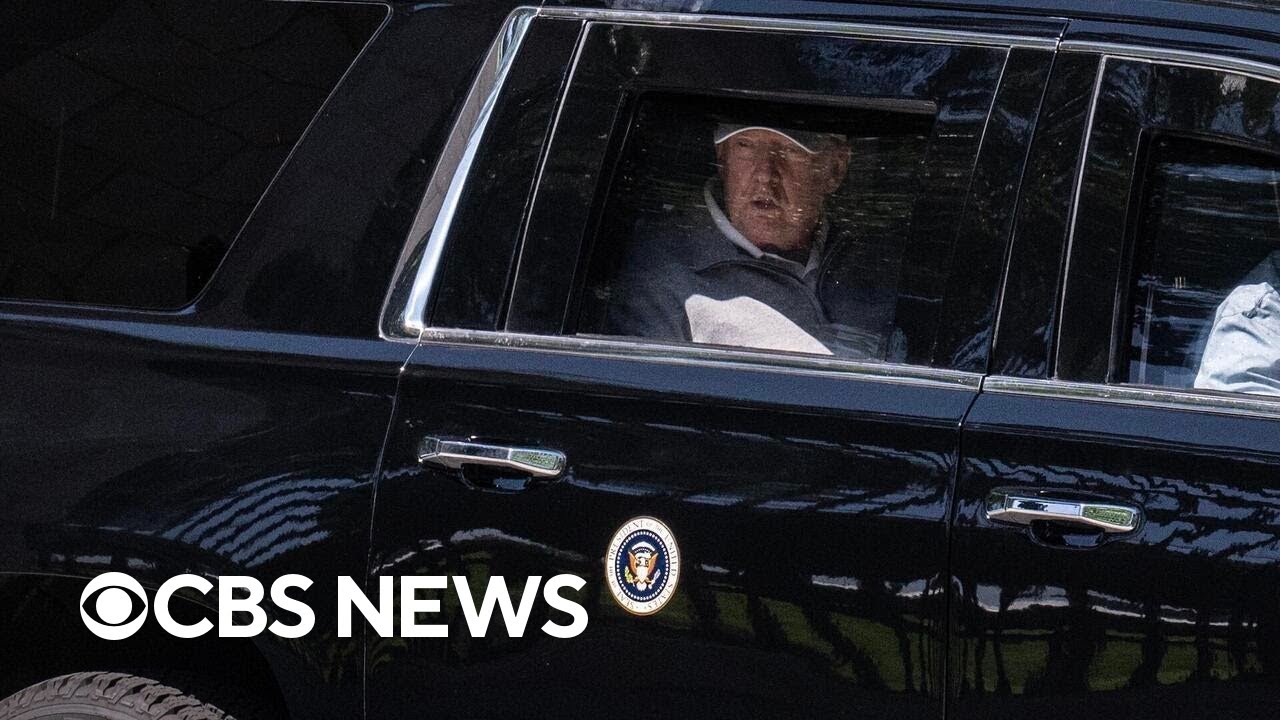
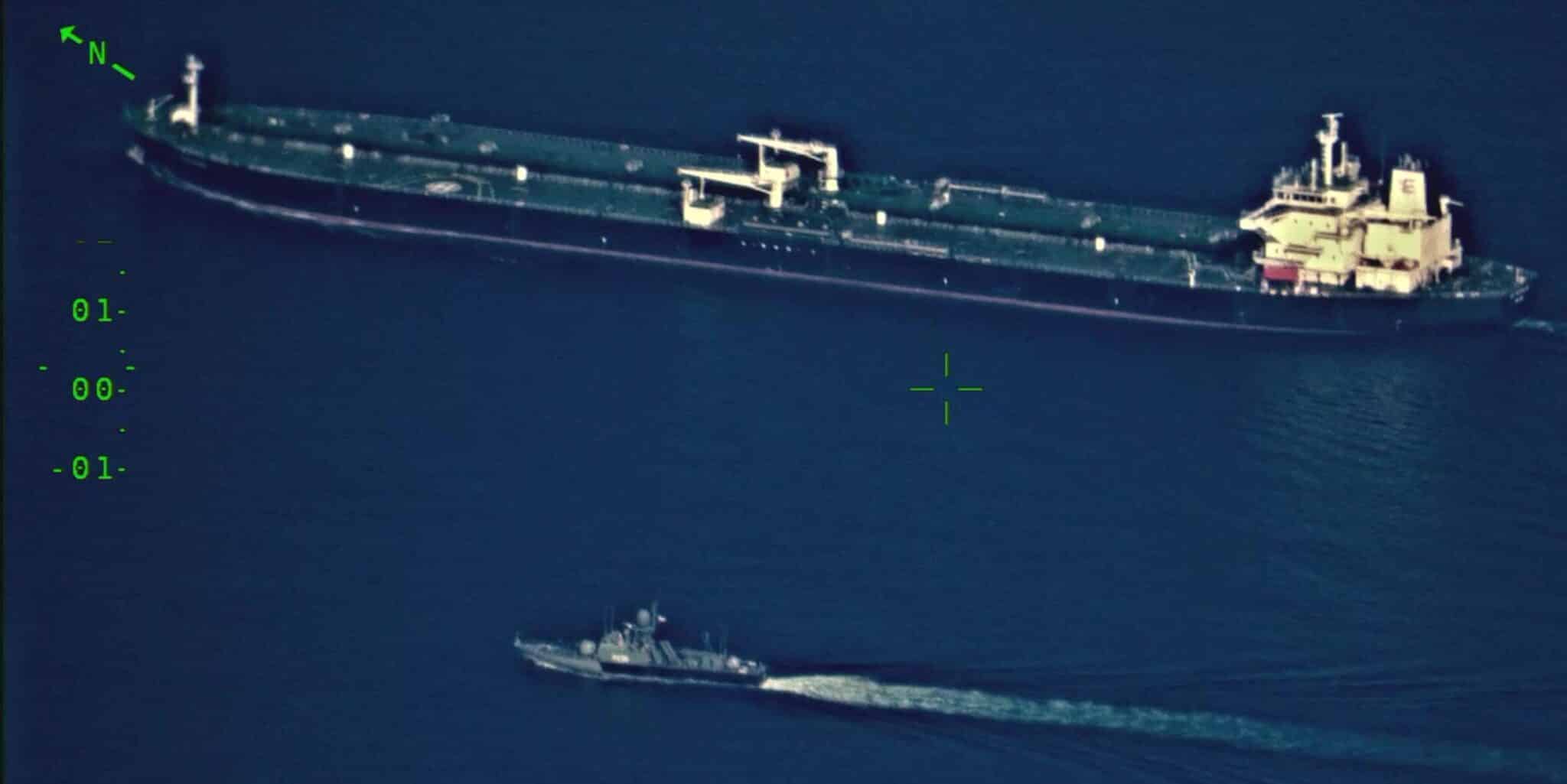
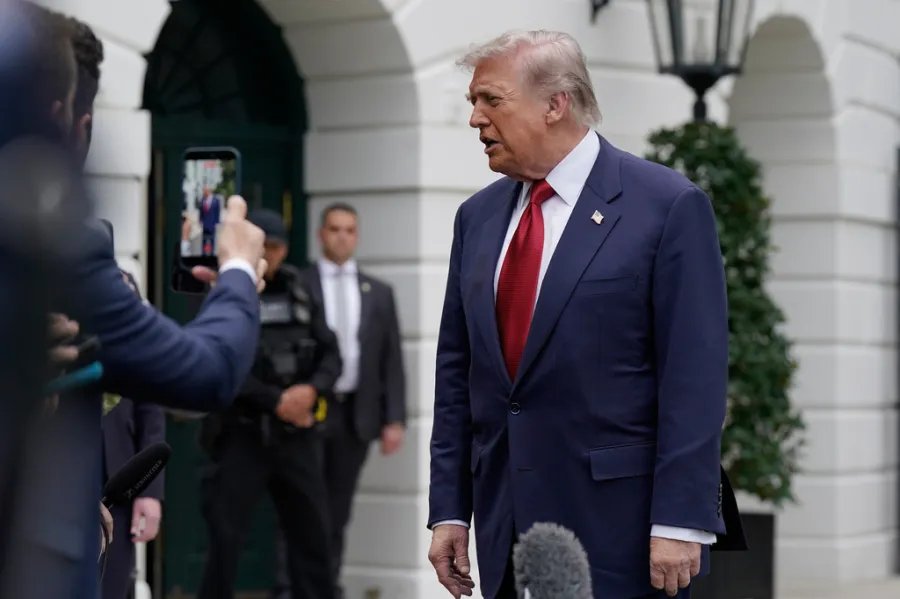
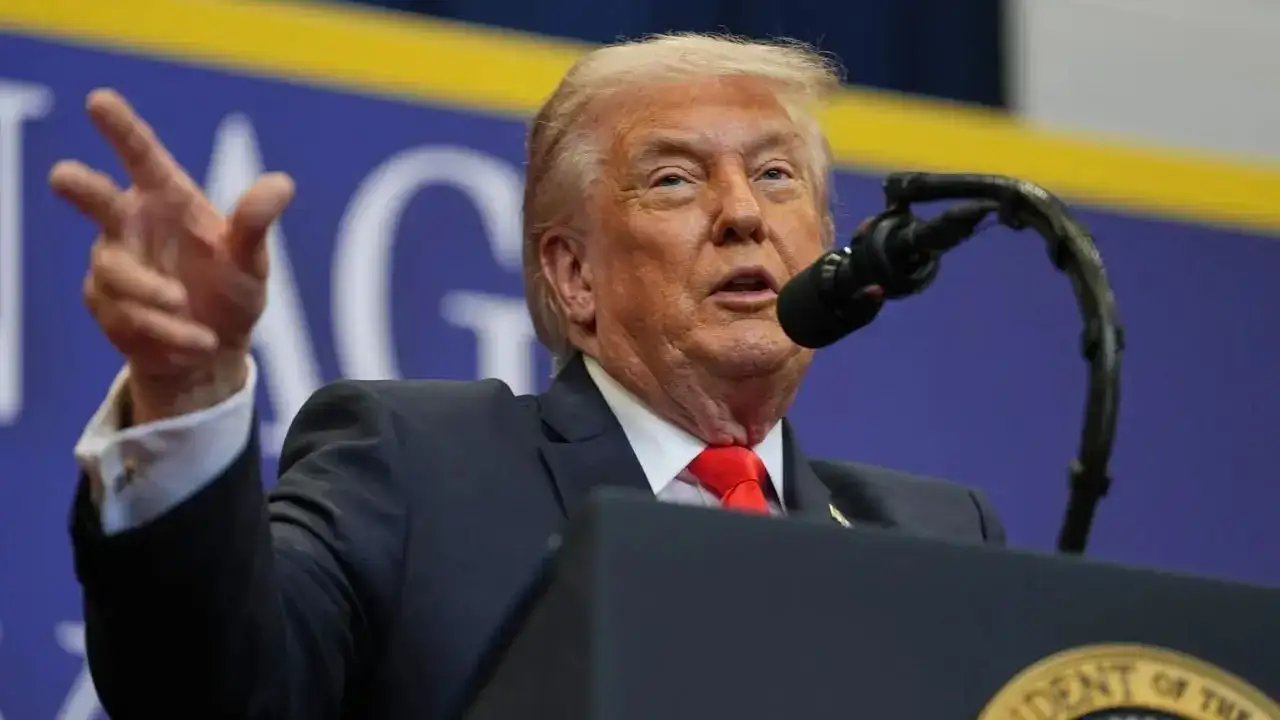
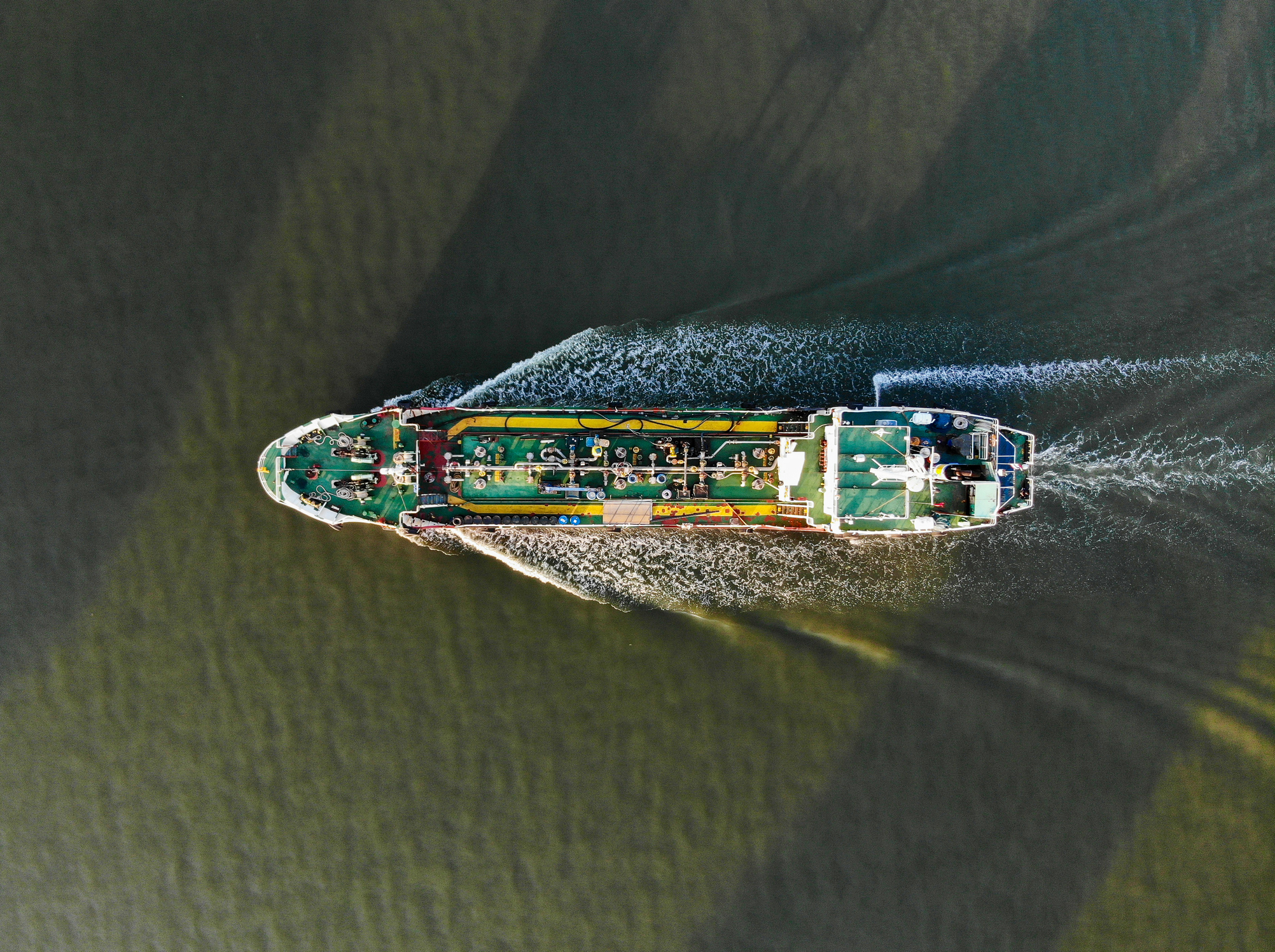
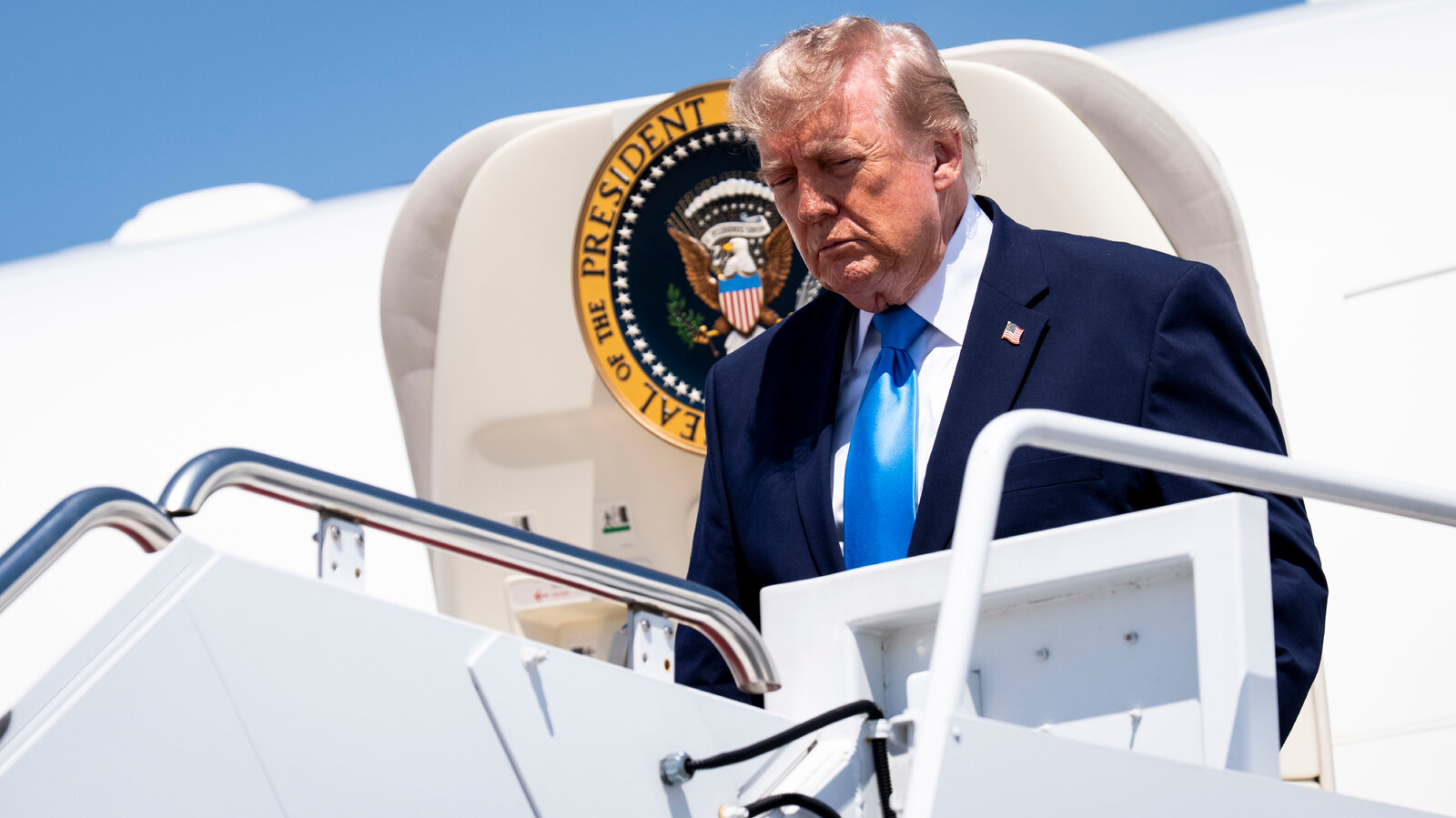
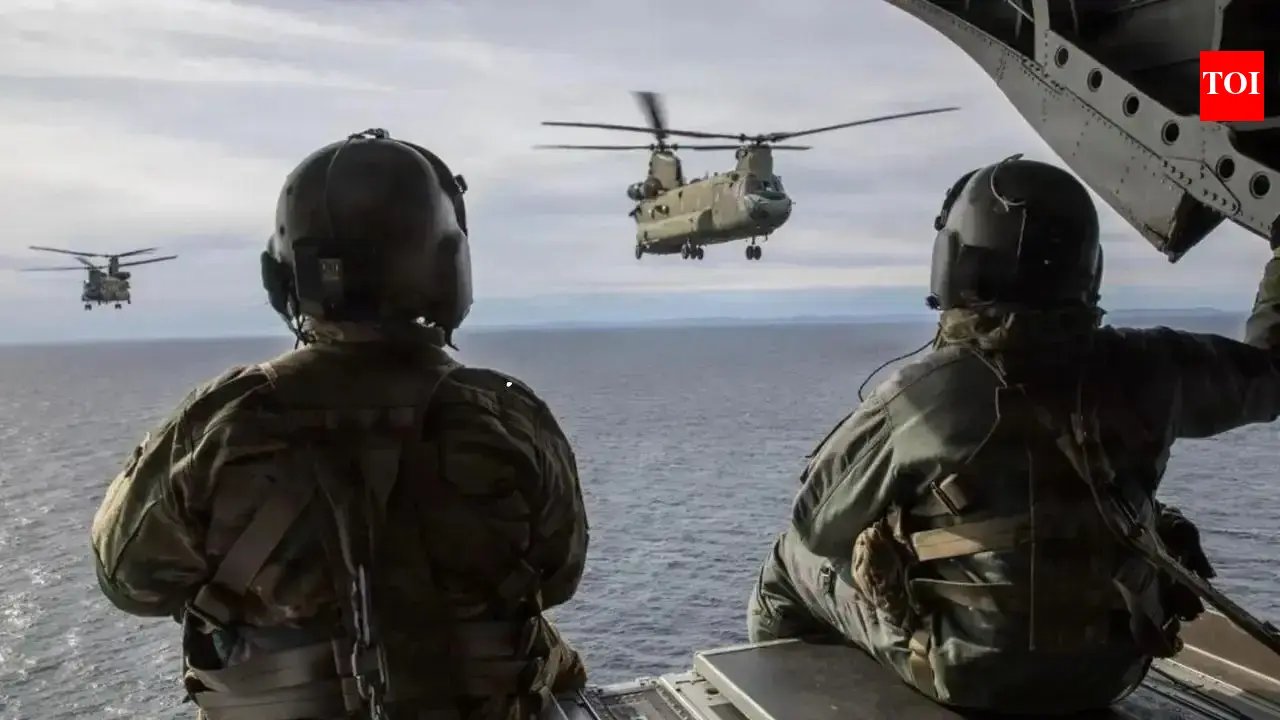
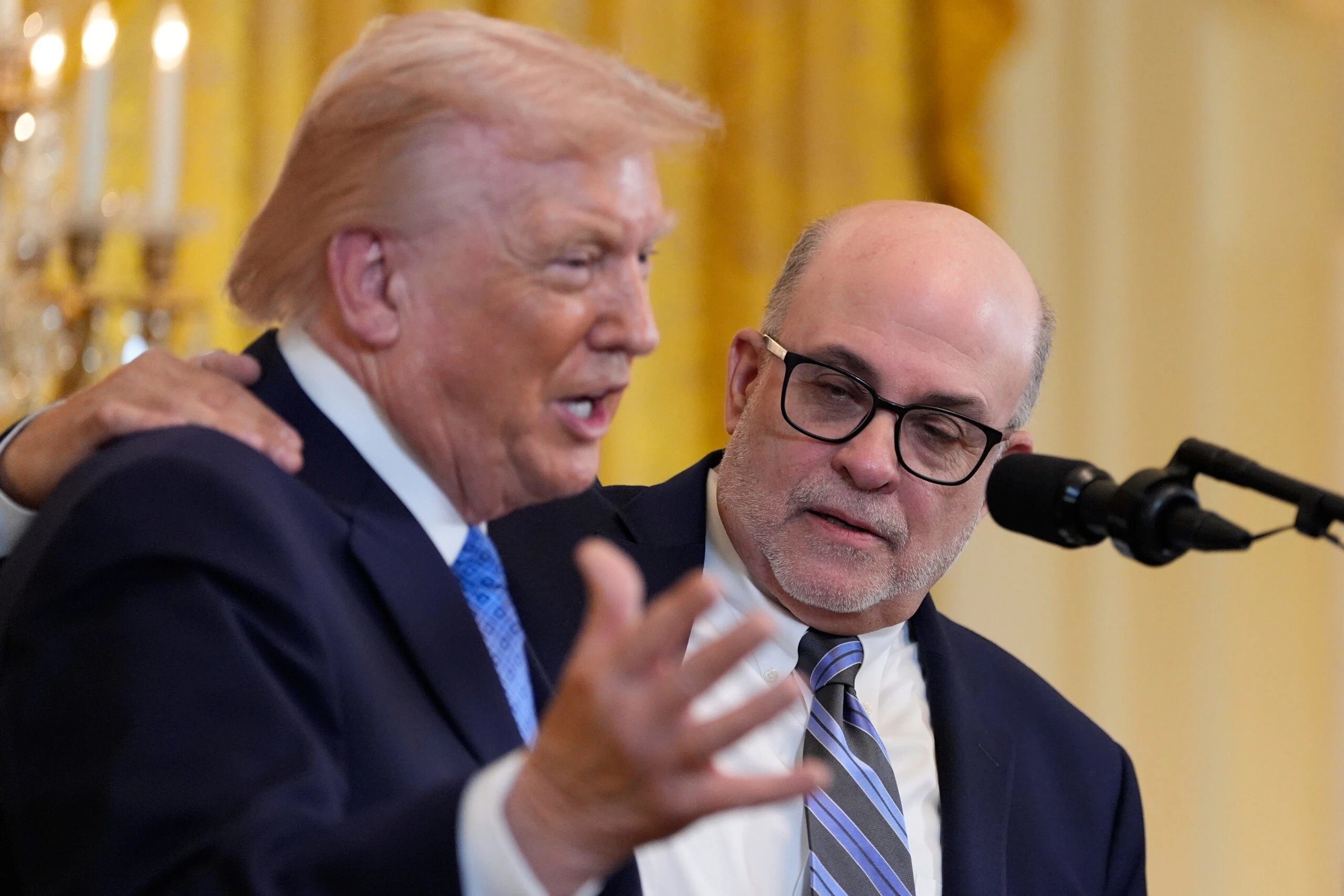
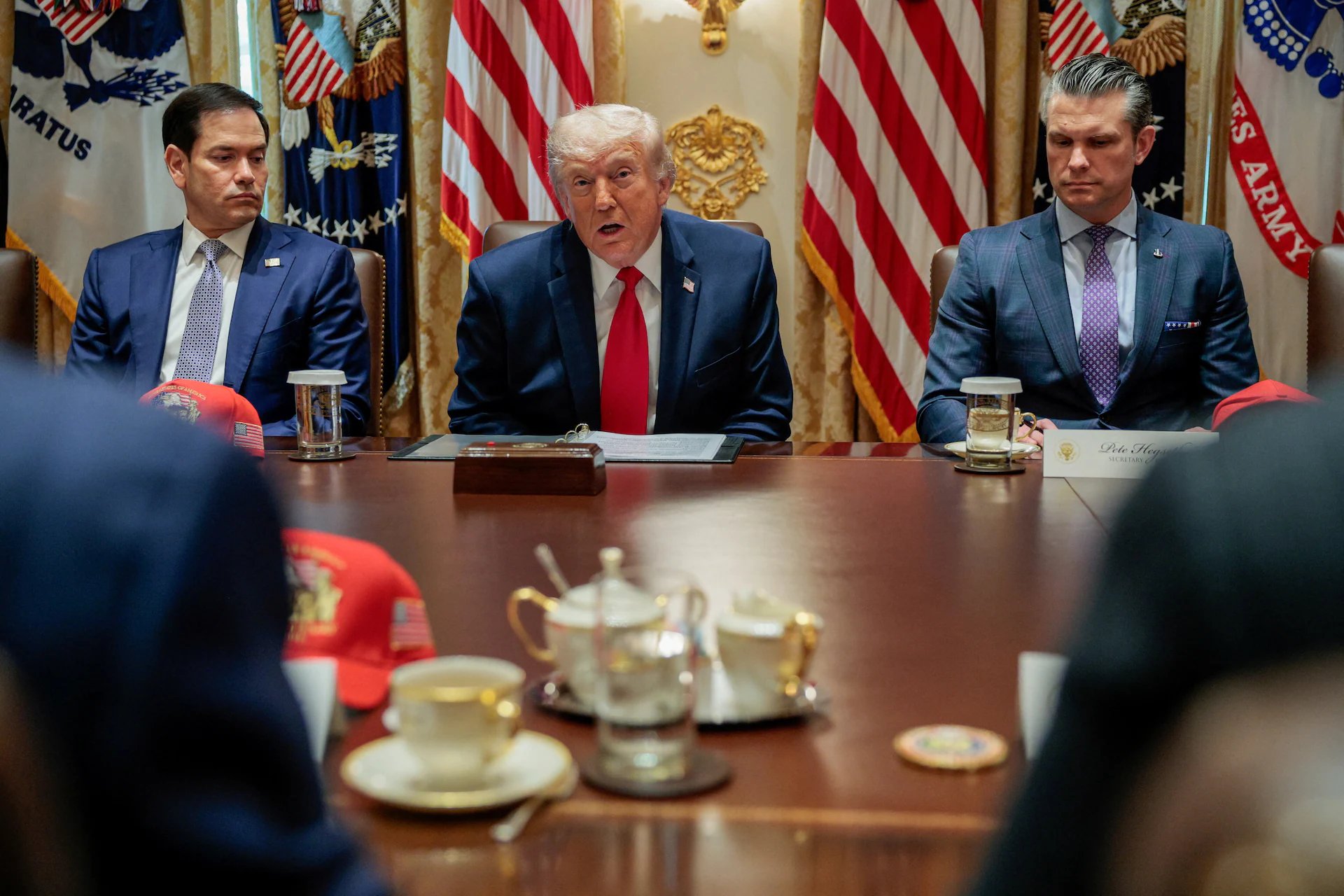
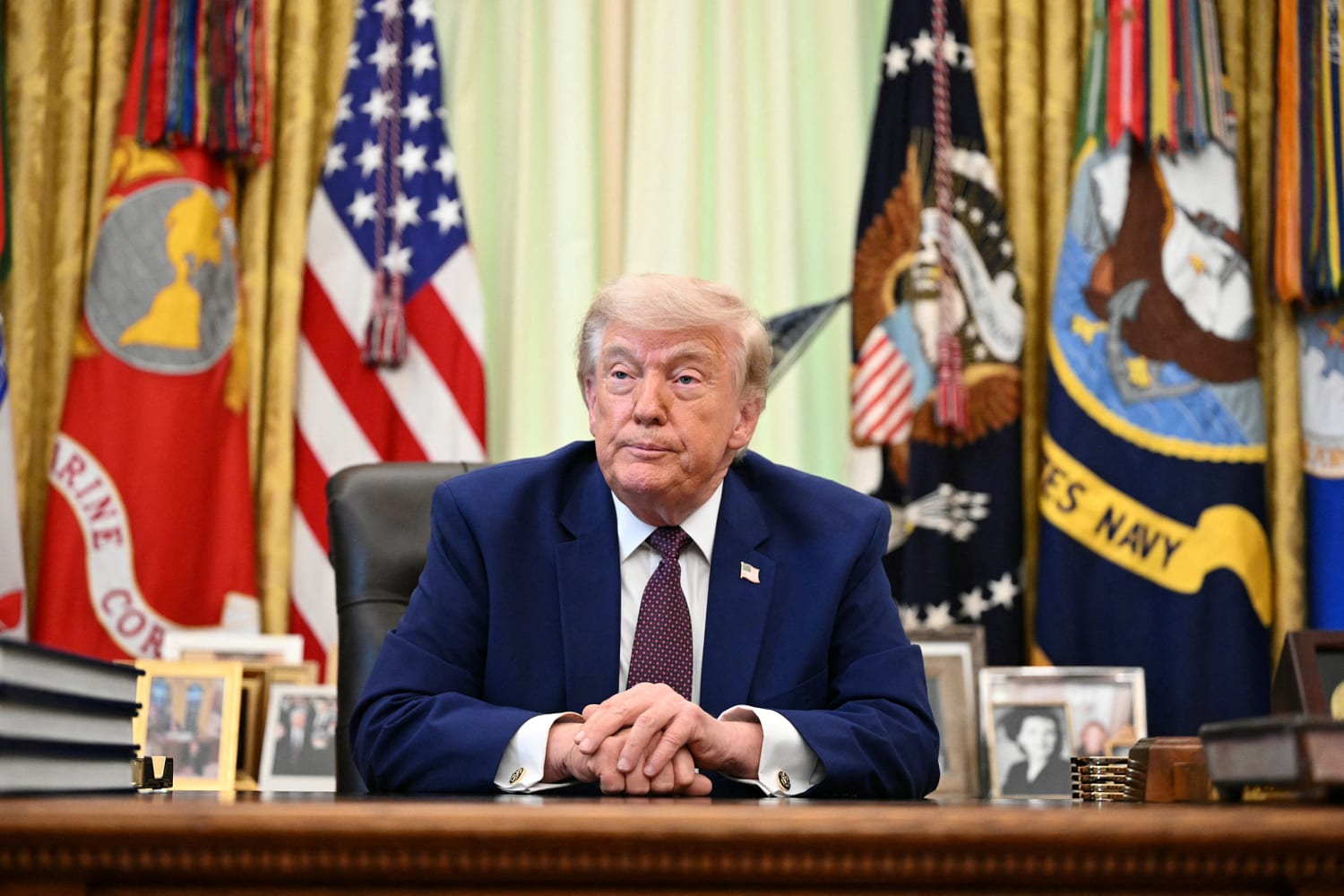
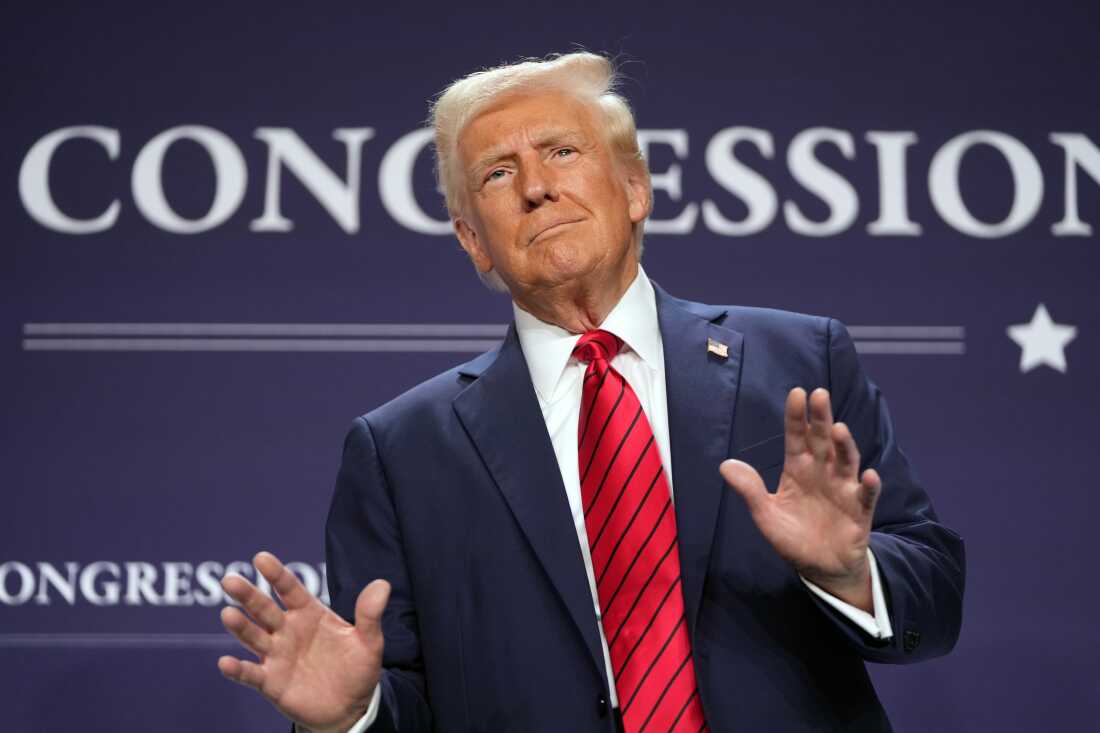
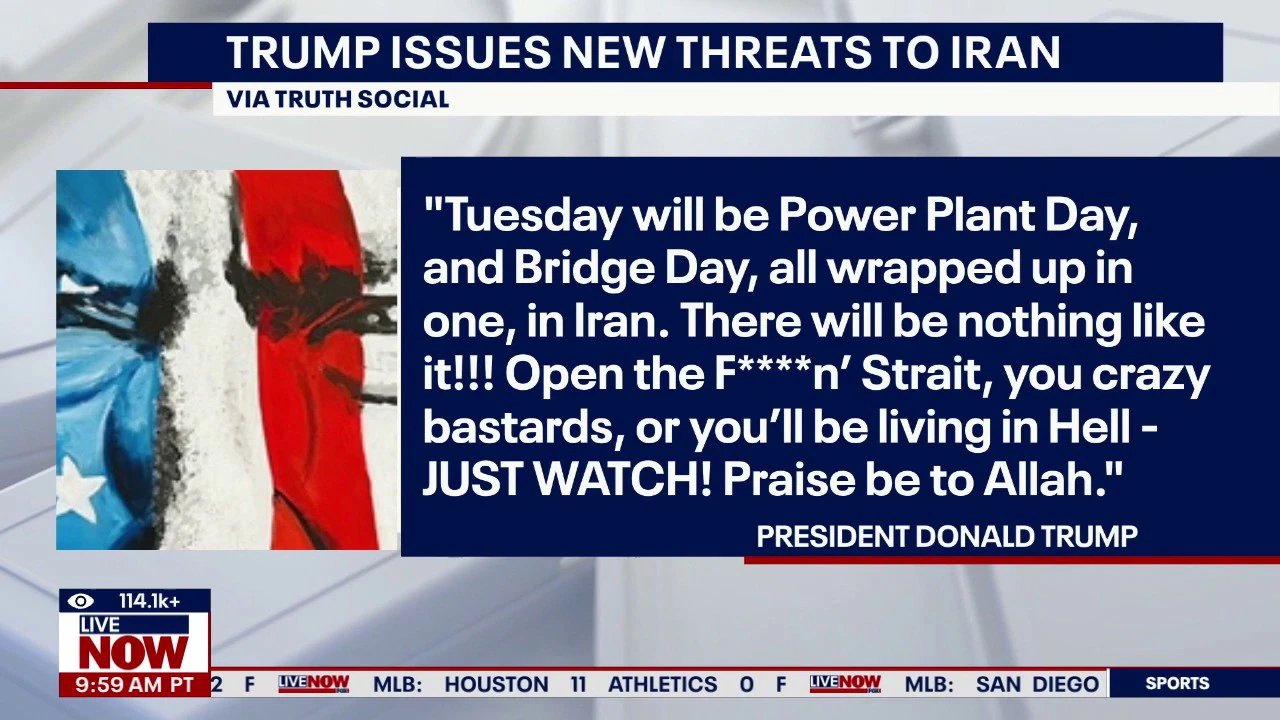
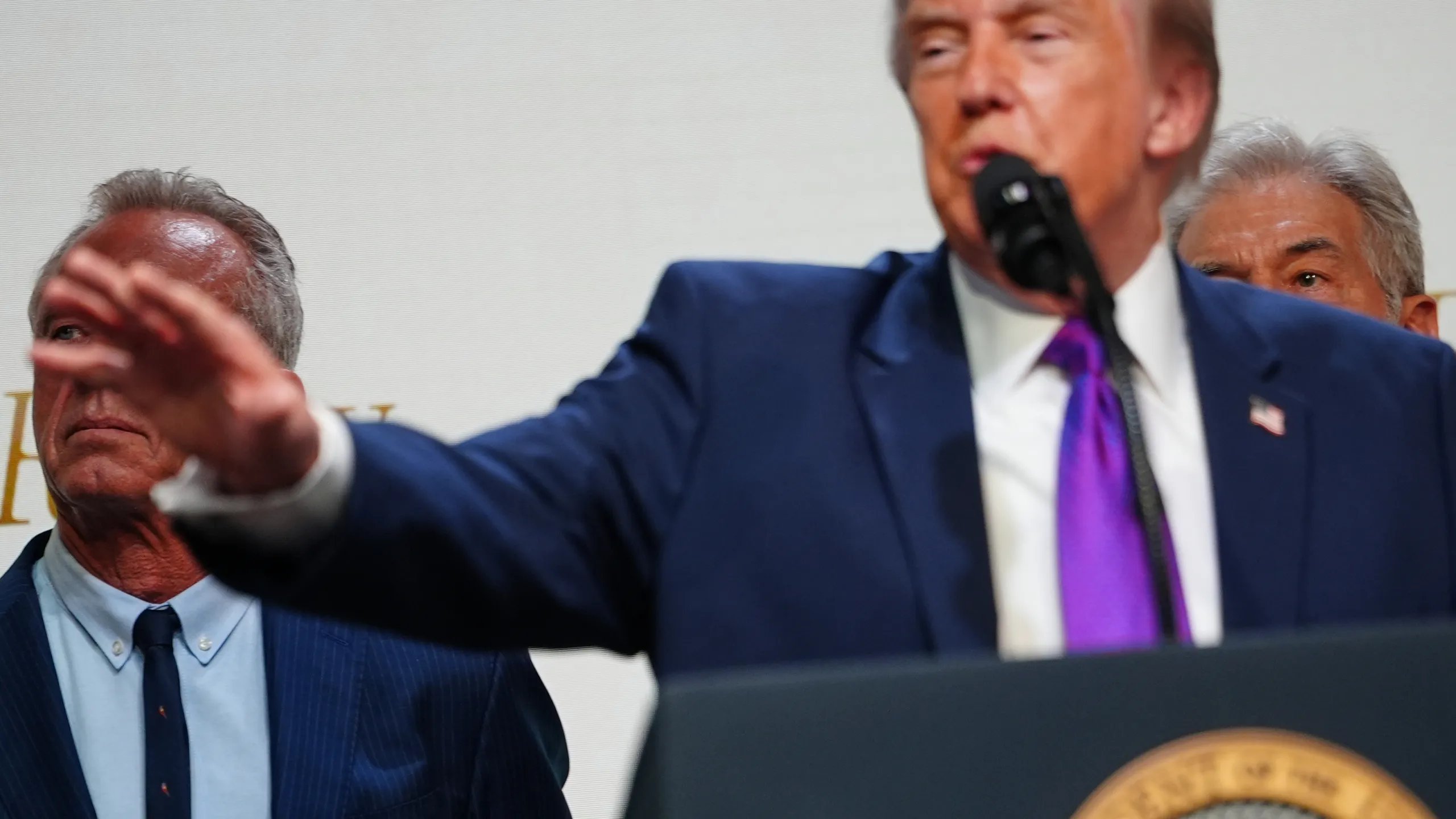
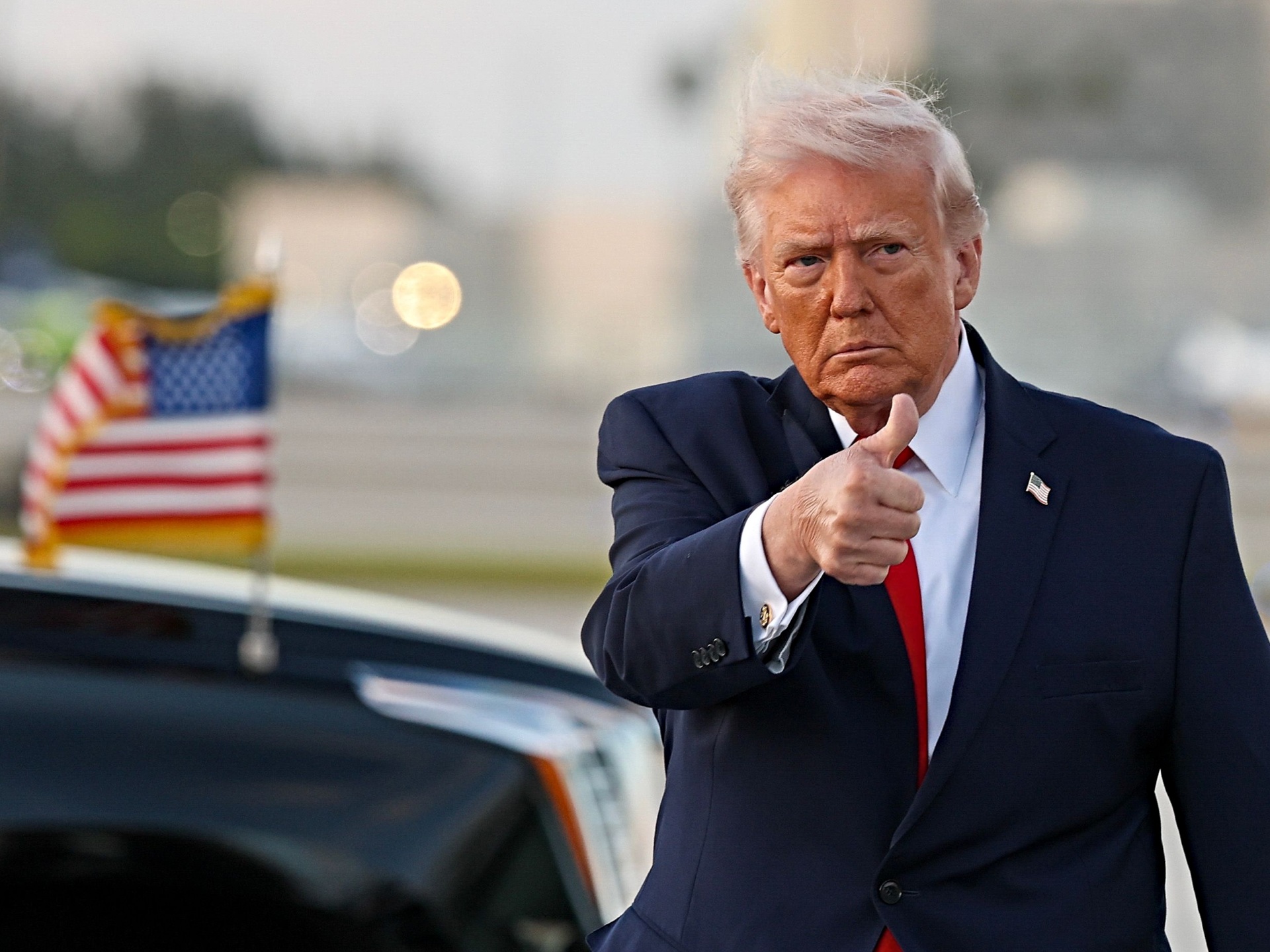
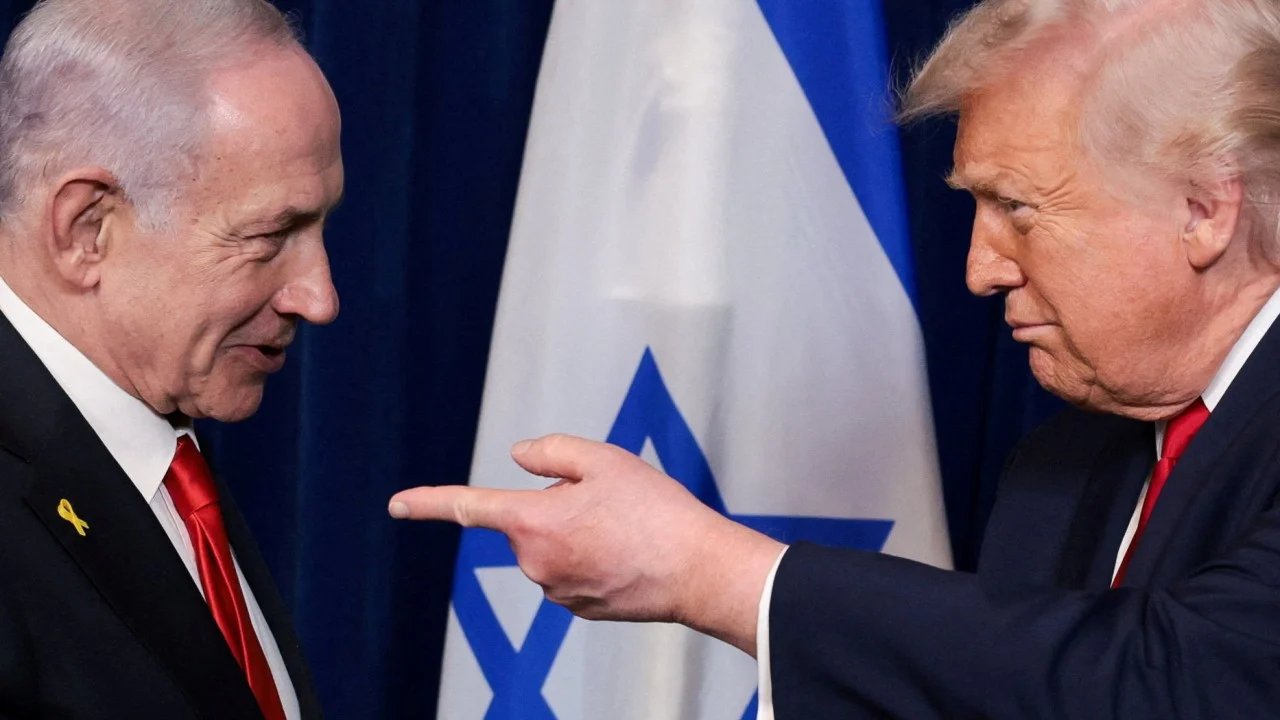
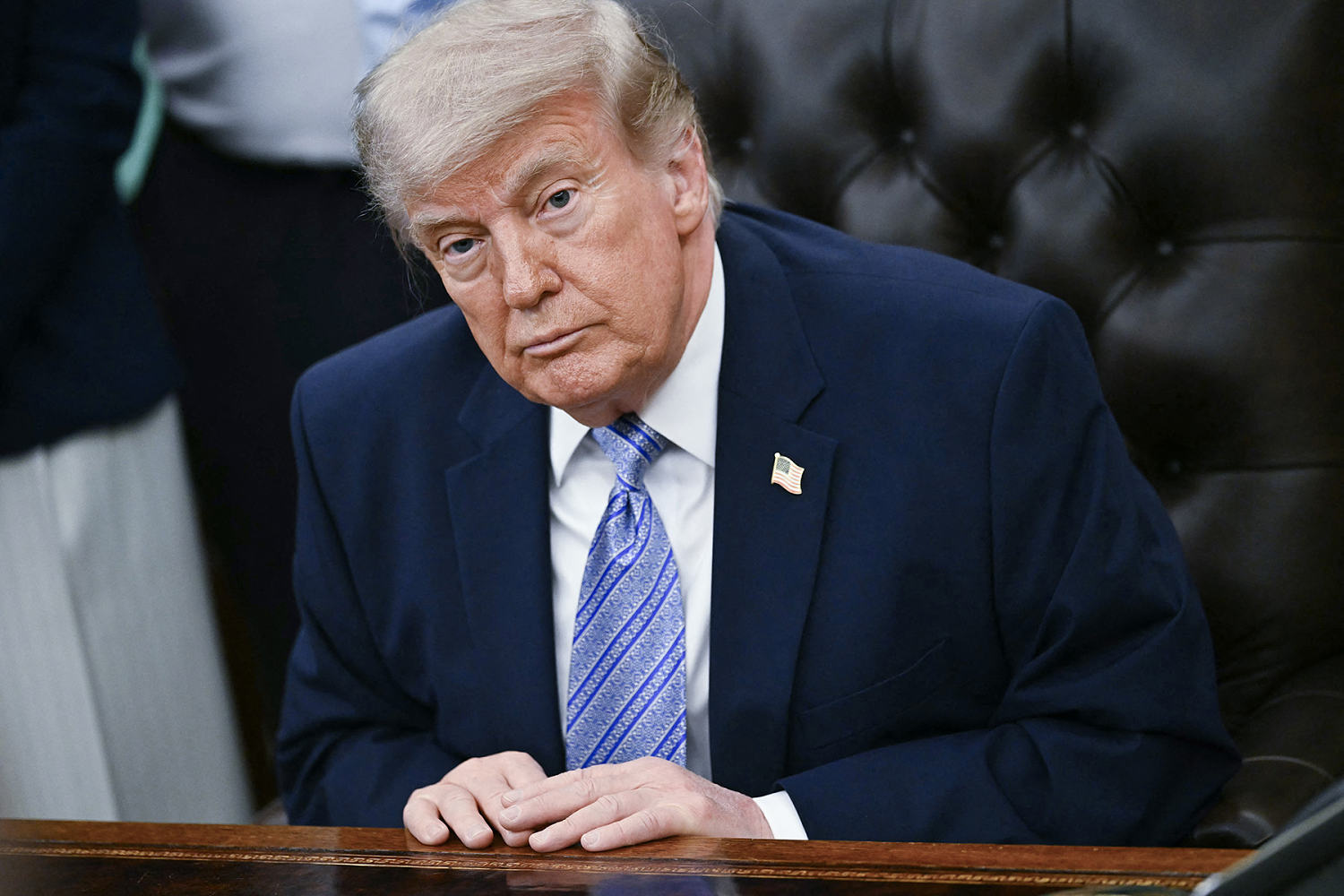
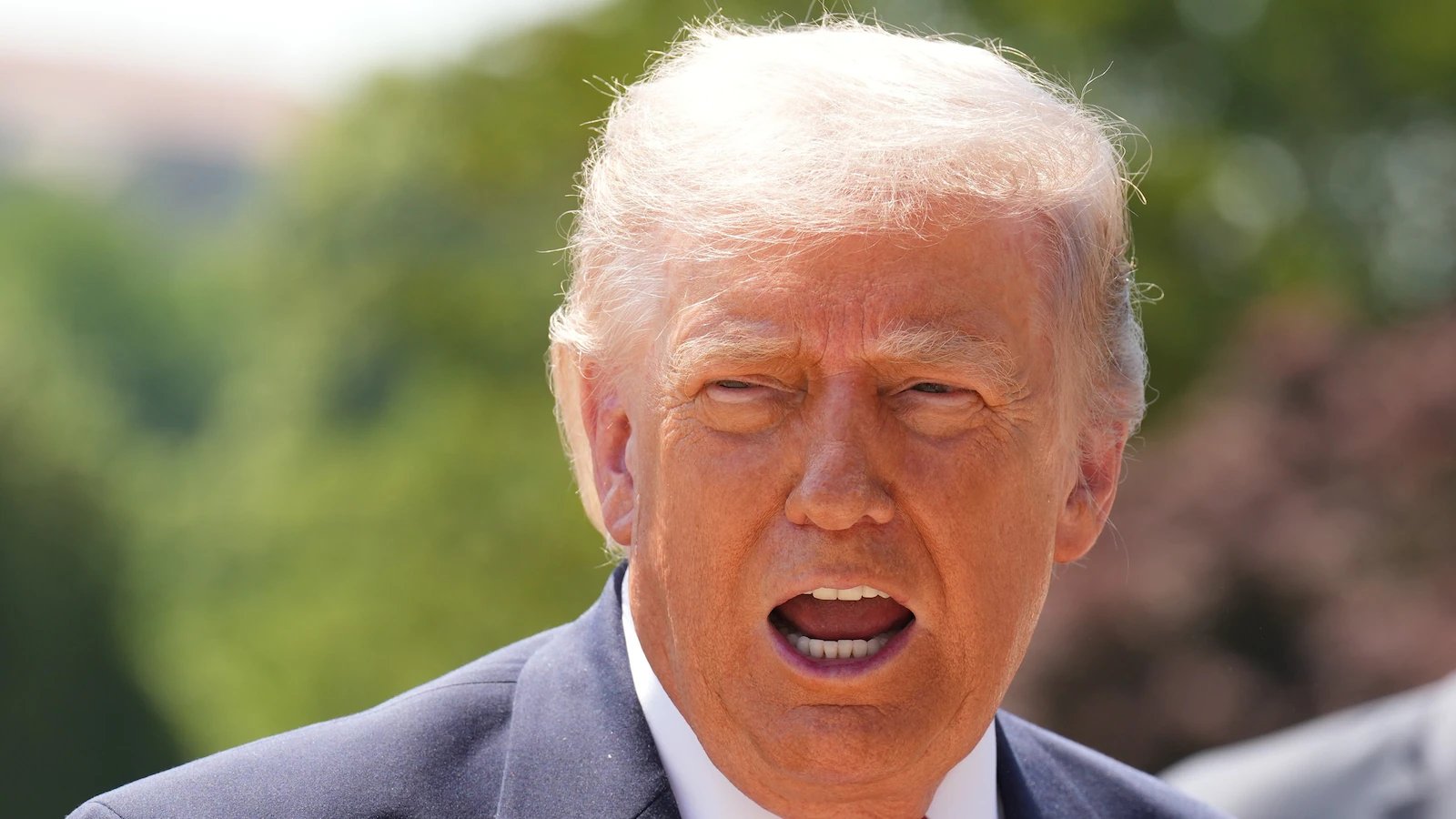
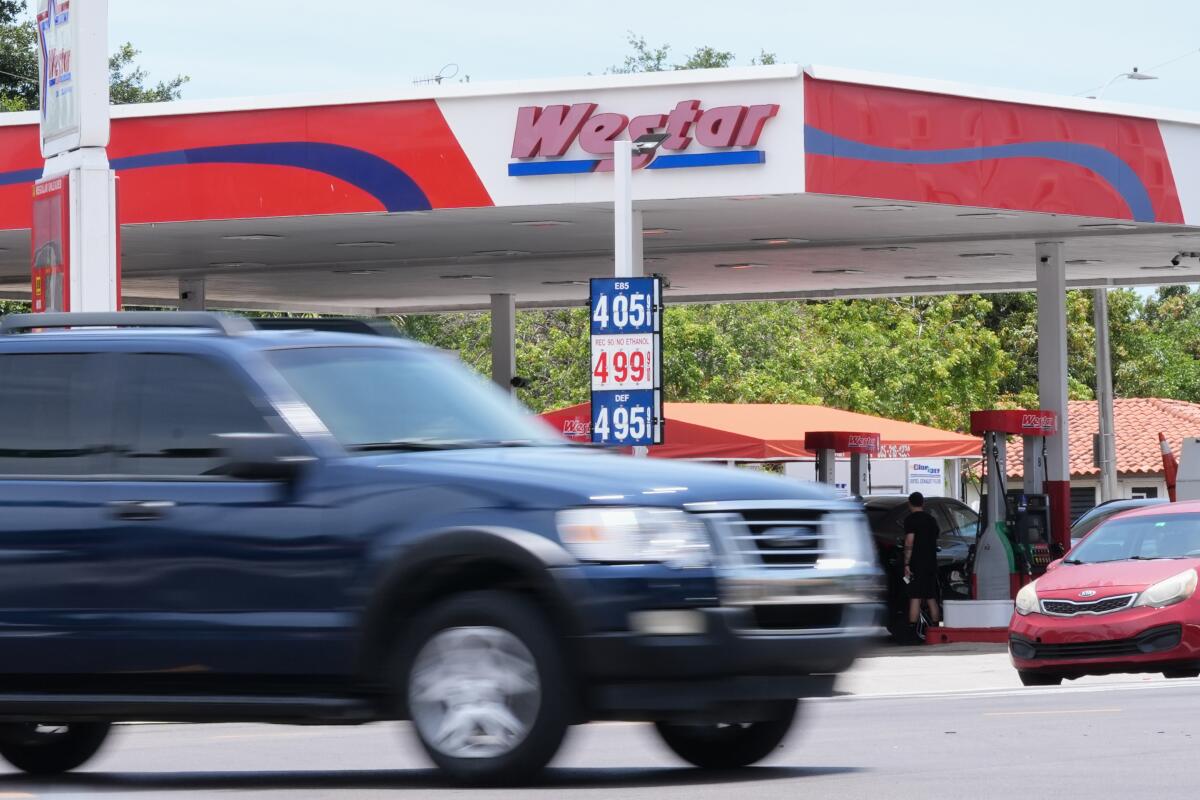
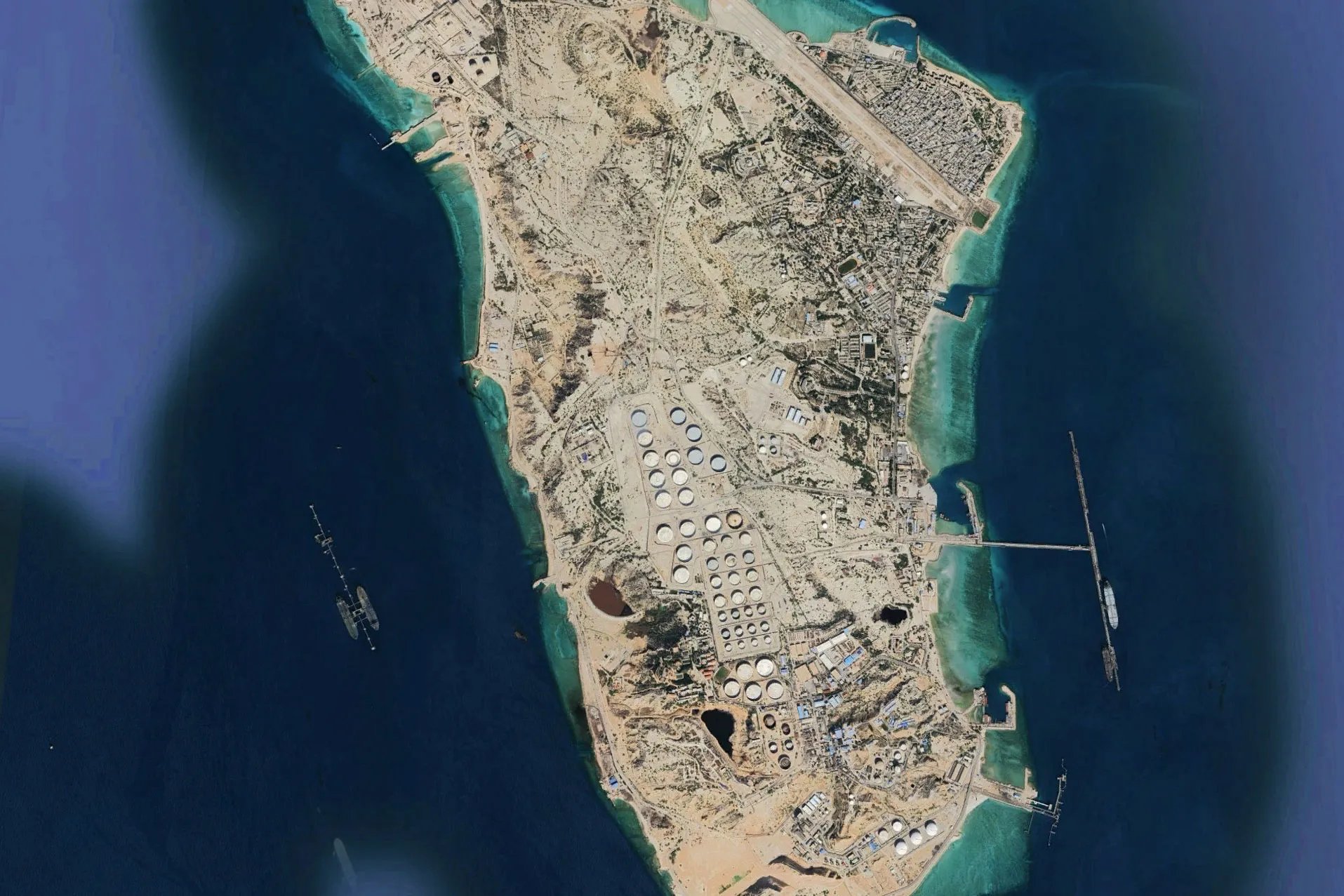
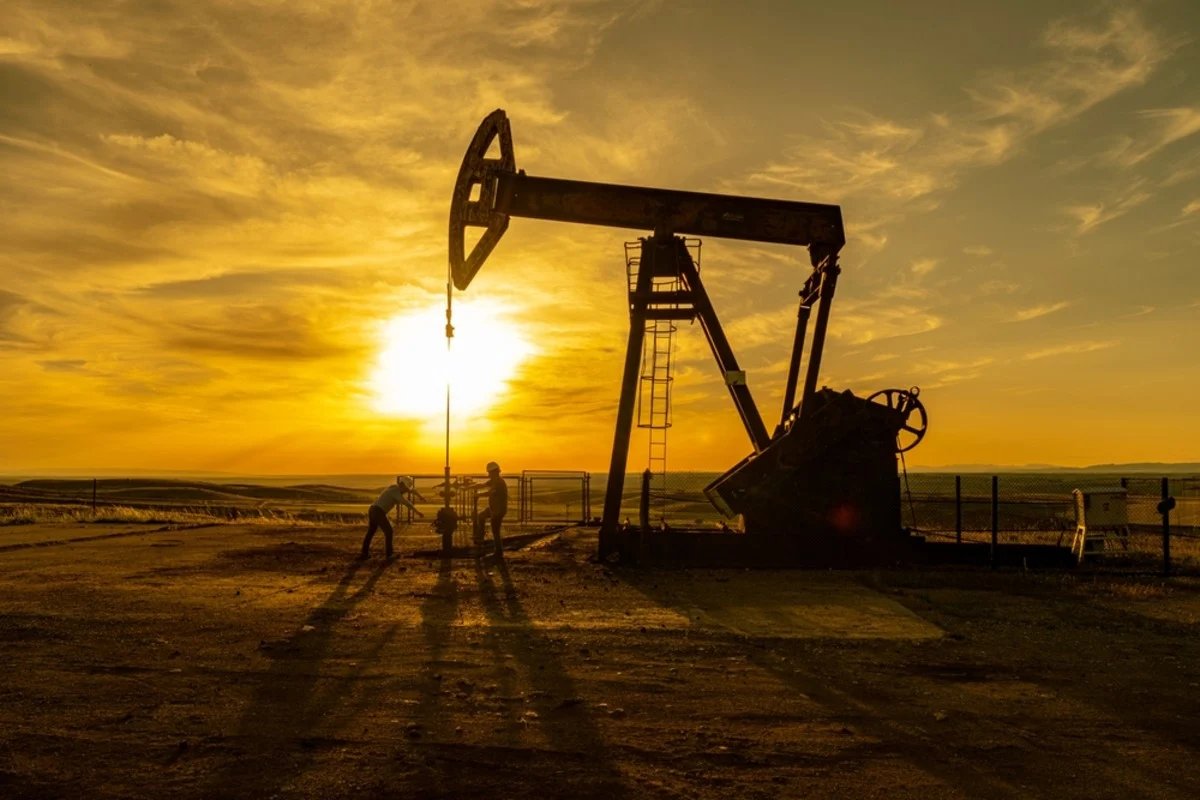
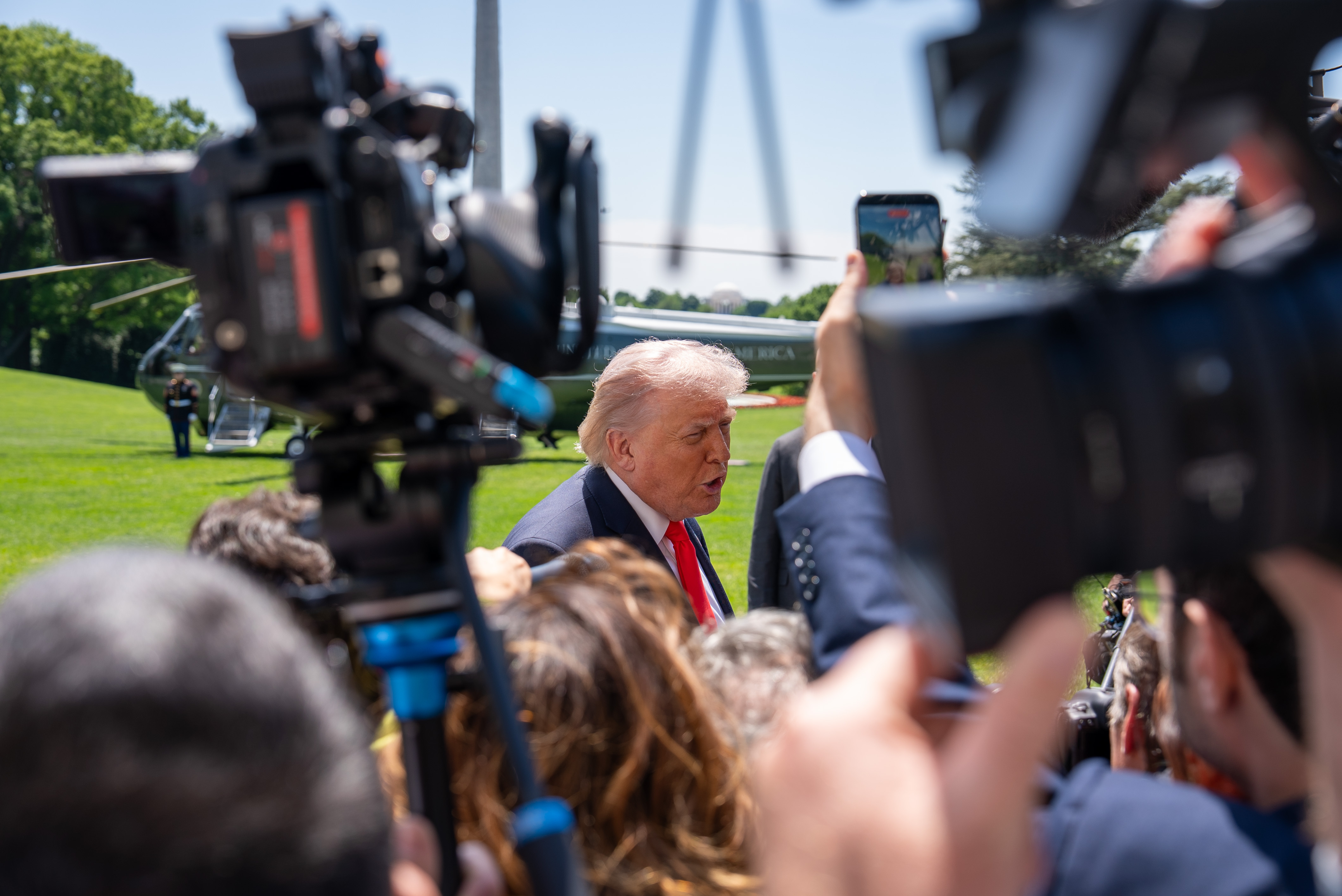
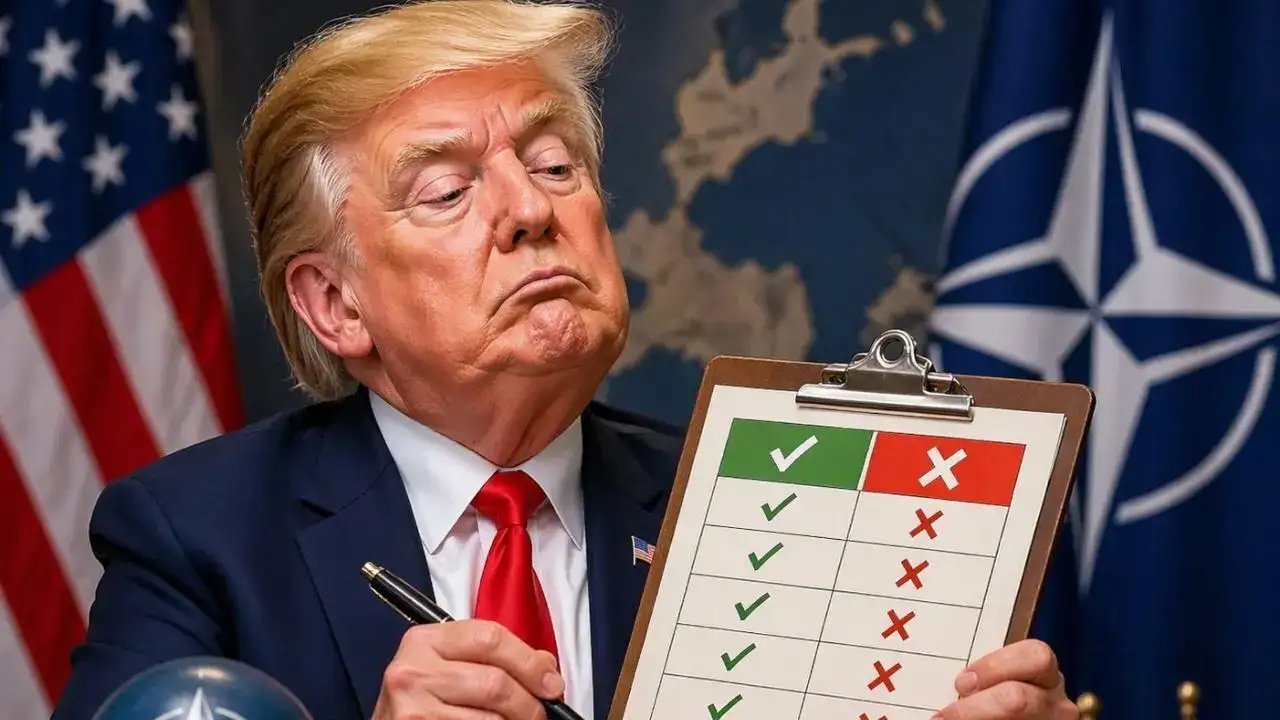
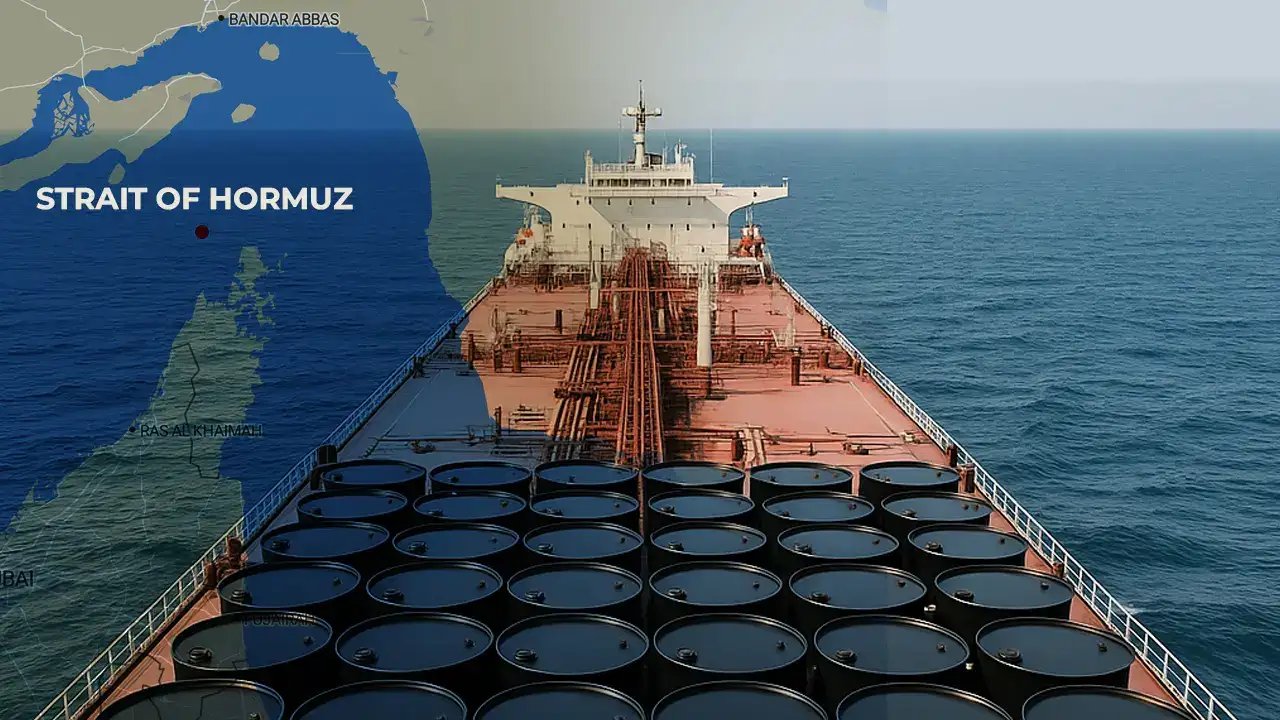
President Donald Trump directed the United States Navy to "shoot and kill" any boats placing mines in the Strait of Hormuz, escalating military tensions with Iran. This order affects global energy supplies, as the strait handles a major portion of the world's oil shipments, potentially raising fuel costs for consumers worldwide. Trump's statement on social media specified no hesitation in action.
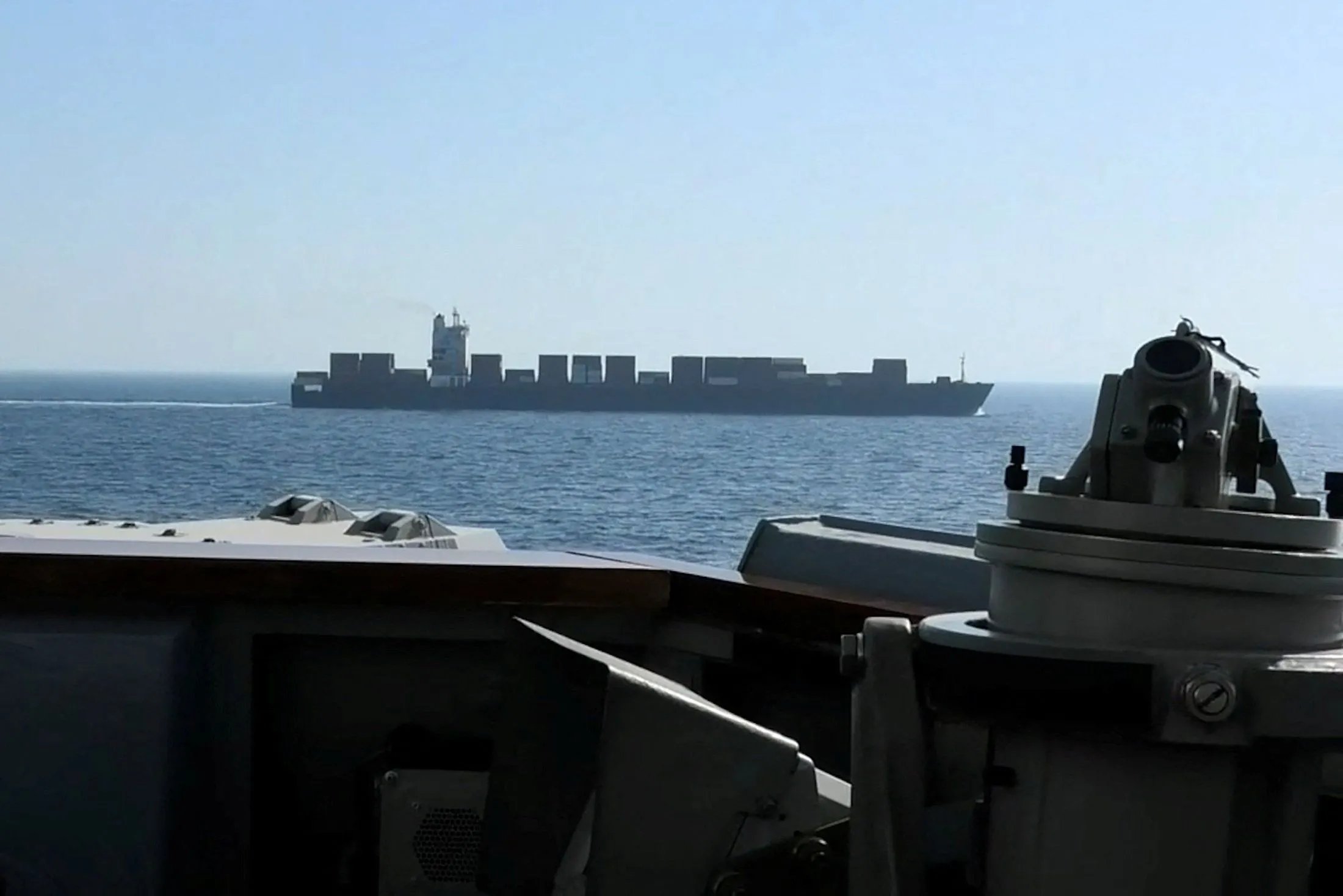
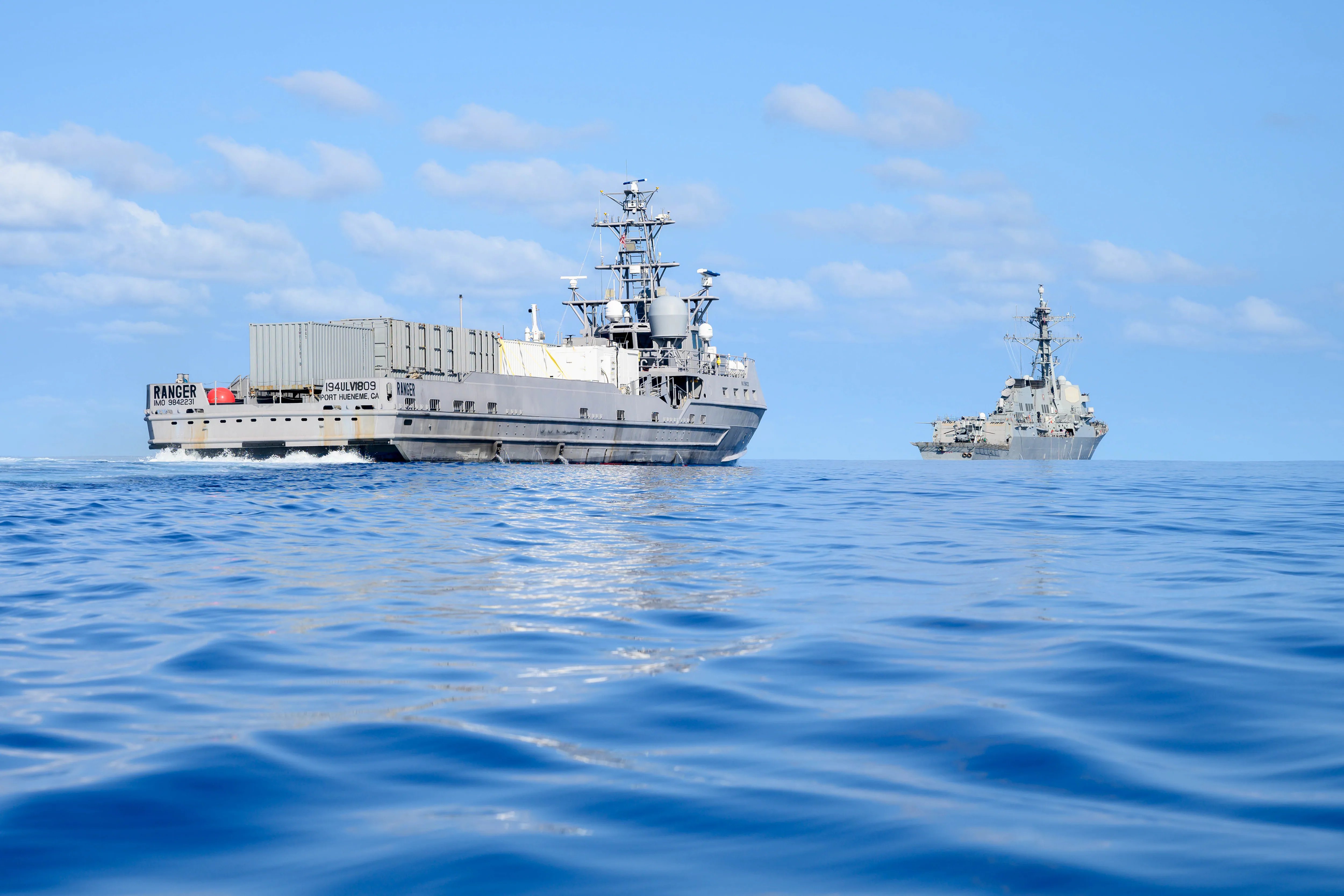
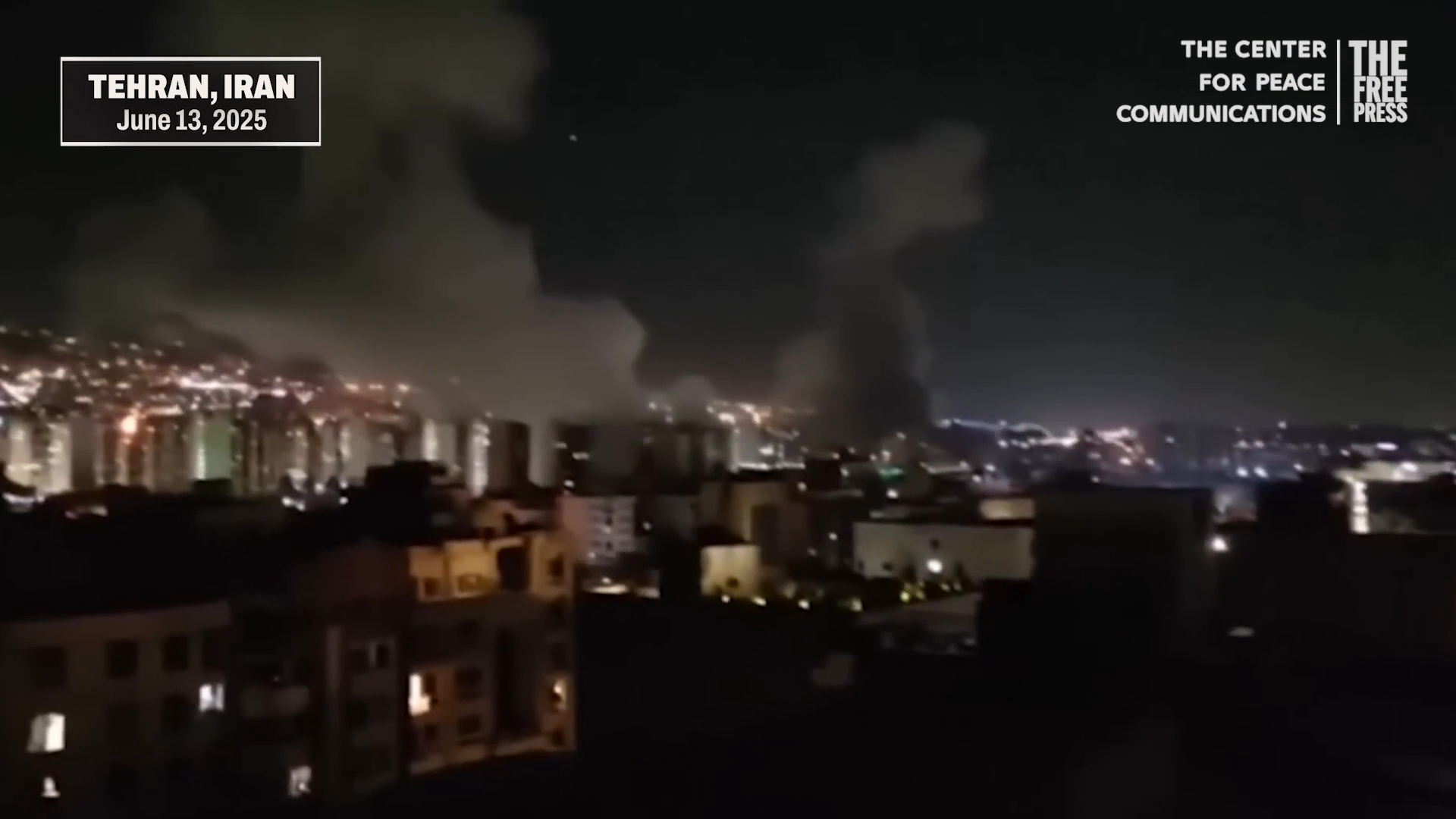
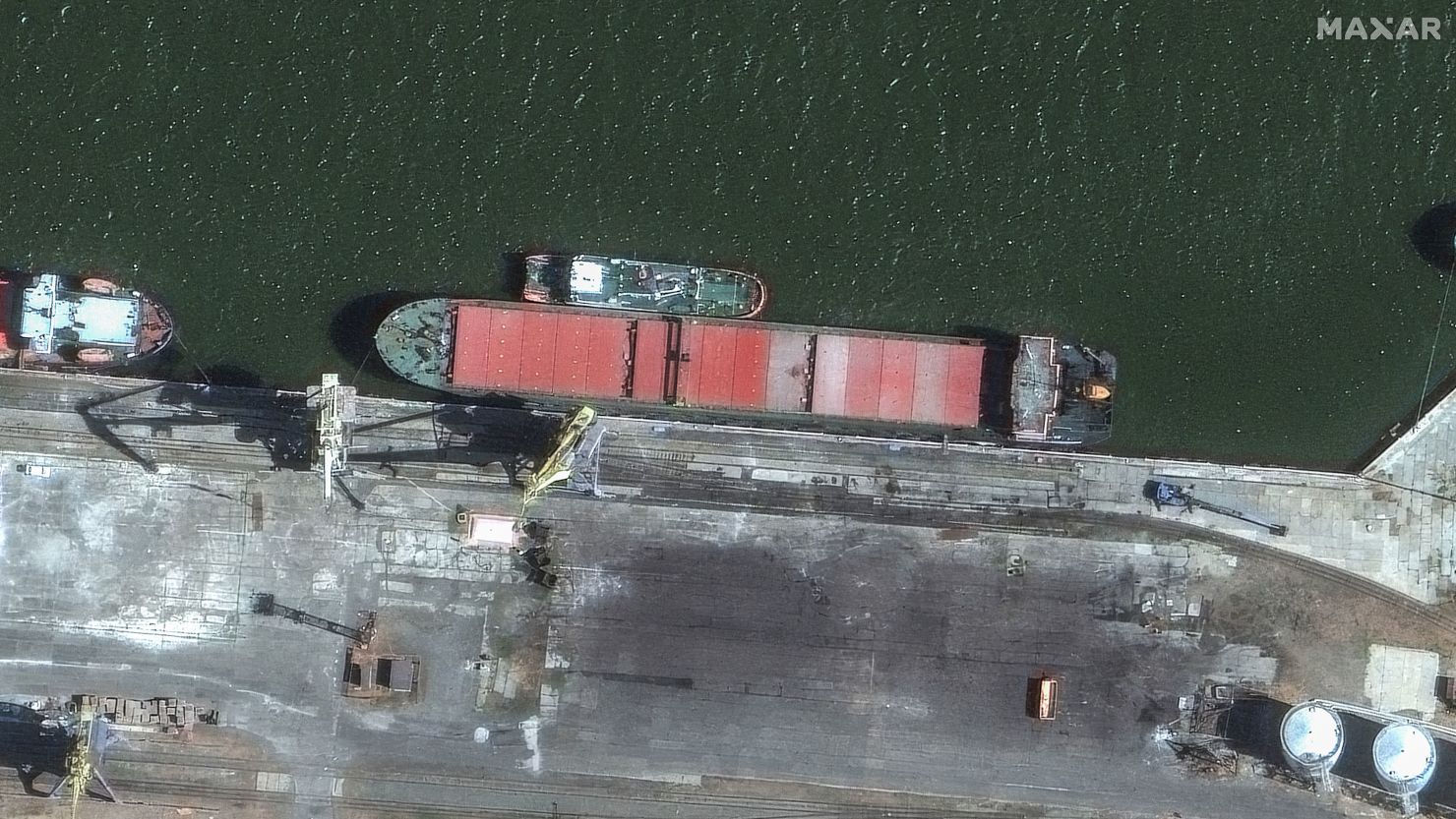
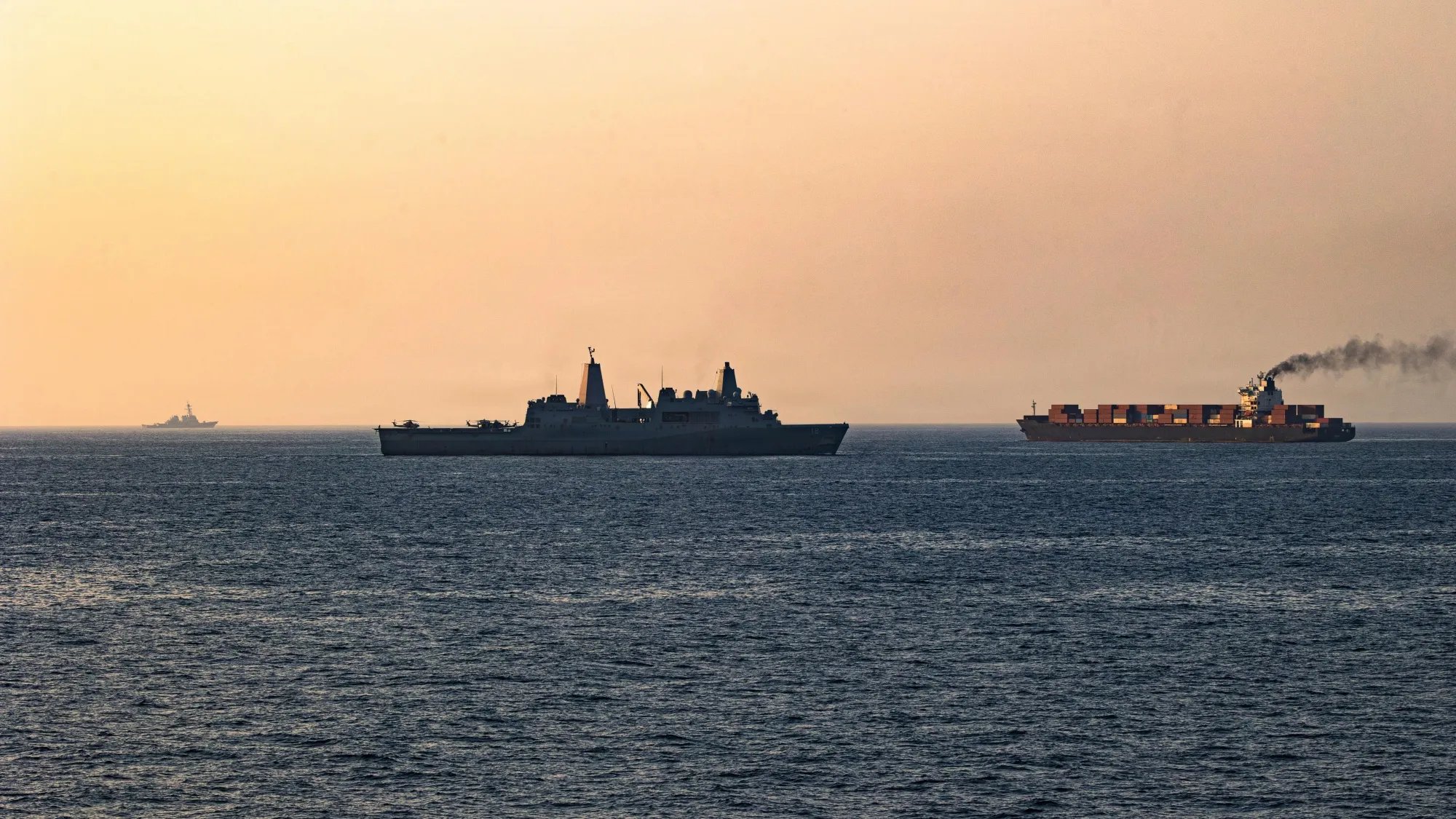
The directive follows reports of Iranian mine-laying activities, with Trump claiming the U.S. has "total control" over the area. U.S. Central Command reported that 33 ships have been turned back as part of the blockade, disrupting normal maritime operations. This move underscores a shift in U.S. military posture, directly threatening the safety of seafarers and potentially leading to higher insurance rates for shipping companies.
Firing of Navy Secretary John Phelan Shakes Defense Leadership
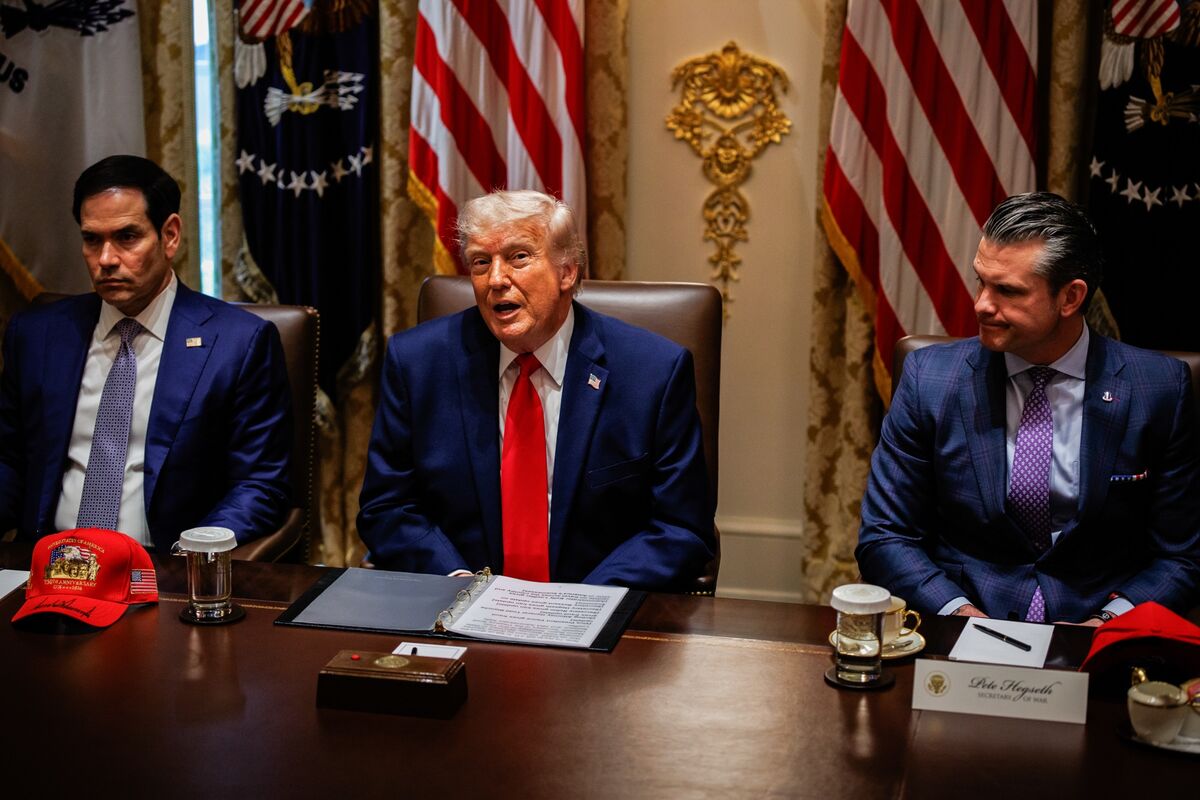
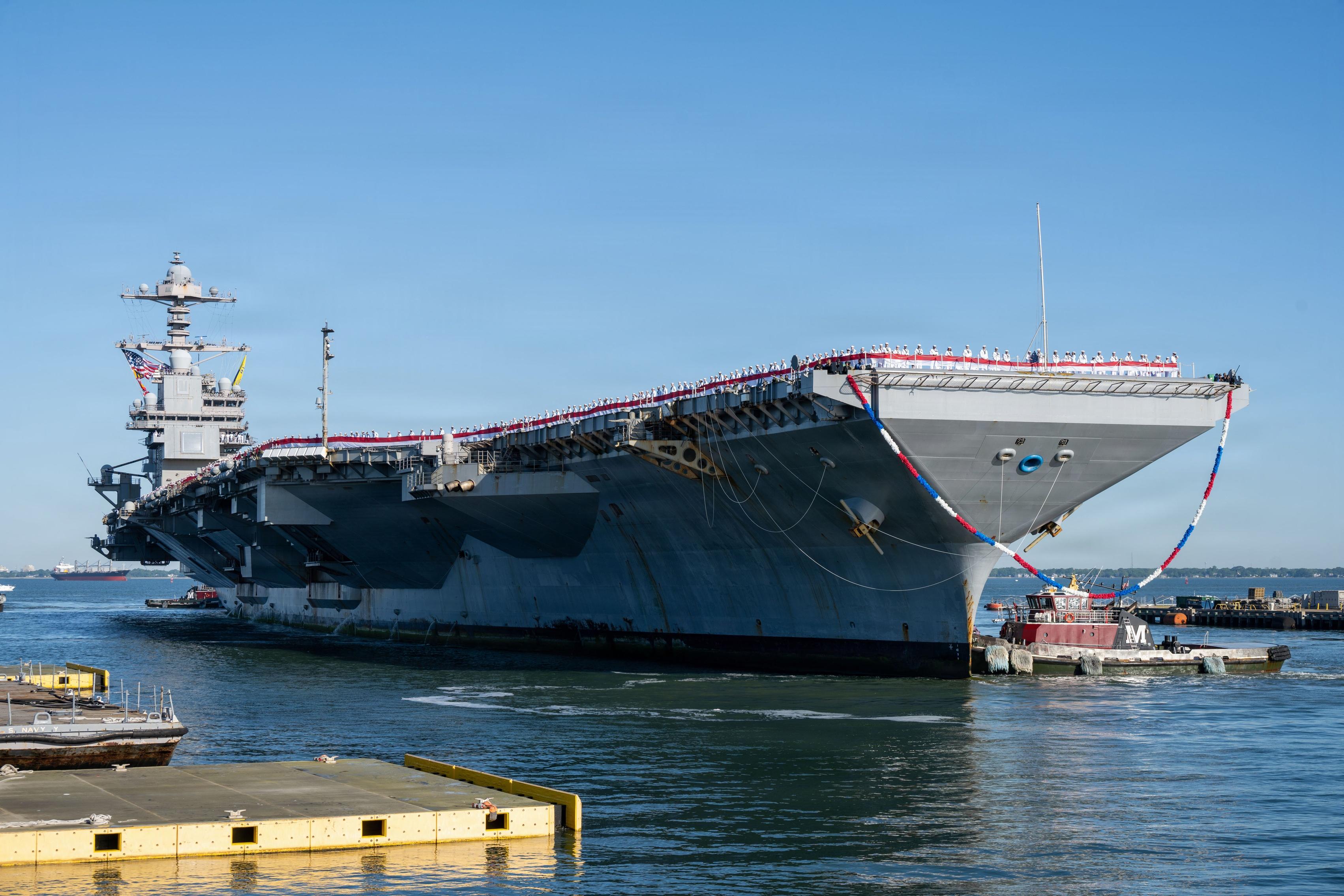
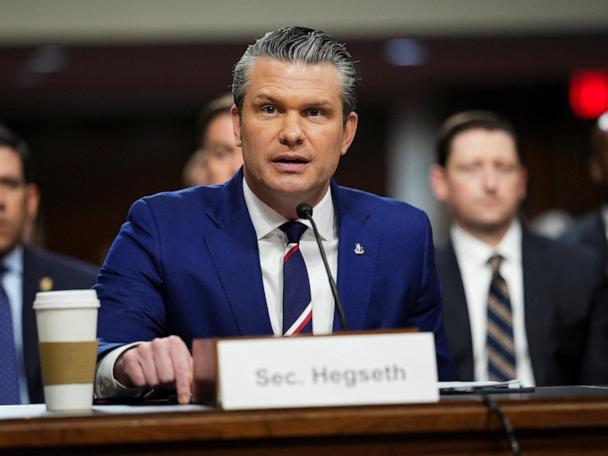
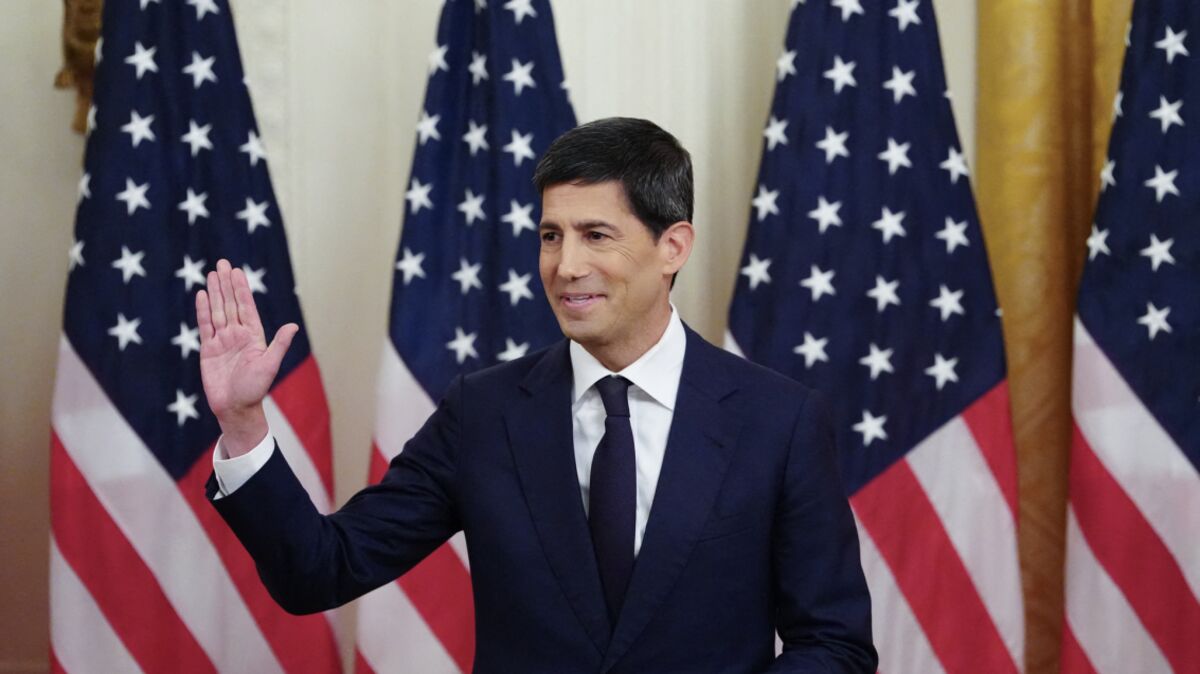
Defense Secretary Pete Hegseth fired Navy Secretary John Phelan effective immediately, citing disputes over shipbuilding and naval strategy. Phelan, a former Trump donor who ran a private investment fund, had overseen efforts like the "Golden Fleet" initiative amid the Iran conflict. His departure leaves Undersecretary Hung Cao, a Navy veteran and former Virginia Senate candidate, as the acting Navy secretary.
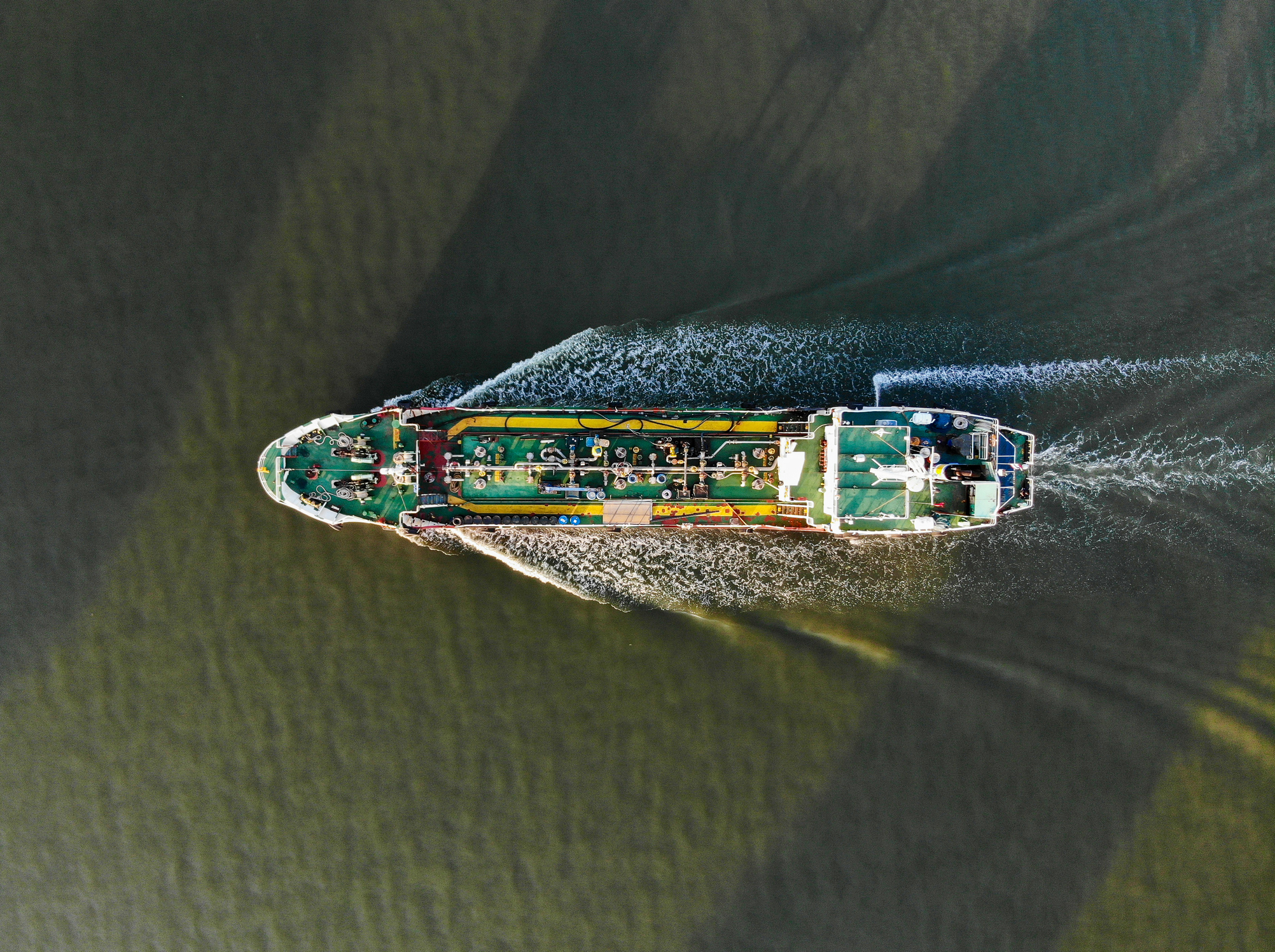
Cao's background includes advocating for vaccine refusal and eliminating certain military policies, which could influence ongoing operations in the strait. This change occurs as the Navy enforces the blockade, with forces intercepting vessels like the M/T Majestic X for carrying Iranian oil. Phelan's exit adds uncertainty to U.S. naval commands, potentially affecting how the shoot-and-kill order is implemented on the ground.
Iran Responds with Ship Seizures and Defiance
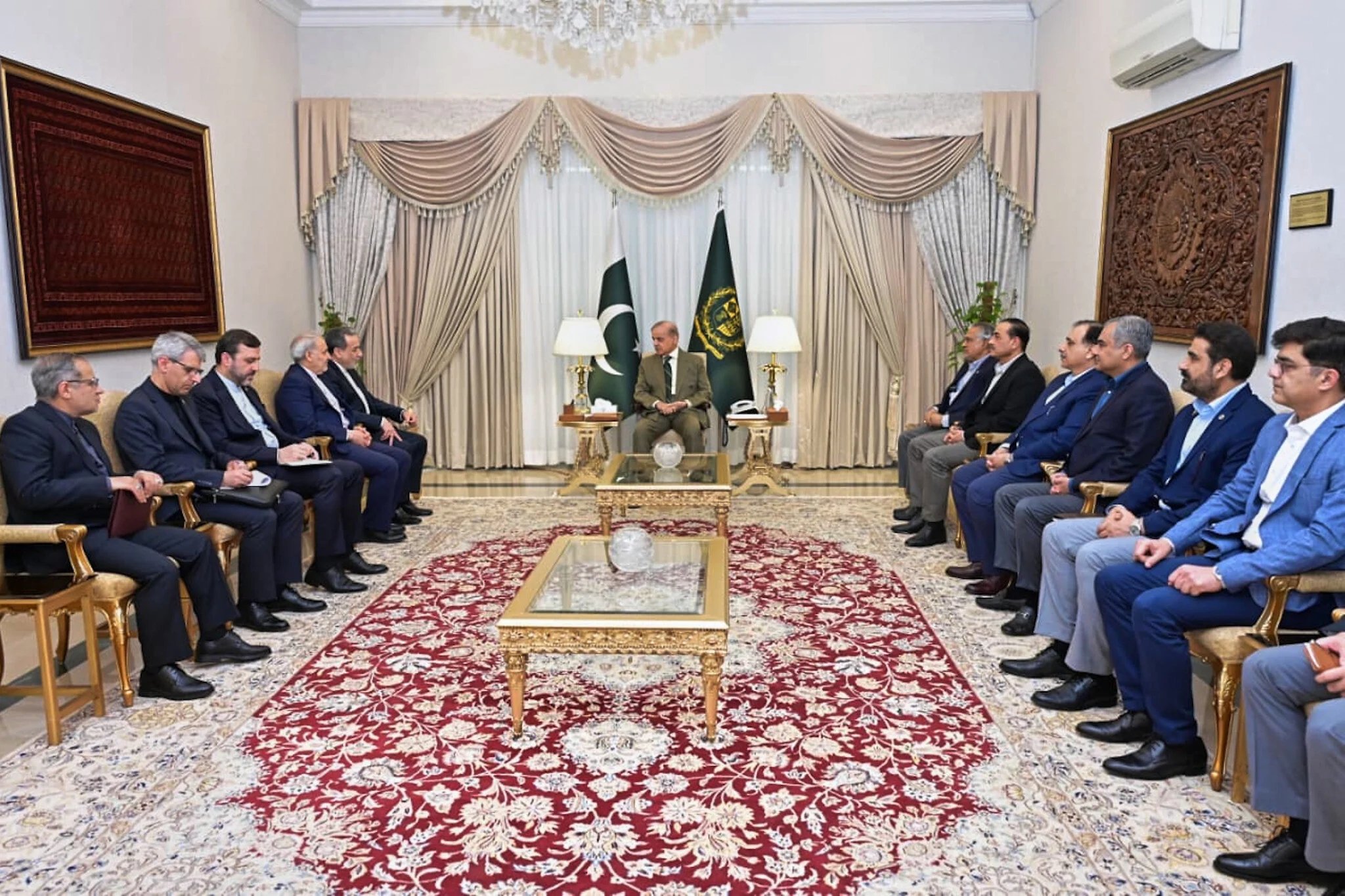
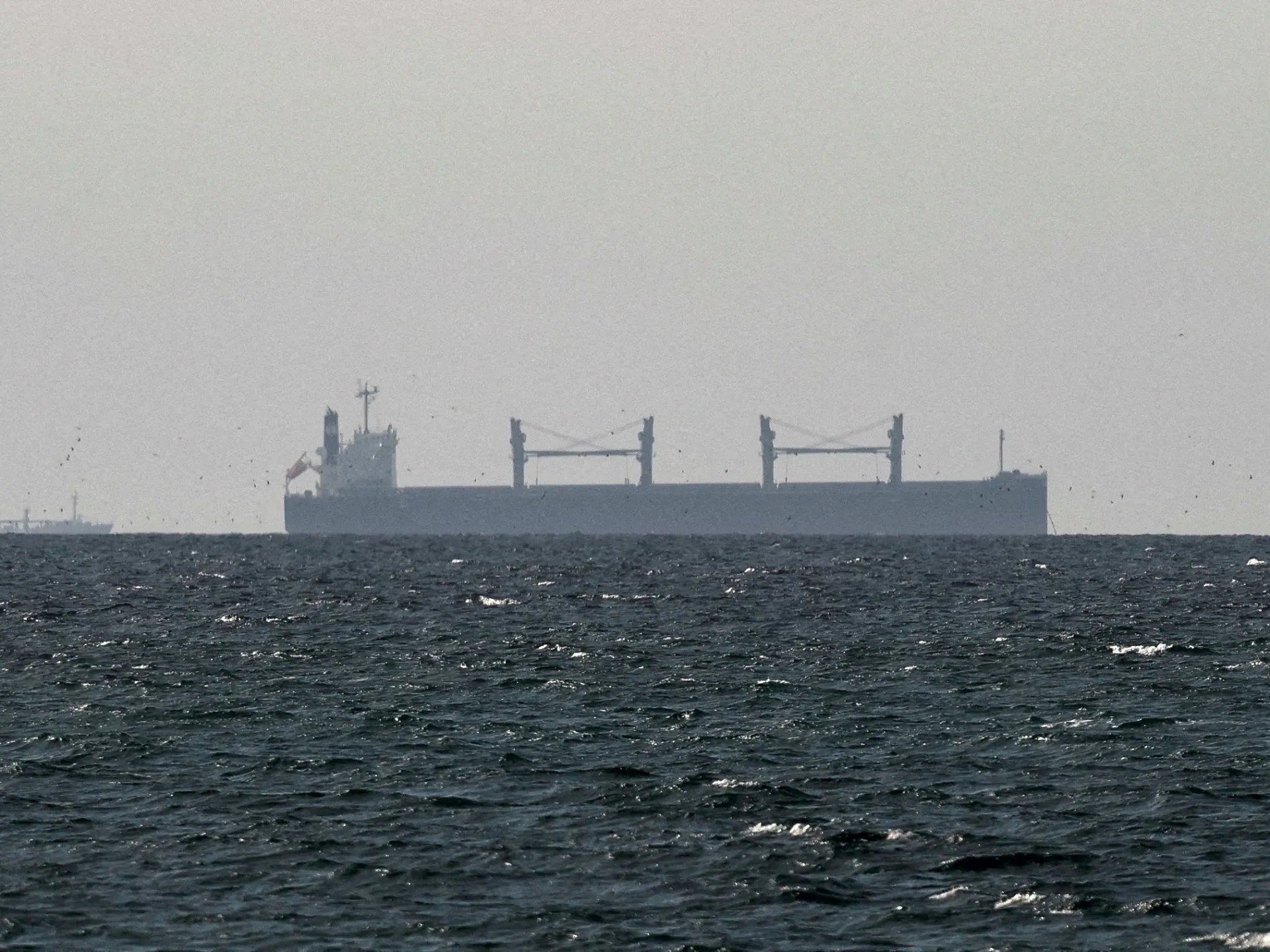
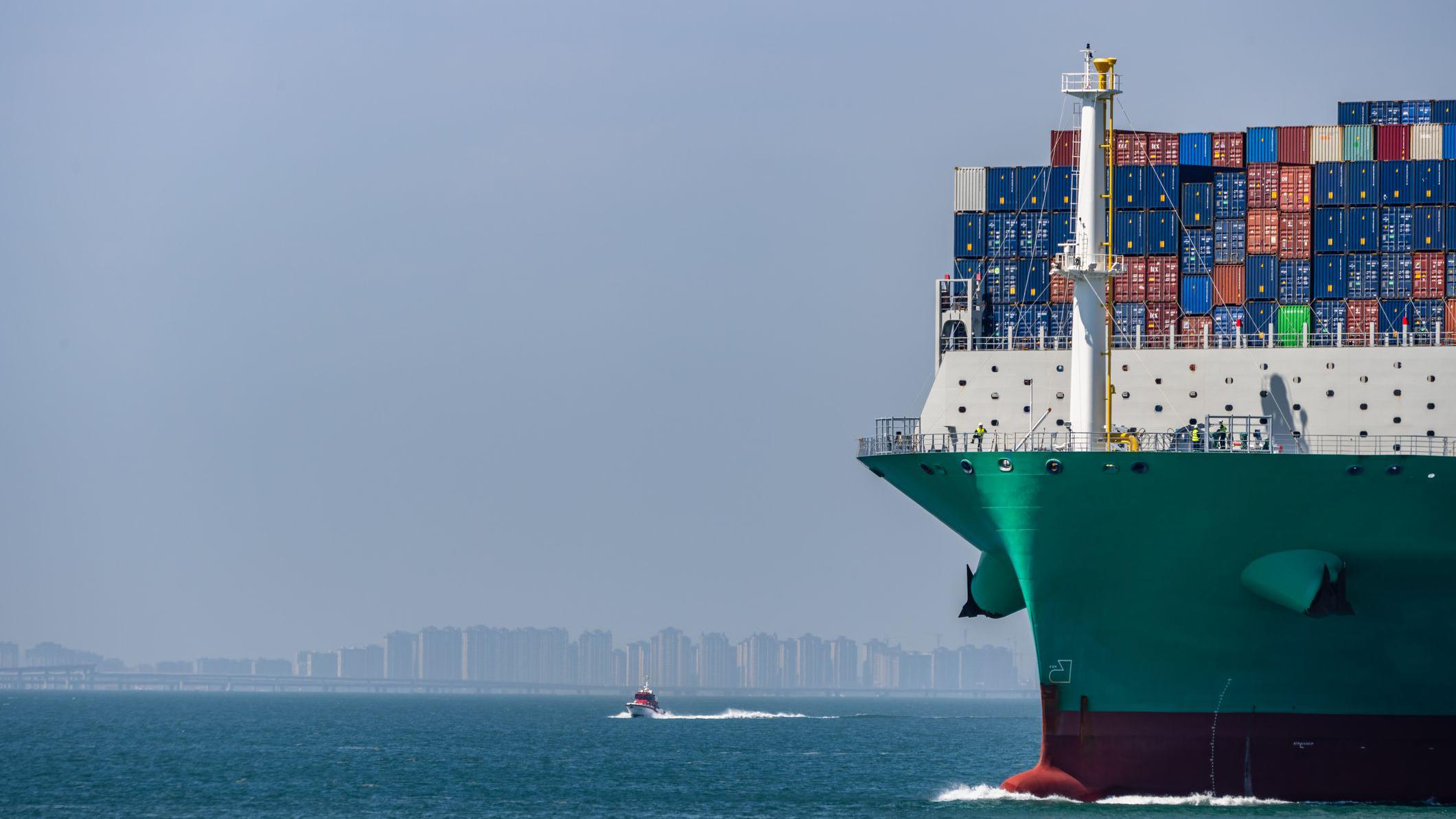
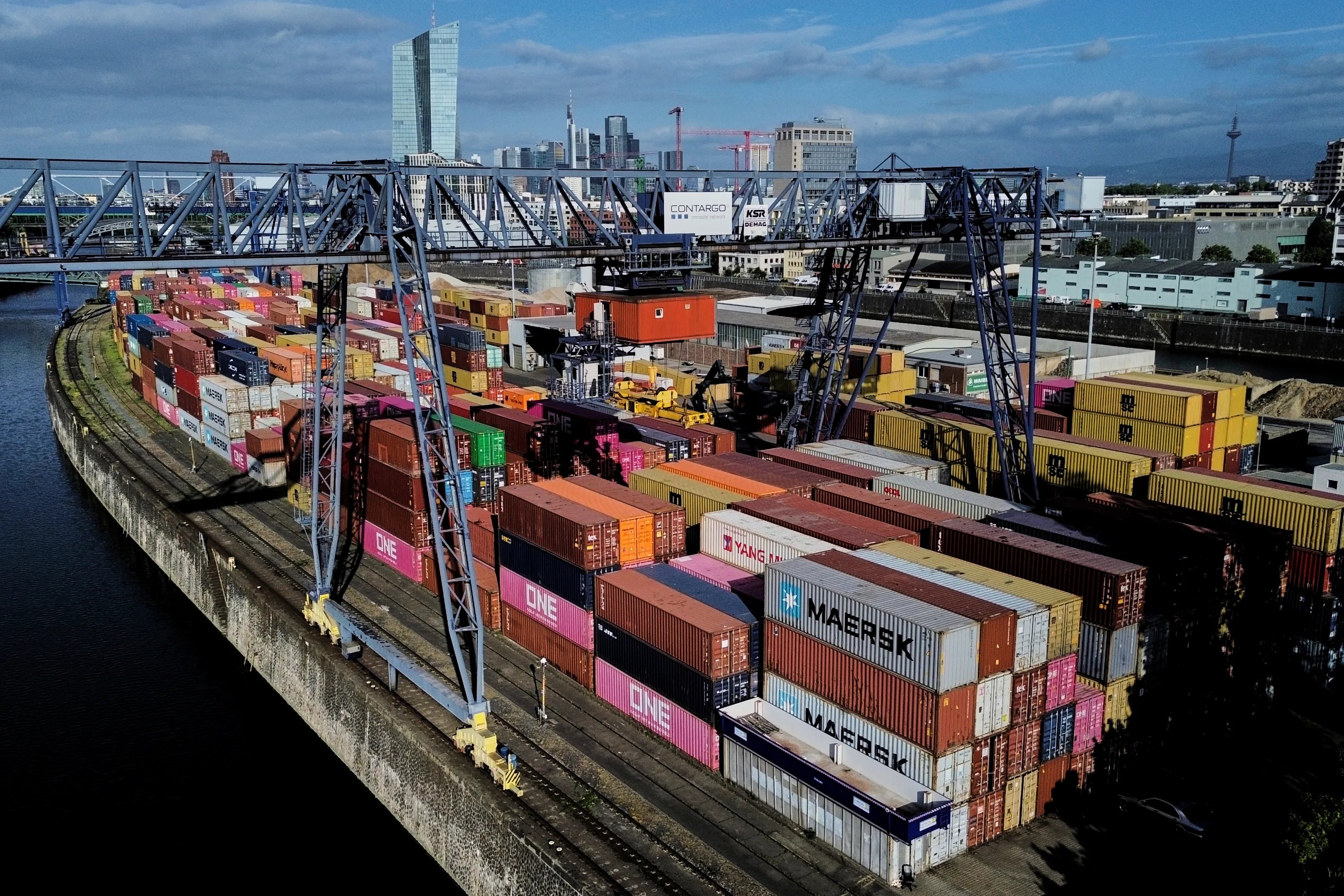
Iran's Islamic Revolutionary Guard Corps seized two container ships in the Strait of Hormuz, claiming violations of its own restrictions, as reported by maritime tracking groups. Iranian officials, including Deputy Speaker Hamid Reza Haji Babaei, announced the collection of tolls from ships passing through, asserting control over energy routes that supply global markets. These actions counter U.S. efforts, with Iran calling the blockade a breach of ceasefire terms.
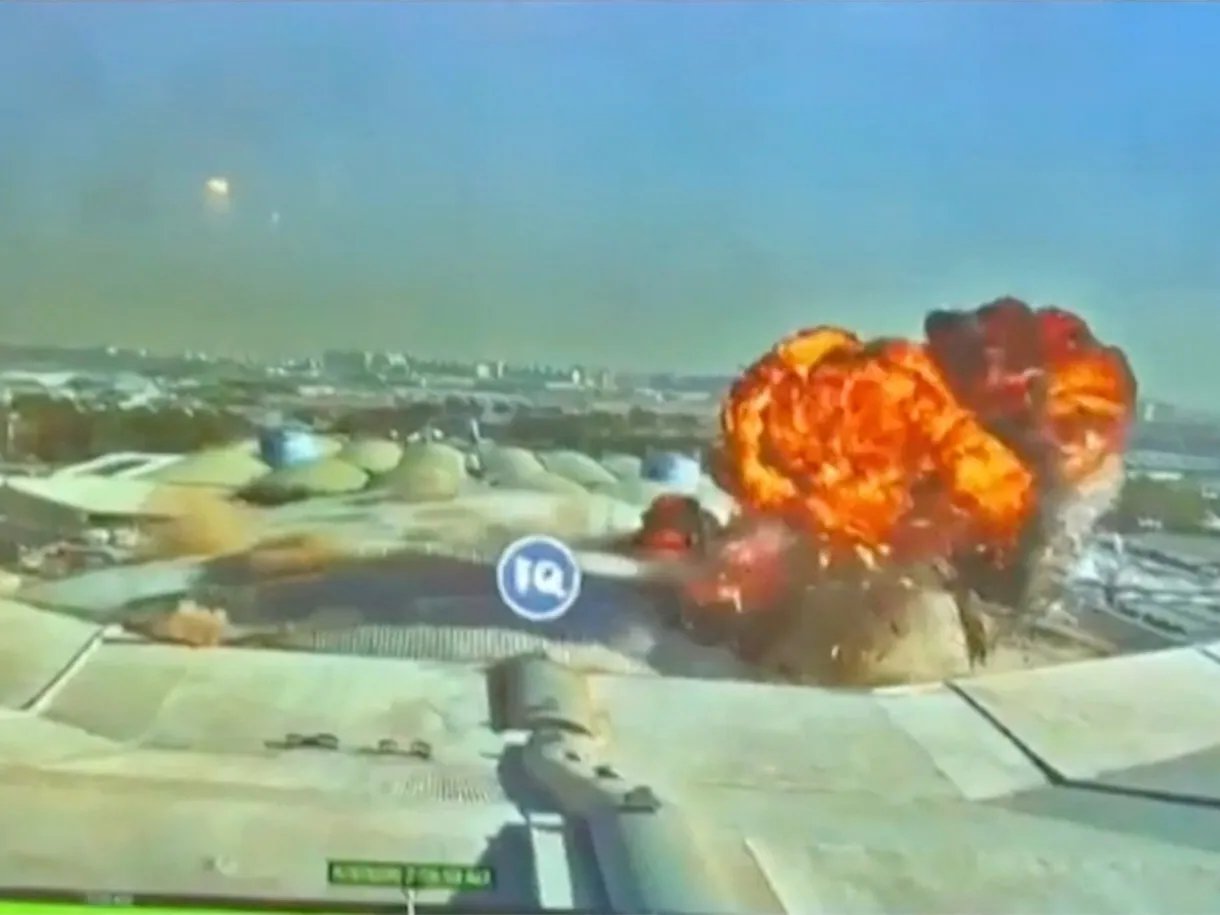
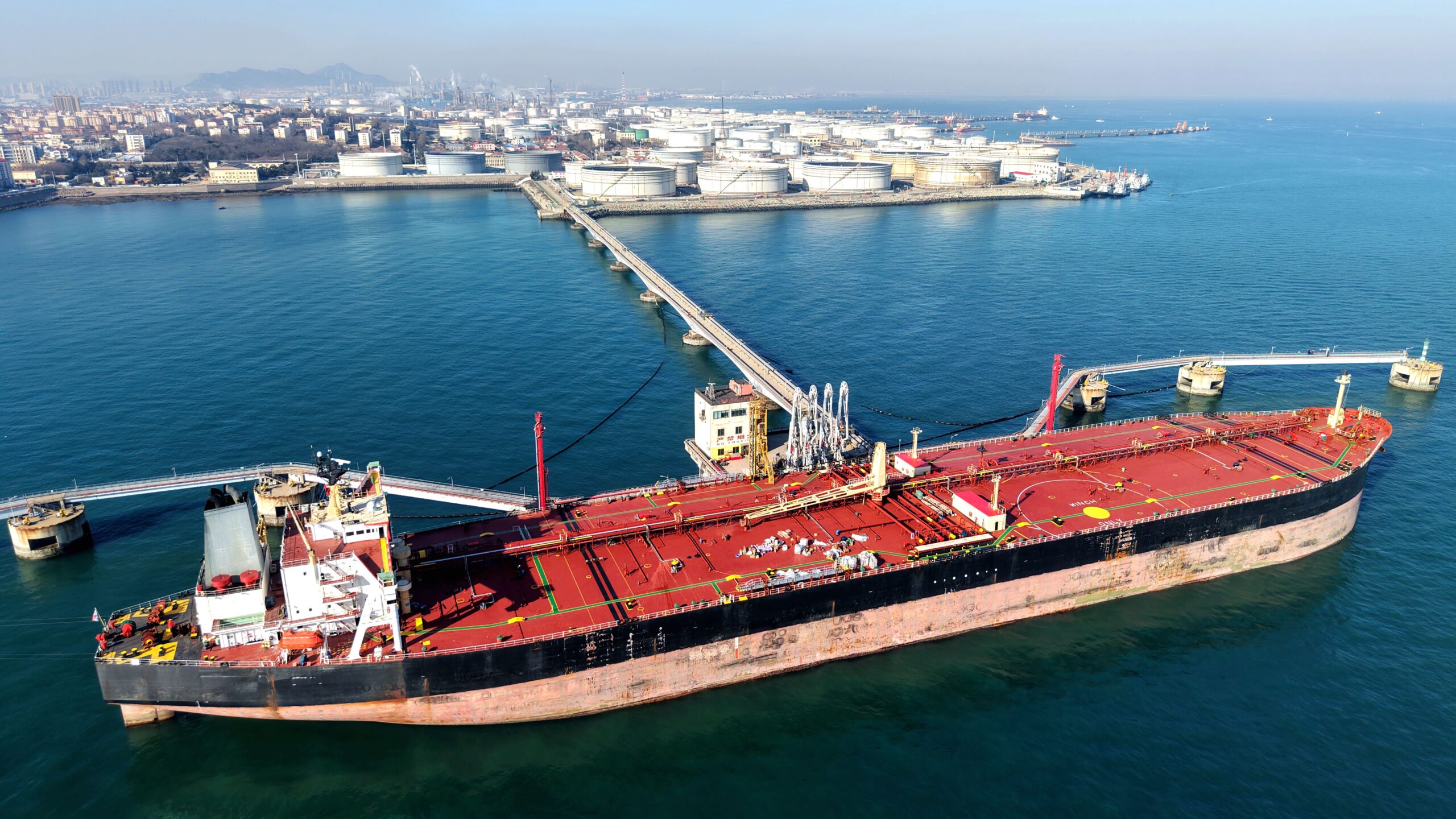
Video from Iranian forces showed commandos boarding the vessels, including one with Filipino seafarers who are safe but held. U.S. forces interdicted the M/T Majestic X in the Indian Ocean, seizing a tanker carrying Iranian oil as part of the broader blockade. This escalation heightens risks for international crews, directly threatening jobs in shipping and related industries.
Republican Senators Debate War Powers Limits
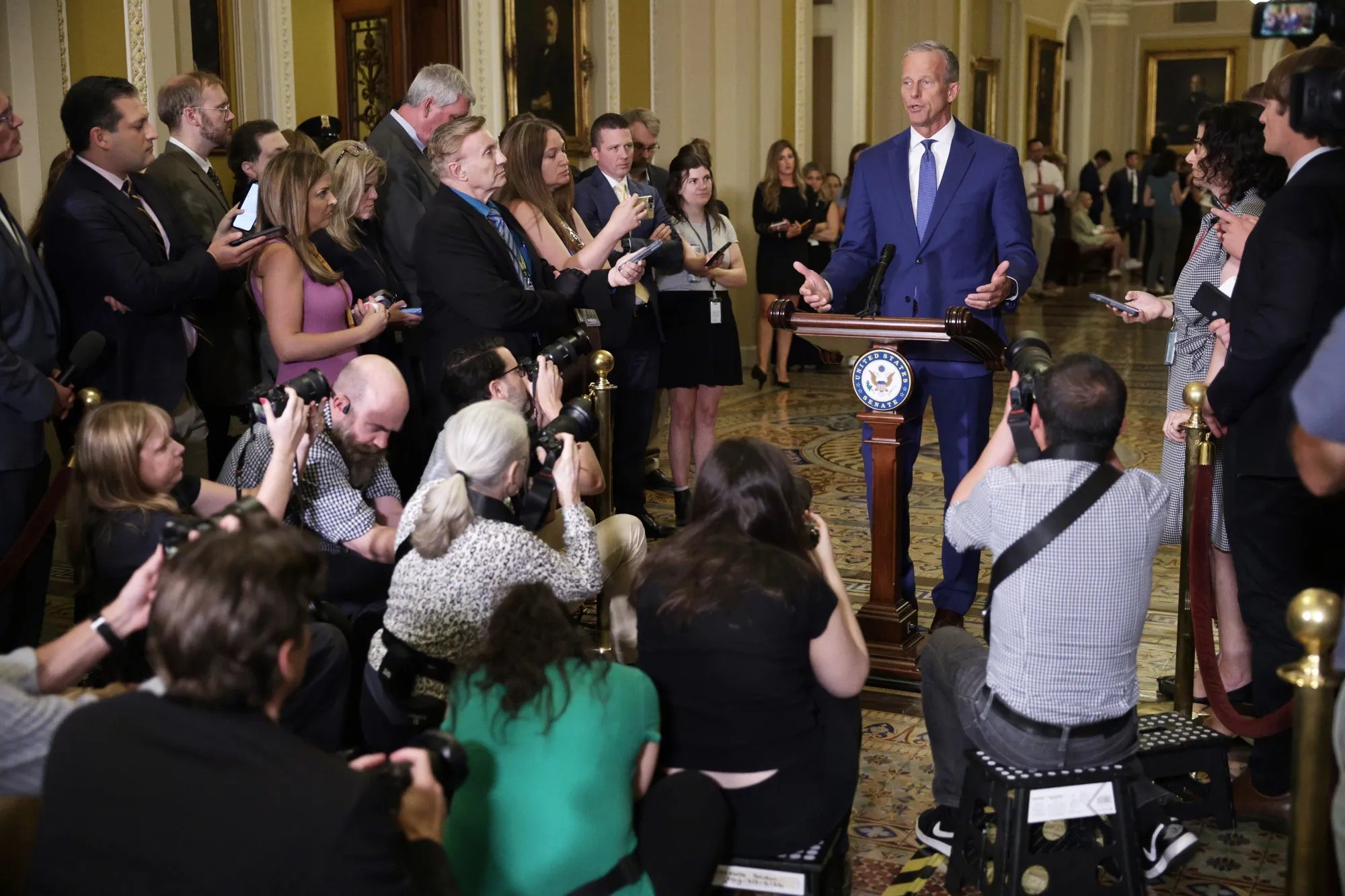
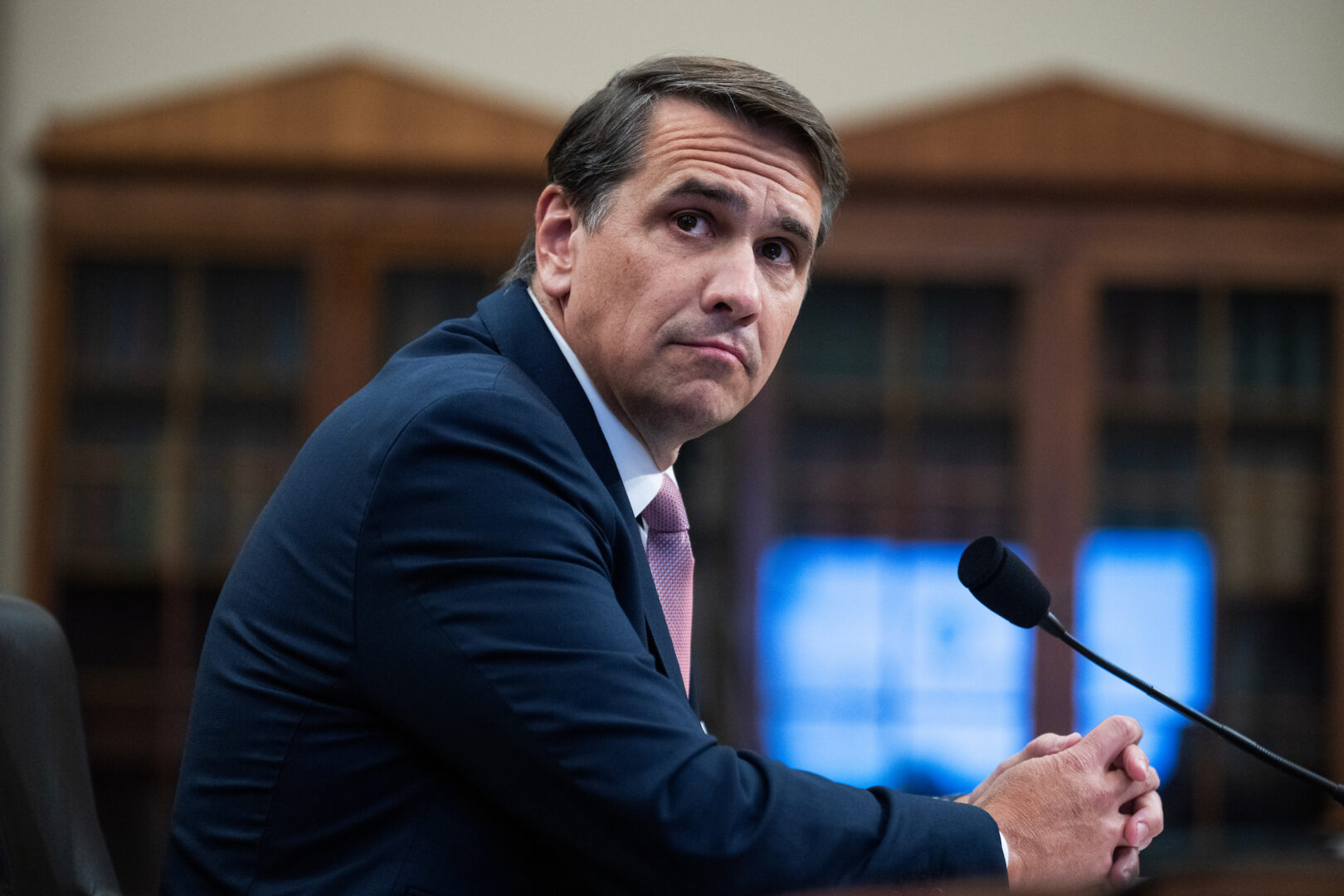
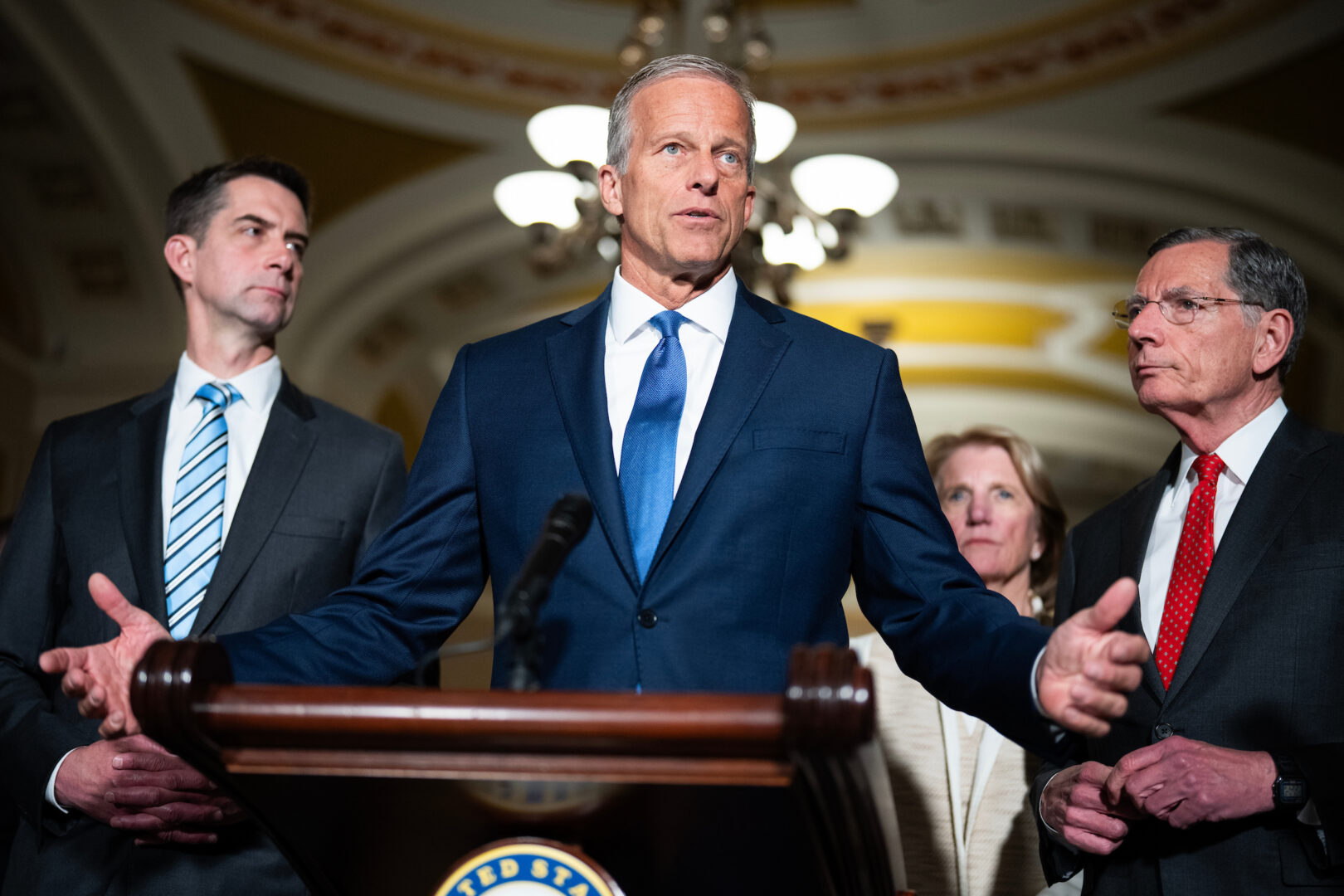
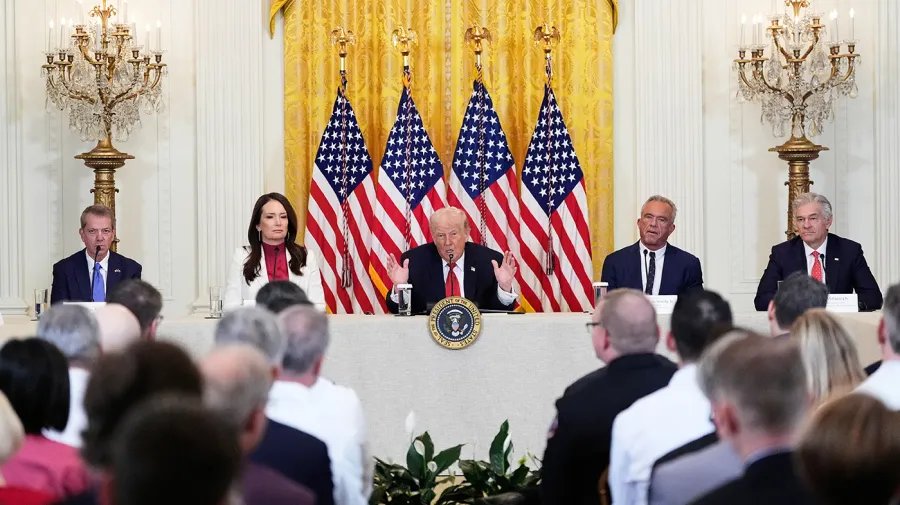
Senator Lisa Murkowski of Alaska led a group of Republicans questioning the need for congressional approval under the 1973 War Powers Act as the 60-day mark approaches. Senators Thom Tillis of North Carolina and Susan Collins joined in expressing concerns about unchecked military actions against Iran. Conservative commentator Bill O'Reilly argued that Trump requires a win in the conflict to boost his political standing.
These lawmakers represent a divide within the party, with some pushing for votes to extend operations beyond the deadline. The debate highlights potential checks on executive power, affecting how future military decisions unfold. This internal discord could influence broader policy, impacting taxpayer-funded defense budgets.
Economic and Global Repercussions Mount
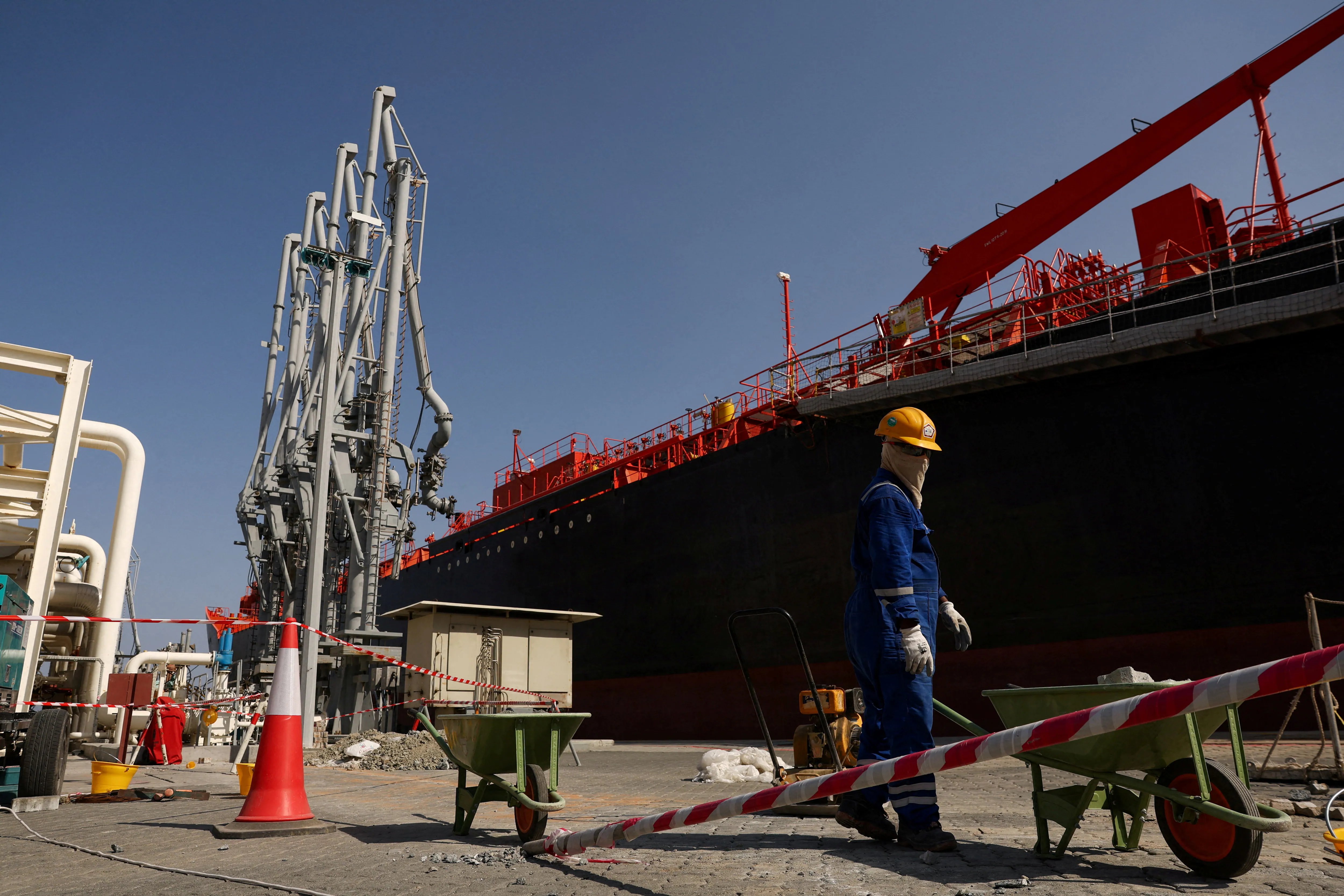
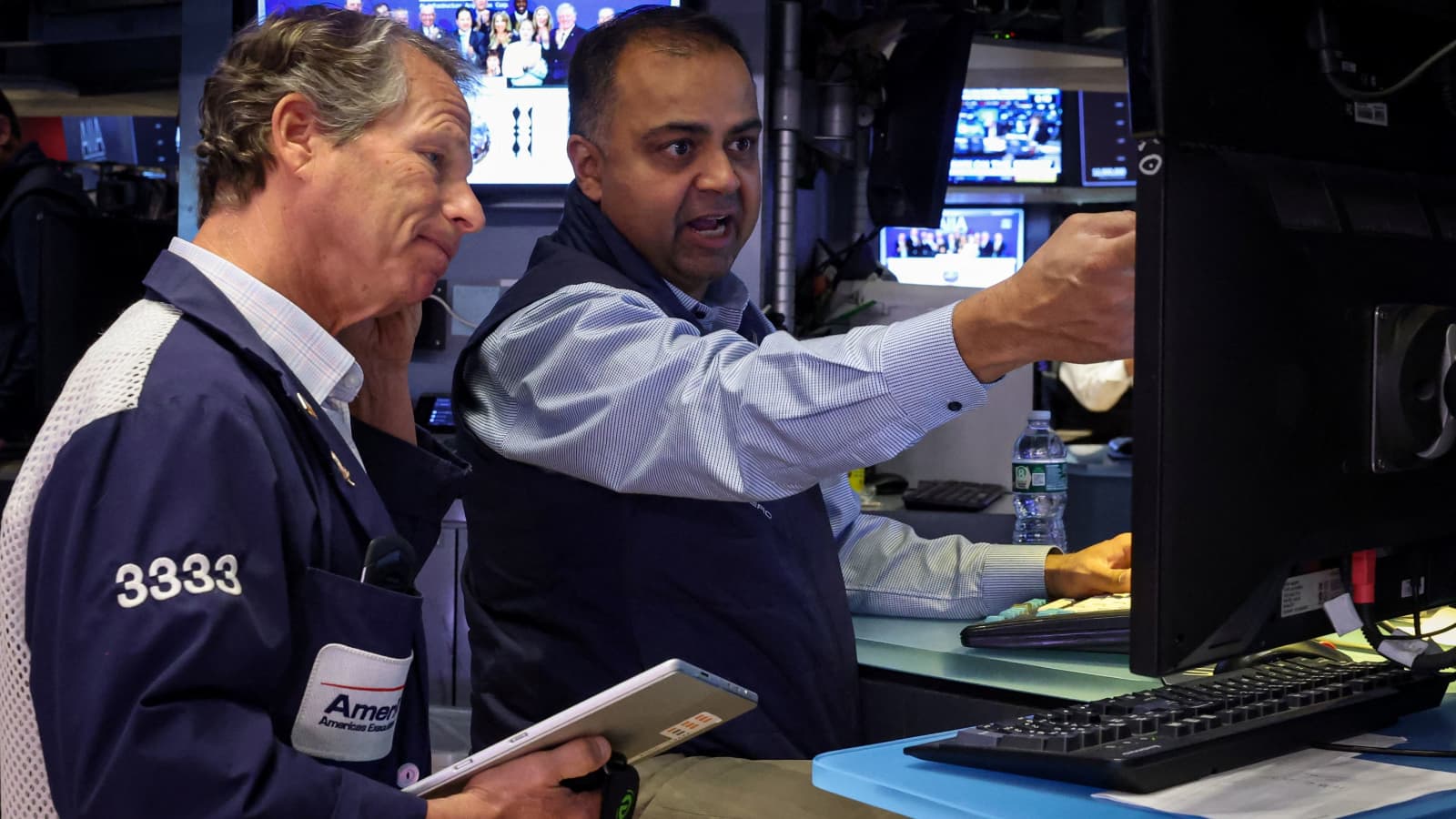
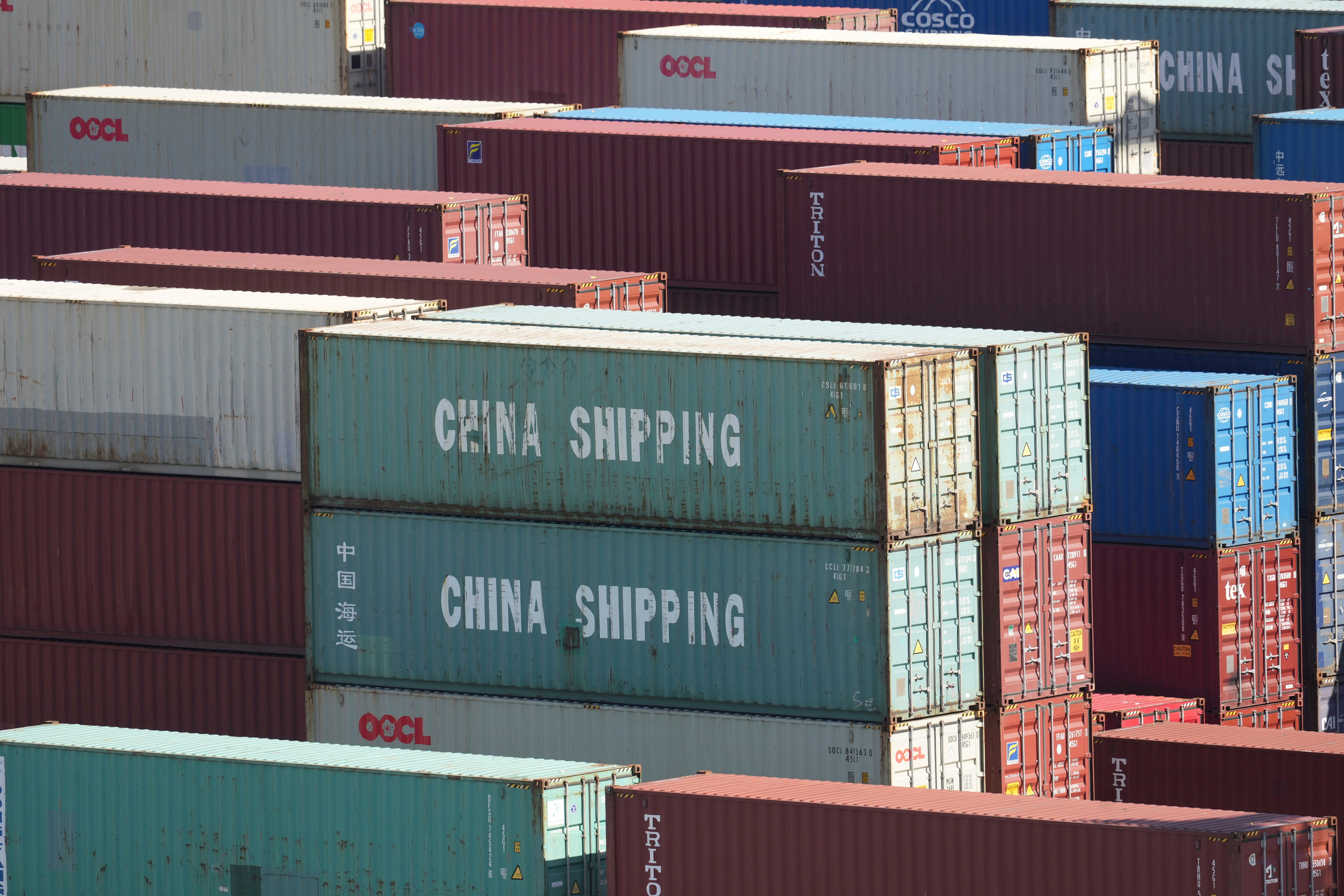
Cargo tracking group Vortexa identified 34 sanctioned ships moving through the U.S. blockade, with six carrying about 10.7 million barrels of Iranian crude oil. China's export-driven economy faces pressure from these disruptions, as noted in reports of factory orders and job losses tied to the conflict. The strait blockades have redirected 33 vessels, slowing global trade and raising costs for essential goods.
Iran's grip on the waterway, as described by experts, serves as a deterrent more potent than its nuclear programs, according to one analyst. This situation directly affects consumers through higher energy prices and supply chain delays.