




Iran's Latest Military Move
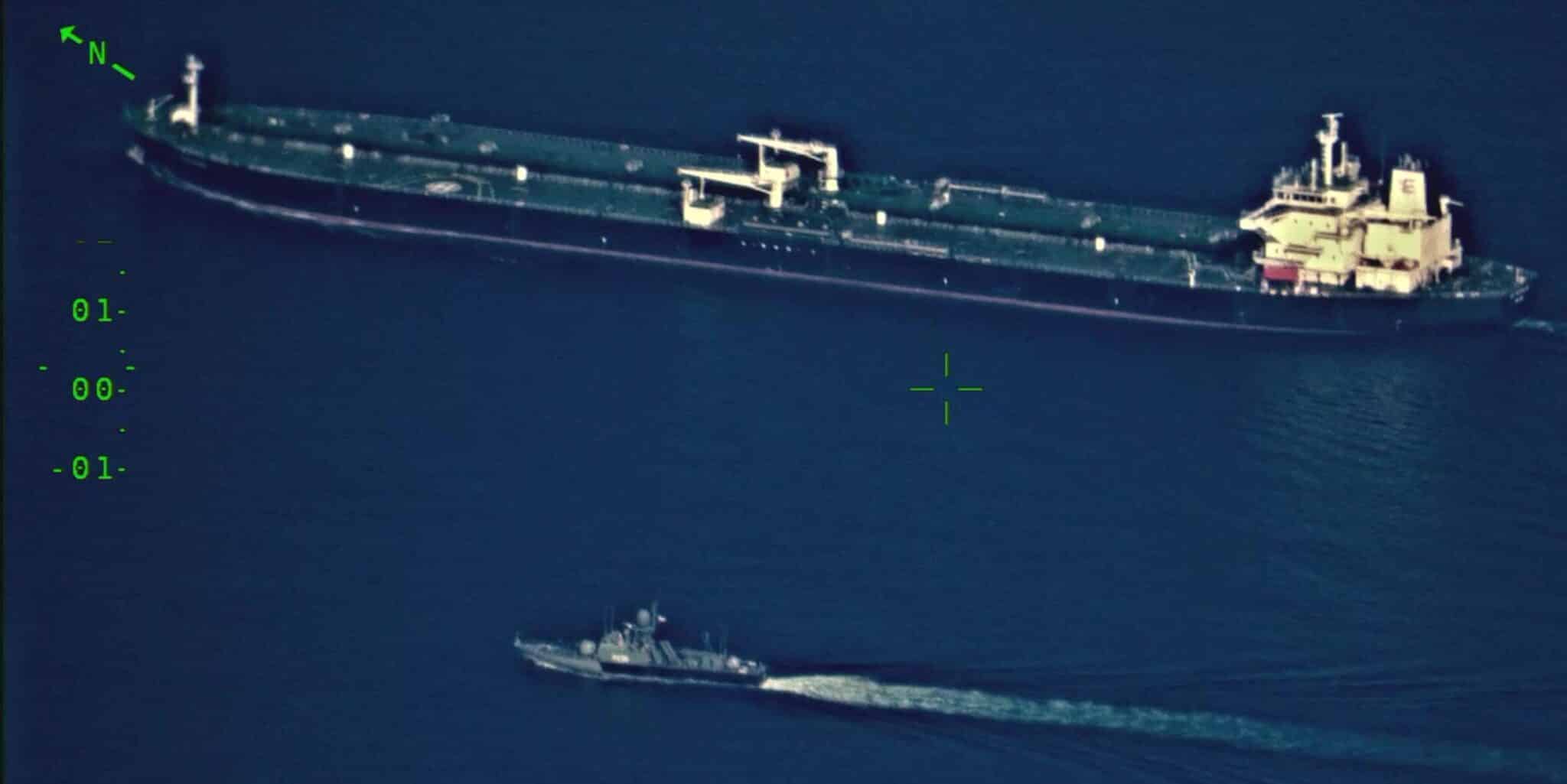
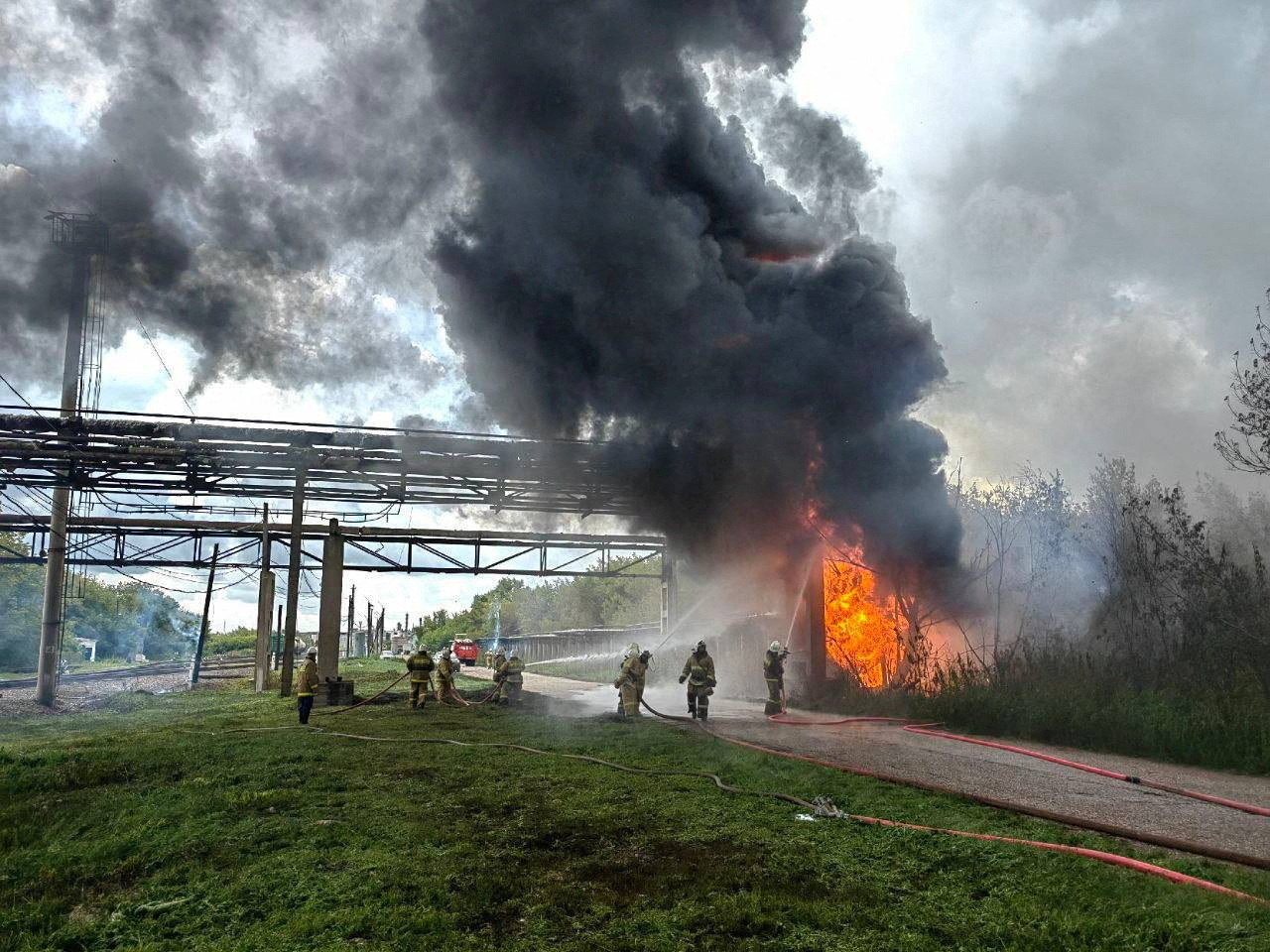
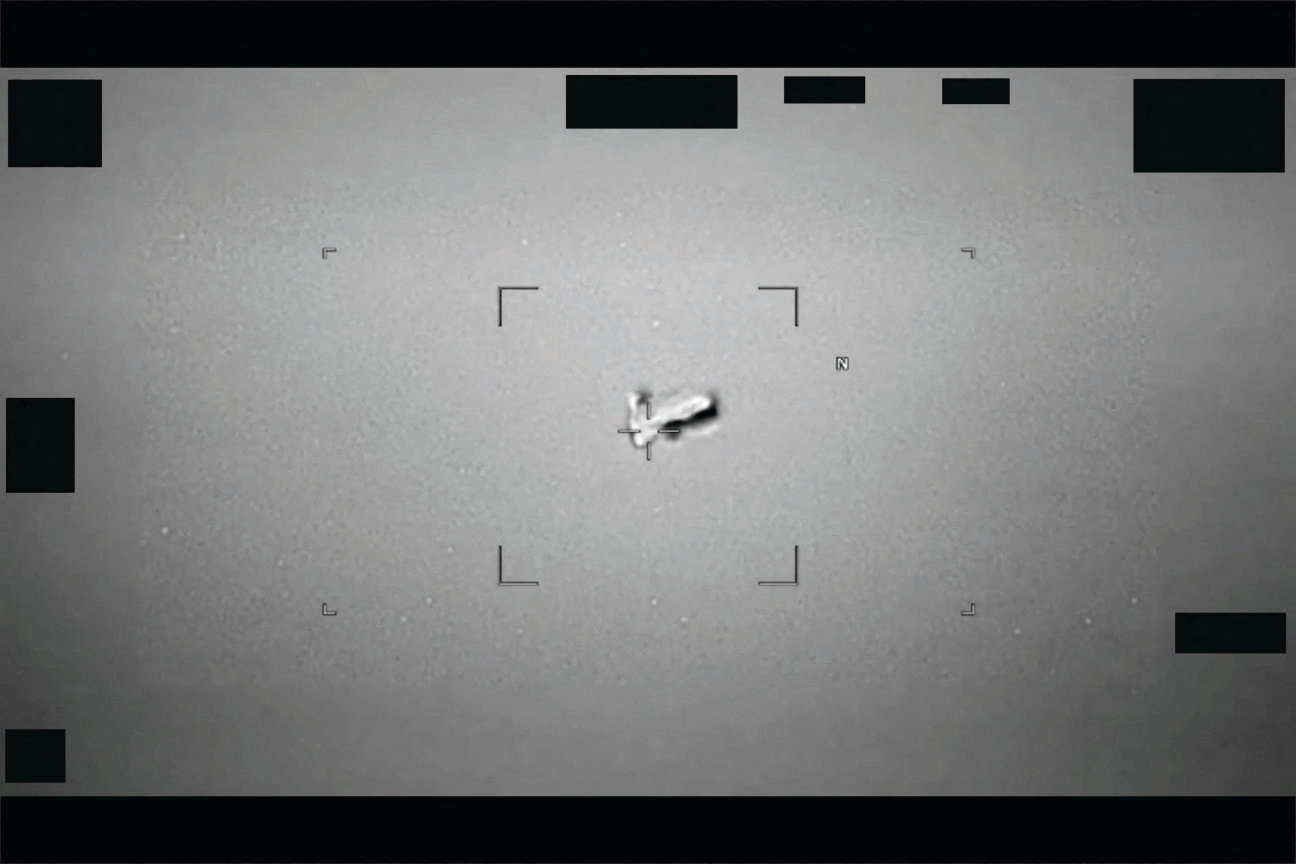
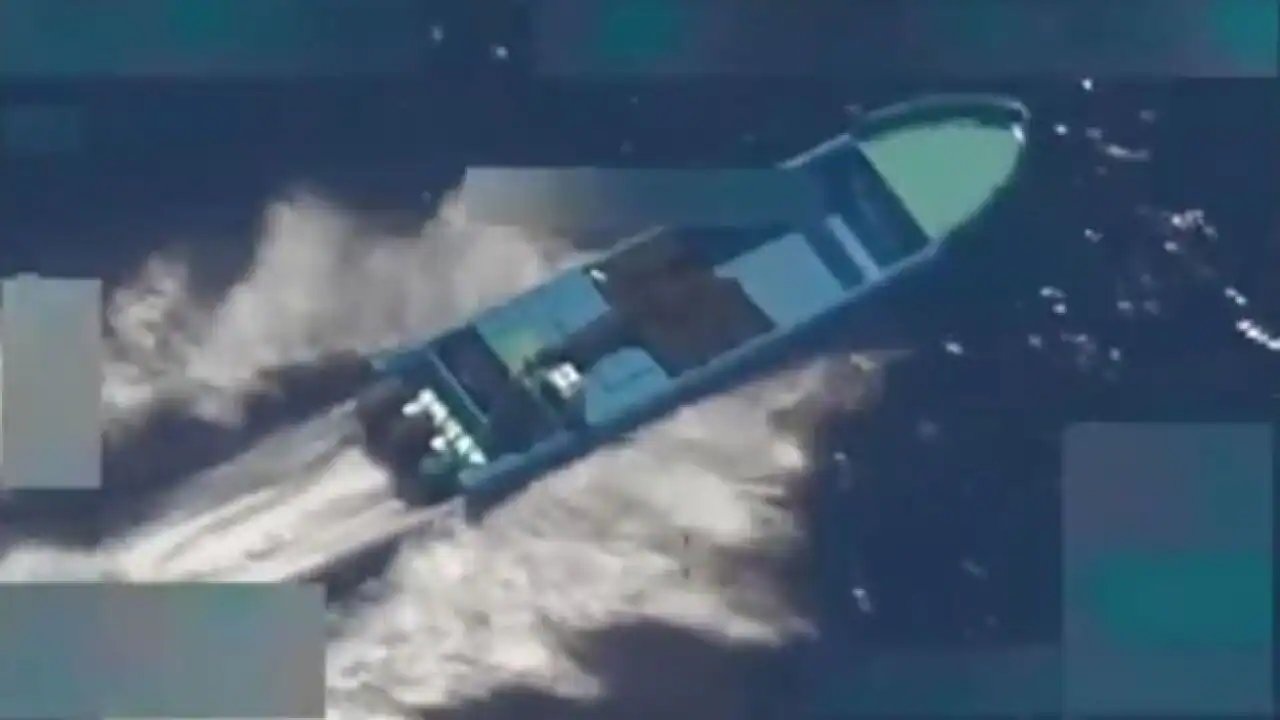
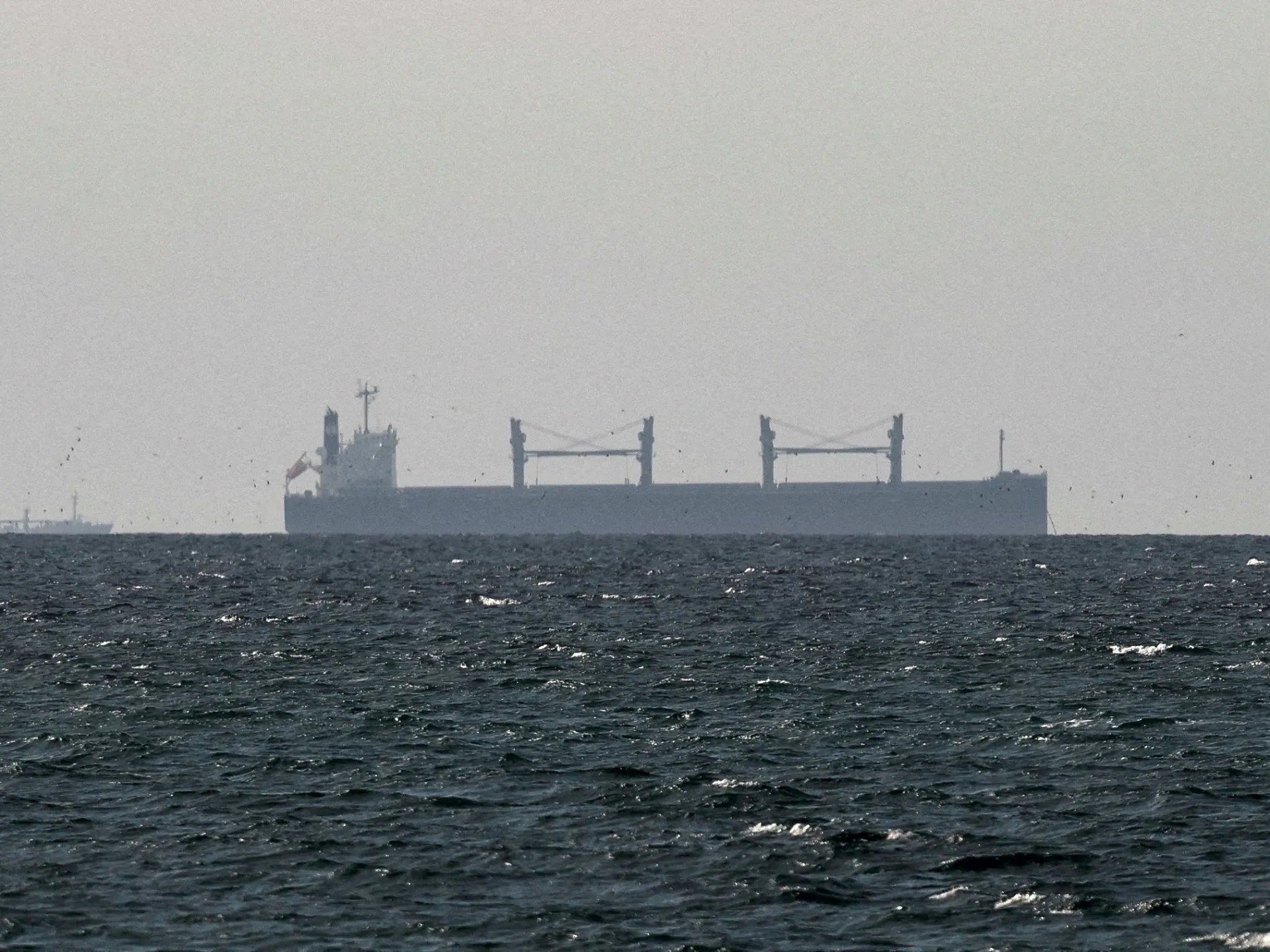
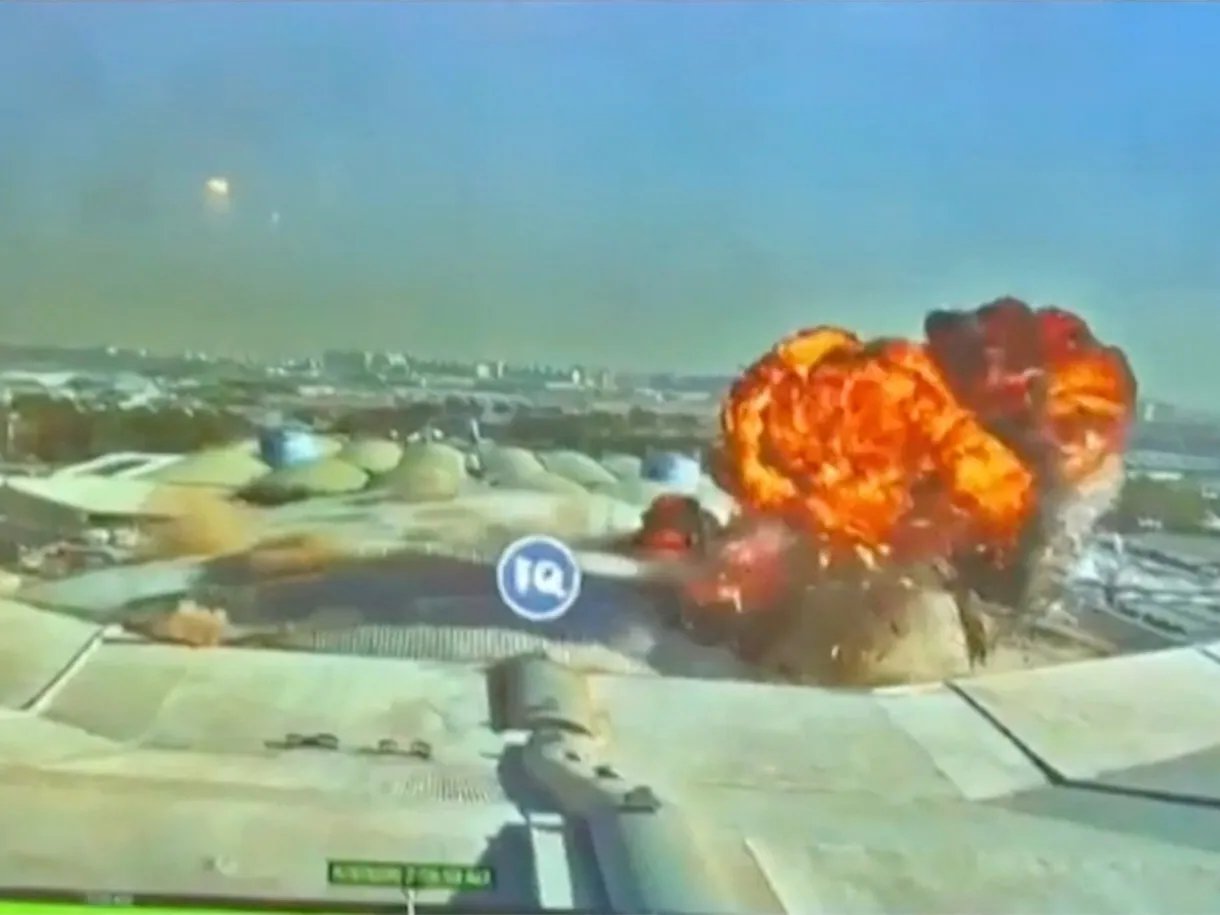
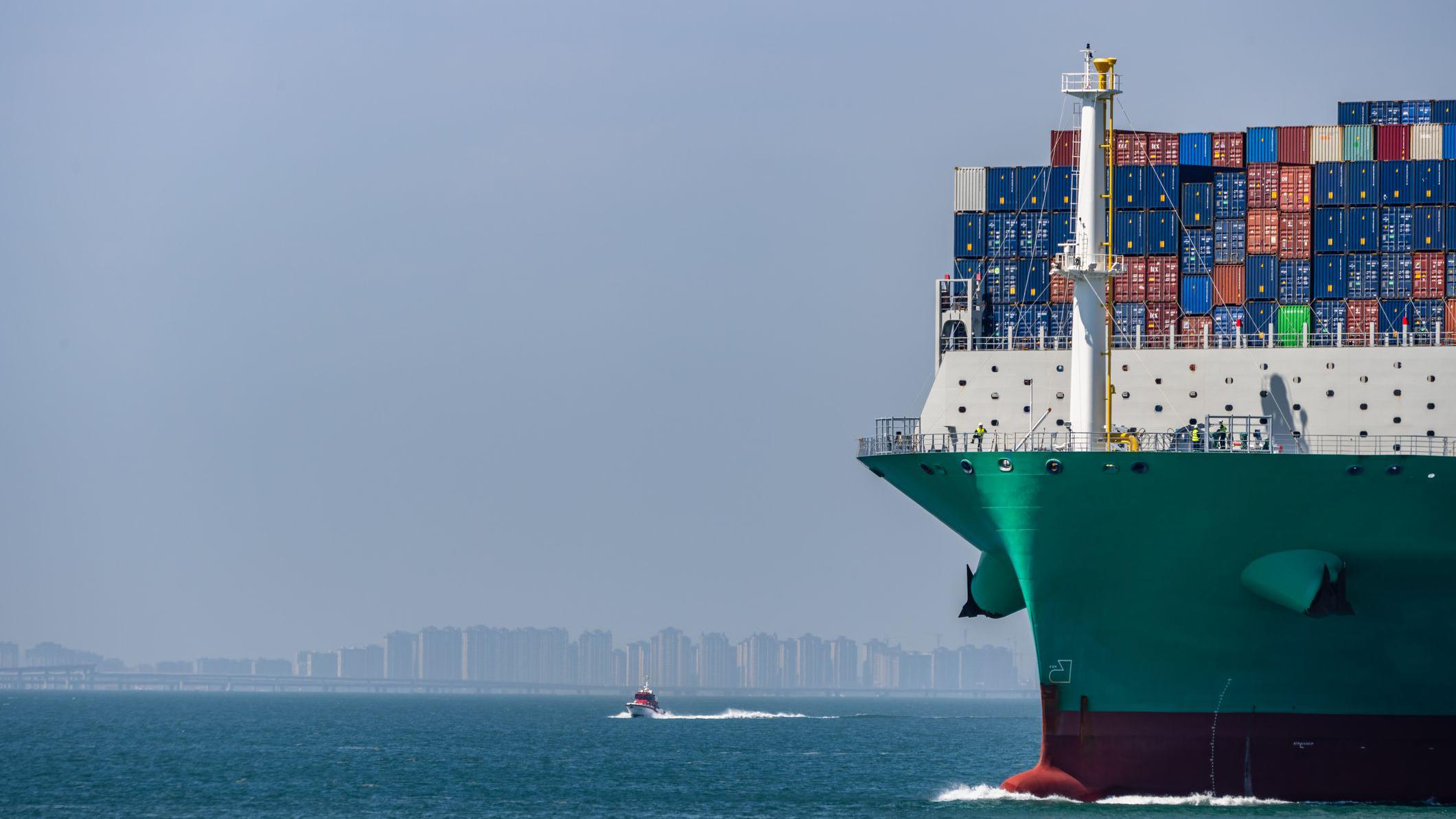
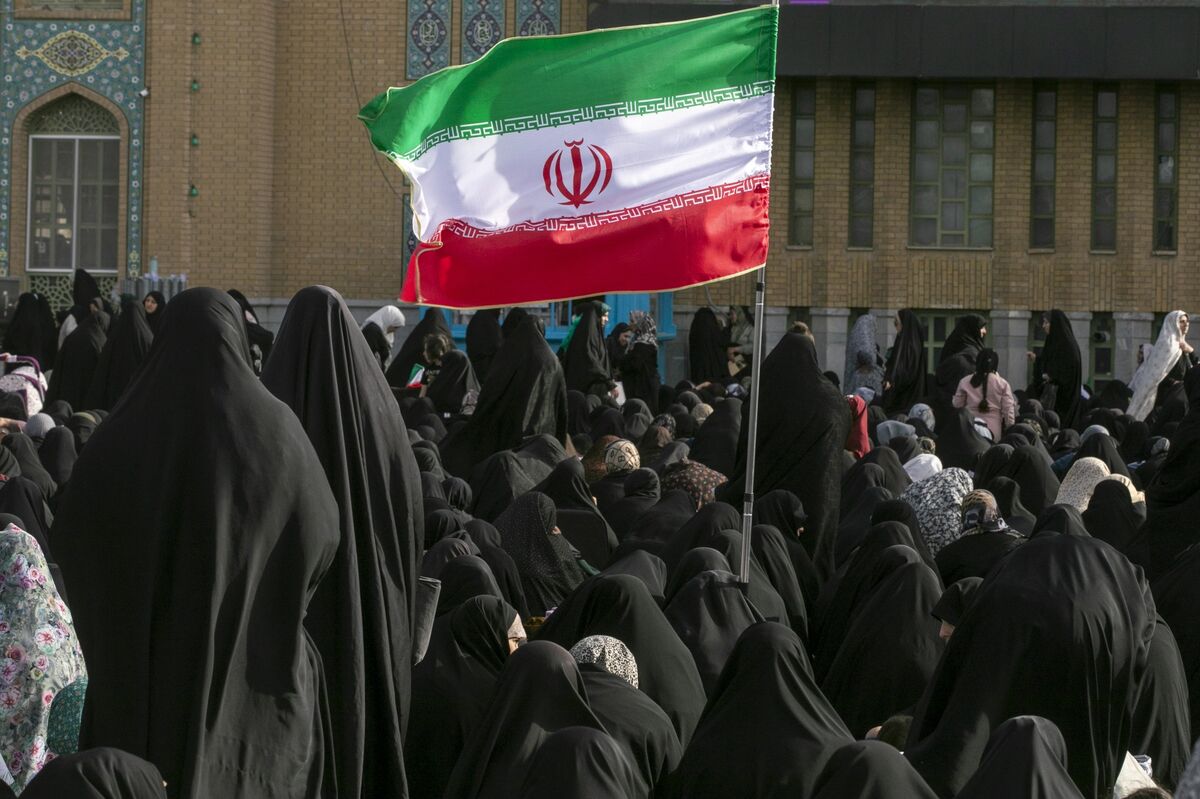
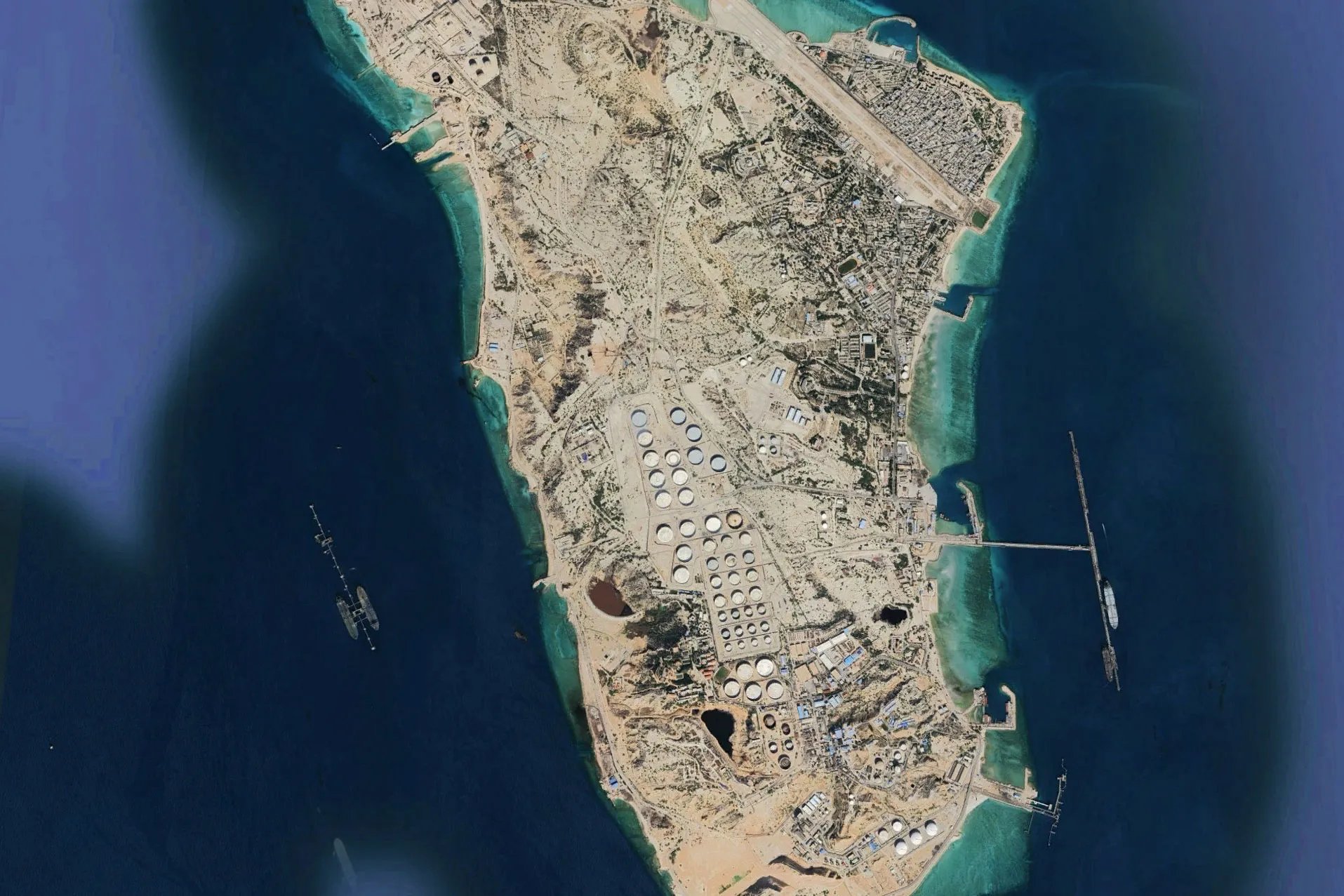
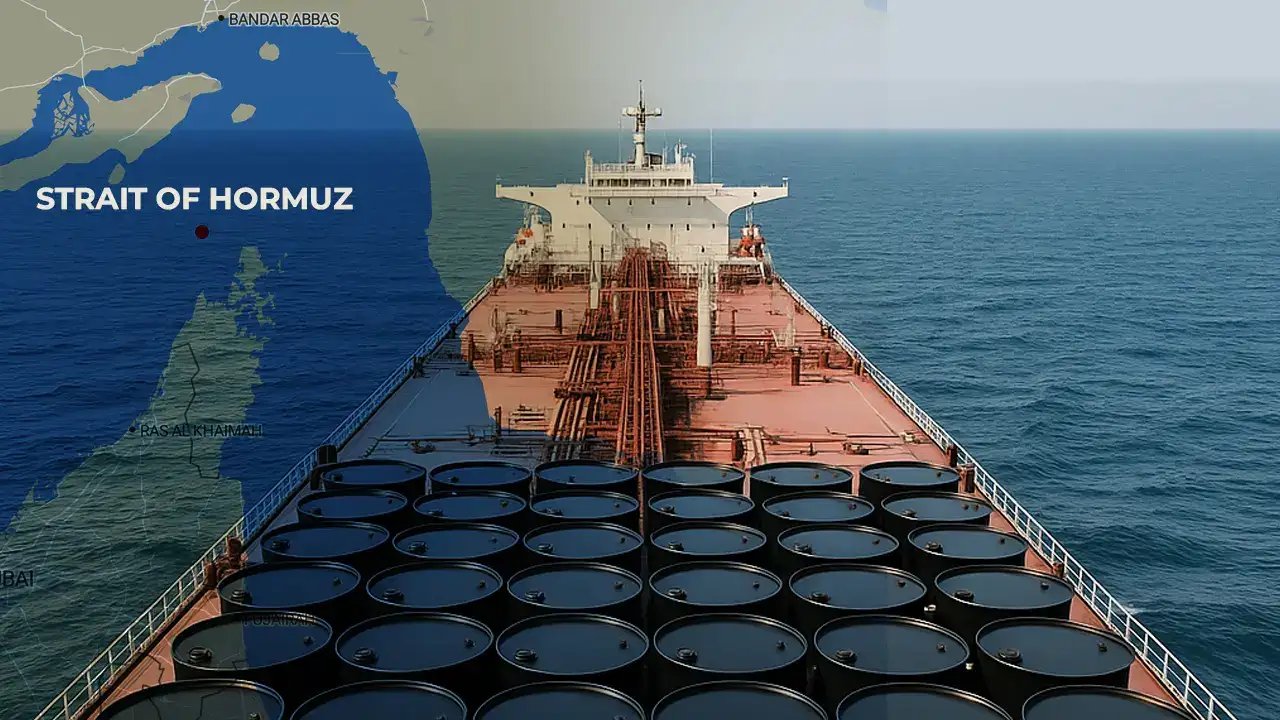
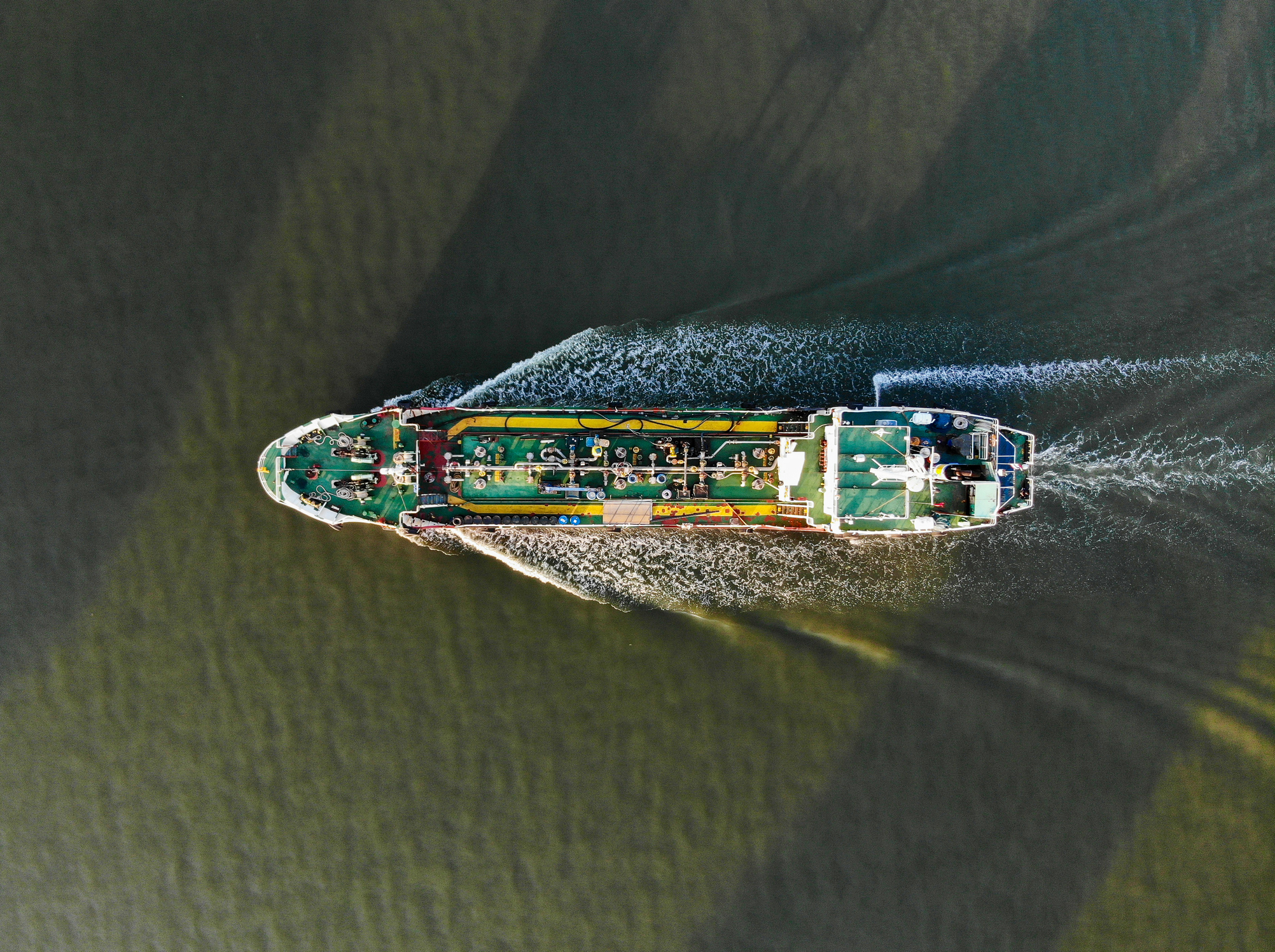
Iran's Islamic Revolutionary Guard Corps navy laid more mines in the Strait of Hormuz this week, according to a U.S. official and a source with knowledge of the issue. This marks the second time Iran has mined the strait since the conflict began, potentially adding to the hazards for commercial vessels. The deployment could deepen disruptions in a waterway where traffic has fallen to single digits of ships daily from more than 100 in peacetime.
U.S. Navy's Immediate Reaction
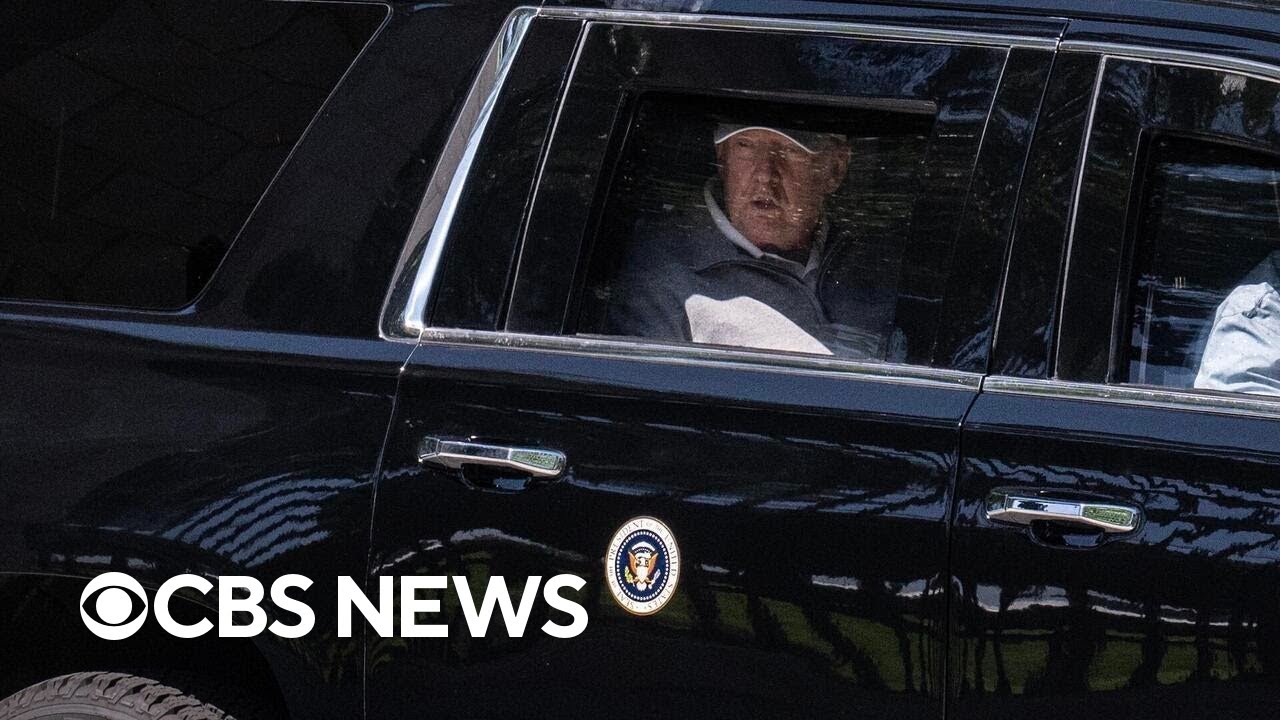
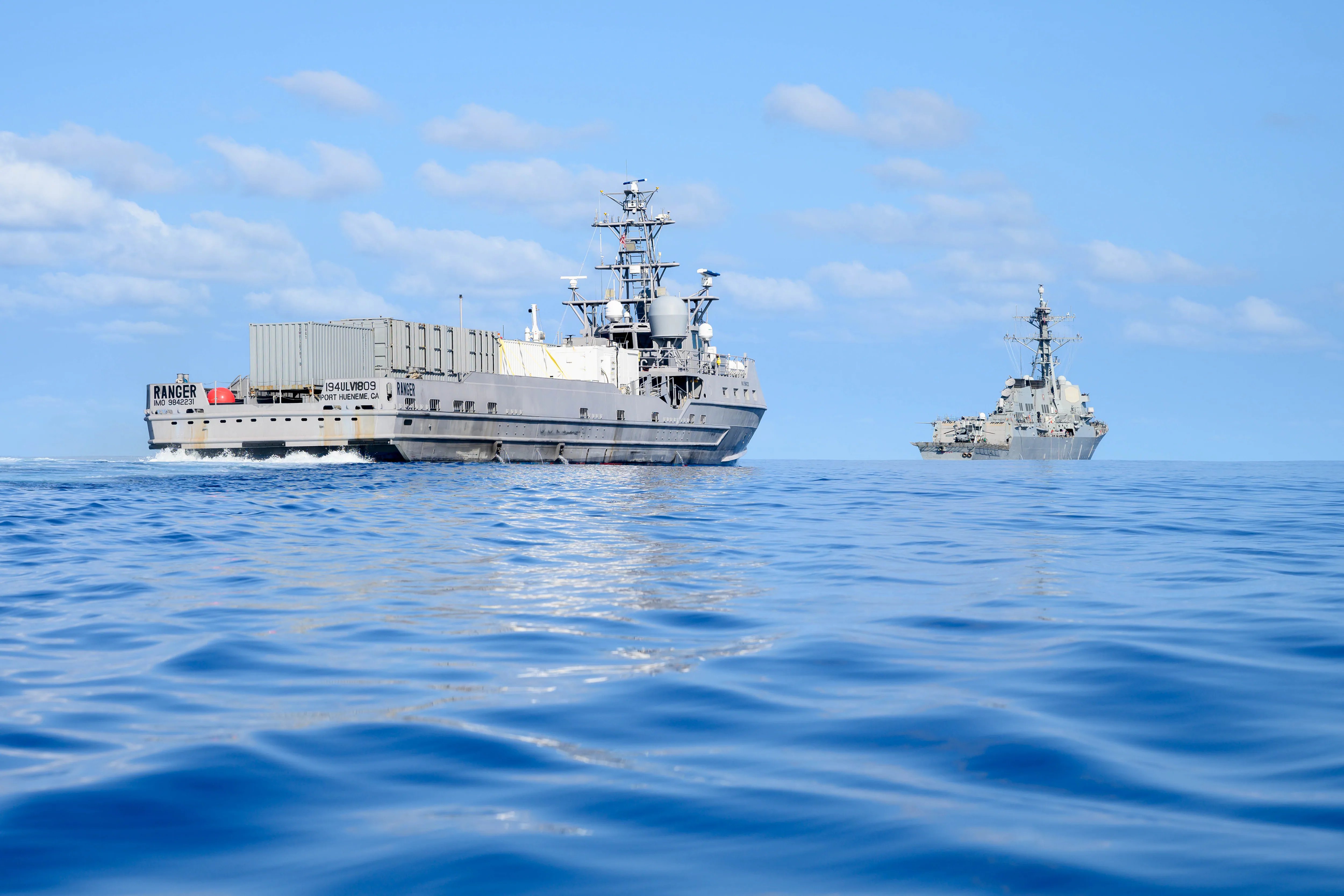
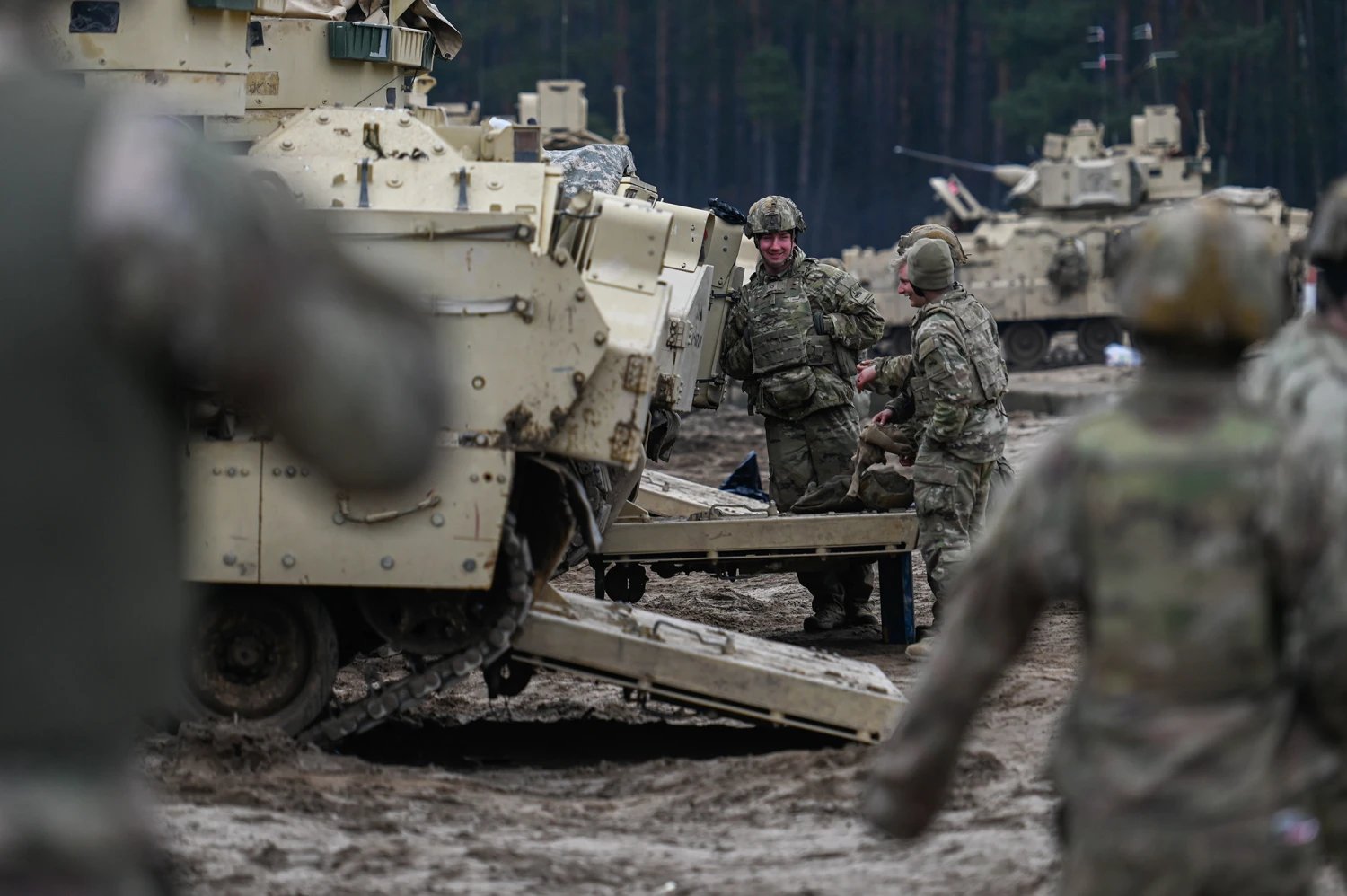
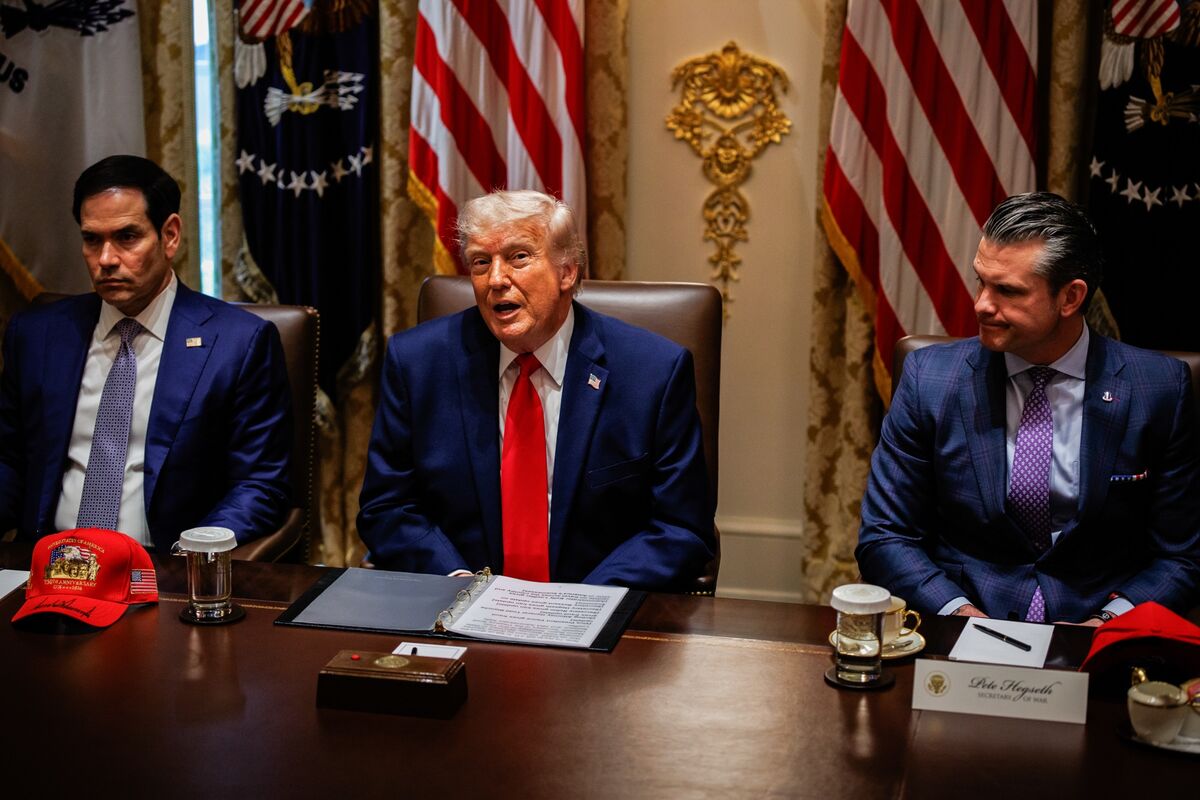
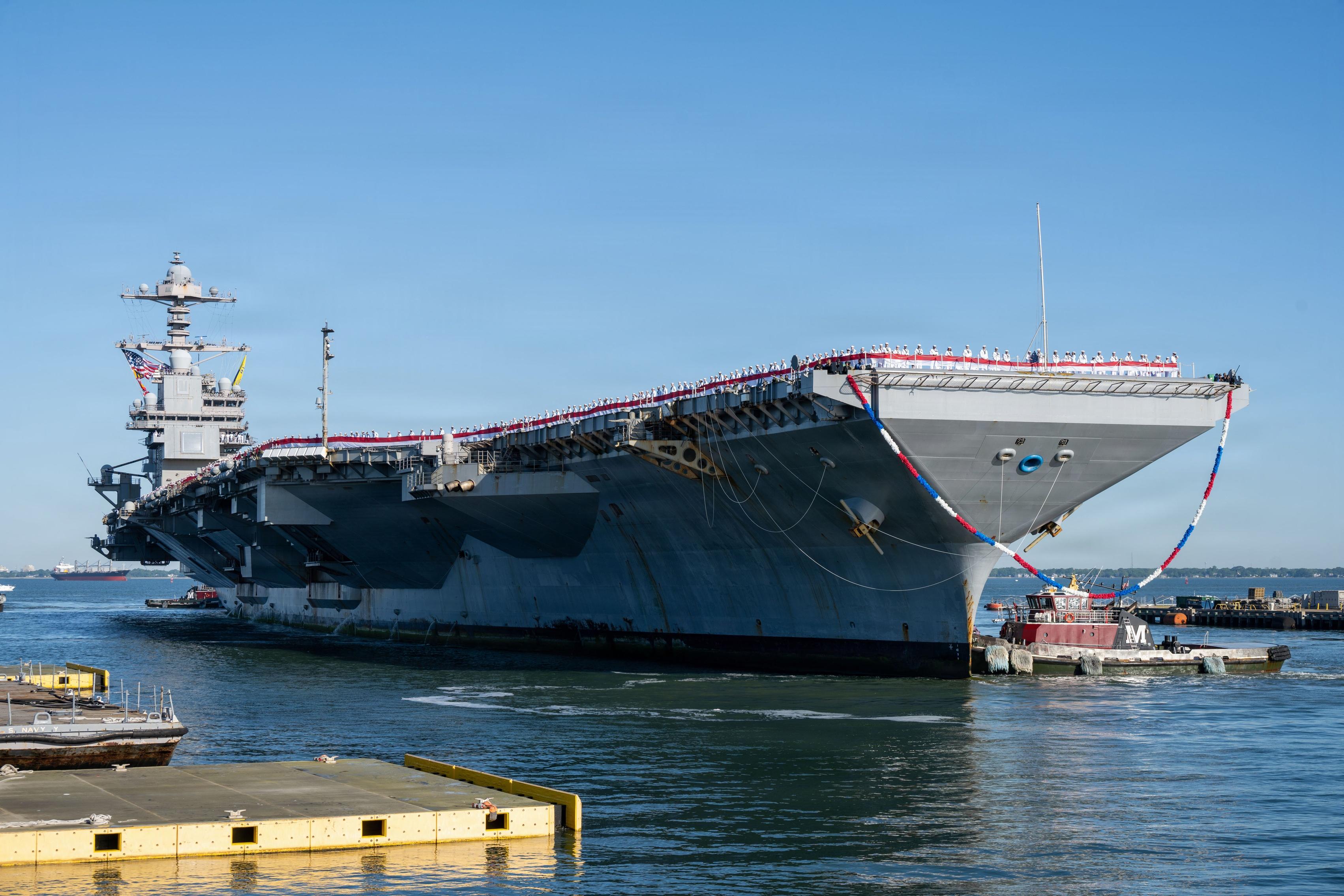
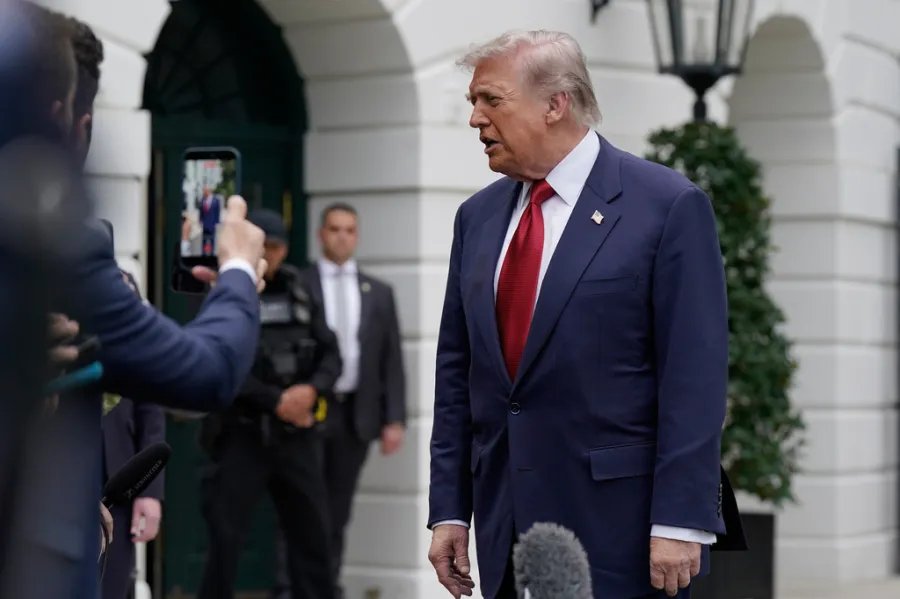
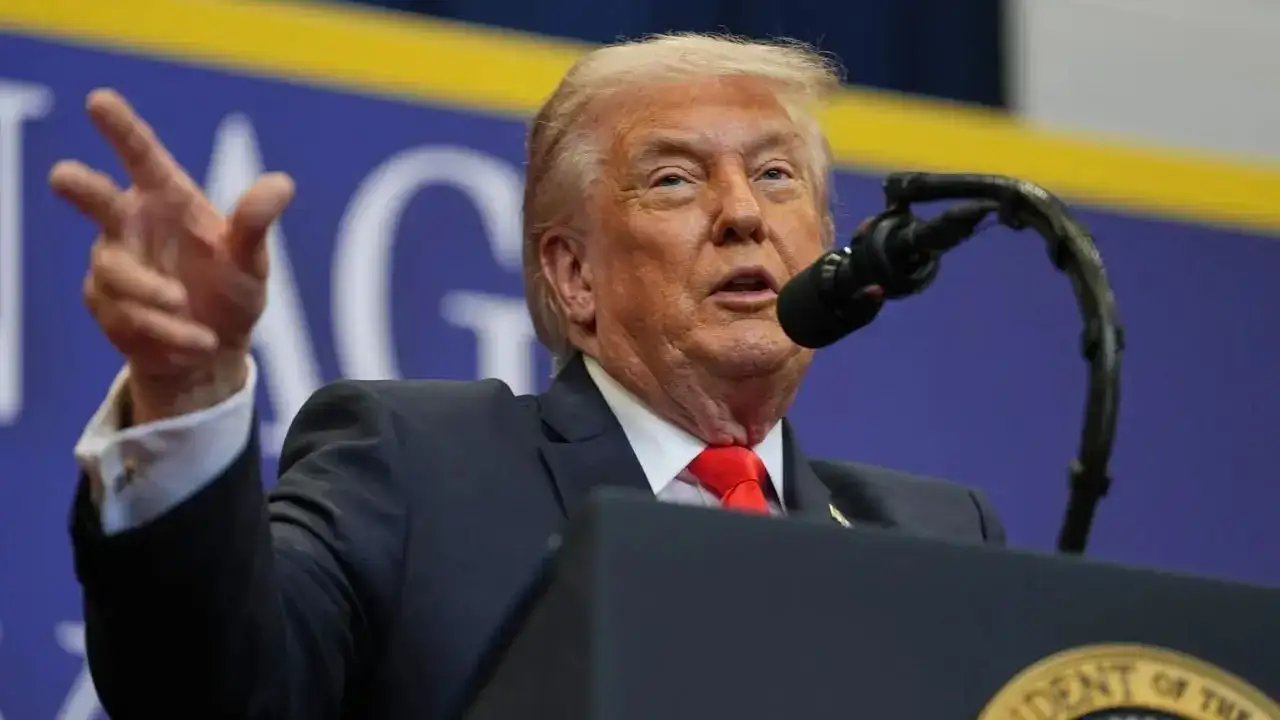
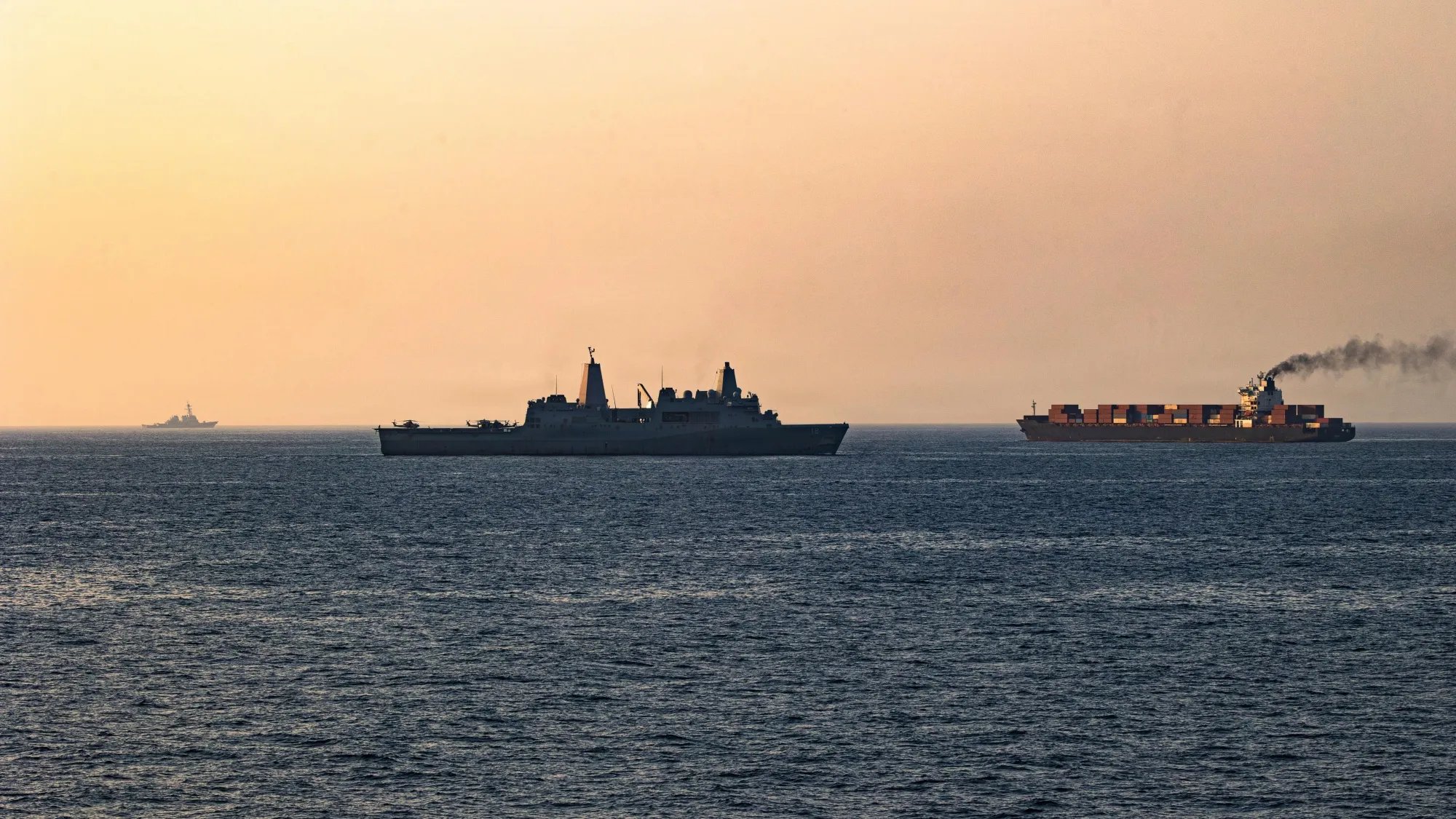
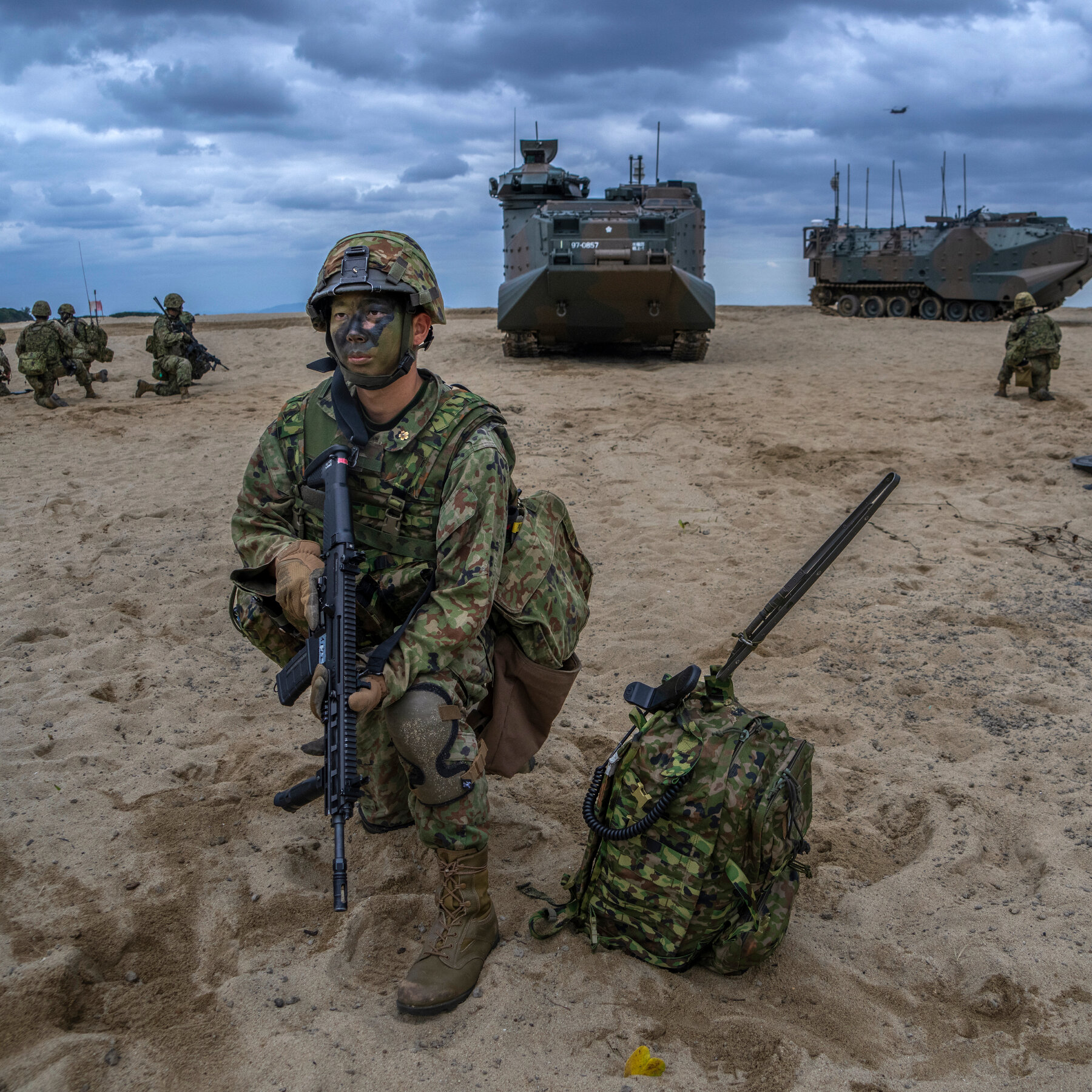
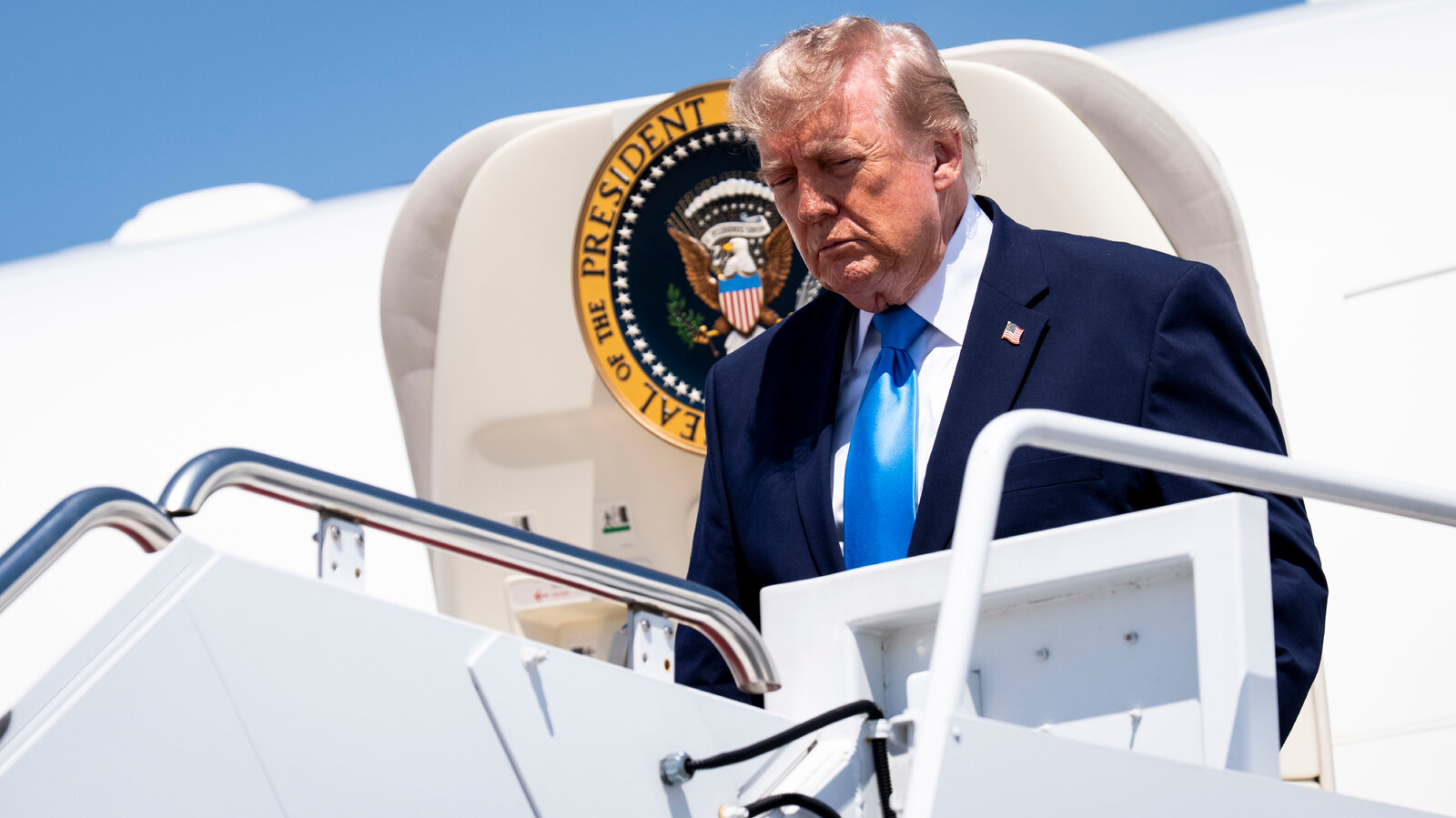
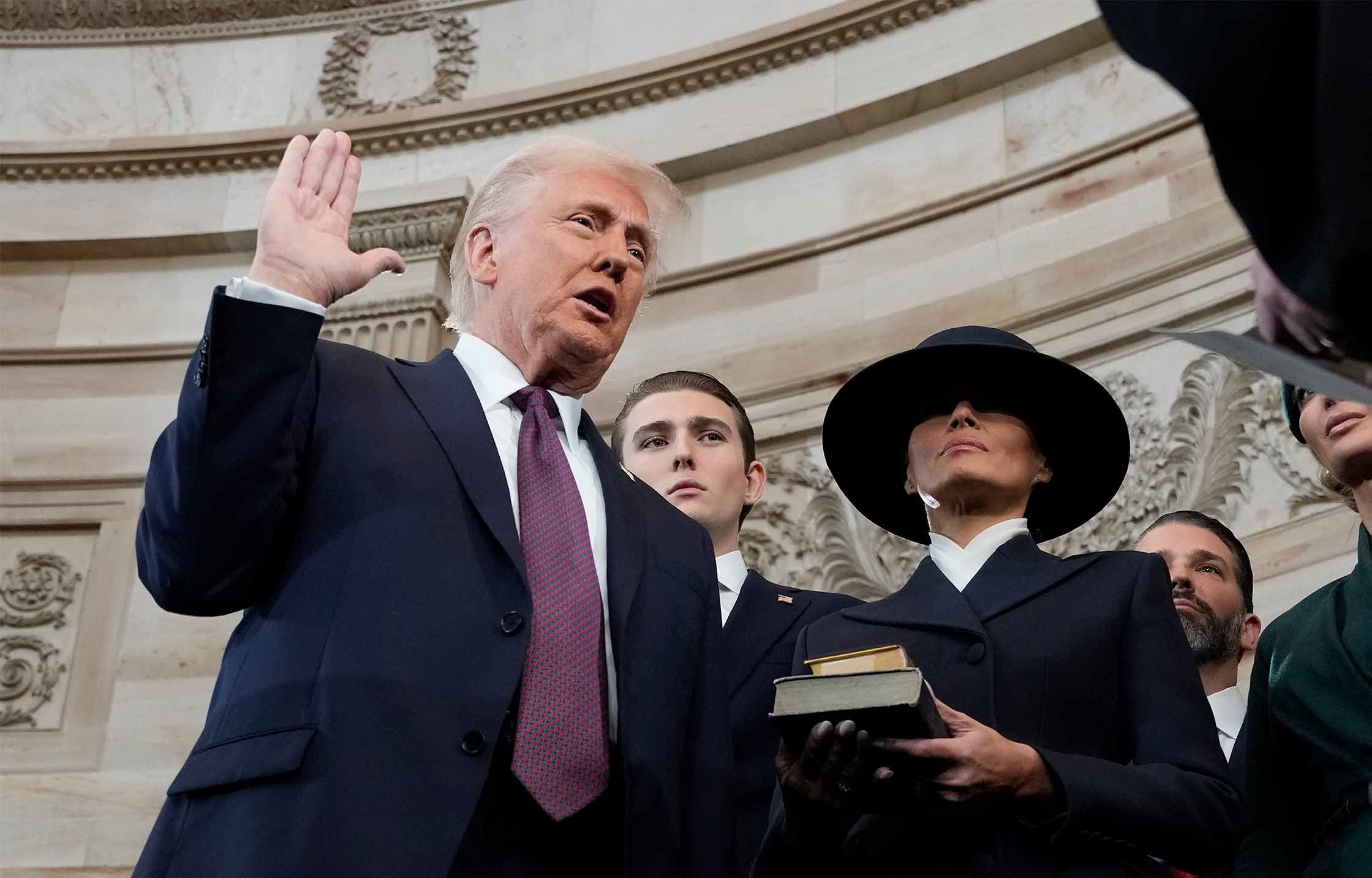
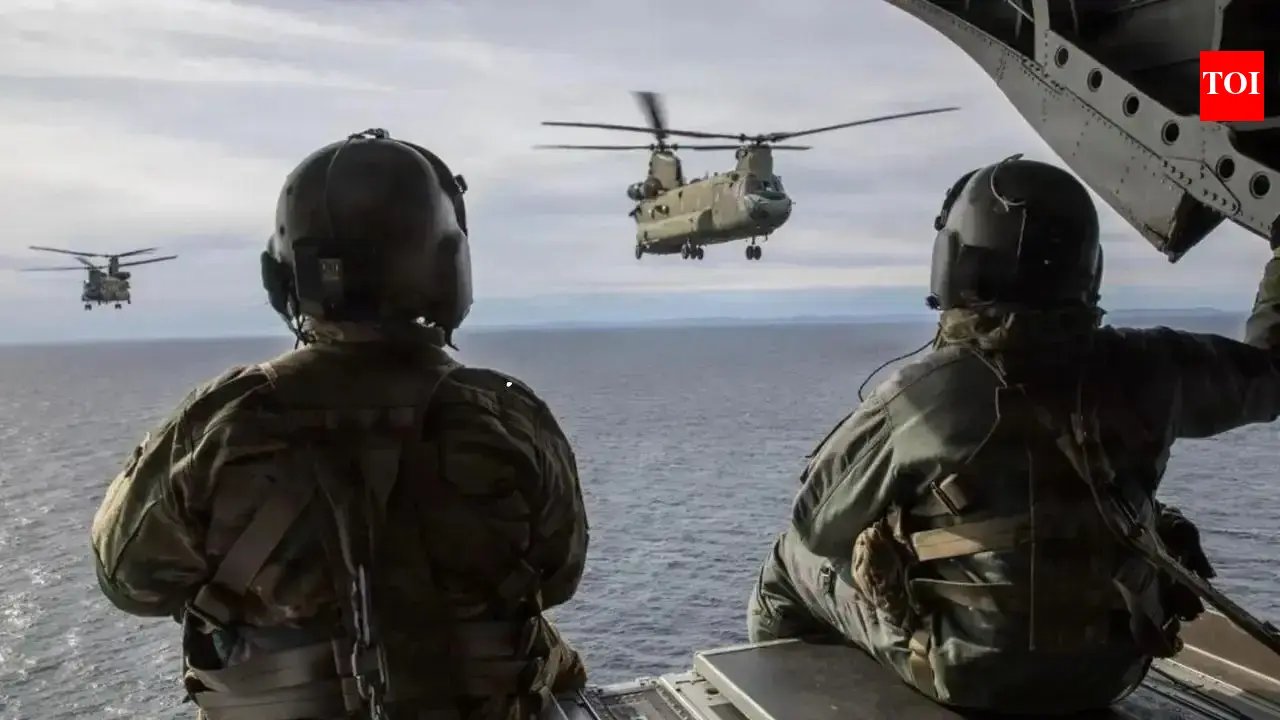
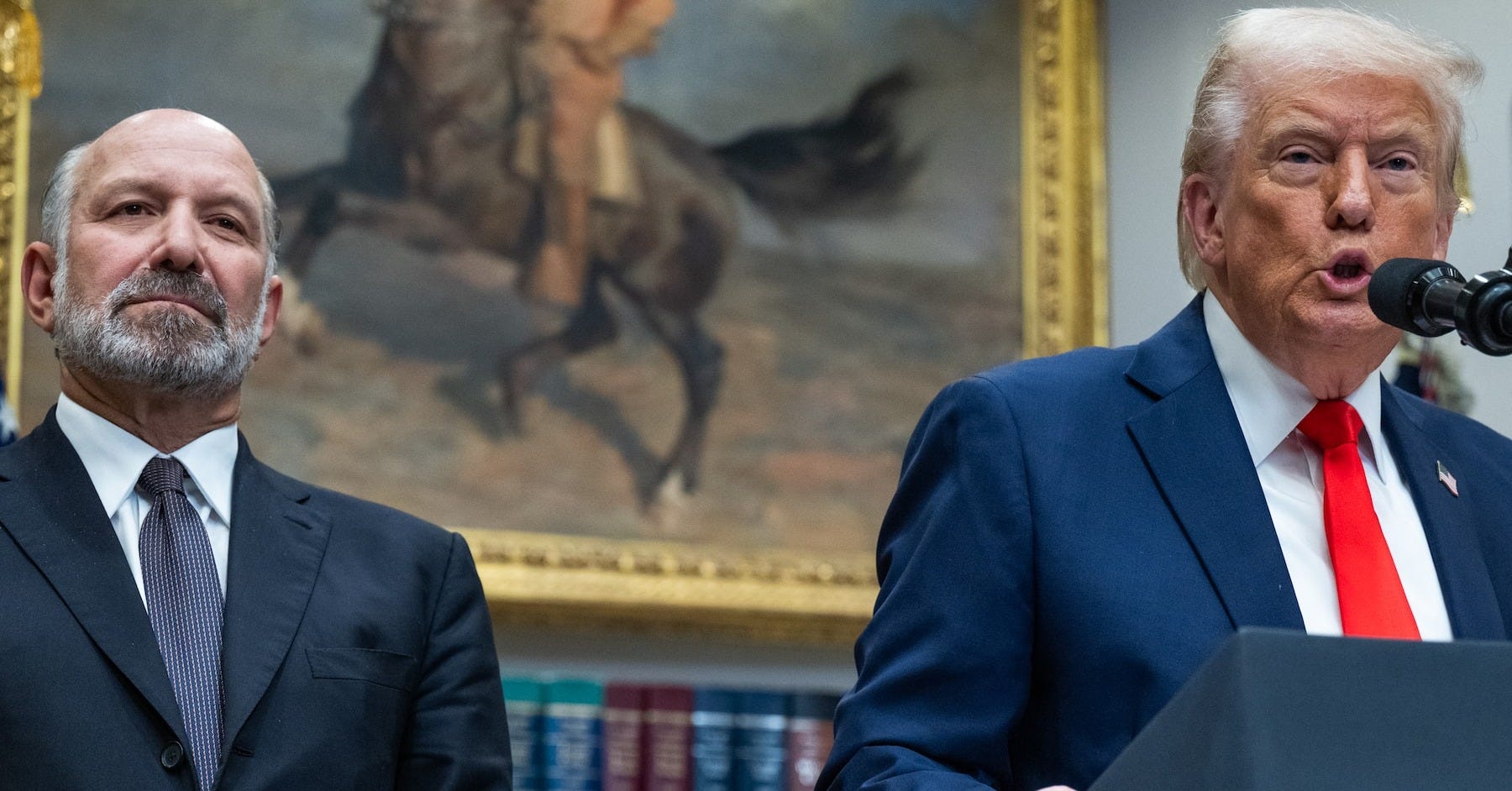
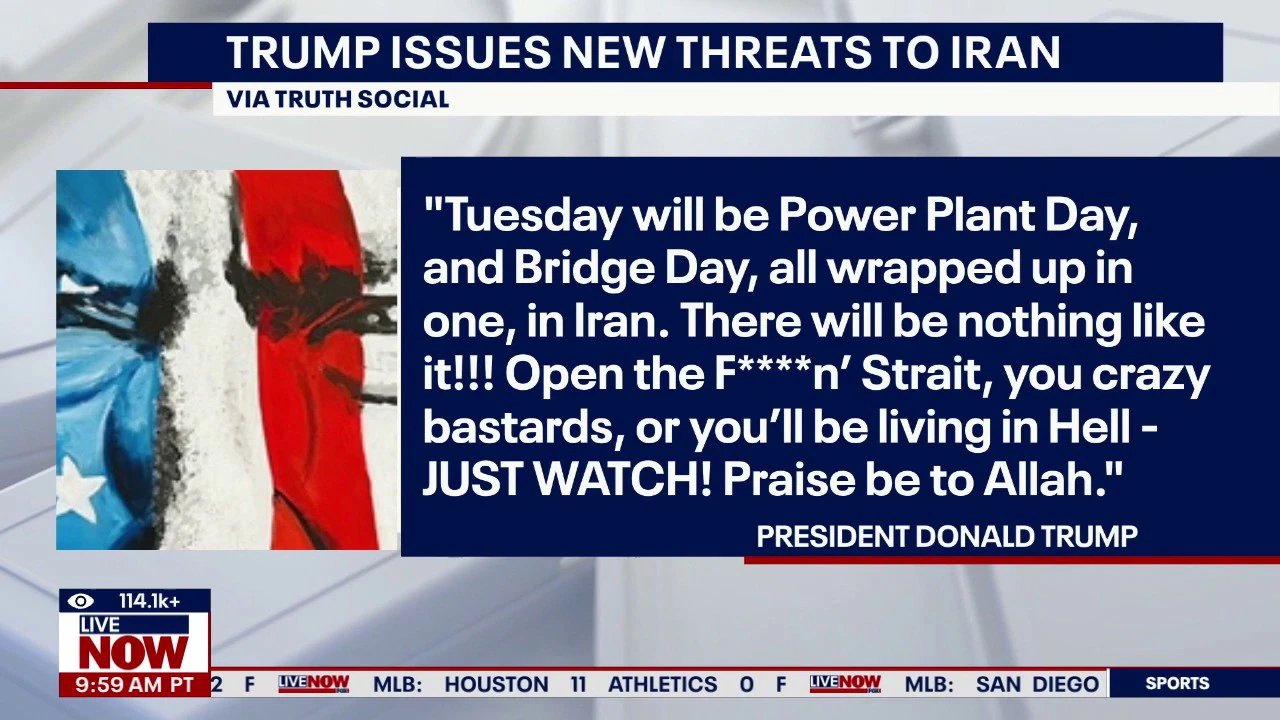
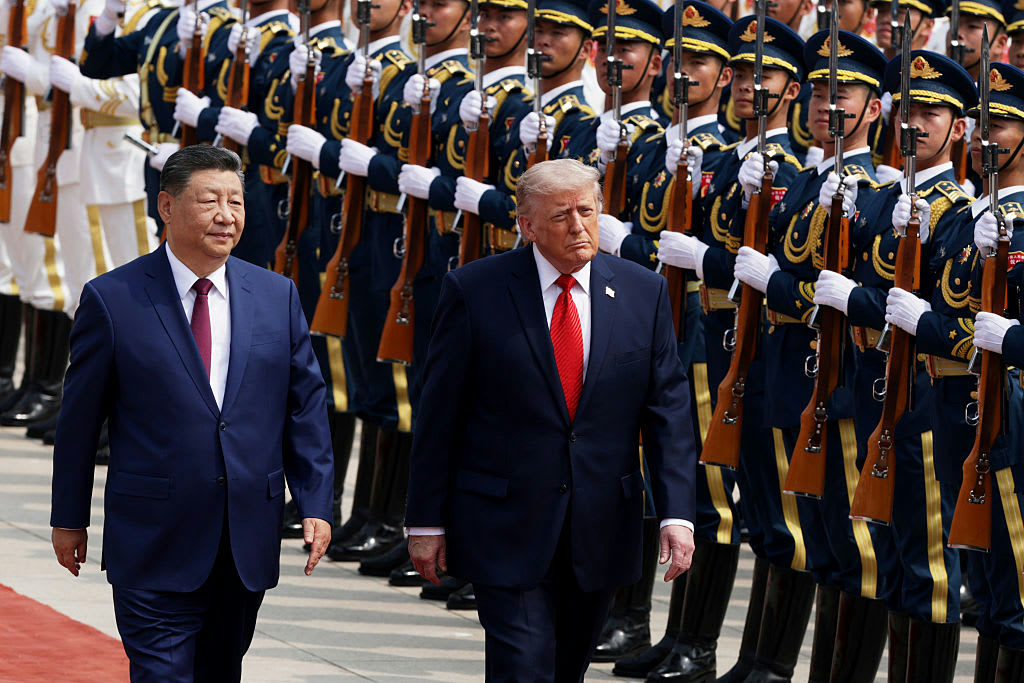
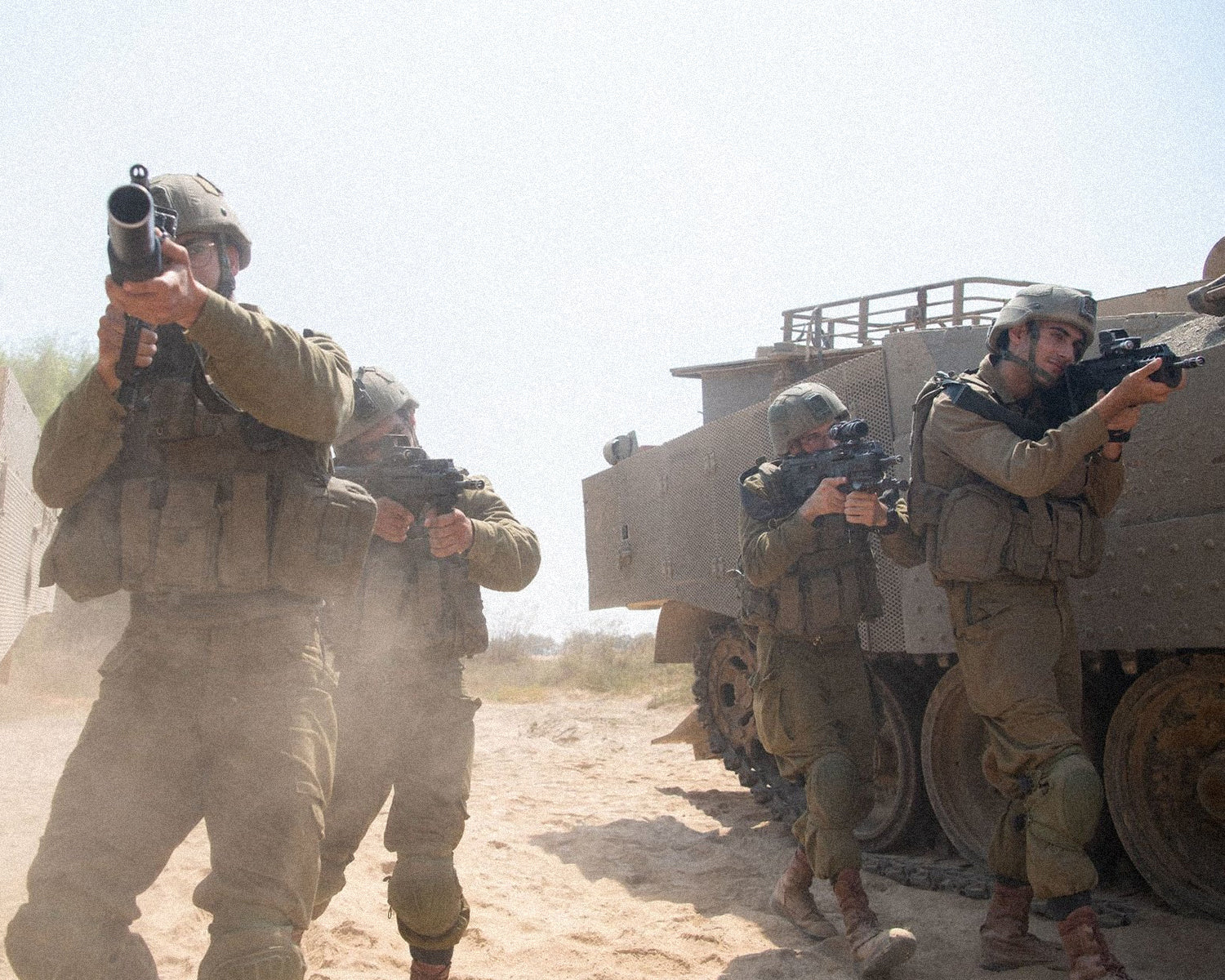
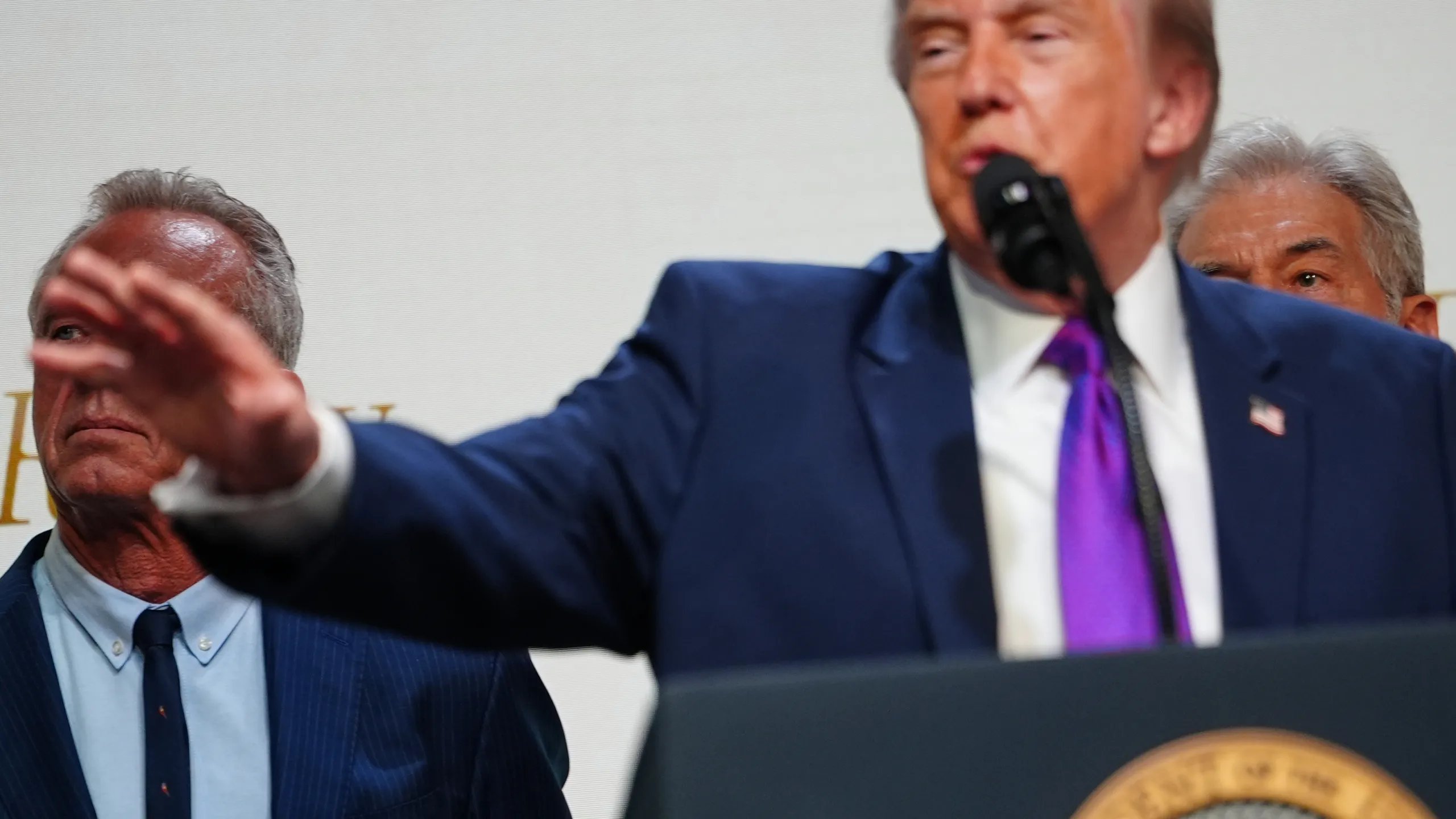
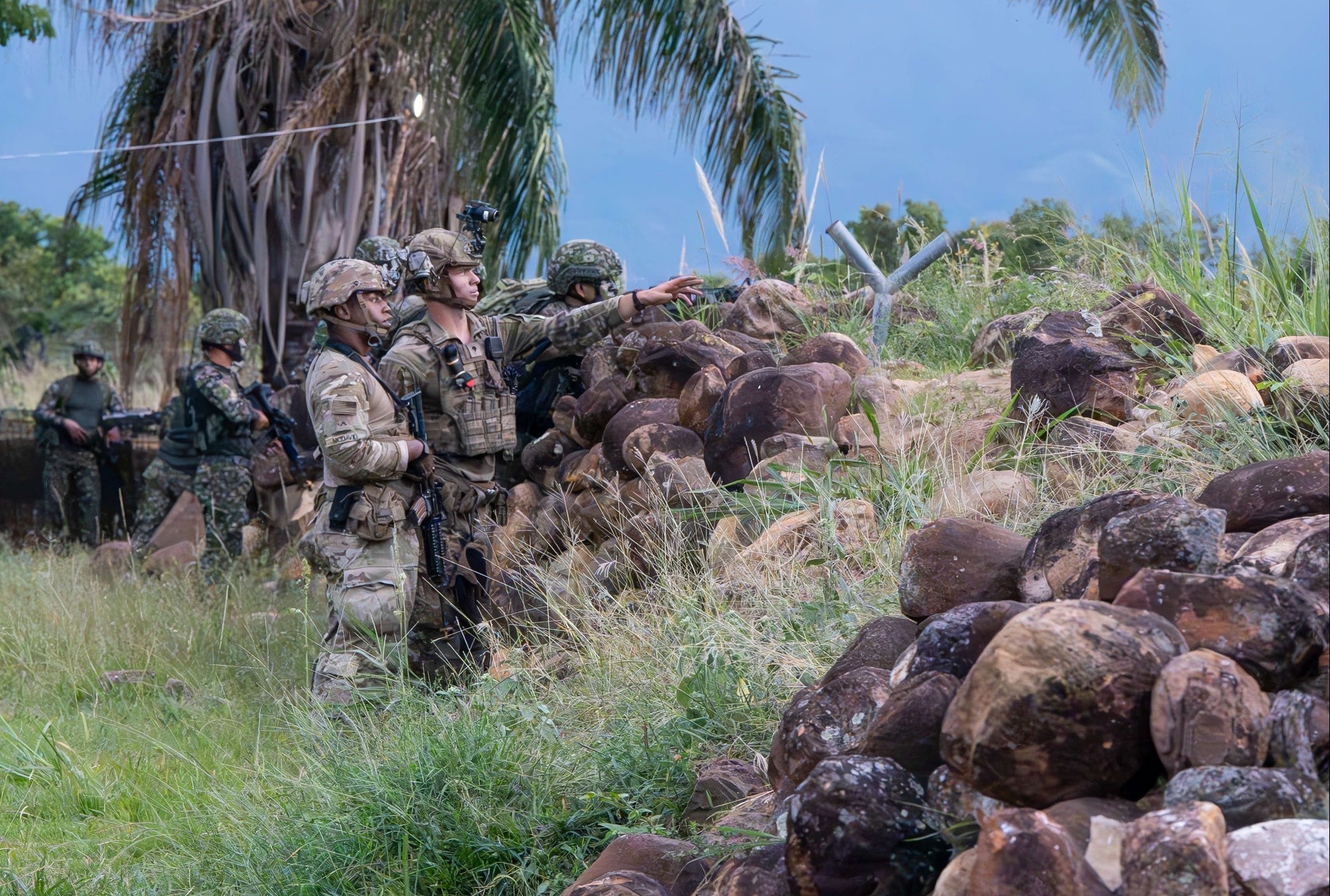
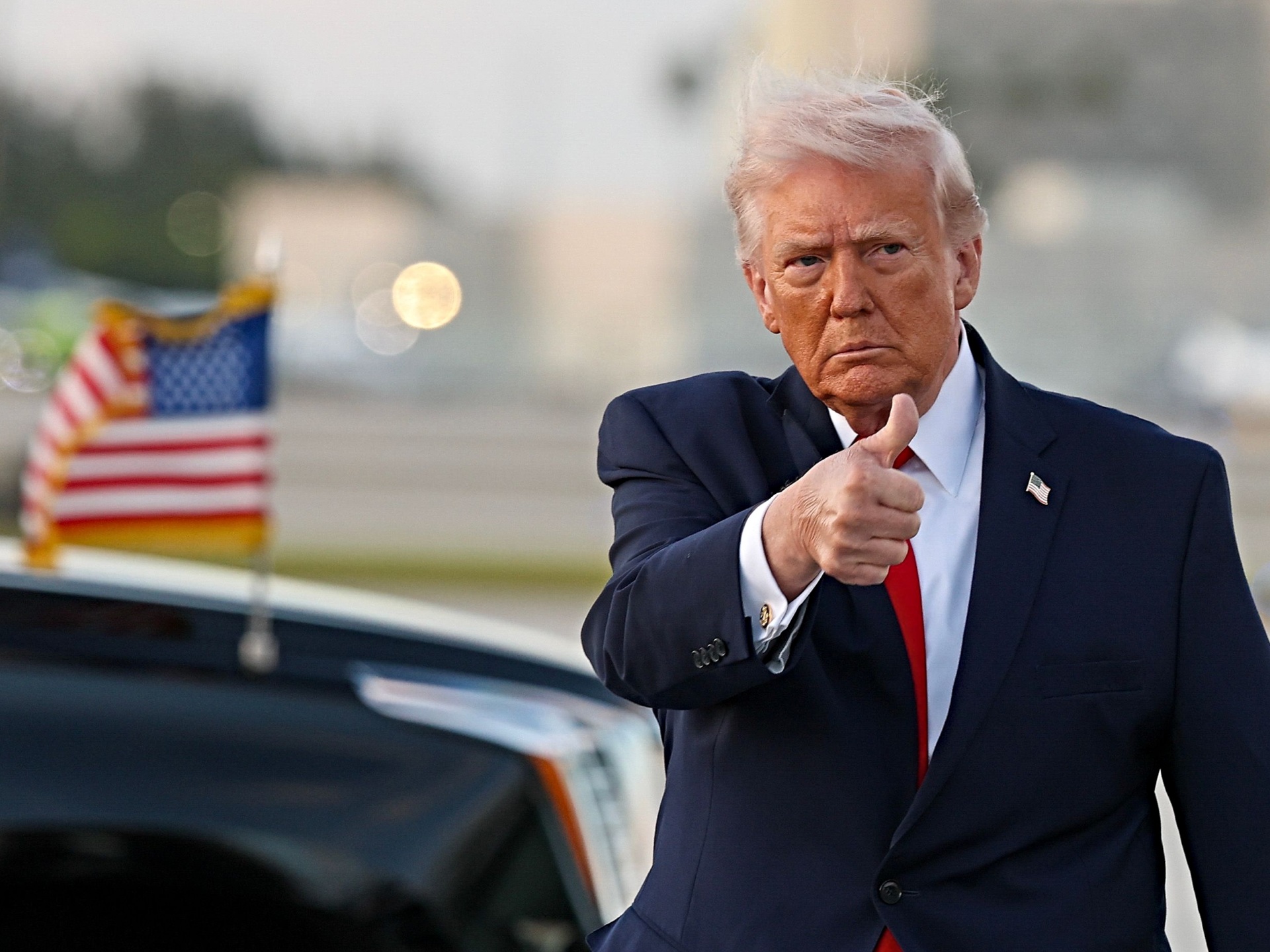
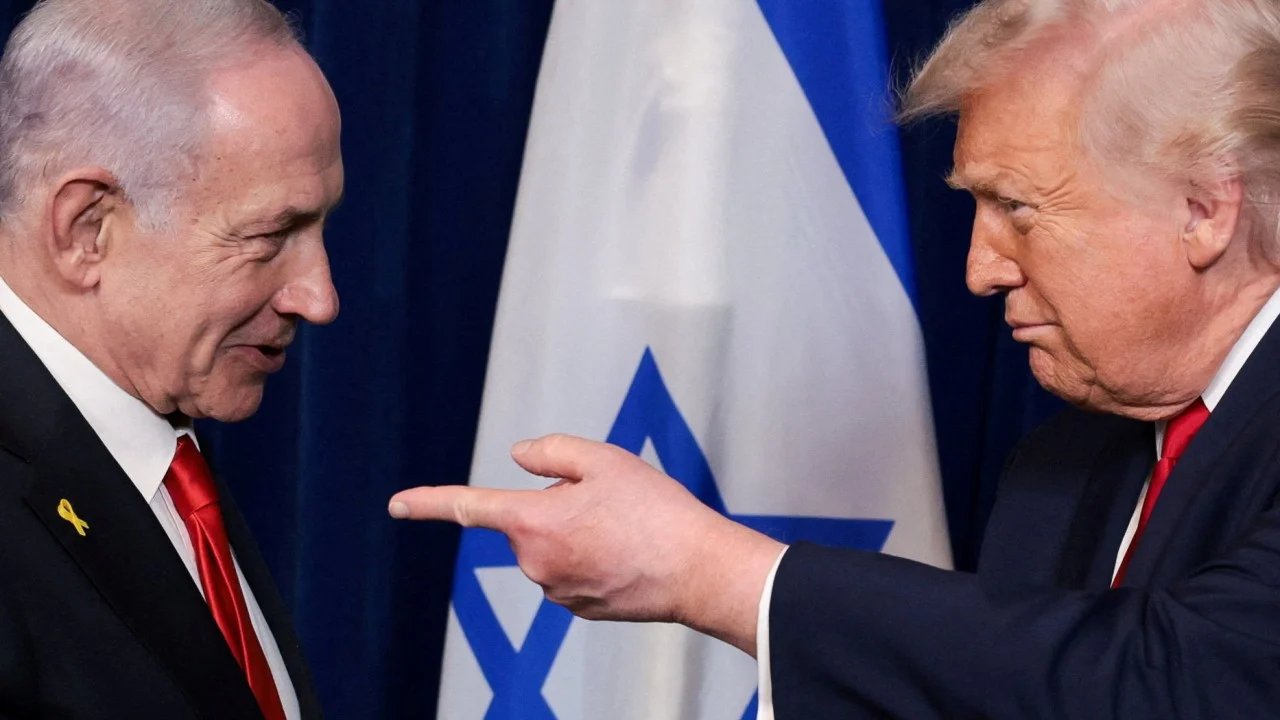
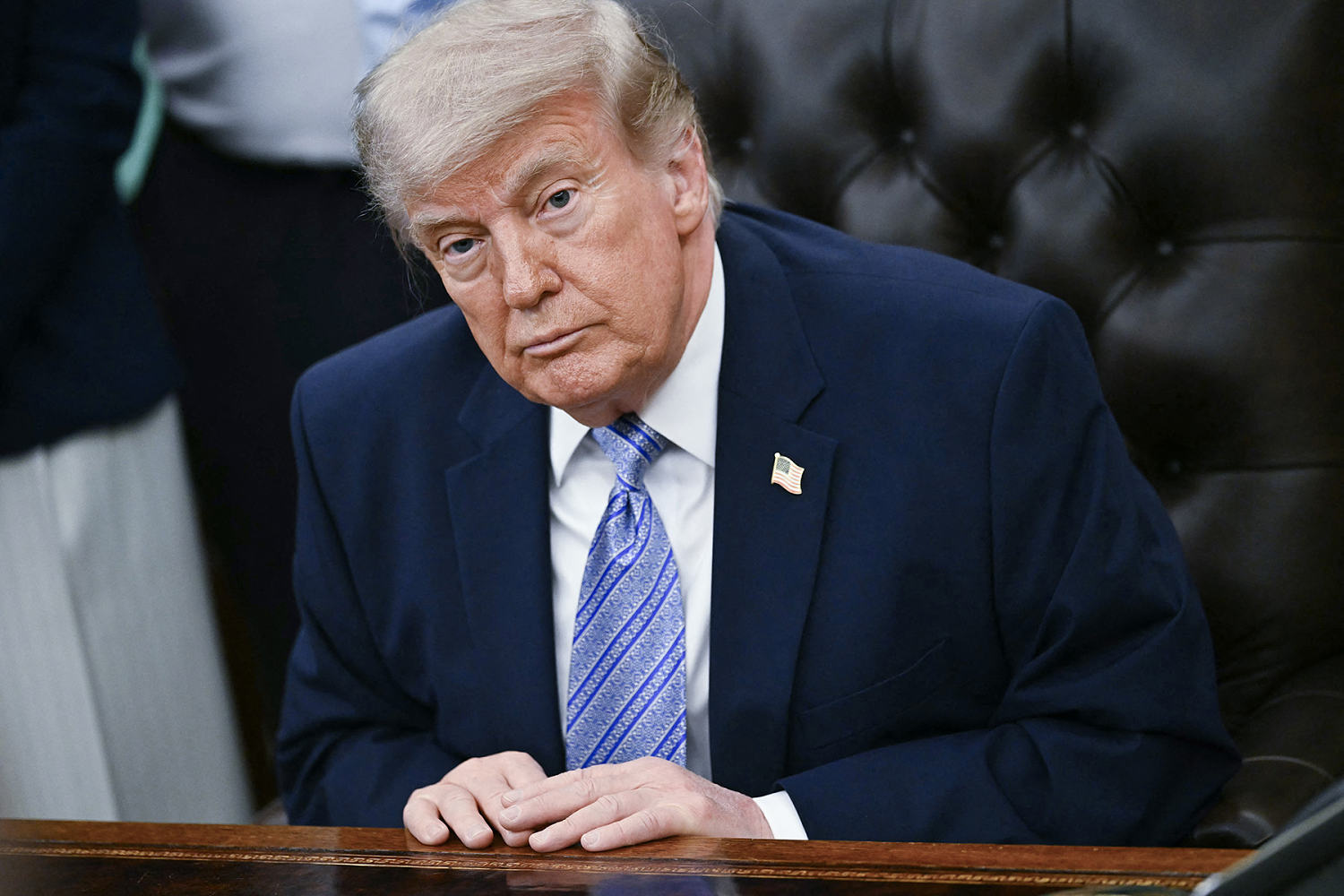
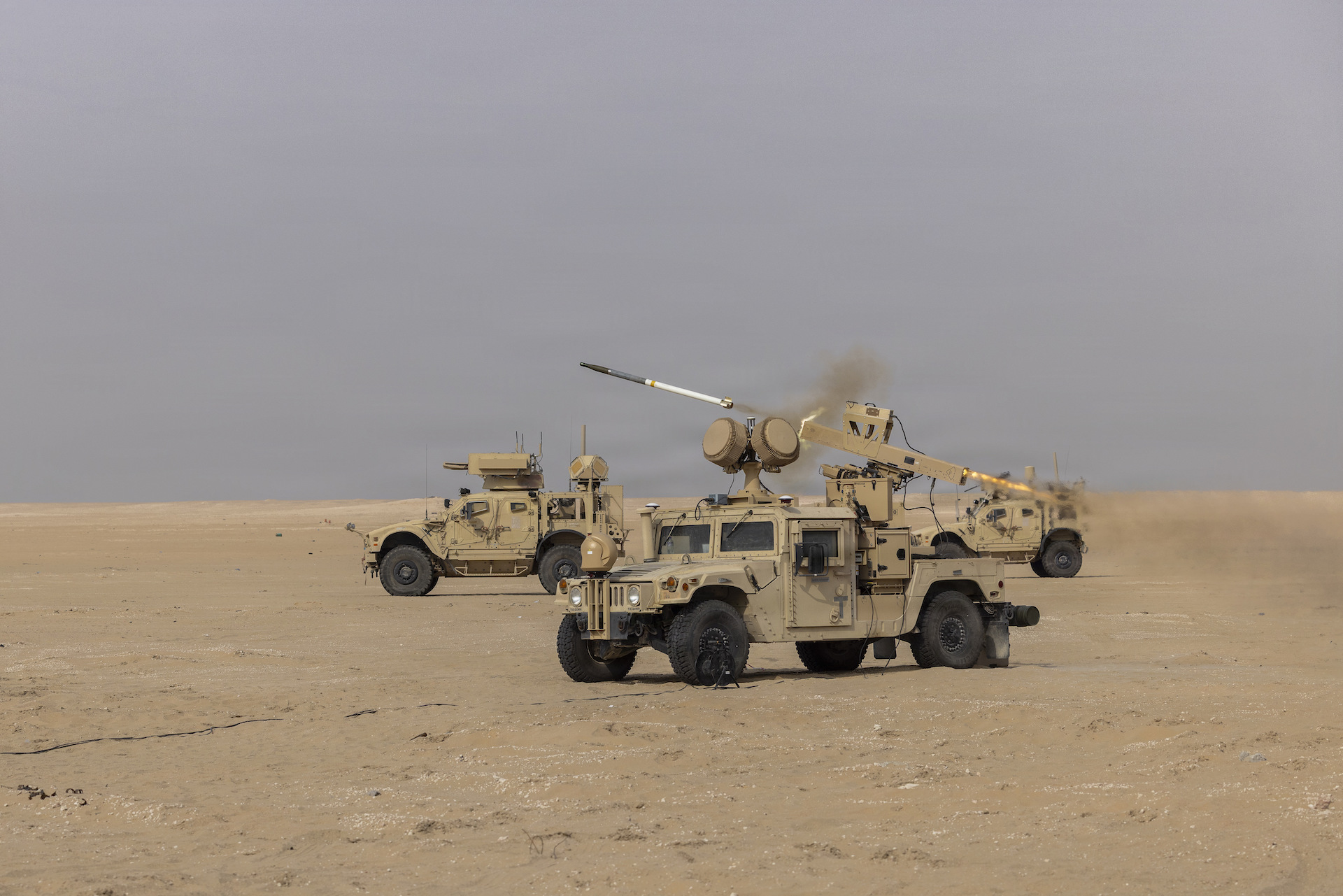
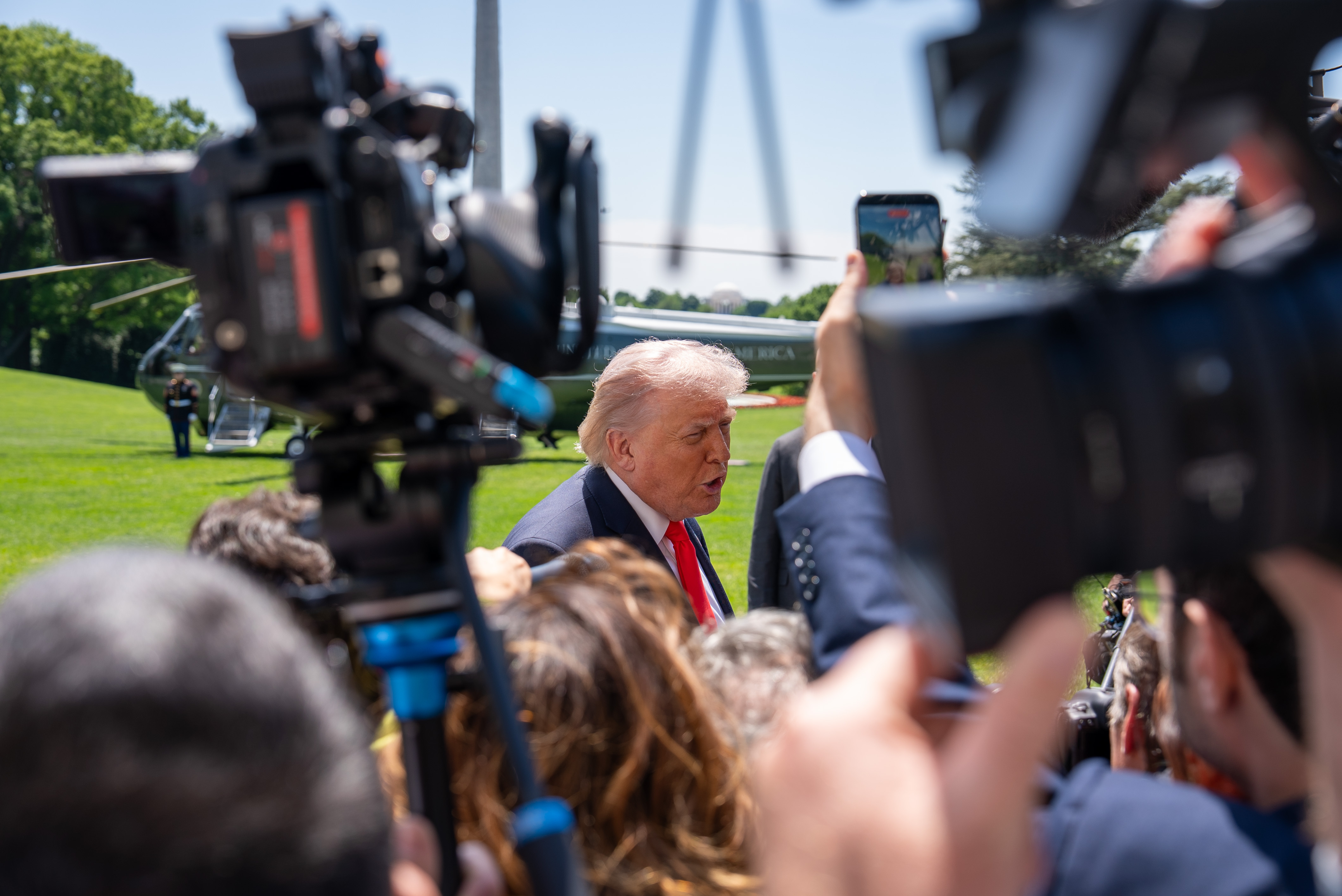
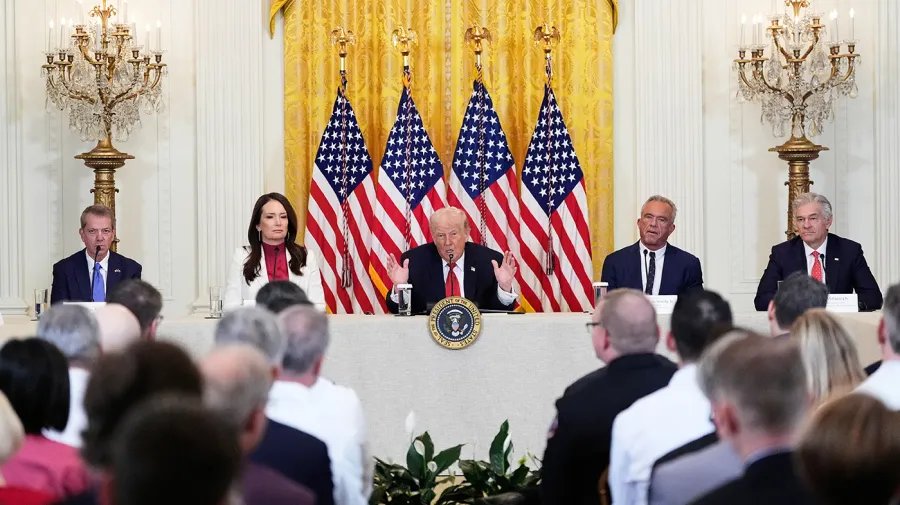
President Trump ordered the U.S. Navy on Thursday to "shoot and kill" any Iranian boats laying mines with "no hesitation." The aircraft carrier USS George H.W. Bush and its strike group arrived Thursday in the U.S. Central Command area. It will be the third U.S. aircraft carrier in the region, according to sources. CENTCOM has redirected 33 vessels since the blockade started, including deploying underwater drones for mine-clearing operations.
Disruptions to Global Oil Trade
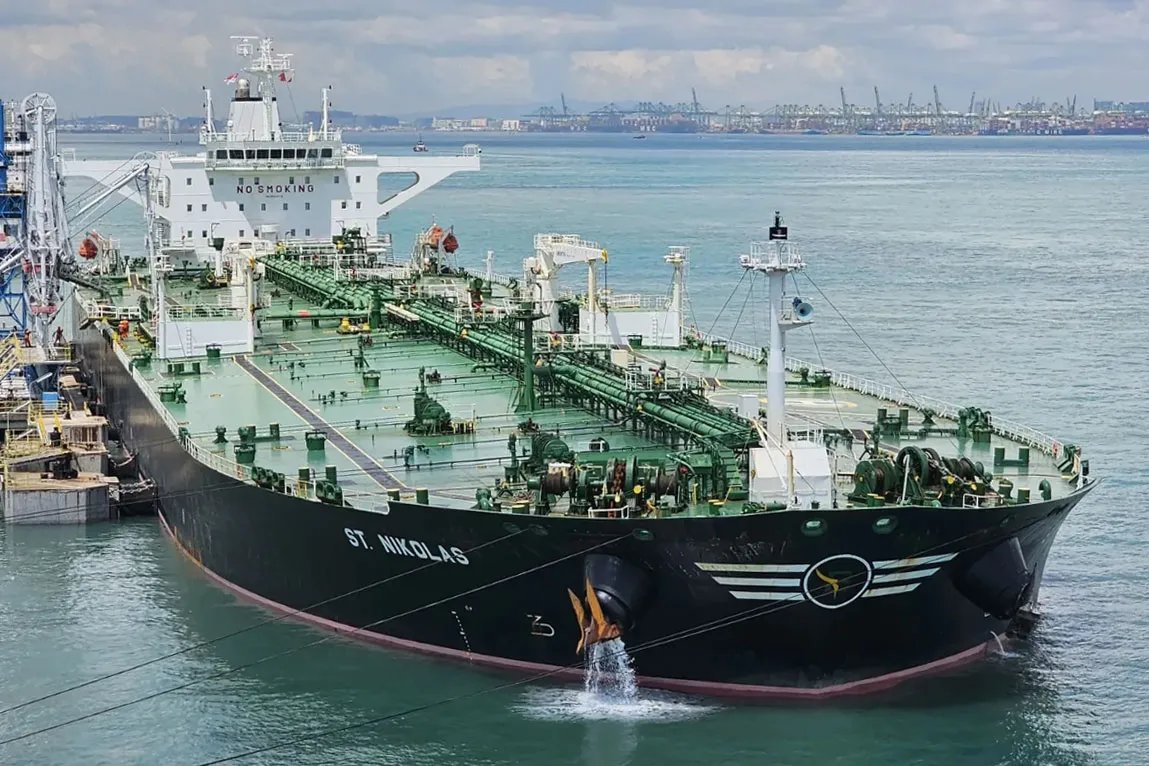
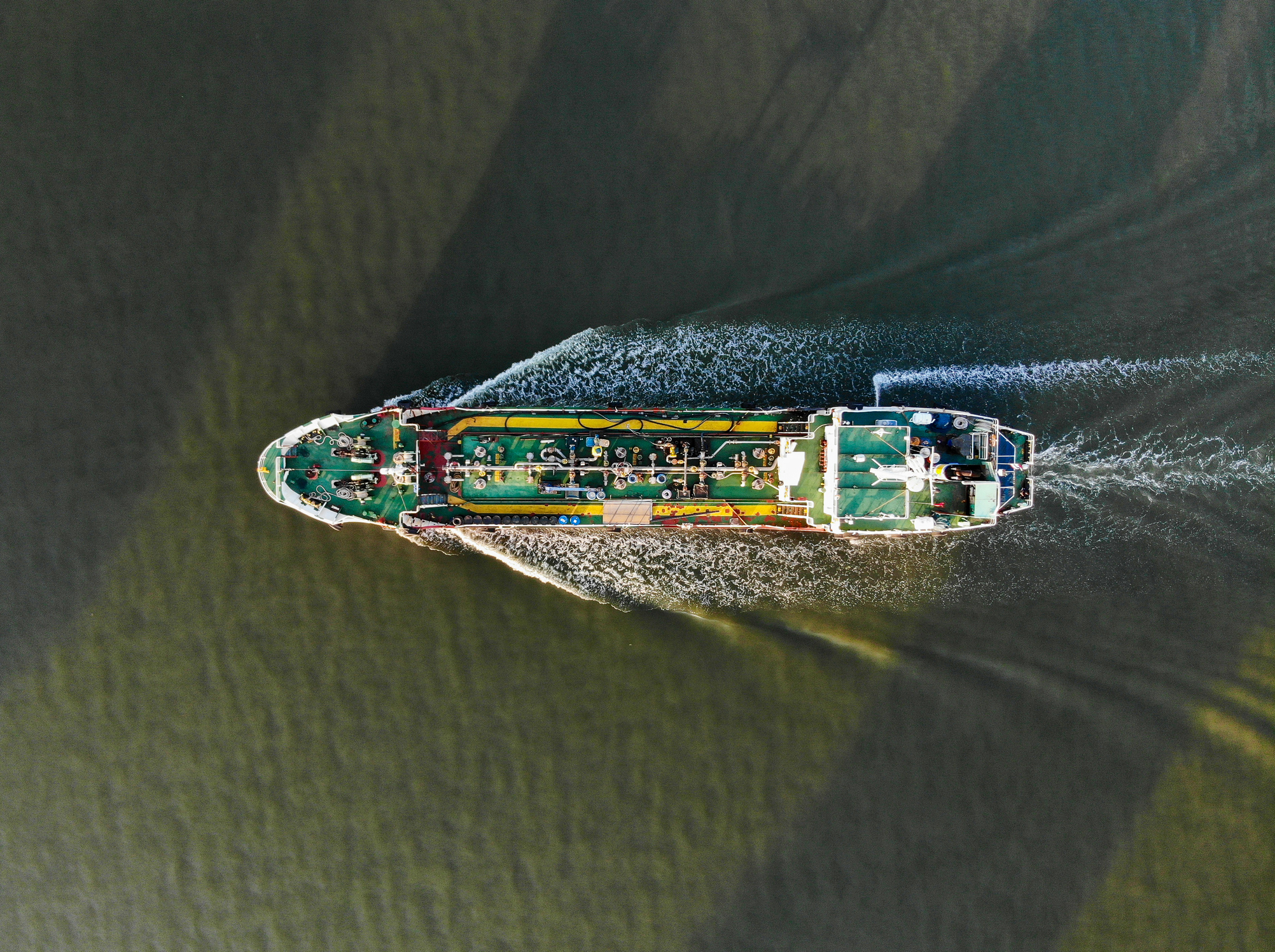
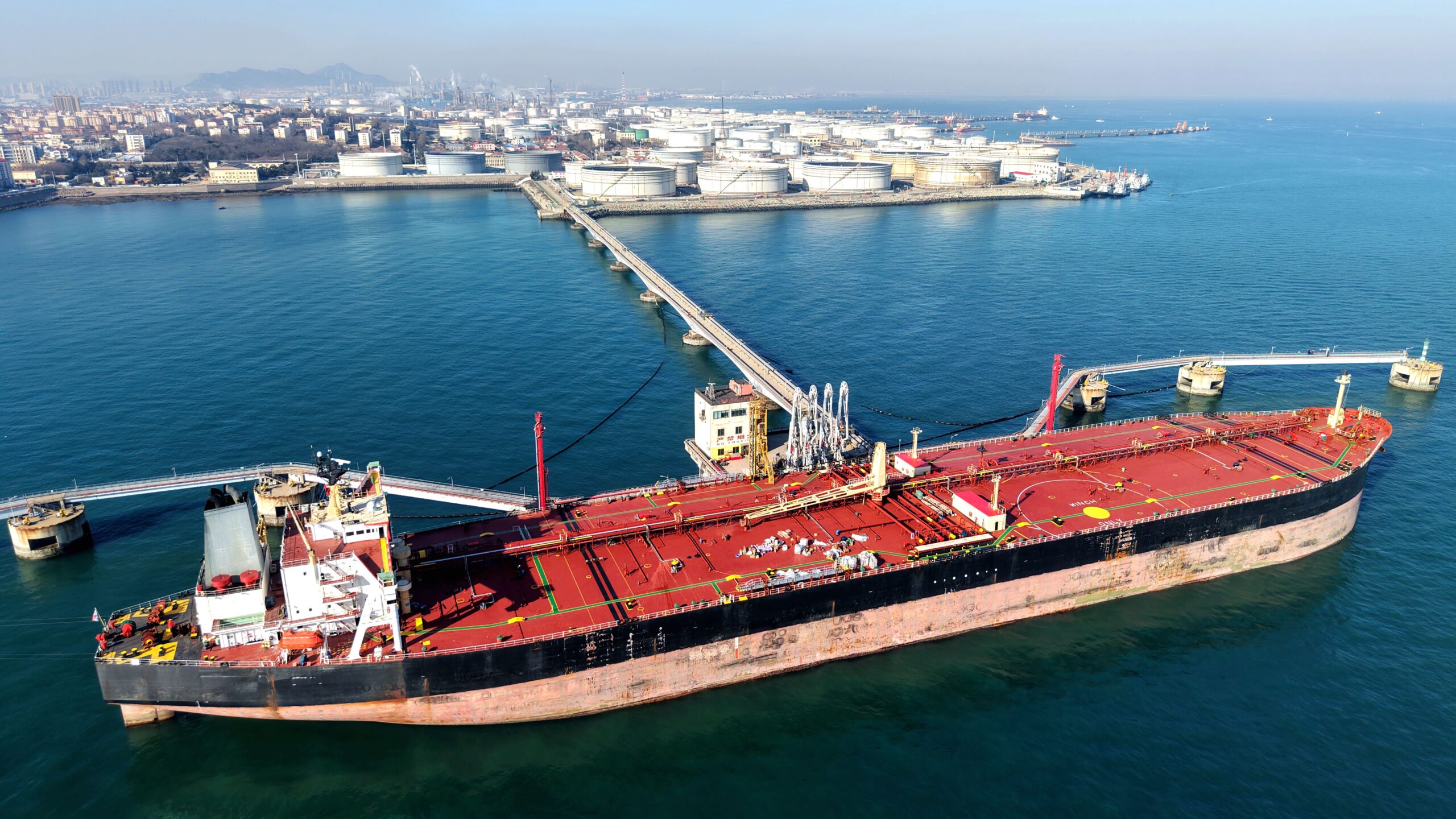
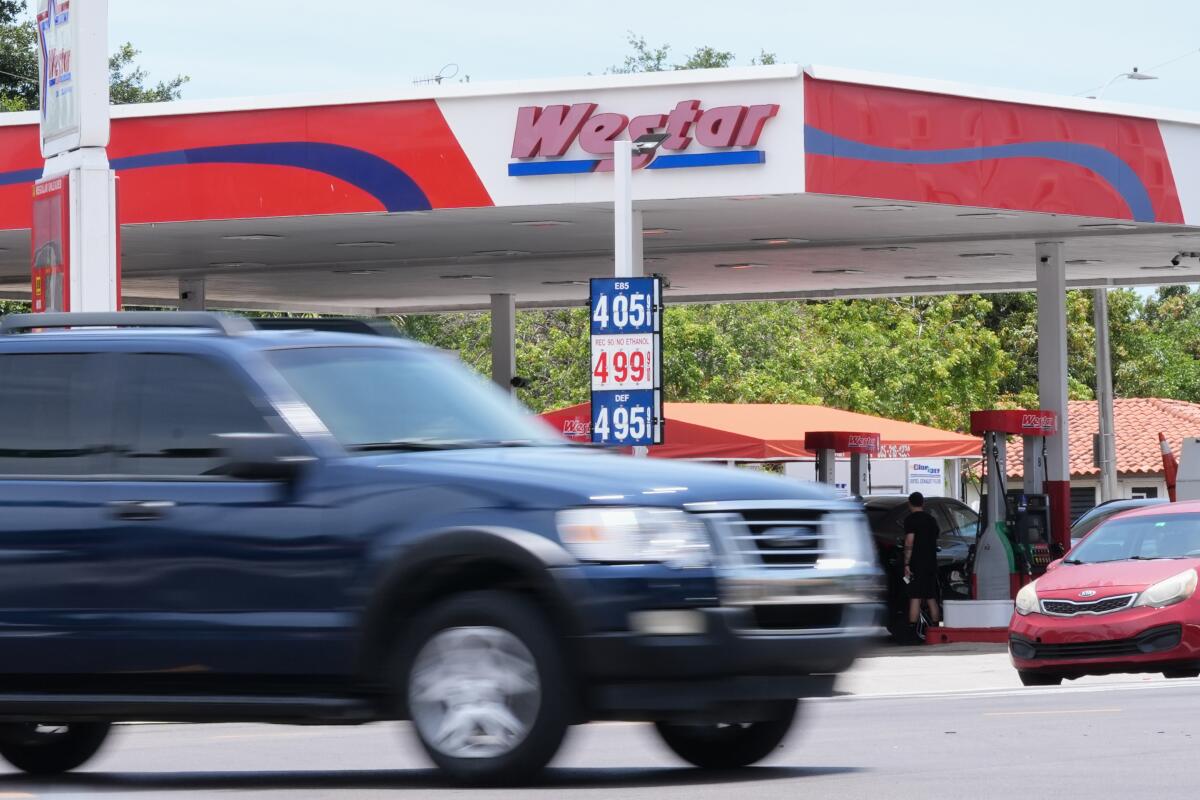
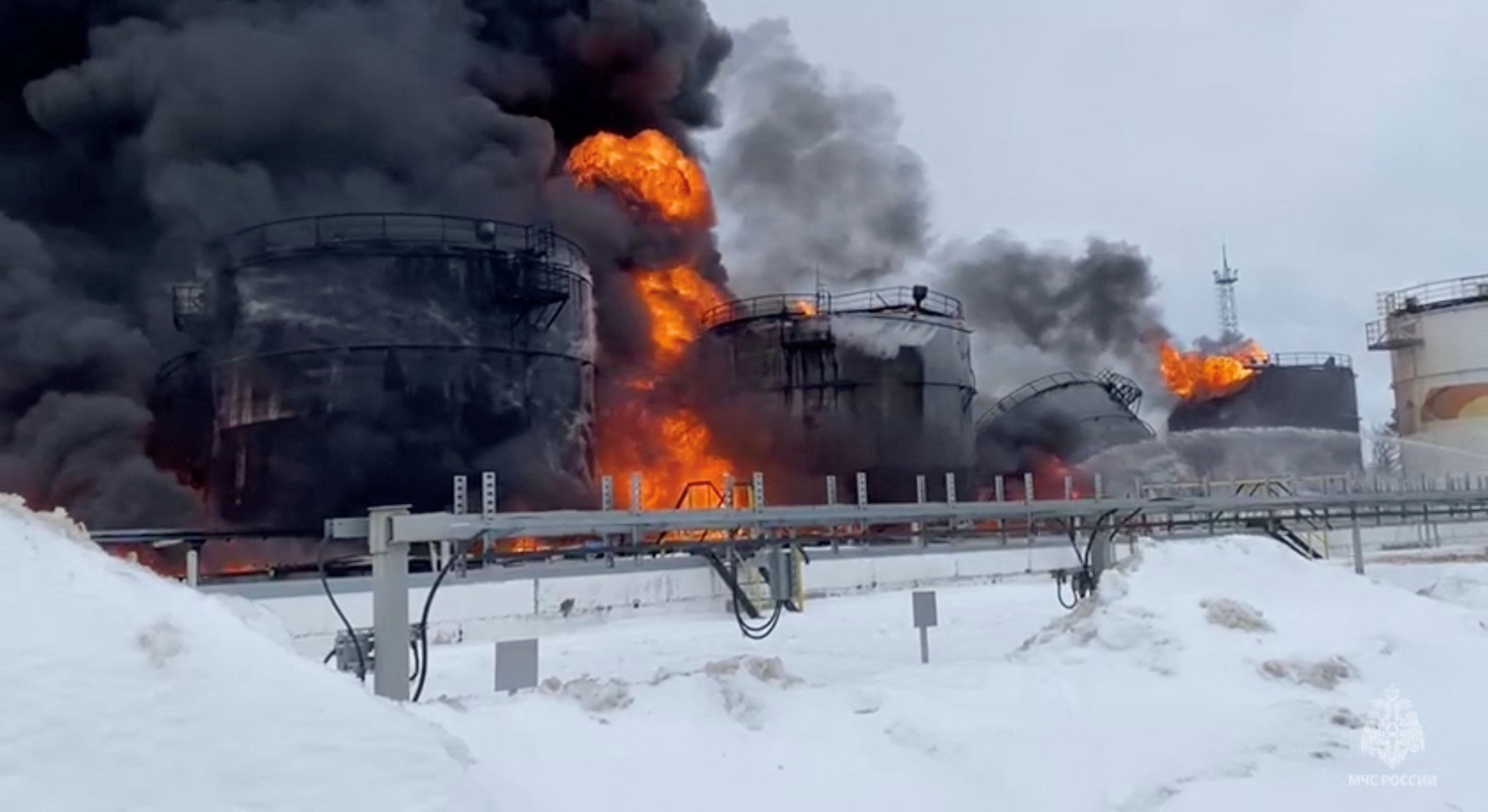
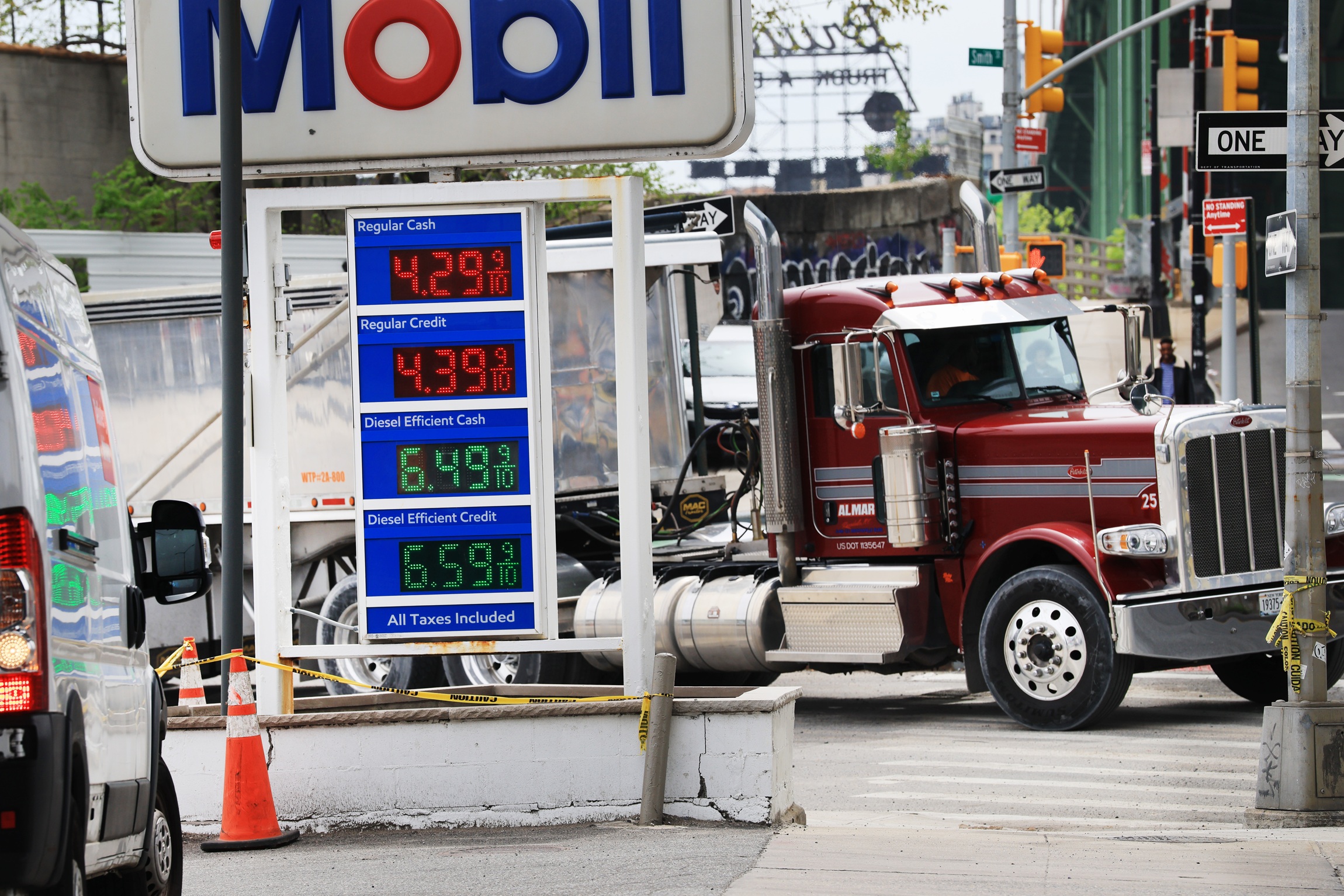
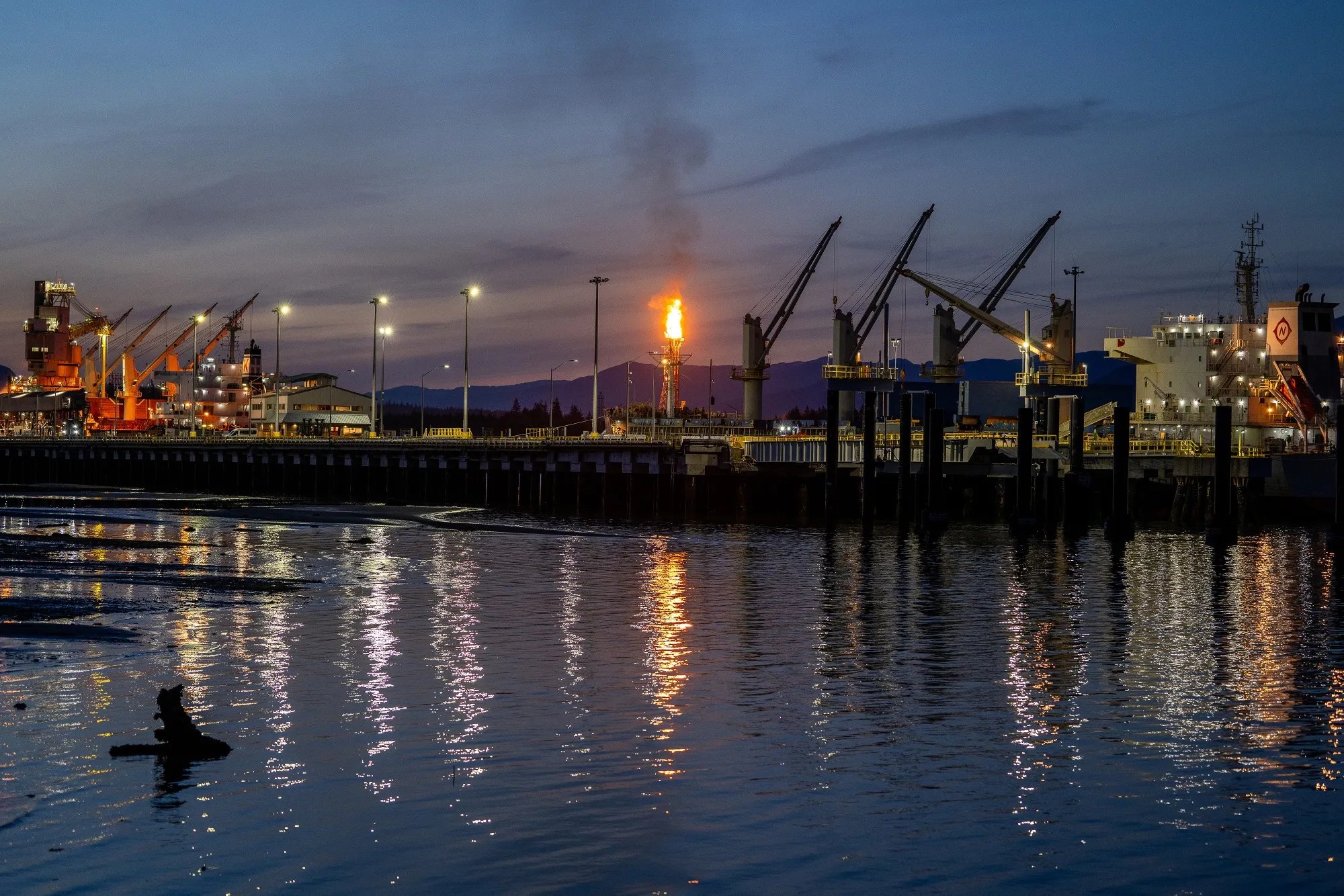
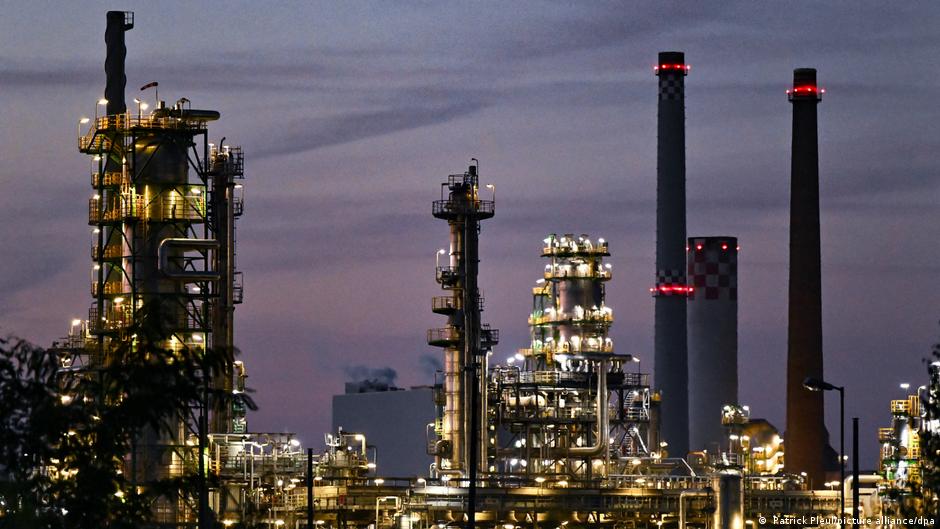
Roughly 20% of the world's seaborne oil normally passes through the strait, but traffic has collapsed amid the threats. The International Energy Agency described this as the largest oil supply disruption in the global market, exceeding the 1970s shocks. Oil prices jumped as a result, with Bloomberg reporting the escalation dimming prospects for resuming flows through the strait.
European Powers' Defensive Plans
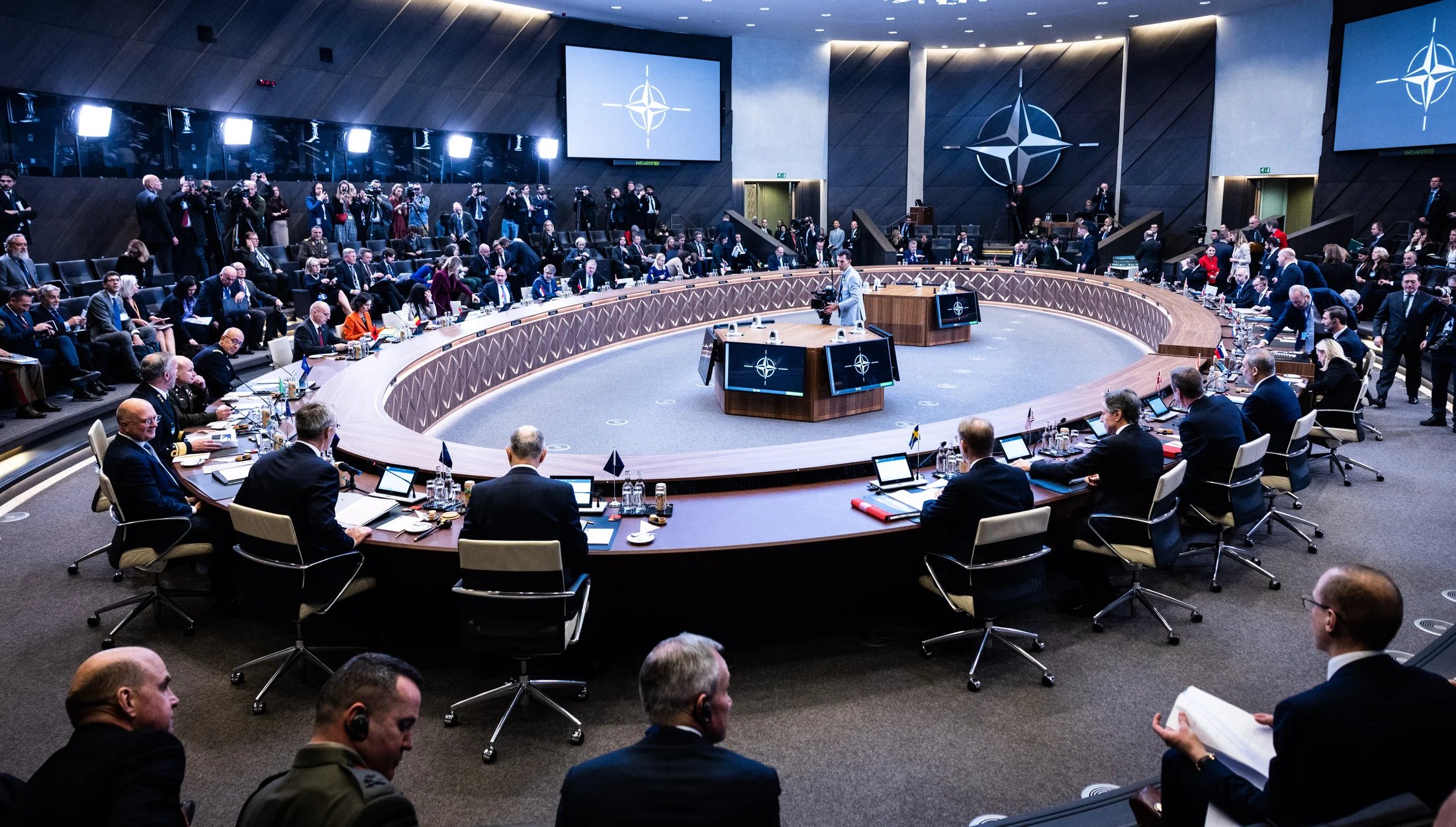
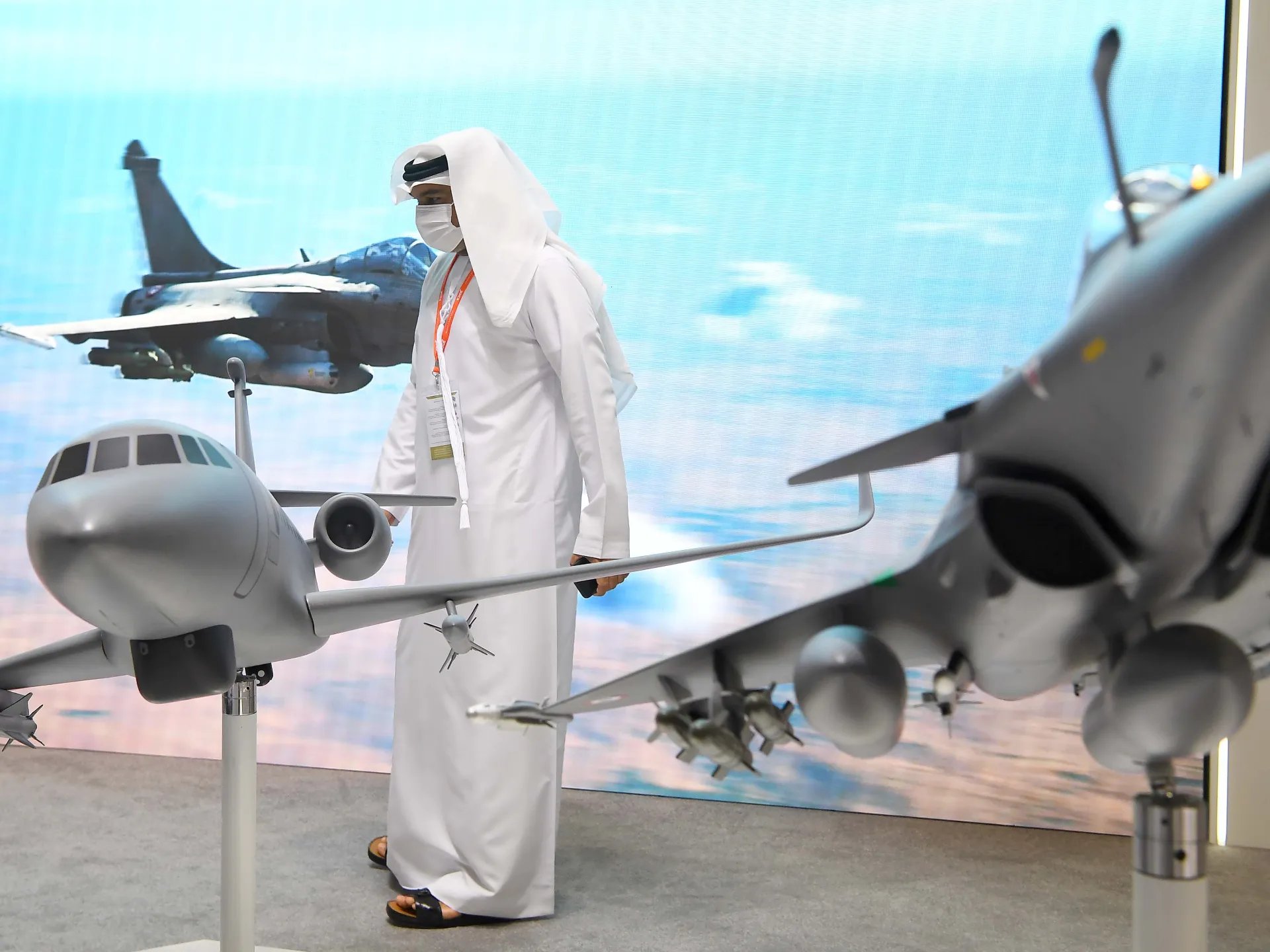
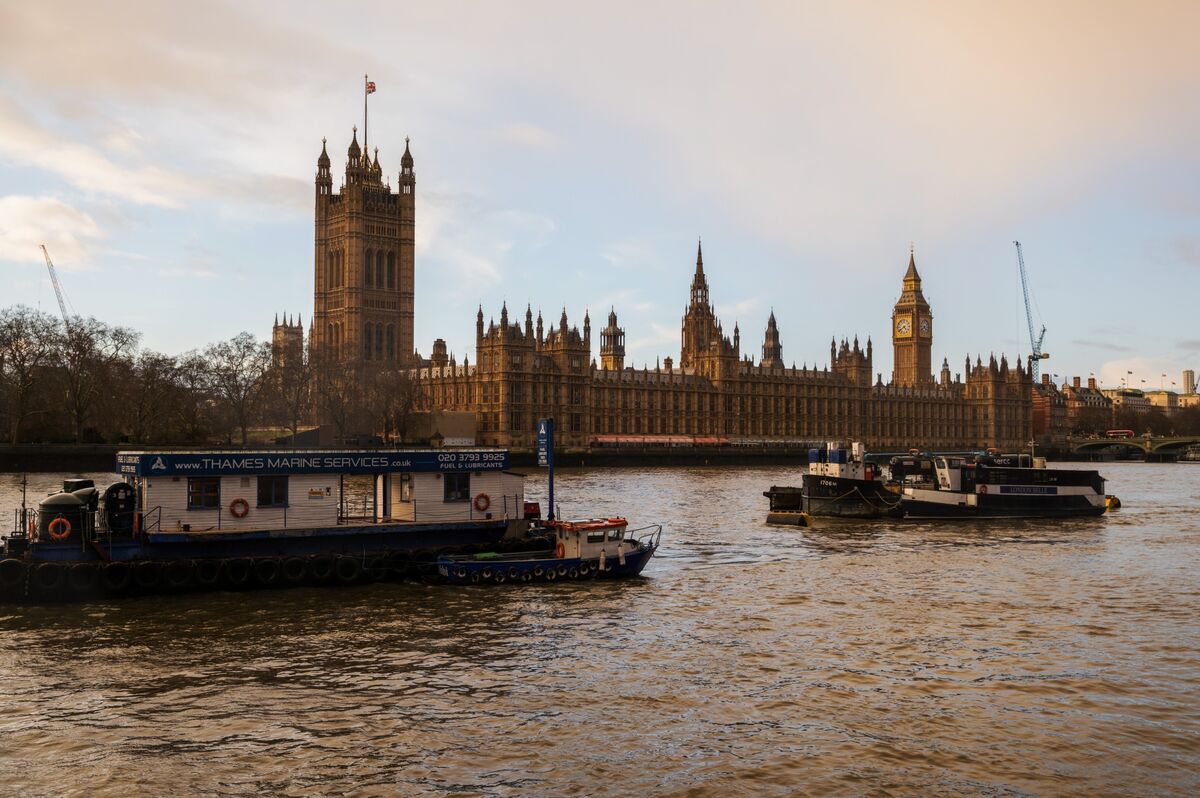
The United Kingdom and France are leading efforts for a multinational naval mission to protect commercial vessels in the strait. Military planners from 30 countries met in London this week to discuss the operation, which would focus on defending ships from attacks using frigates, destroyers, and mine-hunting drones. Germany has indicated it would contribute mine clearance vessels and reconnaissance, while France plans to redirect assets like the aircraft carrier Charles de Gaulle.
Emerging Threats Beyond Mines
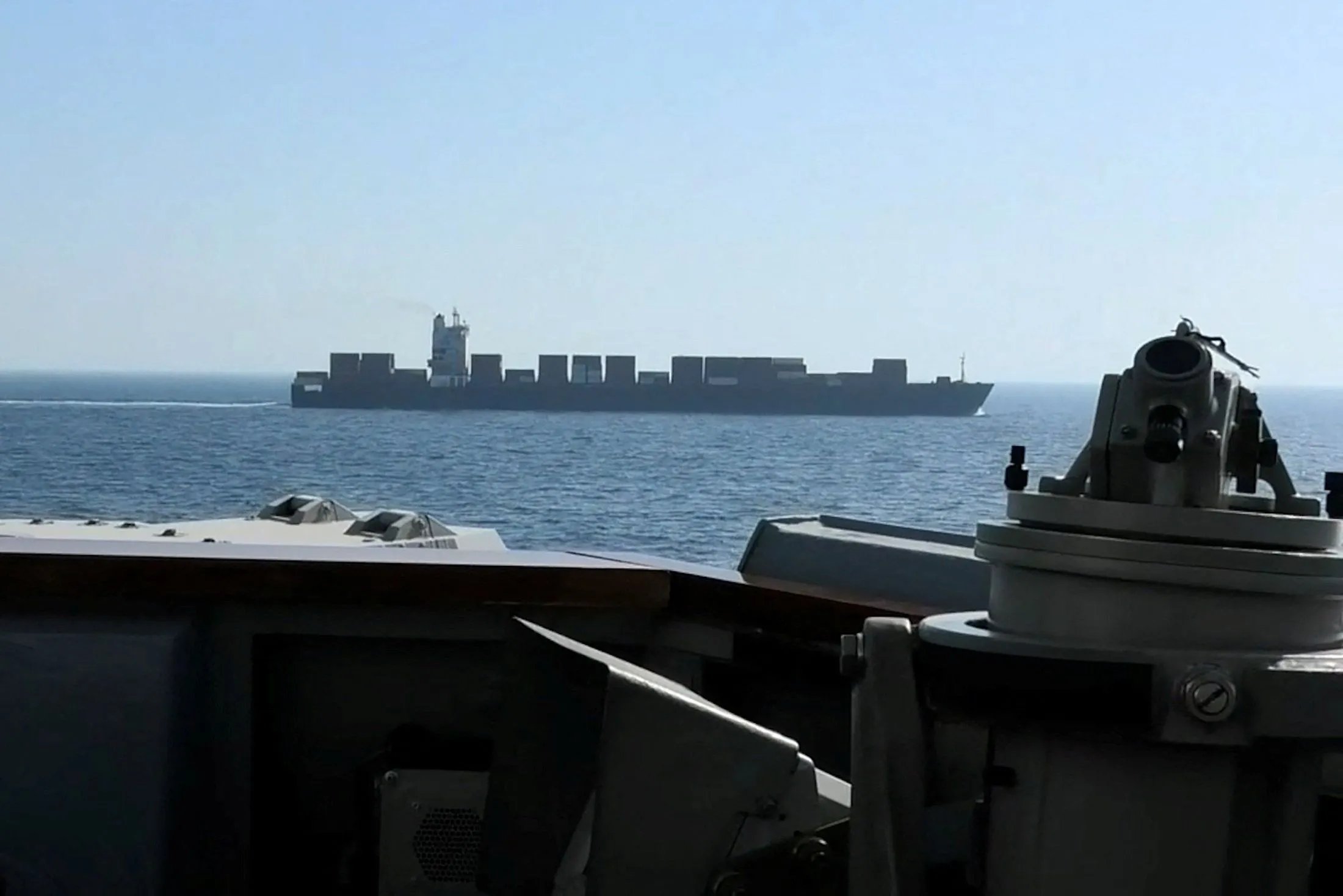
Scammers posing as Iranian authorities demanded "transit fee" payments in bitcoin or tether from shipping companies, according to a warning from the Greek firm MARISKS on April 20. At least one ship, the Liberia-flagged cargo ship Epaminondas, faced Iranian gunfire after possibly receiving a fraudulent message granting safe passage. The Pentagon denied a report that clearing the strait could take six months.
Iran's Actions and Their Reach
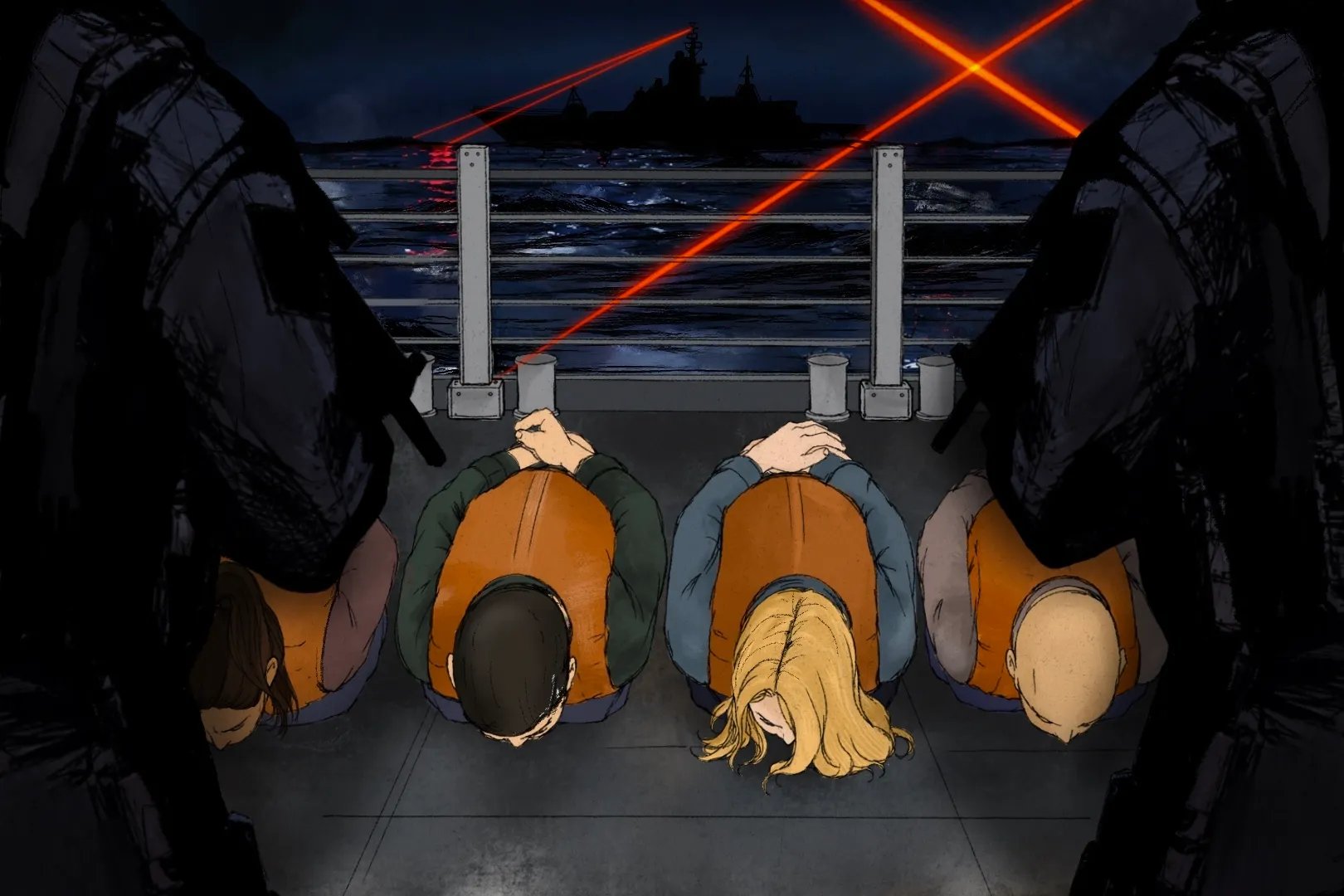
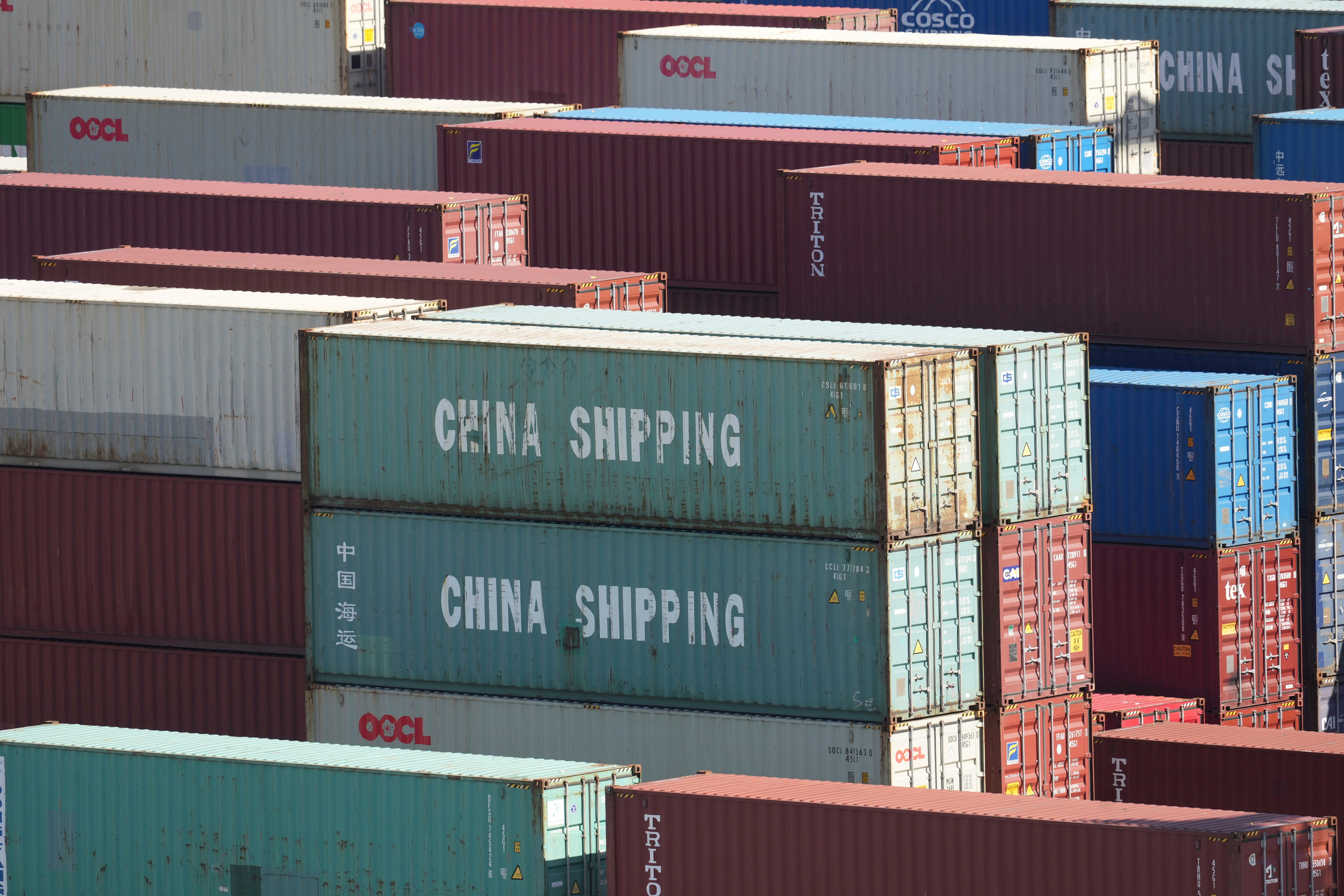
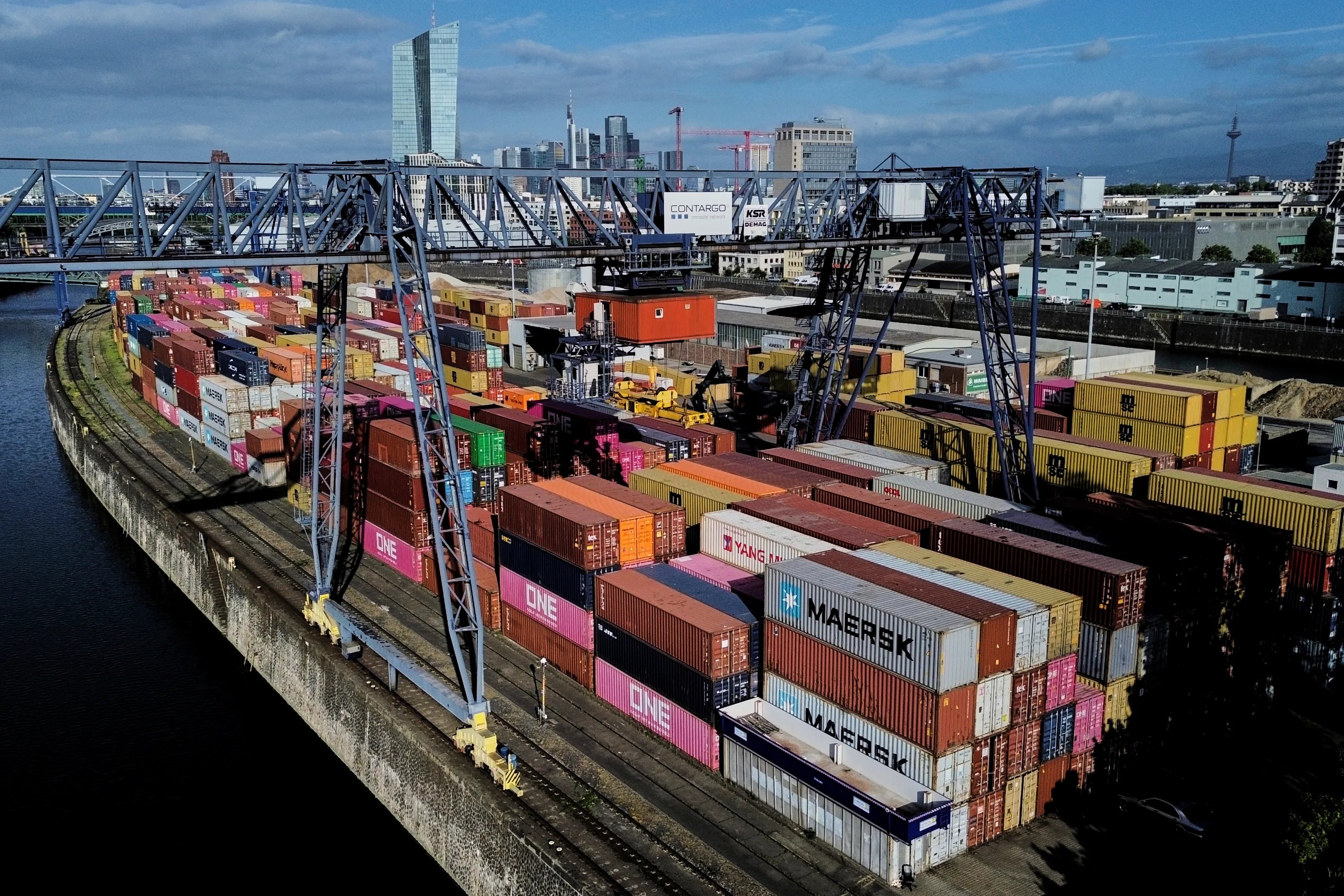
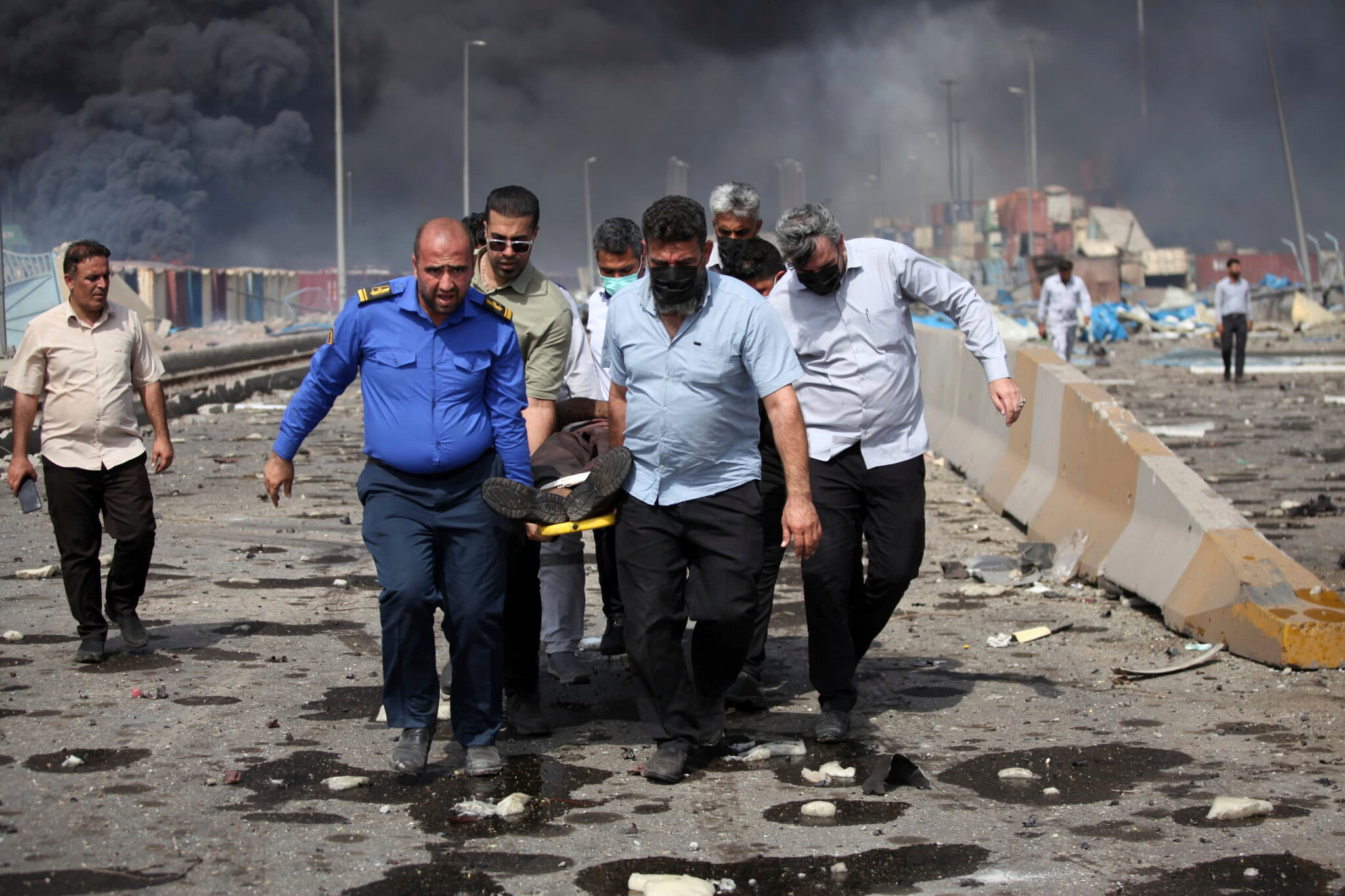
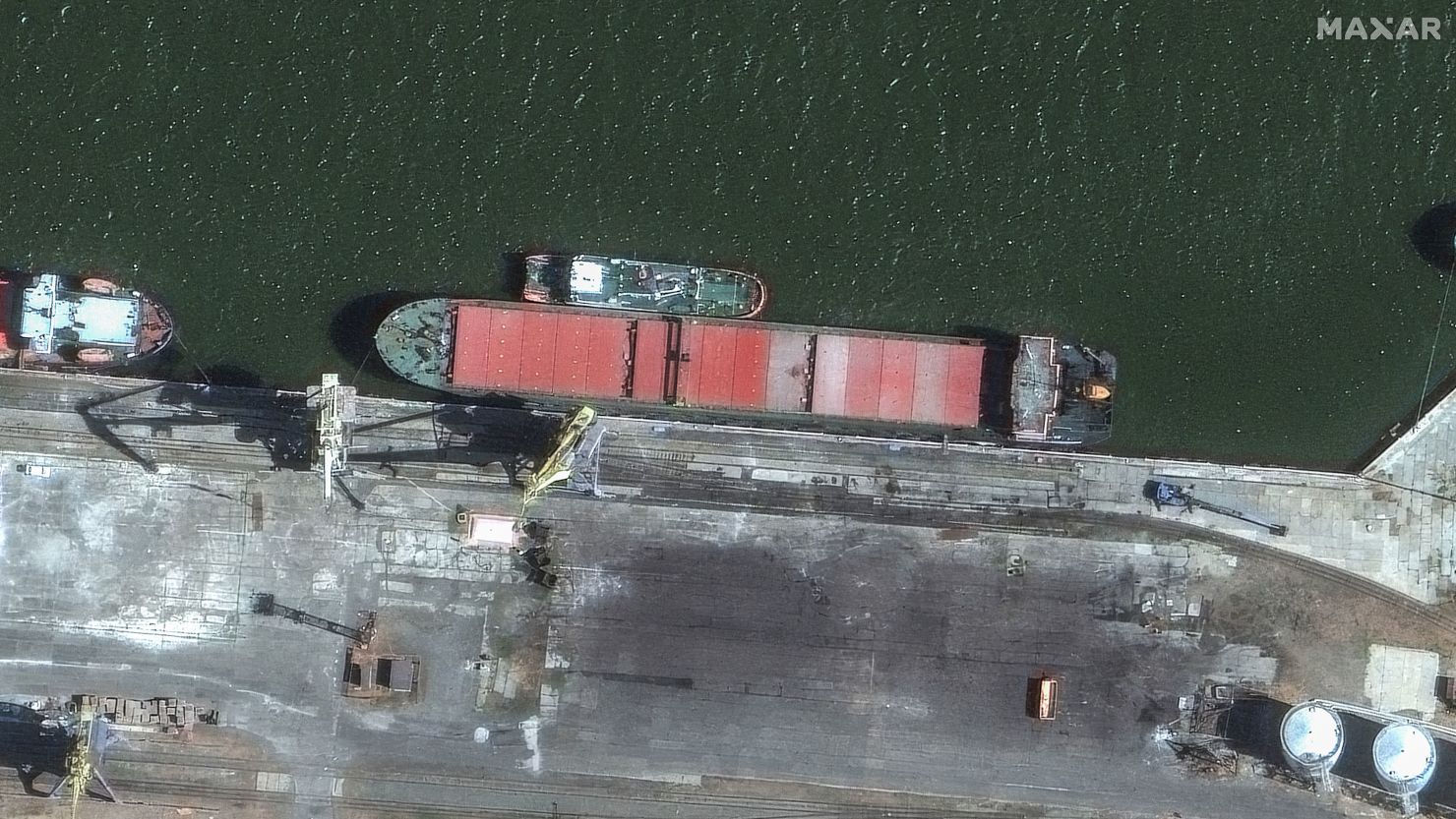
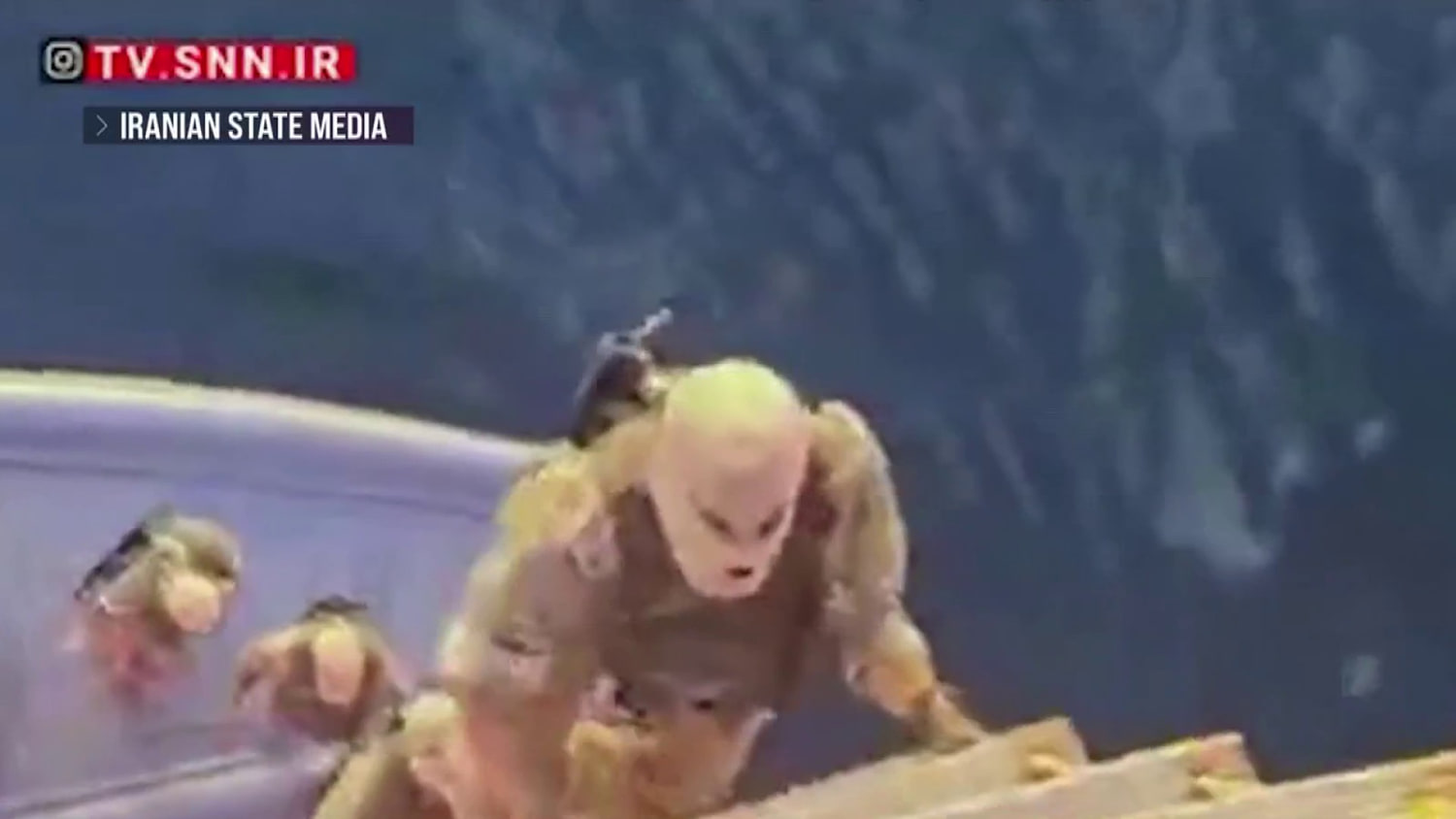
Iranian commandos stormed a cargo ship in the strait, as reported by a France 24 correspondent. The correspondent added that the greater objective seems to be to create as much economic pain as possible for the other side. Iran has attacked commercial ships, including 22 confirmed incidents noted by the United Kingdom Maritime Trade Operations. These moves have stranded about 2,000 ships and 20,000 mariners near the strait, complicating global trade routes.
Human Impact of the Standoff
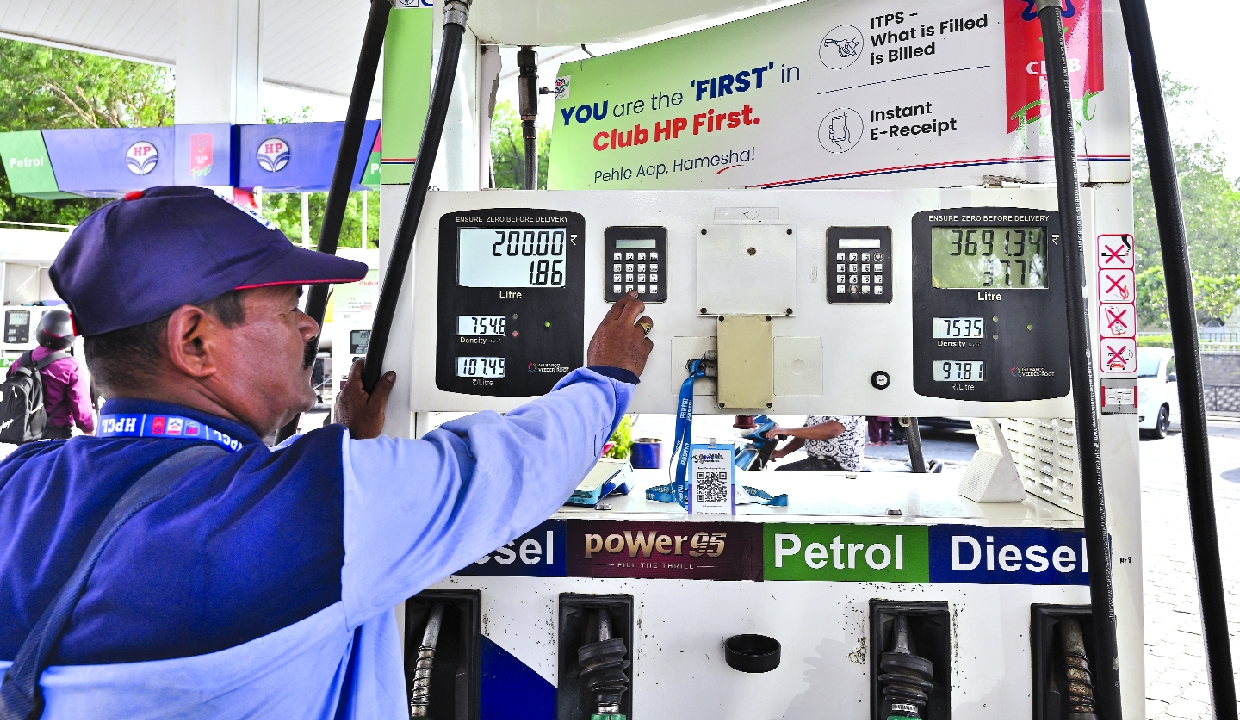
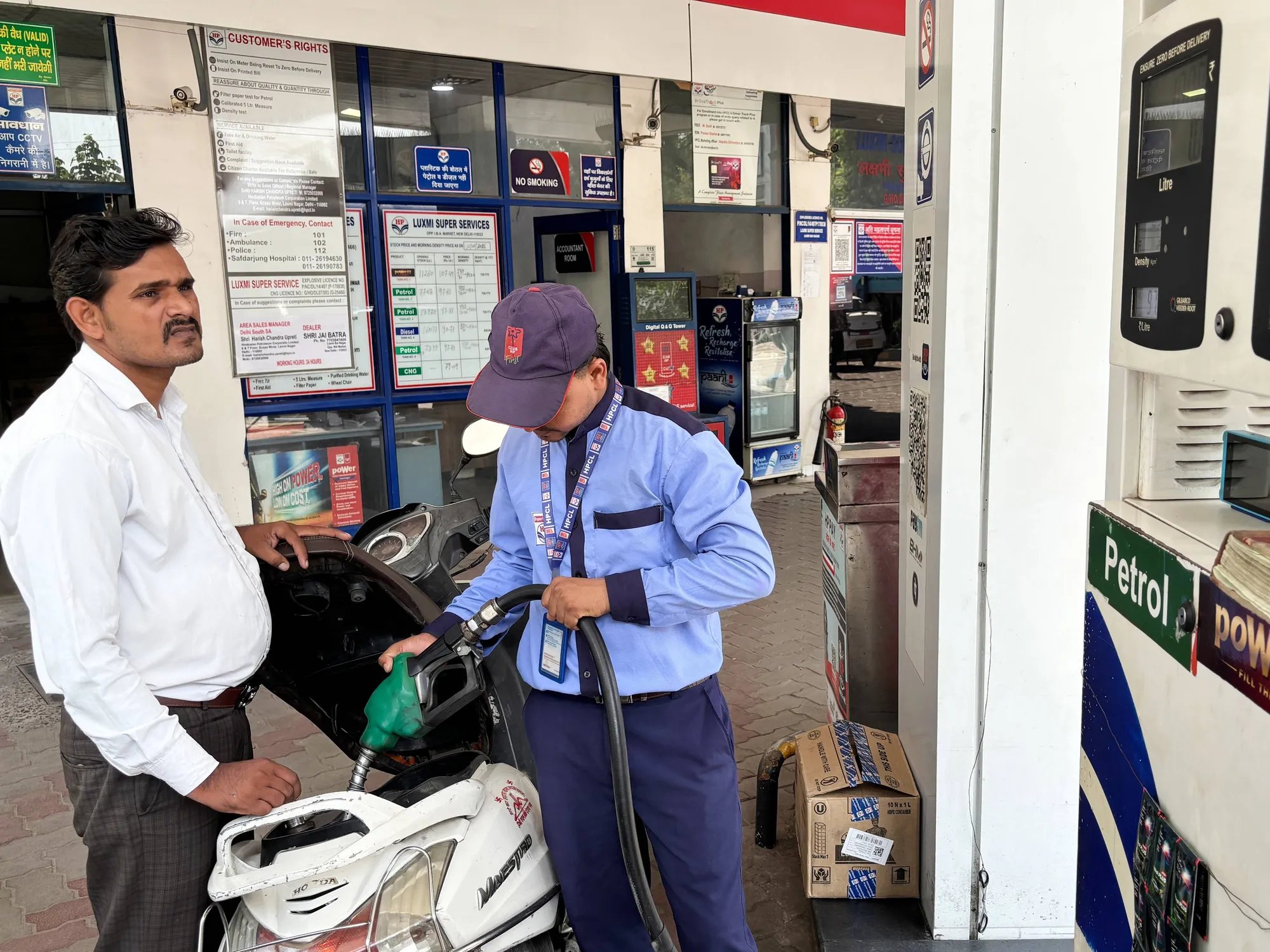
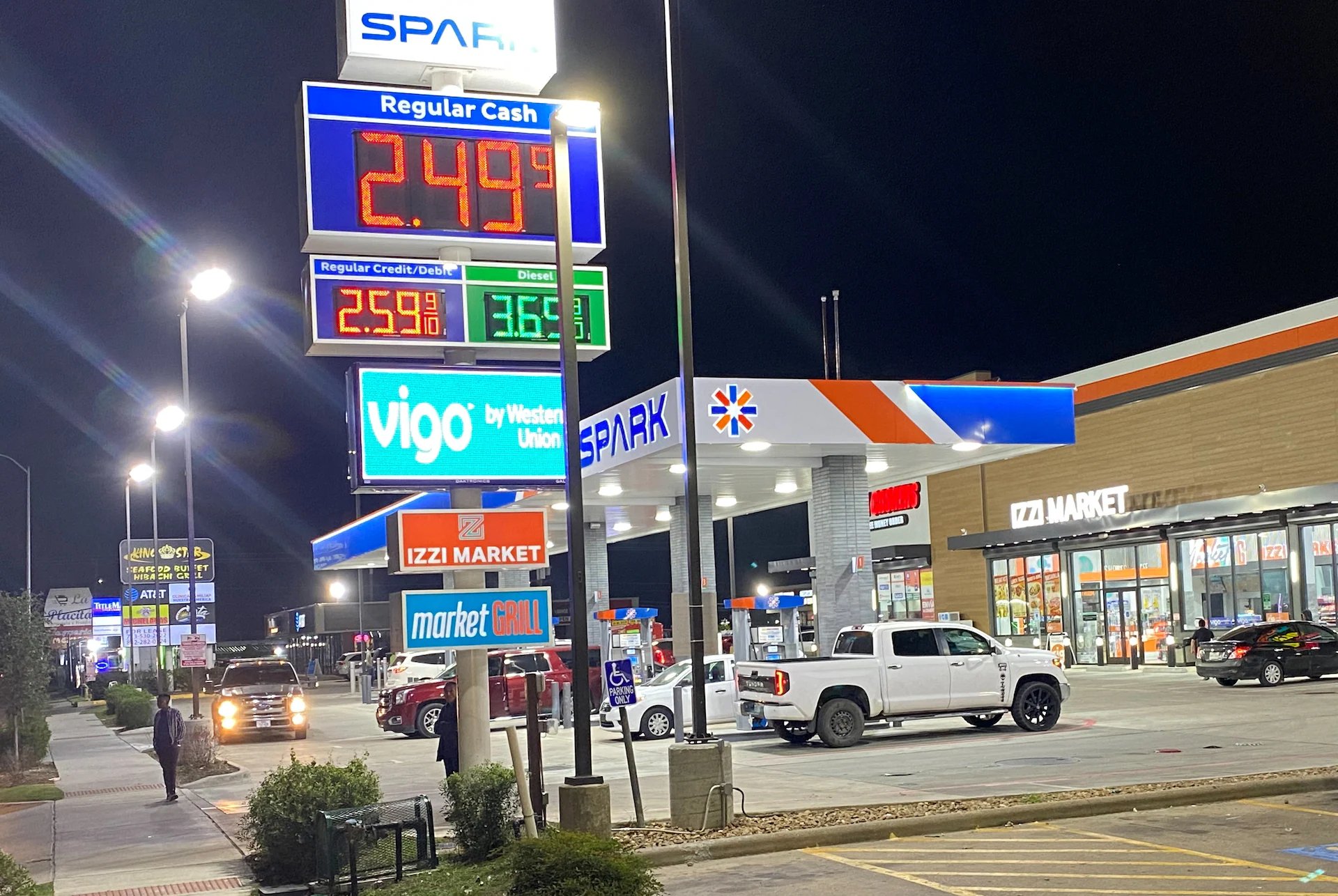
Higher oil prices from the strait disruptions mean increased fuel costs for consumers worldwide, affecting daily expenses like transportation and heating. France and the UK are seeking to engage countries such as India, which supplies around 10% of the world's seafarers. European experts warn that only a diplomatic settlement with Iran can fully restore secure shipping, potentially easing the strain on global energy security.