




Investors Embrace Diplomatic Pause
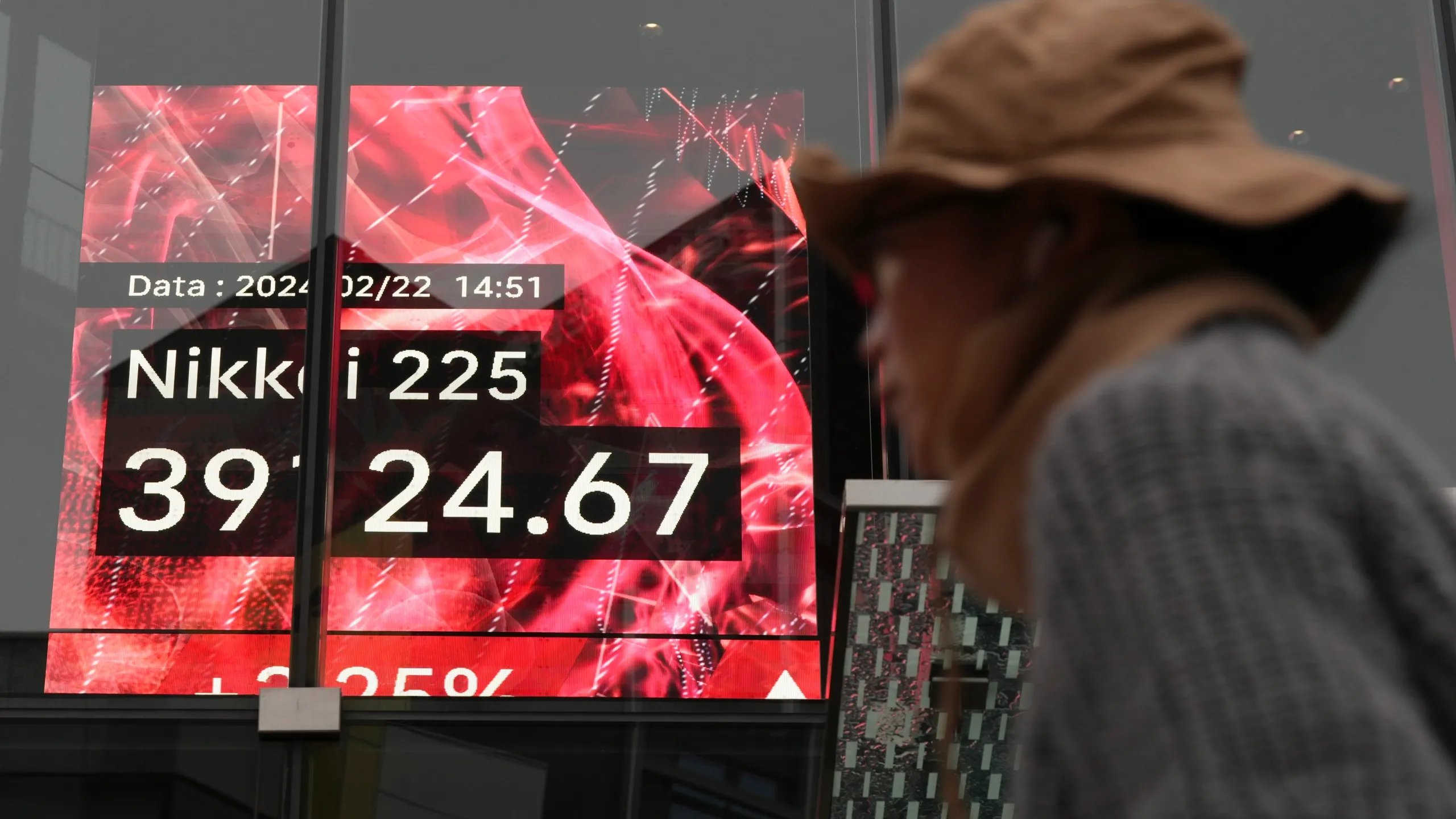
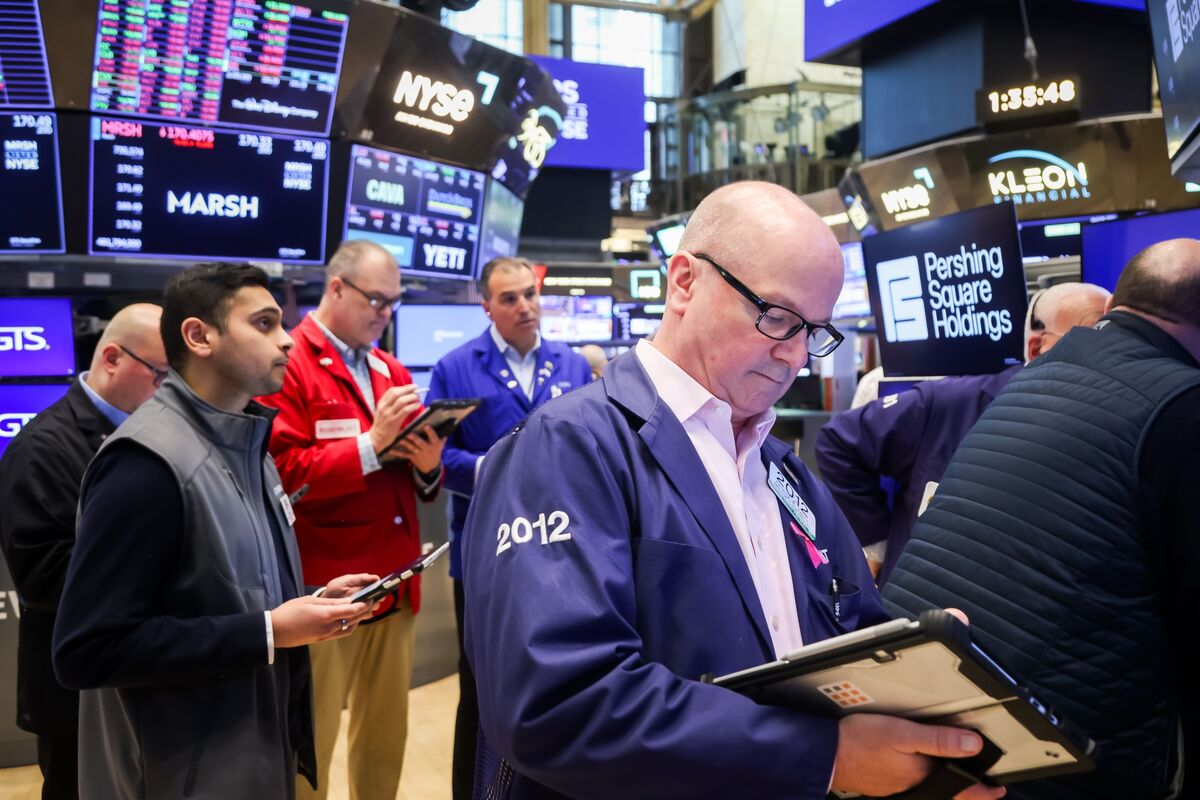
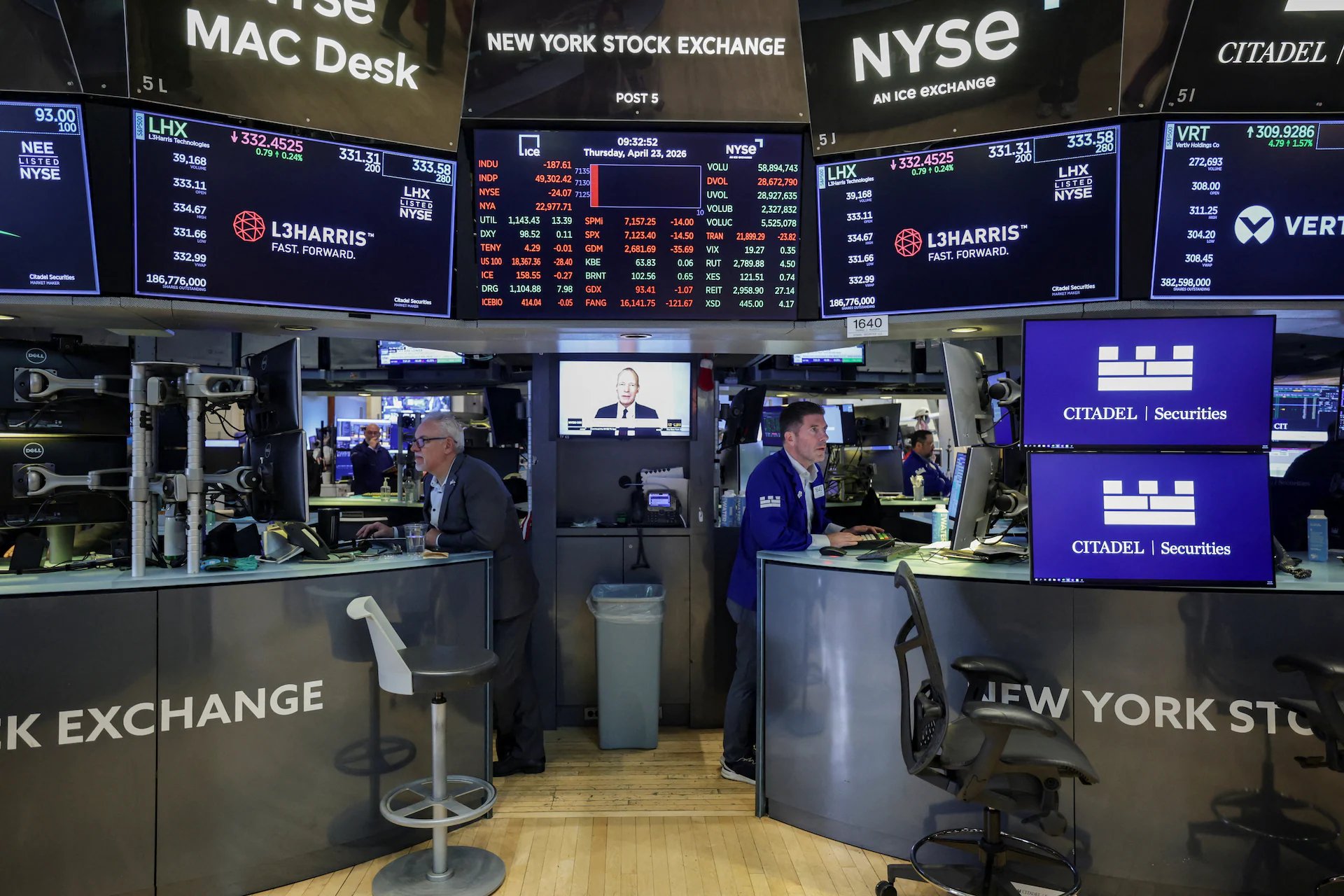
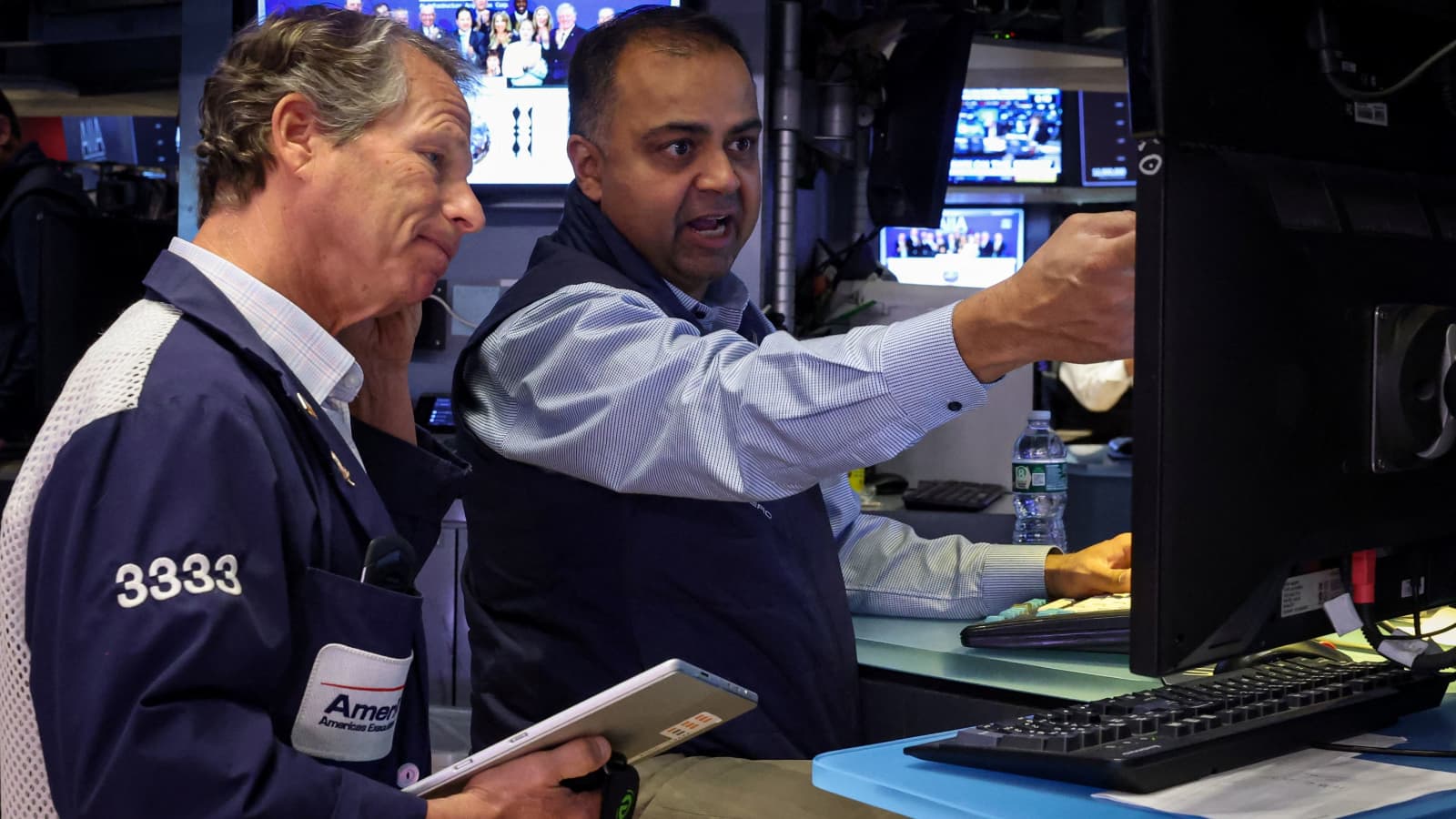
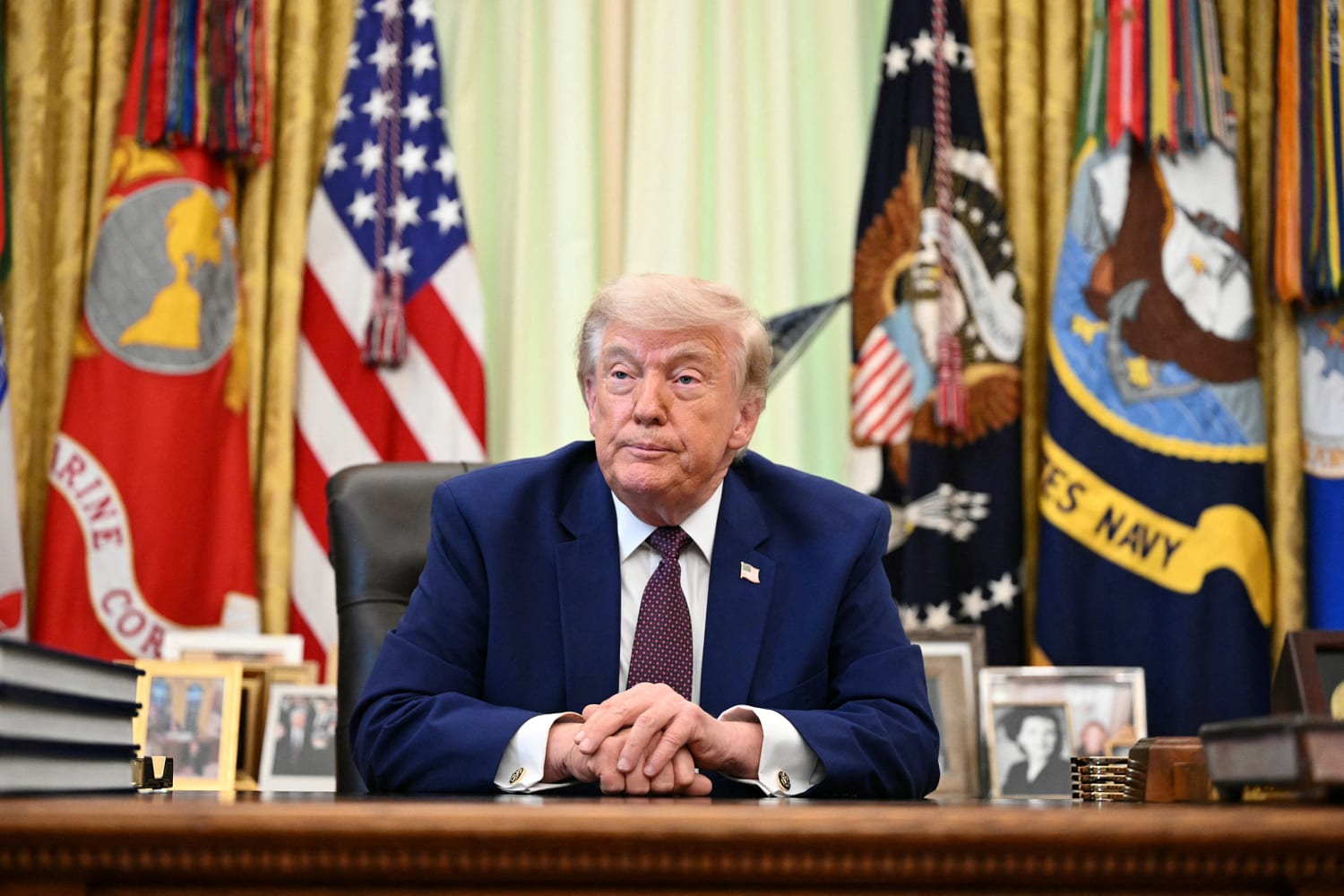
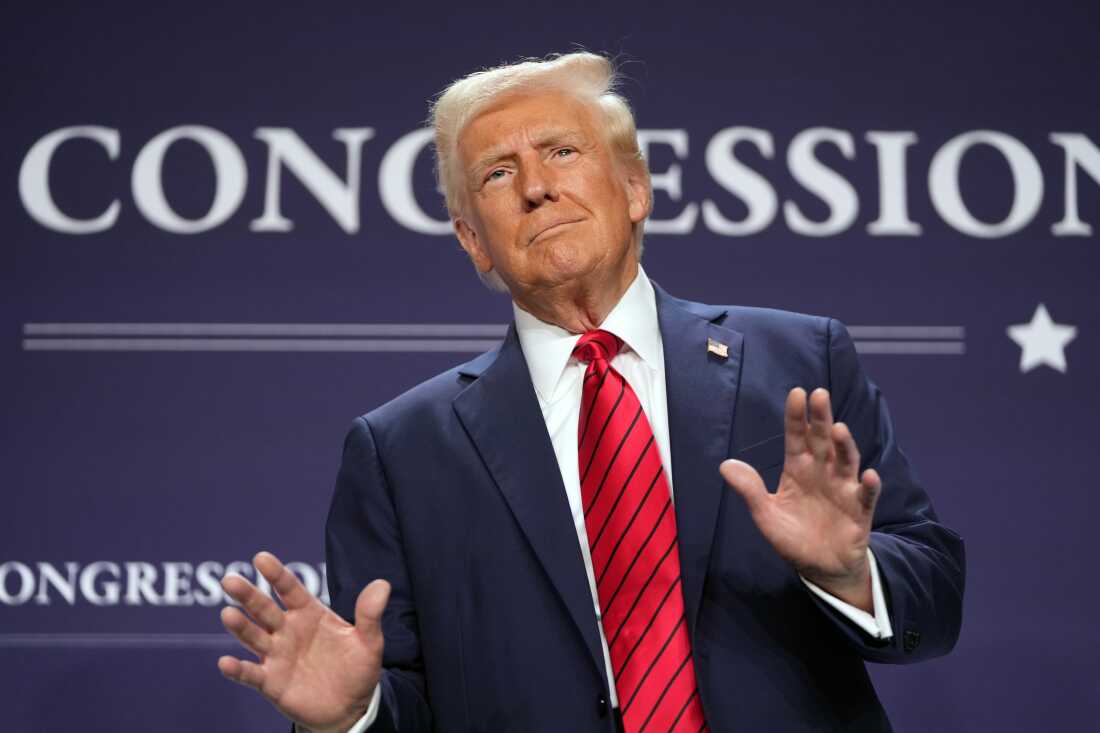
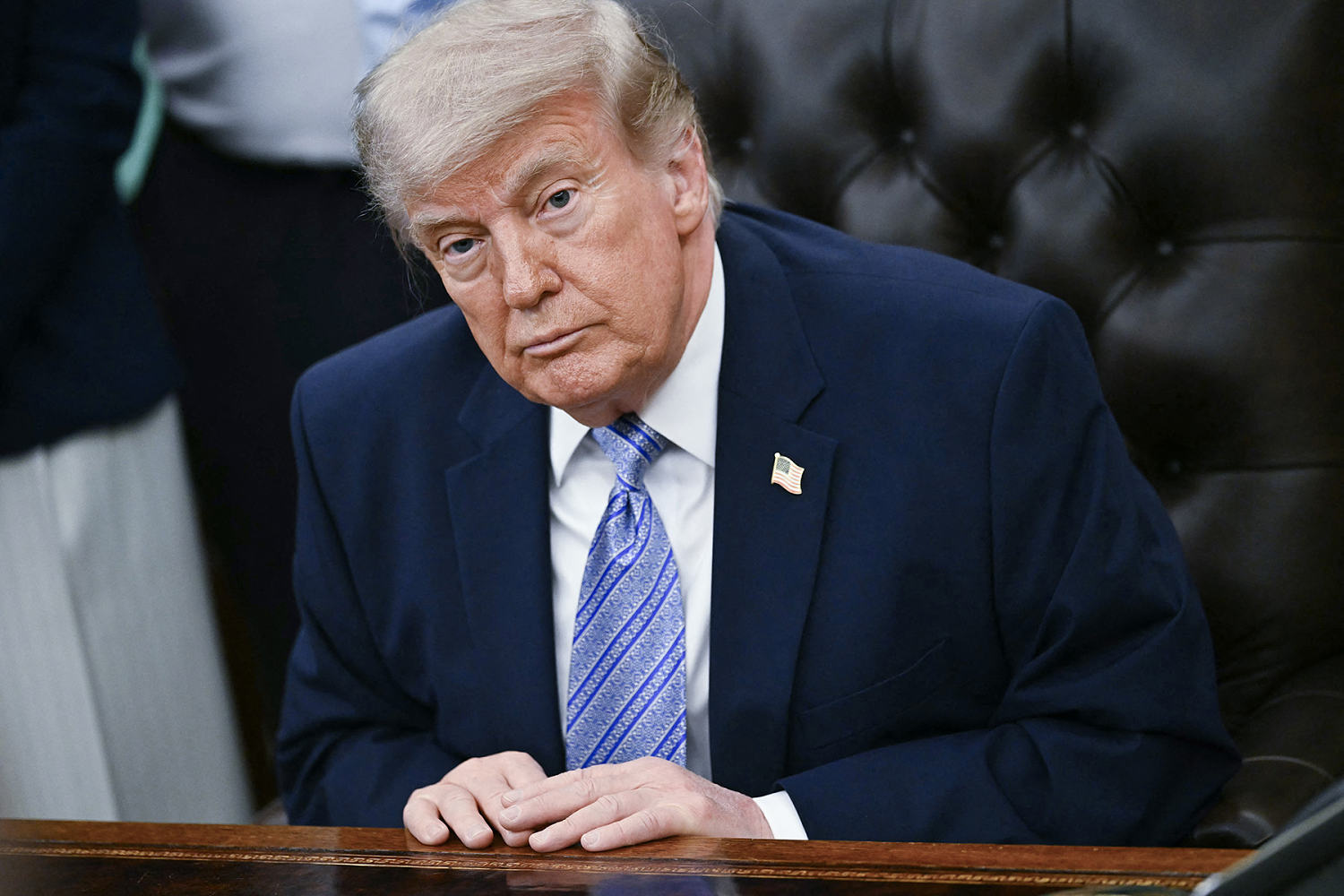
The S&P 500 and Nasdaq closed at record highs on Wednesday after President Trump extended an indefinite ceasefire with Iran, signaling to markets that the risk of immediate military escalation had receded. The extension came as traders weighed the reduced likelihood of further bombing campaigns against the ongoing economic disruptions from the conflict. A Marquette Law School Poll released Wednesday found that 75 percent of people approve of the ceasefire and 24 percent disapprove.
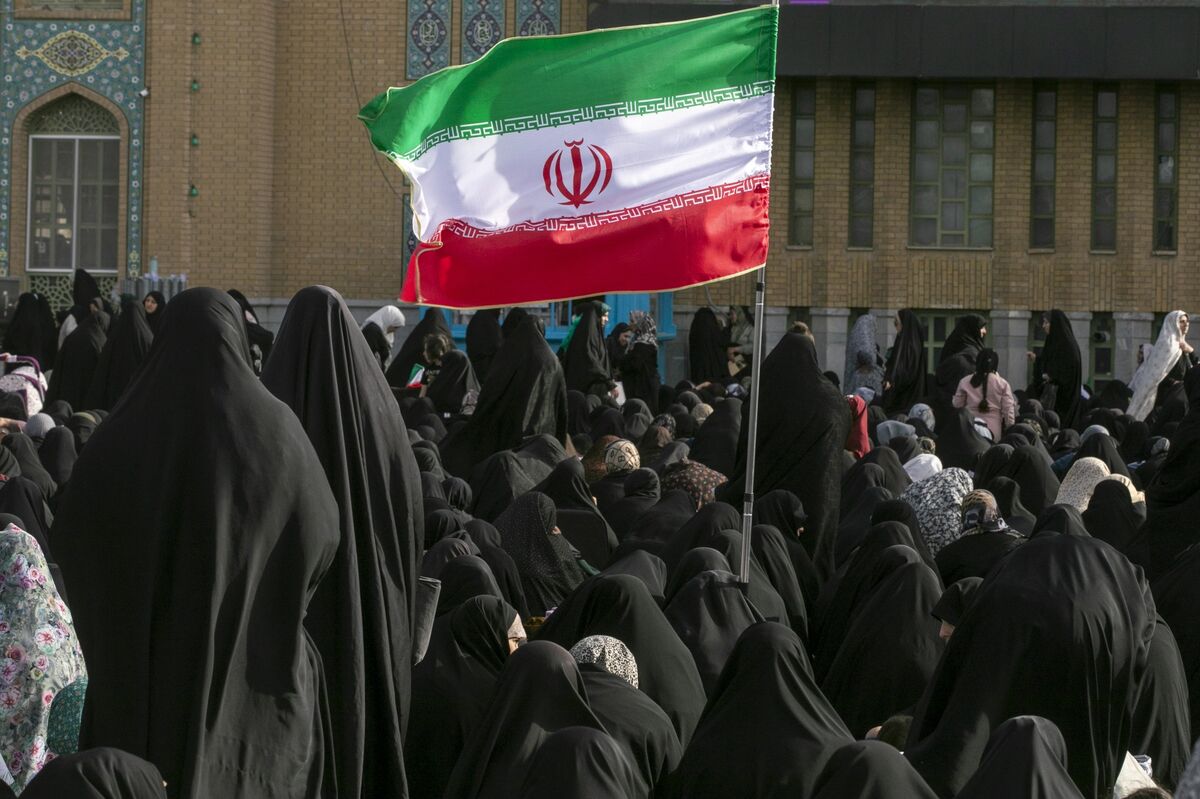
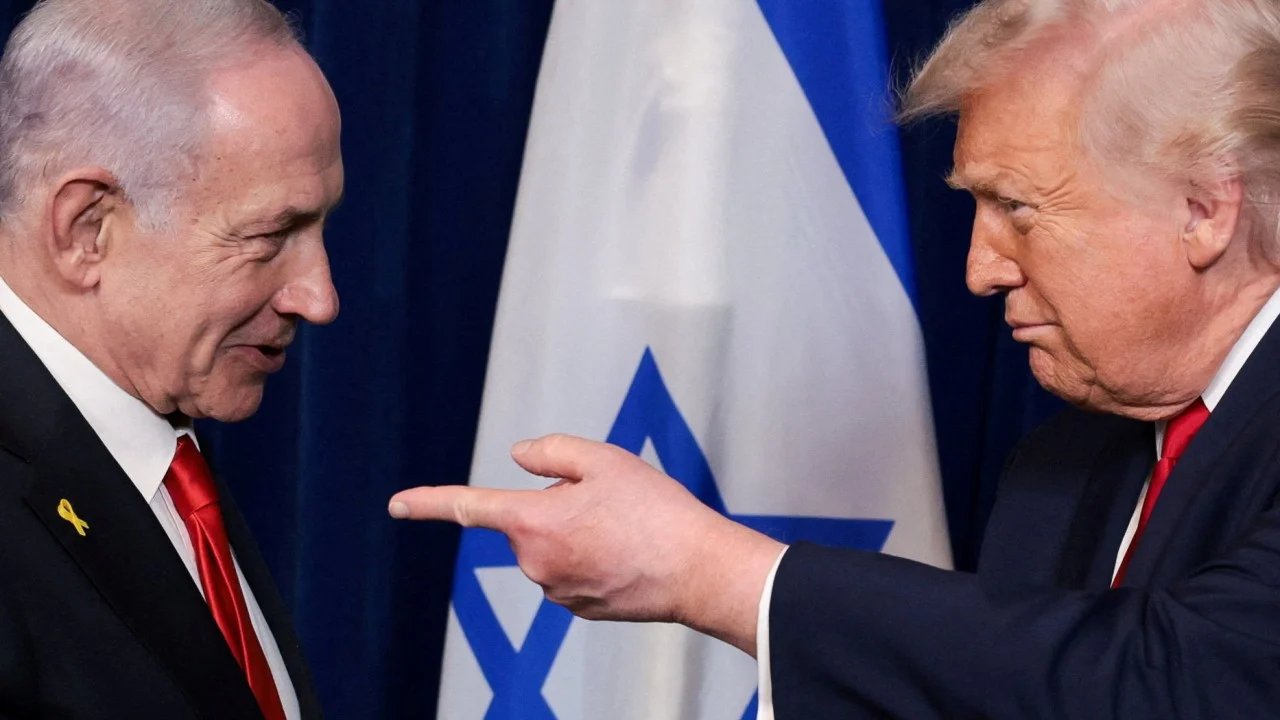
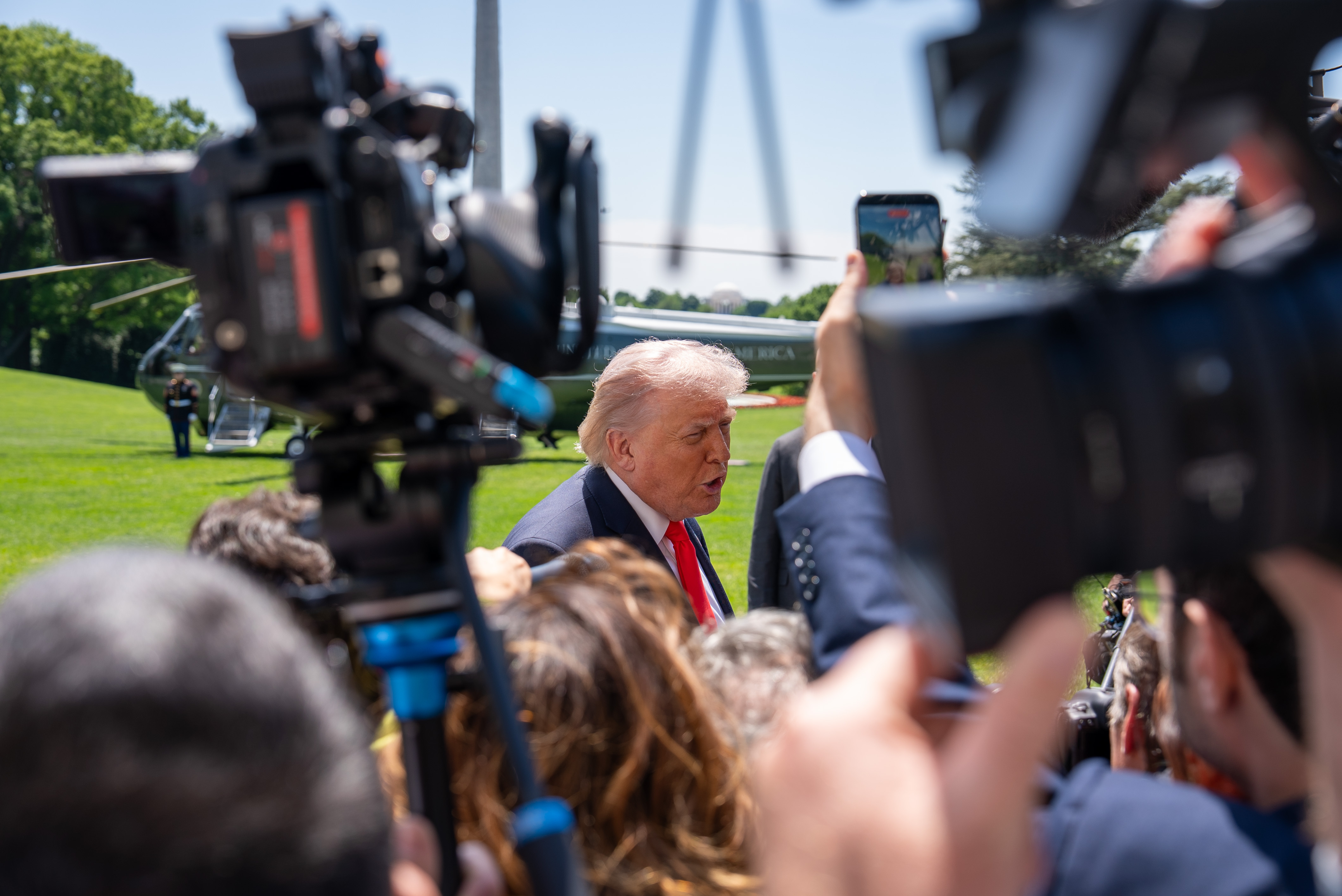
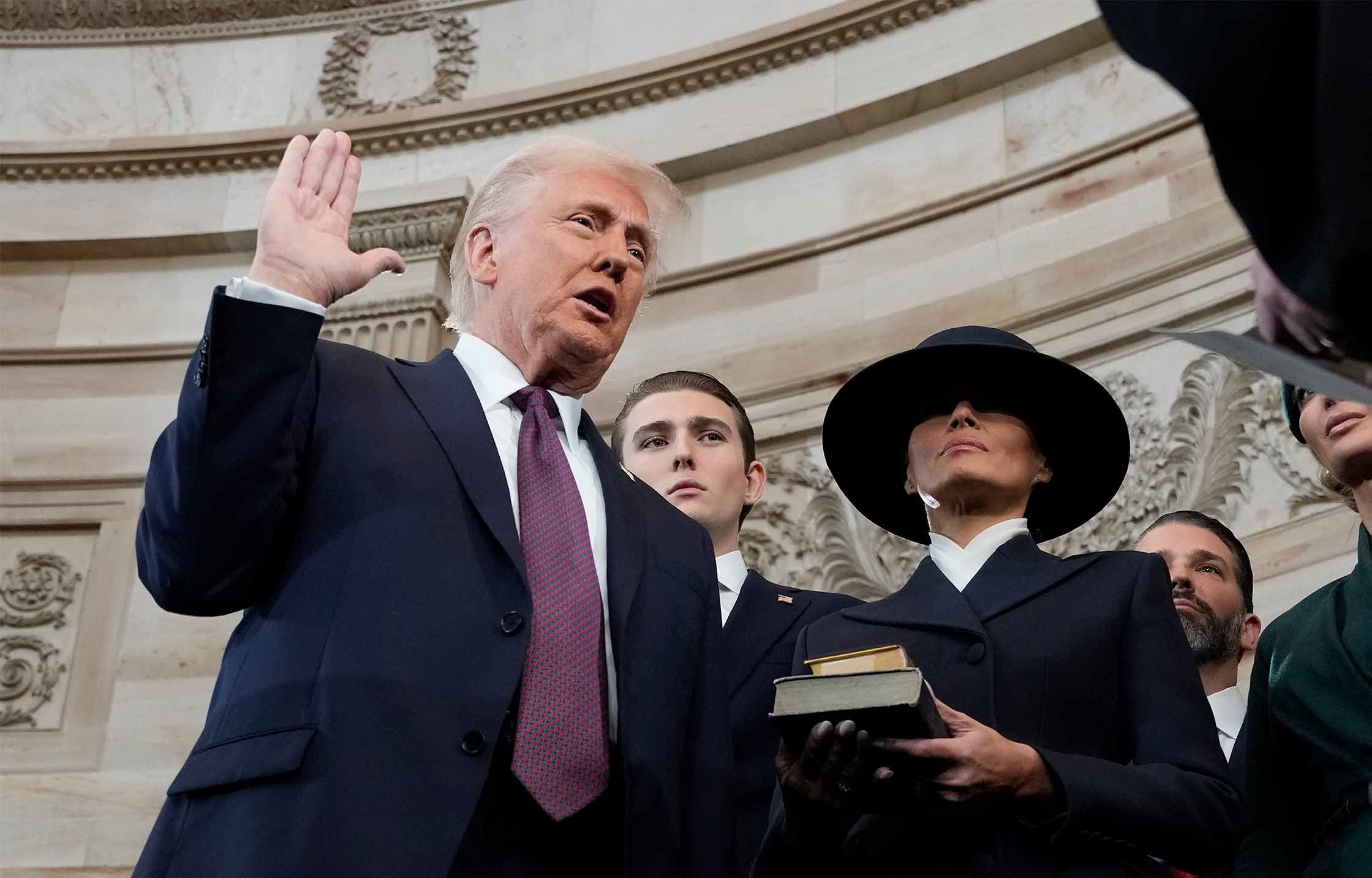
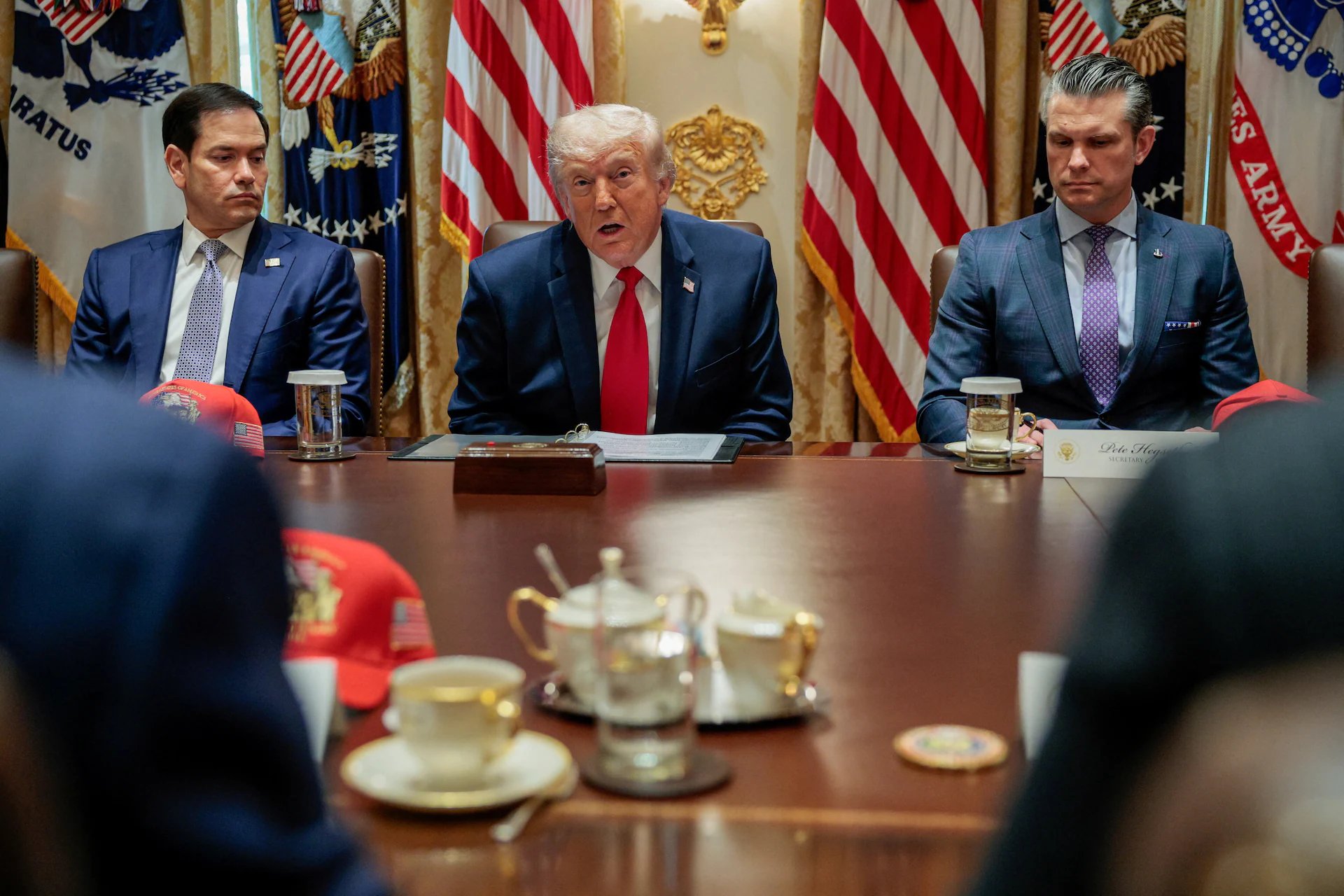
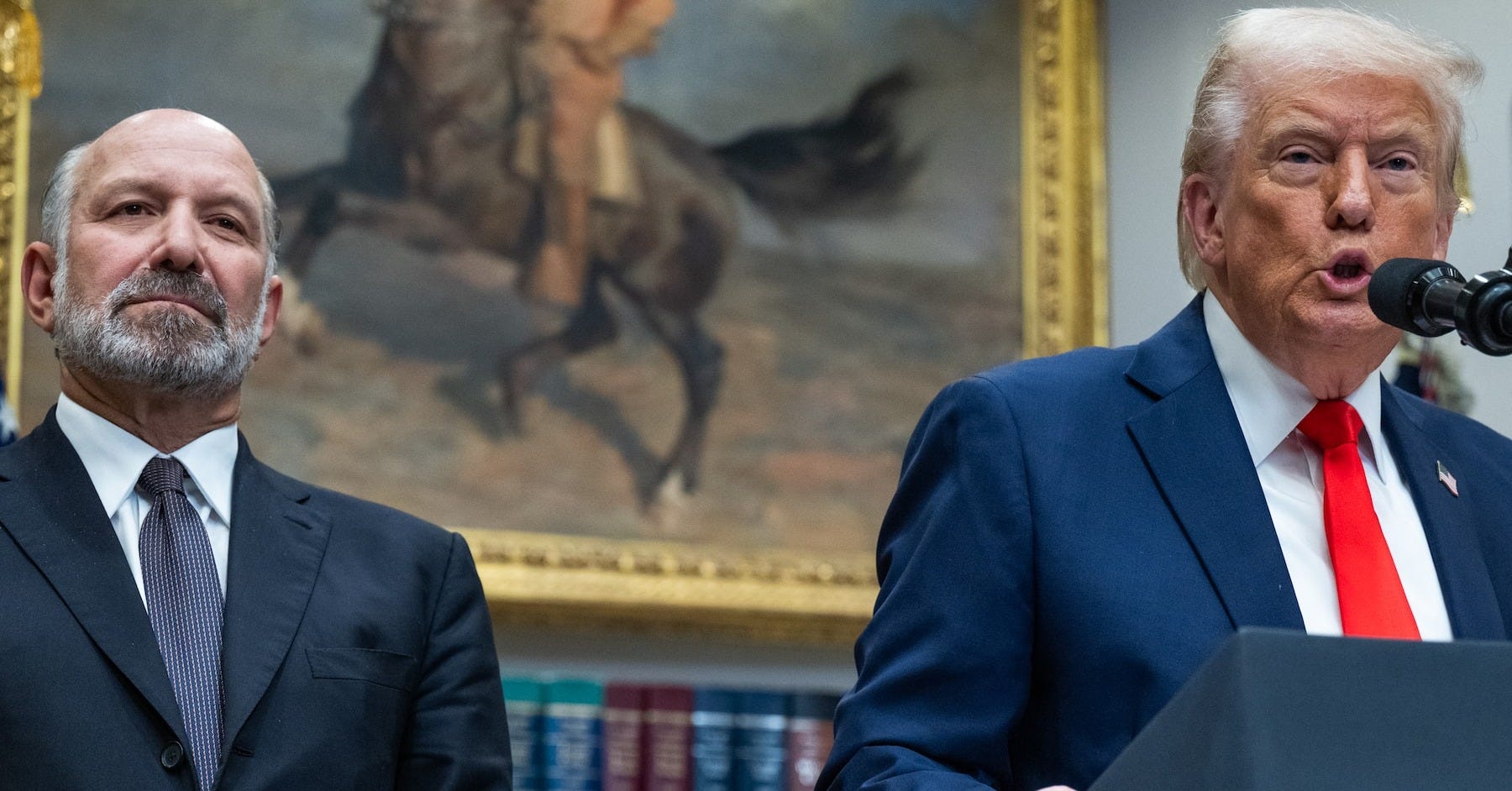
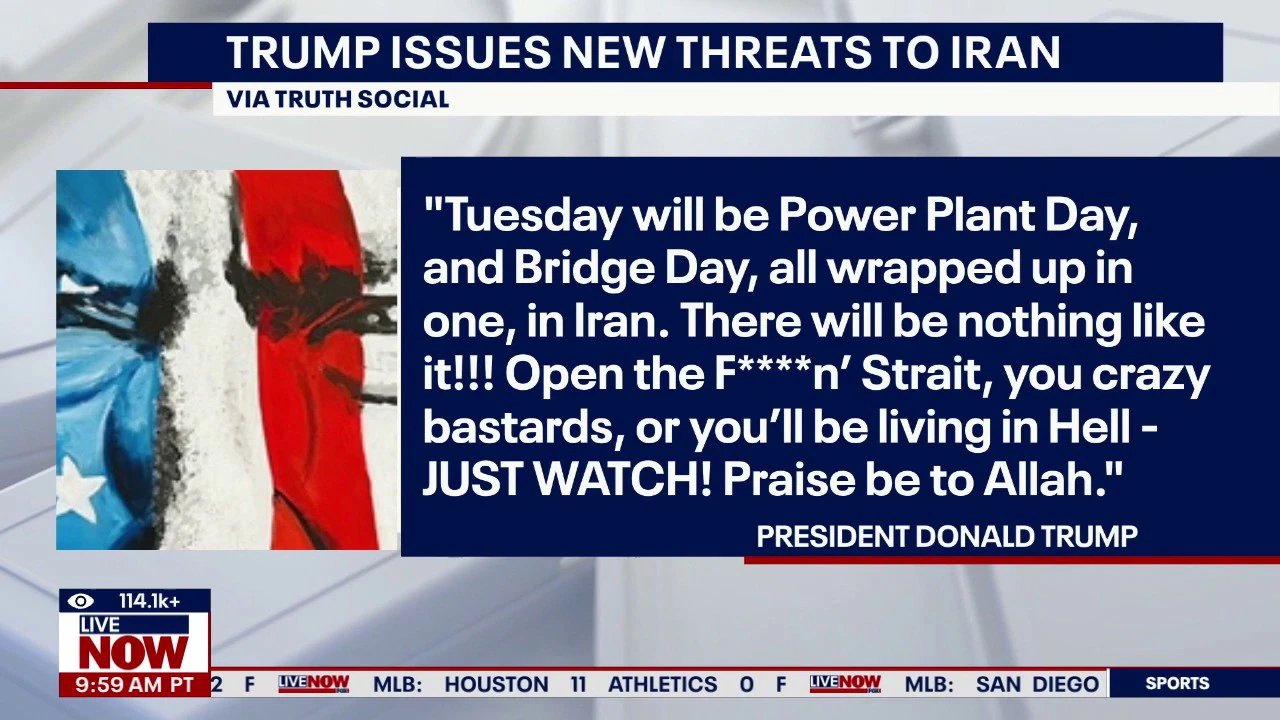
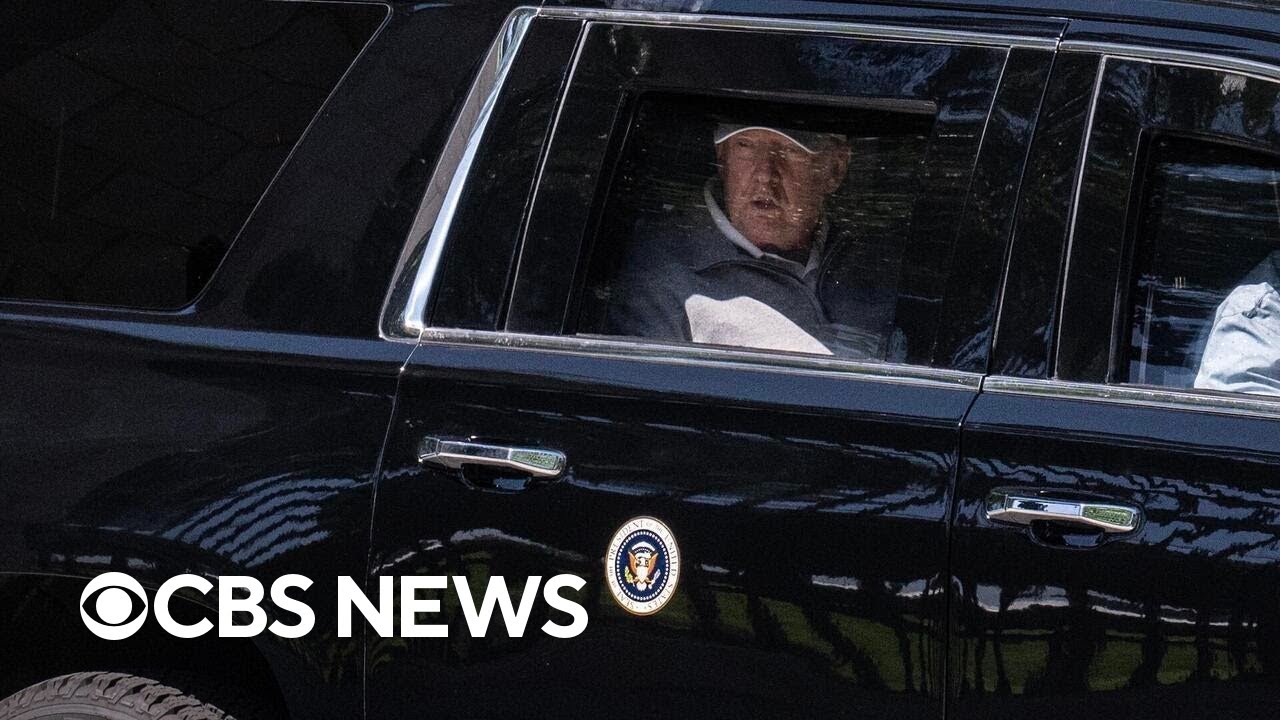
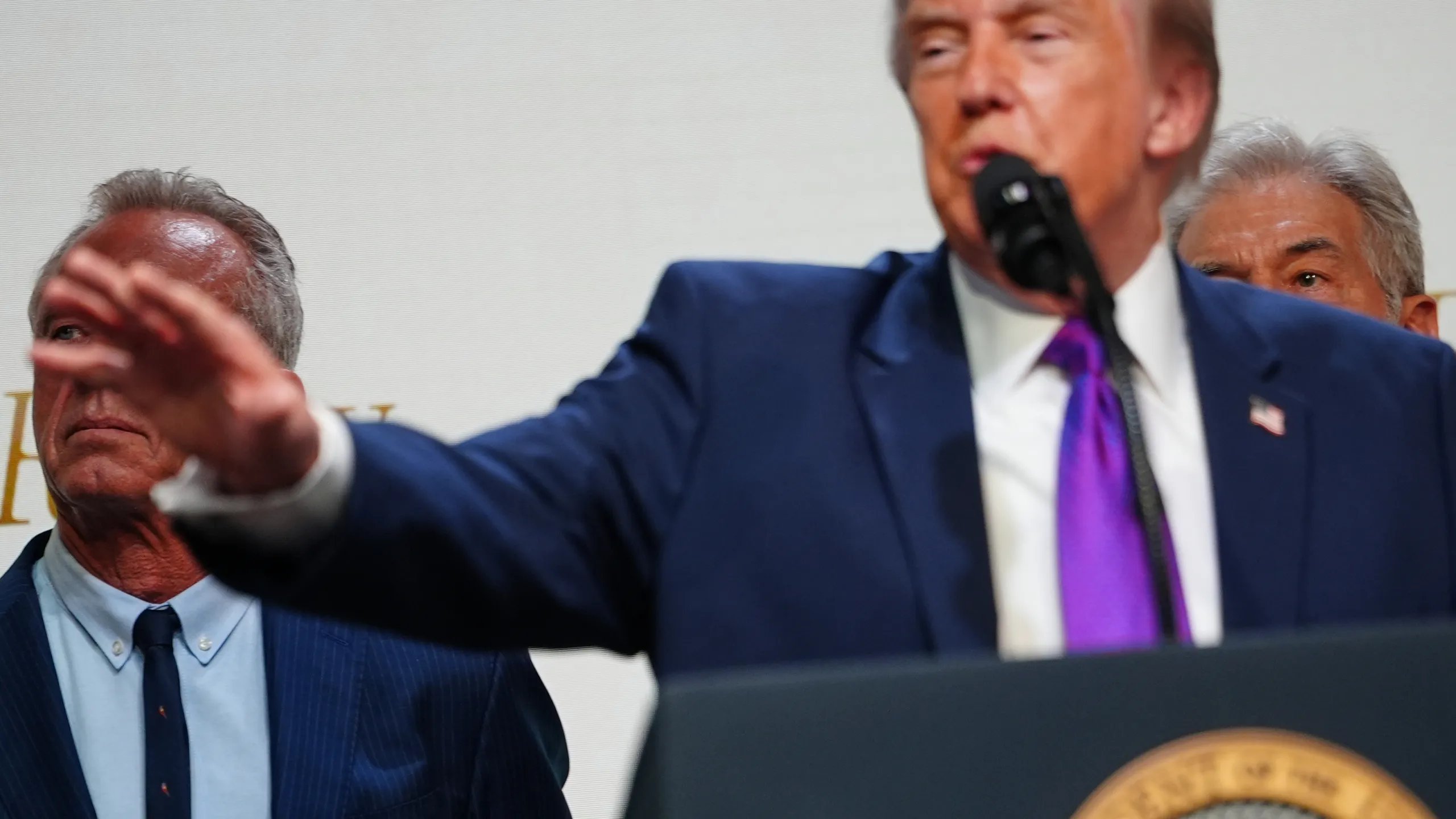
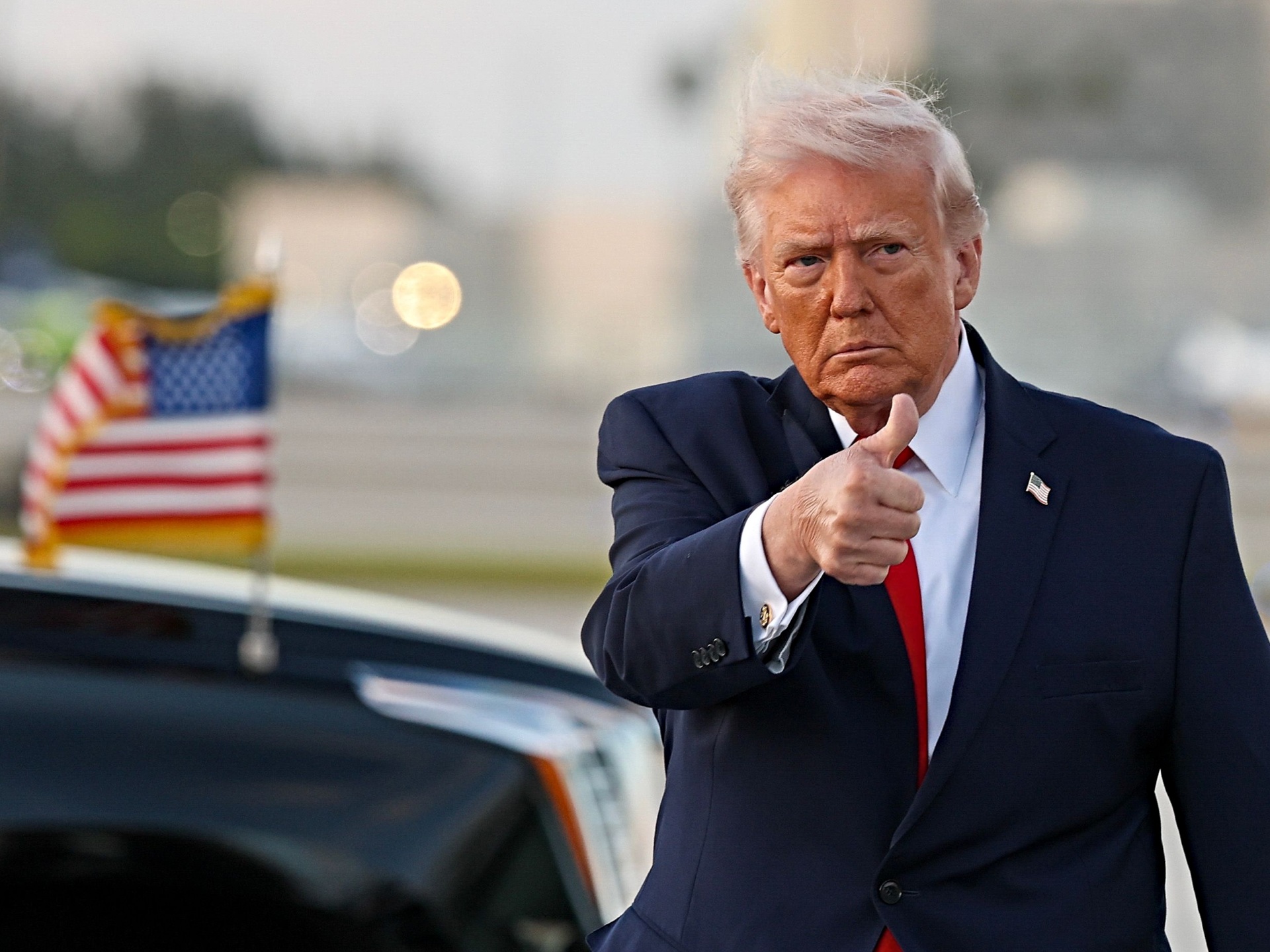
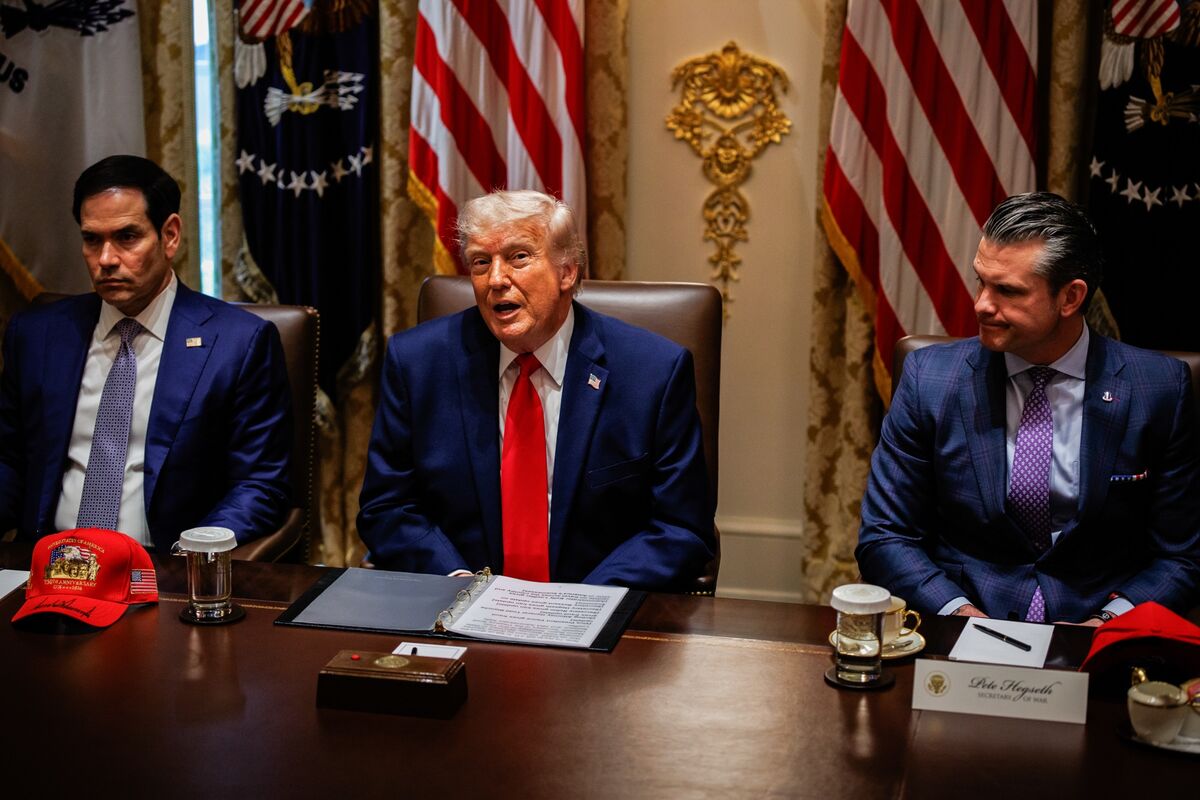
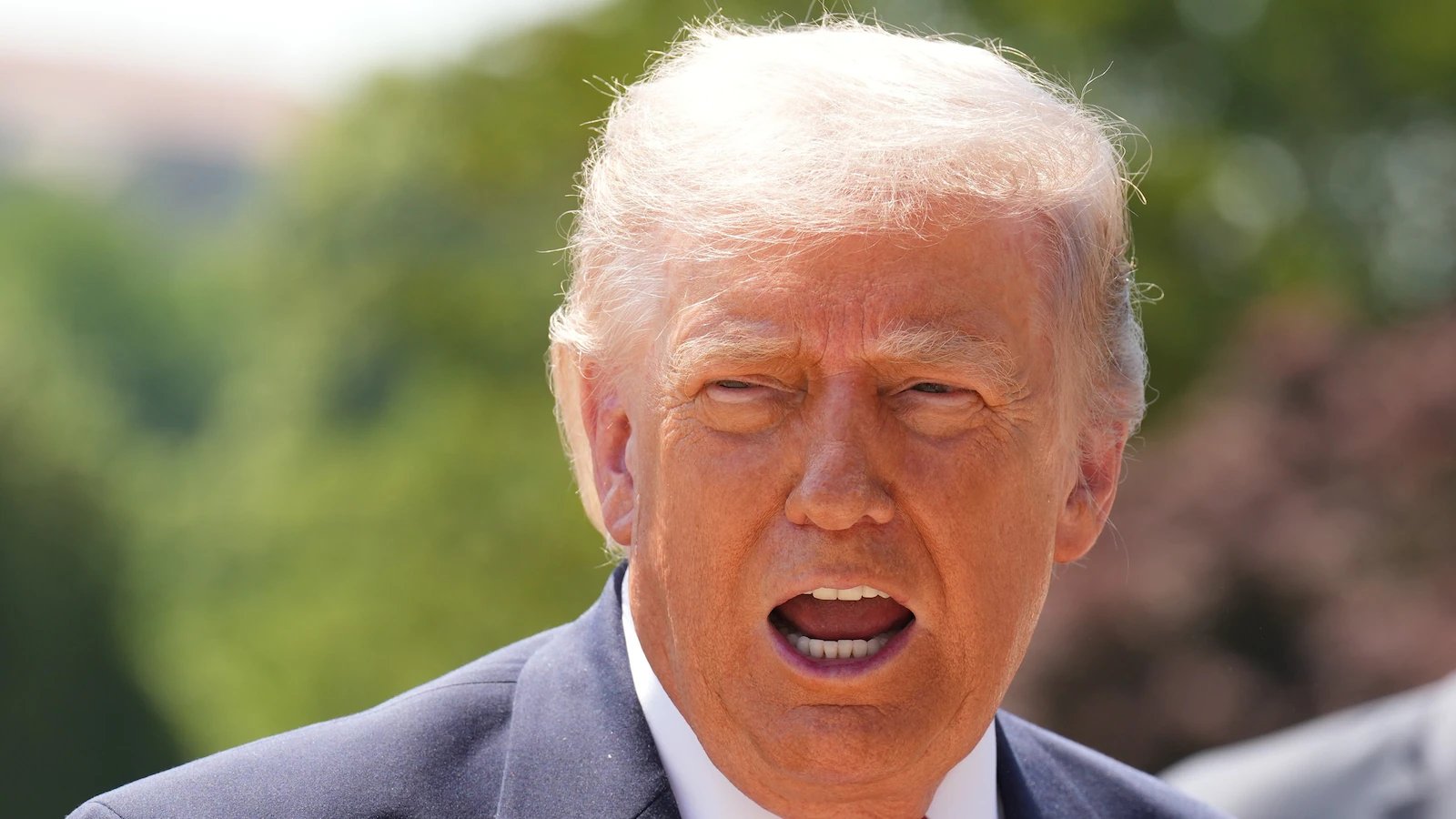
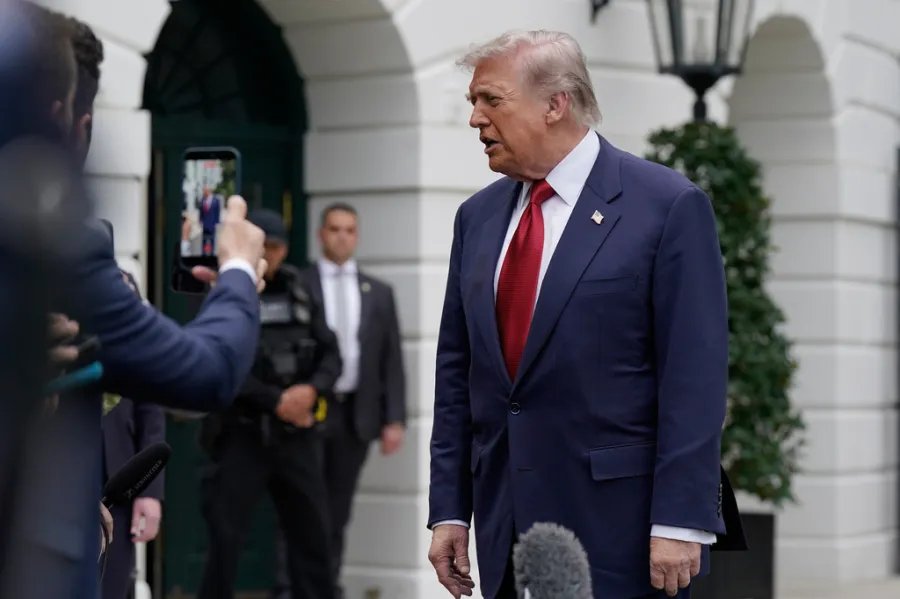
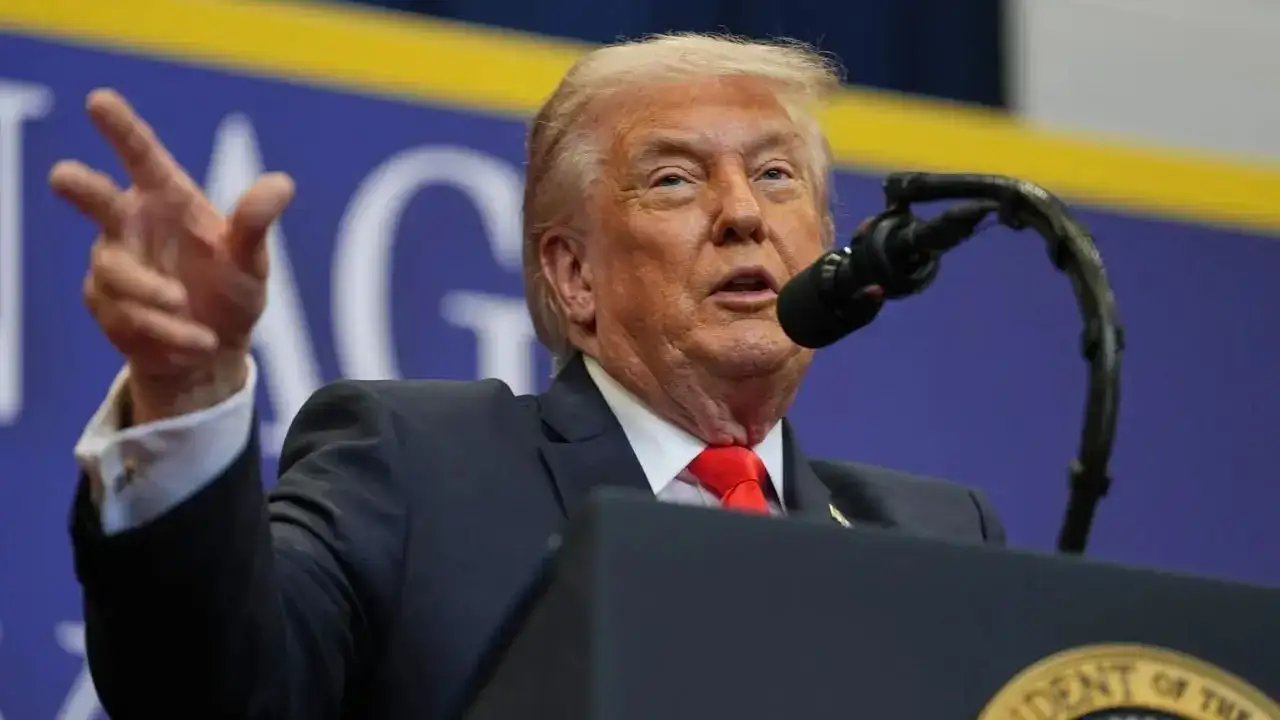
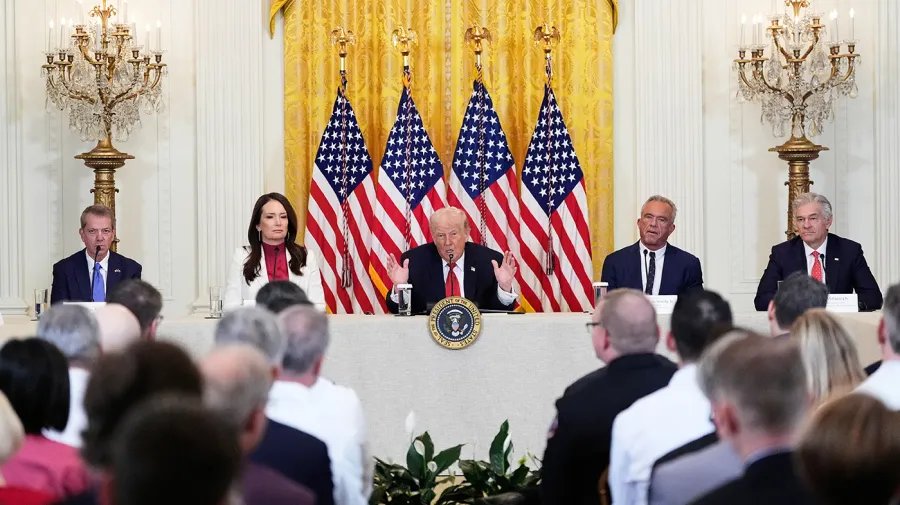
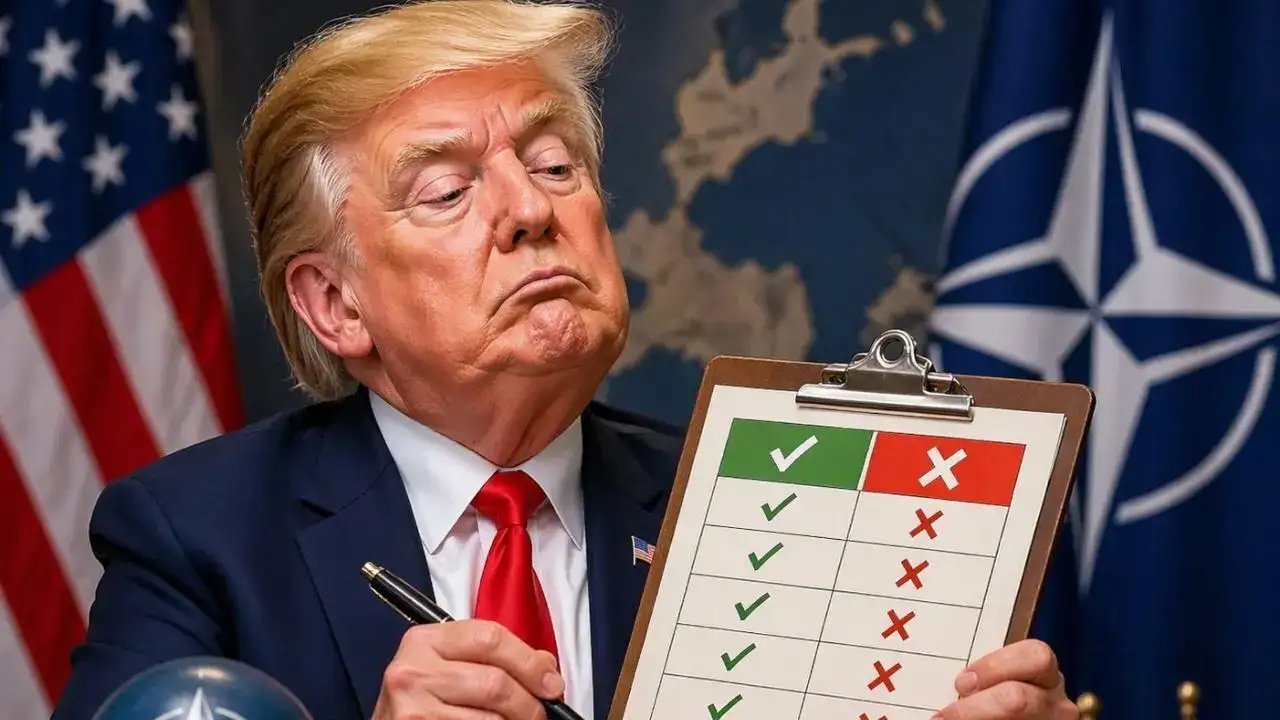
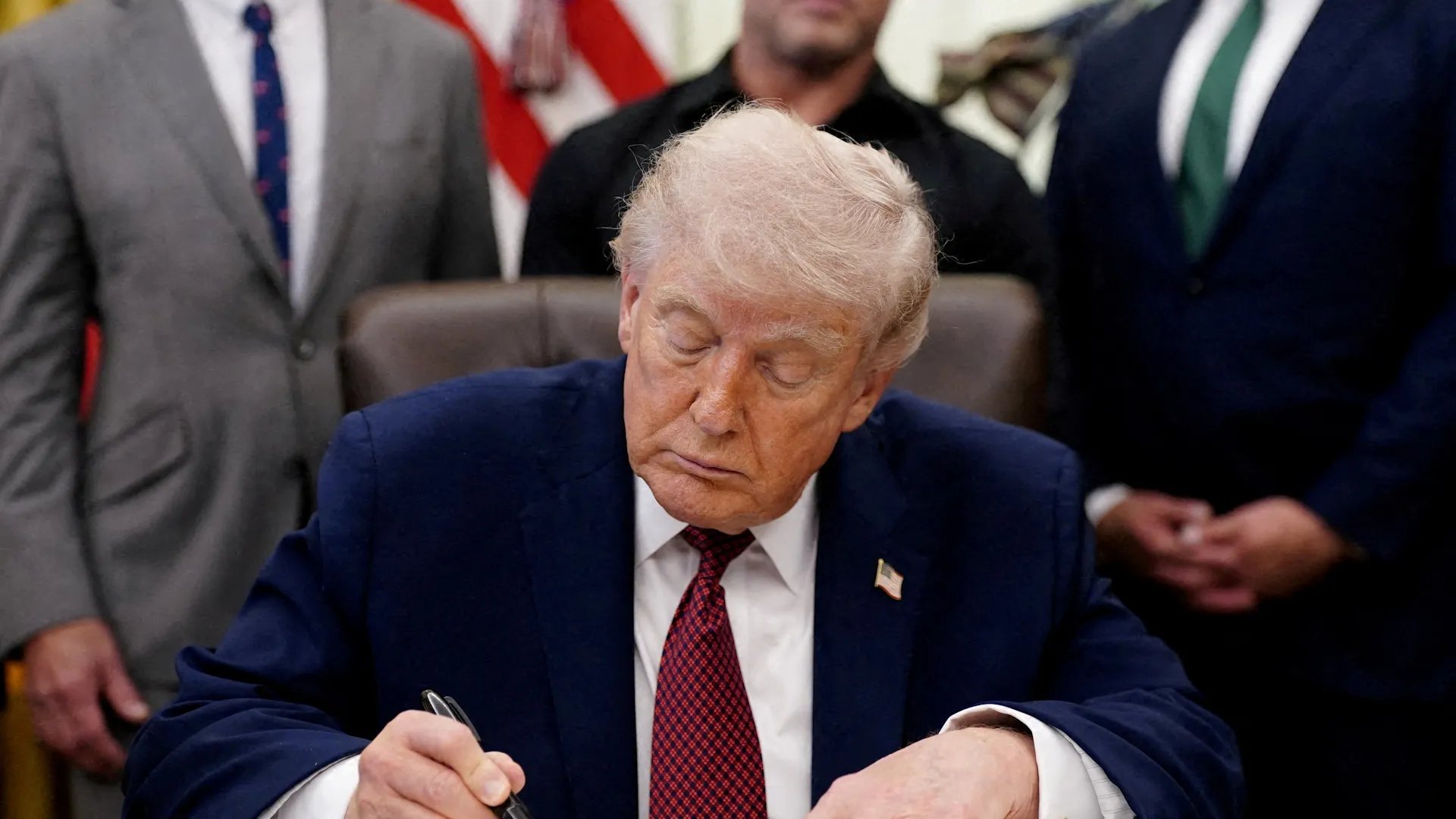
Trump announced the extension on social media, stating the US would avoid military action against Iran "until such time as their leaders and representatives can come up with a unified proposal." He cited a request from Pakistan as a reason for reversing earlier threats to resume bombing if no deal was reached. The move represented a shift from his previous warnings to bomb Iran's civilization into oblivion. According to The Hill, Trump appeared to be seeking an off-ramp that would allow him to claim victory in the stalemate.
Attacks Continue Despite Ceasefire
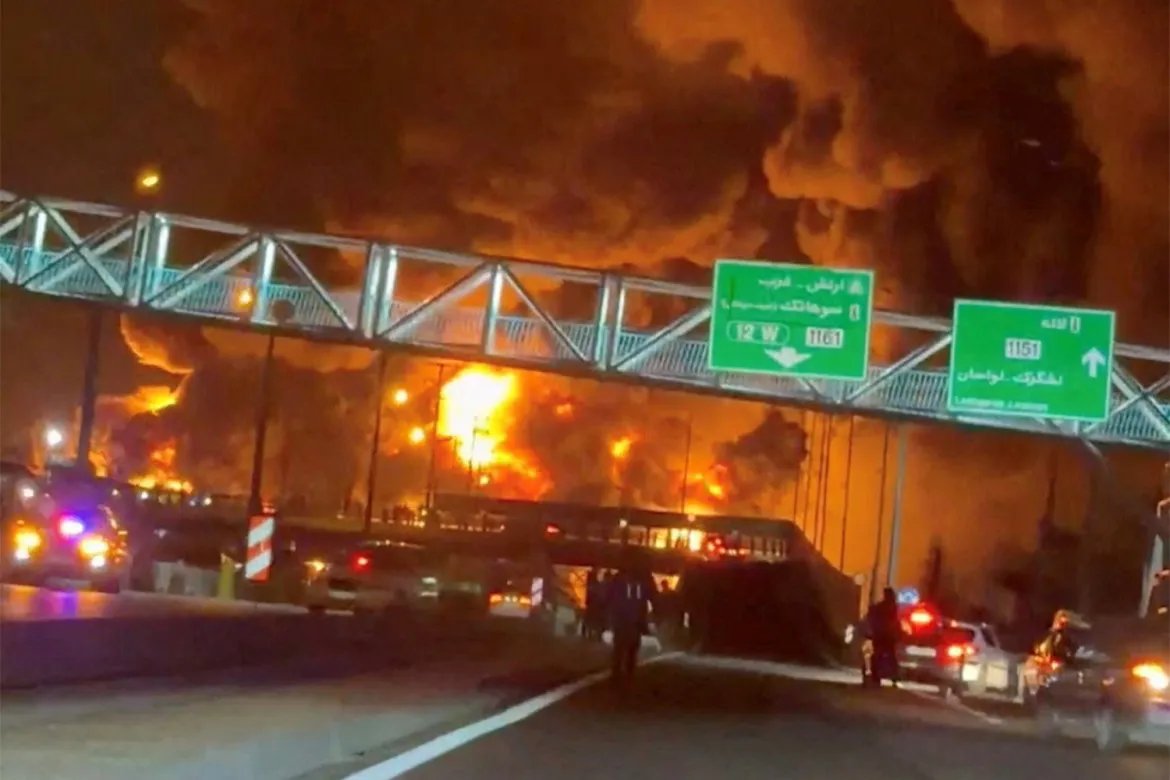
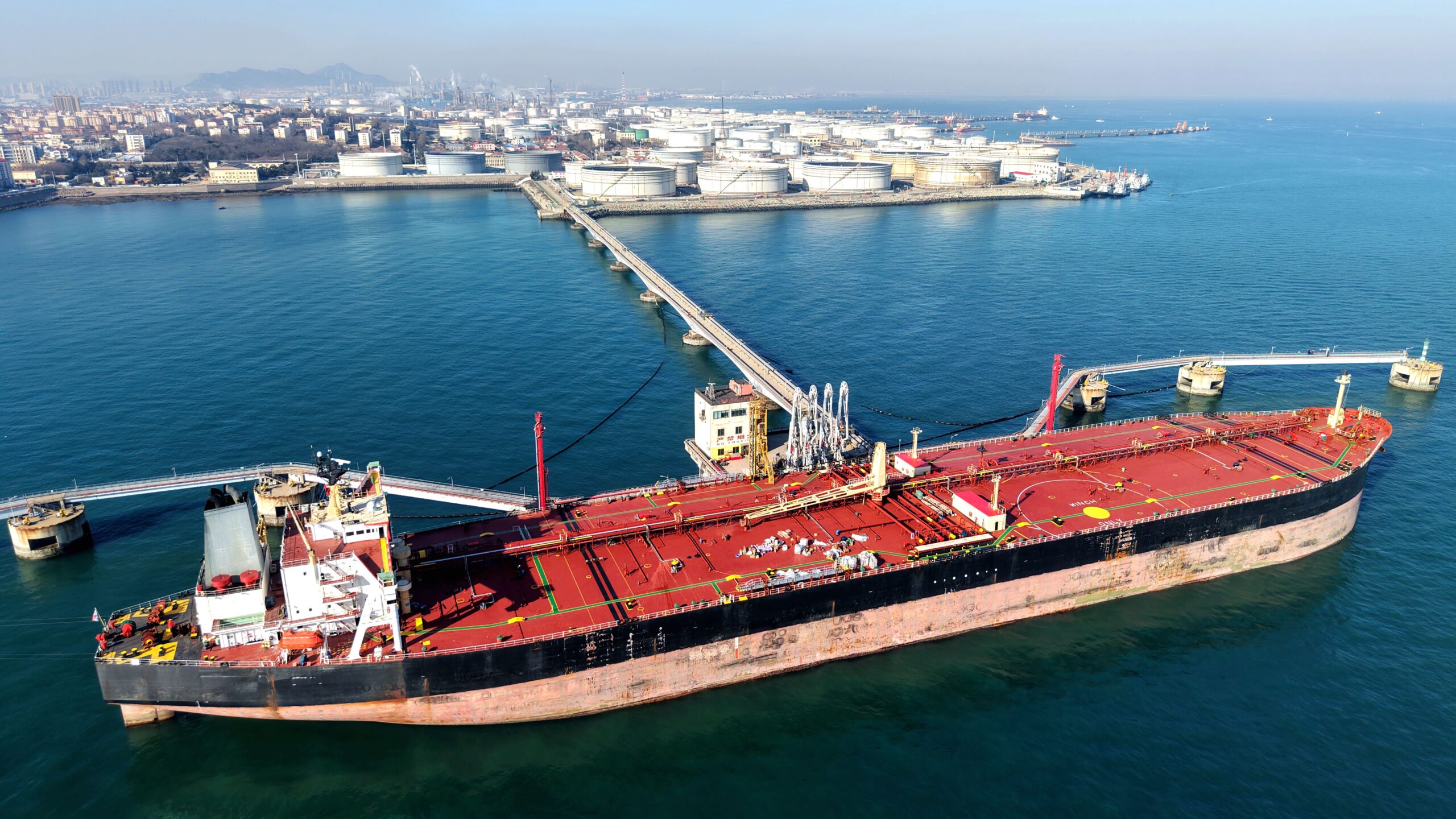
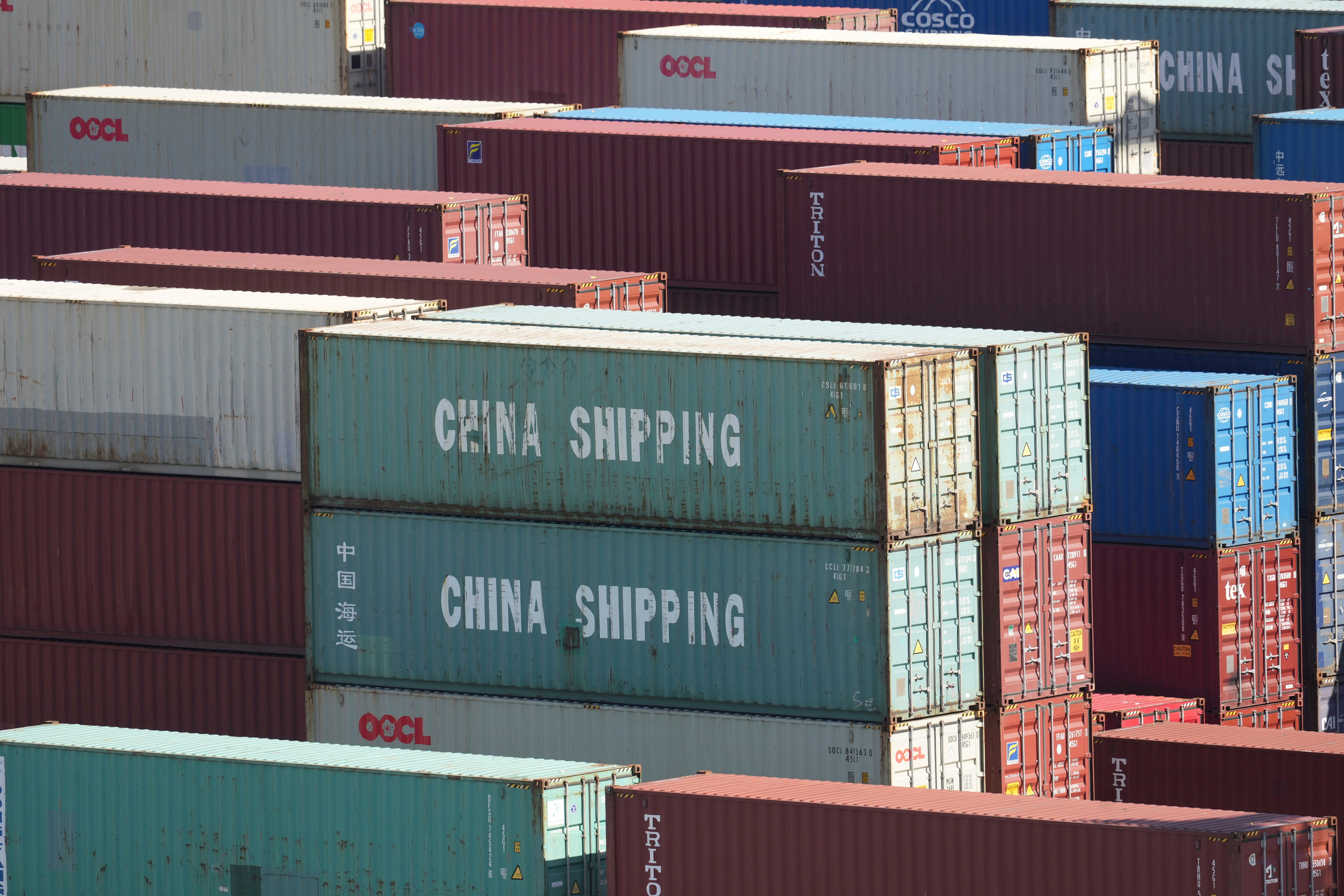
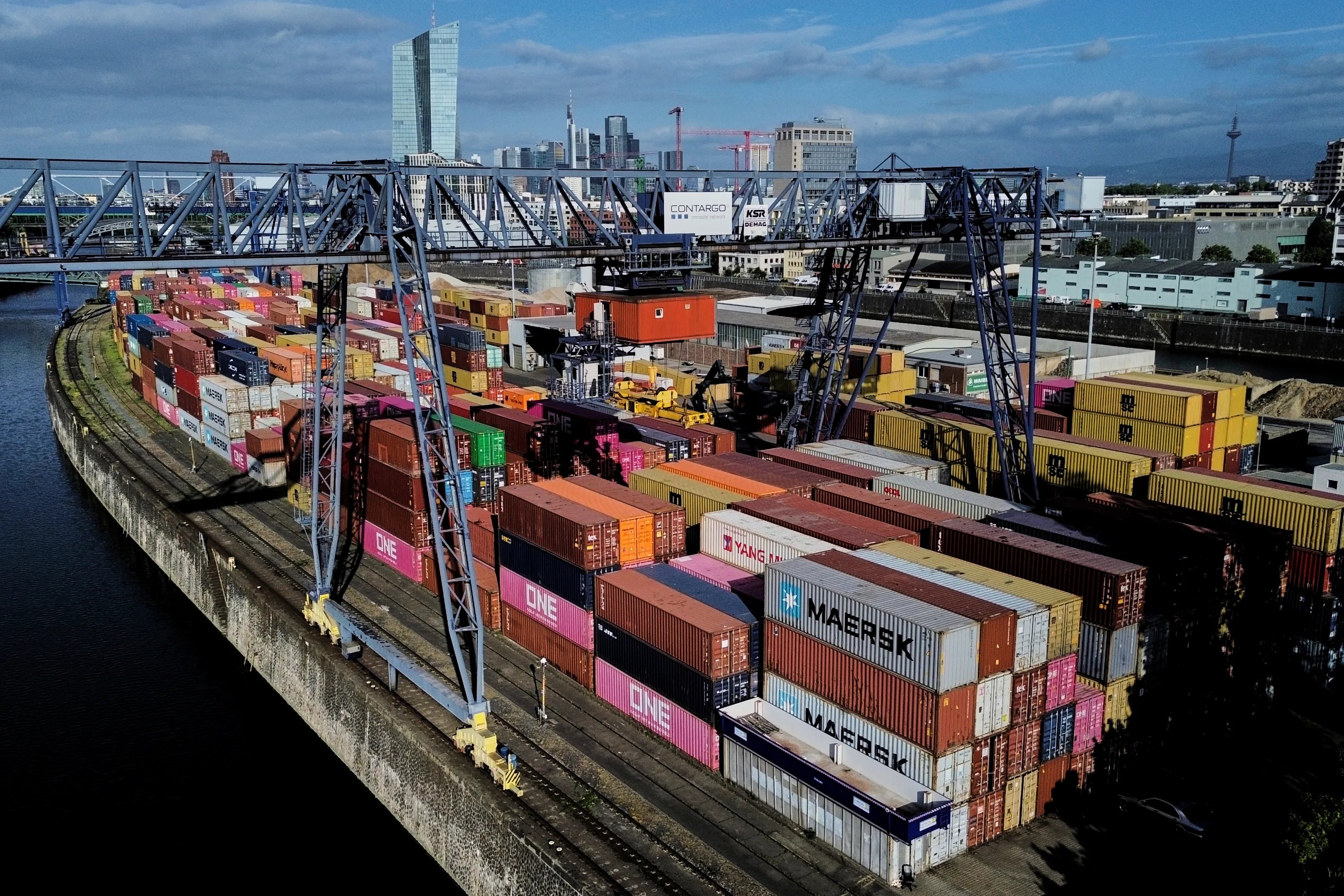
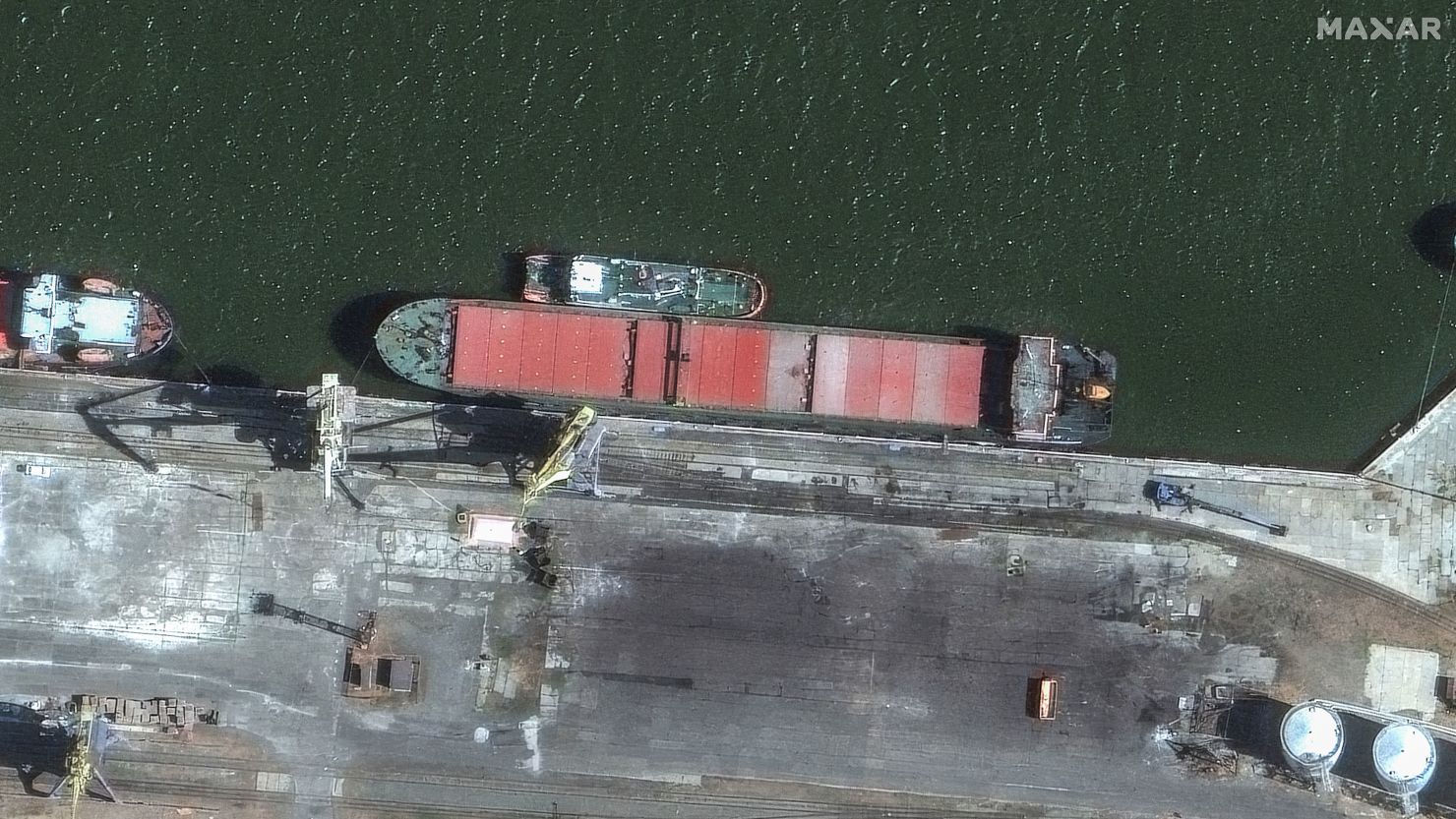
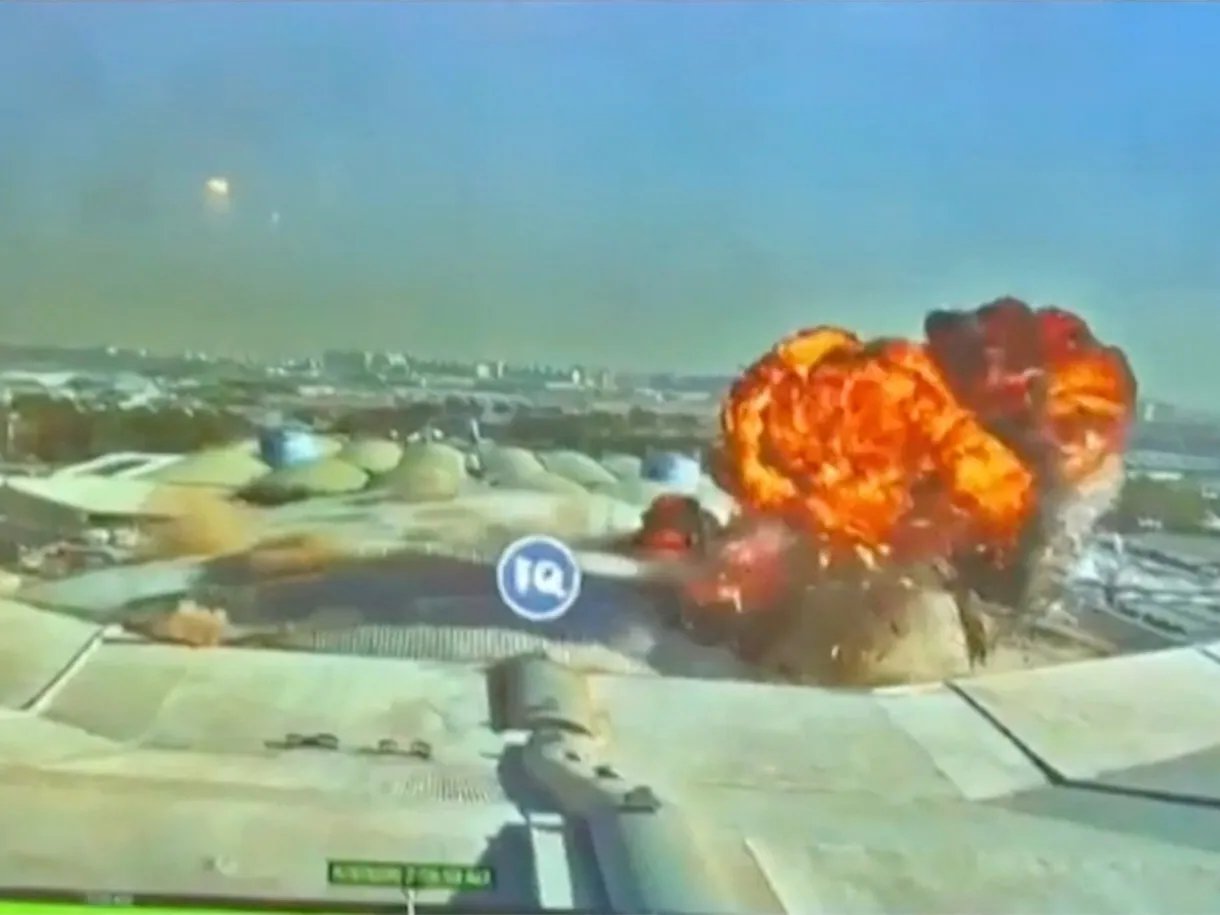
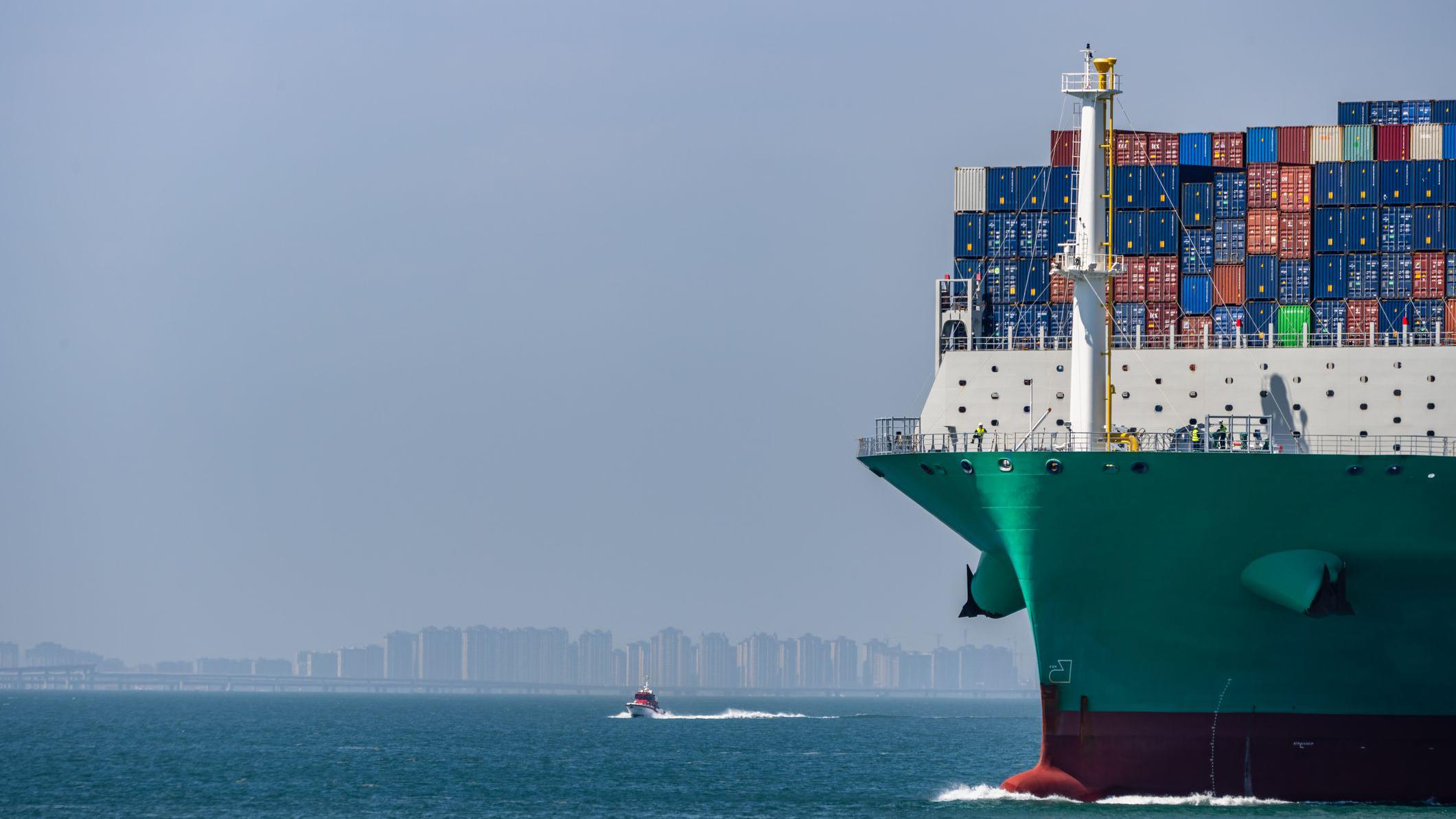
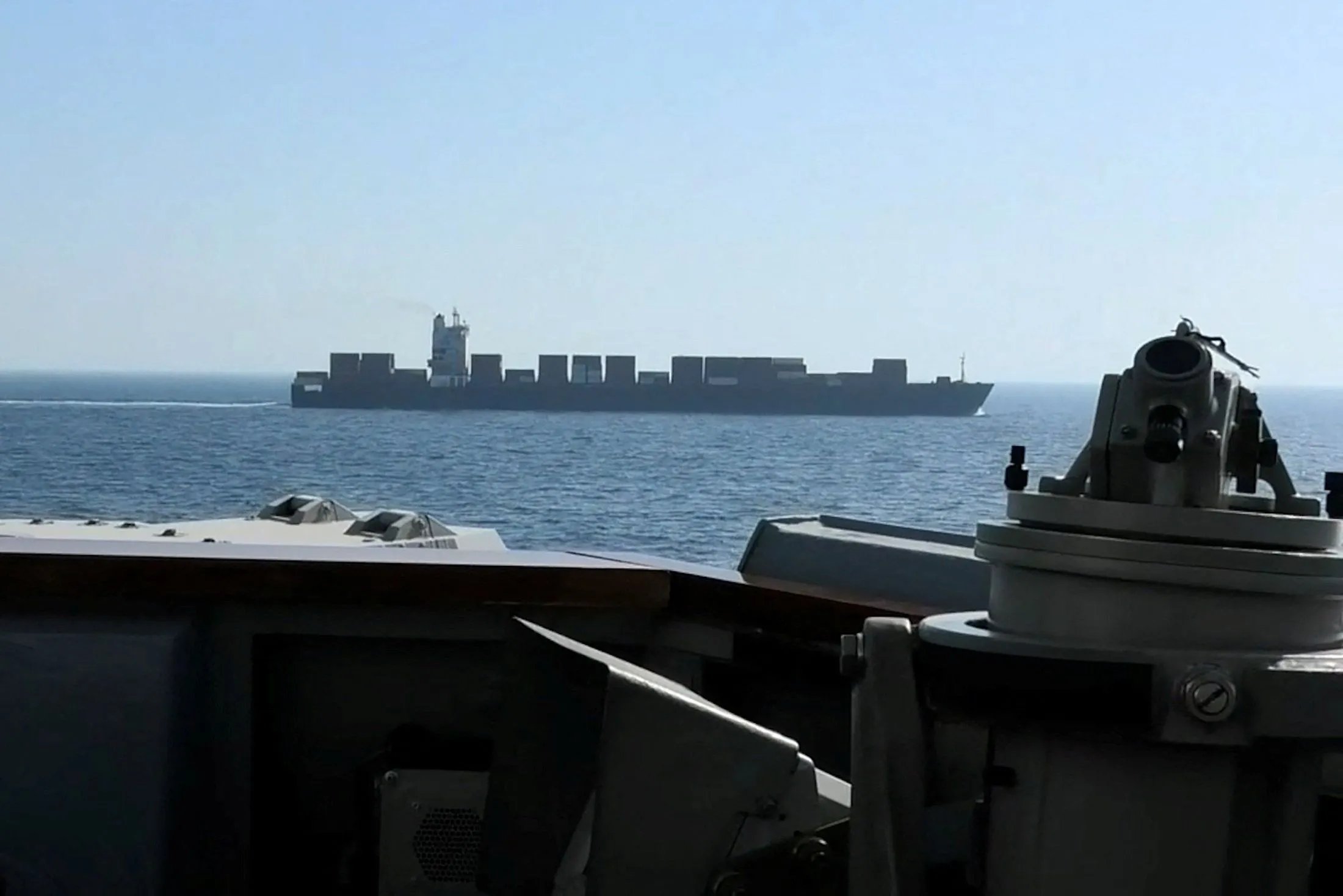
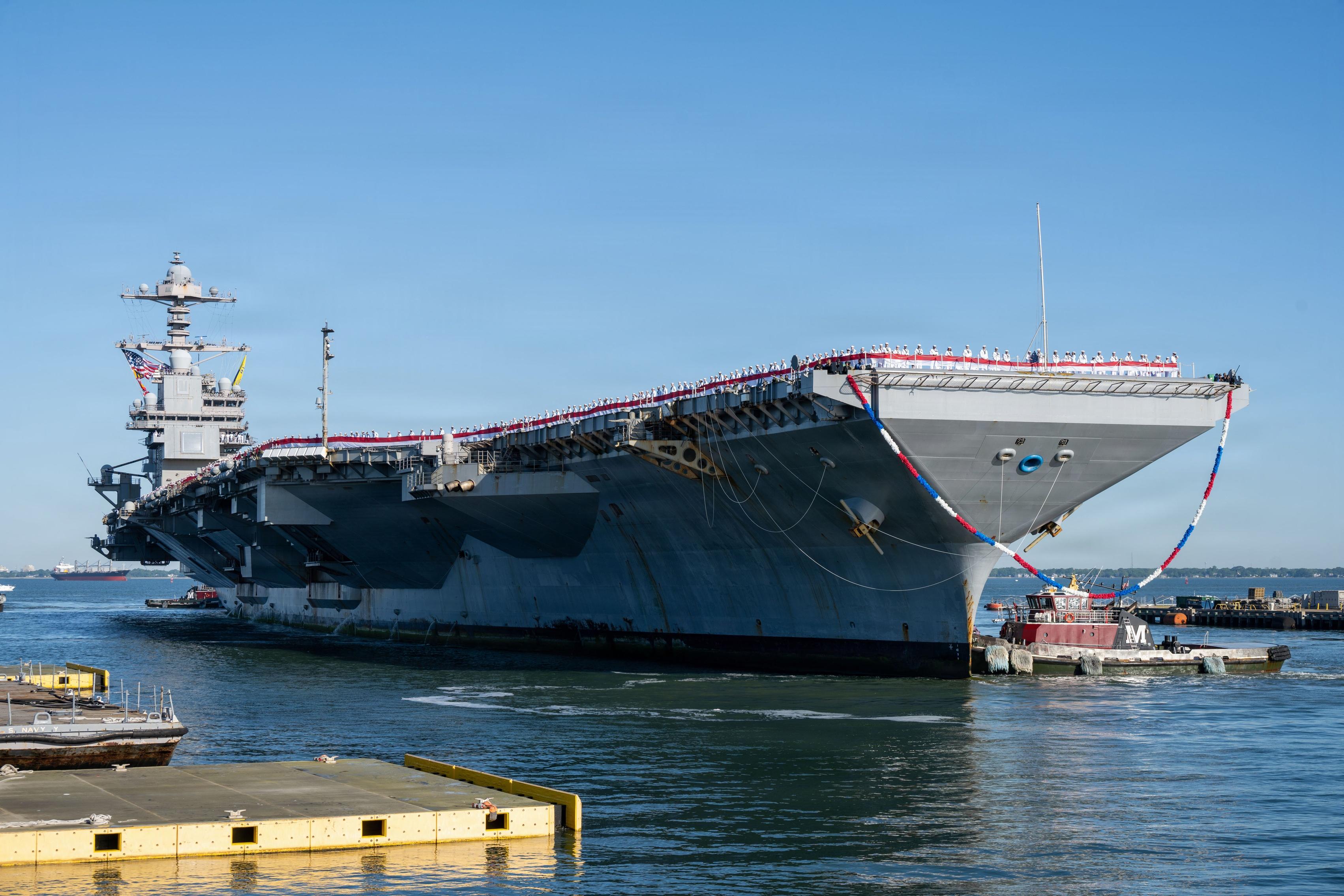
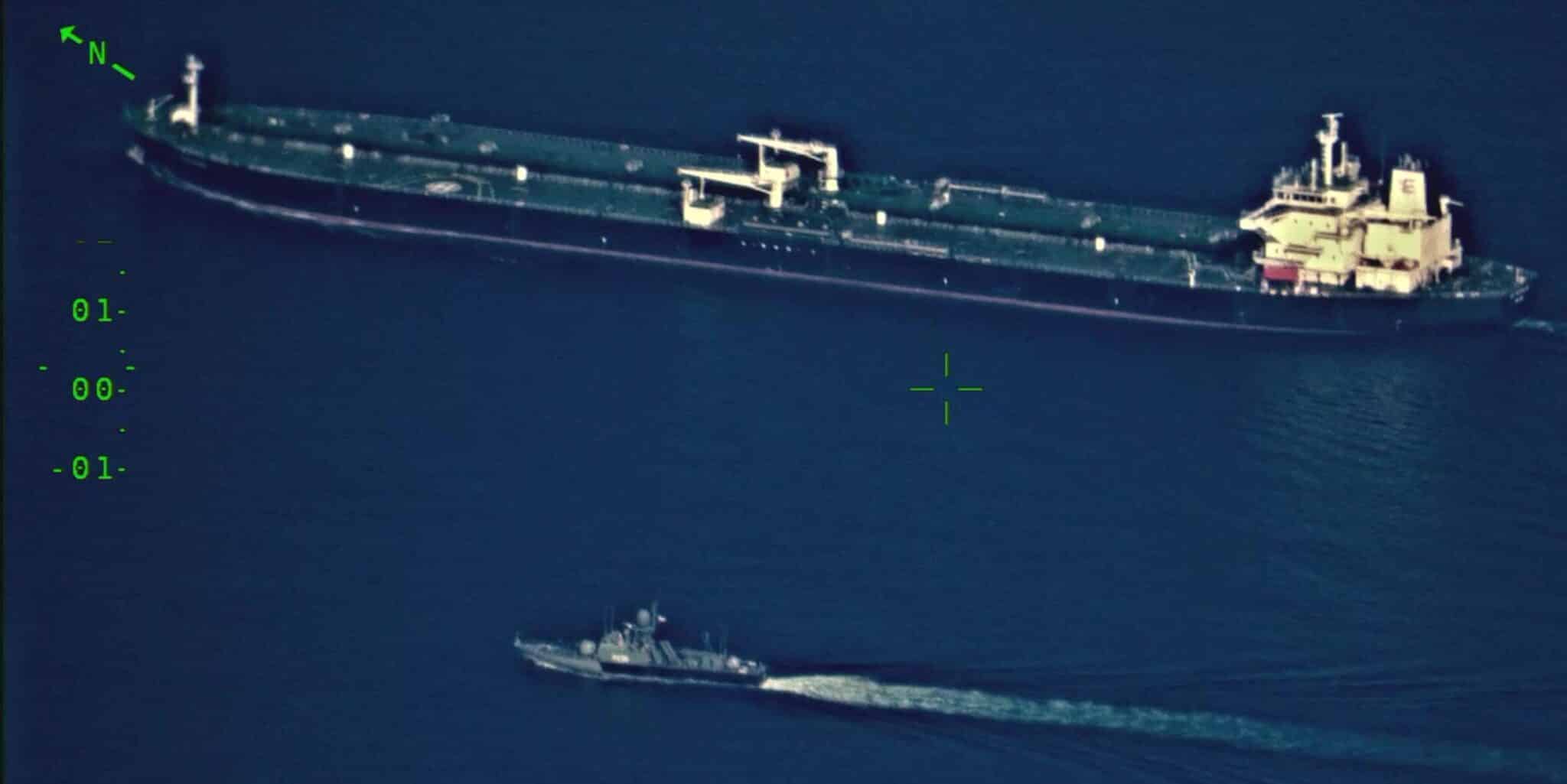
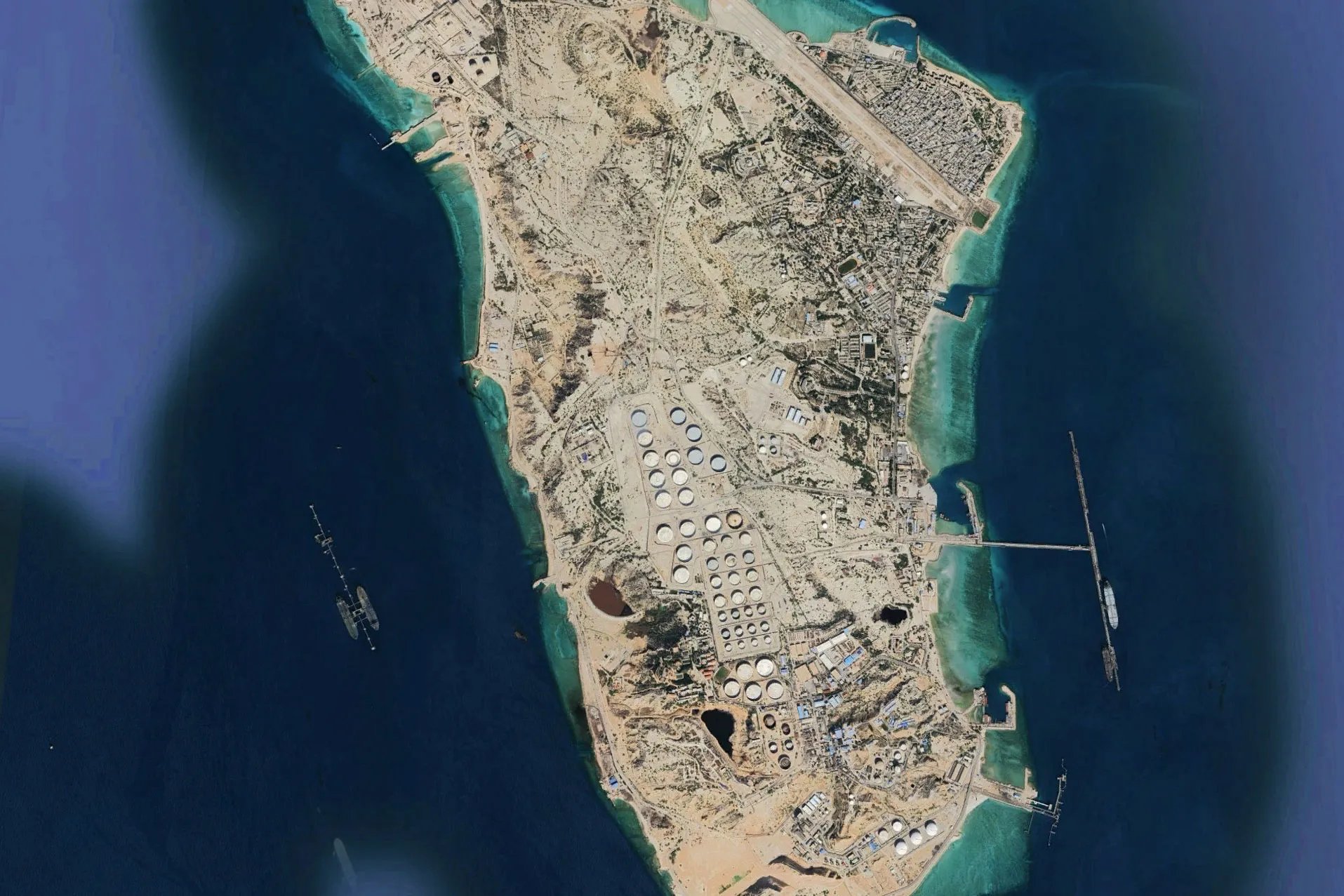
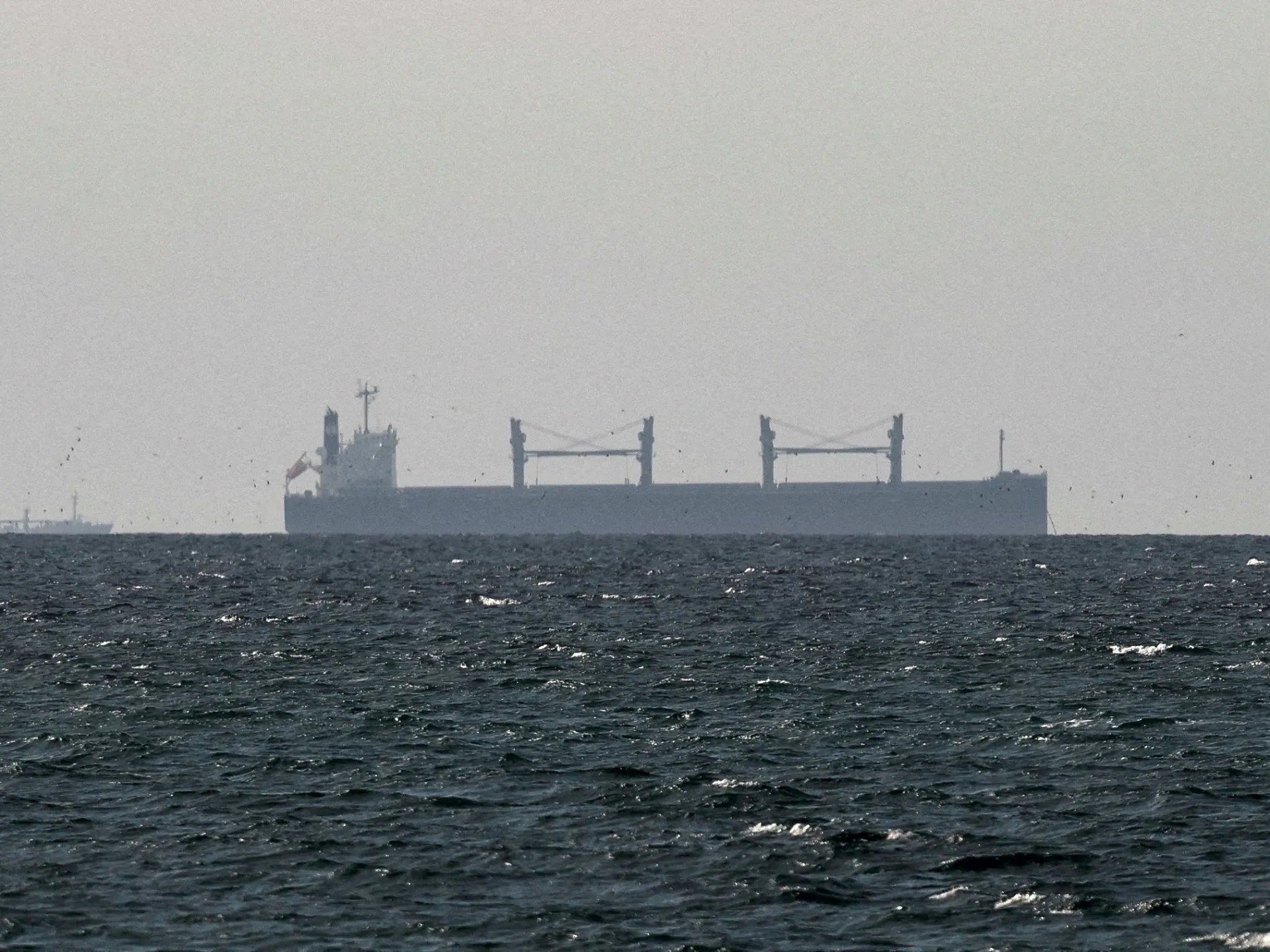
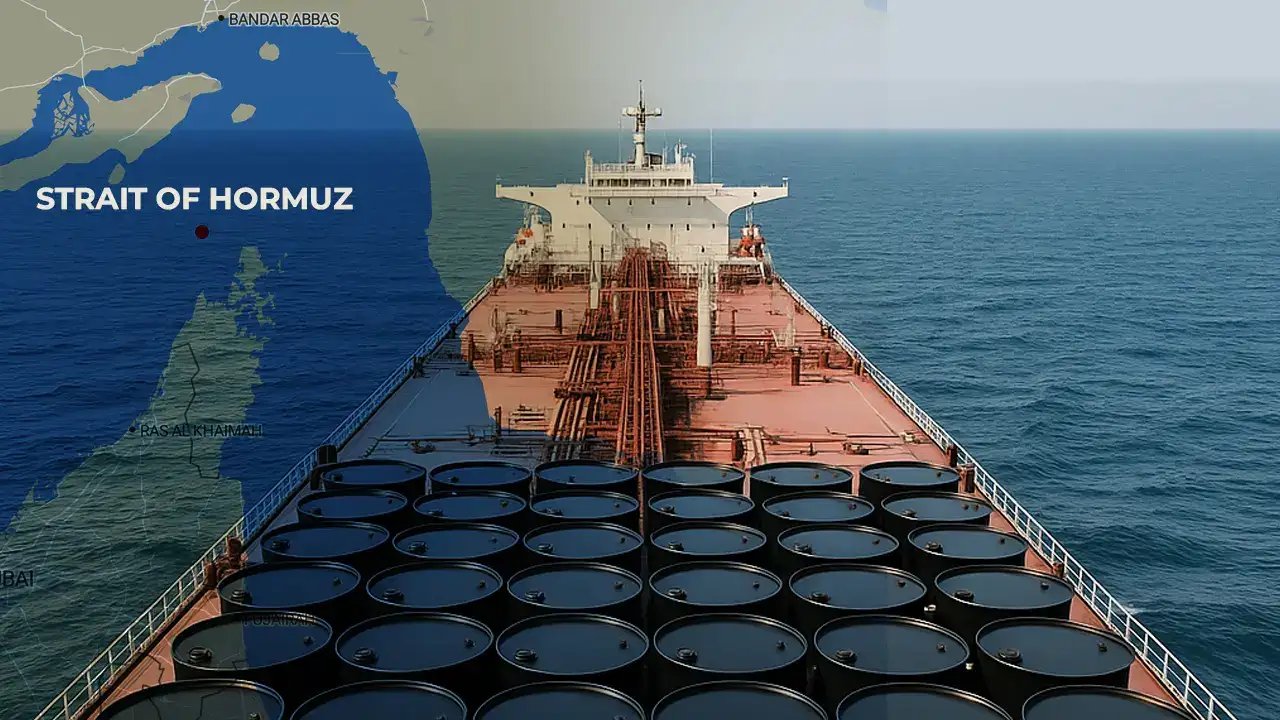
The diplomatic pause did not stop Iranian military action. On Wednesday, Iran fired on three ships in the Strait of Hormuz and seized two of them, intensifying its assault on shipping in the key waterway. The attacks occurred after Trump announced the ceasefire extension while maintaining an American blockade of Iranian ports. Iranian media reported that Iran had seized two container ships attempting to leave the Gulf.
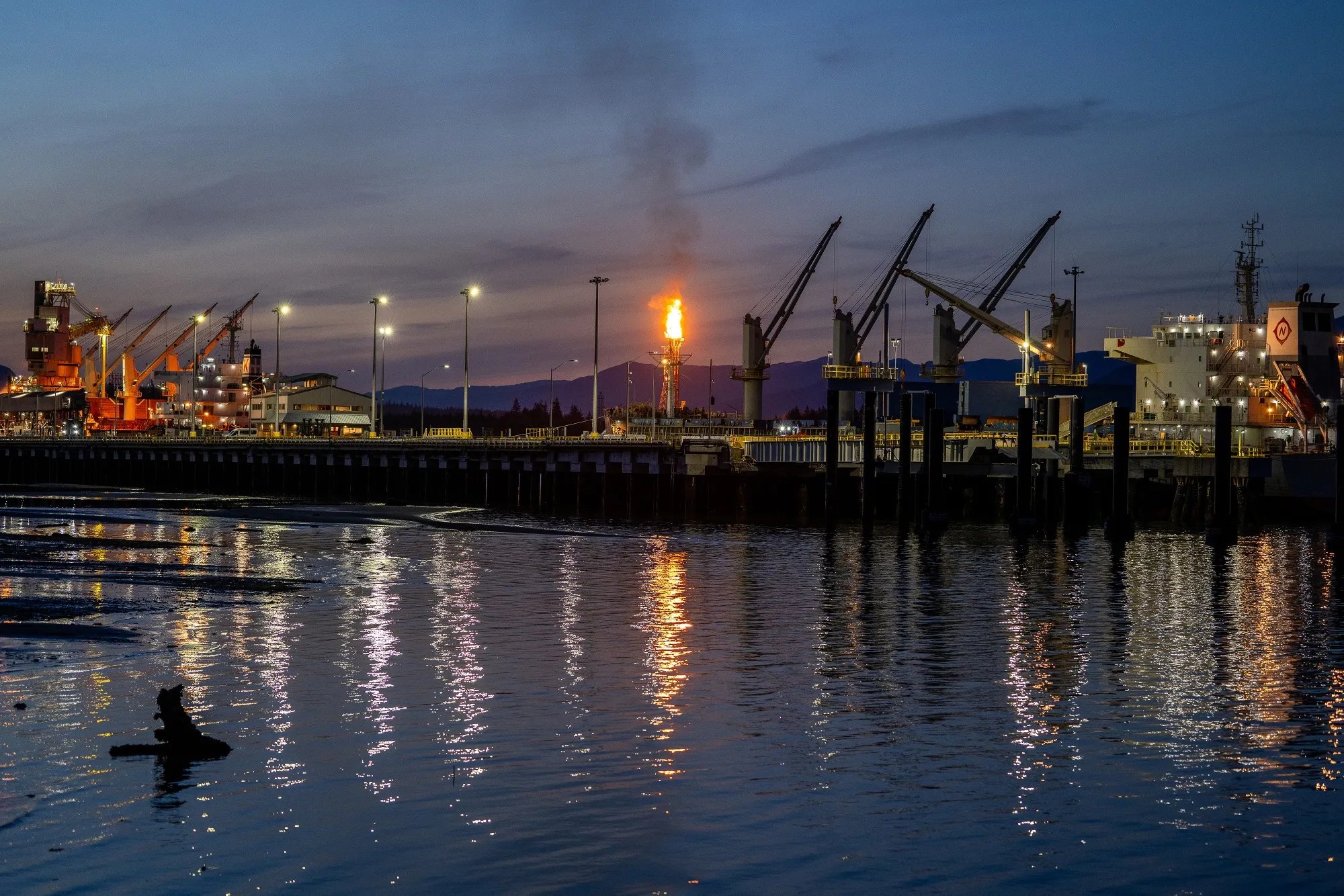
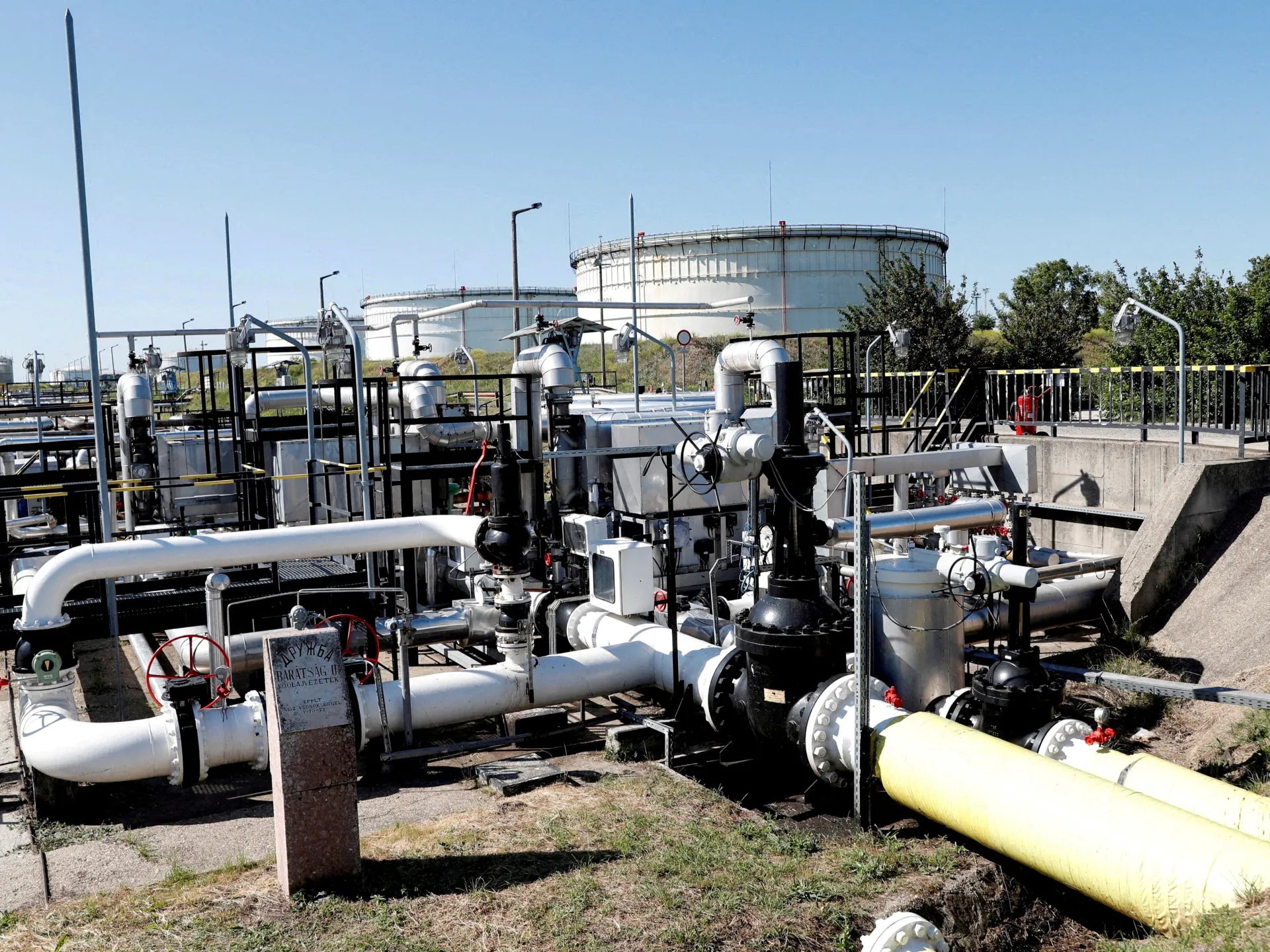
The stand-off has disrupted exports through the strait, where 20 percent of the world's traded oil passes in peacetime. The US blockade remains in place, as does Iran's closure of the strait, with no end in sight for either measure.
Economic Costs Mount Across Industries
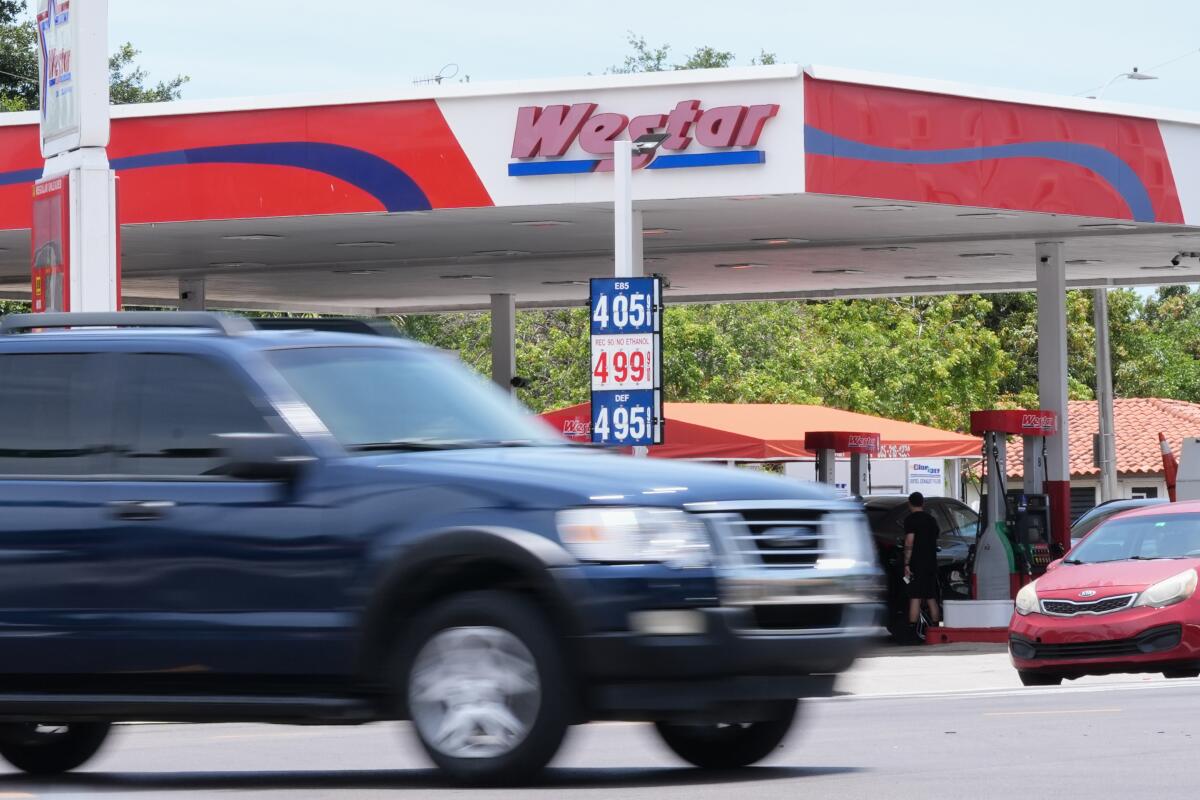
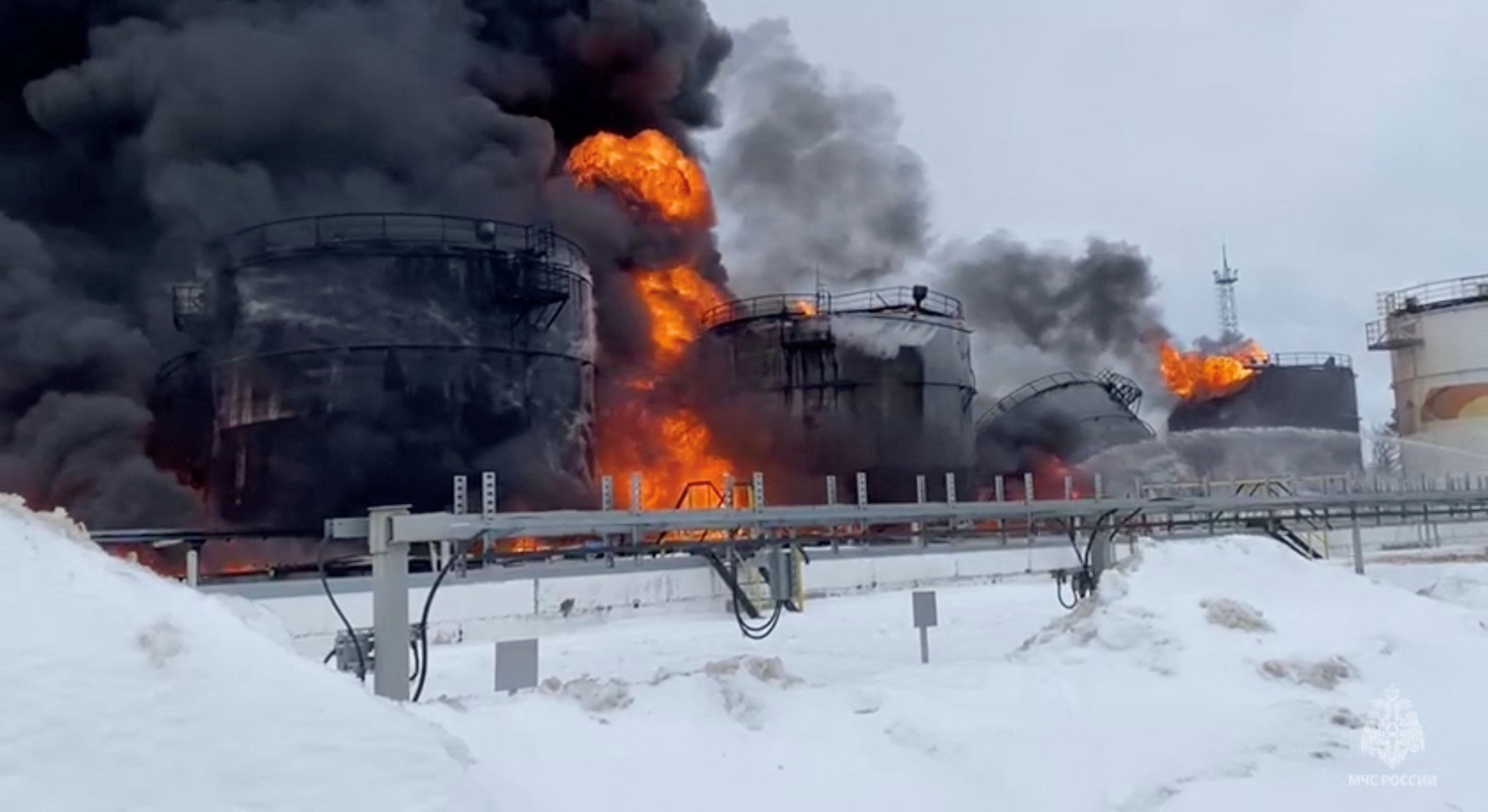
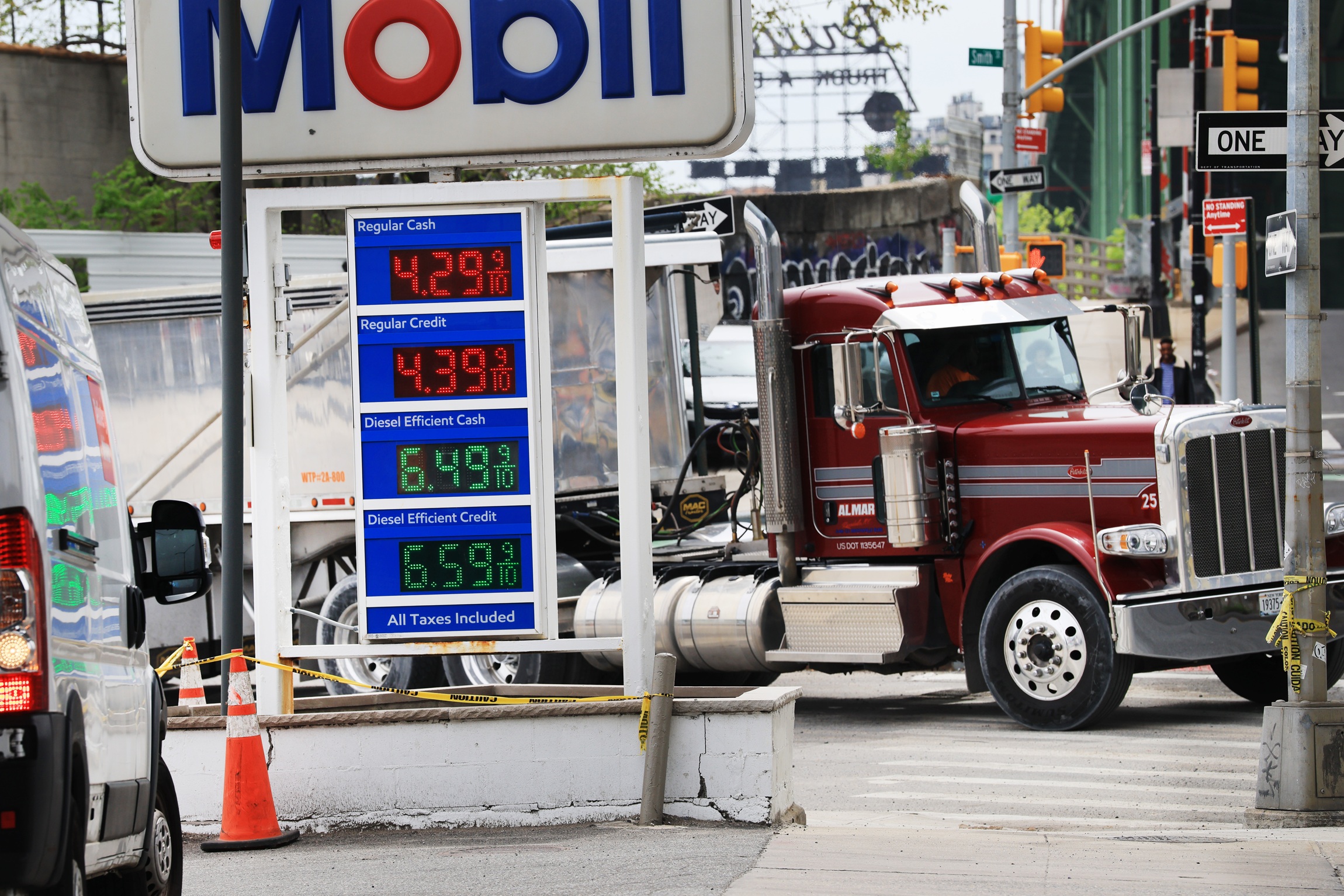
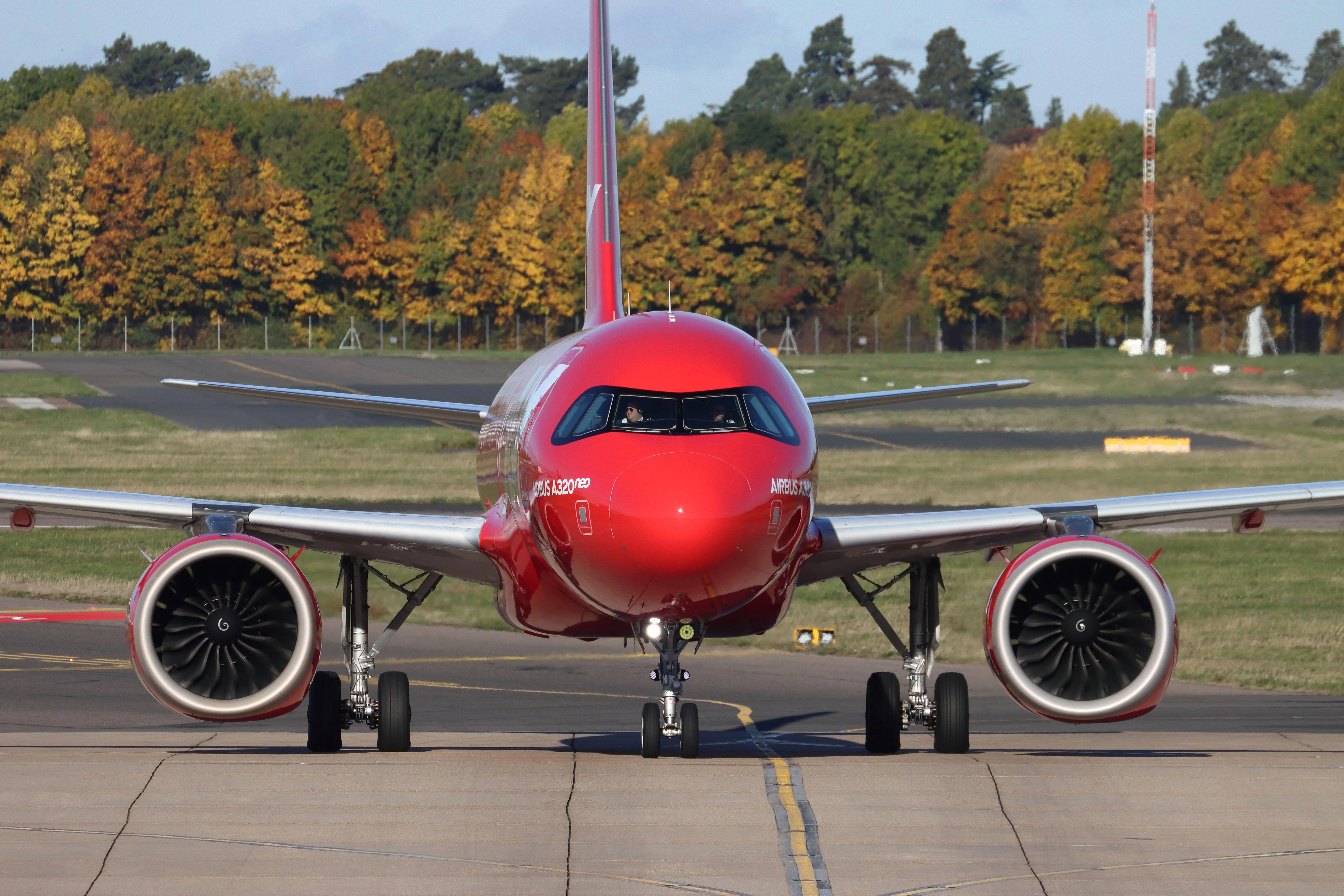
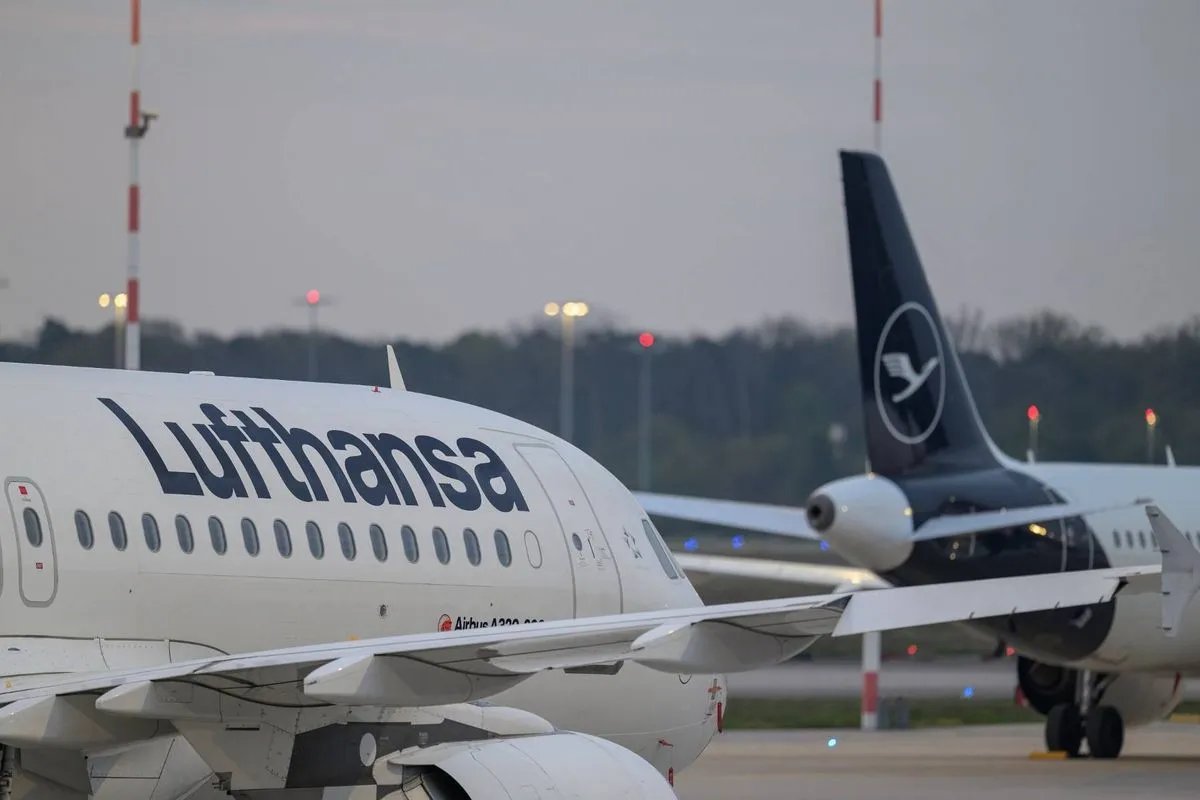
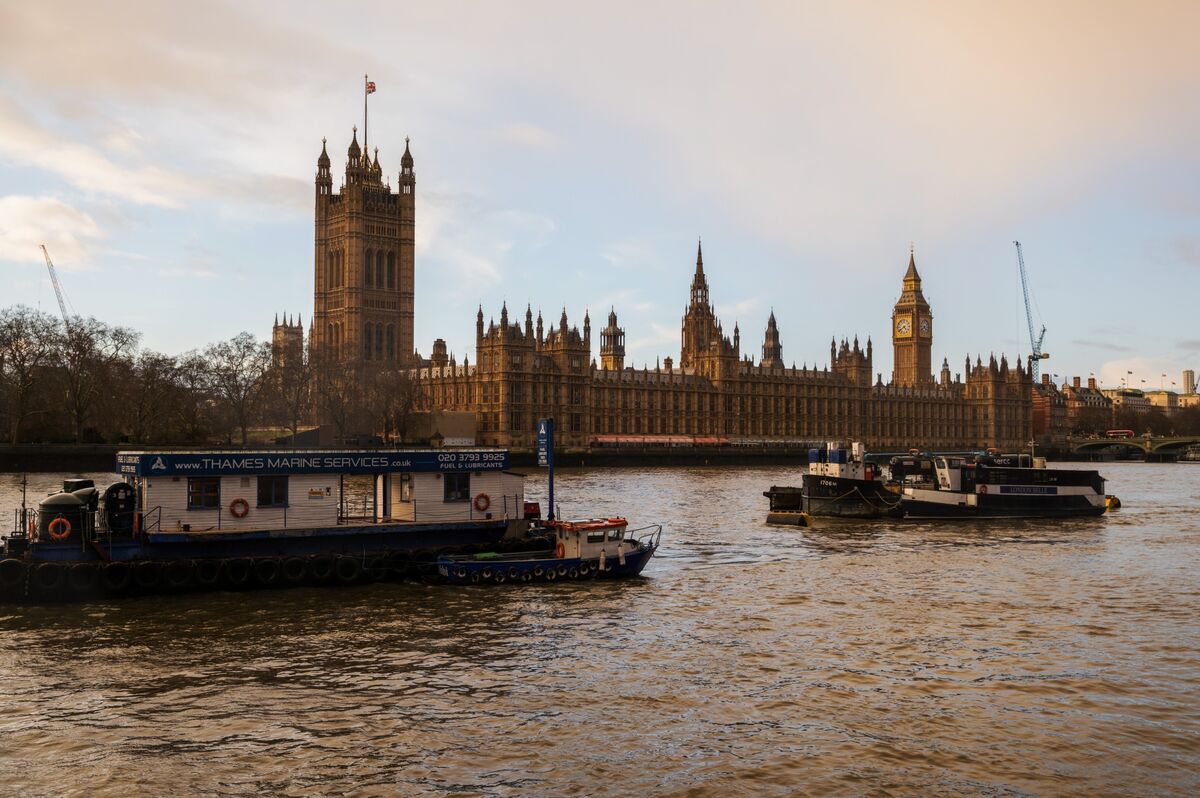
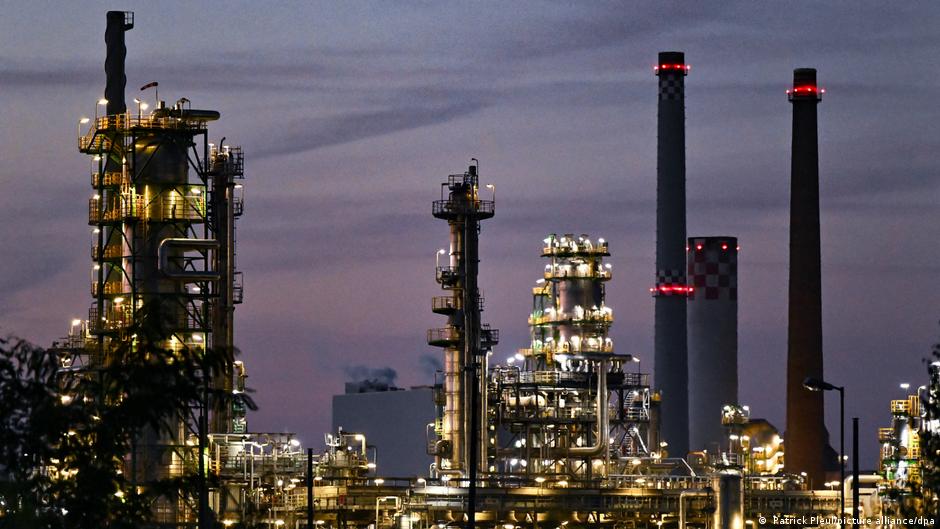
The ongoing conflict has already begun raising costs for businesses and consumers. UK inflation jumped to 3.3 percent, showing the first measurable hit from the Iran war on consumer prices. Shipping companies, airlines, and manufacturers report darkening outlooks as supply chains face disruption and fuel costs rise. The conflict has lifted costs across industries ranging from paint to flights, forcing companies to reassess their economic forecasts.
The ceasefire extension prompted market optimism about reduced military escalation risk, though Iranian attacks on shipping and the continuation of the US blockade and port closures suggest underlying tensions remain.
Market Movers and IPO Activity
National Healthcare Properties, a real estate investment trust, saw its shares fall in its Nasdaq debut after raising $462 million in its initial public offering. The decline occurred even as broader market indices reached record levels, reflecting mixed investor sentiment across different sectors.