
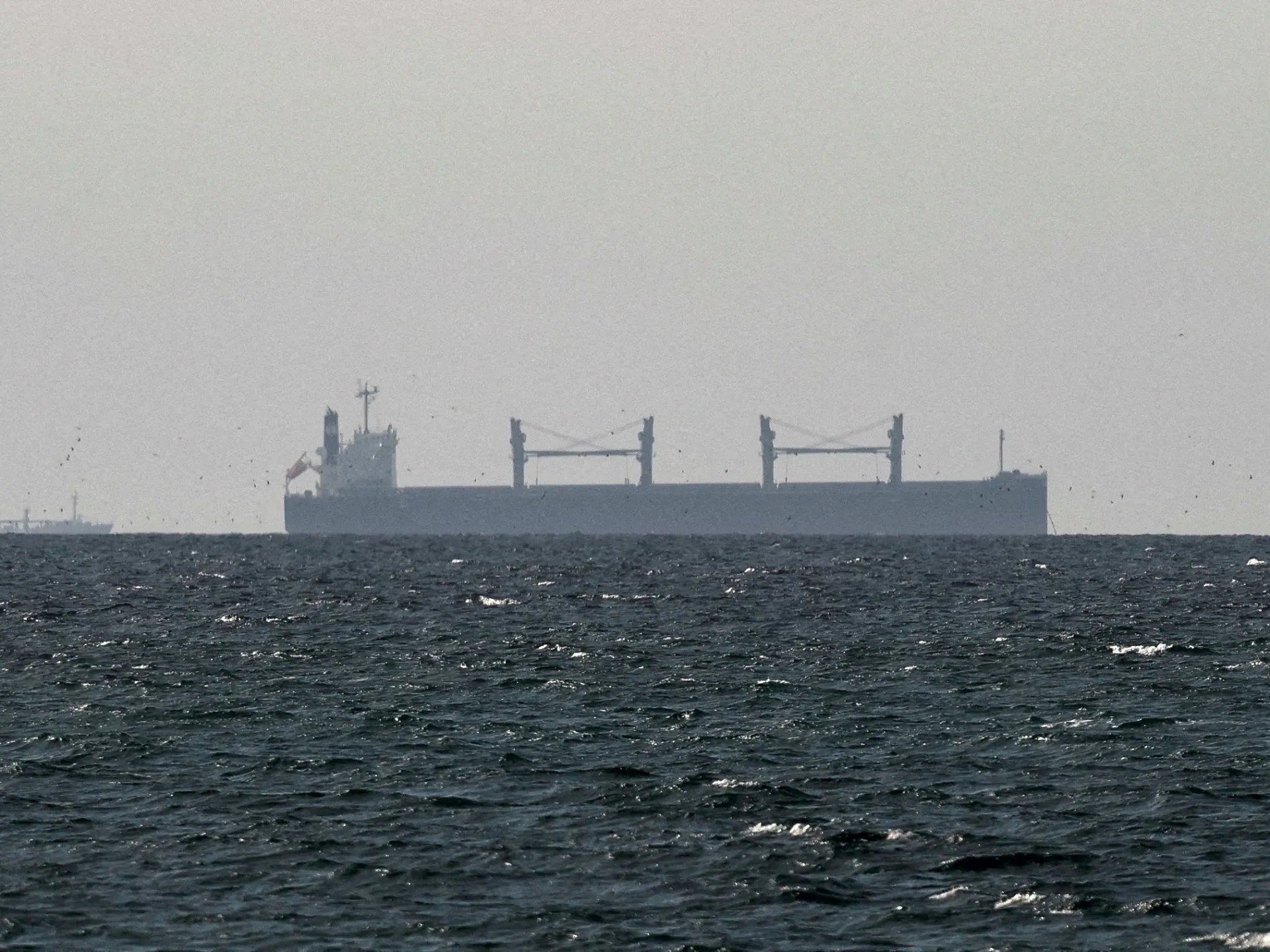




Pentagon boards sanctioned vessel in Indian Ocean
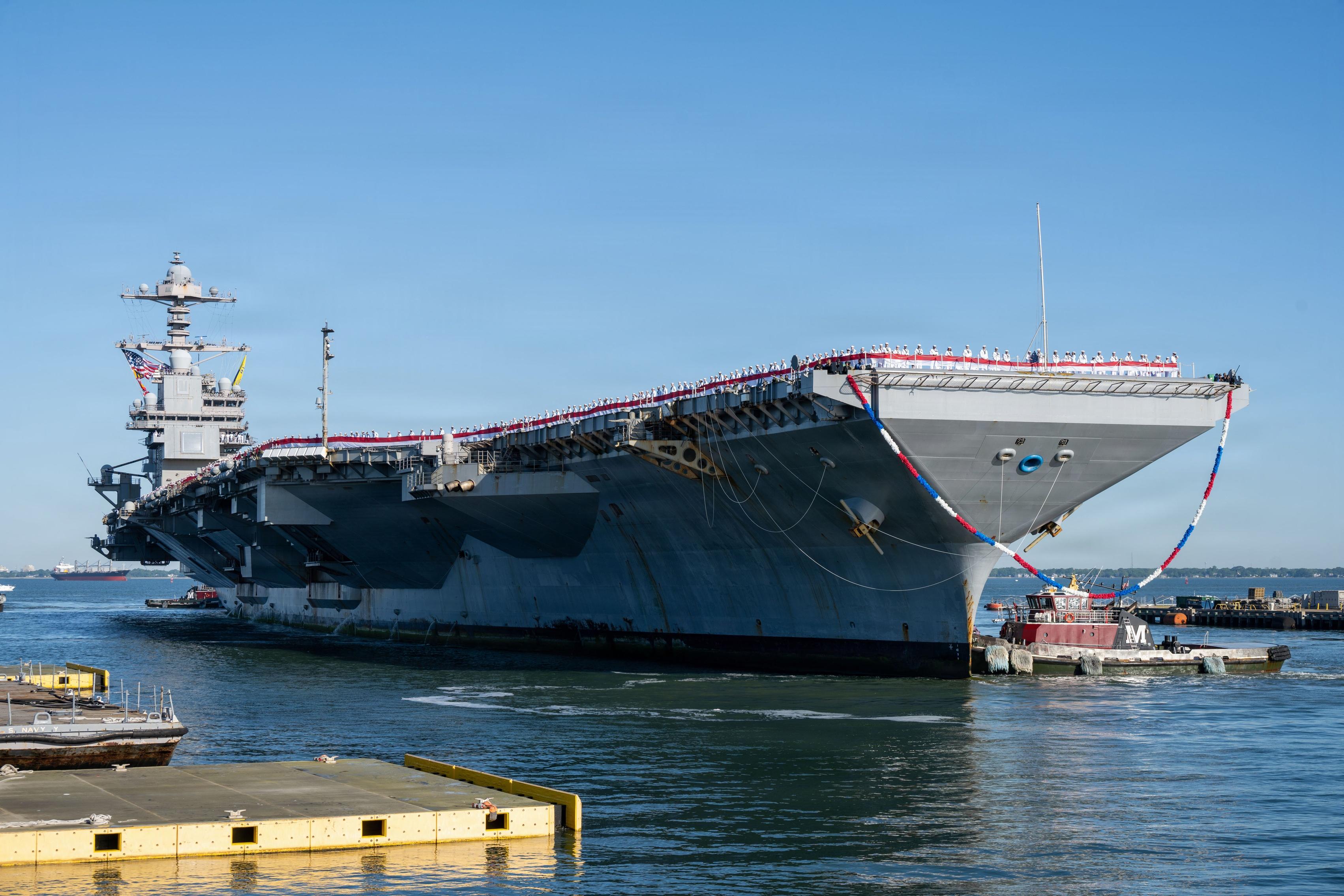
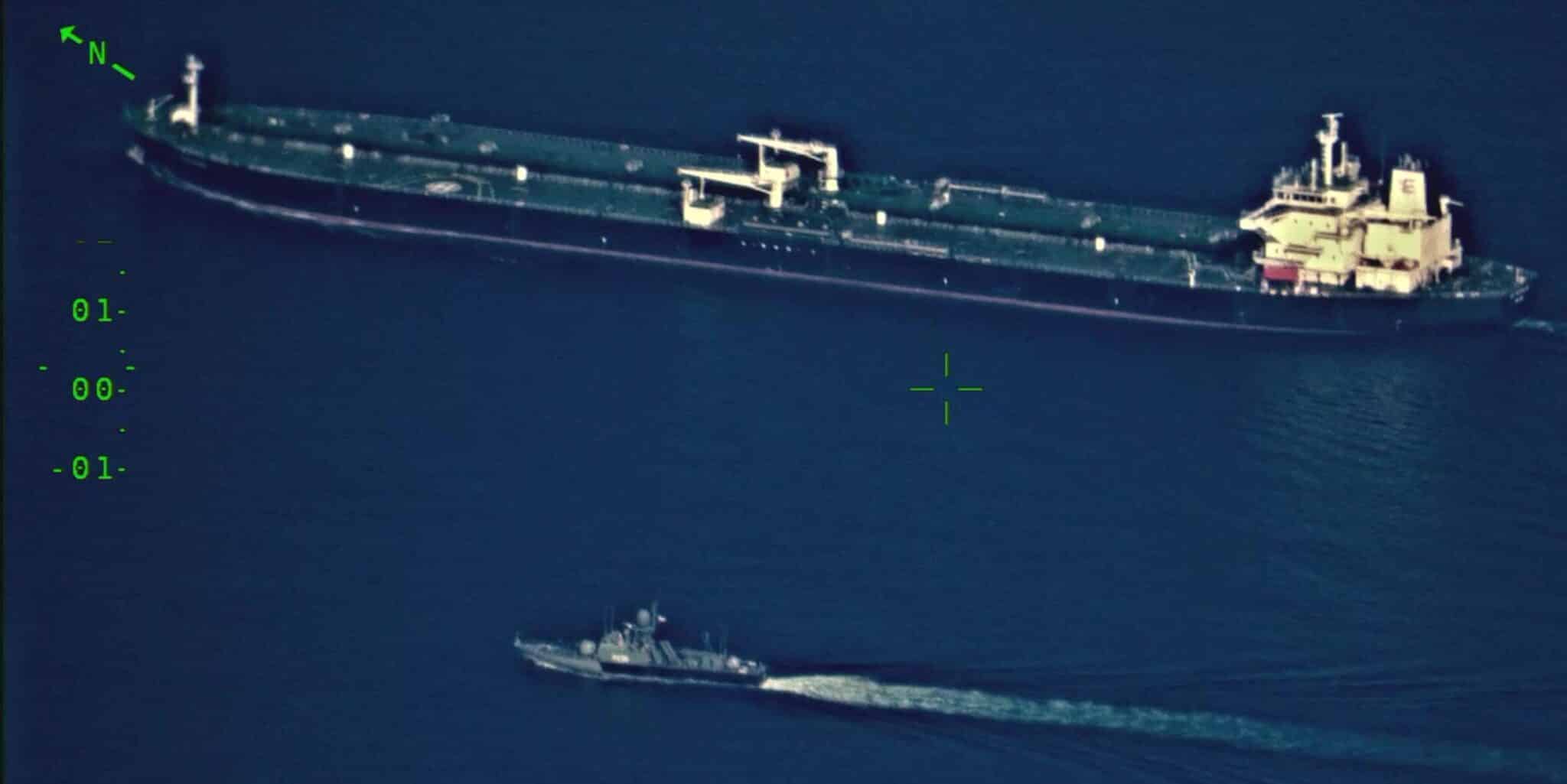
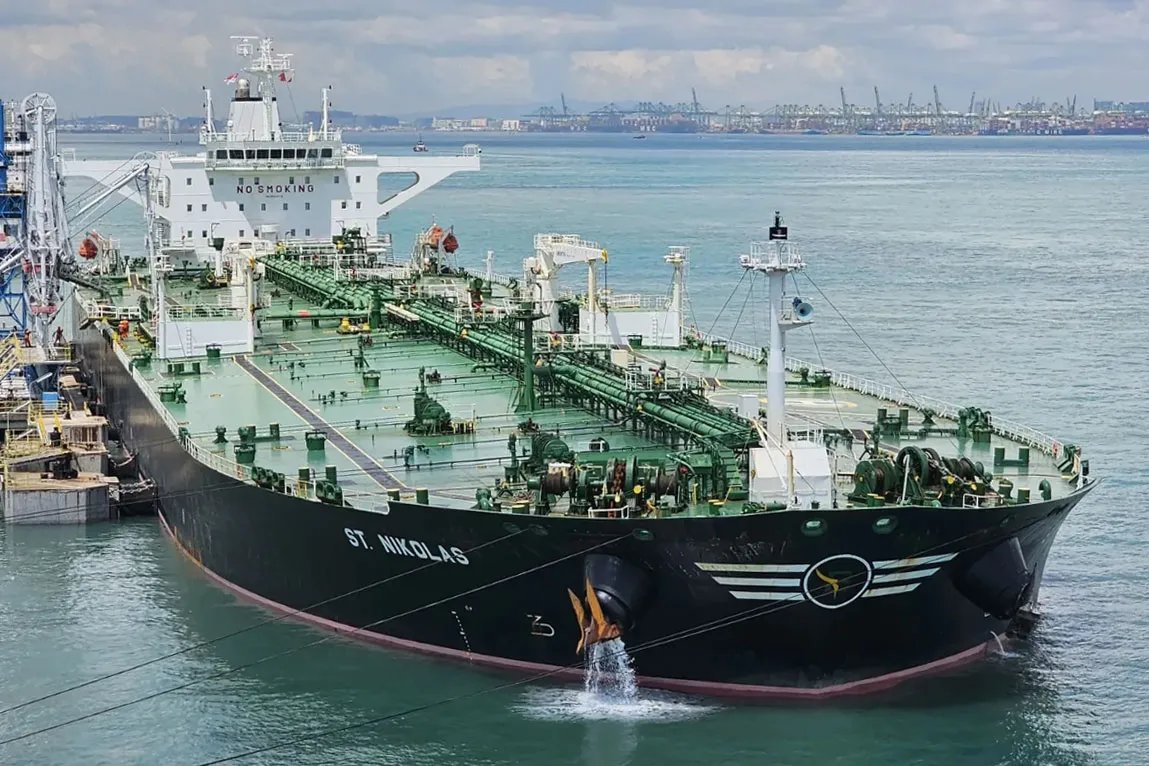
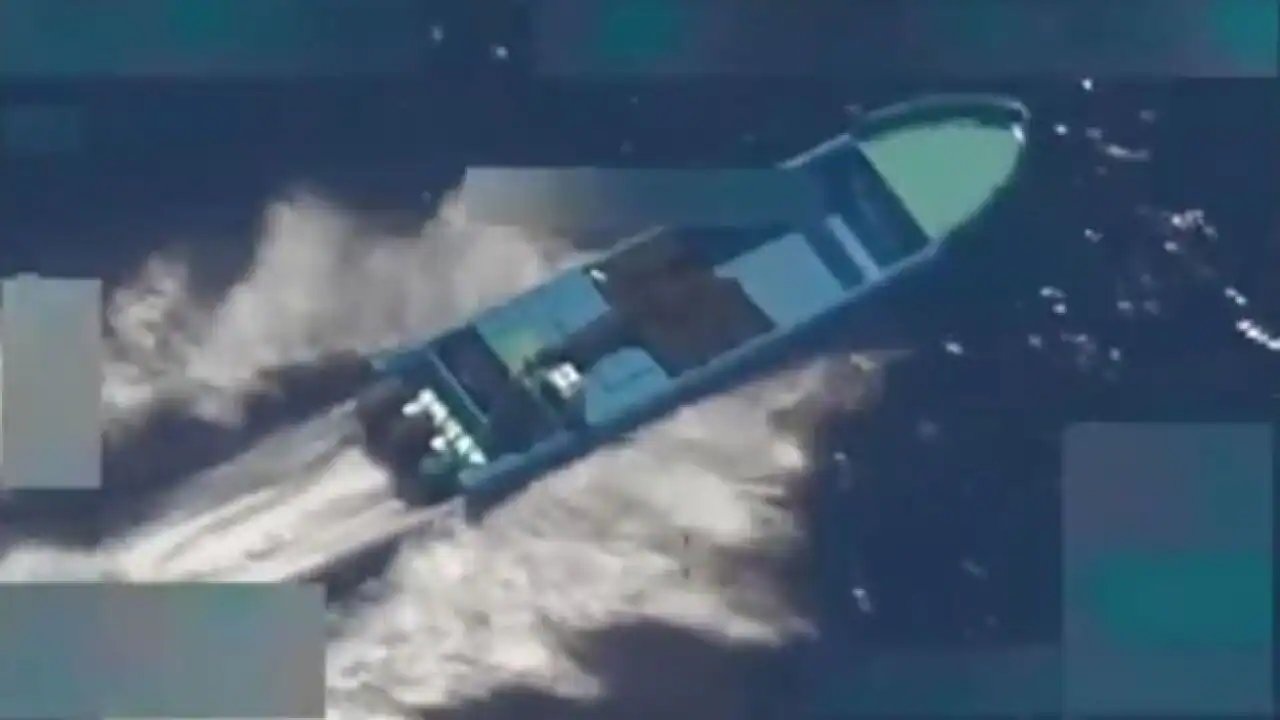
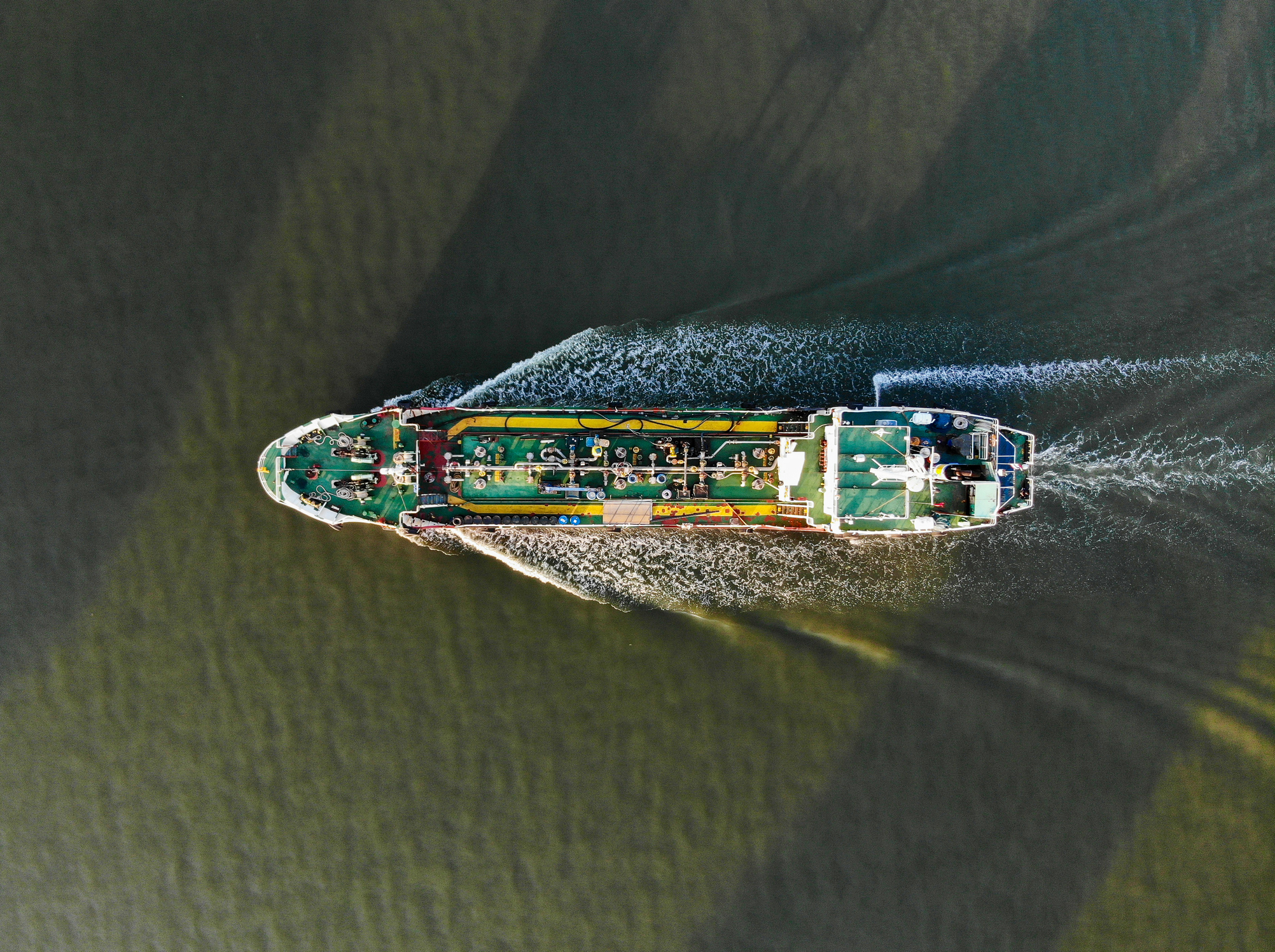
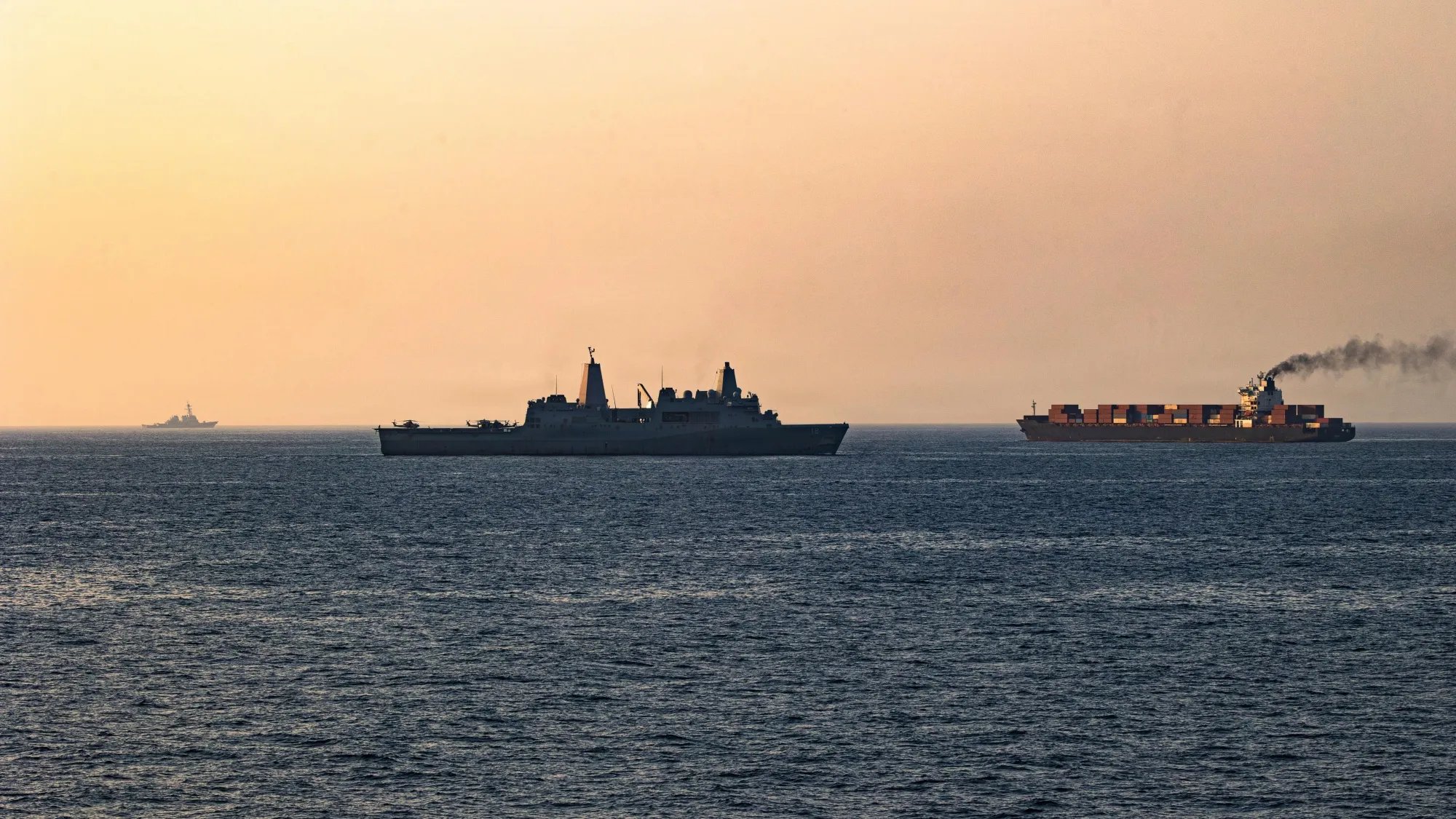
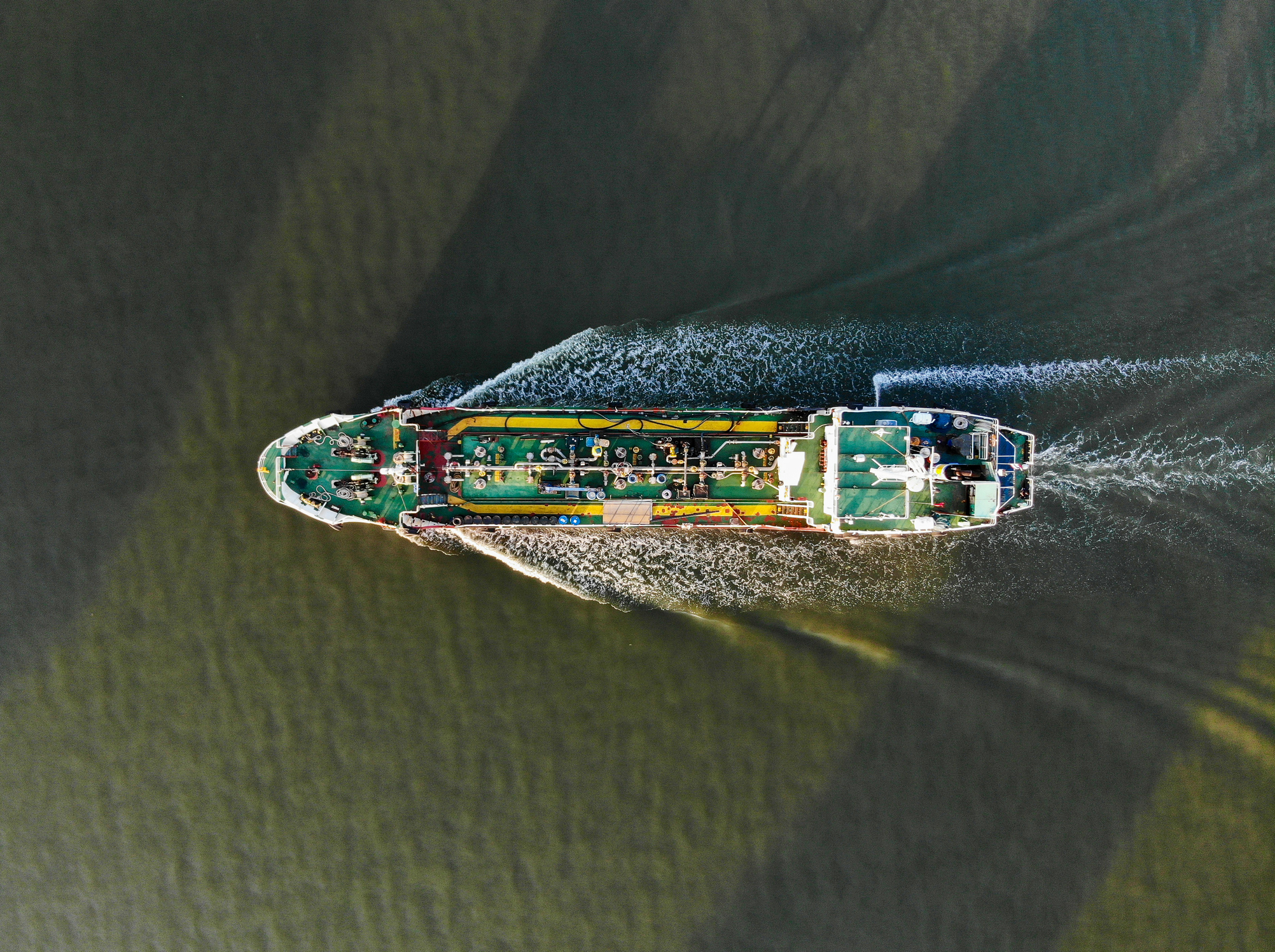
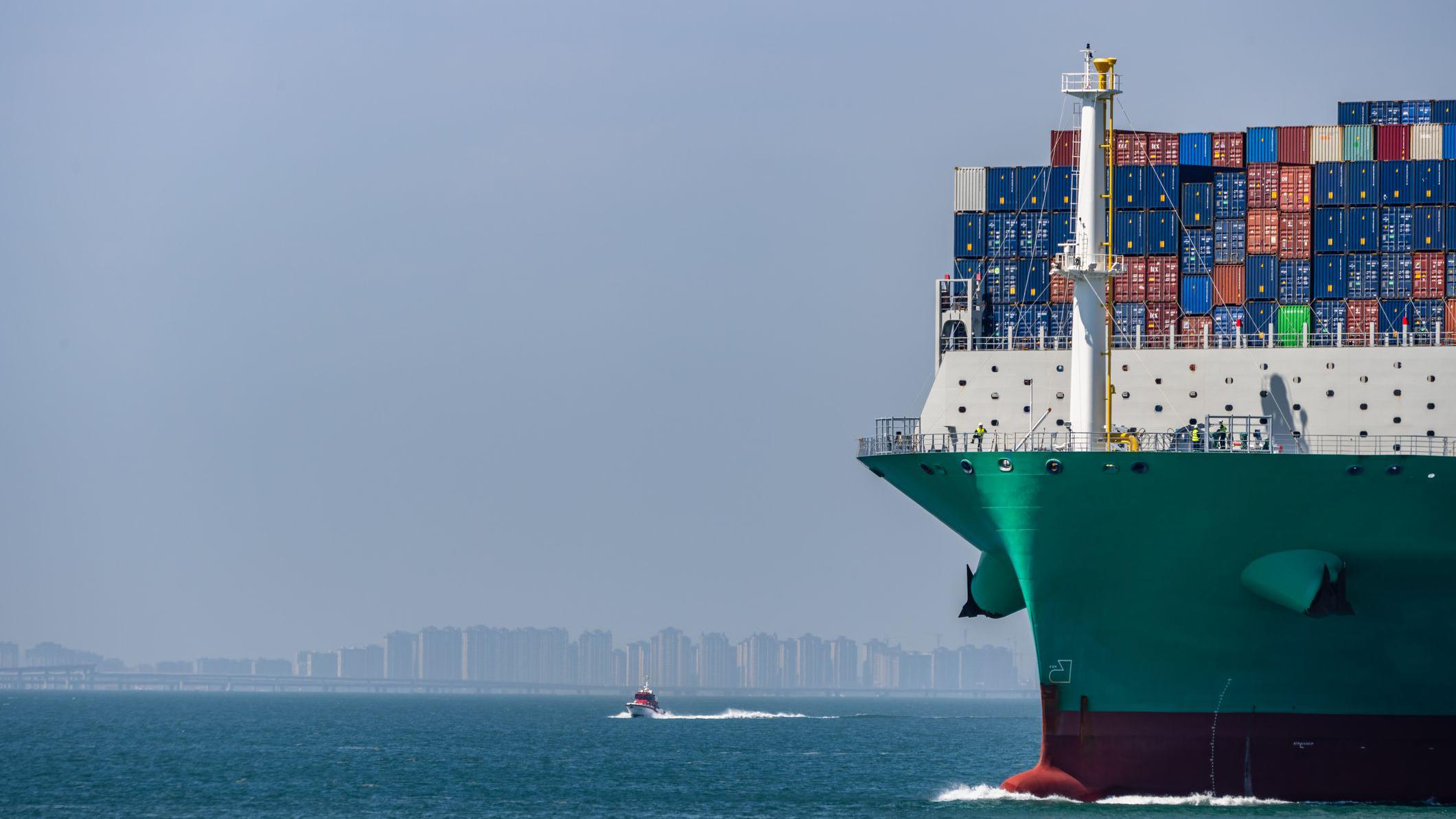
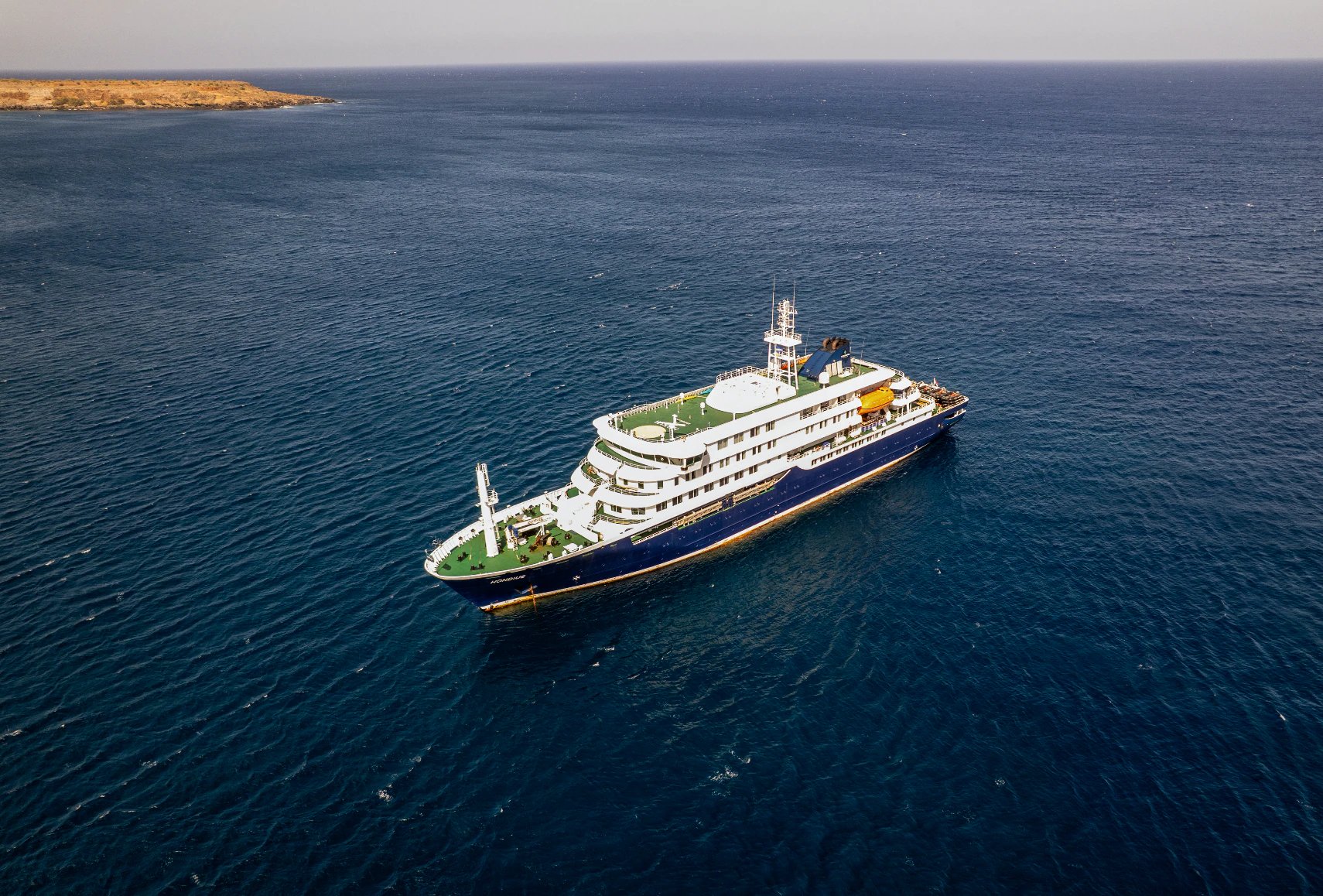
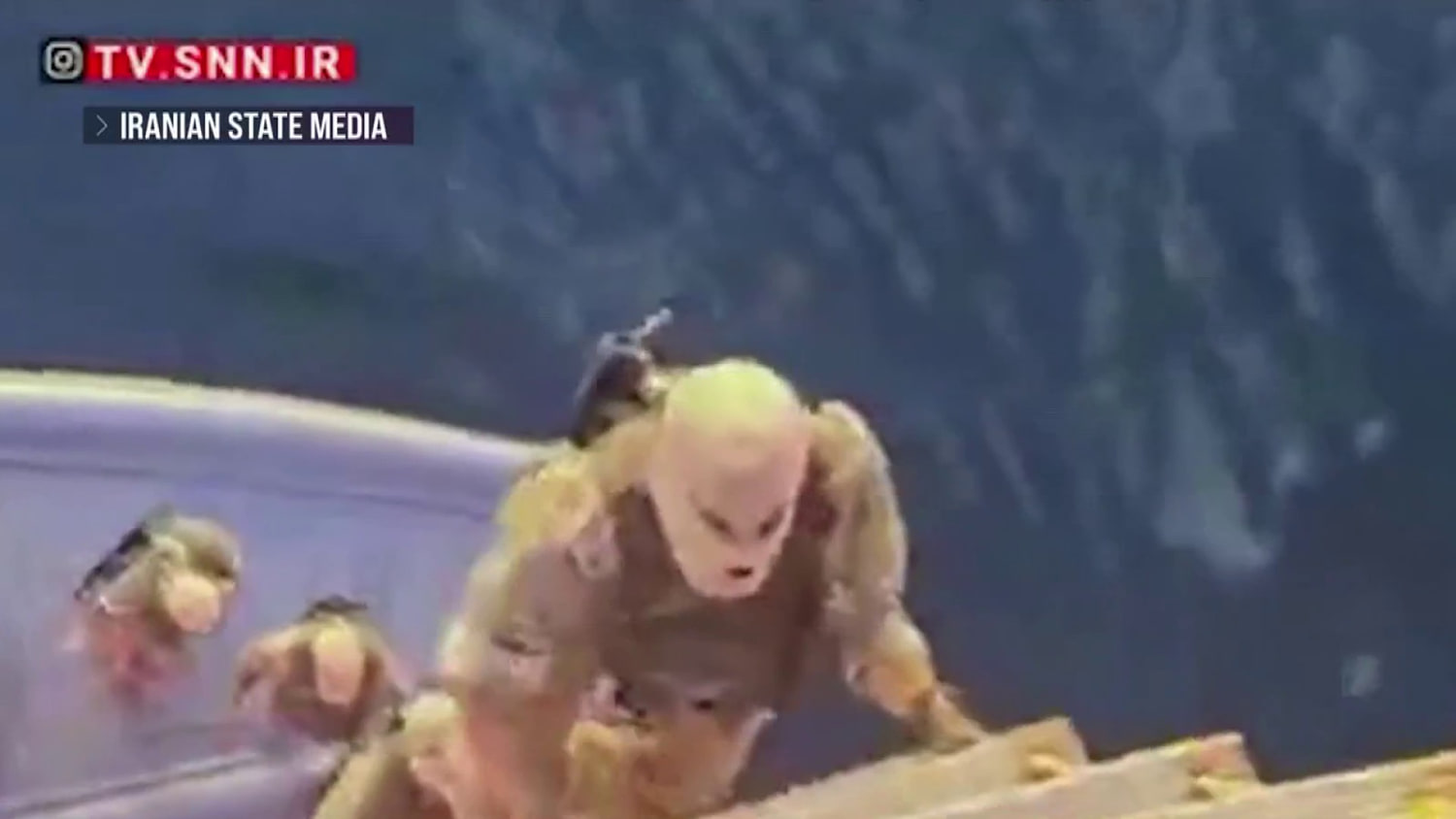
U.S. forces boarded the M/T Tifani, a sanctioned oil tanker, overnight in the Indian Ocean without incident, the Pentagon announced Tuesday. The vessel, flagged to Botswana but described by the Pentagon as "stateless," was detained in the Bay of Bengal between India and Southeast Asia as it carried Iranian crude oil. The boarding represents the latest enforcement action in the Trump administration's blockade against Tehran, one that extends far beyond the traditional war zone in the Middle East.
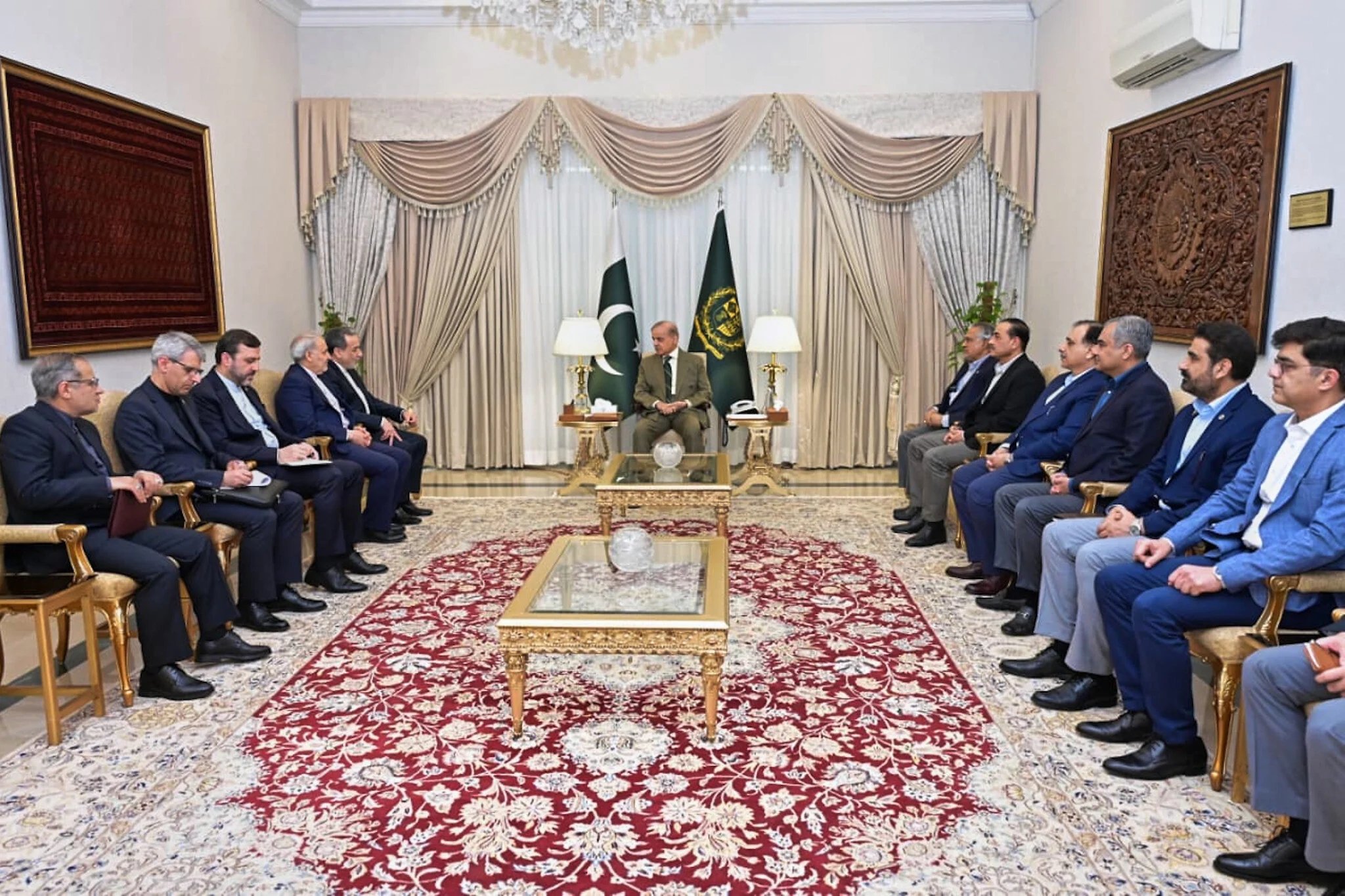
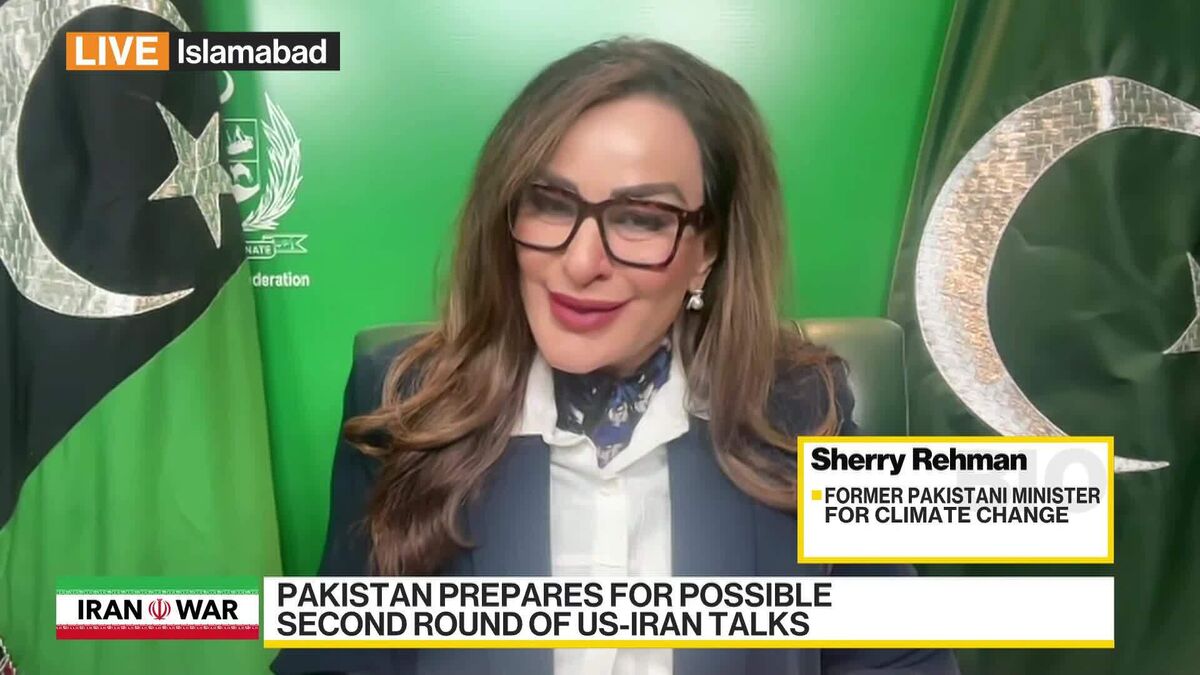
The raid occurred as a two-week ceasefire between the U.S. and Iran approached expiration and negotiations brokered by Pakistan hung in doubt. An initial round of talks ended on April 12 without a breakthrough, and doubts remained Tuesday about whether a second round would take place.
Loading Iranian oil weeks before capture
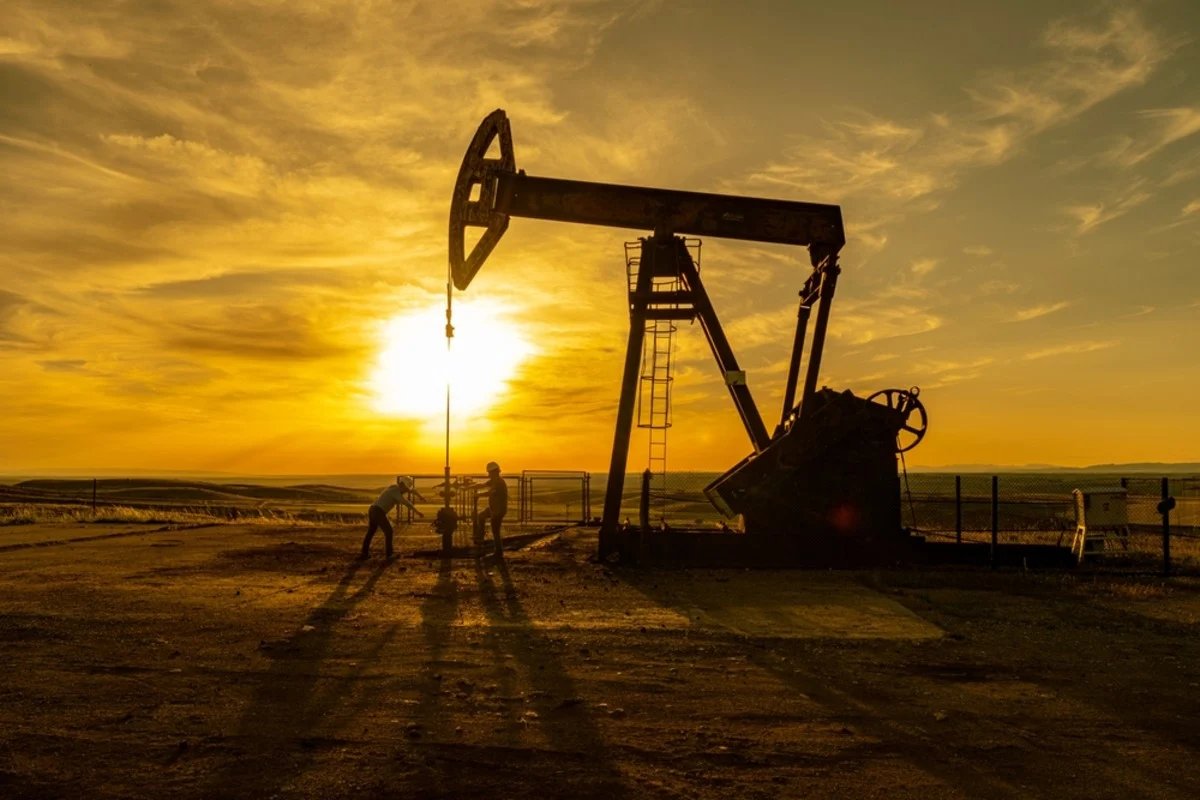
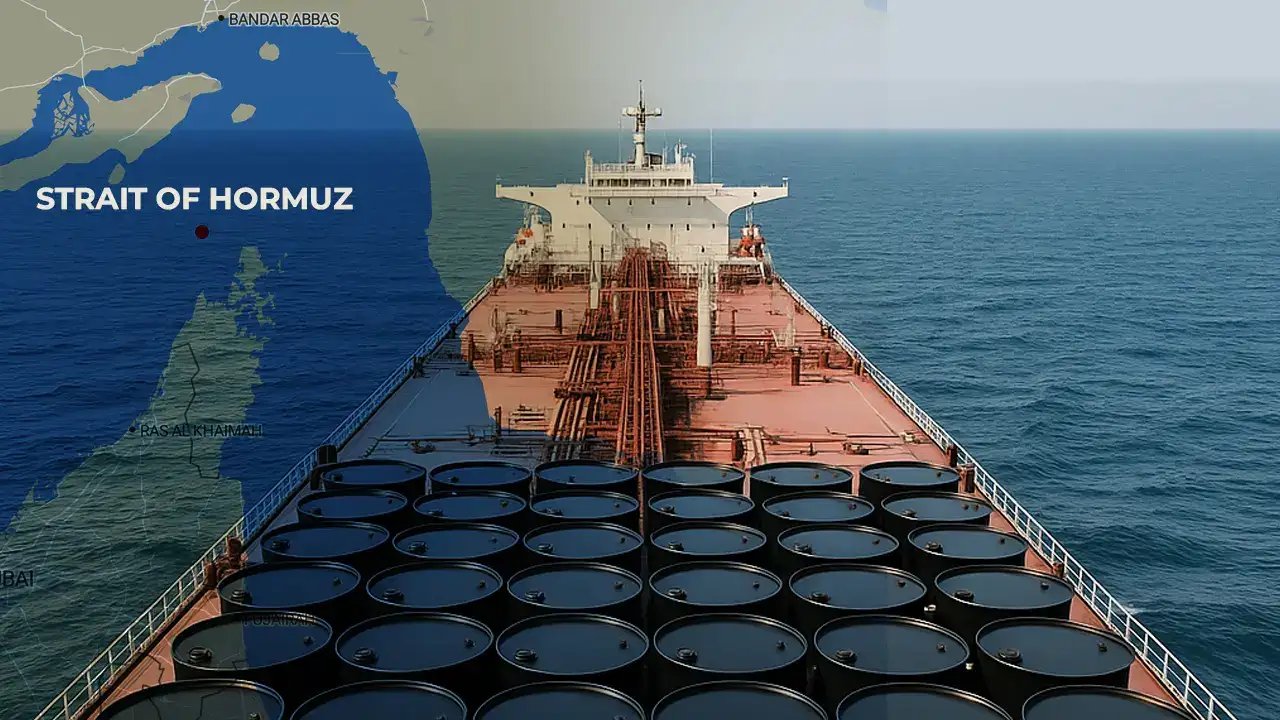
According to energy intelligence firm Kpler, the Tifani loaded approximately 2 million barrels of crude from Iran's Kharg Island on April 5 and transited the Strait of Hormuz on April 9. Before its capture, the vessel had made multiple round trips between the region and destinations including Iran and China, conducting numerous ship-to-ship oil transfers off Singapore and Malaysia in recent years.
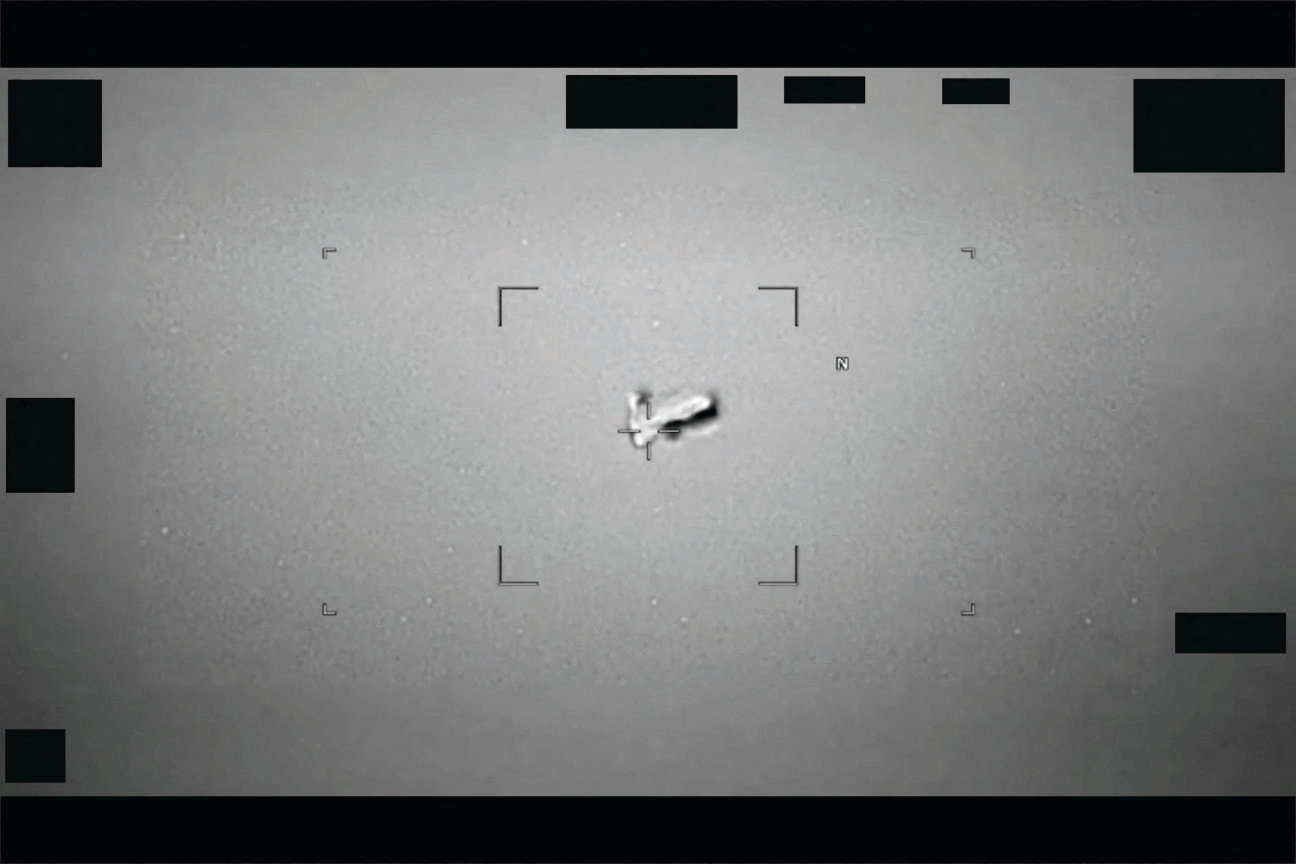
An unnamed U.S. defense official told the Associated Press that the military will decide in coming days whether to tow the vessel back to the United States or transfer it to another country. The Pentagon released video footage showing helicopters hovering above the large, bright orange tanker as forces conducted the operation.
Blockade extends beyond Middle East
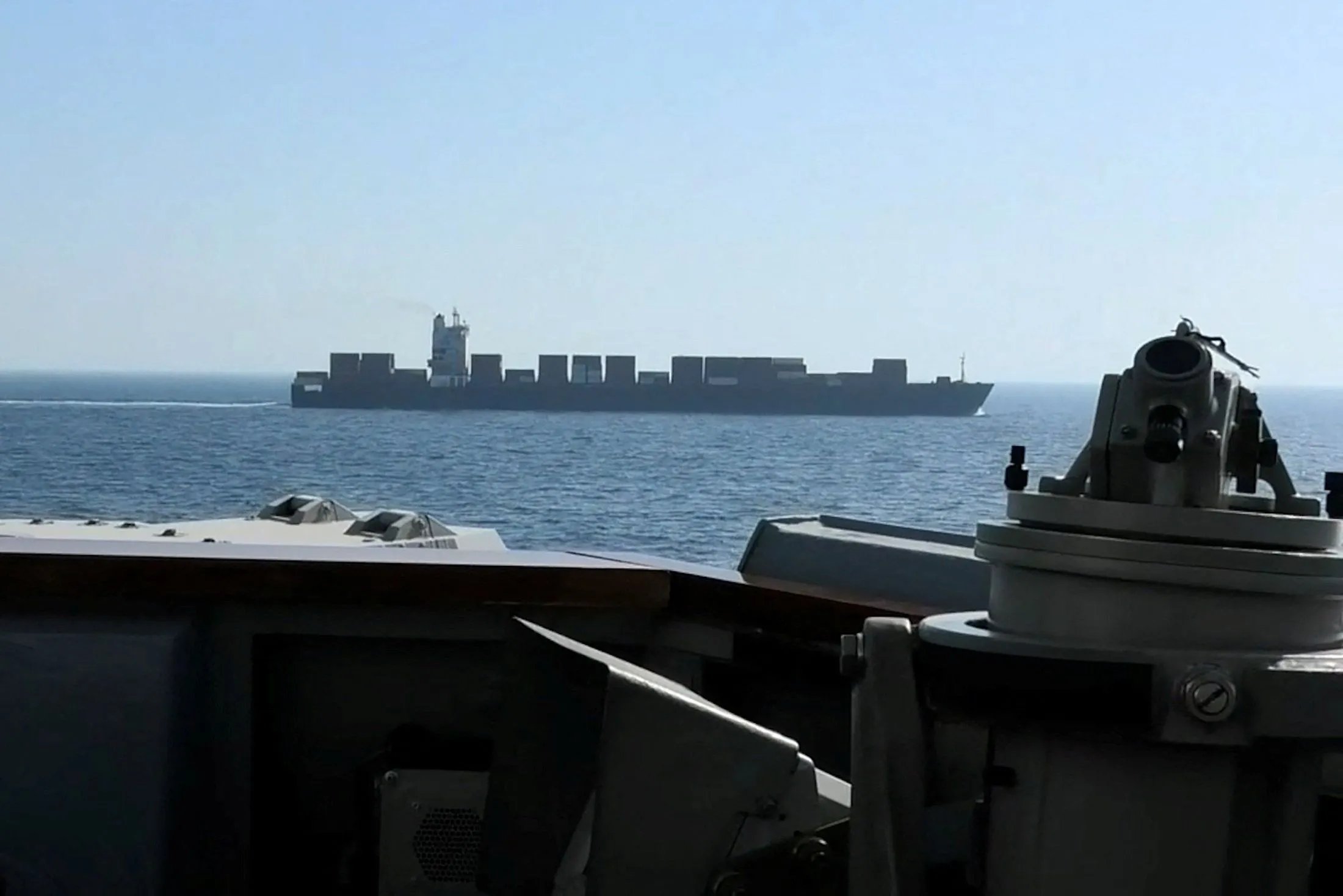
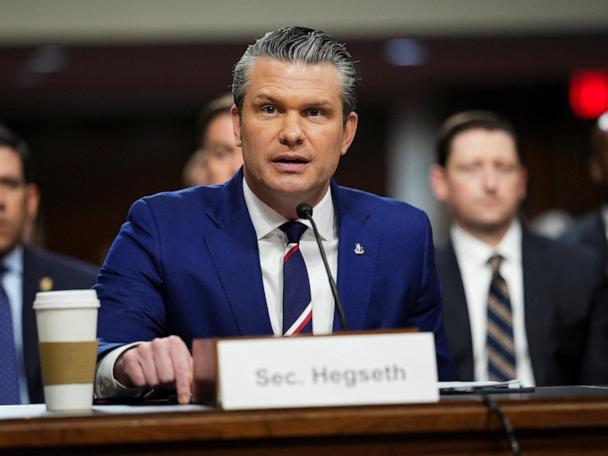
Gen. Dan Caine, chairman of the Joint Chiefs of Staff, said last week that the U.S. blockade would extend beyond Iranian waters and the war theater under control of U.S. Central Command. Forces in other areas of responsibility "will actively pursue any Iranian-flagged vessel or any vessel attempting to provide material support to Iran," Caine told reporters at the Pentagon. He specifically pointed to operations in the Pacific and explained that the U.S. would target vessels that left before the blockade began outside the Strait of Hormuz.
The military published an expansive list of contraband goods it will seize from merchant vessels "regardless of location," declaring that any items "destined for an enemy and that may be susceptible to use in armed conflict" are "subject to capture at any place beyond neutral territory."
Iran's diplomatic response
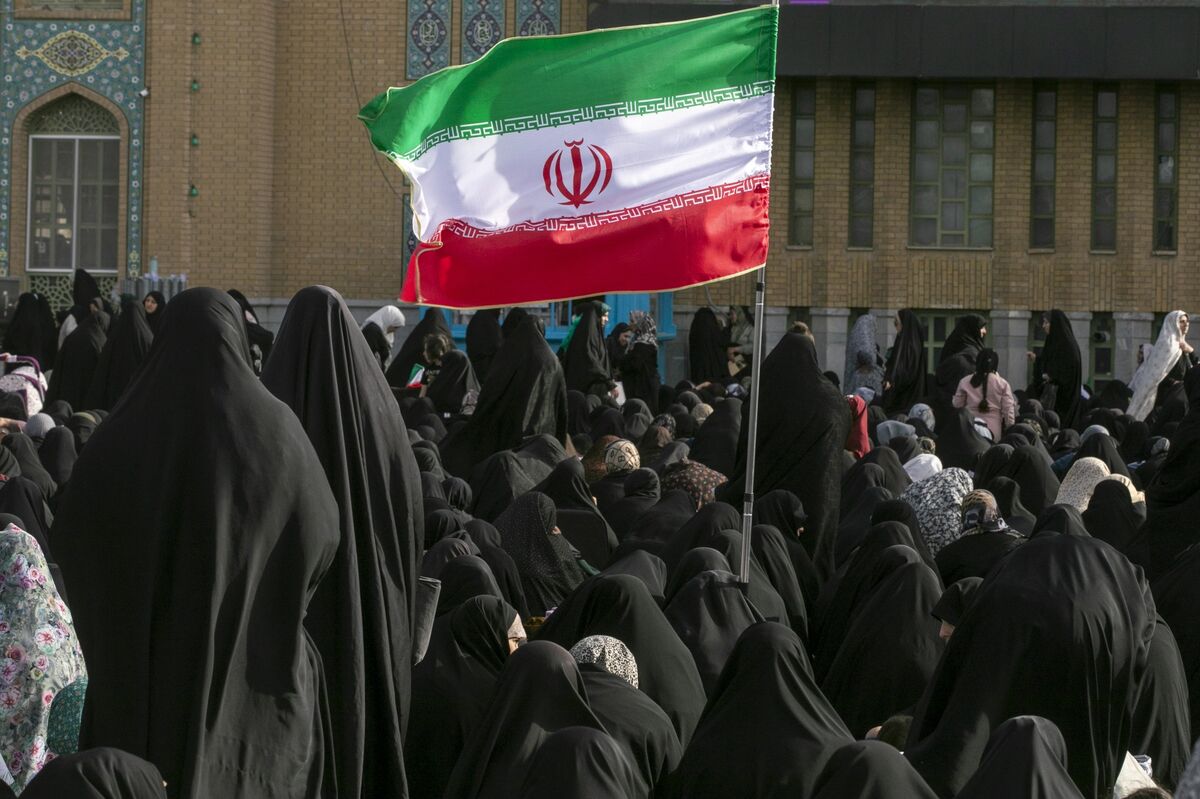
A spokesperson for Tehran's Ministry of Foreign Affairs told state television that Iran had still to decide whether to attend the second round of negotiations. The official described the tanker boarding and an earlier seizure of an Iranian-flagged cargo ship on Sunday as "piracy at sea and state terrorism," declaring that these actions called into question Washington's seriousness in negotiating.
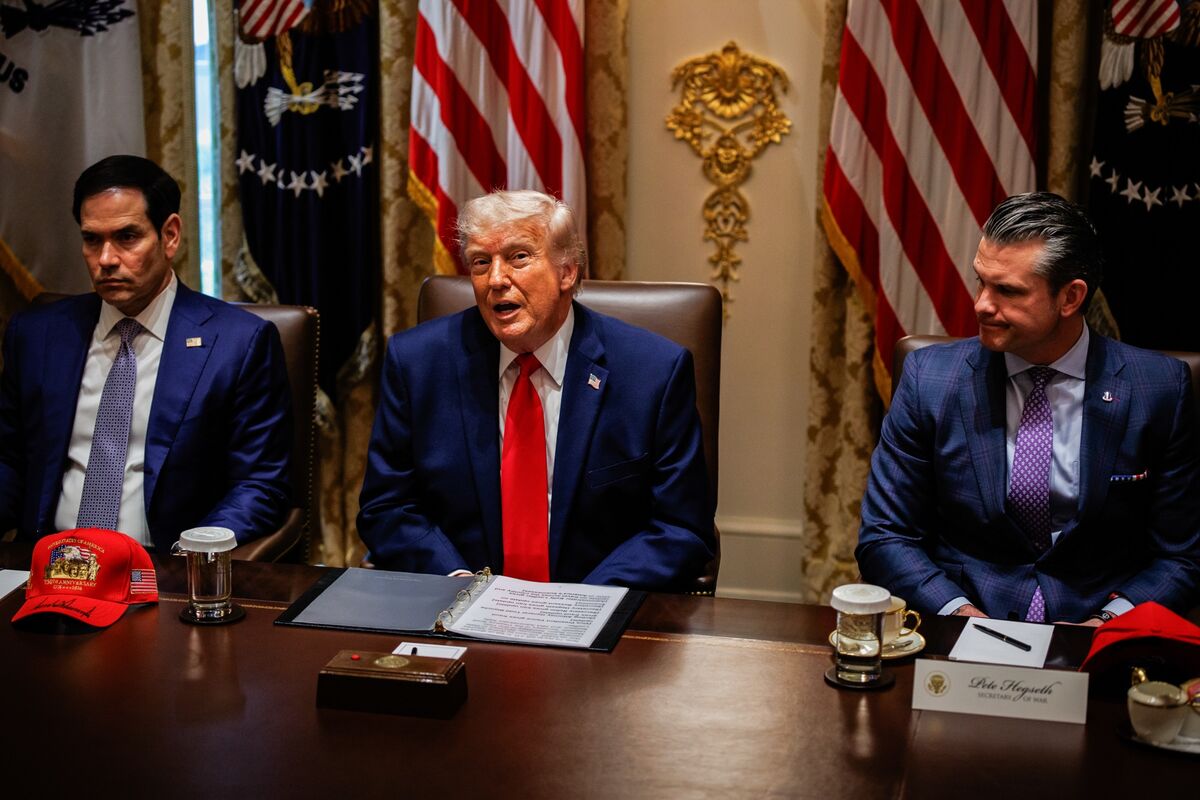
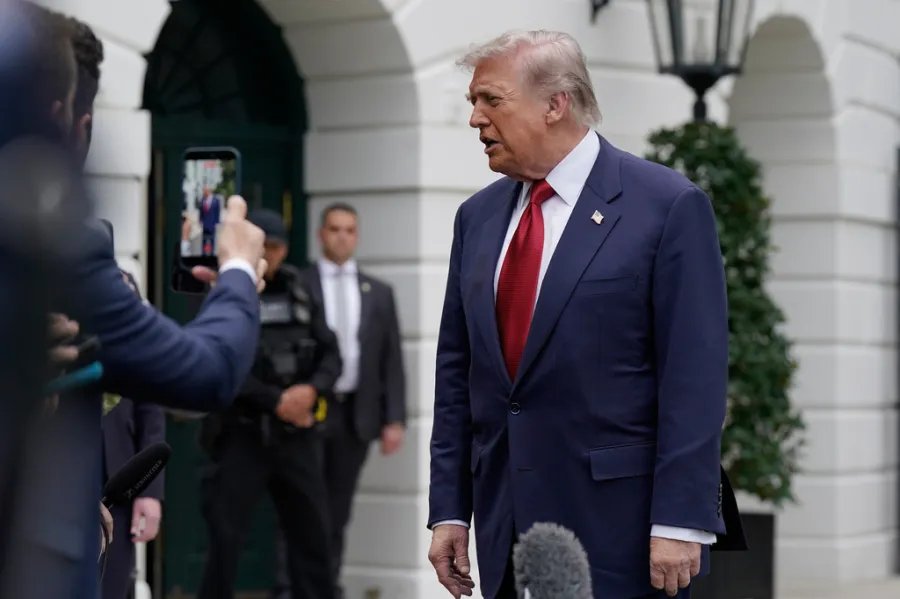
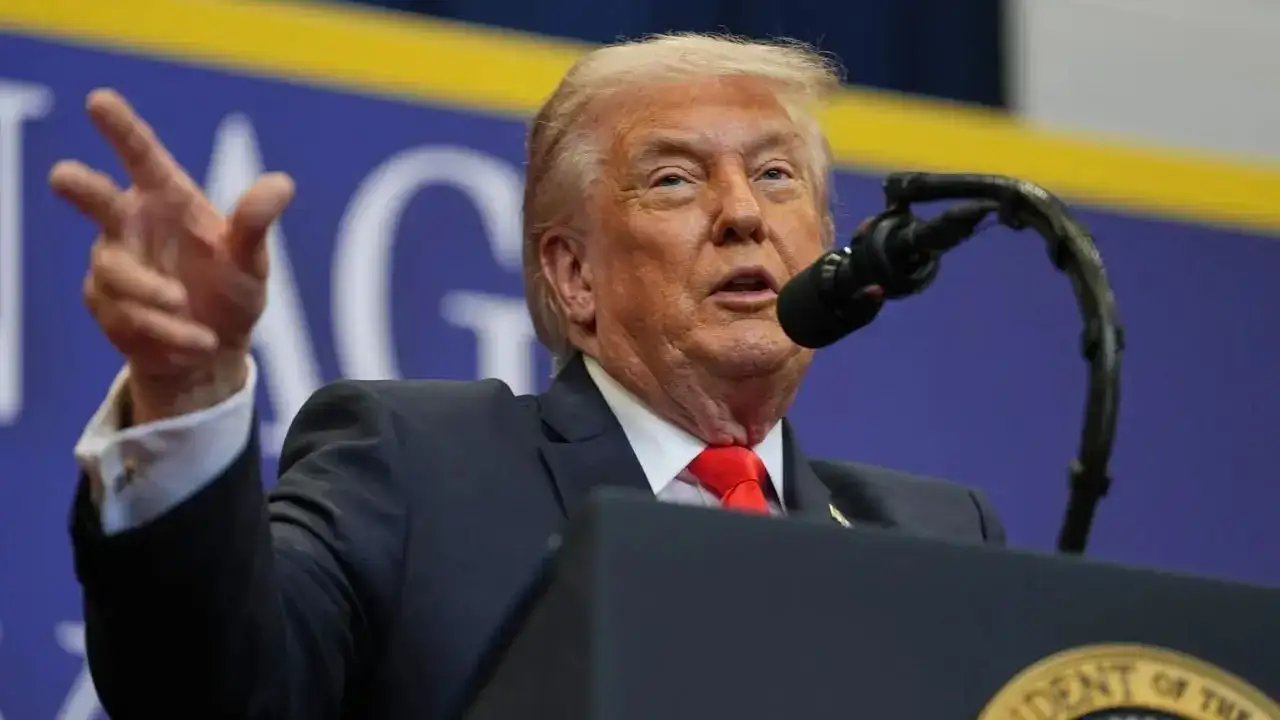
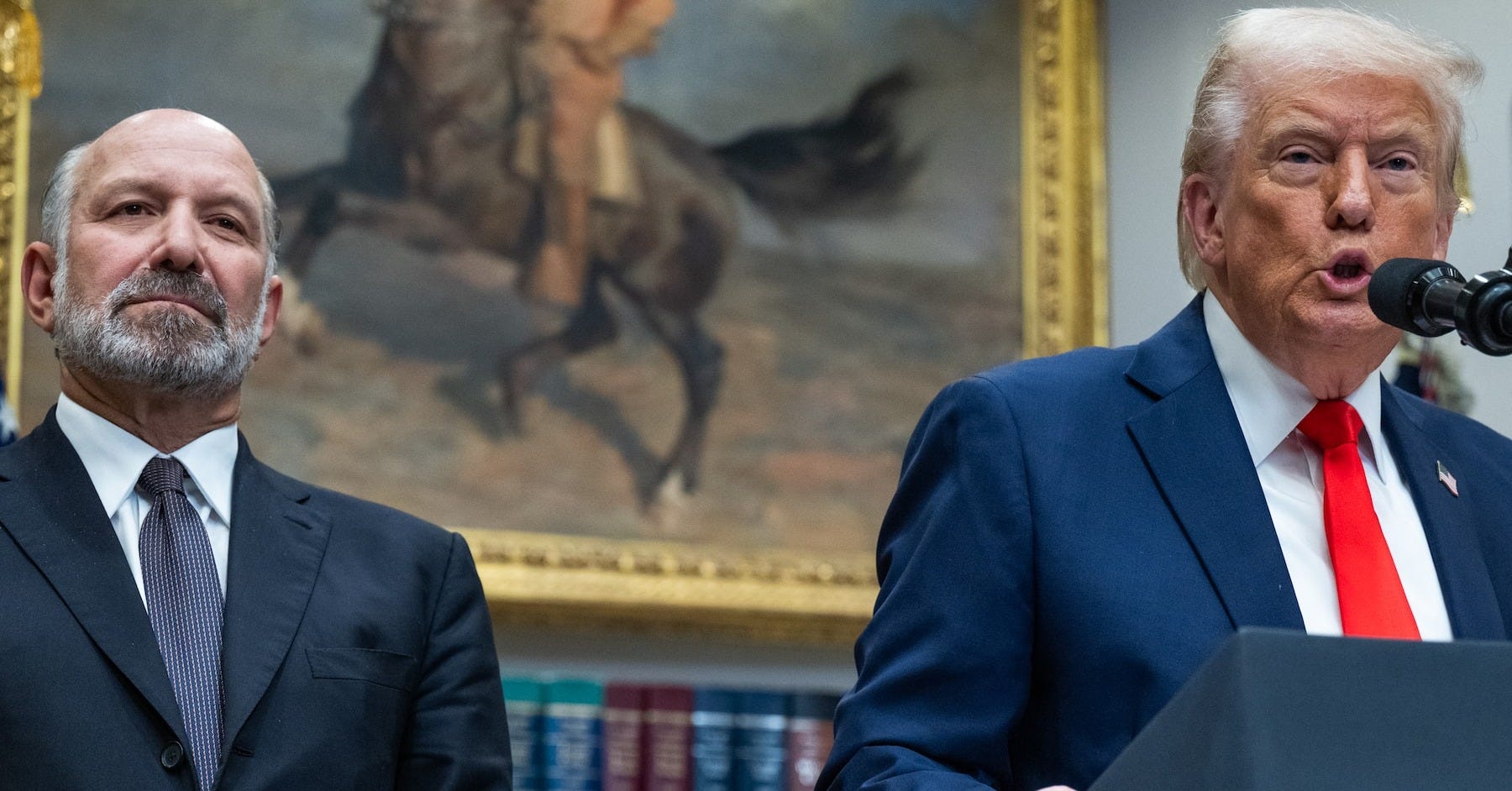
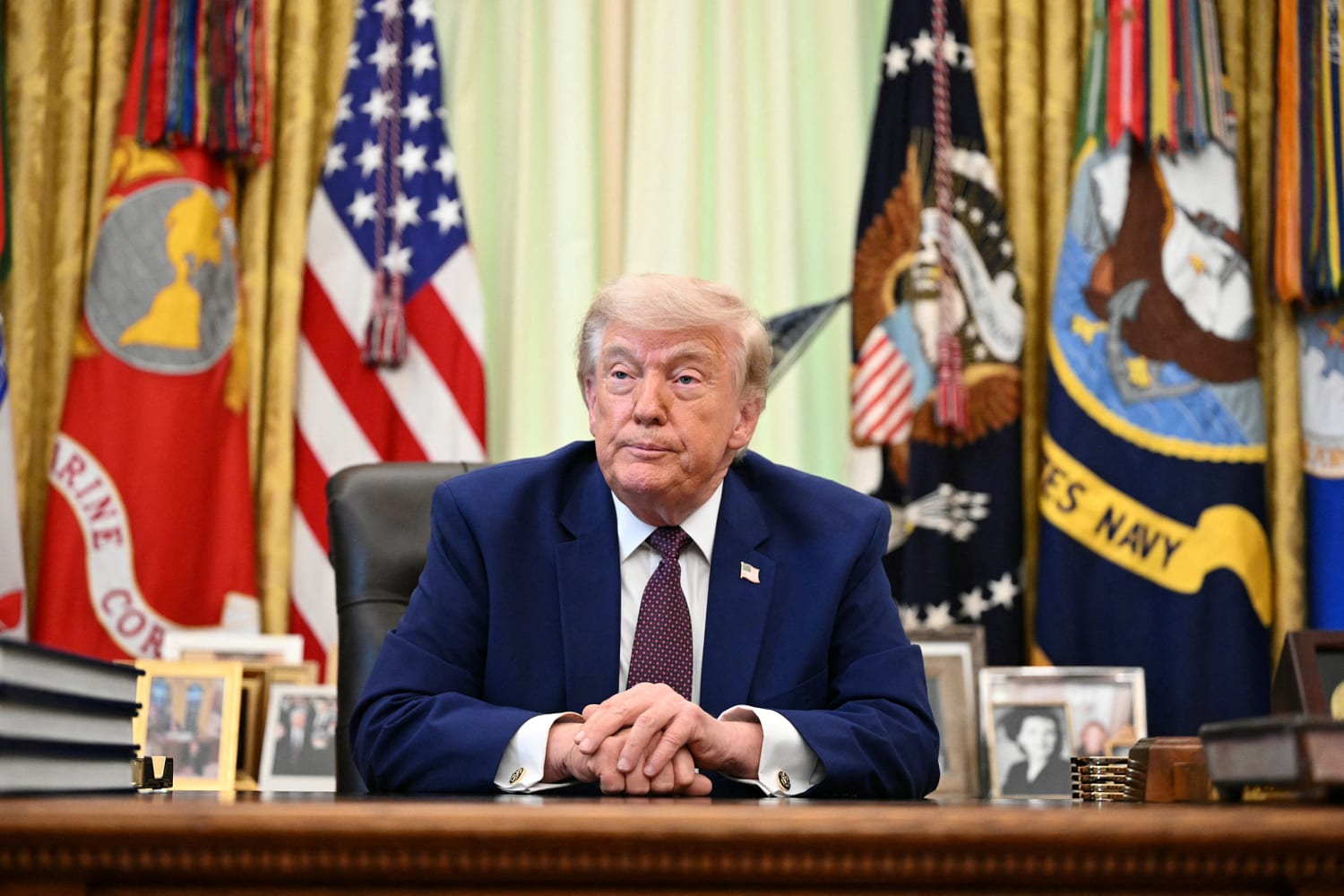
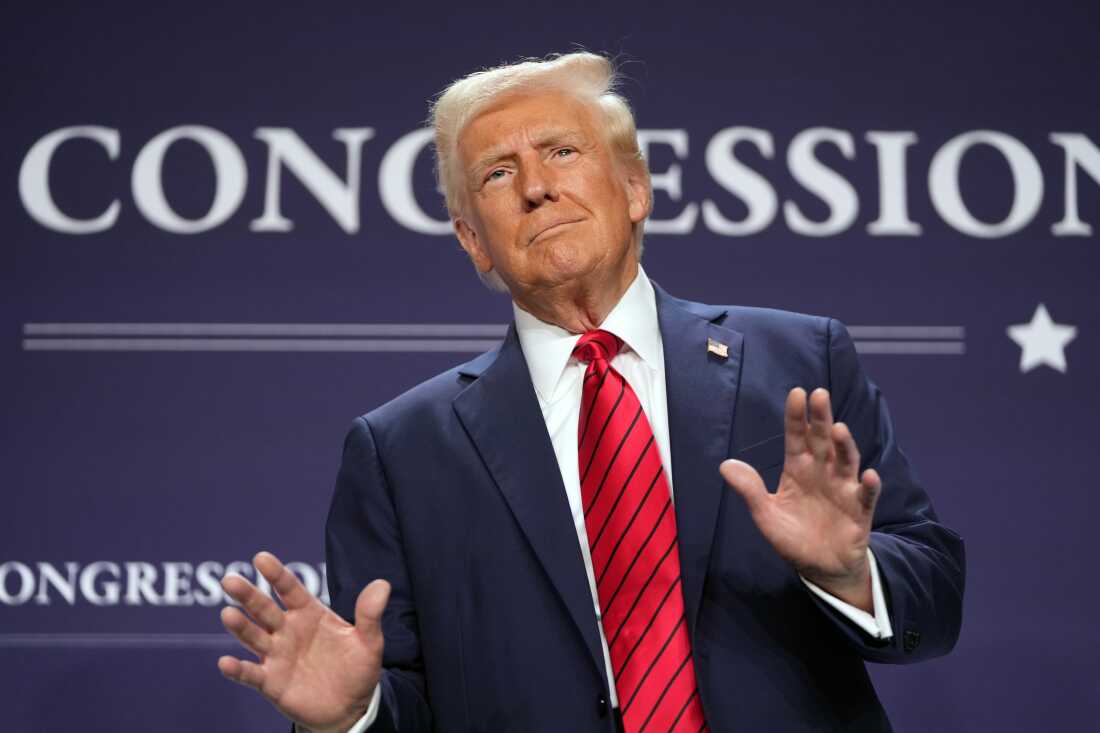
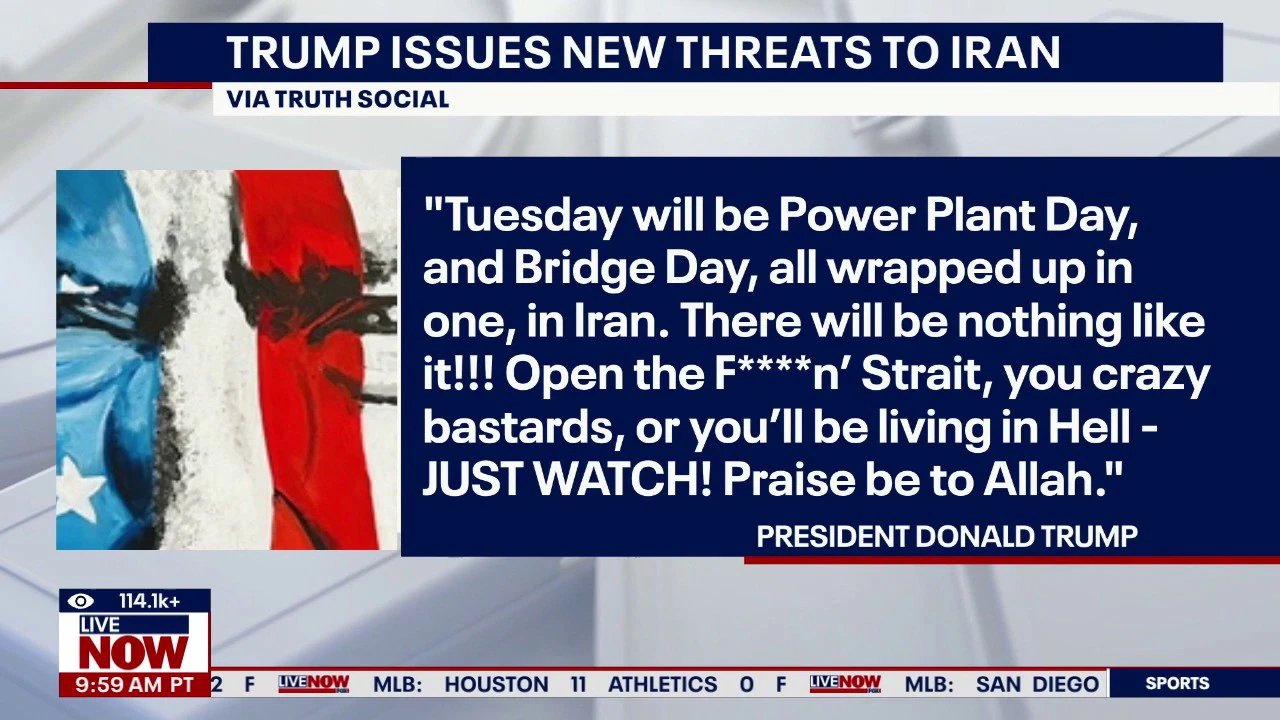
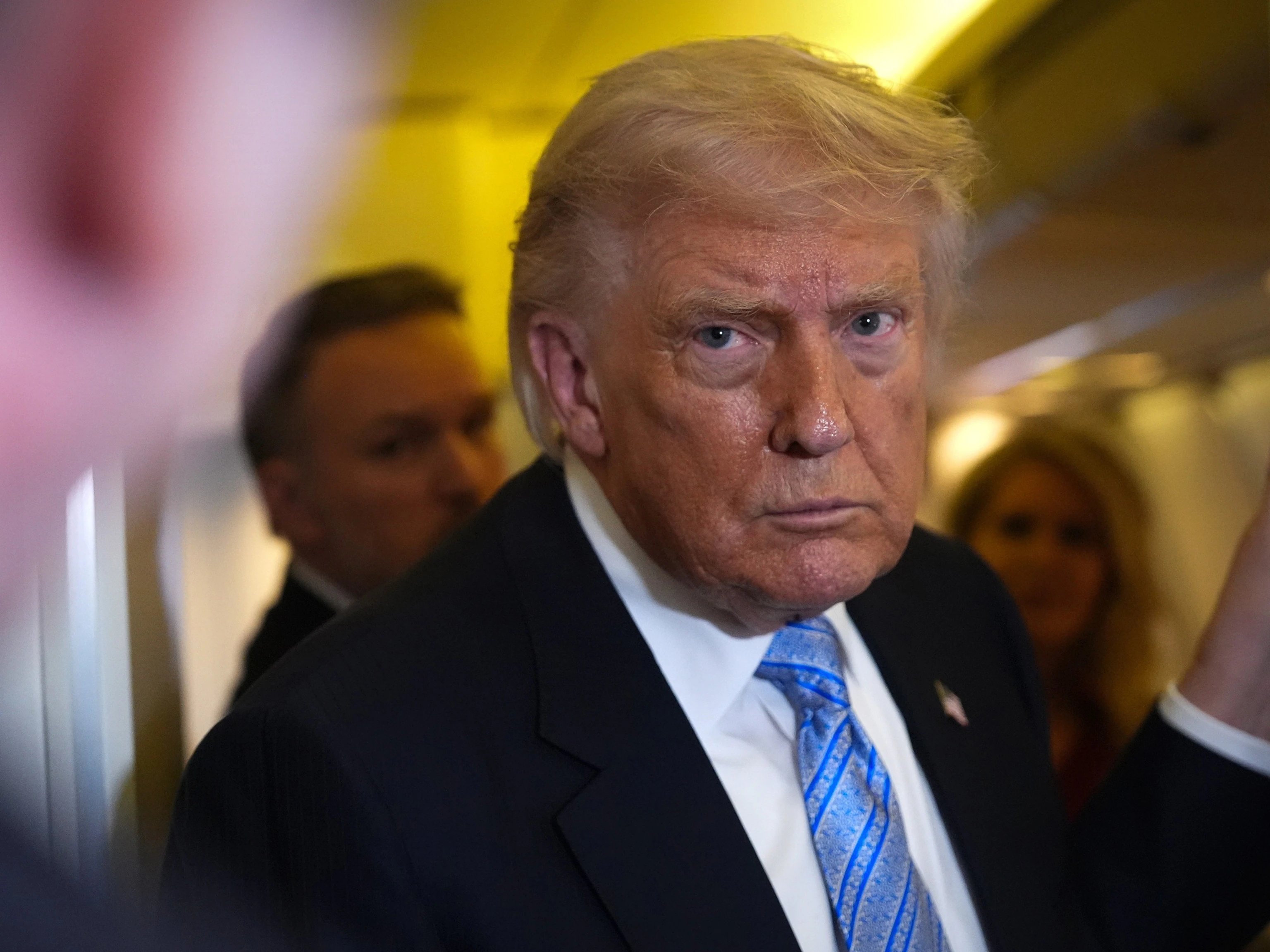
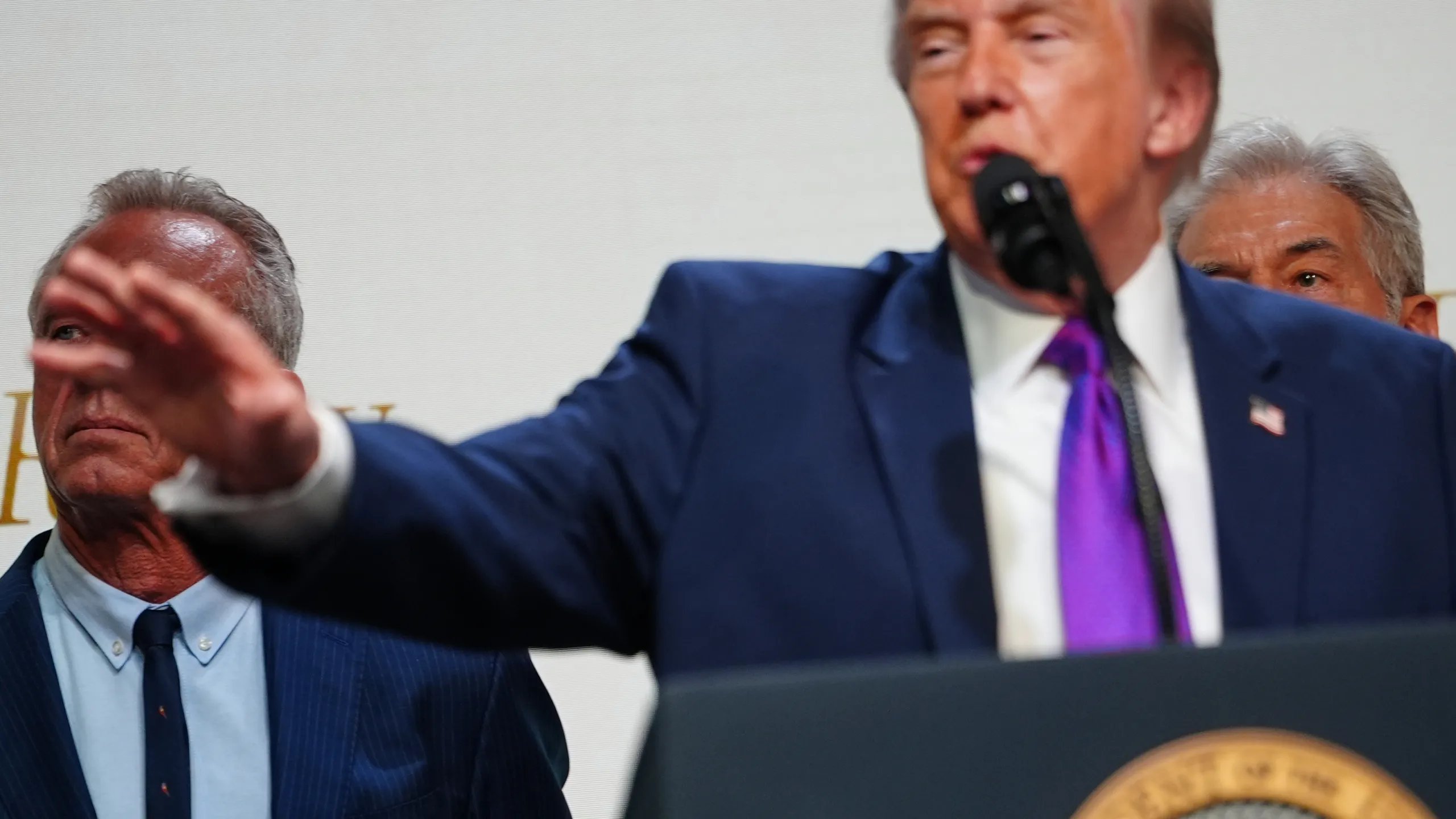
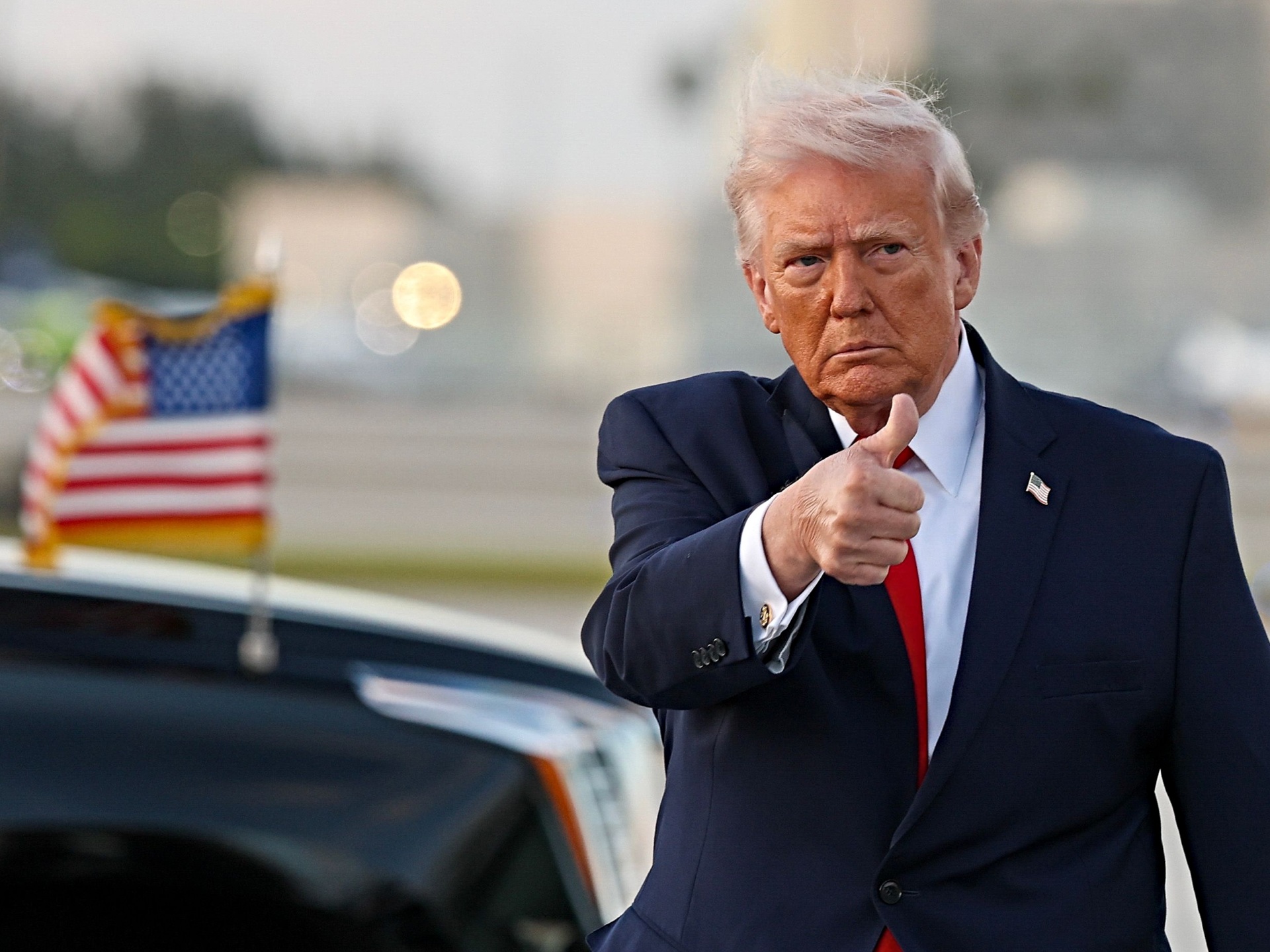
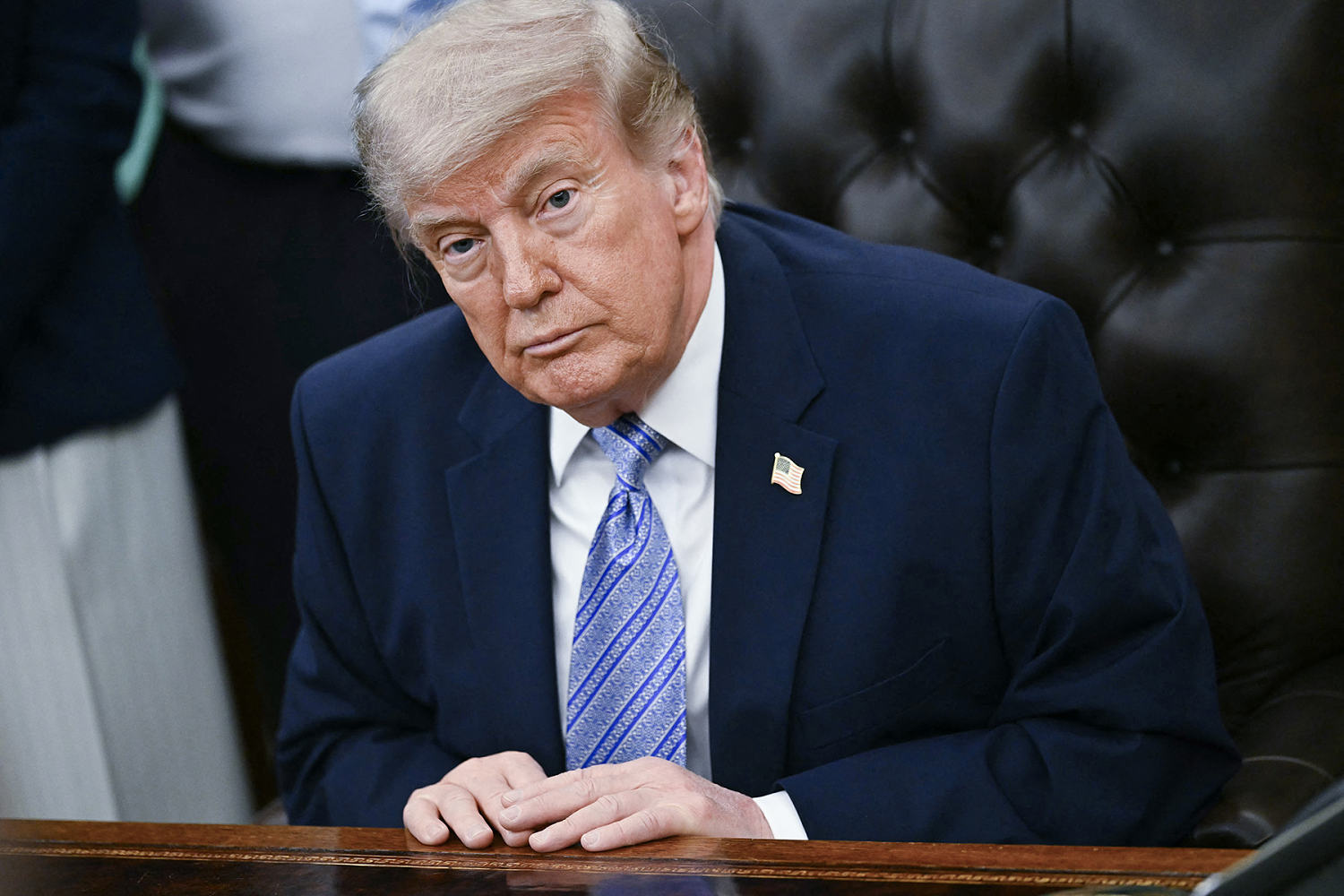
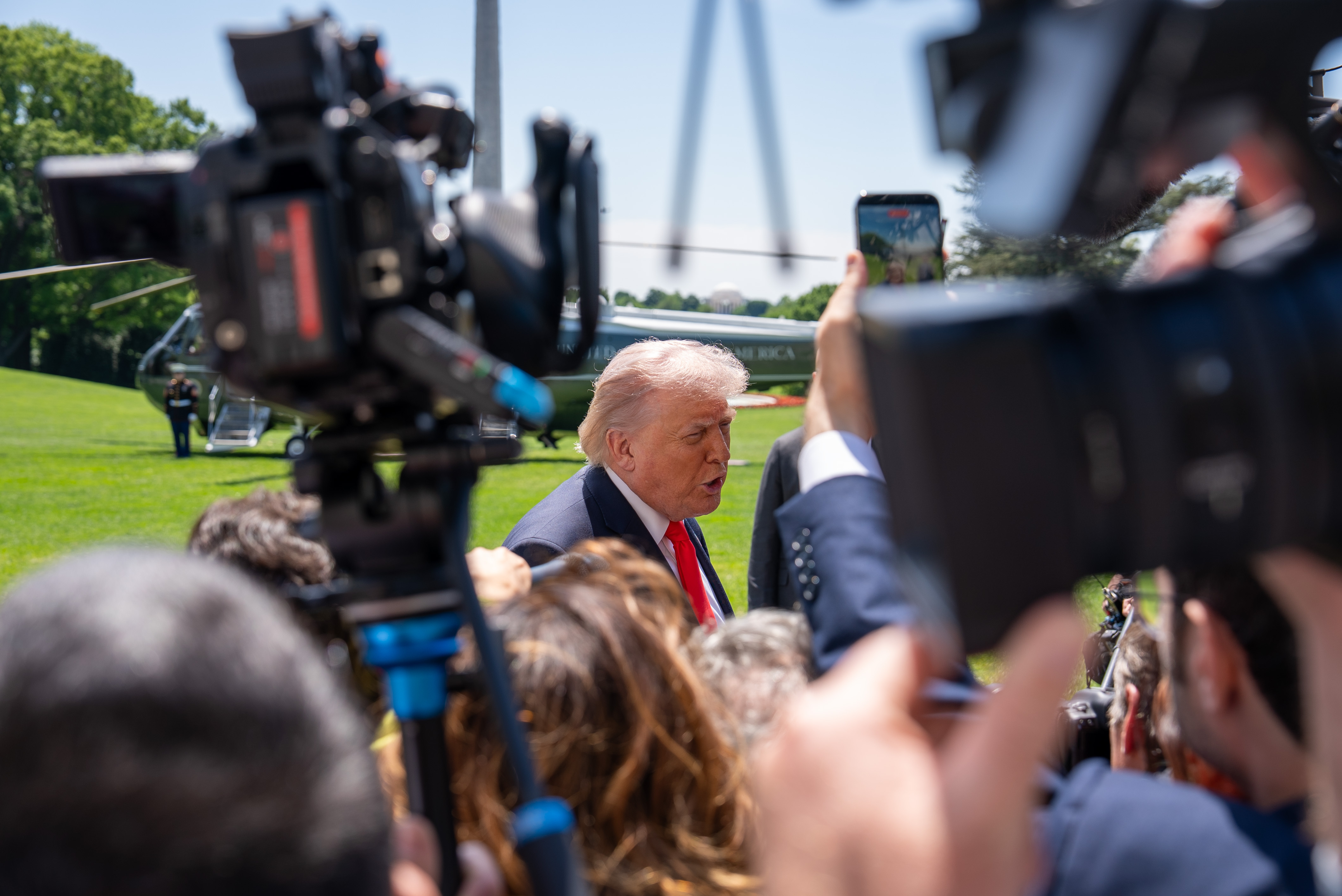
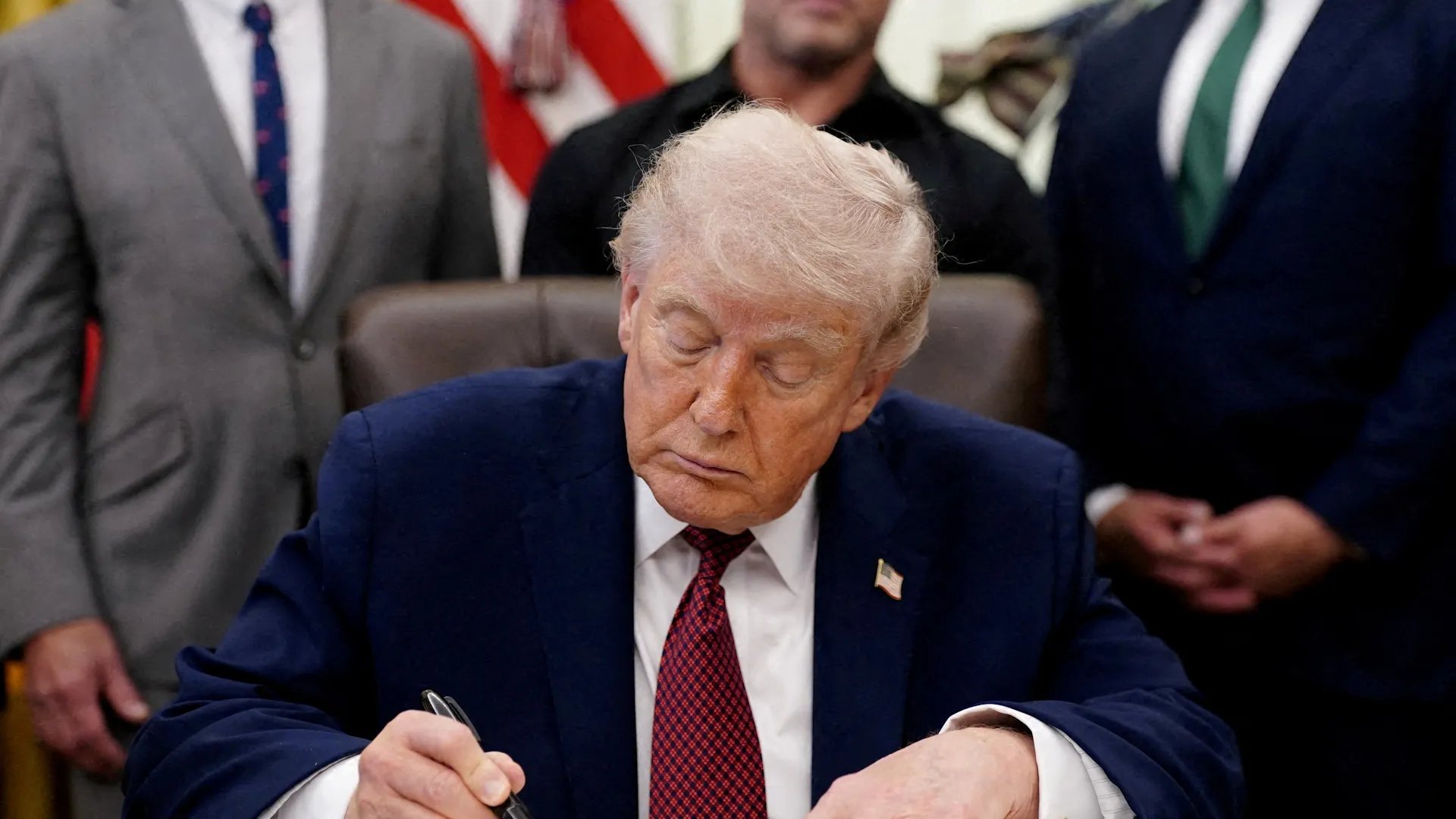
President Trump stated that the U.S. military is "raring to go" if an agreement is not reached by the ceasefire deadline. Lloyd's List Intelligence reported that at least 26 ships from Iran's ghost fleet have circumvented the U.S. blockade since it was imposed last week, suggesting enforcement challenges ahead.

The Al Jazeera article specifies that President Donald Trump promised to maintain the blockade on Iran “until there is a deal” to end the war.










































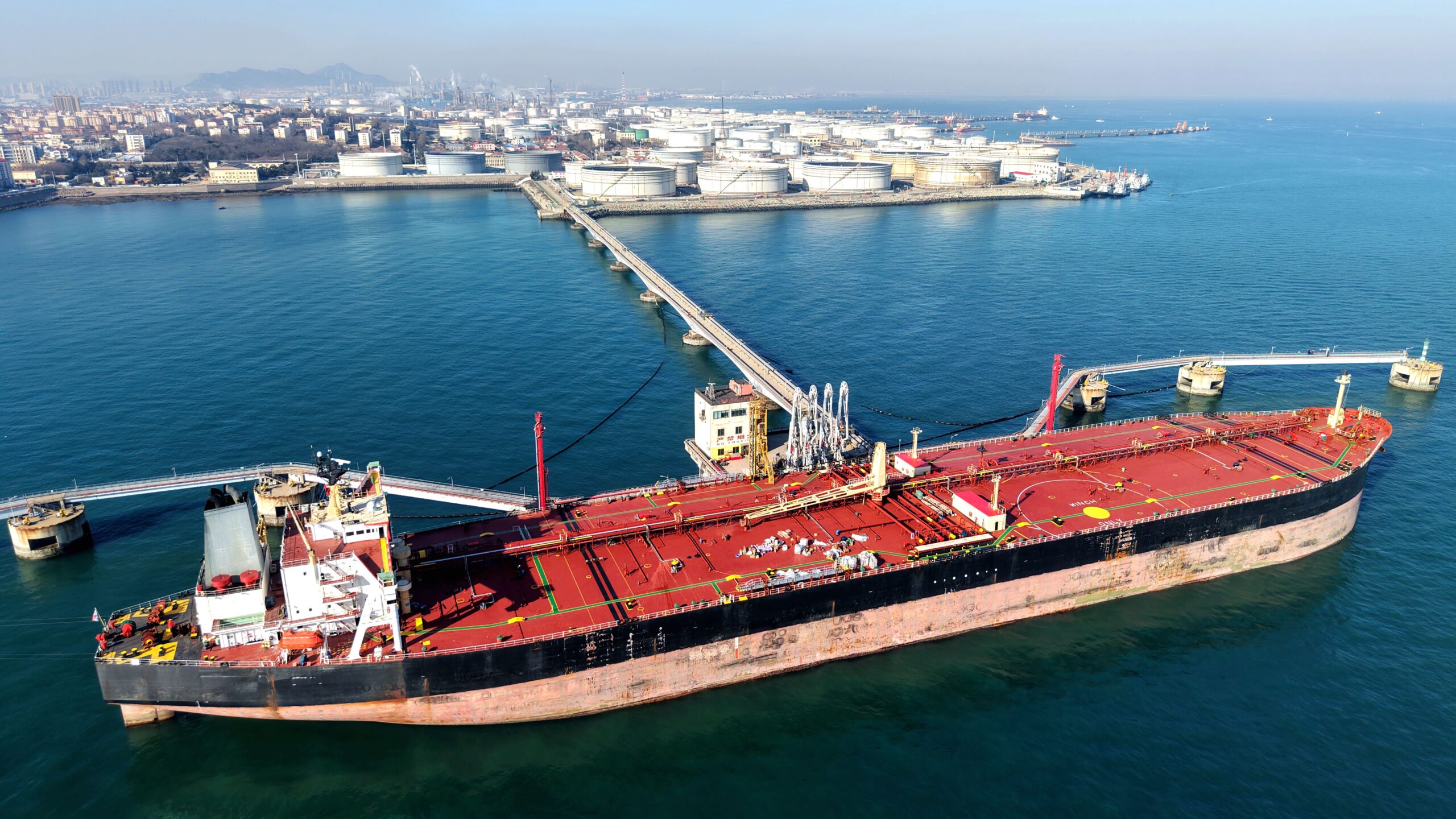








































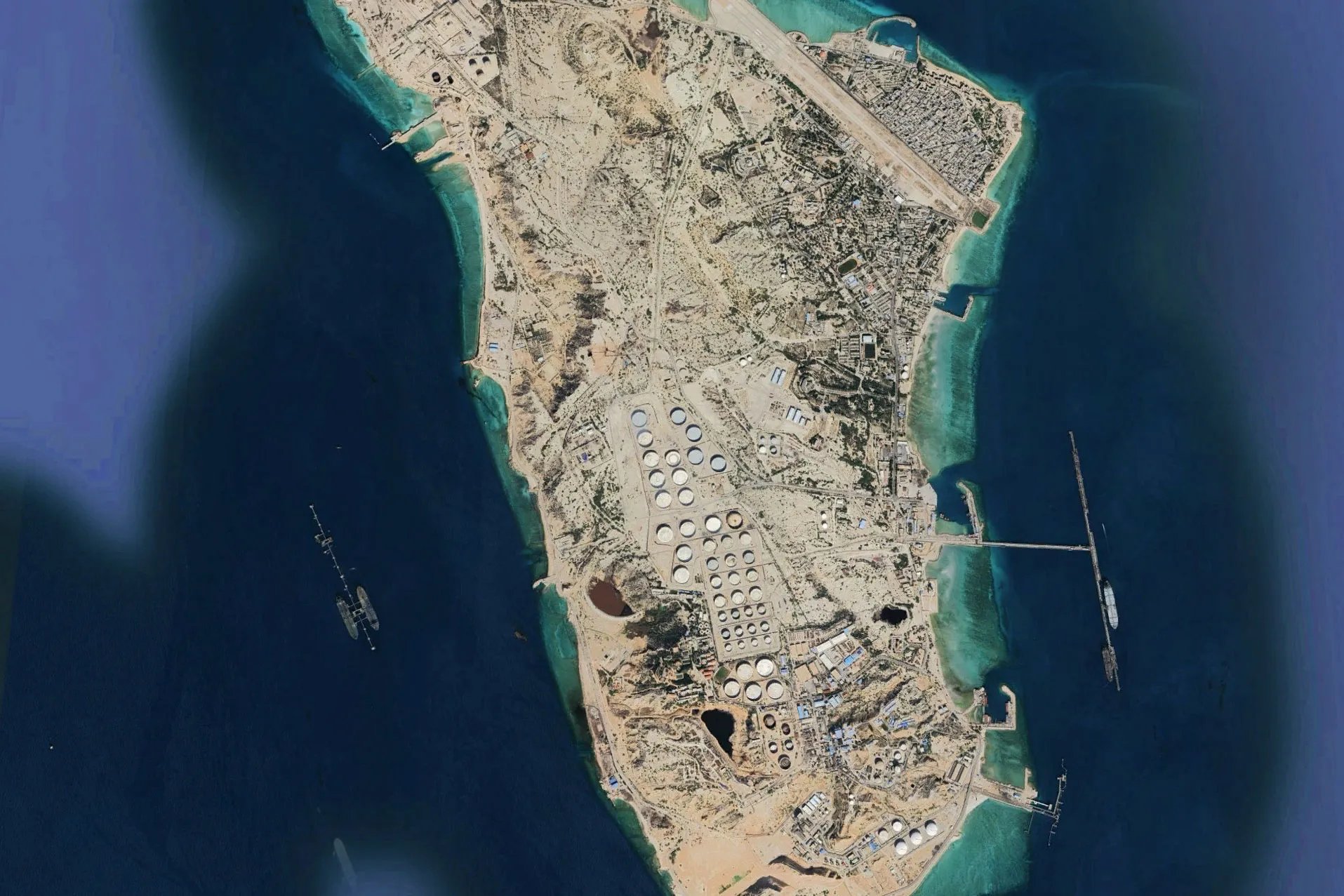









































For example, the M/T Tifani loaded about 2 million barrels of crude oil on April 5 from Iran's Kharg Island, according to energy intelligence firm Kpler.