




The Fund's Status Declared Dead
In a significant court filing on Friday, a Department of Justice (DOJ) attorney confirmed that the Trump administration's controversial $1.8 billion "Anti-Weaponization Fund" is "not going forward." This decision comes amid a backdrop of lawsuits challenging the fund's legitimacy, with the DOJ arguing that the fund has "not been set up" and that there are no grounds for legal action against it. Andrew Block, a senior counsel to the associate attorney general, emphasized that the fund's existence is moot, as no money has been allocated or decisions made regarding its distribution.
Legal Challenges and Political Controversy
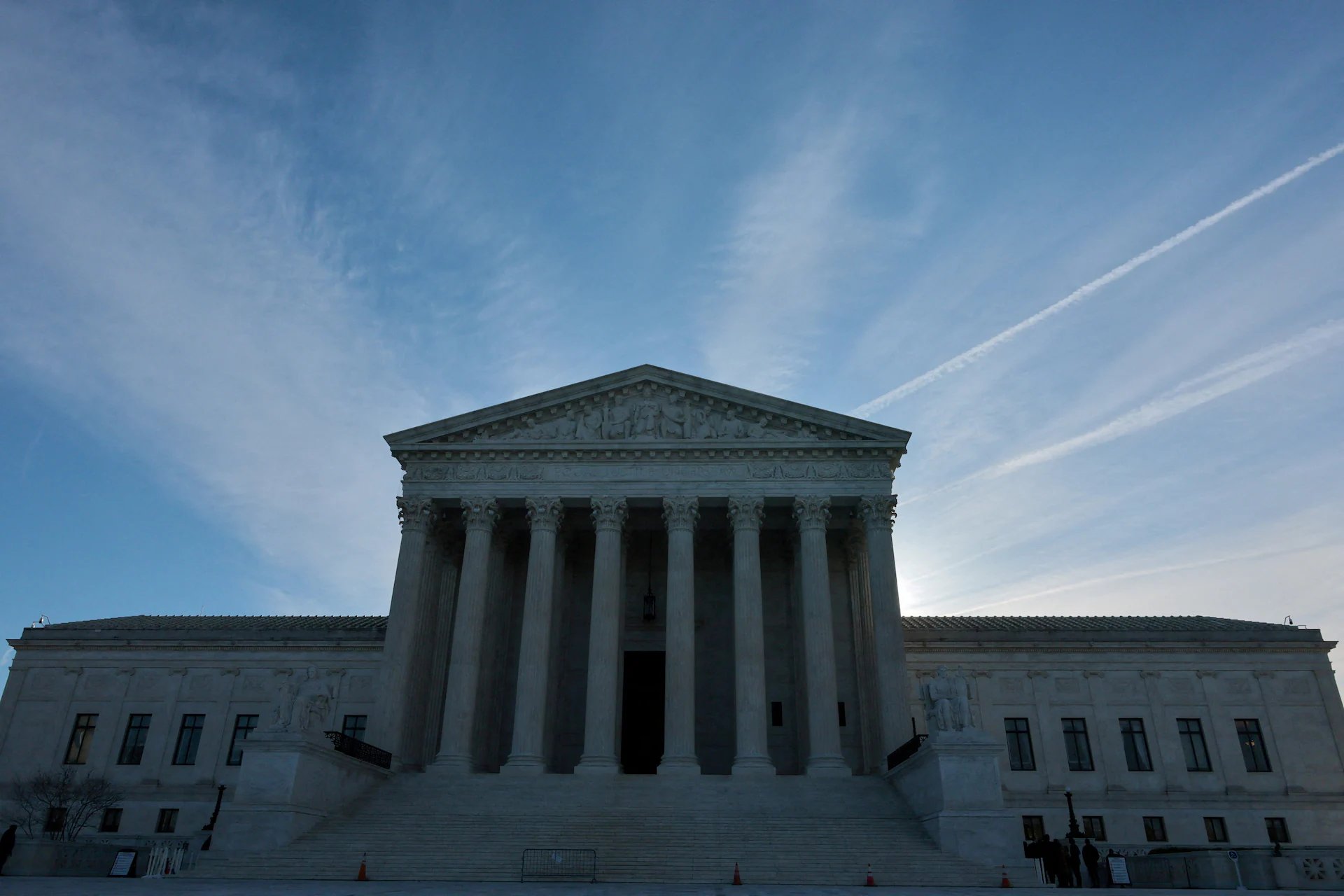
The fund was initially proposed to compensate individuals who claimed they were unfairly targeted by the Biden administration. However, it has faced backlash for its potential use of taxpayer money to support allies of Trump, including those involved in the January 6 Capitol riots. The "anti-weaponization fund" has been the target of at least four different federal lawsuits seeking to halt its creation, with some plaintiffs, including a former prosecutor, labeling it a "slush fund" for insurrectionists. In response to these challenges, the DOJ requested that a federal judge reject motions to block the fund, asserting that it is already defunct.
Mixed Messages from the Trump Administration
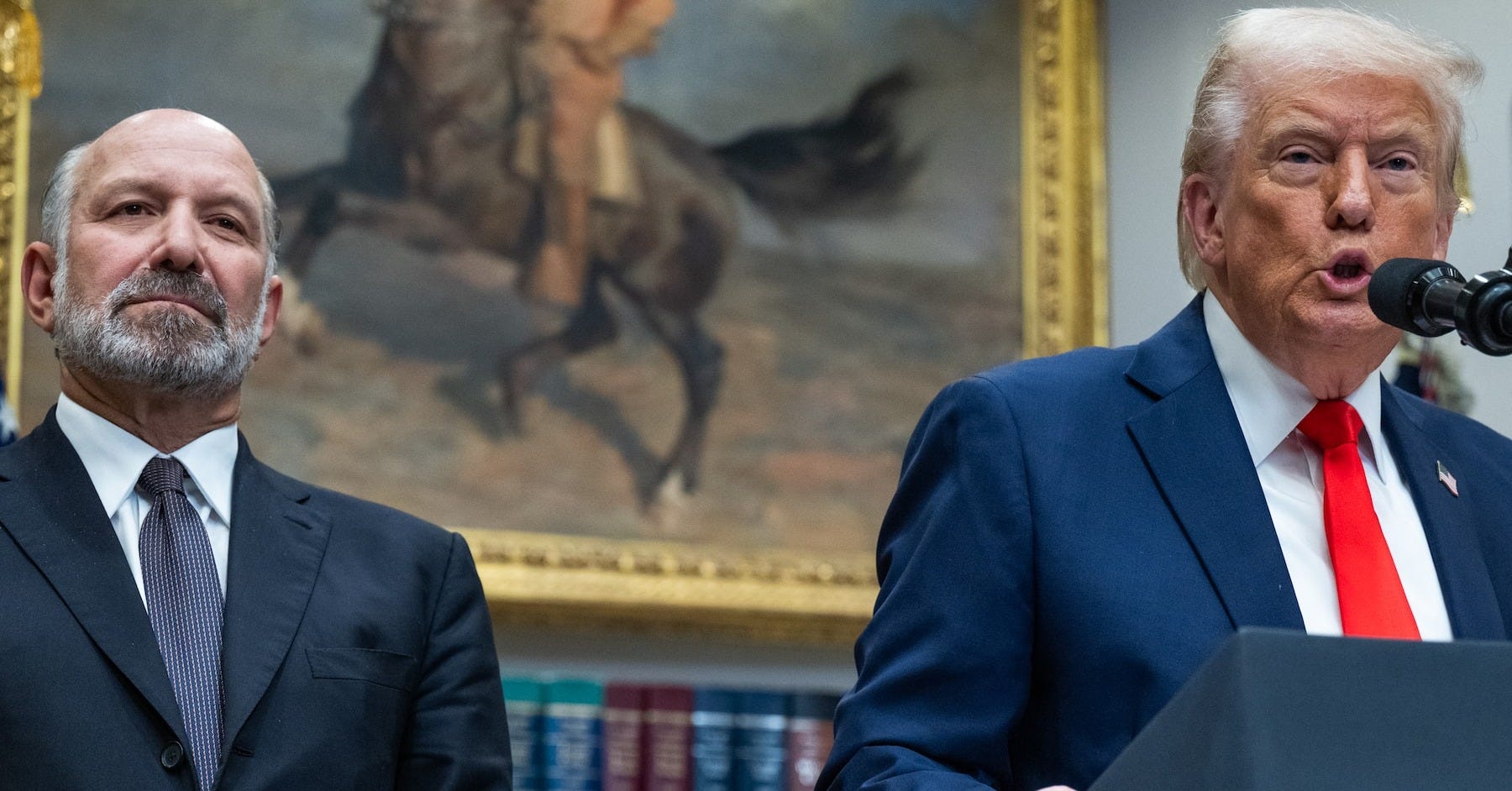
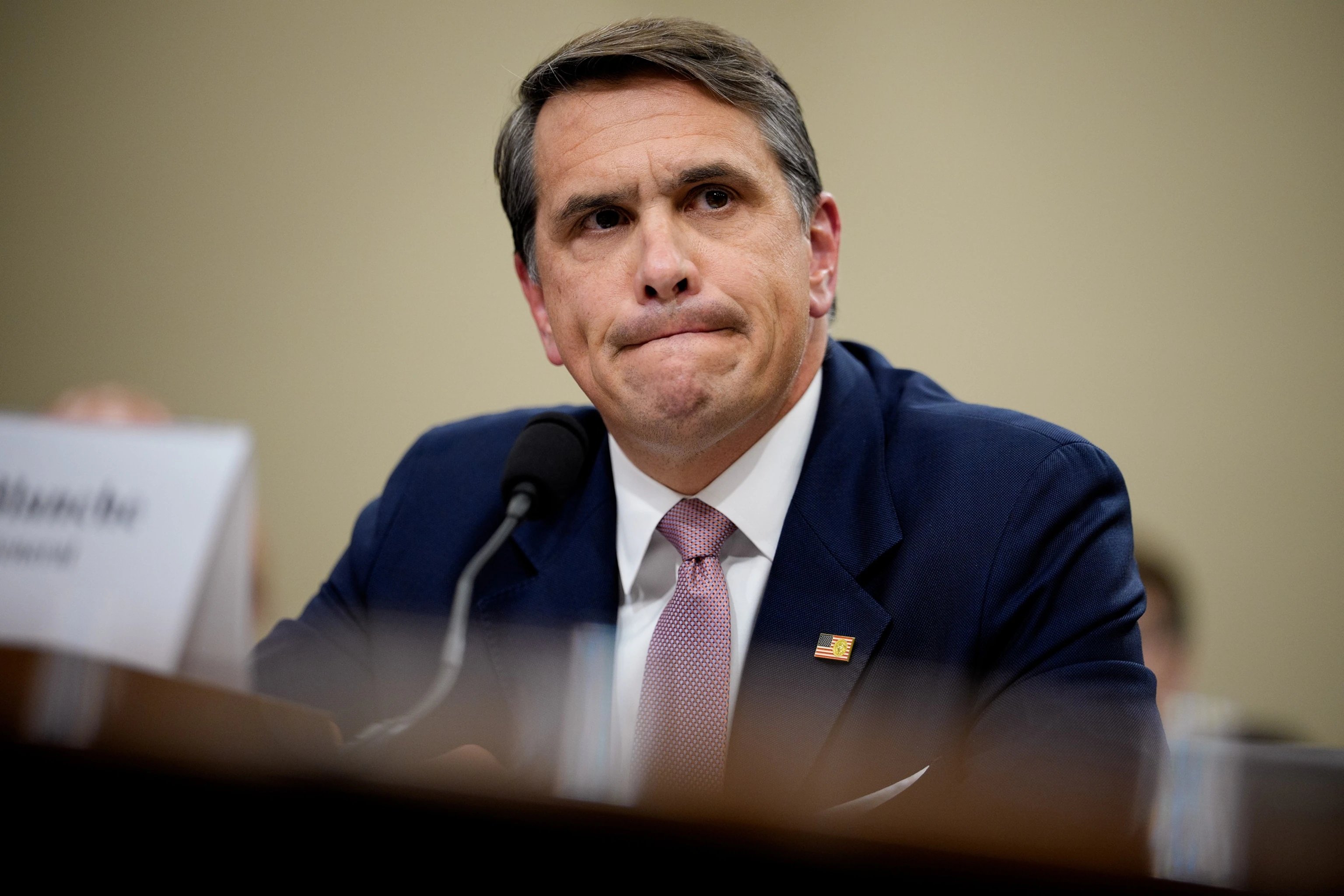
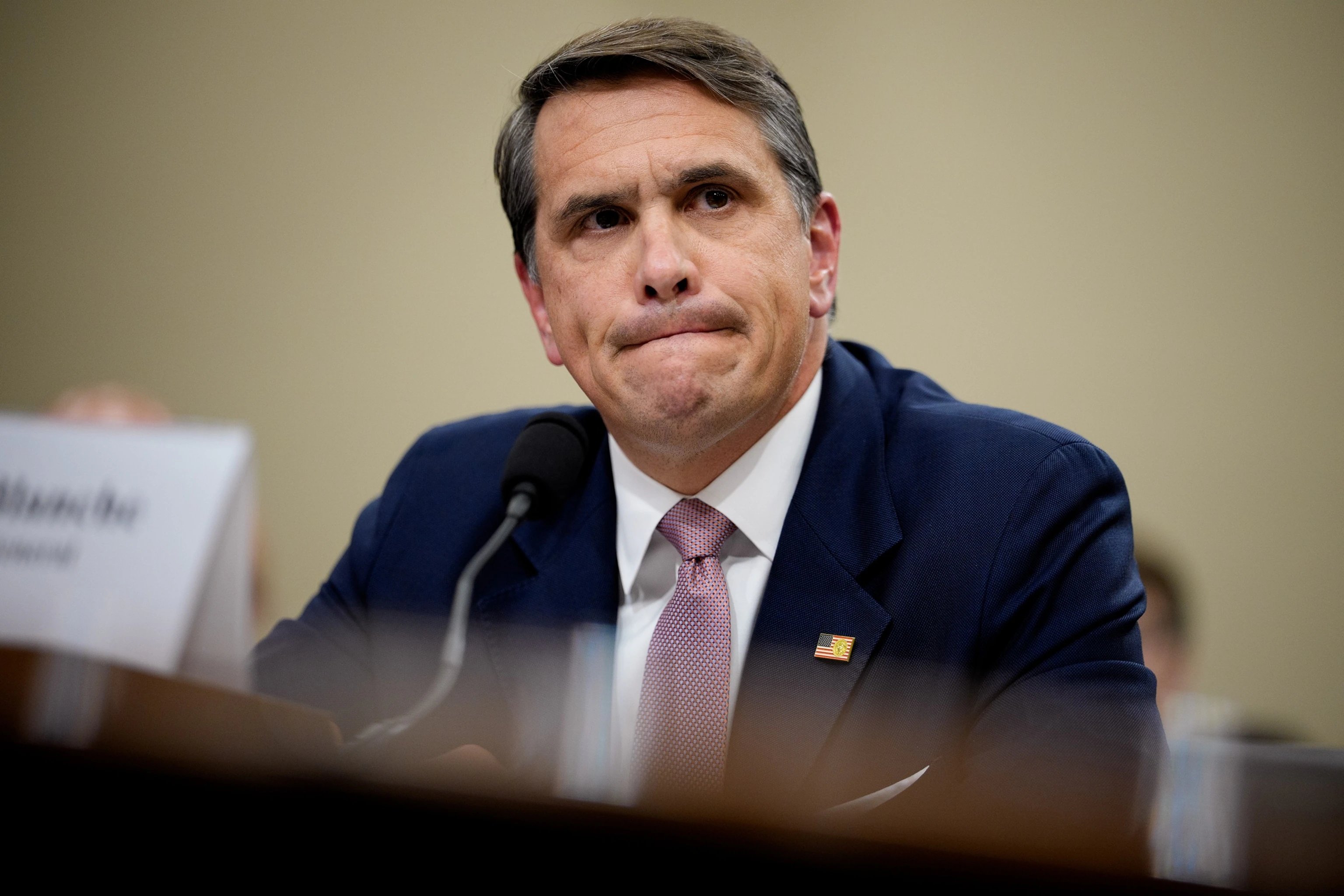
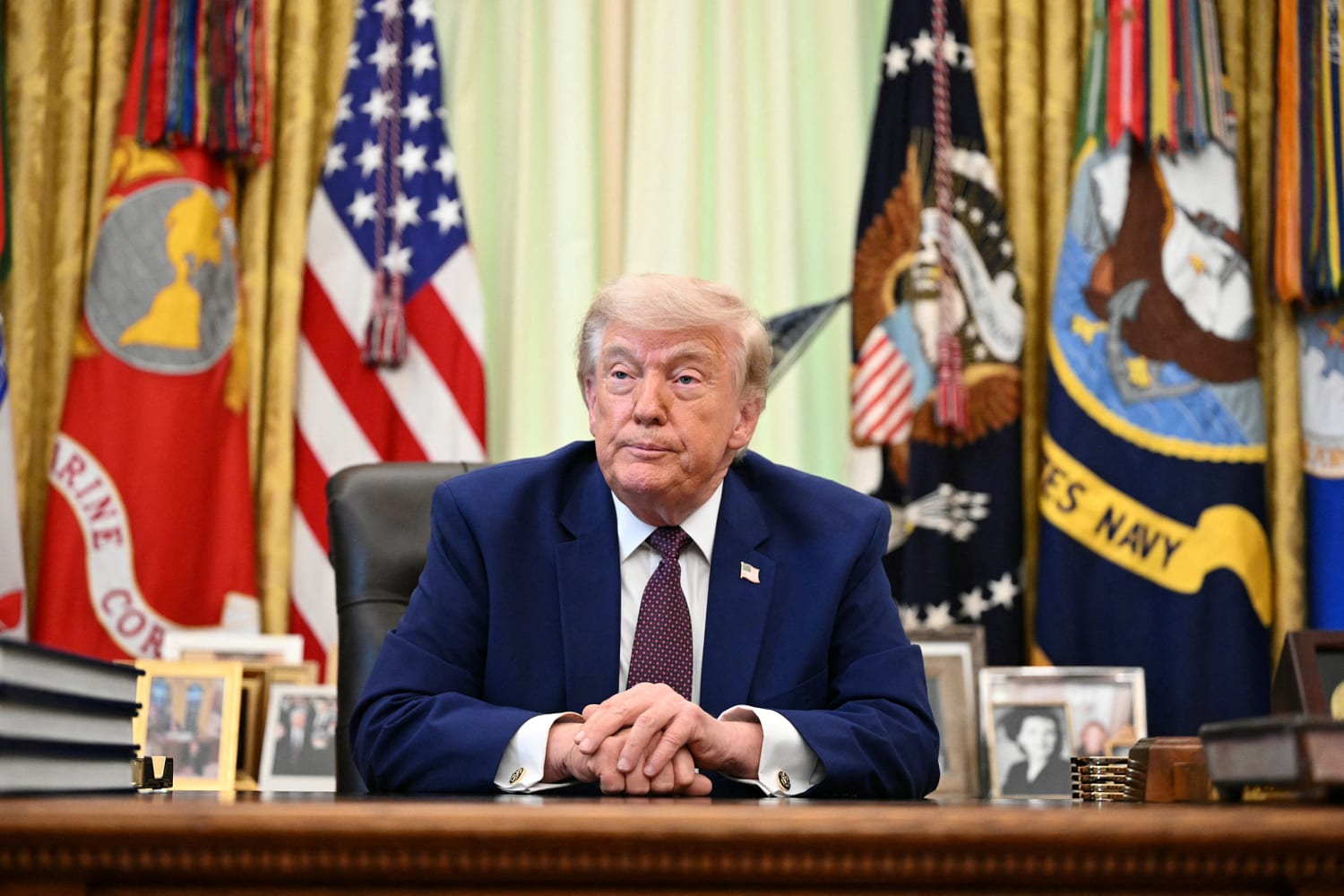
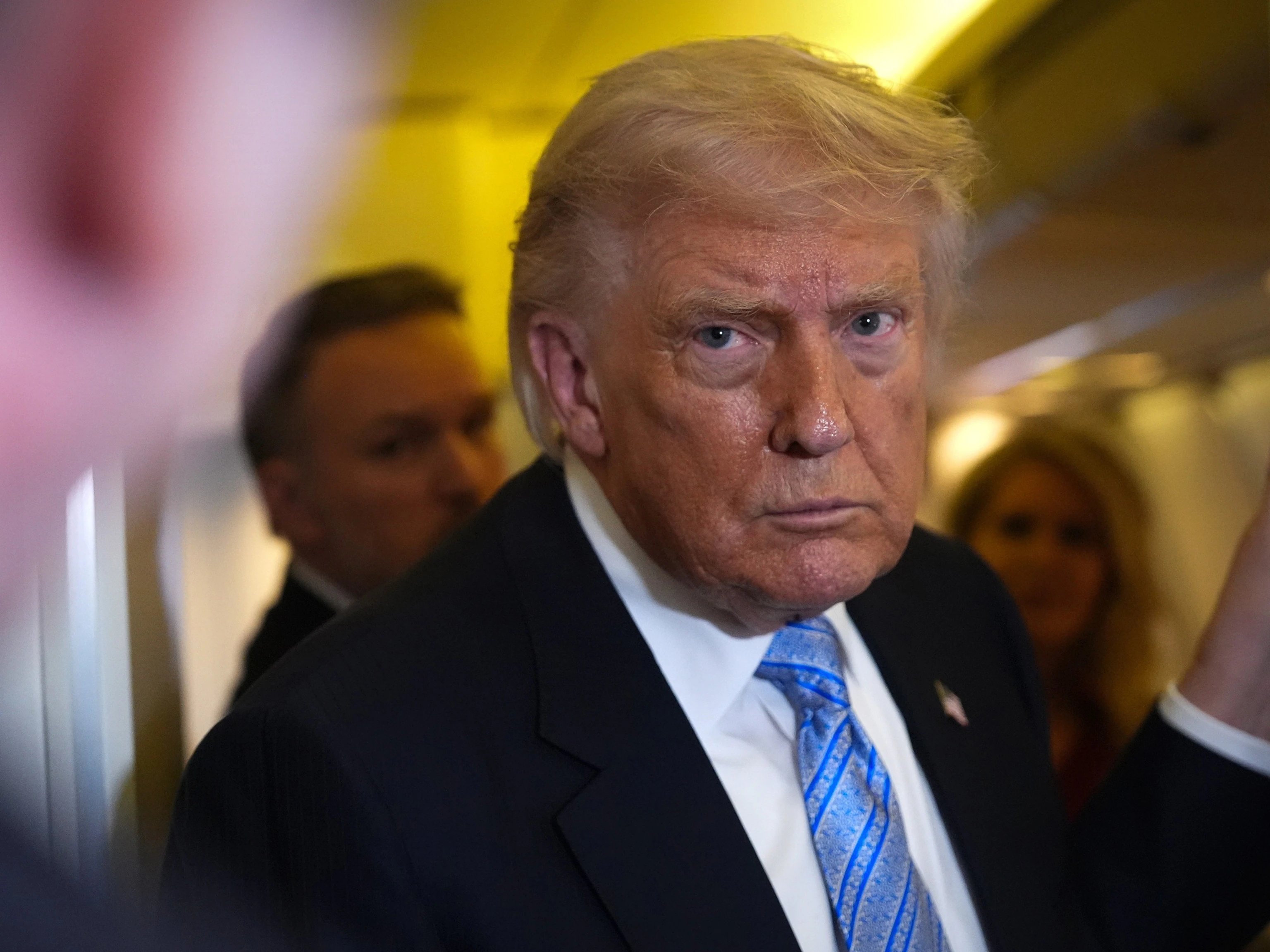
Despite the DOJ's declaration, mixed signals have emerged from the Trump administration regarding the fund's future. Acting Attorney General Todd Blanche stated that the DOJ is "not moving forward with the fund," while Trump himself expressed uncertainty, calling it a "beautiful thing" and suggesting it might still be alive. This ambiguity has raised questions about the administration's commitment to the fund, even as it faces mounting legal pressures.
Congressional Response and Future Implications
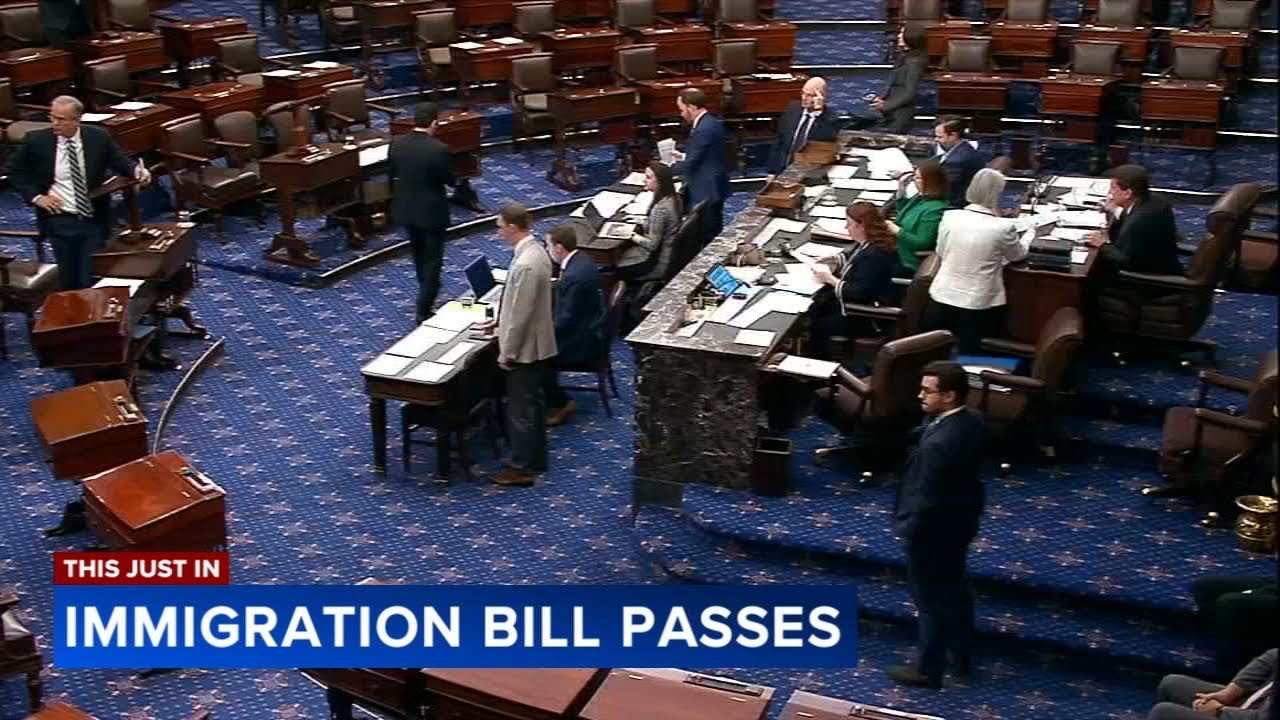
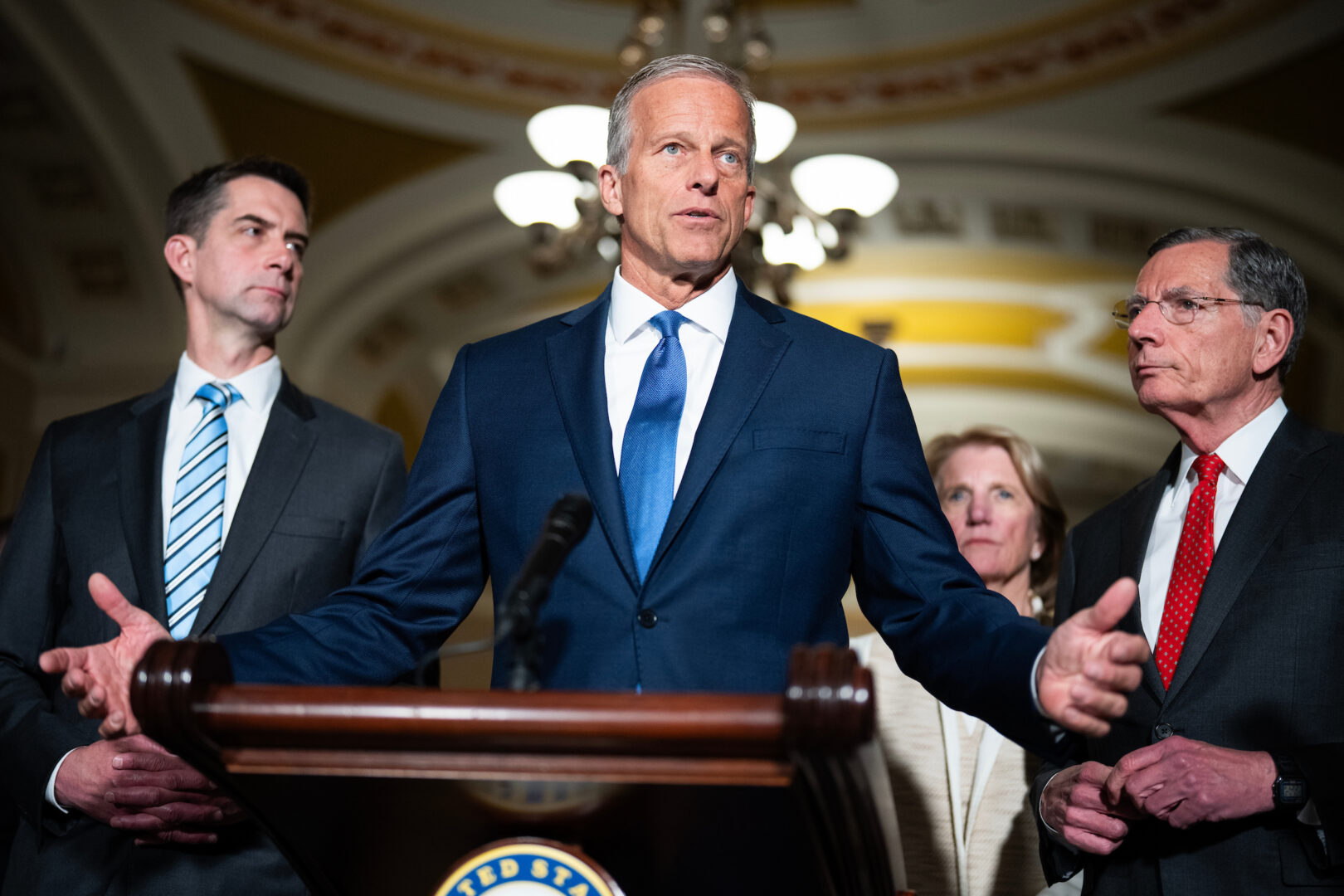
The Senate recently passed a budget reconciliation package that included funding for immigration enforcement but did not allocate resources for the "Anti-Weaponization Fund." Six Republican senators joined Democrats to block any attempt to revive the fund, signaling bipartisan disapproval of its intent. Senator Bill Cassidy, who sponsored the amendment to prevent the fund's revival, indicated that there is a growing consensus against using taxpayer dollars to compensate individuals linked to the January 6 events.
Alternatives for Compensation
Even with the demise of the "Anti-Weaponization Fund," alternatives for compensating Trump allies and January 6 defendants remain. The Judgment Fund, a longstanding mechanism for taxpayer-funded settlements, could potentially be used to address claims from those who allege they suffered due to perceived "weaponization" of the legal system. Stacey Young, founder of Justice Connection, warned that the Trump administration might pursue these alternative funding routes, emphasizing the need for accountability in any expenditures from taxpayer money.
What's Next for Legal Challenges
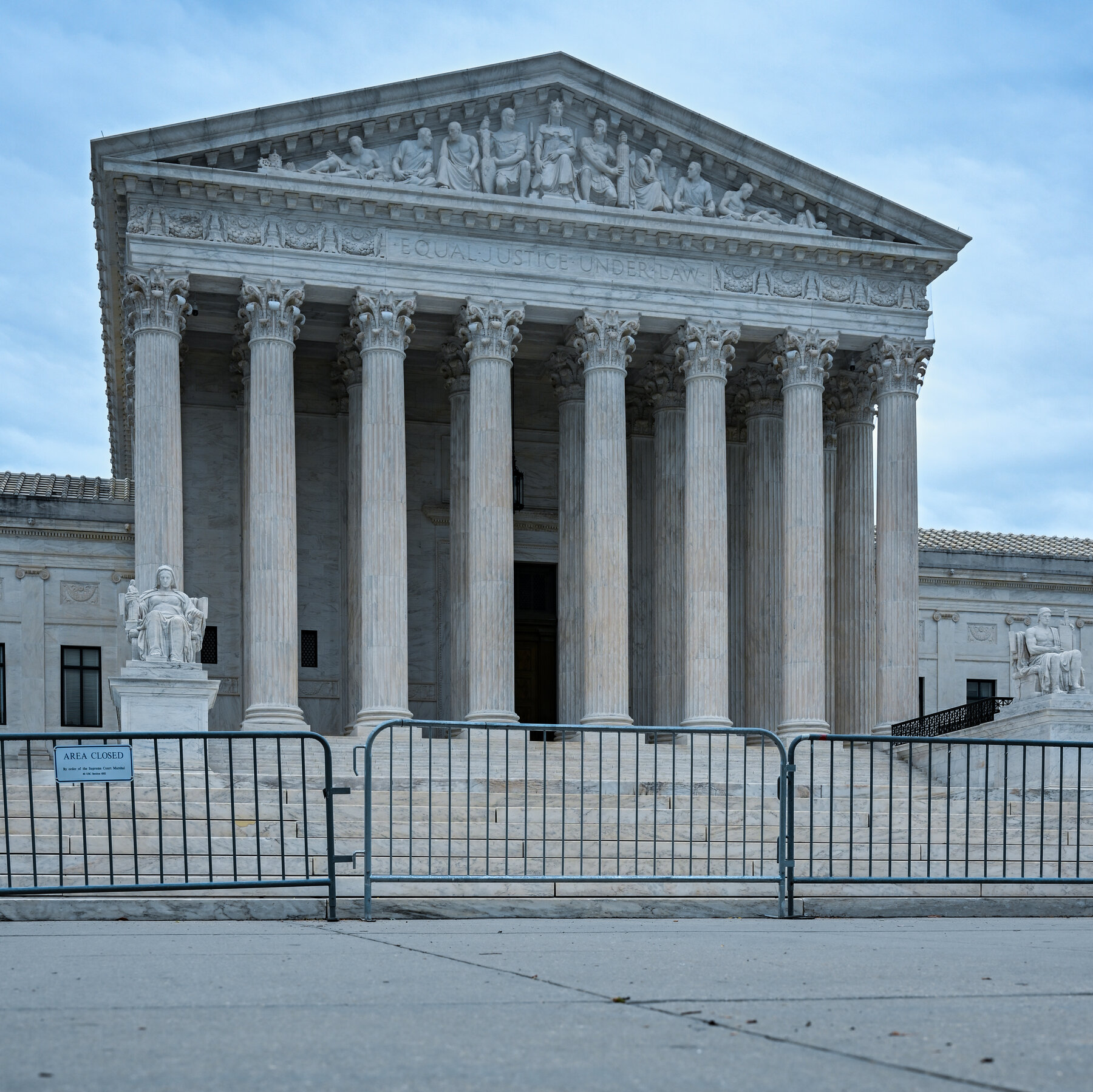
As the legal landscape continues to evolve, U.S. District Judge Leonie M. Brinkema has scheduled a hearing for June 12 to discuss the future of the fund in light of ongoing lawsuits. The outcome of this hearing could further clarify the implications of the DOJ's recent filing, as various parties seek to understand the ramifications of the fund's cancellation. Legal experts anticipate that the court's decisions will shape the broader conversation around government funding and accountability in the coming months.
The fate of the "Anti-Weaponization Fund" highlights ongoing tensions between political agendas and legal processes, reflecting the complexities of governance in a highly polarized environment.