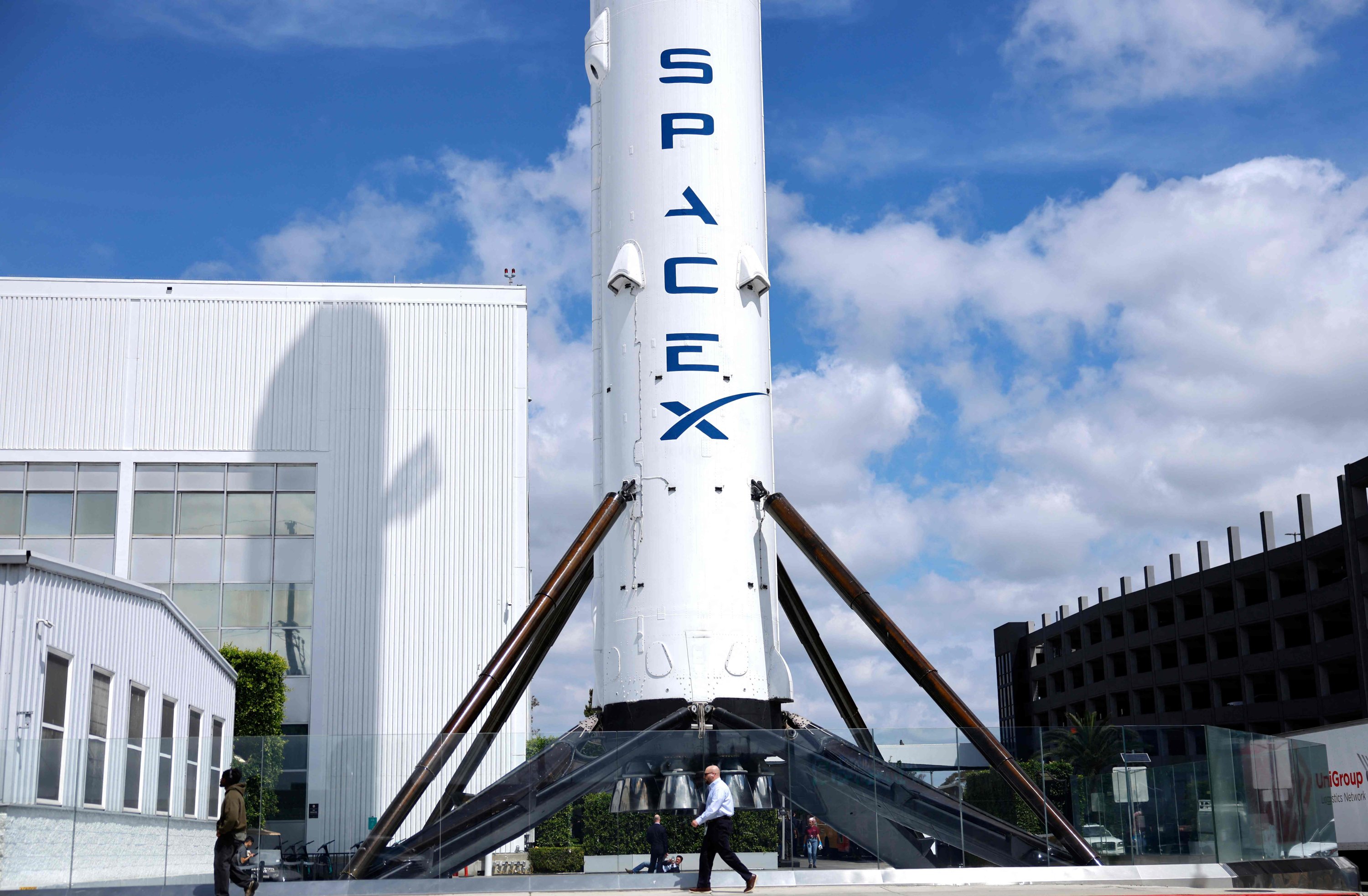
Elon Musk's SpaceX announced its intention to make a stock market debut next week with a staggering valuation of $1.77 trillion, as reported by NBC News. This highly-anticipated initial public offering (IPO) is expected to be the largest ever, raising a substantial $75 billion in fresh capital. According to an SEC filing, SpaceX plans to sell over 555 million shares at $135 each, which, if achieved, could catapult Musk to become the world's first trillionaire. The company's market debut on the Nasdaq is likely to occur within a week, potentially ranking SpaceX as the seventh-largest publicly traded company globally.
Post-IPO, Elon Musk is set to wield significant influence, holding approximately 82.4% of the voting power of SpaceX's common stock, as detailed in the company's SEC filing.
The method SpaceX is employing for its IPO is notably different from the norm. Traditionally, companies propose a price range for share sales and finalize the price the evening before trading starts. SpaceX, however, has opted for a fixed $135 price per share, a strategy that leverages Musk's global recognition and may reduce the need for extensive marketing to attract investors.
SpaceX said it anticipates offering individual retail investors the chance to buy shares when it debuts through trading platforms, including Schwab, Fidelity, Robinhood, SoFi and E*Trade.
The impending SpaceX IPO, with its $1.77 trillion valuation, is not merely a financial event but a potential catalyst for market restructuring and a testament to the growing influence of private space endeavors. As investors prepare for the opportunity to buy into this historic offering, the implications for wealth distribution, corporate power, and global economic dynamics are profound.
Elon Musk’s SpaceX announced its intention to make a stock market debut next week with a staggering valuation of $1.77 trillion, as reported by NBC News. This highly-anticipated initial public offering (IPO) is expected to be the largest ever, raising a substantial $75 billion in fresh capital. According to an SEC filing, SpaceX plans to sell over 555 million shares at $135 each, which, if achieved, could catapult Musk to become the world’s first trillionaire. The company's market debut on the Nasdaq is likely to occur within a week, potentially ranking SpaceX as the seventh-largest publicly traded company globally.
Post-IPO, Elon Musk is set to wield significant influence, holding approximately 82.4% of the voting power of SpaceX's common stock, as detailed in the company's SEC filing. This level of control is expected to further solidify Musk's status in the business world and could have far-reaching implications for corporate governance and decision-making within SpaceX.
The method SpaceX is employing for its IPO is notably different from the norm. Traditionally, companies propose a price range for share sales and finalize the price the evening before trading starts. SpaceX, however, has opted for a fixed $135 price per share, a strategy that leverages Musk's global recognition and may reduce the need for extensive marketing to attract investors.
SpaceX has indicated that it will offer individual retail investors the opportunity to purchase shares through various trading platforms, including Schwab, Fidelity, Robinhood, SoFi, and E*Trade. This move could democratize investment in SpaceX, allowing a broader range of investors to participate in what could be one of the most significant market debuts in history.
The Bloomberg report on stocks declining due to US-Iran tensions and the subsequent rise in oil prices underscores the delicate balance of global markets. SpaceX's IPO, with its enormous valuation, could further disrupt this balance, influencing not just the tech and space sectors but also potentially impacting energy markets and global economic trends.
The impending SpaceX IPO, with its $1.77 trillion valuation, is not merely a financial event but a potential catalyst for market restructuring and a testament to the growing influence of private space endeavors. As investors prepare for the opportunity to buy into this historic offering, the implications for wealth distribution, corporate power, and global economic dynamics are profound.
Highlighted text was flagged by the council. Tap to see feedback.