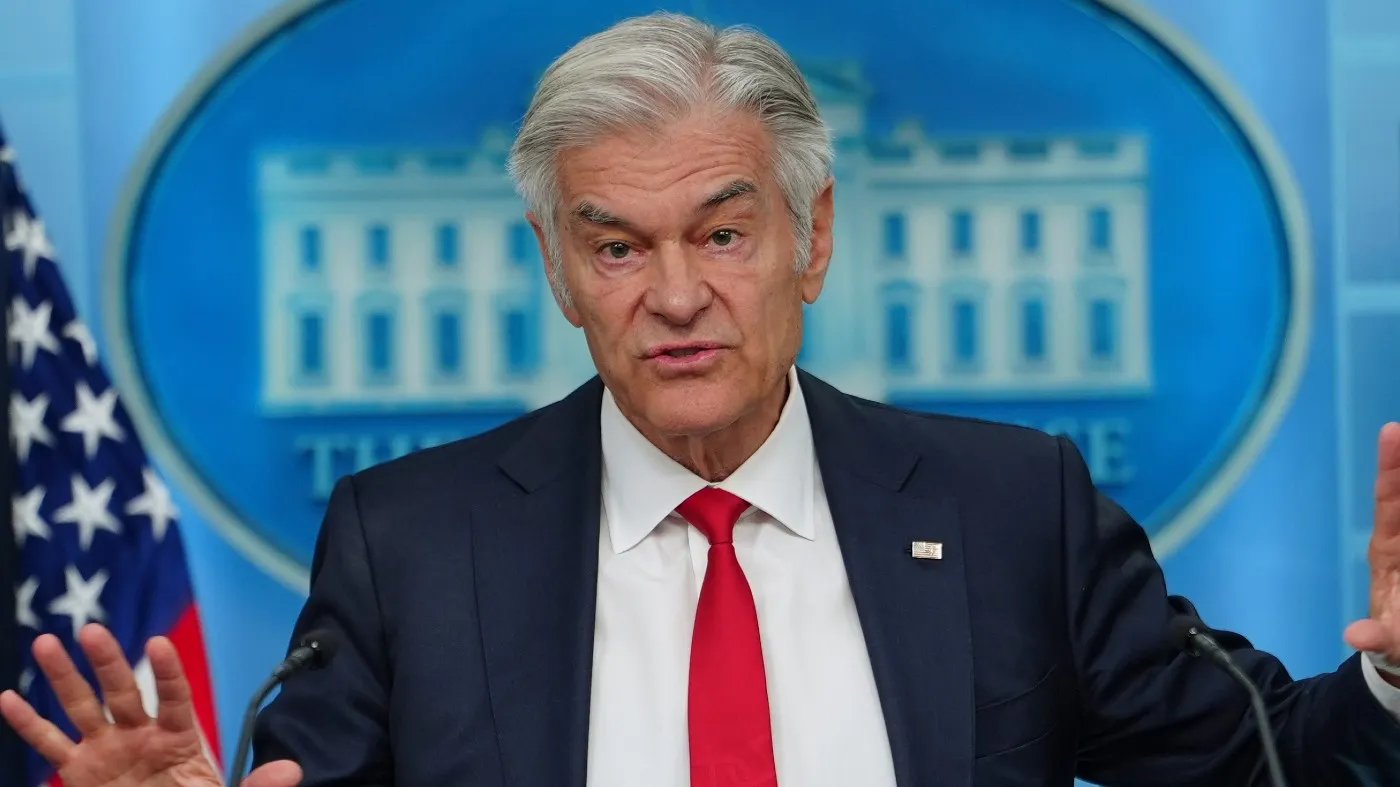
The Trump administration's recent announcement regarding new work requirements for Medicaid recipients is set to impact millions of low-income Americans' healthcare eligibility and benefits. Starting January 1, many Americans on Medicaid will need to abide by these work rules to maintain their benefits, as reported by NPR. This policy change has been a significant topic of discussion, with critics arguing it could limit access to essential healthcare services for vulnerable populations.
In a separate but notable development, seven states, including Connecticut, Maine, Massachusetts, New Jersey, New York, Rhode Island, and Vermont, have filed a lawsuit against the Trump administration over a $928 million deal to end French energy company TotalEnergies' offshore wind development off the East Coast. New York's attorney general, Letitia James, leading a coalition of seven states, has challenged the legality of this deal, arguing it undermines clean energy initiatives and good-paying jobs. The states are seeking a federal judge to vacate the lease cancellation and settlement agreement, as covered by PBS NewsHour.
A survey of more than 300 fired probationary federal employees found 95% reporting ongoing mental health effects, with nearly half experiencing PTSD-like symptoms. This comes after a federal judge ruled the firings unlawful, though no reinstatement was required. The mental health impact and job security concerns for federal workers have been significant, with many still struggling to find new jobs with comparable pay, as highlighted by The Guardian US.
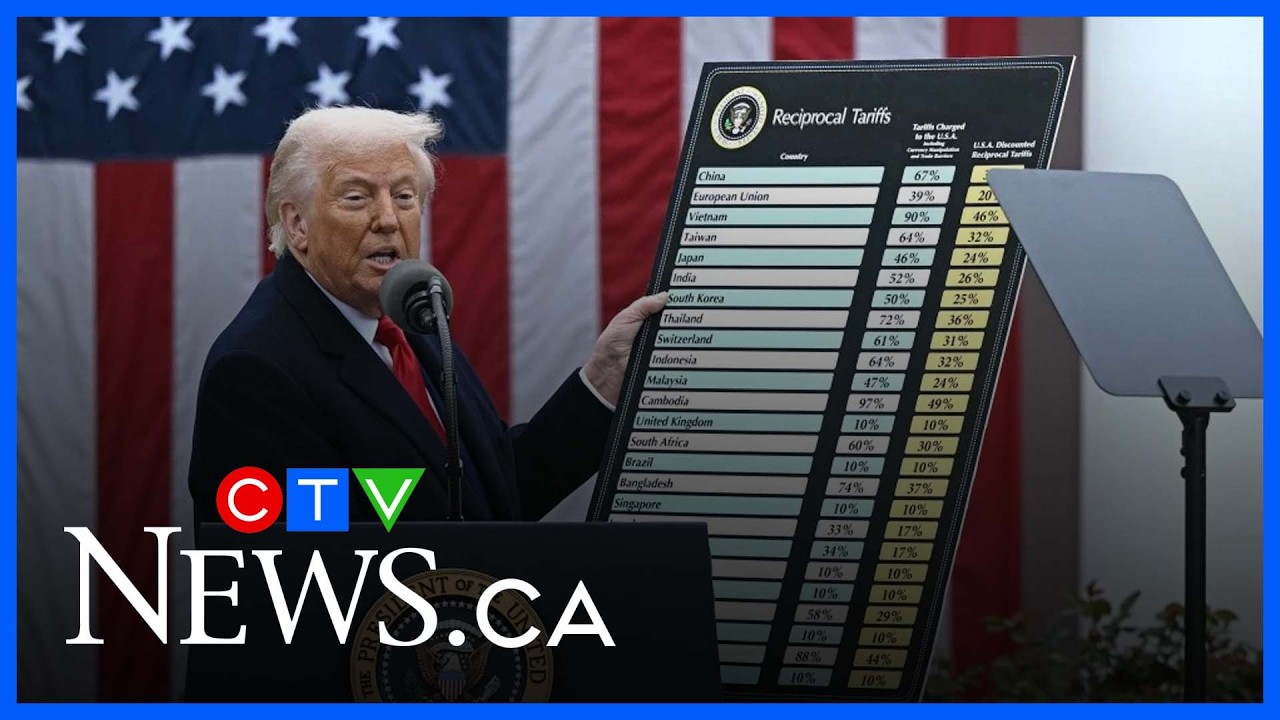
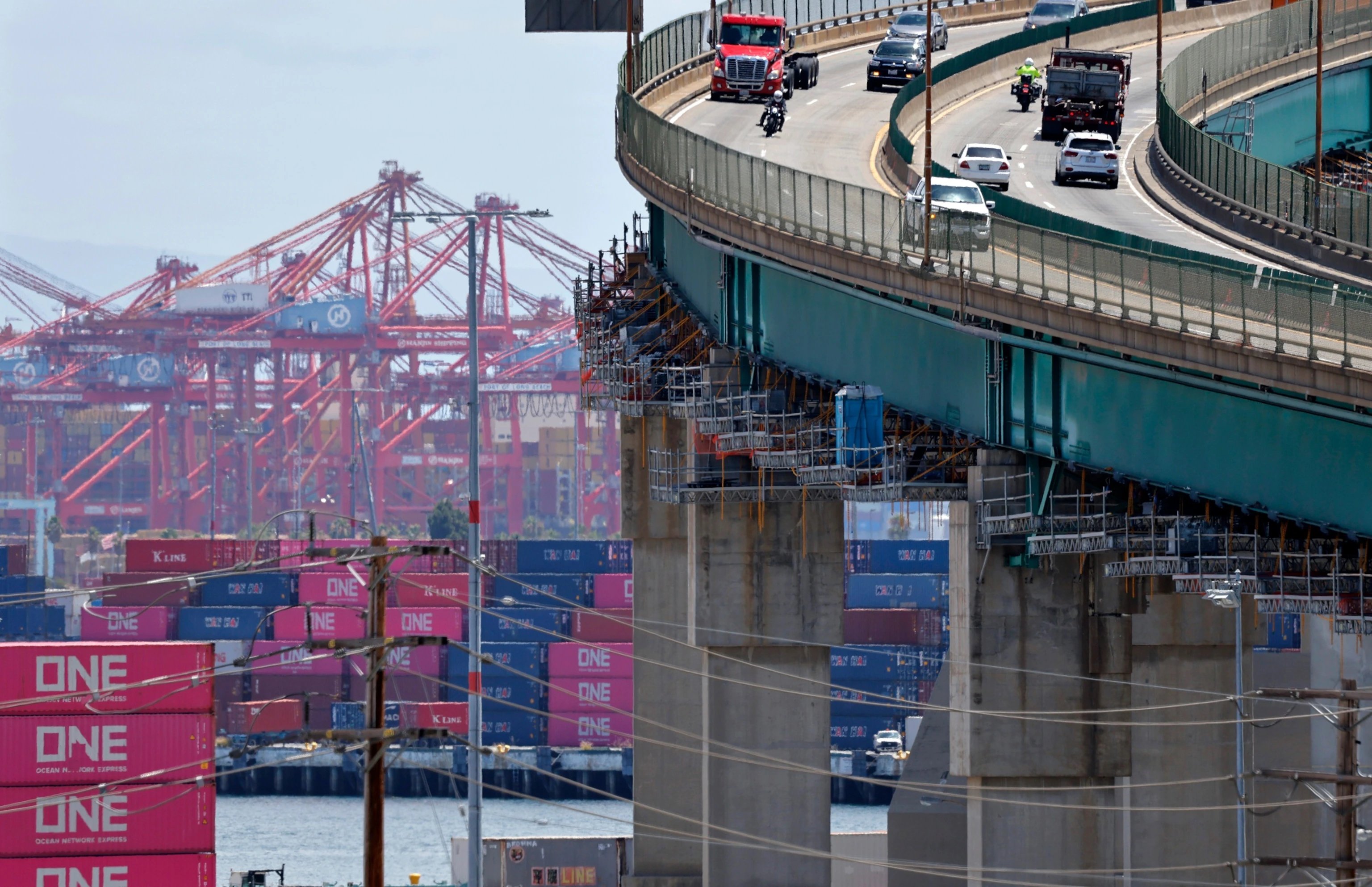
The Trump administration has proposed 25% tariffs on imports from Brazil, citing "unreasonable" trade practices that restrict U.S. commerce. This move comes despite the U.S. having a trade surplus with Brazil, and follows an investigation by the U.S. trade representative that charged Brazil with lax anti-corruption enforcement and unfair tariffs of its own. The situation has been met with indignation from Brazil's president, Luiz Inácio Lula da Silva, who has accused the U.S. of electoral interference, as reported by The Guardian US.
The Trump administration's recent announcement regarding new work requirements for Medicaid recipients is set to impact millions of low-income Americans' healthcare eligibility and benefits. Starting January 1, many Americans on Medicaid will need to abide by these work rules to maintain their benefits, as reported by NPR. This policy change has been a significant topic of discussion, with critics arguing it could limit access to essential healthcare services for vulnerable populations.
In a separate but notable development, seven states, including Connecticut, Maine, Massachusetts, New Jersey, New York, Rhode Island, and Vermont, have filed a lawsuit against the Trump administration over a $928 million deal to end French energy company TotalEnergies' offshore wind development off the East Coast. The states allege the deal violates the Outer Continental Shelf Lands Act and accuse the Trump administration of using taxpayer dollars unlawfully to redirect investment from clean energy to fossil fuel initiatives, as detailed by ABC News.
A recent survey revealed that 95% of over 300 federal workers laid off by the Trump administration are experiencing ongoing mental health effects, with nearly half reporting PTSD-like symptoms. This comes after a federal judge ruled the firings unlawful, though no reinstatement was required. The mental health impact and job security concerns for federal workers have been significant, with many still struggling to find new jobs with comparable pay, as highlighted by The Guardian US.
The Trump administration has proposed 25% tariffs on imports from Brazil, citing "unreasonable" trade practices that restrict U.S. commerce. This move comes despite the U.S. having a trade surplus with Brazil, and follows an investigation by the U.S. trade representative that charged Brazil with lax anti-corruption enforcement and unfair tariffs of its own. The situation has been met with indignation from Brazil's president, Luiz Inácio Lula da Silva, who has accused the U.S. of electoral interference, as reported by The Guardian US.
The Trump administration's $1 billion deal with TotalEnergies to halt offshore wind projects and redirect funds to fossil fuel projects has been met with strong opposition. New York's attorney general, Letitia James, leading a coalition of seven states, has challenged the legality of this deal, arguing it undermines clean energy initiatives and good-paying jobs. The states are seeking a federal judge to vacate the lease cancellation and settlement agreement, as covered by PBS NewsHour.
These developments underscore the Trump administration's controversial approach to healthcare, energy, and trade policies, with significant implications for both individual Americans and international relations.
Highlighted text was flagged by the council. Tap to see feedback.