




Executive Order Details
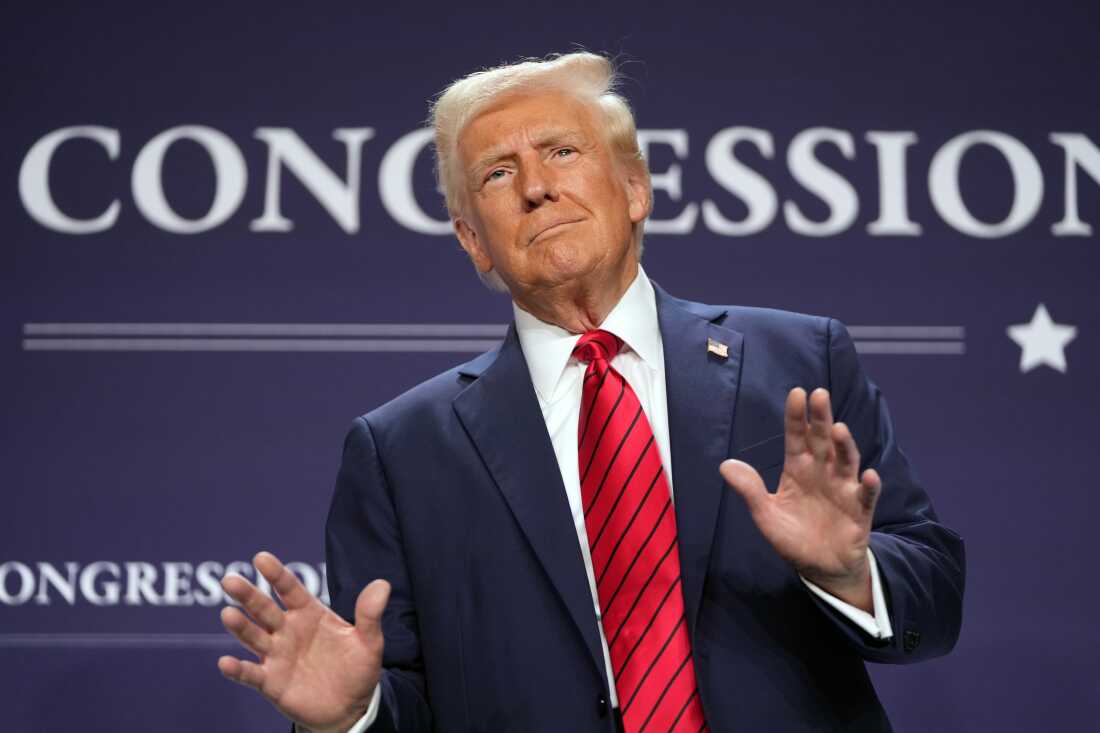
President Donald Trump signed an executive order on artificial intelligence Tuesday. It invites companies to voluntarily submit their most powerful AI models for government testing up to 30 days before releasing them to the public. The order states: "Advanced AI capabilities make our Nation stronger, but also introduce new national security considerations that require coordinated action across executive departments and agencies."
This move comes less than two weeks after Trump canceled a May 21 signing ceremony, saying he worried the stricter version would stifle American companies' lead in the global race against China.
National Security and Cybersecurity Focus
The executive order emphasizes the importance of national security and the need for a coordinated approach across departments. It requires federal agencies to bolster cybersecurity abilities and establish a "cybersecurity clearinghouse" to assess and share information on AI vulnerabilities. Within 60 days, the Treasury Department, the National Security Agency, the Cybersecurity and Infrastructure Security Agency, the National Institute of Standards and Technology, and White House officials must develop a classified benchmarking process to assess advanced cyber capabilities of AI models.
Voluntary Cooperation from Tech Companies
Notably, the order relies on voluntary cooperation from leading AI development companies, including OpenAI, Anthropic, and Google. The order explicitly states that "nothing in this section shall be construed to authorize the creation of a mandatory governmental licensing, preclearance, or permitting requirement for the development, publication, release, or distribution of new AI models."
Industry Reaction and Context
The decision to sign the executive order was influenced by the development of more powerful AI models, which have raised safety concerns among federal officials. The cancellation of an earlier version of the order and the subsequent signing of a more voluntary framework reflect a compromise between administration officials with differing views on the regulation of AI. Juan Londoño, a policy analyst at the libertarian-leaning Cato Institute, said the order is imperfect but "a step in the right direction to prepare the nation for the release of advanced AI systems."
Conclusion
The signing of the AI safety order represents a significant policy change in the tech industry, with direct implications for the development and deployment of AI technologies. It remains to be seen how this voluntary framework will affect the cooperation between the government and tech companies in ensuring the safety and security of advanced AI models.