




Tariffs Announced Amid Forced Labor Concerns
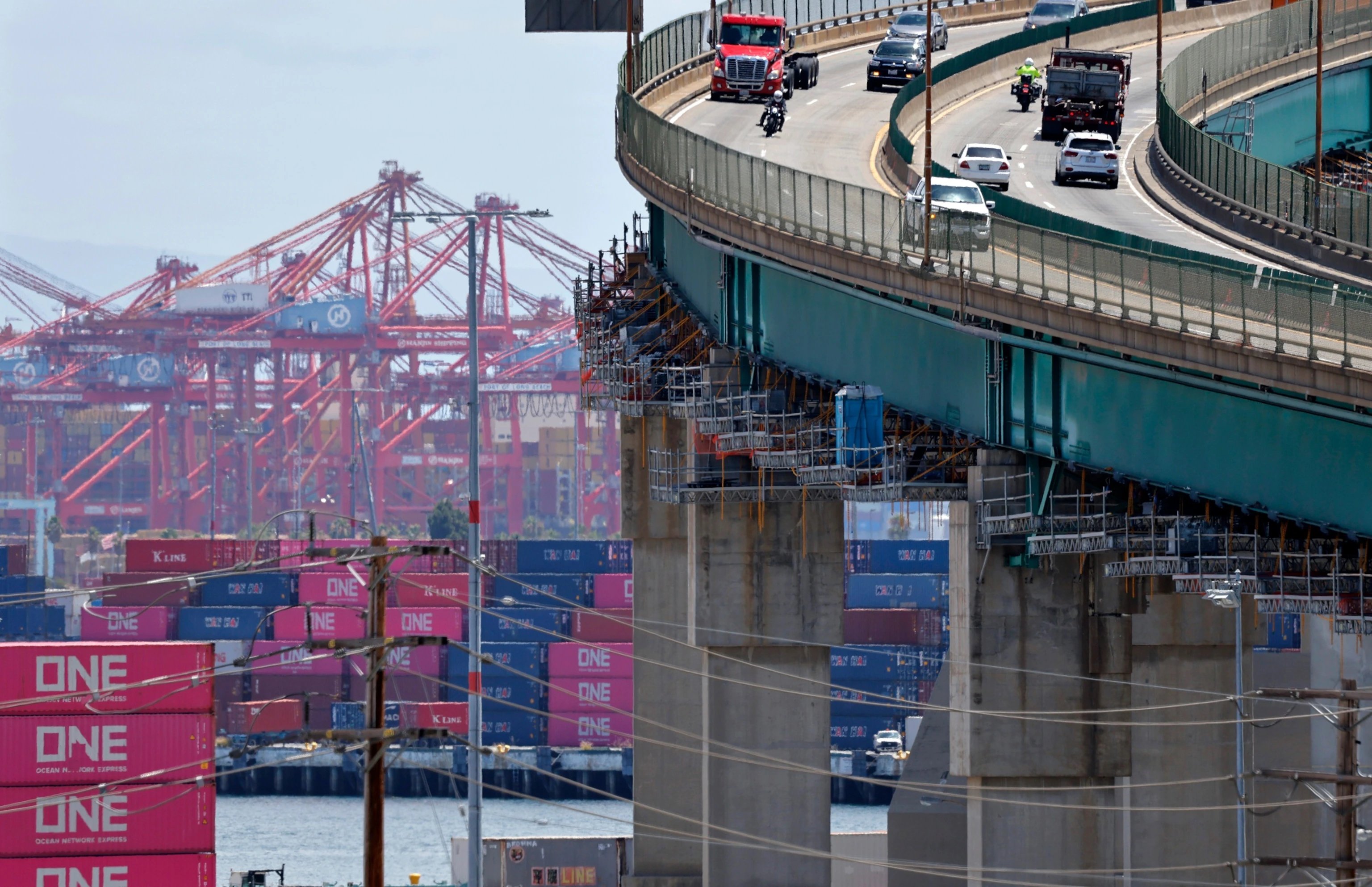
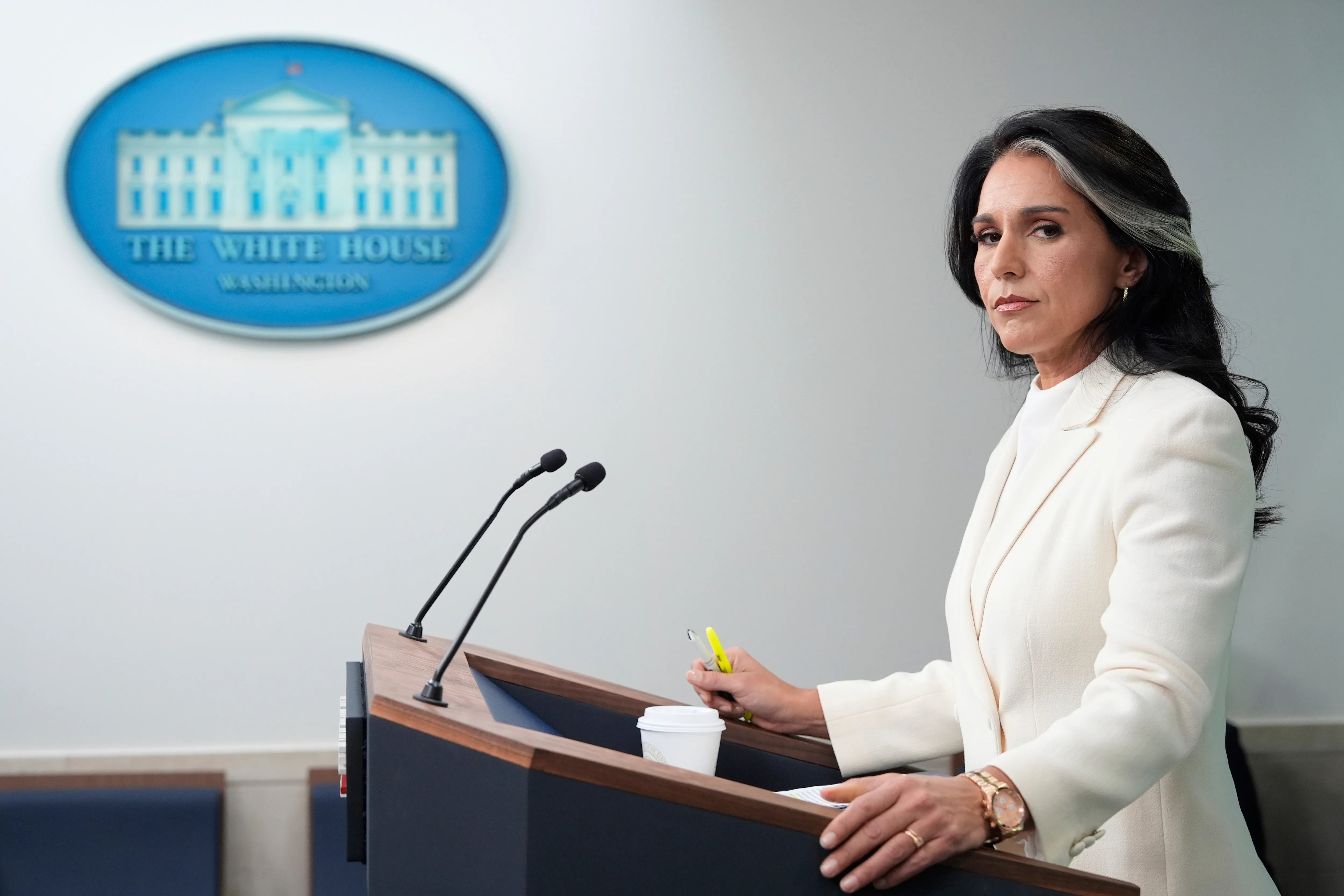
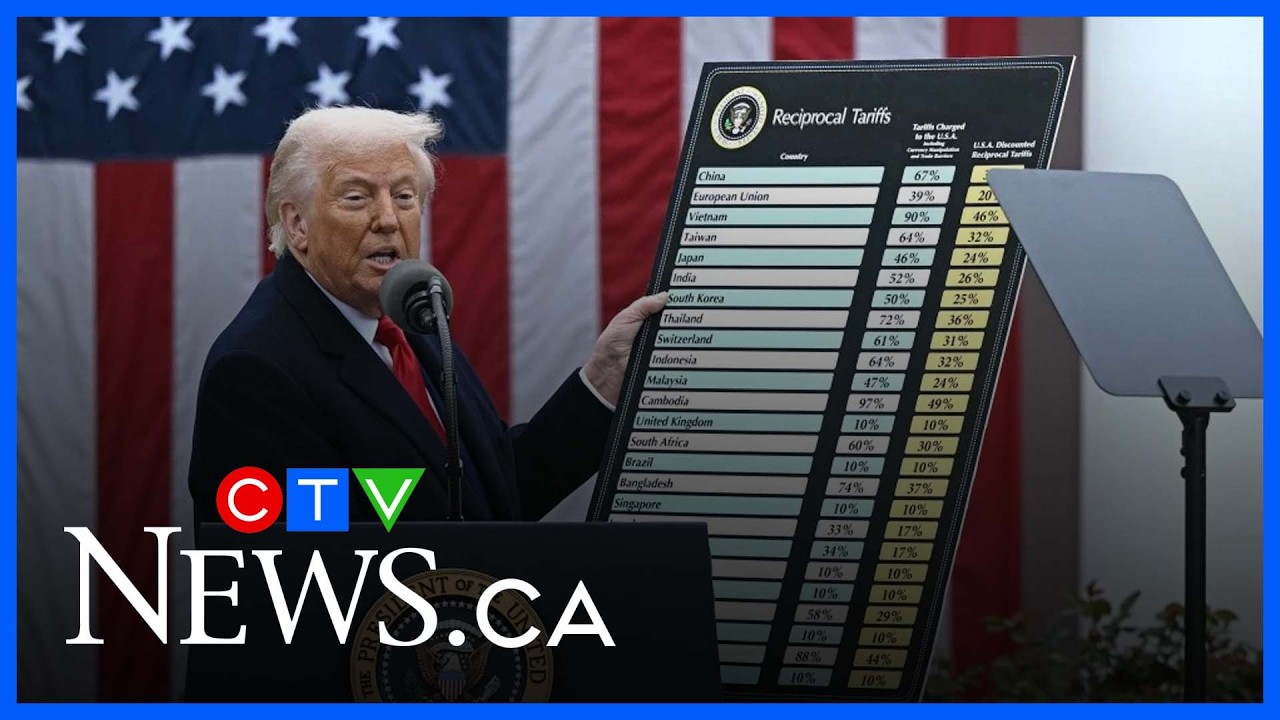
The U.S. administration has proposed new tariffs ranging from 10% to 12.5% on imports from 60 countries, citing inadequate action against forced labor in their supply chains. The tariffs, announced by the Office of the United States Trade Representative (USTR), aim to address what U.S. Trade Representative Jamieson Greer described as "unacceptable" failures by trading partners to prevent goods made with forced labor from entering the American market. The 60 countries targeted in the investigation collectively account for nearly all U.S. imports.
Details of the Tariff Proposal
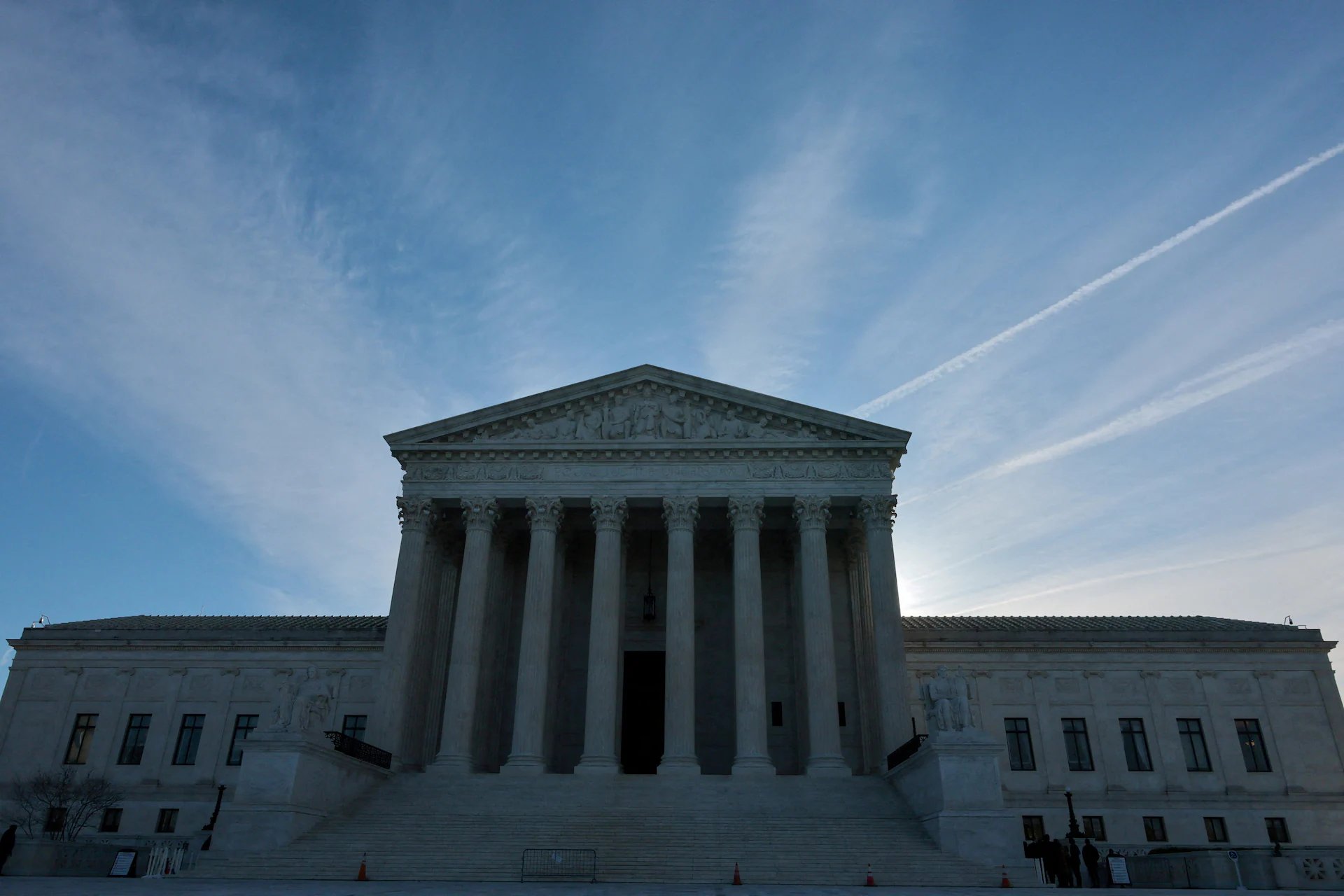
The new tariffs will impose a 10% duty on imports from 16 countries, including Canada, the EU, and the UK, while 44 other nations, including China, India, and Japan, will face a 12.5% tariff. This proposal stems from a Section 301 investigation into unfair trade practices, aiming to rebuild tariffs that the U.S. Supreme Court struck down earlier this year. The investigation found that 54 of the 60 countries had failed to impose legal prohibitions on forced-labor imports, while six others—Canada, the EU, Ecuador, Indonesia, Mexico, and Pakistan—had failed to effectively enforce existing prohibitions.
Responses from Affected Countries
The announcement has sparked immediate backlash from affected nations. A spokesperson for the Chinese government rejected the allegations of forced labor, stating, "There is no such thing as forced labor in China," and condemned the tariffs as a form of political manipulation. The EU labeled the claims as "utterly absurd," asserting that its own regulations against forced labor are among the strictest globally. Canadian Prime Minister Mark Carney indicated that Canada has a robust legislative framework against forced labor and expressed confidence that the tariffs would not impact the majority of Canadian exports.
Economic Implications for Workers and Consumers
The proposed tariffs are expected to create an uneven playing field for American workers, as noted by Greer, who emphasized that trading with countries that do not adequately address forced labor creates unfair competition. Amnesty International's business and human rights director, Peter Frankental, argued that trade measures alone cannot resolve forced labor: "Trade measures can play a role in addressing forced labour risks, but they are not a substitute for effective enforcement, corporate accountability and mandatory human rights due diligence."
Next Steps in the Tariff Implementation
The proposed tariffs are not yet in effect and will undergo a public comment period until July 6, with hearings scheduled for July 7. The administration hopes to finalize the tariffs before current temporary levies expire on July 24. This urgency reflects the administration's need to replace tariff revenue lost to legal defeats. Tariff collections peaked at more than $31 billion in October but fell to $22 billion in March and April. Trump had been counting on tariff revenue to offset revenue lost to his 2025 tax cuts.
Broader Context of U.S. Trade Policy
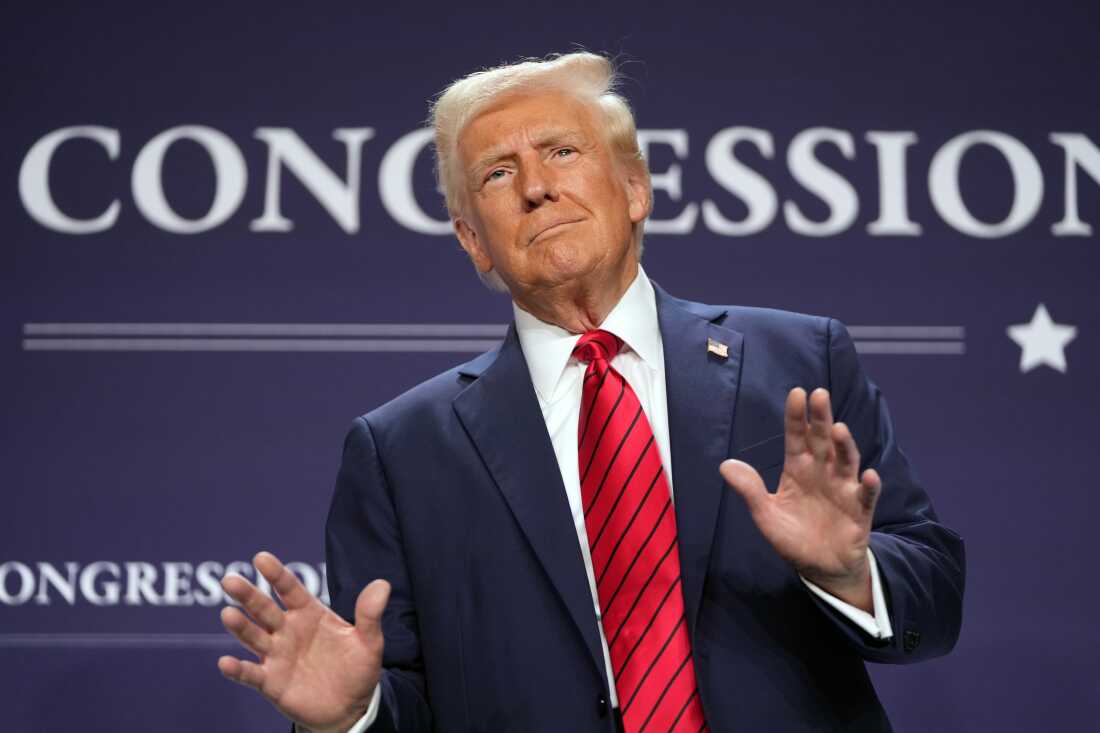
This latest tariff proposal illustrates President Donald Trump's ongoing commitment to a protectionist trade policy, aimed at bolstering U.S. manufacturing against perceived unfair practices from foreign competitors. As the administration navigates legal challenges and international pushback, it remains focused on using tariffs as a tool to influence global labor standards and trade practices.