




Forced Labor Claims Drive Broad New Tariff Plan
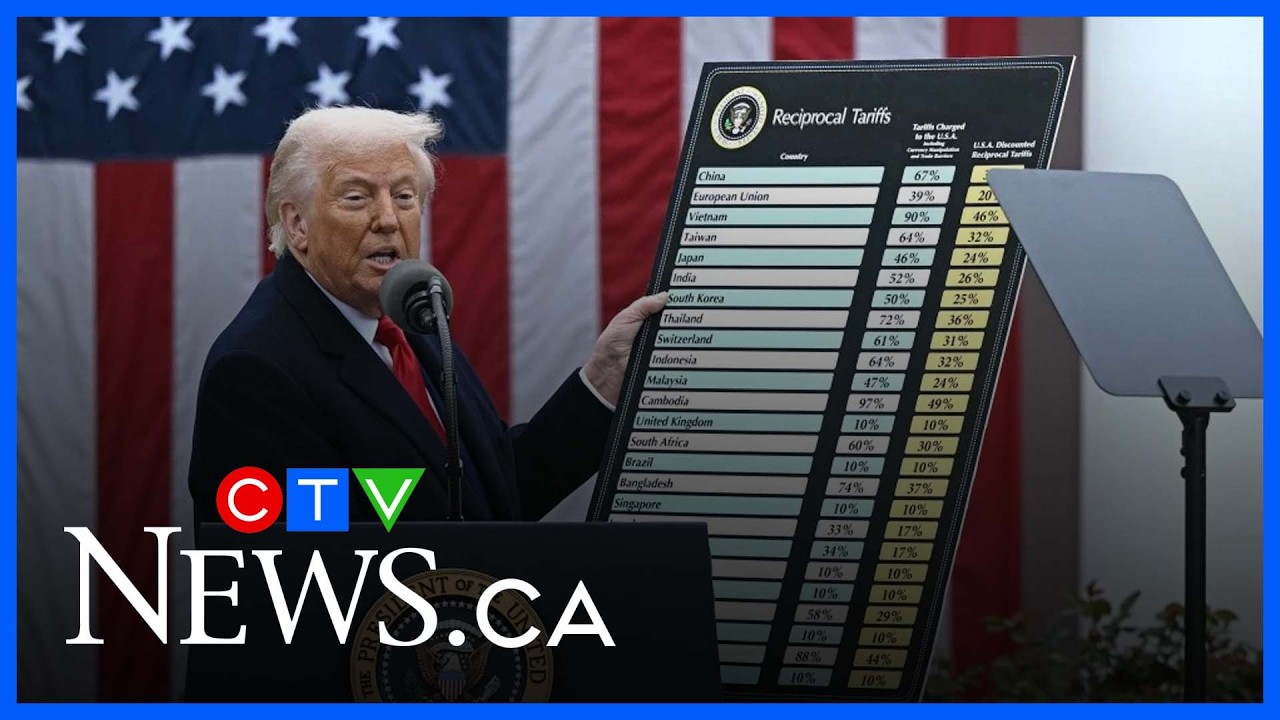
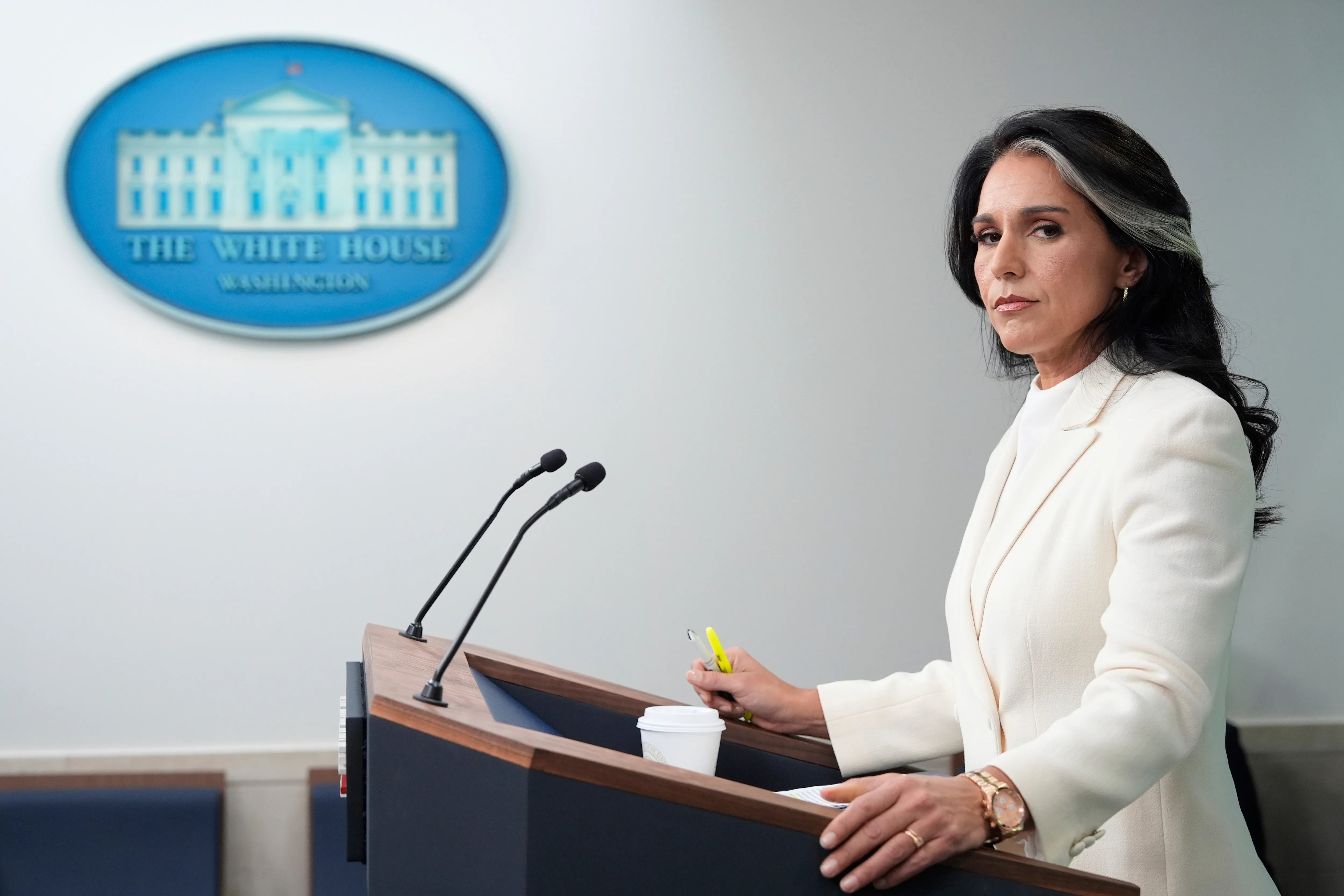
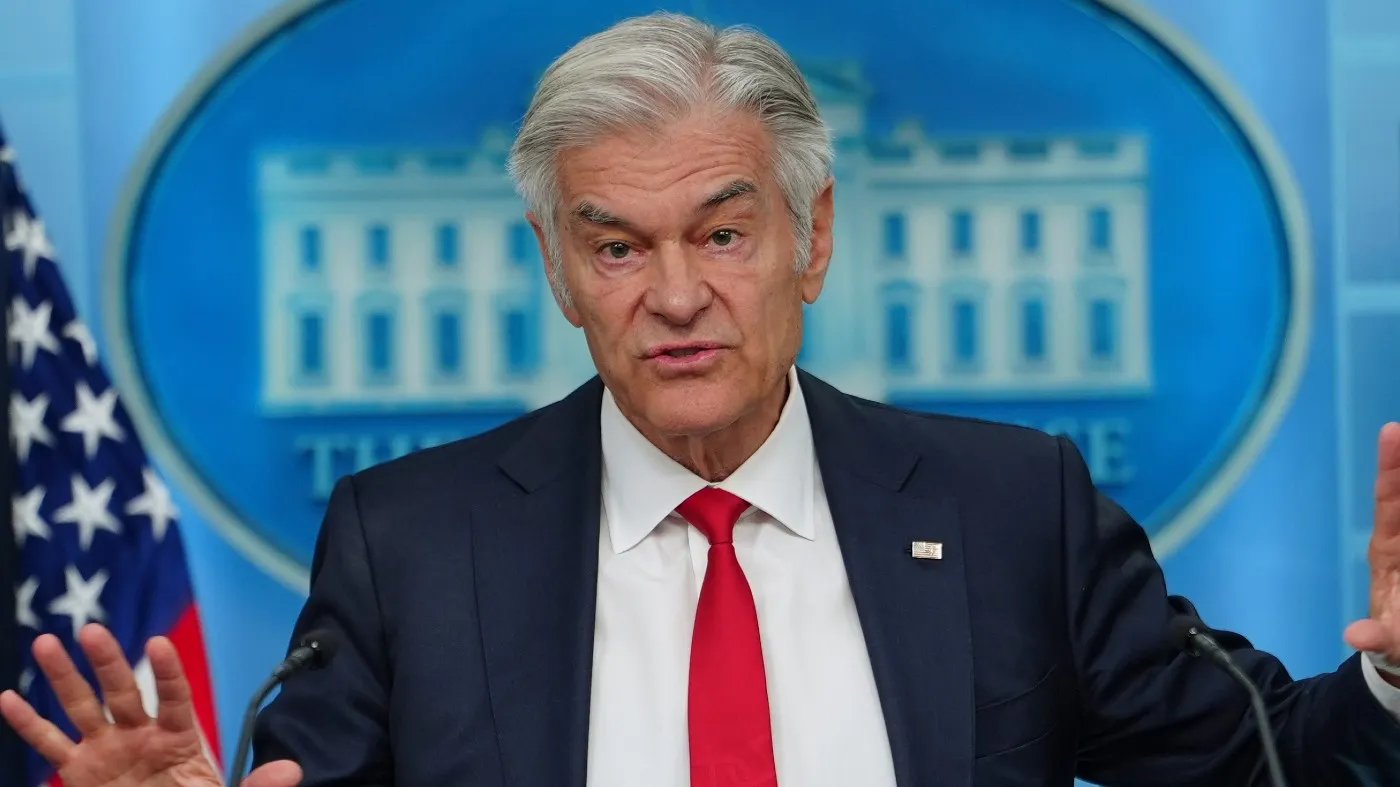
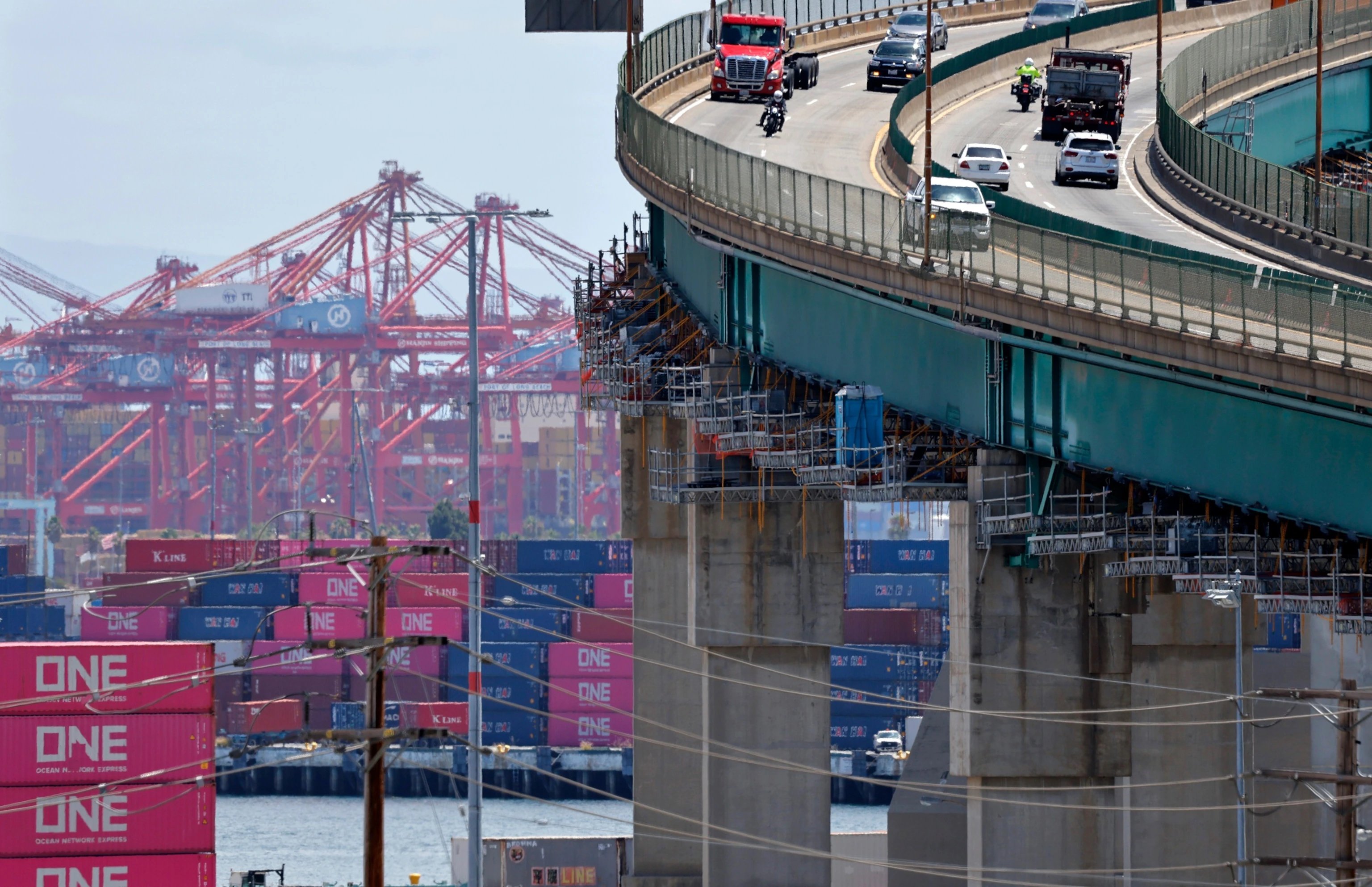
The Trump administration is proposing tariffs of up to 12.5% on imports from 60 trading partners, citing forced labor concerns as justification for what amounts to a rebuilt version of trade policies the Supreme Court invalidated earlier this year. U.S. Trade Representative Jamieson Greer announced the proposal in a report released Tuesday, invoking Section 301 of the Trade Act of 1974. The tariffs would target 99% of imports to the United States.
The proposed levies would hit major trading partners unevenly. China, the United Kingdom, Japan, and Brazil would face tariffs up to 12.5%, while Mexico, Canada, and the European Union would face additional 10% tariffs. The report accused 54 economies of failing to impose legal prohibitions on goods produced with forced labor, and six others—including Canada, the European Union, and Mexico—of failing to effectively enforce such prohibitions.
These tariffs are not yet in effect. The USTR will hold a public hearing on July 7, 2026, before implementation. Greer told CNBC that the administration was proceeding carefully, saying the investigations were "nuanced" and aimed to "change the terms of trade between the United States and the rest of the world."
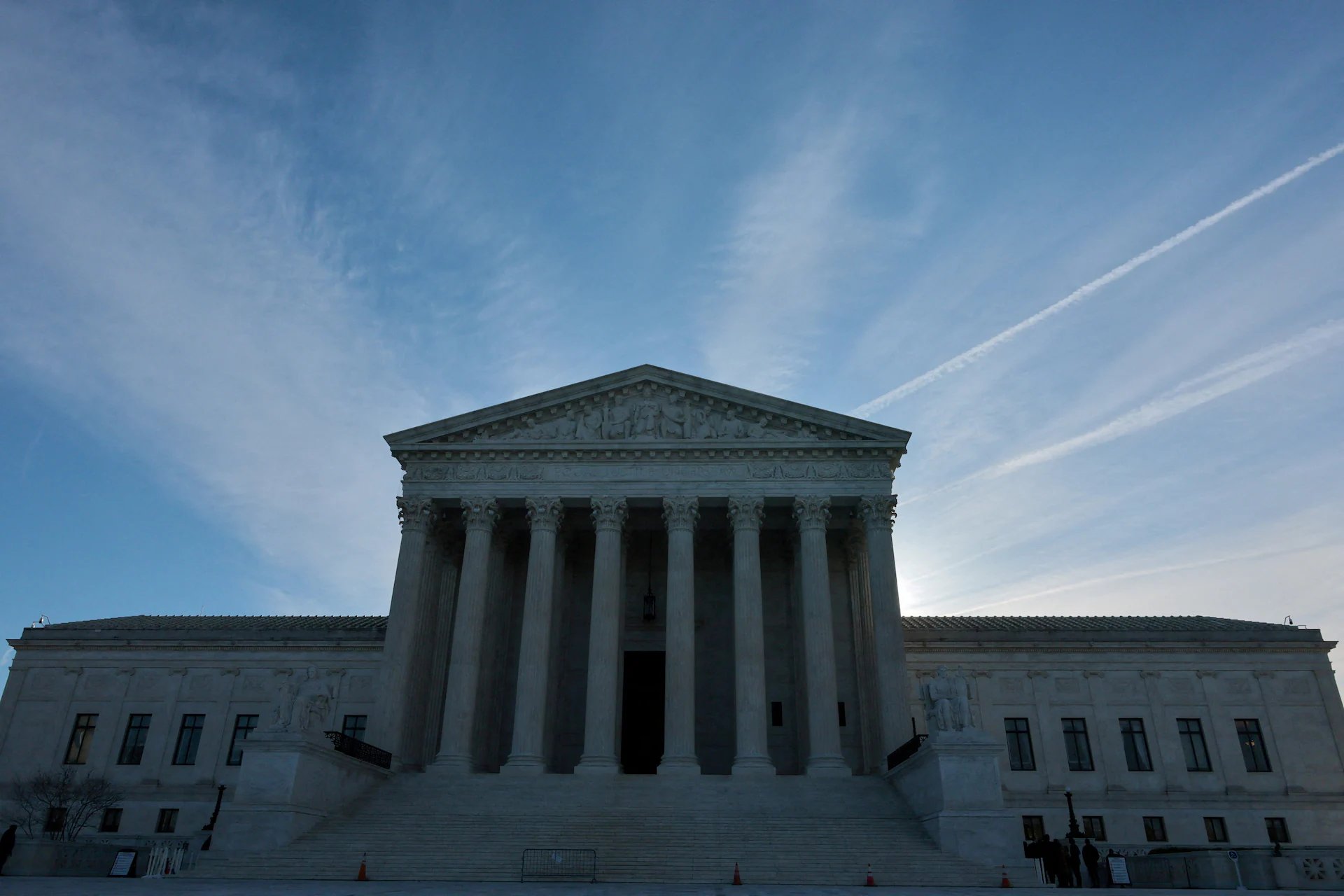
Supreme Court Ruling Forces New Legal Strategy
The administration launched these investigations in March after the Supreme Court ruled in February that President Trump could not impose sweeping global tariffs under the International Emergency Economic Powers Act.
The administration formally appealed on Tuesday against a judge's order requiring refunds of the global tariffs. At stake is $166 billion in revenue. U.S. Customs and Border Protection has already begun processing repayments, with $85 billion on track to be processed and $20.6 billion approved for disbursement. The appeal could potentially affect this operation.
Rising Costs Push Administration to Roll Back Some Tariffs
Even as the administration proposes new tariffs, it has begun reducing existing ones on specific products, signaling that price increases have become politically untenable. On Monday, the White House reduced tariffs on agricultural and industrial equipment—including tractors, forklifts, and air conditioning equipment—from 25% to 15%. The same announcement lowered tariffs on some derivative steel, aluminum, and copper products from 25% to 10%.
The Yale Budget Lab estimates that current tariff policy, without the proposed new additions, could cost the average American household up to $1,200 per year. In April, the administration had already cut tariffs on steel, aluminum, and copper imports from 50% to 25%. The administration has also quietly reduced or eliminated tariffs on agricultural products including beef, coffee, and fruit, and postponed a planned tariff increase on furniture and lumber products announced in January.
The tariff reductions stand in contrast to the administration's stated position. Officials have insisted that foreign governments or corporations would bear the cost of tariffs, not American consumers. Yet the pattern of reductions suggests the administration recognizes that tariffs raise prices for American households and businesses. The constant adjustments to tariff rates and import thresholds create uncertainty for business owners attempting to plan purchases and investments.