




Rising Oil Prices Prompt Fed Reassessment
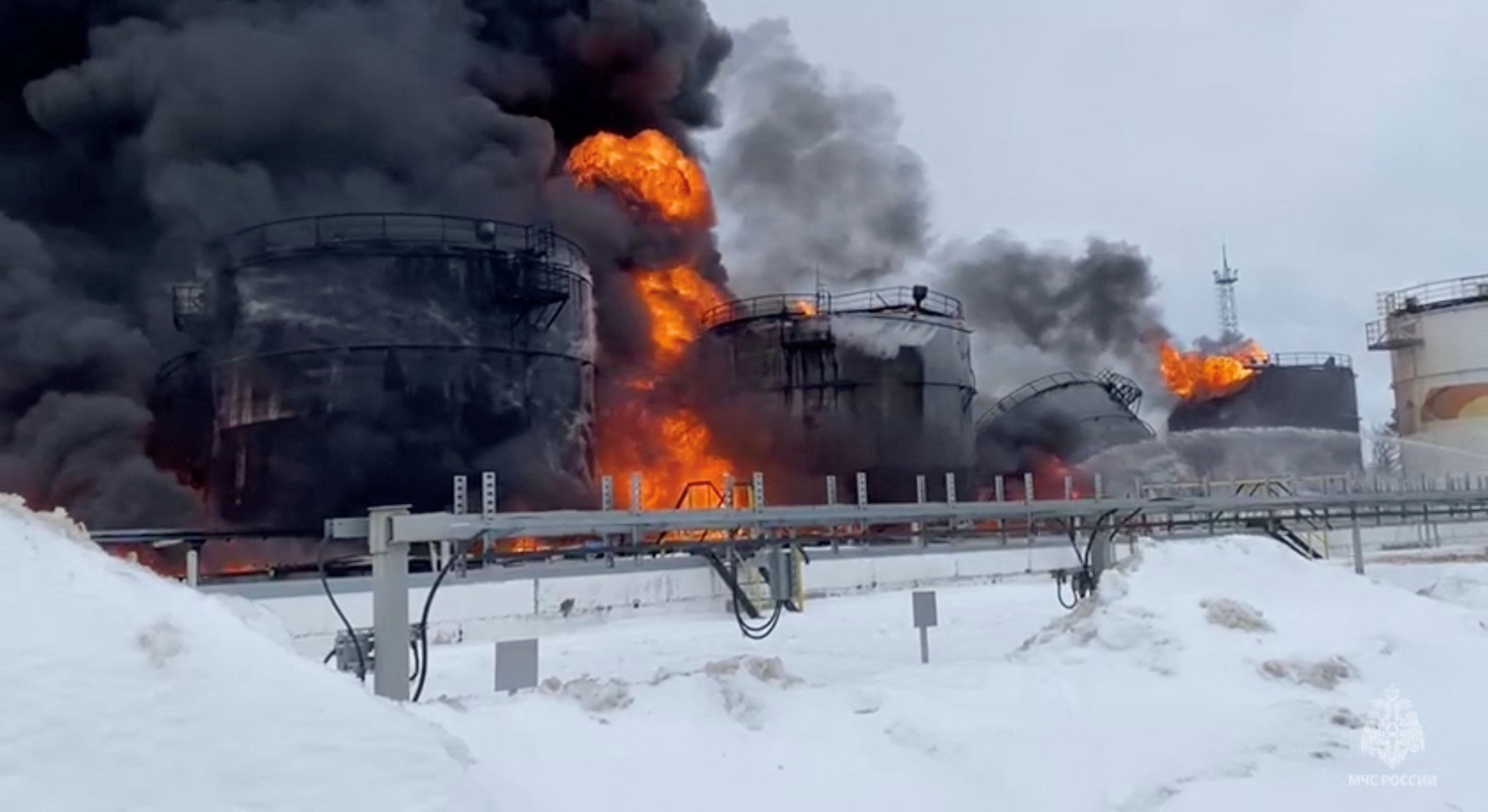
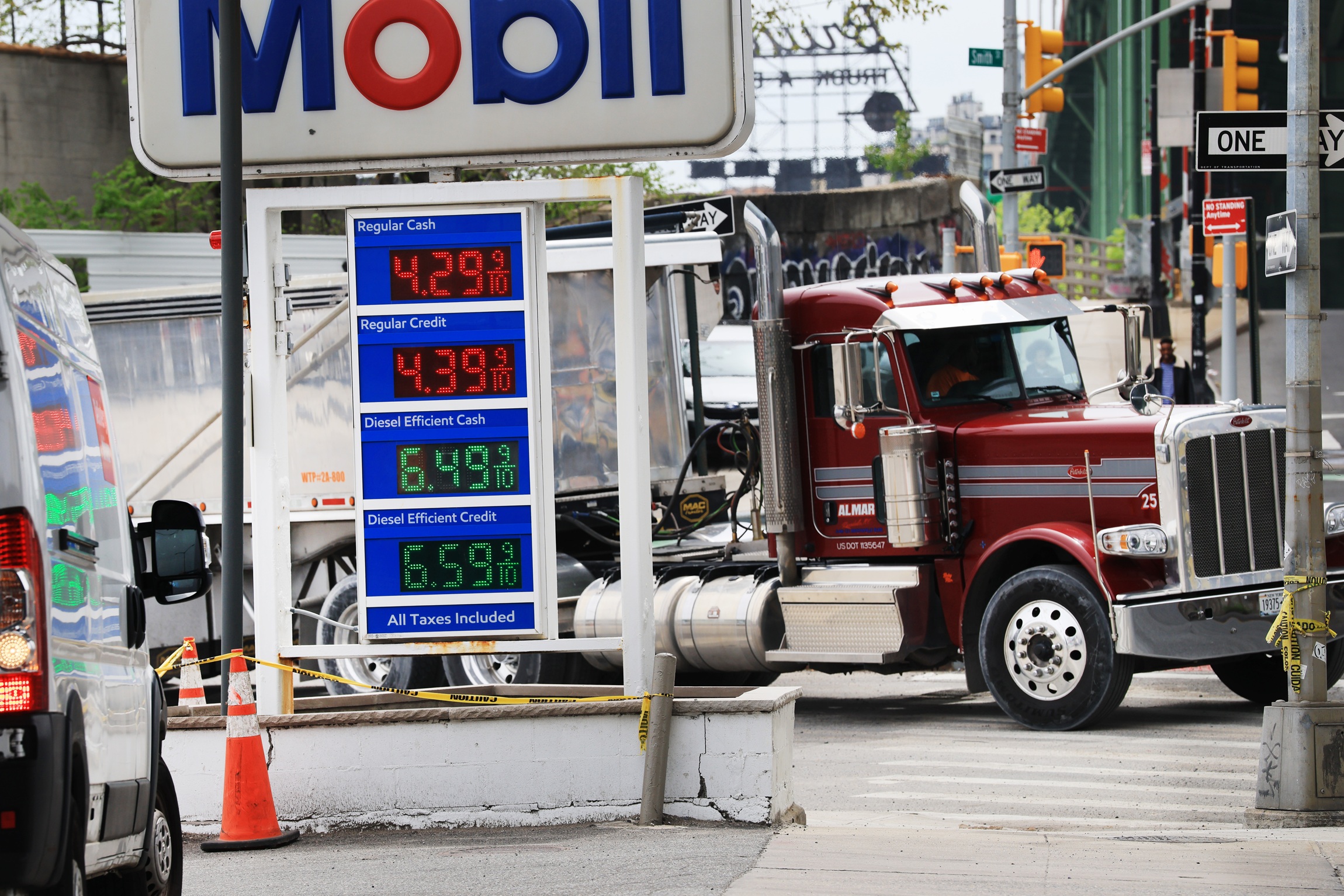
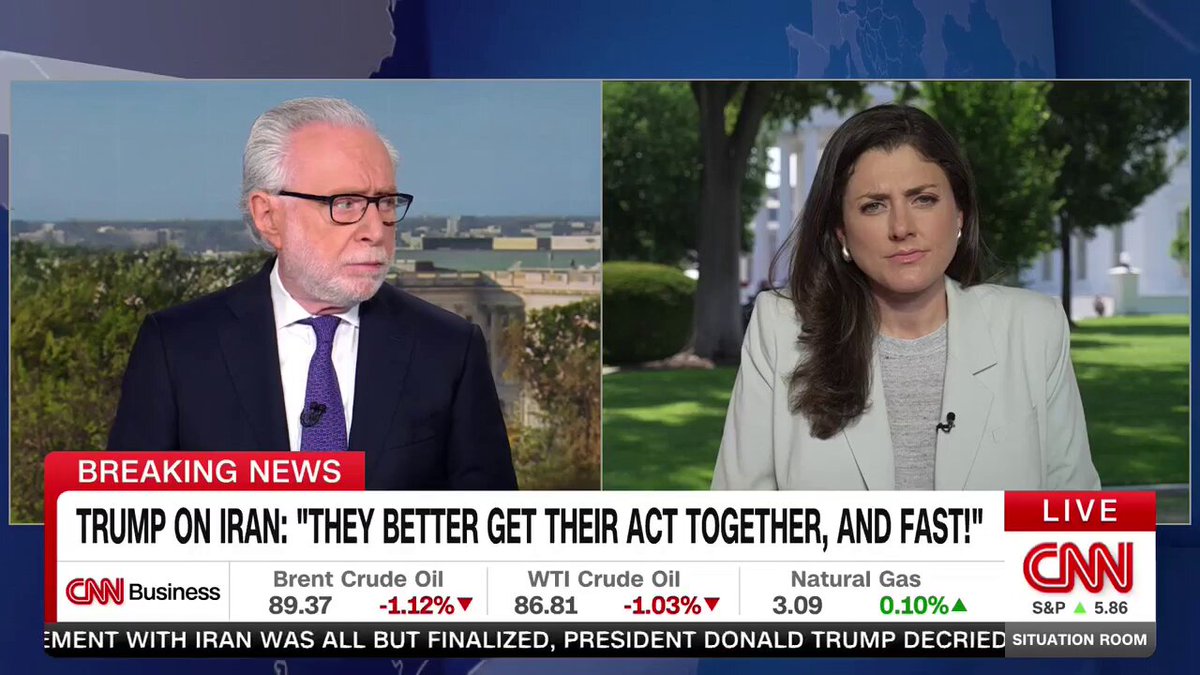
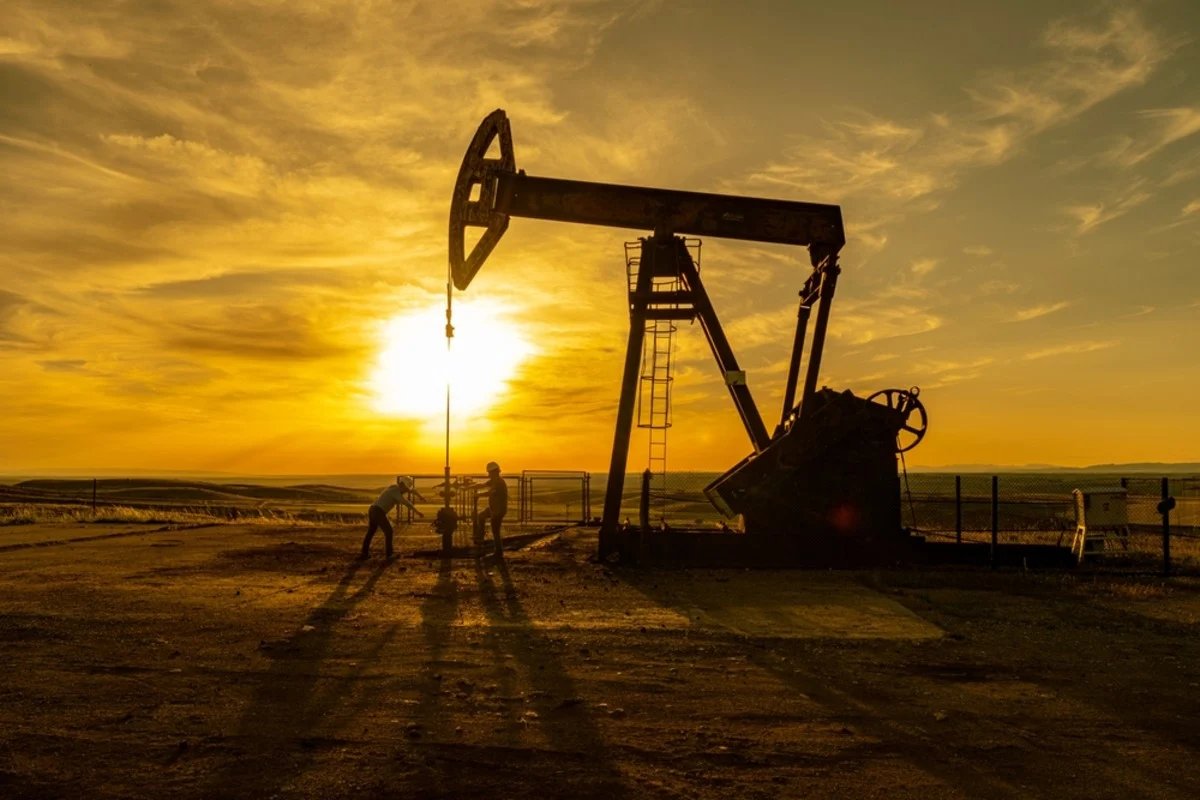
Policymakers are urging the Federal Reserve to reconsider its inclination towards interest rate cuts due to a significant spike in oil prices, which has been driven by geopolitical tensions and supply chain disruptions. The recent rise in crude oil prices has raised concerns about inflation, compelling some members of the Fed to suggest that signaling a bias toward rate cuts is no longer appropriate. Federal Reserve Governor Michelle Bowman stated that the current economic conditions warrant a more cautious approach, emphasizing the need to monitor inflation closely.
Inflation Concerns Intensify
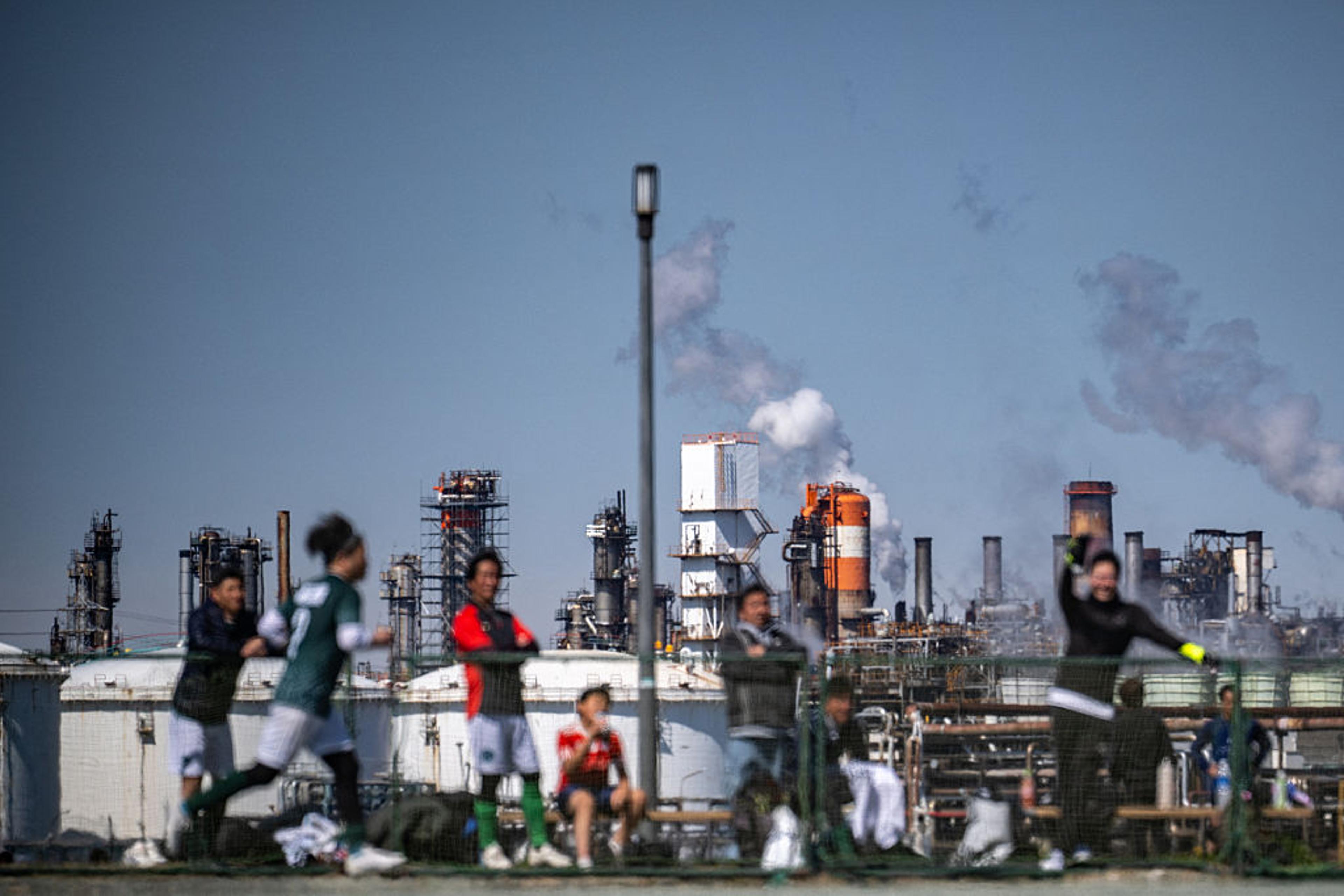
The ongoing oil shock has intensified inflation worries, with core inflation rates reflecting pressure from rising energy costs. This situation is echoed globally, as core inflation in Tokyo is expected to accelerate due to similar energy shocks. The Fed's focus on inflation is critical, especially as it impacts consumer spending and overall economic stability. Policymakers are acknowledging that the dynamics of oil prices could have a ripple effect on broader economic metrics.
Fed Officials Divided on Rate Adjustments
While some Fed officials, like Governor Christopher Waller, have expressed a willingness to consider rate cuts if inflation stabilizes, others argue that the current economic climate requires a more hawkish stance. Waller mentioned that inflation could remain elevated due to supply chain issues exacerbated by the oil price surge. In contrast, Fed's Logan pointed out that the next rate move could either be a cut or a hike, depending on evolving economic indicators.
Market Reactions to Policy Shifts
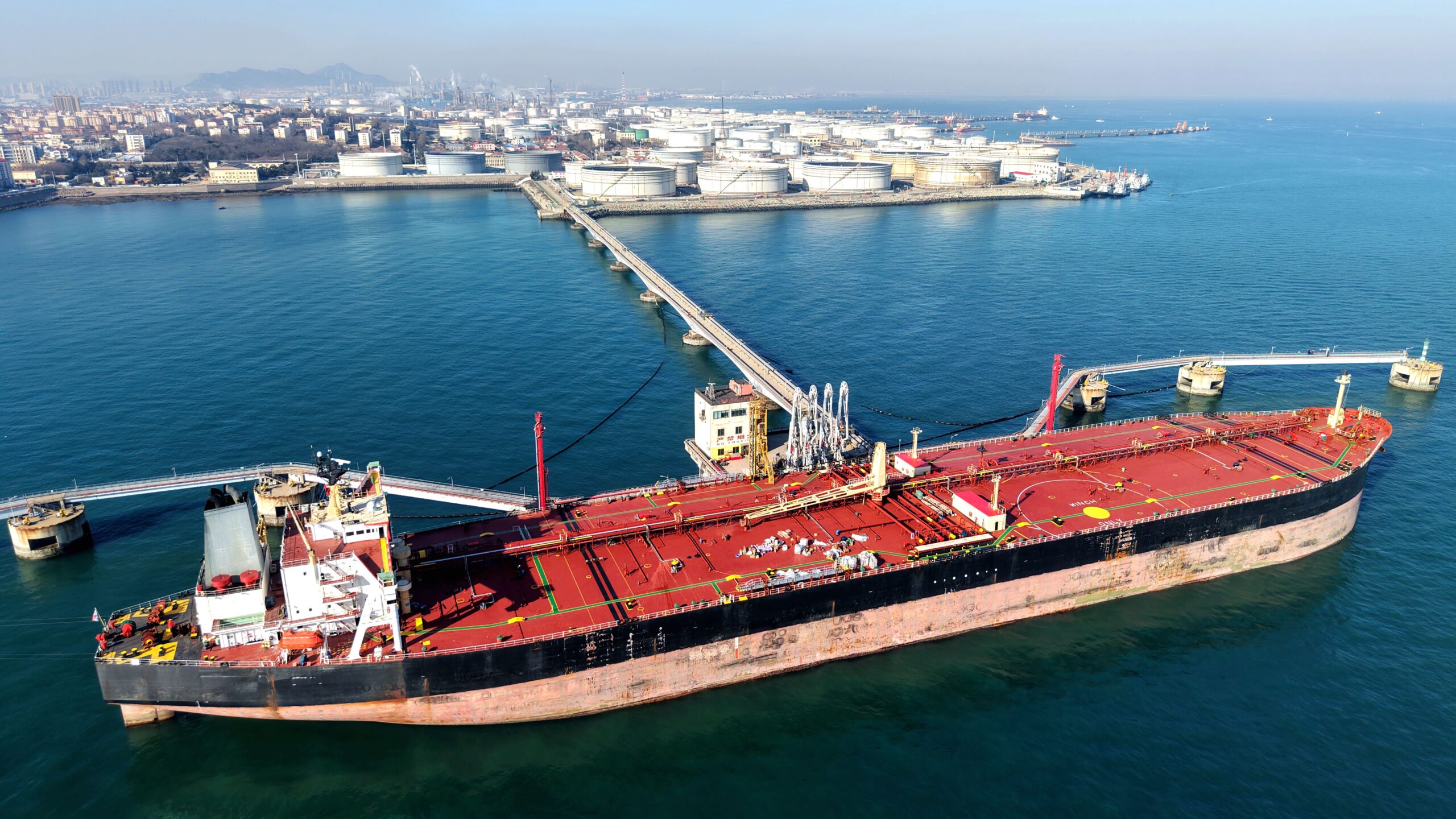
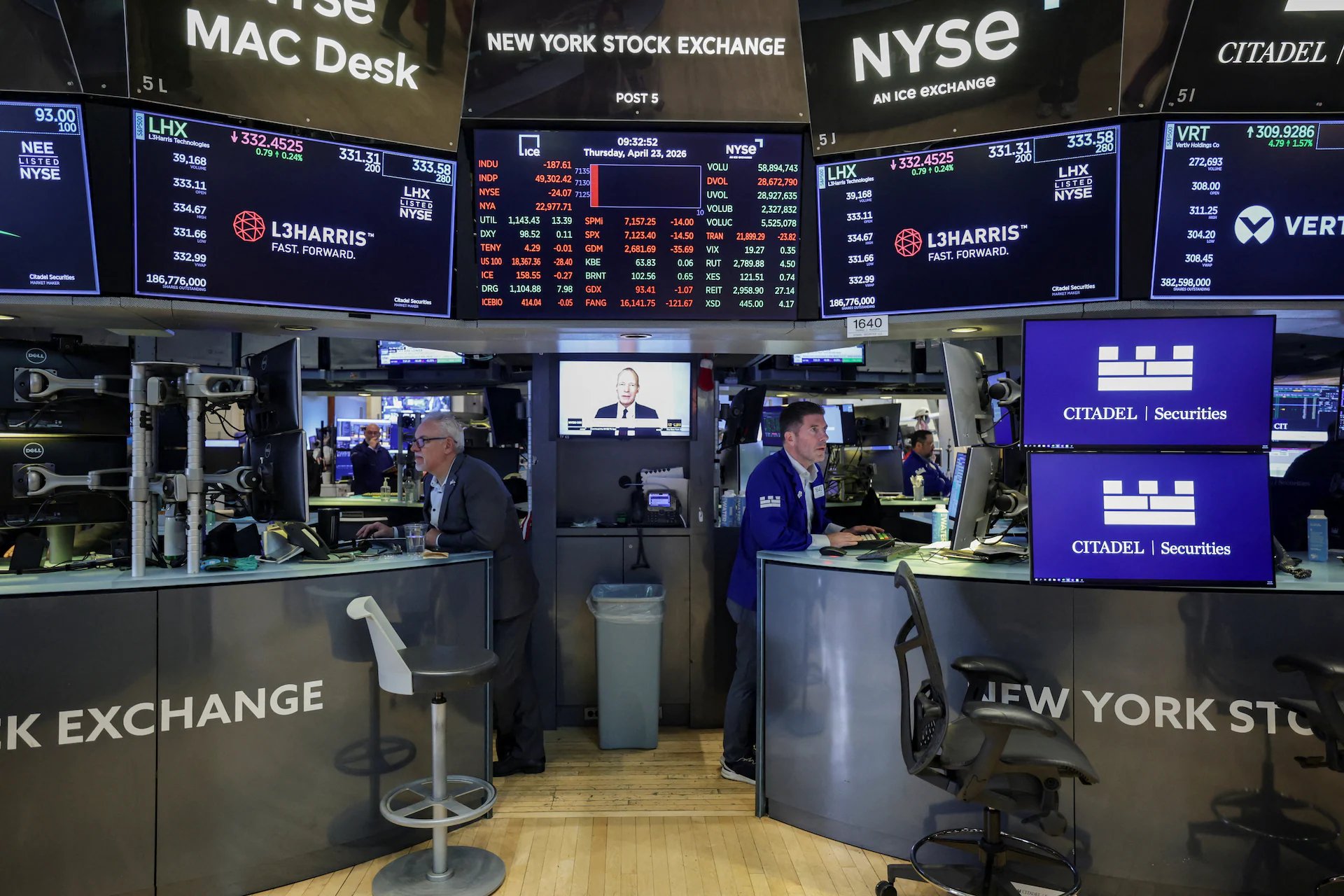
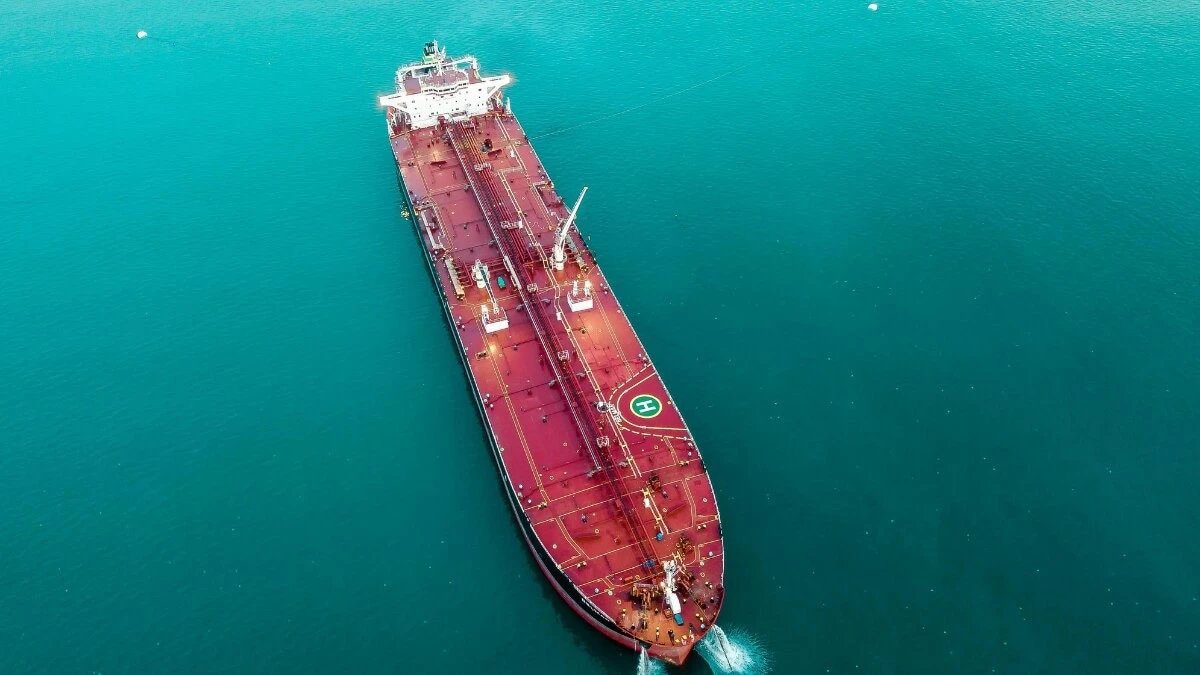
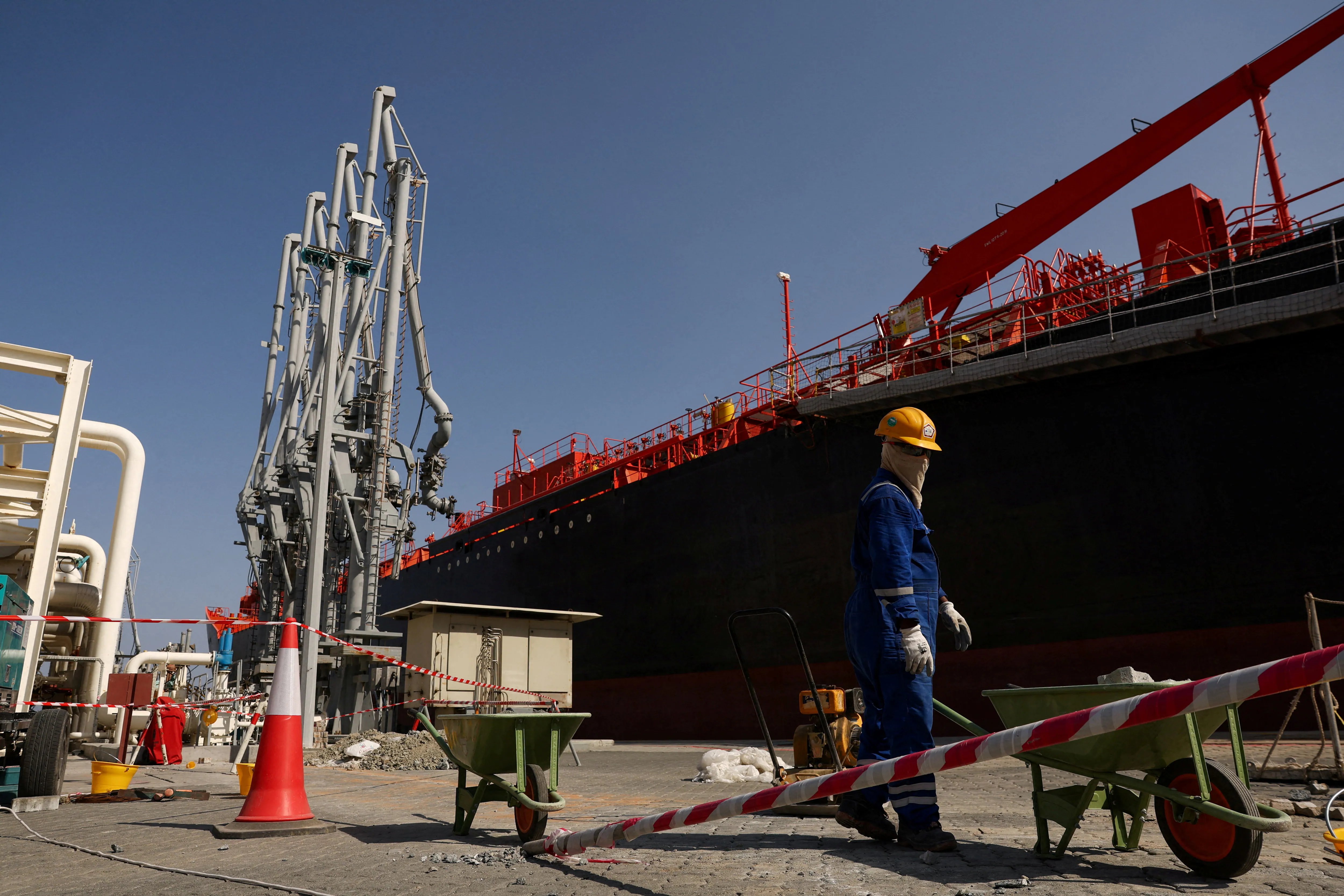
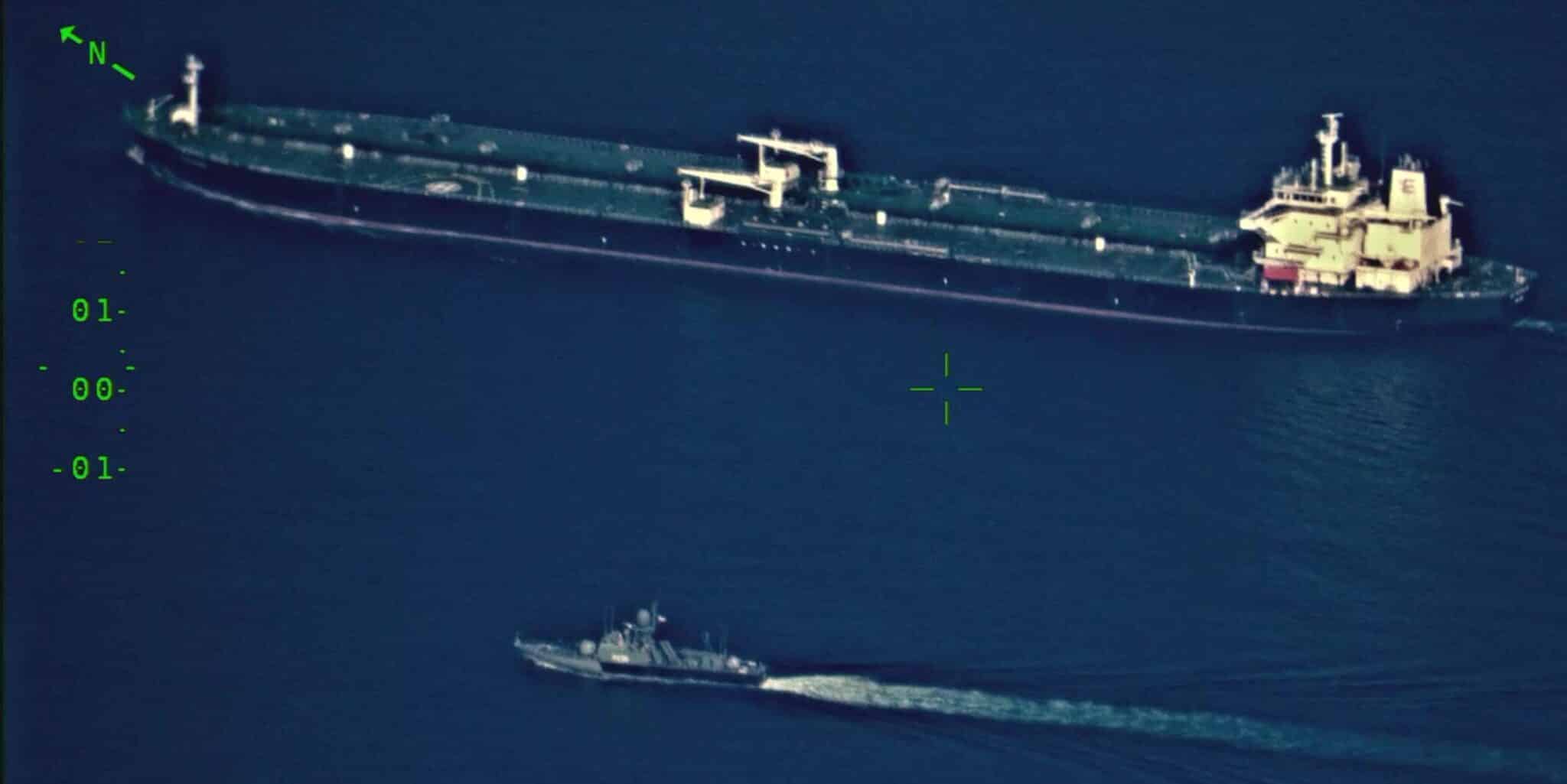
Financial markets have reacted to the Fed's potential policy shifts, with analysts predicting that the stock market could find support in upcoming earnings reports and labor data. However, the overall sentiment remains cautious as investors assess the implications of sustained high oil prices. The recent jump in Venezuela's oil exports, which reached their highest levels since 2018, adds another layer to the complex landscape of global oil supply and prices.
The Broader Economic Impact
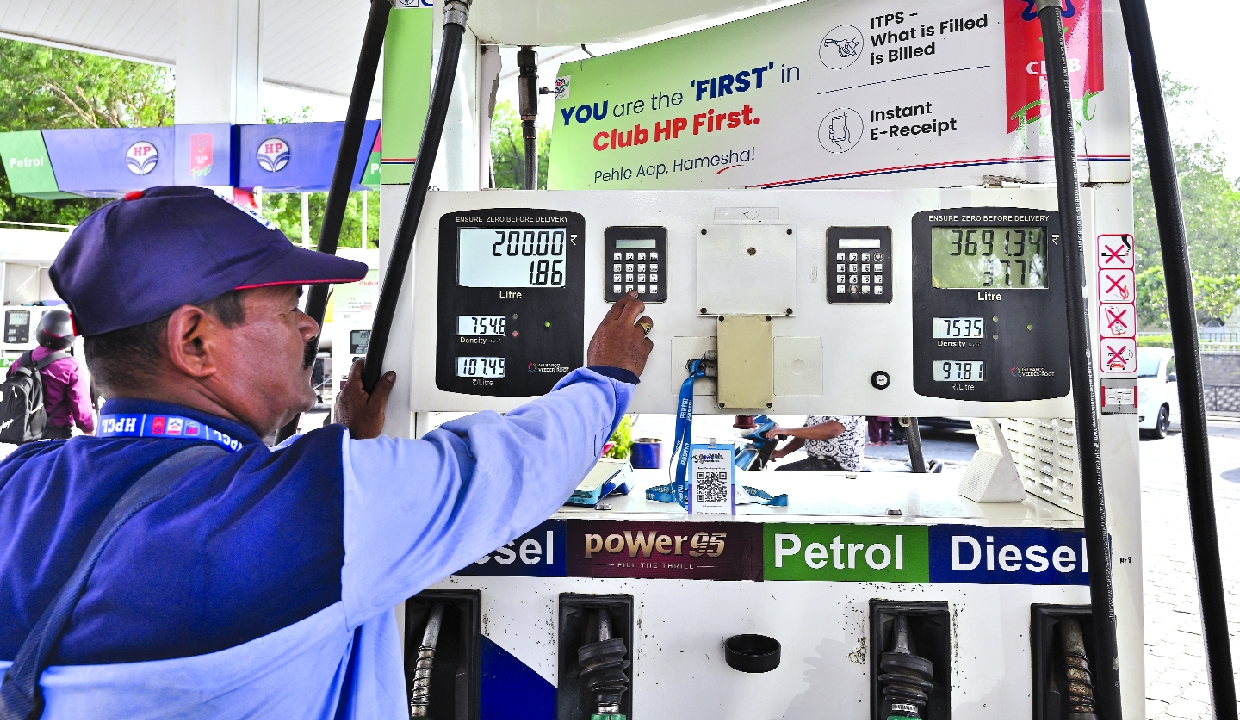
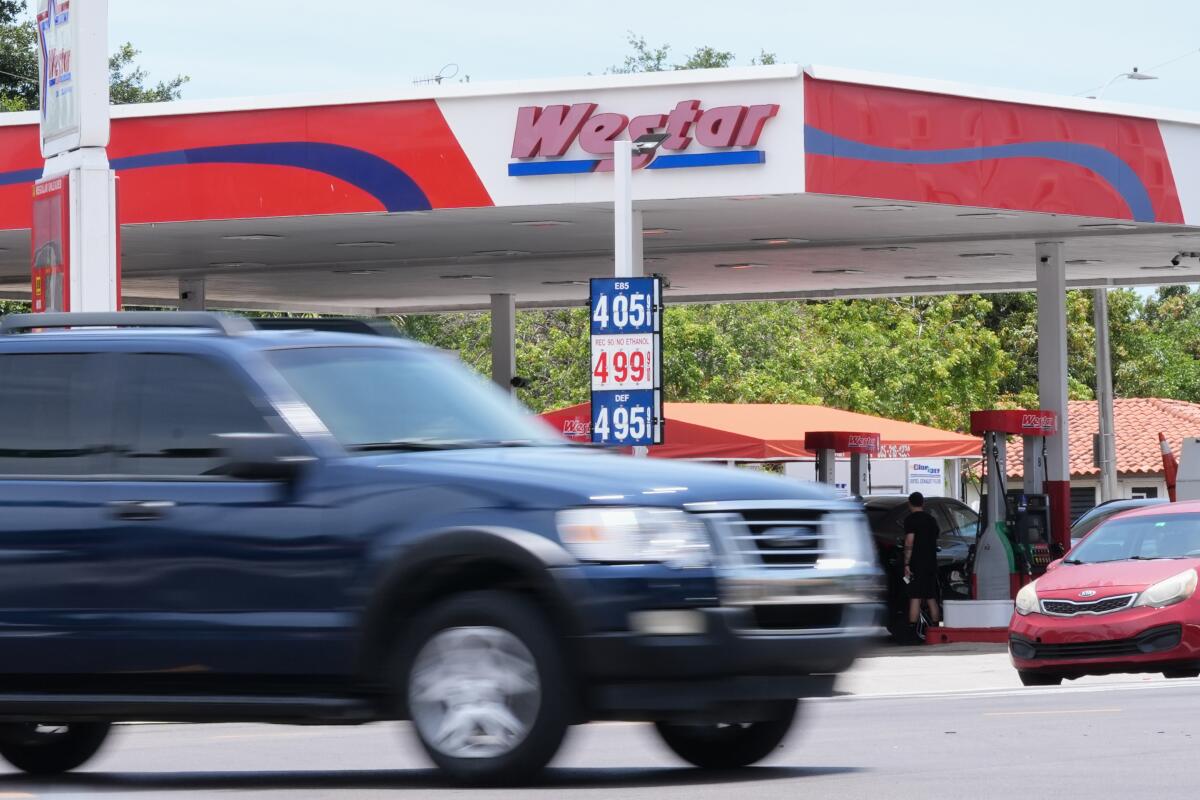
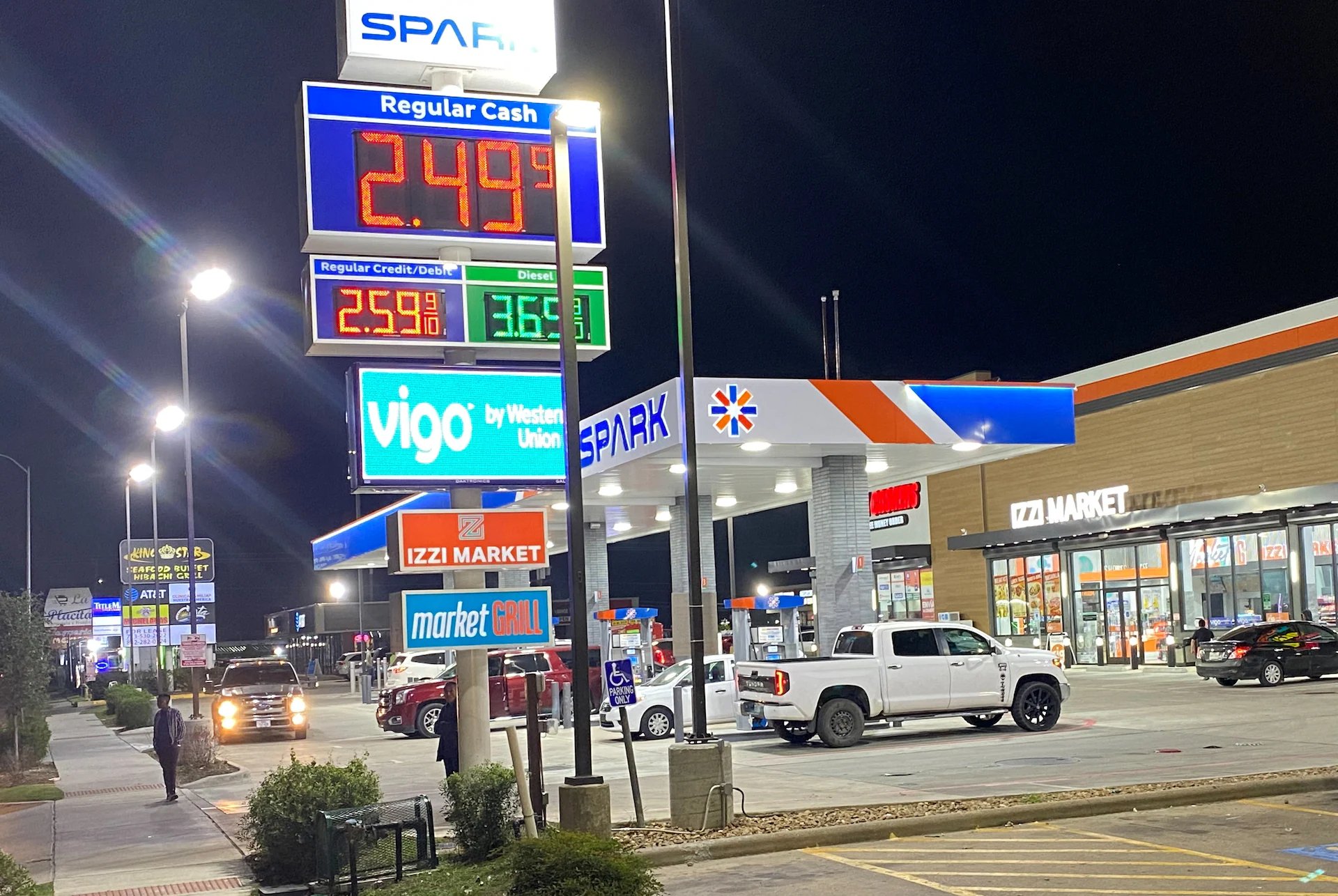
The potential for increased oil prices to drive inflation higher could affect consumer behavior and spending patterns, leading to a slowdown in economic growth. As oil prices surge, households may face higher costs at the pump, which could curtail discretionary spending. This scenario poses a challenge for the Fed as it seeks to balance inflation control with economic growth.
Next Steps for the Federal Reserve
Moving forward, the Federal Reserve faces the critical task of navigating a complex economic environment marked by rising oil prices and inflationary pressures. Policymakers will need to analyze incoming data carefully to determine the most appropriate course of action regarding interest rates. The decisions made in the coming weeks will have significant implications for consumers and businesses alike, shaping the economic landscape for the foreseeable future.