




Retaliation Risks
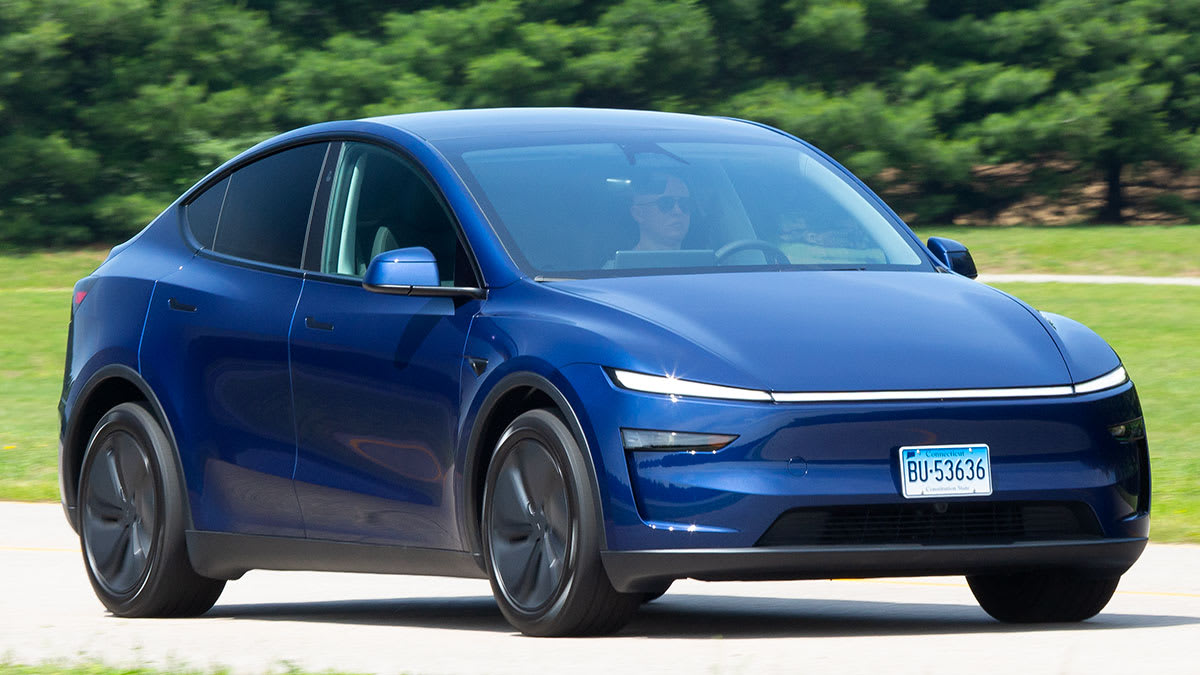
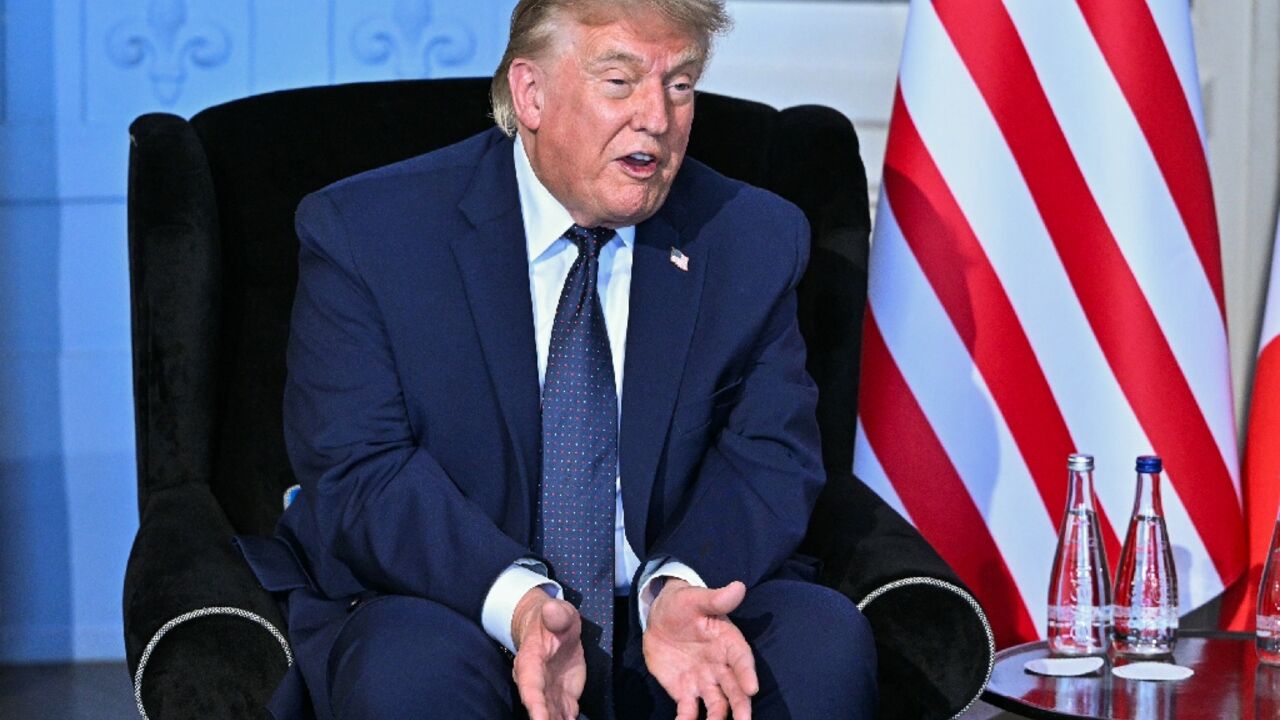
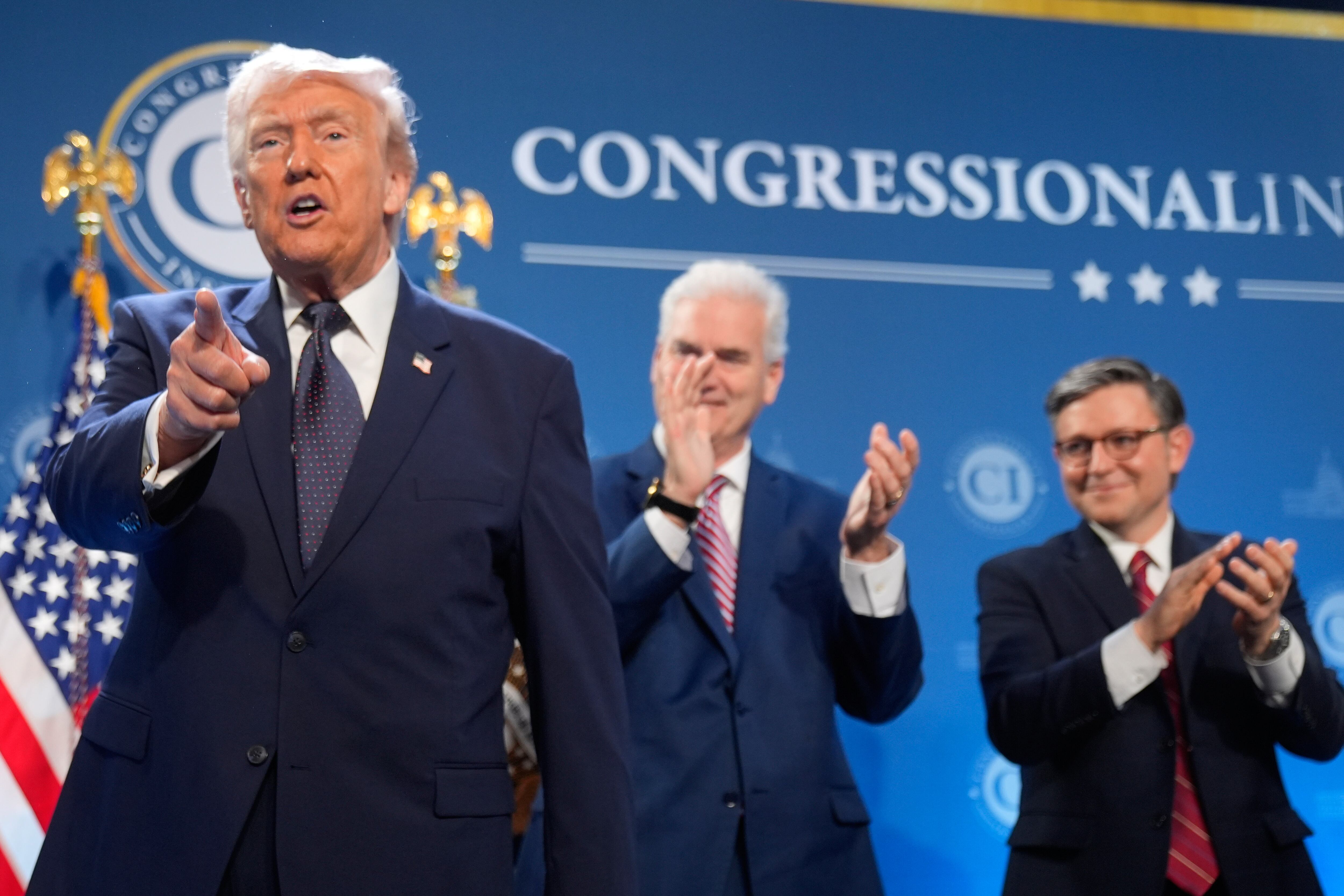
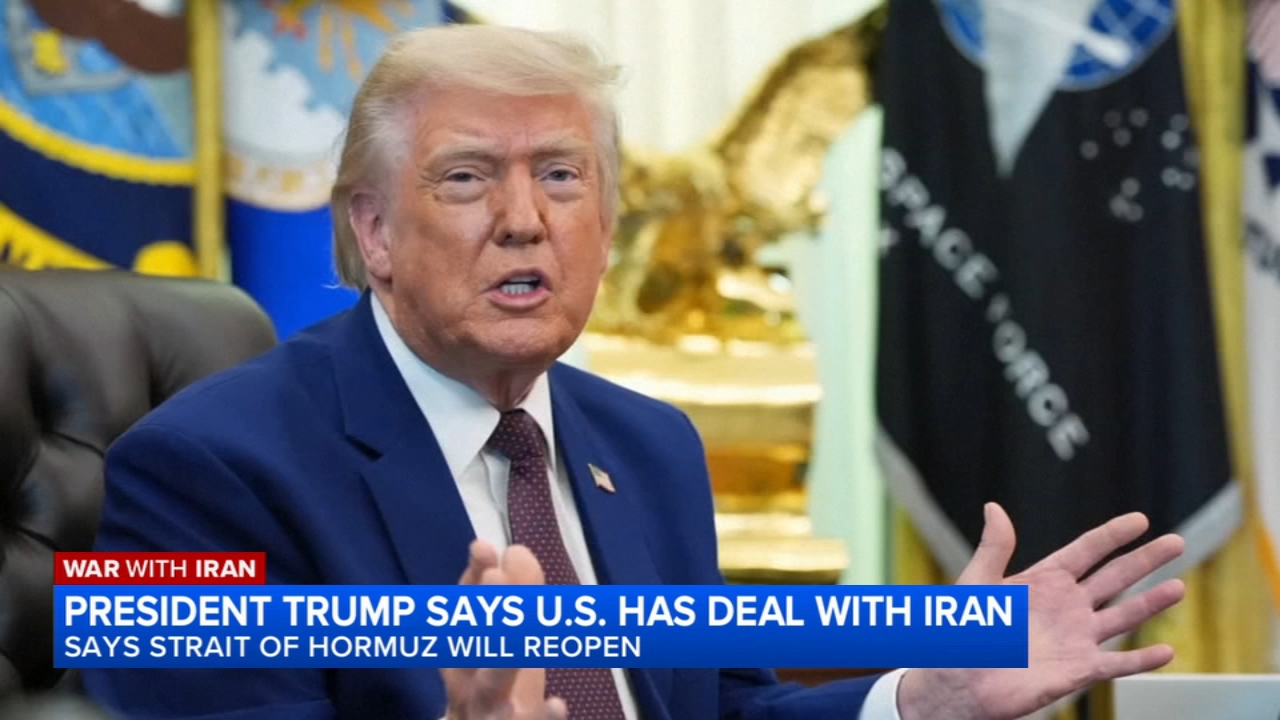
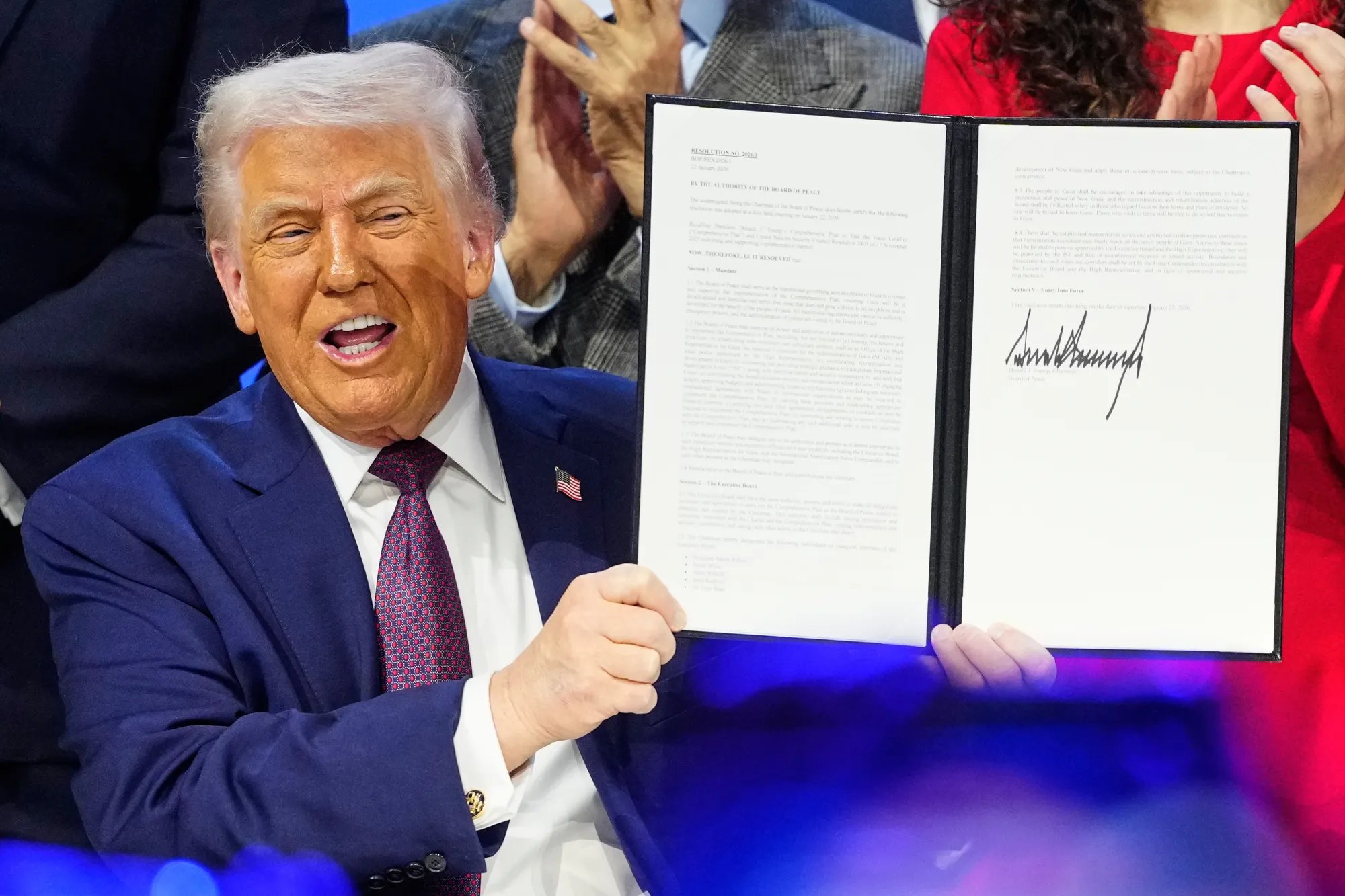
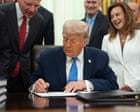
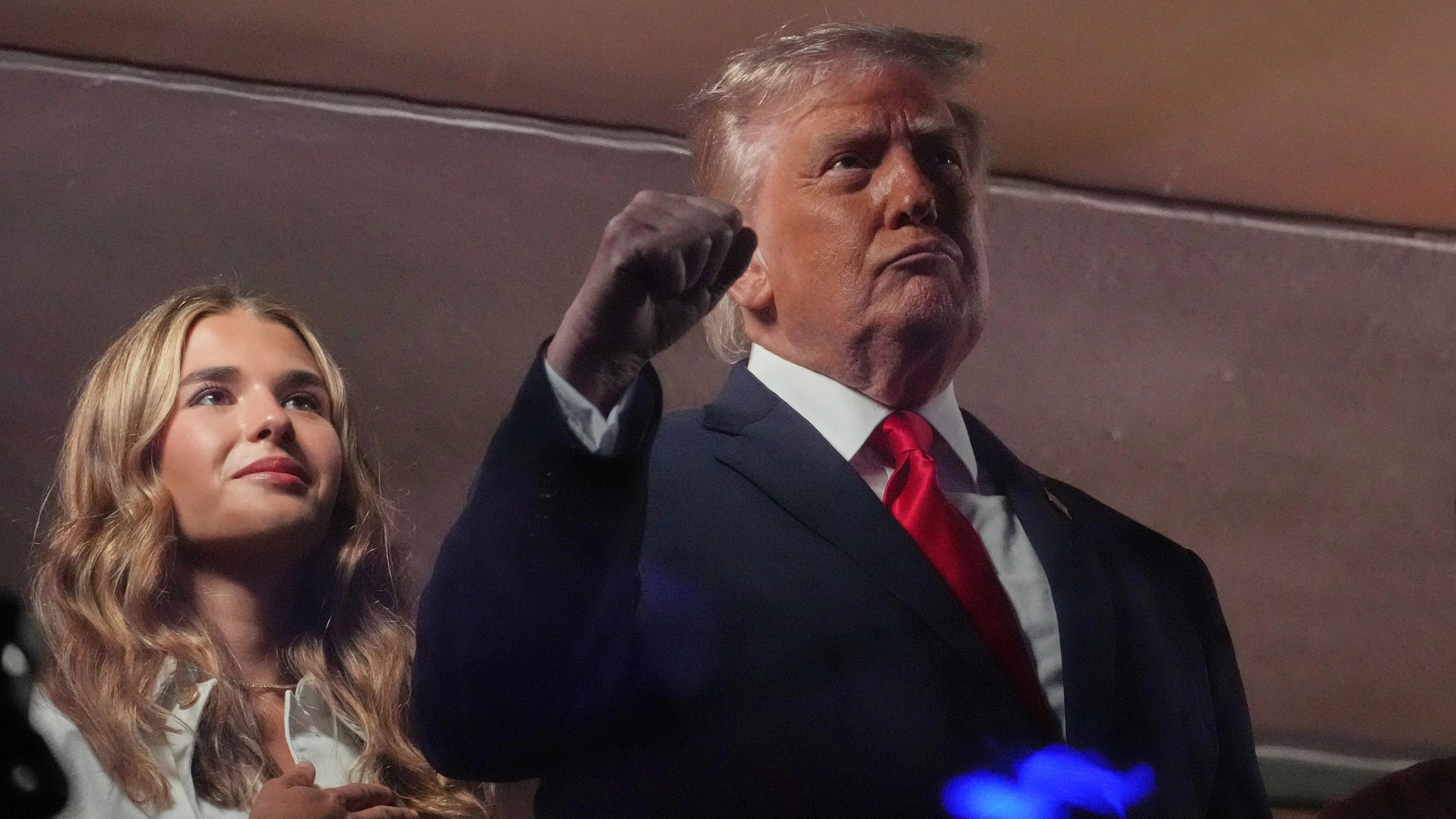
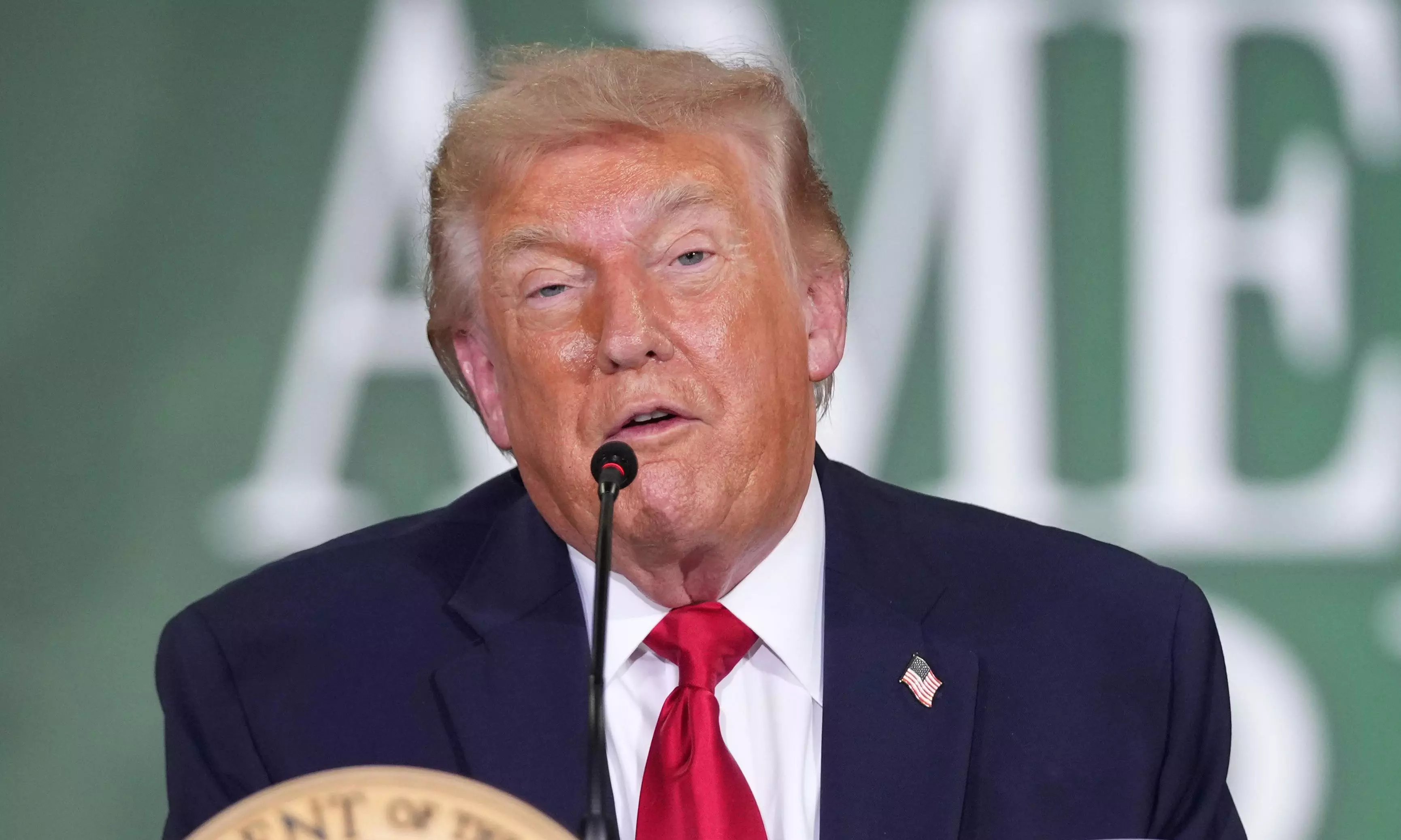
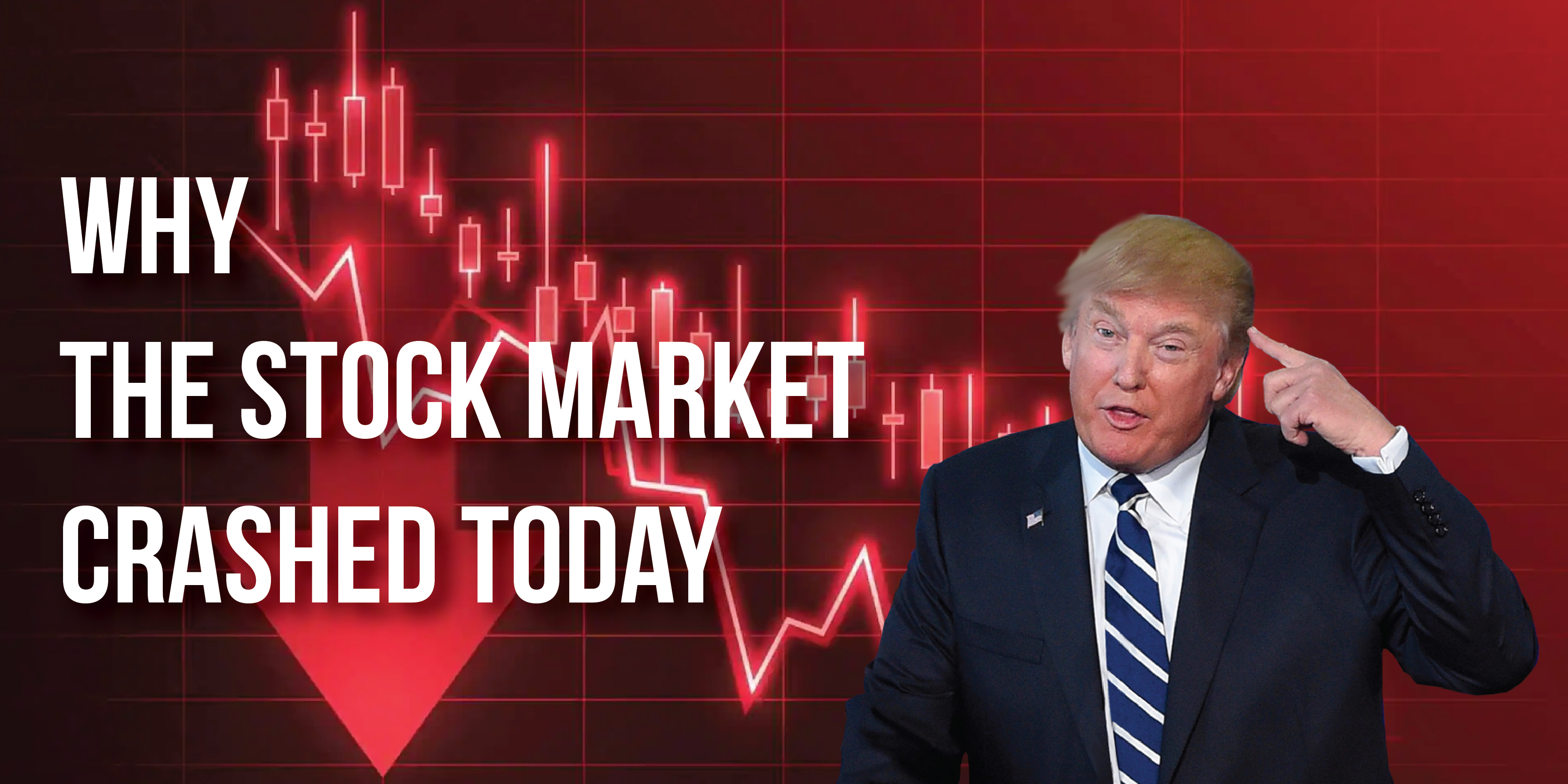
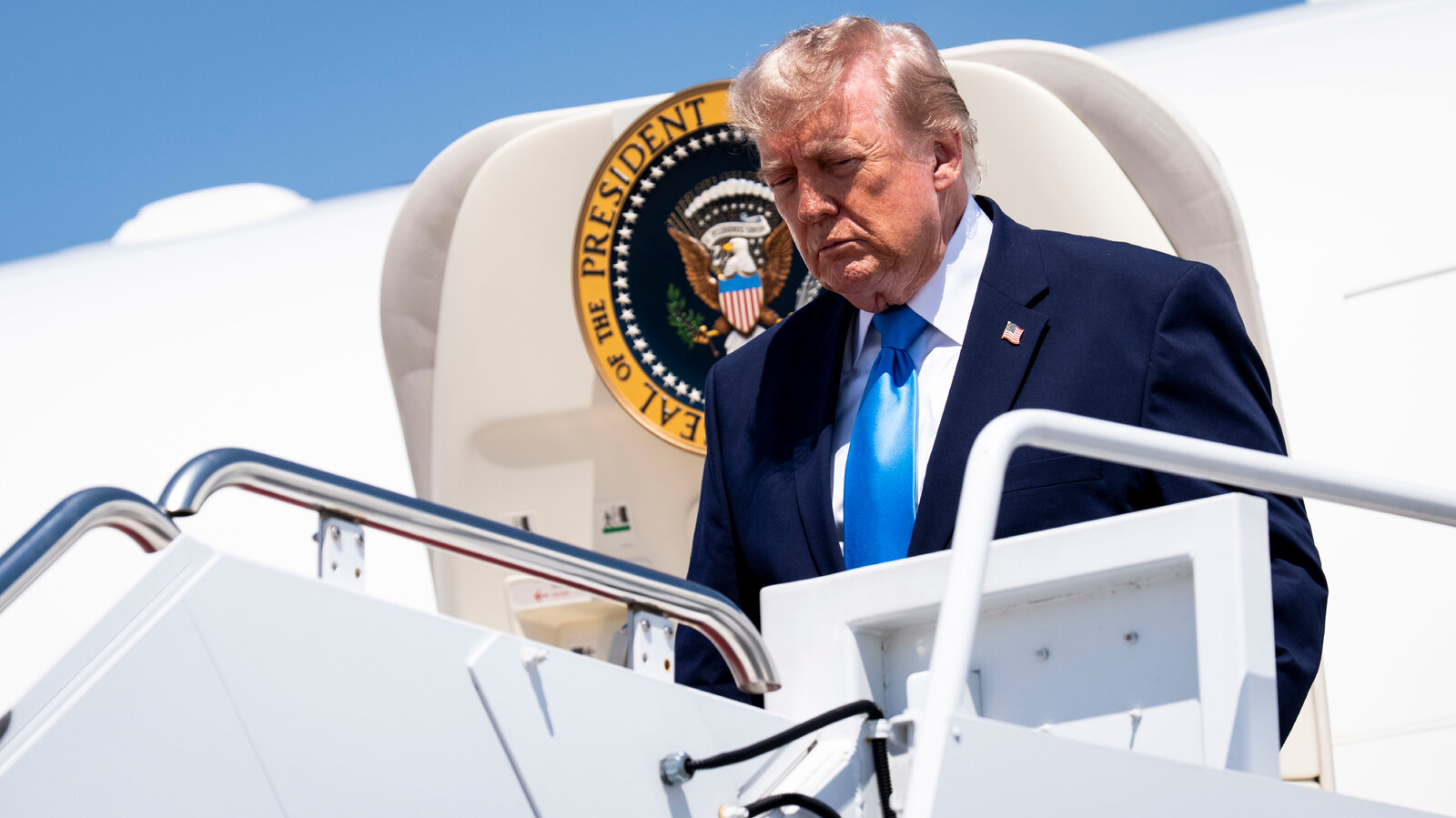
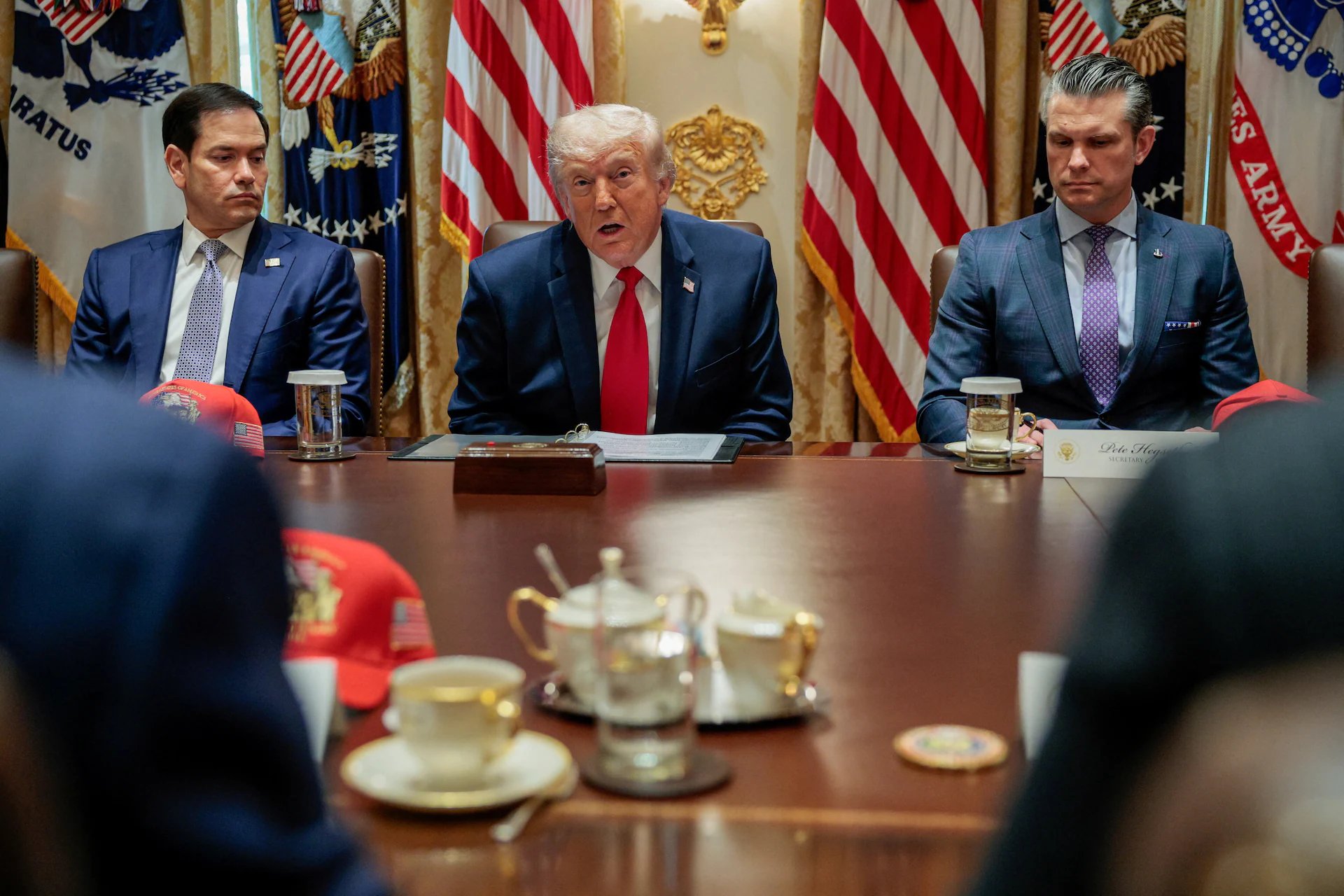
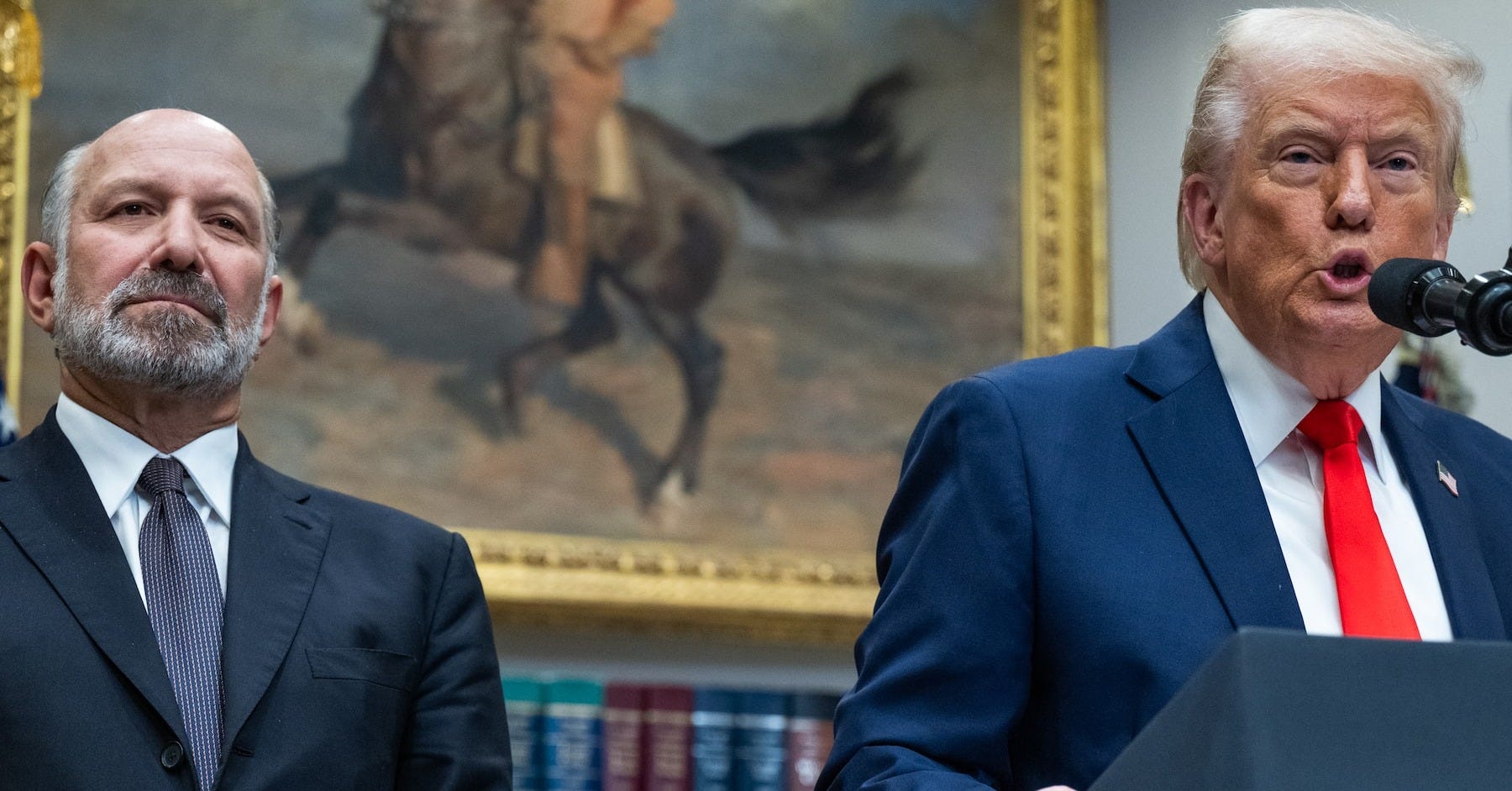
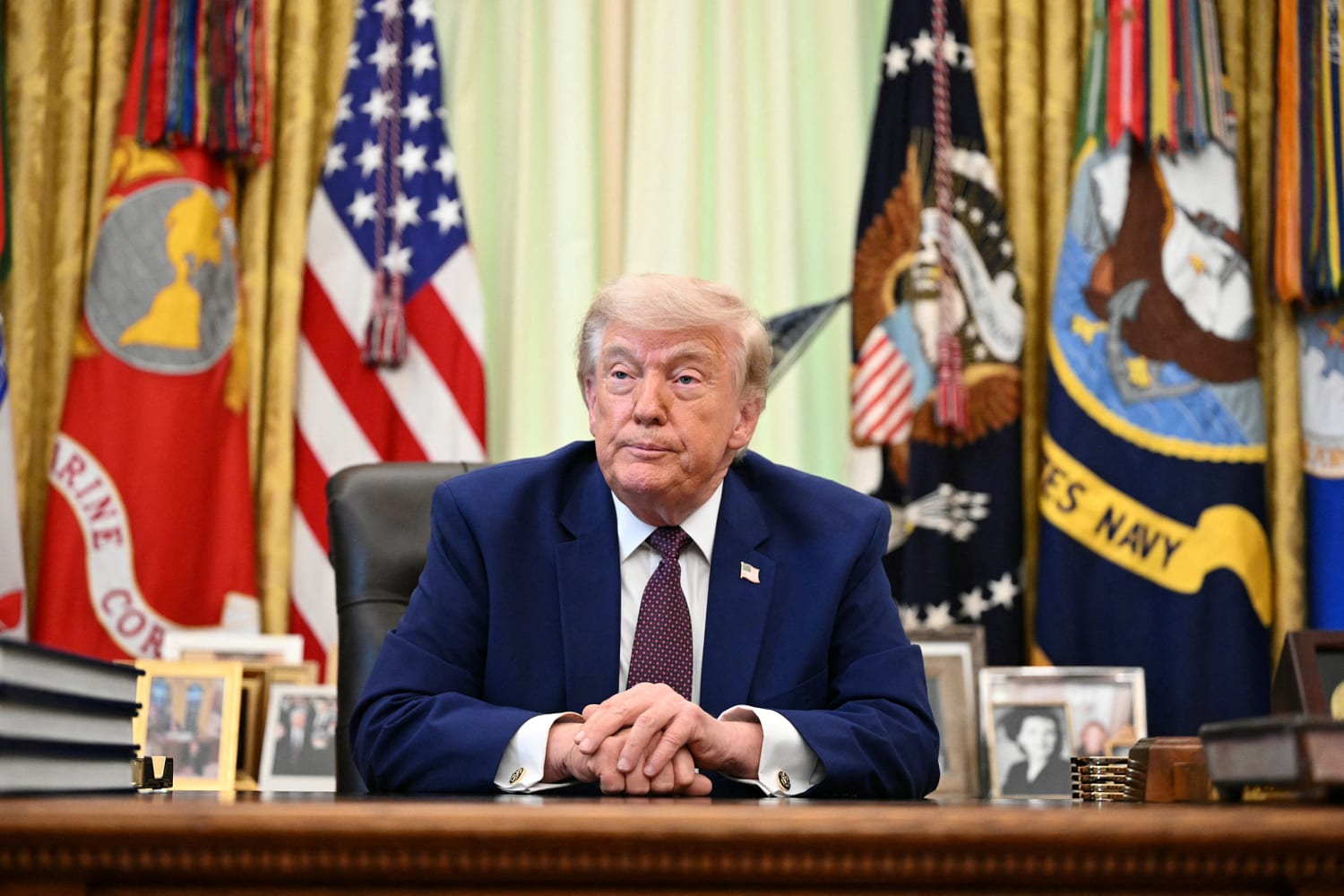
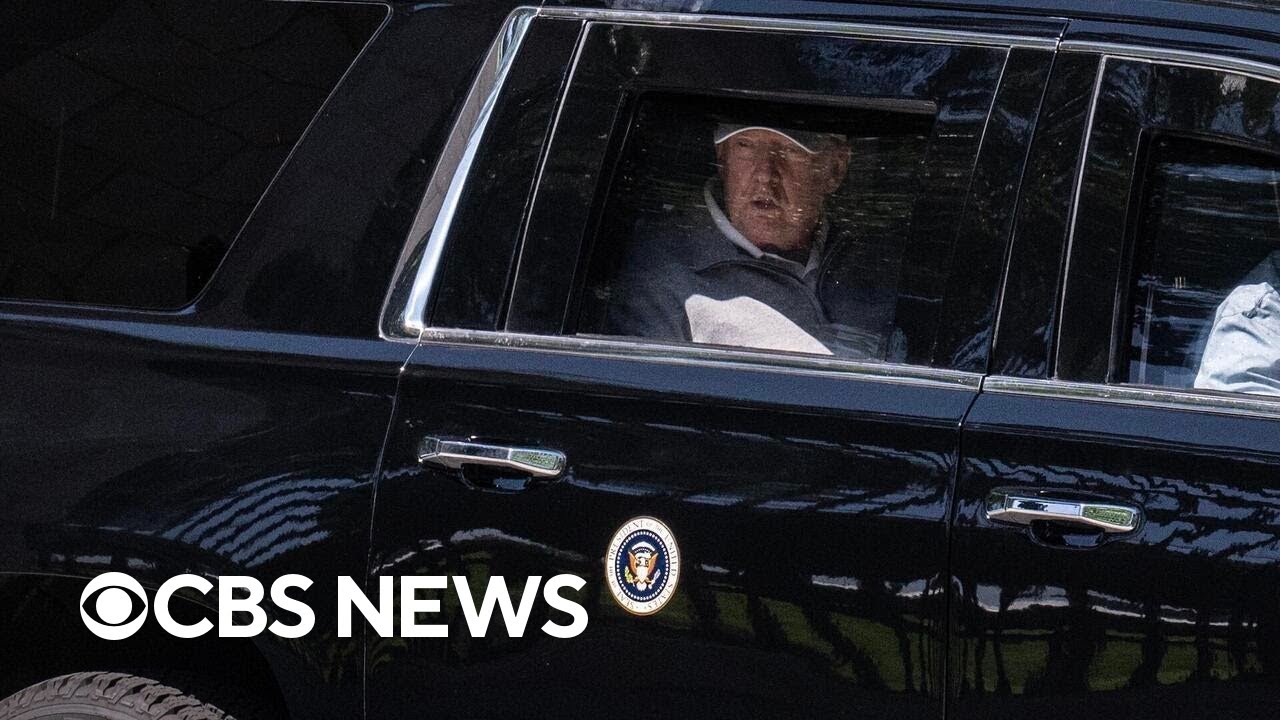
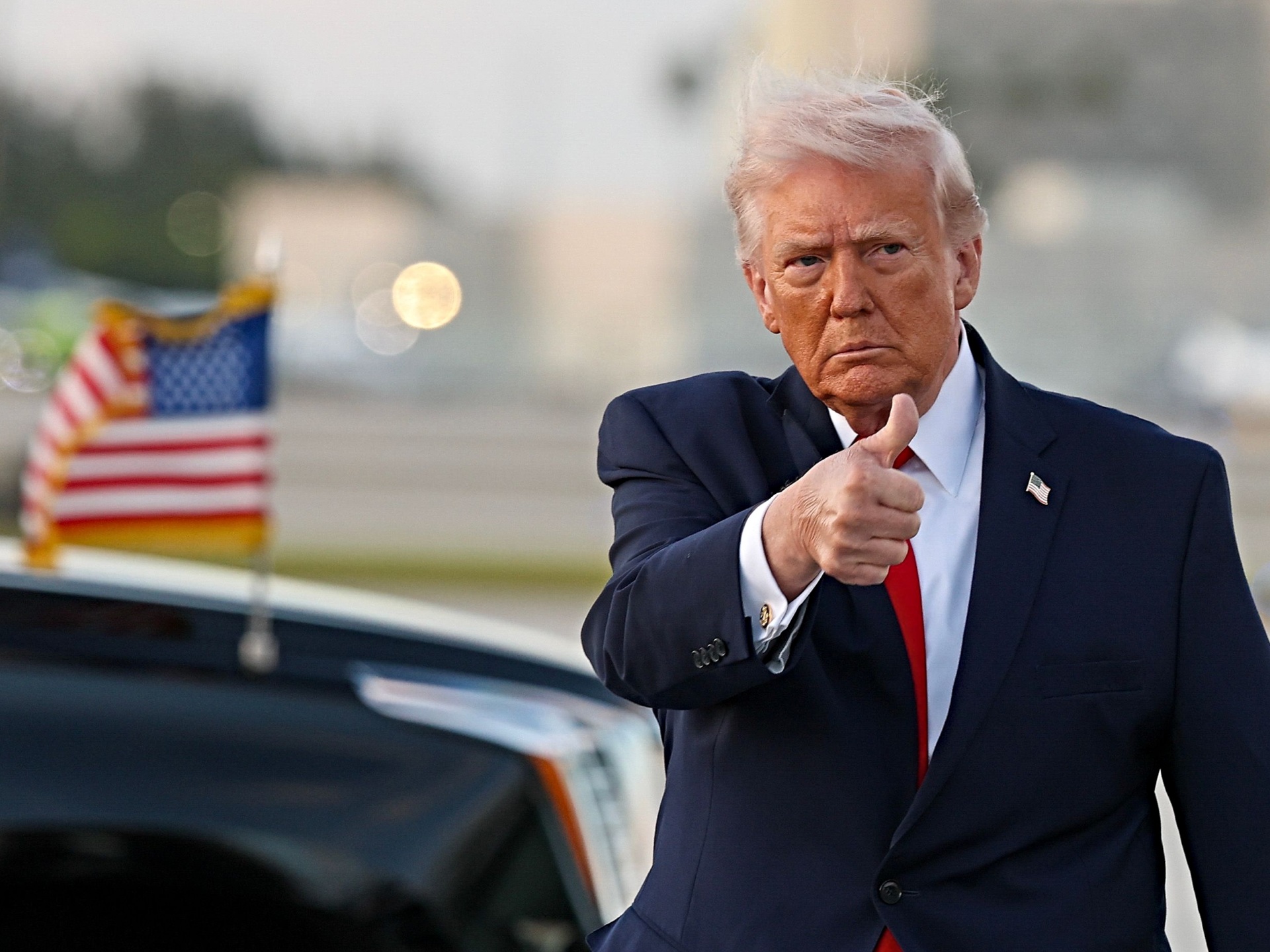
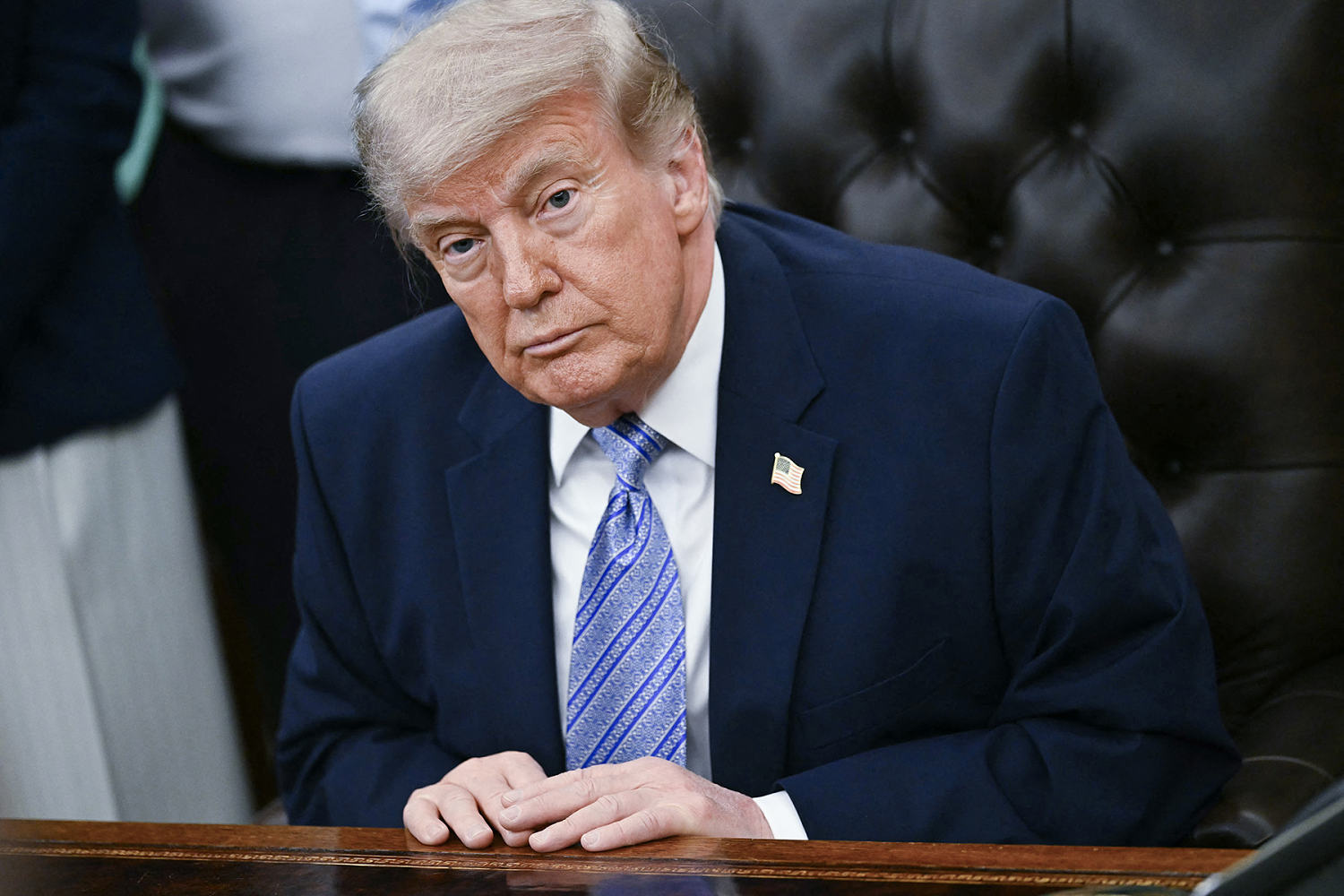
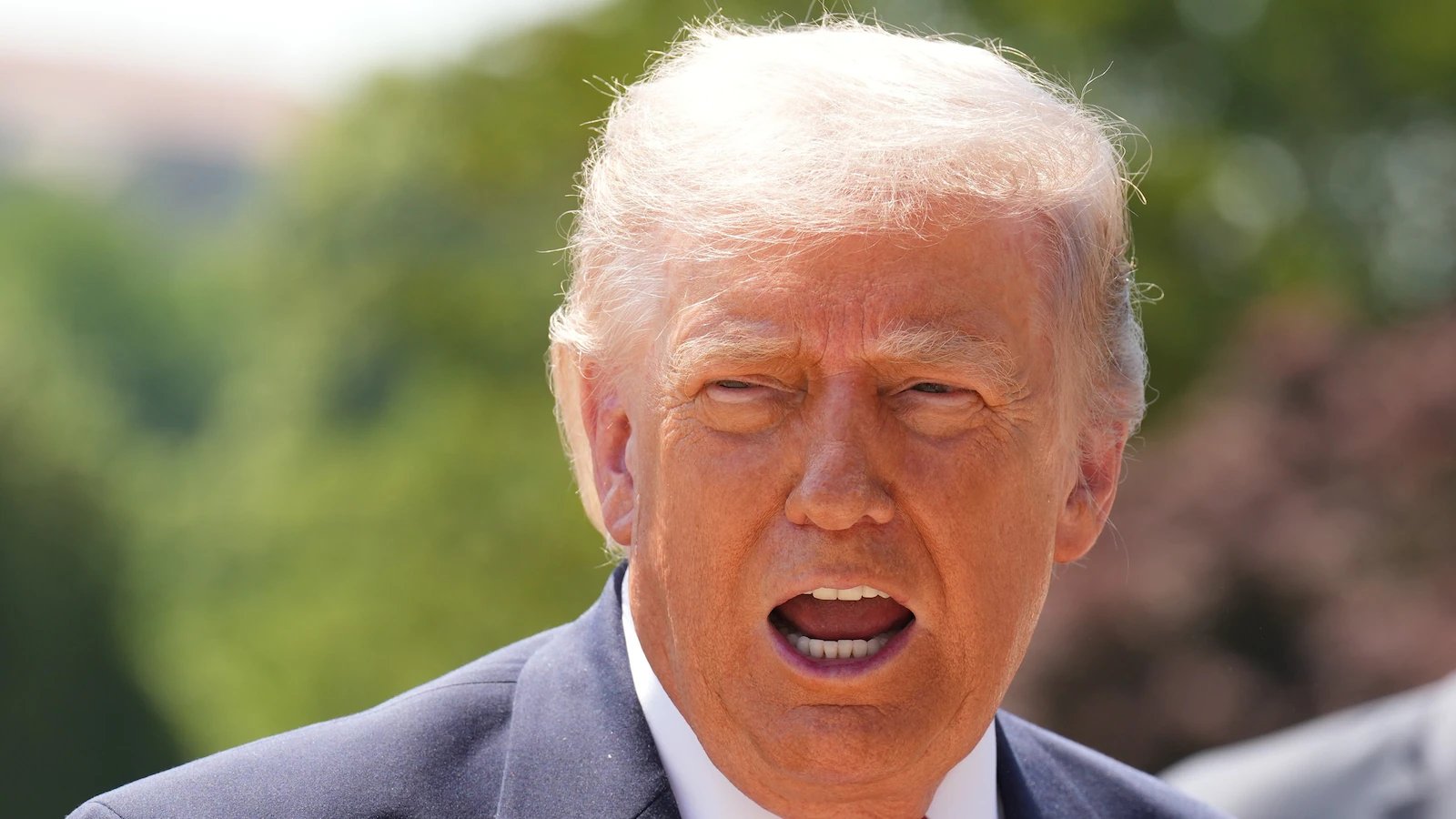
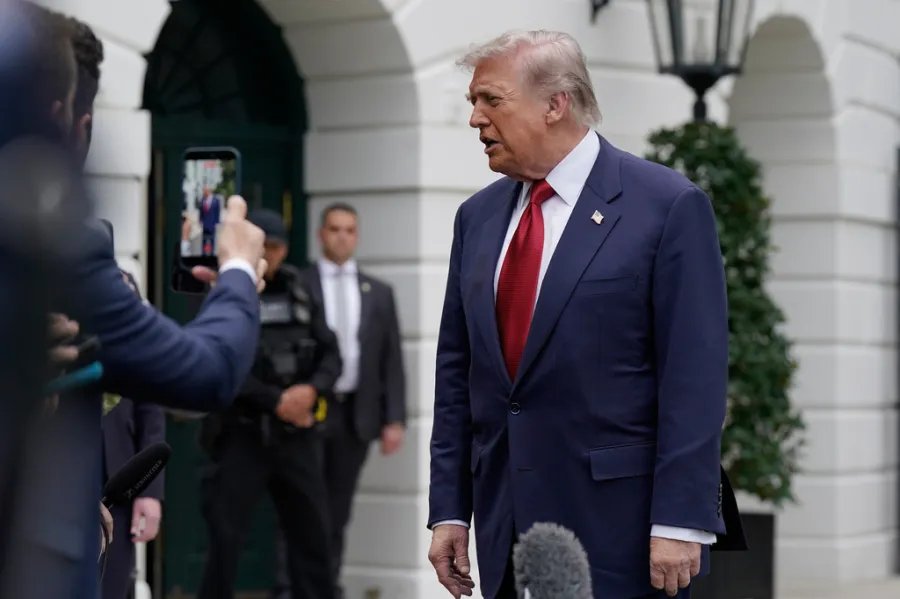
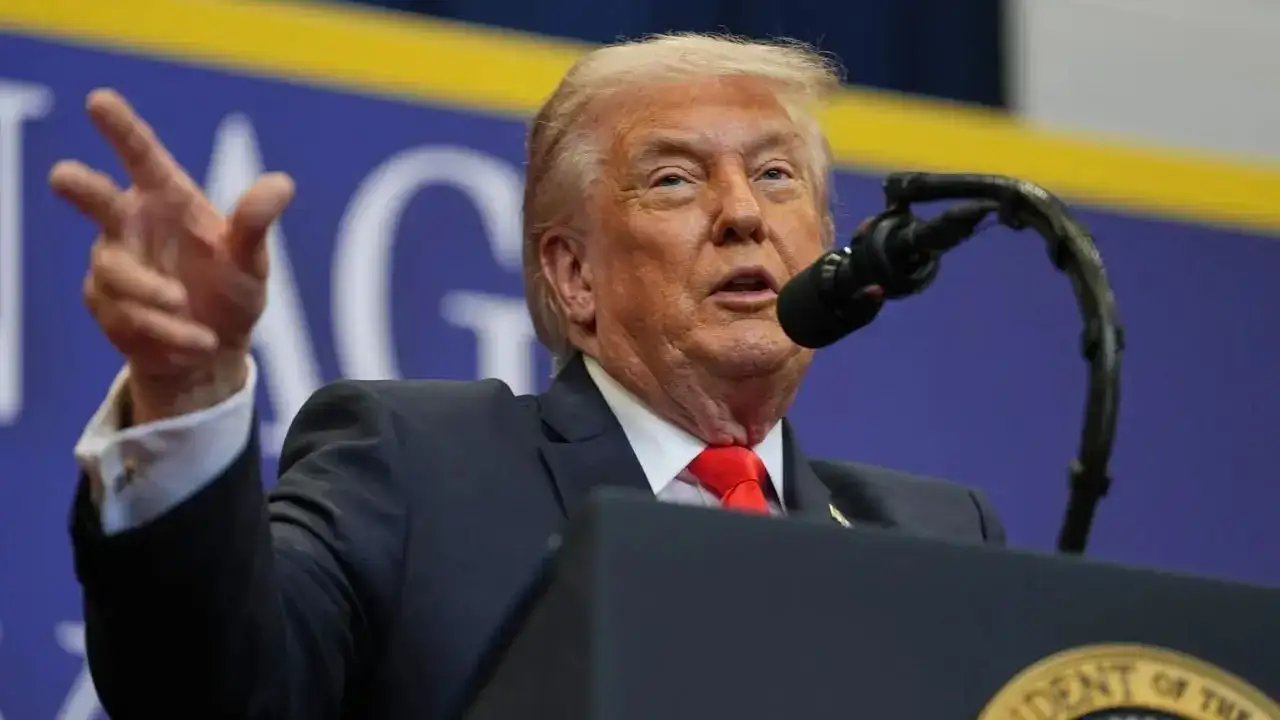
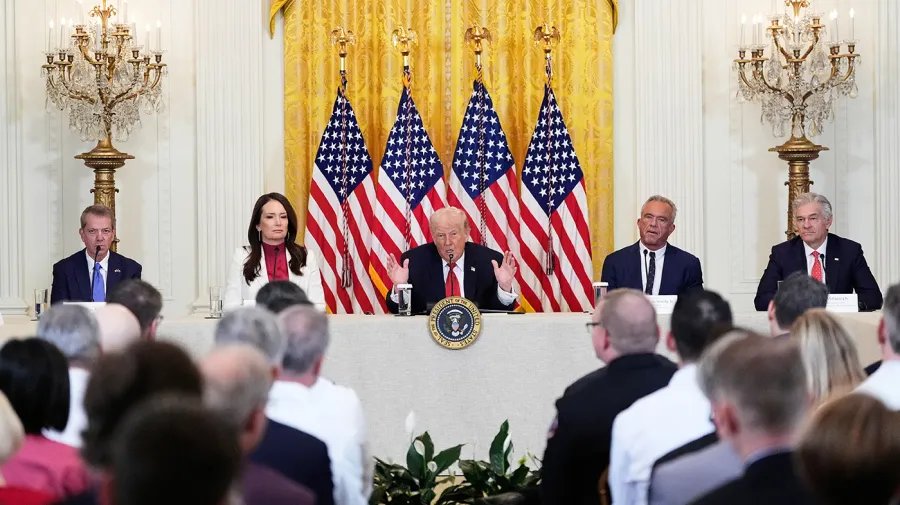
President Donald Trump announced Friday he will increase tariffs on cars and trucks imported from the European Union to 25% next week, a move that has already drawn sharp criticism. Trump justified the increase by claiming the EU is "not complying with our fully agreed to Trade Deal," though he did not specify his objections.
EU Official's Rebuke
Bernd Lange, the head of the European Parliament’s trade committee, called Trump’s tariff increase "unacceptable," criticizing the U.S. for being an unreliable partner. Lange's statement underscores the potential for escalating trade tensions between the U.S. and the EU.
Tariff Details
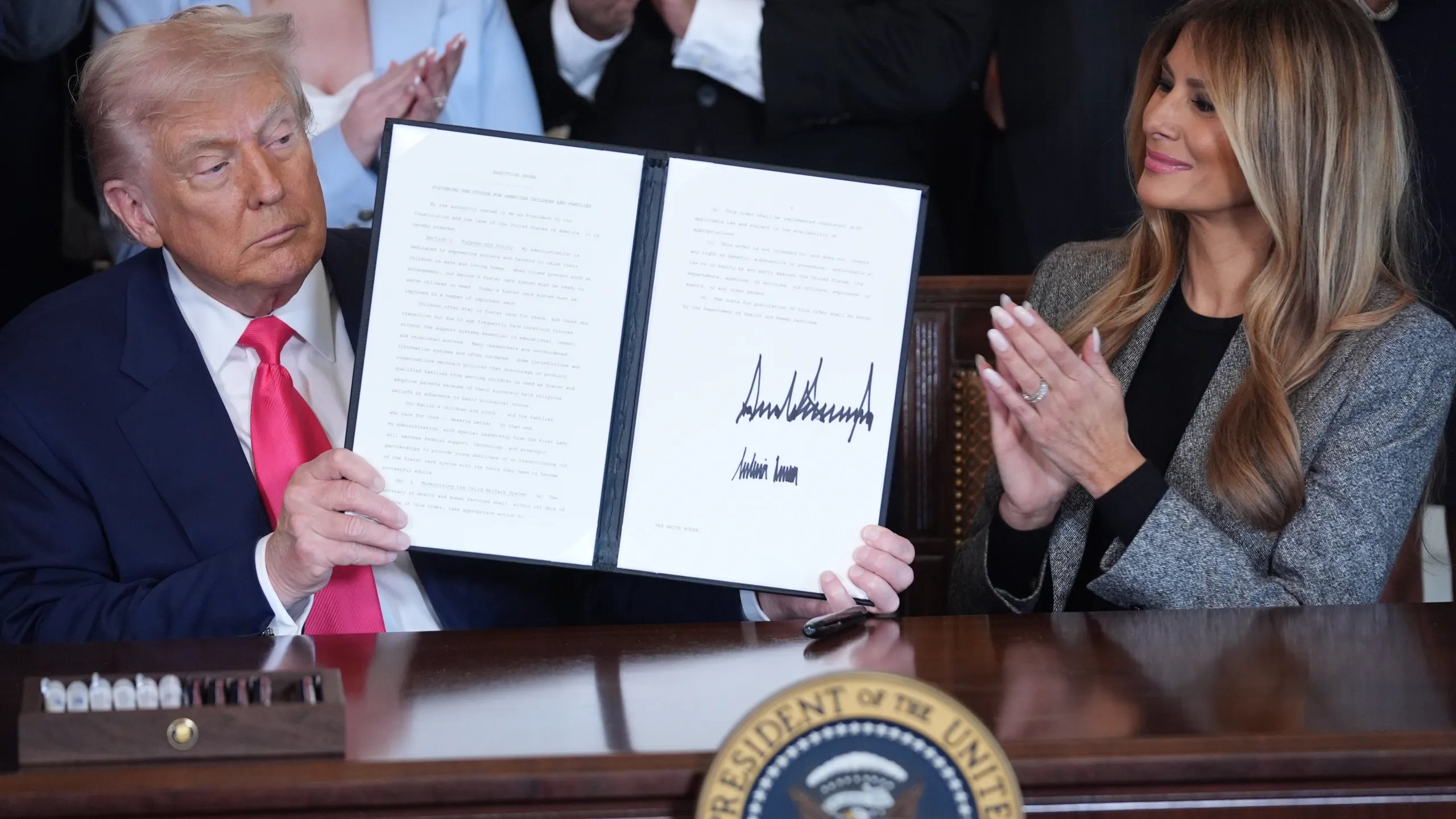
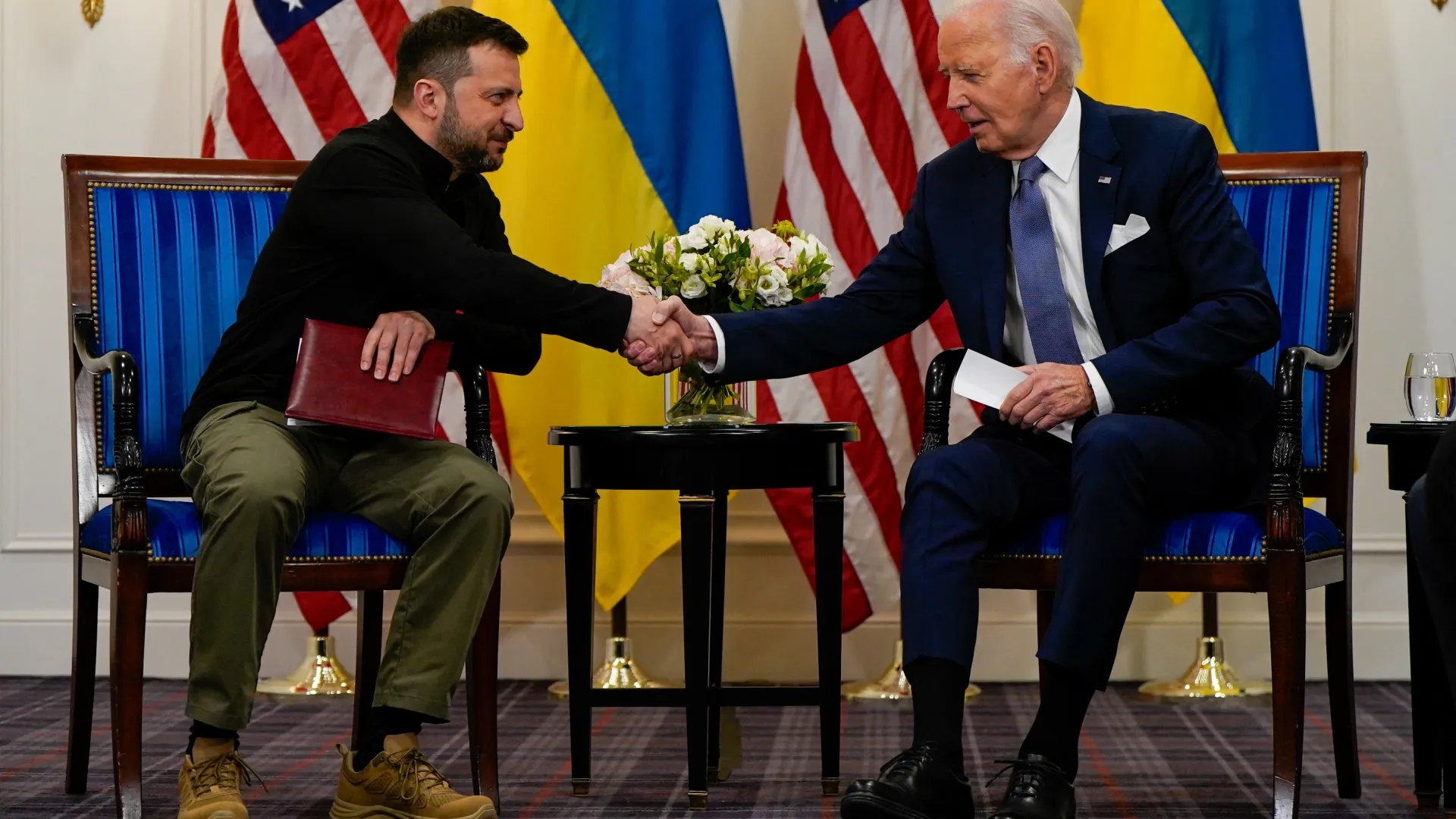
The tariffs, set to begin next week, mark an increase from the existing 15%. Trump announced the change in a social media post, accusing the EU of not adhering to the terms of their trade agreement. The agreement between Trump and European Commission President Ursula von der Leyen was set last July.
Sector Impact
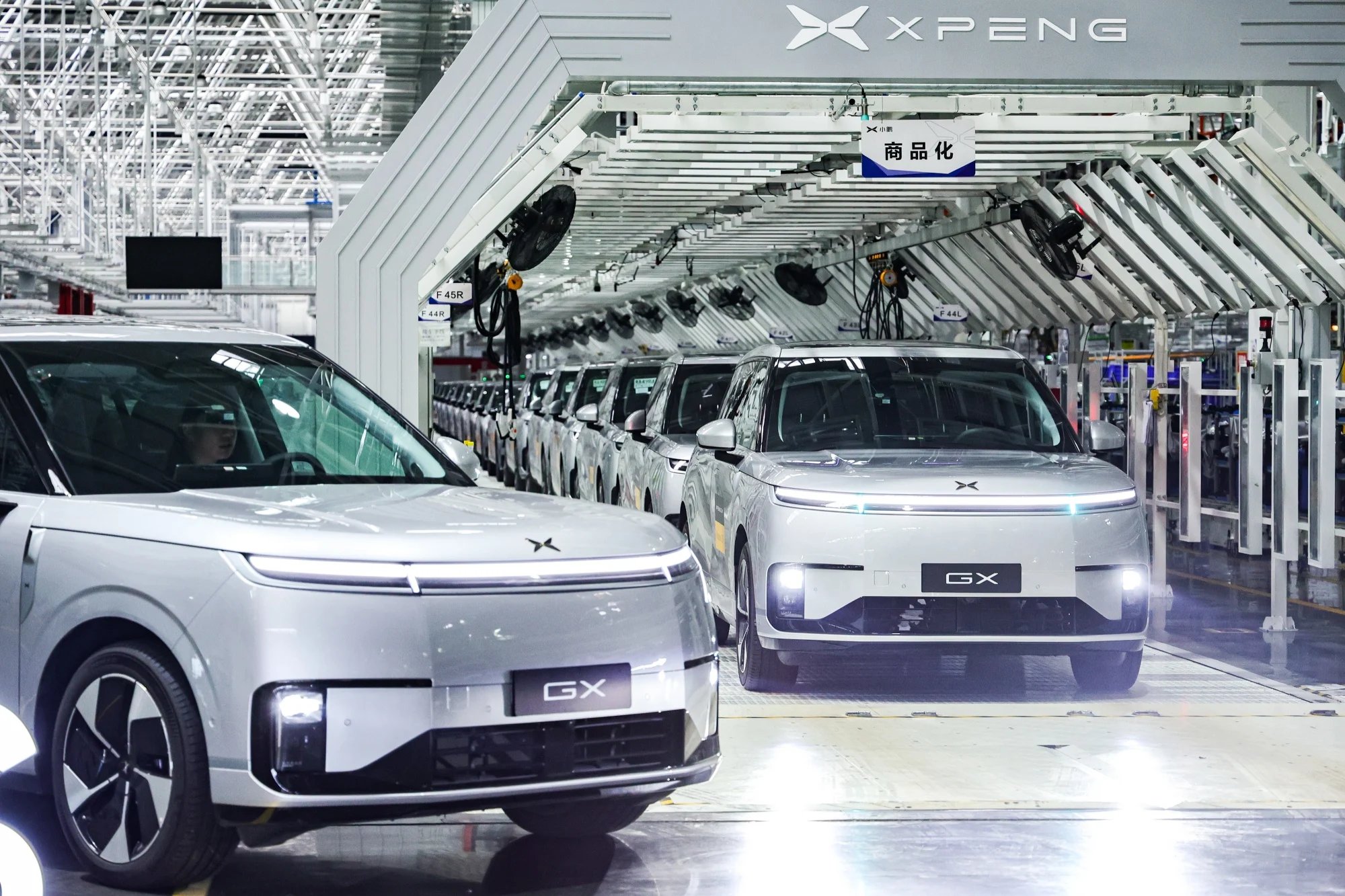
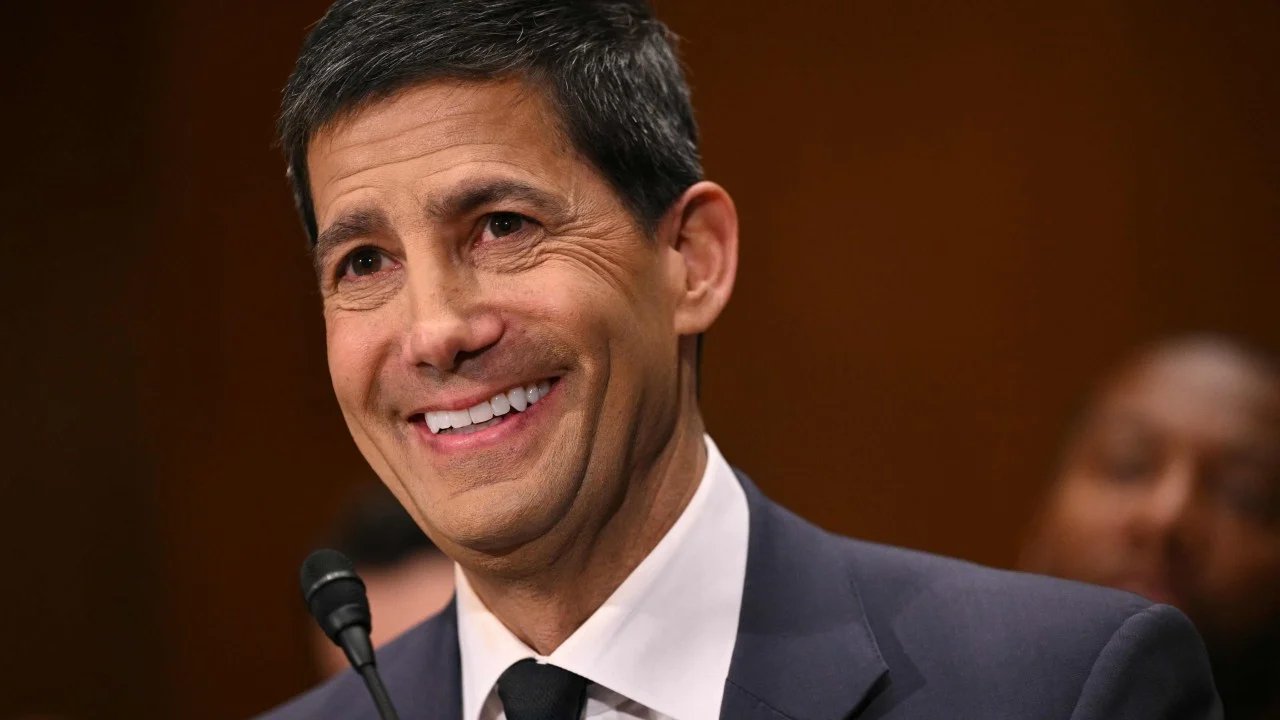
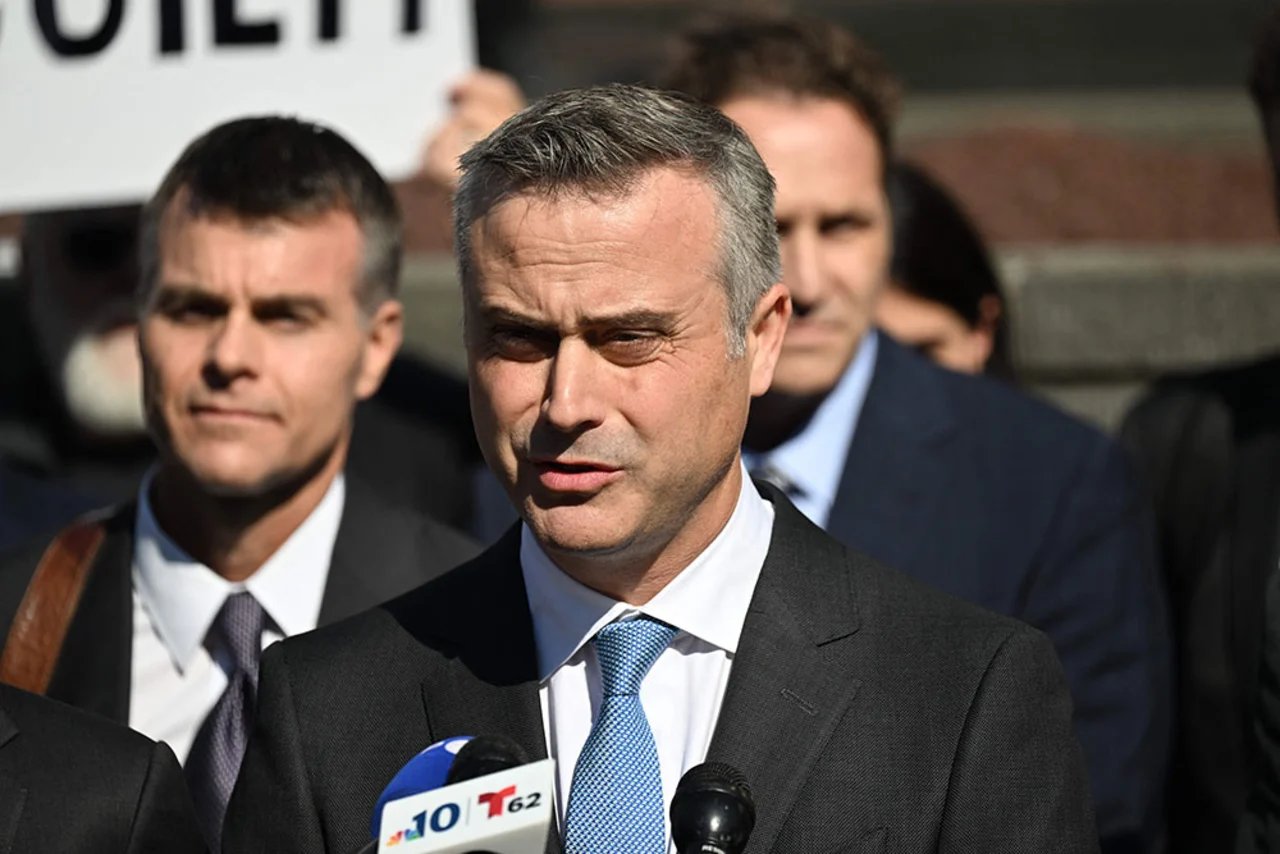
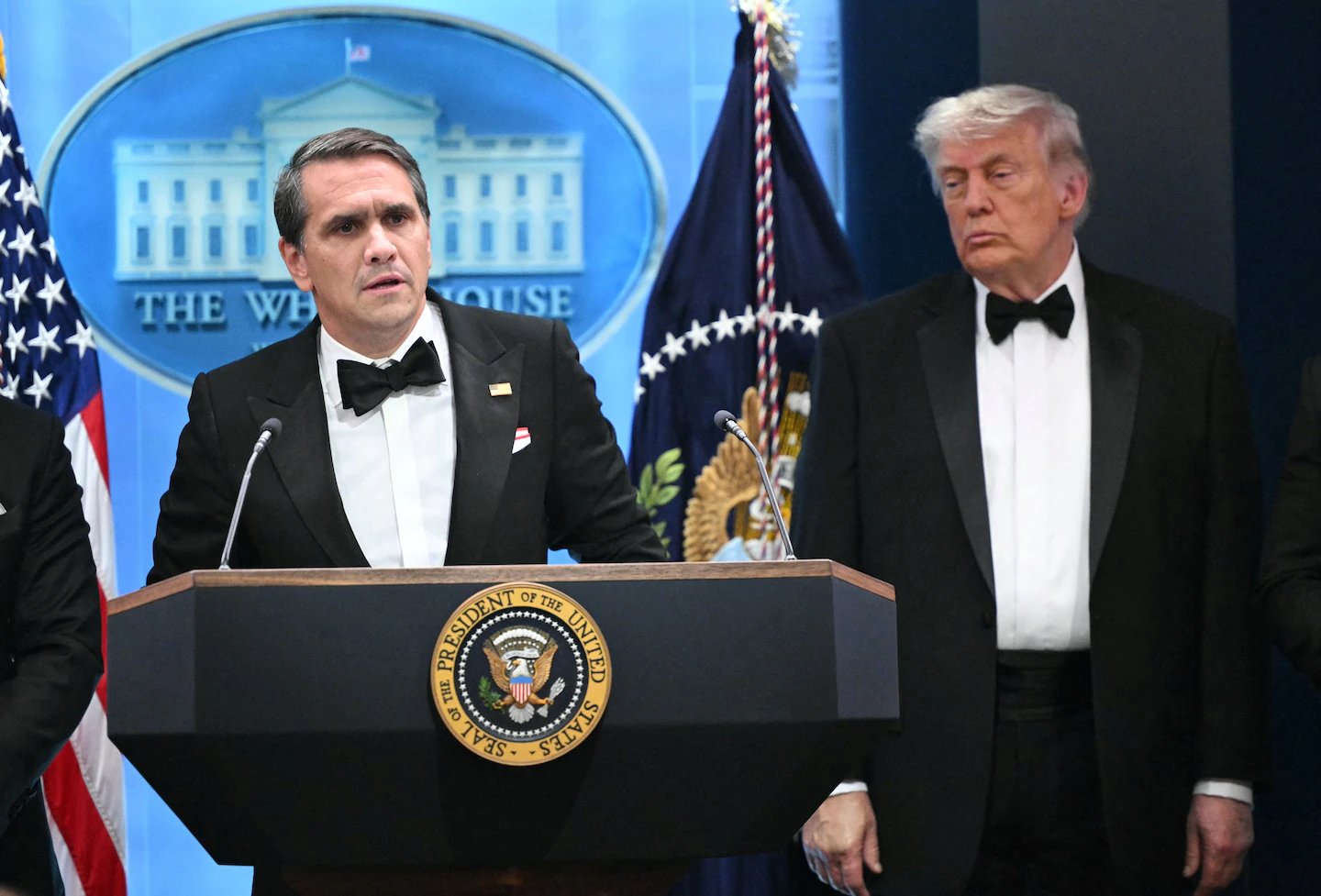
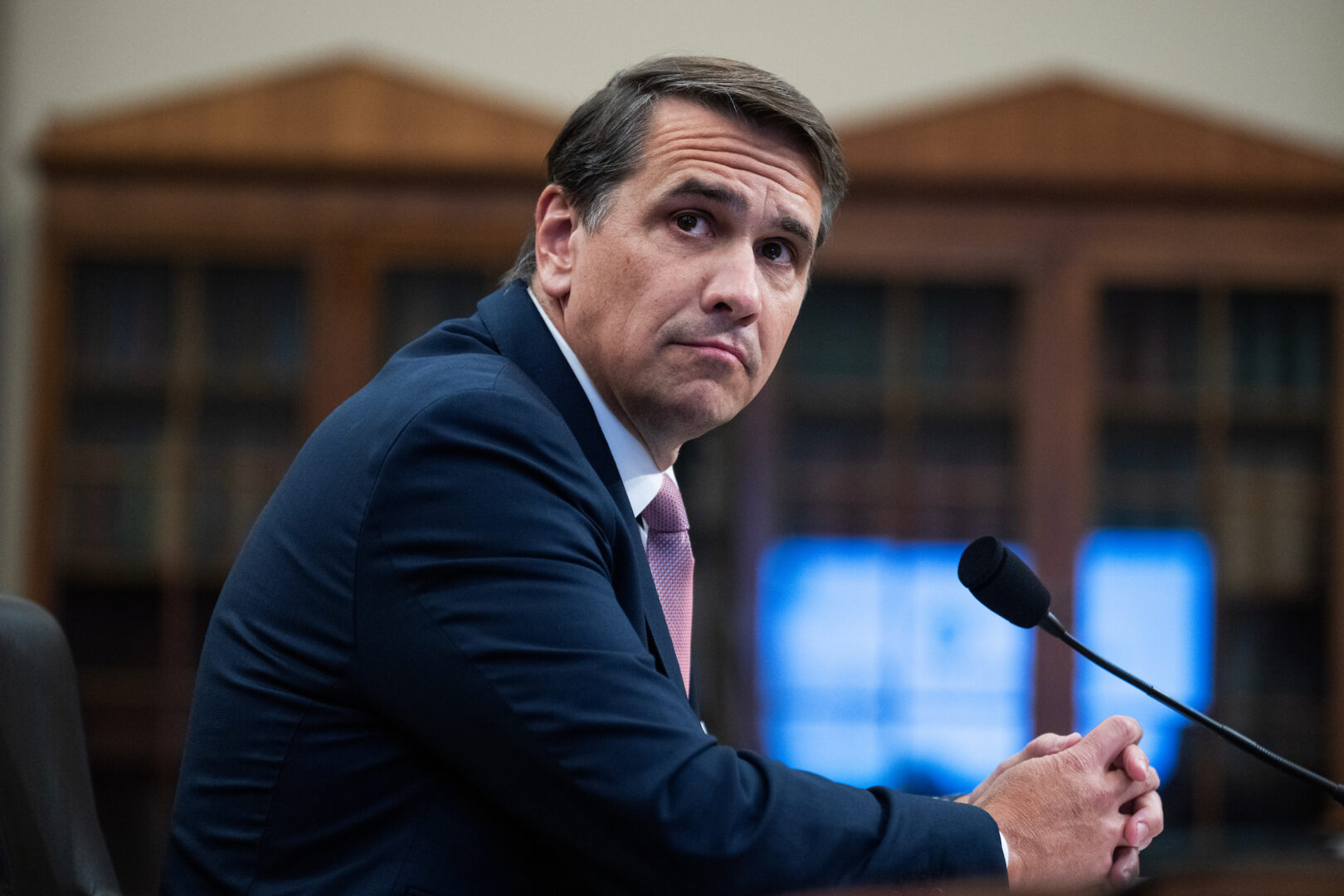
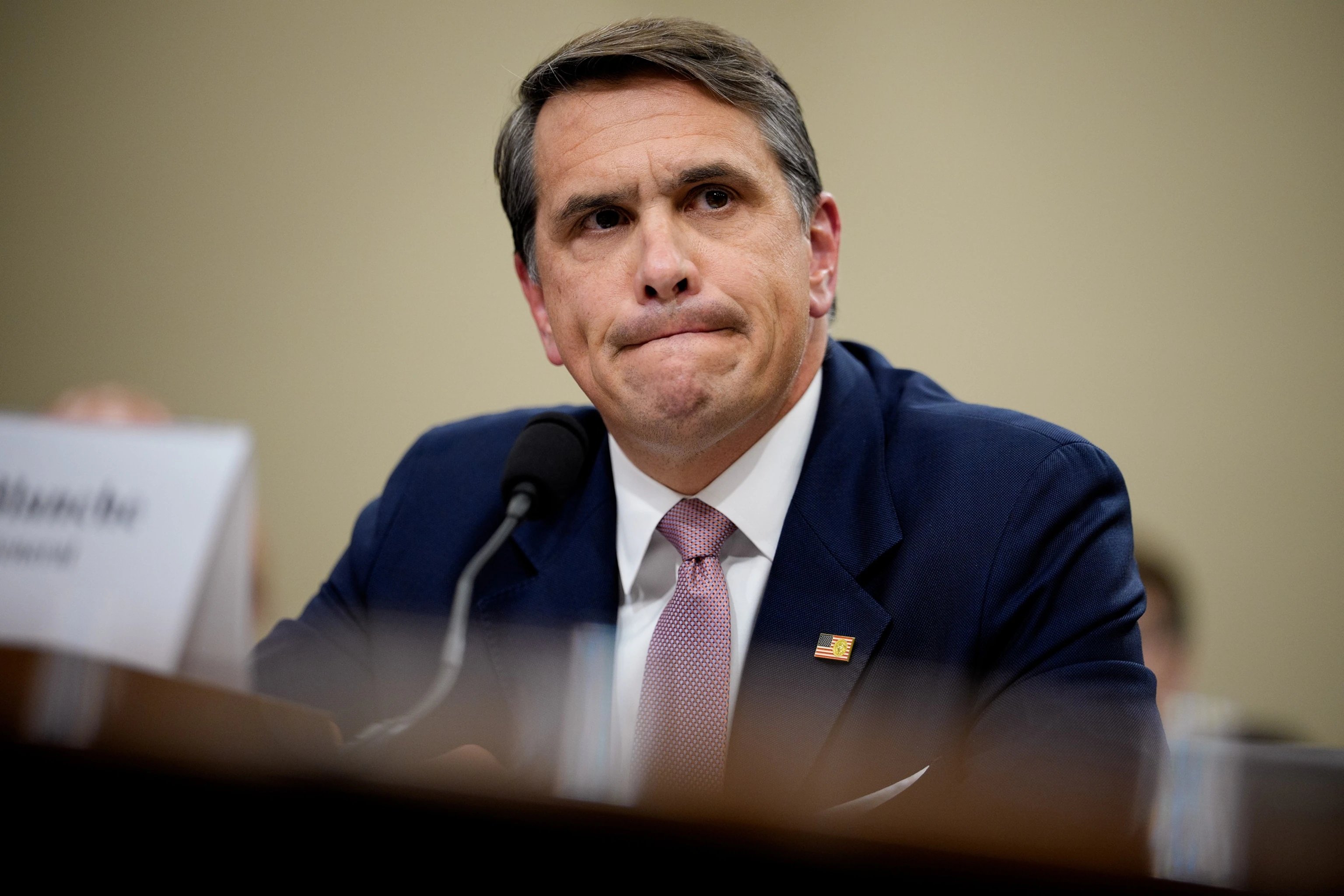
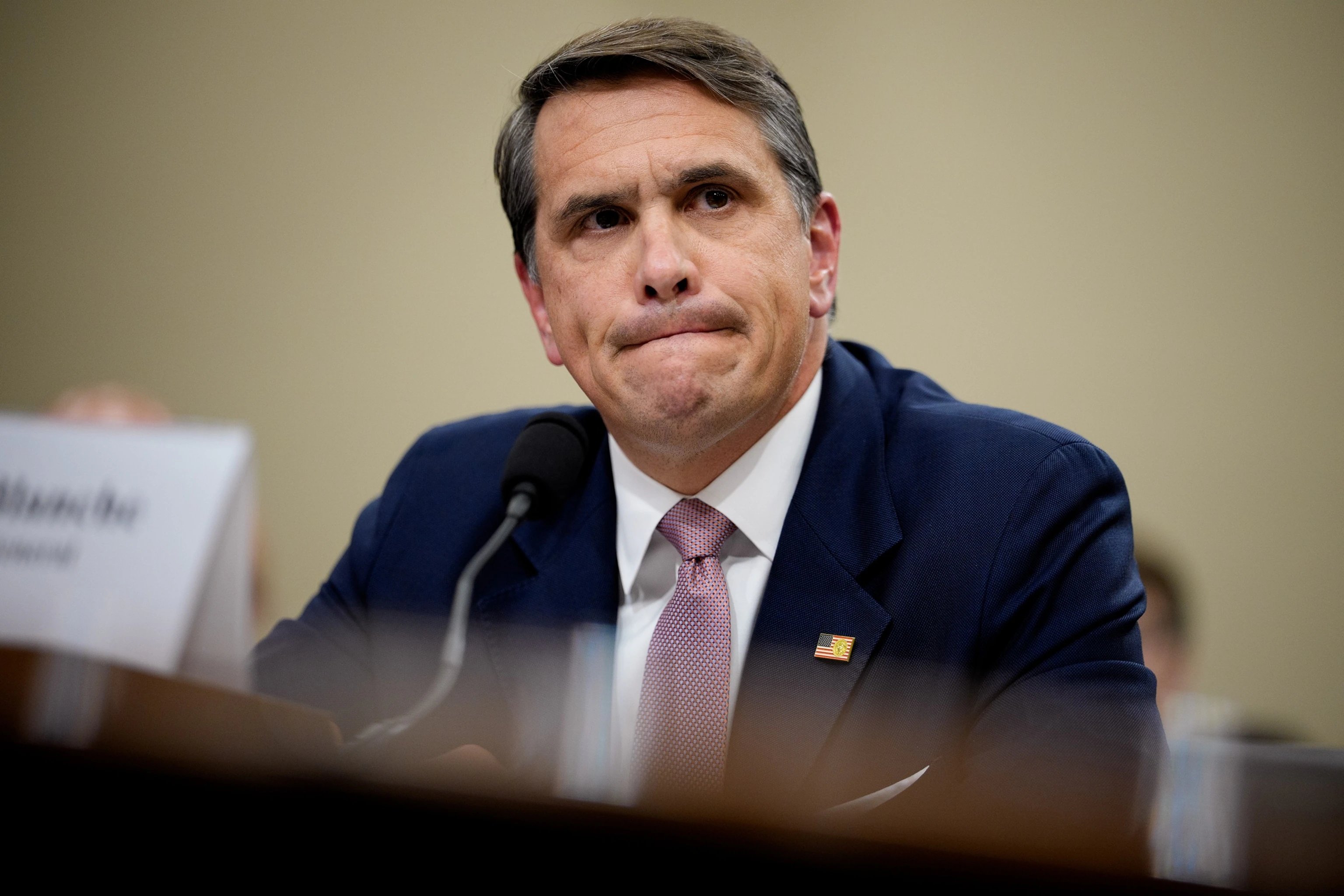
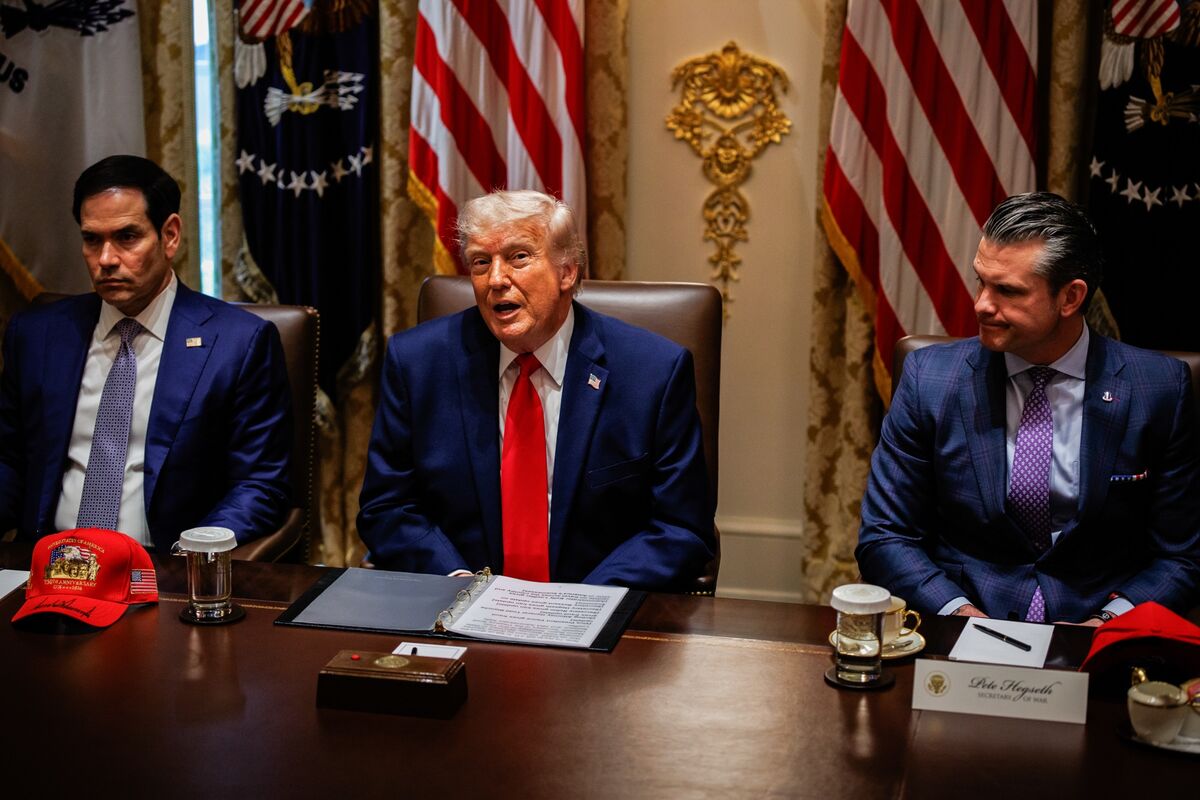
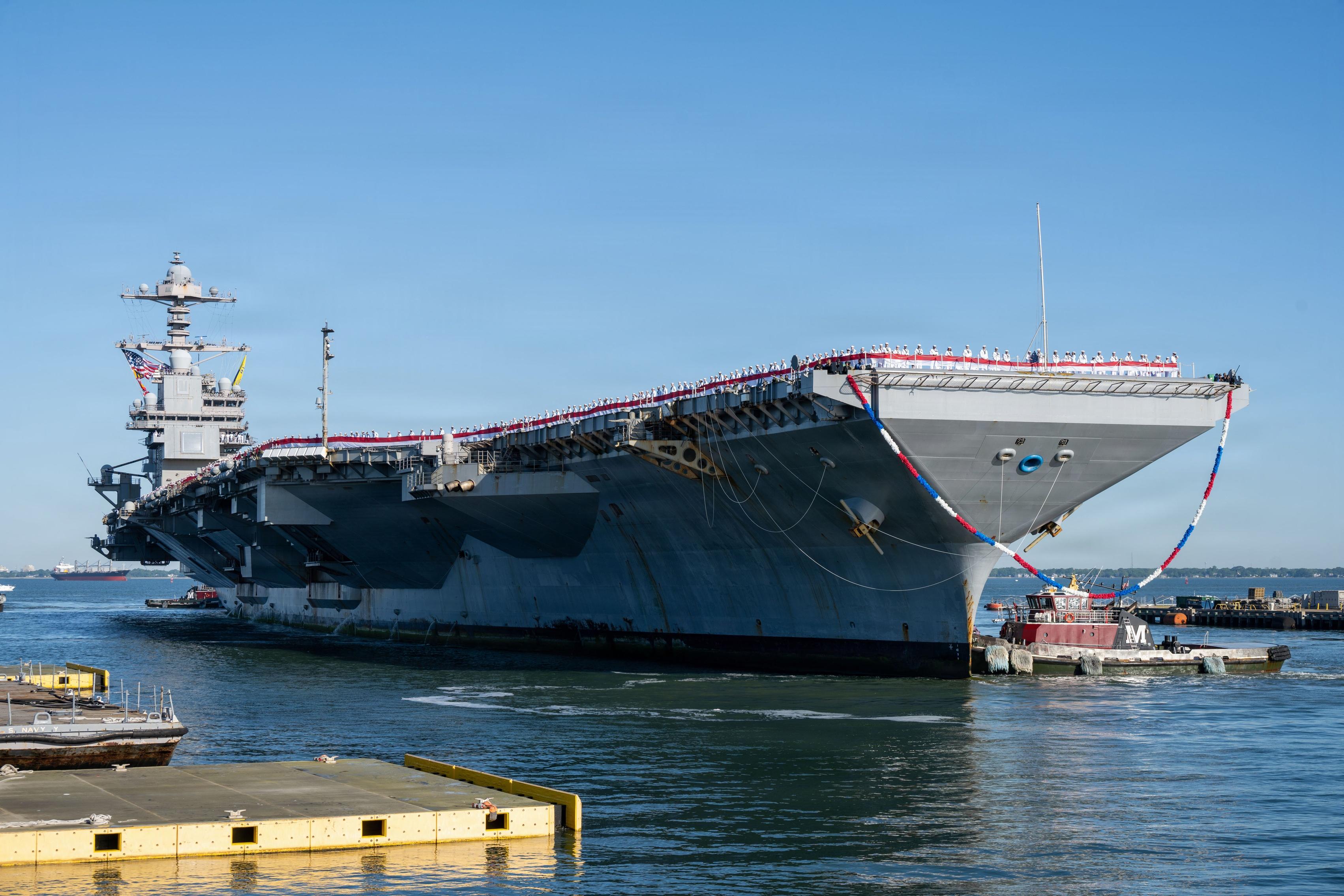
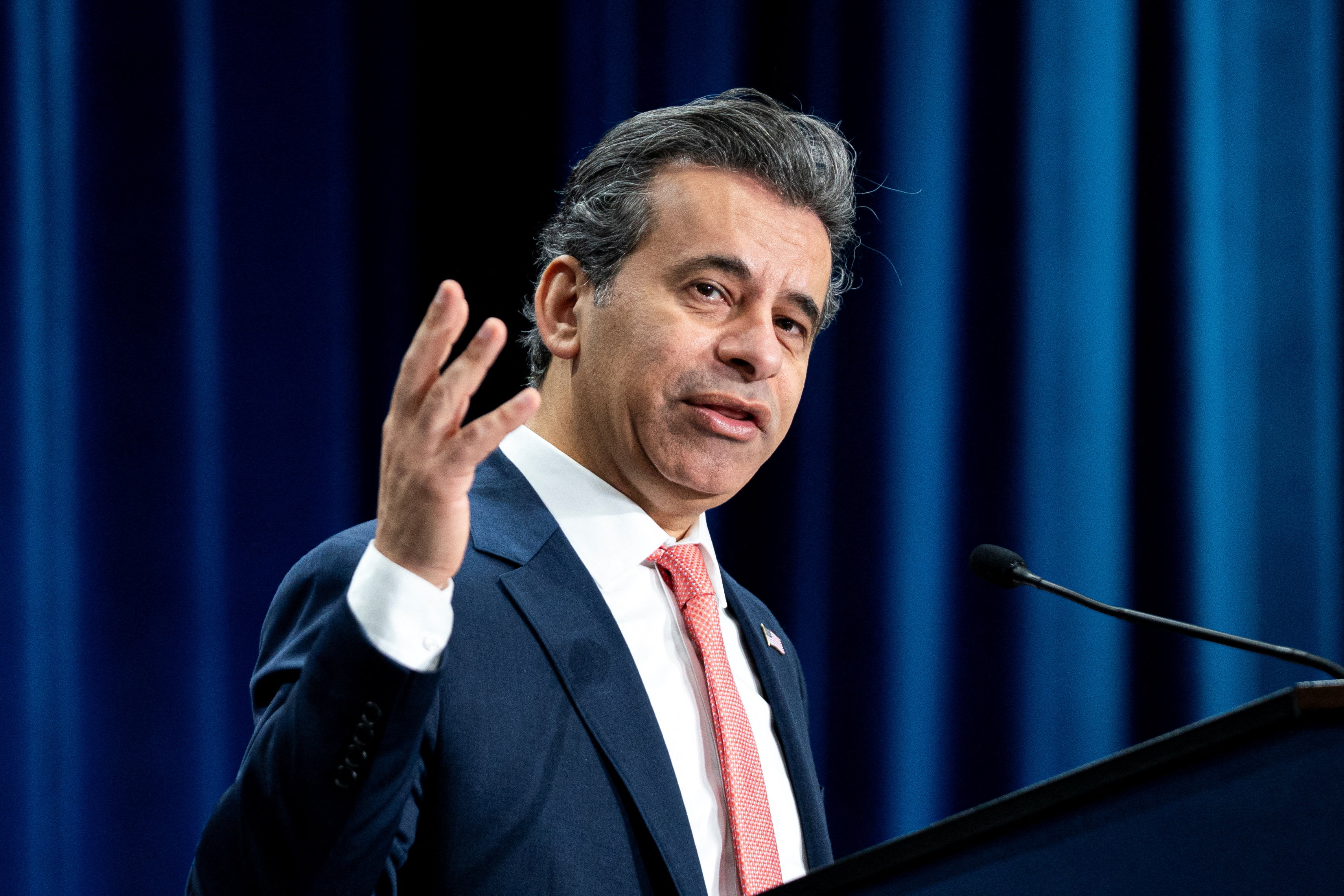
Magna International Inc.'s chief executive officer, Swamy Kotagiri, discussed the auto-parts supplier's outlook and President Donald Trump's new tariffs on cars and trucks made in the European Union. Trump touted American automobile production capabilities, claiming that U.S. manufacturing plants "will be opening soon" and that "over 100 Billion dollars" is being invested.
Rationale Remains Vague
Trump did not elaborate on the specific aspects of the trade deal that the EU allegedly violated. While the president did not specify what tariff authority he was invoking, it appears that the administration will use Section 232, which authorizes him to "adjust the imports" of goods that the secretary of commerce finds to have been imported in a manner that threatens U.S. national security.
Whisky Tariff Lifted
In related trade news, Trump lifted tariffs on whiskey from the UK, announcing the move the day the British King and Queen departed from the U.S.
UK Trade Shift
President Donald Trump’s tariffs have resulted in a sharp fall in UK exports to the US, turning British trade surpluses into deficits. The shift highlights the tangible economic consequences of the administration's trade policies.