




Iran's Diplomatic Proposal to the U.S.
Iran has presented a new proposal to the United States aimed at reopening the crucial Strait of Hormuz while deferring discussions on its nuclear program. This offer, delivered through Pakistani mediators, seeks to address the ongoing blockade and conflict. The proposal is a strategic move to expedite a ceasefire and restore shipping traffic through the strait, a vital route for approximately one-fifth of the world's oil and gas trade.
Stalled Nuclear Negotiations
The Iranian leadership remains divided on the terms of nuclear concessions, complicating ongoing diplomatic efforts. U.S. President Donald Trump has emphasized that any negotiations regarding Iran's nuclear capabilities must occur before any deal is made concerning the strait. Trump's administration has consistently urged Iran to suspend its uranium enrichment, which the U.S. views as a pathway to developing nuclear weapons. White House spokesperson Olivia Wales reiterated that the U.S. will not negotiate through the media and will prioritize American security interests.
Key Meetings and Regional Engagement
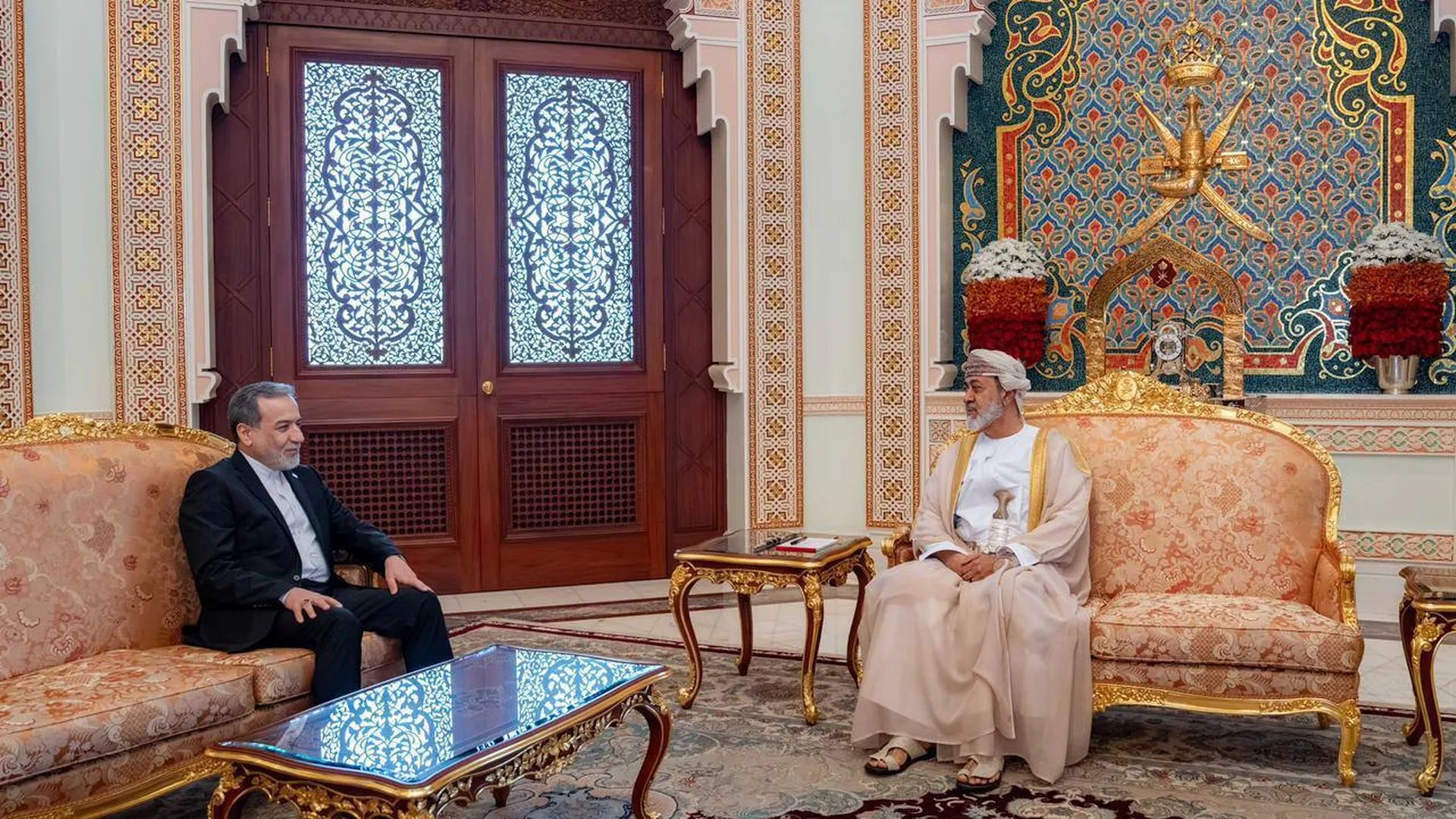
Iranian Foreign Minister Abbas Araghchi has engaged in a diplomatic tour, meeting with officials from Pakistan, Oman, and Russia. His discussions in Muscat focused on the Strait of Hormuz and regional security, while he conveyed Iran's stance on the nuclear issue to leaders in Islamabad. During meetings with Pakistan's Prime Minister Shehbaz Sharif and Army Chief Asim Munir, Araghchi discussed the U.S. demands that have hindered progress in negotiations.
The Role of Russia and Regional Allies
Russian President Vladimir Putin told Araghchi he hoped for peace soon and said Russia would work toward Iran's interests in achieving it.
Implications for Global Oil Markets
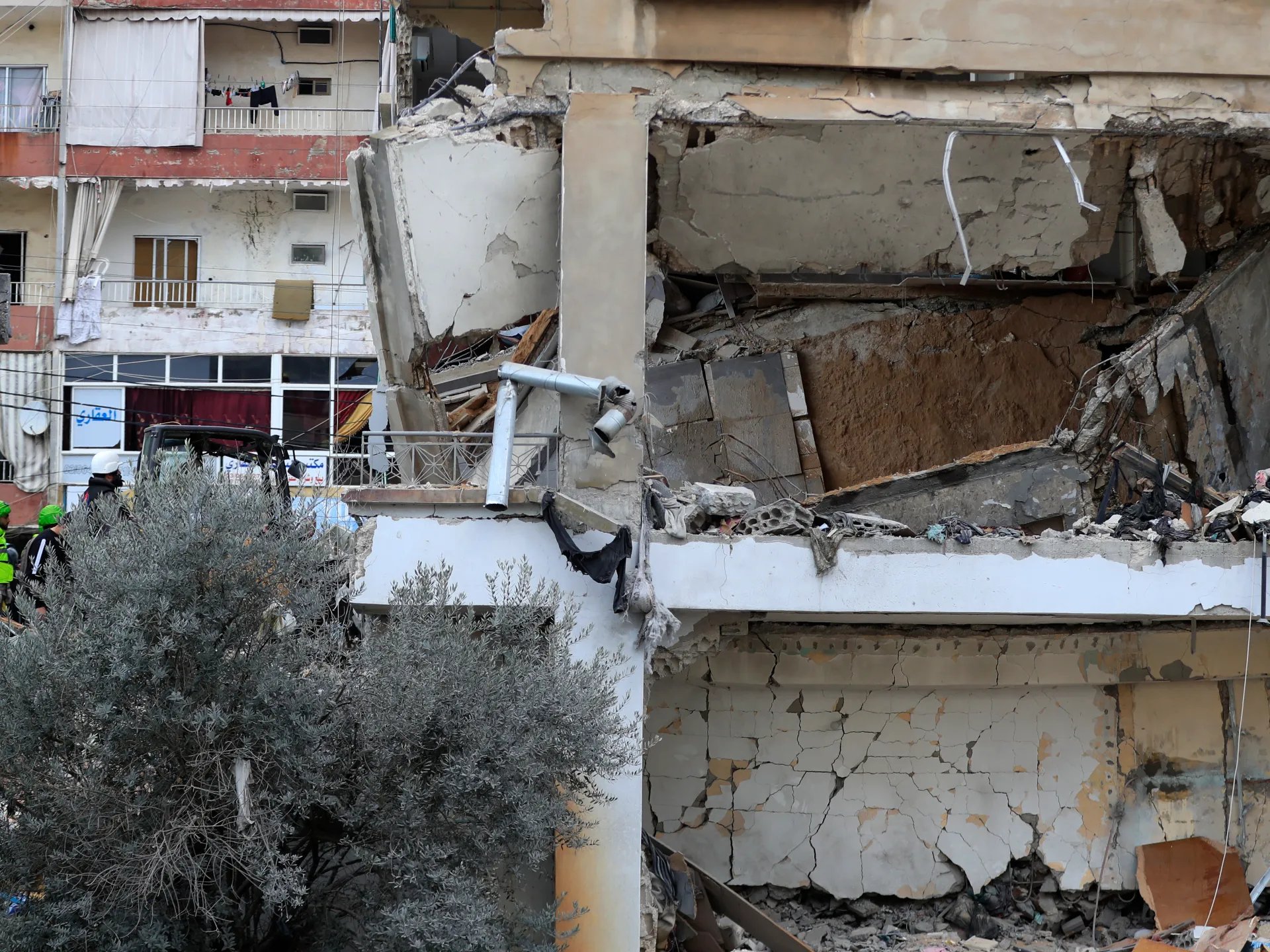
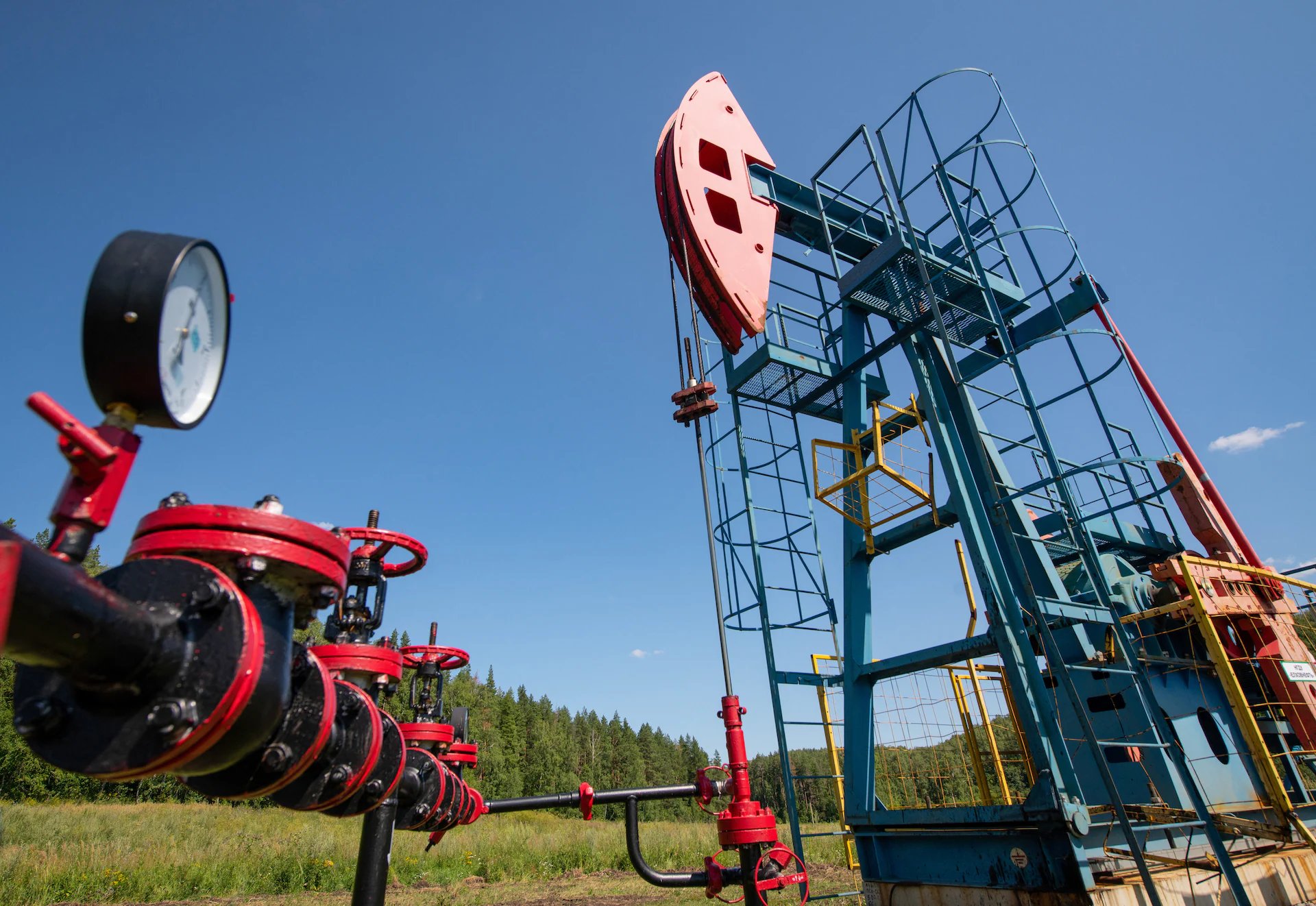
The ongoing conflict and the blockade of the Strait of Hormuz have led to rising oil prices and disrupted global supply chains. As the negotiations remain at an impasse, market volatility continues to affect energy prices. Analysts warn that a prolonged closure of the strait could lead to further economic repercussions, emphasizing the urgent need for a resolution.
Congressional Pressures and Deadlines
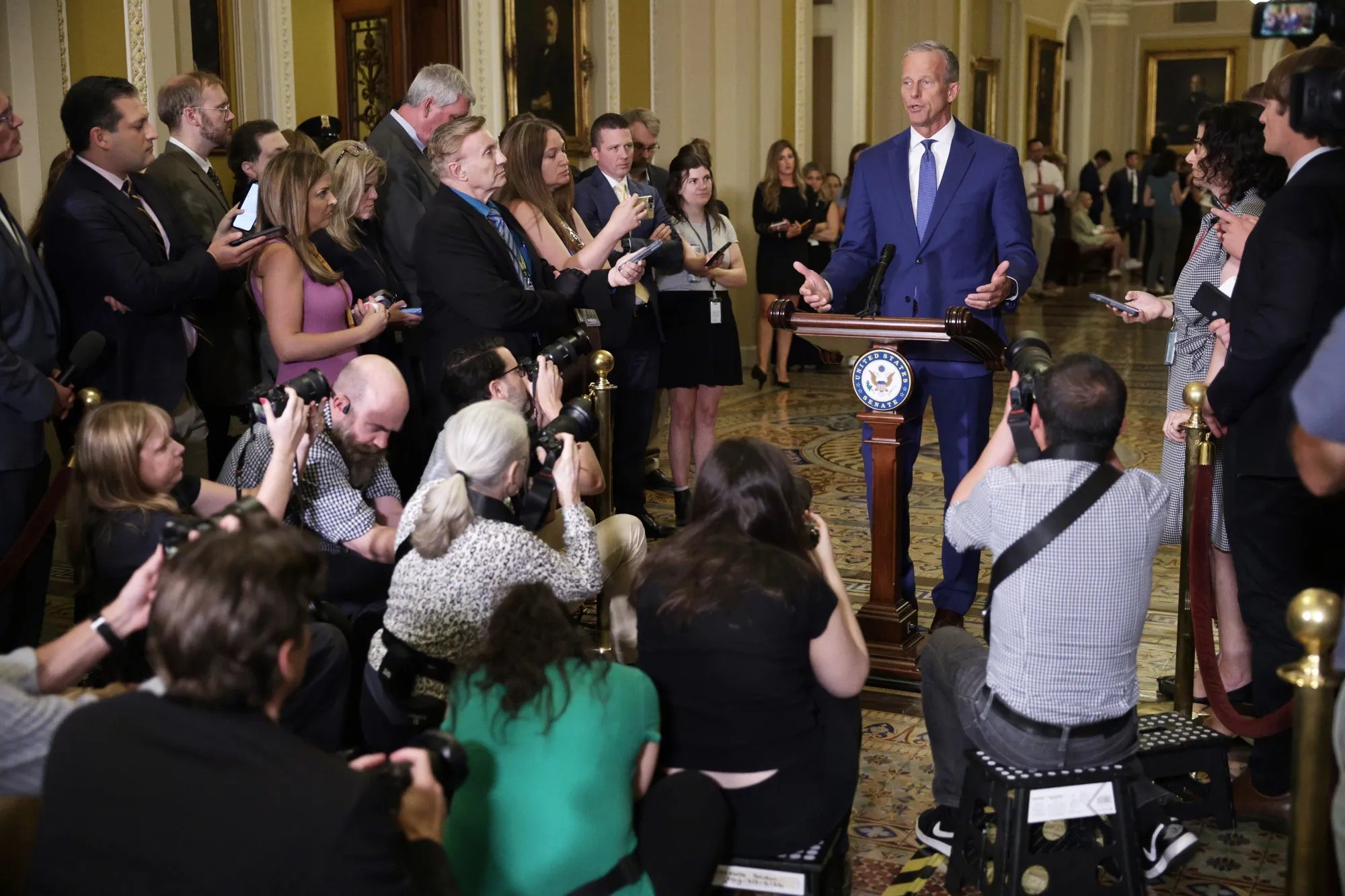
The U.S. administration faces a May 1 deadline under the War Powers Resolution to secure congressional authorization for military actions against Iran. Recent bipartisan efforts to curtail Trump's military authority have failed, but support among lawmakers may wane as the conflict drags on without a clear path to resolution. The potential for renewed military engagement could complicate diplomatic efforts and exacerbate tensions.
The Path Forward
As tensions escalate, the international community watches closely. The Iranian proposal represents a critical juncture in U.S.-Iran relations, with significant implications for regional stability and global oil markets. The next steps depend on the willingness of both sides to engage in meaningful negotiations, balancing the urgent need for security with long-term diplomatic solutions. The outcome of these discussions will shape the future of not only U.S.-Iran relations but also broader geopolitical dynamics in the Gulf region.