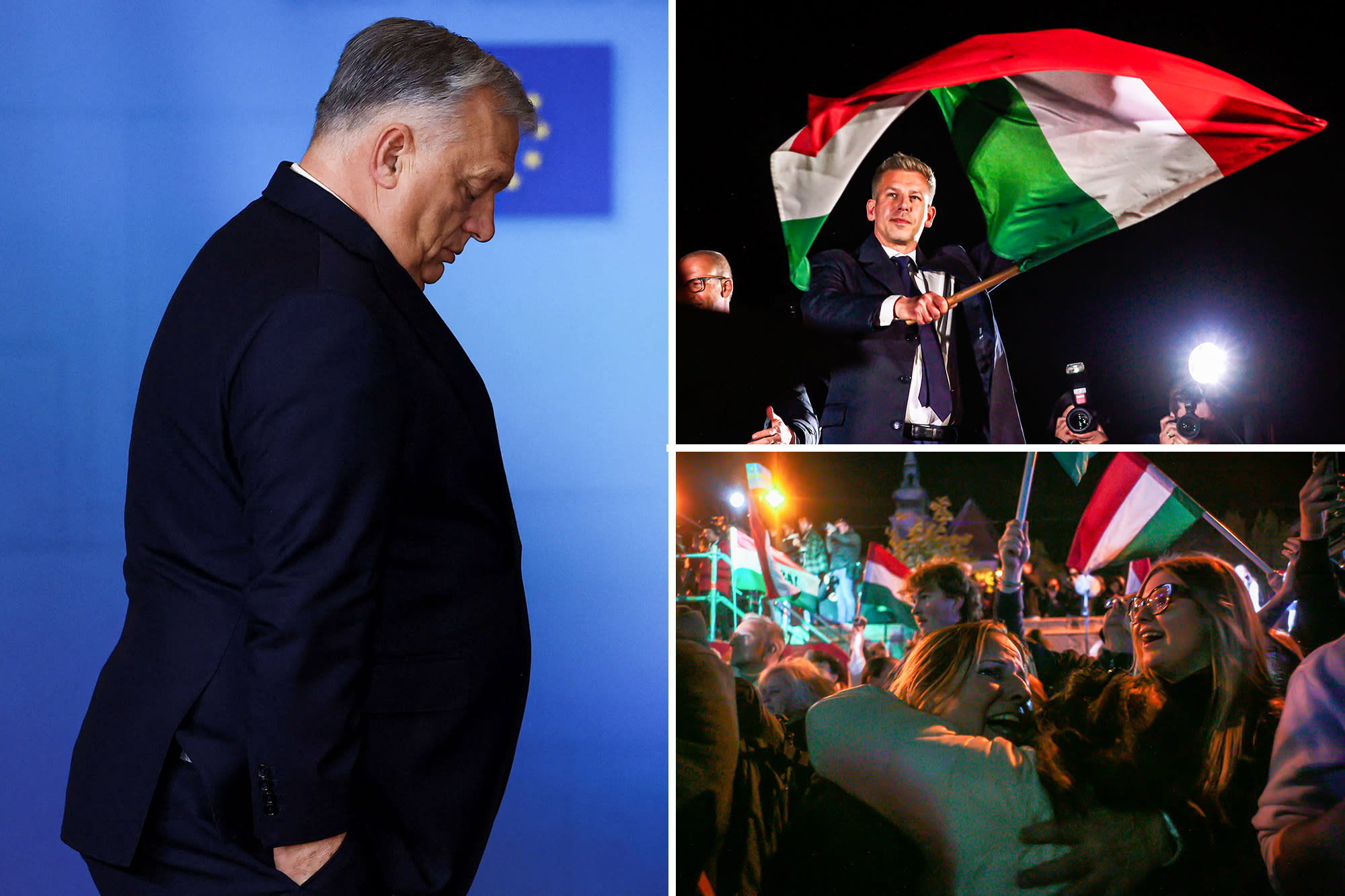
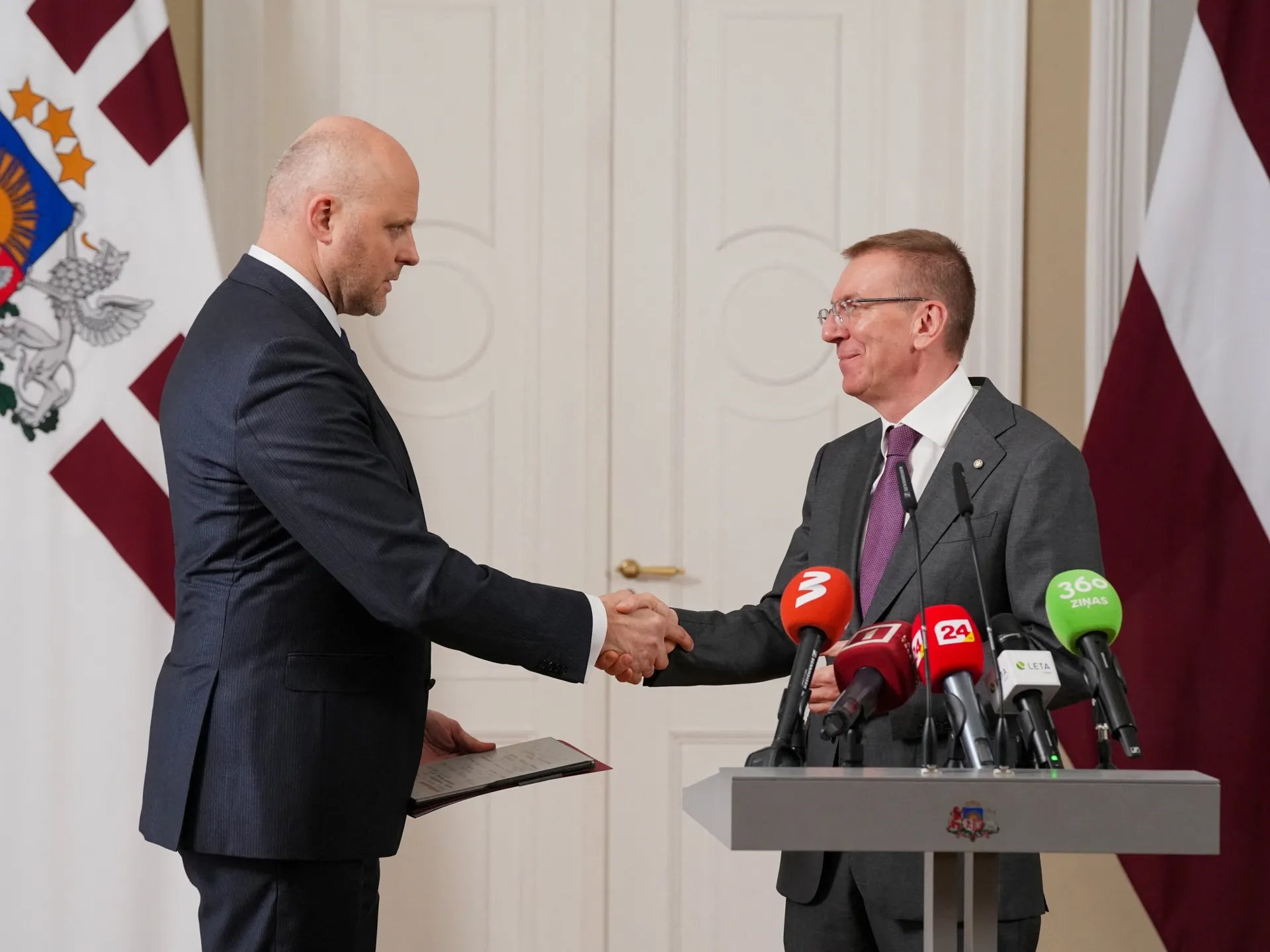
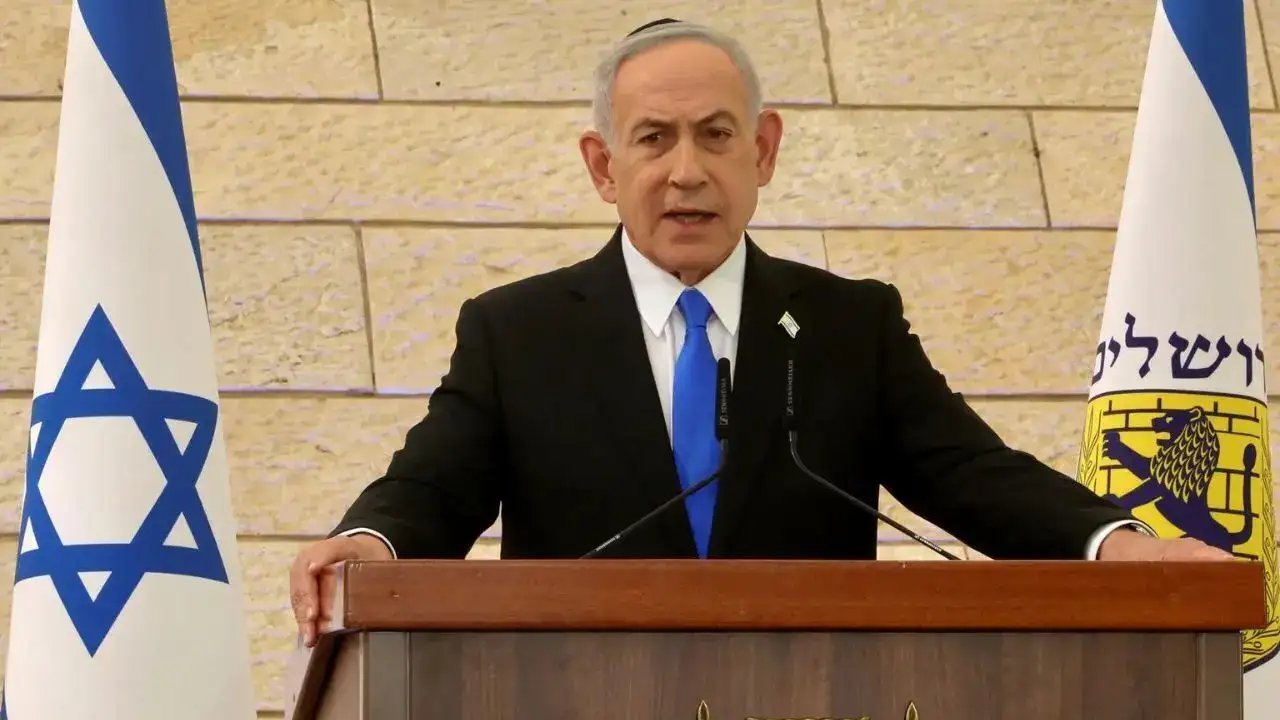
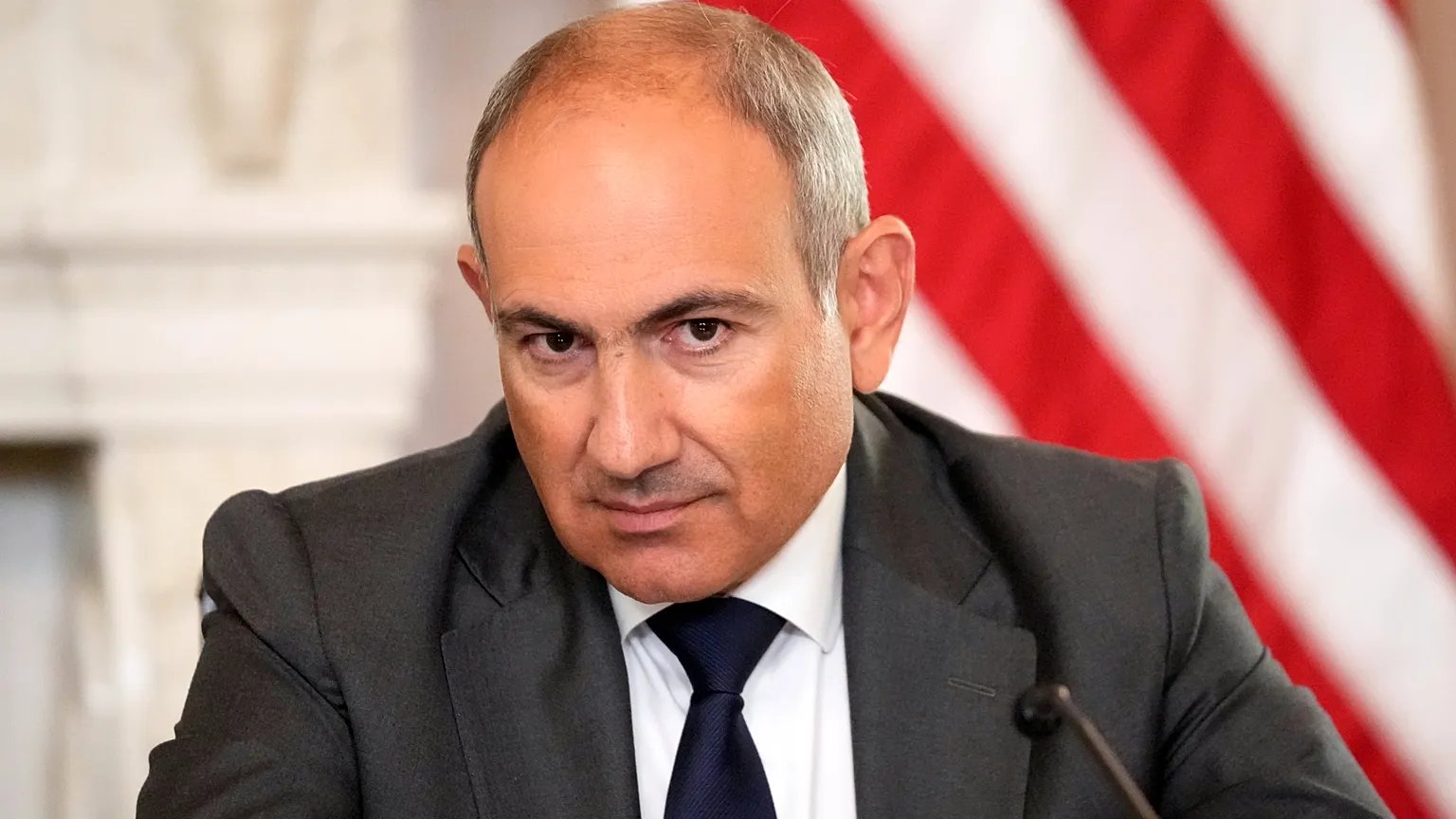
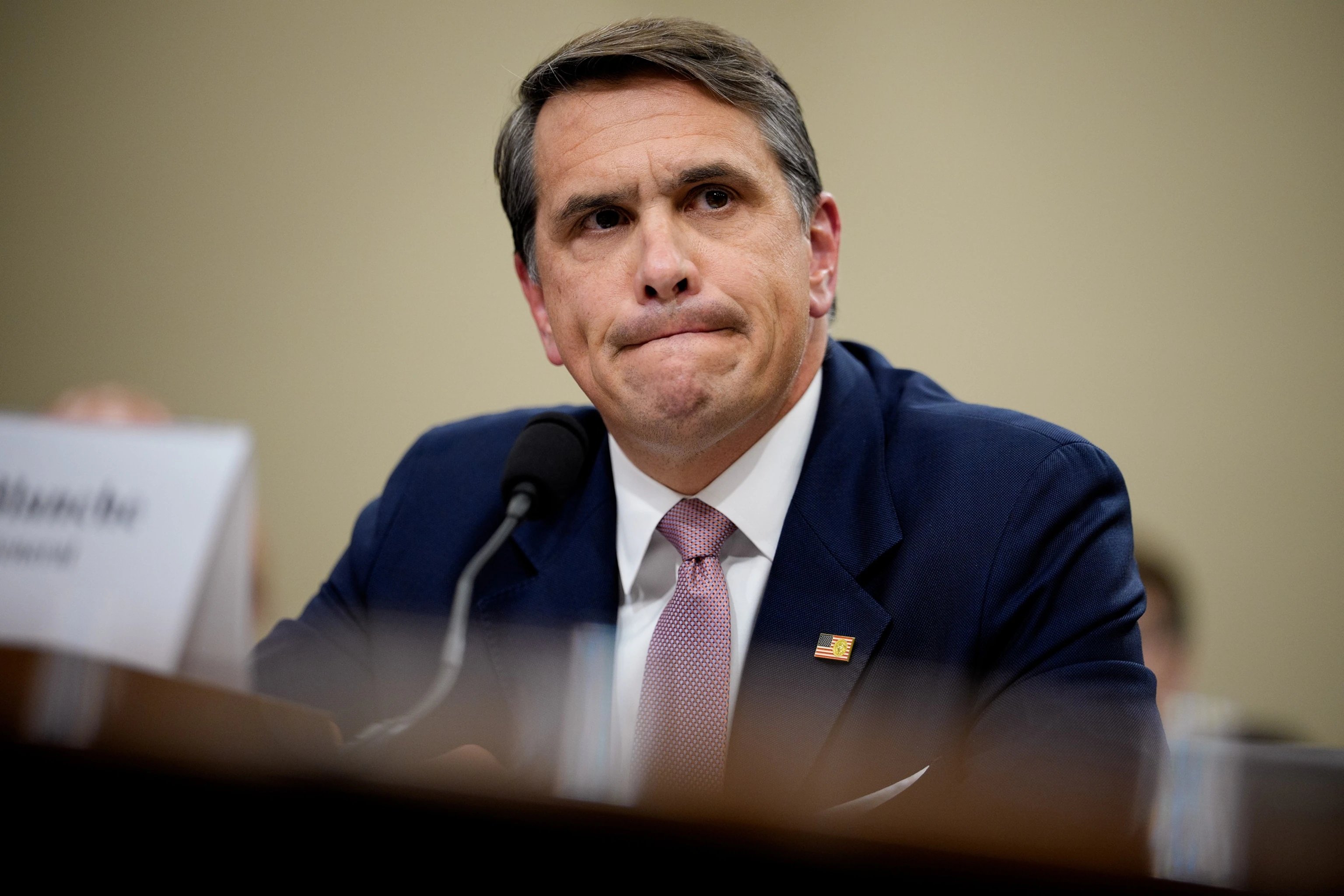
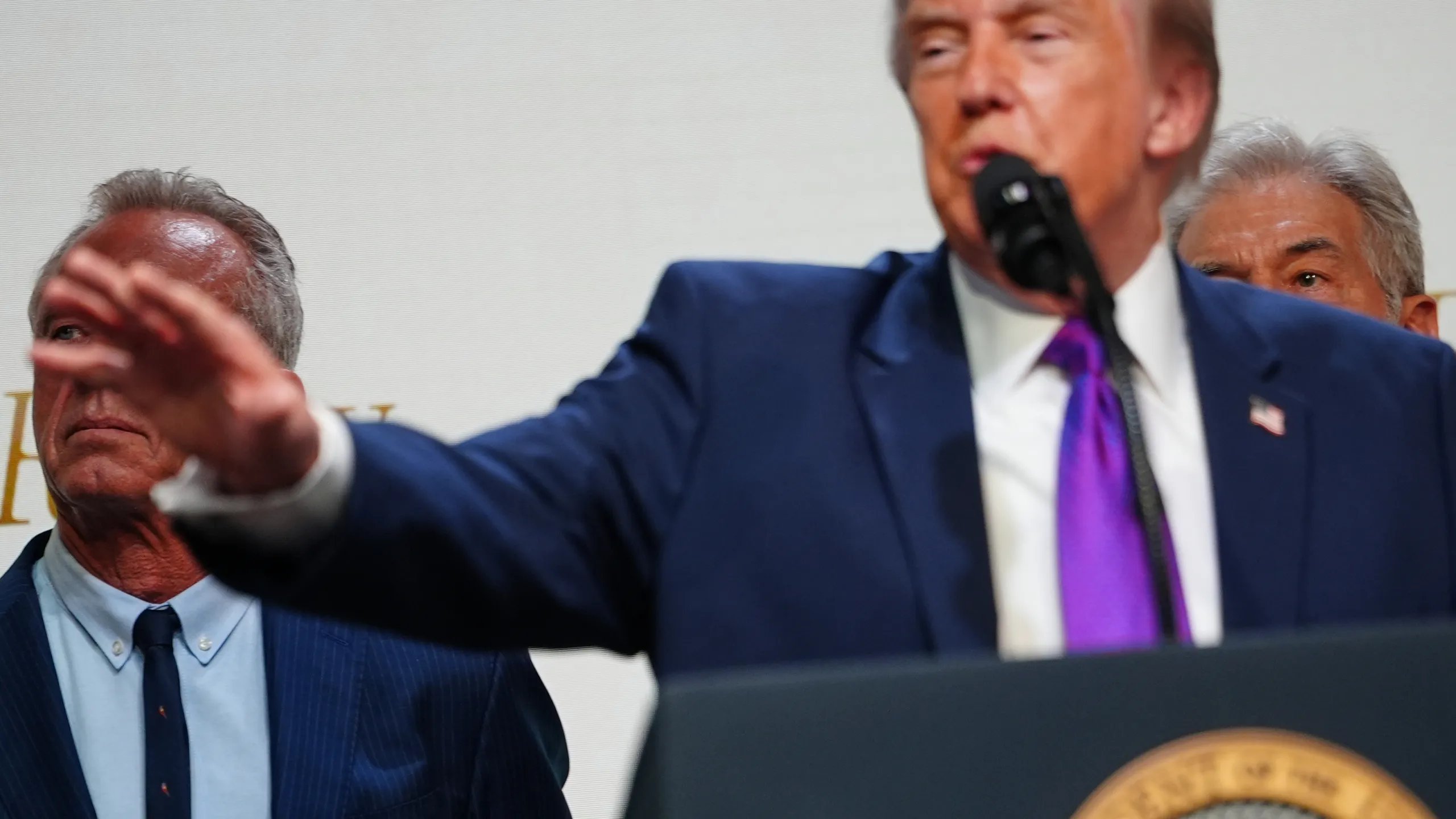
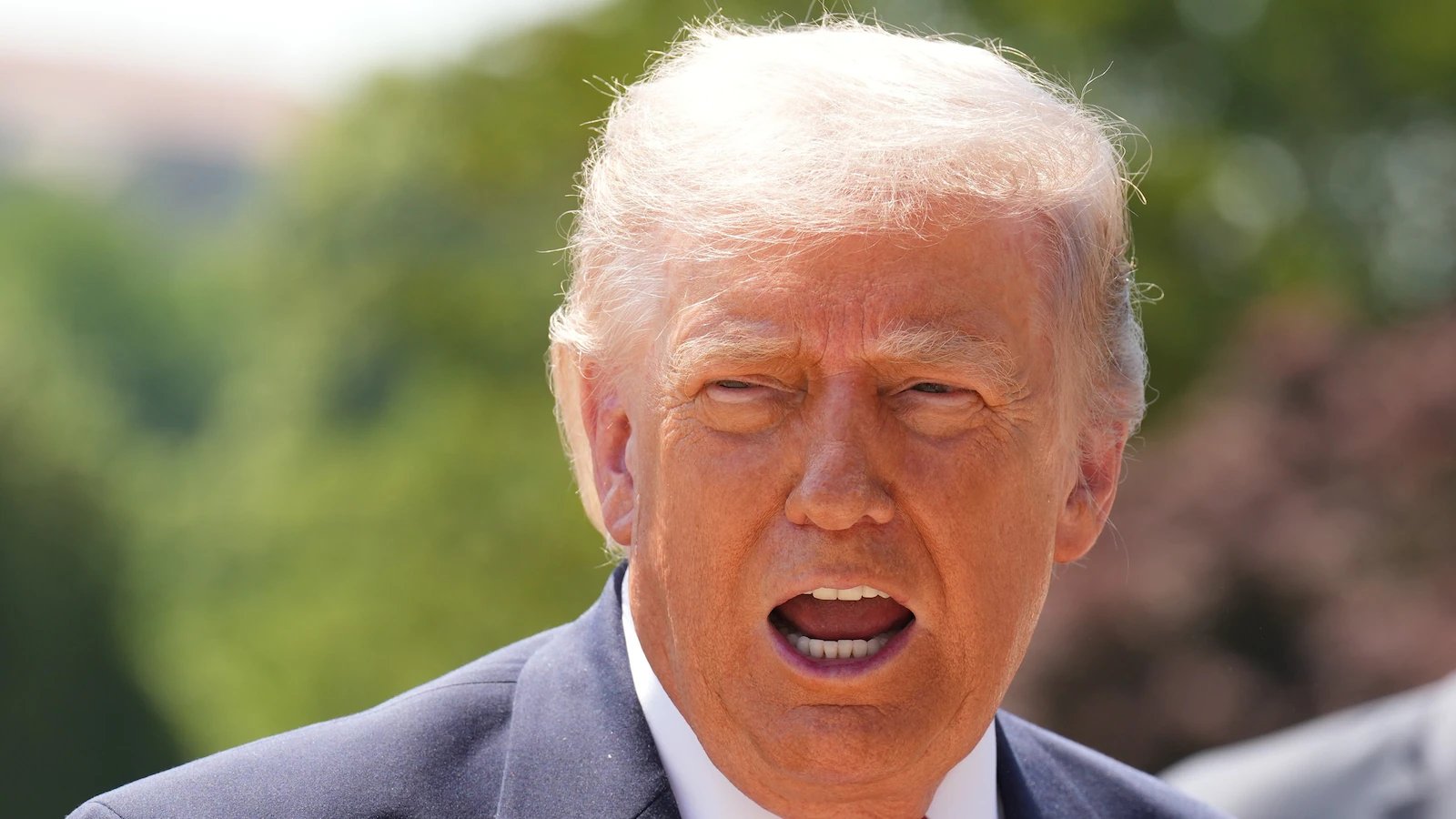
Viktor Orbán announced he will not take up his seat in Hungary's parliament following his party's defeat in the election. In a video statement on social media, Orbán said, "I am now needed not in parliament, but in the reorganisation of the patriotic movement." This choice returns the parliamentary mandate he obtained as Fidesz's lead candidate. Gergely Gulyás will lead Fidesz's parliamentary bloc starting Monday, marking a quick internal handover.
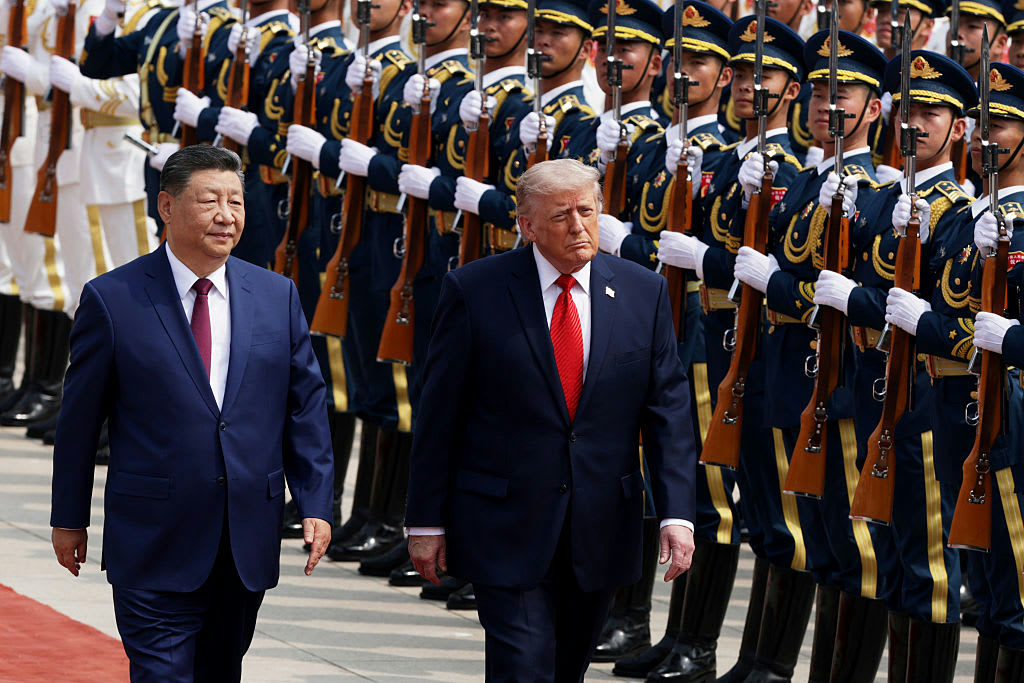
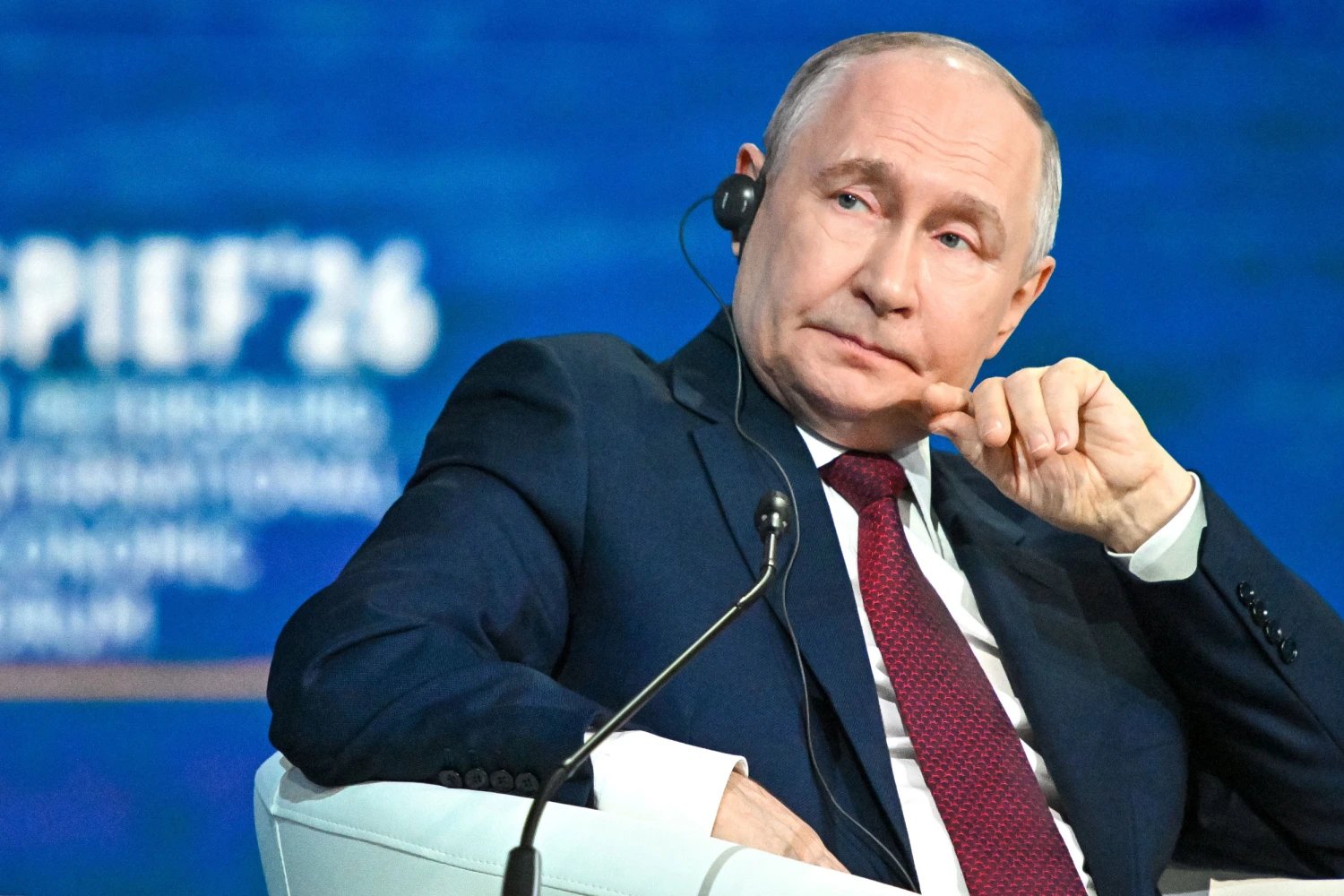
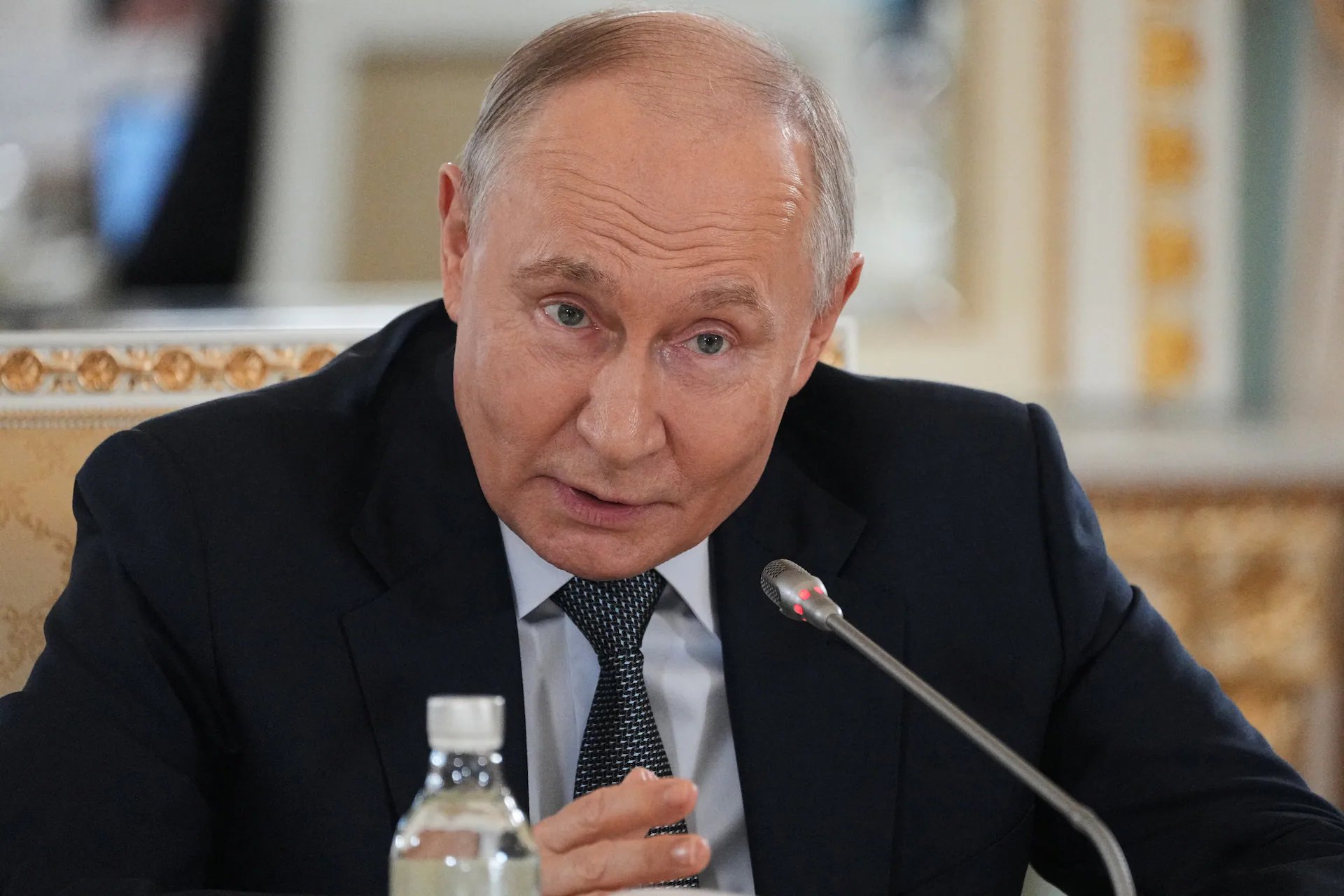
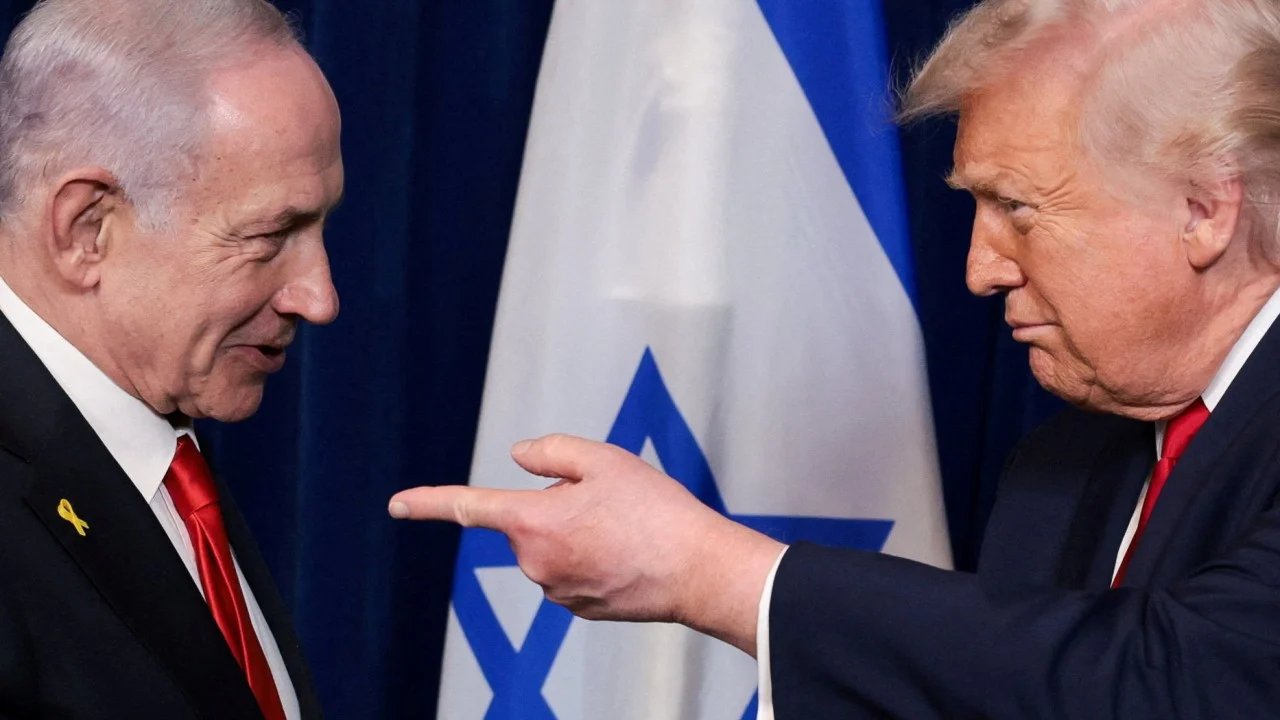
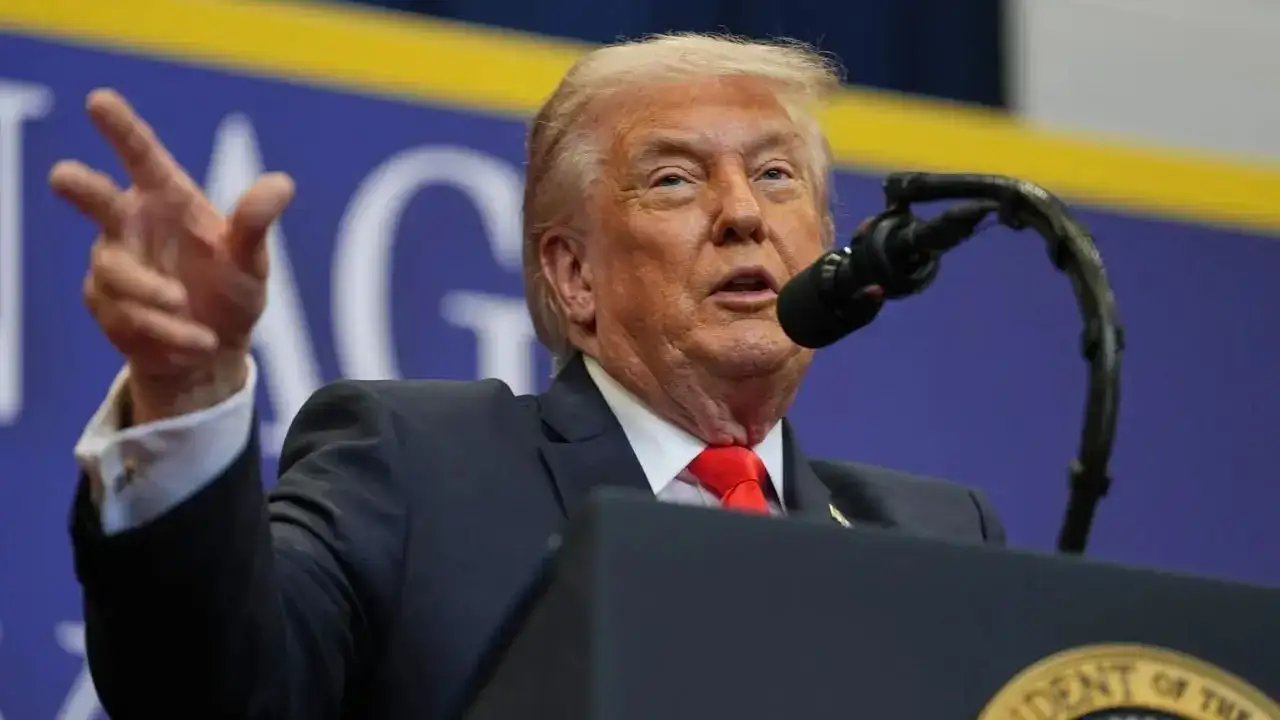
Fidesz lost 83 seats in the 199-seat parliament, dropping from 135 to 52 in the 12 April vote. Tisza, under Péter Magyar, captured more than a two-thirds majority, reshaping the legislature's balance. This result ends Orbán's 16-year tenure as prime minister and his unbroken 36 years in parliament since 1990. Orbán's alignment with foreign leaders like US President Donald Trump and Russia's Vladimir Putin played a role in the campaign, with Tisza supporters chanting "Russians go home."
Voters turned away from Fidesz amid allegations of corruption and graft that eroded public trust. Living standards slipped during Orbán's rule, contributing to widespread dissatisfaction. The incoming prime minister, from Tisza, has pledged to address these issues by reversing Orbán-era reforms in education and health.
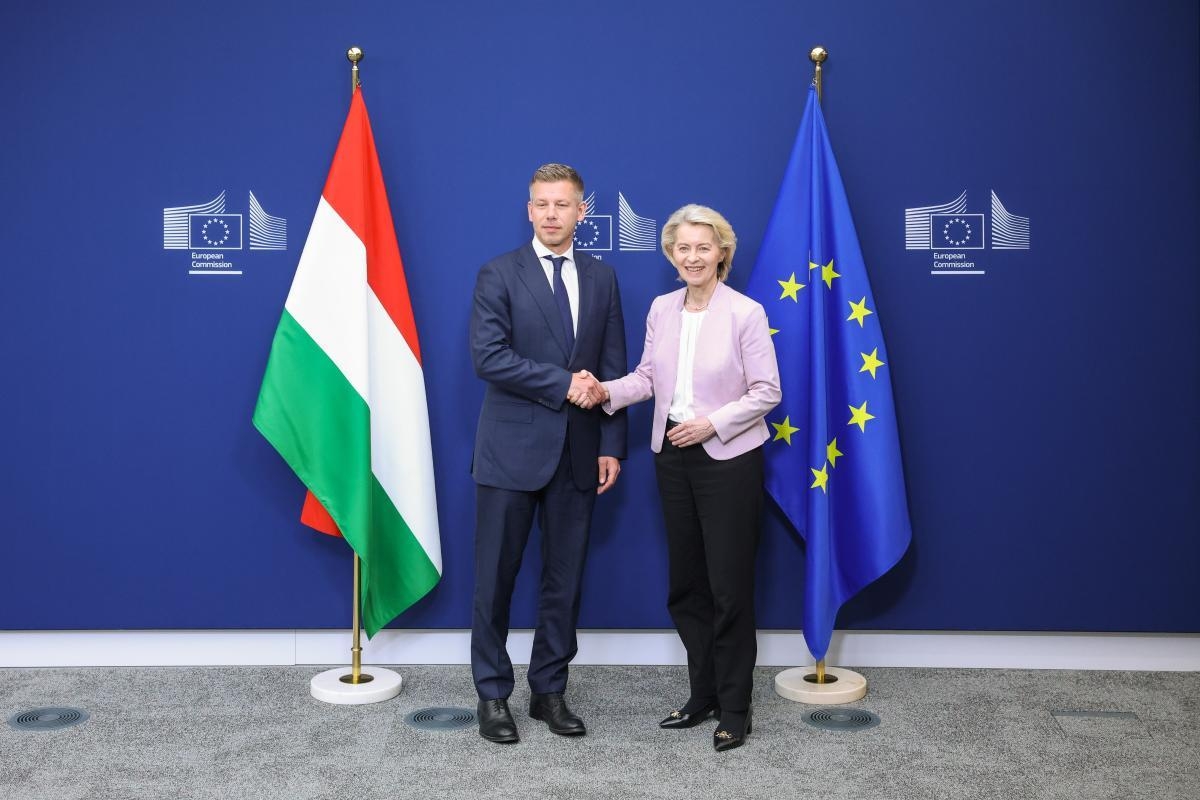
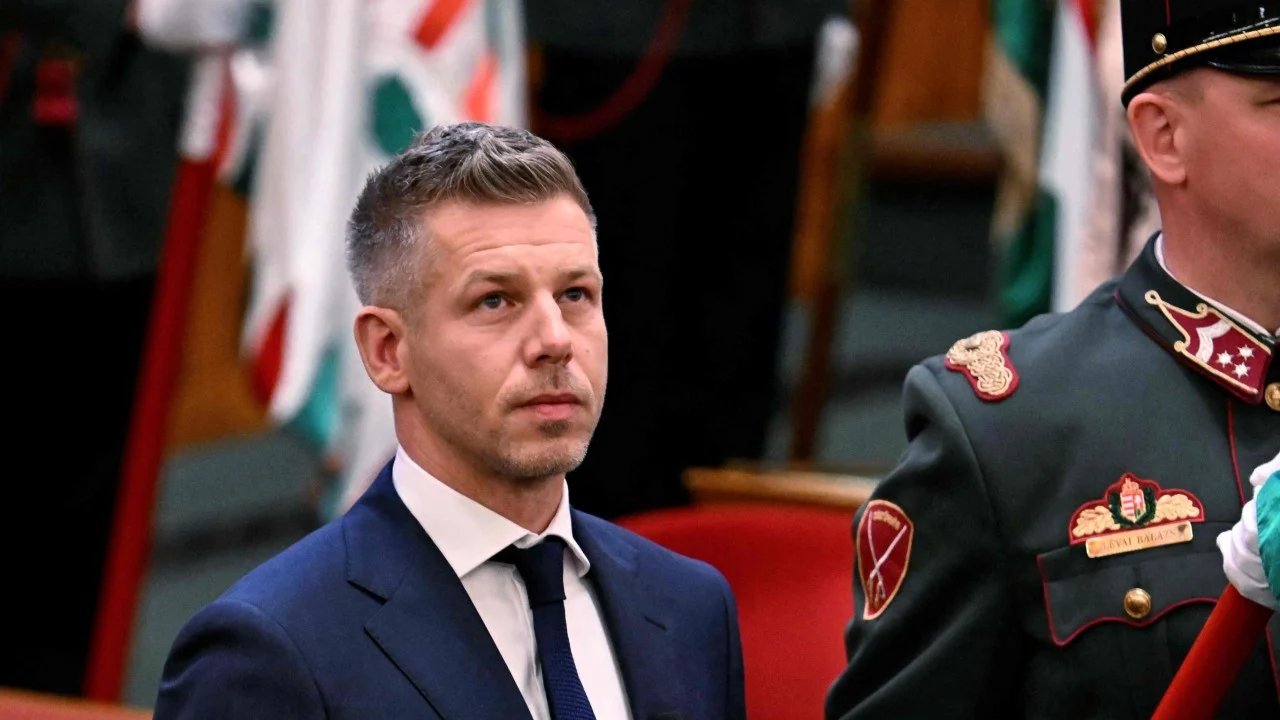
Tisza plans to tackle corruption and restore judicial independence upon taking power. The party aims to dismantle the system of patronage known as NER, which critics say enriched party loyalists. Hungary's new parliament will hold its first session on 9 May, allowing for a swift implementation of these changes. Magyar has committed to friendlier ties with Brussels and Kyiv, potentially easing economic strains from prior isolation.
Orbán intends to remain Fidesz leader and guide a process of "renewal" for the nationalist side. He will seek re-election at the party's June congress, building on his history of comebacks. In 2002, after a prior defeat, Orbán stepped back to rally his base and returned stronger.
Viktor Orbán announced he will not take up his seat in Hungary's parliament following his party's defeat in the election. In a video statement on social media, Orbán said, "I am now needed not in parliament, but in the reorganisation of the patriotic movement." This choice returns the parliamentary mandate he obtained as Fidesz's lead candidate. The decision affects Hungarian voters by shifting Orbán's influence from lawmaking to party rebuilding, potentially altering how domestic policies address corruption and living standards. Gergely Gulyás will lead Fidesz's parliamentary bloc starting Monday, marking a quick internal handover.
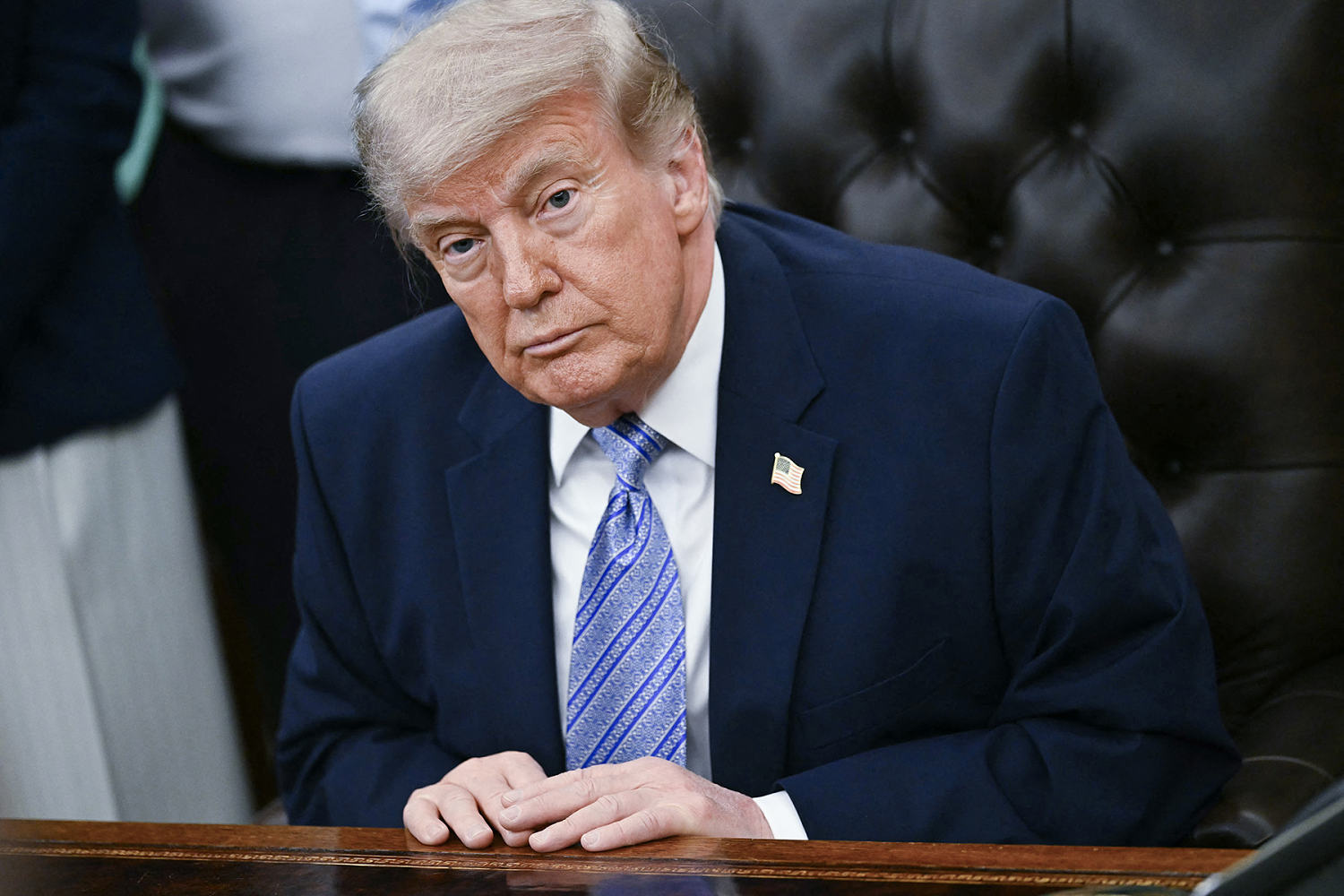
Fidesz lost 83 seats in the 199-seat parliament, dropping from 135 to 52 in the 12 April vote. Tisza, under Péter Magyar, captured more than a two-thirds majority, reshaping the legislature's balance. This result ends Orbán's 16-year tenure as prime minister and his unbroken 36 years in parliament since 1990. The shift impacts citizens through changes in representation, as Tisza's control could lead to new alliances and policies affecting daily life. Orbán's alignment with foreign leaders like US President Donald Trump and Russia's Vladimir Putin played a role in the campaign, with Tisza supporters chanting "Russians go home."
Voters turned away from Fidesz amid allegations of corruption and graft that eroded public trust. Living standards slipped during Orbán's rule, contributing to widespread dissatisfaction. The incoming prime minister, from Tisza, has pledged to address these issues by reversing Orbán-era reforms in education and health. These problems touch ordinary people through higher costs and reduced services, making the election a direct response to economic pressures. Magyar's background as a former Fidesz insider adds a personal layer to the defeat, highlighting internal divisions.
Tisza plans to tackle corruption and restore judicial independence upon taking power. The party aims to dismantle the system of patronage known as NER, which critics say enriched party loyalists. Hungary's new parliament will hold its first session on 9 May, allowing for a swift implementation of these changes. Such reforms could improve access to state resources and reduce favoritism, benefiting workers and families. Magyar has committed to friendlier ties with Brussels and Kyiv, potentially easing economic strains from prior isolation.
Orbán intends to remain Fidesz leader and guide a process of "renewal" for the nationalist side. He will seek re-election at the party's June congress, building on his history of comebacks. In 2002, after a prior defeat, Orbán stepped back to rally his base and returned stronger. This strategy might influence future elections, affecting political stability for voters. The focus on reorganization offers a human-scale consequence, as it could mobilize supporters and reshape opposition efforts in the coming months.
Highlighted text was flagged by the council. Tap to see feedback.