





Georgia Residents Face Surging Electric Bills
Carolyn Kayne in Atlanta keeps her 3,000-square-foot home cold, wearing a ski suit indoors to cut expenses. Kayne told CBS News she turned off her heat and water, confining herself to a small back apartment as her bills almost doubled in two years. Patty Durand of Georgians for Affordable Energy noted that the average customer bill rose from $150 to $225 a month, linking the increase to six rate hikes by Georgia Power in the last three years.
Data Center Boom Threatens Pennsylvania Towns
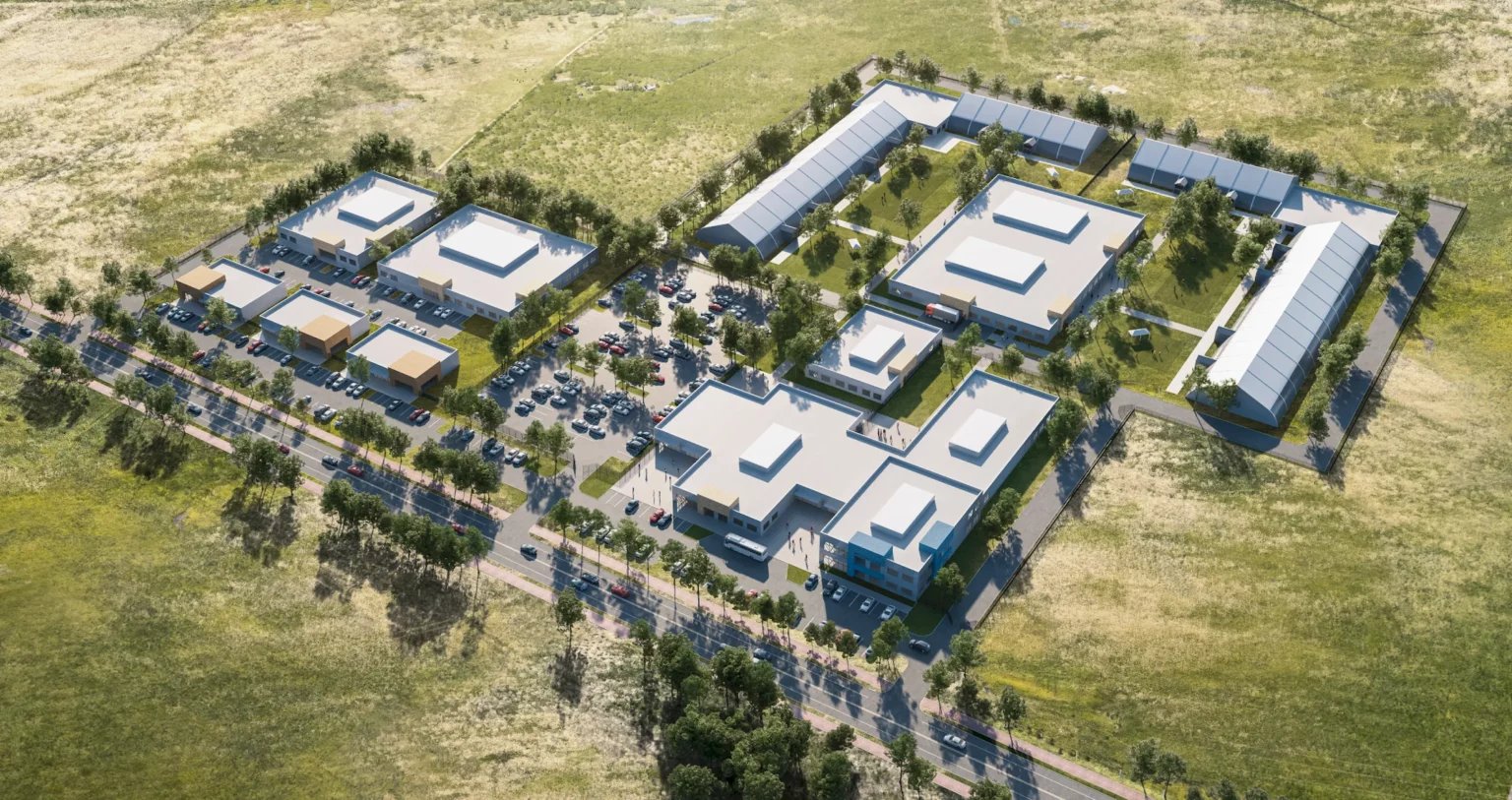
Developers plan to build six data center campuses in Archbald, a town of 7,000 people, covering 14 percent of its land, which is like adding 51 Walmarts in size. Residents in Archbald are fighting back against these expansions, which stem from growing AI demands.
Maine Governor Vetoes Data Center Pause
Gov. Janet Mills vetoed a bill that would have created the first state-level moratorium on hyperscale data centers, citing concerns about a specific project in Jay that promises 800 temporary jobs and 100 permanent ones. Mills stated in a statement that she agrees a moratorium is appropriate in theory but wants to avoid blocking that investment, instead ordering a study on the impacts of large-scale data centers. The Data Center Coalition praised the veto, arguing it keeps Maine open for business and allows local communities to decide on suitable projects.
Advocates Warn of National Energy Strain
A CBS News analysis shows data centers drove up utility bills in 13 states as AI use expands. A 2025 Bloomberg analysis determined that some Americans near these facilities are paying 267 percent more monthly than five years ago. Patty Durand warned that data centers will add billions of dollars to electricity costs in Georgia without better safeguards for residents. Georgia Power, through senior vice president Aaron Mitchell, asserted there is no risk that residential customers will bear these growth costs.
Consumer Fallout from AI Expansion
Environmental advocates like Mitch Jones of Food and Water Watch criticized moves like Mills' veto, pointing to rising electricity rates and community disruptions nationwide. Kayne's decision to consider giving up her home underscores the human toll, as families adapt to these unavoidable expense hikes.

The sources also report that twelve states are considering legislative moratoriums on data center construction, as noted by environmental advocates.































































































































































































































































































































































































































For example, the data center project in Jay, Maine, is expected to create 800 temporary jobs and 100 permanent jobs, which Gov. Janet Mills cited as a reason for her veto.