




Military adapts logistics to Middle East conflict
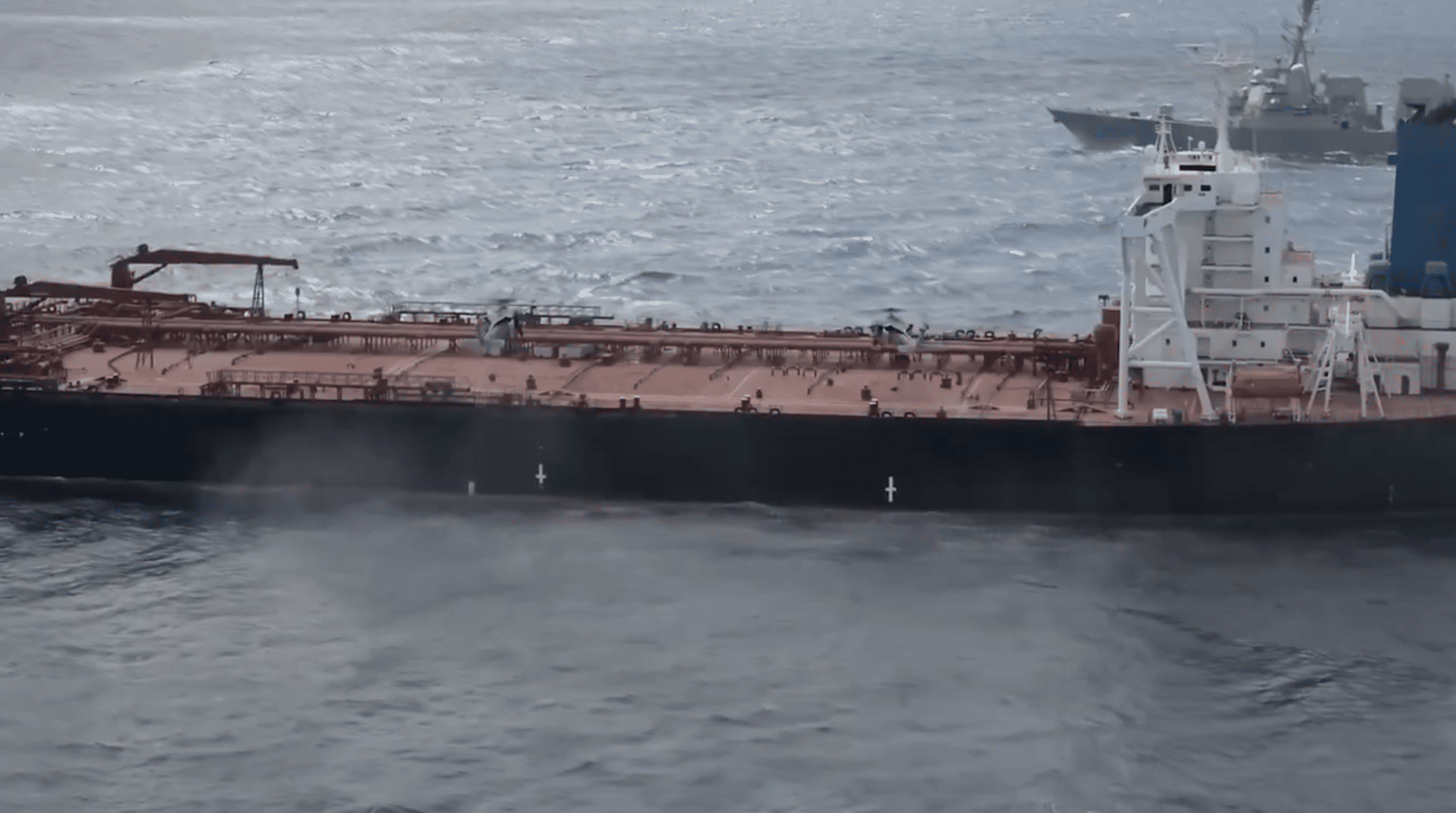
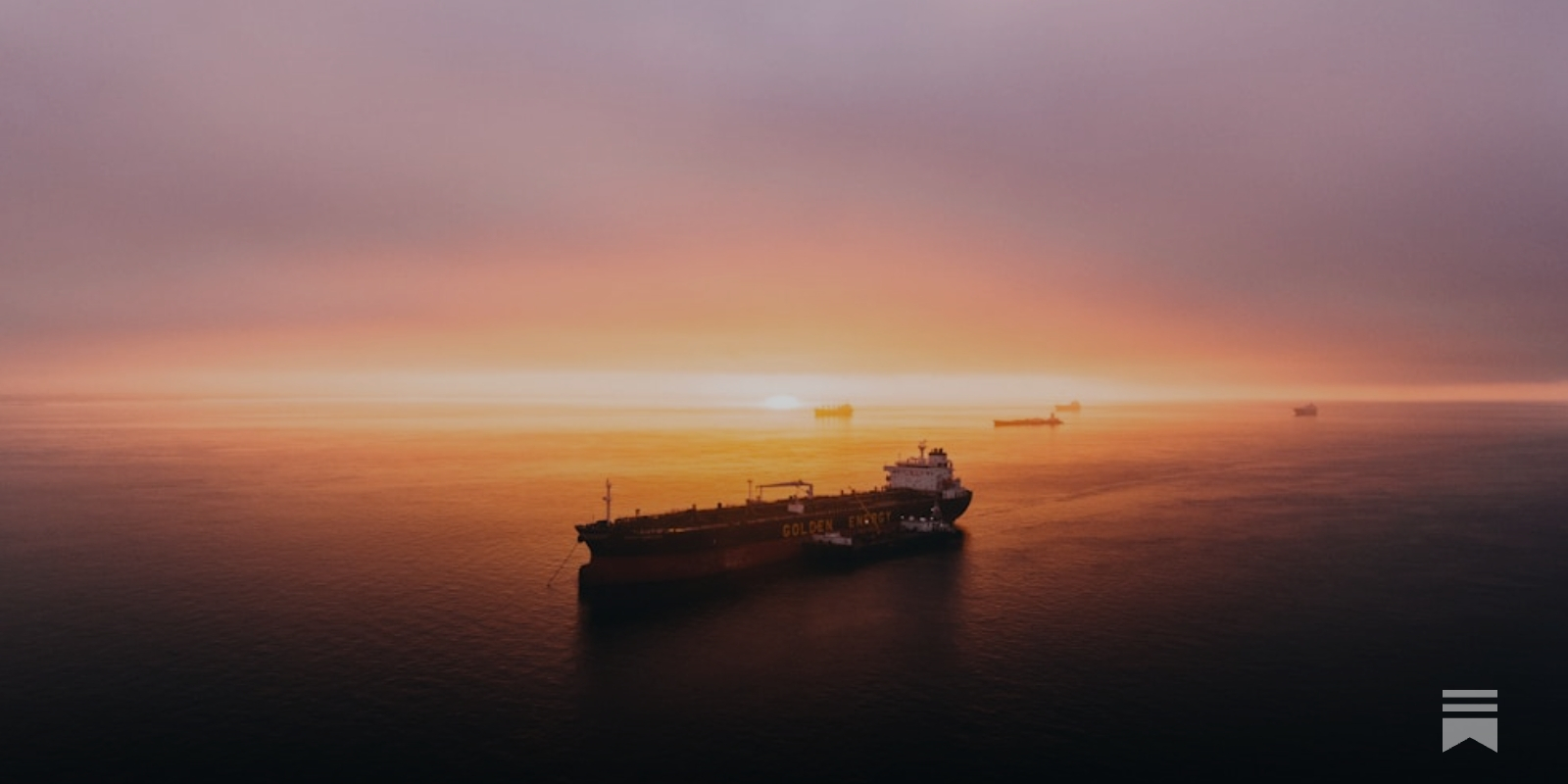
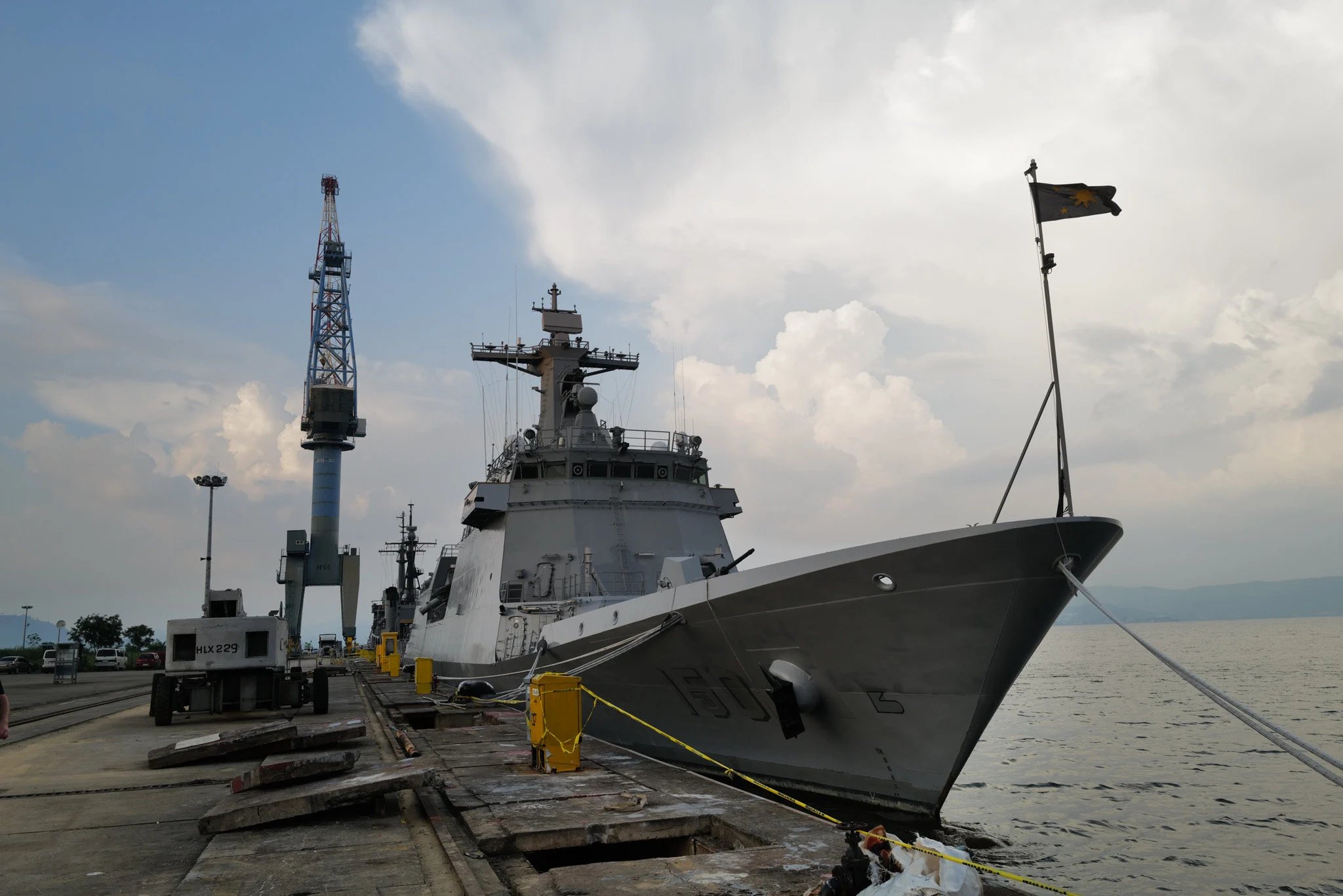
The US military is charting new supply routes across the Pacific Ocean to deliver jet fuel to strategic bases in Japan and the Philippines, a shift driven by the war in Iran and the closure of the Strait of Hormuz. A tender issued Thursday sought offers to ship 235,000 barrels of jet fuel from Cherry Point in Blaine, Washington, where BP operates a refinery, to Subic Bay in the Philippines. The cargo is scheduled to depart in early June. A second request covers 260,000 barrels of military-grade jet fuel or diesel from the same Washington facility to the Yokose area of Sasebo, Japan, for voyages in May and June. Yokose wharf serves US Navy ships.
These shipments reflect a growing pattern of American fuel heading to regions that historically depended on Middle East supplies. The Asia-Pacific region has been particularly affected because of its reliance on crude and fuel flows from the Strait of Hormuz, which the Middle East conflict has constrained.
A spokesperson for US Transportation Command, which oversees bulk-fuel management and delivery for the military, declined to confirm the proposals. The military frequently uses different routes for purposes including testing new pathways and reaching specific drop-off locations, the spokesperson said. BP declined to comment on trading or shipping movements.
Commercial airlines cancel thousands of flights
The fuel shortage extends beyond military operations to the commercial aviation industry, where airlines worldwide are canceling flights as jet fuel supplies tighten and prices rise. Lufthansa Group announced this week that it is cutting 20,000 short-haul flights across its network through October. The timing amplifies disruption as summer travel demand increases and major events such as the World Cup approach.
Eric Napoli, chief legal officer at AirHelp, said these pressures arrive when airports face additional strain from peak-season travel. Lufthansa Group announced this week it is cutting 20,000 short-haul flights through October, giving passengers days or weeks' notice—more time than weather-related disruptions typically allow.
Passenger protections vary by region
Travelers' rights depend heavily on where they depart. In the US, if a flight is canceled and a passenger chooses not to travel, the airline must refund the airfare and any unused extras such as baggage fees or seat upgrades, regardless of the stated reason. Airlines may offer travel credits instead, but full refunds are the legal baseline.
Europe offers stronger protections, including compensation in certain cases that apply to any flight departing from an EU airport regardless of the airline. The United Kingdom maintains a similar framework. Policies vary widely across Asia, where travelers may rely more on airline policies than formal regulations. The Montreal Convention governs airline liability across more than 140 countries, but specific consumer protection laws differ by jurisdiction.
Napoli cautioned that fuel shortages do not automatically waive passenger rights under EU law. Airlines in the European Union retain a "duty of care" requiring them to provide necessary support such as rebooking, even when citing fuel shortages as the reason for cancellations.
Steps to navigate disruptions
Passengers should book flights earlier in the day to maximize rebooking options if cancellations occur. Setting up flight alerts through tracking apps such as Flighty can provide early notice before airlines announce changes. Checking nearby airports as backup options and booking directly with airlines rather than through third-party sites makes resolution easier.
Documentation proves critical. Travelers should save boarding passes, receipts, cancellation notices and all airline communications, including screenshots of app updates and notes from phone calls. Requesting written confirmation from the airline of a flight disruption, including the stated reason, protects passengers' ability to claim compensation or refunds later.